29 Things Found Inside Walls During Renovations That Were Worth a Small Fortune
There is a specific kind of silence that falls over a renovation site when something unexpected appears in a wall. The work stops, someone calls the others over, and everyone stares at whatever has emerged from behind the drywall or lath or brick that was just supposed to be the first thing out of the way.
It might be a tin box. It might be a wrapped bundle.
It might be something that doesn’t immediately make sense at all.
Old homes keep secrets in ways that new construction doesn’t. The people who built houses fifty, a hundred, or two hundred years ago had different relationships with banks, with security, and with the idea that the house itself was a reliable repository.
They hid things in walls for reasons that seemed sensible at the time and then forgot, or died, or simply stopped telling people where things were. Whatever their reason, the objects they left behind have been waiting ever since for a contractor to pick up a sledgehammer.
$2 Million In Cash And 50 Gold Bars

A man in New South Wales, Australia, renovating a recently purchased home demolished a wall and discovered approximately 50 gold bars, each weighing about one pound, along with $2 million in cash. He reported the find to police, citing integrity over personal gain — which set off a legal process to determine the rightful ownership of the treasure.
The wall that concealed it looked no different from any other wall in the house.
Action Comics No. 1 Used As Insulation

In 2013, a contractor renovating a house in Minnesota found an Action Comics No. 1 from 1938 — the first appearance of Superman — used along with old newspapers as insulation material. The comic sold at auction for $175,000.
It was one of approximately 100 copies known to exist.
$500,000 In Cash-Filled Ammunition Cans

A Pennsylvania family sold a house after believing they had discovered all their late father’s hidden valuables. The new owners hired contractors for repairs, who found cash-filled ammunition cans inside the walls worth $500,000.
Ownership became disputed and was eventually settled in court.
$51,000 In A Kitchen Island Safe

A couple renovating a kitchen dismantled an old kitchen island and discovered a safe containing a bingo card, a vintage bottle of liquor, a mysterious blue book, and $51,000 in cash. The liquor and bingo card have no obvious connection to the cash, which is part of what makes the find so genuinely peculiar.
Gold Coins Worth $800,000

A couple in the UK discovered rare gold coins dating from 1610 to 1727 hidden inside the walls of their home. Originally expected to bring $288,000 at auction, they sold for just over $800,000.
$45,000 In Depression-Era Cash

A homeowner found boxes containing $20, $50, and $100 bills wrapped in old paper, along with a gold certificate and star notes — misprinted currency that carries additional collector value. The total came to $45,000, which paid for the entire renovation project.
$23,000 In Bills From 1951

Workers found $23,000 in cash that had been hidden in 1951. The total face value of $23,000 was the floor, not the ceiling, of what the find was worth — 1951-dated Federal Reserve notes with star designations or printing errors carry numismatic premiums above face value.
A Rare First Edition Of Robert Burns

In 1926, a Scottish farmer thrust his shears into a pit high up in a wall and discovered a first edition of Robert Burns’ poems. A first edition of Burns’ 1786 Kilmarnock edition — one of 612 copies printed — is one of the most celebrated books in Scottish literary history.
Clean copies in good condition have sold for hundreds of thousands of pounds.
1,600 Baseball Cards

A woman renovating a home in Boise, Idaho, found 1,600 baseball cards inside the walls. A 1952 Topps Mickey Mantle in near-mint condition sells for $500,000 or more.
The Boise climate is relatively dry, which is favorable for paper preservation.
Gold Chains Left By A Previous Owner

A man renovating an old farmhouse in upstate New York tore out a wall to discover a collection of gold chains. Almost immediately, a car drove up the driveway and the occupants took possession of everything except one chain they allowed the renovators to keep.
Turns out the homeowner had connections that made the recovery of hidden property a matter of personal priority.
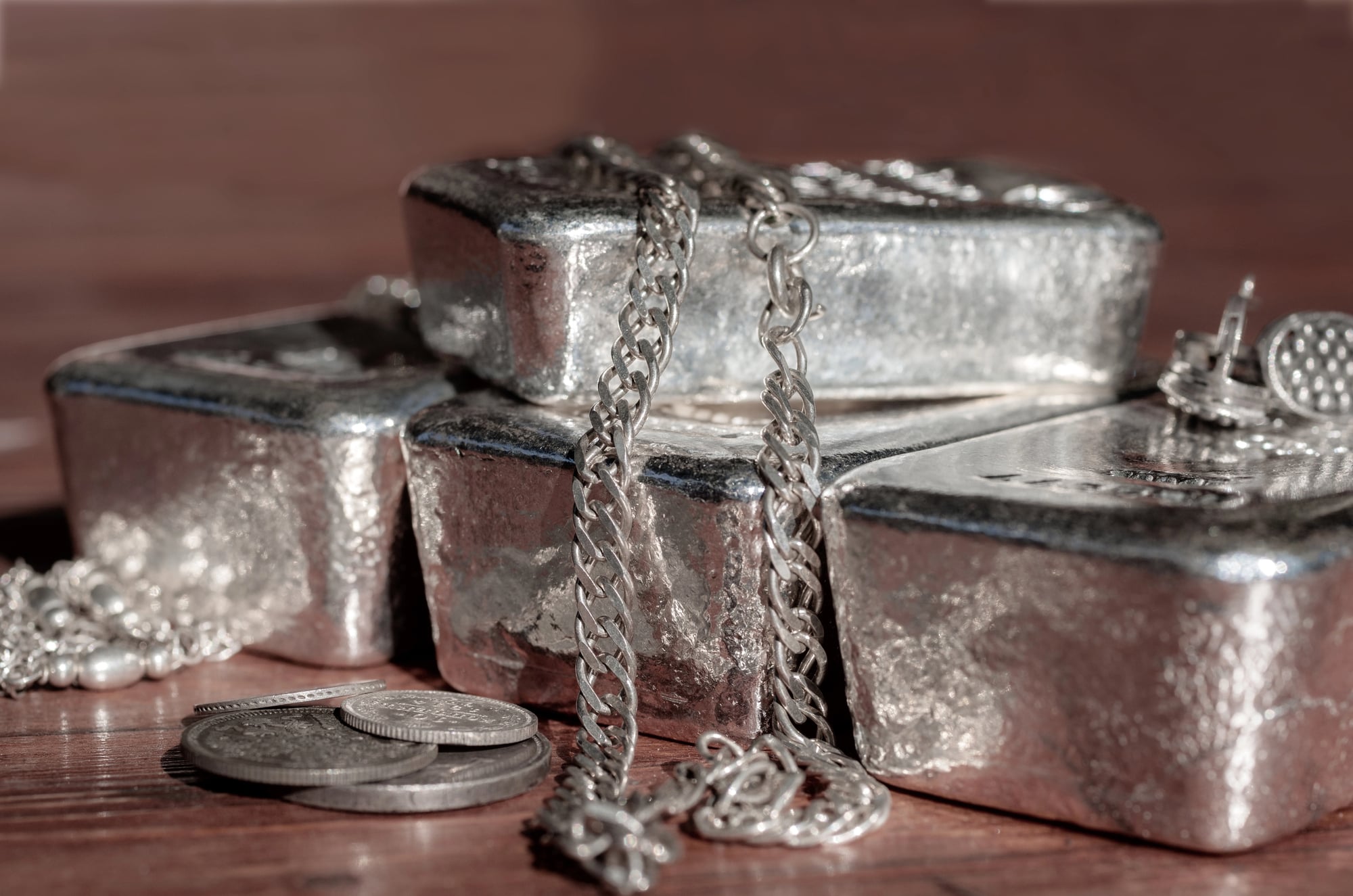
Gold And Silver Bars Funding A Full Renovation

A renovation team found a calendar from the early 1800s and a stash of small gold and silver bars, each weighing a few ounces. The homeowners used the find to pay for the entire renovation budget — suggesting the value was considerable relative to the scope of a full residential renovation project.
$182,000 In Cash (And A Lawsuit)

A renovation discovery of $182,000 in cash inside the walls of a home led directly to litigation between the contractor who found it and the homeowner who owned the property. The legal question of who owns items discovered during renovation is not definitively settled and varies by jurisdiction.
$700 In Gold And $100 In Coins

Two brothers renovating their Kansas home found $700 in gold and $100 in coins hidden inside a wall in a tin can. The gold coins — assuming they were pre-1933 American gold pieces — have since acquired additional numismatic and bullion value beyond their original face amount.
World War II-Era Newspapers

Walls insulated with newspaper in the 1930s and 1940s sometimes contain perfectly preserved copies of publications from some of the most significant periods in American history. Papers from D-Day, VE Day, the attack on Pearl Harbor, and the end of the war in the Pacific are the most sought after by collectors, selling for $10 to $100 per issue.
Love Letters From World War I

Homeowners renovating a house built in 1920 found 31 love letters written by the home’s builder while he was serving in Europe during World War I — apparently placed in the wall deliberately as a time capsule by the soldier who built the house on his return. Original World War I letters from American soldiers sell for $50 to $500 individually depending on content and origin.
A Vintage 200-Year-Old Pair Of Slippers
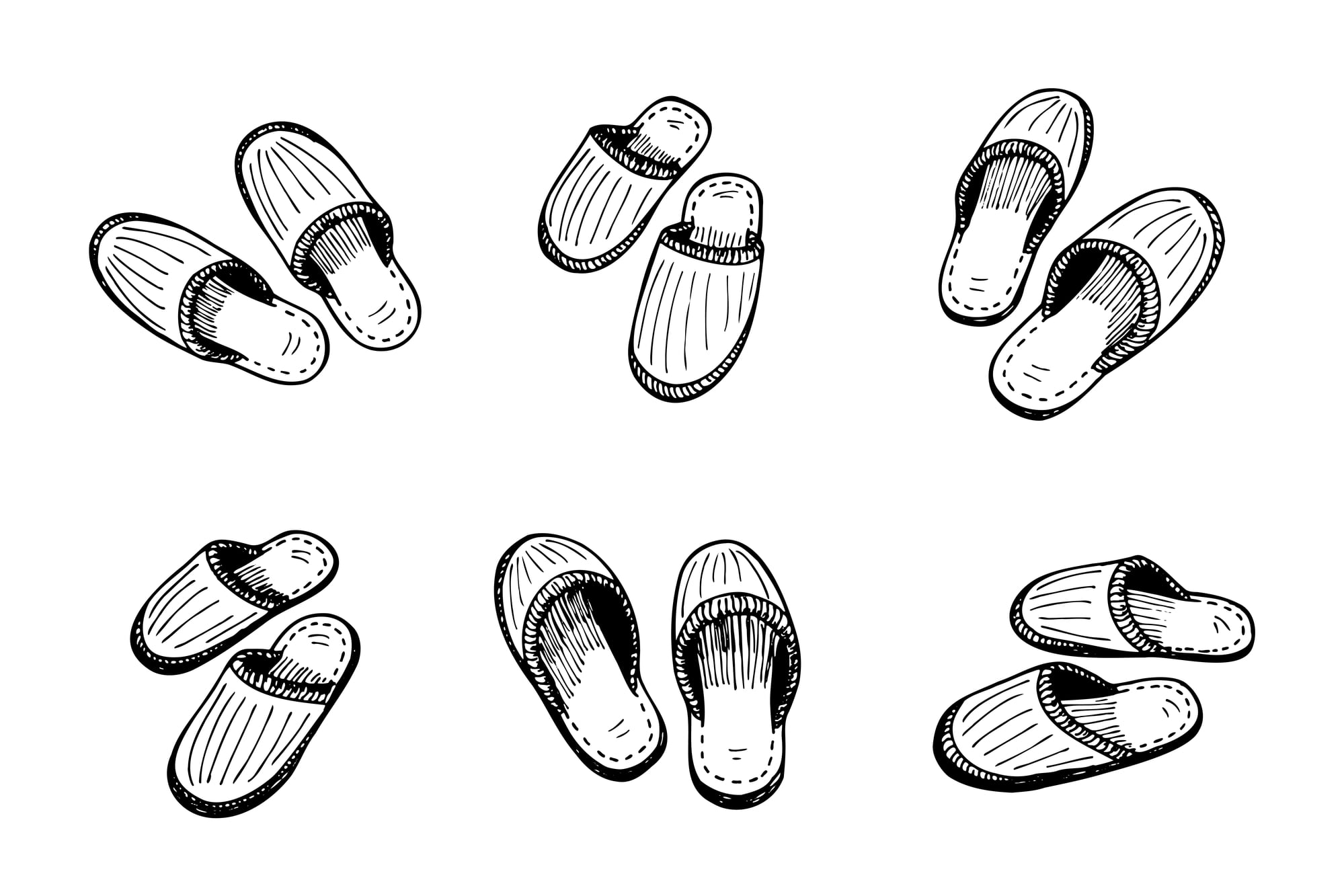
In 1956, workers found a pair of slippers and three cobblers’ lasts inside the wall of a house in England. The slippers turned out to be nearly 200 years old.
Intentionally walled-in shoes are a documented folk practice in Britain and Europe — placed inside walls as protective charms during construction, a tradition that persisted from the medieval period through the 18th century.
A Time Capsule From An 1870s Victorian Home
A Houzz community member renovating a 150-year-old Victorian found a wooden box inside a wall containing the original blueprints, some of the tools used in its construction, and receipts for supplies from the 1870s. Understanding the original construction through its original documents can save significant amounts in diagnostic work during a renovation.
Ancient Roman Coins
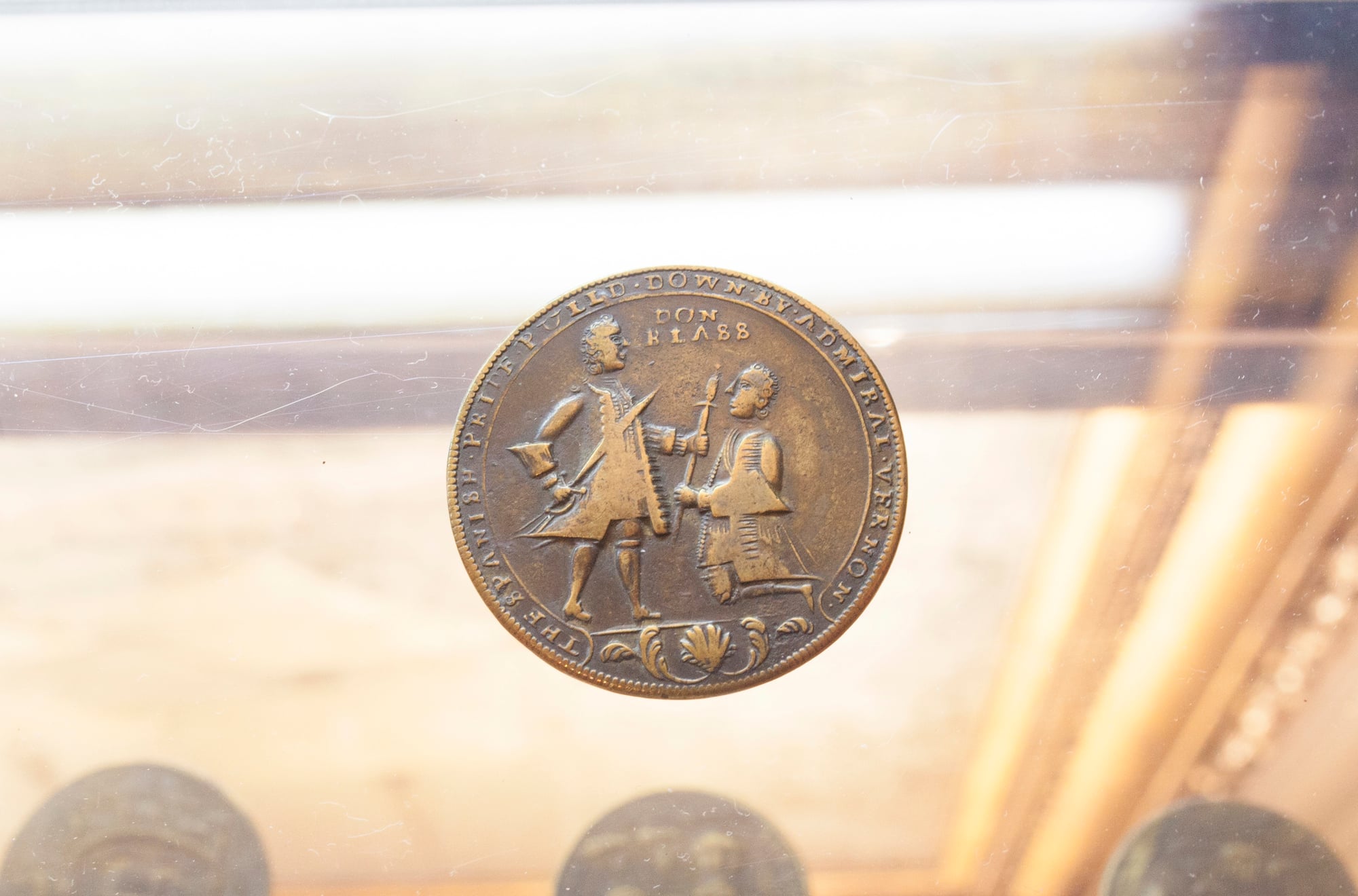
In Europe, renovation projects that break ground in areas with Roman settlement history regularly produce coin finds. A Roman denarius in fine condition sells for $30 to $200 depending on emperor and condition.
A hoard of multiple coins found together is subject to treasure laws in the UK and other European jurisdictions.
An 1895 Bottle Of Bourbon

The Prohibition era created strong incentives for Americans to hide quality alcohol inside their homes. An unopened pre-Prohibition bottle of Kentucky straight bourbon whiskey from a recognized distillery in excellent condition sells for $1,000 to $5,000 as a collectible at spirits auction.
A Confederate Revolver

A documented Confederate-production revolver in fair-to-good condition sells for $5,000 to $30,000 depending on manufacturer, model, and documentation. Confederate-made firearms are among the rarest categories of American militaria because Southern manufacturing was limited in capacity and surviving examples are scarce.
Bundles Of Pre-War Currency
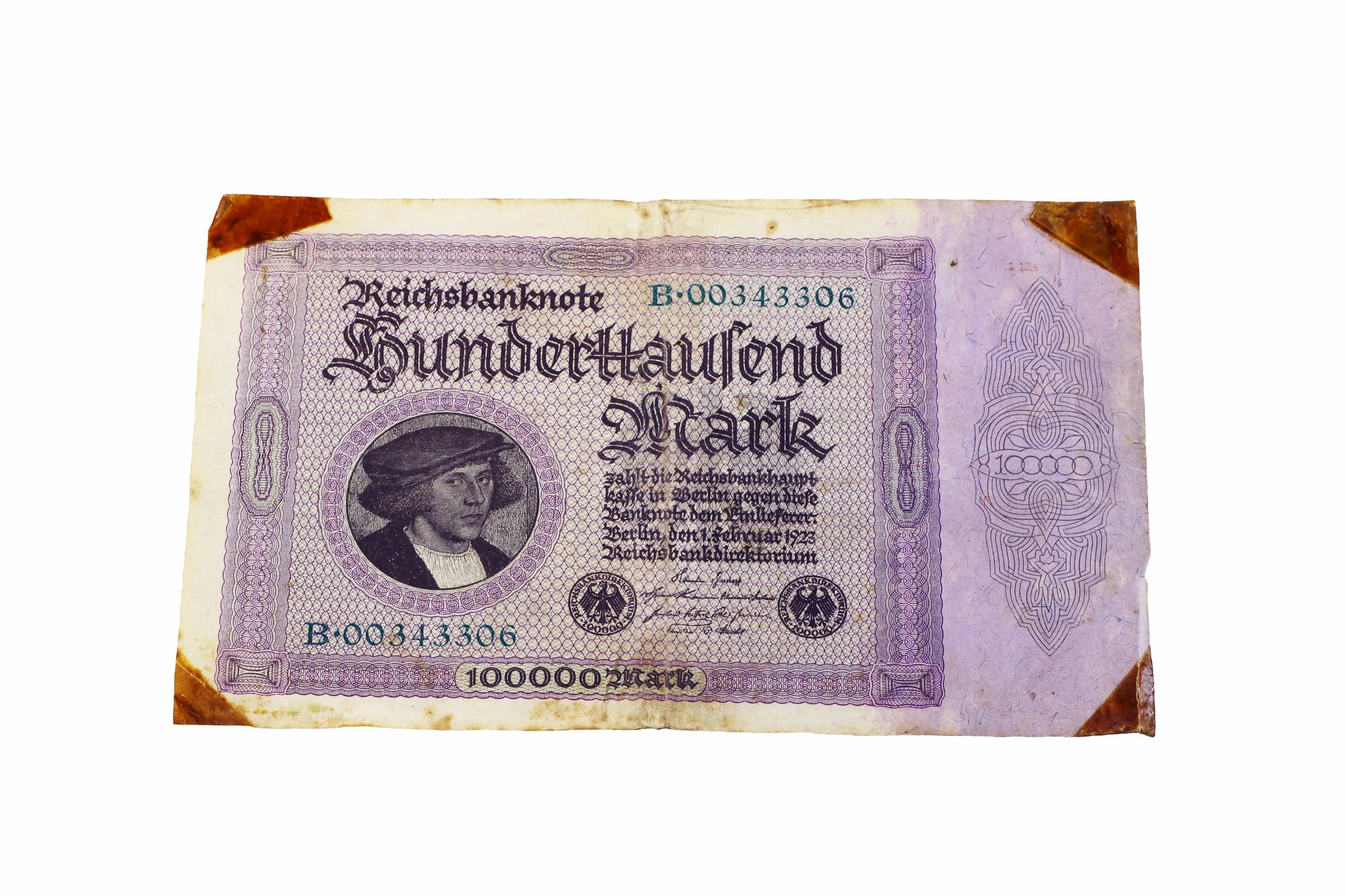
Gold certificates — paper notes that could once be exchanged for gold — sell for $100 to $1,500 depending on denomination and condition. Large-denomination pre-1969 bills ($500, $1,000) also sell at significant premiums to face value among currency collectors.
A Saxon Gold Hoard

In the UK, where homeowners and their contractors are required by law to report treasure finds to local authorities, significant archaeological discoveries have been made during domestic renovations. Finders receive financial compensation.
The Sutton Hoo visitor center houses materials that began their recovery through exactly this process.
Victorian Mourning Jewelry

A well-preserved jet mourning brooch in a decorated gold setting from the 1860s sells for $200 to $800. Complete mourning parures in excellent condition bring $1,000 to $4,000.
They look like dark decorative jewelry to most people who find them.
Antique Medical Equipment

Antique surgical sets in their original fitted cases from the Civil War era sell for $500 to $3,000 depending on completeness and condition. The equipment looks alarming before it looks valuable.
A Collection Of Presidential-Signed Documents

An Ohio homeowner renovating a wall found several documents signed by US presidents. A signed document from Abraham Lincoln sells for $5,000 to $50,000 depending on content and condition.
Their discovery inside a domestic wall is an outcome that the documents’ original owners clearly didn’t anticipate.
Vintage Wine Sealed In Prohibition-Era Storage
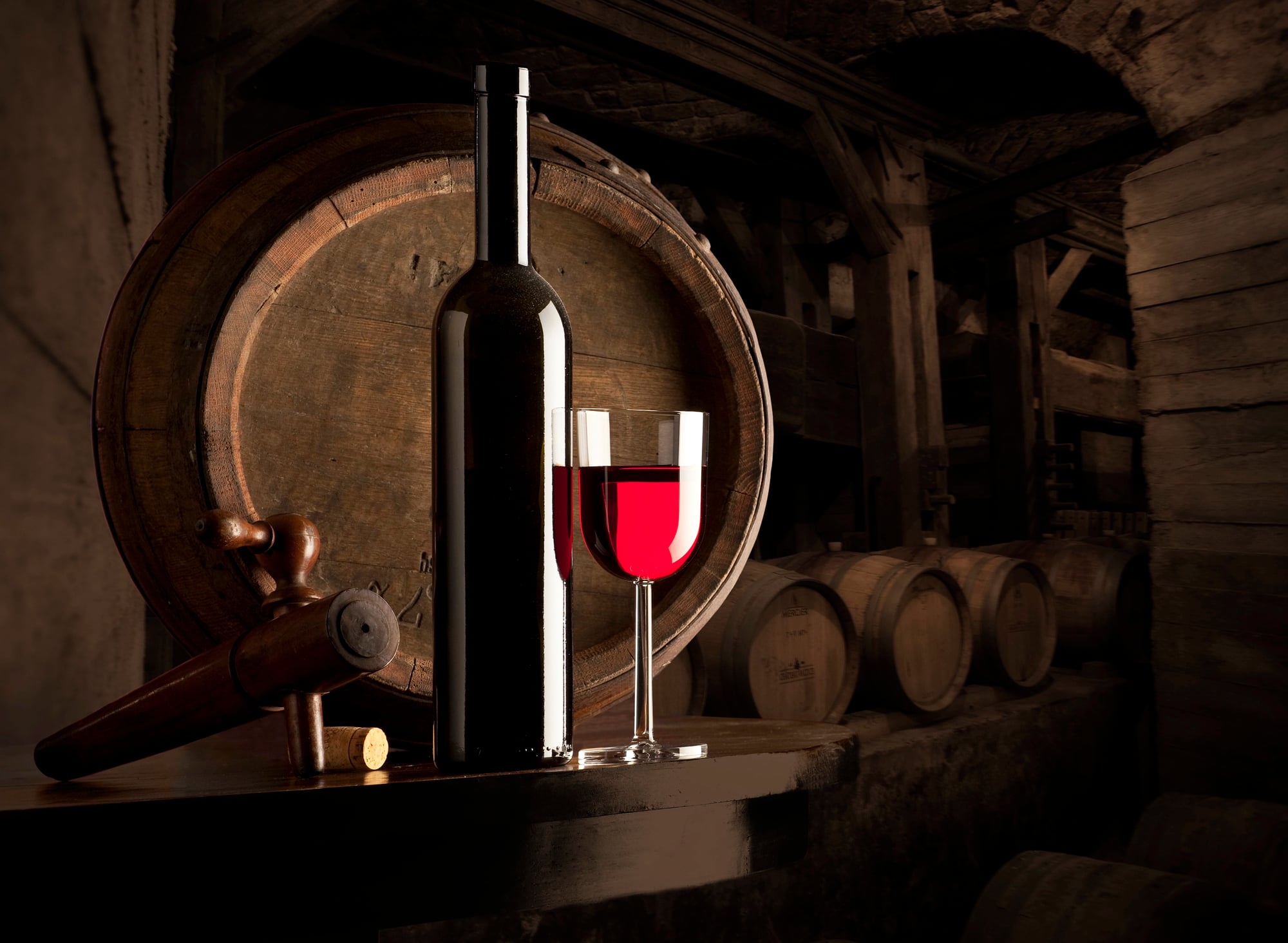
A sealed case of pre-Prohibition Bordeaux from a recognized estate in good condition has sold for thousands of dollars at spirits auction. The regulatory environment during Prohibition created remarkable storage creativity among people who simply didn’t want to give up their cellars.
Original Architect’s Blueprints And Construction Records

Original drawings by a significant American architect — Frank Lloyd Wright, Louis Sullivan, Greene and Greene — would be worth thousands to tens of thousands at architectural drawing auction. Their presence inside a wall is only discoverable when the wall comes down.
A Collection Of Old Medicines And Patent Remedies
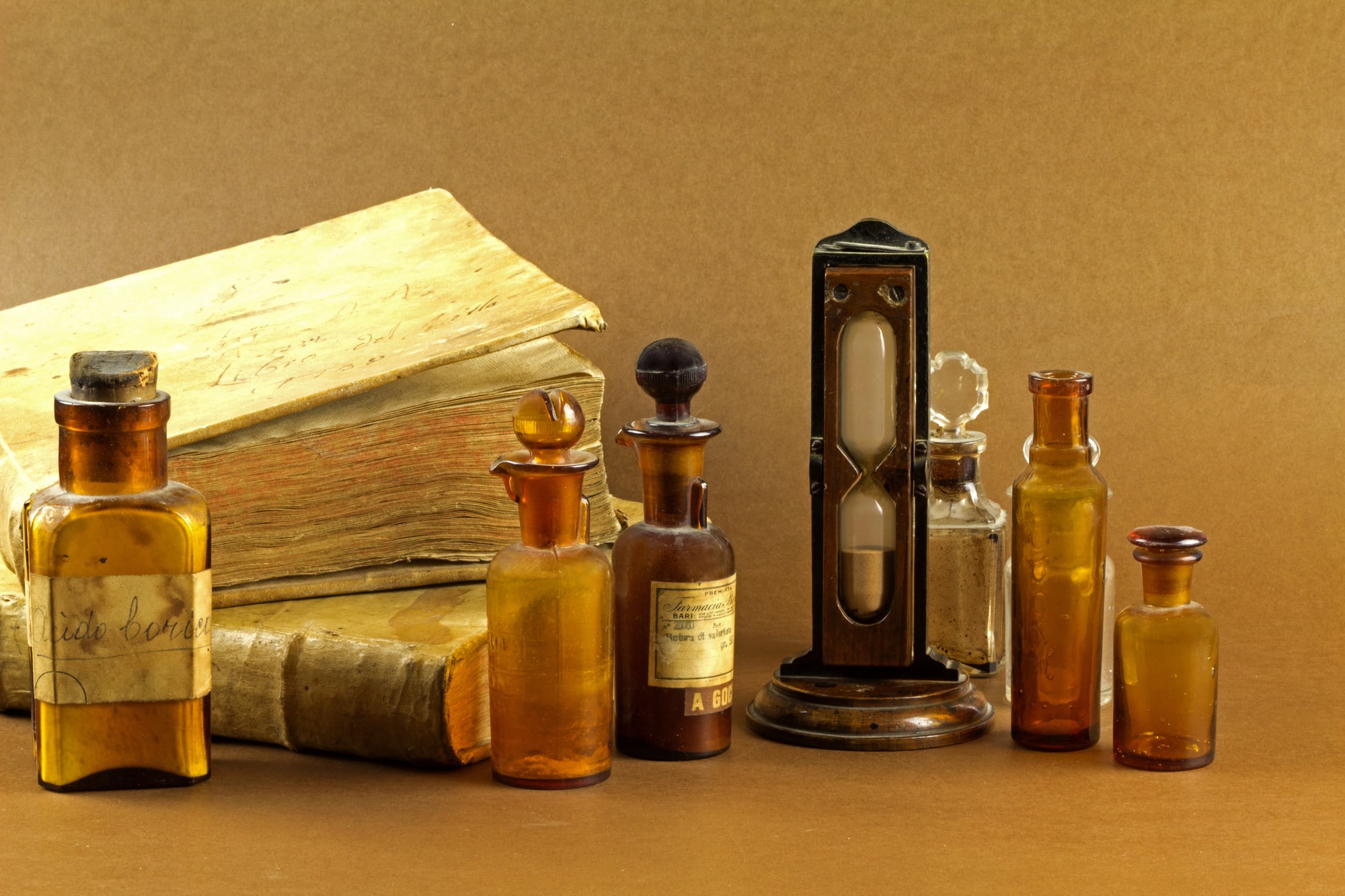
Early 20th-century patent medicine bottles — particularly those with original paper labels in excellent condition — sell for $20 to $200 each. Larger collections including unusual labels, rare pharmaceutical brands, or pre-Prohibition medicinal alcohol in original bottles represent an unusual specialist category with consistent collector demand.
A Sealed Bottle Of Honey

In 1910 in San Bernardino, California, a “cave of honey” — three hundred pounds of honeycomb — was discovered inside the walls of a building during renovation. Honey does not spoil if properly sealed.
The discovery confirmed the principle that walls accumulate things that were neither placed there deliberately nor expected to be found.
What Gets Hidden Says Something About The People Who Hid It
The objects found in walls across the past two centuries tell an oblique story about human anxiety — specifically, anxiety about banks, governments, theft, and the unpredictability of life. Cash in ammunition cans says that someone didn’t trust financial institutions during a period when that distrust was reasonable.
Gold in walls in New South Wales says that someone accumulated physical wealth deliberately and off the record. Confederate revolvers in walls say that someone survived a war and preferred to forget certain things existed.
What nobody planned for was the renovation. The wall that felt permanent and private turned out to have a finite lifespan, and whatever was behind it was going to be found eventually by someone who had no context for its presence and no obligation to feel anything about it.
That’s how a tin can of gold coins becomes a legal dispute, how an Action Comics No. 1 becomes insulation, and how a cache of cash becomes someone else’s renovation budget.
More from Go2Tutors!

- The Romanov Crown Jewels and Their Tragic Fate
- 13 Historical Mysteries That Science Still Can’t Solve
- Famous Hoaxes That Fooled the World for Years
- 15 Child Stars with Tragic Adult Lives
- 16 Famous Jewelry Pieces in History
Like Go2Tutors’s content? Follow us on MSN.