29 Weekend Rituals from the ’80s That the Whole Family Followed
The 1980s structured weekends around activities and rhythms that now seem almost ceremonial. Families moved through their Saturdays and Sundays with predictable patterns—not because they were forced to, but because the infrastructure of the decade required it.
There was no streaming option, no phone to check, no endless possibility of solitary entertainment. The family did things together or people did things separately in ways that didn’t require coordination.
These weren’t quaint traditions chosen for their charm. They were the default because no alternatives existed.
The weekend rituals of the 1980s arose from the technology available, the stores that were open, and the entertainment options that existed. They were so ordinary at the time that nobody noticed they were creating a specific culture.
Now they’re completely gone.
Saturday Morning Cartoons
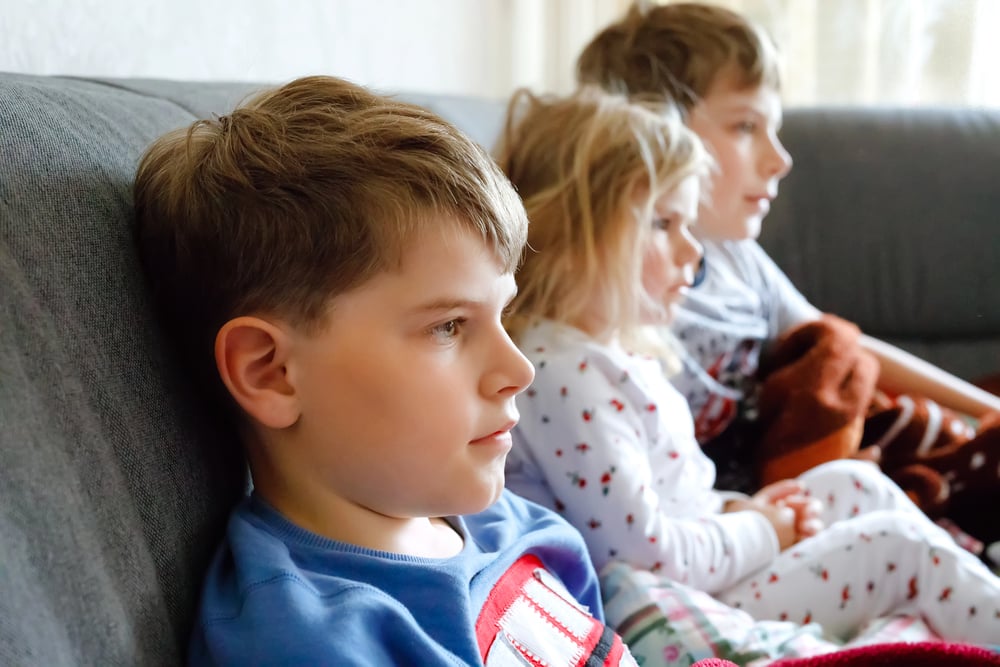
Watching animated shows on network television Saturday mornings was non-negotiable family time. Kids woke early; parents used the time to accomplish household tasks.
The shows aired at set times; you either watched them then or missed them. Building your entire morning around this schedule was standard.
By Monday morning it was all over for a week.
The Weekly Blockbuster Video Rental

Friday evening meant driving to the video rental store, where the entire family would browse the limited selection of available films. Rentals were restricted to overnight (usually) with late fees for keeping them too long.
The selection was curated by what the store chose to stock. Returning the film unopened if you decided not to watch it was pointless—the rental fee was already spent.
Renting Video Games

Video rental stores also rented games, allowing families to try titles without purchasing them. Rentals cost a few dollars for a single weekend.
The pool of available games was limited by what was in stock. Missing out on a title meant waiting until it cycled back to availability or hoping to find it elsewhere.
Sunday Dinner as Sacred Time

Sunday dinner was family-gathered-at-one-table time. Recipes were traditional, timing mattered, and the meal couldn’t happen without all participants.
This wasn’t optional; it was the structural anchor of the week. Food took hours to prepare, and everyone ate together at approximately the same time, seated, with limited screen distraction.
After-Dinner Television as Entertainment

Following Sunday dinner, the family gathered around the television to watch network programming. The schedule was fixed; you watched what was broadcast at that time or missed it.
Channel changing was often done via a person walking to the TV, not a remote control. Dinner conversation could be suspended for whatever aired at 8 PM on a Sunday evening.
Breakfast Cereal Shopping Ritual

Saturday morning grocery shopping with the entire family involved multiple trips to different stores. The cereal aisle offered limited options compared to today; every choice actually mattered.
Kids had input about which cereals entered the house. The selection for the next week was established through this Saturday shopping expedition.
Video Store Membership Card Acquisition

Getting a membership card to your local video rental store was a rite of passage. The card was required for renting; without it, you couldn’t access the system.
New members had to provide personal information; the relationship between renter and store was tracked and personalized in ways unique to the era.
Penny Arcade or Bowling Alley Outings

Weekend family recreation often involved driving to arcades where kids played video games for quarters or visiting bowling alleys where lanes could be reserved. These weren’t elaborate entertainment destinations; they were simple, neighborhood facilities that required driving to but offered concentrated family time away from home.
Church Services Without Optional Attendance
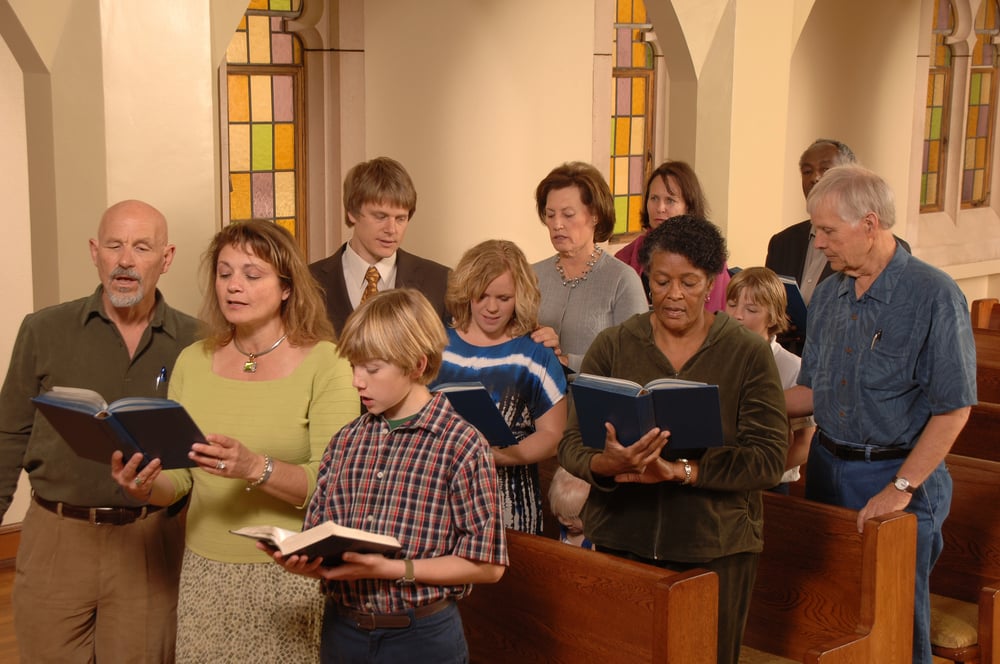
For many families, Sunday morning church attendance was non-negotiable. Everyone dressed formally; everyone attended.
Skipping required a legitimate excuse. The routine was set in calendar and habit; deviation required parental intervention or permission.
Window Shopping on Downtown Streets

Before malls became the only shopping destination, families would walk through downtown business districts on weekends, browsing window displays of department stores and specialty shops. This cost nothing and provided entertainment.
The activity was inherently social and required being physically present in a specific location.
Visiting Relatives as Weekend Activity

Weekend driving to visit grandparents, aunts, uncles, or cousins was standard ritual. This took hours; it was non-optional in many families; it structured the entire day.
Declining required family negotiation. The activity was undertaken regularly, creating predictable family rhythms.
Saturday Afternoon Sports as Parental Obligation

Kids’ sports practices and games happened on Saturday mornings and afternoons. One or both parents attended.
These weren’t optional; they created family schedules around them. Siblings attended to watch other siblings compete.
The entire family was involved in the activity.
Laundry Day as Scheduled Event
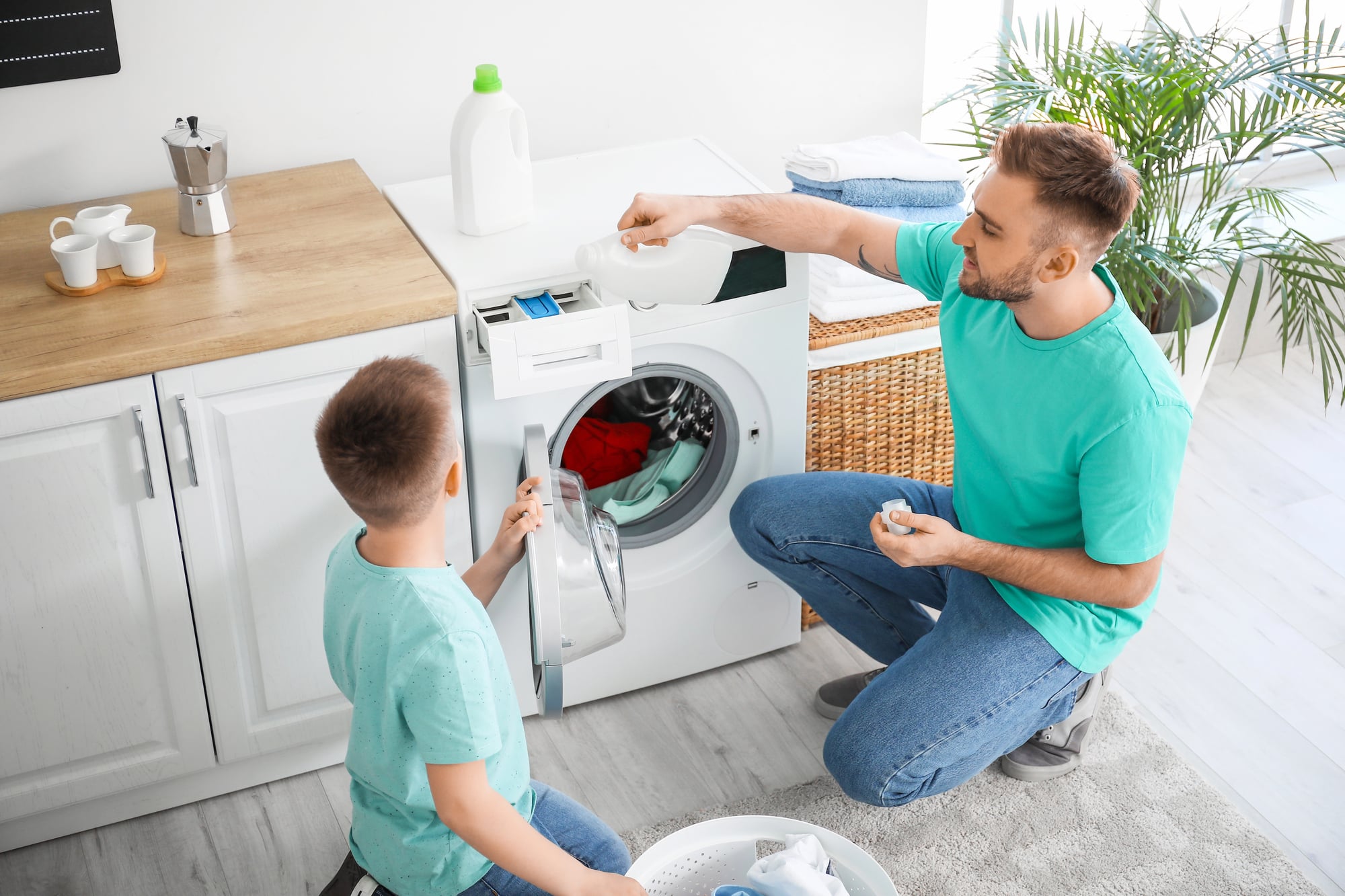
Laundry happened on a specific day, usually Saturday or Sunday. It was time-intensive; it took hours and required active attention.
The washer and dryer were limited resources; loads had to wait for previous loads to finish. This created a full afternoon of activity.
Yard Work as Family Participation

Lawn care happened on weekends. Kids were drafted to help.
The work was labor-intensive and took considerable time. No formal landscaping services existed for average families; the yard work fell to household members.
This was not optional for houses with property.
Television Guide Consultation

Planning which television shows to watch required consulting the printed TV guide, which listed all programming for the entire week. People would mark shows with pen, creating a viewing plan.
This guided household media consumption; watching spontaneously required luck or channel surfing.
AM Radio Listening During Drives

Driving in cars meant listening to AM radio, though FM stations became standard equipment in most vehicles by the 1980s. Talk radio, news, and music were broadcast at set times.
You heard what was on when you were driving; choosing wasn’t possible.
Waiting for Friday Night Movies

Network television broadcast movies on Friday nights. Families gathered to watch whatever film was selected by programmers.
The selection wasn’t chosen; the time was the only variable. Watching required planning your Friday evening around the broadcast time.
Playing Board Games Without Pressure
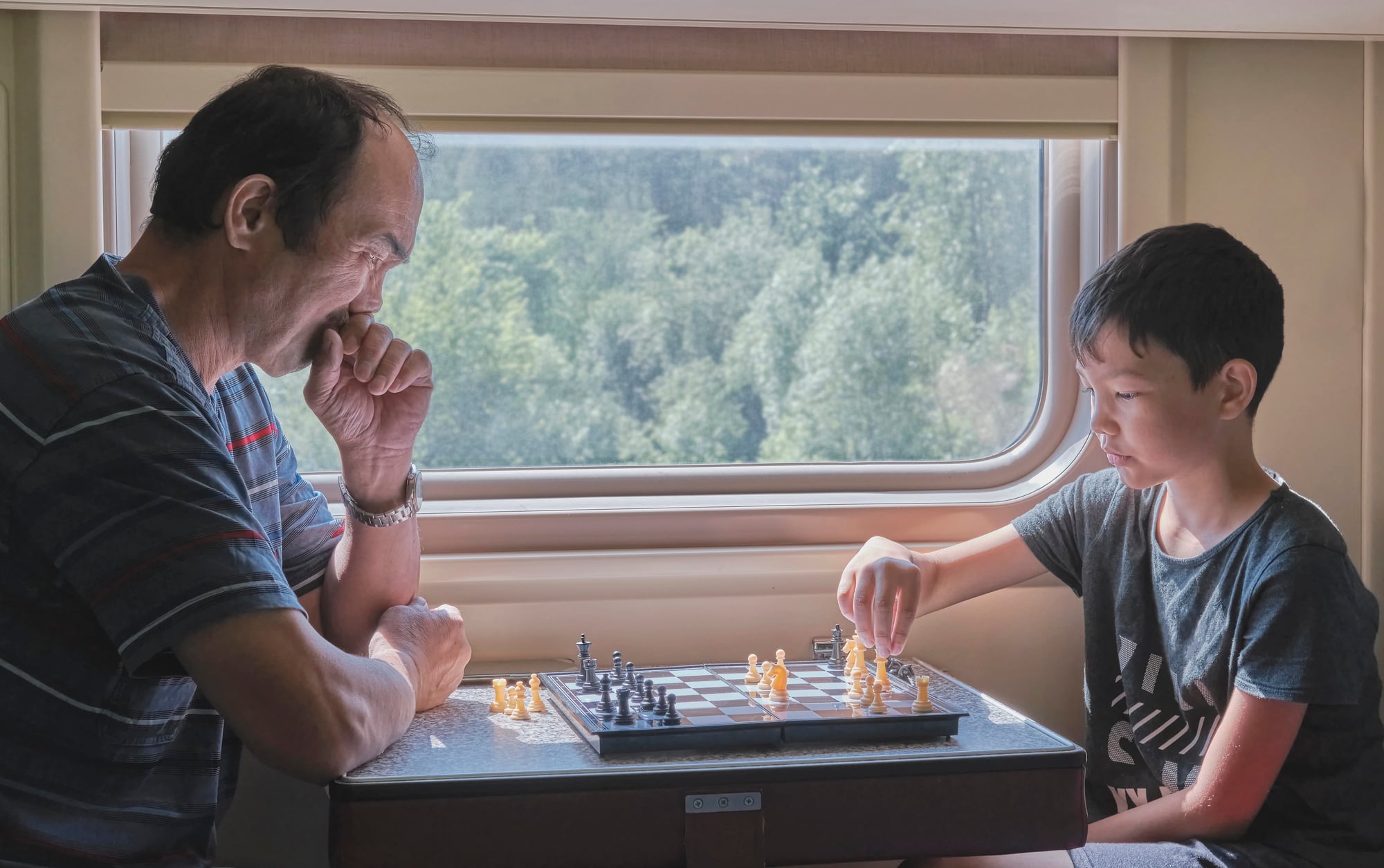
Board games appeared on weekend evenings as family entertainment. Gathering around a table to play Monopoly or Risk was expected family downtime.
The time investment was enormous; games could last hours. No one was measuring productivity or efficiency; the time was for family connection.
Neighborhood Pickup Games

Kids gathered in yards or parks to play informal games—basketball, baseball, football, or other sports. Adults didn’t organize these; kids assembled them spontaneously.
The games had to compete with household chores and family obligations for time.
Phonebook Use for Information

Finding a business required consulting the printed phonebook, which arrived annually. The book contained numbers and addresses; that was the extent of available information.
Finding what you needed took time and effort; calling ahead was often necessary.
Library Visits as Entertainment Outing

Library visits were weekend outings. Kids selected books and videos; the collection was whatever the library held.
Returns had to happen within set timeframes. The library’s hours and location constrained when visits were possible.
Catching Up on Newspaper Reading

Sunday morning included reading the printed newspaper—comics, sports, classifieds, everything. This took time; people lingered over it.
The information came once a week; missing it meant waiting until the next Sunday.
Potluck Dinners and Neighborhood Gatherings

Families gathered regularly at neighbors’ homes for dinners where everyone contributed a dish. These were scheduled events that required preparation and travel.
They represented the primary social outlet for adults and socialization opportunity for children.
Taking Photographs and Storing Them

Photography meant owning a camera, purchasing film, taking pictures, and waiting for development. Prints were the only way to view images.
Storage meant arranging prints in albums. Sharing required physically showing photos or mailing prints.
The Transistor Radio at the Beach

Bringing a portable radio to the beach or park was standard. It broadcast what was on the air at that moment.
Choosing your audio environment meant manually tuning to a station and accepting whatever programming was happening.
Television Wait as Anticipation

Waiting for specific episodes of favorite shows created genuine anticipation. Missing a week meant actually missing that narrative.
No catch-up options existed. The schedule dictated when you could engage with television content.
Riding Bikes to Neighbors’ Houses

Kids traveled to friends’ houses by bicycle, creating independence and outdoor time. This was unsupervised; it was expected behavior.
The neighborhood infrastructure supported this as normal weekend activity.
Watching Monster Matinee Movie Broadcasts

Saturday afternoons featured horror or monster movies broadcast on local television. Families would gather to watch these low-budget films, often with commercial interruptions every ten minutes.
The experience was shared; everyone participated in the predictable jump scares.
Setting Up Tent Camping Trips

Weekend camping required physical preparation—tent assembly, gear collection, food packing. The trip couldn’t happen spontaneously; it required planning.
Setting up camp was part of the family activity, not something delegated to services. The entire process was time-intensive and required participation.
The Architecture of Together Time

These rituals existed because nothing else competed for family attention during weekends. There was no streaming, no video on demand, no social media, no competing entertainment in individual hands.
Gathering was the default. Doing things separately required extraordinary circumstances.
The rituals emerged not from careful planning but from accepting that if families wanted entertainment or activity, they had to do it together, at shared times, in shared physical space.
More from Go2Tutors!

- The Romanov Crown Jewels and Their Tragic Fate
- 13 Historical Mysteries That Science Still Can’t Solve
- Famous Hoaxes That Fooled the World for Years
- 15 Child Stars with Tragic Adult Lives
- 16 Famous Jewelry Pieces in History
Like Go2Tutors’s content? Follow us on MSN.



