30 Discoveries Named After the Second Finder
Statistician Stephen Stigler proposed a rule in 1980 that credit in science almost never lands on the person who actually got there first. He named the rule after himself specifically to prove the point, since even he was not its original author.
The pattern turns up far beyond science, in mathematics, geography, and ordinary language. What follows are documented cases where the name stuck to someone other than the earliest verified discoverer.
Hubble’s Law
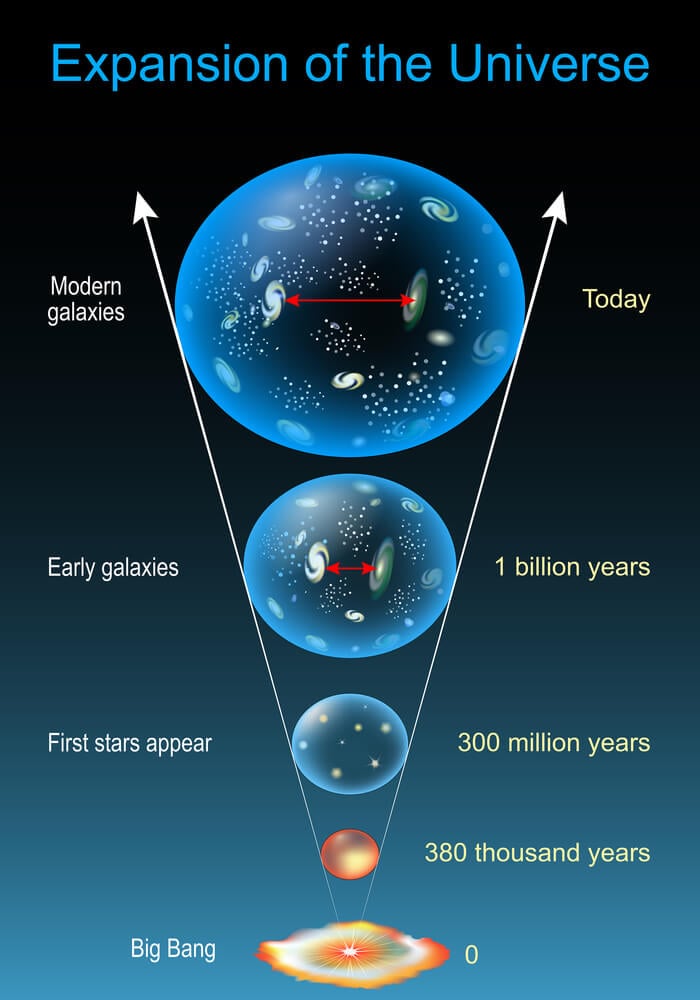
Edwin Hubble’s name is permanently attached to the relationship describing the universe’s expansion, yet Belgian astronomer and priest Georges Lemaître published the same relationship two years earlier, in 1927. Lemaître’s paper appeared in a lesser-known Belgian journal and drew far less attention at the time than Hubble’s later, more widely circulated work.
The International Astronomical Union voted in 2018 to recommend the law also carry Lemaître’s name, though “Hubble’s Law” remains the term most commonly used.
Halley’s Comet
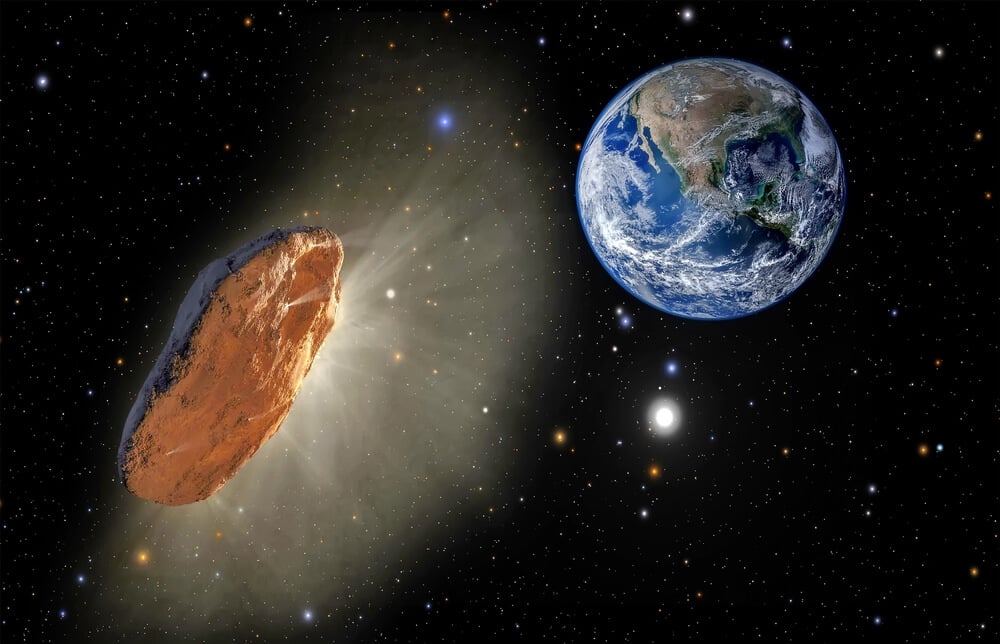
Edmond Halley calculated the orbit and correctly predicted the 1758 return of the comet that now bears his name, but he did not discover it. Astronomers across multiple civilizations had recorded and tracked the same comet for over two thousand years before Halley ever did his calculations.
What Halley actually contributed was the insight that all those separate historical sightings were the same object returning on a predictable cycle.
The Pythagorean Theorem
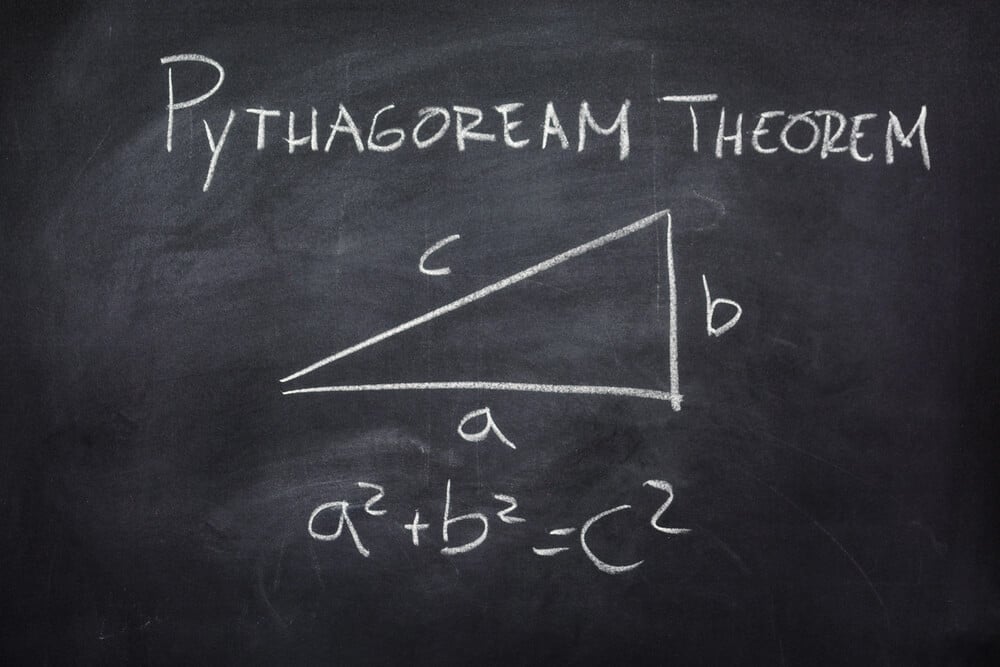
The relationship between a right triangle’s sides carries the name of the Greek philosopher Pythagoras, yet Babylonian mathematicians had documented the same relationship on clay tablets roughly a thousand years before he lived. Ancient Indian mathematical texts contain independent versions of the same theorem as well, developed with no apparent connection to Greek sources.
No surviving evidence directly confirms Pythagoras himself ever proved the theorem attributed to him.
Avogadro’s Number
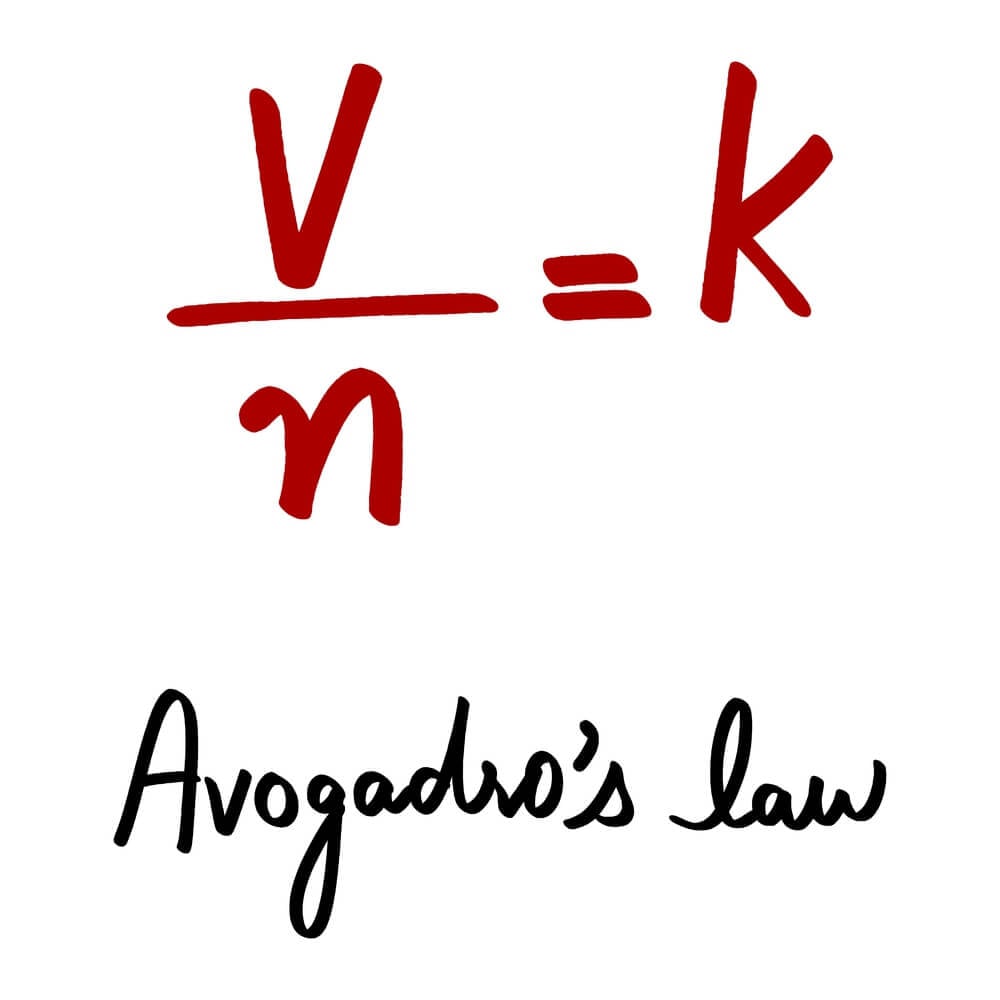
Amedeo Avogadro proposed the hypothesis underlying the constant that carries his name, but he never actually calculated its value. Austrian physicist Johann Josef Loschmidt was the first to determine an approximate figure for the number of particles in a given quantity of gas, decades after Avogadro’s original hypothesis was published.
The constant was only formally named in Avogadro’s honor well after his death.
Gresham’s Law

The economic principle that bad currency drives good currency out of circulation is named for sixteenth-century English financier Thomas Gresham, though the astronomer Nicolaus Copernicus described the same phenomenon in his own writing on currency debasement decades before Gresham did. Copernicus’s economic writings remained far less widely read than his astronomical work, which may explain why his priority on the point went largely unrecognized.
The name “Gresham’s Law” was not even coined until the nineteenth century, long after both men had died.
Venn Diagrams

John Venn popularized the overlapping-circle diagrams that carry his name in 1880, but Swiss mathematician Leonhard Euler had already developed a very similar diagrammatic system over a century earlier. Venn’s specific contribution was a more rigorous mathematical treatment of how the overlapping regions could represent formal logical relationships.
Euler’s earlier version is still occasionally referred to separately as an Euler diagram, though Venn’s name dominates common usage.
Transition State Theory
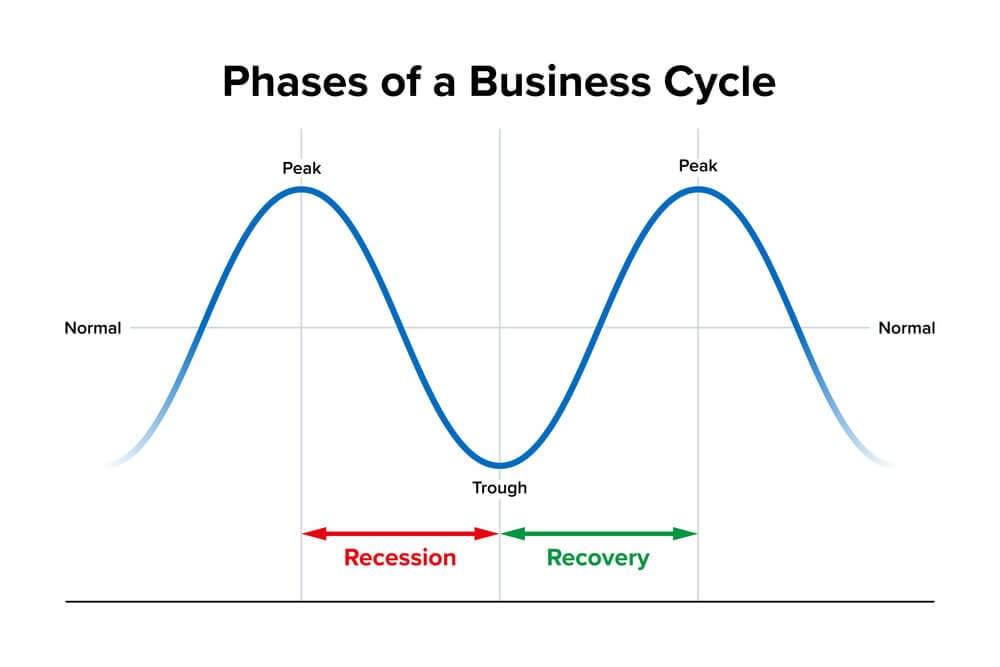
The chemical framework describing how reactions pass through an unstable intermediate state is generally credited to Henry Eyring, who published his formulation in 1935. Physicist Karl Herzfeld had developed substantially the same theoretical approach fourteen years earlier, in 1921, though his version drew far less attention within the chemistry community at the time.
Eyring’s more accessible presentation and broader promotion of the idea within chemistry circles likely explain why his name became attached to the theory instead.
The Naming of America

The continents of North and South America are named for the Italian explorer and mapmaker Amerigo Vespucci, whose voyages came after Christopher Columbus had already reached the region, and centuries after Norse explorers led by Leif Erikson had briefly settled part of the northeastern coast. A German mapmaker choosing a label for a new map in 1507 selected Vespucci’s name specifically because Vespucci had argued the land was a previously unknown continent rather than part of Asia, a claim Columbus never fully accepted even after multiple voyages.
The name stuck permanently once it appeared in print.
Mount Everest

The world’s tallest mountain carries the name of Sir George Everest, a British surveyor general of India who never climbed or even personally observed the peak himself. Local populations in the region had long used their own names for the mountain, including Chomolungma in Tibetan and Sagarmatha in Nepali, both of which predate the British survey by centuries.
The mountain was assigned Everest’s name by his successor at the Survey of India specifically to honor him, over Everest’s own reported objections to using a personal name at all.
Ohm’s Law
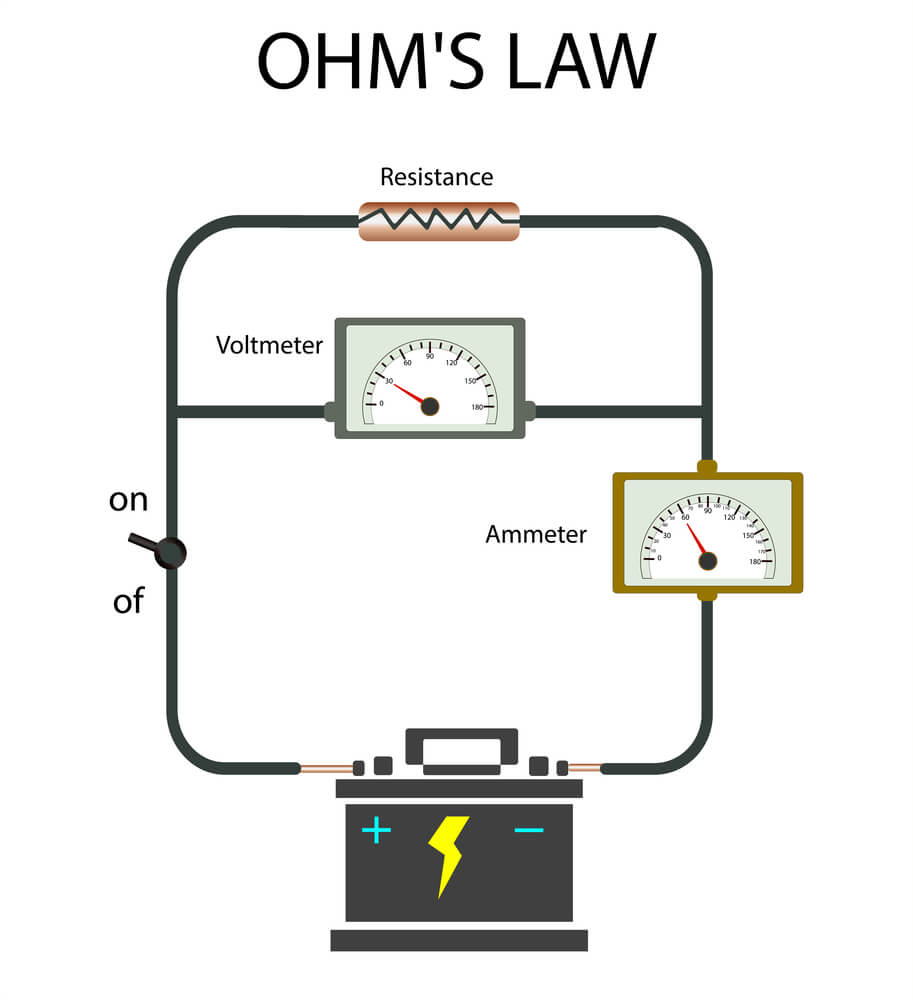
Georg Ohm published the relationship between voltage, current, and resistance in 1827, and the law bears his name to this day. English scientist Henry Cavendish had already discovered and privately documented the same relationship forty-six years earlier, in 1781, but never published his findings.
Cavendish’s unpublished papers were not examined and confirmed by other scientists until decades after Ohm had already received credit.
Boyle’s Law
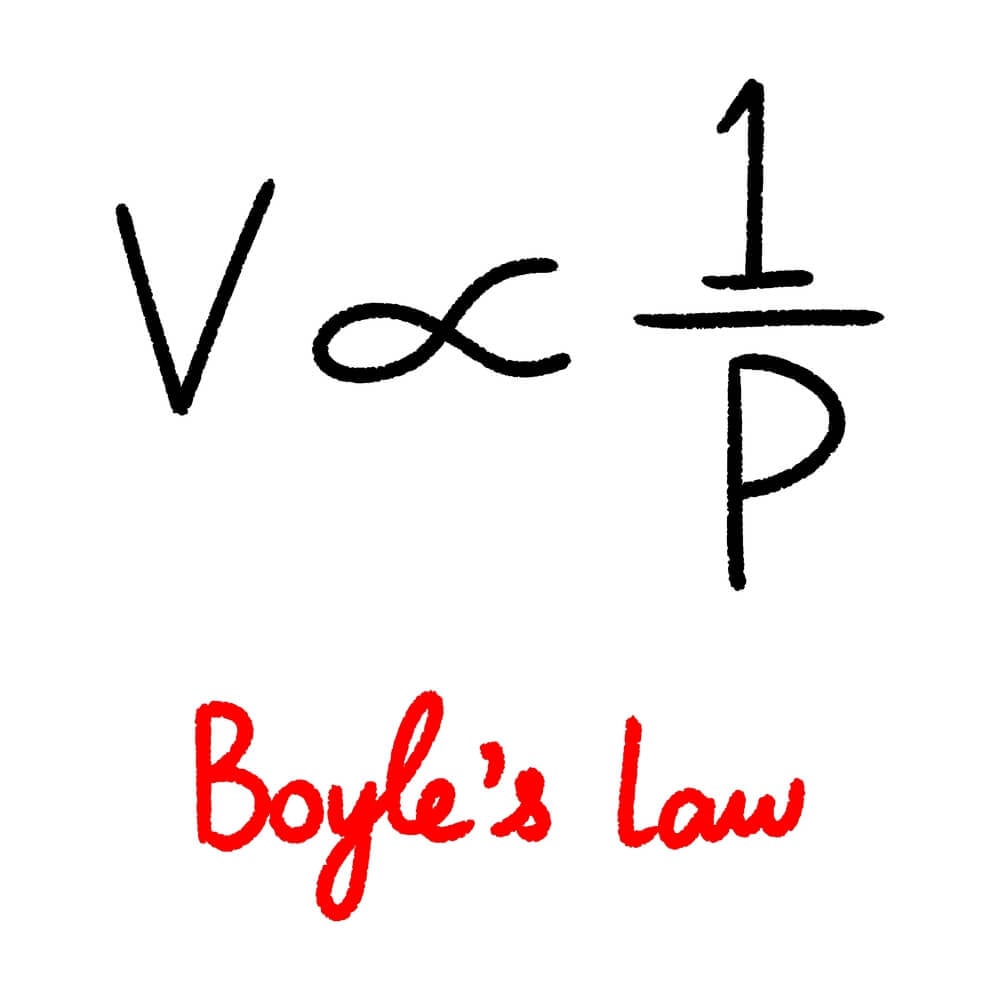
Robert Boyle’s name is attached to the relationship between a gas’s pressure and volume, published in 1662, though English scientists Richard Towneley and Henry Power had conducted very similar experiments shortly before Boyle and are credited in Boyle’s own writing as an influence on his work. French physicist Edme Mariotte independently arrived at the same relationship about fourteen years later, and the law is still commonly called Mariotte’s Law throughout France to this day.
Snell’s Law
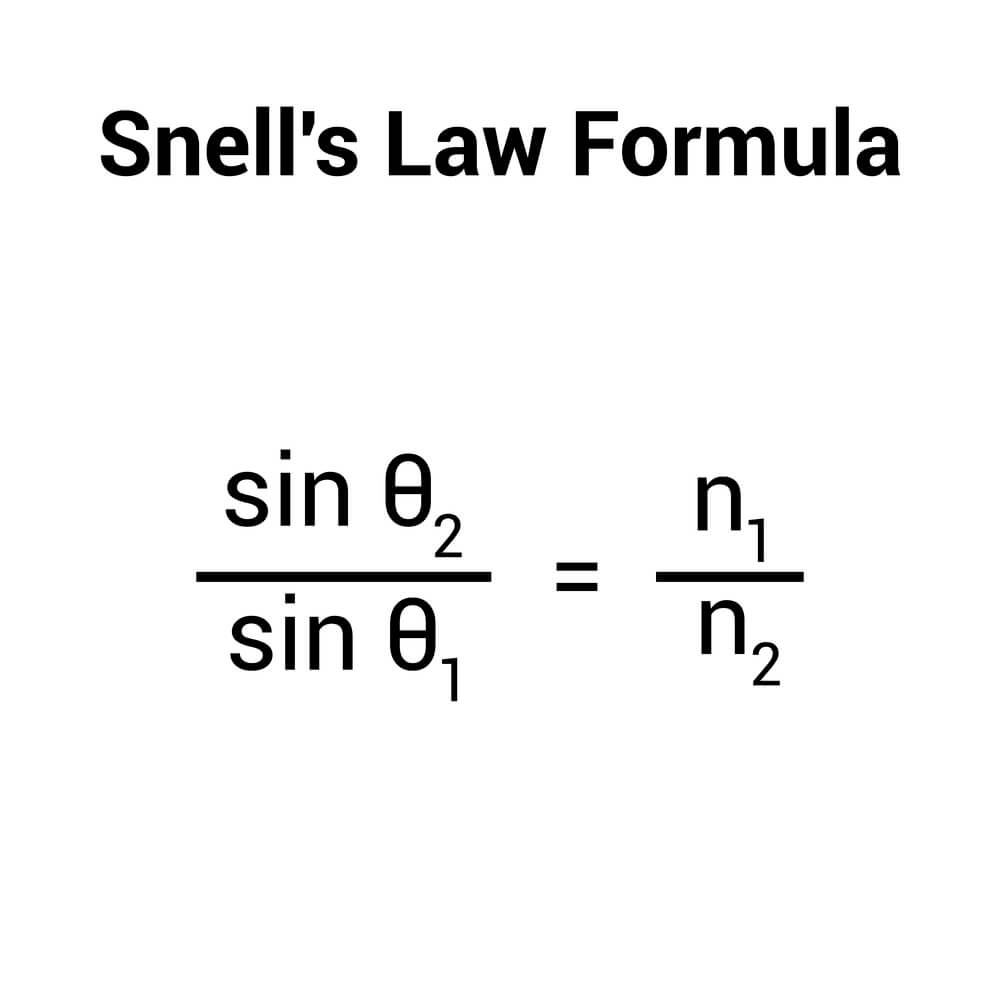
The law describing how light bends when passing between different materials is named for Dutch astronomer Willebrord Snellius, who described it in 1621. The Persian mathematician Ibn Sahl had already worked out the same mathematical relationship in the tenth century, recording it in a manuscript on optics roughly six hundred years before Snellius arrived at an equivalent formulation.
Ibn Sahl’s manuscript went unrecognized by European scholars until it was rediscovered and translated centuries later.
The Titius-Bode Law

A mathematical pattern describing the approximate spacing of planetary orbits is commonly known as Bode’s Law, after German astronomer Johann Bode, who publicized it widely beginning in 1772. The pattern was actually formulated several years earlier by fellow German astronomer Johann Titius, whose original description Bode incorporated into his own more widely read astronomical work without initially crediting Titius by name.
Later astronomical writing gradually restored Titius’s name alongside Bode’s, though “Bode’s Law” remains in common informal use.
The Fibonacci Sequence
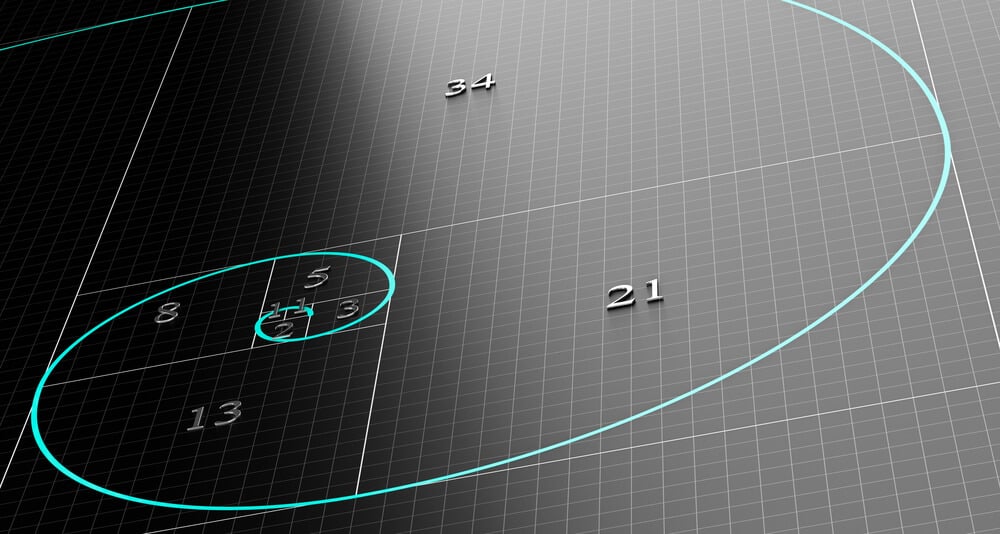
Leonardo of Pisa, known as Fibonacci, introduced the famous number sequence to European mathematics in a book published in 1202. Indian mathematicians, including Pingala and later Virahanka, had already described the identical sequence centuries earlier in the context of analyzing poetic meter and syllable patterns in Sanskrit verse.
Fibonacci’s writing introduced the sequence to a European audience that had no prior exposure to the earlier Indian mathematical tradition, which is likely why his name became permanently attached to it in the West.
Pascal’s Triangle
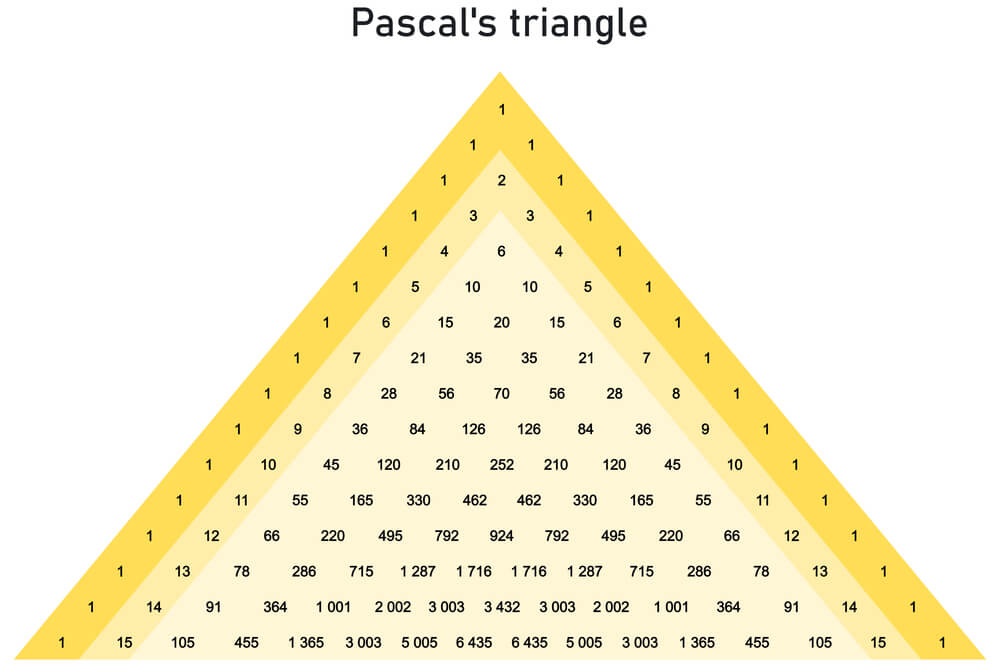
The triangular arrangement of numbers used in probability and algebra is named for French mathematician Blaise Pascal, who wrote an influential treatise on it in 1653. Chinese mathematician Yang Hui had already published essentially the same triangular arrangement roughly four centuries earlier, and Persian mathematician Al-Karaji had explored related ideas even before that.
In China, the pattern is still commonly referred to as Yang Hui’s triangle rather than Pascal’s.
Occam’s Razor

The principle favoring the simplest explanation among competing options is named for the fourteenth-century English friar William of Ockham, though the underlying idea of preferring simplicity in explanation appears in the writing of philosophers well before his time, including Aristotle centuries earlier. William of Ockham applied the principle with particular rigor and frequency in his theological and logical writing, which appears to be why later scholars attached his name to a principle that predated him by well over a thousand years.
The Gutenberg Printing Press
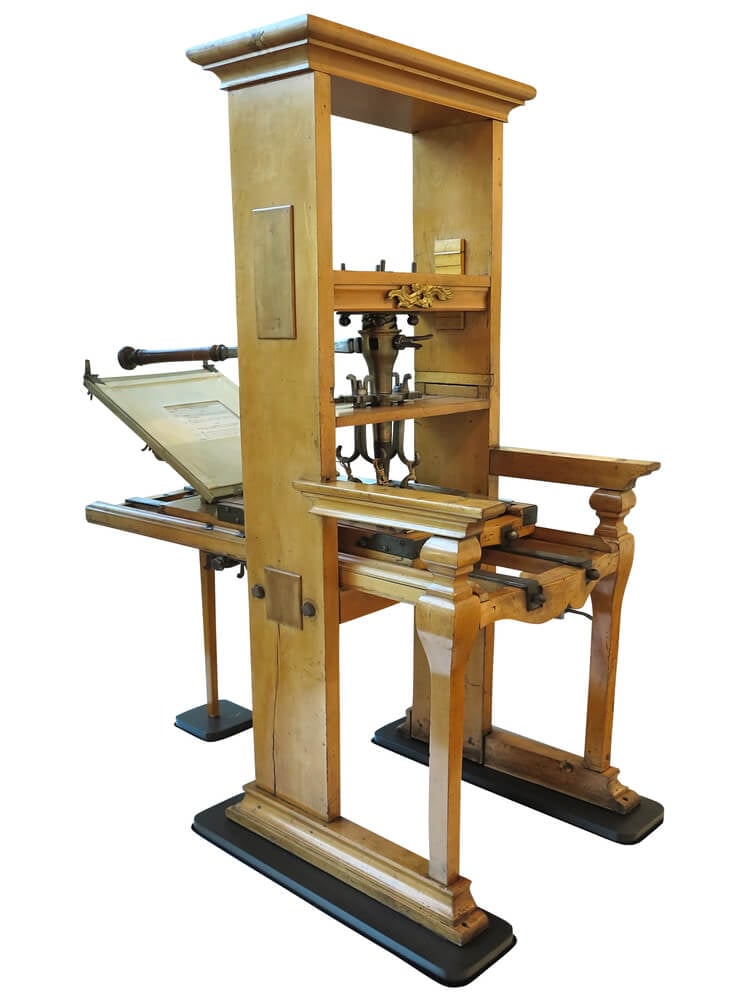
Johannes Gutenberg’s mid-fifteenth-century printing press with movable metal type is widely credited as the invention that transformed the spread of the written word in Europe. Movable type printing had already existed in East Asia for centuries by that point, including Chinese inventor Bi Sheng’s clay type system from the eleventh century and a Korean book printed with movable metal type in 1377, roughly seventy years before Gutenberg’s own press.
Gutenberg’s independent development and the specific economic and linguistic conditions in Europe are generally credited for the technology’s much broader and faster spread there.
Crohn’s Disease

The inflammatory bowel condition known as Crohn’s disease takes its name from physician Burrill Crohn, who was one of three doctors who co-authored the 1932 paper first describing the condition in detail. Crohn received sole naming credit largely because his surname appeared first alphabetically among the three co-authors, Crohn, Leon Ginzburg, and Gordon Oppenheimer, on the original publication.
All three physicians contributed equally to the underlying research that identified the condition.
The Higgs Boson
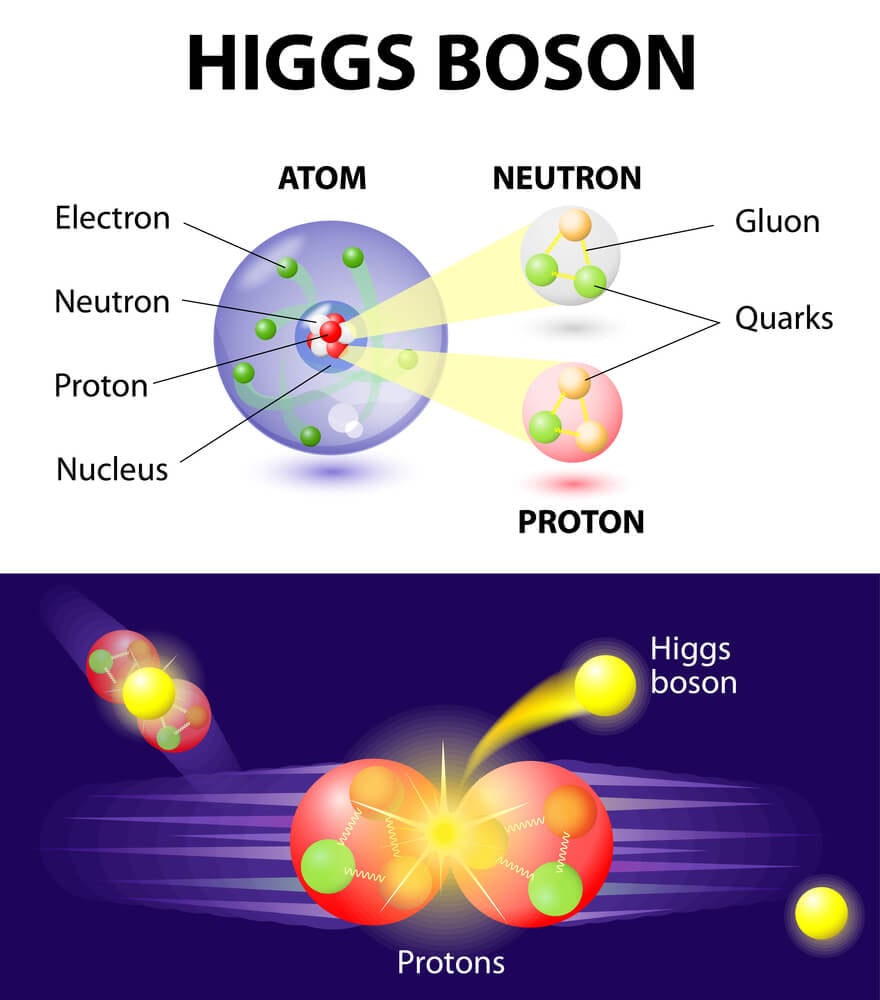
The subatomic particle popularly known as the Higgs boson takes its name from physicist Peter Higgs, who proposed its existence in a 1964 paper. Belgian physicists Robert Brout and François Englert published a closely related theoretical paper describing much of the same mechanism in the same year, in some accounts submitting their work slightly earlier than Higgs did.
The 2013 Nobel Prize in Physics for the theoretical work was ultimately awarded jointly to Higgs and Englert, with Brout having died the previous year and therefore ineligible under the prize’s rules.
Stigler’s Law of Eponymy

The very principle behind this list, formally proposed by statistician Stephen Stigler in a 1980 academic paper, holds that no scientific discovery is ever named after its true original discoverer. Stigler deliberately named the law after himself as a demonstration of the rule in action, while explicitly crediting sociologist Robert K. Merton as the actual originator of the underlying idea in earlier writing.
Merton himself had built on observations made by still earlier writers on the sociology of scientific credit.
The Coriolis Force
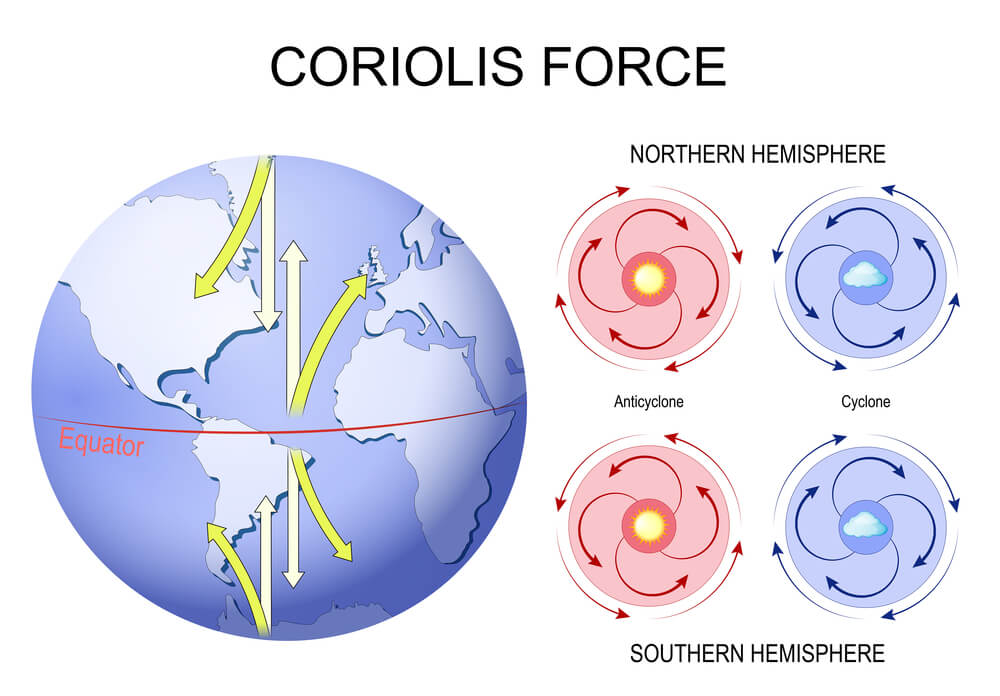
The apparent deflection of moving objects on a rotating body, such as the Earth, is named for French scientist Gaspard-Gustave de Coriolis, who formalized the mathematics in an 1835 paper on rotating machinery. Earlier scientists studying tides, artillery trajectories, and atmospheric circulation had already observed and partially described the same deflecting effect well before Coriolis provided a complete mathematical treatment.
Coriolis himself was working on industrial mechanical problems rather than weather or navigation when he derived the formula that now carries his name in those very fields.
Gerrymandering
The practice of drawing political districts to favor one party is named for Elbridge Gerry, a Massachusetts governor whose 1812 redistricting plan produced an oddly shaped district that a newspaper cartoonist compared to a salamander, coining the term. Manipulating district boundaries for political advantage was already a known and practiced tactic well before Gerry’s administration, in Massachusetts and elsewhere.
Gerry himself reportedly disliked the specific district plan that made his name synonymous with the practice.
Baedeker Guidebooks

German publisher Karl Baedeker built a publishing empire on travel guidebooks so influential that his surname became a generic term for any detailed travel guide. Organized travel guides describing routes, accommodations, and points of interest already existed in various forms before Baedeker began publishing his own series in the 1830s.
Baedeker’s specific innovation was a standardized, meticulously researched format that later publishers across Europe and America openly imitated.
The Arrhenius Equation
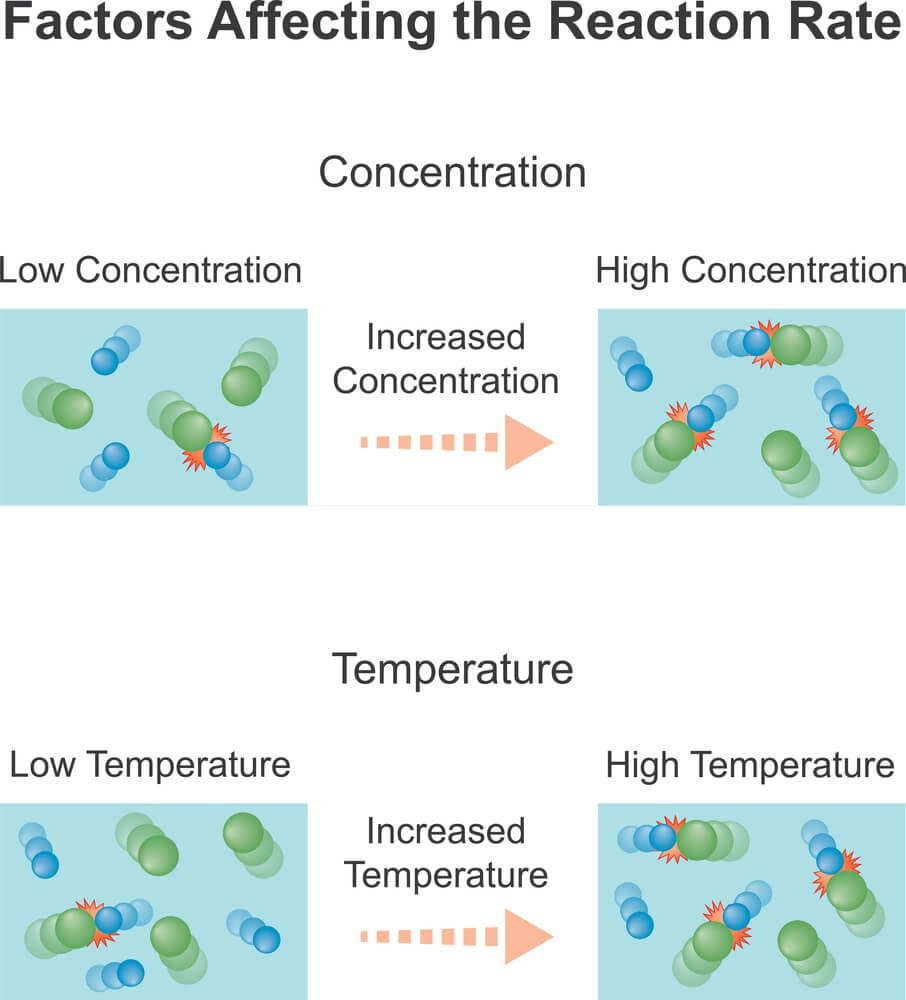
Swedish chemist Svante Arrhenius gave his name to the equation describing how reaction rates change with temperature, publishing his formulation in 1889. Dutch chemist Jacobus Henricus van ‘t Hoff had already proposed essentially the same relationship a few years earlier as part of his broader work on chemical kinetics.
Arrhenius provided a clearer physical interpretation of the underlying constants involved, which is generally cited as the reason his name became permanently attached to the equation instead of van ‘t Hoff’s.
The Dyson Sphere

Physicist Freeman Dyson described the theoretical megastructure that could capture a star’s entire energy output in a 1960 scientific paper, and the concept has carried his name ever since. Dyson himself openly credited British science fiction writer Olaf Stapledon, whose 1937 novel described a very similar concept decades earlier in fictional form.
Dyson’s contribution was translating a fictional idea into a framework with genuine scientific and engineering analysis behind it.
Cardano’s Formula

The method for solving cubic equations algebraically is known as Cardano’s formula, after Italian mathematician Gerolamo Cardano, who published it in 1545. The solution had actually been worked out earlier by Italian mathematician Scipione del Ferro, who kept the method secret during his lifetime, and was independently rediscovered by another Italian mathematician, who shared it with Cardano only after extracting a promise of secrecy.
Cardano published the method anyway once he learned del Ferro had solved it first, arguing that his promise no longer applied.
L’Hopital’s Rule

The calculus technique for evaluating certain difficult limits is named for French nobleman Guillaume de l’Hopital, who published it in the first calculus textbook in 1696. The rule was actually developed by Swiss mathematician Johann Bernoulli, who had a financial arrangement with l’Hopital granting him rights to use Bernoulli’s mathematical discoveries as his own.
The arrangement only came to light after both men’s deaths, when Bernoulli’s own correspondence was examined by later historians of mathematics.
Morse Code
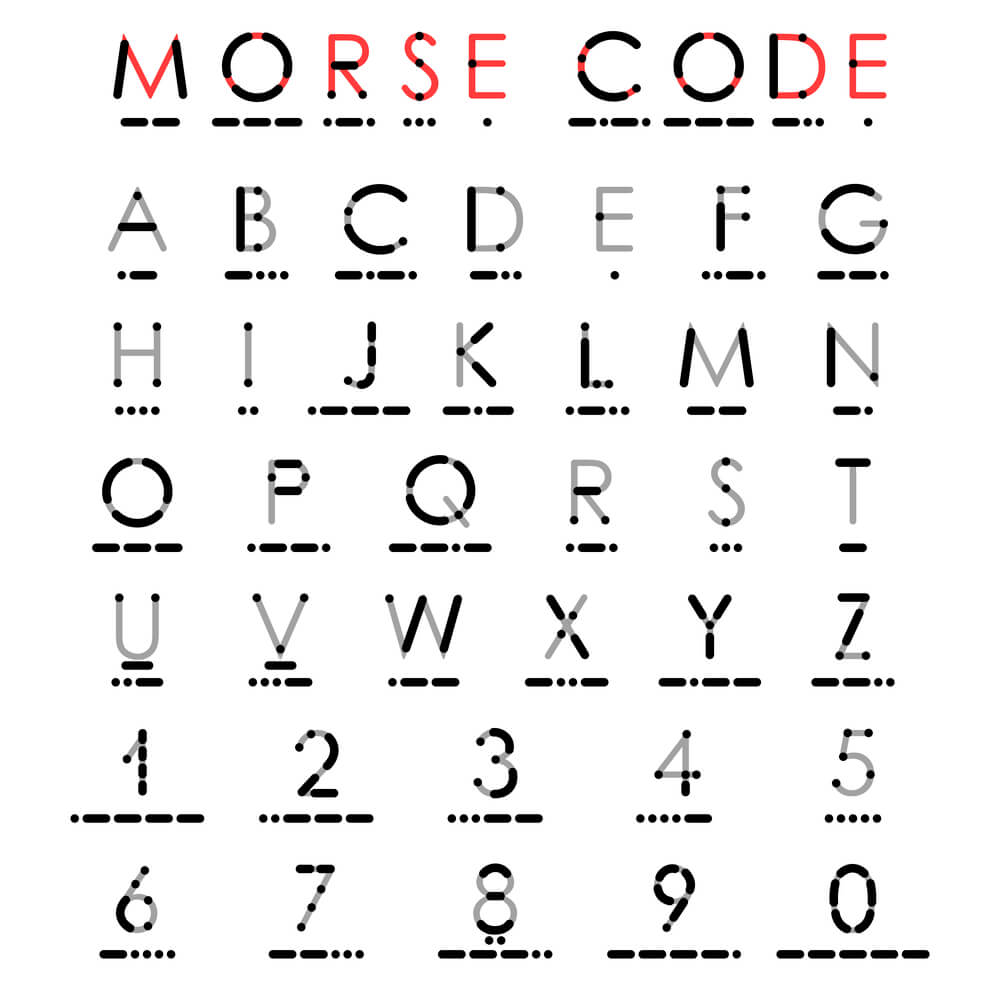
Samuel Morse is widely credited as the sole inventor of the system of dots and dashes used in early telegraphy, and his name remains permanently attached to it. His collaborator Alfred Vail is now understood by historians to have developed much of the actual code itself, refining the specific letter-to-symbol assignments used in the practical system, while Morse focused more on the telegraph apparatus.
Vail’s contributions went largely uncredited during his lifetime and for decades afterward.
The Edison Bulb

Thomas Edison’s name remains attached to the incandescent light bulb, and reproduction “Edison bulbs” with visible filaments are still sold commercially today under that name. British inventor Joseph Swan developed a working incandescent lamp independently and slightly ahead of Edison, demonstrating his version publicly in England in 1878, a year before Edison’s own patented design.
Edison’s practical advantage came from a more durable filament and a complete supporting electrical system, which is generally credited as the reason his name outlasted Swan’s in popular use.
Heliocentrism and Copernicus
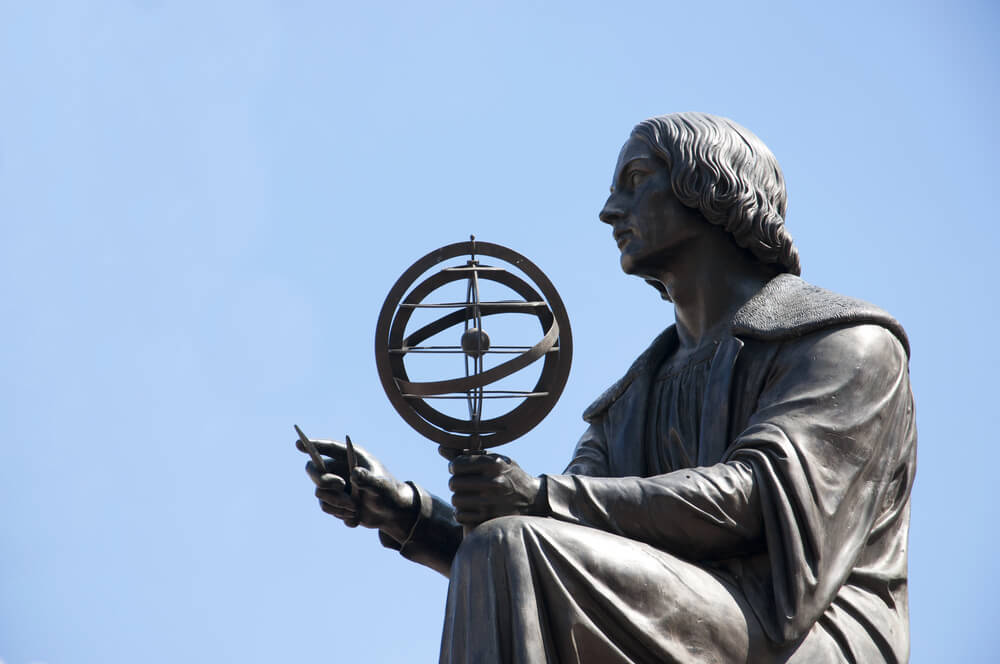
Nicolaus Copernicus is widely credited with overturning centuries of astronomical thinking by proposing that the Earth orbits the sun, publishing his model in 1543. Ancient Greek astronomer Aristarchus of Samos had proposed essentially the same idea roughly seventeen centuries earlier, an idea that failed to displace the prevailing Earth-centered model of his own era and was largely forgotten outside a handful of surviving references by later writers.
Copernicus was aware of Aristarchus’s earlier proposal through classical sources and mentioned it in an early draft of his own work before removing the reference from the final published version.
Credit as Its Own Kind of Fiction

A name attached to a discovery tells a story about who explained it best, marketed it hardest, or simply published in the right journal at the right time. It rarely tells the complete story of who noticed it first.
None of this makes the second name a fraud. Whoever gets remembered usually did real work translating an idea into something the rest of the world could actually use. They just were not always the one who saw it first.
More from Go2Tutors!

- The Romanov Crown Jewels and Their Tragic Fate
- 13 Historical Mysteries That Science Still Can’t Solve
- Famous Hoaxes That Fooled the World for Years
- 15 Child Stars with Tragic Adult Lives
- 16 Famous Jewelry Pieces in History
Like Go2Tutors’s content? Follow us on MSN.