30 Famous Speeches That Were Rewritten Before Delivery
The version of history behind a great speech rarely survives in public memory. Drafts get cut, cabinet members argue over a single adjective, and sometimes the most quoted line only appears because the speaker abandoned the prepared text entirely.
The Gettysburg Address

Abraham Lincoln is known to have produced at least five handwritten drafts of the Gettysburg Address, and historians still debate exactly which version he actually read aloud on the day. Contemporary newspaper transcriptions differ from Lincoln’s own later copies in small but meaningful ways, suggesting he adjusted the wording even as he spoke.
FDR’s “Day of Infamy” Speech
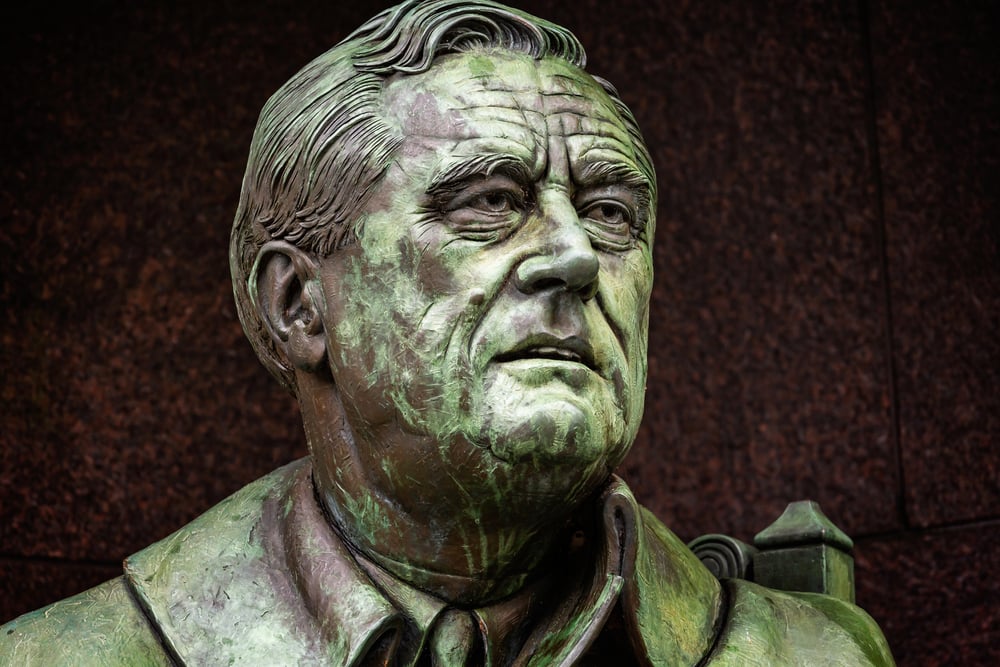
Franklin Roosevelt’s original dictated draft described December 7, 1941, as “a date which will live in world history,” and he personally crossed out “world history” and replaced it with “infamy” just before delivery. The edited draft, held today by the National Archives, shows the correction in his own handwriting.
Churchill’s “We Shall Fight on the Beaches”
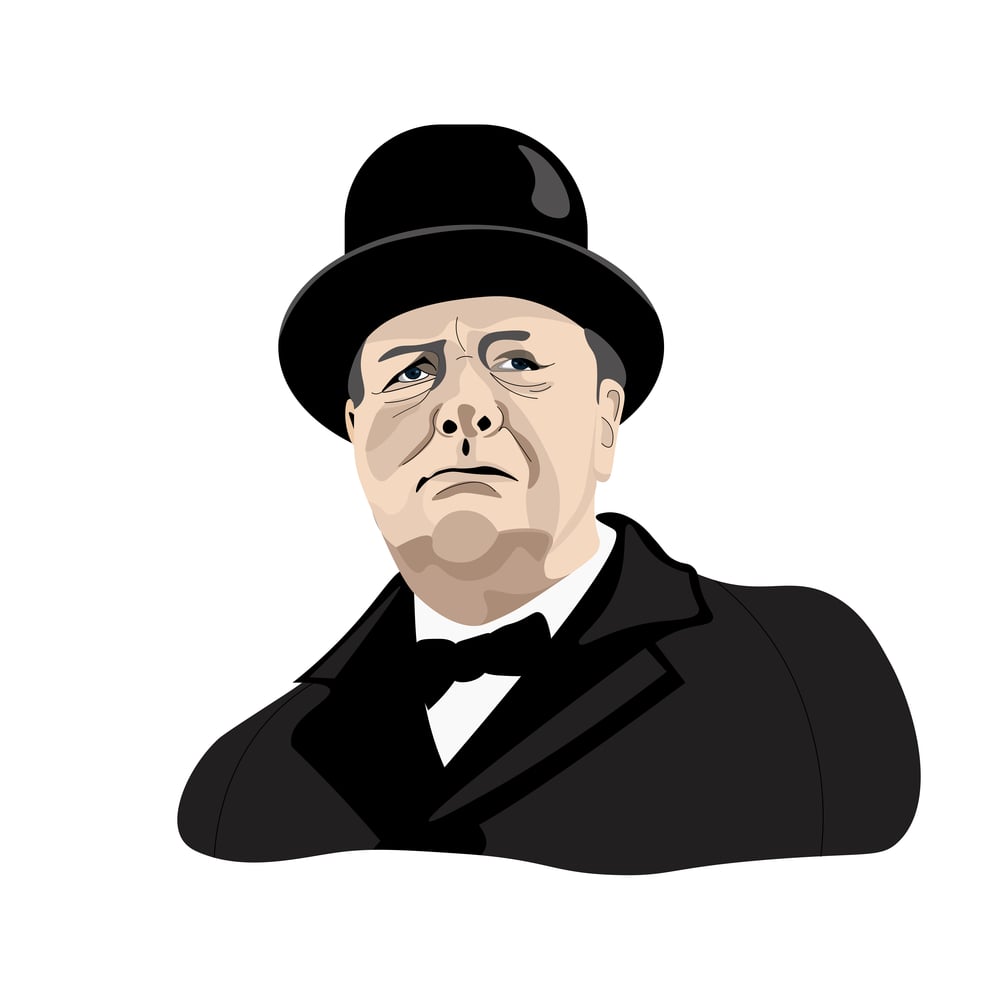
Winston Churchill revised this address to Parliament through several drafts, tightening the cadence of its famous repeated clauses and cutting material that softened the message of defiance. Colleagues who watched him rehearse recalled him testing different orderings of the same phrases aloud before settling on the sequence history remembers.
Eisenhower’s Farewell Address
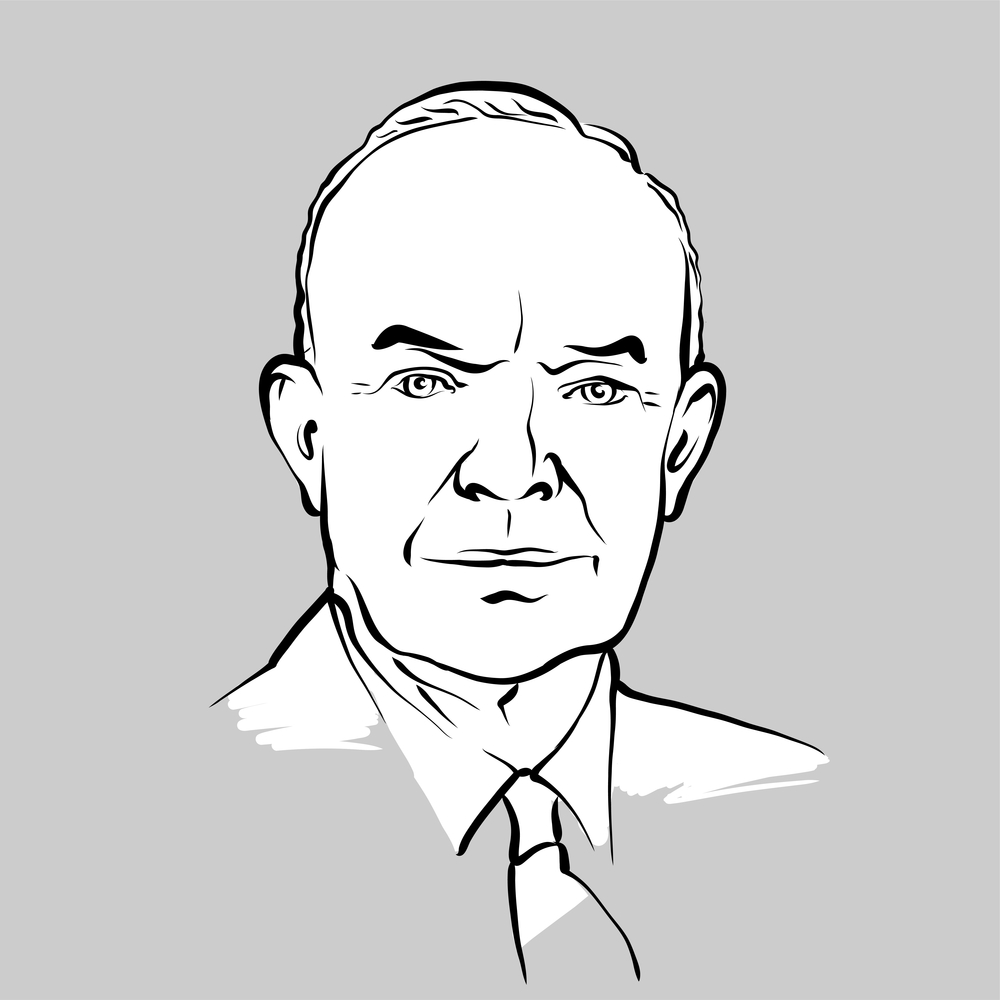
Dwight Eisenhower’s warning about the “military-industrial complex” went through roughly two dozen drafts over more than a year, with speechwriters and Eisenhower himself repeatedly reworking the phrase before it reached its final, stark form. Earlier versions used the softer term “military-industrial-congressional complex,” and the reference to Congress was cut in the final rewrite.
Reagan’s Challenger Address
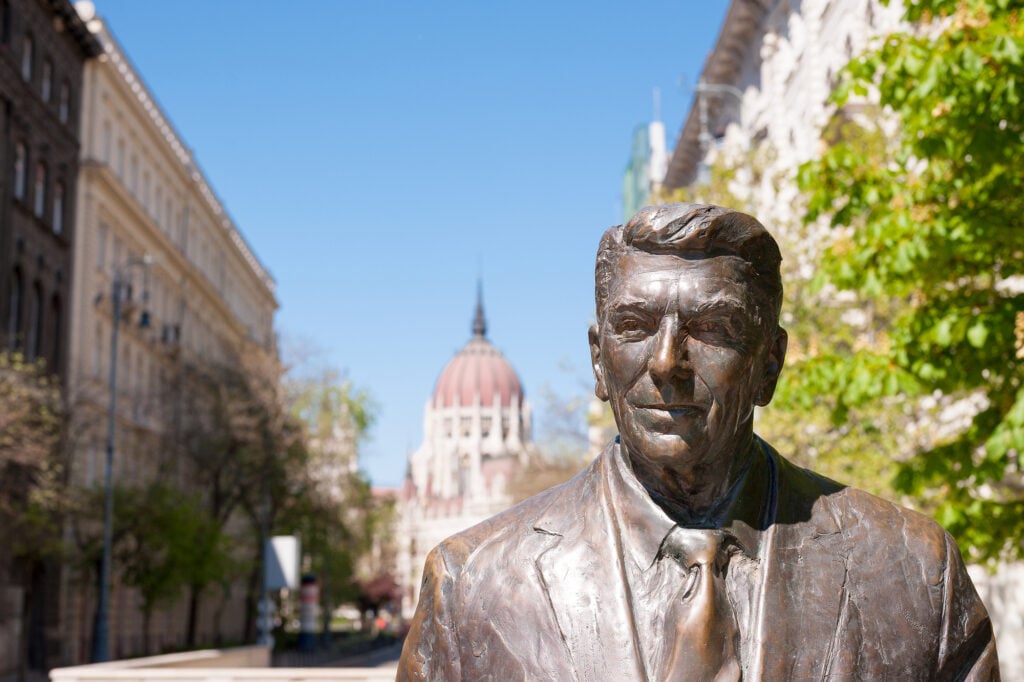
Speechwriter Peggy Noonan wrote the address Ronald Reagan delivered after the Challenger disaster in a matter of hours, drawing its closing image from a wartime poem about pilots who had “slipped the surly bonds of Earth.” Reagan reviewed and adjusted the draft personally before going on air that evening, tightening several lines for a more restrained delivery.
Reagan’s “Tear Down This Wall”
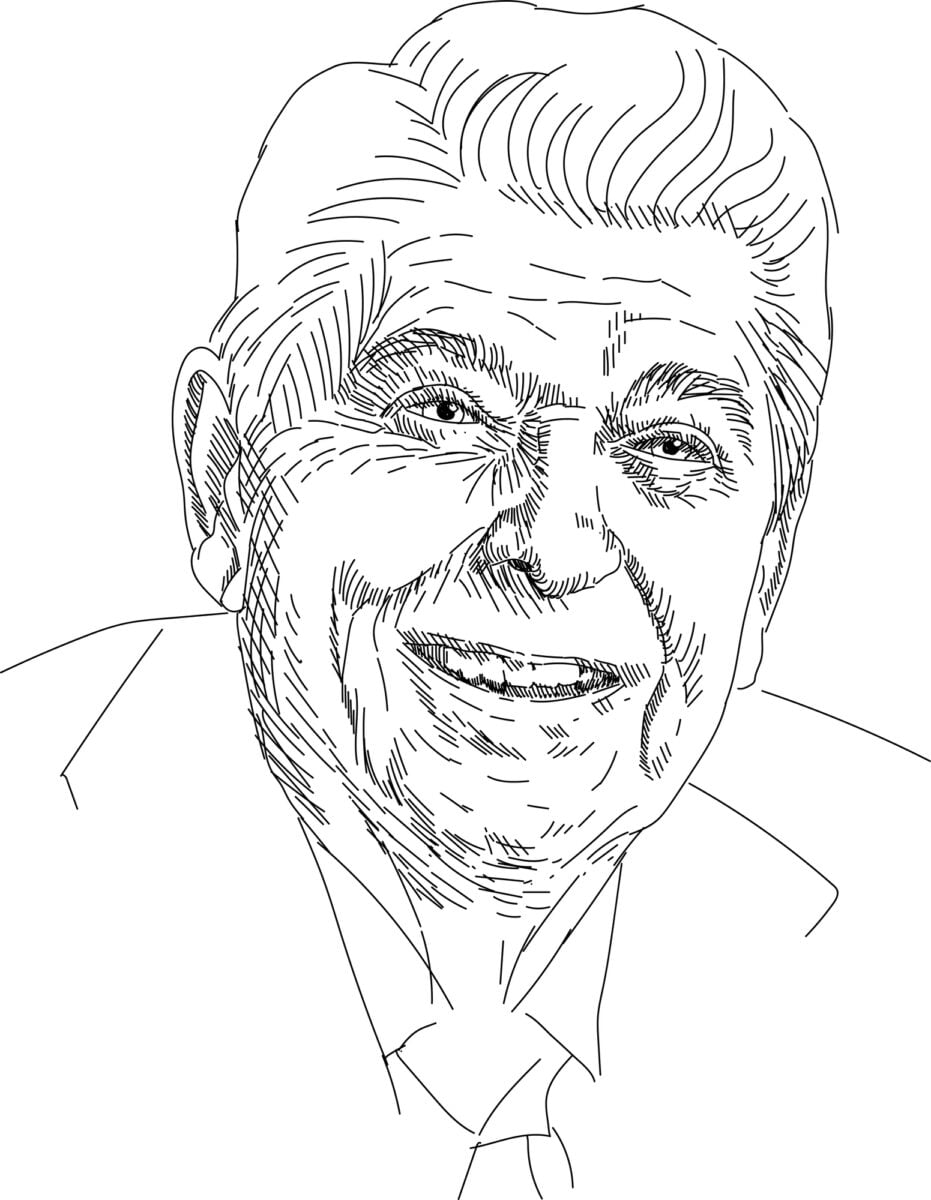
The line urging the Soviet leader to tear down the Berlin Wall was cut from the speech repeatedly by State Department officials who worried it was too confrontational, only to be restored each time at Reagan’s own insistence. The speechwriter who drafted it recalled being told the line was dead as many as seven separate times before it finally survived into the delivered text.
JFK’s Inaugural Address
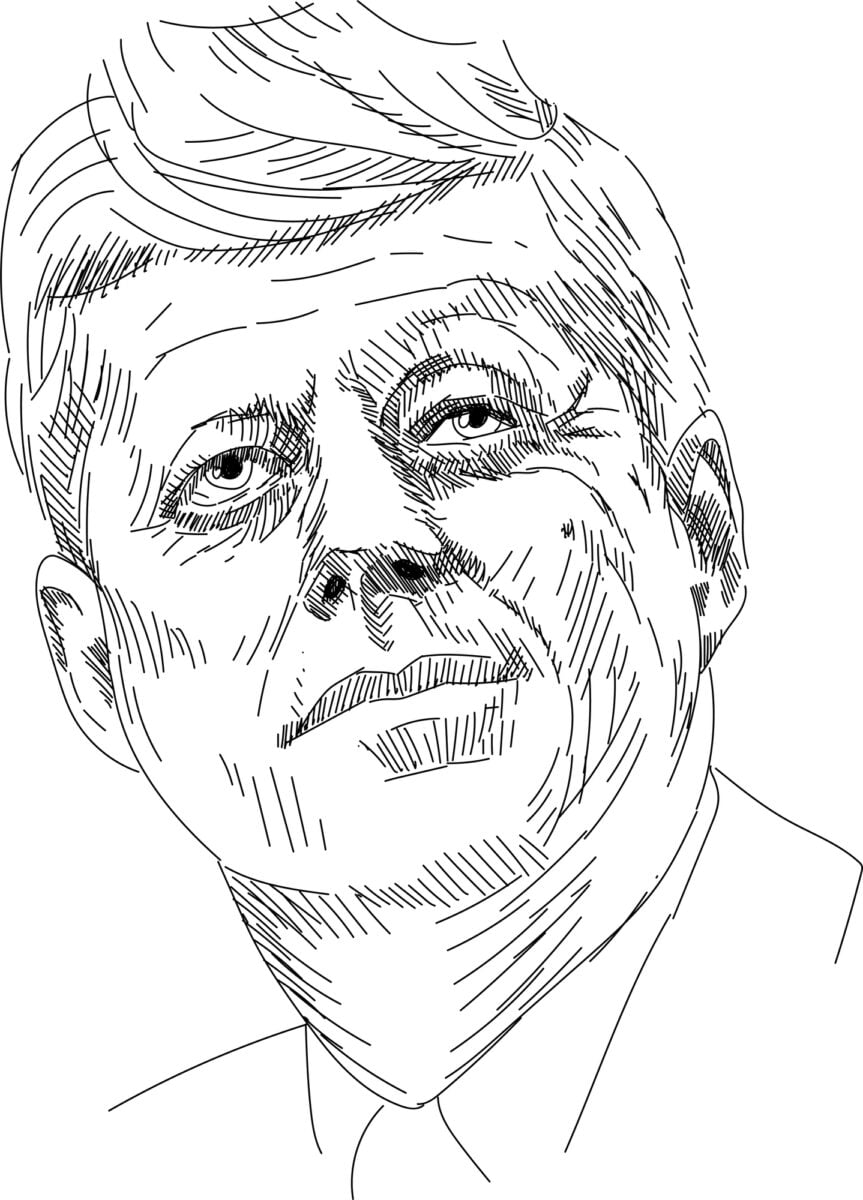
John F. Kennedy’s inaugural address went through multiple drafts with input from several advisers, and the famous line about asking not what your country can do for you had appeared in earlier forms in Kennedy’s own speeches for years before this final polished version. Late edits sharpened the address’s Cold War rhetoric while cutting several policy specifics that had cluttered earlier drafts.
JFK’s “Ich Bin Ein Berliner”
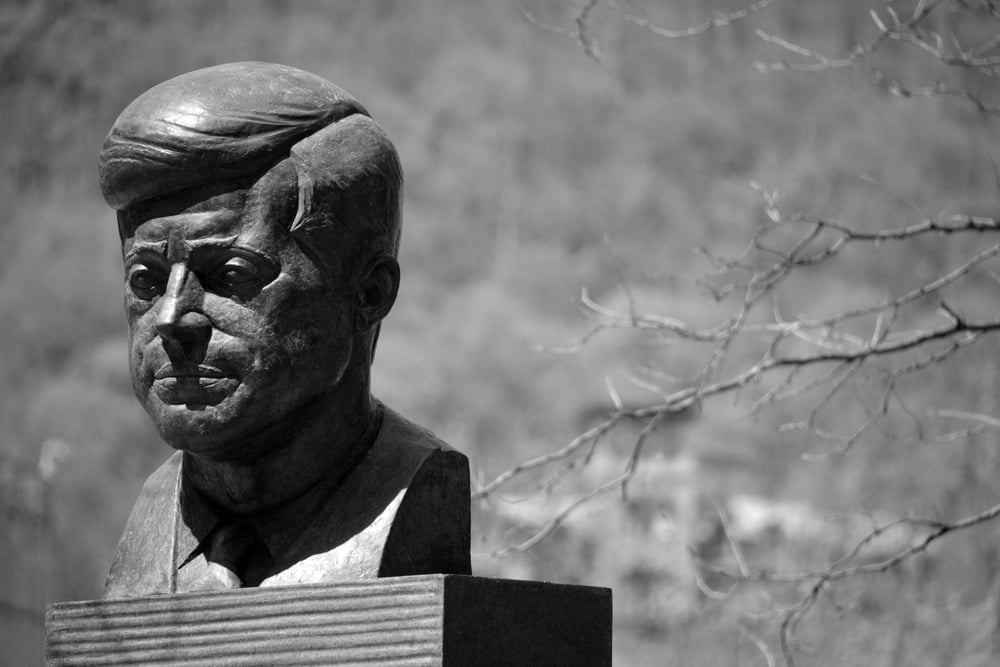
Kennedy rehearsed the German phrasing of this address with an interpreter shortly before delivering it, adjusting his pronunciation notes by hand on the printed transcript he carried to the podium. The spontaneous energy of the delivery obscured how carefully staged and rehearsed the German passages actually were.
JFK’s Rice University Moon Speech
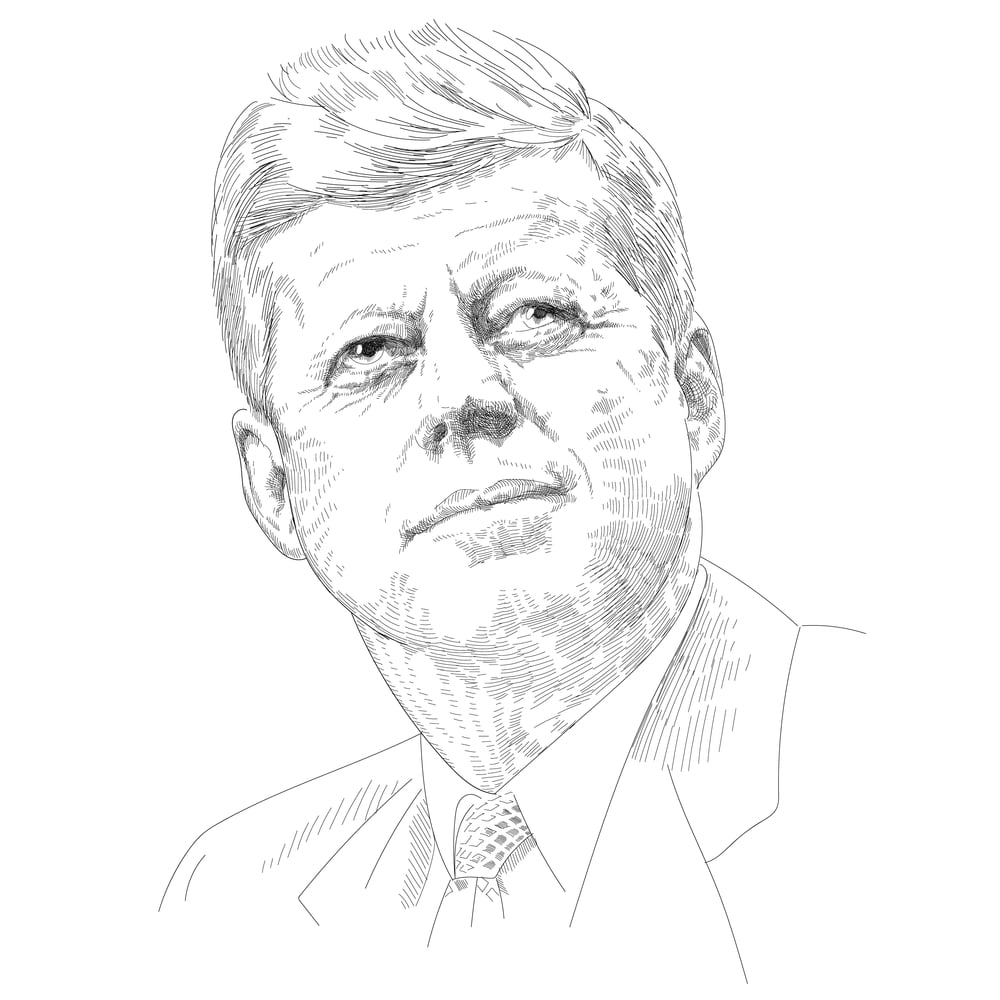
Kennedy’s address committing the nation to reach the Moon went through substantial rewriting by his speechwriting team to balance technical detail against inspirational tone, with drafts trading language back and forth in the days before the event. The line about doing hard things “not because they are easy, but because they are hard” survived several rounds of cuts that removed less memorable surrounding material.
MLK’s “I Have a Dream”
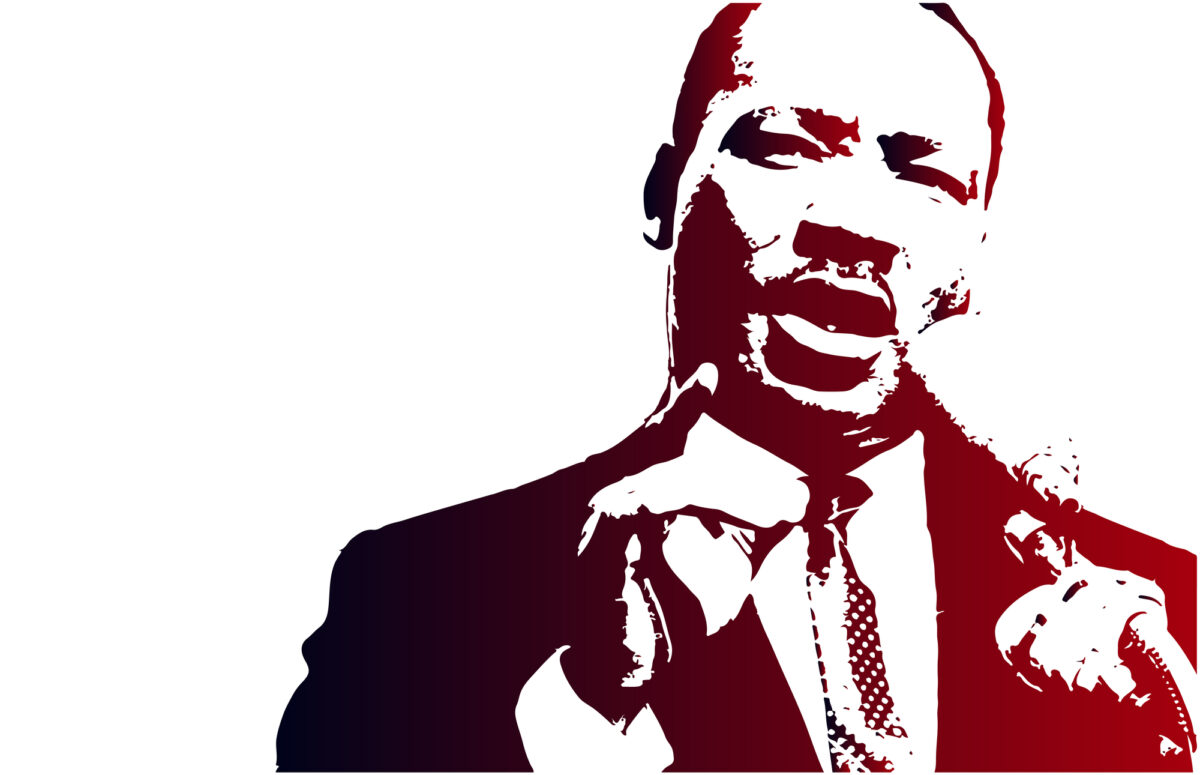
Martin Luther King Jr. delivered a prepared text at the March on Washington that did not include the “I have a dream” refrain at all, having used similar language in earlier, less famous speeches. Gospel singer Mahalia Jackson, standing nearby, reportedly called out for him to tell the crowd about the dream, and King set his notes aside and improvised the passage that became the speech’s legacy.
MLK’s Final “Mountaintop” Address

King’s last speech, delivered the night before his assassination, was not fully scripted, and he departed from his prepared notes for its closing passage about having seen the “promised land.” Aides who heard him rehearse similar material in prior weeks noted the final delivery pulled together fragments he had been testing in front of different audiences.
Lou Gehrig’s Farewell Address

Lou Gehrig initially told reporters he did not plan to give a speech at all when the Yankees honored him at Yankee Stadium in 1939, and accounts differ on how much of his eventual remarks were prepared in advance versus spoken from emotion in the moment. No complete original script survives, and the widely quoted text was reconstructed afterward from newspaper transcriptions and newsreel audio.
Nixon’s “Checkers” Speech
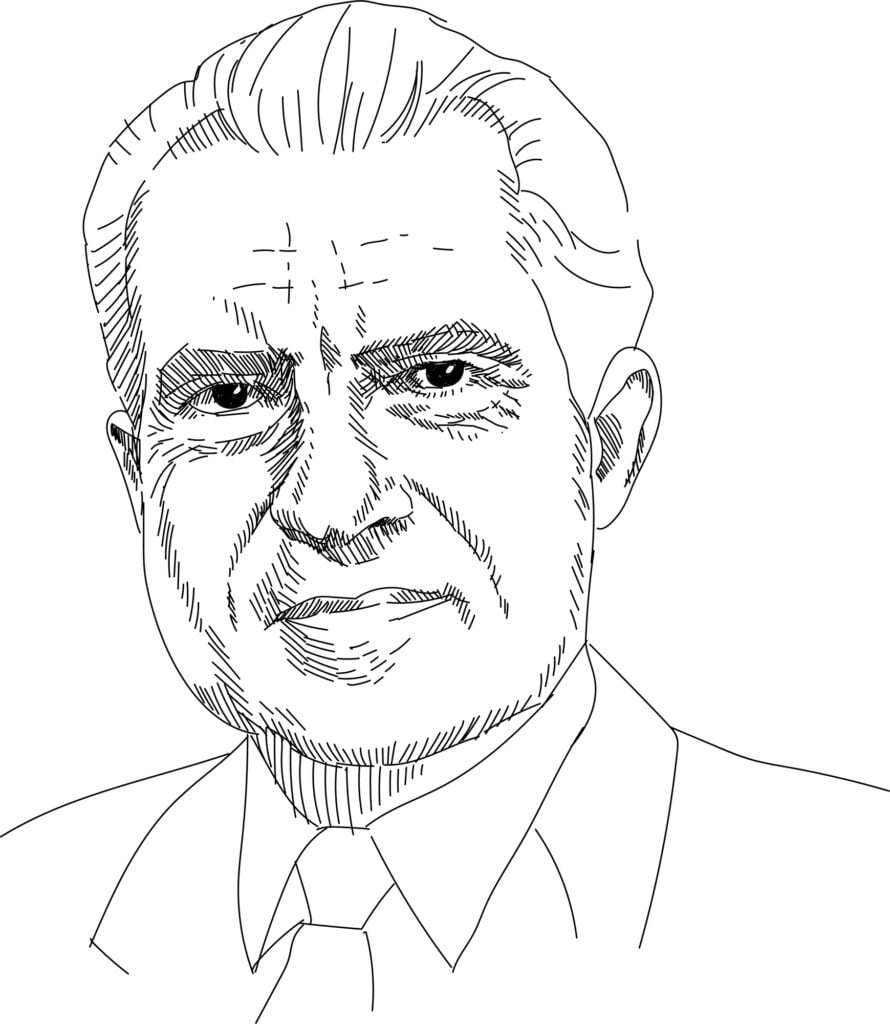
Richard Nixon’s 1952 television address defending his campaign expense fund went through last-minute changes as advisers debated how much personal financial detail to include. Nixon reportedly resisted cutting the anecdote about the family dog, Checkers, that gave the speech its enduring nickname, overruling staff who considered it too sentimental for the broadcast.
Nixon’s Resignation Address
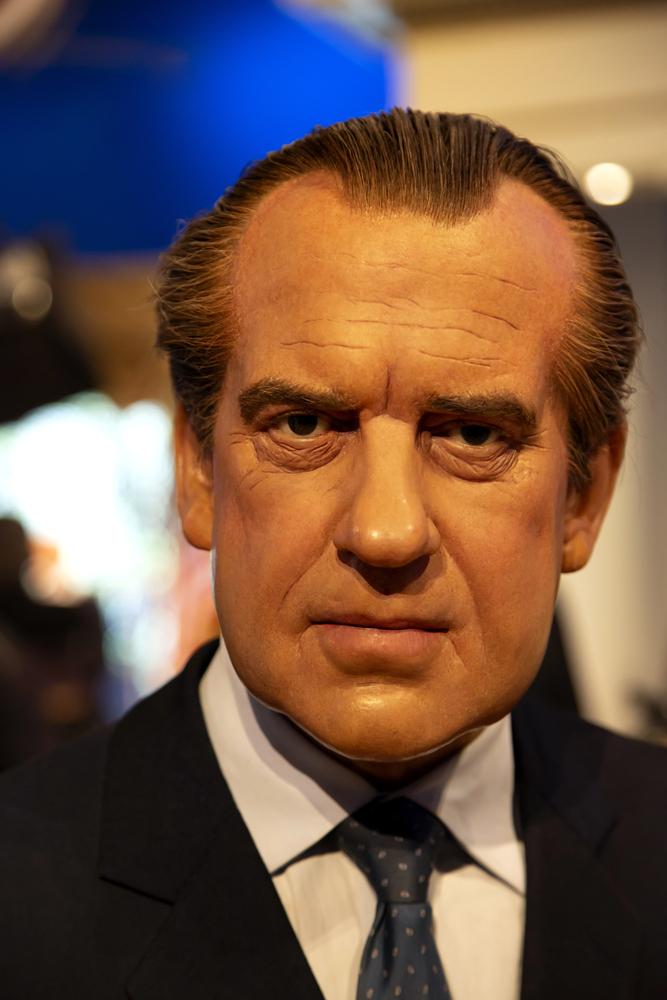
Nixon’s 1974 resignation speech was rewritten extensively in its final days, with drafts shifting between an apologetic tone and a more defiant one before settling on the measured, largely unapologetic version he delivered. Speechwriters later described the process as unusually contentious given the stakes of the moment.
Washington’s Farewell Address
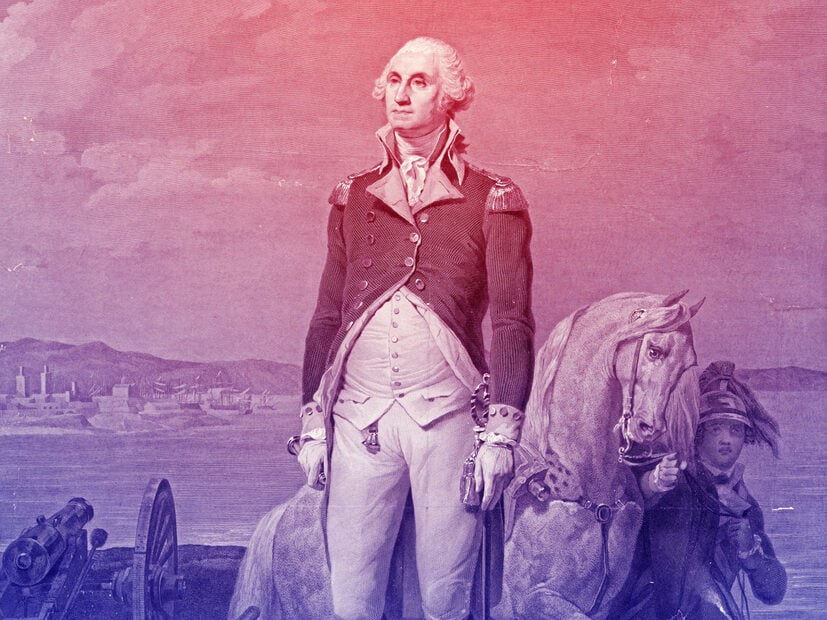
George Washington drafted an early version of his farewell address years before he actually left office, then set it aside and later worked with Alexander Hamilton to substantially rewrite it before its eventual 1796 publication. Hamilton’s contributions were extensive enough that historians still debate how much of the final text reflects Washington’s own voice versus his collaborator’s.
Lincoln’s Second Inaugural Address
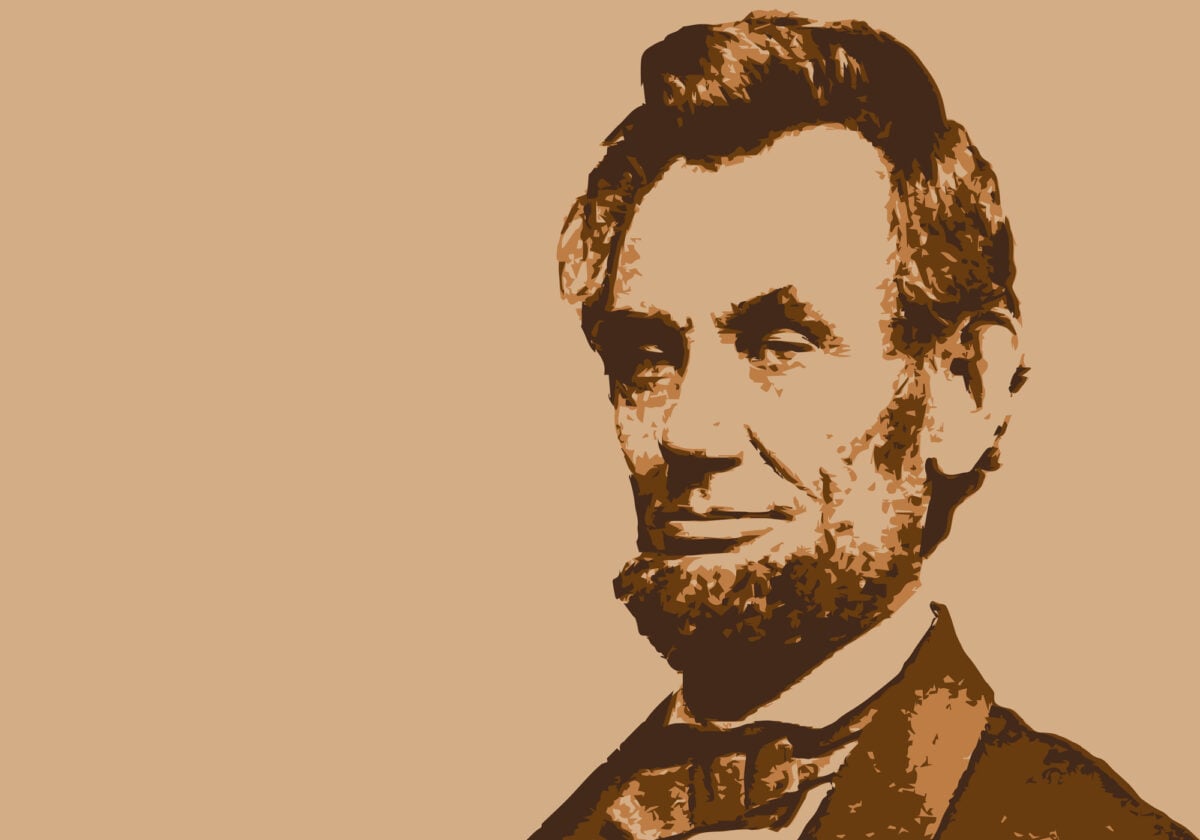
Lincoln’s second inaugural address, delivered weeks before his assassination, was considerably shorter than his first and went through careful trimming to strip away anything that read as triumphant given the war’s ongoing toll. Lincoln himself called it likely to be poorly received at the time, suggesting he understood how sharply he had cut it against the political mood.
Wilson’s Fourteen Points
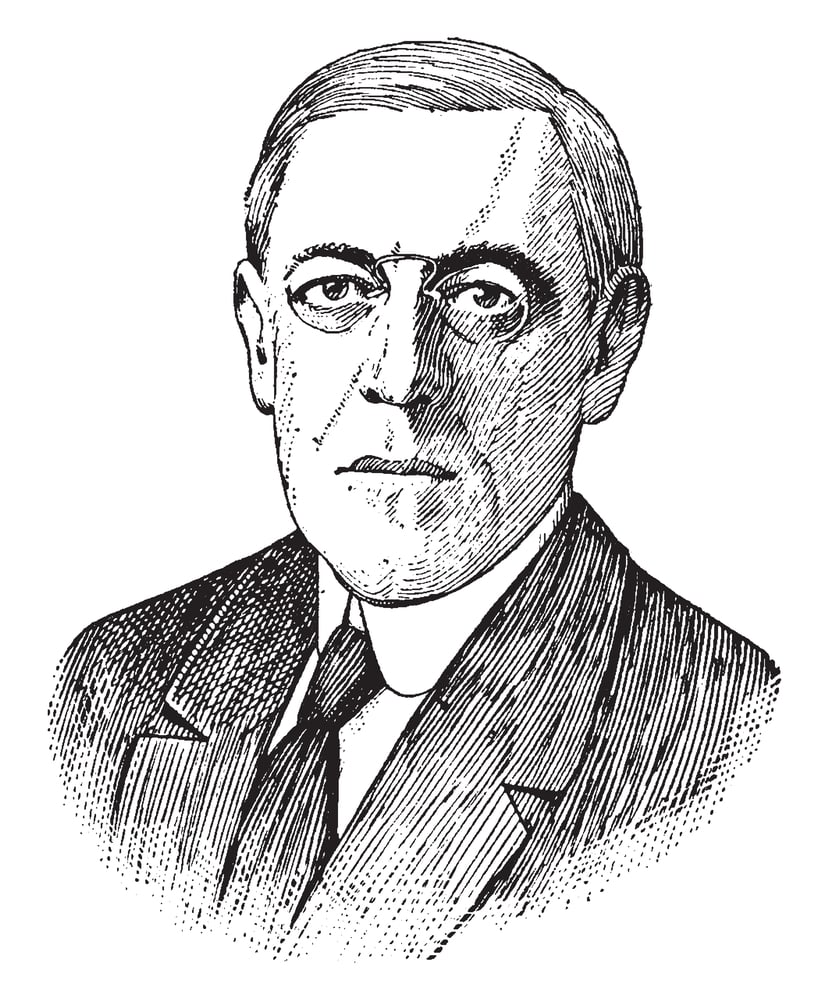
Woodrow Wilson’s Fourteen Points address was drafted with heavy input from an advisory group of scholars assembled specifically to research postwar settlement terms, and the numbered points themselves were reorganized and renumbered multiple times before the January 1918 address to Congress. Several points that appeared in early drafts were cut entirely once European allies raised objections.
Chamberlain’s “Peace for Our Time”
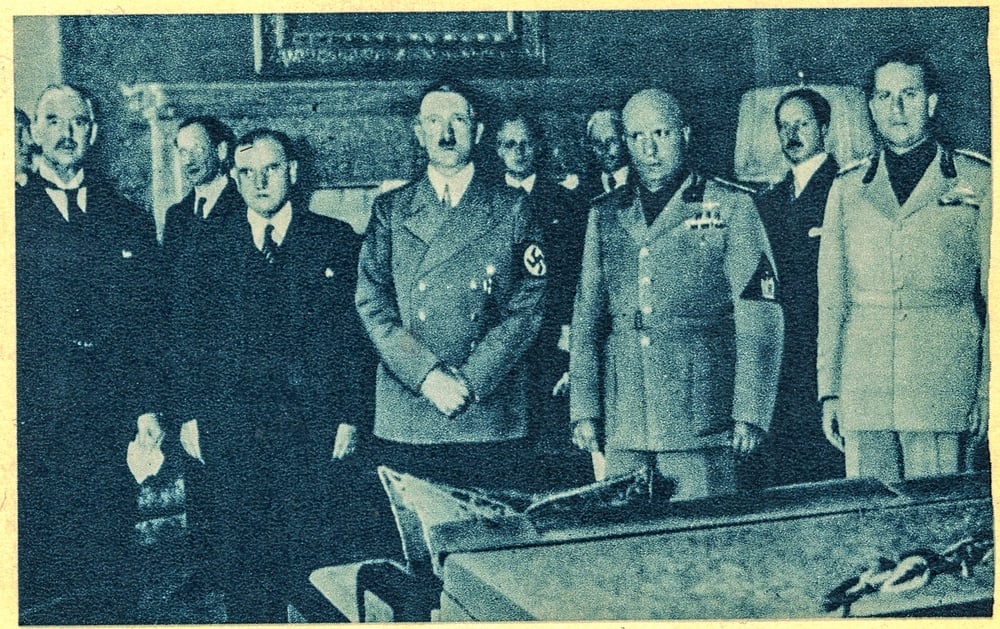
Neville Chamberlain revised his September 1938 remarks after returning from Munich, reportedly borrowing the phrase about peace for their time from a nineteenth-century predecessor’s own diplomatic language. Aides urged him to soften the confidence of his claim, and while he trimmed some phrasing, the core assertion that later proved so damaging remained intact.
MacArthur’s Farewell to Congress
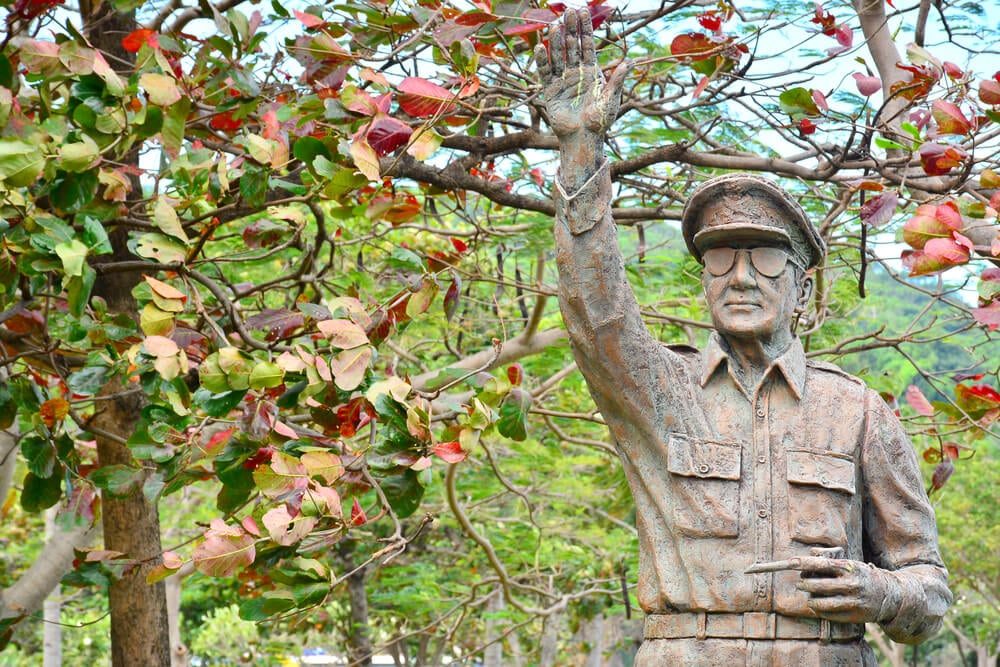
General Douglas MacArthur worked over his 1951 farewell address to Congress for days after his dismissal by President Truman, refining the closing reference to an old army marching song about old soldiers fading away. Aides recalled him testing several versions of the closing line’s rhythm before settling on the phrasing that became instantly famous.
Barbara Jordan’s 1976 Keynote
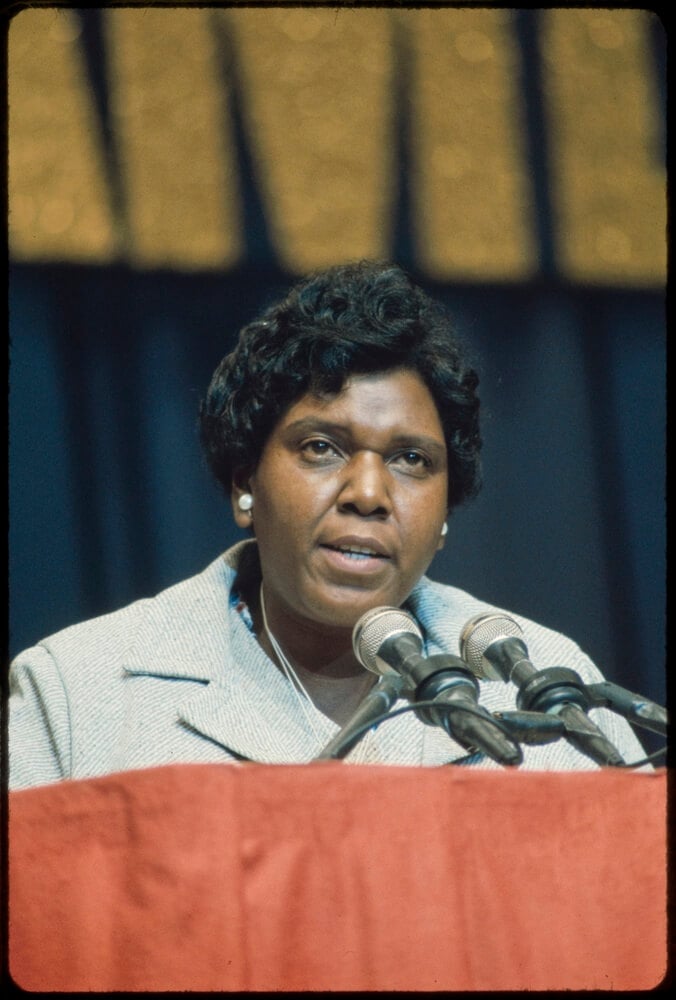
Barbara Jordan’s Democratic National Convention keynote address went through careful revision with her speechwriting team to balance historical references to her being the first Black woman to deliver such a keynote against a broader unifying message. Drafts shifted the placement of that personal reference several times before settling on its final position early in the address.
Mario Cuomo’s 1984 Keynote

Mario Cuomo rewrote large portions of his own convention keynote personally, reportedly working through the text late into the night before delivery and altering its central metaphor contrasting a “shining city” with harder economic realities several times. Aides described him as still marking up pages just hours before he spoke.
Thatcher’s “The Lady’s Not for Turning”
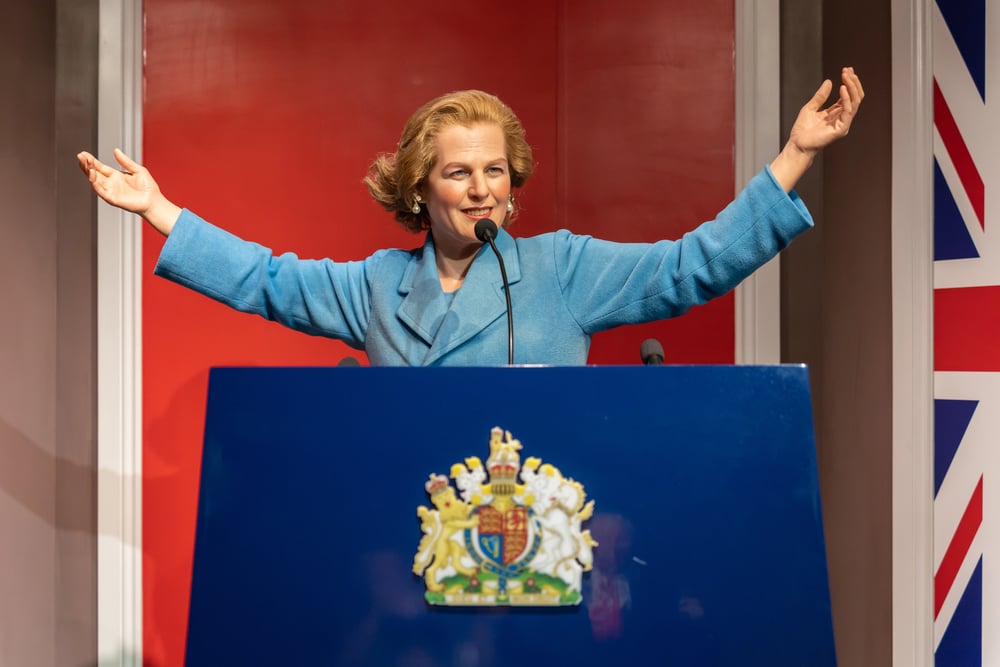
Margaret Thatcher’s 1980 conference speech was drafted with help from a playwright brought in specifically to sharpen its language, and the famous line playing on the title of a historical drama was inserted relatively late in the writing process. Advisers had pushed for a blunter statement of economic resolve before the more literary version won out.
Elizabeth I’s Tilbury Address
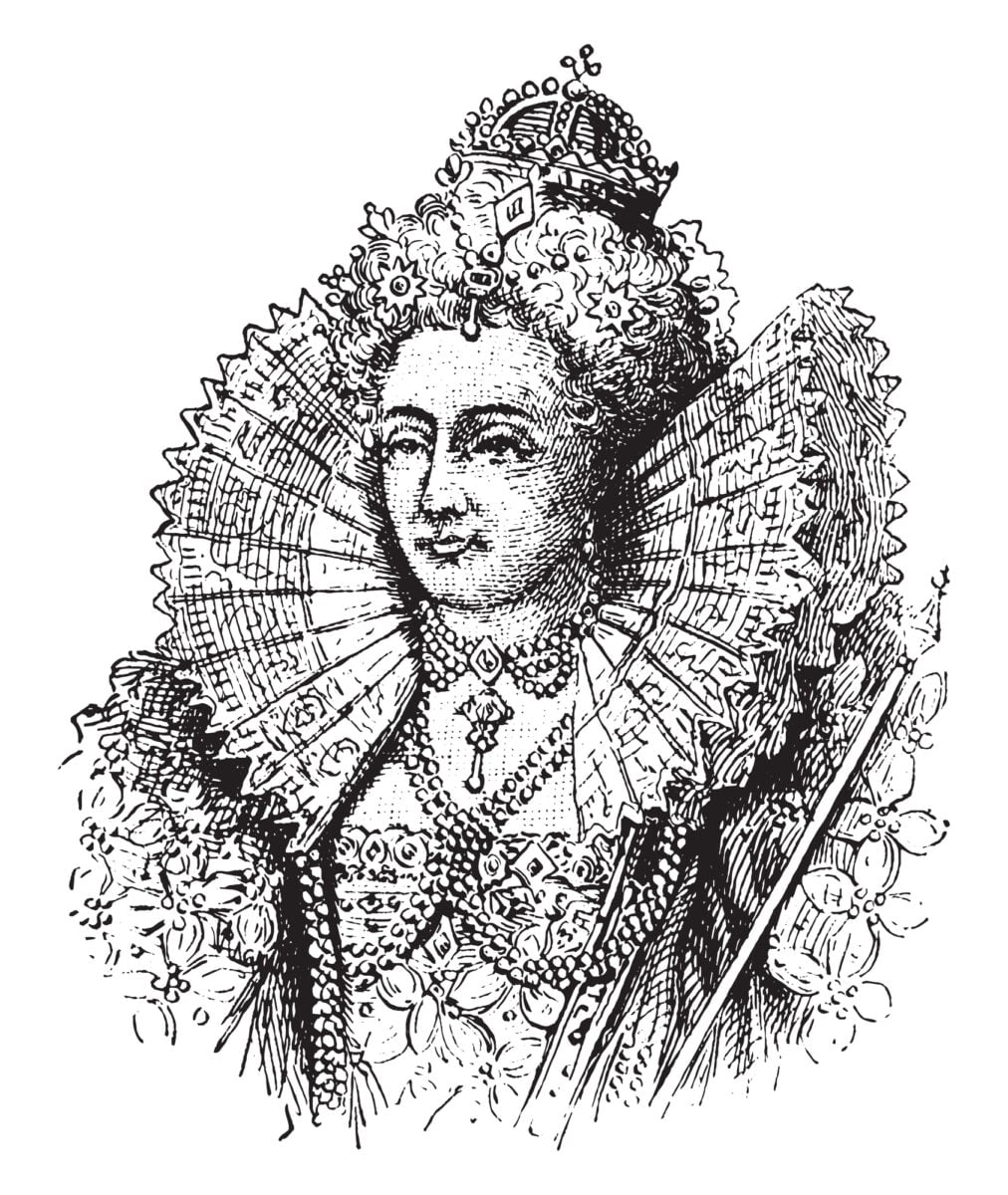
The version of Elizabeth I’s 1588 address to troops at Tilbury that survives today was not published until decades after her death, and historians believe the text was reconstructed and likely embellished from memory rather than copied from a contemporary transcript. Some scholars argue the most famous lines may reflect later polishing rather than the queen’s exact words that day.
Earl Spencer’s Eulogy for Diana
Charles Spencer revised his eulogy for his sister, Princess Diana, in the days before her 1997 funeral, sharpening its pointed references to the press and the royal family after initial drafts were considered too restrained by those who reviewed them. He has said he made final adjustments to the text on the morning of the service itself.
David Foster Wallace’s “This Is Water”
David Foster Wallace’s 2005 commencement address at Kenyon College was extensively drafted and redrafted, according to correspondence later published alongside the speech, as he worked to avoid the moralizing tone he worried the material could easily fall into. He reportedly considered the finished version one of the most difficult things he had ever written.
Sojourner Truth’s “Ain’t I a Woman”
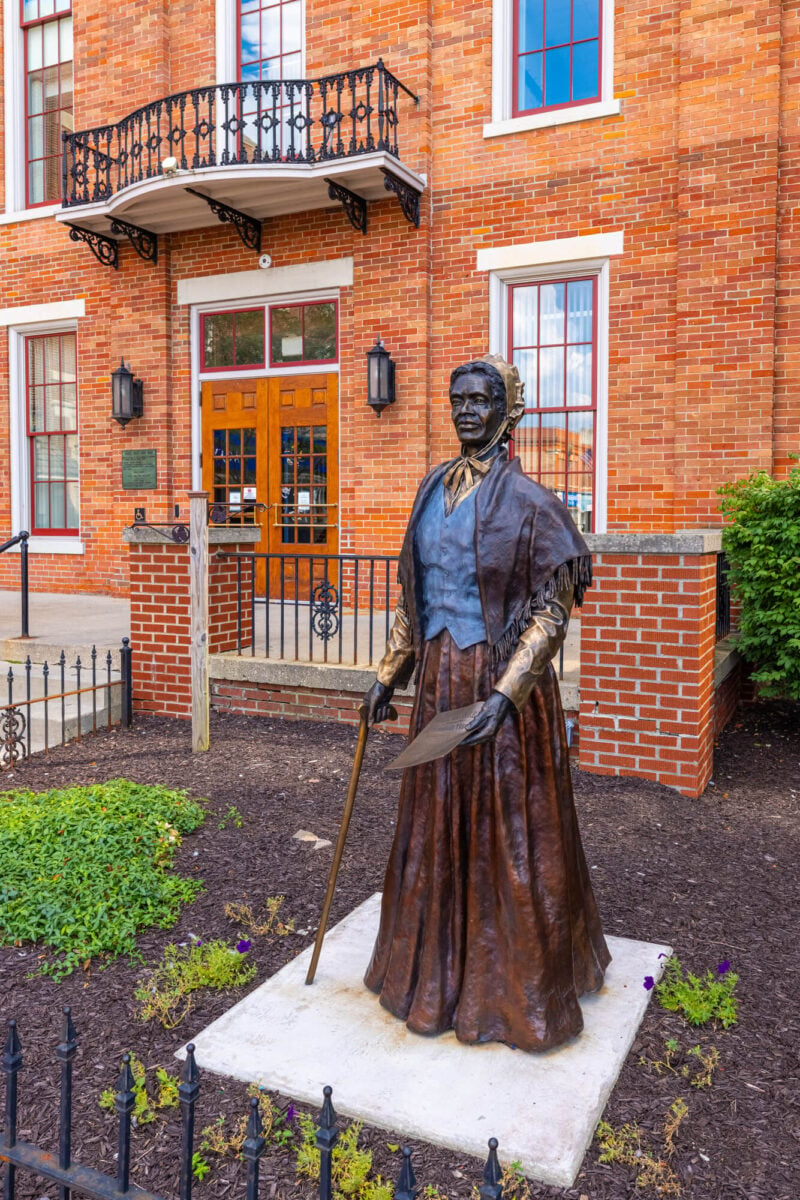
— Photo by RobertoGalan
No transcript of Sojourner Truth’s 1851 address survives from the day she delivered it, and the widely known version was published twelve years later by an organizer who wrote it from memory in a Southern dialect Truth, raised in New York, likely never actually spoke. A contemporary newspaper account recorded shortly after the speech offers a considerably different wording.
Patrick Henry’s “Give Me Liberty” Address
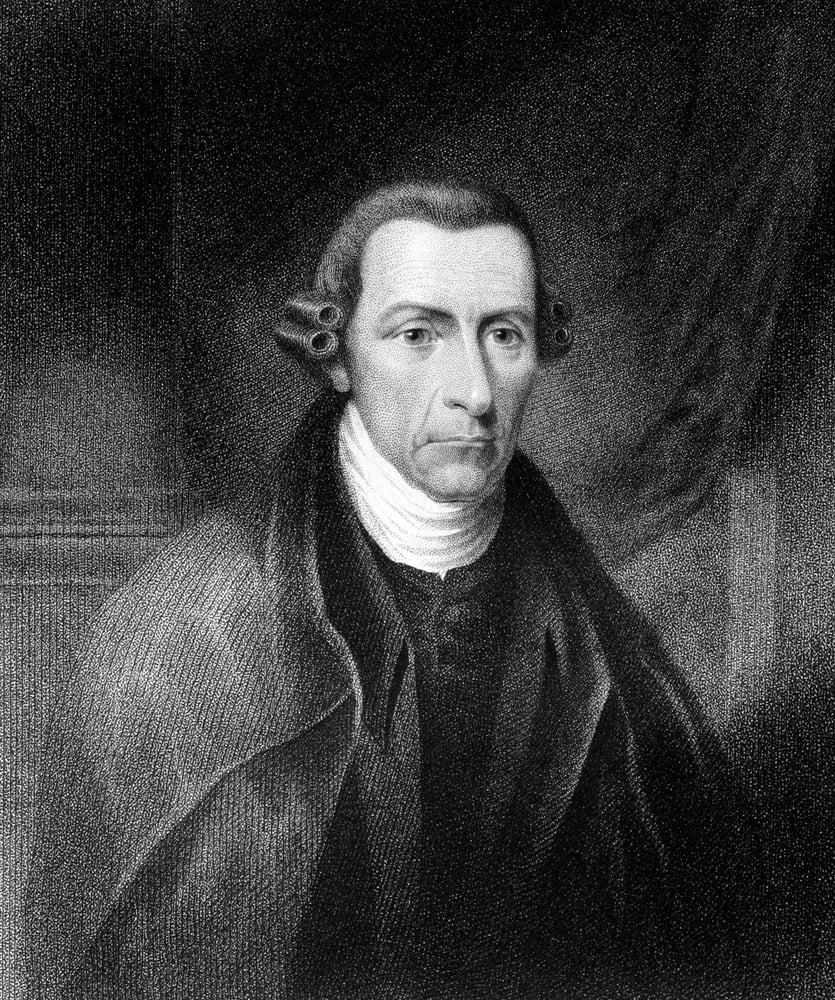
No contemporary transcript of Patrick Henry’s 1775 address survives at all, and the version now taught in schools was reconstructed decades later by a biographer working from the recollections of elderly witnesses. Historians generally treat the specific wording as a reasonable approximation rather than a verified record.
Elizabeth II’s 1957 Televised Christmas Broadcast
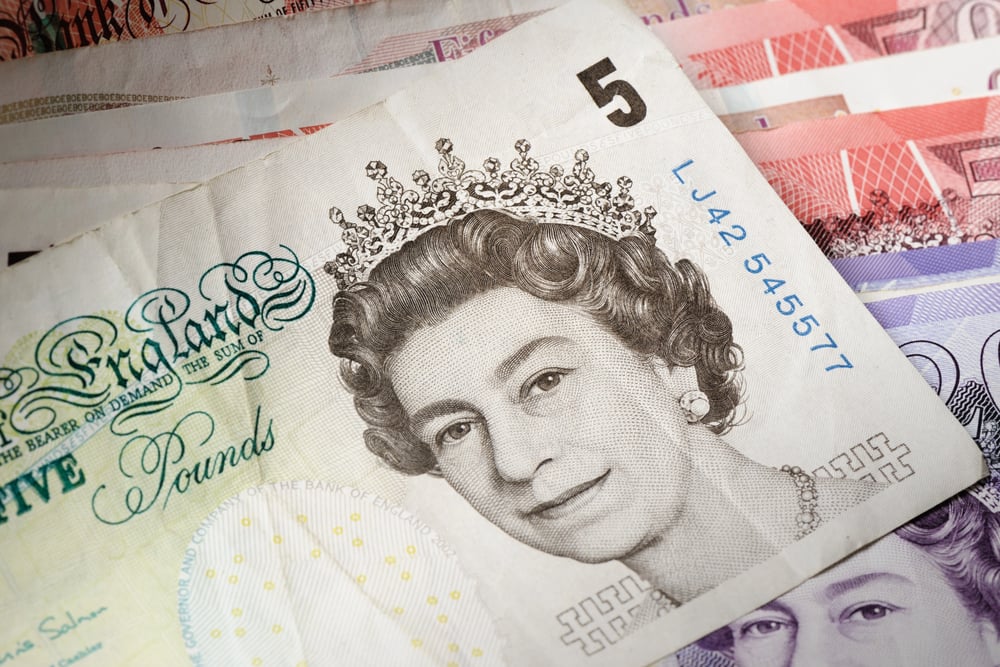
Queen Elizabeth II’s first televised Christmas broadcast in 1957 was rewritten several times by palace staff wary of how the new medium would affect the monarchy’s traditionally distant public image. The queen herself reportedly requested revisions to make the tone warmer and less formal than earlier drafts intended for radio delivery.
Ted Kennedy’s 1969 Address to the Nation
Senator Edward Kennedy’s 1969 televised address explaining a fatal car accident on a Massachusetts island, in which a young campaign worker drowned, was drafted with input from several close advisers and went through significant last-minute rewriting as they debated how much detail and contrition to include. Kennedy has said he was still unhappy with parts of the final version even after it aired.
Obama’s “A More Perfect Union”
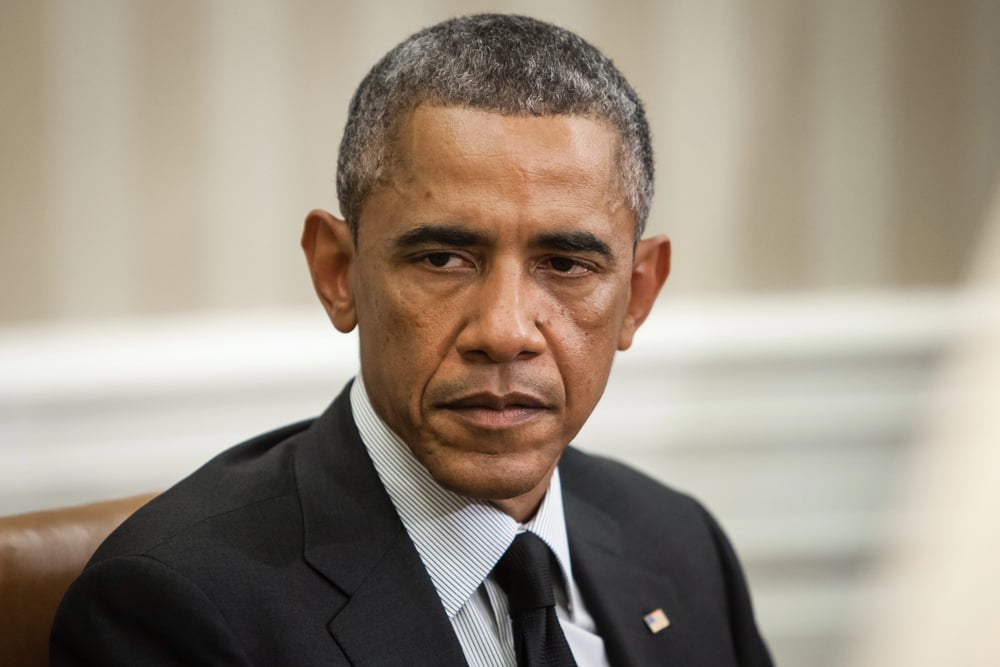
Barack Obama’s 2008 address on race, delivered amid controversy over his former pastor’s remarks, was drafted primarily by Obama himself working through the night, according to aides who described repeated late revisions as he balanced personal reflection against the political stakes of the moment. The speech’s structure changed substantially between the outline aides first reviewed and the version he ultimately delivered.
The Speech Behind the Speech
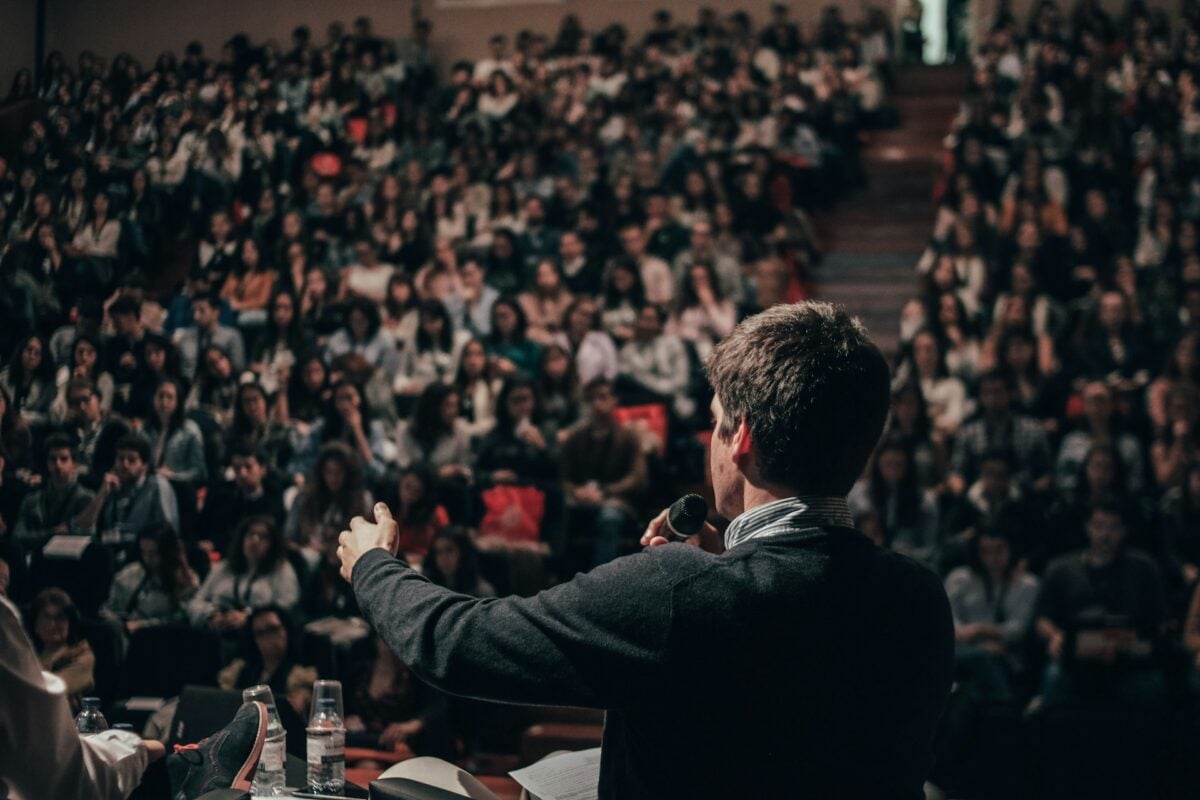
What actually reaches a podium is almost never the first draft, and often is not even the version circulated the day before. Advisers argue over a single word for hours, speakers cut their own best lines for pacing, and sometimes the passage everyone remembers only exists because the speaker set the prepared text aside entirely.
That gap between the written page and the delivered moment is where most of these speeches actually lived. The polished text people quote decades later was frequently the last of many attempts to get a single idea right.
More from Go2Tutors!

- The Romanov Crown Jewels and Their Tragic Fate
- 13 Historical Mysteries That Science Still Can’t Solve
- Famous Hoaxes That Fooled the World for Years
- 15 Child Stars with Tragic Adult Lives
- 16 Famous Jewelry Pieces in History
Like Go2Tutors’s content? Follow us on MSN.