30 Household Gadgets That Sat in Kitchens for Decades
Every kitchen drawer contained at least three gadgets whose purposes remained mysterious to anyone who didn’t specifically use them. Mothers accumulated them through wedding gifts and department store wandering, storing them in appliance garages or high cabinets.
Most were used twice, then relegated to permanent kitchen infrastructure, taking up valuable real estate but rarely discarded. These single-purpose tools became fossils of domestic life, replaced by simpler modern alternatives.
Electric Can Opener
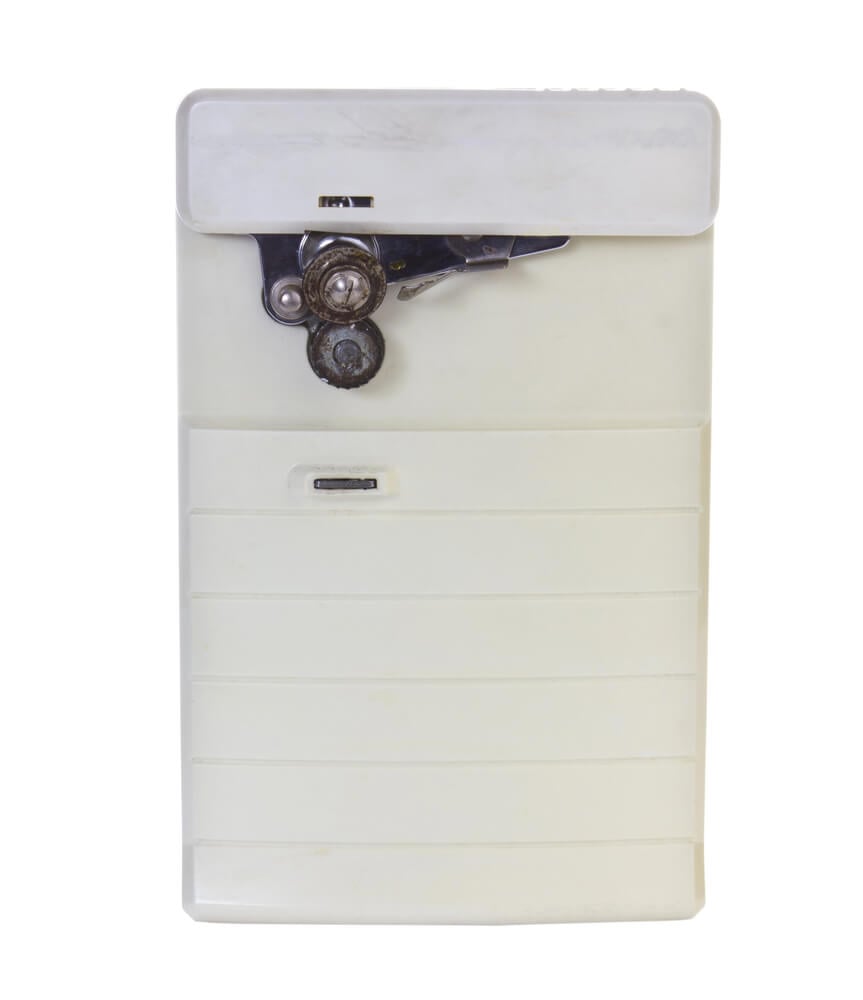
This wall-mounted device gripped cans and rotated them against an electrical blade. The mechanism failed frequently, requiring aggressive maintenance or replacement.
Elderly users appreciated them more than younger cooks, who considered them unnecessary and mounted them as decorations long after abandoning actual use.
Avocado or Harvest Gold Toaster
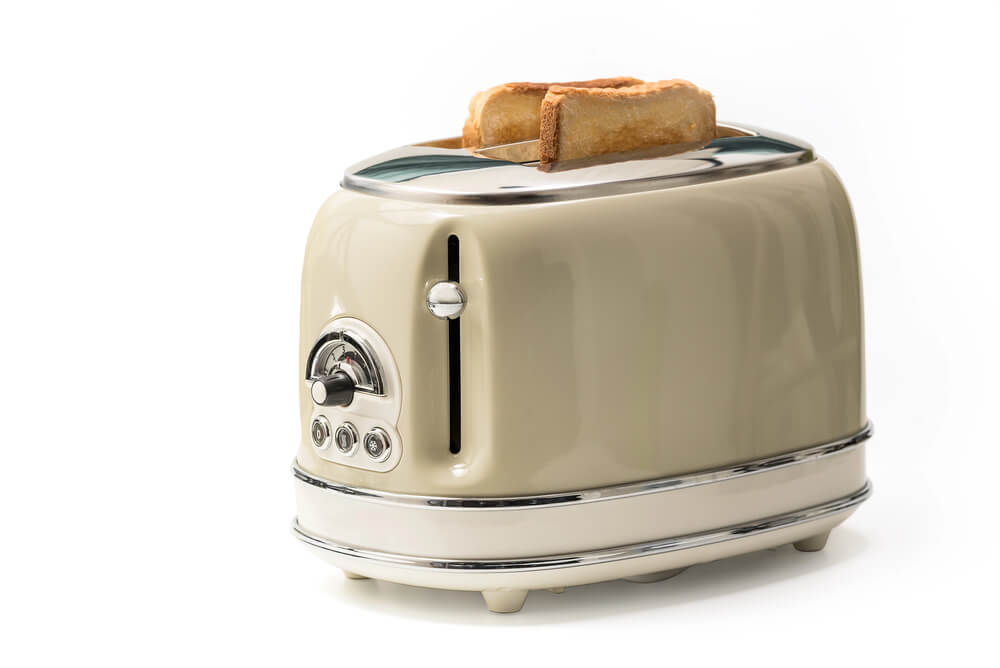
These two-slice or four-slice toasters came in earth-tone colors that matched appliances from the 1960s and 1970s. The colors became aggressively dated within a decade, yet the toasters functioned for decades.
Many kitchens kept them in cabinets despite using newer stainless steel models, reluctant to throw away something perfectly functional.
Rotisserie Oven
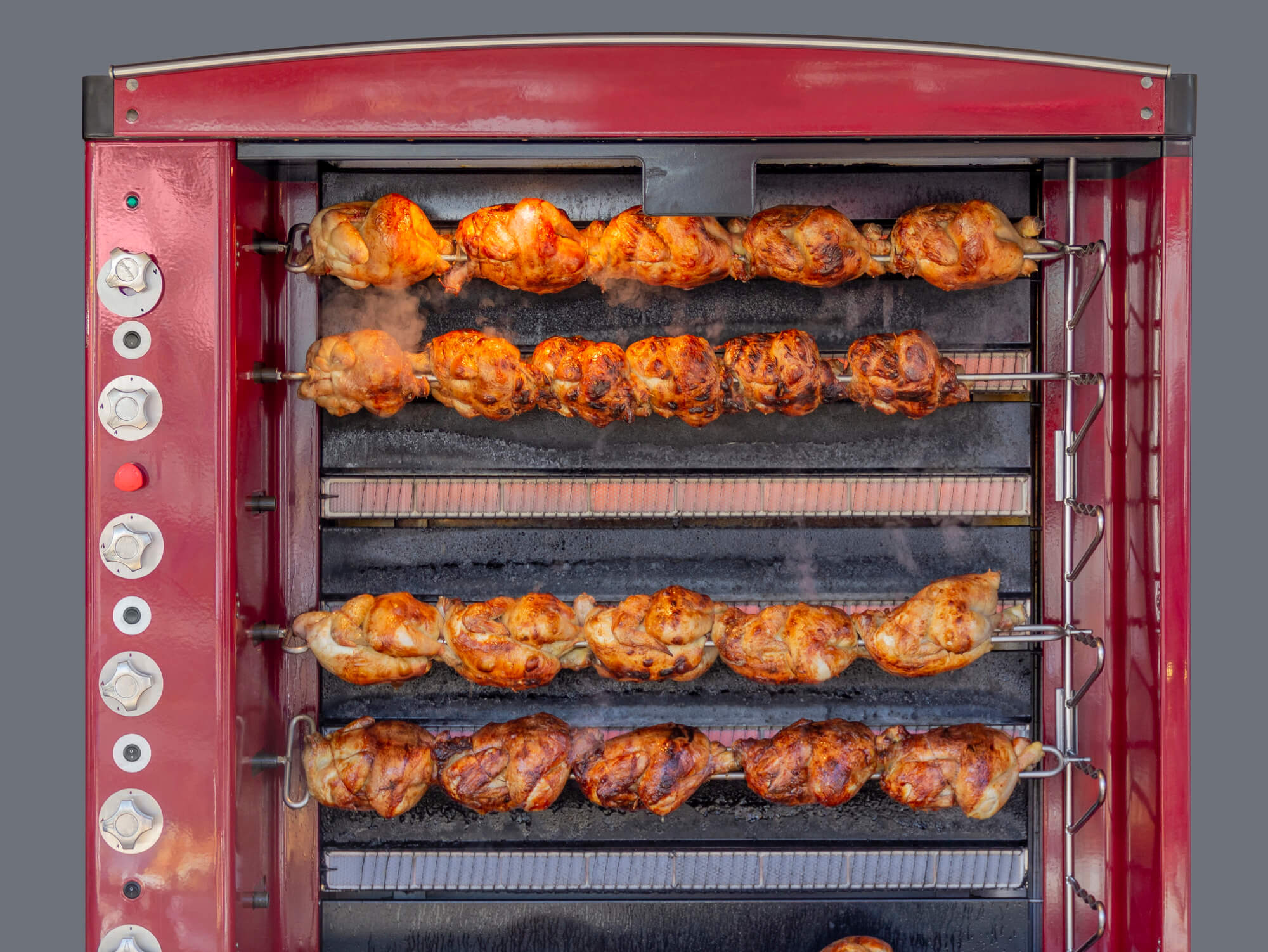
This countertop oven rotated meat on a spit while infrared heating cooked it evenly. The process created splatter and smoke, requiring careful placement near windows.
The promise of restaurant-quality meat at home attracted buyers despite the learning curve and specialized recipes.
Electric Skillet
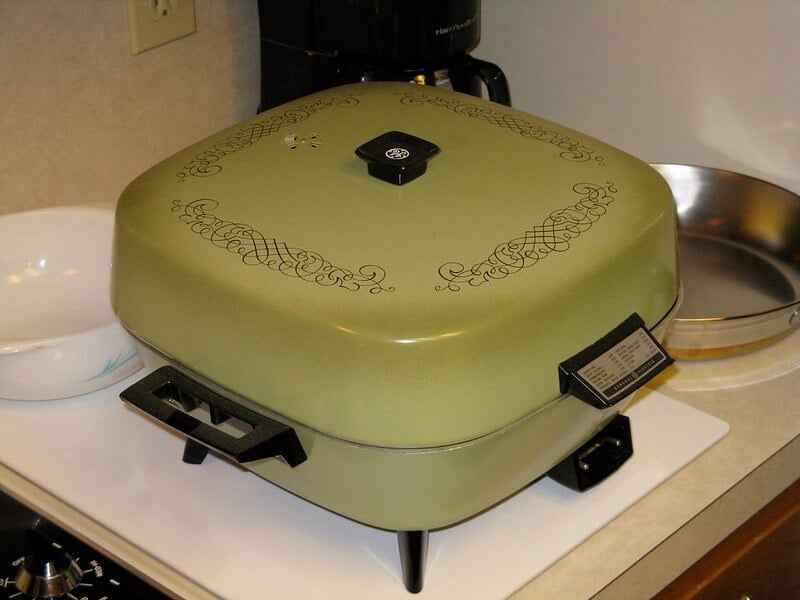
This self-contained appliance with heating controls and a removable electrical cord heated food on a griddle surface. The cord connector corroded frequently, making the appliance temperamental.
Some families used them religiously for breakfast or entertaining while others never figured out their purpose.
Fondue Pot
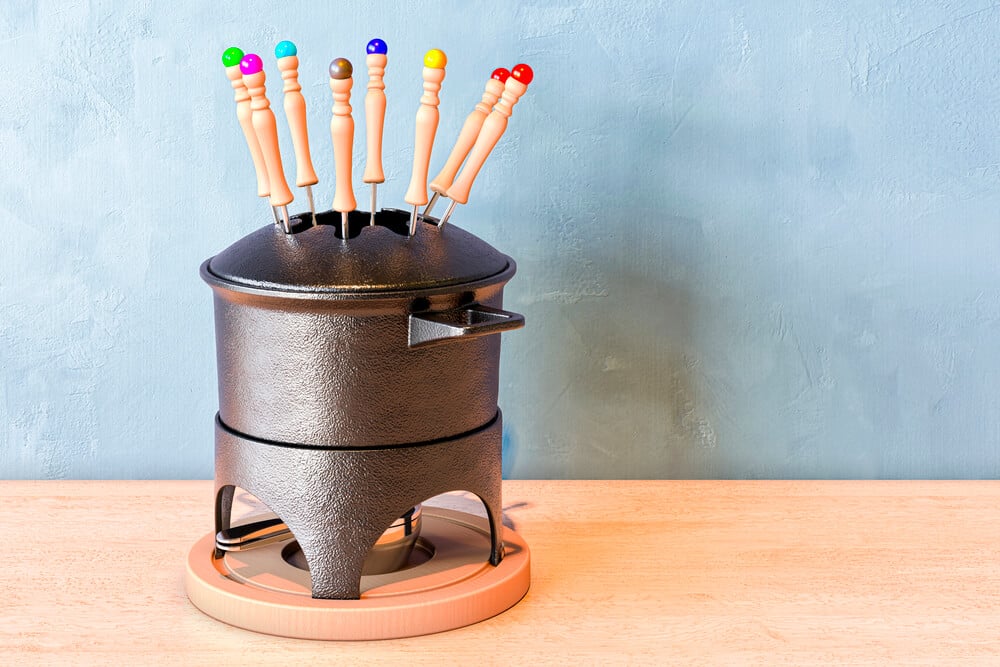
This Swiss tradition in a pot with individual dipping forks promised entertaining and intimacy. The cheese or chocolate required constant temperature monitoring and careful dunking technique.
Most families bought them for one party, then stored them unused, as the combination of effort and small serving size discouraged regular use.
Warming Tray
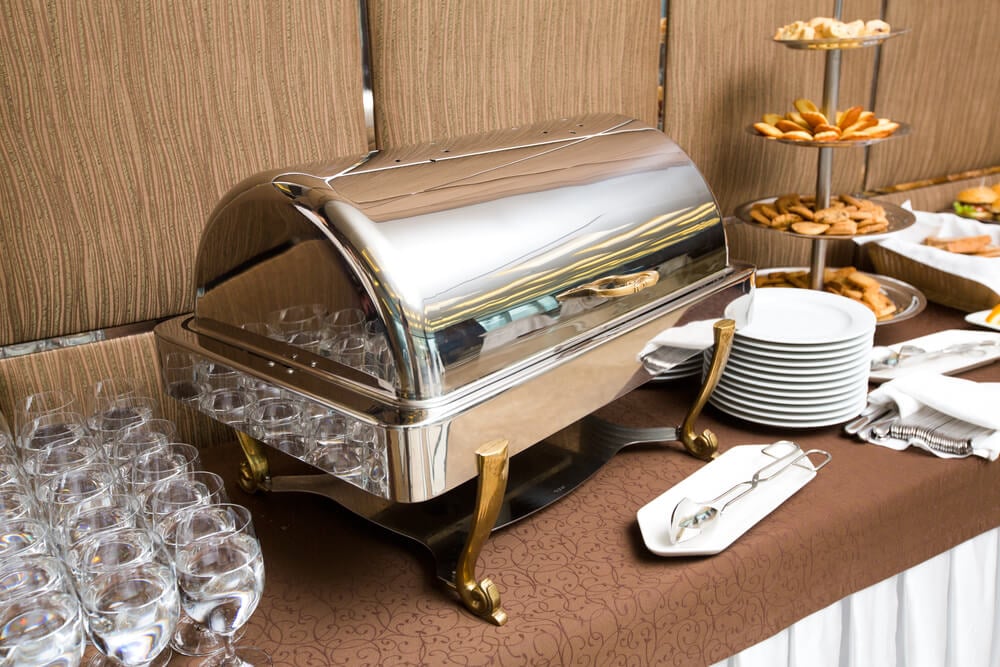
This low-heat electrical surface kept prepared food warm during serving. The trays proved useful for keeping rolls or casseroles at temperature without additional cooking.
Most sat unused in cabinets for thirty-year stretches.
Electric Coffee Percolator
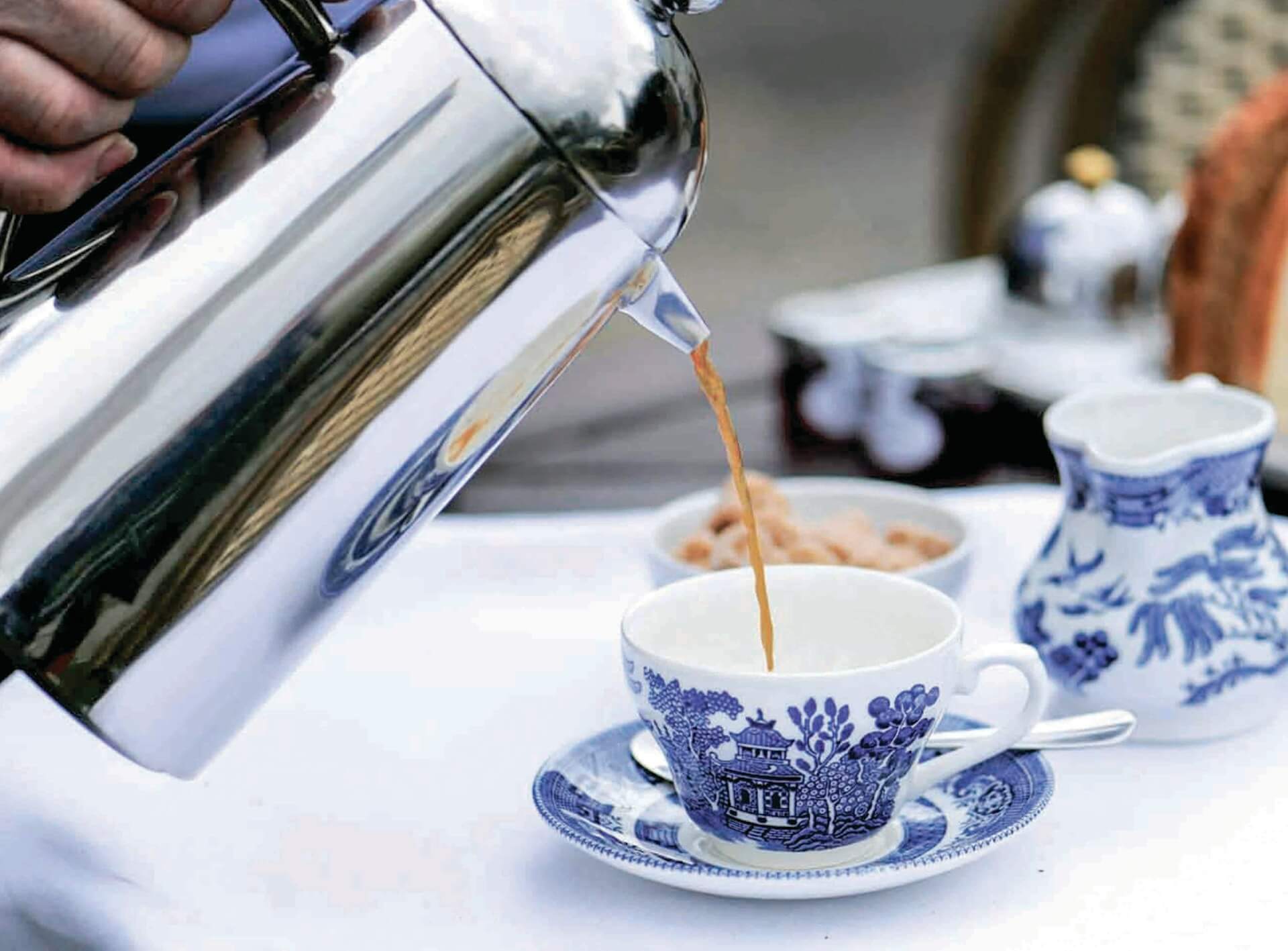
These glass and metal devices brewed coffee by repeatedly pumping hot water through grounds via a center stem. The resulting coffee tended toward strong and bitter, but regular users praised the ritual.
These gave way to drip coffee makers by the 1980s, though many remained in service.
Slow Cooker
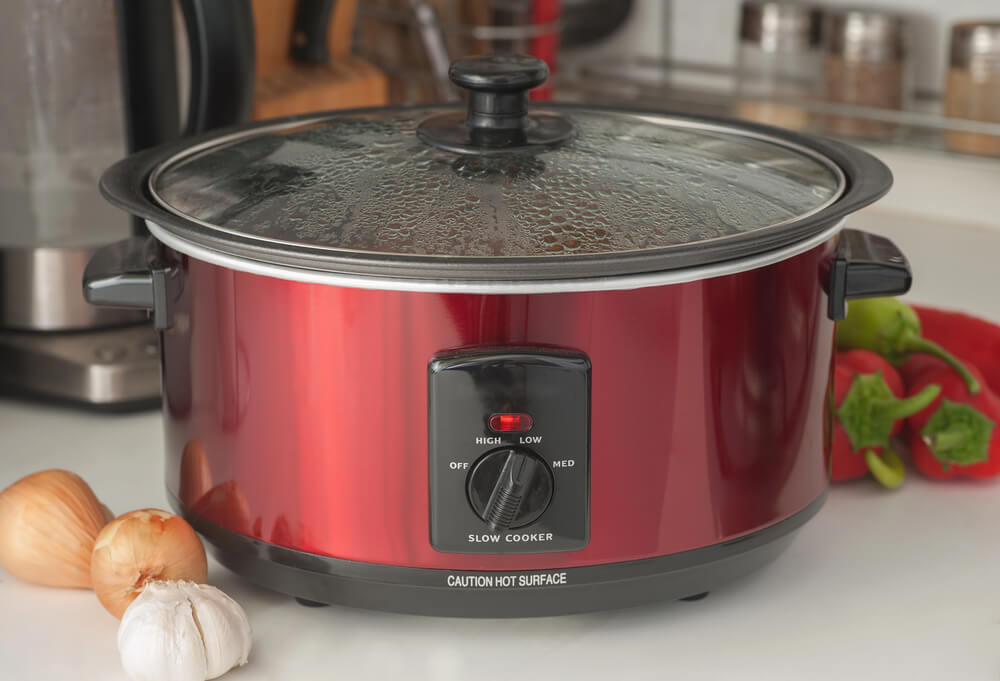
This electrical pot with a removable ceramic insert cooked food on low heat for eight to twelve hours. Homemakers valued them for putting food in before work and having dinner prepared by afternoon.
The pots worked reliably for decades, making them difficult to discard despite newer competitors.
George Foreman Grill
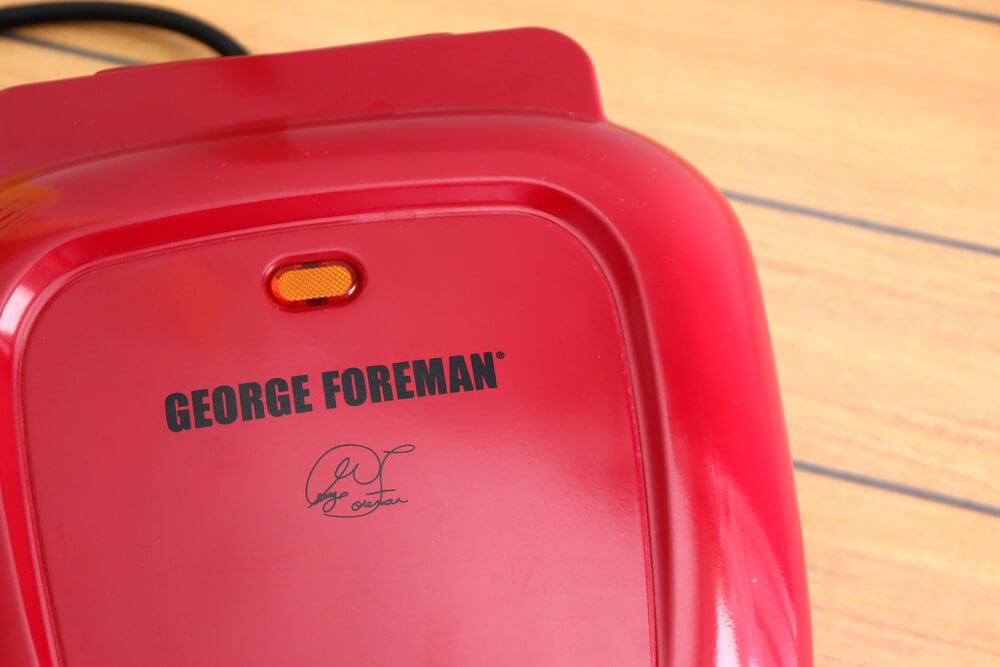
This sloped double-sided grill pressed meat while heating from above and below, cooking hamburgers quickly. The removable grill plates allowed cleaning and storage.
Despite being revolutionary when introduced, fewer people used them as grilling traditions and outdoor equipment improved.
Bread Machine
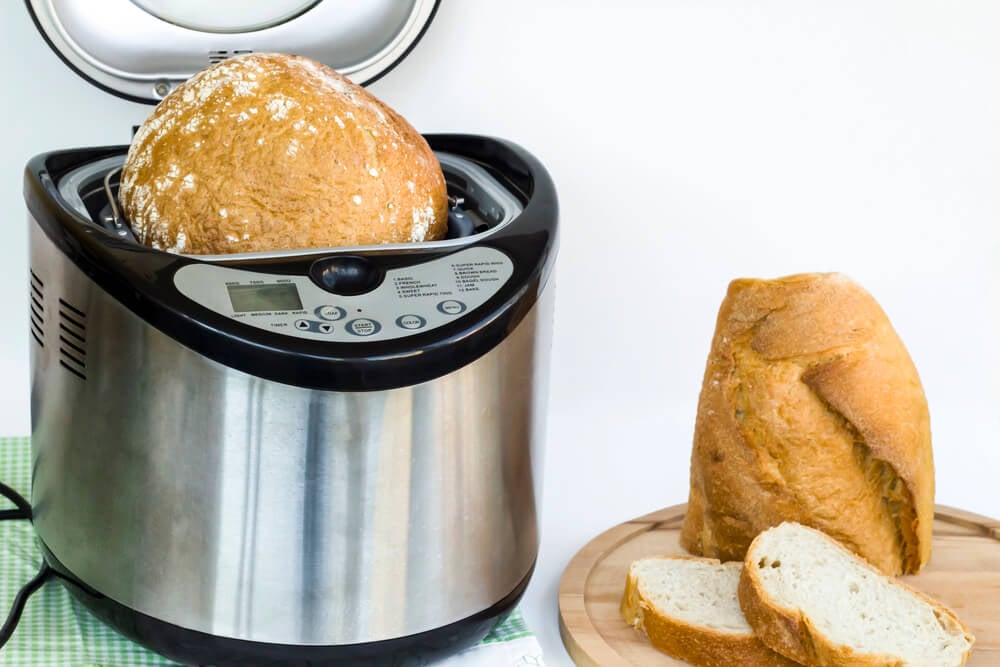
This electrical box mixed, kneaded, and baked bread automatically, promising homemade loaves from the counter. The machines proved useful for some and utterly disappointing for others.
Many found their way into storage cabinets after the initial novelty wore off.
Juicer
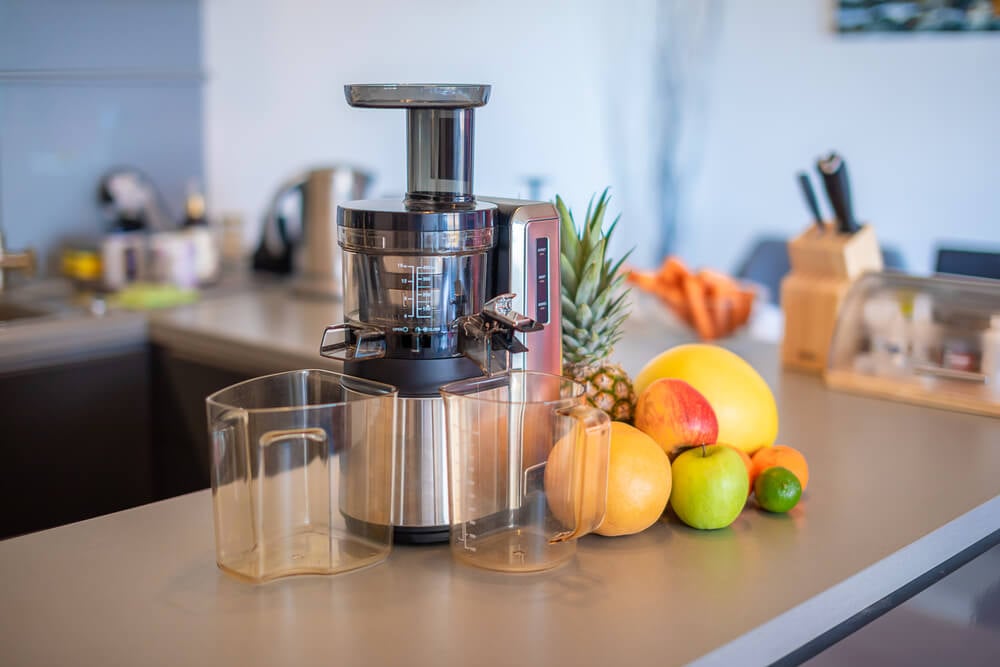
This electric device separated juice from citrus fruits with minimal manual effort. The ceramic cone rotated while pressure from above extracted juice into a collection basin.
Users appreciated the efficiency but often found cleaning a burden.
Blender
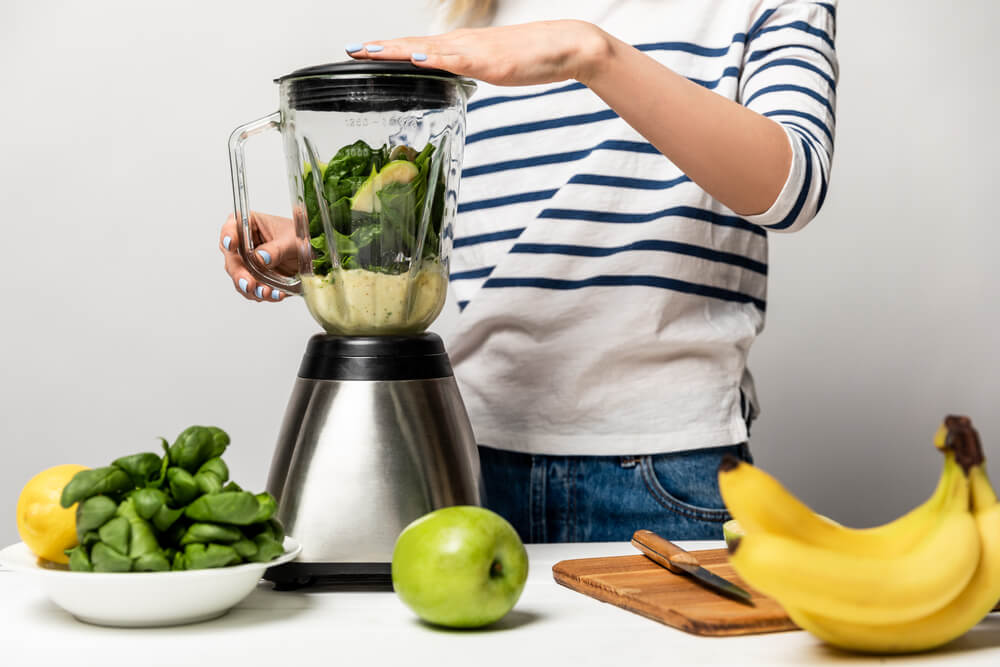
These electric containers with spinning blades puréed fruit, ice, and other ingredients into smoothies or soup. The glass pitchers occasionally broke, and the rotating blades proved dangerous.
Despite newer food processors, blenders persisted in cabinet corners.
Food Processor
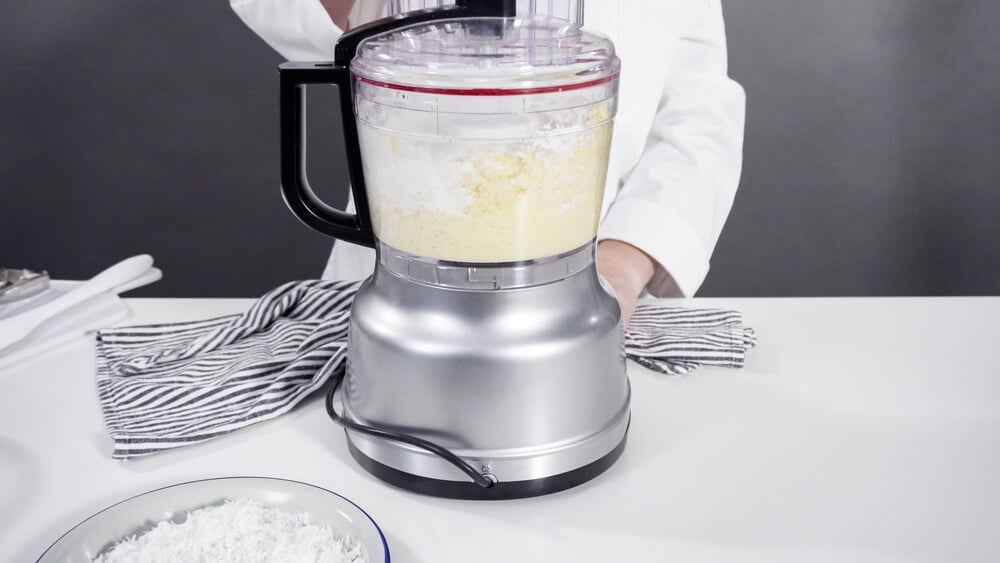
This multipurpose machine chopped, shredded, and mixed ingredients with interchangeable blades and attachments. The complexity and difficulty of cleaning discouraged regular use despite the promised convenience.
Many people returned to knives and mixing bowls.
Waffle Iron
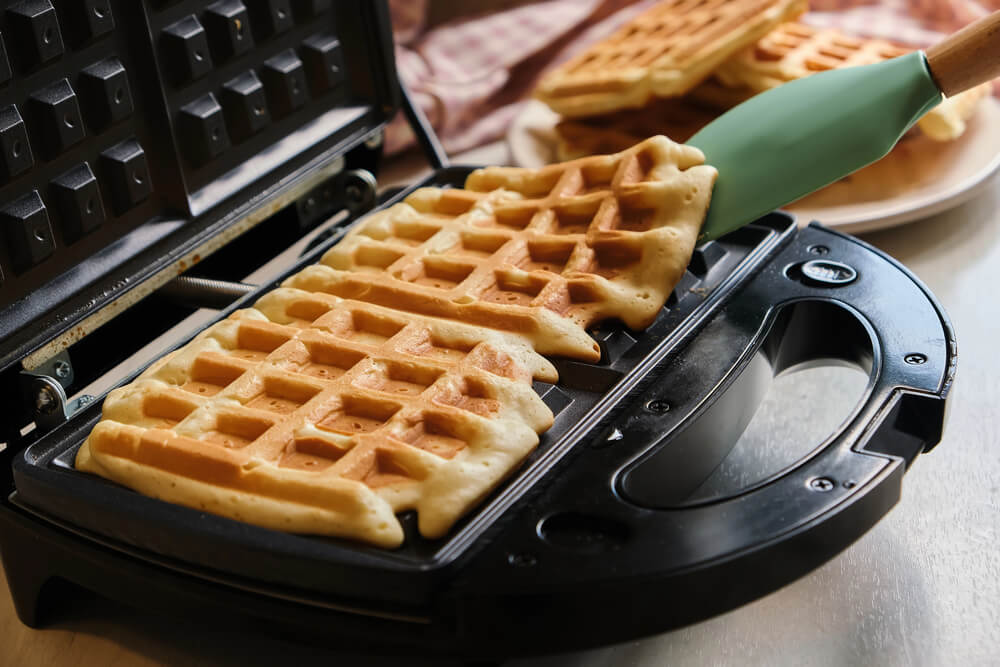
This clamped device created grid patterns in batter, producing crispy exteriors and fluffy interiors. The nonstick coating deteriorated over decades, requiring parchment paper between iron and batter.
Weekend breakfast traditions kept waffle irons active for families; others stored them permanently.
Popcorn Popper
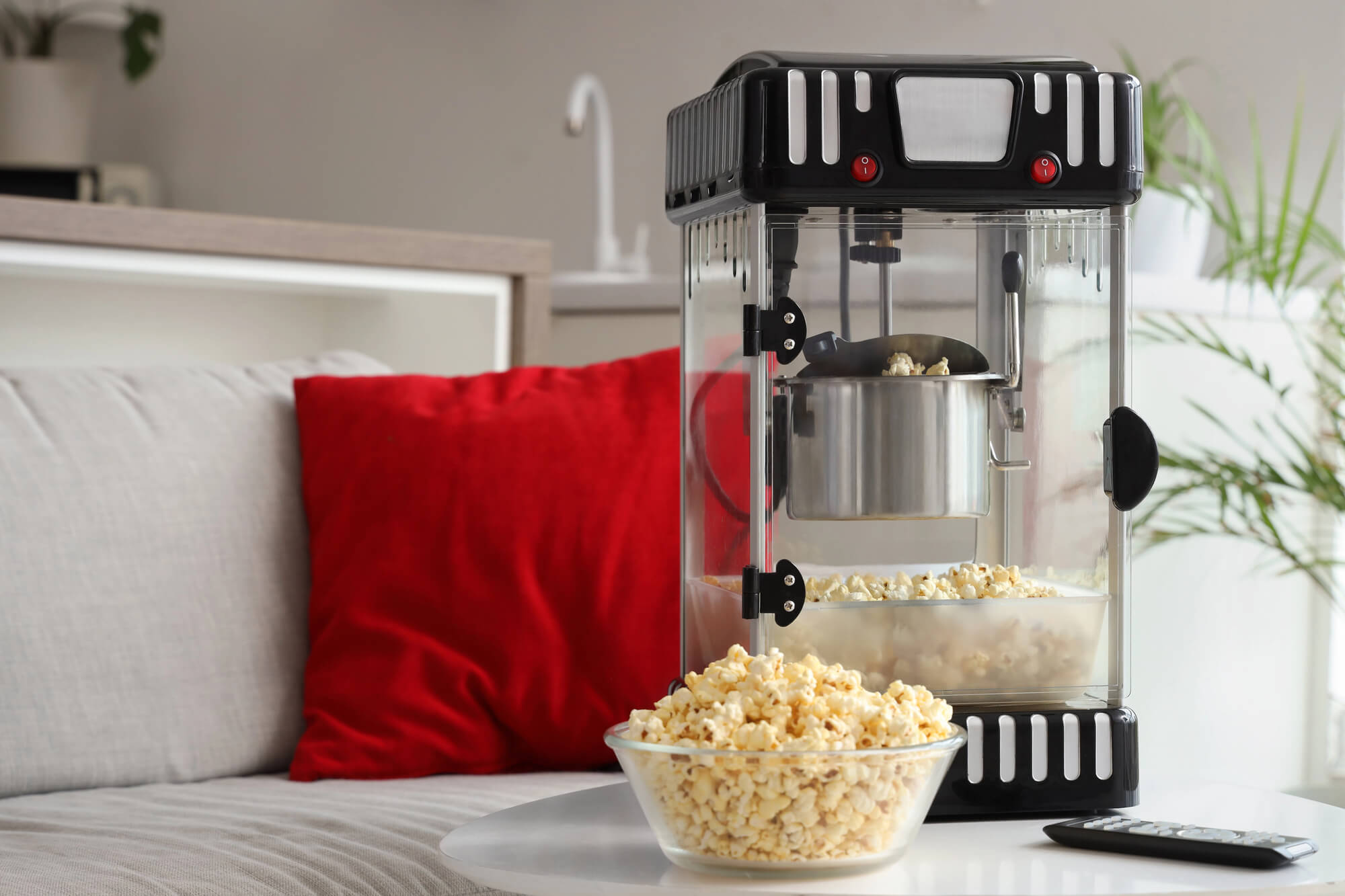
This heated pot with a lid and internal paddle popped corn kernels while butter could be added. The paddle stopped from burning kernels and encouraged even heating.
Electric popcorn poppers replaced stovetop versions, though many of both remained in service.
Rice Cooker
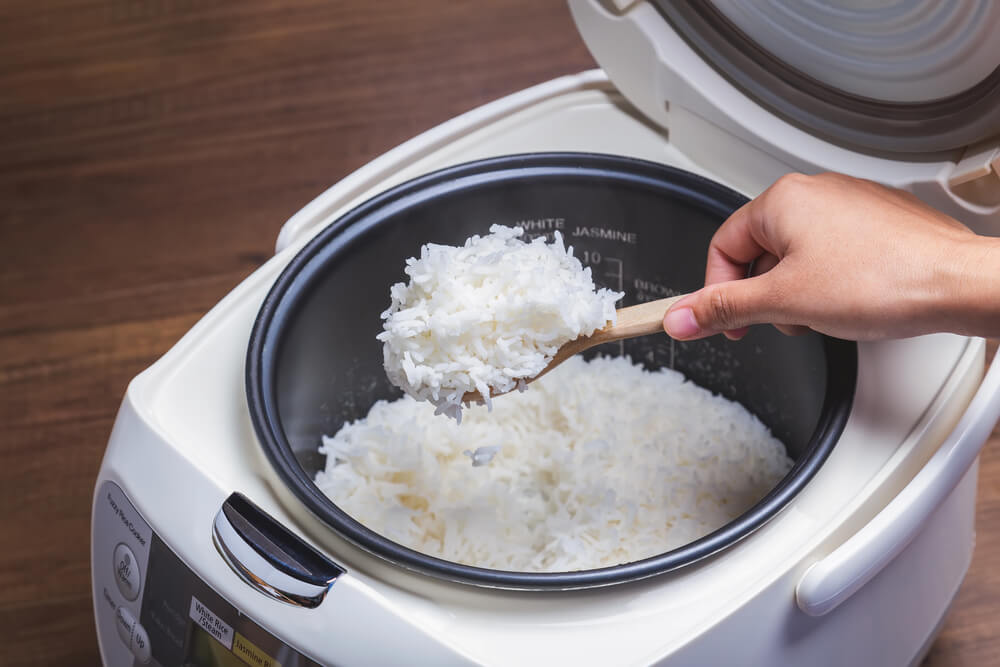
This electrical pot with temperature sensors automatically transitioned to warming when rice finished cooking. Asian families used them daily while other families stored them for entertaining.
The cookers proved nearly indestructible, outlasting most competing appliances.
Egg Cooker
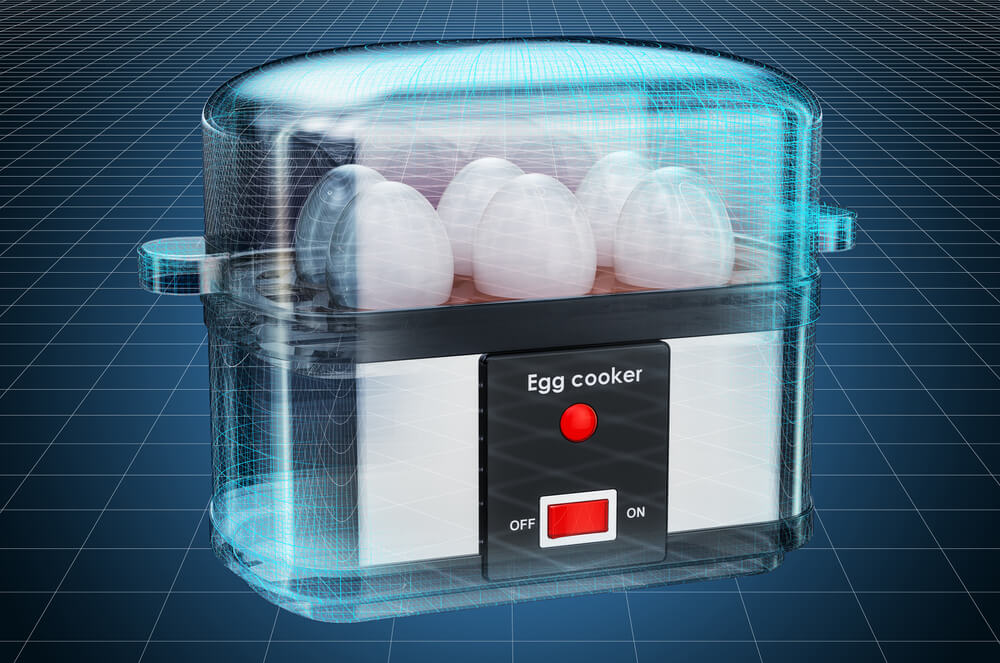
This small appliance boiled eggs using heat and steam, producing perfect doneness with minimal monitoring. The device served specialized purposes for large families or specific cooking needs.
Most households didn’t justify the space after trying them once.
Pasta Machine (Electric)
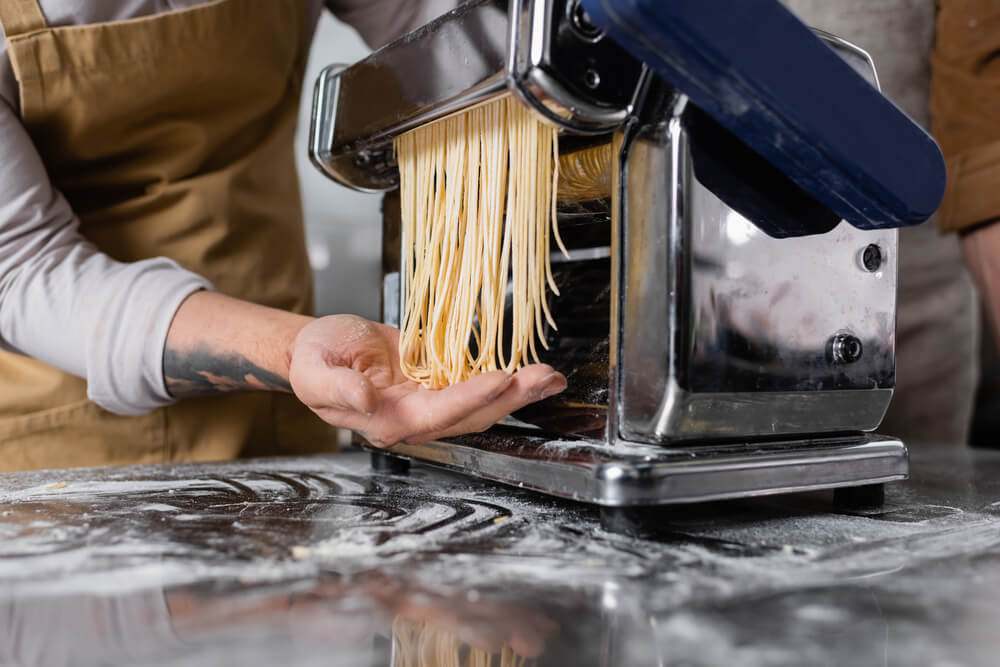
These countertop devices made fresh pasta by mixing, kneading, and extruding dough. The machines required specific technique and practice.
Enthusiasts swore by them while casual cooks found the learning curve too steep.
Crepe Maker
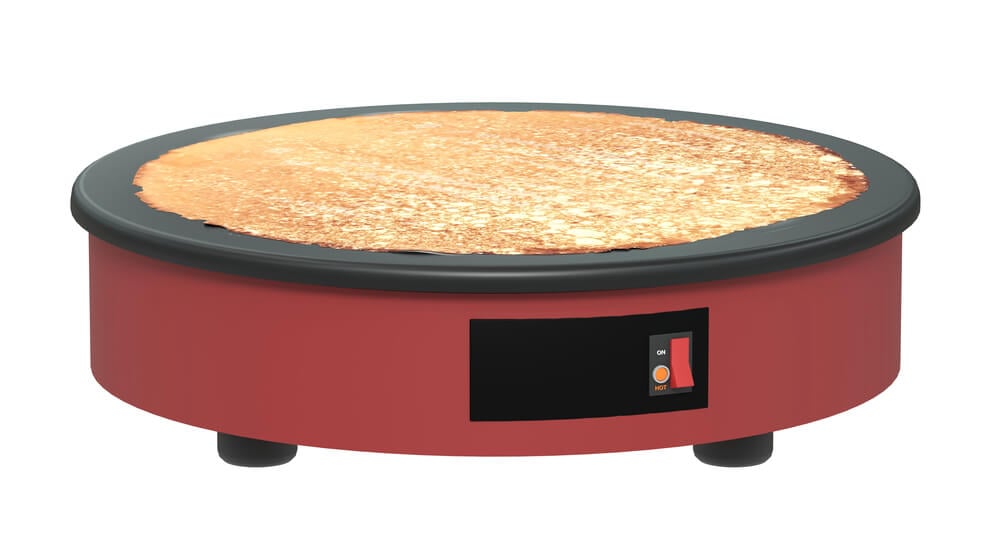
This heating plate or non-stick surface made thin pancakes from batter spread in circular patterns. The technique required practice and confidence.
Most families bought crepe makers for entertaining and stored them unused afterward.
Pressure Cooker (Stovetop)
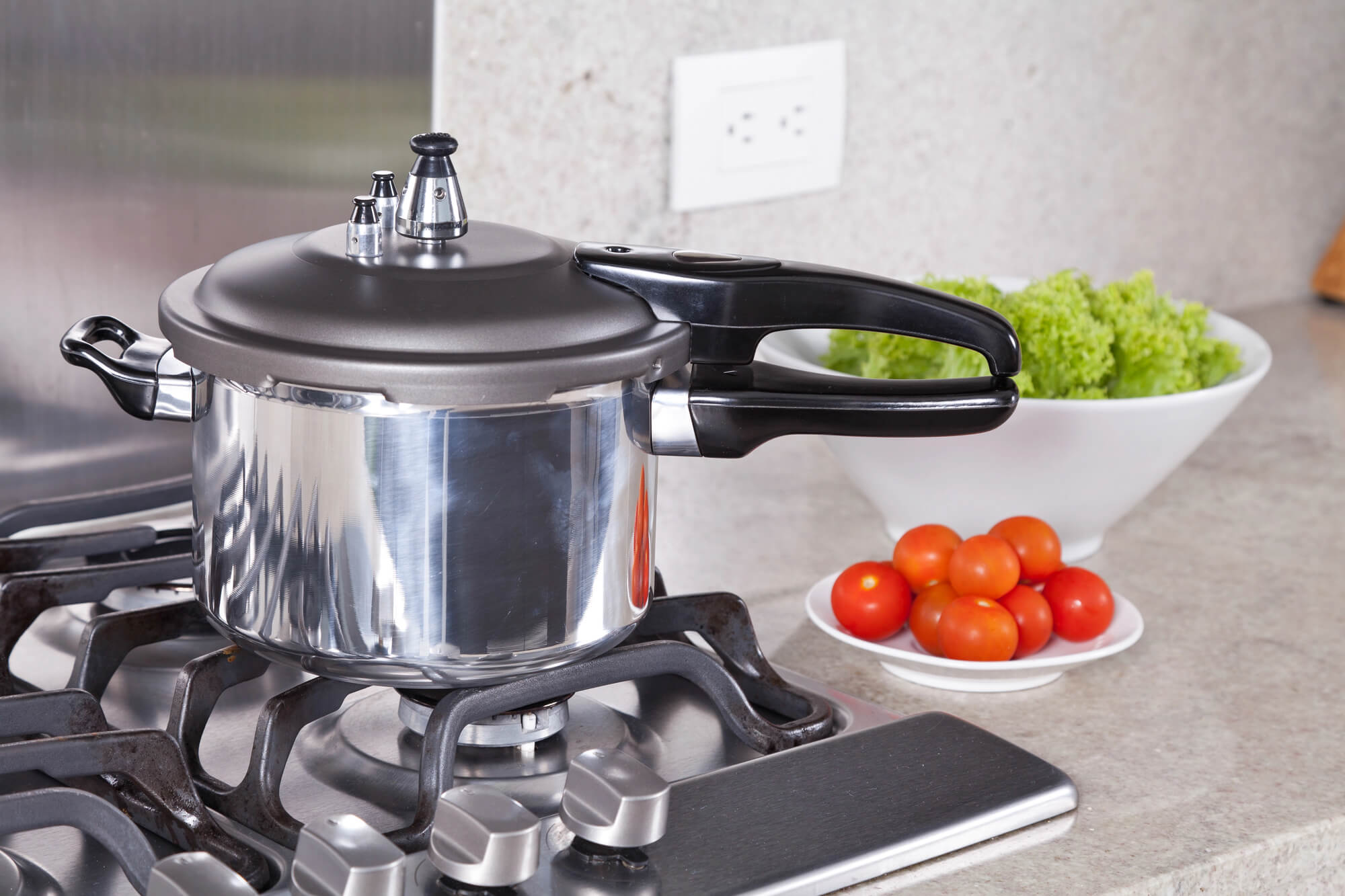
These sealed metal pots used steam pressure to cook food faster, with release valves preventing explosions. The design terrified many users despite an excellent safety record.
Pressure cookers remained in service among cooks who trusted them but intimidated others.
Snack Dehydrator
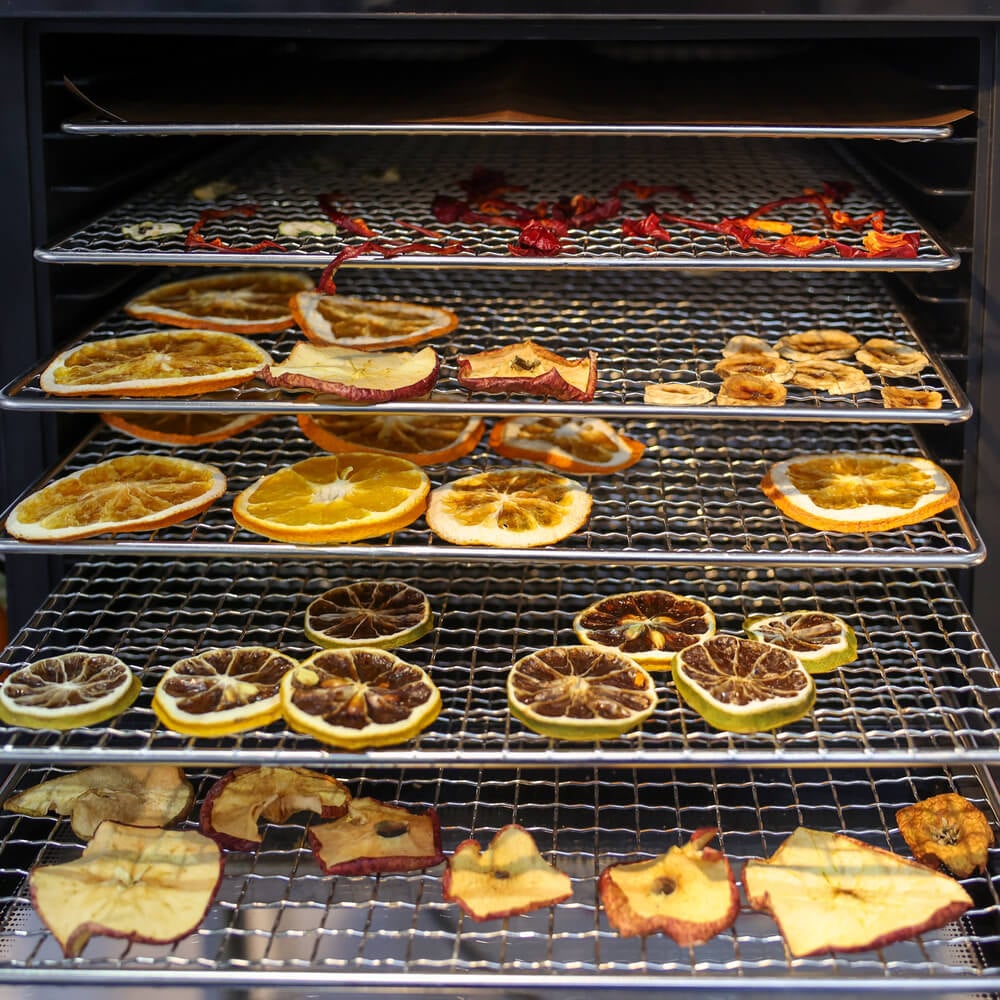
This multi-shelf heating unit with air circulation dried fruit, meat, and vegetables into preserved snacks. The process required patience and produced uncertain results.
Interest in homemade jerky kept some in service; most were abandoned.
Indoor Grill
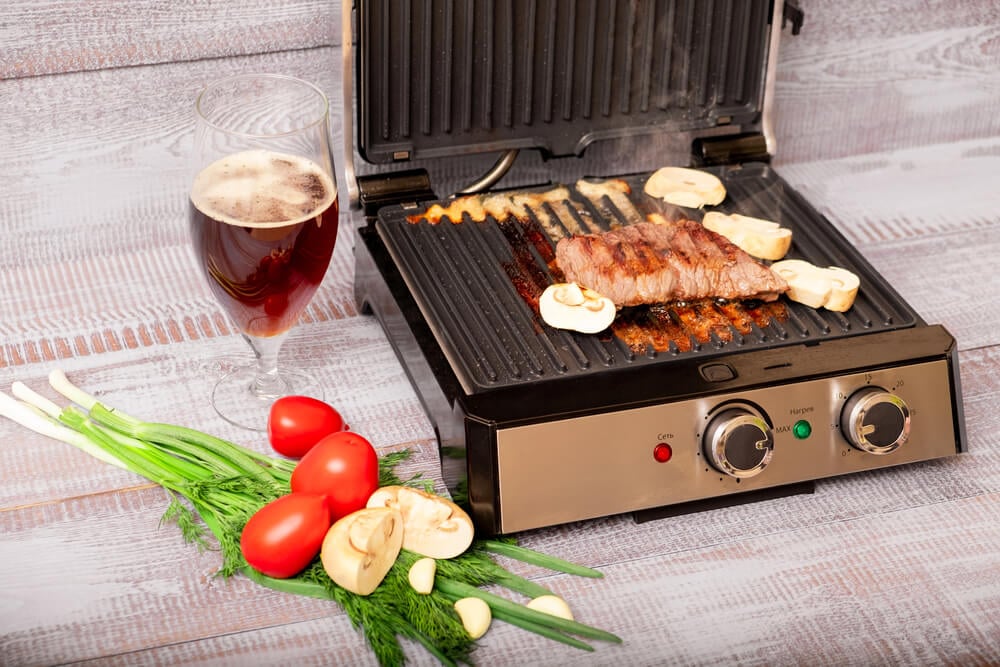
These tabletop electric grills with ridged surfaces simulated outdoor grilling on countertops. The grates collected food debris and required aggressive cleaning.
Convenient for apartments but poorly motivated for houses with outdoor grills.
Sandwich Maker
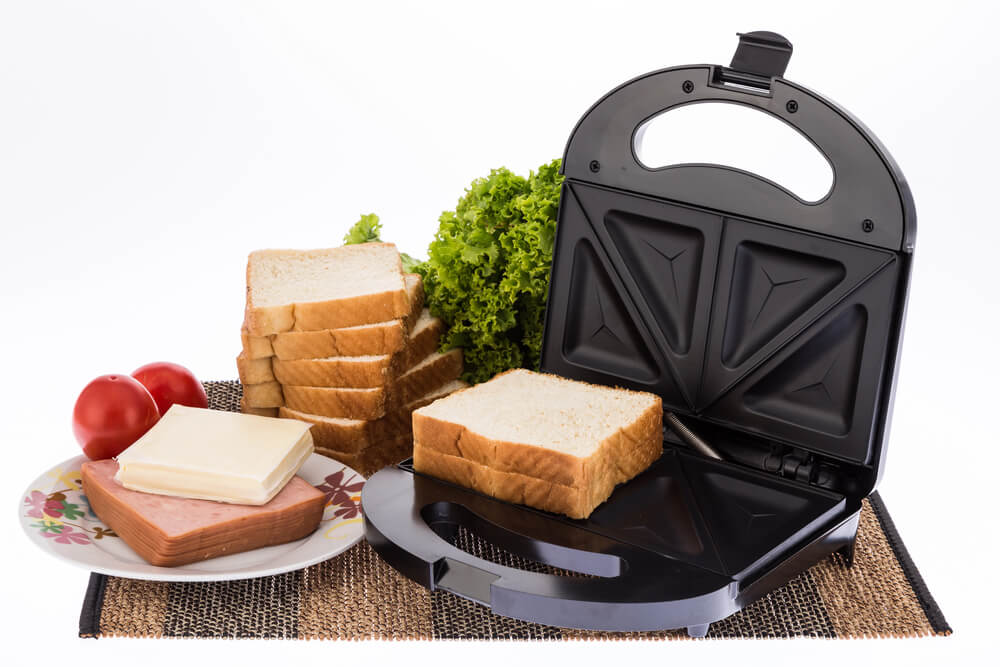
This clamped heating device sealed bread with filling between two triangular griddles. The appliance produced perfectly sealed sandwiches with browned surfaces.
The niche purpose and single use per appliance operation limited enthusiasm.
Burrito Machine
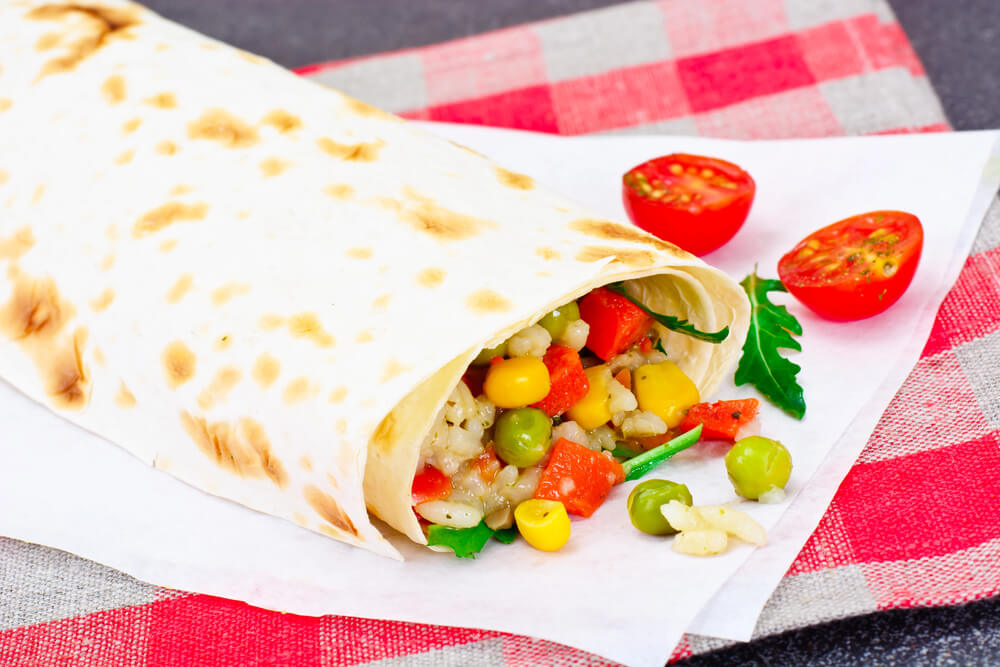
Regional gadgets that wrapped filling into tortillas heated a dual-sided chamber to toast exteriors. These appeared occasionally in specialized kitchens but never achieved widespread adoption.
Purely specialized equipment, they occupied cabinet space in households that tried them once.
Panini Press
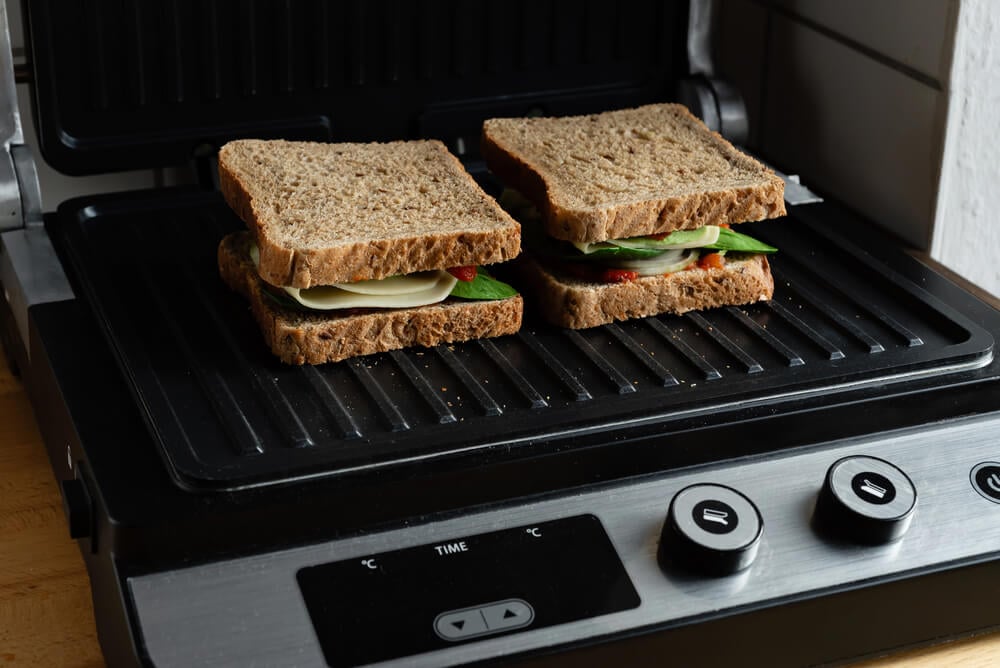
This flat or ridged heated press created sandwich bread with diagonal grill marks. The device worked better than sandwich makers for heating through filling.
Increasing popularity in the 2000s meant older versions sat alongside newer competitors.
Taco Maker
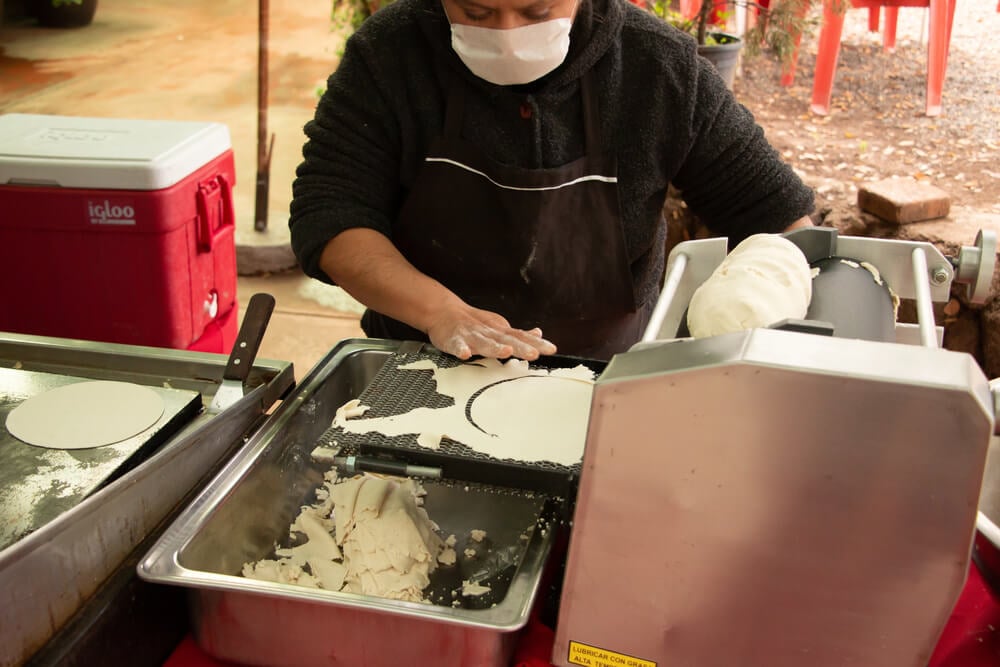
This clamped heating device held tortillas in a U-shape while heating, creating the foundation for tacos. The device simplified the process but produced limited variations.
The single-purpose nature limited appeal despite the convenience factor.
Yogurt Maker
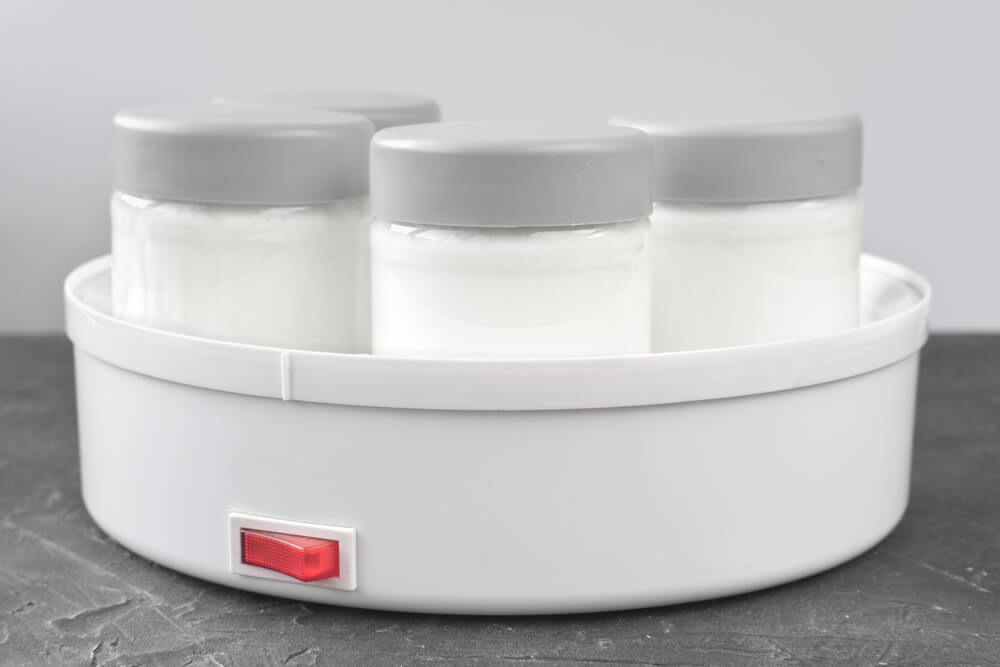
This insulated electric device maintained precise temperature for culturing yogurt overnight. Enthusiasts praised fresh yogurt prepared at home.
The commitment to specific procedures and ingredient sourcing limited broader adoption.
Waffle Iron (Non-Electric)
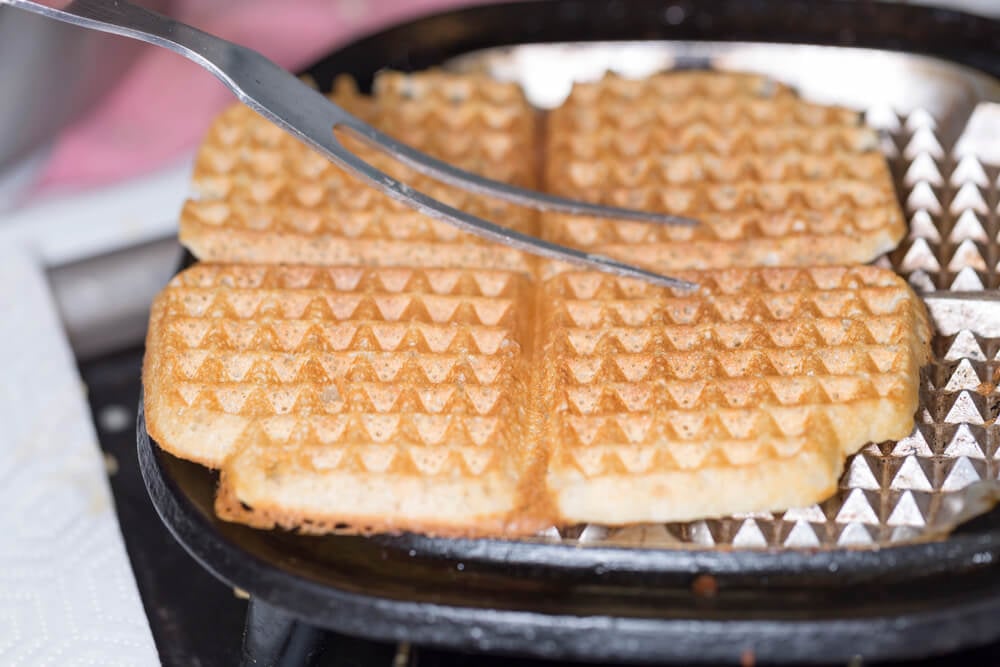
This stovetop device required manual flipping and careful temperature monitoring. The cast iron versions lasted decades but demanded muscle power and attention.
Families kept them despite electric models being easier.
Pasta Press
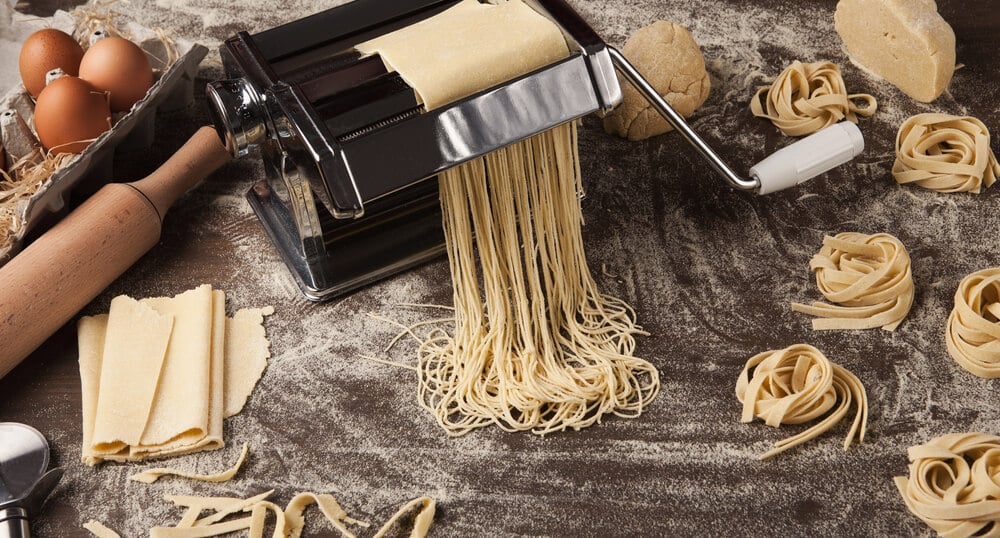
This manual device pushed soft dough through shaped dies, creating pasta without electricity. The process required significant physical effort and produced variable results.
Families with specific pasta preferences kept them operational.
Manual Juice Reamer
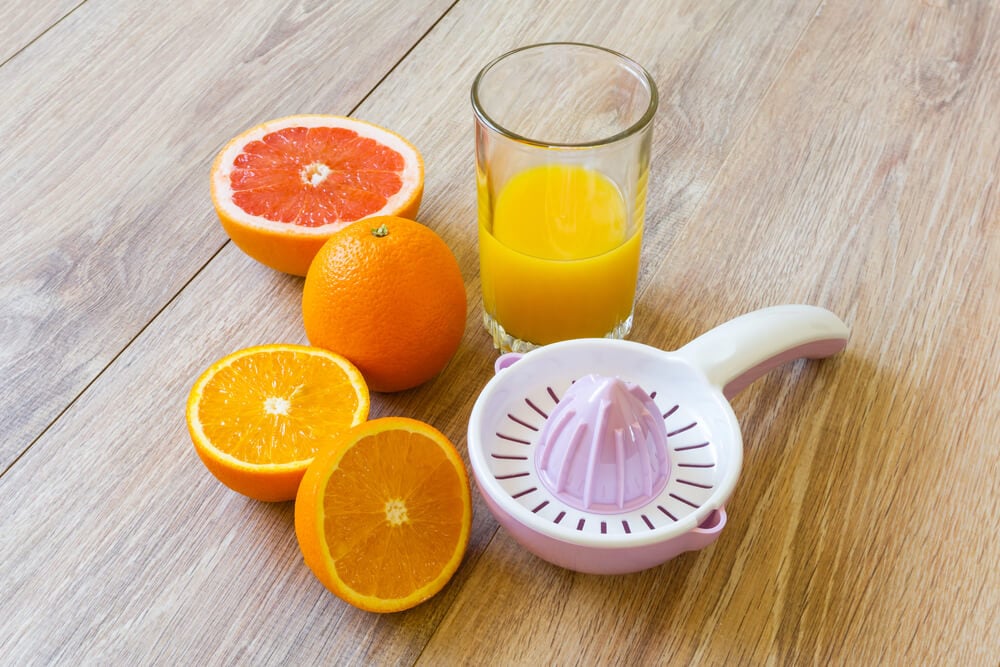
This mechanical device extracted juice from citrus fruits through twisting and pressure. The hand-operated cone with ridges captured juice while filters collected seeds.
The simplicity and reliability meant these devices lasted decades despite the rise of electric juicers.
The Appliance Graveyard
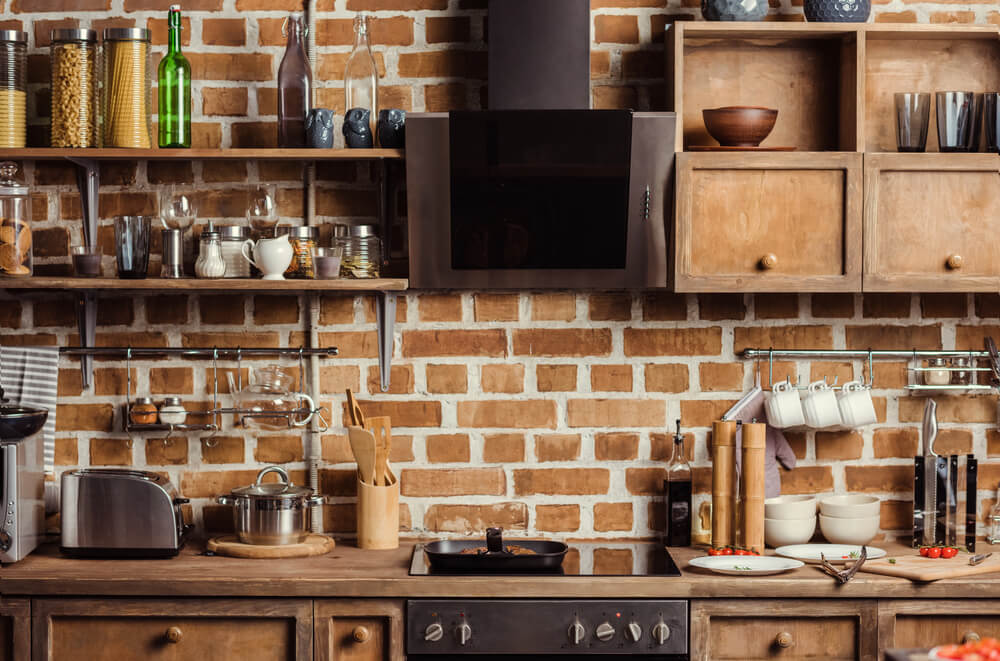
Kitchens became museums of abandoned appliances, each representing a cooking intention that didn’t survive initial enthusiasm. The combination of single-purpose design and counter space constraints meant relegation to cabinets.
Modern multipurpose appliances eventually replaced most, though many originals remained in service for individuals committed to specific techniques or traditions.
More from Go2Tutors!

- The Romanov Crown Jewels and Their Tragic Fate
- 13 Historical Mysteries That Science Still Can’t Solve
- Famous Hoaxes That Fooled the World for Years
- 15 Child Stars with Tragic Adult Lives
- 16 Famous Jewelry Pieces in History
Like Go2Tutors’s content? Follow us on MSN.