30 Moments That Changed the American Dessert Menu Forever
Introduction The American dessert menu is not a fixed document. It has been rewritten repeatedly over the past century by accidents, migrations, television shows, a single restaurant’s decision to add one dish, and at least one cookbook that arrived at the right cultural moment.
What seems inevitable in retrospect — cheesecake as a staple, tiramisu as a given, the lava cake as a 1990s cliché — was at some point genuinely new, even shocking. The shifts happened fast and they happened for reasons that have almost nothing to do with taste.
A new immigration wave, a celebrity sighting, a manufacturing breakthrough, a dessert cart at the right restaurant on the right coast — each one pulled the menu in a direction that the previous generation of diners would not have predicted. Here are 30 moments that bent the arc.
Apple Pie Crowned the Default
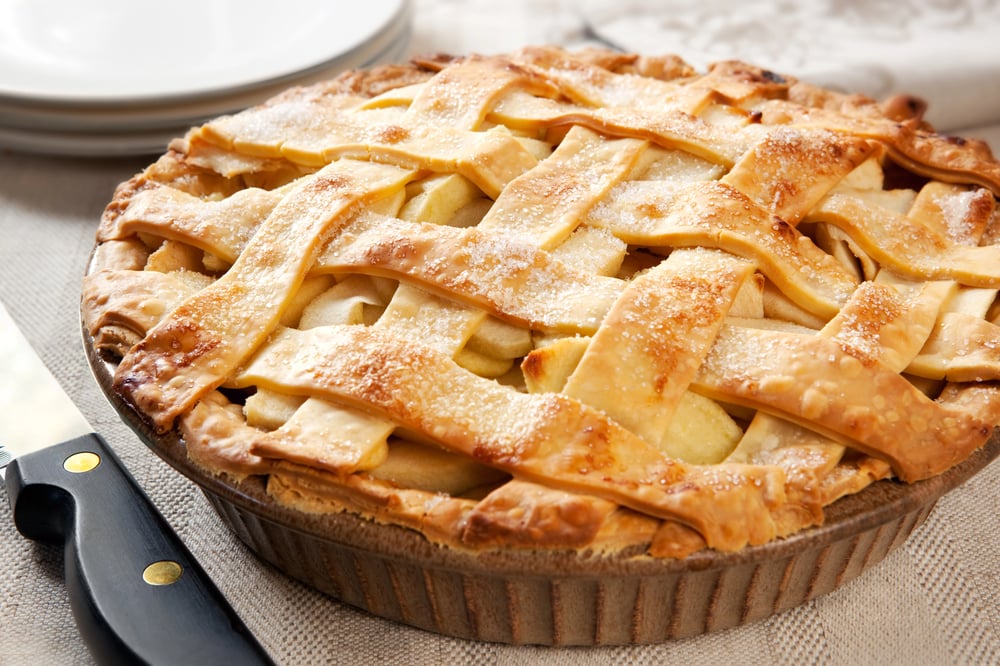
Apple Pie Baseline Through the first half of the twentieth century, apple pie was the most frequently ordered dessert in the average American restaurant — a fact documented in menus of the period and confirmed by food historians. It was not a trend.
It was the baseline. The phrase “as American as apple pie” existed because the dish genuinely was ubiquitous in a way that few foods before or since have managed.
Its dominance held until the early 1970s, when the dessert menu began diversifying rapidly enough to dislodge it from its uncontested position.
Good Humor Creates the Mobile Dessert Economy
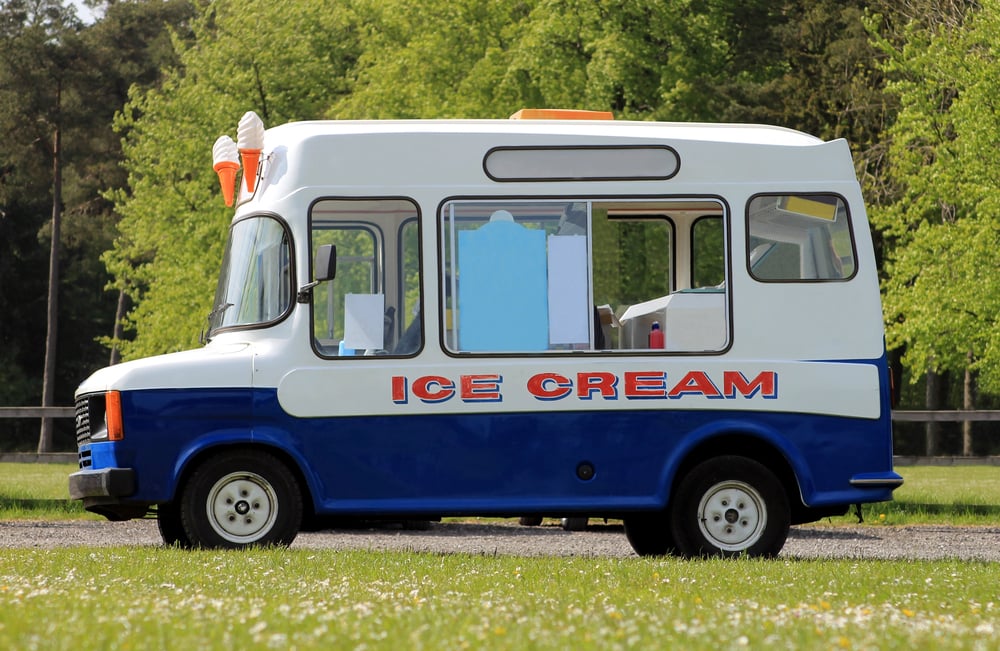
Mobile Ice Cream Harry Burt’s invention of the stick-mounted, chocolate-coated ice cream bar in the early 1920s, and his subsequent deployment of white-uniformed drivers in refrigerated trucks, established a model of dessert delivery that had no precedent. By making ice cream mobile and individual, he transformed it from a parlor product into something you could hand to a child on a sidewalk.
The frozen novelty category that followed — Popsicles, Dreamsicles, Fudgsicles, and eventually the Choco Taco — all descended from this single logistical innovation.
Jell-O Conquers the Postwar Table
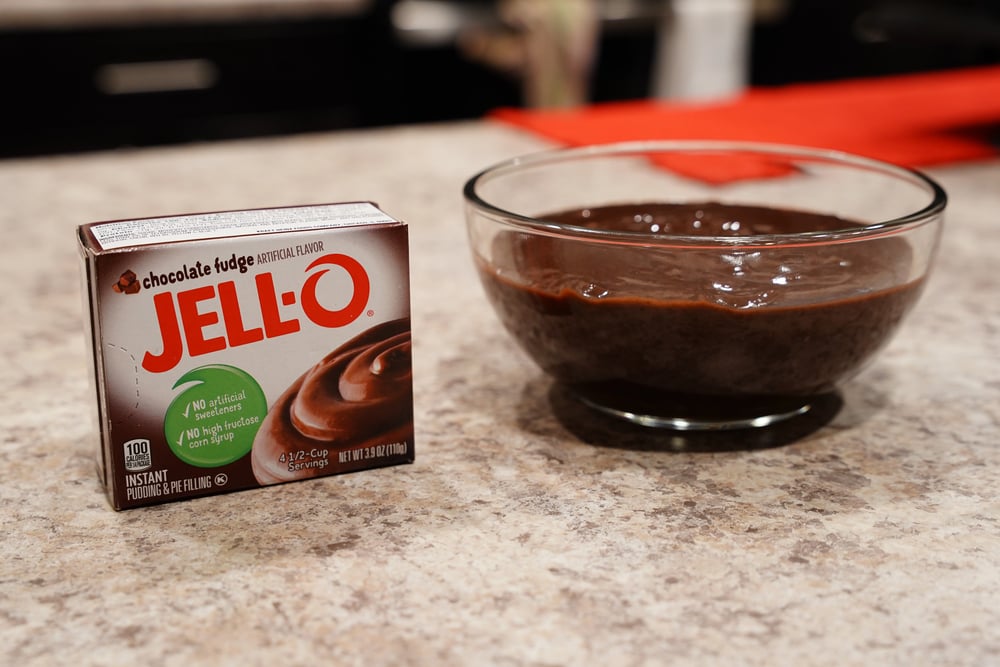
Jell-O Dominance By the early 1950s, Jell-O molds had become the dominant dessert at American dinner parties, potlucks, and family gatherings. Food historians have argued it was the most popular dish in the country during this period — not the most popular dessert, the most popular dish.
Its decline, which began in the early 1960s, took the entire “molded gelatin as hospitality” concept down with it.
Betty Crocker Releases the Chiffon Cake Recipe
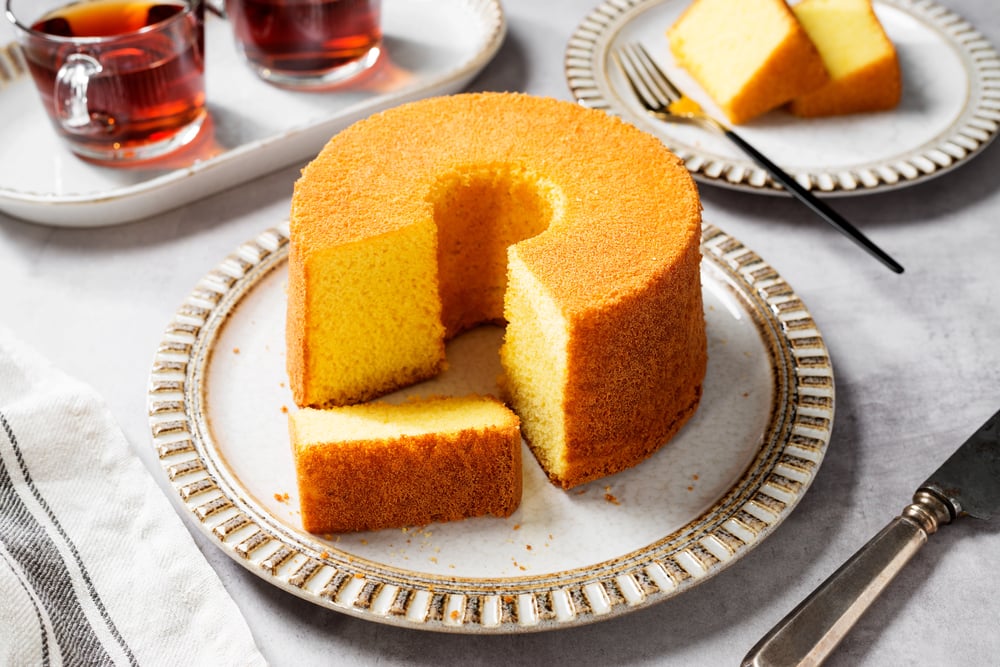
Chiffon Cake Debut In 1947, General Mills acquired the recipe for chiffon cake from a California baker named Harry Baker, who had kept it secret for twenty years. Betty Crocker announced the recipe to the public as “the first really new cake in 100 years,” and the marketing was not entirely wrong: chiffon used vegetable oil instead of butter or shortening, separated the eggs, and produced a texture lighter than anything a standard recipe book offered.
Baking contests in the early 1950s were dominated by chiffon entries.
The Cheesecake Factory Effect
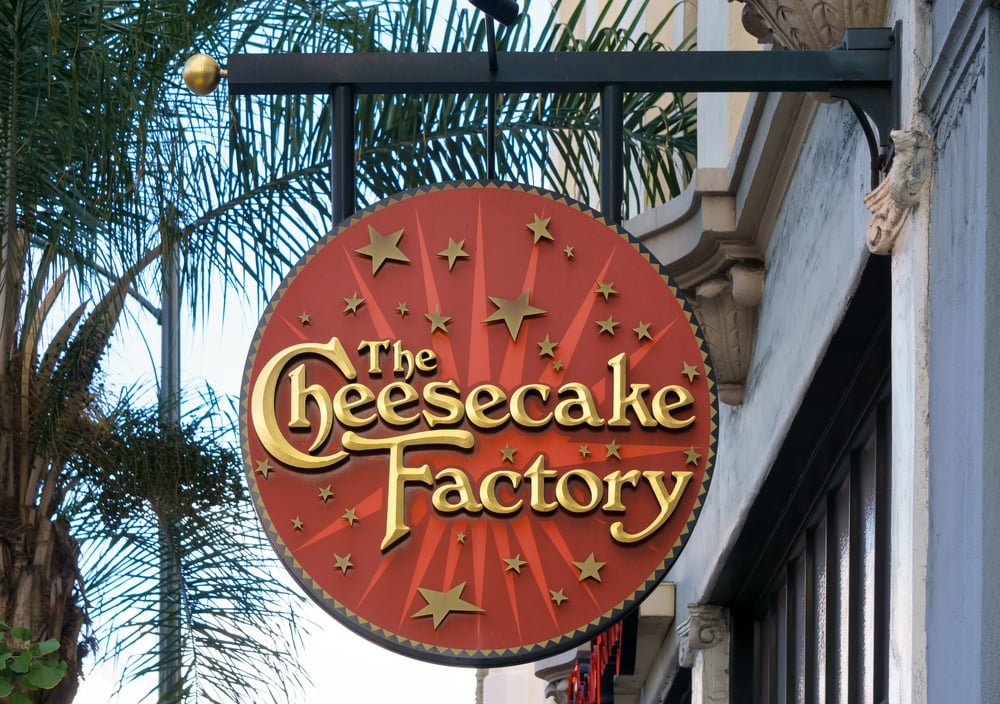
Cheesecake Expansion The 1996 National Restaurant Association survey that named cheesecake the most popular restaurant dessert in the country represented a crystallization of a decades-long rise. The Cheesecake Factory, which opened its first location in Beverly Hills in 1978 and expanded nationally through the 1980s and ’90s, made cheesecake the default celebratory dessert of the chain restaurant era.
No single dish benefited more from the expansion of casual dining.
Baked Alaska Gets a Cultural Moment
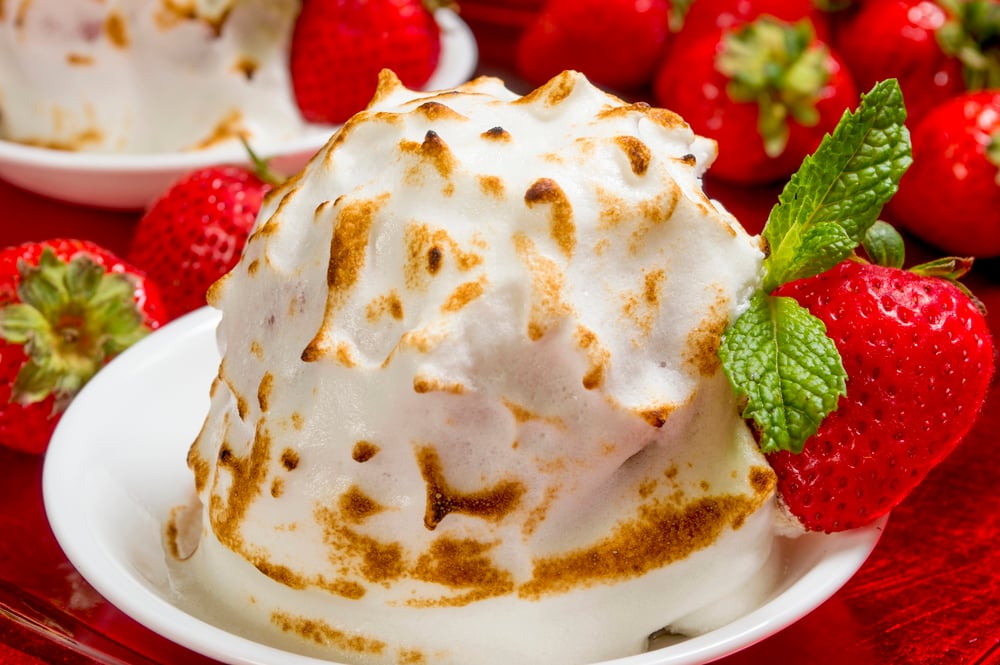
Baked Alaska Revival Baked Alaska existed since the 1800s but found a second life after Alaska became the 49th state in 1959. Expensive restaurants on both coasts added it to their menus, home cooks attempted it for dinner party theater, and food magazines ran the recipe with fresh urgency.
Its moment passed when diners stopped expecting their dessert to be a small performance.
The Hawaiian Pineapple Company’s Contest
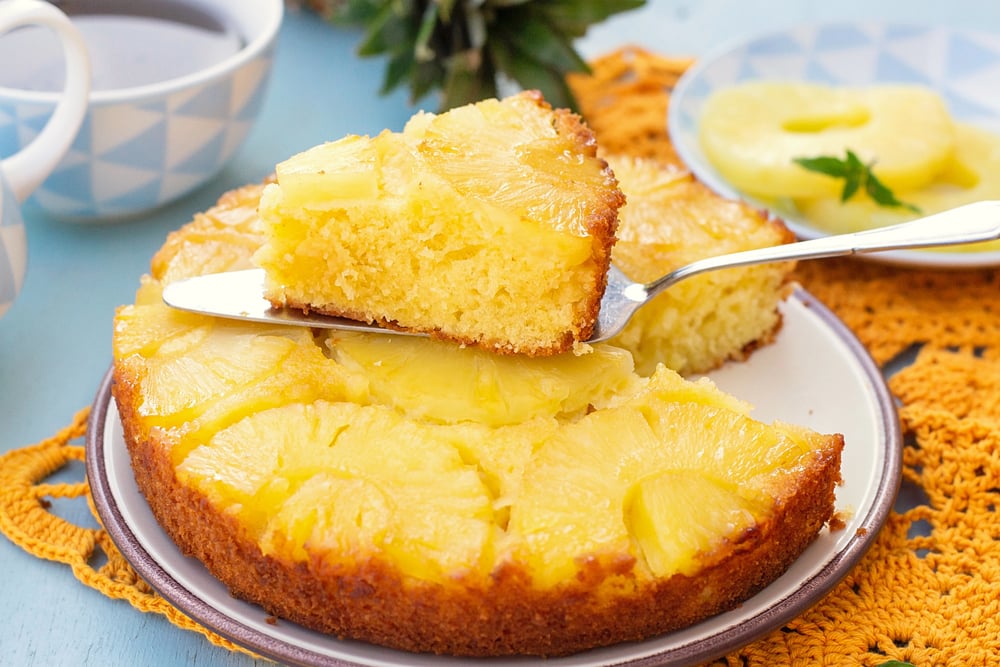
Pineapple Contest In 1925, the Hawaiian Pineapple Company solicited recipes using canned pineapple and received roughly 60,000 entries. An estimated 2,500 of them were for pineapple upside-down cake.
No single contest result has had a more lasting effect on the American home dessert menu. The cake became a fixture at church suppers and potlucks for the next five decades.
Dream Whip Changes What Counts as Cream
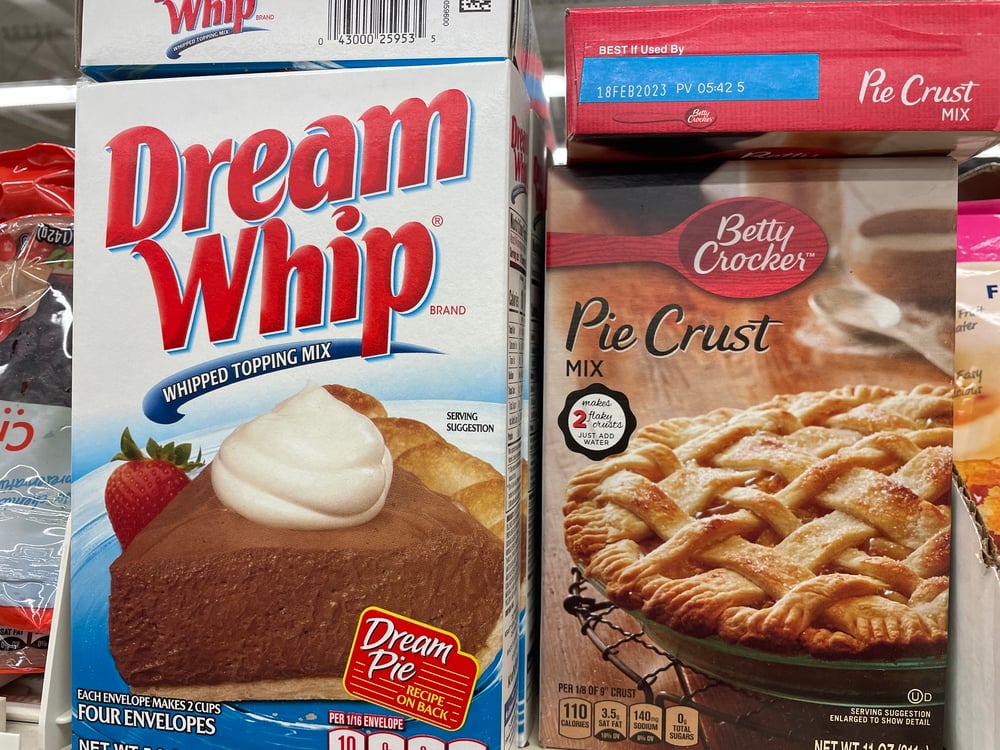
Dream Whip Innovation The 1957 debut of Dream Whip — a powdered topping mixed with milk and beaten into stiff peaks — changed the economics of home dessert-making. It made a whipped topping accessible to households that couldn’t justify fresh cream at every meal.
The generation of no-bake desserts it enabled — parfaits, icebox pies, layered fruit desserts — defined the home dessert culture of the late 1950s and ’60s.
Julia Child Brings French Technique to American Kitchens
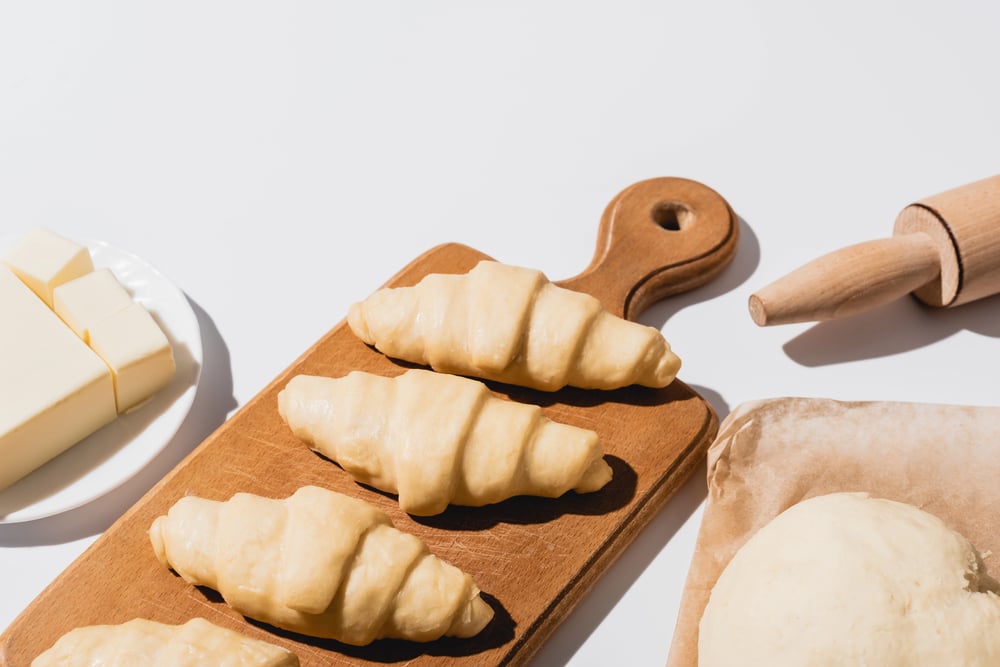
French Cooking Influence The 1961 publication of Mastering the Art of French Cooking, and Child’s subsequent television appearances, introduced American home cooks to soufflés, crêpes Suzette, and mousse au chocolat as achievable home projects. By the mid-1960s, dinner party hosts who would previously have served a gelatin mold were attempting French patisserie techniques in home kitchens.
Fondue Hits American Tables in the ’60s
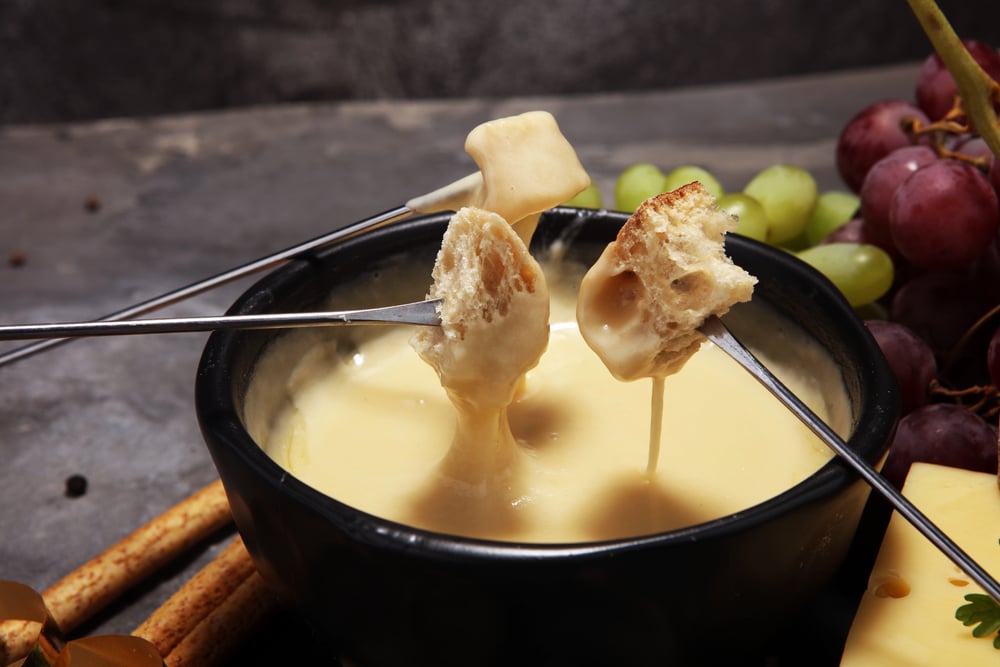
Fondue Craze Chocolate fondue arrived in America through Swiss tourism promotion in the early 1960s and was embraced with an enthusiasm that had more to do with the communal, theatrical nature of the format than the flavor. Konrad Egli, a Swiss chef working in New York, is credited with introducing chocolate fondue at Chalet Suisse restaurant around 1964.
It vanished nearly as suddenly as it arrived.
The Rise of the Carrot Cake
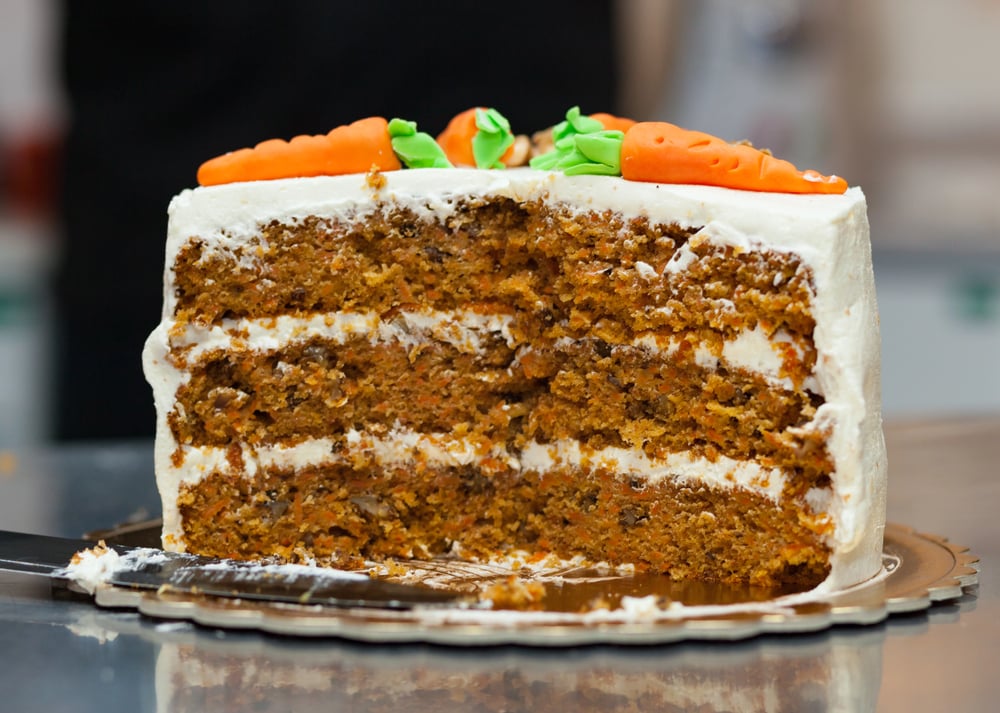
Carrot Cake Boom Carrot cake occupied a peculiar cultural space when it emerged as a mainstream dessert in the early 1970s. Fad diets had introduced the idea that a vegetable in a cake made the cake healthier, and this gave carrot cake a permission structure that straight chocolate cake lacked.
Its cream cheese frosting became its defining feature, and by the mid-1970s it had moved from health food stores into mainstream bakeries, diners, and restaurant menus.
Baskin-Robbins and the 31 Flavors Promise
31 Flavors Concept When Baskin-Robbins was founded in 1945 and began promoting its “31 flavors” model — one for every day of the month — it changed consumer expectations about ice cream variety. Before Baskin-Robbins, most ice cream parlors offered a handful of flavors.
The 31-flavor promise made abundance itself a selling point and trained a generation of consumers to expect novelty and choice.
Bananas Foster Invents Tableside Drama
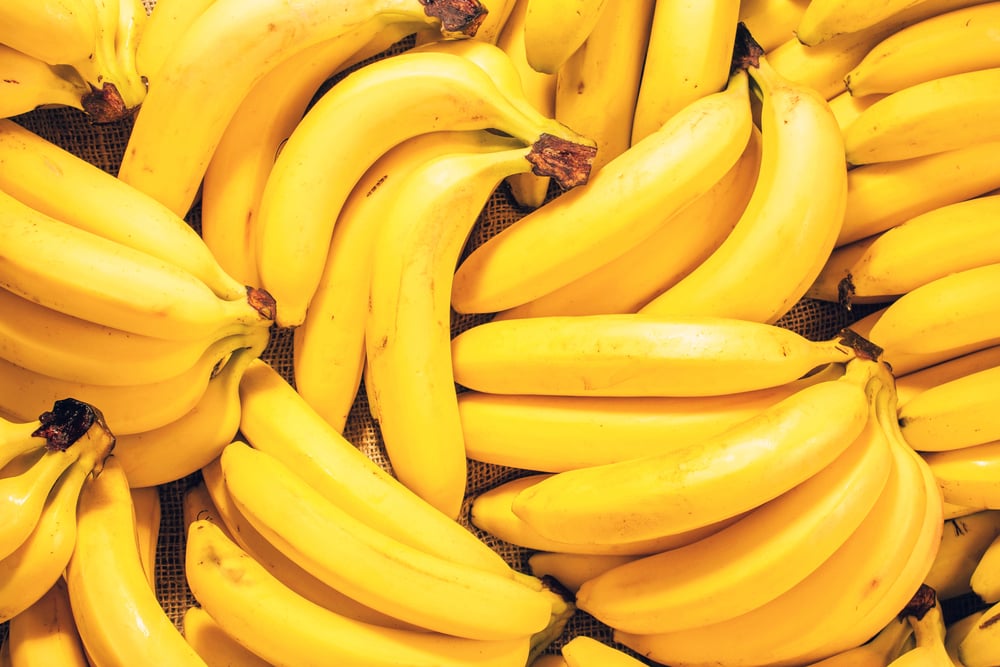
Bananas Foster Spectacle The creation of Bananas Foster at Brennan’s Restaurant in New Orleans in 1951 — bananas cooked in butter, brown sugar, cinnamon, and rum, then flamed tableside — established a format of dessert performance that influenced fine dining for the next three decades. The dish demonstrated that the spectacle of preparation was itself part of the product.
Tiramisu Lands on American Restaurant Menus
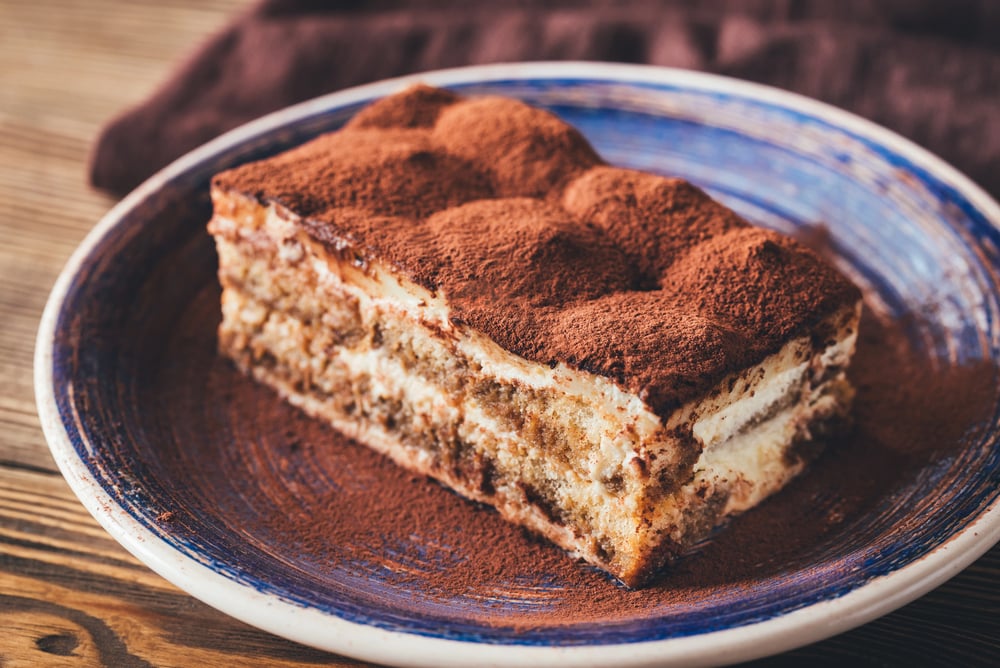
Tiramisu Arrival The New York Times ran an article in 1985 exploring how tiramisu, a previously obscure Italian dessert, had suddenly become a staple on restaurant menus across New York City. Chefs were already debating which version was authentic.
The primary driver was the decade’s broader enthusiasm for Italian cuisine, which was expanding beyond the red-sauce trattoria model into something perceived as upscale and European.
The Molten Lava Cake Accident
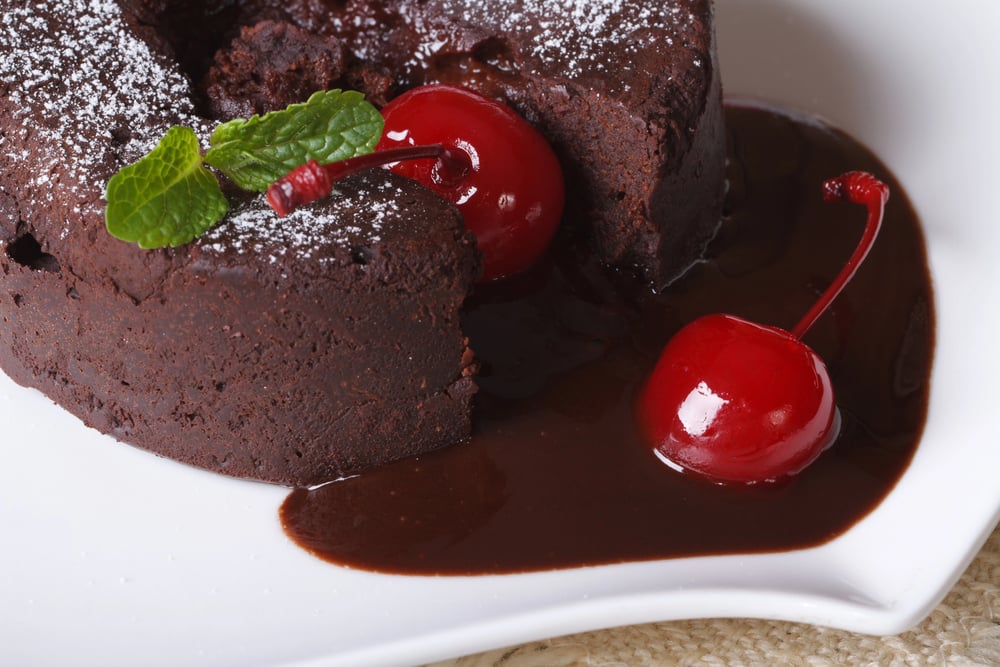
Lava Cake Innovation Chef Jean-Georges Vongerichten has described inventing the molten lava cake in 1987 by undercooking a batch of individual chocolate cakes, discovering the liquid center, and recognizing it as a dish rather than a failure. When the cake appeared on the menu at his New York restaurant JoJo in 1991, it became an immediate fixture.
By the mid-1990s it appeared on virtually every upscale restaurant menu in the country, and by the early 2000s it had spread to chain restaurants.
Crème Brûlée Becomes the Safe Choice
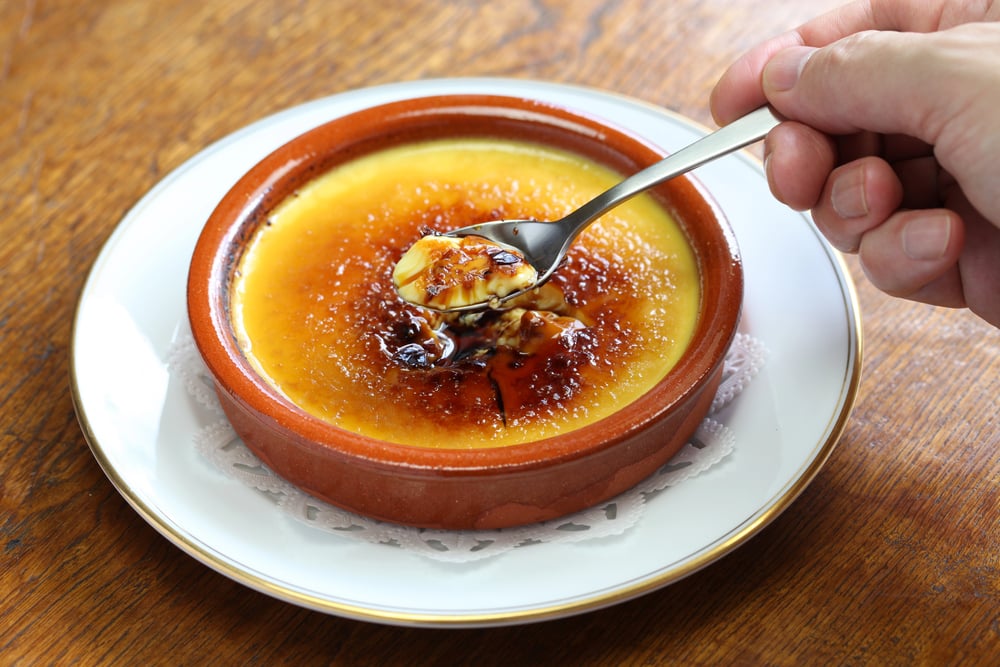
Crème Brûlée Dominance Crème brûlée — baked custard with a caramelized sugar crust achieved by blowtorch or broiler — emerged as the default dessert of a certain kind of aspirational American restaurant in the 1980s and ’90s. The dish offered both luxury (cream, vanilla, the theatre of breaking the crust) and simplicity (it could be made ahead and finished to order).
By the mid-1990s it was available in upscale American restaurants with a reliability that eventually made its presence unremarkable.
The Cupcake’s Rebrand
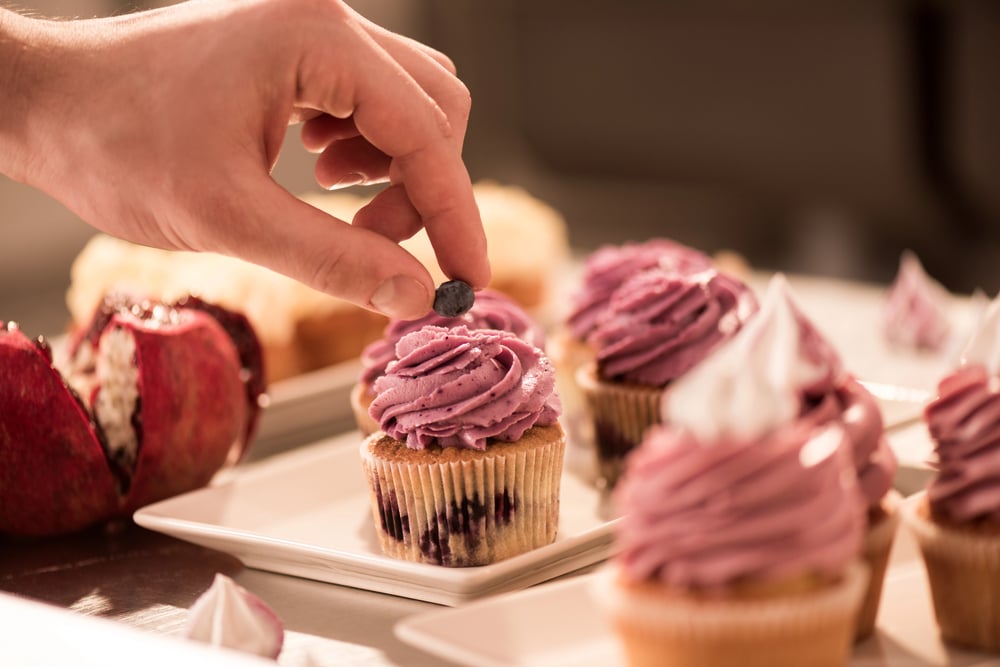
Cupcake Reframing Before the late 1990s, cupcakes were understood as children’s birthday food. The show with Carrie Bradshaw, which began in 1998 and prominently featured New York’s Magnolia Bakery, repositioned the cupcake as an adult treat.
The cupcake shop boom of the early 2000s followed directly from this reframing. By 2010 there were cupcake-specific retail chains in most American cities.
The cupcake had not changed. What changed was who was permitted to want one.
The Cheesecake Diversifies
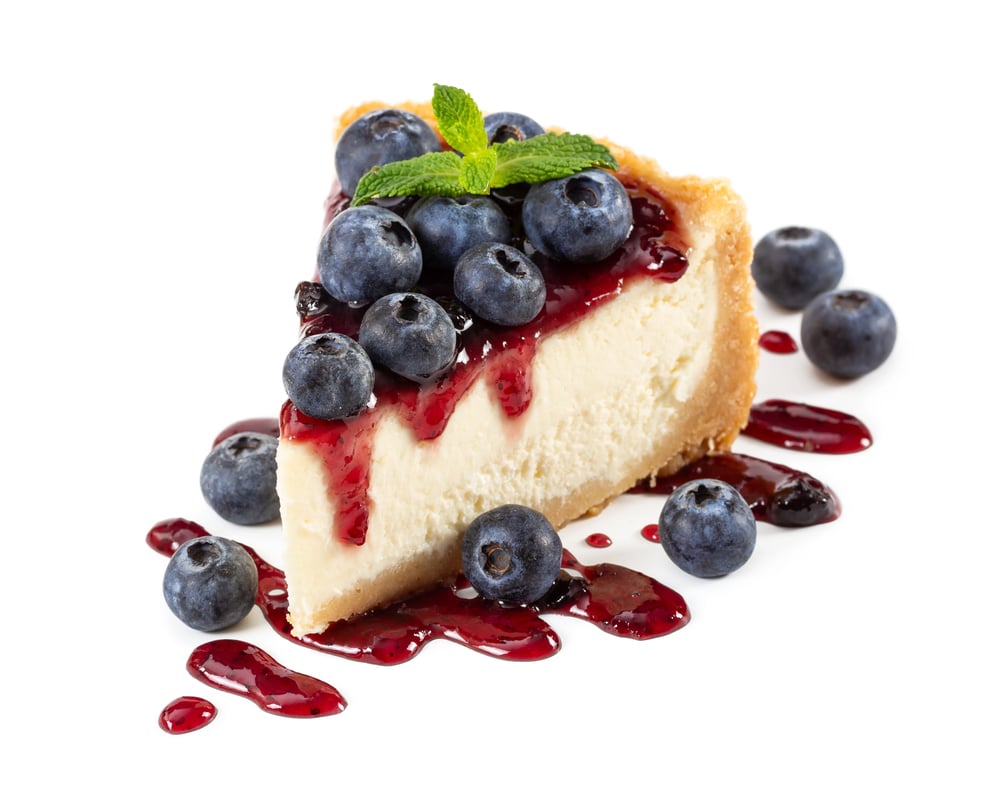
Cheesecake Standardization The 1872 introduction of Philadelphia Cream Cheese as a specific, consistent product gave cheesecake a standardized base that made it reproducible at scale. The New York-style cheesecake that emerged from Jewish deli culture in the mid-twentieth century used cream cheese, eggs, and a graham cracker crust, and it eventually became the reference version against which all others were measured.
Häagen-Dazs Redefines Premium Ice Cream
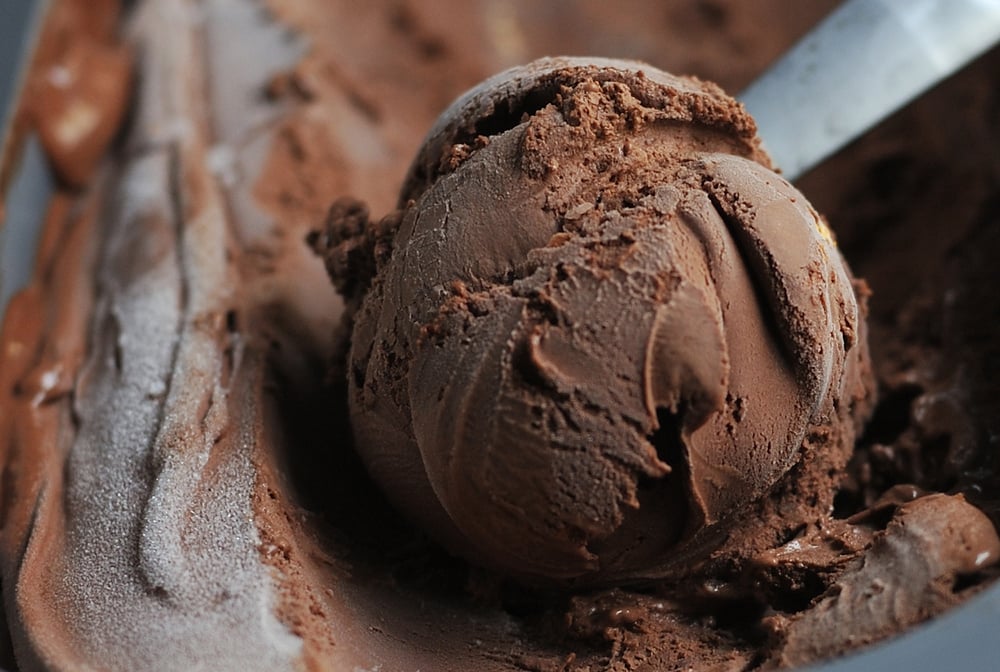
Super-Premium Ice Cream Häagen-Dazs was founded in the Bronx in 1960 by Reuben Mattus, who invented the foreign-sounding name specifically to suggest European quality to American consumers. When it was sold nationally and internationally through the 1970s and ’80s, it created a market for “super-premium” ice cream that had not previously existed, with lasting effects on how American consumers thought about frozen dessert.
Flourless Chocolate Cake Enters the Fine Dining Canon
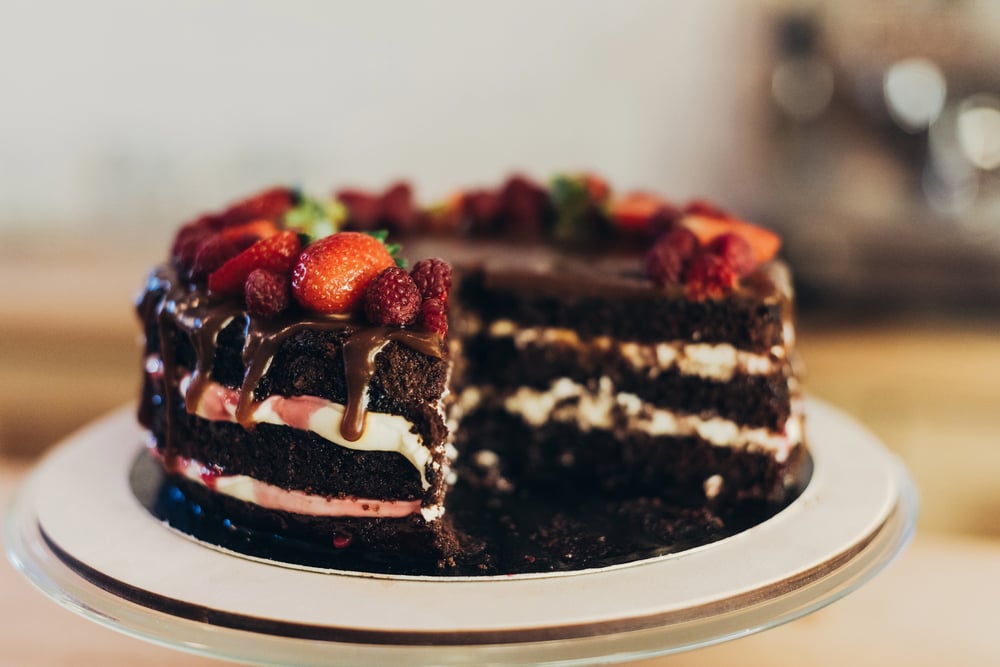
Flourless Cake Popularity The flourless chocolate cake — dense, fudgy, built on eggs, butter, and chocolate with no flour to lighten the texture — became a fine dining staple in the 1980s and ’90s. Its intense chocolate concentration appealed to a decade increasingly interested in chocolate as a serious flavor, and its dense texture held up well in restaurant service.
Pumpkin Spice Colonizes the Fall Dessert Menu
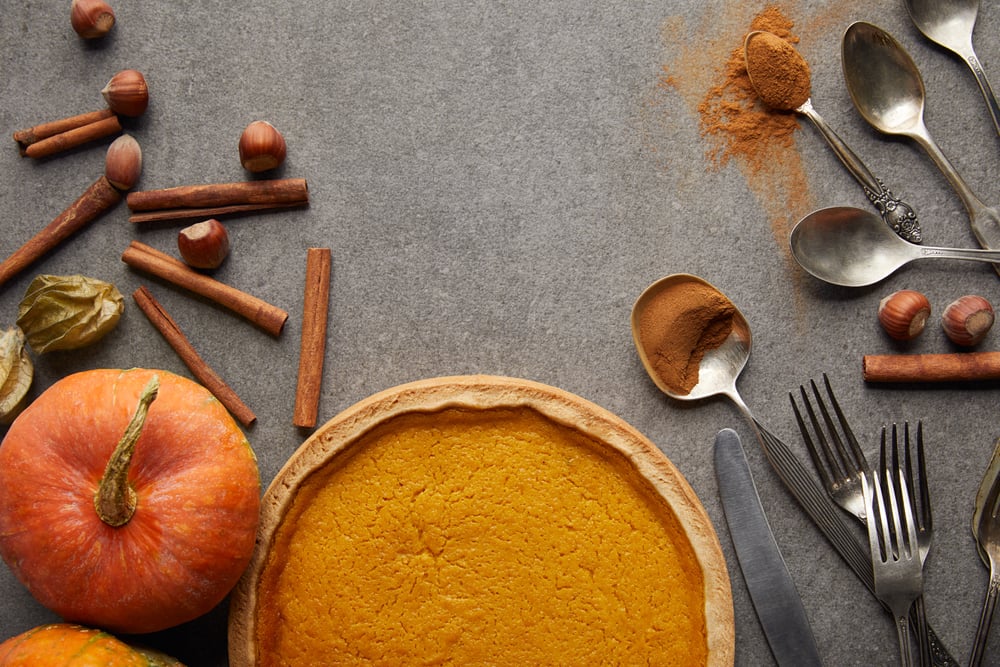
Pumpkin Spice Craze Starbucks introduced the Pumpkin Spice Latte in 2003, and its commercial success reshaped the entire fall dessert menu across the food industry within a decade. The specific blend of cinnamon, nutmeg, ginger, and cloves had been present in pumpkin pie for generations.
Its cultural totemic status as the defining flavor of autumn is entirely a product of the twenty-first century.
The Rise of Artisan Ice Cream
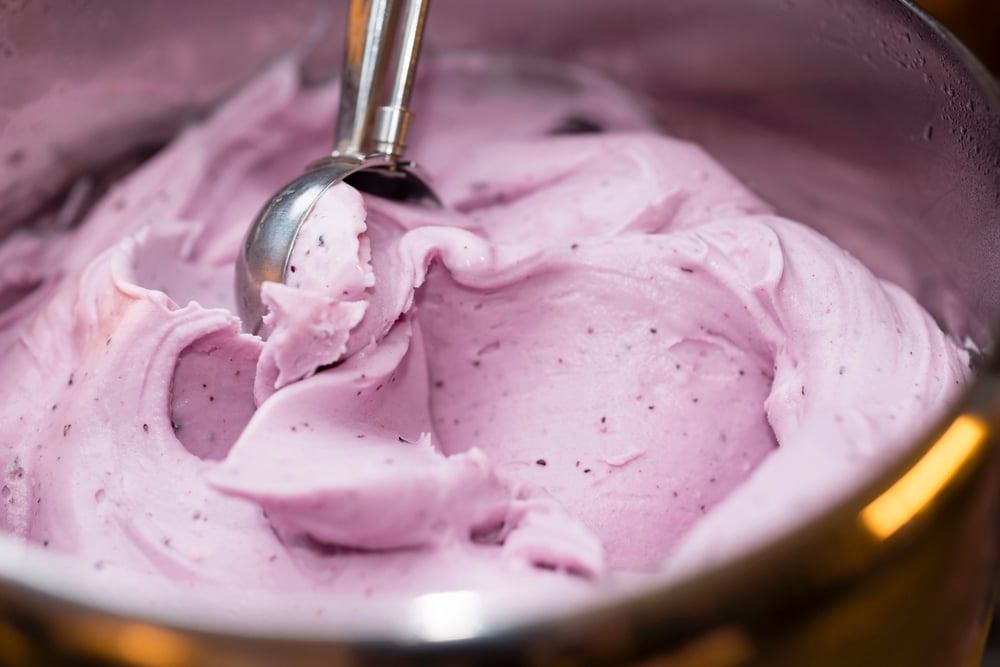
Artisan Ice Cream Shift Starting in the early 2000s, small-batch ice cream producers began entering markets in American cities with flavors that diverged entirely from the vanilla-chocolate-strawberry triad. Salt & Straw in Portland, Oregon, founded in 2011, became a reference point for the model.
The artisan ice cream movement repositioned the dish as something to seek out rather than stumble upon.
The French Macaron Arrives
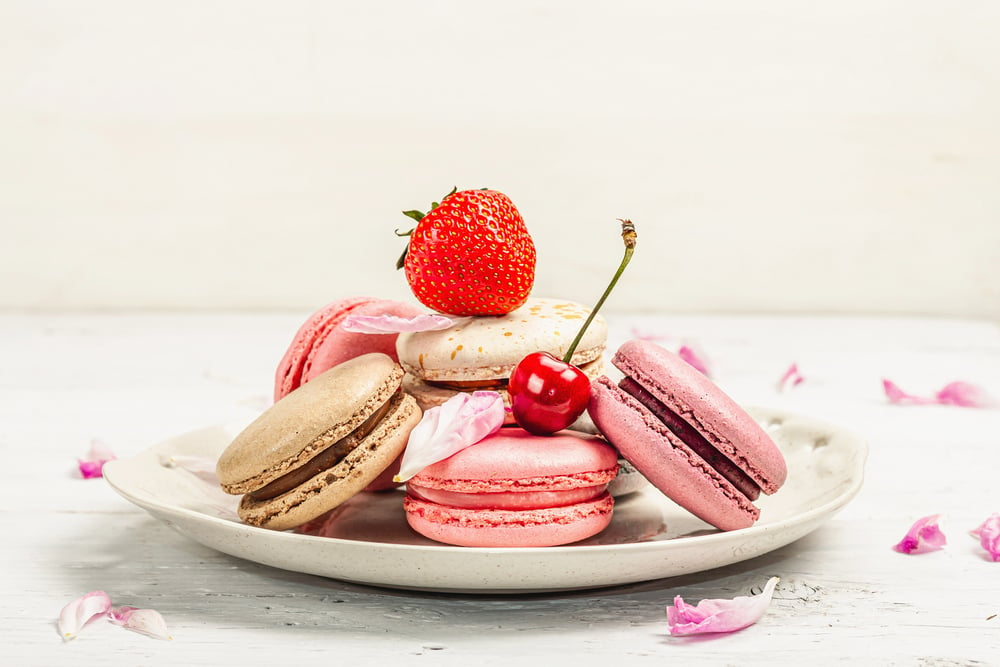
French Macaron Rise French macarons — almond meringue sandwiches in pastel colors — entered the American dessert consciousness in the mid-2000s, primarily through Ladurée’s expansion from Paris into international markets. By 2010 they were stocked at upscale grocery stores and specialty bakeries in most American cities.
Their visual appeal was as important as their flavor — each macaron photographs exceptionally well, a quality that proved decisive in the era of food Instagram.
Cronuts and the Queue Dessert
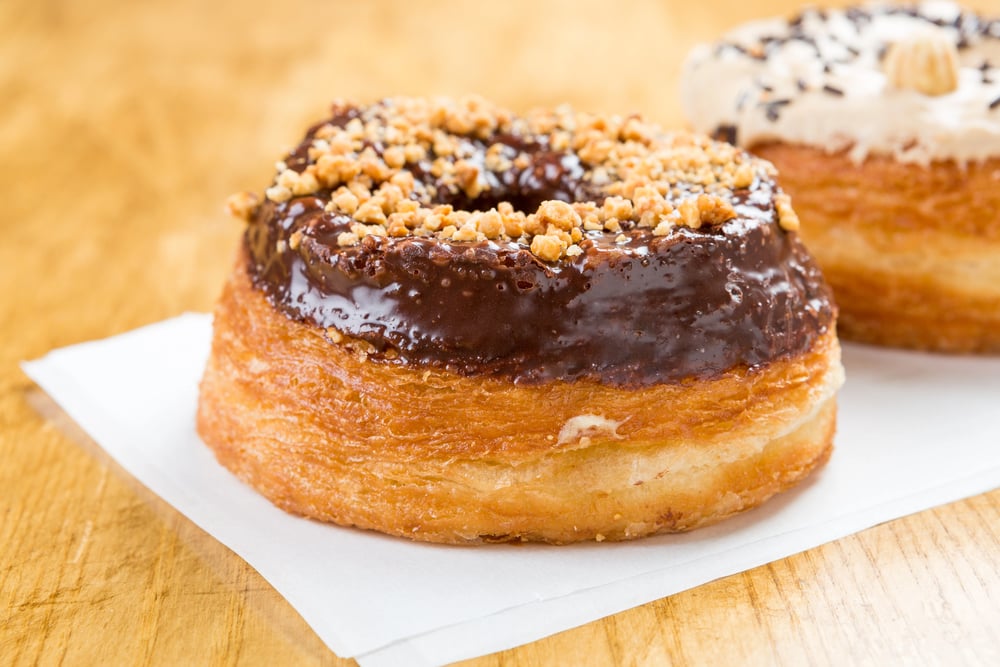
Cronut Phenomenon Dominique Ansel’s introduction of the Cronut at his New York City bakery in May 2013 created a phenomenon measured not in sales but in queue length. People lined up before dawn.
It was the first major demonstration that social media could sustain consumer demand for a product available in a single location, creating the template for the Instagram queue dessert.
Plant-Based Desserts Go Mainstream
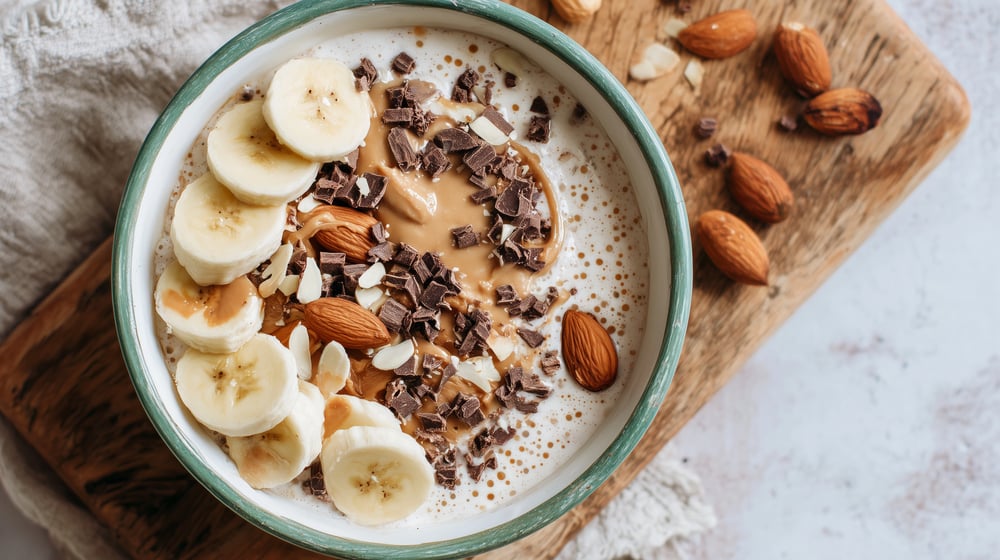
Plant-Based Shift The arrival of commercially viable plant-based dairy substitutes — oat milk, cashew cream, coconut-based ice cream — through the 2010s allowed the dessert menu to be extended to dietary categories previously excluded. By the early 2020s, vegan options appeared on dessert menus in restaurants that would not have considered them a decade earlier.
The Charcuterie Board Expands to Dessert
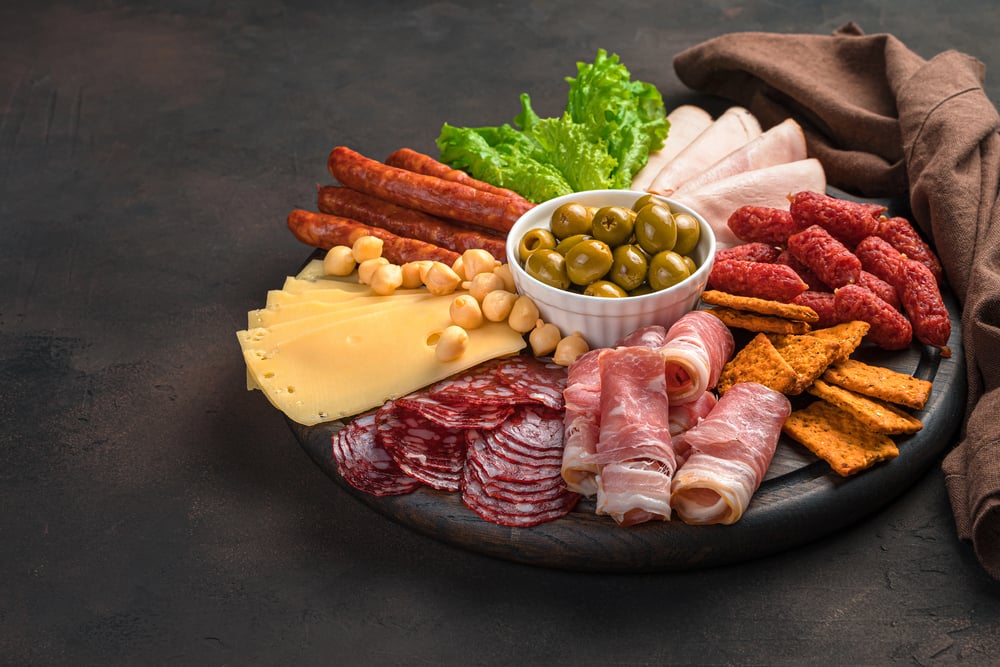
Dessert Board Trend The charcuterie board format migrated from savory to sweet sometime around 2018 and became a cottage industry by the pandemic years. Dessert boards laden with cookies, chocolate, fruit, and small sweets became a visual format easily photographed and widely shared, appearing at wedding receptions, children’s parties, and casual home entertaining simultaneously.
Croissants Go Global (and Get Filled with Everything)
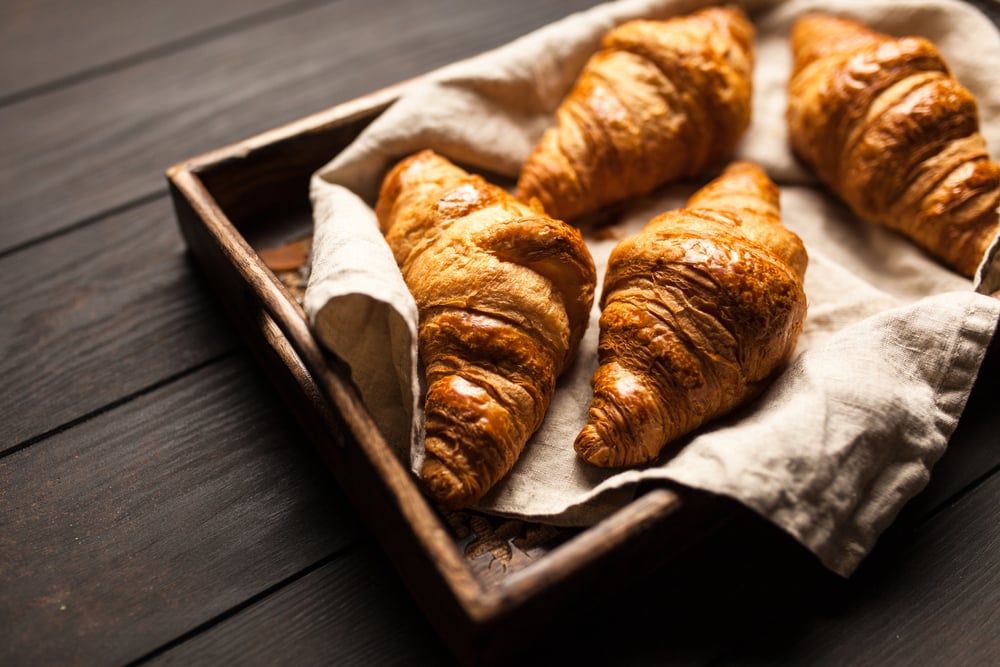
Hybrid Croissant Craze The filled and hybrid croissant — stuffed with cream, pistachio paste, matcha, or almond filling, and increasingly appearing in Korean and Taiwanese bakery formats — became a dominant dessert pastry by the mid-2020s. The global mixing of pastry traditions, accelerated by social media, turned the butter croissant, unchanged for a century, into a vessel for internationalization.
The Cookie Becomes a Destination Product
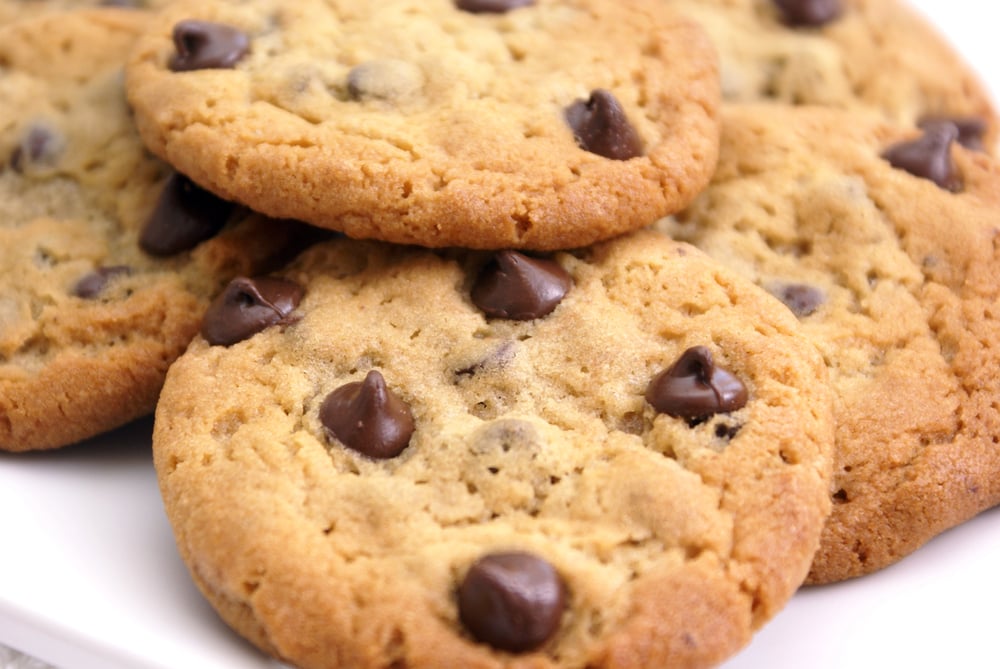
Thick Cookie Culture Levain Bakery in New York City, founded in 1995, built its reputation on a single product: a six-ounce chocolate chip walnut cookie with a raw-dough-like center. By the 2010s the Levain cookie had inspired a generation of thick-cookie bakeries that treated a single cookie as a destination product worth visiting a specific address to obtain.
Hot Honey Reaches the Dessert Menu
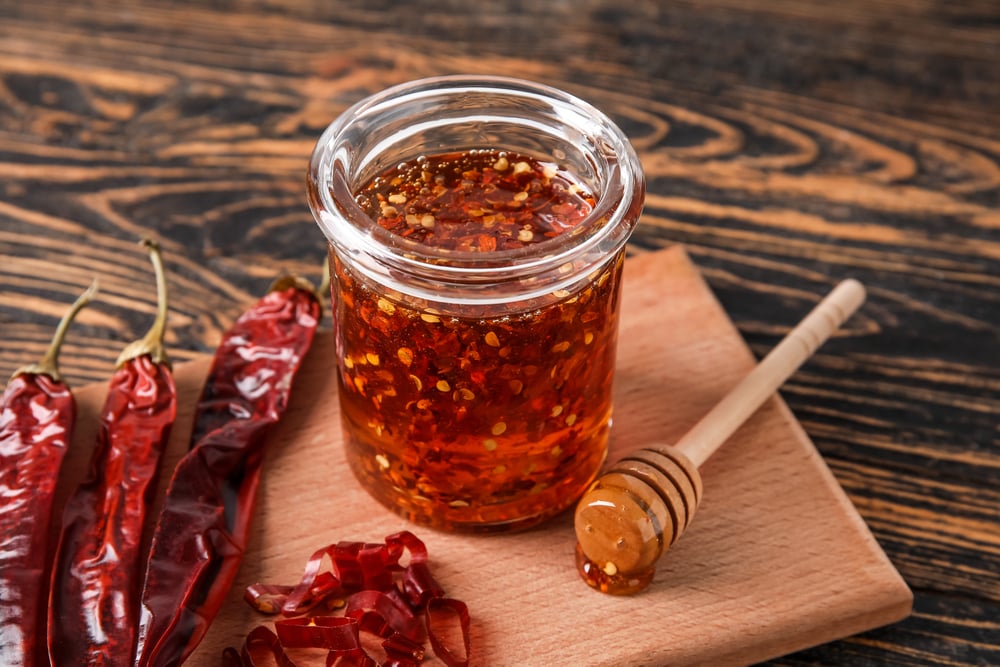
Hot Honey Pairing Hot honey — honey infused with chili peppers — migrated from pizza and fried chicken to dessert menus in the early 2020s, appearing as a topping for vanilla ice cream, a glaze for brownies, and a drizzle over cheesecake. Mike’s Hot Honey, founded in Brooklyn in 2010, gave pastry chefs a flavoring that combined sweetness and heat in a way that had no direct precedent in American dessert culture.
The Moment Menus Stopped Looking Like Menus
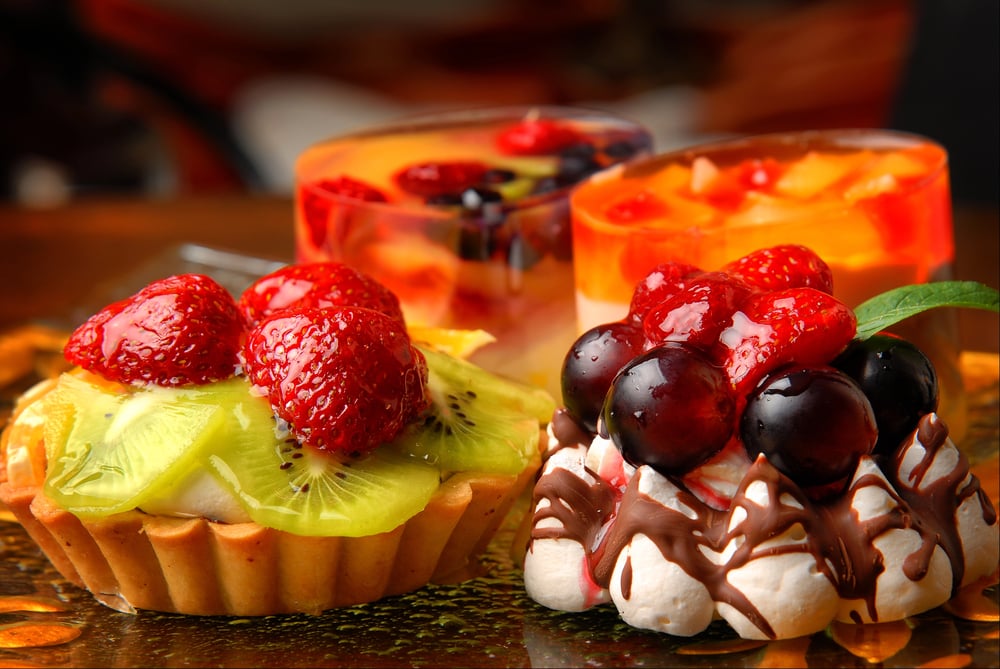
Menu Format Shift Restaurant menus of the 1950s listed desserts as a final course in a logical sequence. By the 1970s, separate dessert menus had become common.
By the 2000s, dessert was displayed on boards, projected on screens, or described verbally by servers trained to create desire through narration. The format of the menu shaped the choices made from it.
The Long Drift Toward Smaller, Stranger, and Shared
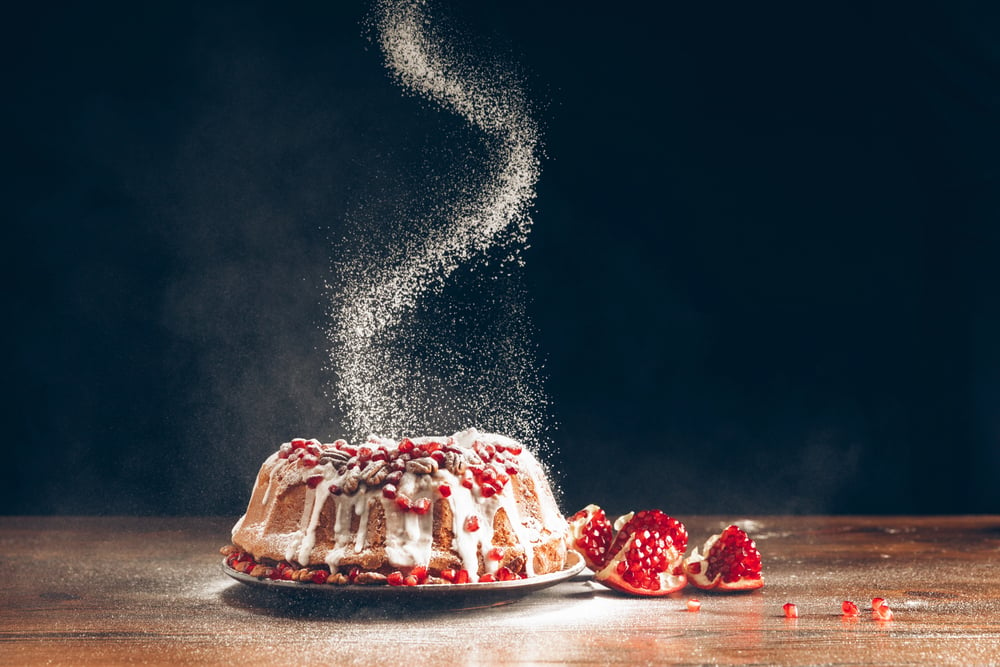
Conclusion What the last century of dessert menu evolution suggests is a consistent drift in three directions simultaneously: smaller portions, stranger combinations, and shared formats. The massive individual dessert of the postwar era gave way gradually to tasting portions, communal boards, and flights of small bites.
The American dessert menu at its current moment is less confident about what a dessert is supposed to be than at any point in its history. That uncertainty is not a problem.
It’s what makes the menu interesting.
More from Go2Tutors!

- The Romanov Crown Jewels and Their Tragic Fate
- 13 Historical Mysteries That Science Still Can’t Solve
- Famous Hoaxes That Fooled the World for Years
- 15 Child Stars with Tragic Adult Lives
- 16 Famous Jewelry Pieces in History
Like Go2Tutors’s content? Follow us on MSN.



