30 Public Health Rules That Sound Absurd Today
Every generation is certain its medical knowledge is finally correct, right up until the next generation looks back and cringes. Public health authorities have imposed some remarkably strange rules over the centuries, all issued with total confidence and the best available science of the moment.
These 30 regulations made perfect sense to the officials who wrote them and almost none to anyone reading them today.
The Forty-Day Quarantine

Medieval Venetian authorities required incoming ships to anchor offshore for forty days before passengers or crew could disembark, regardless of whether anyone aboard showed signs of illness. The practice, called “quarantena” after the Italian word for forty, gave English the modern term quarantine.
The specific number was chosen more for its symbolic and religious significance than for any medical reasoning about incubation periods.
Avoiding the Bath

Medical authorities across much of medieval and early modern Europe actively discouraged bathing, reasoning that hot water opened the pores of the skin and allowed disease to enter the body more easily. Bathhouses, once common in the medieval period, fell out of favor partly for this reason and partly due to unrelated moral objections.
The advice contributed to centuries of infrequent bathing among populations who had access to water but were actively warned away from using it.
Sealed Windows Against Bad Air

Under the miasma theory, which held that disease spread through foul-smelling air rather than germs, health authorities in many 19th-century cities recommended sealing windows shut during epidemics to keep contaminated air out. The advice often had the opposite of its intended effect, trapping stagnant, poorly ventilated air inside crowded tenement rooms.
It took until the later acceptance of germ theory for this guidance to be reversed.
The Bicycle Face Warning

Physicians and public commentators in the 1890s widely warned that women who rode bicycles risked developing “bicycle face,” a supposed permanent facial strain from the exertion and concentration required to ride. Some doctors recommended women avoid cycling entirely or restrict themselves to gentler models to protect their health and appearance.
The panic faded within a decade as bicycling became an accepted, even encouraged, form of exercise for women.
Anti-Spitting Ordinances

Numerous American cities passed ordinances during the 1918 influenza pandemic making public spitting a punishable offense, following similar rules already common in tuberculosis-prevention campaigns of the preceding decades. Violators could face fines, and some cities posted officers specifically to enforce the rule in crowded areas.
The ordinances reflected a genuine understanding of respiratory disease transmission, even if the enforcement mechanisms look unusual today.
Mandatory Public Masking

San Francisco and several other American cities passed ordinances during the 1918 influenza pandemic requiring residents to wear gauze masks in public, with fines and even brief jail terms for violators. The rules provoked organized resistance, including a group calling itself the Anti-Mask League that lobbied to have the requirement repealed.
The masks used were far less effective than modern equivalents, offering limited protection against a virus far smaller than the fabric’s weave.
Mandatory Spittoons
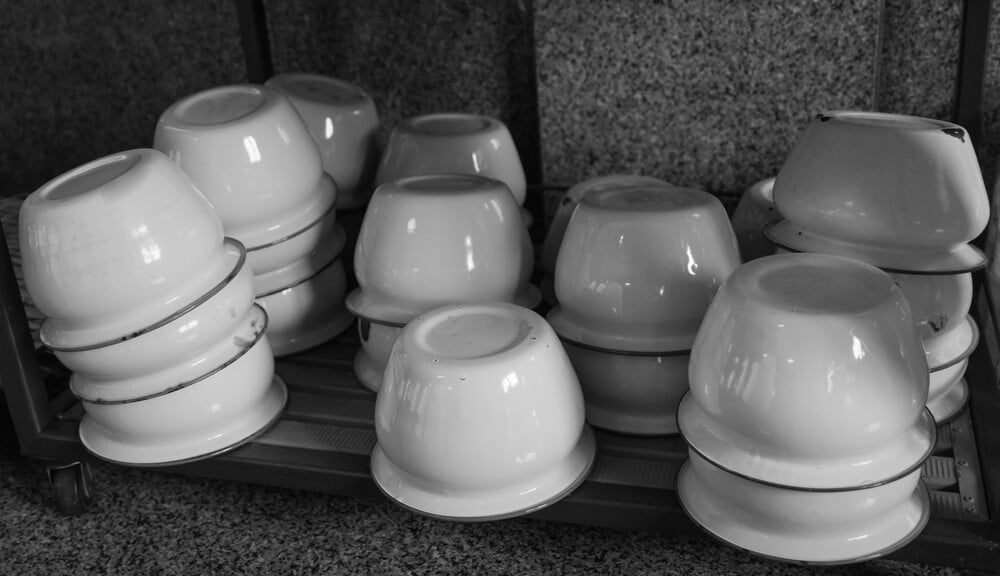
Many American cities and transit systems required businesses, streetcars, and public buildings to install spittoons, or cuspidors, as a designated receptacle intended to reduce the spread of tuberculosis through uncontrolled public spitting. Failure to provide adequate spittoons could result in fines for business owners under some municipal health codes.
The devices gradually disappeared from public life over the early 20th century as public health messaging shifted toward discouraging the underlying habit entirely.
Vaccination Scar Inspections

Many American school systems in the late 19th and early 20th centuries required children to show a visible vaccination scar from smallpox inoculation before being allowed to enroll, with school nurses conducting arm inspections at the start of each term. Children without a satisfactory scar could be sent home or, in some districts, vaccinated on the spot.
The practice reflected a period when visual proof of immunization, rather than paperwork, was considered the most reliable verification method available.
The Indefinite Isolation of Typhoid Mary

Mary Mallon, an asymptomatic carrier of typhoid fever working as a cook in early 20th-century New York, was forcibly isolated by public health authorities for a combined total of roughly 26 years, despite never displaying symptoms of the disease herself. Her case became a landmark, and controversial, example of the tension between individual liberty and public health enforcement.
She remains one of the most extreme documented instances of extended quarantine imposed on a single individual in American history.
Health-Based Marriage Restrictions

Several American states passed early 20th-century laws restricting marriage licenses based on hereditary “fitness,” part of a broader eugenics movement that also produced forced sterilization laws in the same period. Applicants in some jurisdictions were required to obtain a health certificate attesting they did not carry conditions officials deemed hereditary risks.
These laws are now recognized as a deeply troubling chapter of American public health policy rather than a legitimate medical safeguard.
Tenement Ventilation Requirements

New York’s Tenement House Act of 1901 mandated specific window sizes and airshaft dimensions intended to ensure every room received a minimum amount of fresh air and light, a response to overcrowded and poorly ventilated slum housing. Landlords who failed to retrofit older buildings faced fines and, eventually, condemnation orders.
The specific measurements written into the law, based on the limited engineering understanding of the time, now strike housing historians as oddly precise for the actual health benefit they provided.
Blue Laws and Mandatory Rest

Sunday closing laws, common across American states well into the 20th century, were partly justified on public health grounds, with officials arguing that a mandatory day of rest from labor and commerce protected workers’ physical and mental well-being. The laws restricted everything from retail sales to certain forms of entertainment.
Many blue laws remained on the books, rarely enforced, for decades after the original health rationale had been largely forgotten.
Cold-Air Sanatorium Cures

Tuberculosis sanatoriums in the late 19th and early 20th centuries frequently prescribed exposure to cold, fresh air as a treatment, requiring patients to sleep on open porches or in unheated rooms even during winter months. Some facilities enforced strict schedules of outdoor rest regardless of temperature, based on the theory that cold air strengthened the lungs.
The approach had no proven curative effect on tuberculosis itself, though improved general health from rest and nutrition likely helped some patients.
Warnings Against Excessive Reading

Physicians in the 19th century frequently warned that young women who read too much risked nervous exhaustion, eye strain, and a condition often labeled neurasthenia, sometimes recommending strict limits on study or leisure reading as a health precaution. Some doctors specifically advised against novel-reading as overstimulating for the female nervous system.
The advice reflected a broader medical culture that treated women’s intellectual activity as inherently risky to their health.
Fear of Cold Foods

Many 19th-century physicians and public health commentators believed that cold foods, particularly ice cream, could shock the digestive system and contribute to outbreaks of cholera and other intestinal illness, especially in children during summer months. Some cities issued public health advisories cautioning against ice cream consumption during disease outbreaks.
The actual risk during this period came not from the food’s temperature but from unsanitary milk and ice supplies, a distinction contemporary science had not yet made.
Arsenic Complexion Wafers
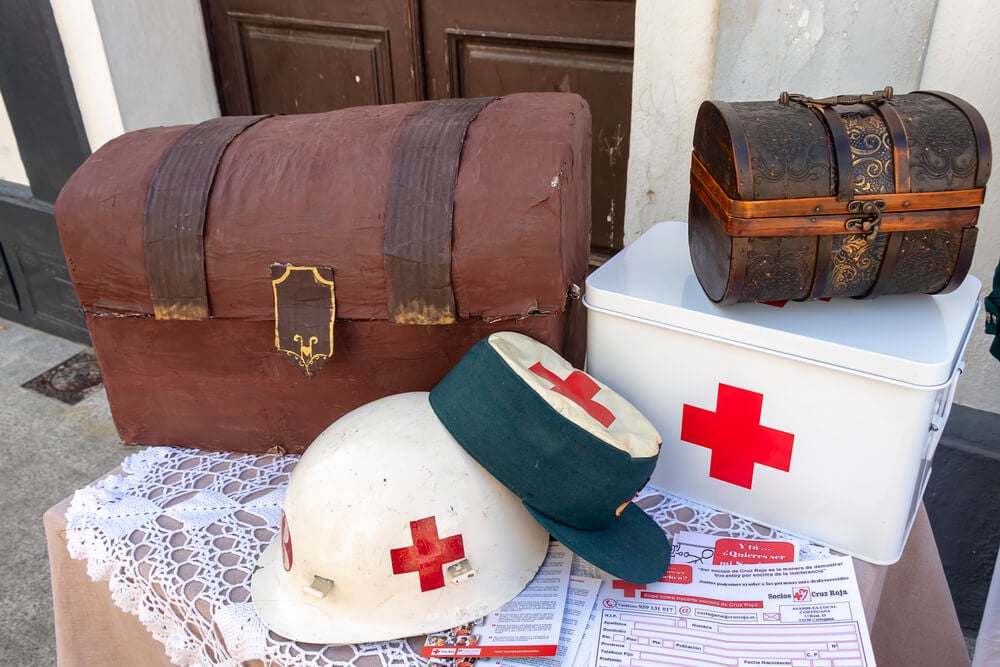
Products marketed as complexion improvers containing small doses of arsenic were sold openly in the 19th and early 20th centuries with little regulatory restriction, promoted as a way to achieve fashionably pale skin. Regular consumers sometimes developed visible signs of chronic arsenic exposure, which were occasionally misattributed to other causes.
Regulatory bodies did not meaningfully restrict such products until food and drug regulation tightened significantly in the early 20th century.
Radium Water Tonics

Radioactive tonic waters and radium-infused patent medicines were sold legally in the early 20th century, marketed as invigorating health treatments before regulators understood the dangers of radiation exposure. One prominent user, industrialist Eben Byers, died from radiation poisoning in 1932 after years of regularly drinking a popular radium tonic, a case that helped spur stronger regulation.
Prior to such cases, these products were sold under public health frameworks that had no mechanism for detecting the harm.
Open-Air Schools

Concerned about tuberculosis and poor ventilation in crowded urban schools, public health officials in several American and European cities established “open-air schools” in the early 20th century, where children attended classes outdoors or in rooms with walls removed, even through cold weather, bundled in blankets at their desks. The movement reflected genuine, if imprecisely targeted, concern about airborne disease in schools.
Photographs of children in heavy coats taking notes in the snow remain a striking artifact of the era.
Medicinal Prescriptions During Prohibition
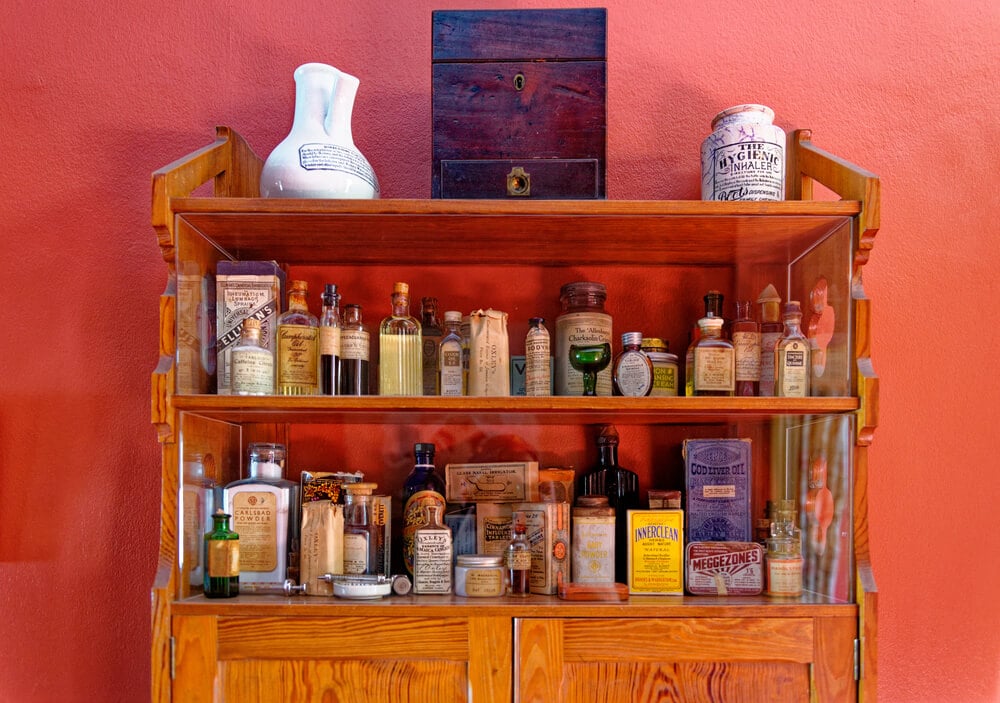
Even during the nationwide alcohol ban of the 1920s, licensed physicians in the United States could legally prescribe whisky for a range of ailments, and pharmacies were permitted to dispense it under strict medical prescription rules. The loophole led to a sharp rise in prescriptions written for conditions with little established connection to alcohol as treatment.
Regulators eventually tightened prescription requirements in response to the obvious abuse of the exception.
Restrictions on Women in Telegraph Offices

Some employers and physicians in the late 19th century argued that the intense concentration required for telegraph operation posed a specific health risk to women, whose nervous systems were widely, and incorrectly, believed to be more delicate than men’s. A handful of companies cited these medical opinions in restricting or limiting women’s employment in telegraph roles.
The reasoning mirrored broader Victorian-era medical assumptions about women’s supposed physical limitations for demanding work.
Chalk-Mark Disease Screening
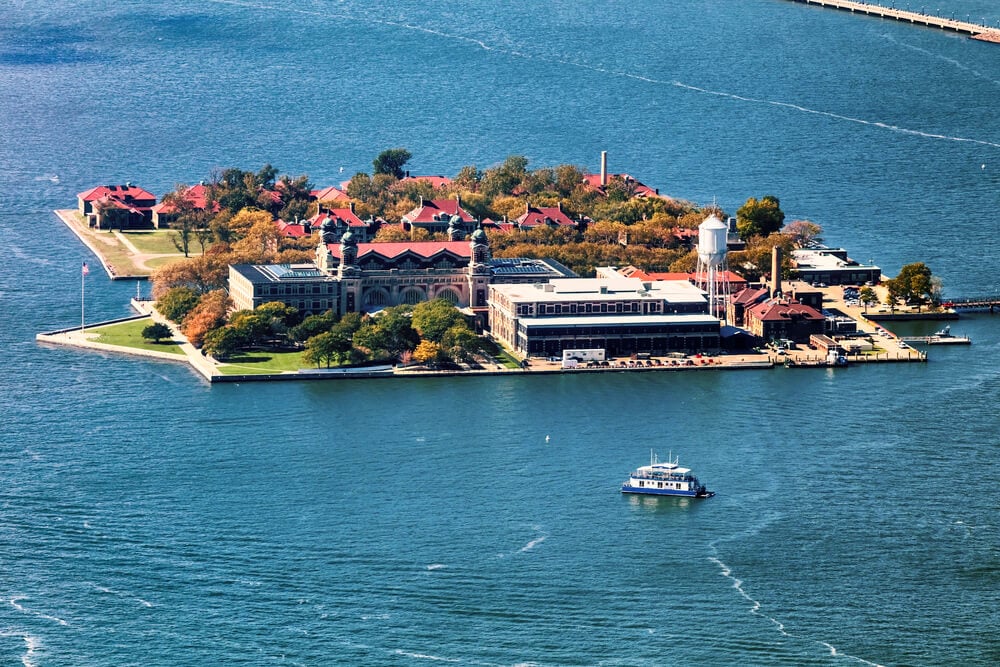
Immigration inspectors at Ellis Island in the early 20th century used a system of chalk marks written directly on new arrivals’ clothing to flag suspected medical conditions for further examination, with different letters representing different conditions inspectors believed they could detect through brief visual inspection. Those marked faced additional screening and, in some cases, could be denied entry to the country entirely.
The system relied heavily on inspectors’ rapid visual judgment rather than any diagnostic testing.
Premarital Blood Test Requirements

Beginning in the 1930s, many American states passed laws requiring couples to undergo blood tests for syphilis before a marriage license would be issued, part of a broader public health campaign against the disease. Some states maintained these requirements for decades before eventually repealing them as the underlying disease burden and testing rationale shifted.
A handful of jurisdictions retained some version of premarital health screening requirements well into the late 20th century.
Anti-Kissing Ordinances

Several American cities and towns passed rules or issued strong public health advisories during the 1918 influenza pandemic specifically discouraging or prohibiting kissing as a greeting, citing it as an obvious vector for respiratory disease transmission. Some public health posters of the era directly targeted the custom as a serious risk during the outbreak.
The recommendations largely disappeared once the pandemic subsided, only to resurface in modified form during later respiratory disease outbreaks.
The 0
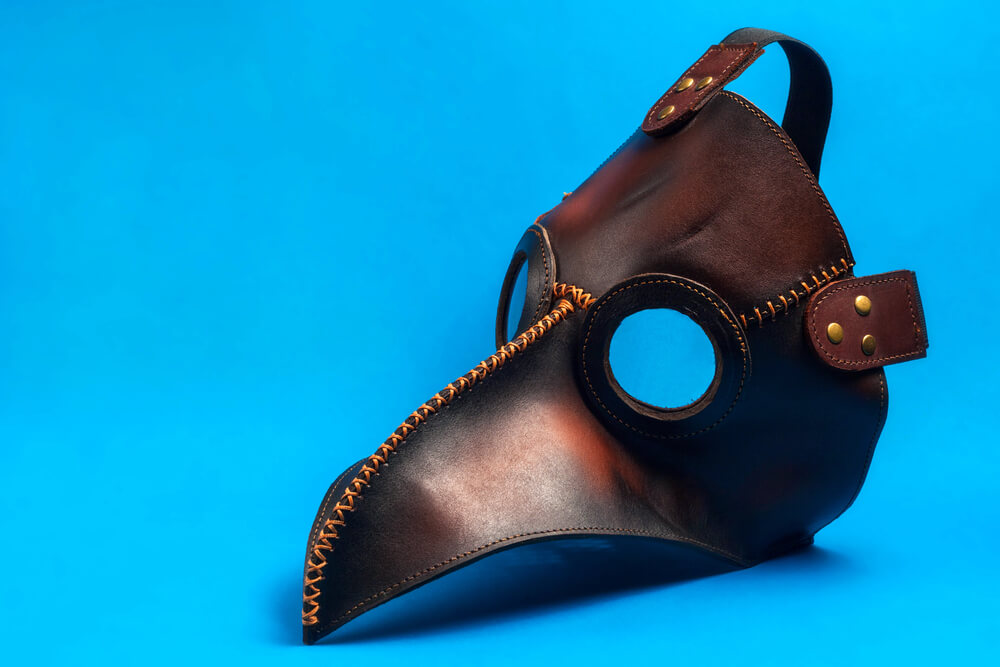
Municipal authorities in parts of 17th-century Europe required physicians treating epidemic patients to wear a distinctive protective costume, including a long beaked mask stuffed with aromatic herbs believed to filter out the “bad air” thought to carry disease. The costume also included a long waxed coat and gloves meant to prevent direct contact with patients.
While the reasoning behind the herbs was incorrect, the covering garments likely provided some incidental protection against actual disease transmission.
Hospital Beard Bans

As germ theory gained acceptance in the late 19th and early 20th centuries, a number of hospitals instituted rules requiring male medical staff to be clean-shaven, reasoning that facial hair could harbor and transmit bacteria to patients during examinations and procedures. The rules generated resistance from some physicians accustomed to more traditional grooming standards of the era.
Versions of the concern persist in some modern surgical hygiene guidelines, though enforcement today is far less absolute.
Communal Towel Bans

Public health reformers in the early 20th century successfully campaigned to eliminate the common roller towel, a single shared cloth towel that hung in barbershops, public washrooms, and factories for use by dozens of people in succession. Health departments in numerous cities passed ordinances specifically banning the practice in favor of individual paper towels.
The reform is credited with meaningfully reducing the spread of certain skin and eye infections in public facilities.
Street Sanitation Requirements
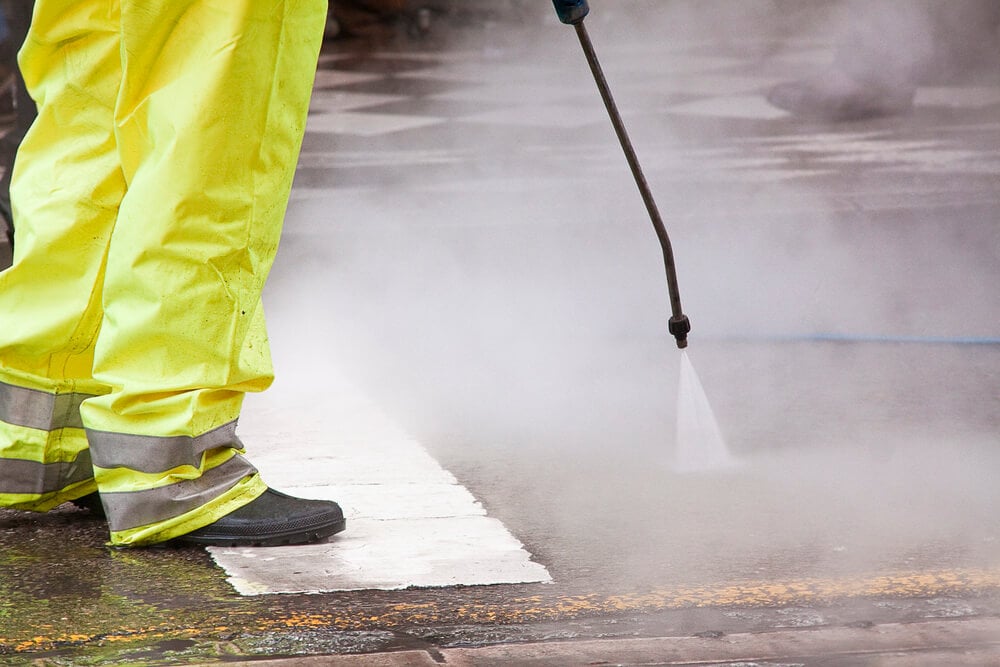
As germ theory took hold, many cities passed detailed municipal ordinances requiring the systematic removal of animal waste from streets, a byproduct of horse-drawn transportation that earlier generations had largely tolerated as an unavoidable nuisance rather than a disease risk. Specialized crews and equipment were mandated in some cities to meet strict daily cleaning schedules.
The rules reflected a rapid shift in how seriously municipal officials began treating street conditions as a matter of public health rather than mere inconvenience.
Ice Supply Inspection Laws

Cities that relied on ice cut from local rivers and lakes for refrigeration passed inspection laws in the late 19th century requiring certification that the source water was free from contamination, after public health officials connected tainted ice supplies to outbreaks of typhoid and other waterborne illness. Ice cut from polluted stretches of river could be legally seized and destroyed under some municipal codes.
The rules became largely obsolete once mechanical refrigeration replaced natural ice as the dominant technology in the following decades.
The Common Cup Ban

Railroads and municipalities across the United States banned the shared public drinking cup, once a standard fixture at public water fountains and on trains, in a wave of ordinances passed around the 1910s after public health officials connected the practice to the spread of disease. The reform helped drive the rapid adoption of individual paper cups, a product that had barely existed commercially before the bans created sudden demand.
The shift from shared to disposable cups is considered one of the more successful and lasting public health interventions of the era.
Hourly Classroom Airing

Some school health boards in the early 20th century mandated that classroom windows be fully opened for several minutes every hour, regardless of outdoor temperature, to flush out stale air believed to carry disease among densely packed students. Teachers were sometimes required to log compliance with the airing schedule for inspection by health officials.
Students bundled in coats through the coldest months of the school year were considered an acceptable tradeoff for the presumed health benefit.
The Confidence That Never Changes

What ties these rules together is not that the officials who wrote them were foolish, but that they were doing exactly what public health officials do now: applying the best available evidence with total conviction. Miasma theory, arsenic tonics, and bicycle face all made sense within the scientific frameworks of their time, frameworks that felt as settled to the people living under them as current medical consensus feels today.
The lesson is less about laughing at the past and more about recognizing the pattern. Every era’s public health rules will eventually look strange to the next one, not because the underlying instinct to protect people was wrong, but because the tools for understanding disease keep improving faster than anyone expects.
Somewhere in this decade’s official guidance is probably tomorrow’s punchline.
More from Go2Tutors!

- The Romanov Crown Jewels and Their Tragic Fate
- 13 Historical Mysteries That Science Still Can’t Solve
- Famous Hoaxes That Fooled the World for Years
- 15 Child Stars with Tragic Adult Lives
- 16 Famous Jewelry Pieces in History
Like Go2Tutors’s content? Follow us on MSN.



