30 Public Library Features From the 1990s
The public library of the 1990s sat at an awkward moment: card catalogs and computer terminals shared the same floor, and nobody was quite sure which would win. Patrons used rubber stamps, laser scanners, microfilm, and dial-up modems in a single afternoon.
Here are 30 features that defined the decade, from the beloved to the outdated.
The Wooden Card Catalog
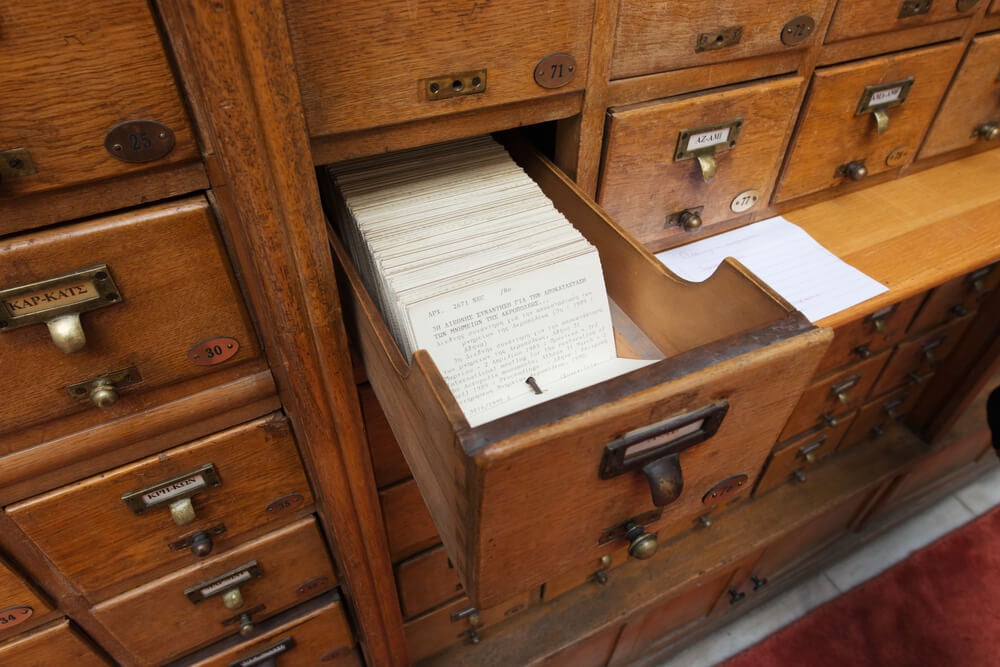
Rows of small drawers with brass pulls still stood in the center of many libraries, even as computers arrived. The Library of Congress stopped distributing printed catalog cards on March 1, 1997, after 95 years of service.
Some libraries kept the cabinets for decades, long after the last card had been added.
Online Catalog Terminals
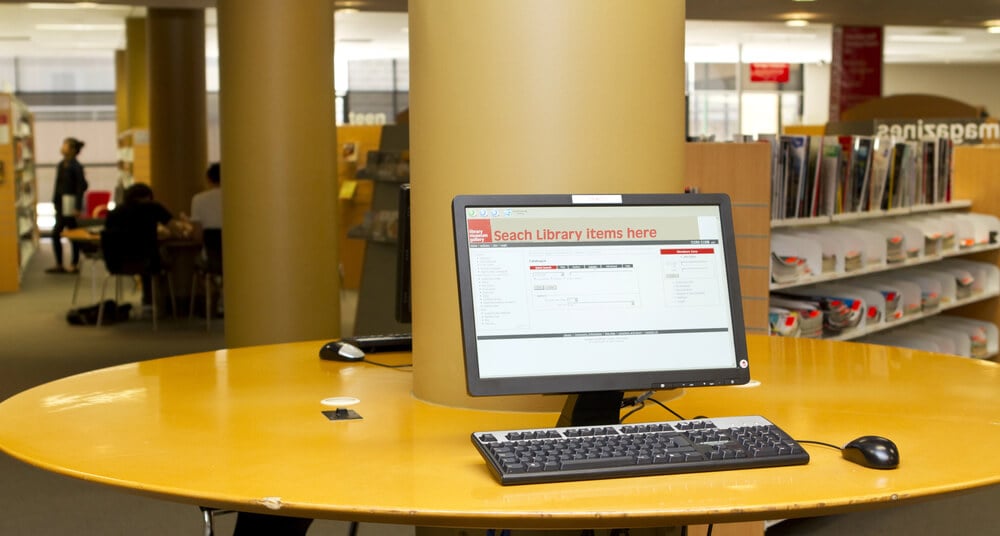
Green-screen terminals let patrons search by author, title, or subject without flipping a card. Many libraries mounted them at standing height beside the old cabinets.
Queries required exact commands, and a misspelled word produced a stern error message.
Dial-Up Internet Terminals

Netscape Navigator launched in 1994, and by the late 1990s many libraries offered a handful of Internet-connected computers. Sign-up sheets and time limits governed access.
The wait for a free seat could stretch longer than the session itself.
Encarta on CD-ROM
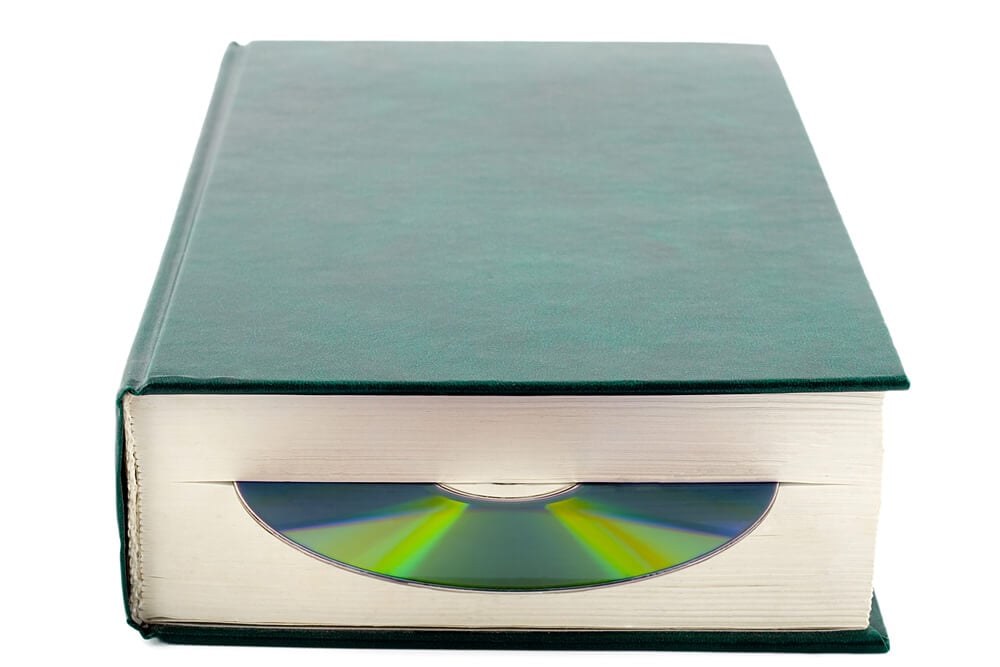
Microsoft’s Encarta encyclopedia arrived in 1993 and put an entire reference set on a single disc. Libraries set up computers where students could consult it.
Printed encyclopedias on the shelf suddenly had competition.
Microfilm and Microfiche Readers
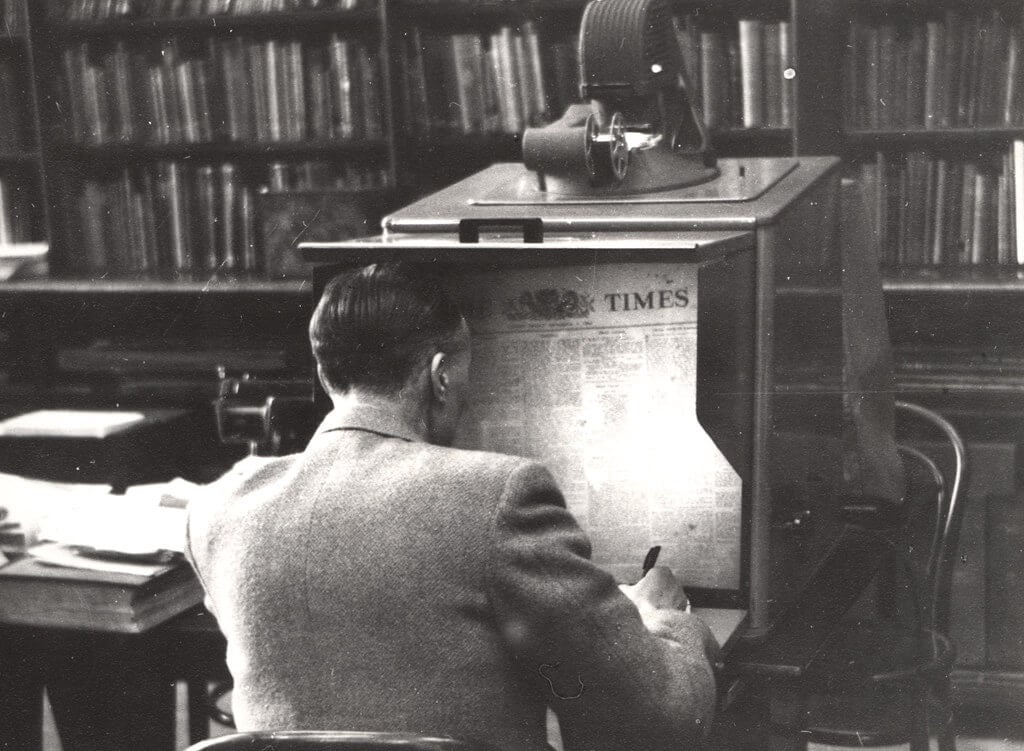
Old newspapers and magazines were stored on reels and cards of film that required a bulky reader. Patrons cranked the film forward and squinted at the glowing screen.
Printing a page cost a coin and produced a copy that was never quite as sharp as the screen.
The Readers’ Guide to Periodical Literature
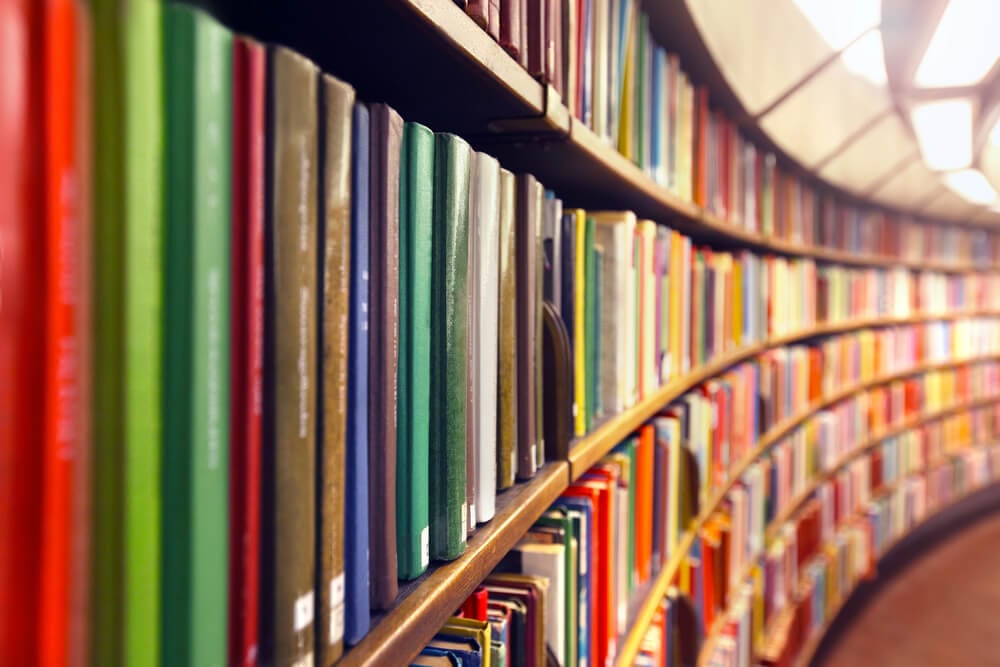
The H. W. Wilson Company published this print index to magazine articles in thick green volumes. Students used it to find articles by subject, then wrote down the citation and hunted down the magazine.
It served as the search engine of the 1990s homework assignment.
InfoTrac Terminals
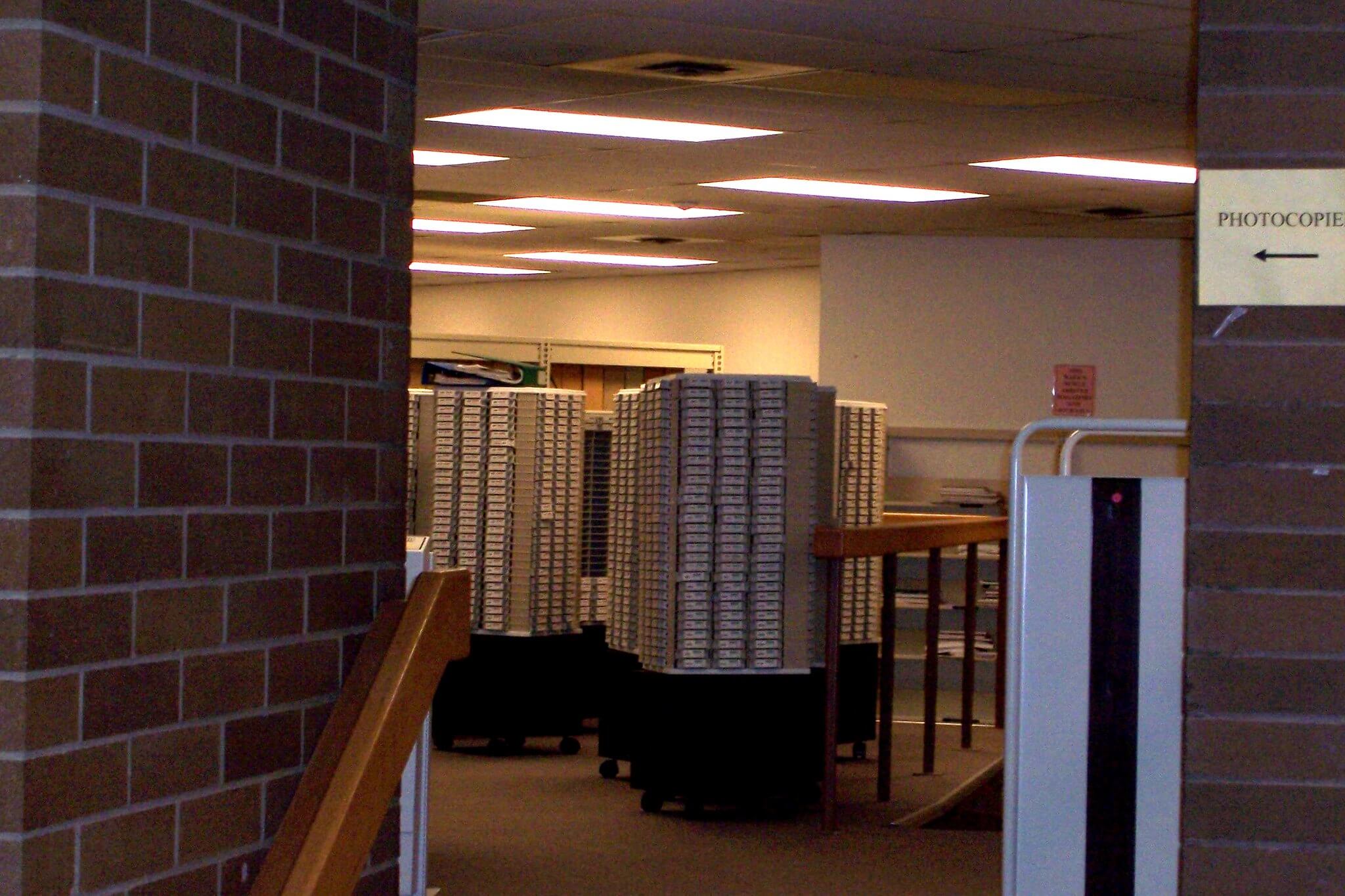
InfoTrac, from the Information Access Company, offered a computerized index to magazine and journal articles. Libraries placed it on dedicated terminals, and patrons printed lists of citations to carry to the stacks.
Many students first encountered a searchable database there.
The Date-Due Stamp
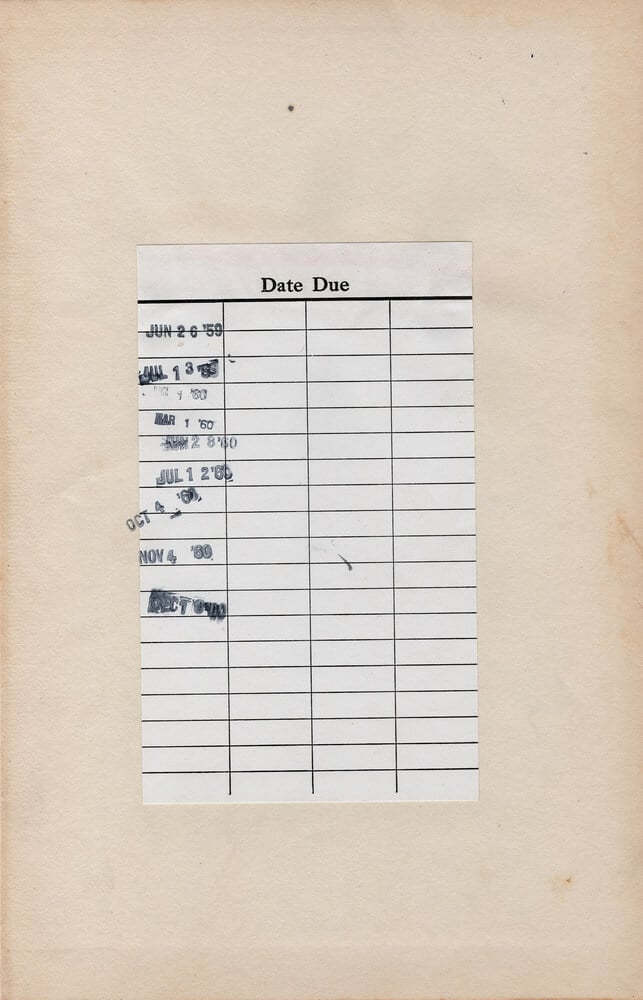
Library staff stamped a due date on a slip glued inside the back cover. The stamp pad was inked, the date wheel turned by hand, and every checkout ended with a soft thump.
Patrons learned to check the slip before borrowing a book that was already overdue.
Barcodes and Plastic Library Cards
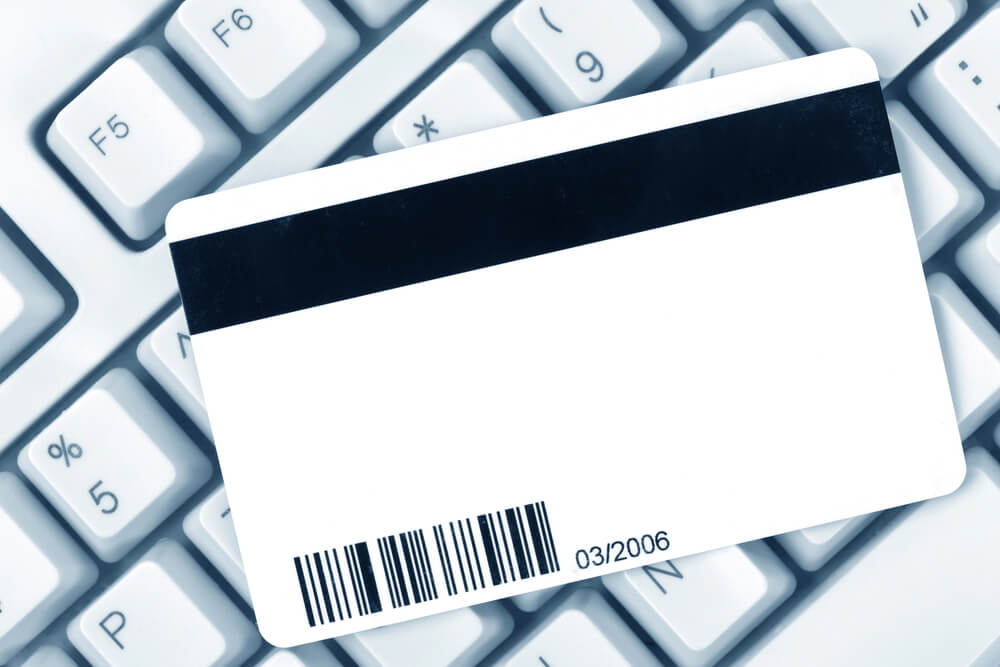
By the 1990s, plastic cards with barcodes were replacing the paper cards of earlier decades. A librarian scanned the card, then scanned the book, and the transaction was done.
The pocket and paper card that once lived in the back of every volume gradually disappeared.
Security Gates
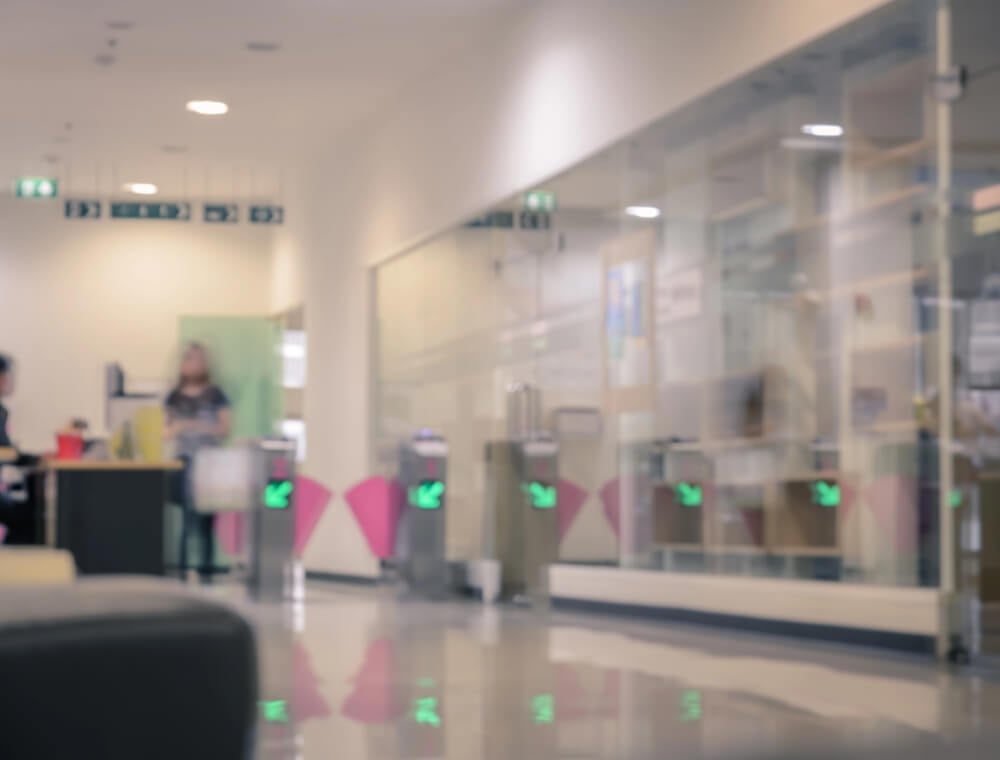
Tall gates at the entrance sounded an alarm if a book with an active magnetic strip passed through. Staff hid the strips in spines or between pages.
Patrons learned to wait for the librarian to deactivate a strip before heading for the door.
VHS Tapes
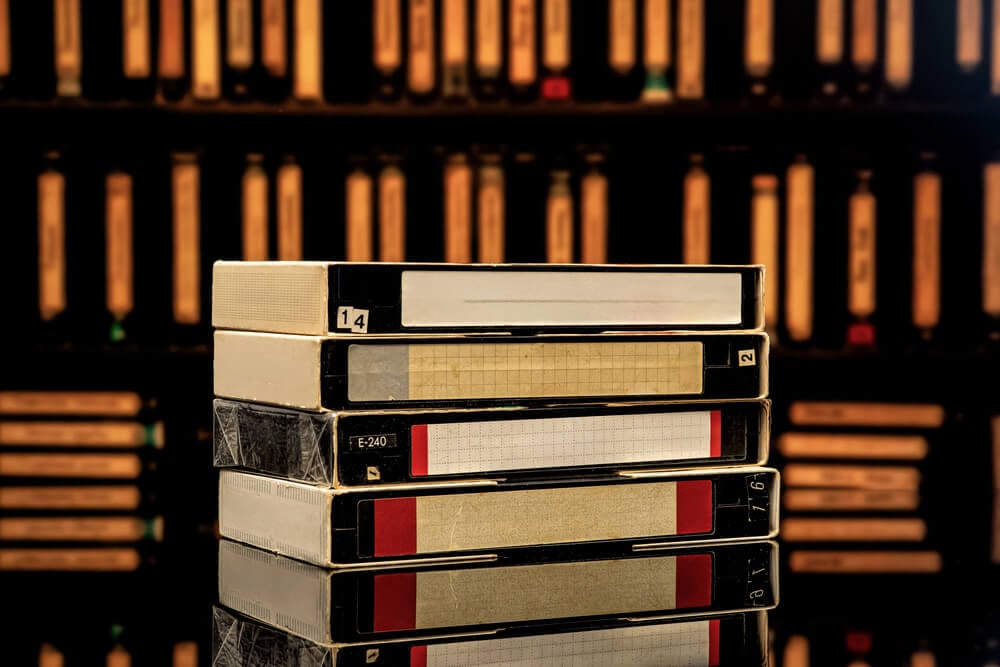
Libraries lent videotapes, from feature films to documentaries and exercise programs. The tapes sat in plastic cases shelved by title.
A waiting list for a popular tape could run for weeks.
Books on Cassette

Duvall Hecht founded Books on Tape in 1975, and by the 1990s libraries stocked audiobooks in bulky plastic cases. A long novel could fill a dozen cassettes.
Drivers on long commutes became loyal borrowers.
Music CDs
Libraries stocked music CDs in tall racks near the audiovisual desk. Patrons borrowed albums for a week at a time.
The racks became a place to discover artists beyond the radio.
Summer Reading Programs
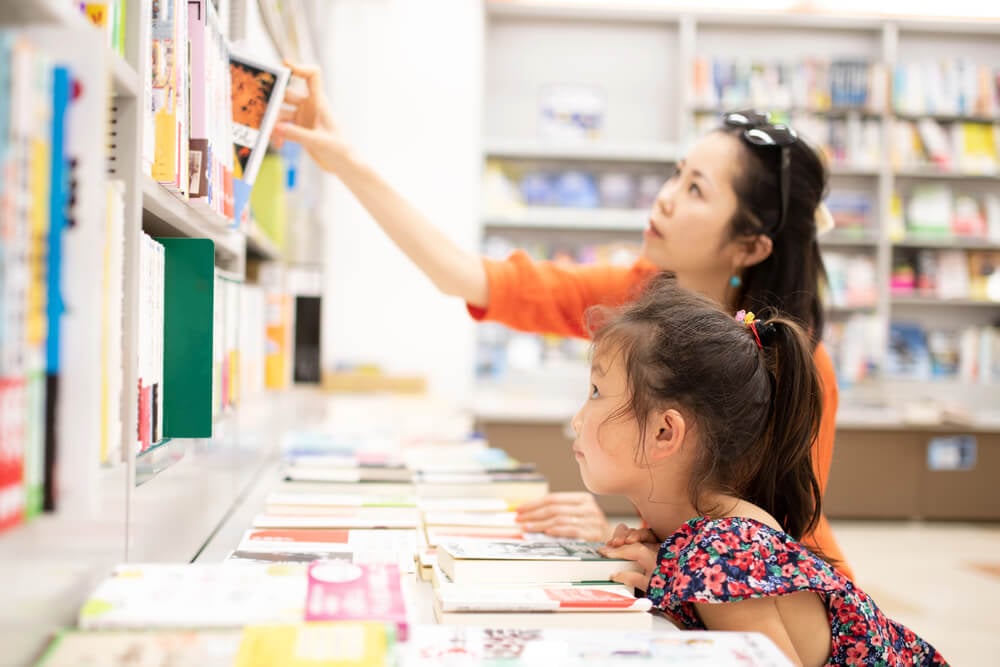
Children logged the books they read on a paper chart and earned stickers, certificates, or small prizes. The programs ran in public libraries across the country.
Many children wrote their first book reports under the banner of a summer theme.
Story Time

Librarians read picture books aloud to groups of toddlers and preschoolers on a regular schedule. Sessions included songs, puppets, and sometimes a craft.
Parents found it a gentle way to introduce books to the youngest readers.
Reading Rainbow
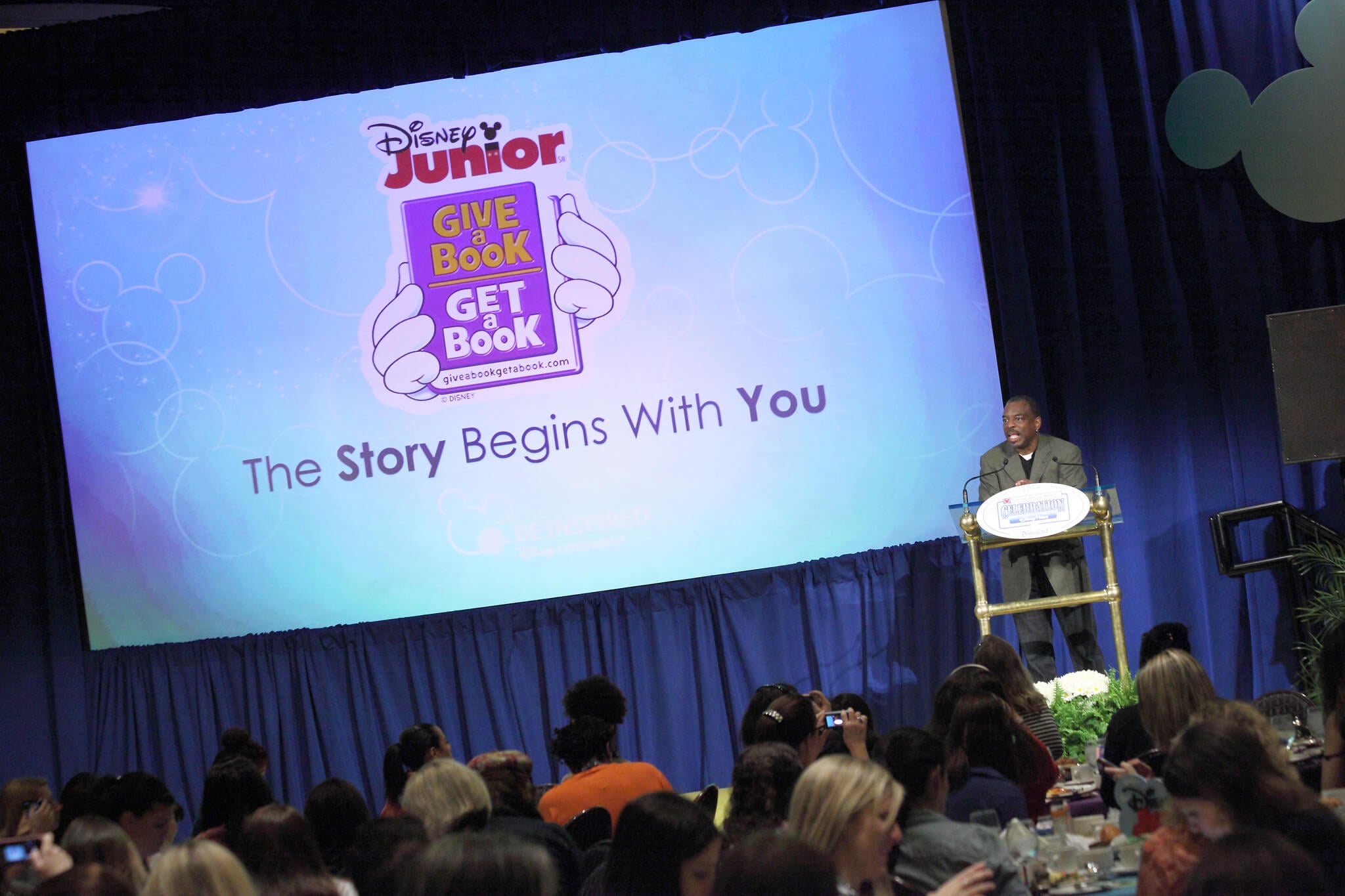
LeVar Burton hosted Reading Rainbow on PBS from 1983 to 2006, and the show encouraged children to seek out the books it featured. For a generation of young viewers, a trip to the library was the logical next step after an episode.
The program made the library feel like an adventure.
READ Posters
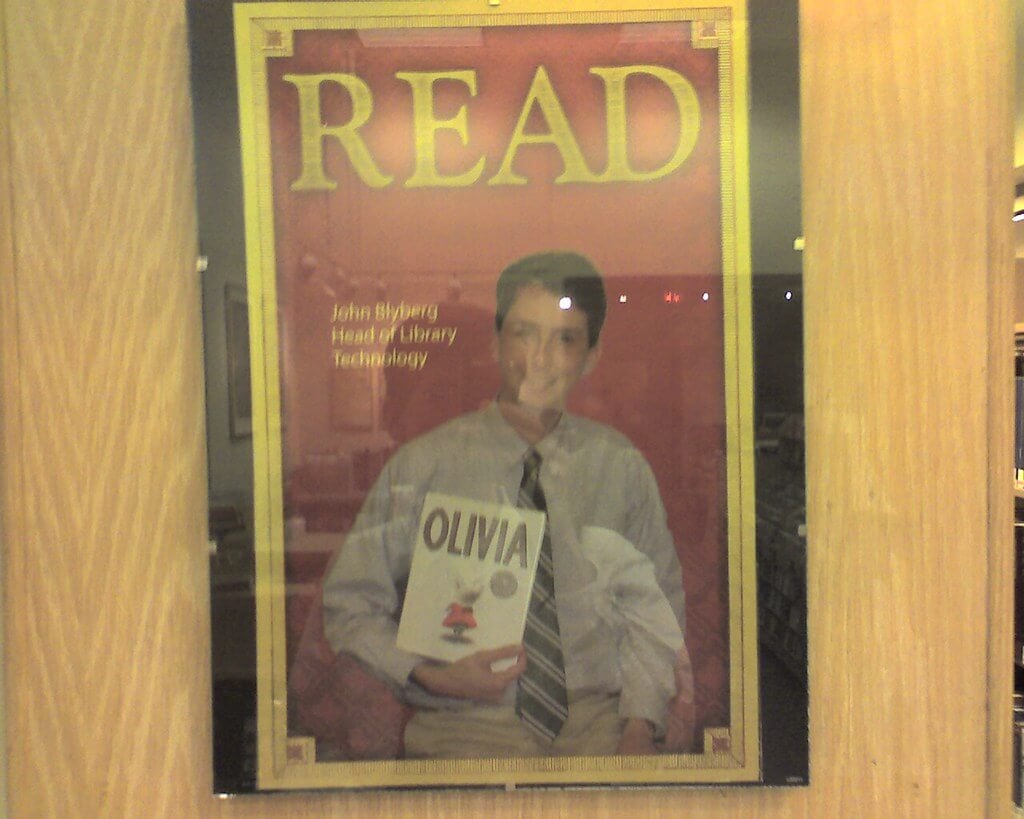
The American Library Association began publishing READ posters in 1981, featuring celebrities holding a favorite book. They hung in libraries and classrooms throughout the decade.
Seeing a favorite athlete or actor with a paperback made reading seem less like homework.
Coin-Operated Photocopiers
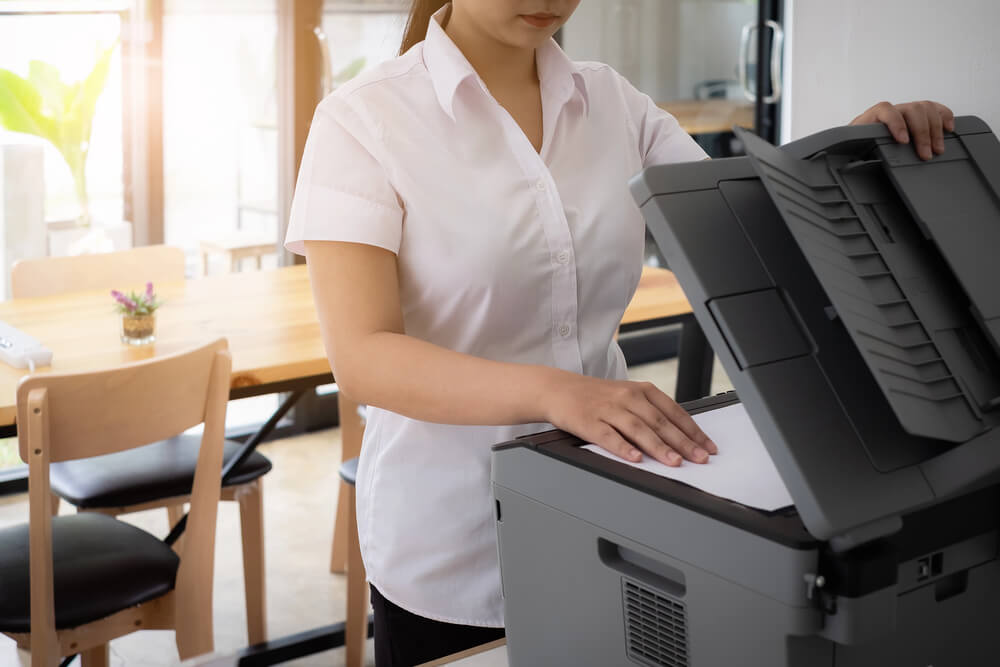
A copier stood near the reference desk, usually with a coin slot on the side. Patrons lifted the lid, placed the page, and fed in coins.
The glow of the scanning bar was a familiar sight.
The Public Typewriter
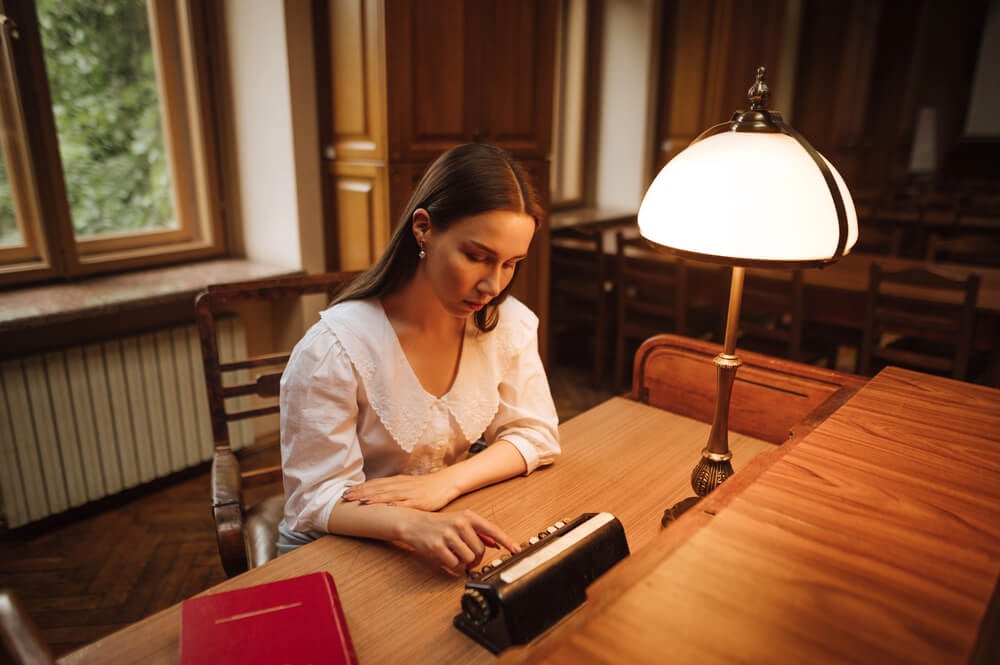
Some libraries kept a typewriter available for résumés, school reports, and job applications. It usually had a sign about time limits and a fresh ribbon.
In an era before home printers were common, it was a real resource.
The Bookmobile
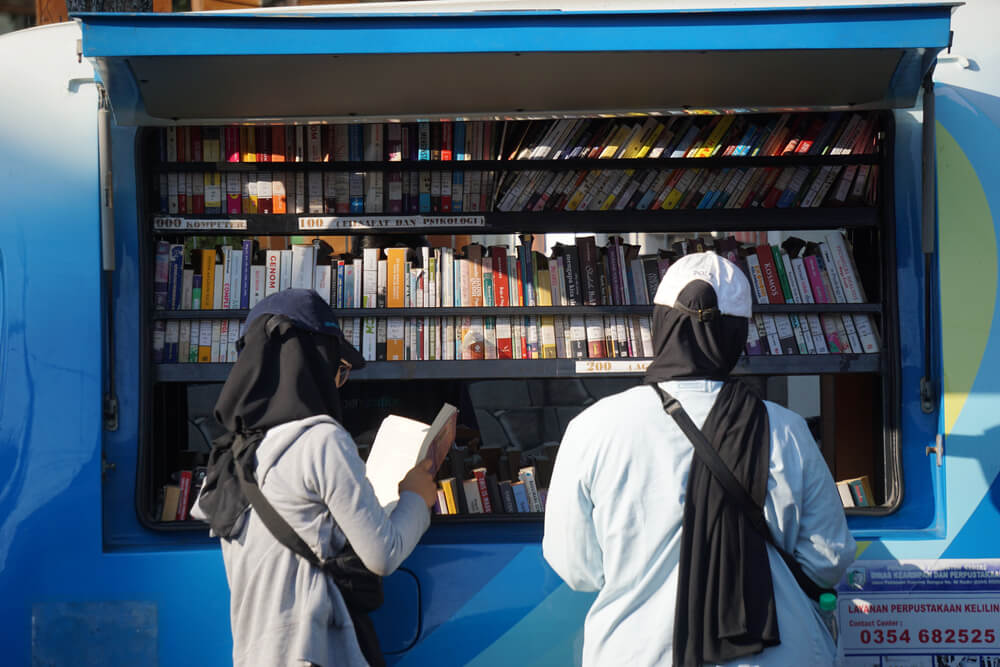
The Washington County Free Library in Hagerstown, Maryland, ran a horse-drawn book wagon in 1905, and the idea persisted in motorized form. In the 1990s bookmobiles still reached rural neighborhoods and housebound readers.
A mobile branch could bring the library to places that had no building at all.
Friends of the Library Book Sale

Volunteers sorted donated books onto tables and priced them low. Sales drew collectors and bargain hunters before the doors opened.
The proceeds funded programs the budget could not cover.
The Large Print Section

Large print books lined a dedicated shelf, popular with older readers. They were thick, with bold type and wide margins.
Libraries expanded the collection as the population aged.
The Genealogy Room
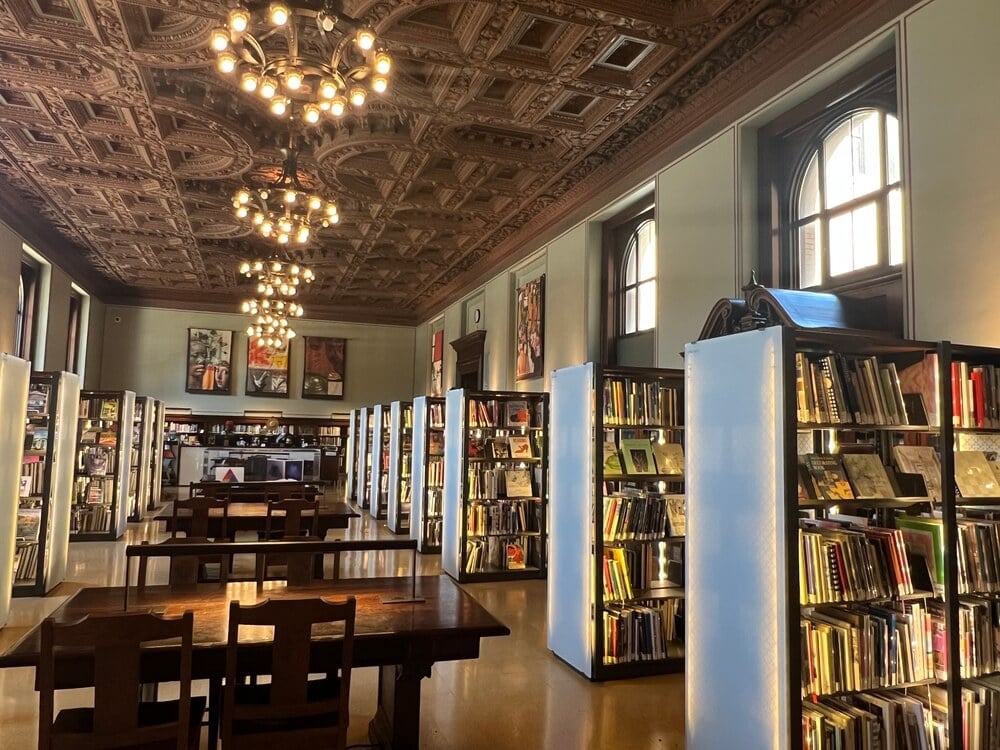
A small room held census records on microfilm, local history books, and family trees. Amateur genealogists spent afternoons scrolling through reels in search of an ancestor.
The staff member in charge often became a local expert on the town’s founding families.
Interlibrary Loan Request Forms
When a book was not on the shelf, a patron filled out a paper form and waited. A request might travel across the state or the country.
Delivery took days or weeks, and the arrival of a book from a distant library felt like a package from a far-off friend.
Dewey Decimal Signs
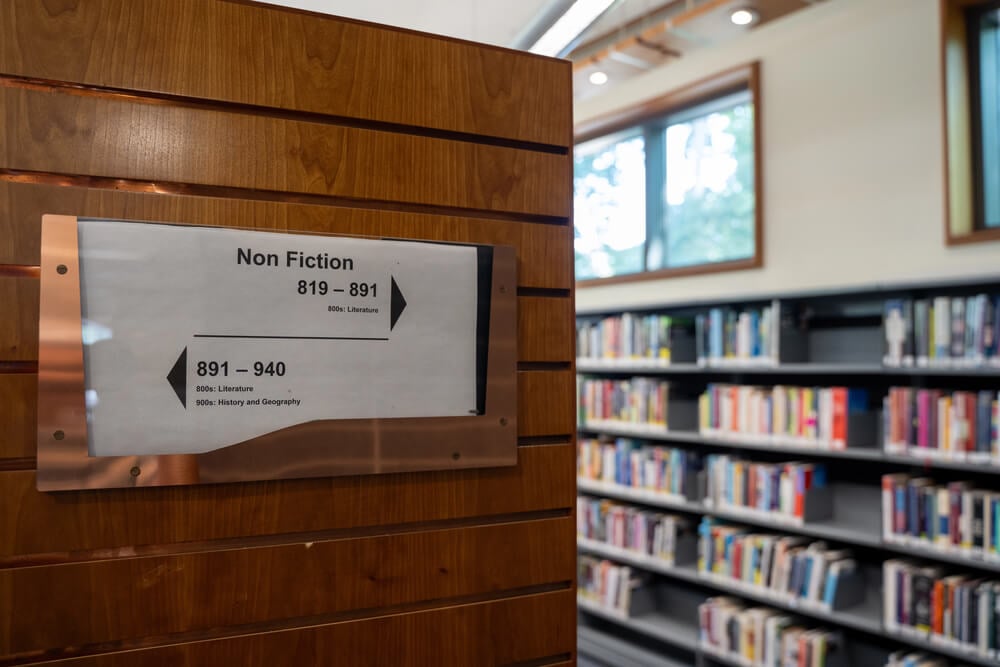
Melvil Dewey created the classification system in 1876, and in the 1990s its numbers topped nearly every aisle. Signs at the end of the stacks told patrons that the 500s meant science and the 900s meant history.
Children learned to find a book by following numbers.
Newspaper Rods and Magazine Racks
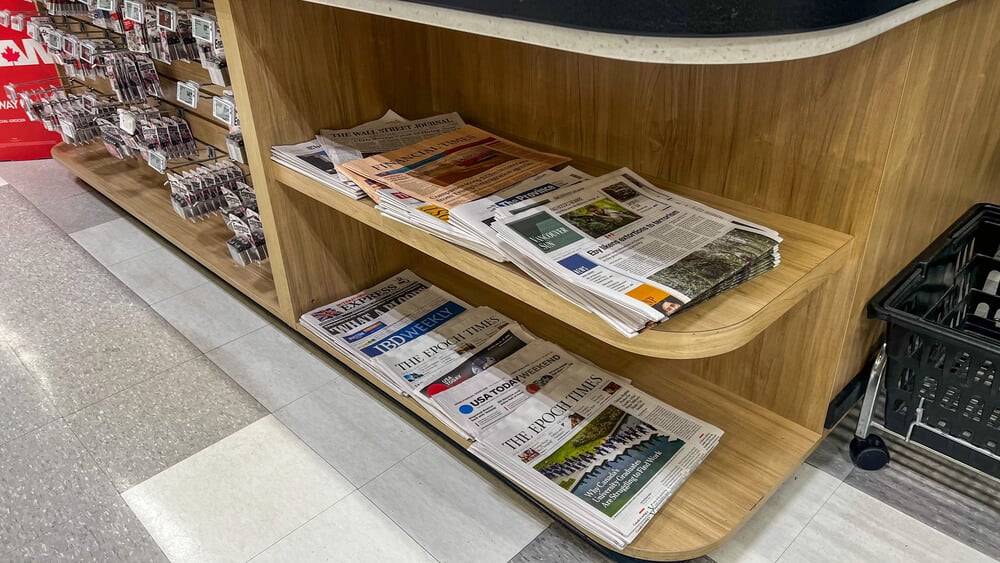
Current newspapers hung from wooden rods on a rack, and magazines sat on slanted shelves. Readers sat in armchairs nearby, paging through the day’s news.
Back issues lived in cabinets behind the desk.
Telephone Reference

Patrons phoned the reference desk to ask questions that a search engine would later answer. A librarian looked up the answer in a book or database and called back.
Trivia disputes, homework problems, and crossword clues all arrived over the line.
The Vertical File
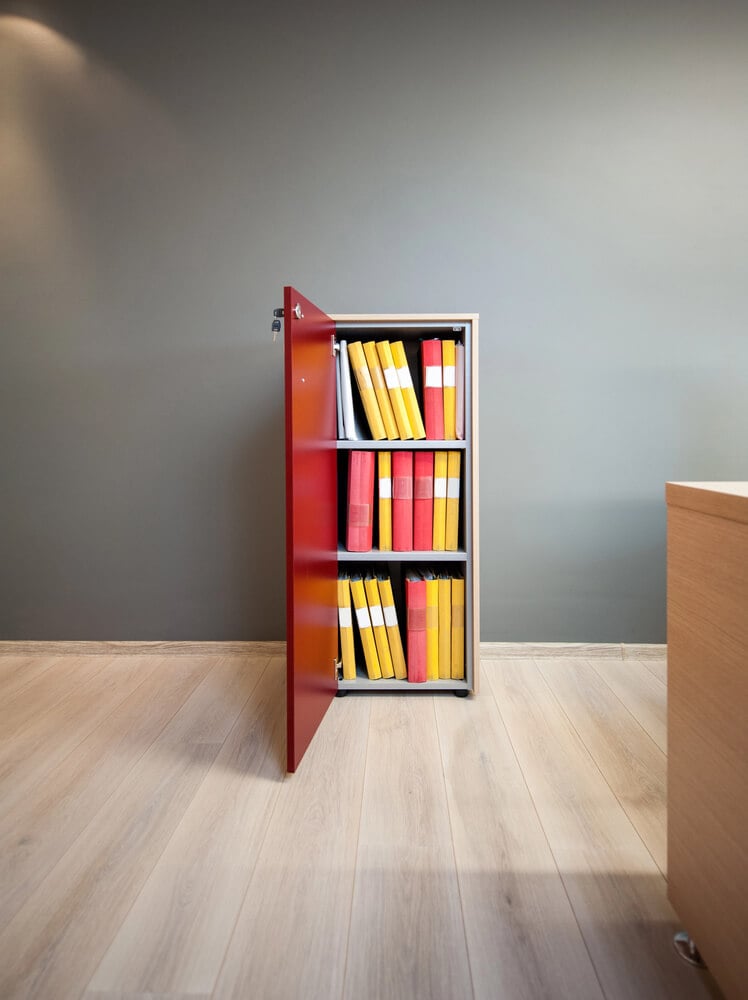
A file cabinet near the reference desk held pamphlets, clippings, and brochures on local topics. Entries covered everything from county history to community groups.
For many local questions, the vertical file was the fastest source.
Gates Foundation Computers
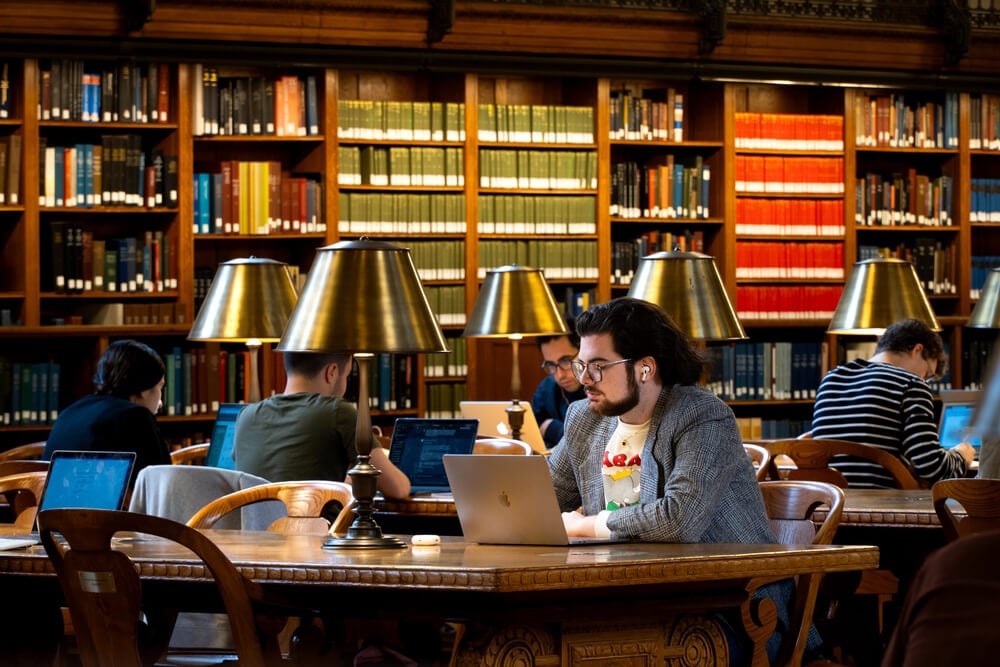
In 1997, Bill Gates and his wife pledged $200 million to help bring computers and Internet access to public libraries. The effort supplied thousands of libraries with their first public-access computers.
For many communities, the library became the easiest place to get online.
Overdue Notices by Postcard
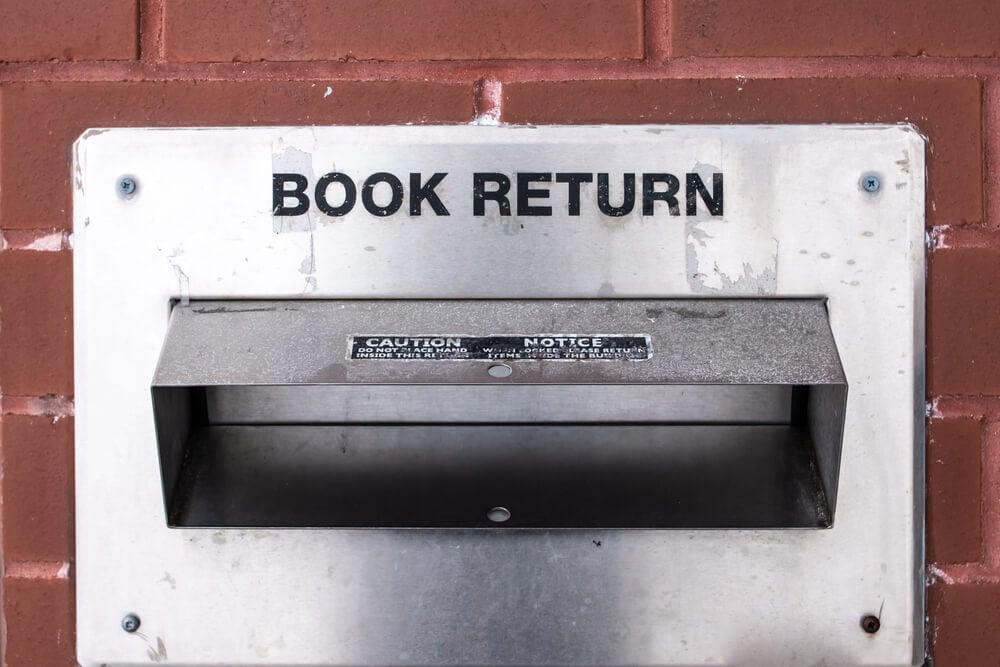
Late books triggered a postcard in the mail with the title, the date due, and the amount owed. Patrons remembered the sting of discovering a book under the bed long after the postcard arrived.
The fine itself was usually small, but the embarrassment was not.
Quiet Rooms That Learned to Hum
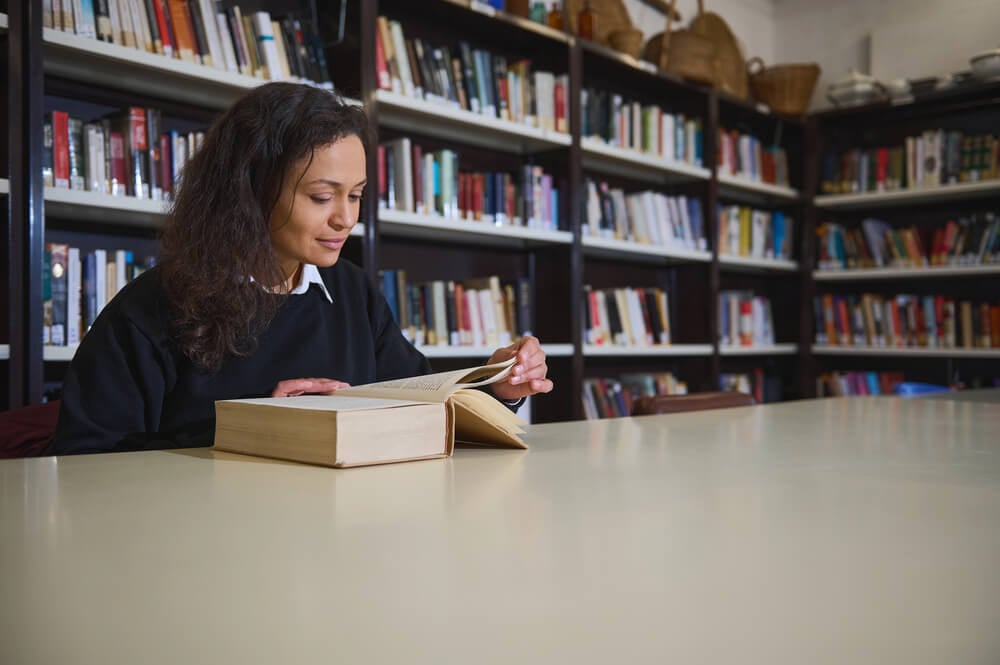
The 1990s library was a place in transition. A wall of oak drawers sat across from a bank of beige computers, and a patron could use both without leaving the room.
The old and the new coexisted, sometimes uneasily, and librarians had to teach each to the same crowd. The decade also showed how essential the library remained.
People came for books, but also for tapes, databases, microfilm, and the staff’s expertise. Even as technology changed the tools, the mission of connecting people with information held steady.
More from Go2Tutors!

- 27 Silver Dollars and Half Dollars Worth Keeping
- 28 Restaurant Menu Items Nobody Orders Anymore
- 17 Places Built in Seemingly Impossible Spots
- 27 Vintage Rings Worth More Than They Look
- 25 Restricted Sites Tourists Can’t Enter
Like Go2Tutors’s content? Follow us on MSN.