31 Things Packed Into 1970s Station Wagons
The 1970s station wagon was the minivan, the pickup, and the moving truck of its day. Wood-grain panels ran down the sides, the tailgate dropped open like a drawbridge, and a rear-facing seat folded out of the cargo floor.
Families filled these cars to the roofline for vacations, camping weekends, and the weekly shop. Here are 31 things that regularly rode along.
The Big Metal Cooler
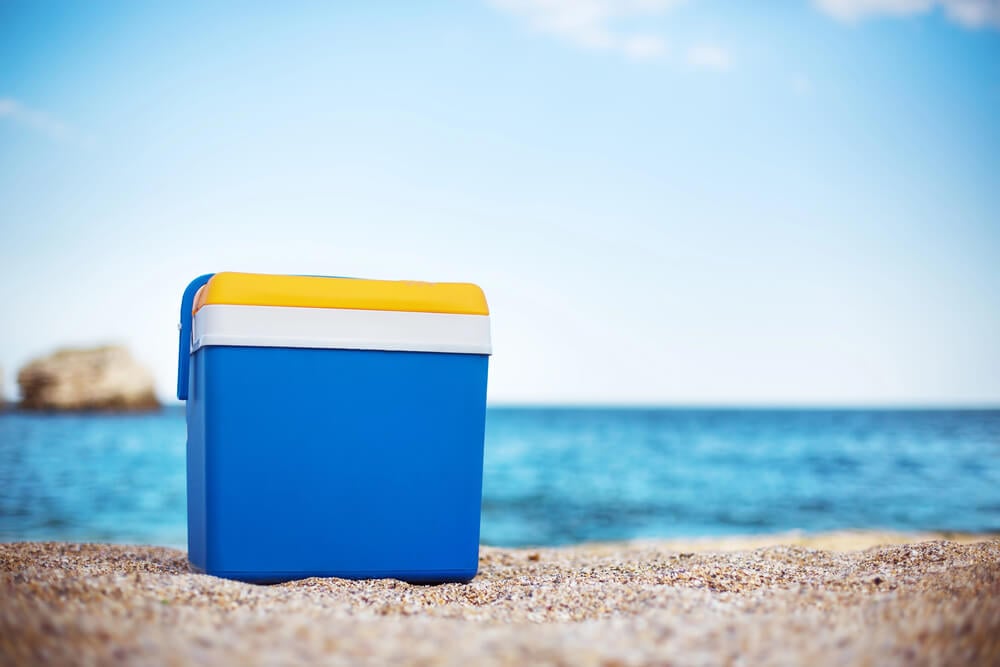
Before the car even left the driveway, someone had to lift the cooler into the back. Packed with sandwiches, soda, and a bag of ice, it was the heaviest single item aboard. By the second day of a long trip, the ice had turned to water that sloshed with every curve.
The Orange Water Jug
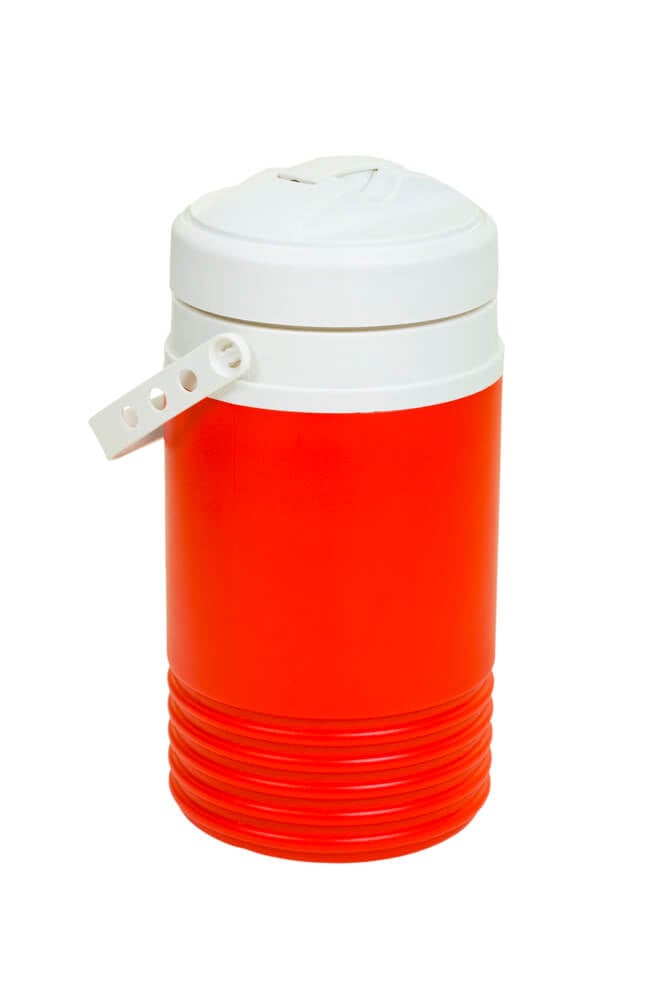
A tall orange cylinder with a push-button spigot sat on nearly every picnic table and in nearly every cargo area. It dispensed lukewarm water, lemonade, or whatever someone had poured in that morning. Cups were optional, and the spigot dripped on everything below it.
The Rand McNally Road Atlas
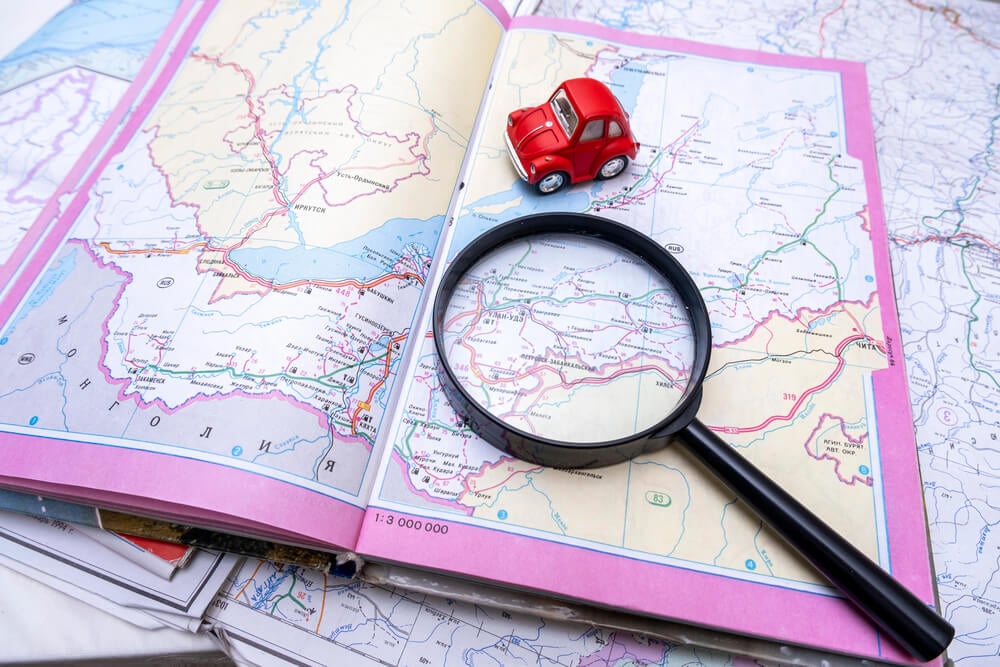
A thick, oversized road atlas rode on the front seat or the dashboard. The navigator, usually a parent, turned the pages while the driver asked how much farther. Folded state maps in the glove compartment served as backup, and they never refolded the way they came.
The AAA TripTik
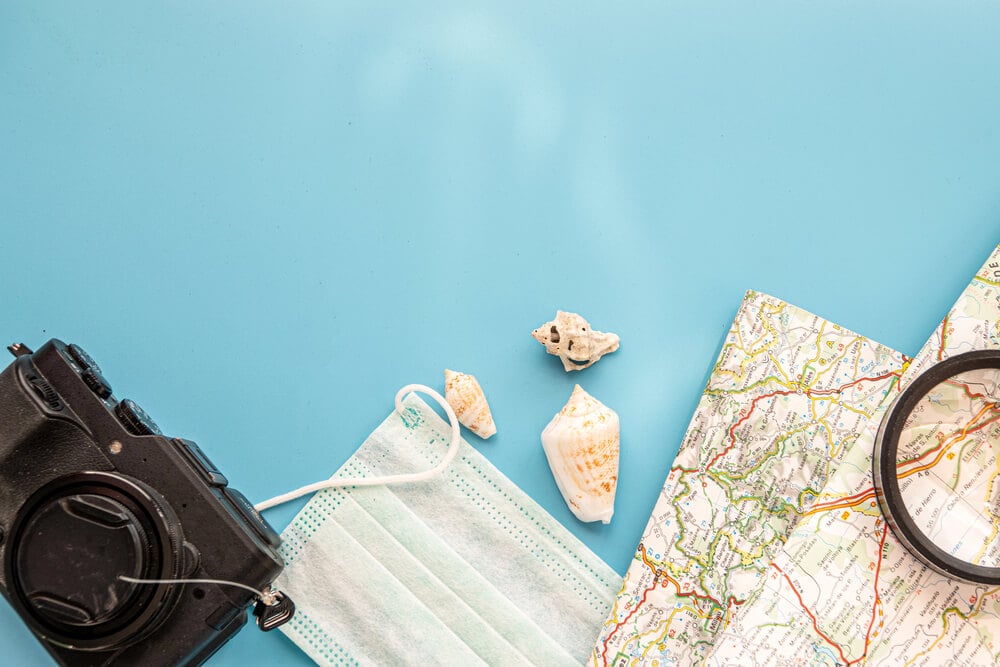
Members of the American Automobile Association could visit an office and have a custom route printed in spiral-bound strips. Each page showed a small section of road, with construction warnings and gas stops marked. A good TripTik meant the navigator could follow a trip page by page without unfolding a single map.
Folding Aluminum Lawn Chairs
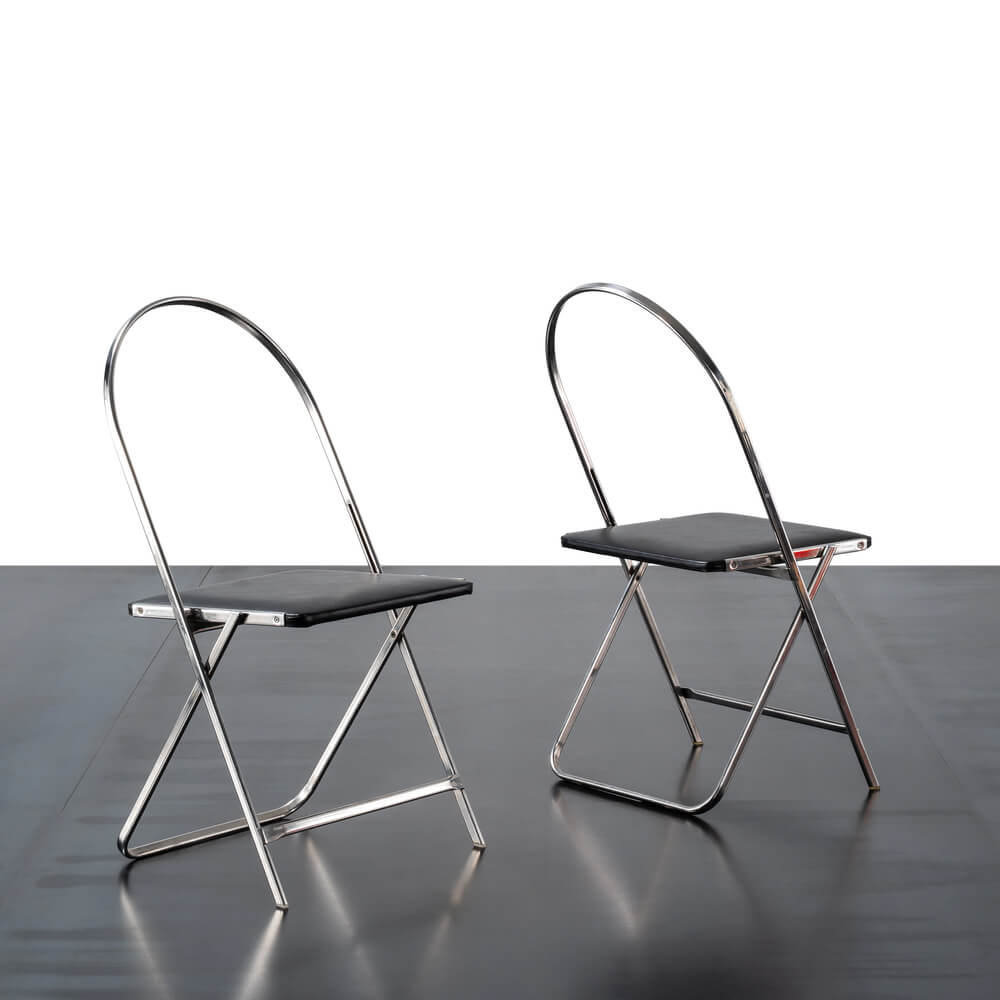
Webbed lawn chairs with aluminum frames collapsed flat and slid between the suitcases. They appeared at every campsite, parking lot picnic, and drive-in movie. The webbing left a pattern on the backs of the legs that lasted through the evening.
Hard-Shell Suitcases
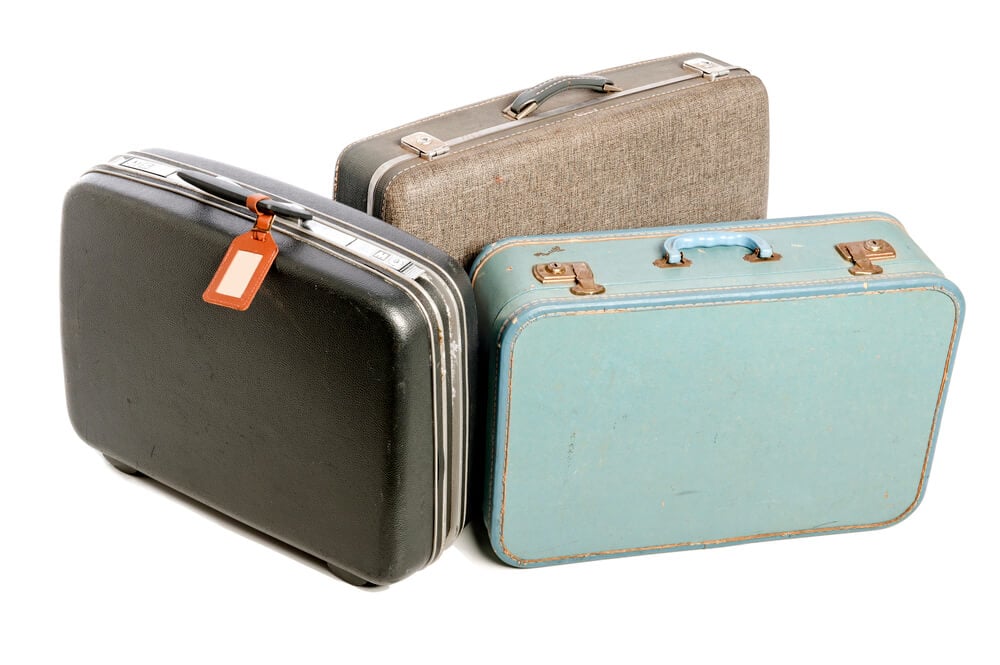
Rigid, rectangular suitcases, often in avocado green or harvest gold, filled the cargo floor. Most of them closed only when a child sat on the lid while a parent worked the latches. Once packed, they formed a floor for everything else.
The Roof Carrier
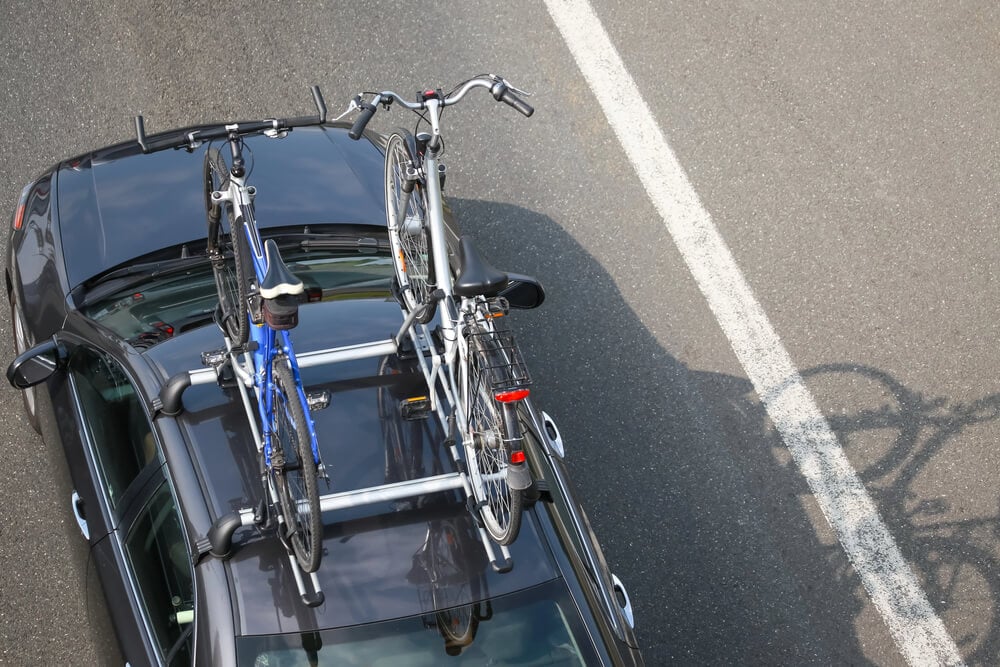
When the cargo area ran out of room, luggage went onto the roof. A rack held suitcases, a tarp covered them, and rope or bungee cords held the tarp. Everyone checked it at every stop, because a loose corner flapping at highway speed was a sound no one forgot.
Sleeping Bags
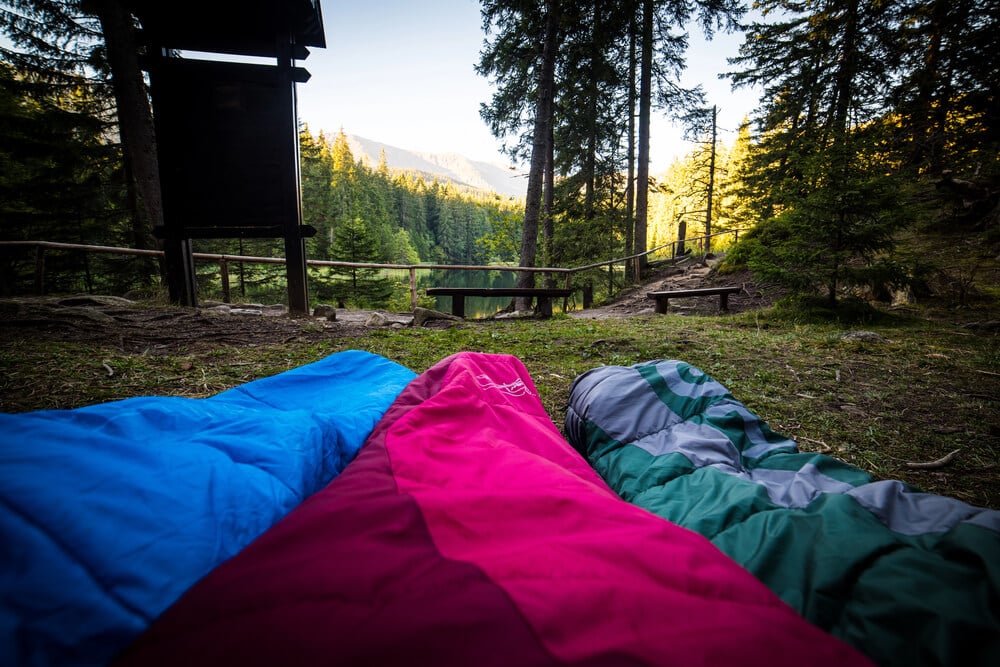
Flannel-lined sleeping bags with printed patterns were rolled tight and stuffed into every gap. They served as cushions on the way there and as beds when the motel was full.
The Canvas Tent
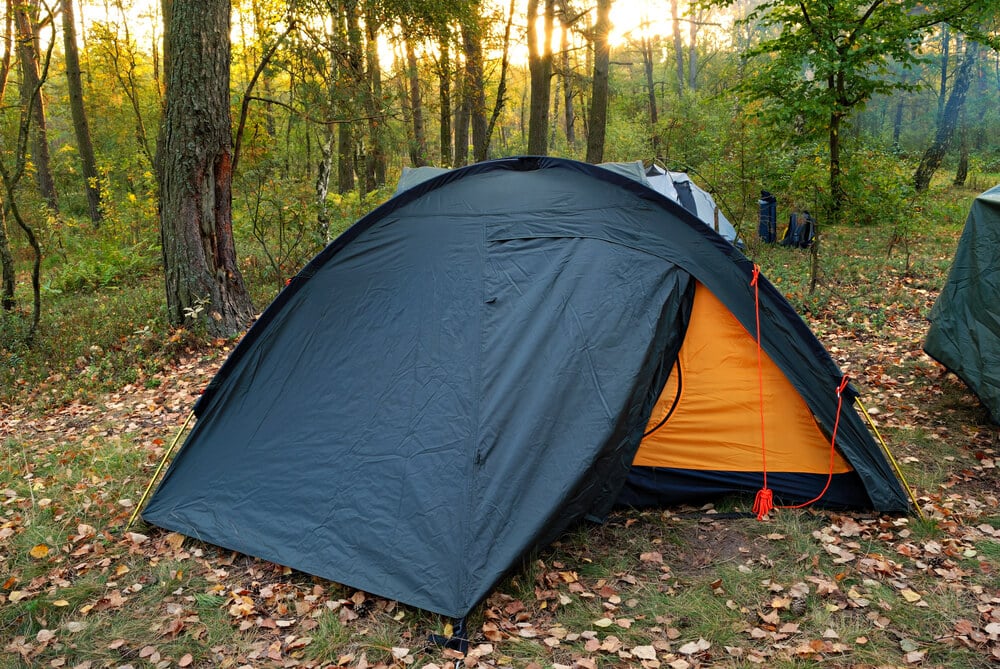
A heavy canvas tent came in its own sack, along with stakes, poles, and a mallet. It weighed enough that two people had to lift it into the car. Setting it up was a family project with a noticeable amount of arguing.
Pillows and Quilts for the Way Back

Children who rode in the rear-facing seat at the back of the wagon brought bedding to turn it into a nest. The seat faced the traffic behind, which gave a view of every truck passing by. Many children watched the road unspool backward for hours.
The Family Dog

Labradors, beagles, and mixed breeds rode loose in the cargo area, tongues out and noses at the window. A blanket on the floor was the only concession to comfort. The dog also served as a warning system for every rest stop, announcing its need with a whine.
8-Track Tapes
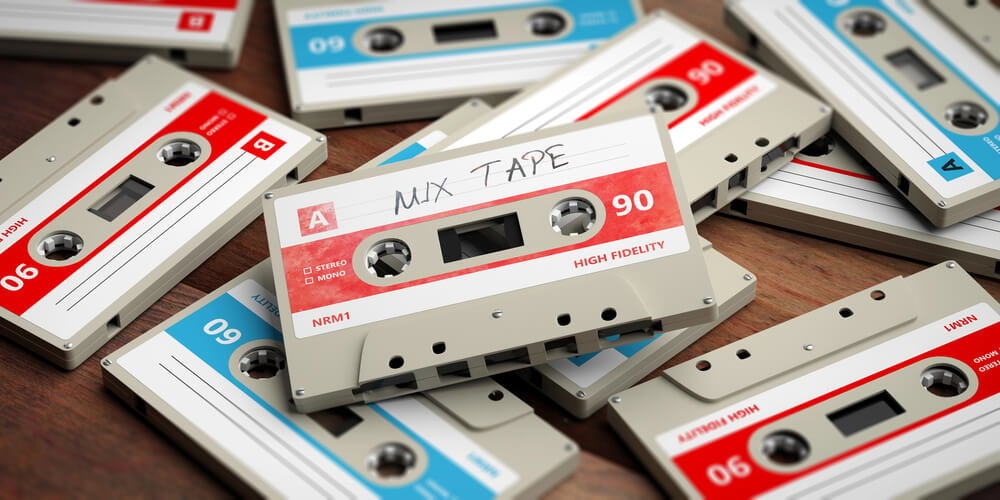
Ford offered a factory-installed 8-track player in 1965, and by the 1970s the tapes were stored in cases that slid under the seat. The player clunked loudly when the program changed, sometimes in the middle of a song. A family’s tape collection was a snapshot of whatever the parents bought at a service station.
The CB Radio
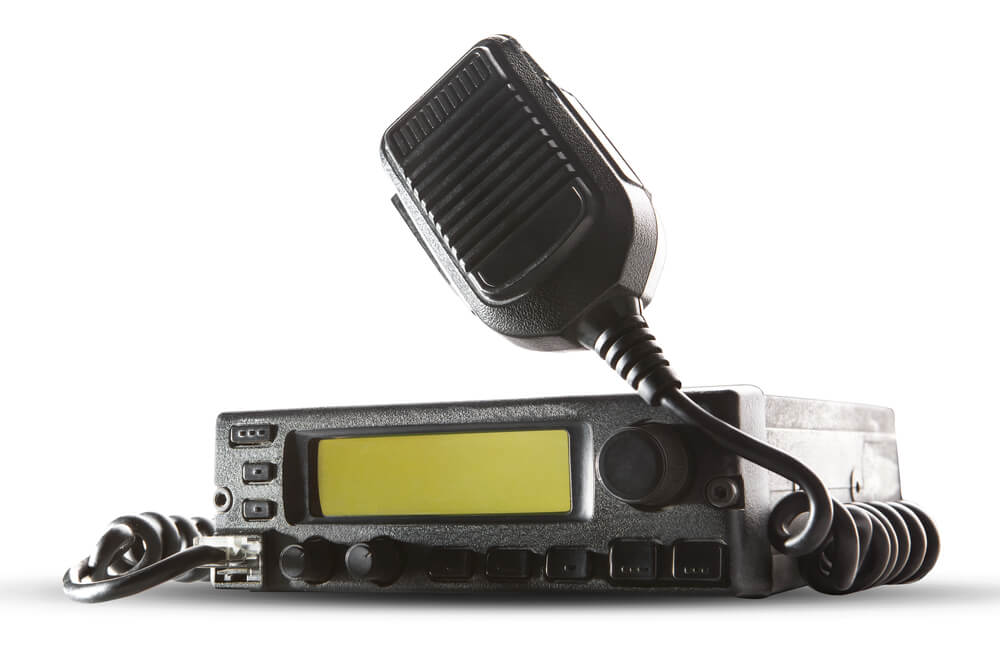
The CB craze of the mid-1970s followed the oil shortage and the introduction of the 55 miles-per-hour speed limit in 1974. Drivers wanted to know where the police were and where the traffic ended. Even families in wagons chose handles and chatted with truckers, and some children learned their first code words on the road.
Banana-Seat Bikes
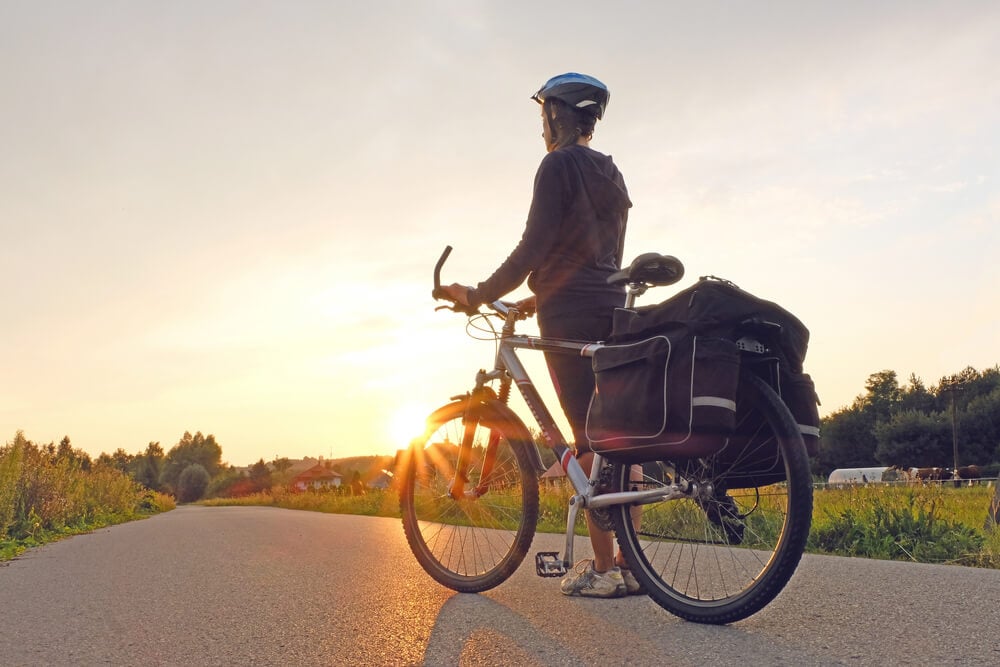
Bicycles with long banana seats and high handlebars rode on rear-mounted racks or lay inside with the front wheels removed. They were bound for a campground, a cousin’s house, or a rented cottage. A bike in the wagon meant the trip would involve a lot of pedaling.
Skis
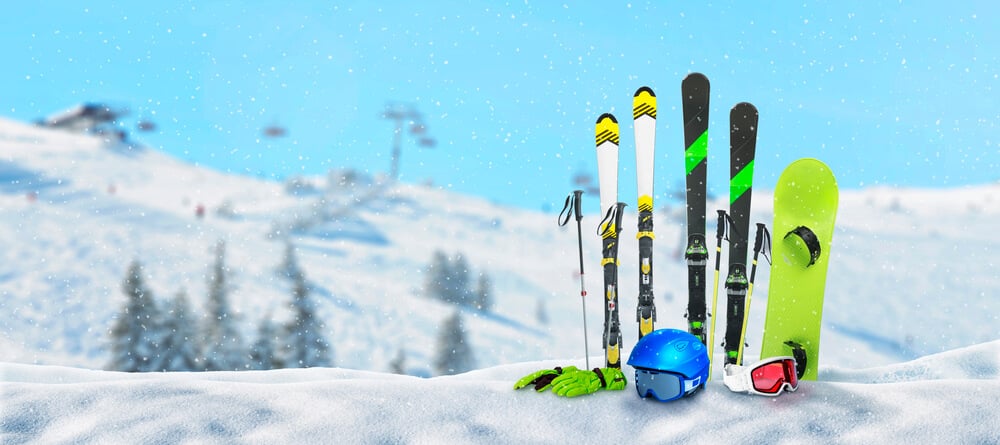
Long skis rode on the roof, strapped tightly to a rack with their tips pointing the same way. Poles went inside, usually under someone’s feet. A car with skis announced a trip to the mountains before it left the block.
Tennis Rackets

Wooden rackets came along on trips even when no one had booked a court. They doubled as swords, oars, and fly swatters. They rode wedged along the side wall, since the cooler usually took the best space.
The Frisbee

Wham-O introduced the flying disc in 1957 as the Pluto Platter and renamed it the Frisbee the following year, and by the 1970s no beach bag was complete without one. Dogs were trained to catch it, and siblings fought over it. It is the one object that fit into a gap between a suitcase and a lawn chair.
Beach Umbrella and Towels

A striped umbrella, with a pole that dug into the sand, lay across the top of the load. Beach towels, often printed with a pattern that clashed with every other piece of gear, were folded into the cracks. After the trip, the car smelled of sunscreen and sand for weeks.
The Hibachi
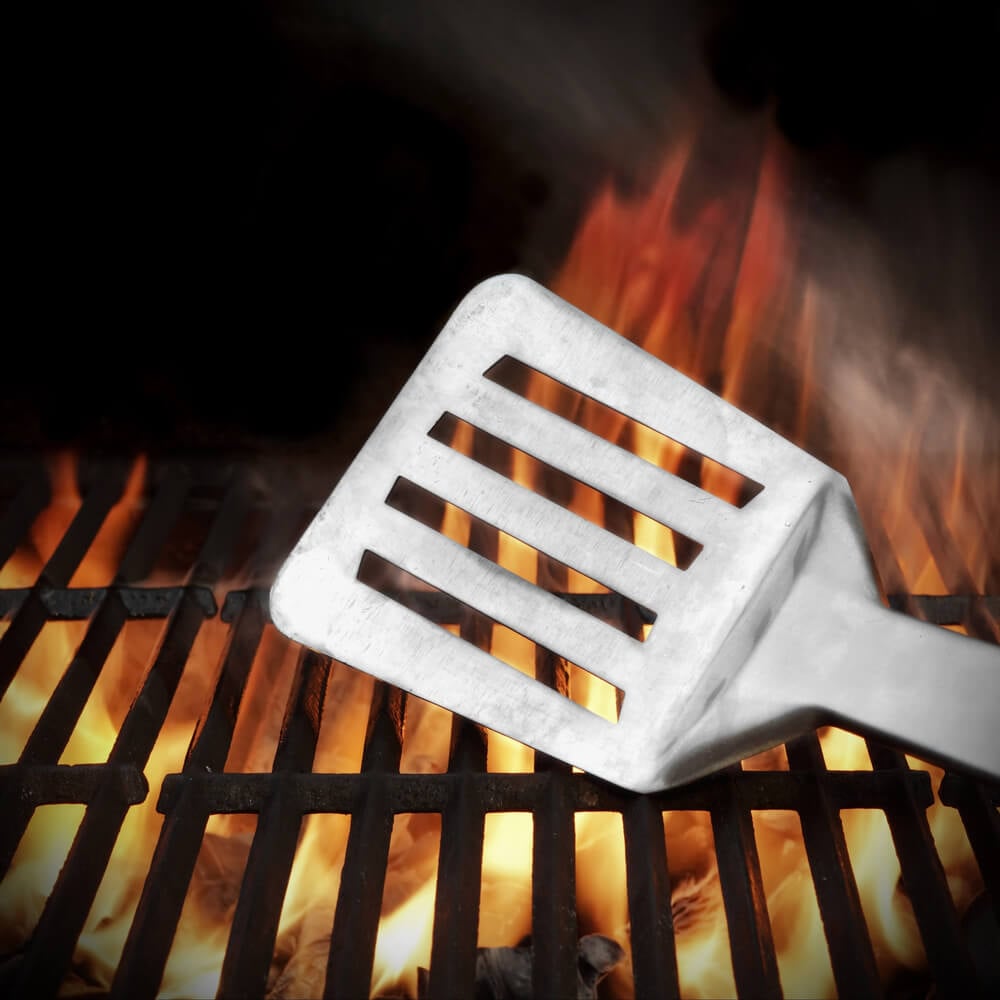
A small cast-iron grill, originally Japanese, fit into a corner of the cargo area. At the campsite it handled hot dogs, chicken, and the marshmallows no one planned to bring. Charcoal came in a paper bag that left black fingerprints on everything it touched.
The Pyrex Casserole
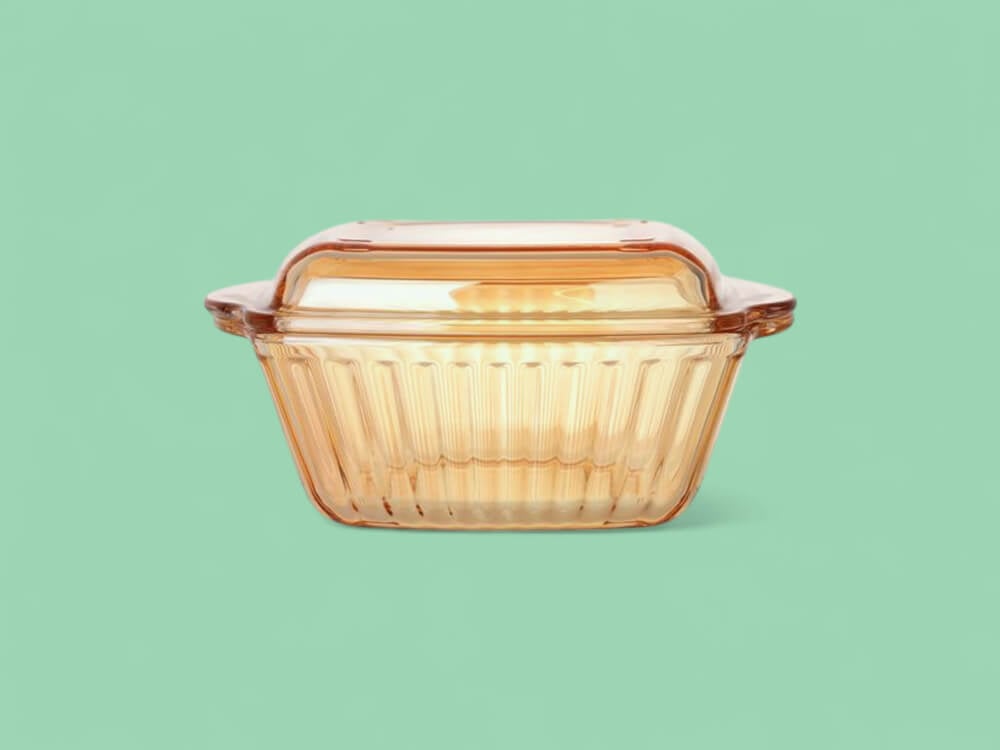
Some wagons carried a casserole in a Pyrex dish, wrapped in foil and balanced on a child’s lap. It was bound for a church supper, a potluck, or a relative’s house. Children learned early that a hot dish required complete stillness.
The Folding Card Table
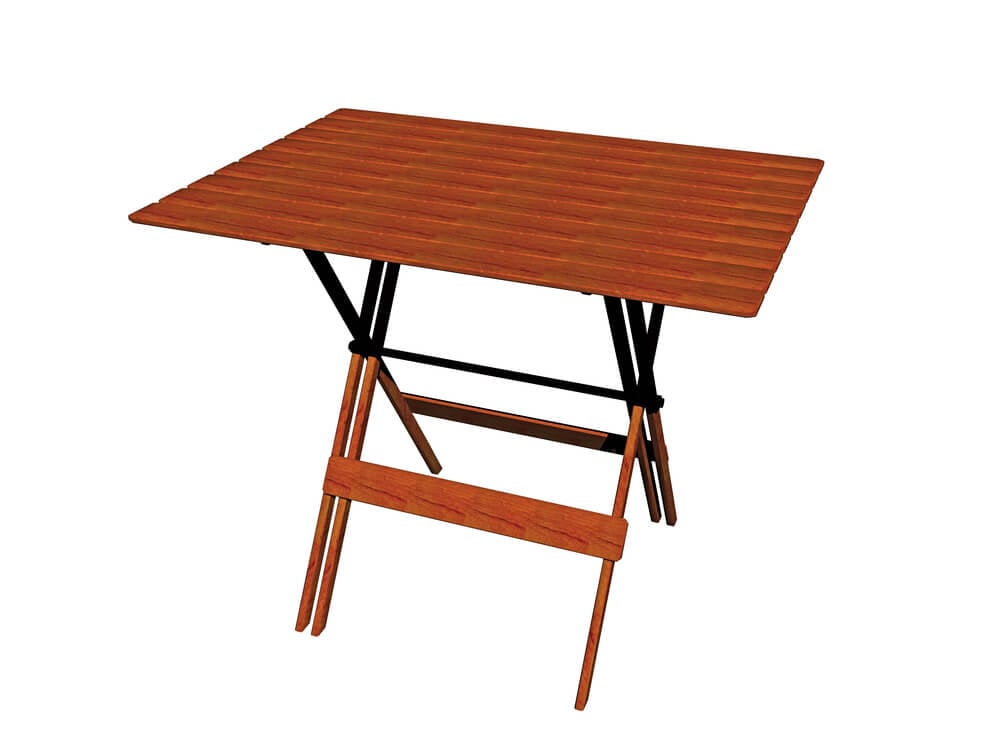
A card table with a vinyl top and folding legs lived between the seats and the cargo wall. At the destination it became a dining table, a game surface, or a place to set the cooler.
Mad Libs

Roger Price and Leonard Stern published the first Mad Libs in 1958, and the pads were still a staple of road trips in the 1970s. One person asked for a noun, an adjective, or a verb without revealing the story. The results were read aloud, to groans, somewhere around the third state line.
The Kodak Instamatic
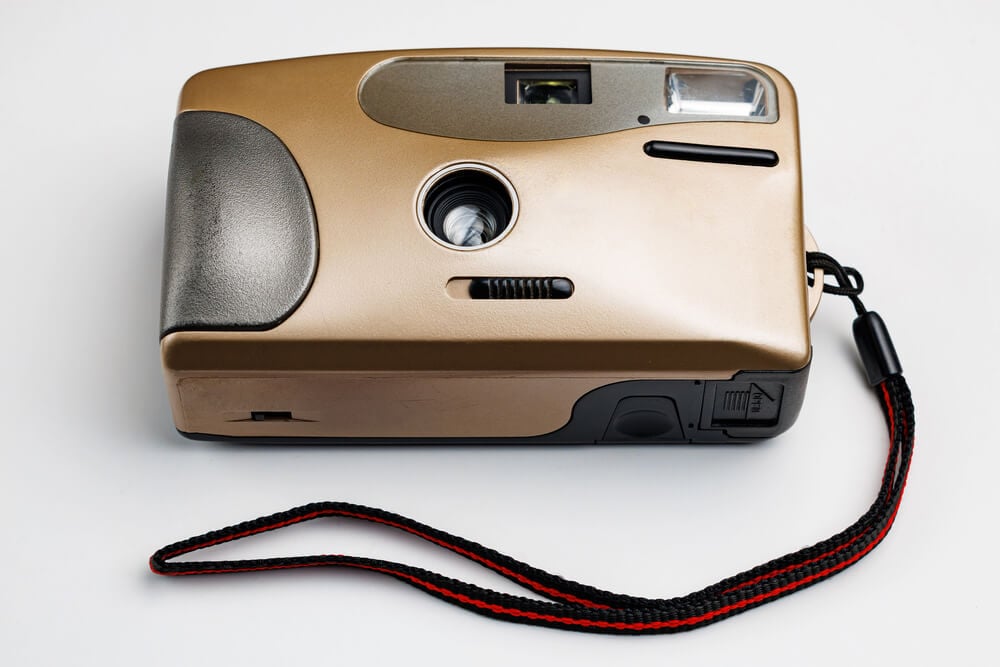
Kodak introduced the Instamatic in 1963 with a drop-in film cartridge that removed any loading problems. In the wagon, it lived in a bag on the passenger’s lap. The resulting prints, often tinted orange, document the decade’s vacations in a very specific color.
The Super 8 Movie Camera
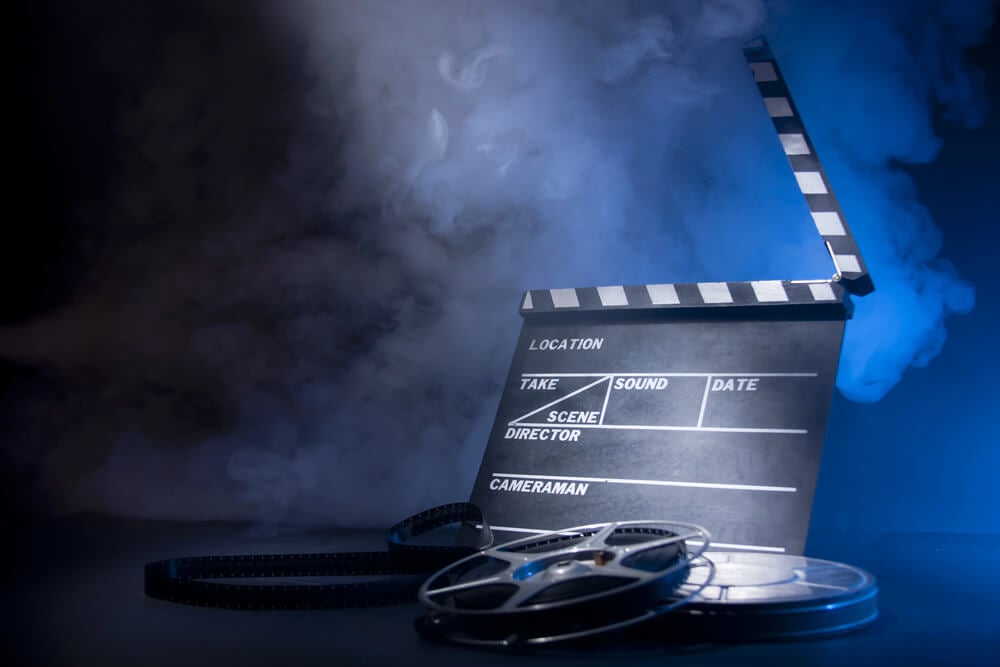
Kodak introduced Super 8 film in 1965, and by the 1970s home movies were a family ritual. Dad usually held the camera, which meant Dad rarely appeared in the footage. The cartridges held about three minutes of film, enough for one campsite and one wave from the car.
Tupperware
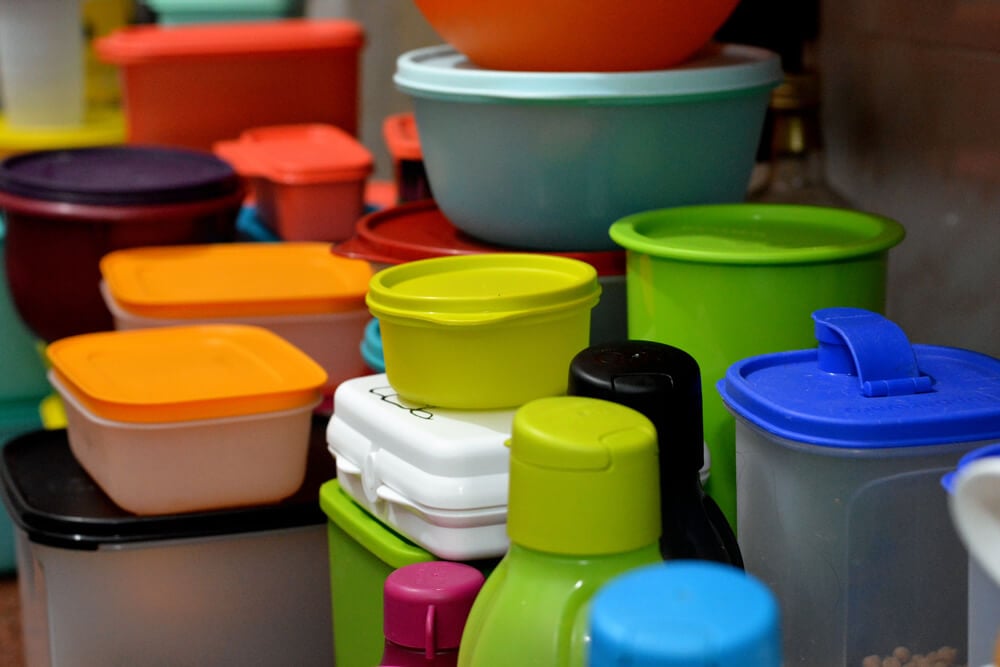
Plastic containers held sliced apples, cheese cubes, and leftover fried chicken. The lids burped when sealed and sometimes popped open in the heat. By the time the trip ended, one piece was always missing.
The Christmas Tree

In December, the cargo area carried a tree home from a lot or a farm. If it did not fit inside, it rode on the roof, tied down with twine. Needles dropped on the highway for the full length of the trip.
Paper Grocery Bags
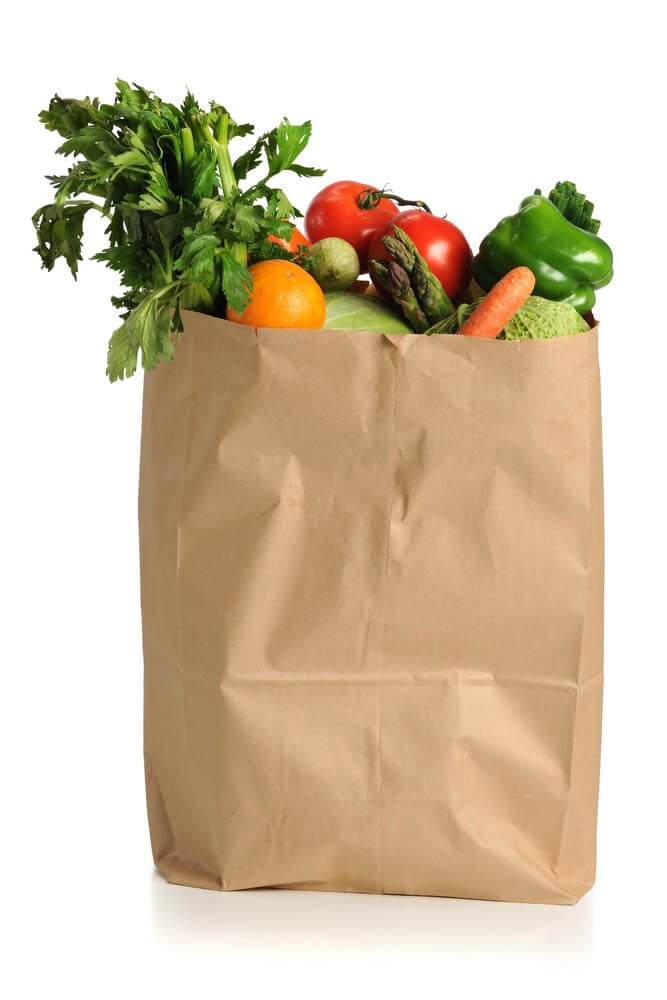
Before plastic bags took over the supermarket, groceries were packed in sturdy brown paper sacks. They stood upright in the cargo area, a dozen at a time, as the weekly shop came home. A gallon of milk in the wrong bag could end the evening early.
The Spare Tire and Jack
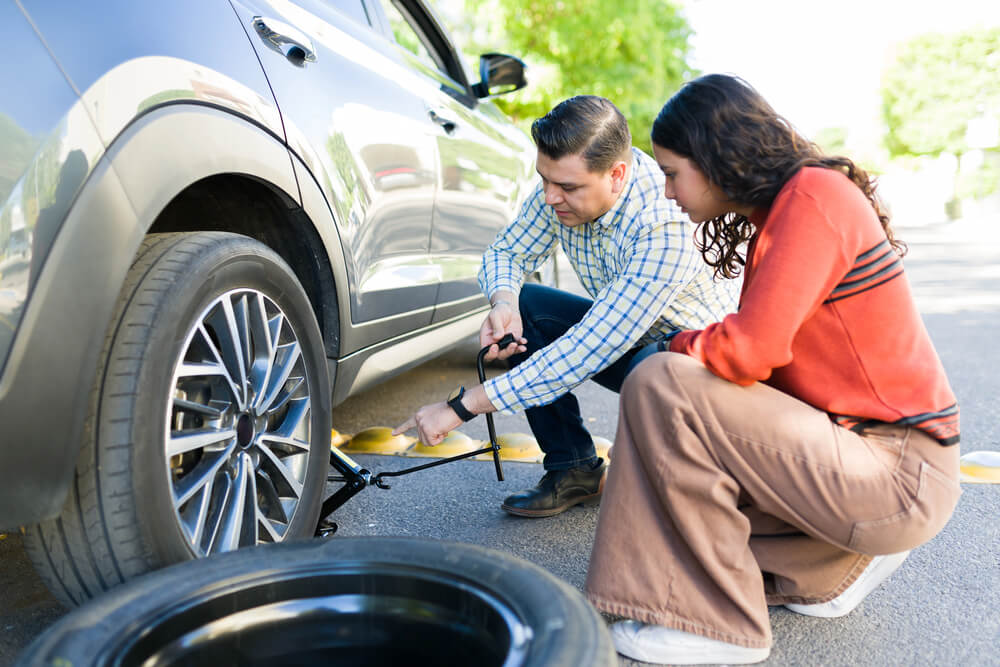
A full-size spare lived under the cargo floor, along with a jack and a lug wrench. Changing a flat on a highway shoulder was a real possibility, and someone in the family usually knew how. The weight of the spare kept the wagon steady on bumpy roads.
The Gas Can
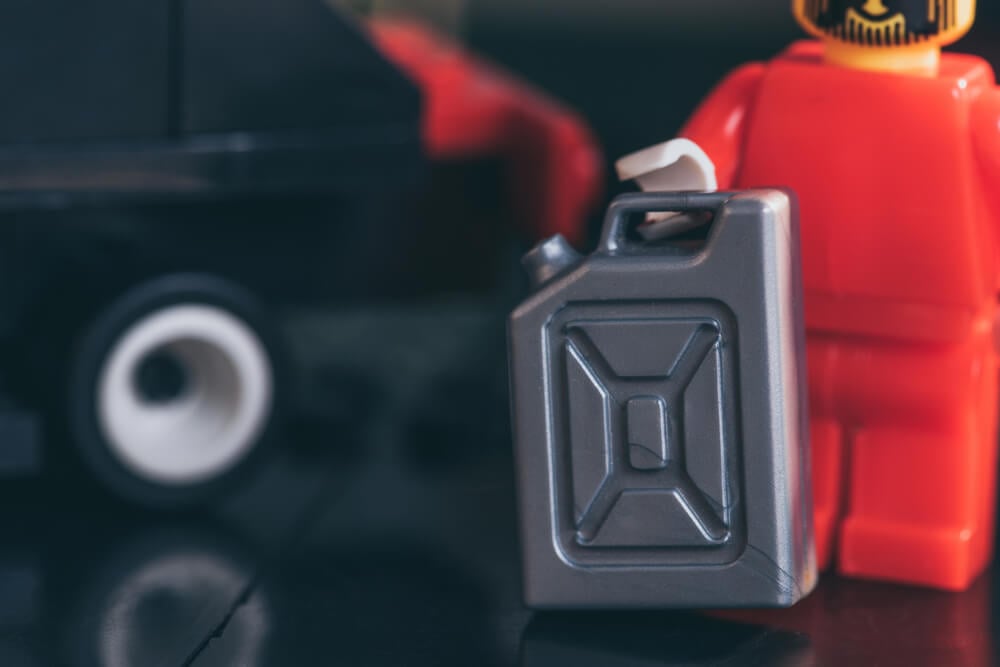
After the 1973 oil embargo, drivers worried about running dry. Gas lines stretched for blocks, and some states adopted odd-even rationing by license plate number. A red can of spare fuel in the back was a cheap form of insurance.
The Guitar Case
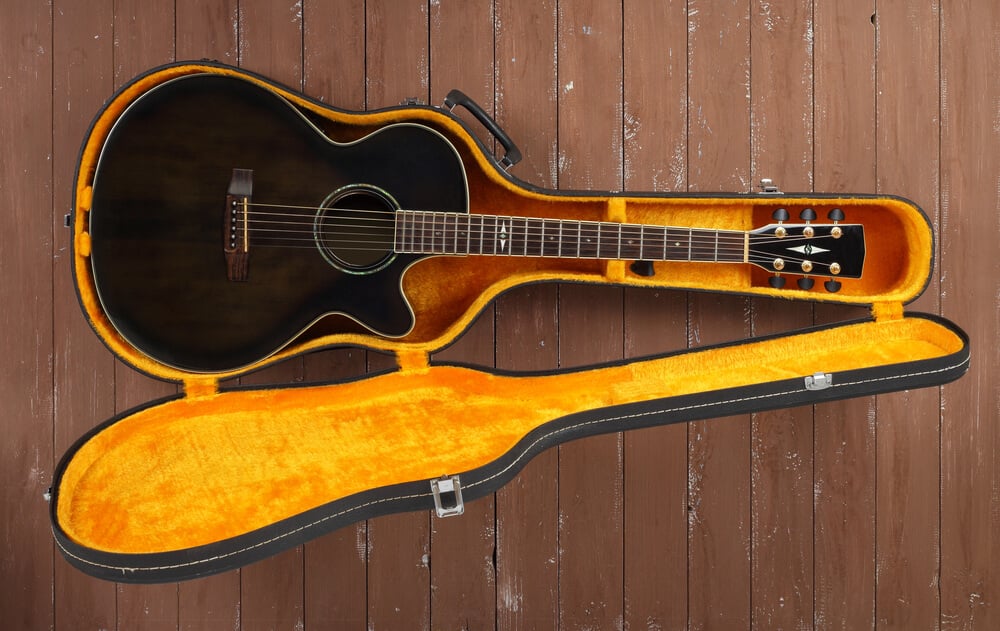
A folk guitar lay across the top of the luggage, wedged between a sleeping bag and a cooler. Campfires called for songs, and someone in the family knew four chords. The case was covered in stickers from every stop.
Bats and Mitts
Wooden bats, leather mitts, and a bucket of cleats rode in the back during the summer. They were bound for a game in a neighboring town, or for a backyard pickup match at the campsite. A mitt left on the rear window ledge would bake in the sun and smell of leather for weeks.
The Rolling Living Room
Station wagons turned a family’s belongings into a moving room. The chairs, the food, the music, and the bedding all arrived with them, so a parking lot or a campsite became a home within minutes. Nothing about the arrangement was elegant, but it was efficient.
The vehicle also set the pace of a trip. Everything had to fit, which forced families to decide what mattered, and there was always one more thing to squeeze in. The packed wagon of the 1970s remains a symbol of a particular kind of vacation, one that valued togetherness over speed.
More from Go2Tutors!

- 27 Silver Dollars and Half Dollars Worth Keeping
- 28 Restaurant Menu Items Nobody Orders Anymore
- 17 Places Built in Seemingly Impossible Spots
- 27 Vintage Rings Worth More Than They Look
- 25 Restricted Sites Tourists Can’t Enter
Like Go2Tutors’s content? Follow us on MSN.