30 Shopping Mall Stores That Closed and Never Came Back
Every dead mall has a ghost tenant list, the storefronts people still describe by what used to be there instead of what’s there now. These are the chains that defined a Saturday afternoon and then vanished so completely that an entire generation has to explain them to their kids.
Sam Goody
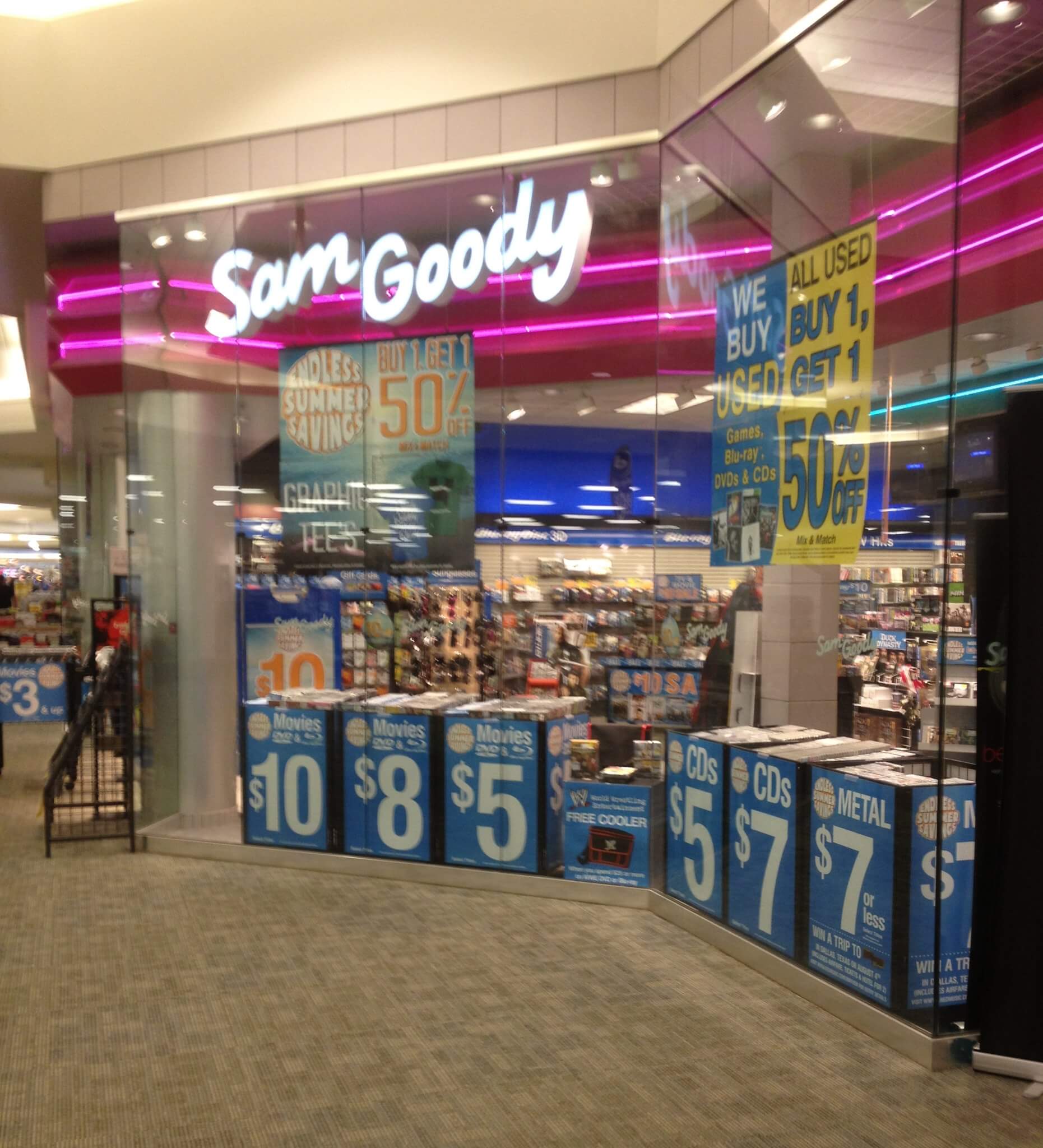
Sam Goody sold cassettes, CDs, and later DVDs from a footprint that anchored countless mall corridors through the 1980s and 1990s. Parent company Musicland operated both Sam Goody and Suncoast stores until digital downloads gutted physical music sales, and the brand disappeared from malls by the mid-2000s.
Its listening stations, where clerks would crack open a jewel case so a customer could sample a track, are a detail younger shoppers find hard to picture.
Suncoast Motion Picture Company
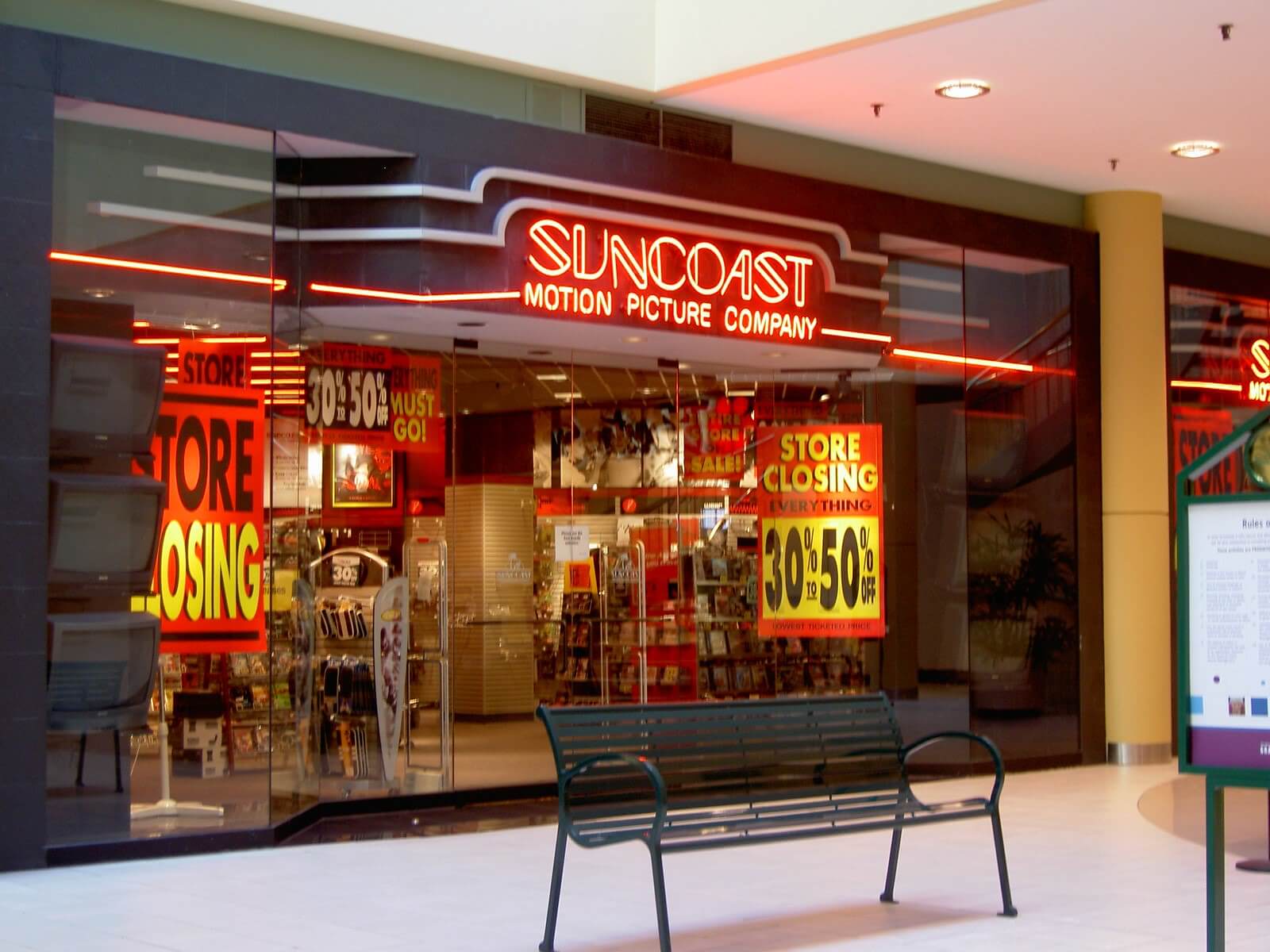
Suncoast specialized in VHS tapes, laser discs, and later DVDs, often stocking studio exclusives and collector’s editions that regular video stores skipped. It shared a parent company with Sam Goody and shut down alongside it as streaming and big-box discounting made a dedicated movie boutique unnecessary.
Suncoast was also known for carrying anime imports before that genre had mainstream shelf space anywhere else.
Waldenbooks
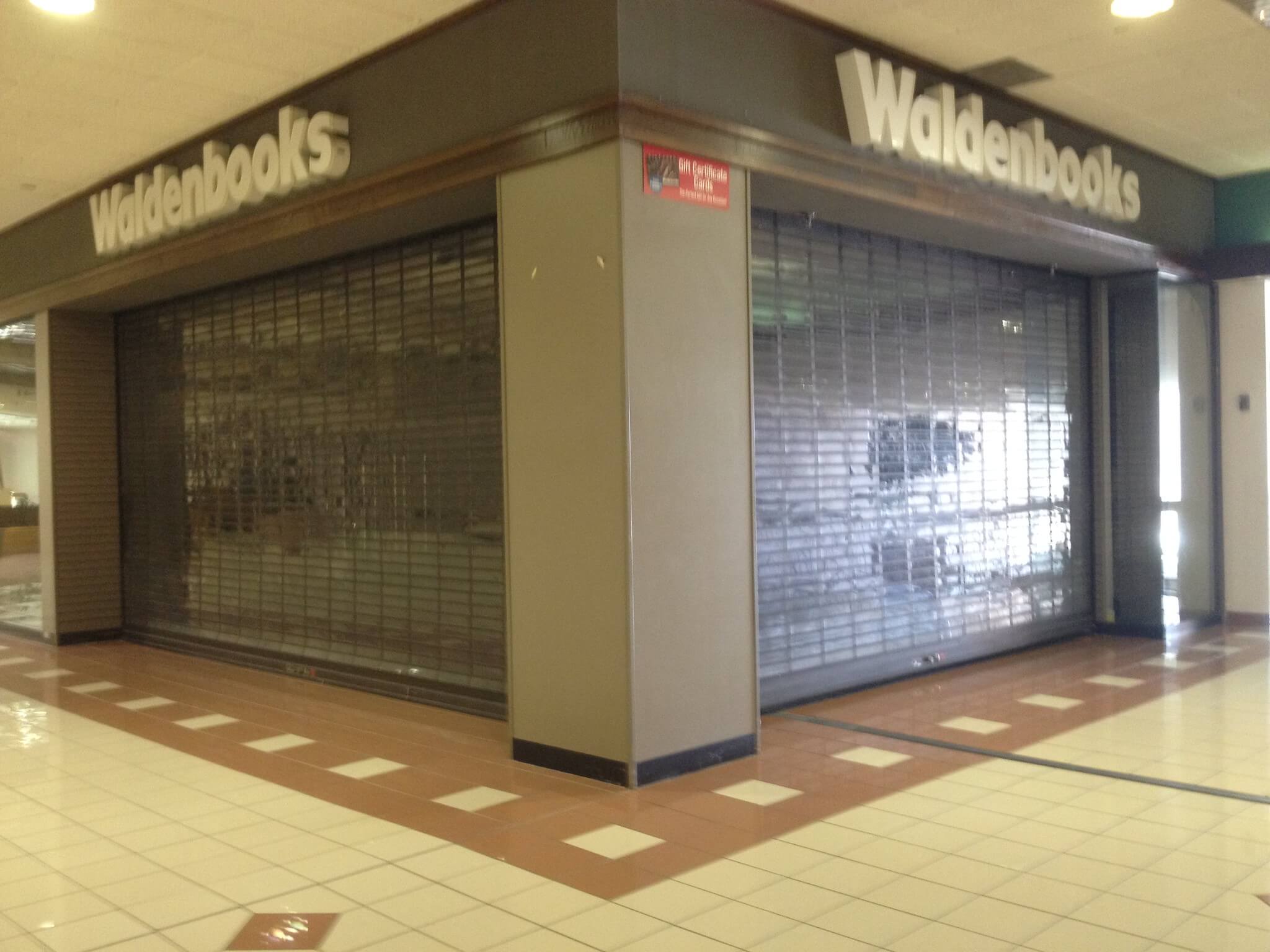
Waldenbooks was one of the first mall-based bookstore chains, opening its earliest locations in the 1960s and eventually operating over a thousand stores at its peak. Parent company Borders Group folded Waldenbooks into its larger Borders superstores through the 2000s before the entire company liquidated in 2011.
Its small footprint, often under 3,000 square feet, meant it relied on paperback bestsellers rather than the deep backlist a superstore could carry.
B. Dalton Bookseller

B. Dalton competed directly with Waldenbooks for mall book traffic beginning in the 1960s, eventually becoming part of the Barnes & Noble corporate family in 1987. Barnes & Noble kept the name running for years before phasing out the last locations by 2013 in favor of its own branded stores.
The chain’s computerized inventory system was considered advanced for its era, letting clerks special-order titles from a terminal rather than a phone call to a warehouse.
KB Toys
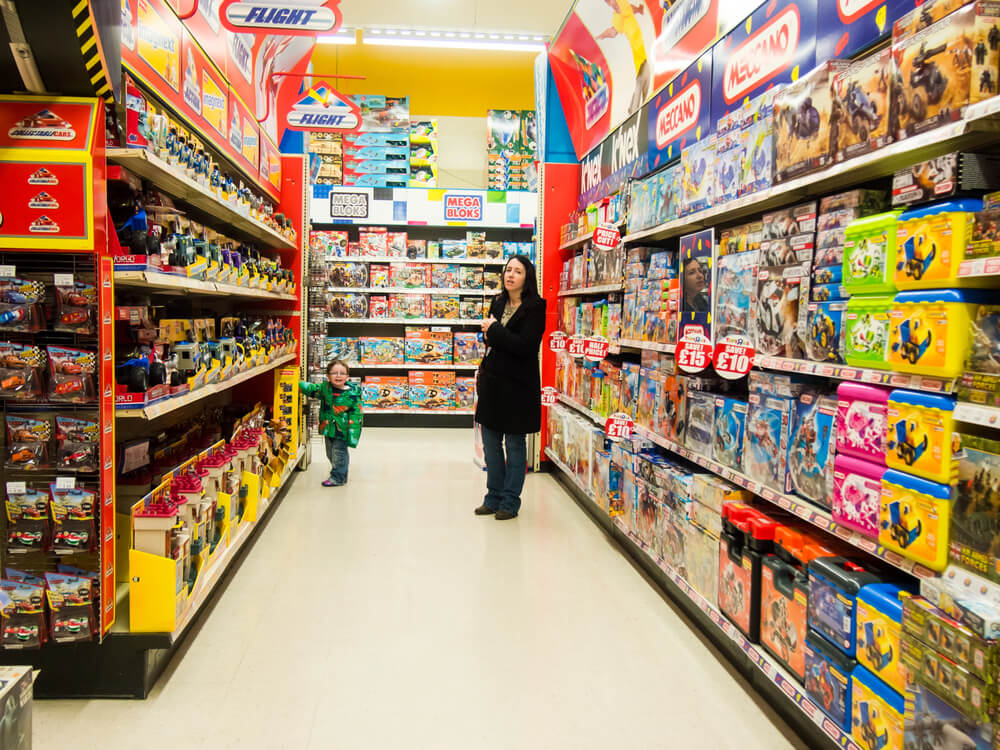
KB Toys grew out of a candy company called Kaybee that pivoted into toys in the 1940s, eventually becoming a mall-format staple known for aisles crammed floor to ceiling during the holidays. The chain filed for bankruptcy twice in the 2000s, and the final wave of stores closed for good in early 2009.
A short-lived online-only revival followed years later, but the physical mall presence never returned.
Contempo Casuals
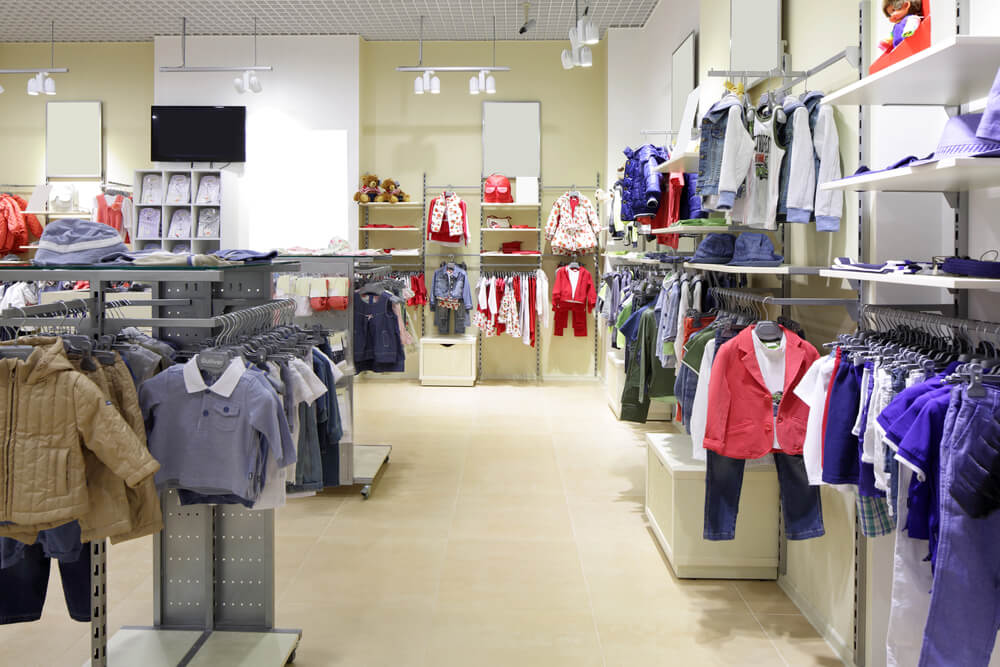
Contempo Casuals sold trend-driven junior’s clothing through the 1980s and 1990s and was known for turning around runway-adjacent looks at mall prices. The Wet Seal corporation bought the chain in 1995 and eventually folded every location into the Wet Seal brand by the early 2000s.
Actress Alicia Silverstone’s character famously shopped there in a well-known 1990s teen film, cementing its status as a snapshot of the decade.
Chess King
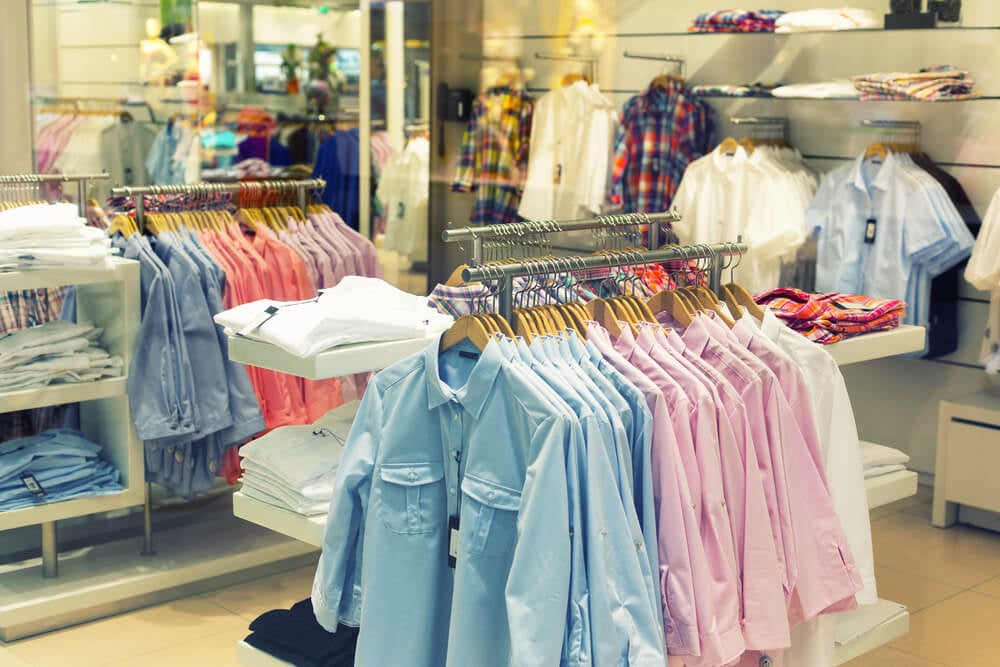
Chess King specialized in men’s fashion built around whatever was happening in music videos at the time, from parachute pants to oversized blazers. It operated through the 1980s under the same corporate umbrella as several other mall apparel chains before folding in the early 1990s as trends and ownership shifted.
Former employees have described its dress code as stricter than the clothes it sold.
Merry-Go-Round
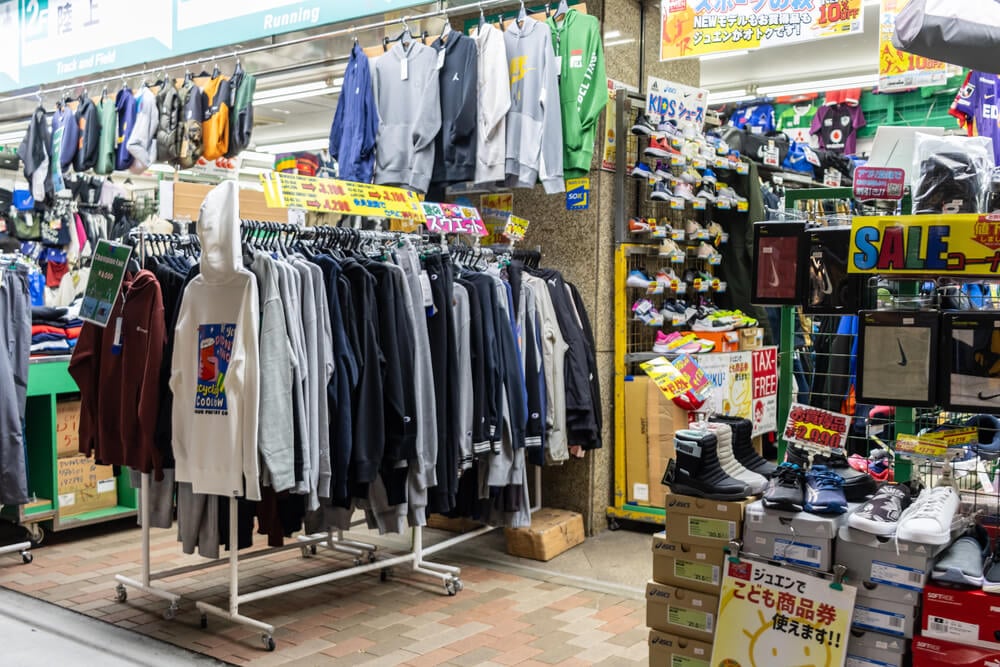
Merry-Go-Round built its identity on hip-hop and rock-influenced streetwear years before that category had a name, growing into a chain with well over a thousand stores. Overexpansion and a failed attempt to chase mainstream fashion trends led to bankruptcy in 1994 and a full liquidation by 1996.
At its height it was considered a bellwether for what teenagers would be wearing the following season.
Structure
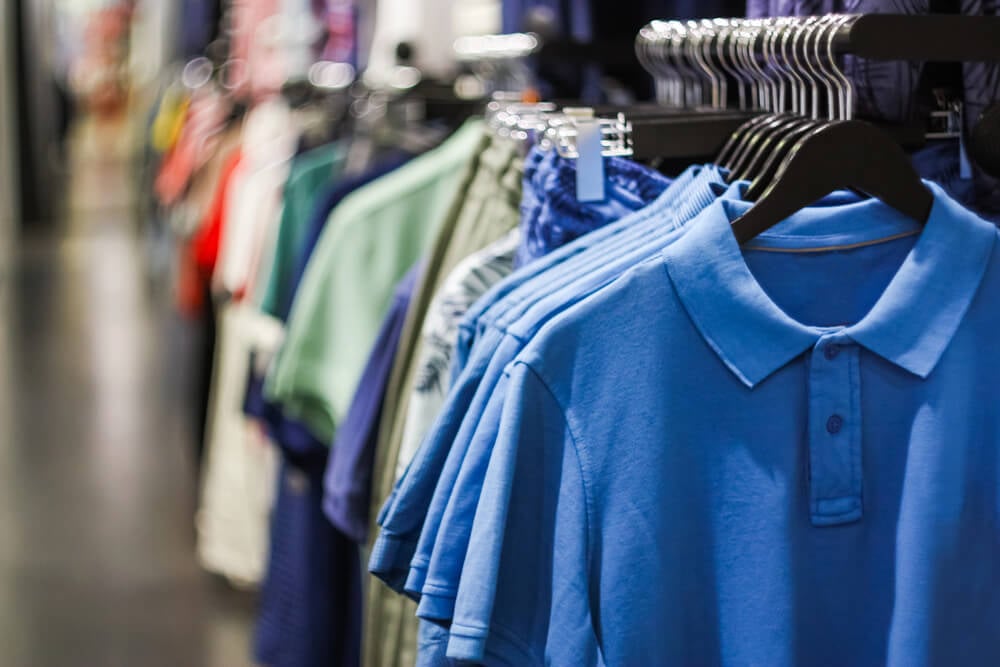
Structure was The Limited’s answer to men’s fashion, offering a cleaner, more tailored alternative to the era’s baggier trends. Limited Brands eventually merged Structure into its Express brand beginning in the late 1990s, phasing out the separate name entirely by 2003.
Some former Structure locations kept the store’s original layout for years after the sign changed.
County Seat
County Seat built an entire chain around denim, stocking wall after wall of jeans brands at a time when a specialty jeans store made sense in nearly every mall. The company filed for bankruptcy twice in the 1990s, with the final stores closing in 1999.
Its logo, a simple courthouse silhouette, became shorthand for the decade’s denim obsession.
Camelot Music
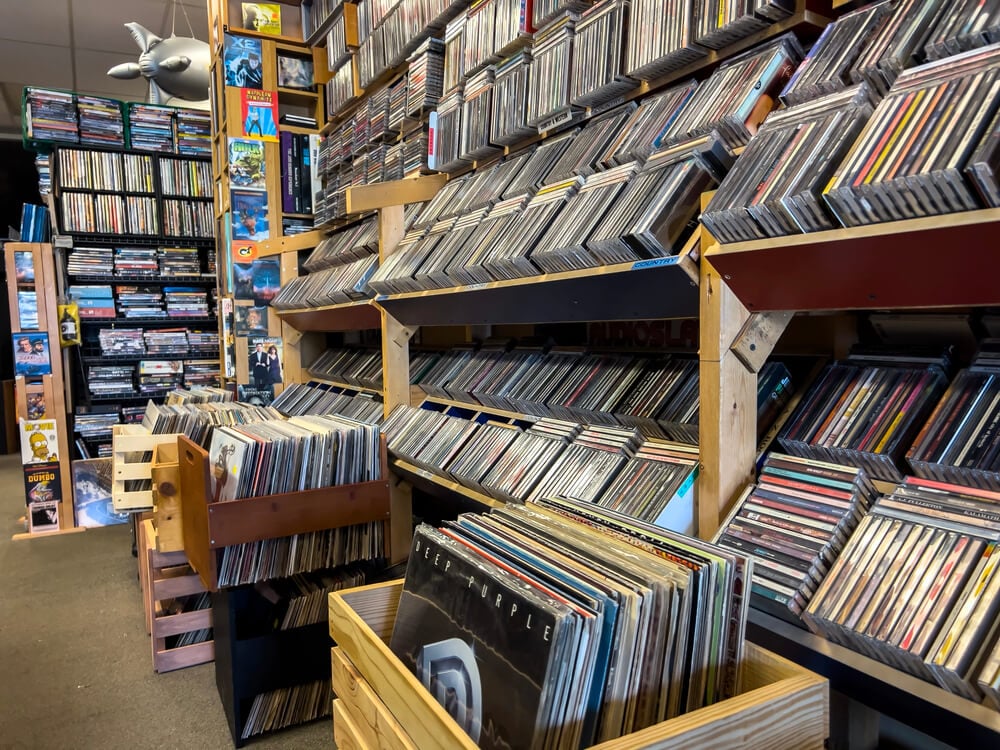
Camelot Music operated primarily in the Midwest and Northeast, competing with national chains by leaning into local buyer relationships and in-store listening stations. Trans World Entertainment acquired the chain in 1998 and gradually rebranded most locations, eliminating the Camelot name by the early 2000s.
Longtime shoppers in its home markets often remember it as the store with the better used-CD bin.
Musicland
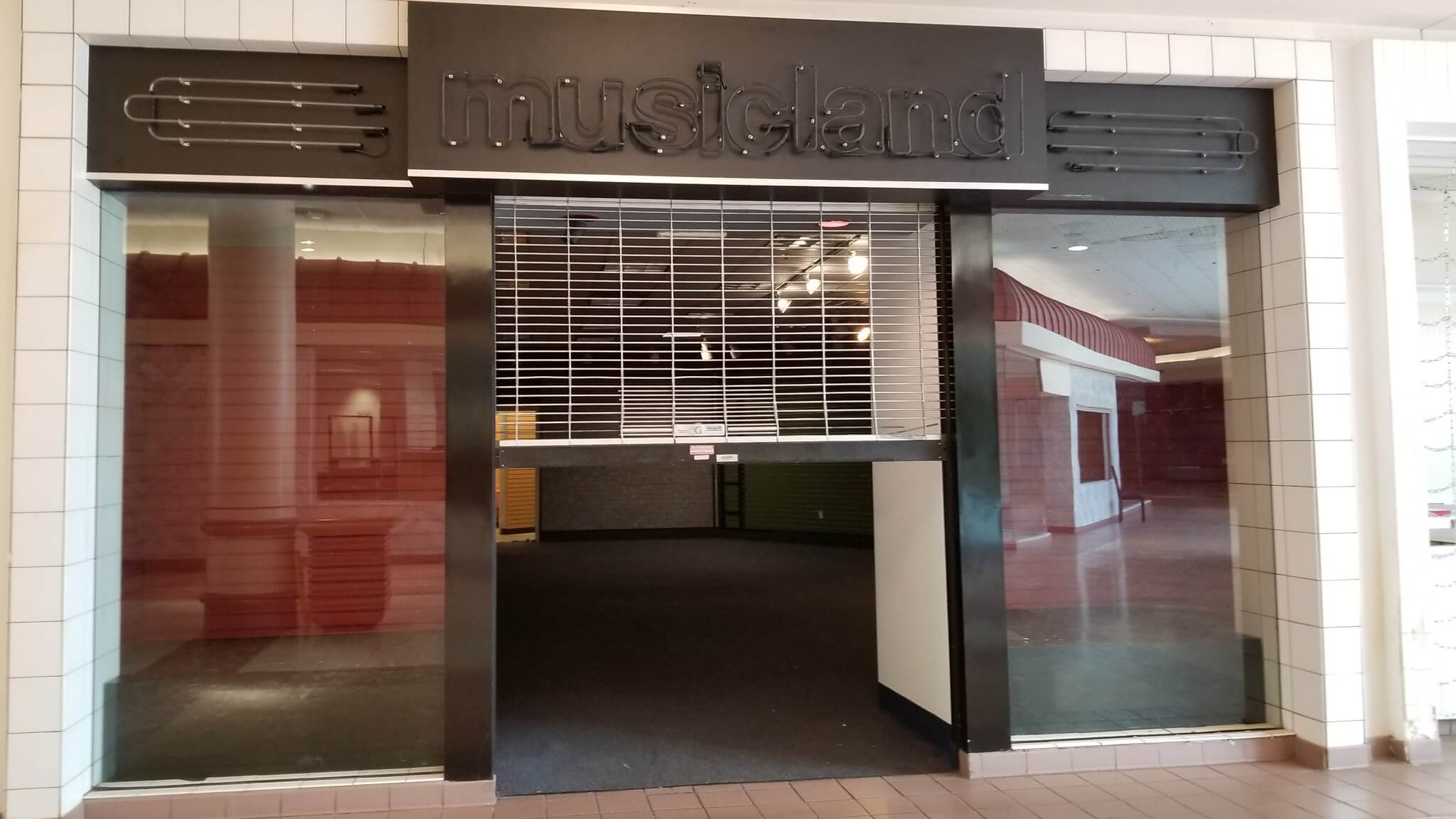
Musicland was the umbrella company behind Sam Goody and Suncoast, once operating well over a thousand mall storefronts across the country. Best Buy bought the struggling chain in 2001, then sold it off just a few years later as digital music accelerated its decline, and the last stores closed by 2006.
Its collapse is often cited as one of the clearest signals that the mall music store era was ending.
Sharper Image
Sharper Image built its brand on gadget catalogs and in-store demo units, letting shoppers test massage chairs and air purifiers they had no intention of buying that day. The retail chain filed for bankruptcy in 2008 and closed all of its physical mall stores, though the brand survived afterward as a licensed name on products sold through other retailers.
The company’s signature air ionizer once drew scrutiny over ozone output, a detail that dogged its reputation even during its peak years.
Discovery Channel Store
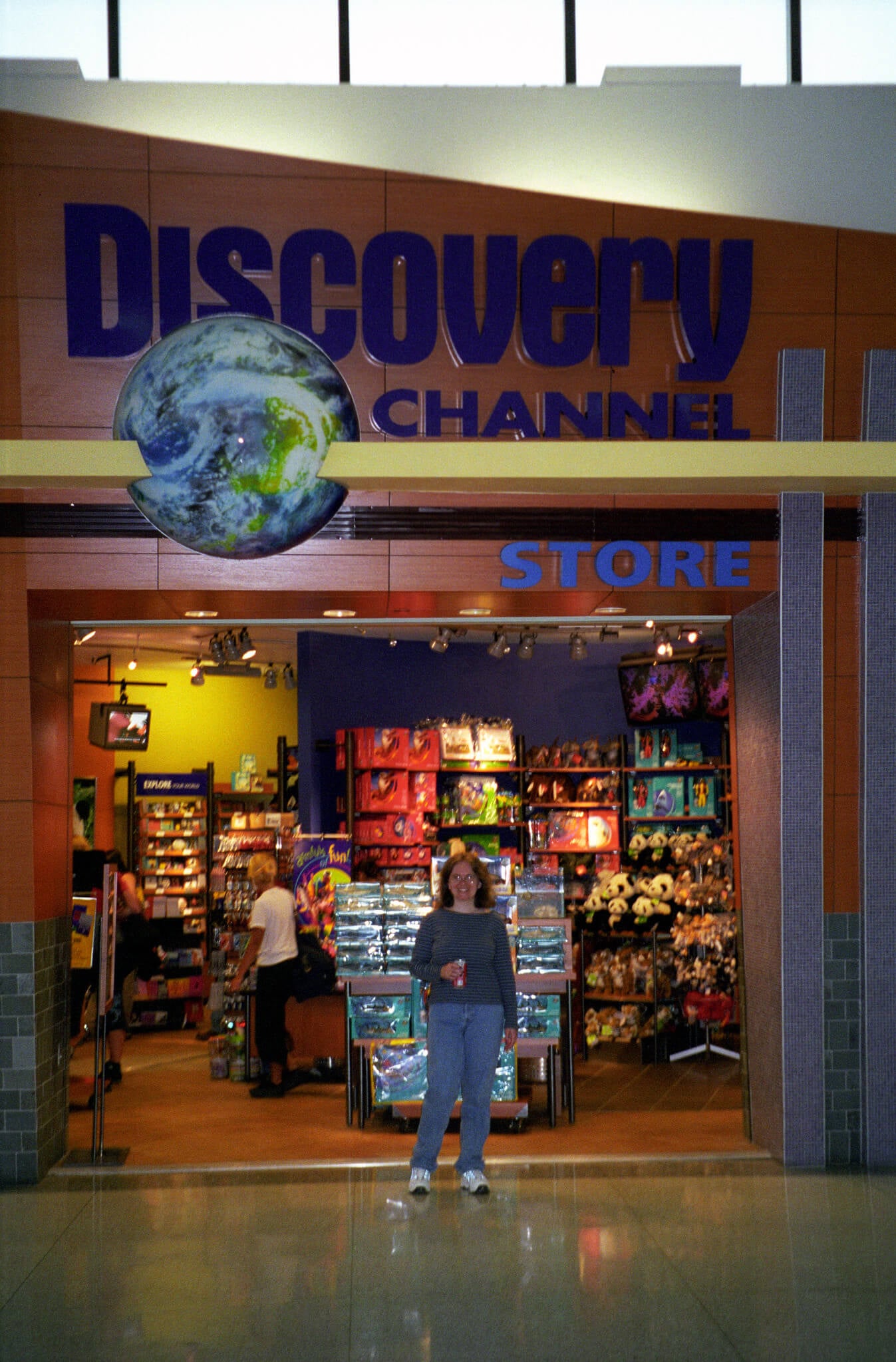
The Discovery Channel Store translated the cable network’s science and nature programming into a retail format, selling telescopes, dinosaur models, and educational kits. Discovery Communications closed the chain’s remaining mall locations in 2007 to focus entirely on media rather than retail operations.
A brief attempt to license the name to another retailer afterward never restored its mall footprint.
Warner Bros. Studio Store
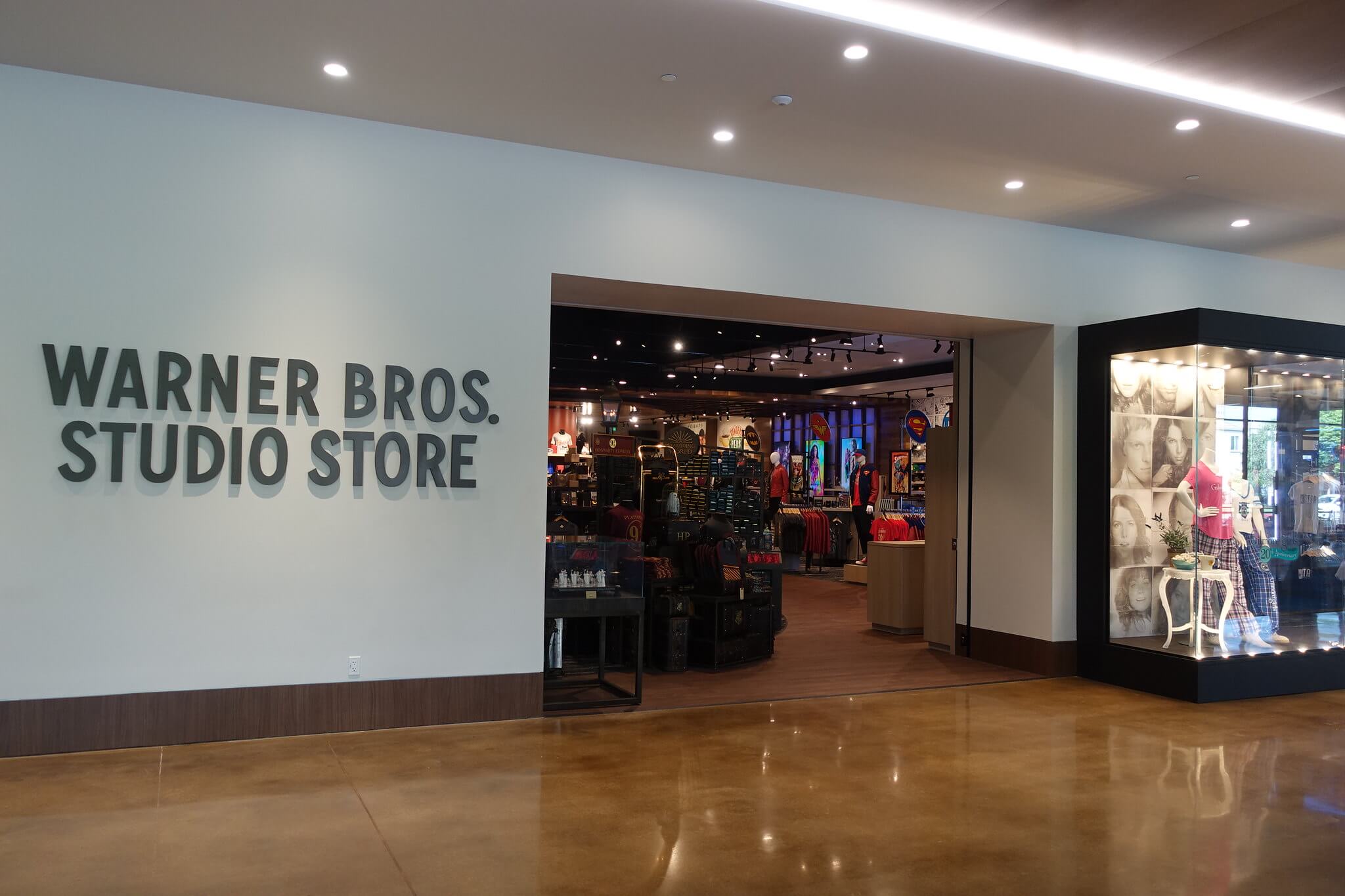
Warner Bros. Studio Store sold cartoon-branded apparel, cel art, and collectibles tied to characters like Bugs Bunny and Tweety, often built with elaborate theming inside the store itself. Warner Bros. closed the chain in 2001 as part of a broader retreat from brick-and-mortar retail across the entertainment industry.
Some locations had genuine animation cels for sale, priced well beyond what most mall shoppers expected to see on a store shelf.
Natural Wonders

Natural Wonders sold nature-themed gifts, from rock tumblers to wind chimes to educational toys, aimed at a slightly more upscale mall shopper than a typical toy store. The chain went through multiple ownership changes in the late 1990s before closing for good in 2001.
Its in-store sound machines, playing looped rain or ocean audio, made it one of the more distinctive-sounding stores in any mall.
Egghead Software
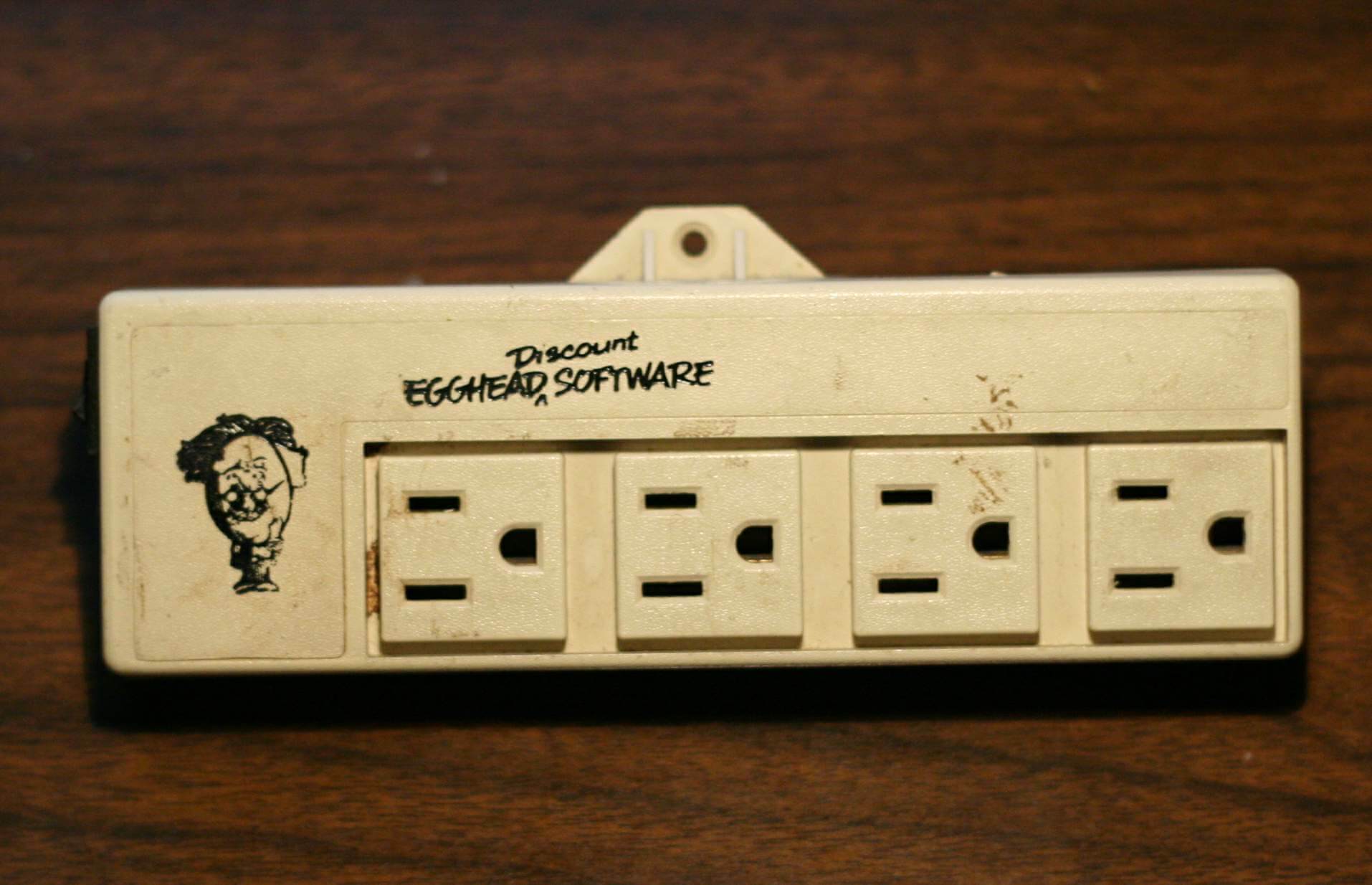
Egghead Software sold boxed computer programs at a time when software came shrink-wrapped on physical discs rather than downloaded. The chain moved online in 1998, rebranding as Egghead.com, before the dot-com crash and a 2001 bankruptcy ended the business entirely.
Its name became a punchline in tech circles well before the actual closure, a rare case of a brand outliving its own relevance.
Media Play
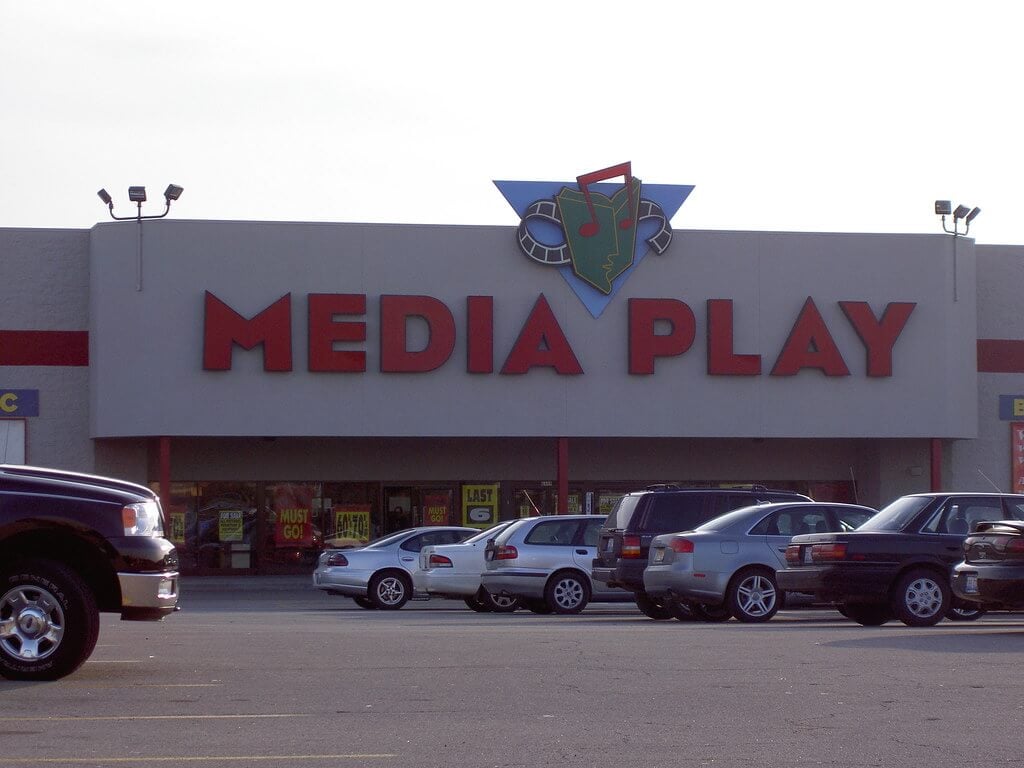
Media Play combined music, movies, books, and video games into one big-box format, often anchoring a mall’s outer ring rather than the interior corridors. Parent company Musicland shut the chain down in 2006 as part of the same collapse that ended Sam Goody and Suncoast.
Its oversized footprint, sometimes over 40,000 square feet, made it one of the largest media retailers most shoppers had ever walked into.
Steve & Barry’s
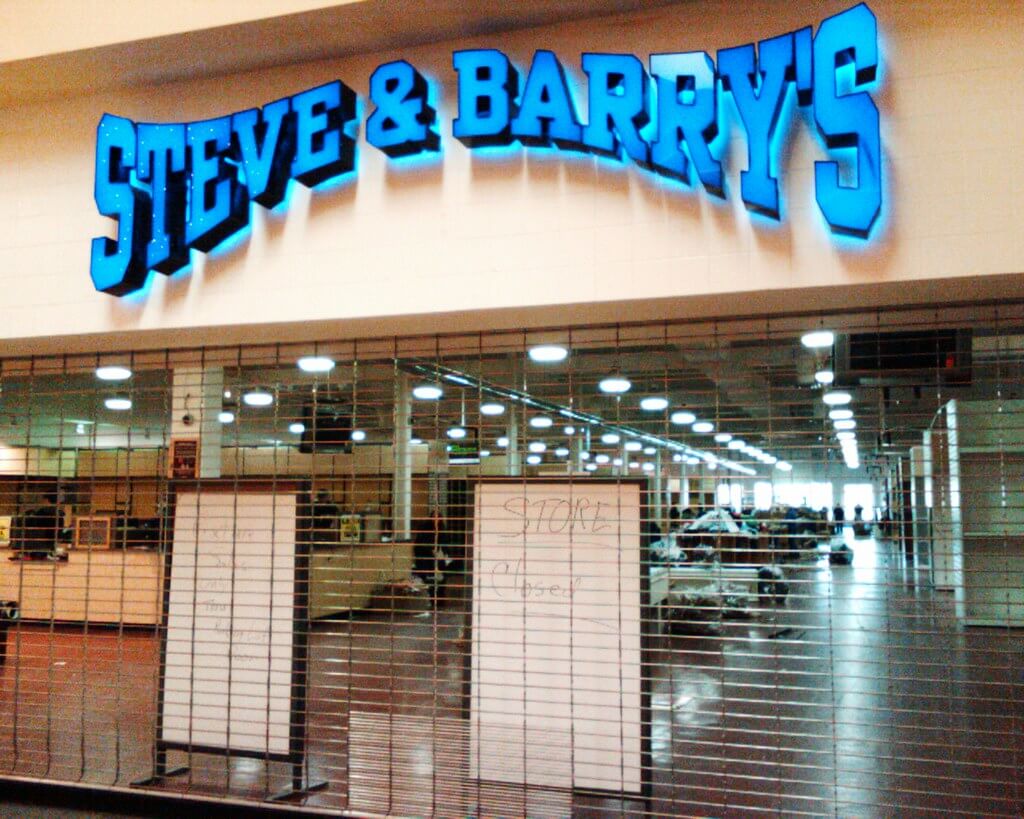
Steve & Barry’s undercut mall clothing prices dramatically, selling most items for under ten dollars while still leasing space in enclosed malls across the country. The company expanded too fast during the mid-2000s and collapsed into bankruptcy in 2008, closing all of its stores within the year.
Celebrity-branded lines, including one tied to a well-known professional athlete, briefly kept the chain in headlines before the shutdown.
Gadzooks
Gadzooks sold skate and band-culture apparel aimed squarely at teenagers, stocking licensed merchandise for whatever act was popular that year. The chain filed for bankruptcy in 2004, and its remaining stores were sold off or shuttered within months.
Its band-tee selection made it a rare mall stop where music fandom mattered more than fashion trends.
Casual Corner
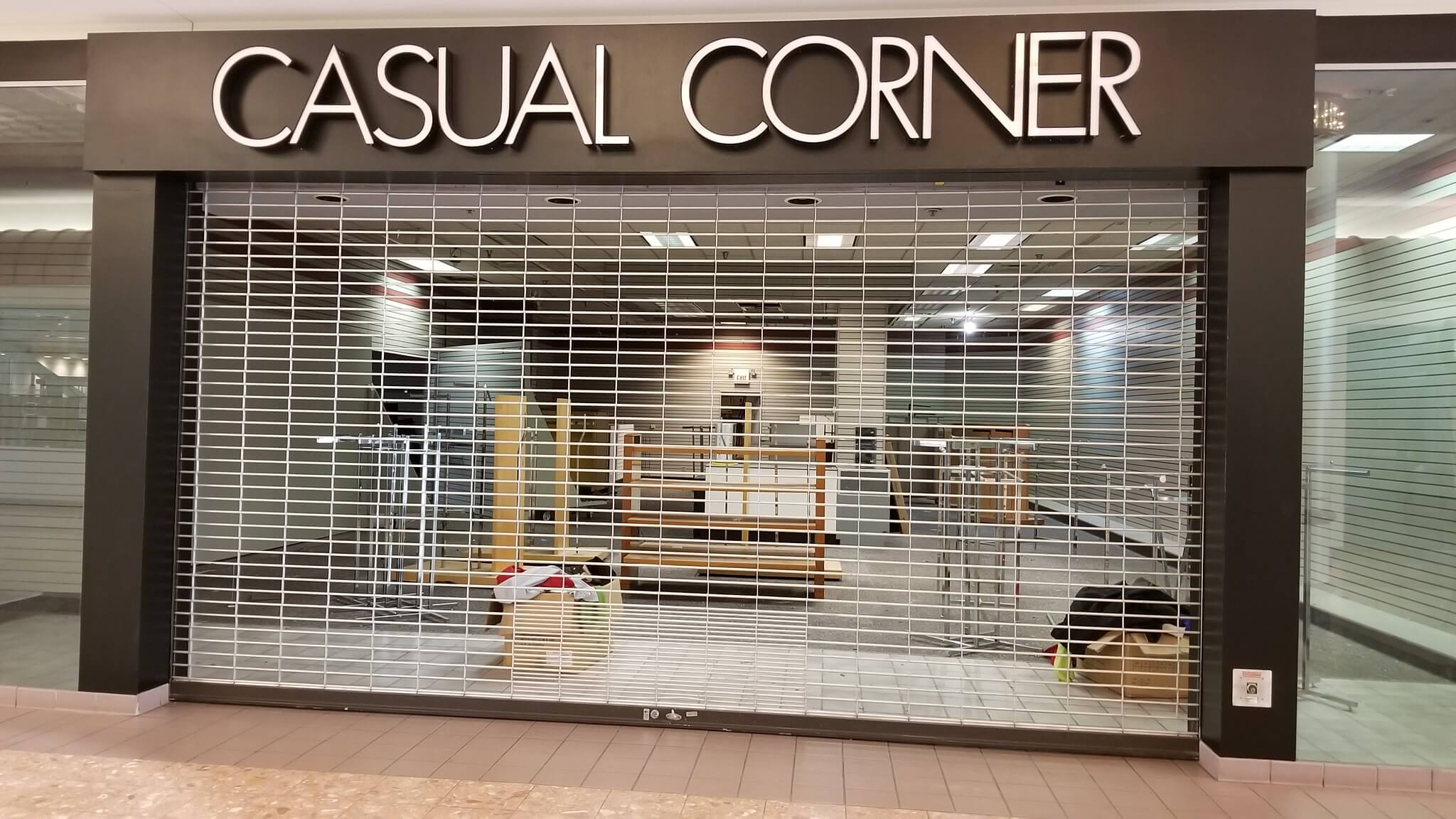
Casual Corner sold women’s workwear and separates through a chain that once numbered in the hundreds of locations across the country. The brand changed hands repeatedly through the 1990s and 2000s before its parent company filed for bankruptcy and closed every remaining store in 2005.
Its business-casual focus made it a go-to stop for women entering the workforce during the 1980s.
Lerner New York
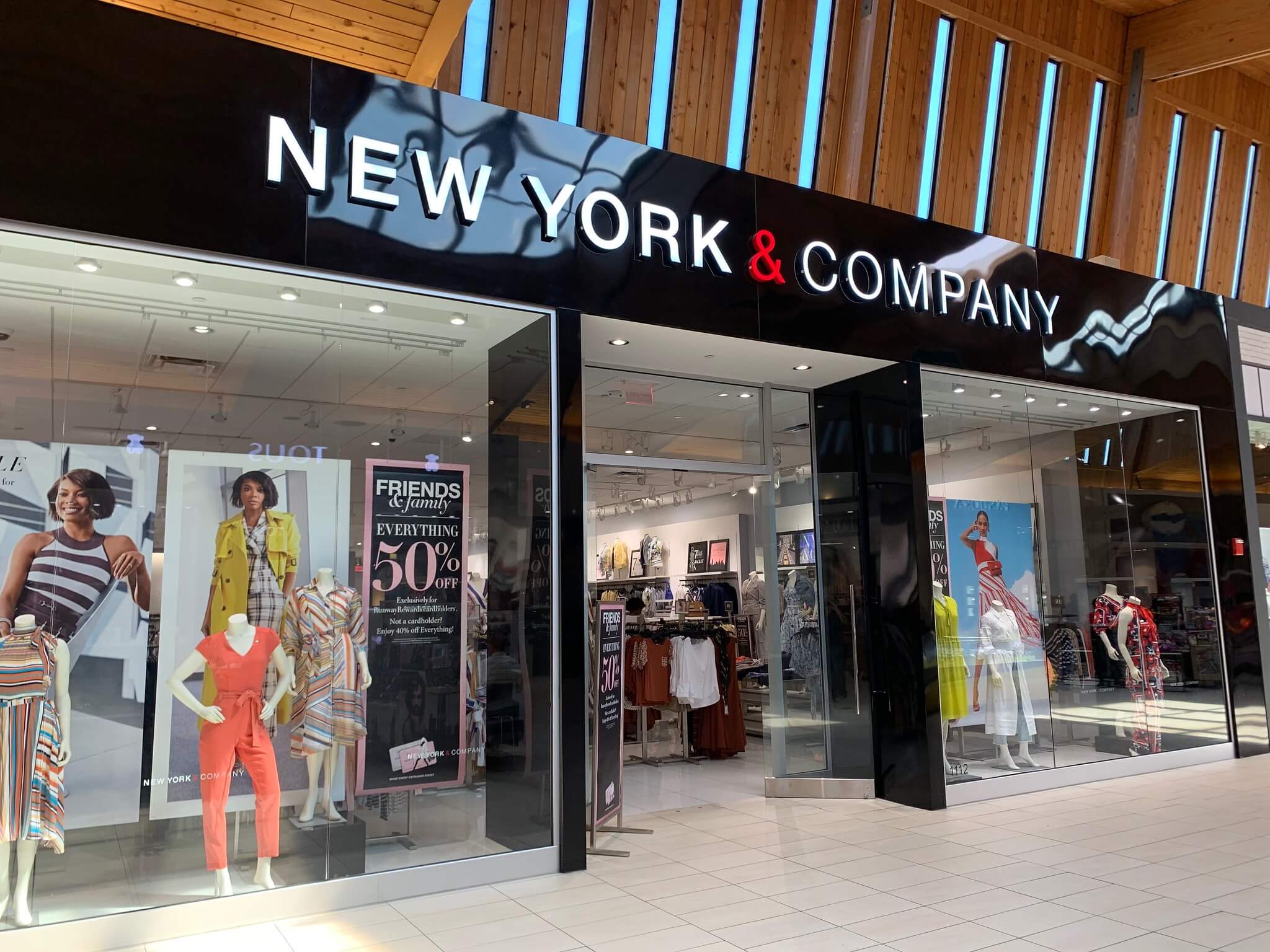
Lerner New York sold affordable women’s fashion for decades before rebranding as New York & Company in the mid-1990s to shed an outdated image. The rebranded chain lasted another quarter century before filing for bankruptcy and closing all remaining stores in 2020.
Longtime shoppers still refer to the original name even when discussing the later stores.
Bombay Company
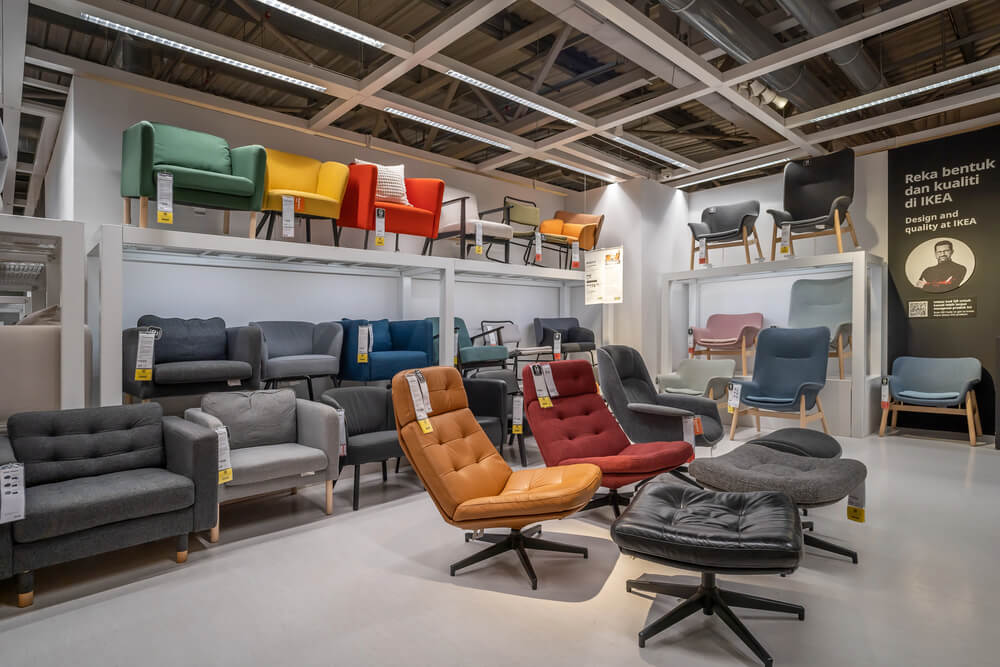
The Bombay Company sold reproduction colonial and British-campaign furniture, small enough in scale to fit a mall storefront rather than a full showroom. The company filed for bankruptcy in 2007 and closed all of its North American retail locations that same year.
A separate furniture licensing arrangement kept the name alive in catalogs even after the stores went dark.
Wilsons Leather
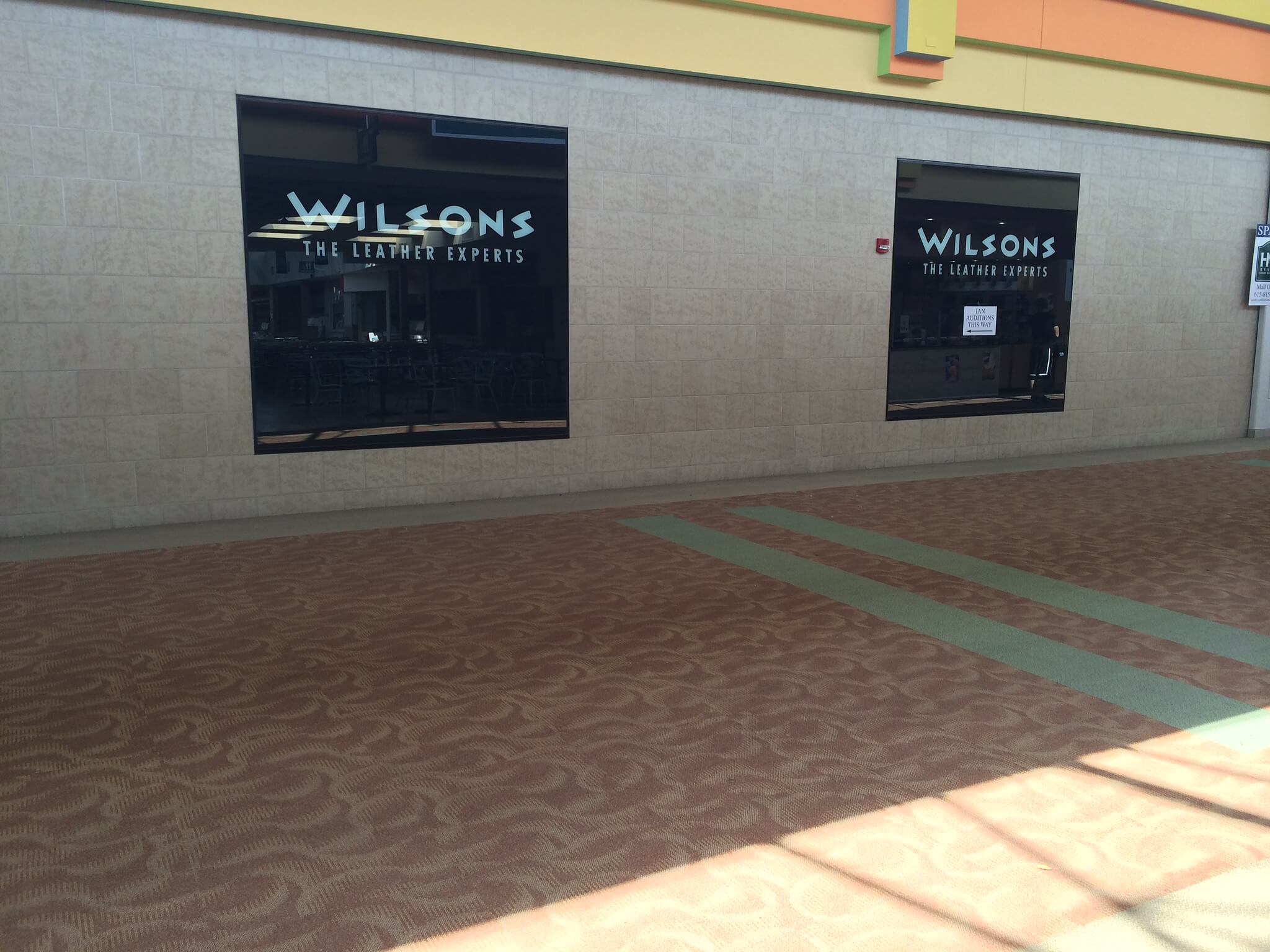
Wilsons Leather specialized in leather jackets, gloves, and accessories, running aggressive seasonal sales that became a mall fixture every winter. The company went private, then filed for Chapter 11 bankruptcy in 2008, emerging and continuing operations through subsequent decades.
Its enclosed-mall locations largely disappeared by the late 2000s, though the brand persisted through kiosk and other retail formats.
Delia*s
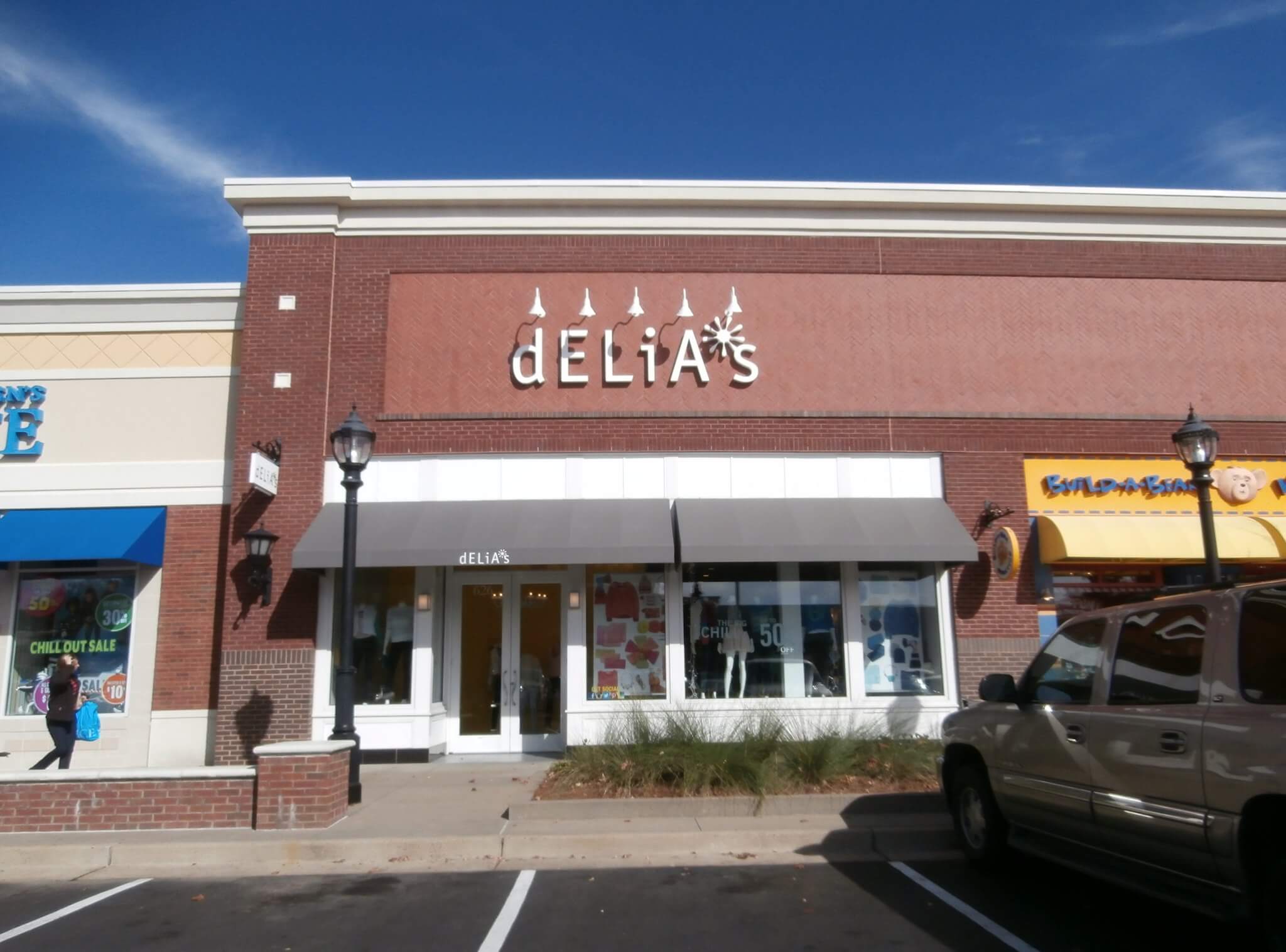
Delia*s began as a mail-order catalog before opening mall stores aimed at teenage girls, building an aesthetic around soft colors and a distinctly late-1990s logo. The retail chain closed all of its physical stores in late 2014 following a bankruptcy filing.
Its catalog roots meant it had a mailing list years before most competitors understood direct marketing to teenagers.
Software Etc.
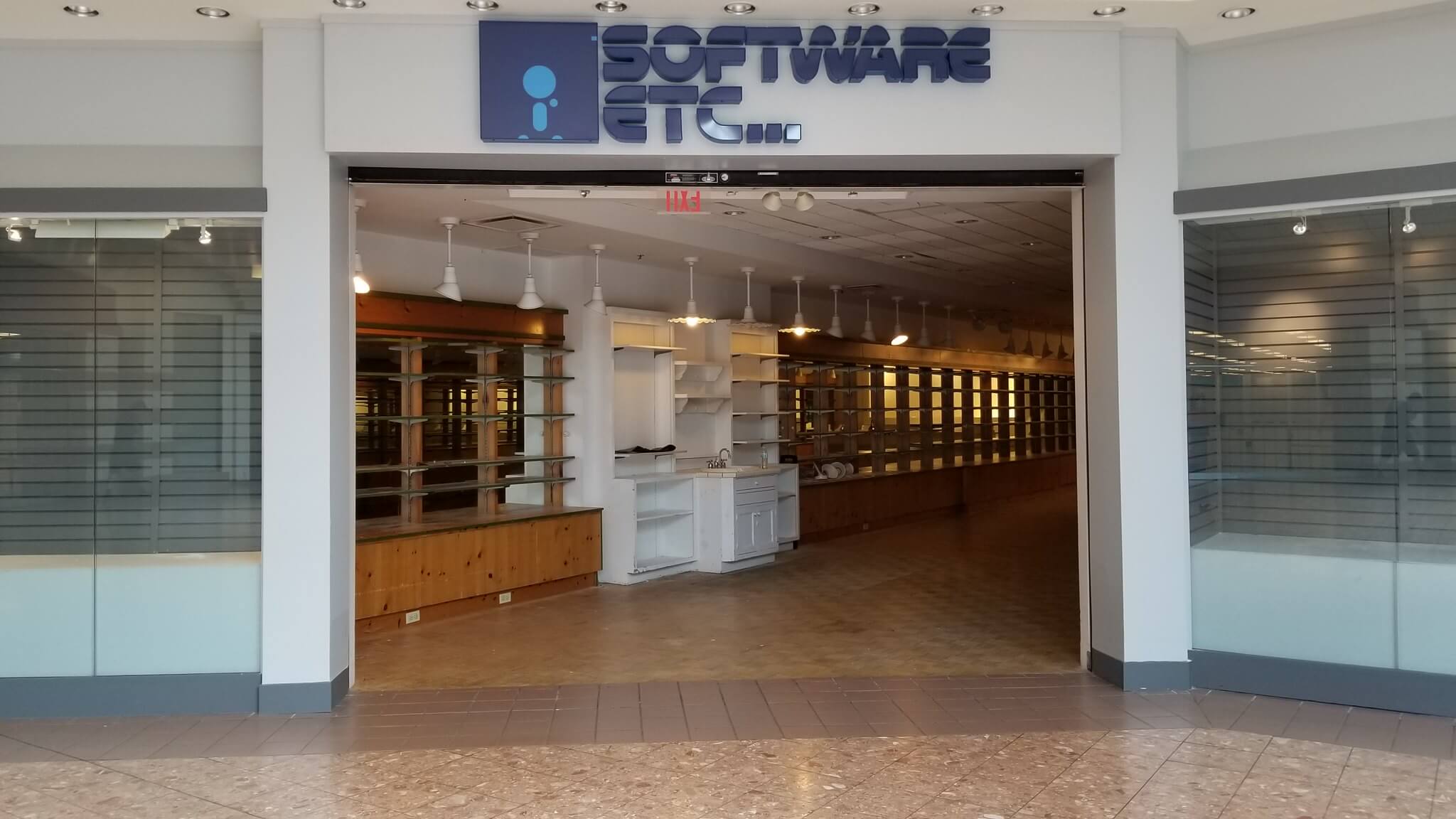
Software Etc. sold computer and video game software from mall storefronts through the 1980s and 1990s, competing directly with Babbage’s for the same shoppers. Parent company Leisure Merchandising merged the chain with Babbage’s in 1994, and the Software Etc. name was eventually phased out entirely in favor of GameStop branding.
Some former locations kept both signs up for a period during the transition.
Babbage’s
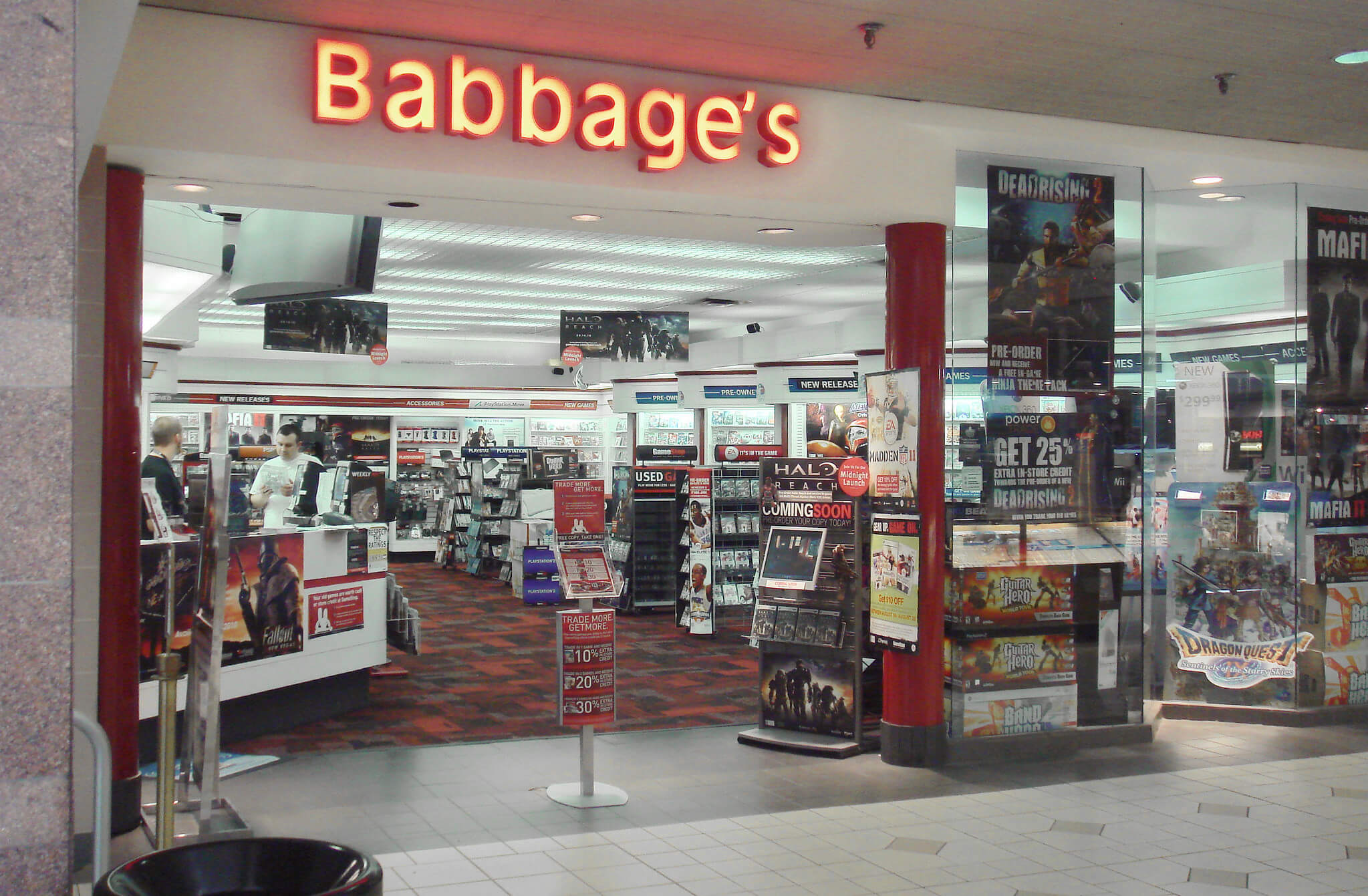
Babbage’s sold video games and computer software, named after nineteenth-century mathematician Charles Babbage, and became one of the dominant game retailers of the 1990s. It merged with Software Etc. and later became part of the company that would rebrand entirely as GameStop by 2000.
Employees at the time have said corporate leadership debated keeping the Babbage’s name before ultimately retiring it.
Electronics Boutique
Electronics Boutique competed head-to-head with Babbage’s for video game shoppers, eventually growing into one of the largest game retailers in the country under the EB Games name. GameStop acquired the chain in 2005 and phased out the separate branding over the following years, folding every store into its own name.
Longtime gamers still sometimes call any GameStop location “EB” out of habit.
FuncoLand
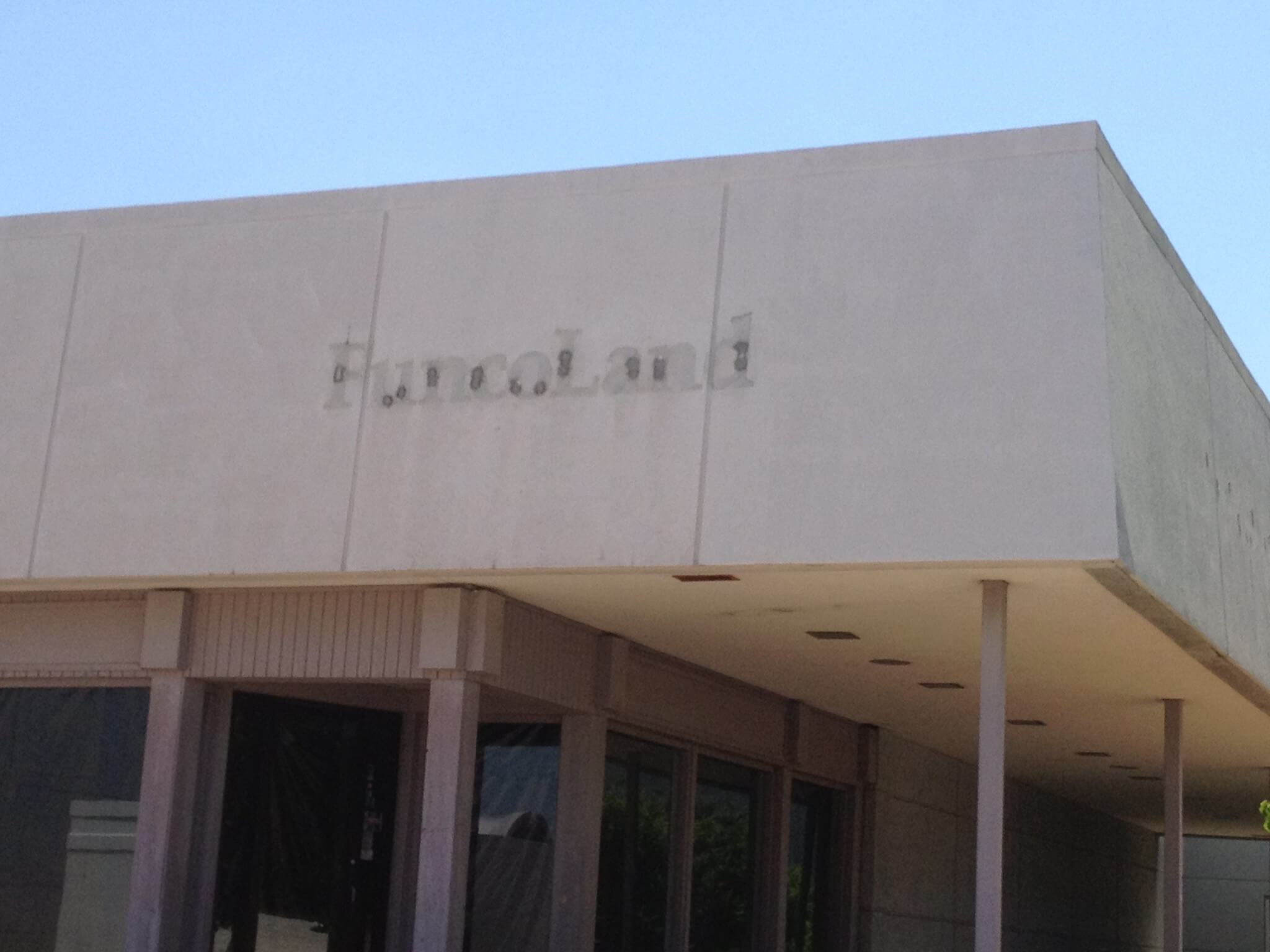
FuncoLand specialized in used and new video games at a time when trading in an old cartridge for store credit was still a novel concept for most shoppers. Barnes & Noble bought a majority stake in the chain before selling it to GameStop’s parent company in 2000, which absorbed every location into GameStop within a few years.
Its used-game trade-in model became the template the entire industry eventually copied.
Petrie Stores
Petrie Stores operated a portfolio of mall apparel chains, including several that traded under different names in different regions, built around affordable women’s fashion. The parent company dissolved through the 1990s as its retail holdings were sold off individually, and the original Petrie name disappeared from malls entirely.
Few shoppers ever knew a single corporate parent stood behind so many storefronts they thought were unrelated.
Redefining a Wasted Afternoon

None of these chains closed because the merchandise stopped mattering. They closed because the mall itself stopped being where people went to get it, and no amount of loyalty could keep a storefront open once the foot traffic moved online.
What’s left is a very specific kind of memory, tied to a floor plan and a smell and a listening station that no longer exist anywhere. That’s also why the list keeps growing.
Every few years another chain that seemed permanent joins it, and the same nostalgia repeats itself for a slightly younger generation. The mall was never really about the stores; it was about a version of Saturday that most of these names simply outlasted for a while.
More from Go2Tutors!

- The Romanov Crown Jewels and Their Tragic Fate
- 13 Historical Mysteries That Science Still Can’t Solve
- Famous Hoaxes That Fooled the World for Years
- 15 Child Stars with Tragic Adult Lives
- 16 Famous Jewelry Pieces in History
Like Go2Tutors’s content? Follow us on MSN.



