30 Sleep Habits Across Different Cultures That Sound Strange but Actually Work
The eight-hour single block of nightly sleep, taken in a private bedroom with the lights off, is a fairly recent invention. It emerged in industrialized societies roughly alongside the electric light bulb, which extended productive hours into what had previously been the domain of darkness and forced people to compress their rest into a single consolidated period.
Before that, the picture was considerably messier and considerably more interesting. Around the world, people have arrived at radically different conclusions about when to sleep, where to sleep, how many times to sleep, and whether sleeping alone is even desirable.
Research increasingly suggests that many of these non-Western, non-industrial habits are not merely cultural quirks but genuine adaptations to biology, climate, and social structure — and in some cases, more closely aligned with what the human body actually wants than the standard modern routine.
Inemuri in Japan
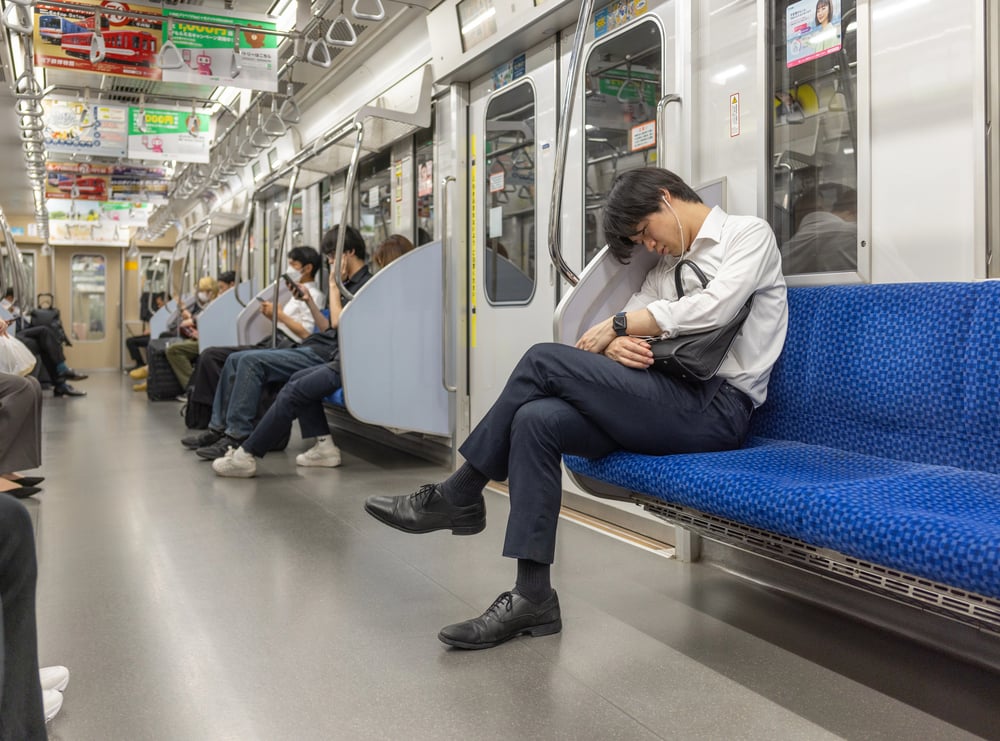
Inemuri translates roughly as “sleeping while present,” and in Japan it is considered a sign of diligence rather than laziness. A businessperson who falls asleep on the train or at a desk is understood to have worked so hard that rest overtook them — an indicator of commitment rather than negligence.
The practice is condoned in workplaces, on public transit, and even in meetings, provided the person is seated upright and appears to be functioning. What looks to a Western observer like exhaustion and poor self-management is, in the Japanese context, a form of social currency.
Segmented Sleep in Medieval Europe

Before artificial lighting transformed the night, European records consistently describe something historians now call “first sleep” and “second sleep.” People would go to bed at dusk, sleep for several hours, wake naturally in the middle of the night for one to two hours of quiet activity — reading, praying, visiting neighbors — then return to bed for a second block of sleep before dawn.
Historian Roger Ekirch documented over 500 historical references to this pattern in his 2005 book. The single consolidated sleep that now seems natural is, in historical terms, the anomaly.
Co-Sleeping in Japan
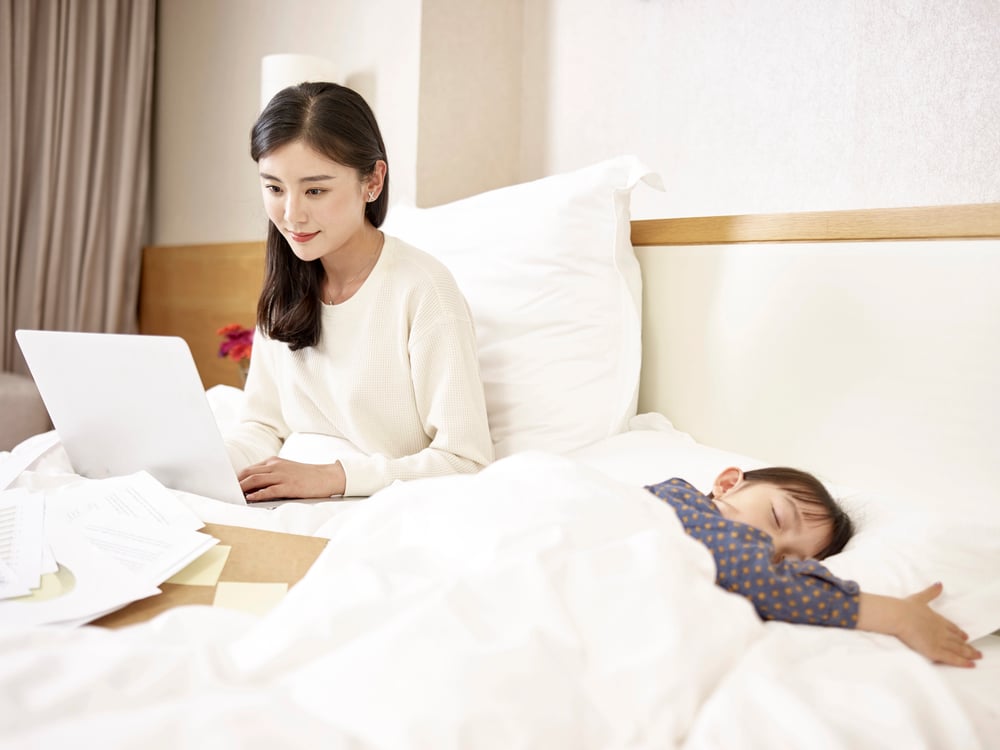
Japanese parents typically sleep alongside their infants and young children, a practice called “kawaii” or “river sleeping” — the child positioned between the parents like water between two banks. The practice extends the concept of physical closeness as fundamental to emotional security, and the futon arrangement on the floor makes it practical without the height and entrapment concerns of adult beds.
Studies examining infant sleep outcomes in Japan versus Western countries show Japanese infants have lower rates of certain types of sleep disturbance, though researchers note multiple contributing variables.
The Siesta in Spain and Latin America
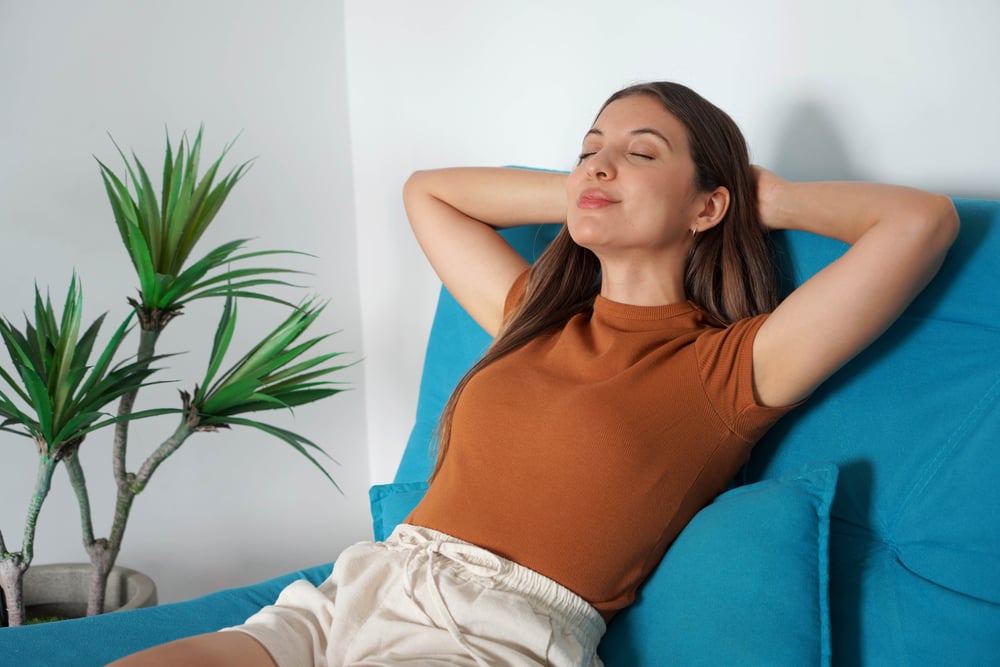
The traditional Spanish siesta — a midday rest of one to two hours taken after the main meal — is rooted in both climate logic and digestive physiology. The highest temperature hours of a Mediterranean or tropical afternoon are genuinely unsuitable for outdoor or strenuous work, and the body’s postprandial dip in alertness (a real biological phenomenon around 1 to 3 p.m.) makes a brief rest physiologically sensible.
Studies of populations where siestas are common show notably lower rates of coronary mortality, though separating the effect of napping from diet, lifestyle, and other Mediterranean factors is methodologically difficult.
Polyphasic Sleep in Egypt

Egyptian sleep patterns have been described as naturally polyphasic — a shorter nighttime block of around six hours combined with an afternoon rest of roughly two hours. The afternoon break structures the day around heat and digestion in a way that mirrors the siesta tradition but with more formal integration into daily scheduling.
This pattern tracks closely with what chronobiology research identifies as two natural human alertness dips: one in the mid-afternoon and one in the early morning hours.
The German Duvet System
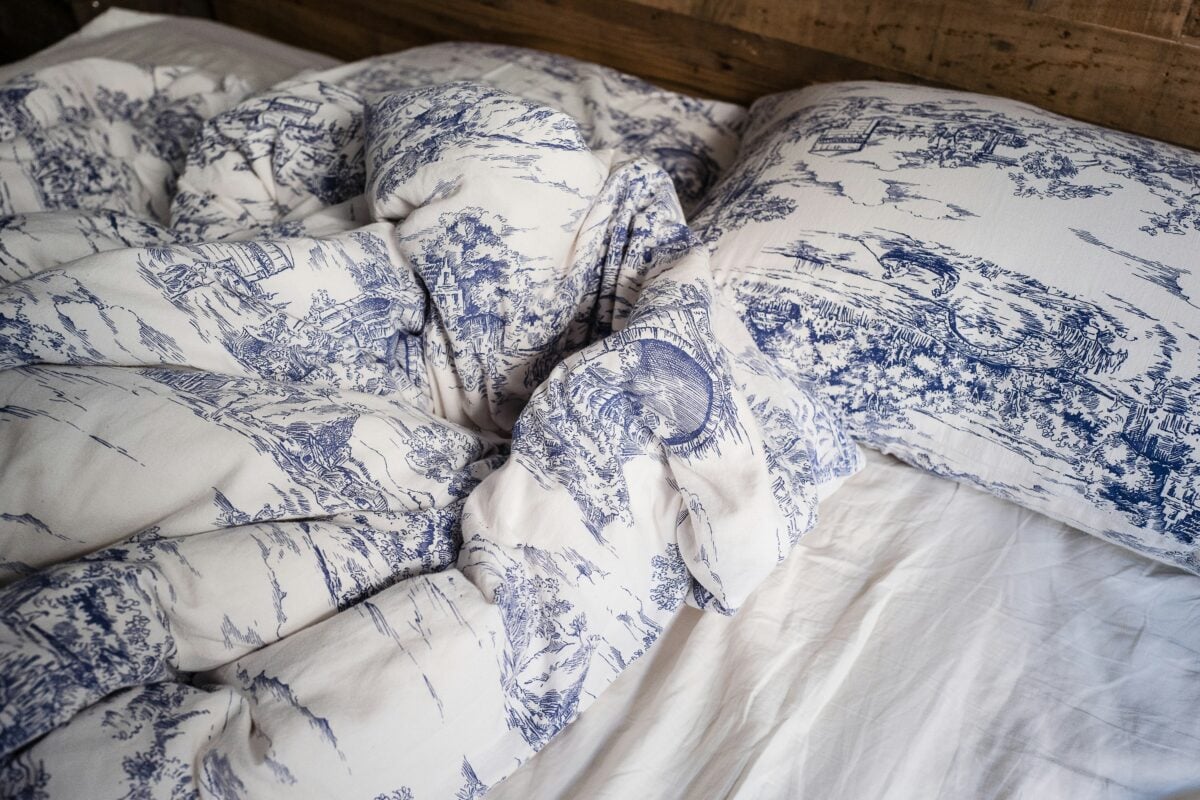
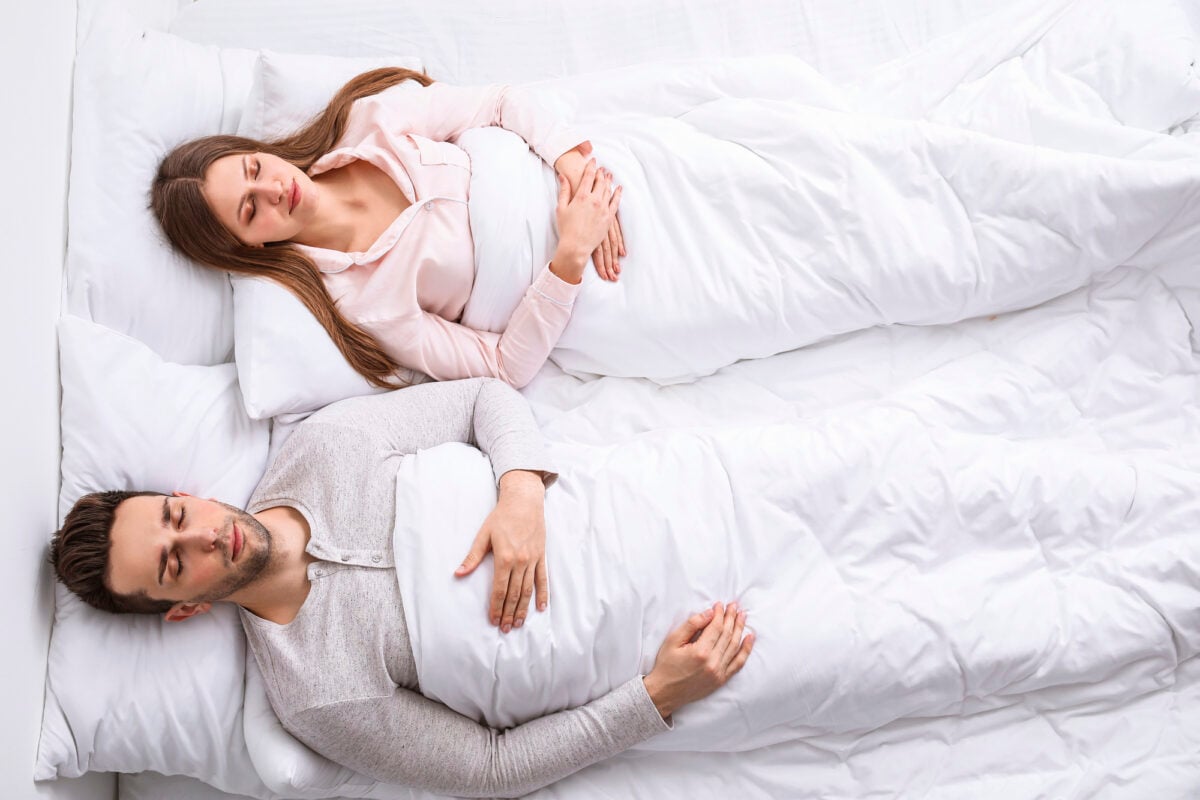
German couples — and increasingly couples across Scandinavia and Austria — routinely use two separate duvets in a shared bed rather than one shared blanket. The practice, sometimes called the “Scandinavian sleep method,” eliminates the most consistent source of nighttime conflict in shared sleeping: the blanket tug.
Each person regulates their own temperature without disturbing the other. IKEA has marketed products specifically designed around this system, and sleep researchers who have studied the practice note measurable improvements in reported sleep quality for both partners.
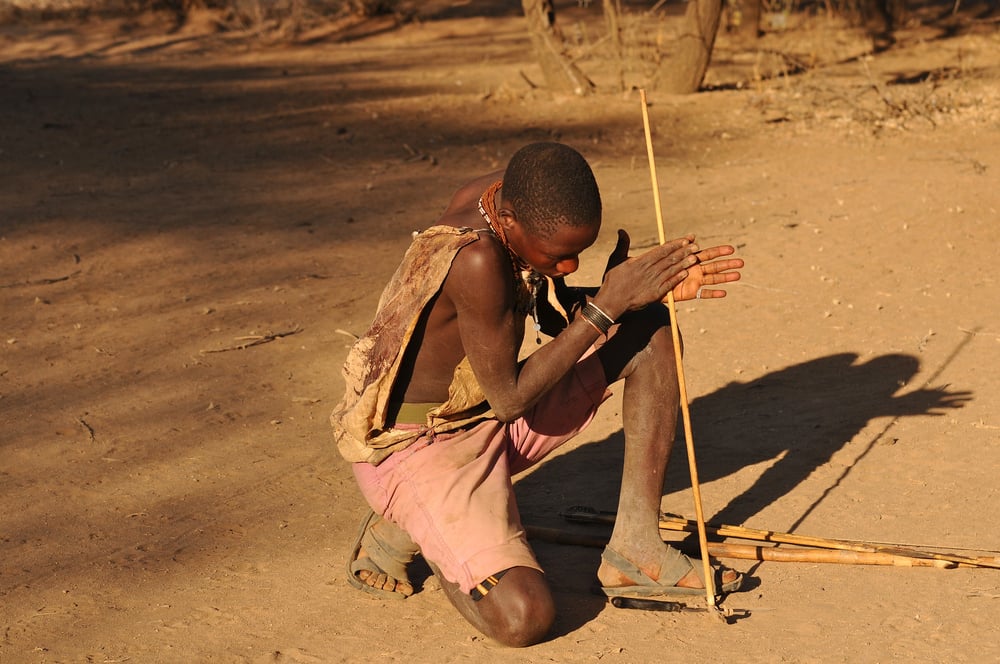
Communal Night-Watch Sleeping in the Hadza
— Photo by MHSTORYTELLER
A 2017 study published in the American Journal of Physical Anthropology analyzed 33 members of the Hadza hunter-gatherer community in Tanzania using wrist-worn actigraphs over 393 days. The researchers found that across 13,000 total minutes tracked, there were only 18 minutes during which every member of the group was asleep simultaneously.
Roughly 40 percent of the group was awake at any given time during the night. This natural chronotype variation — some people sleeping early, others late, with different individuals covering different hours — may represent an evolutionary adaptation: a community that was never entirely asleep was harder to surprise by predators.
Sleeping on the Floor in Japan and Korea
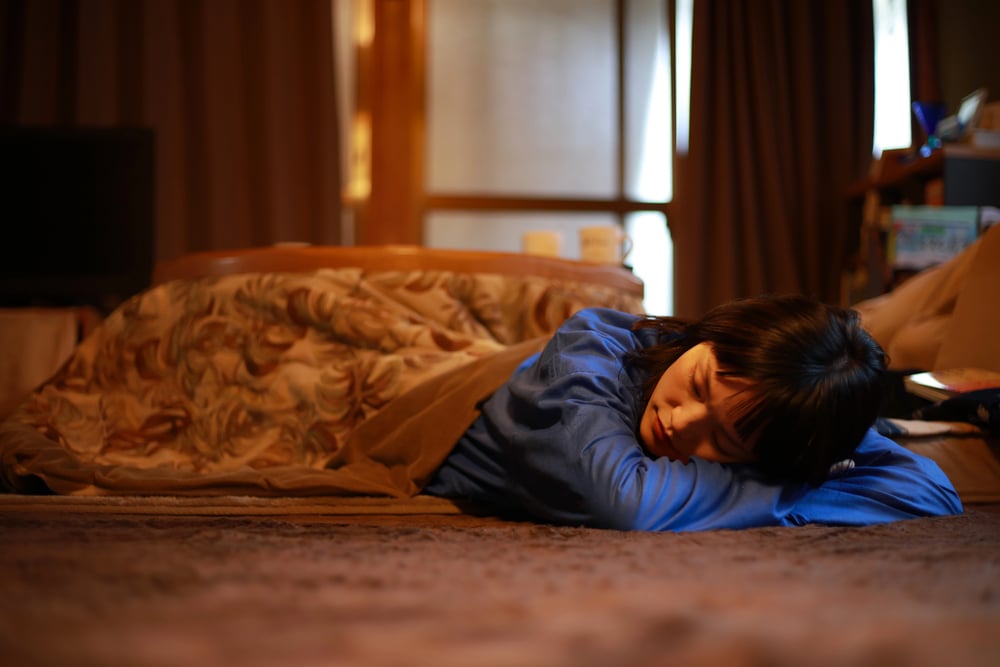
In Japan, sleeping on a thin futon placed directly on the floor is traditional and still common, particularly in traditional homes. In Korea, a similar floor-level sleeping practice developed in conjunction with the ondol heating system — underfloor radiant heat that makes the floor the warmest surface in the room.
Both cultures evolved sleeping arrangements around conditions that made floor-level the most logical choice. Proponents point to reduced pressure on the spine and the elimination of the fall risk associated with elevated beds, though ergonomic research on the topic is limited.
Hammock Sleeping in South America and the Caribbean
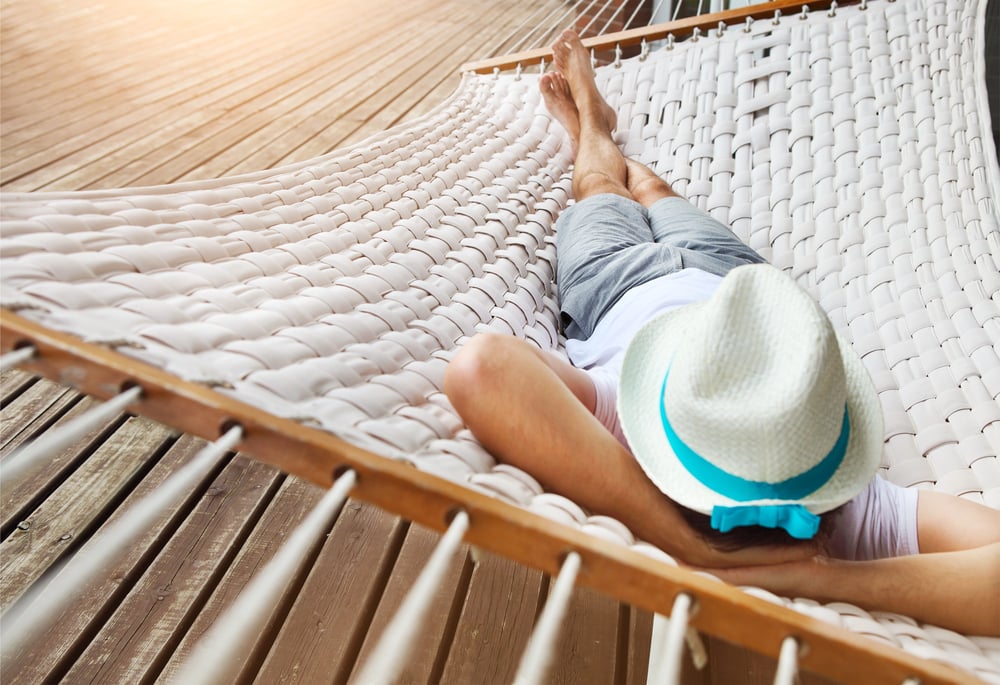
Indigenous communities throughout the Amazon basin and Caribbean islands have used hammocks as primary sleeping surfaces for thousands of years, and European colonizers who encountered them consistently adopted the hammock for shipboard sleeping after recognizing their practical advantages. The gentle oscillation of a hammock promotes faster sleep onset and affects brainwave patterns in ways researchers at the University of Geneva documented in 2011 — they found that rocking motion synchronizes neural oscillations in the thalamocortical network and deepens slow-wave sleep.
The Afternoon Riposo in Italy

Related to but distinct from the Spanish siesta, the Italian riposo is a midday closing of shops and businesses that typically runs from around 1 p.m. to 3:30 p.m. or 4 p.m. It is less universally tied to actual sleeping than the Spanish equivalent but creates a structured quiet period in the middle of the day.
In southern Italy, where heat is more extreme, the practice of lying down during this period is more common. The riposo has been officially discontinued in Rome for commercial businesses since 2000, but it survives in smaller towns and villages.
Sleeping Outdoors in Scandinavia (Infant Napping)
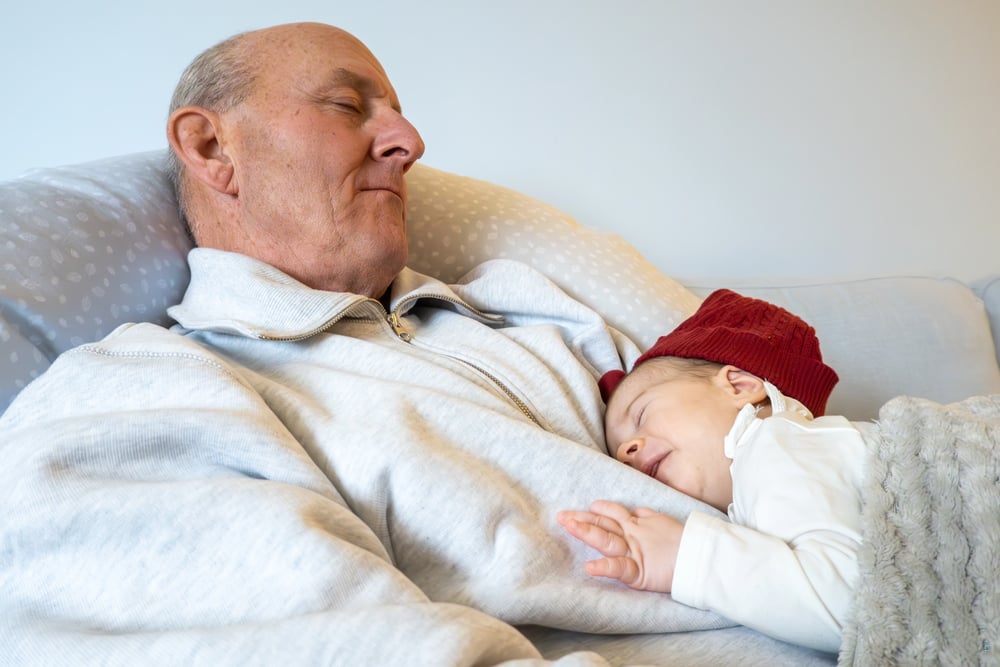
In Norway, Sweden, Denmark, and Finland, it is common practice to put infants down for naps outside — in prams parked on balconies, in courtyards, or in the open air — even in temperatures well below freezing. The custom is based on a belief, supported by some Nordic pediatric research, that cold fresh air promotes deeper sleep and reduces exposure to indoor pathogens.
Outdoor napping in temperatures around -15°C is not considered unusual. To the foreign visitor, the sight of unattended prams outside coffee shops and grocery stores is reliably startling.
Inuit Communal Warmth Sleeping
— Photo by Steve_Allen
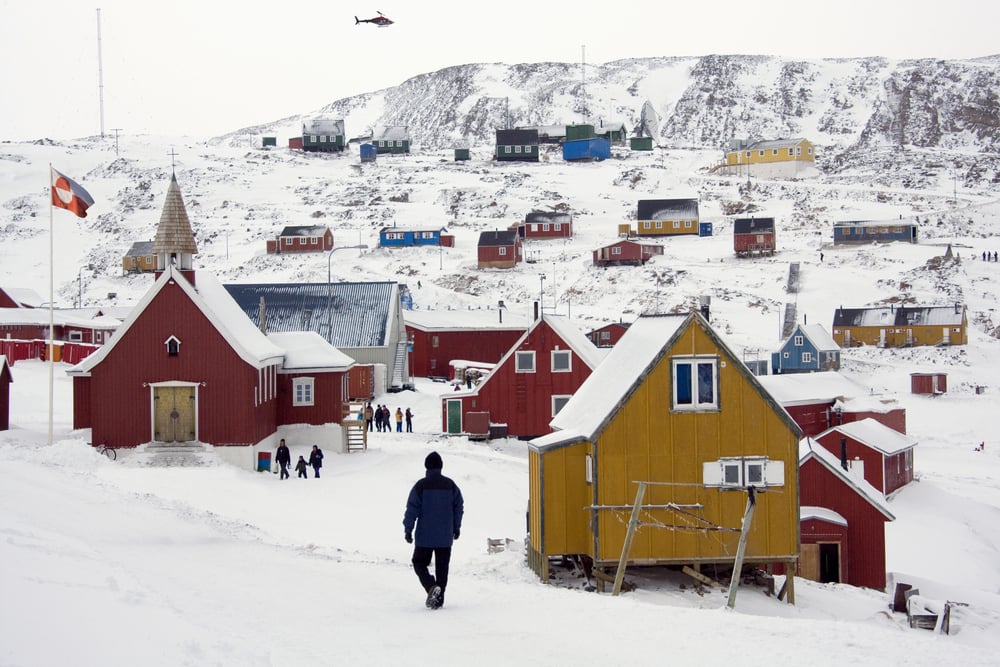
In traditional Inuit communities of the Canadian Arctic and Alaska, sleeping arrangements were dictated heavily by the need to maintain body temperature. Families and sometimes multiple families slept close together in small, insulated sleeping spaces, sharing body heat.
In igloos, the sleeping platform was positioned at a raised level to take advantage of warm air rising from the space below. The communal arrangement was not primarily a social choice but a survival strategy, though it created sleeping norms in which physical proximity with non-family members during rest was unremarkable.
Avoiding Fans at Night in South Korea
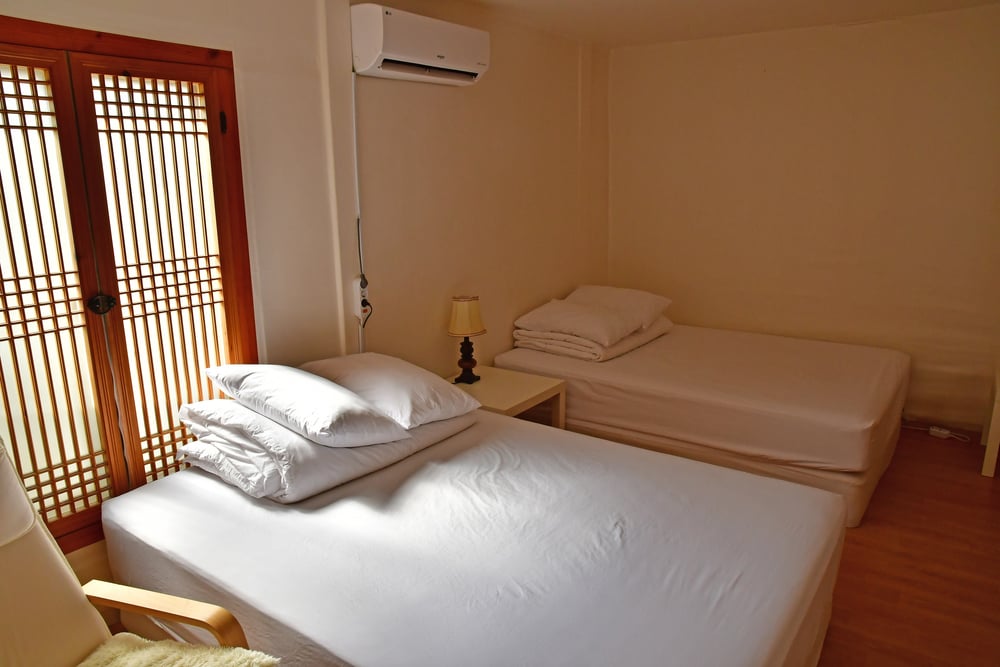
A widespread belief in South Korea holds that sleeping in a room with an electric fan running overnight — particularly in a sealed space — will cause hypothermia, suffocation, or death. The belief is consistent enough that Korean fan manufacturers have historically included automatic timers on products sold domestically, and the Korean government has addressed it in public health communications.
While the mechanism proposed (the fan consuming oxygen or generating dangerous cold air) is not scientifically supported, the behavior is near-universal enough in older generations to constitute a practiced sleep habit.
Biphasic Sleeping Among the Tsimané of Bolivia
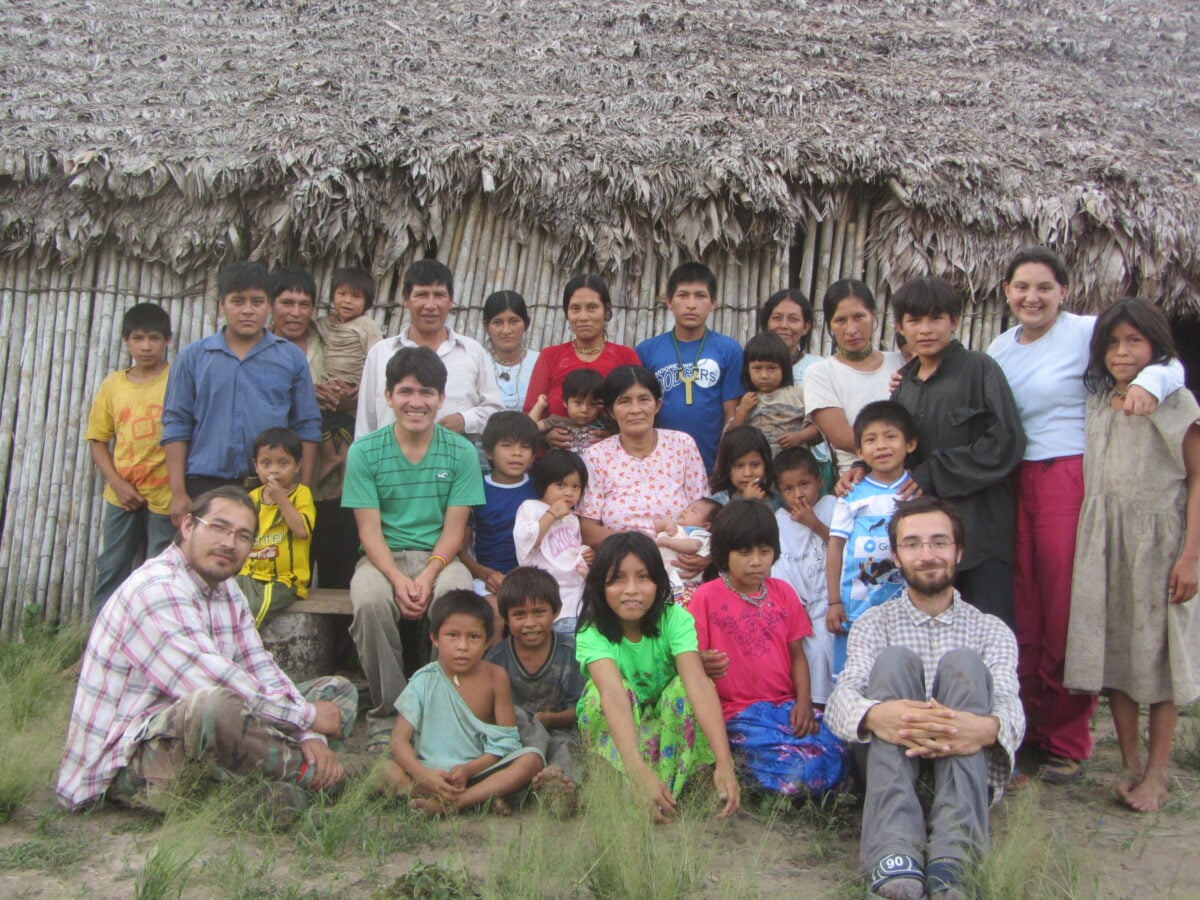
The Tsimané, a forager-horticulturalist group in Bolivia, were among the three populations studied in a landmark 2015 Current Biology paper on hunter-gatherer sleep. Researchers found they slept an average of 5.7 to 7.1 hours per night, consistently fell asleep several hours after sunset, and woke about an hour before dawn.
Temperature, rather than light, appeared to be the primary regulator of their sleep cycles: they fell asleep as temperatures dropped in the evening and woke as temperatures reached their lowest pre-dawn point. Insomnia was reported by only 1.5 to 2.5 percent of participants — a fraction of the rates seen in industrialized populations.
Tying Hair Before Bed (South India)

In many South Indian households, particularly in Tamil Nadu and Kerala, women tie their hair up before sleeping as a matter of cultural tradition. The practical reasoning — that loose hair becomes tangled, traps heat, and can cause breakage overnight — has a physiological basis.
The cultural encoding of the practice as a protection against spiritual possession serves the same purpose as many superstition-adjacent habits: it ensures consistent follow-through on something that has a real benefit, whether or not the original justification holds up.
The Spanish Late Dinner Schedule

Spain’s dinner timing — typically not until 9 p.m. or later, with meals running until 11 p.m. — means that Spanish bedtimes are genuinely later than in most of Europe. The average Spaniard goes to sleep close to midnight.
This schedule is partially a remnant of historical siesta culture that pushed productive hours later into the afternoon and evening, and partially shaped by daylight: Spain observes Central European Time despite its geography placing most of the country in what would naturally be UK time, meaning summer sunsets arrive as late as 10 p.m. Spaniards are not night owls by choice so much as by calendar.
Barefoot Throughout the Day, Sleeping in Socks in Finland
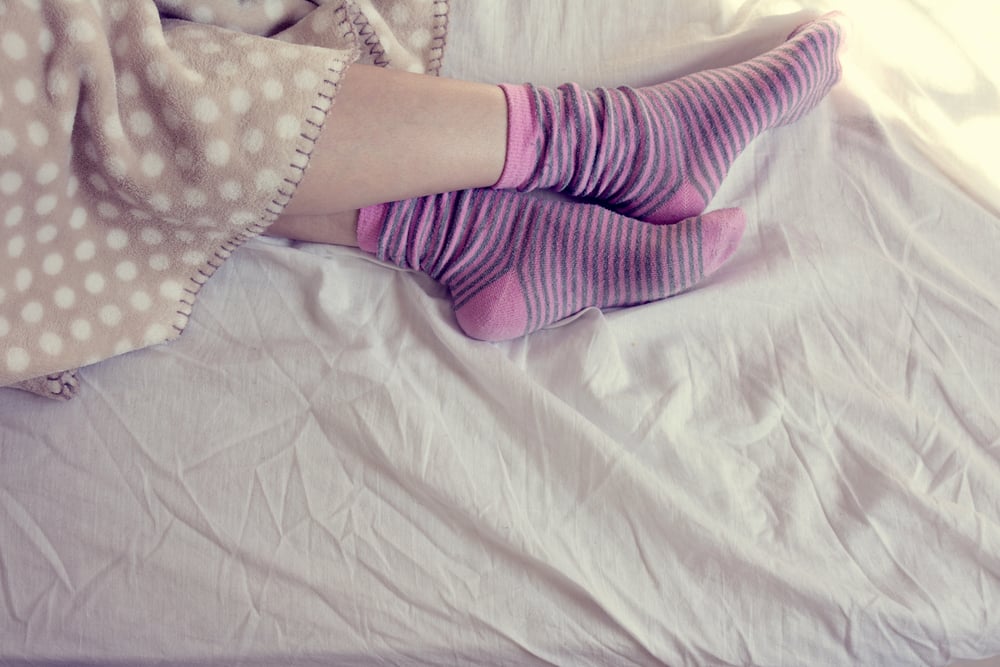
A reversal of the logic that confuses many visitors: Finns often go barefoot inside their homes as a matter of hygiene and cleanliness but wear socks to bed. The temperature regulation rationale is genuine — warming the feet promotes peripheral vasodilation, which helps lower core body temperature, facilitating sleep onset.
Finnish sleep culture also places enormous value on the sauna as a pre-sleep ritual, with the post-sauna body temperature drop (as warmth from the sauna dissipates) creating favorable conditions for falling asleep.
The Pre-Sleep Sauna (Finland)
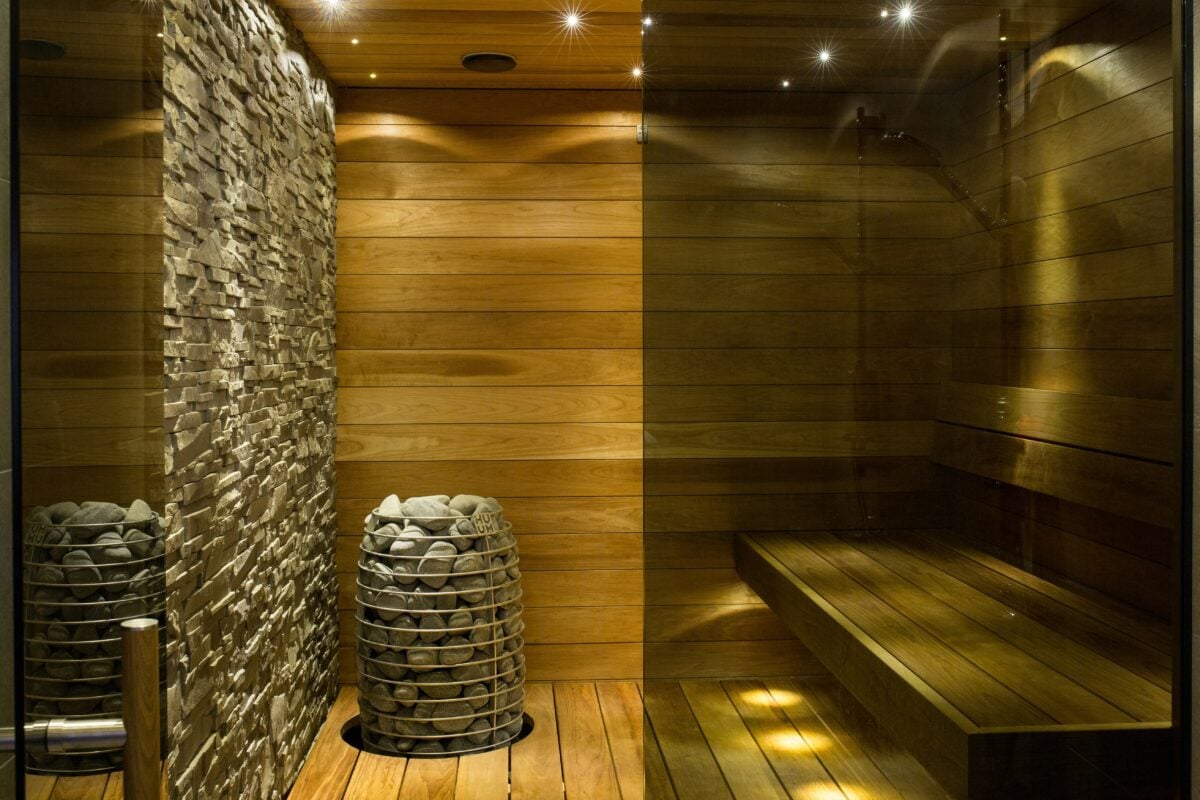
Finland has approximately 3.3 million saunas for a population of 5.5 million people. The evening sauna — taken before bed rather than in the morning — is a social and physiological ritual.
The heat raises body temperature significantly, and the subsequent cooling period as the body returns to baseline actively mimics the temperature drop that normally precedes sleep onset. Clinical sleep research supports this mechanism: a warm bath or shower taken 1 to 2 hours before bed is among the most consistently evidence-supported behavioral interventions for improving sleep onset speed.
Hot Milk and Bedtime Storytelling in India

In many Indian households, particularly in northern and western states, children are given a glass of warm turmeric milk — haldi doodh — before bed. The combination of warmth, fat, and the small amount of tryptophan in milk does have mild sleep-promoting properties.
The storytelling tradition that often accompanies it — grandparents or parents reciting folk tales, religious narratives, or fables — serves the dual function of cultural transmission and winding-down ritual, replacing the scroll through a screen that occupies the equivalent slot in many Western households.
Afternoon Kip in Workplace (Spain Declining, Greece Surviving)

In Greece, the mesimeri — the midday sleep — remains more robustly practiced than the Spanish siesta has been since commercial pressure in cities began eroding it after 2000. Greek law still permits a quiet period from approximately 3 p.m. to 5 p.m. in residential areas, during which loud activities are prohibited, in part to protect the ability of residents to rest.
In Athens, the enforcement varies by neighborhood, but the cultural expectation that midday noise should be minimized remains strong enough to structure daily life.
No Fixed Bedtime in Some Indigenous Australian Communities
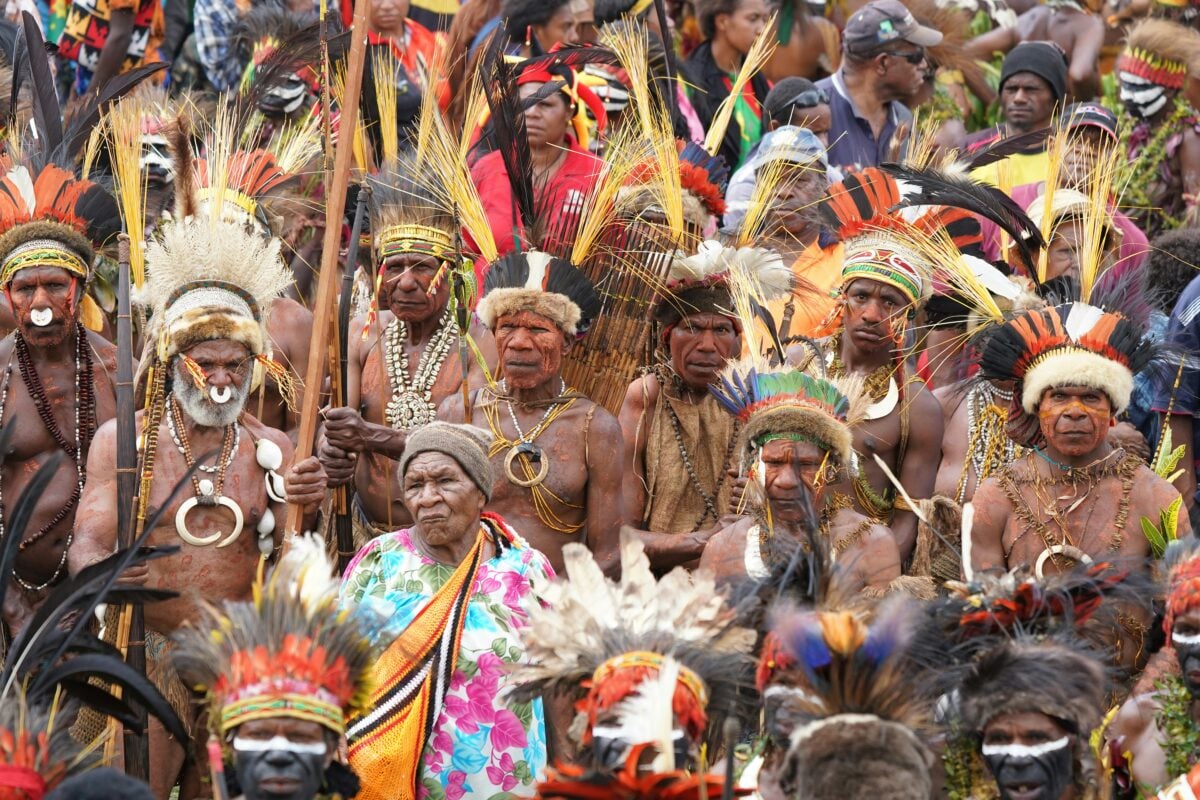
Some indigenous Australian communities maintain a sleep culture with considerable flexibility around bedtime, particularly for children, in contrast to the rigid clock-based bedtimes enforced in mainstream Western households. Sleep follows social cues rather than scheduled times — children sleep when they become tired within a social gathering, sometimes falling asleep in communal spaces, and are carried to beds without the separation ritual that Western parenting treats as critical.
Researchers studying indigenous Australian sleep practices note lower rates of bedtime resistance and night anxiety in children raised in these environments.
Cold Room, Heavy Blanket (Northern Europe and Canada)
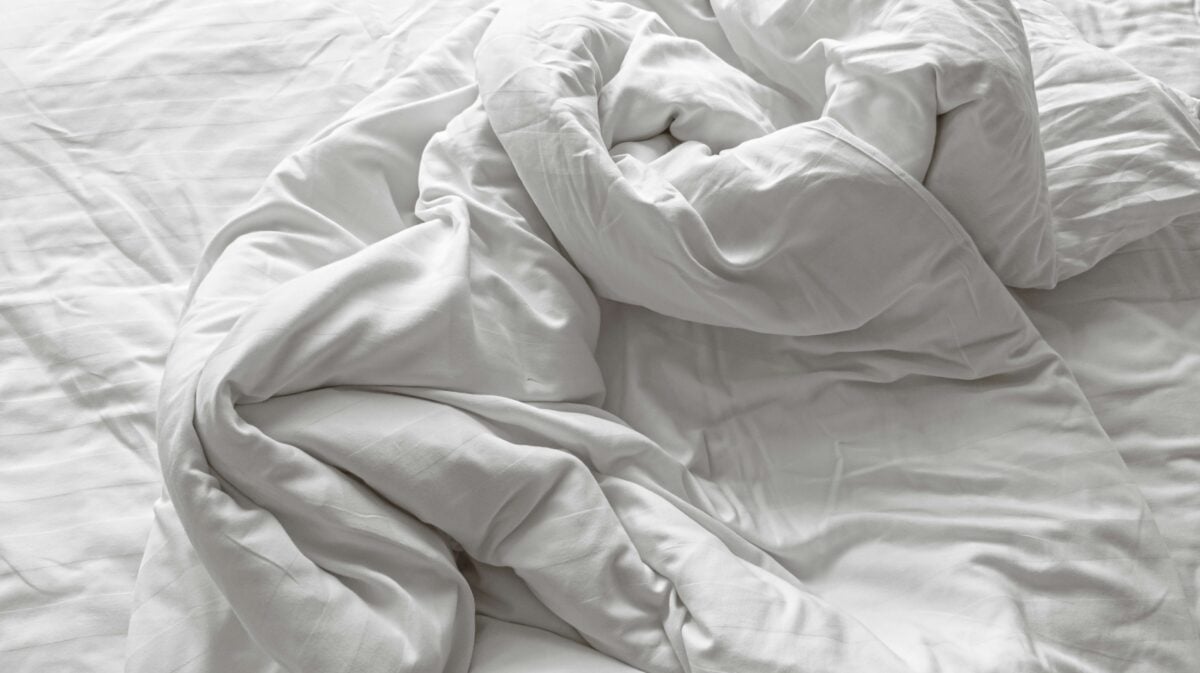
A sleep practice documented across Scandinavian countries, Canada, and parts of Germany involves sleeping in a cold room — sometimes with a window open in winter — under a very heavy duvet or multiple layers. The body’s core temperature must drop to initiate and maintain sleep, and sleeping in a cold environment with adequate insulation (rather than a warm room with light covers) allows for this drop while keeping the body comfortable.
Sleep laboratories consistently find that ambient temperatures between 60 and 68°F promote deeper, more restorative sleep than warmer rooms.
Waking for Prayer at Night (Muslim Tradition)
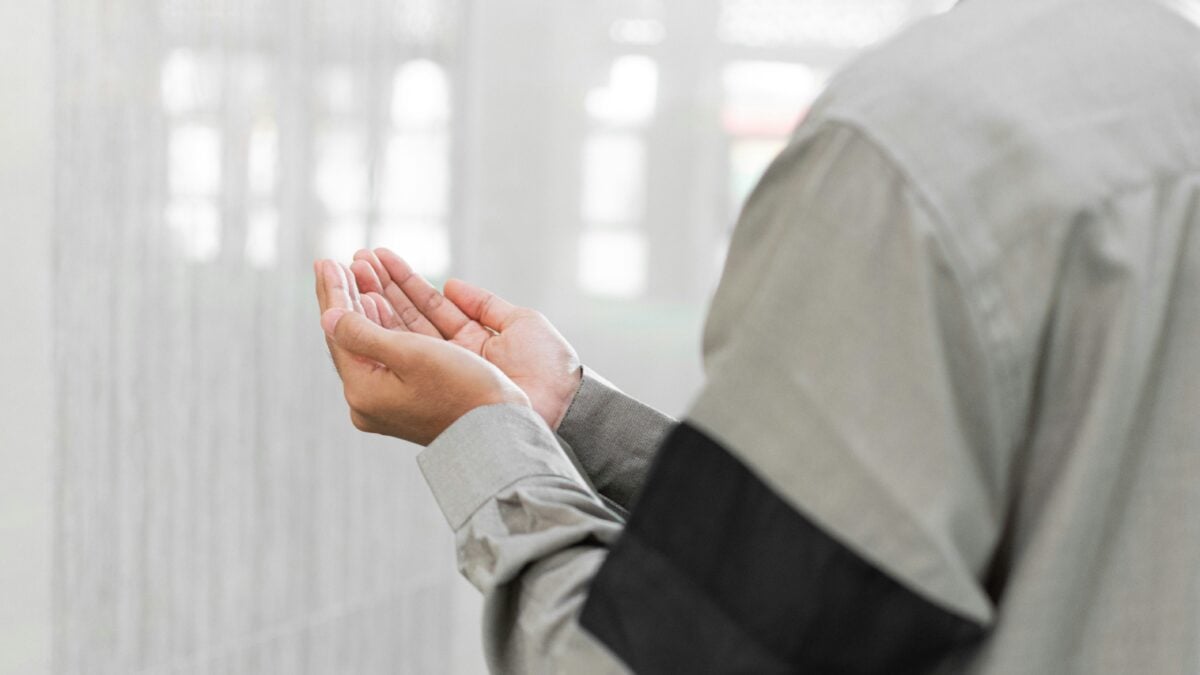
The Islamic practice of Tahajjud prayer involves waking in the final third of the night — roughly between 2 a.m. and 4 a.m. — for voluntary prayer before returning to sleep. The practice is explicitly segmented: the Quran describes it as a night during which the worshiper rises from their resting place.
The voluntarily interrupted sleep that modern insomnia research frames as a symptom was, in this tradition, deliberately cultivated for spiritual purposes. The evidence from historical and cross-cultural sleep studies suggests that this kind of mid-night wakefulness may align with natural human sleep architecture rather than fight against it.
Sun-Based Wake Time Among the Hadza
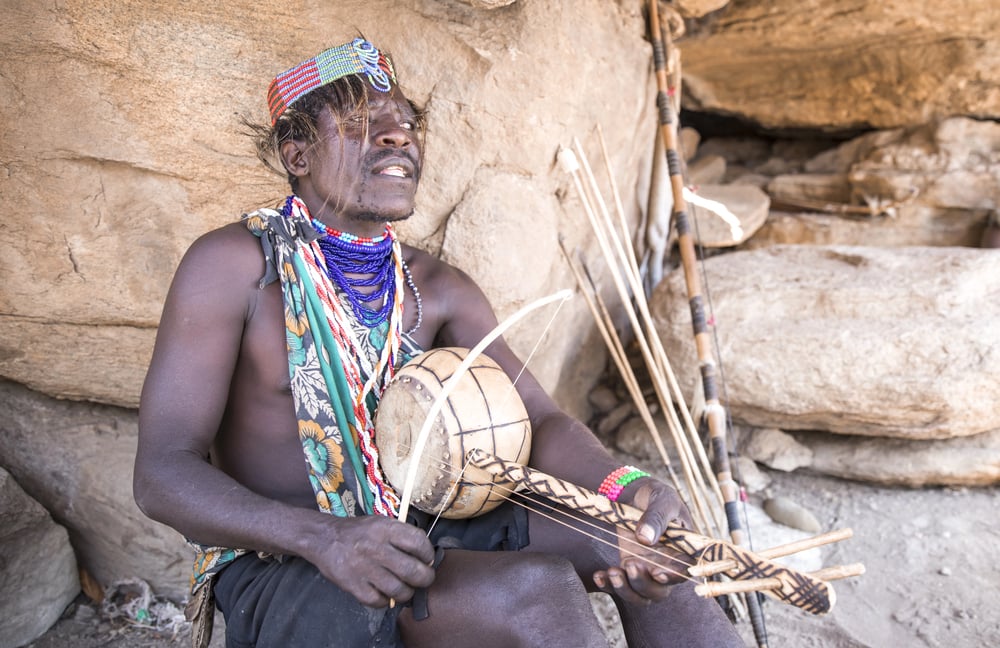
Hadza individuals, as documented in the 2017 University of Toronto study, generally fell asleep about three hours after sunset and woke roughly an hour before dawn — following ambient temperature rather than clocks. Their chronotypes varied with age in ways that mirror Western patterns (younger adults tended to stay up later, older adults rose earlier), suggesting that this chronotype variation is a species-wide trait rather than a product of Western industrial schedules.
The study’s most intriguing finding was that virtually no two people in the group shared the same sleep-wake timing — a kind of biological staggering that may be the original human sleep architecture.
Sleeping With Animals (Rural Communities Globally)
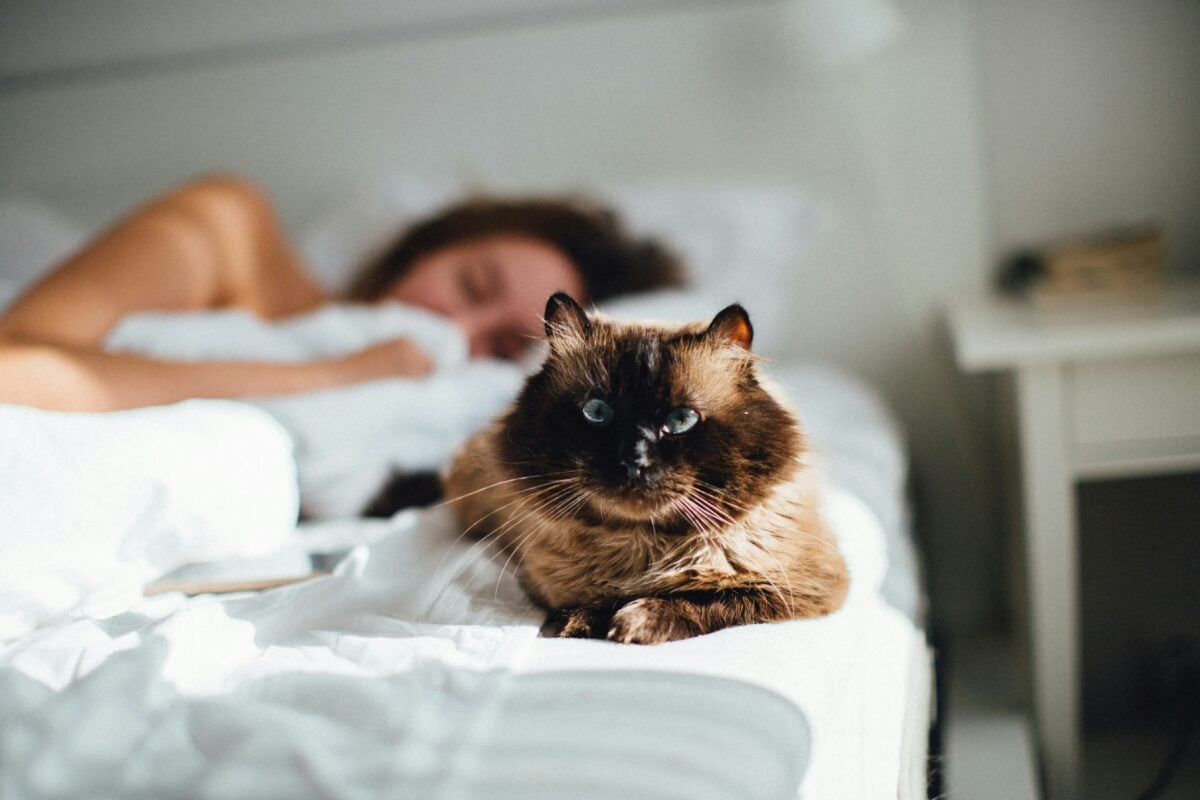
In many rural communities across South Asia, Sub-Saharan Africa, and Latin America, sleeping in proximity to domestic animals — goats, cattle, dogs — is common in households where animals are kept inside or near sleeping quarters for security and warmth. The practice has obvious health tradeoffs but has been documented to reduce body heat loss in cold-climate settings and, in some cases, to provide a form of alert system not unlike the Hadza’s natural chronotype variation.
Dogs in particular have been used as sleeping companions across virtually every culture on earth for at least 10,000 years.
The Chinese Midday Sleep

In China, the midday nap — xiuxi — is so culturally entrenched that it is built into school schedules, and some workplaces provide designated rest rooms or allow employees to sleep at their desks after lunch. In China’s Labor Law, workers in certain categories are entitled to a rest period at midday.
Research on Chinese students and workers who observe the xiuxi consistently shows faster afternoon cognitive performance recovery compared with counterparts who do not nap, which has led some Chinese cities to actively promote the practice in institutional settings.
Sleeping Unclothed (Historically and Currently in Various Countries)
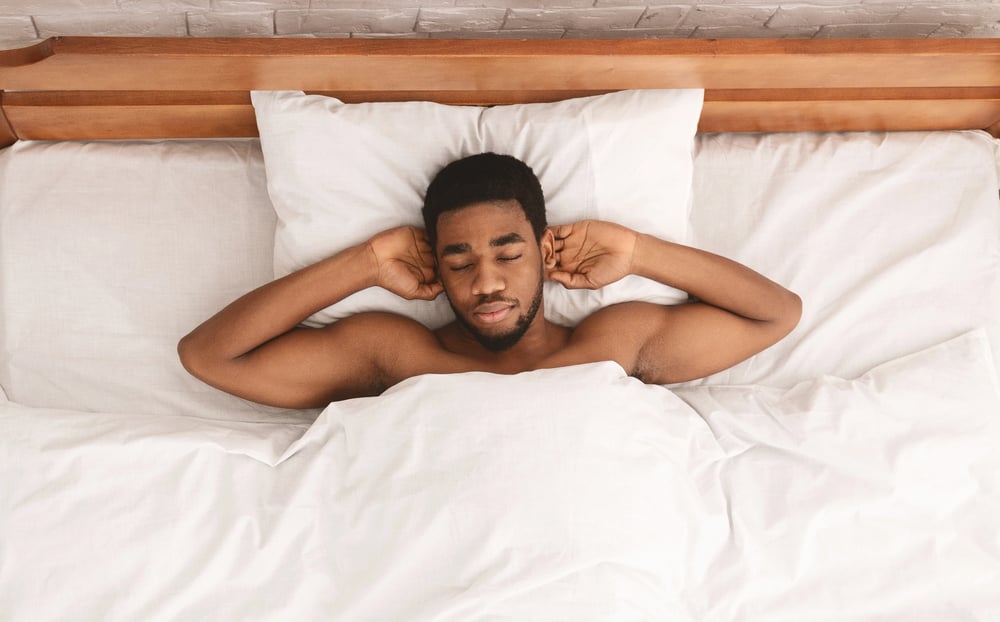
In the UK, surveys have consistently found that roughly one-third of adults sleep without clothing, compared to around eight percent in the United States. The temperature regulation case for sleeping without clothing is straightforward: fabric insulates and slows the body temperature drop that promotes sleep onset.
Some sleep researchers advocate for it on those grounds specifically. The cultural divergence — with UK, Australian, and German populations showing notably higher rates of this practice than American ones — illustrates how a practice with a simple physiological rationale can become culturally polarized.
Pre-Sleep Meditation in Buddhist Communities
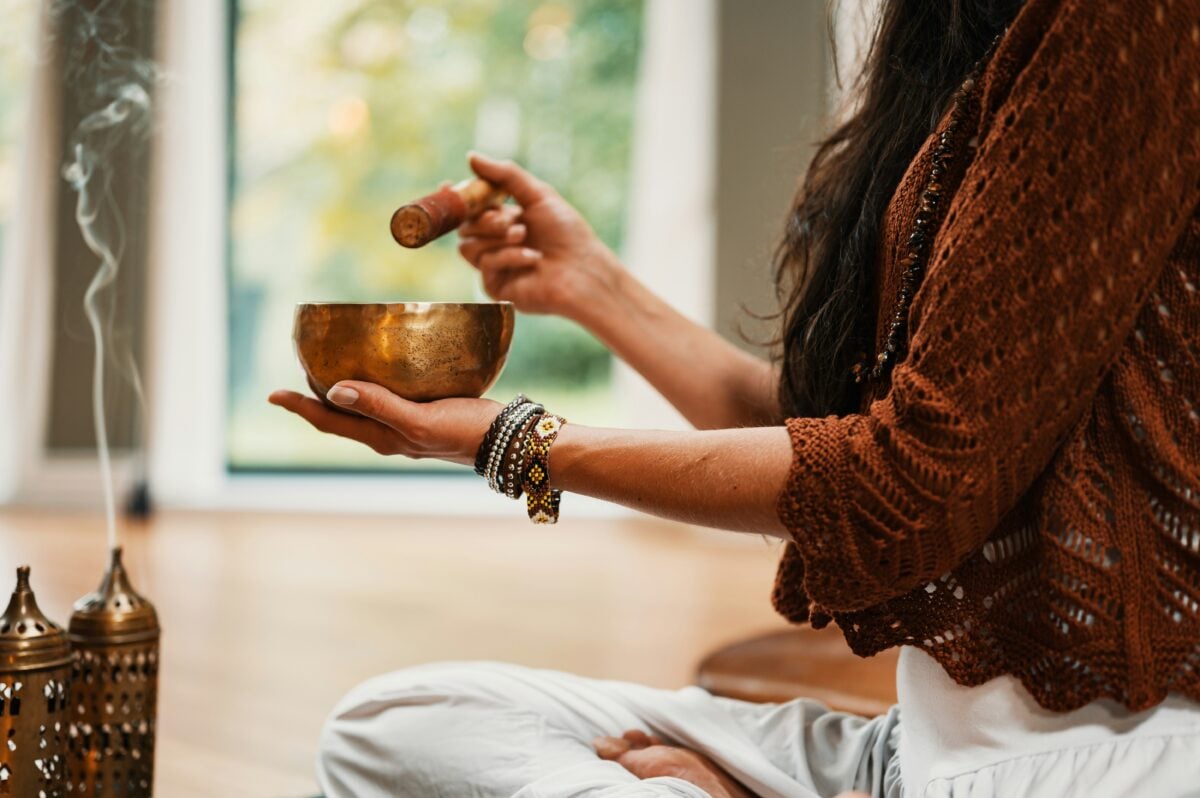
In Theravada Buddhist monastic communities across Thailand, Myanmar, and Sri Lanka, the period before sleep is traditionally used for seated meditation rather than the gradual winding-down sequence common in Western households. Monks who practice this meditation before lying down report reliable transitions from meditative states into sleep.
Contemporary neuroscience has documented the similarity between deep meditative states and the hypnagogic period (the transitional state between wakefulness and sleep), suggesting that for practiced meditators, the boundary is genuinely porous.
Communal Long House Sleeping in Borneo

Among the Iban and Dayak communities of Borneo, the traditional longhouse — a single enormous structure housing an entire community — means that sleep is inherently communal. Families occupy their own rooms within the longhouse, but the shared veranda and thin walls mean that complete sound isolation during sleep is impossible.
Children grow up habituated to ambient communal noise during sleep and tend to have lower sensitivity to sound-based sleep disturbance as adults — a learned resilience that has been noted by researchers studying noise tolerance across cultures.
Afternoon Tea Before Bed in the UK

The British habit of a warm, decaffeinated tea in the evening is not merely social. L-theanine, an amino acid in tea, promotes alpha wave activity in the brain and reduces physiological stress responses without inducing drowsiness — a state of alert relaxation that functions well as a pre-sleep wind-down.
British adults who drink tea in the evening consistently report it as part of their sleep preparation ritual, and the practice of separating “evening tea” from “breakfast tea” — in terms of both caffeine content and intention — is sufficiently established to be reflected in product labeling.
Temperature and Sleep: The Body Always Wins
What emerges from looking at sleep habits across cultures is not a list of bizarre exceptions to a universal norm, but evidence that no single sleep arrangement is universal. The Hadza sleep lightly and wake frequently. Finns heat themselves before bed. Germans each claim their own blanket. The Japanese fall asleep on trains. Medieval Europeans woke at midnight on purpose.
The only consistent element is that every culture, everywhere, has developed practices that serve the same underlying biology — just from different angles and in different forms. The eight-hour unbroken sleep was never the ancestral norm. It is, at most, a reasonable approximation that works reasonably well for many people under modern conditions.
The cultures that make room for naps, communal warmth, natural temperature cycles, and flexible timing are not clinging to pre-modern superstition. In many cases, they are sleeping more in line with what the human body was actually designed to do — and waking up less anxious about the parts of the night when they are not fully asleep.
More from Go2Tutors!

- The Romanov Crown Jewels and Their Tragic Fate
- 13 Historical Mysteries That Science Still Can’t Solve
- Famous Hoaxes That Fooled the World for Years
- 15 Child Stars with Tragic Adult Lives
- 16 Famous Jewelry Pieces in History
Like Go2Tutors’s content? Follow us on MSN.