26 First Edition Books on Home Shelves Worth Checking
Most old books on a family shelf are exactly what they look like: well-loved copies with no resale value beyond sentiment. But a small number of twentieth-century titles printed in their true first edition, especially with an intact dust jacket, are worth real money to specialist dealers.
The trick is knowing which printing points to check before assuming a book is just old rather than valuable. Here’s where to start looking.
The Great Gatsby by F. Scott Fitzgerald
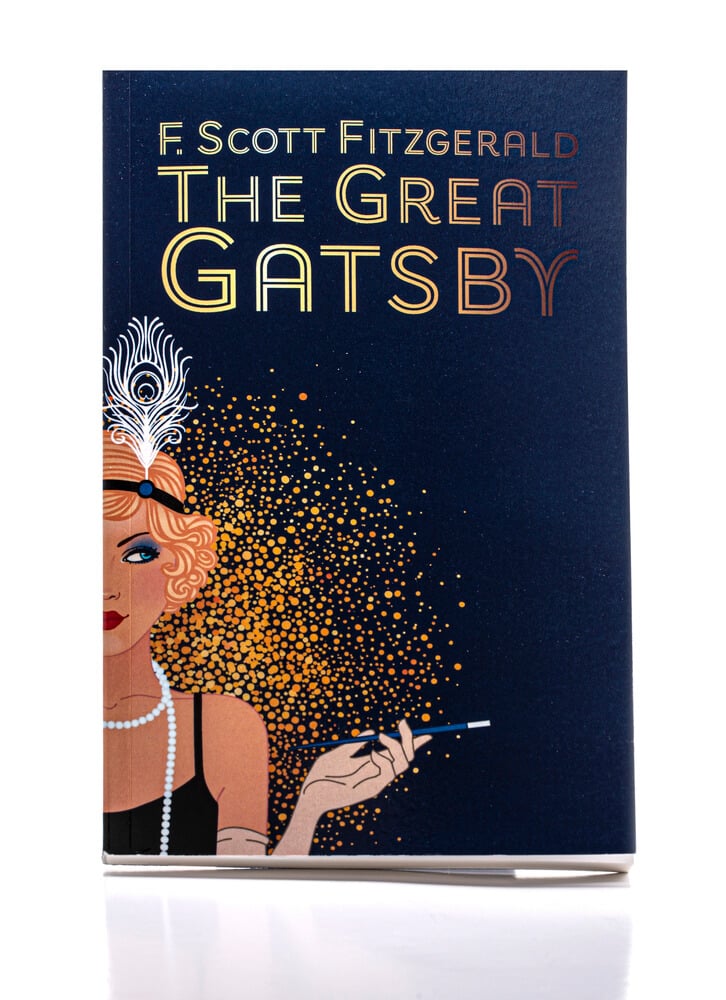
Scribner’s 1925 first printing is one of the most requested American first editions in the rare book trade, particularly when paired with its original dust jacket featuring the now-famous eyes over Coney Island. Copies without the jacket sell for a fraction of what a jacketed example commands.
Because the novel was reprinted constantly for decades, dealers check specific typographical points on the copyright page to confirm a true first printing.
To Kill a Mockingbird by Harper Lee
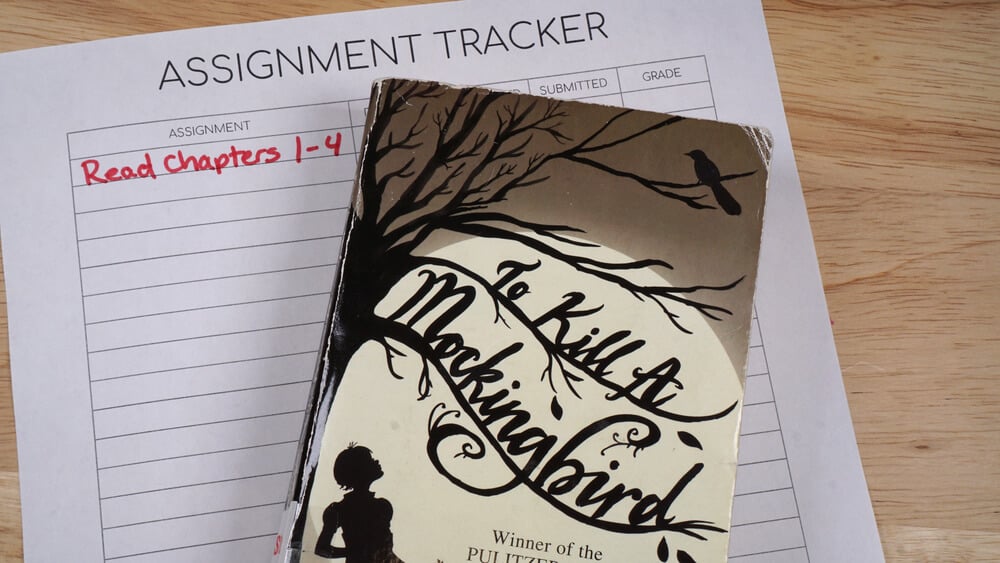
J.B. Lippincott’s 1960 first edition is identifiable by specific printing errors on certain pages that were corrected in later printings. A first edition with its original dust jacket, especially one that hasn’t faded, draws serious interest from collectors of American literature.
Because the book remains widely read in schools, most surviving copies are later printings rather than the true first.
The Hobbit by J.R.R. Tolkien
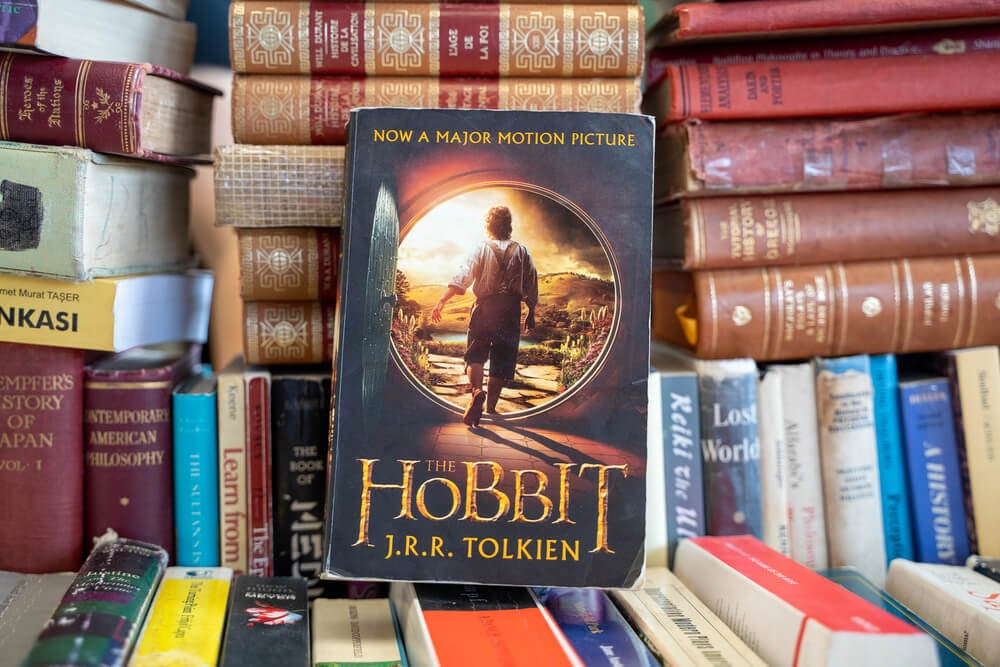
George Allen & Unwin’s 1937 first UK edition included black-and-white illustrations drawn by Tolkien himself, along with a fold-out map. Fewer than 1,500 copies were printed in that initial run, making genuine first editions scarce even before condition is considered.
Later editions correct several small details in the maps and text that specialists check closely.
Harry Potter and the Philosopher’s Stone by J.K. Rowling

Bloomsbury’s 1997 first edition had an initial print run of roughly 500 copies for the hardback, most of which went to libraries and schools rather than private collectors. Certain printing errors, including a specific misprint on the back cover and a wand list discrepancy inside, help identify a genuine first printing.
This is one of the few late-twentieth-century books whose value has climbed dramatically within living memory.
Charlotte’s Web by E.B. White
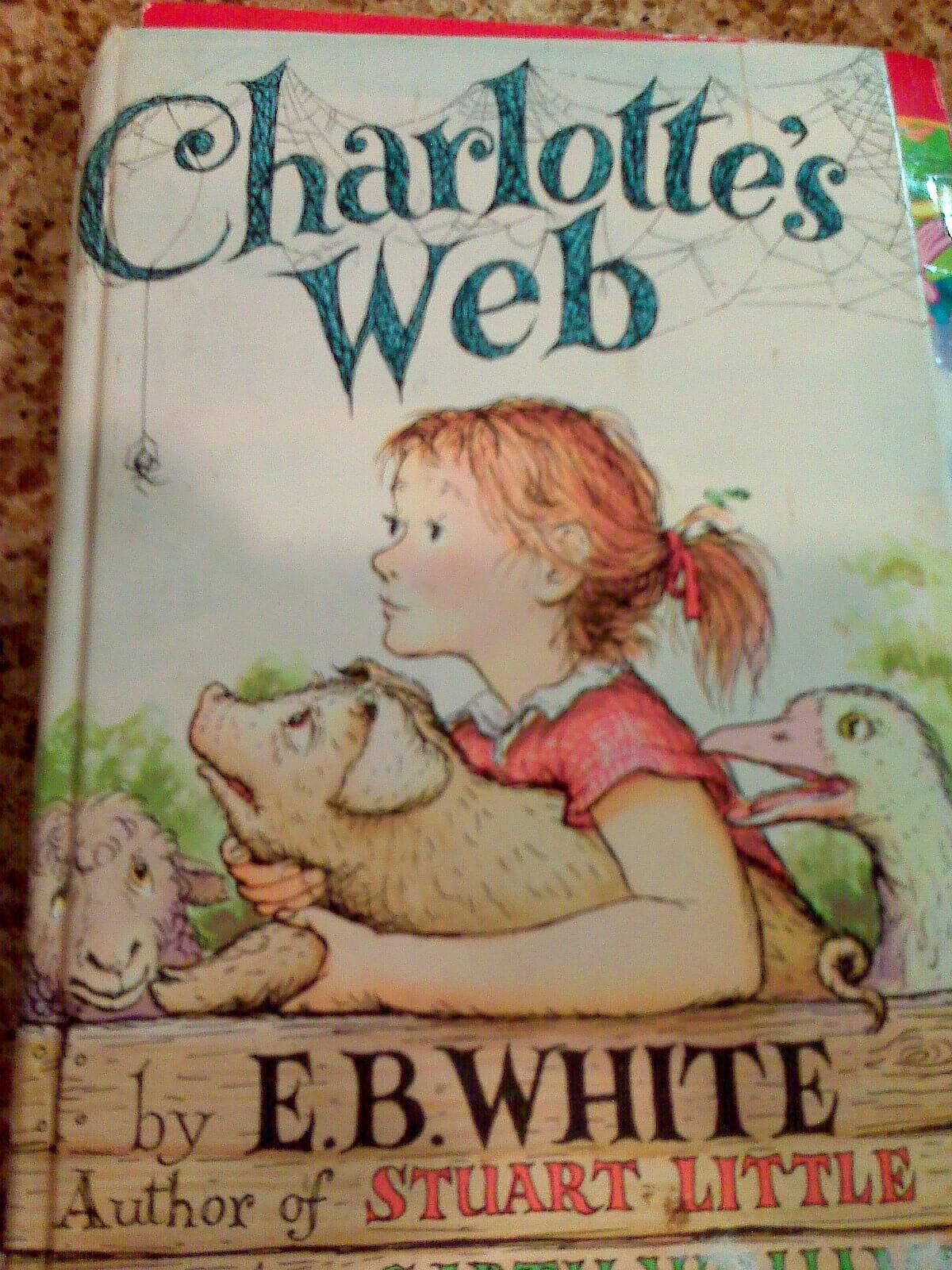
Harper & Brothers published the first edition in 1952 with illustrations by Garth Williams that became inseparable from the story itself. A true first printing carries specific identifying marks on the copyright page distinguishing it from the many reprintings that followed.
Because it was a children’s book, surviving copies in strong condition with an intact jacket are less common than the title’s overall popularity might suggest.
Gone with the Wind by Margaret Mitchell
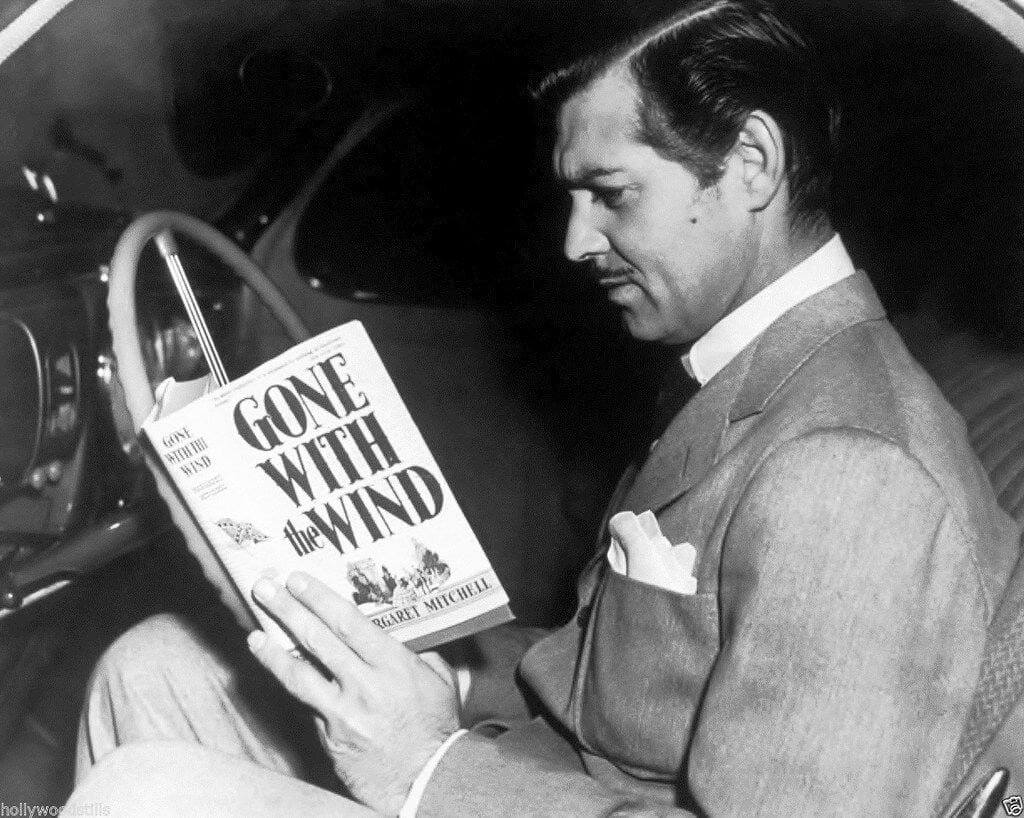
Macmillan’s 1936 first edition is identified partly by a printer’s code and specific corrections made to later print runs within the same year. The novel was an immediate bestseller, so first printings exist in reasonable numbers, but jacketed copies in strong condition remain genuinely scarce.
Collectors of American historical fiction treat this as one of the cornerstone titles of the category.
The Catcher in the Rye by J.D. Salinger
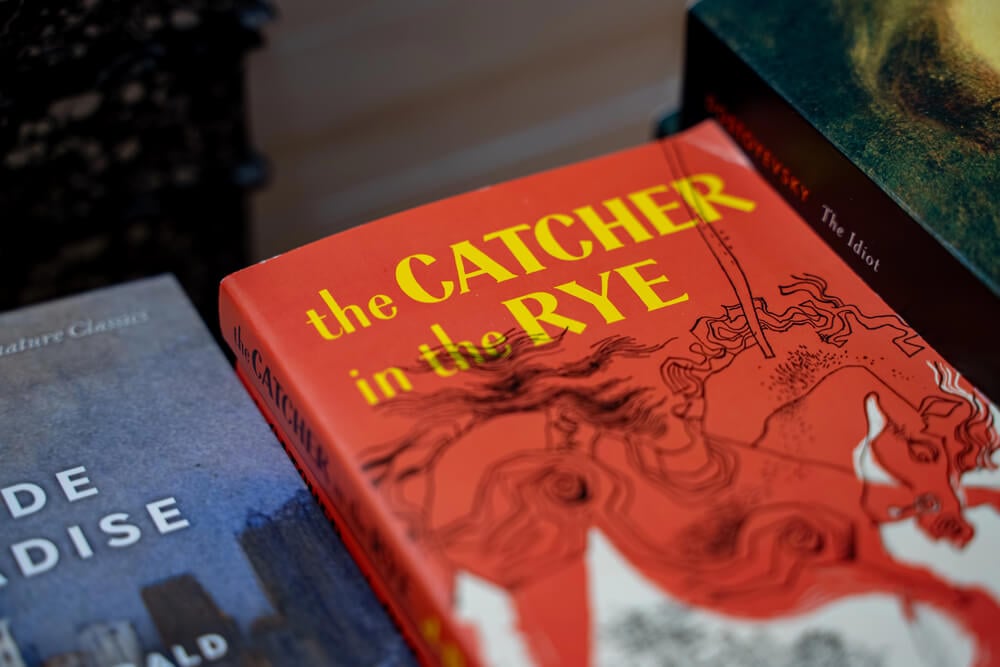
Little, Brown and Company’s 1951 first edition featured a distinctive dust jacket with a red horse illustration and, notably, no author photo or biographical text on the flaps in the earliest printing. Salinger’s later reclusiveness only increased demand for material connected to his early publishing history.
Specific points on the copyright page separate a true first printing from the many that followed.
One Hundred Years of Solitude by Gabriel García Márquez
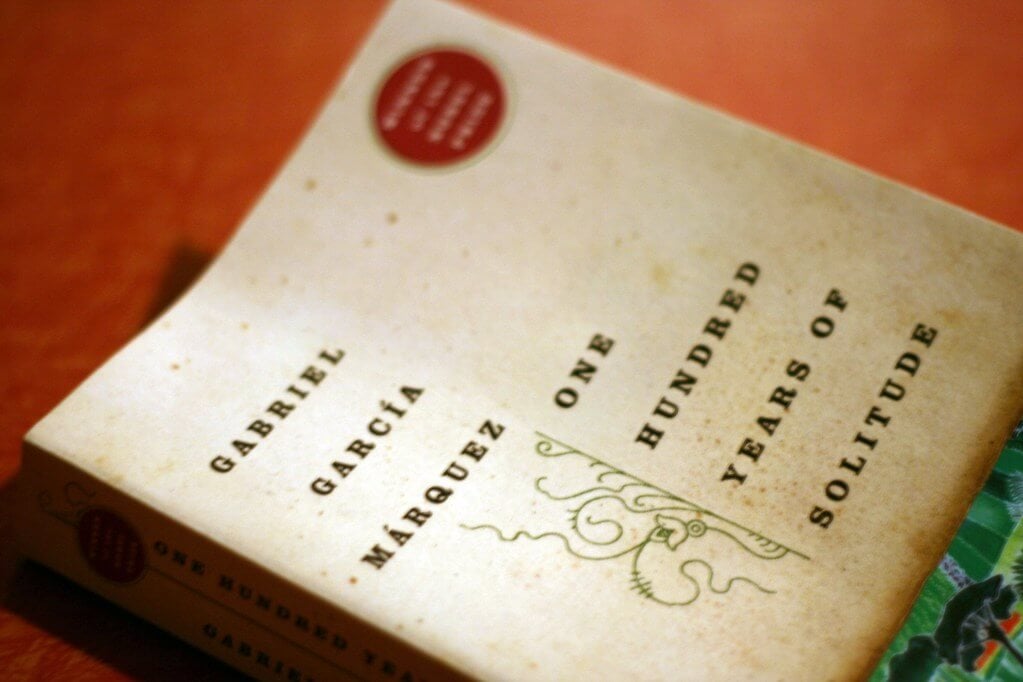
The original Spanish-language first edition, published by Editorial Sudamericana in Buenos Aires in 1967, predates the English translation by several years. Collectors specifically interested in Latin American literature often prioritize this original printing over the more widely available English first edition from 1970.
Both versions carry meaningful value, but the Spanish original commands the stronger premium among specialists.
Fahrenheit 451 by Ray Bradbury
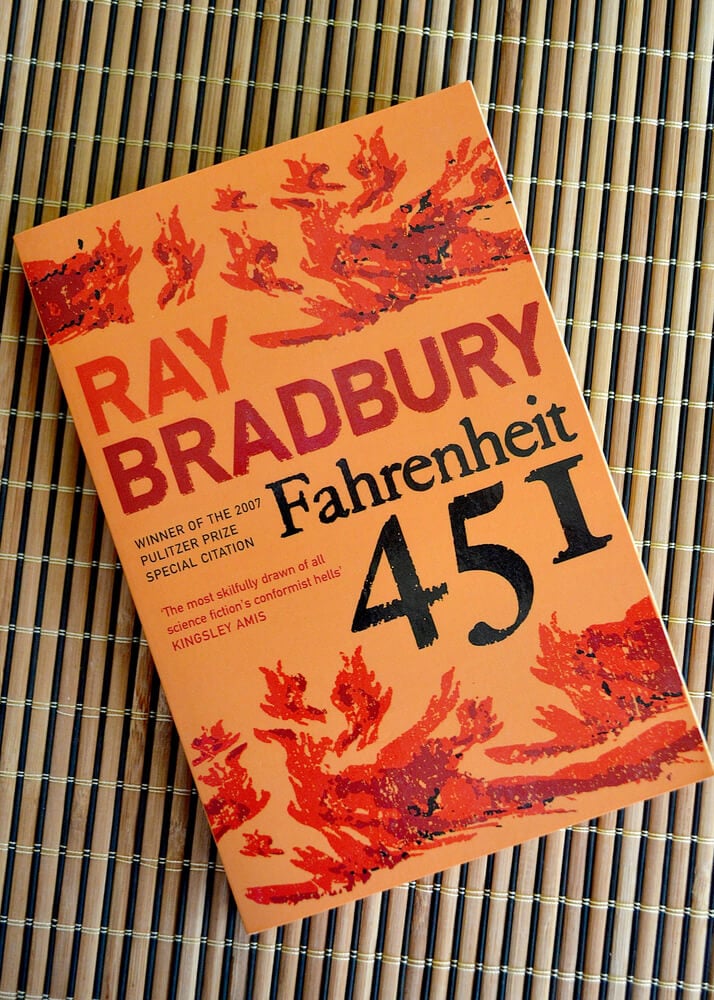
Ballantine Books released a standard first edition in 1953 alongside a rare asbestos-bound edition of only 200 signed copies, a fireproof material chosen as a wink at the novel’s subject matter. The standard trade edition is far more likely to turn up on a family shelf, but it still carries solid value in strong condition with its jacket.
Specific binding details separate the earliest printing from the many paperback editions that followed.
The Lord of the Rings Trilogy by J.R.R. Tolkien
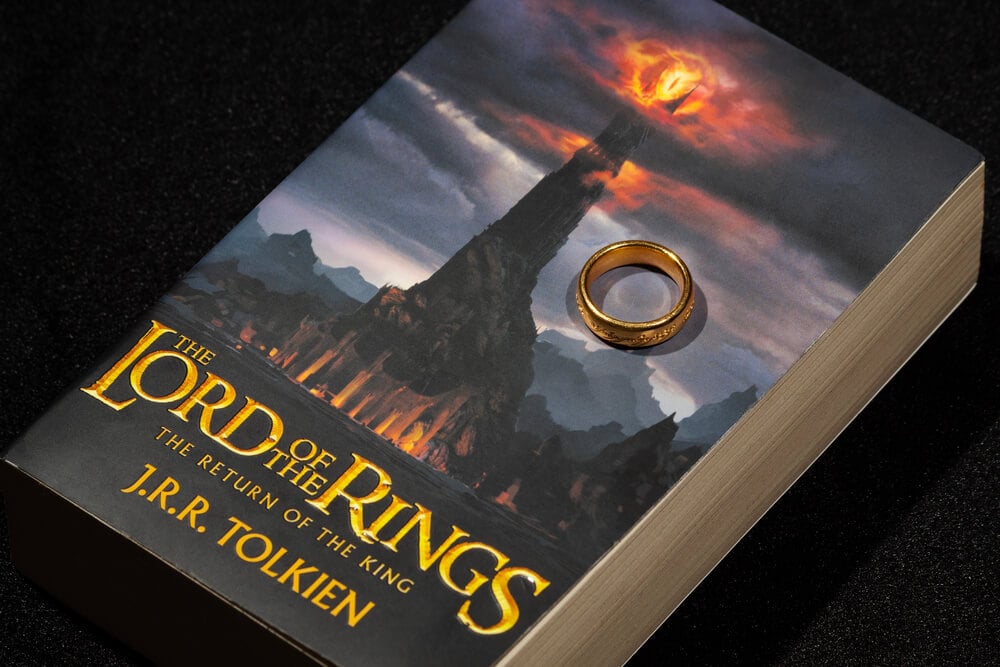
George Allen & Unwin published the three volumes separately between 1954 and 1955, with print runs small enough that a complete matched first-edition set is genuinely difficult to assemble. Each volume has its own specific identifying printing points that specialists check individually.
A complete, jacketed first-edition set ranks among the most valuable modern literature finds possible in a private home.
Beloved by Toni Morrison
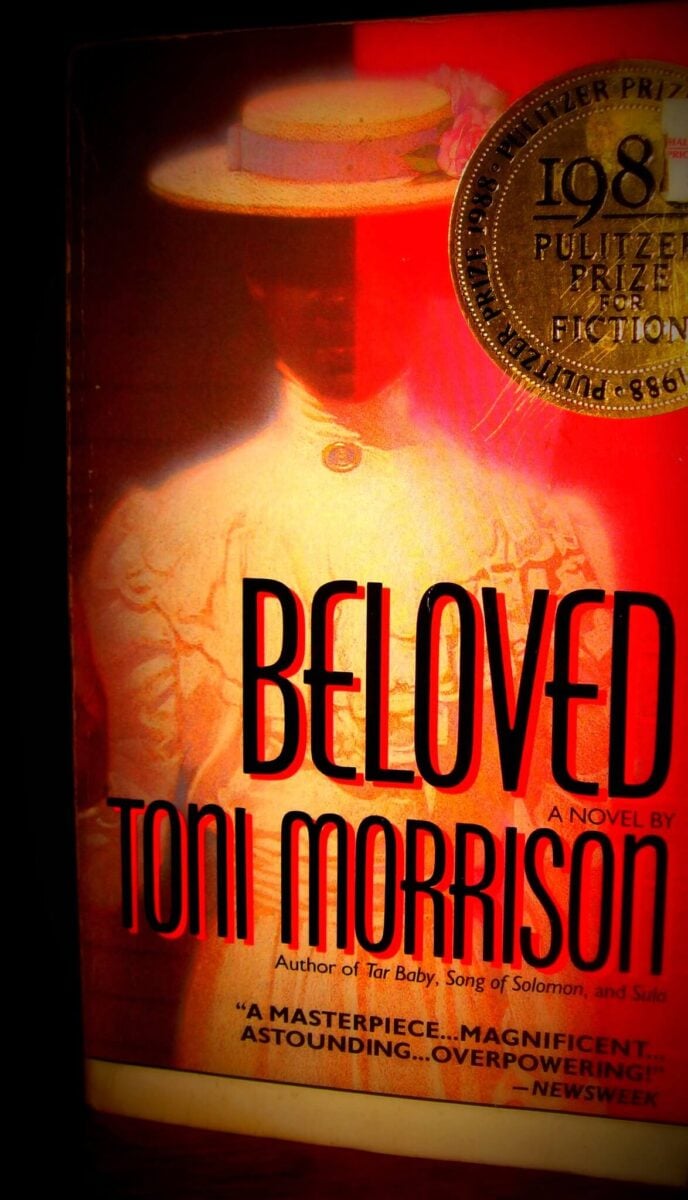
Alfred A. Knopf’s 1987 first edition preceded the novel’s Pulitzer Prize win the following year, which significantly increased demand for early printings. Signed first editions, particularly those signed close to the original publication date rather than at a later event, carry a strong premium.
Morrison’s subsequent Nobel Prize in Literature further cemented collector interest in her earliest published works.
The Sun Also Rises by Ernest Hemingway

Scribner’s 1926 first edition is identified partly by specific typographical errors that were corrected in the second printing later that same year. It was Hemingway’s first major novel, making it a foundational piece for any collection focused on his career.
Condition of the dust jacket affects value dramatically, since most surviving jackets from this printing show significant wear.
A Wrinkle in Time by Madeleine L’Engle
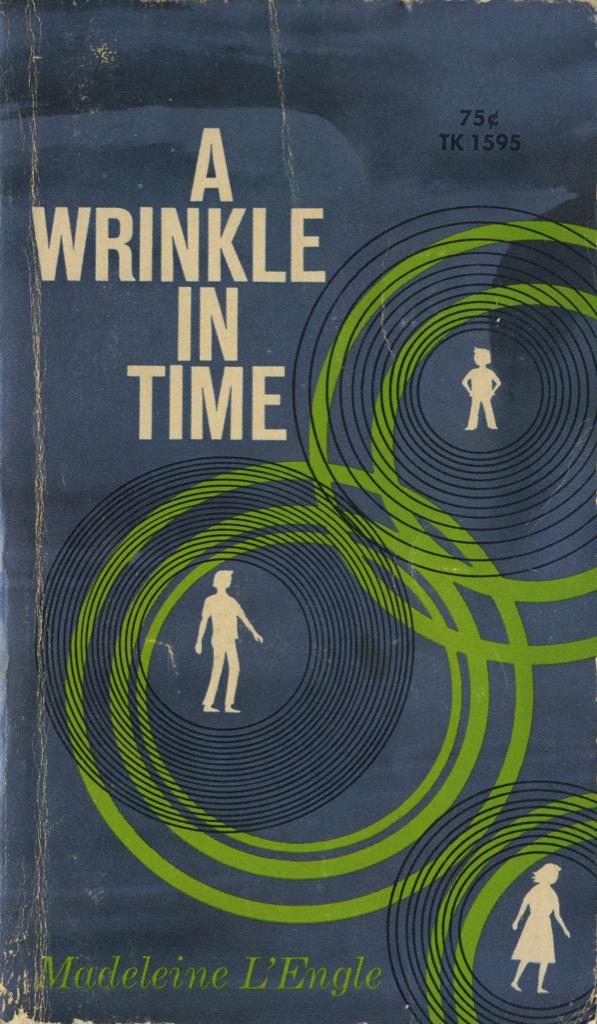
Farrar, Straus and Giroux published the first edition in 1962 after the manuscript had reportedly been rejected by numerous other publishers first. A true first printing includes specific text on the jacket flap that differs from later printings.
Its status as a foundational work of science fiction for young readers keeps steady demand among collectors of children’s literature.
Slaughterhouse-Five by Kurt Vonnegut
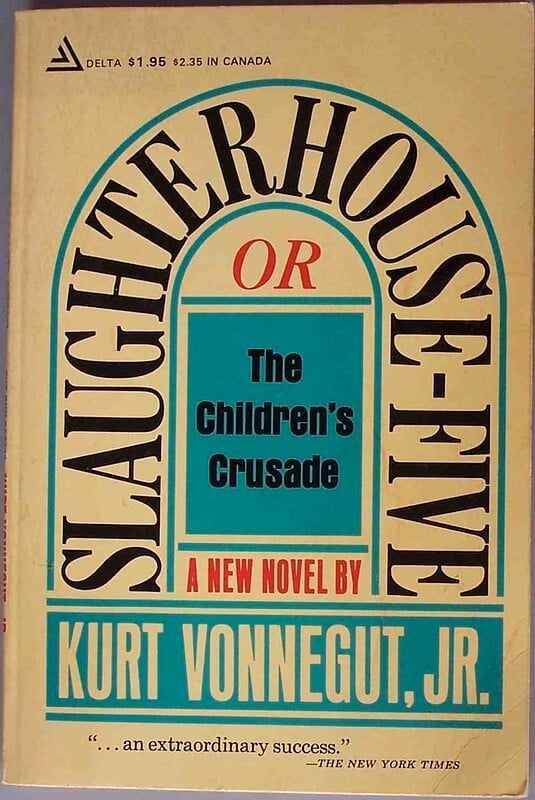
Delacorte Press published the first edition in 1969 with a distinctive jacket design incorporating a tombstone motif tied directly to the novel’s themes. Vonnegut’s growing critical reputation over subsequent decades steadily increased demand for his earlier printed work.
Specific binding cloth colors and priority points help specialists confirm a genuine first printing.
The Hitchhiker’s Guide to the Galaxy by Douglas Adams

Pan Books published the first UK paperback edition in 1979, an unusual case where the true first edition was a paperback rather than a hardback release. Because paperbacks were rarely preserved carefully at the time, clean surviving first-printing copies are less common than the book’s massive popularity would suggest.
Specialists check the cover price and specific back-cover text to confirm a genuine first printing.
Their Eyes Were Watching God by Zora Neale Hurston

J.B. Lippincott published the first edition in 1937, though the novel received limited attention at the time and fell out of print for decades before a later revival restored its reputation. That gap in availability makes surviving first editions notably scarce relative to the book’s current standing in American literature.
Renewed academic interest starting in the 1970s and 1980s drove steady increases in collector demand.
Where the Wild Things Are by Maurice Sendak

Harper & Row published the first edition in 1963, and Sendak’s own illustrations make this one of the rare children’s books where the artwork carries as much collector weight as the text. A true first-printing dust jacket includes specific design details later editions altered slightly.
Because it was handled constantly by young readers, copies in genuinely strong condition are harder to find than the title’s ubiquity might suggest.
The Grapes of Wrath by John Steinbeck

The Viking Press published the first edition in 1939, the same year the novel won widespread acclaim and set up Steinbeck’s later Nobel Prize in Literature. A first-printing dust jacket, featuring specific artwork tied closely to the novel’s Dust Bowl setting, is identifiable through several printing details specialists check closely.
Its status as a defining work of Depression-era American literature keeps demand consistently strong.
Interview with the Vampire by Anne Rice

Alfred A. Knopf published the first edition in 1976, marking Rice’s debut novel and the start of a series that would eventually span decades. Signed first editions, especially those signed before Rice’s death in 2021, carry a distinct premium over unsigned copies.
Its lasting popularity across multiple film and television adaptations has kept collector interest in the original printing consistently active.
Dune by Frank Herbert

Chilton Books, better known at the time for automotive repair manuals, published the first edition in 1965 after the novel had been rejected by more than twenty other publishers. That unusual publishing history makes the first edition a genuinely notable piece of science fiction history beyond just its rarity.
A true first printing, identified through specific binding and jacket details, ranks among the most valuable science fiction firsts in the collecting world.
The Diary of a Young Girl by Anne Frank
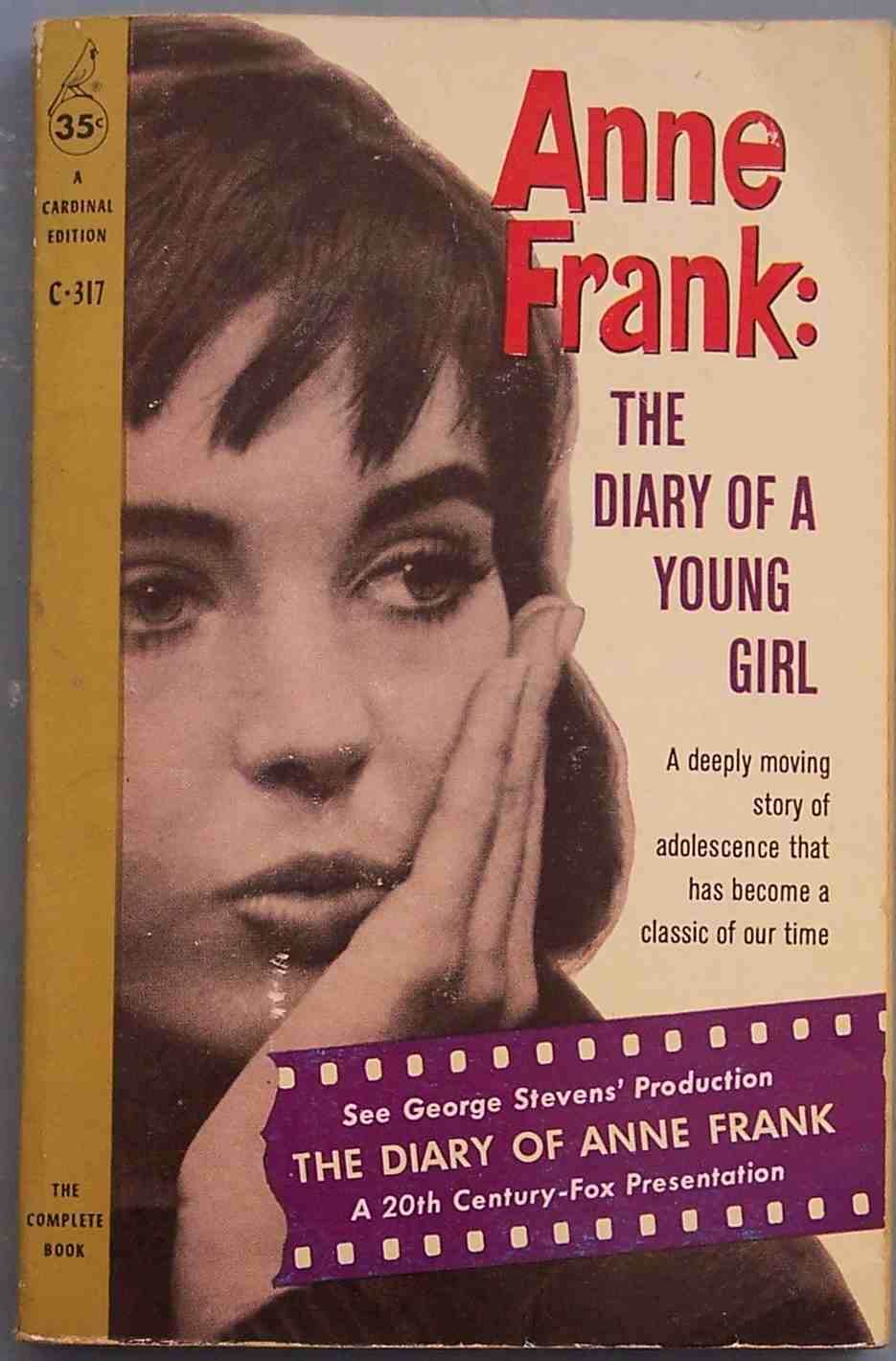
The first Dutch edition, published in 1947 as “Het Achterhuis,” predates the more widely known English translation by several years. Specialists focused on Holocaust literature and history place particular value on this original printing over later translated editions.
Because of the book’s historical significance, provenance and documentation matter as much as the physical condition of the volume itself.
Fear and Loathing in Las Vegas by Hunter S. Thompson

Random House published the first edition in 1971 with illustrations by Ralph Steadman that became permanently associated with the text. A true first-printing dust jacket includes specific design elements that later reprintings altered.
Thompson’s cult following has kept demand for his early printed work consistently strong among collectors of American counterculture literature.
The Bell Jar by Sylvia Plath
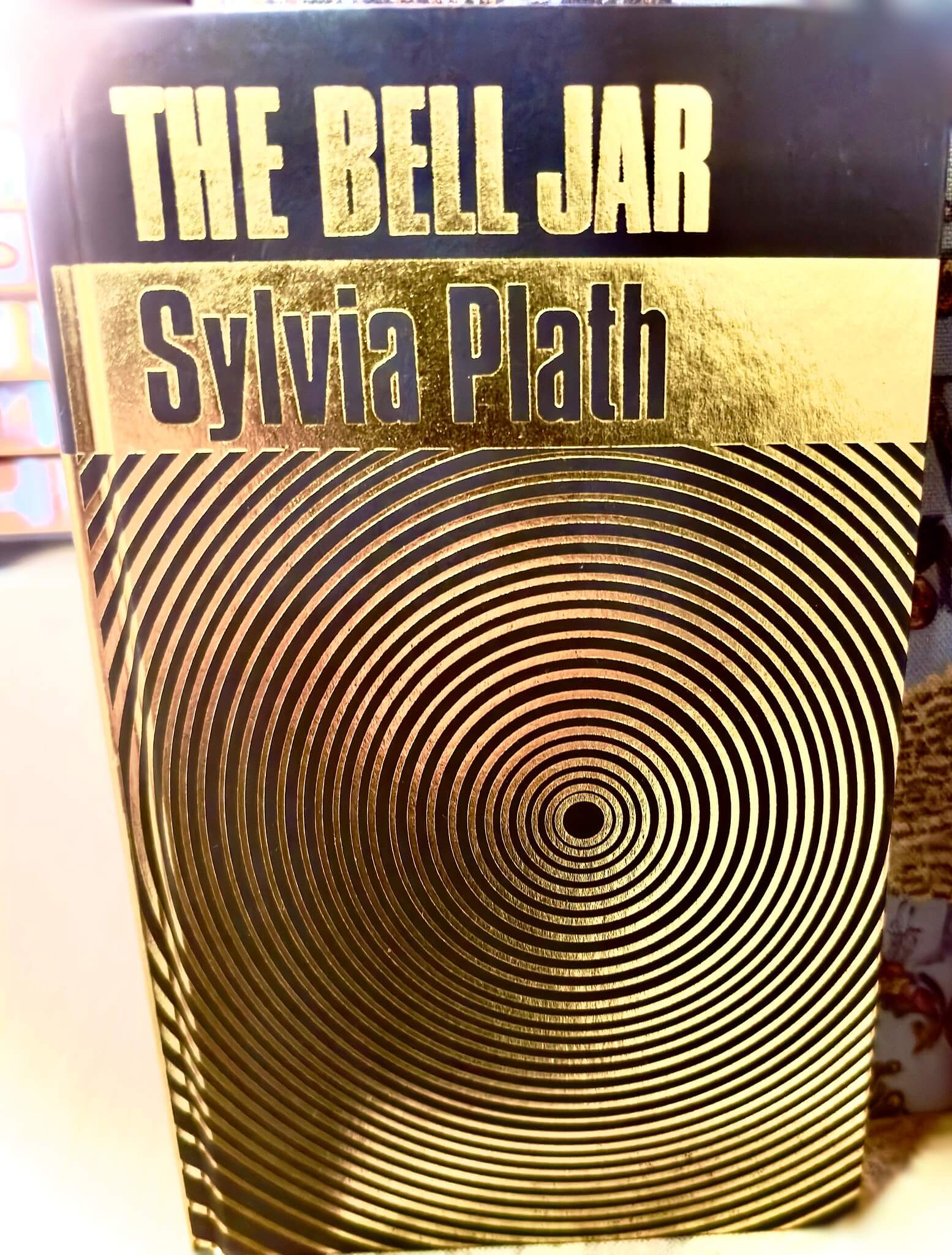
Heinemann published the first edition in London in 1963 under the pseudonym Victoria Lucas, just weeks before Plath’s death. That pseudonymous first printing predates the far more common editions published later under Plath’s own name.
Its scarcity, combined with the circumstances surrounding its release, makes it one of the more sought-after twentieth-century literary firsts.
Invisible Man by Ralph Ellison

Random House published the first edition in 1952, and the novel went on to win the National Book Award the following year. A true first printing is identified through specific binding cloth and jacket price details that specialists check closely.
Its status as a defining work of American literature has kept demand for early printings consistently strong for decades.
Watership Down by Richard Adams
Rex Collings published the first edition in 1972 in a notably small print run, since the small publishing house had limited resources compared to larger competitors. That modest initial run makes genuine first editions considerably scarcer than the novel’s later widespread popularity would suggest.
Collectors of British literature specifically track this title as an example of a major success emerging from an unlikely small press.
The Handmaid’s Tale by Margaret Atwood

McClelland and Stewart published the first edition in Canada in 1985, predating the American and British editions that followed shortly after. Canadian collectors and Atwood specialists generally prioritize this original printing over the international editions.
Its relevance to ongoing conversations about the novel’s themes has kept collector interest and demand notably active in recent years.
Ordinary Grace and the Quiet Value of a Careful Look

Most people who own one of these books have no idea what’s sitting on their shelf. A book gets inherited, boxed up during a move, or shelved next to a hundred others that all look roughly the same from the spine.
Nobody checks a copyright page before deciding whether to keep a novel or pass it along to a secondhand shop. That’s exactly the gap specialists rely on.
A first edition doesn’t announce itself with a sticker or a stamp. It’s identified through small, specific printing details that only matter to someone who already knows to look for them, which is precisely why so many valuable books stay hidden in plain sight for decades.
More from Go2Tutors!

- The Romanov Crown Jewels and Their Tragic Fate
- 13 Historical Mysteries That Science Still Can’t Solve
- Famous Hoaxes That Fooled the World for Years
- 15 Child Stars with Tragic Adult Lives
- 16 Famous Jewelry Pieces in History
Like Go2Tutors’s content? Follow us on MSN.



