30 Vintage Board Games Buyers Chase Down
Board games were designed to be played until the box fell apart, which is exactly why so few survive in a condition anyone wants to buy. A sealed or lightly used copy of the right title can turn a basement clean-out into a genuine payday, but the difference between a common garage-sale find and a serious collector’s target usually comes down to a printing detail most sellers never think to check. These are the titles that make buyers stop scrolling.
Monopoly, 1935 Parker Brothers First Edition
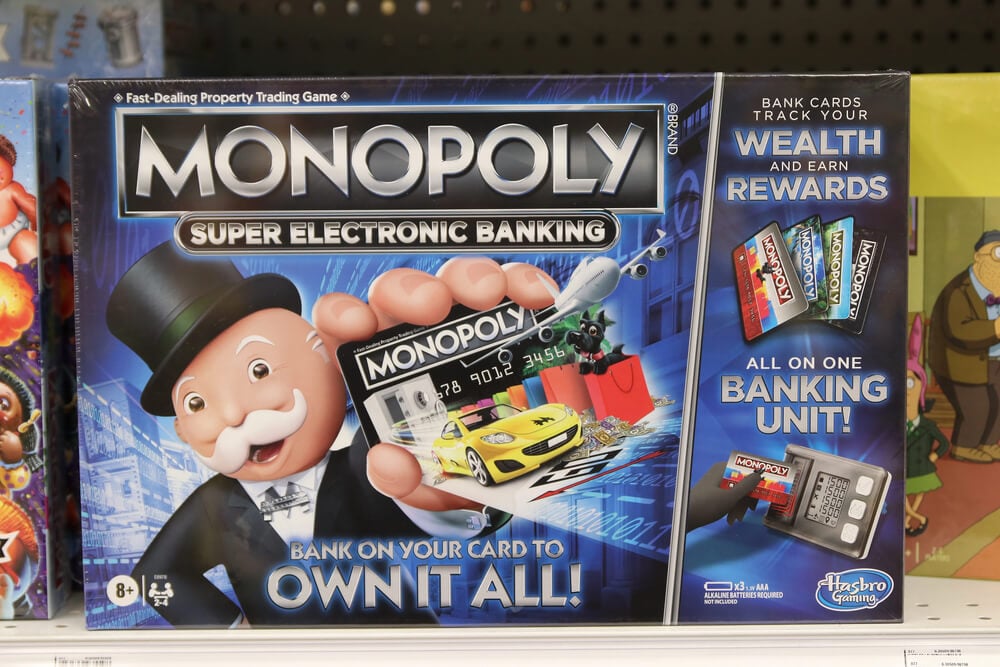
The earliest production run of the now-ubiquitous property game used a round board with wooden houses and hotels rather than the square design that quickly became standard, making the round-board version instantly identifiable to anyone who knows to look. Complete sets in playable condition can bring several thousand dollars, and pristine, unplayed examples have sold for considerably more. Most surviving copies are missing pieces after decades of family play, so a genuinely complete set is the real prize.
The Landlord’s Game, Early Lizzie Magie Editions
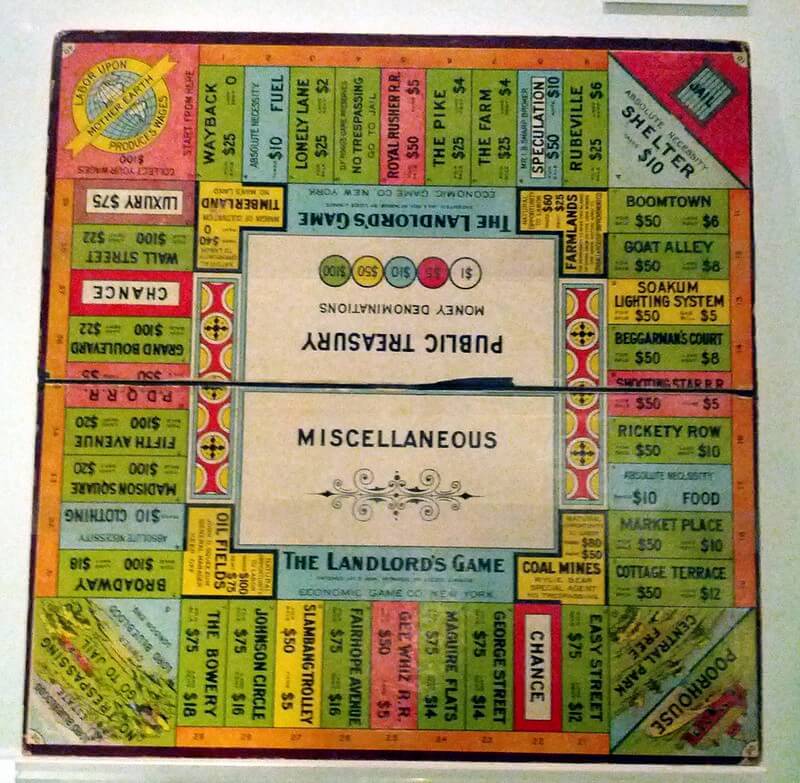
Long before Monopoly’s official release, this earlier game by Elizabeth Magie taught the same property-acquisition concept as a critique of concentrated land ownership rather than a celebration of it. Surviving self-published or small-run copies are exceptionally scarce, and confirmed originals have sold at auction for tens of thousands of dollars. Because the game’s history is tied directly to a well-documented patent dispute, provenance matters enormously to serious buyers.
Clue, 1949 UK First Edition
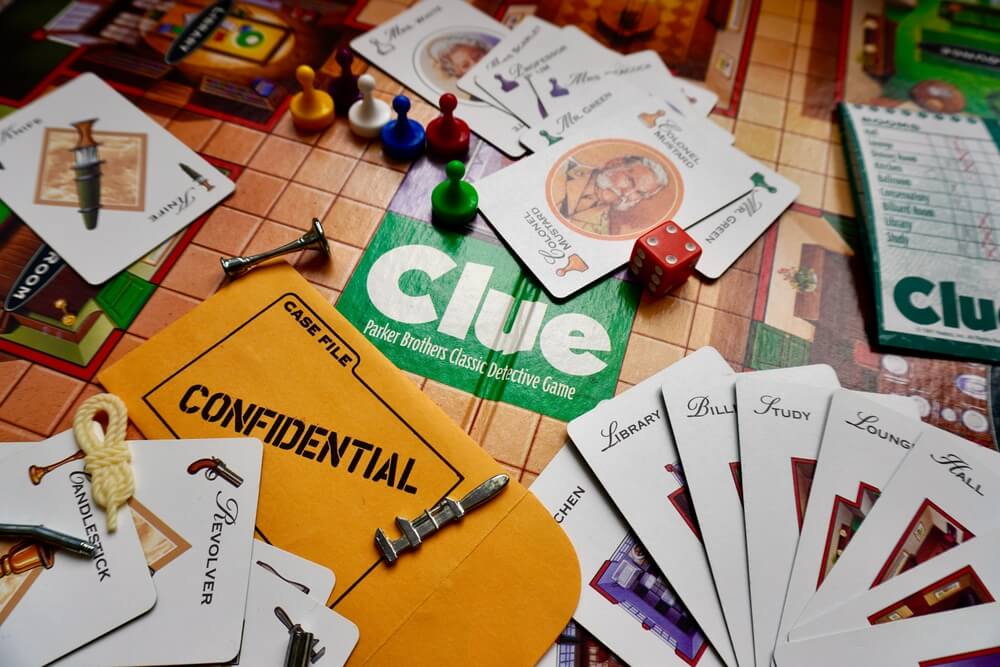
Originally released in Britain as a murder-mystery deduction game before reaching American shelves under a slightly different title, the earliest UK printings featured artwork and character names that differ from the versions most collectors grew up with. Complete first editions in strong condition can bring several hundred dollars, with sealed examples reaching into four figures. The weapon and room tokens from this printing are a fast way to confirm an early copy.
Risk, 1959 Parker Brothers First Edition
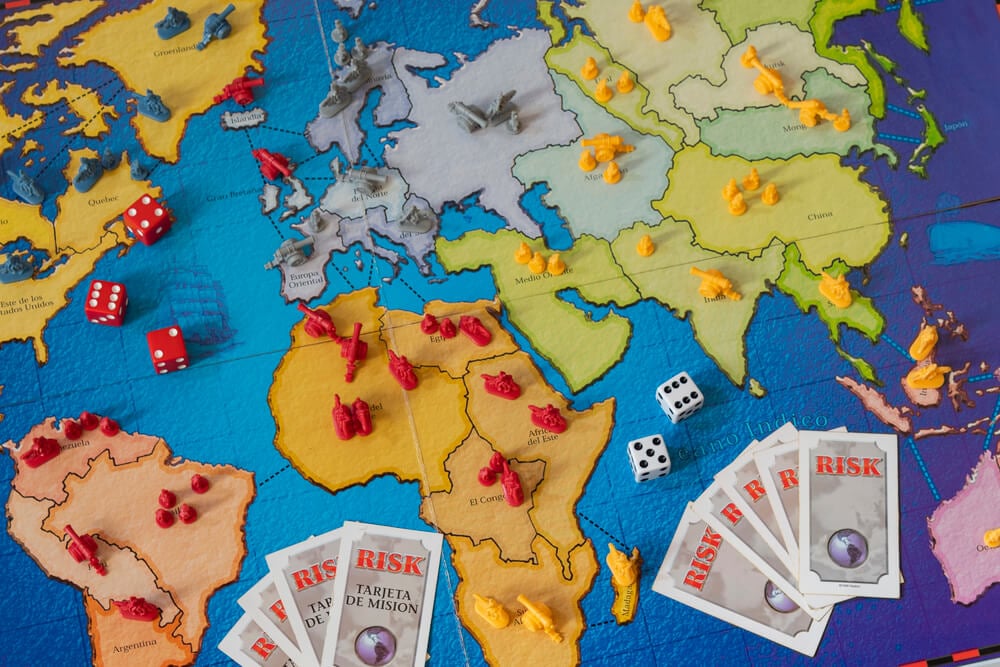
The initial release of this global conquest strategy game used wooden playing pieces and a card deck design that was revised within a few years, making first-run copies identifiable by material alone. Complete sets with all original pieces typically sell in the low hundreds, with unusually well-preserved examples reaching higher. The game’s box art from this printing is noticeably different from the more familiar later editions.
Life, 1960 Milton Bradley Centennial Edition
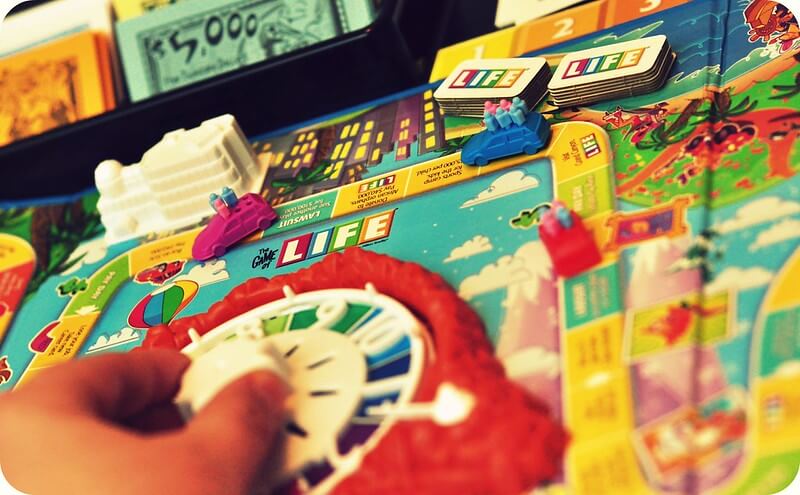
Released to mark the toy company’s one-hundredth anniversary, this original version of the game used a spinning wheel rather than dice and sent players along a very different path than the version most people played as children. Complete centennial editions in strong condition can bring several hundred dollars. The anniversary branding printed directly on the box lid is the clearest way to confirm this specific first release.
Candy Land, 1949 First Edition
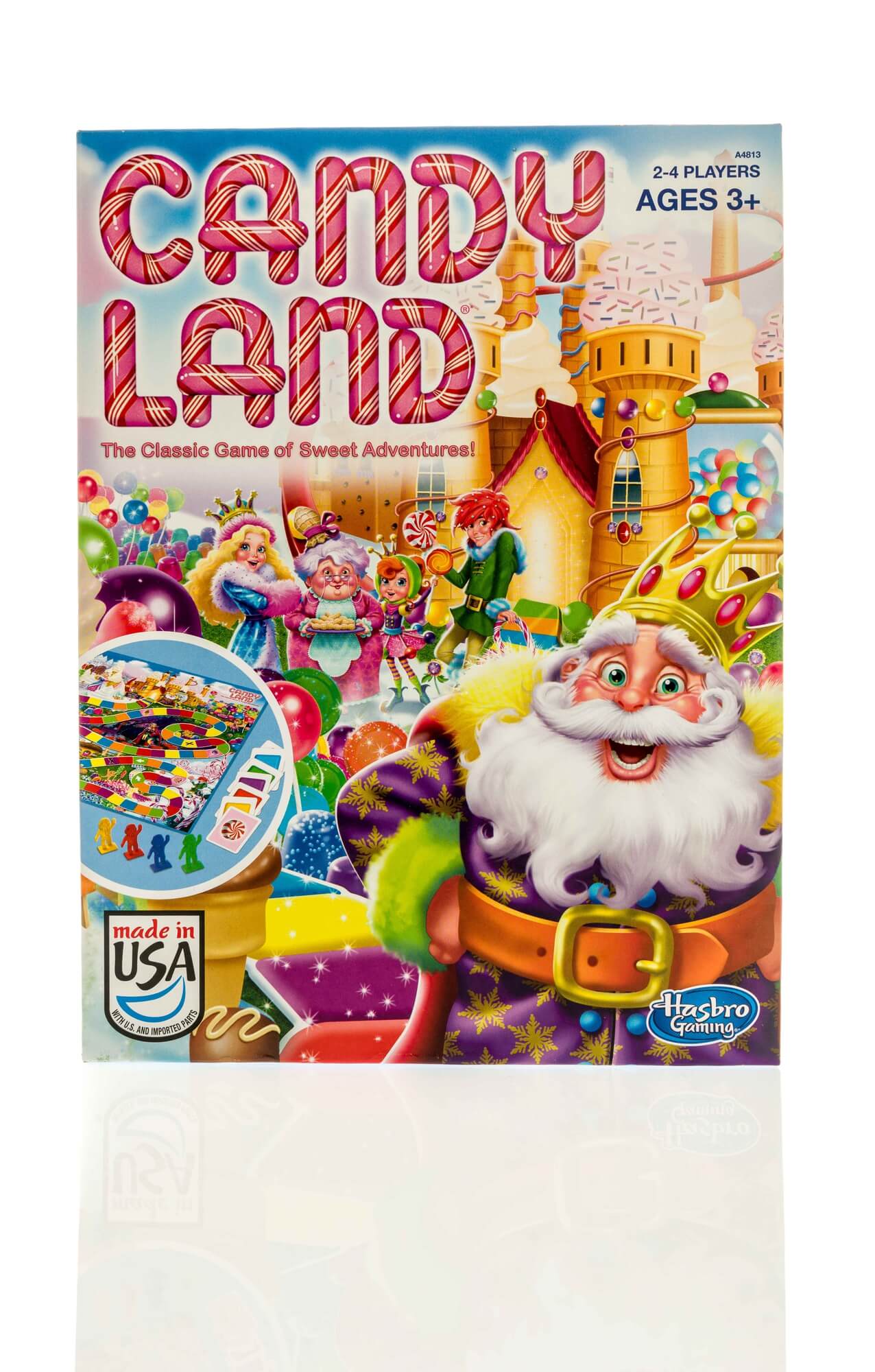
Designed by a polio patient to give bedridden children a simple game requiring no reading, the original release featured artwork noticeably more muted than the bright, saturated look of later printings. Complete first editions with the original cardboard components intact can bring several hundred dollars. Because the game was aimed at very young children, surviving unplayed copies are unusually scarce compared to other titles from the same era.
Scrabble, 1952 Selchow and Righter First Production
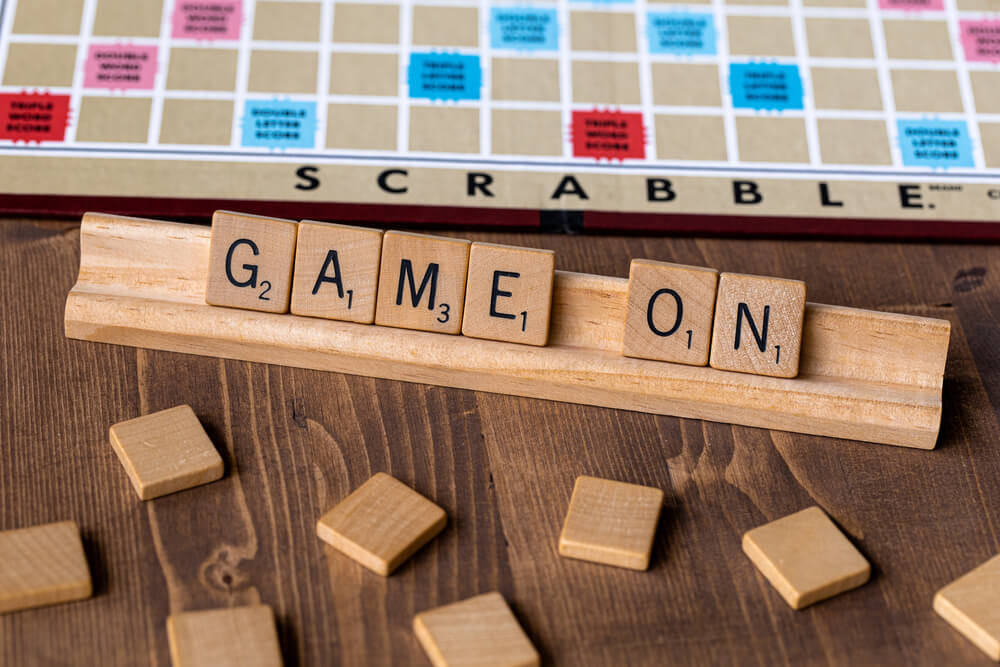
Before it became a household name, this word game struggled commercially for years under its original designer before being picked up and mass-produced by a new manufacturer, whose earliest production runs used wooden tiles and a plain cloth bag distinct from later plastic components. Complete early sets in strong condition typically sell in the low hundreds. The manufacturer’s name printed on the box is the fastest way to separate an early copy from the far more common later editions.
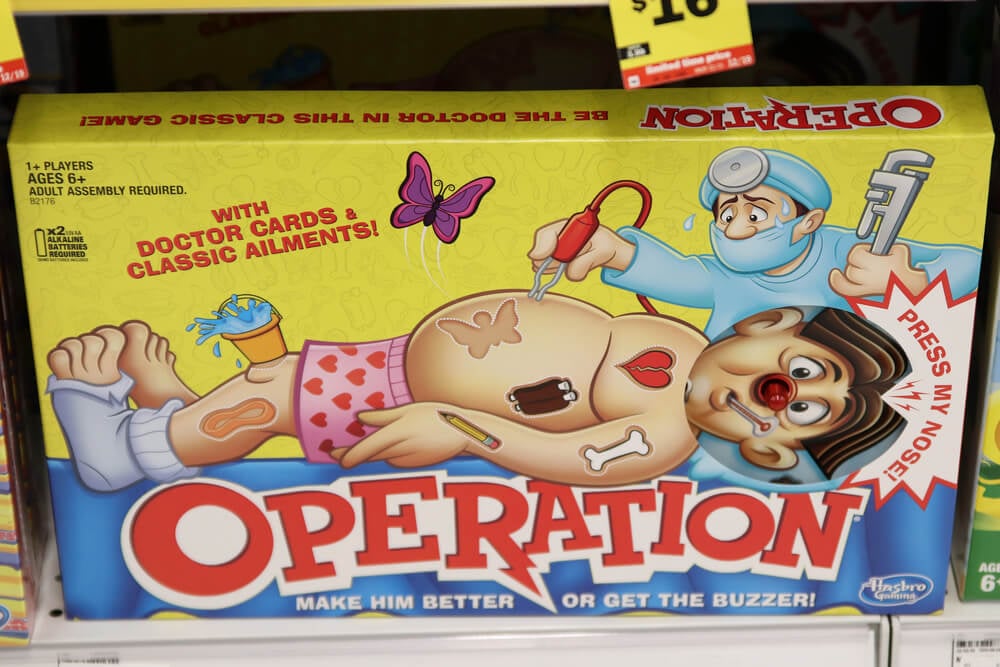
Operation, 1965 Milton Bradley First Edition
Before it became a household name, this word game struggled commercially for years under its original designer before being picked up and mass-produced by a new manufacturer in 1952, whose earliest production runs used wooden tiles and a plain cloth bag distinct from later plastic components. Complete early sets in strong condition typically sell in the low hundreds. The manufacturer’s name printed on the box is the fastest way to separate an early copy from the far more common later editions.
Chutes and Ladders, 1943 Milton Bradley First American Edition
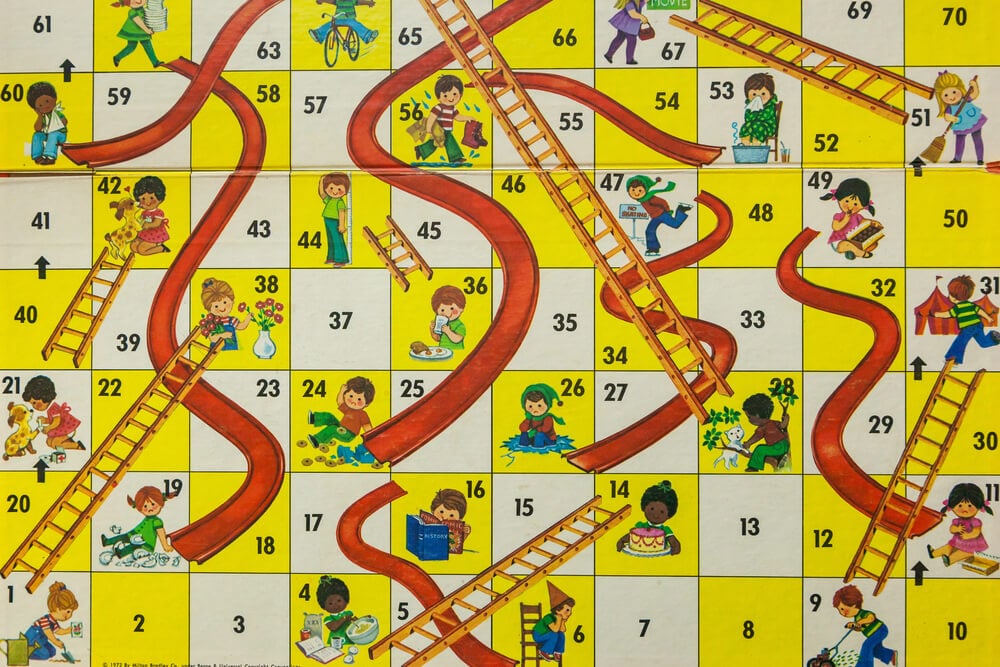
Adapted from a much older Indian game illustrating moral lessons through a ladder-and-snake board, this first American printing replaced the original’s religious symbolism with more secular imagery aimed at a general audience. Complete early copies in strong condition can bring a few hundred dollars. The moralizing illustrations on this printing are noticeably more detailed than the simplified artwork used in later decades.
Sorry!, 1934 Parker Brothers First Edition
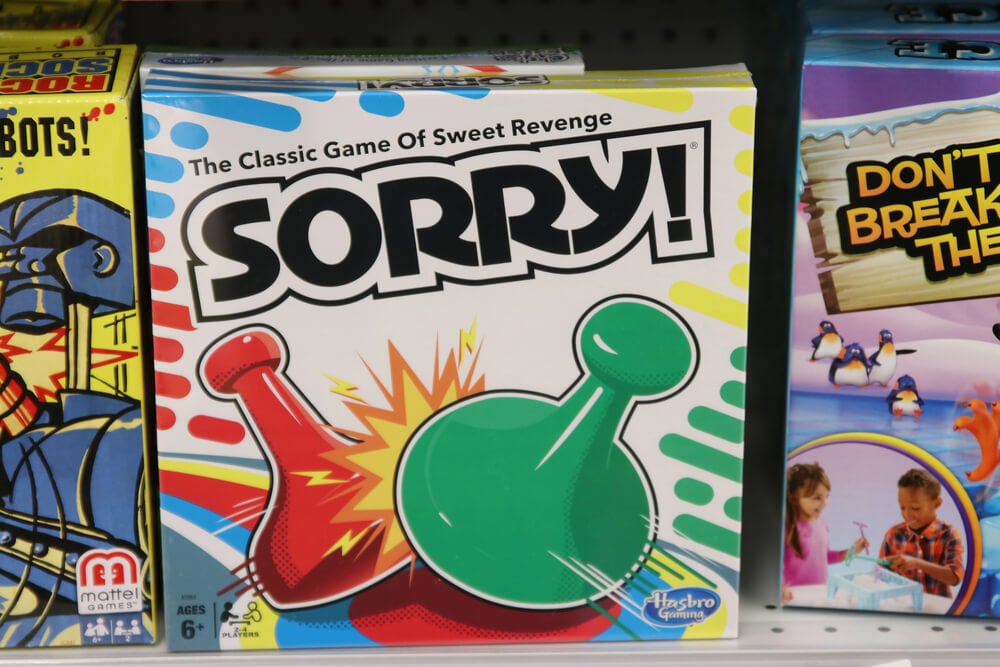
This adaptation of an older cross-and-circle pursuit game arrived with wooden pawns and a card deck design that was later replaced by simpler printed spinners in subsequent editions. Complete first-edition sets typically bring a few hundred dollars in strong condition. The card-based movement system, rather than the dial spinner familiar to later players, is the clearest identifying feature.
Trivial Pursuit, 1981 Genus Edition First Printing
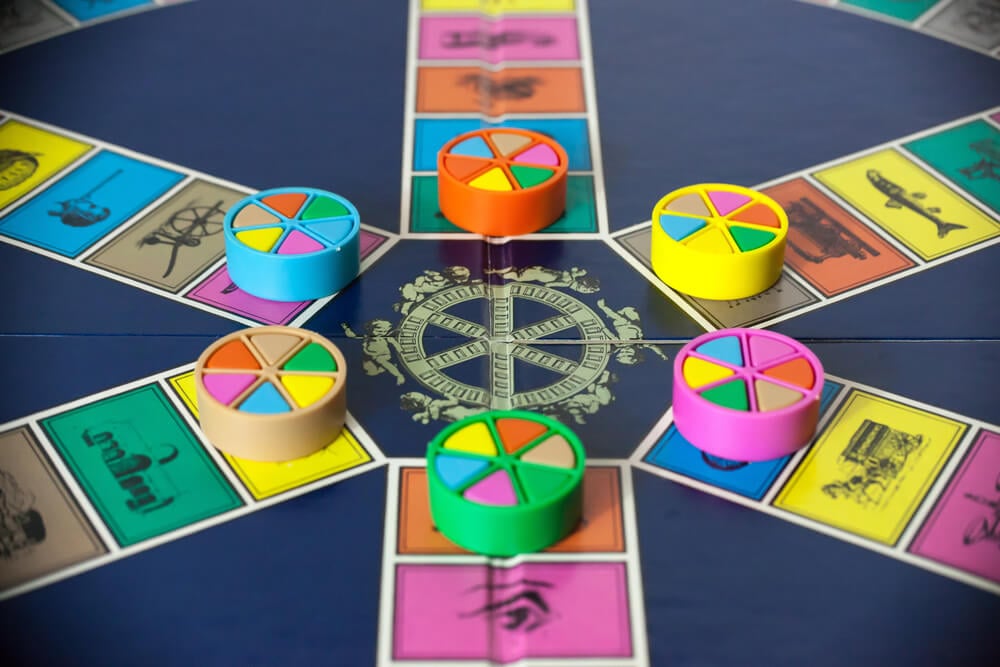
Created by two Canadian journalists after a costly night of losing at a similar party game, the earliest production run of this trivia game predates the massive licensing boom that followed its unexpected success. Complete first-printing sets with all original question cards intact can bring a few hundred dollars. The specific copyright year printed on the box and cards is the detail buyers check first.
Dungeons and Dragons, 1974 Original Boxed Set
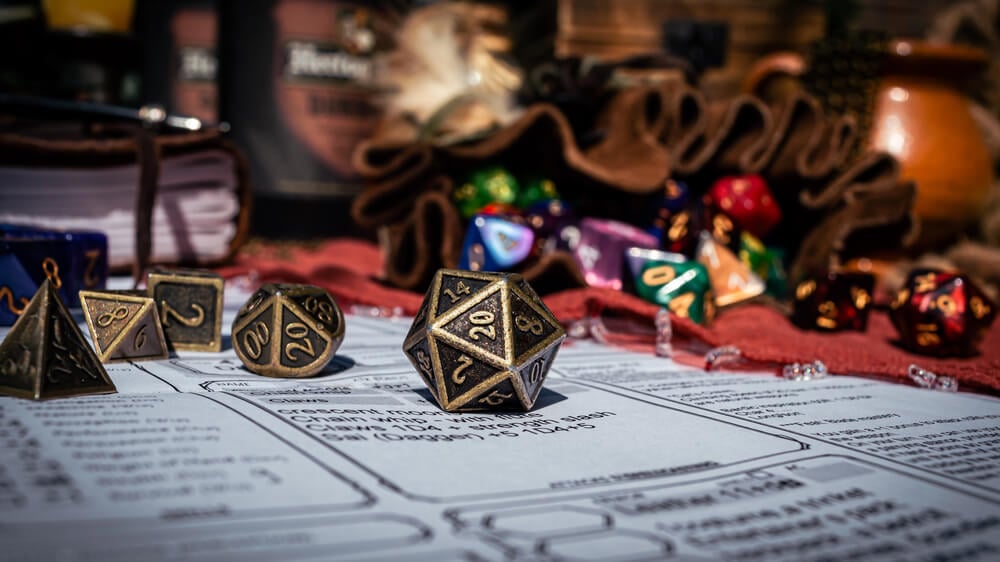
The first published edition of the role-playing game that launched the entire tabletop hobby was hand-assembled in extremely small quantities out of a basement operation before the game found a wider publisher. Surviving complete boxed sets, especially those from the earliest print runs, have sold at auction for tens of thousands of dollars. Because the game was played hard and its component booklets were consumable by design, complete original sets are exceptionally rare.
Stratego, 1961 Milton Bradley First American Edition
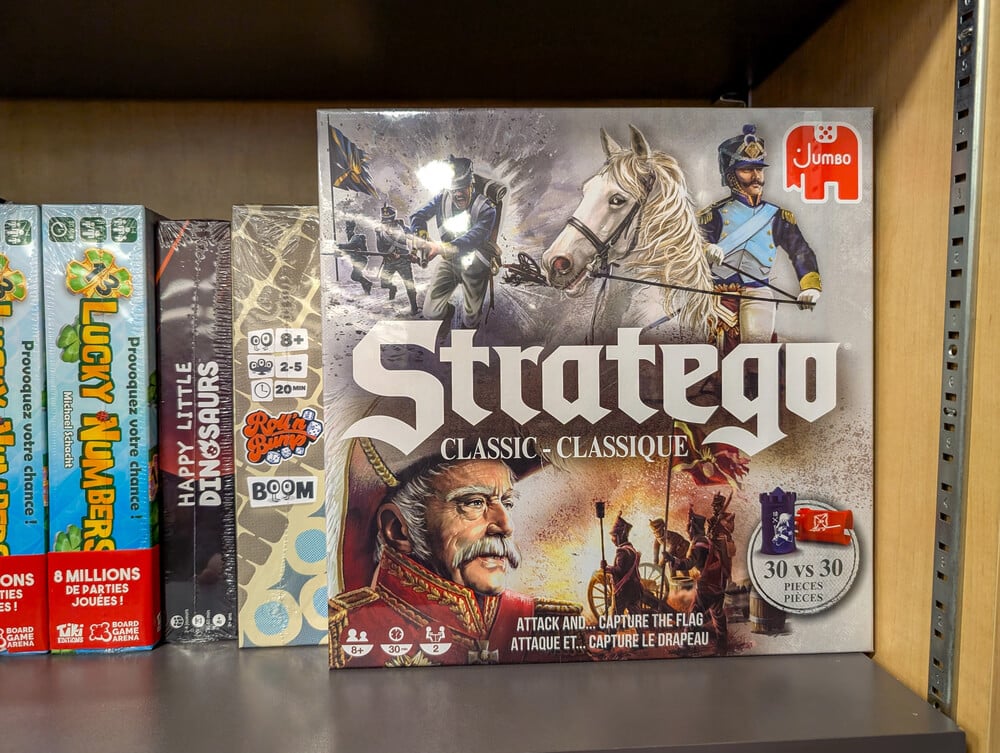
Adapted from a European game of hidden military rank and strategy, this first American printing introduced the now-familiar red and blue plastic pieces to domestic audiences for the first time. Complete sets in strong condition typically bring a modest but steady premium over later reprints. The specific piece design and box illustration from this printing distinguish it from the many international editions that followed.
Mouse Trap, 1963 Ideal First Edition
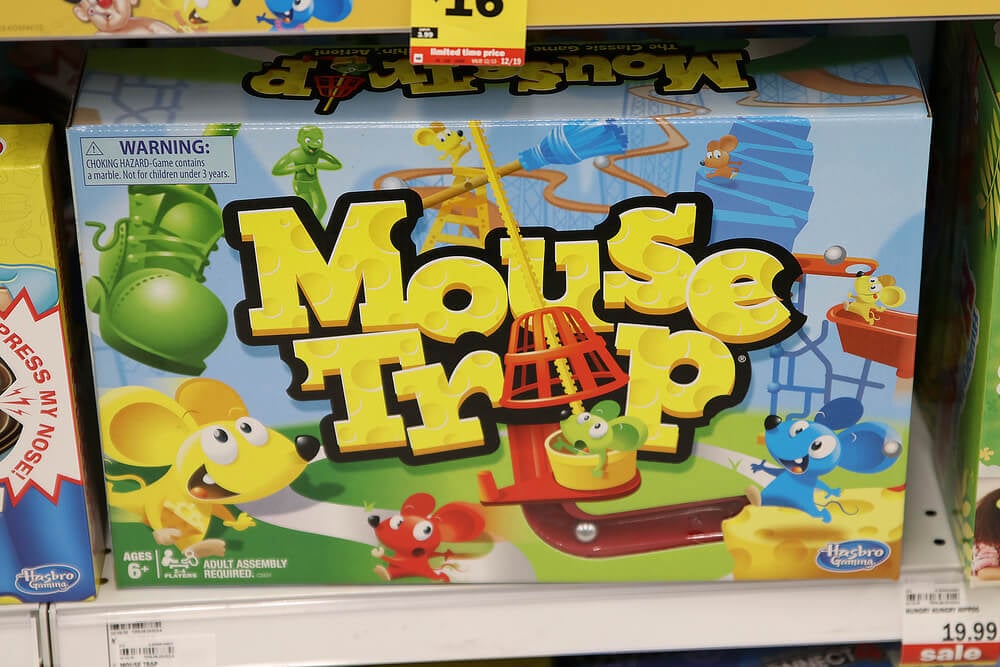
Built around an elaborate Rube Goldberg-style chain reaction that players assembled piece by piece, this first edition used metal components in several key parts of the mechanism that were later replaced with plastic to reduce manufacturing cost. Complete, functioning original sets can bring a few hundred dollars, with the metal parts serving as the clearest marker of an early printing. Missing pieces are extremely common given how many small parts the mechanism requires.
Battleship, 1967 Milton Bradley First Boxed Edition
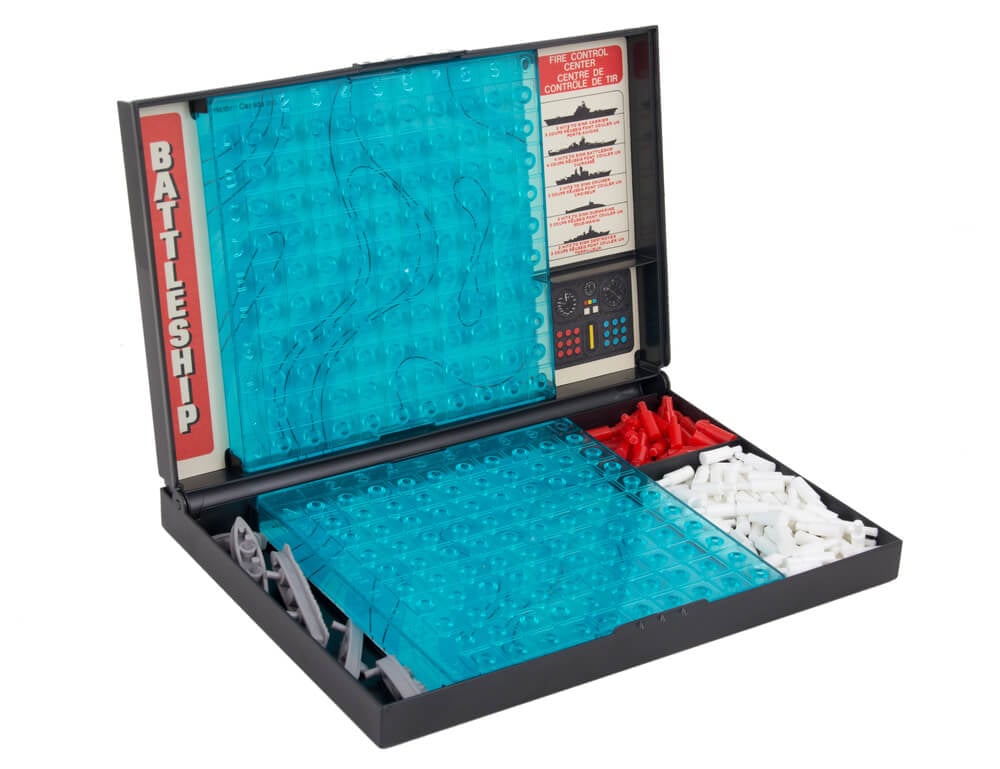
Adapted from a paper-and-pencil guessing game played for generations before it, this first plastic boxed edition introduced the now-iconic grid trays and small red and white pegs. Complete original sets in strong condition typically sell in the low hundreds. The molded plastic ship design from this printing is noticeably different from the simplified pieces used in later decades.
The Game of Life, 1860 Milton Bradley Original
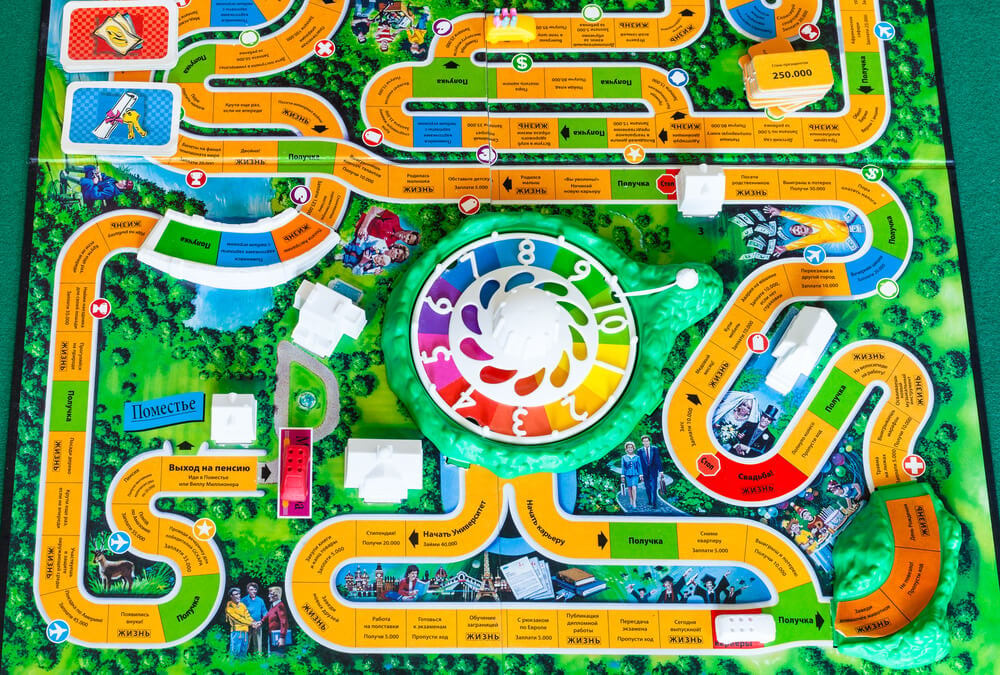
Predating the more familiar 1960 centennial version by exactly a century, this original release by the company’s founder is considered one of the earliest mass-produced board games in American history. Surviving examples are exceptionally rare and have sold at auction for well into five figures when authenticated. The simple lithographed board and moral-lesson theme distinguish it entirely from the modern version that shares its name.
Pictionary, 1985 First Edition
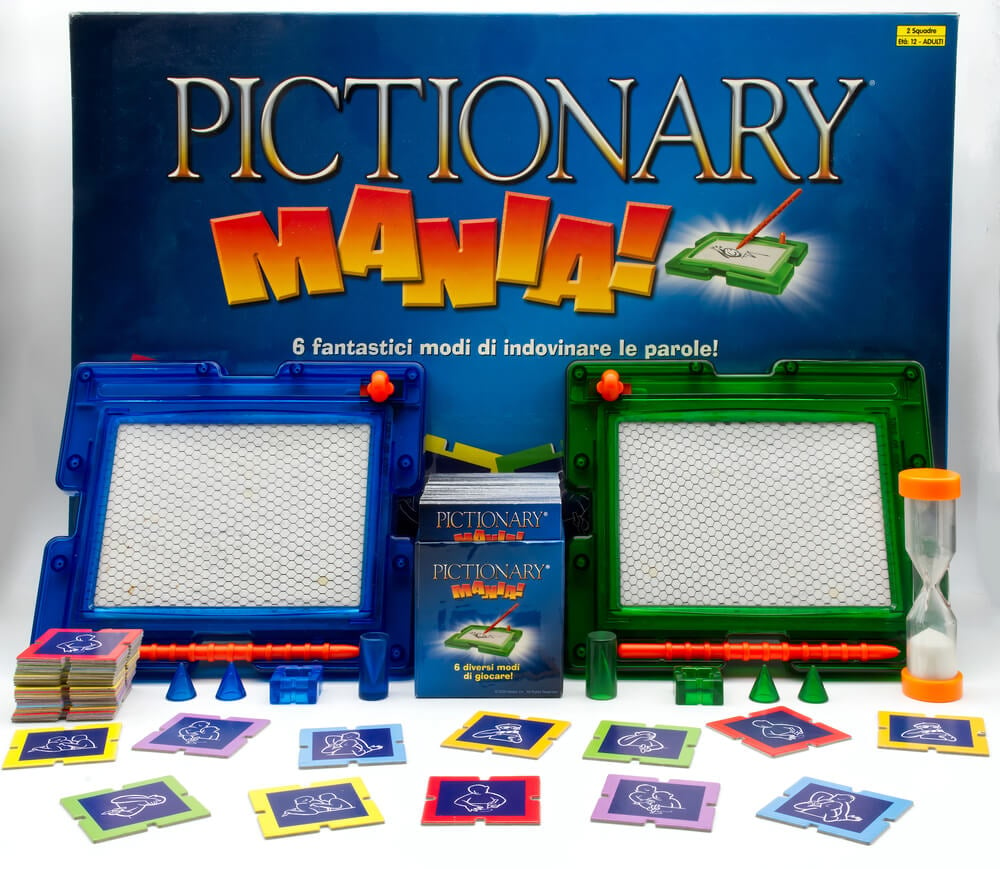
Created by a group of friends including a waiter who developed the concept before it was picked up for commercial production, the earliest printing predates the multiple international spinoff versions that followed within a few years. Complete first editions in strong condition can bring a modest premium over later reprints. The original box design and card set are the fastest way to confirm an early copy.
Payday, 1975 Parker Brothers First Edition
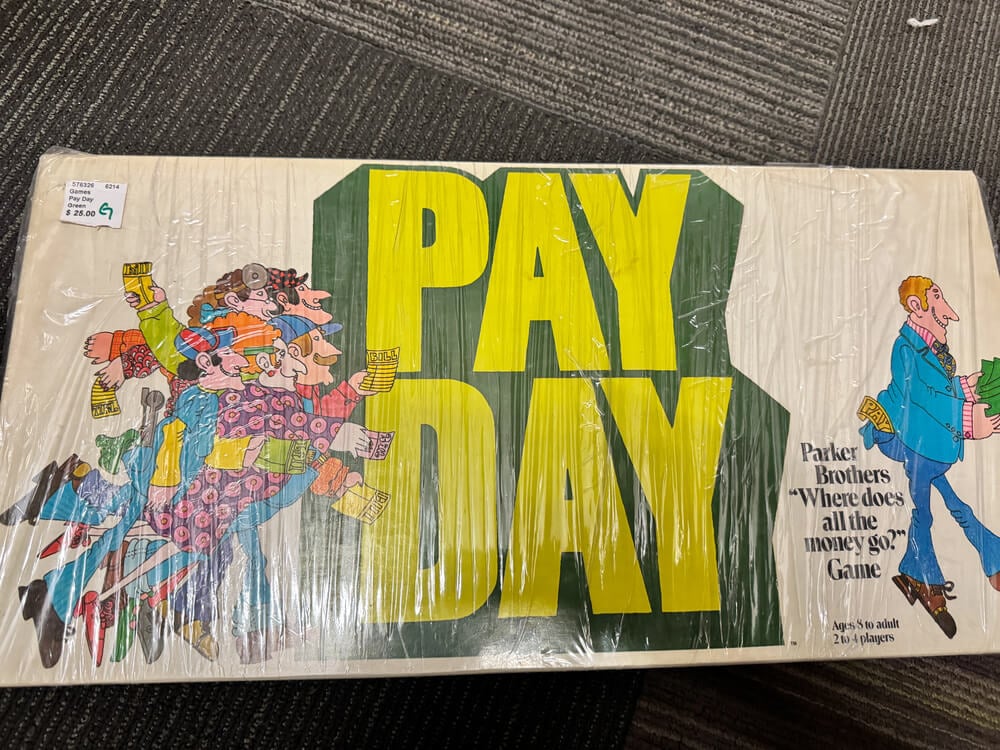
This finance-themed game built around a monthly calendar of expenses and windfalls arrived with illustration and card design distinct from the version reprinted decades later. Complete original sets in strong condition typically sell for a modest premium. The specific calendar artwork on the board is the clearest identifying feature of this printing.
Mystery Date, 1965 Milton Bradley First Edition
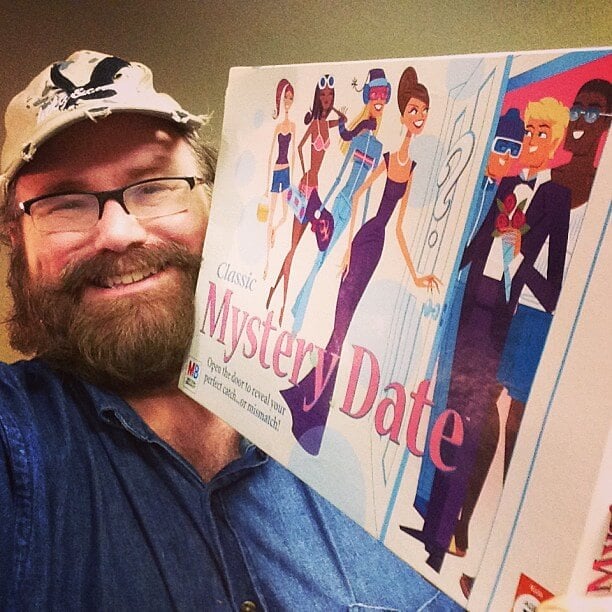
Centered around a plastic door that revealed one of several potential dates for a themed evening out, this first edition reflects the social expectations of its era closely enough that it has become a frequently referenced piece of mid-century design history. Complete working sets with the opening door mechanism intact can bring a few hundred dollars. The specific illustrated character designs behind the door are the detail collectors check first.
Twister, 1966 Milton Bradley First Edition
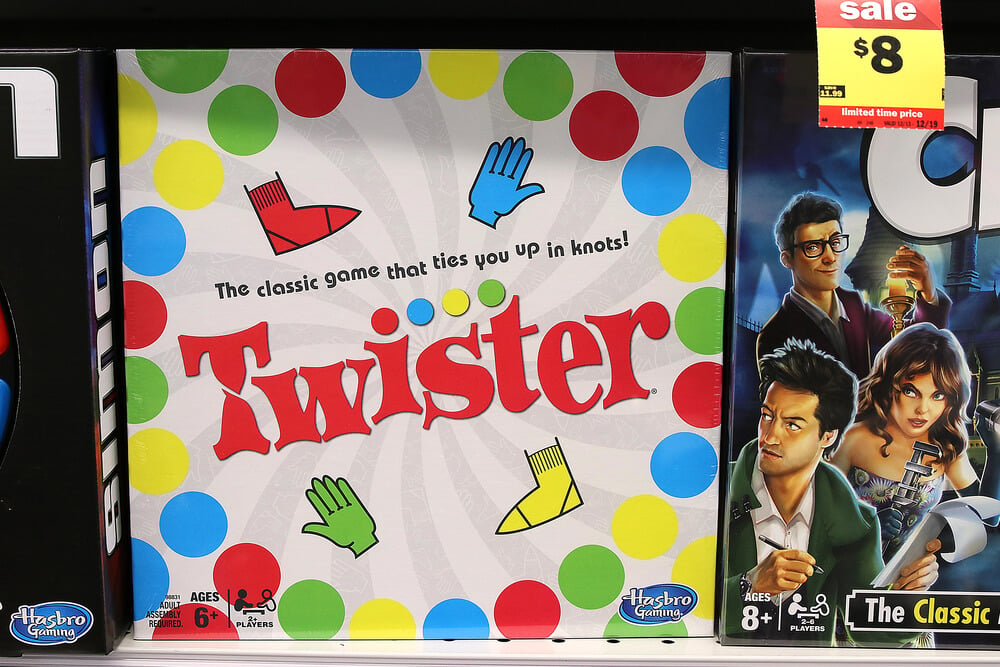
Introduced to national attention after a television appearance that generated significant public interest in the game’s premise, this first edition used a spinner and mat design distinct from later printings. Complete original sets with the vinyl mat intact in good condition can bring a modest premium. Because the mat was subjected to constant foot traffic, an unfaded, uncracked original is a genuine rarity.
Yahtzee, 1956 E.S. Lowe First Edition
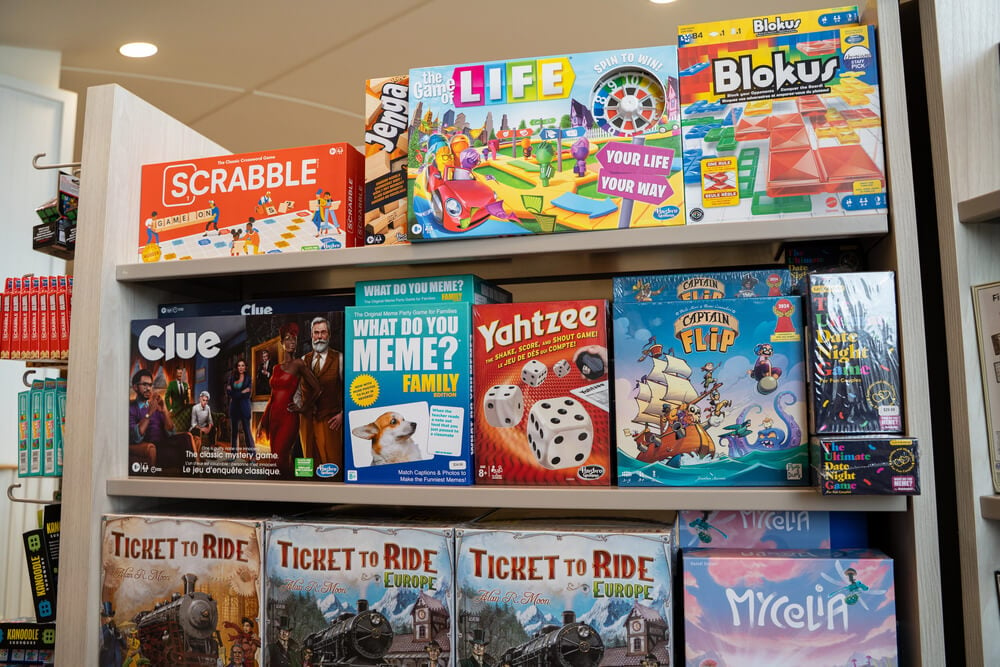
Created originally as a private game played by a wealthy couple aboard their yacht before being commercially produced, this first edition used a simple cardboard box and wooden dice cup distinct from the plastic components used in later decades. Complete early sets in strong condition typically bring a modest premium. The manufacturer’s name printed on the box is the quickest way to confirm an original pre-acquisition copy before the brand changed hands.
Diplomacy, 1959 First Edition
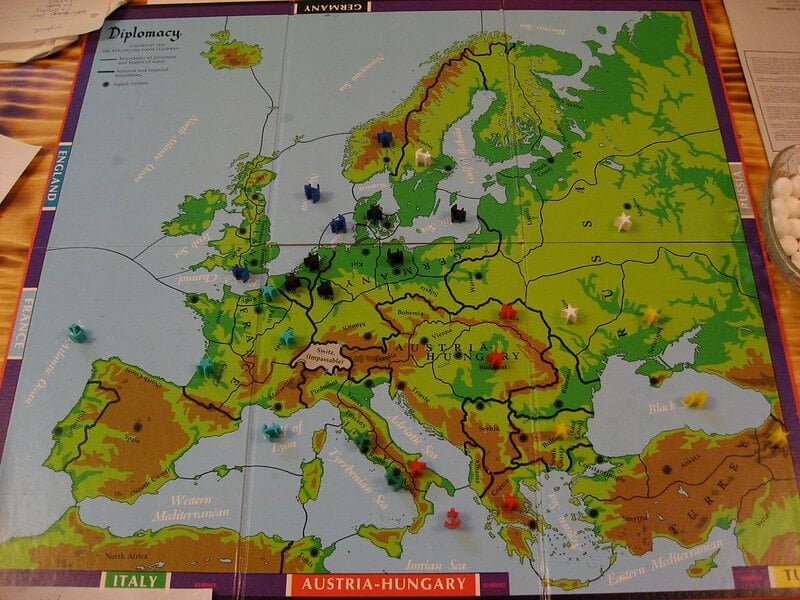
This negotiation-heavy strategy game modeling European alliances before a major continental conflict arrived with hand-finished components in its earliest, smallest print runs. Confirmed early copies are scarce enough that they regularly bring several hundred dollars even in played condition. The game’s continued popularity among serious strategy players keeps demand for original printings steady rather than speculative.
Chinese Checkers, 1930s Pressman Editions
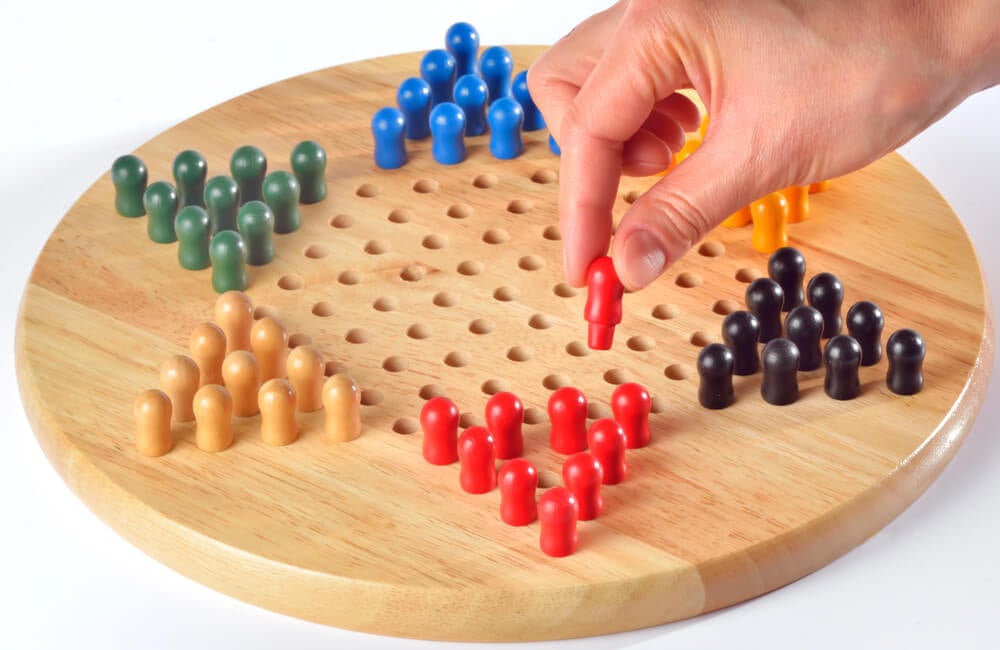
Despite the name, this marble-based game actually originated in Germany before being marketed under a more exotic-sounding title for American audiences, and the earliest domestic pressed-tin boards from this decade are distinct from later plastic versions. Complete sets with original glass marbles and an undamaged star-shaped board can bring a modest premium. The tin construction itself is the clearest sign of an early printing.
Rook, 1906 First Edition
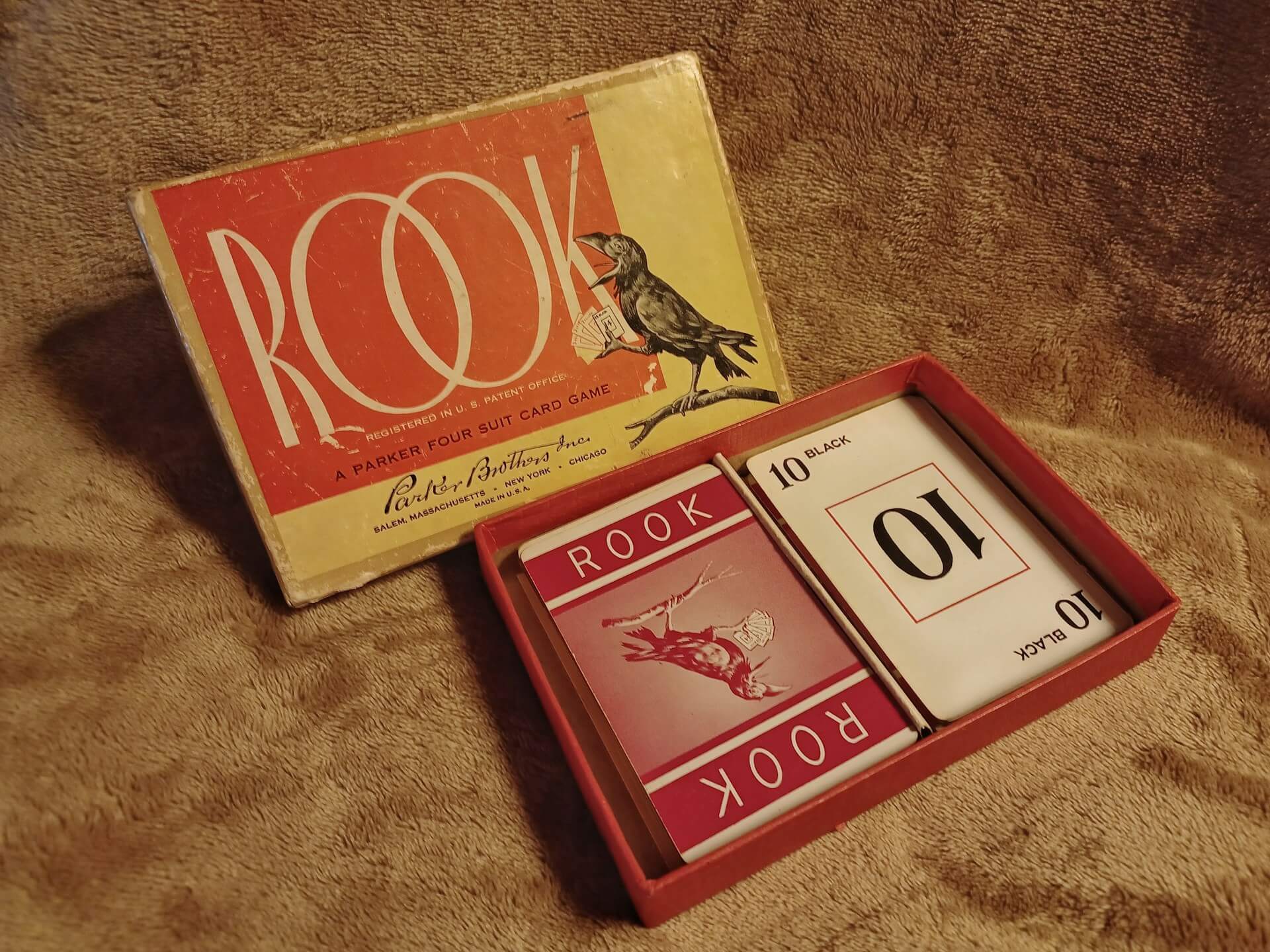
Designed as a card game alternative for households and communities that objected to standard playing cards on religious grounds, this earliest printing used a distinctive black bird illustration on the box that changed little for decades afterward. Complete early decks in strong condition can bring a modest premium among specialist collectors. The specific copyright date printed on the box is the detail that separates a genuine early copy from far more common later reprints.
Careers, 1955 Parker Brothers First Edition

Built around a customizable scoring system letting players define their own version of success before the game began, this first edition arrived with a game board layout that changed notably in later reprints. Complete original sets in strong condition typically bring a modest premium. The distinct scoring-card format from this printing is the fastest identifying detail.
Uncle Wiggily, 1916 First Edition
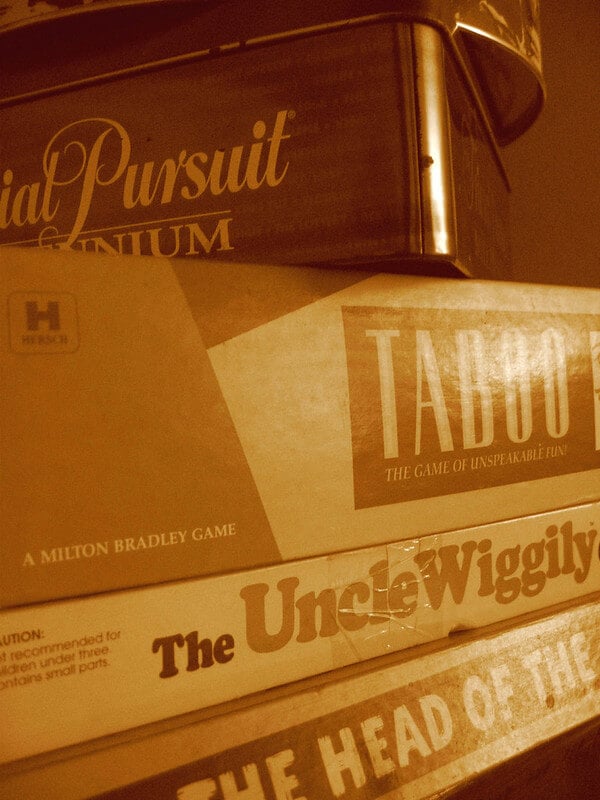
Adapted from a newspaper story character with an enormous following in his own era, this earliest board game tie-in predates the character’s decades-long run as one of the most reprinted children’s board games in American history. Confirmed first editions in strong condition can bring several hundred dollars among specialist collectors. The specific illustration style from this printing is noticeably more detailed than later, simplified versions.
Masterpiece, 1970 Parker Brothers First Edition
Built around a fine-art auction theme complete with reproduction paintings and a system for detecting forgeries within the game, this first edition used artwork reproductions distinct from later printings that updated the featured paintings. Complete original sets in strong condition typically bring a modest premium among specialist collectors. The specific set of reproduced paintings included is the detail that identifies this exact printing.
Aggravation, 1962 Lakeside First Edition
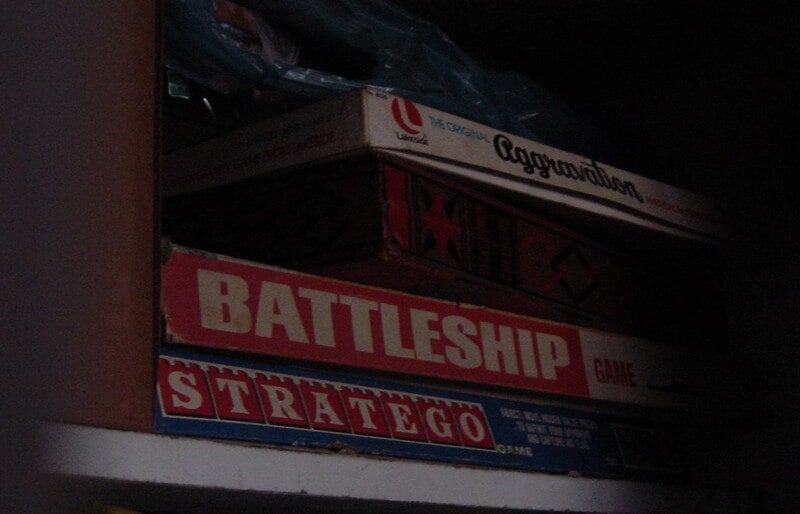
This marble-race game built on a cross-shaped board arrived with a metal dice-tumbling cage that became one of its most recognizable features, a mechanism later editions sometimes replaced with simpler dice rolling. Complete original sets with the metal cage intact and functioning can bring a modest premium. The cage mechanism itself is the quickest way to confirm an original printing over a later reissue.
Password, 1962 Milton Bradley First Edition
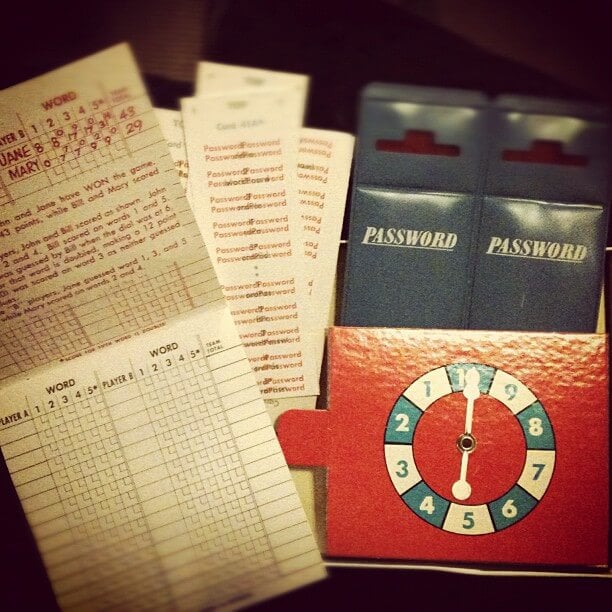
Adapted directly from the popular television game show of the same name, this first edition included printed word cards matching the categories used on air during the show’s earliest broadcast seasons. Complete original sets in strong condition can bring a modest premium among collectors of television-tie-in games. The specific card design and included instruction booklet referencing the original broadcast are the details that confirm an early copy.
Go to the Head of the Class, 1938 First Edition
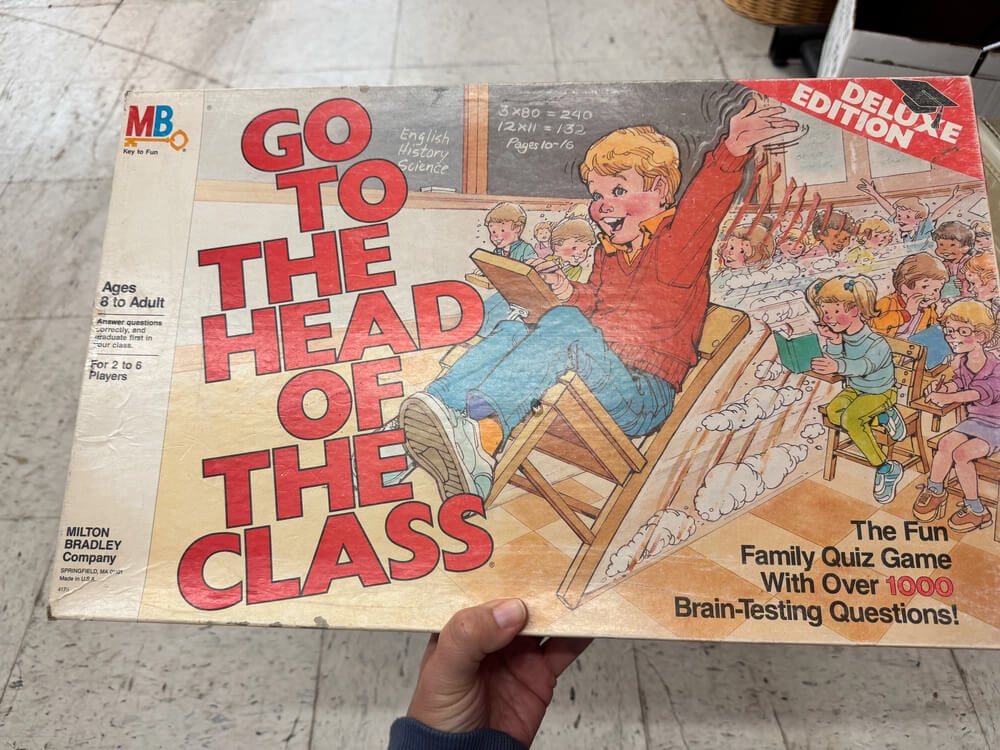
One of the longest-running educational trivia games in American publishing history, this earliest printing used simpler question categories and a plainer board design than the many later revised editions released over subsequent decades. Confirmed early copies in strong condition can bring a modest premium among collectors who specialize in educational game history. The copyright date printed on the box remains the clearest way to separate this printing from far more common later revisions.
Where the Box Outlasts the Toy
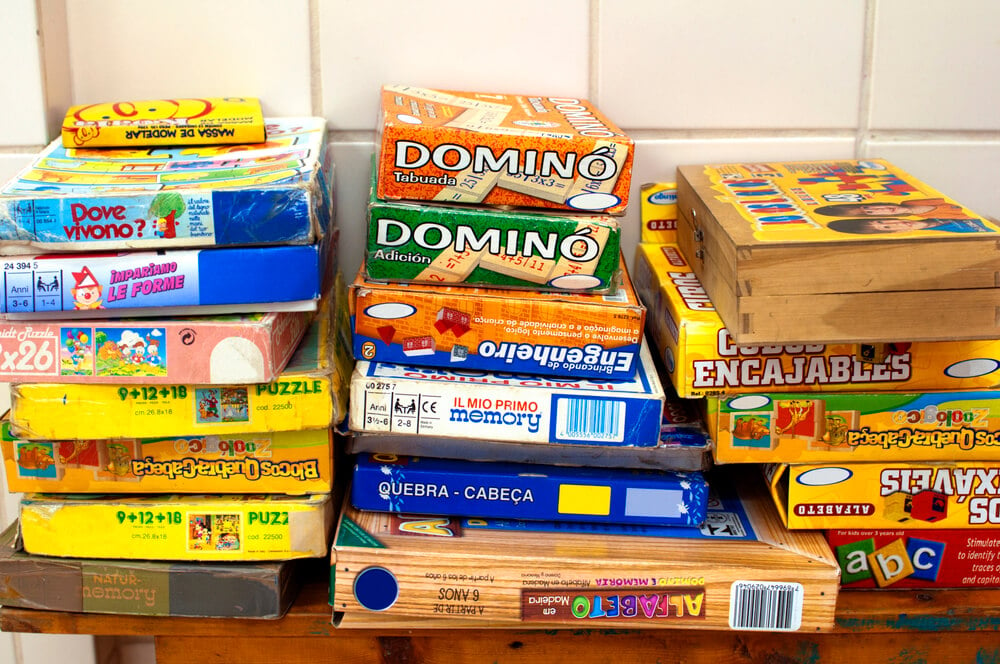
Every game on this list was built to be handled, spun, shuffled and eventually worn out, which is exactly why an intact early copy carries weight decades later. A board game’s value was never really about the cardboard or the plastic pieces; it was about how many living rooms it sat in, how many rainy afternoons it filled, and how few of those copies made it out the other side in one piece.
Checking a closet or an attic against this list takes only a few minutes and a willingness to read the fine print on a box lid nobody has opened in years. The reward is not guaranteed, but for the specific printings above, it is real often enough that the search is always worth making before the box goes to a donation bin.
More from Go2Tutors!

- The Romanov Crown Jewels and Their Tragic Fate
- 13 Historical Mysteries That Science Still Can’t Solve
- Famous Hoaxes That Fooled the World for Years
- 15 Child Stars with Tragic Adult Lives
- 16 Famous Jewelry Pieces in History
Like Go2Tutors’s content? Follow us on MSN.



