30 Vinyl Pressings That Sell for Surprising Sums
Record collecting runs on details most listeners never notice. A label color, a matrix number etched near the center or a cover photo that lasted only a few weeks can separate a 10-dollar thrift find from a four-figure sale.
The same album can exist in dozens of versions, and only a few of them matter to serious buyers. These are the pressings that make collectors flip every sleeve in the crate.
The Beatles Butcher Cover
Capitol Records released Yesterday and Today in June 1966 with a cover showing the band in white smocks draped with raw meat and broken doll parts. Retailers complained, and Capitol recalled the album within days, pasting a new, bland trunk photo over many of the original covers.
Copies with the original image showing through or carefully peeled are known as second-state and third-state covers. Pasted-over copies often sell for several hundred to a couple thousand dollars, while unaltered first-state stereo copies bring far more.
Tears, peeling damage and seam splits all cut value.
Gold-Label Please Please Me
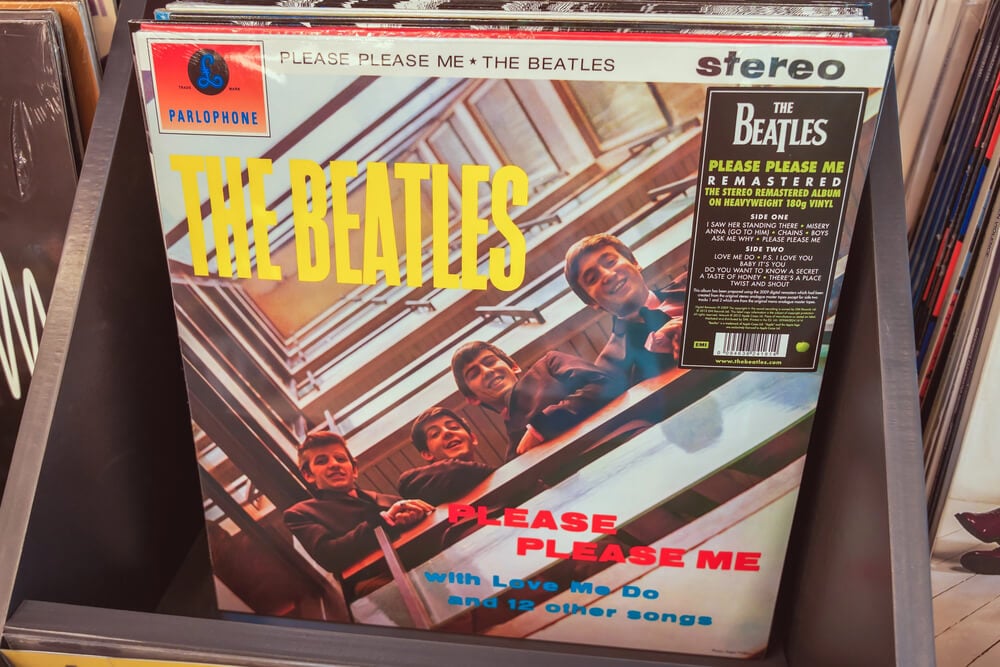
Beatles fans know the band’s first UK album came out on Parlophone in 1963 with a black label and gold lettering, a design EMI replaced within weeks. Mono copies on the gold label are scarce, and stereo copies are rarer still, since few British households owned stereo equipment at the time.
Clean stereo gold-label copies often sell for several thousand dollars, while mono copies typically bring several hundred to a couple thousand. The later yellow-and-black label versions are worth far less.
Scuffed vinyl, ring wear on the cover and missing original inner sleeves all reduce prices sharply.
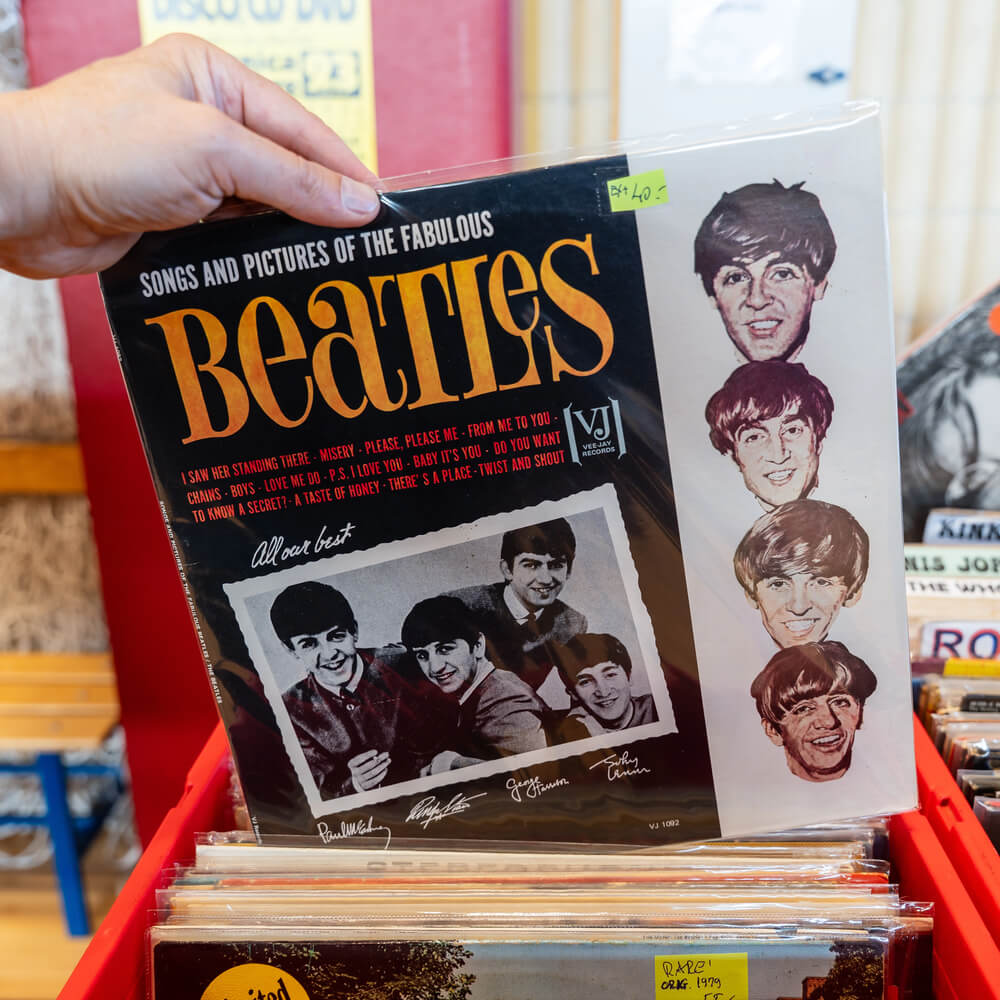
Introducing the Beatles on Vee-Jay
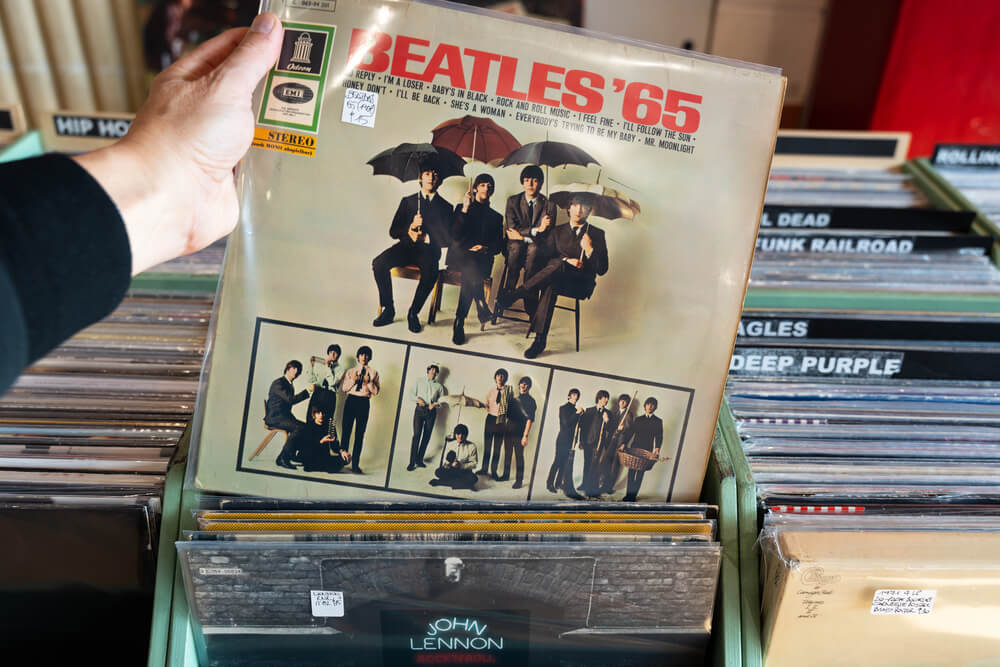
Before Capitol committed to the band, the small Chicago label Vee-Jay released Introducing the Beatles in January 1964. Legal fights over the rights led to several label variations and a short, chaotic production run.
The album was also widely counterfeited, which makes authentication essential before any money changes hands. Genuine early pressings, especially those with the rainbow-colored label border and certain track listings, often sell for several hundred dollars and sometimes more.
Counterfeits typically show blurry cover printing or incorrect label typefaces, and condition matters for the real ones too.
Low-Numbered Copies of the White Album
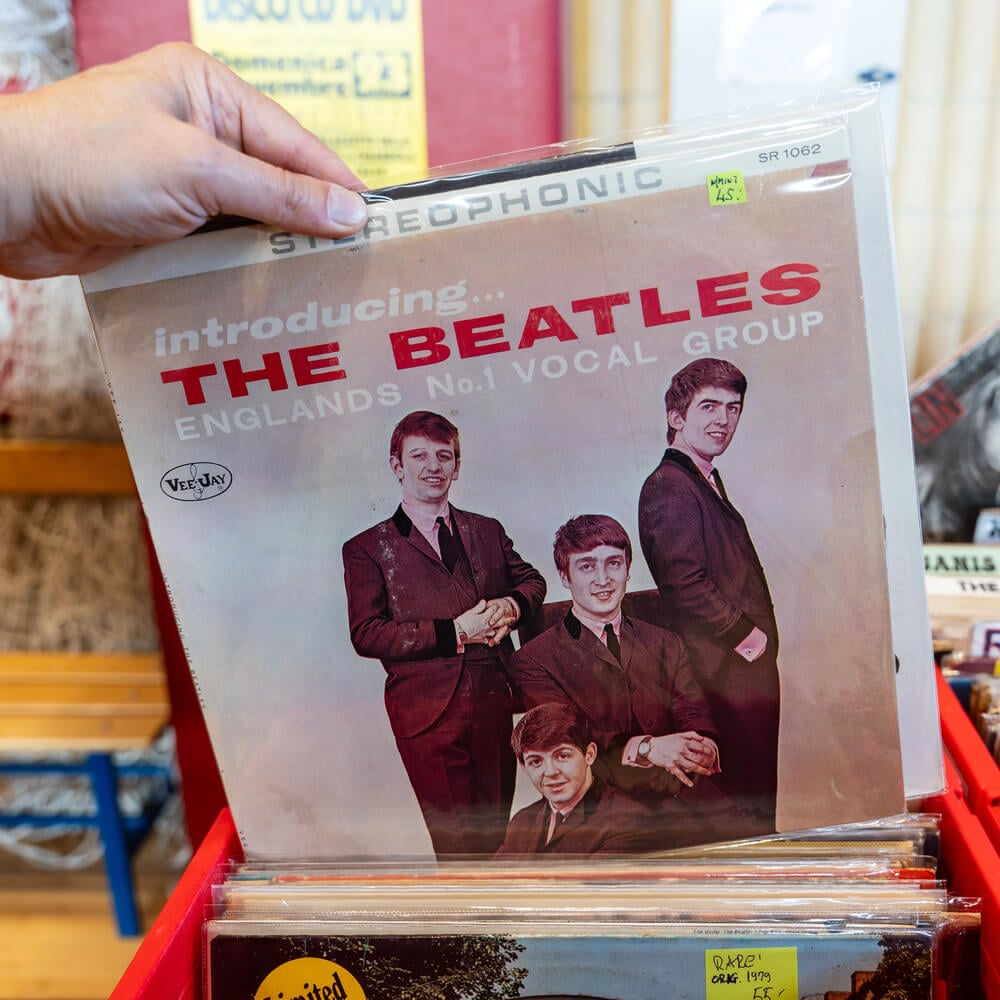
First pressings of the Beatles’ 1968 double album came with a unique stamped serial number on the plain white cover. Collectors chase the lowest numbers, and Ringo Starr’s personal copy, numbered 0000001, sold for about 790,000 dollars at auction in 2015.
Ordinary numbered copies are far more affordable, often selling for 100 to 500 dollars depending on condition. Numbers under 100 or with repeating digits bring premiums.
The white cover shows every mark and stain, so clean copies with the original poster and photo inserts are the ones that command attention.
Freewheelin’ With the Withdrawn Tracks
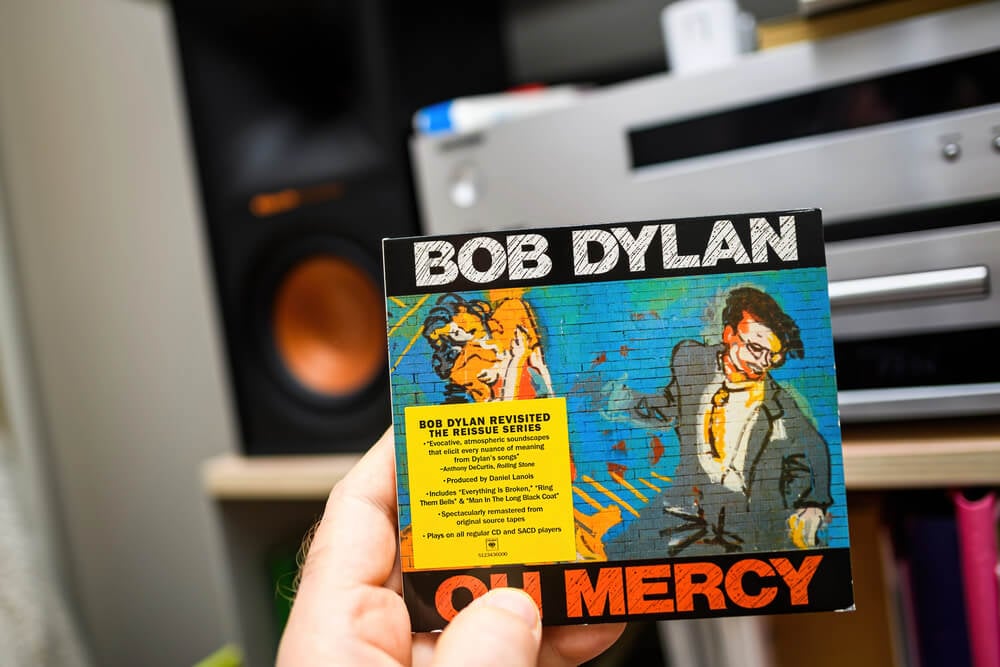
Bob Dylan’s 1963 album The Freewheelin’ was first pressed with four songs that were swapped out before wide release, including Talkin’ John Birch Paranoid Blues. A few copies with the original tracks slipped into circulation.
Mono versions have sold for many thousands of dollars, and the handful of known stereo copies are among the most valuable American rock records. The only reliable way to identify one is the matrix number etched into the dead wax, not the label or cover.
Scratches and wear lower value, but the rarity carries most of the price.
Frank Wilson’s Unreleased Motown Single
In 1965, Frank Wilson cut a single for Motown’s Soul label, catalog number Soul 35019, but the release was canceled after he chose to focus on writing and producing for other acts. Most of the pressed promotional copies were destroyed, and only a couple are known to survive.
The song later became a sensation on the northern soul scene in England, where dancers packed clubs like Wigan Casino for rare American soul records. One surviving copy sold for 25,742 pounds in 2009, then a record for a single at auction.
Any genuine copy would face intense scrutiny, and its condition would shape the price.
Elvis Presley’s Sun Singles
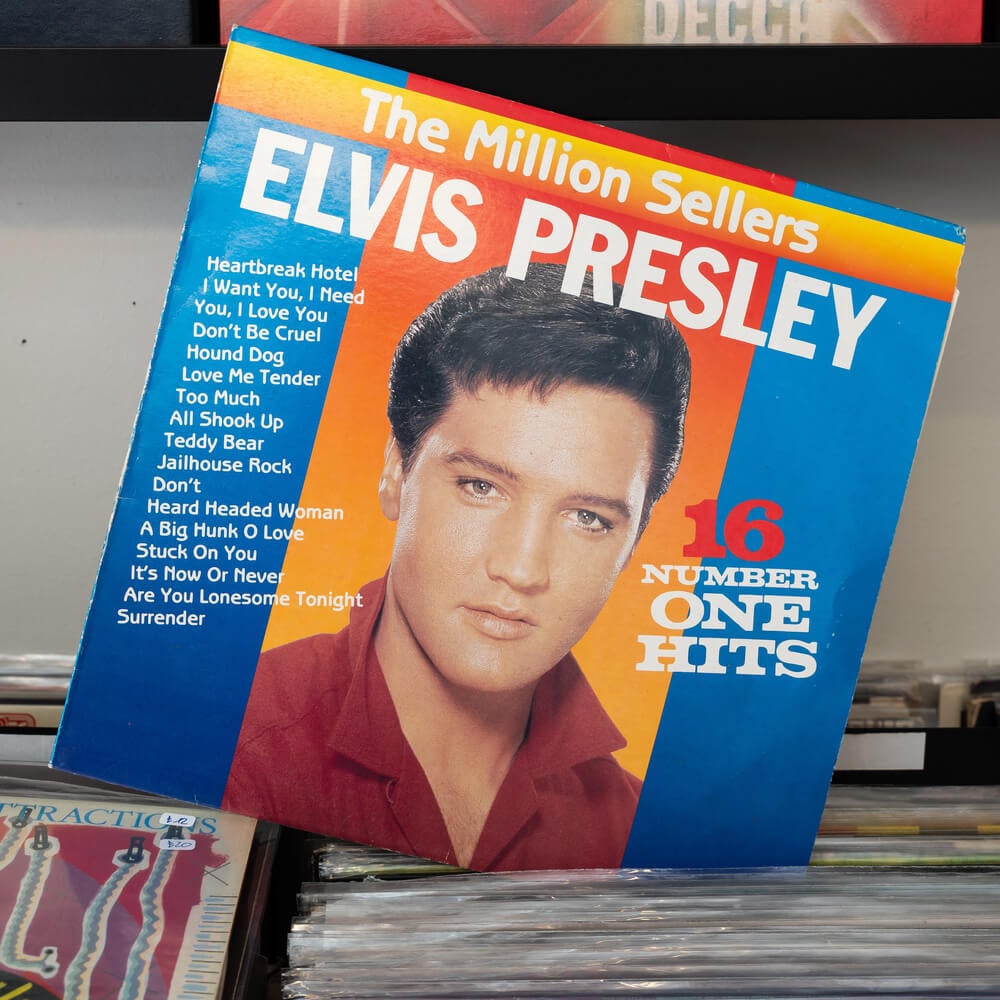
Elvis Presley’s first single, That’s All Right, came out on Sun Records in Memphis in 1954, backed by a sped-up take on a bluegrass standard. Sun released five Elvis singles before RCA bought his contract in late 1955, and original copies on both 78 and 45 rpm are prized.
Prices typically range from 300 to 3,000 dollars, depending on the title, format and condition, with the earliest releases bringing the most. Counterfeits are common, so collectors check label printing and pressing details carefully.
Worn grooves, cracks and label damage all reduce value.
A Flea Market Velvet Underground Acetate
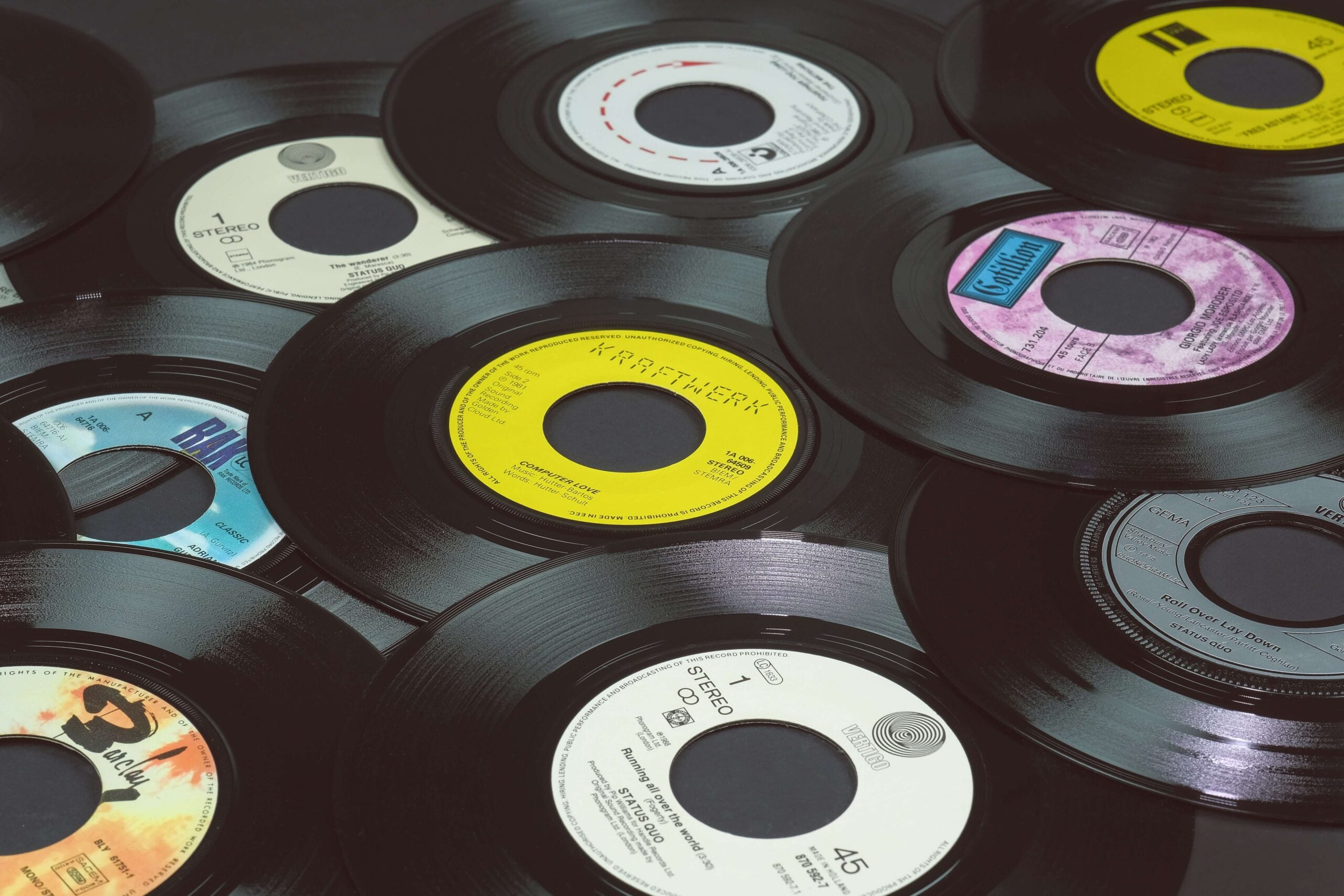
Collector Warren Hill paid 75 cents for an unusual Velvet Underground record at a New York flea market in 2002. It turned out to be an acetate from 1966, cut during sessions arranged by Norman Dolph, with early versions of songs that later appeared on The Velvet Underground and Nico.
The record sold for 25,200 dollars on eBay in 2006. Acetates are one-off reference discs made before mass production, and their soft lacquer surface wears down with each play.
Condition and documentation strongly influence value, which is why few owners risk spinning them.
Prince’s Withdrawn Black Album
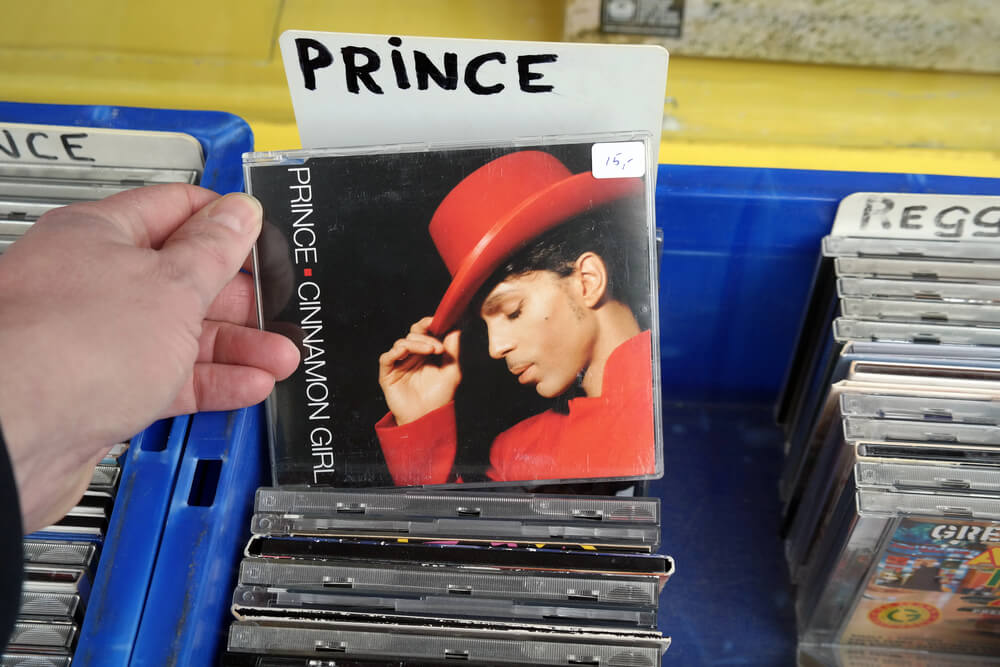
Prince canceled The Black Album just days before its planned release in December 1987, and Warner Bros. ordered most of the roughly half a million pressed copies destroyed. A few escaped, making them some of the most sought-after records of the decade, and bootleggers flooded the market with copies of the music.
Verified original pressings have sold for thousands of dollars, with the best-documented examples bringing far more. The album was officially released in 1994, and those later pressings are worth far less.
Collectors check matrix numbers and provenance carefully, since counterfeits outnumber the real thing.
Nirvana’s Love Buzz Single
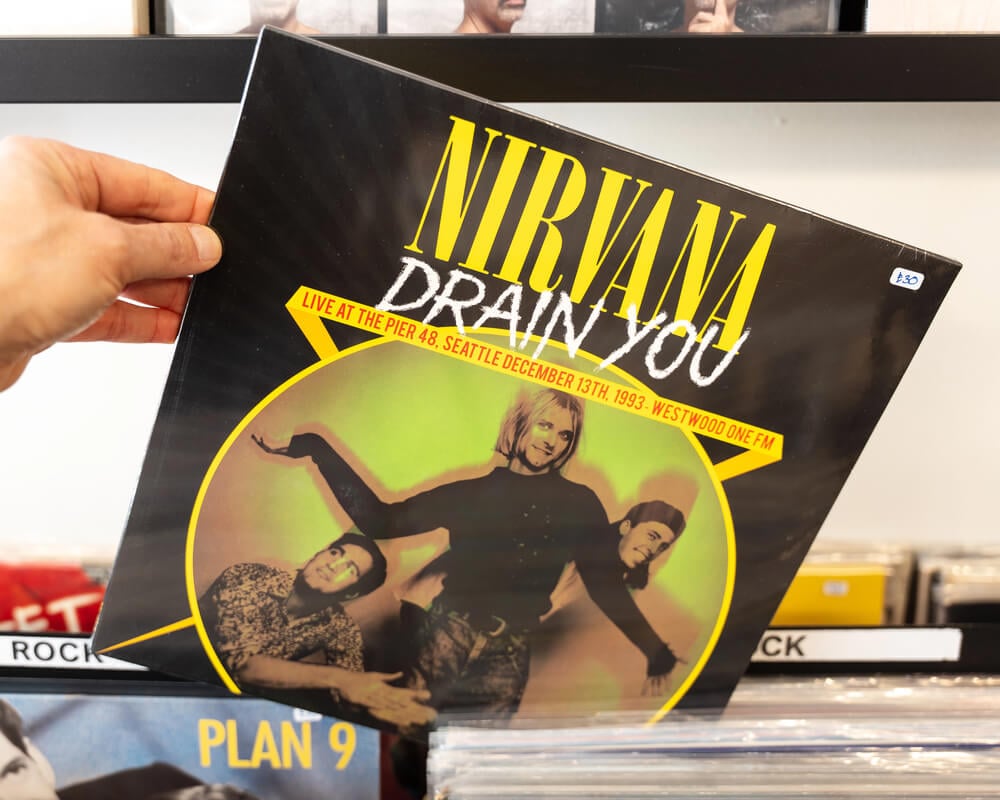
Nirvana’s first single, a cover of the Dutch band Shocking Blue’s Love Buzz, came out on Sub Pop in 1988 as the first release in the label’s Singles Club, a subscription series. Only 1,000 copies were pressed, each hand-numbered in red ink, and the band was largely unknown outside Seattle at the time.
Copies now often sell for 1,000 to 3,000 dollars, depending on condition. The original sleeve and a clear number matter to collectors, and some numbers are prized above others.
Wear, scratches and sleeve damage reduce value, and reissues are worth much less.
Queen’s Blue Vinyl Bohemian Rhapsody
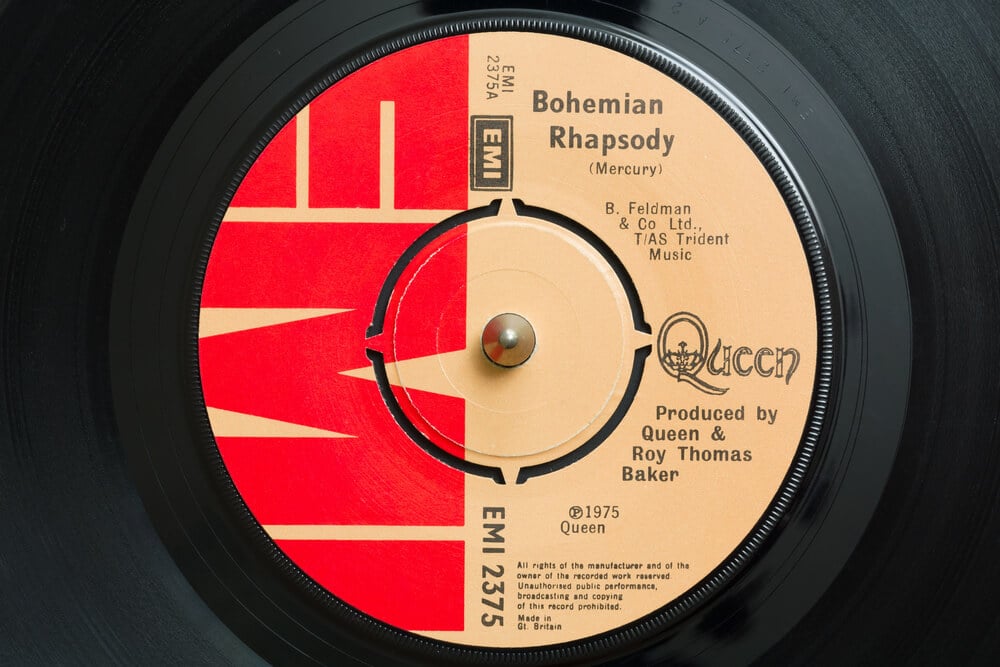
EMI pressed 200 numbered copies of Bohemian Rhapsody on translucent blue vinyl in 1978 to celebrate receiving the Queen’s Award for Export Achievement. The records went to company executives and guests at a celebration dinner, packaged with a certificate, a commemorative booklet and other presentation materials.
Copies now often sell for several thousand dollars, depending on condition and completeness. The certificate and numbered packaging add significantly to value, since the vinyl alone looks similar to later colored reissues.
Scratches, sleeve damage and missing materials lower prices.
Led Zeppelin’s Turquoise Lettering
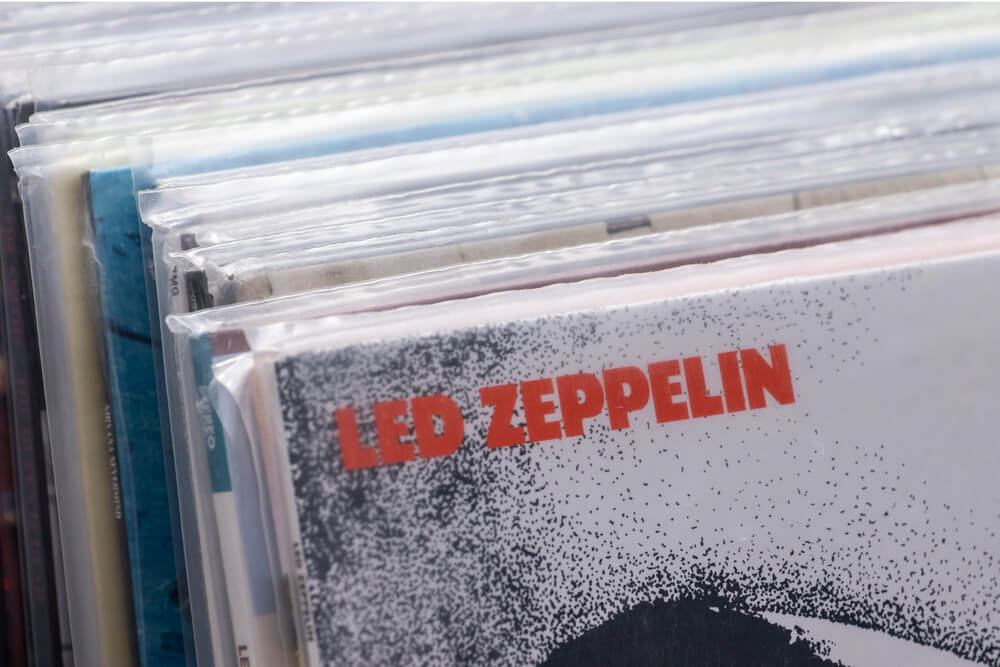
Atlantic’s first UK pressing of Led Zeppelin’s 1969 debut printed the band name and the Atlantic logo on the front cover in turquoise. The color was quickly changed to orange, reportedly at the band’s request, which left the turquoise version as a short early run that collectors now chase hard.
Clean first pressings often sell for 1,000 to 5,000 dollars, and matching early matrix numbers in the dead wax push the price toward the top of that range. Many sellers misidentify faded orange lettering as turquoise, so careful comparison matters.
Ring wear, writing on the cover and scuffed vinyl all pull value down.
Dark Side of the Moon With the Solid Blue Triangle
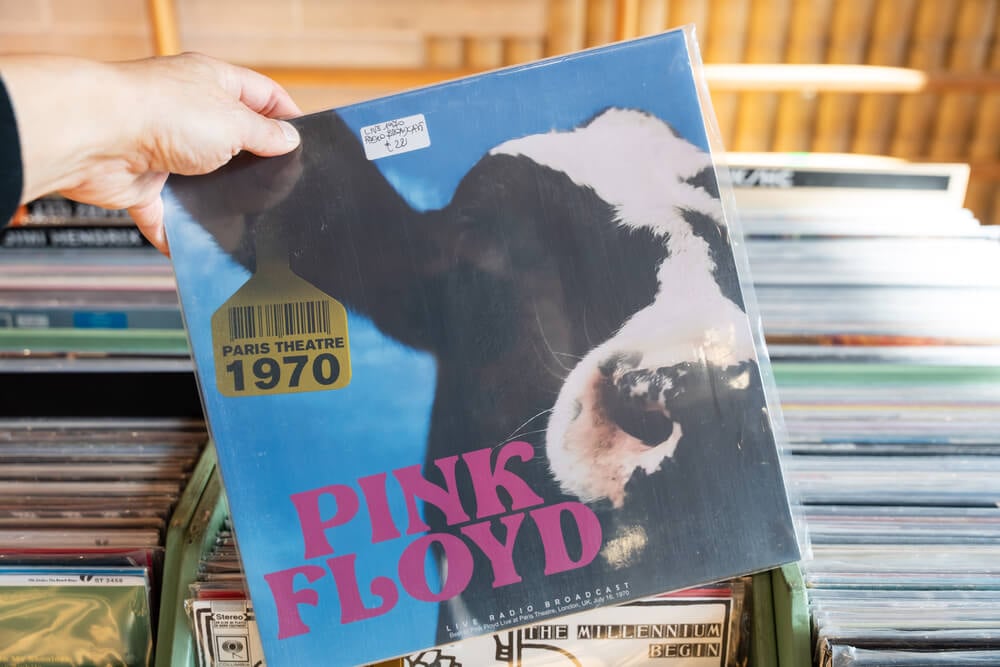
Harvest’s first UK pressing of Pink Floyd’s 1973 album on Harvest has a label printed with a solid light blue triangle, and later pressings switched to an outlined triangle. Complete first pressings also include two posters and two stickers tucked inside the gatefold, and missing extras are the most common reason copies sell for less.
Strong examples with everything present often bring several hundred dollars and sometimes more. The album went on to spend more than 900 weeks on the Billboard 200, so ordinary copies are everywhere.
That sheer abundance is exactly why the scarce early label variation gets so much attention.
Black Sabbath on the Vertigo Swirl
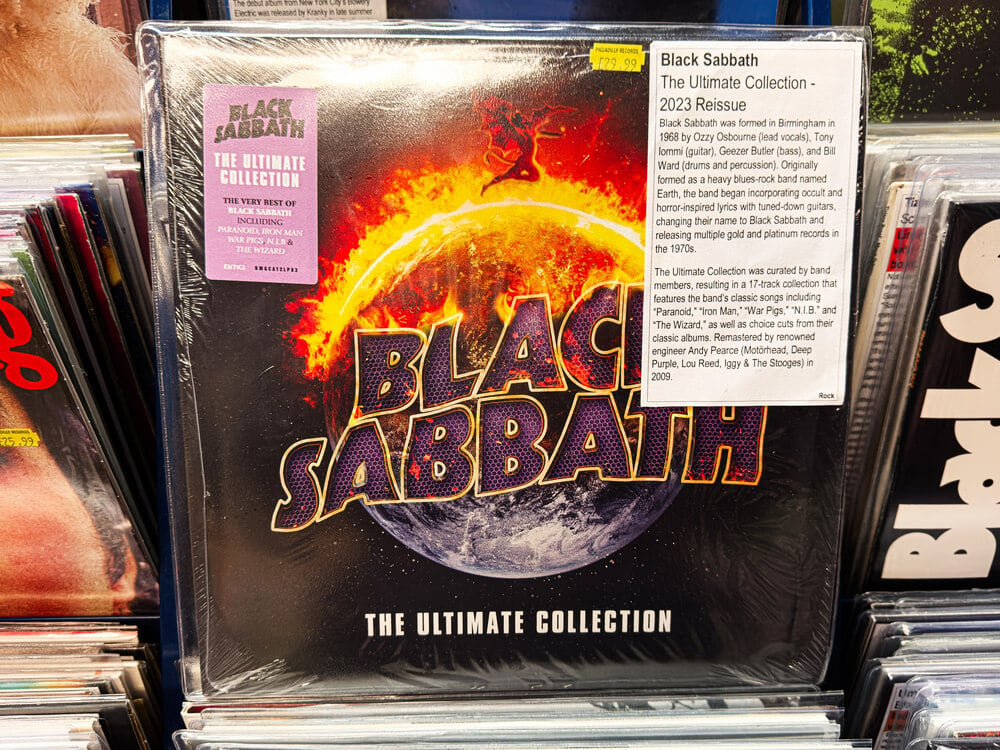
Black Sabbath’s self-titled debut came out in the UK in February 1970 on Vertigo, a new Philips imprint built for progressive and heavy rock. Its first pressings carried the label’s dizzying black-and-white swirl, which spun hypnotically on a turntable and was soon replaced by a plainer design.
A clean early copy in the gatefold sleeve often sells for 500 to 2,500 dollars, depending on condition and specific label details such as the small print around the rim. Collectors also check the matrix numbers in the run-out groove.
Heavy wear and cover damage cut those numbers quickly.
Bowie’s Dress Cover
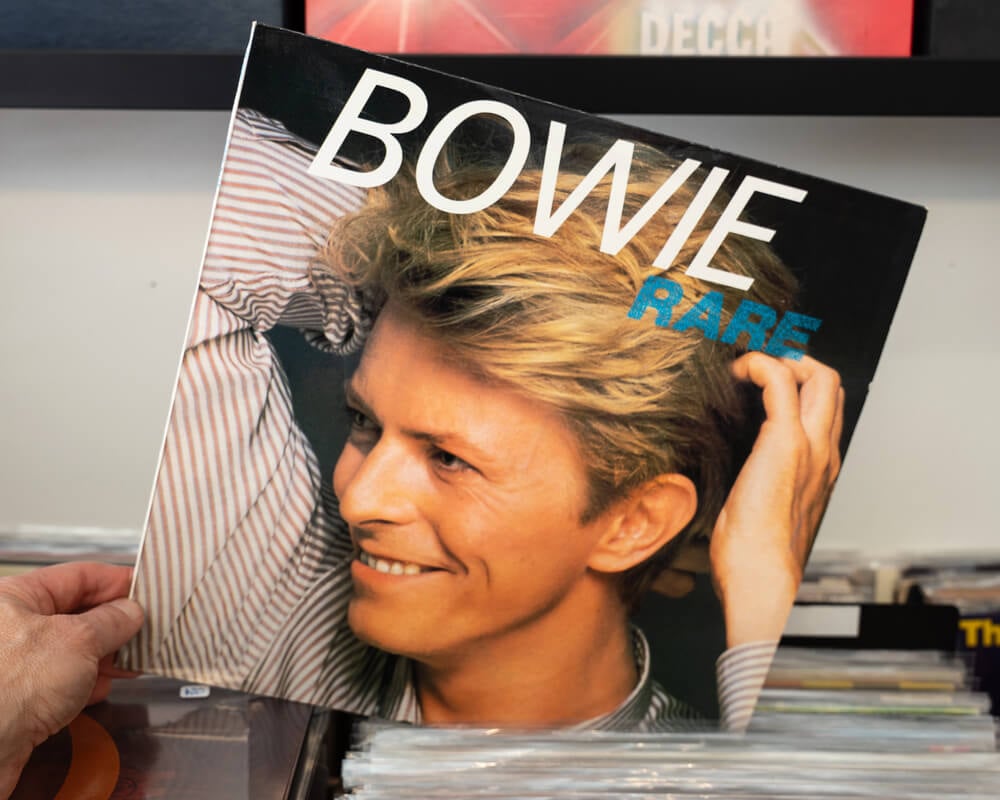
Mercury’s original UK release of David Bowie’s The Man Who Sold the World in 1971 showed him reclining on a chaise longue in a satin dress designed by Michael Fish. The American release used a cartoon cover instead, and the UK photo was replaced on later pressings, so the dress cover had a short life.
Clean UK first pressings on Mercury often sell for 800 to 3,000 dollars, depending on condition. The cover image has since become one of the most discussed in Bowie’s catalog.
Splits along the cover seams and heavy shelf wear are common problems.
Hank Mobley’s Blue Note 1568
Hank Mobley’s self-titled 1957 album on Blue Note, catalog number 1568, is widely considered one of the scarcest original pressings in modern jazz. Collectors look for the telltale signs of an original, including a deep groove pressed into the label, a New York 23 address and the RVG initials of engineer Rudy Van Gelder etched in the dead wax.
Clean originals often sell for several thousand dollars, and exceptional copies have gone far higher. Reissues, including well-regarded audiophile versions, sell for a small fraction of that.
Scratches, label wear and seam splits matter a great deal at these prices.
Kind of Blue Six-Eye Pressings
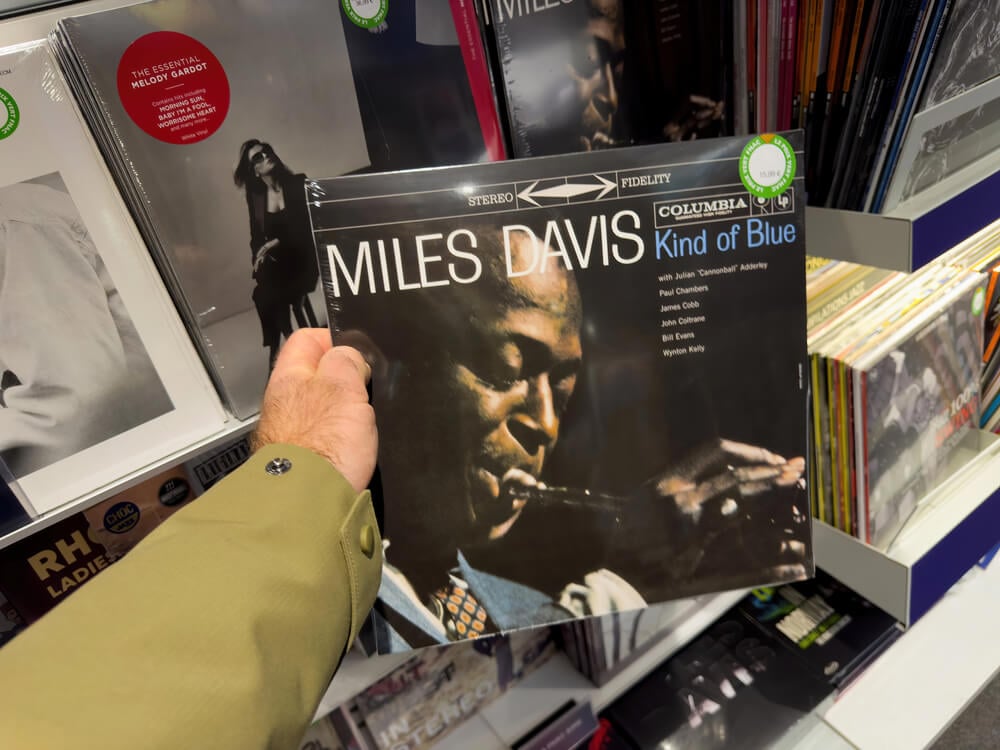
Miles Davis’s 1959 album Kind of Blue sold millions of copies, so the record itself is common. Early Columbia pressings with the six-eye label, named for the six small eye logos around the edge, are a different story.
First pressings in mono and stereo often sell for several hundred dollars and sometimes more in excellent condition, with early matrix numbers adding a premium. Side one of early pressings also ran slightly fast, a mastering quirk fixed in later reissues.
Scratches and surface noise lower value quickly, since buyers usually want to actually play a record this famous.
Paramount Blues 78s
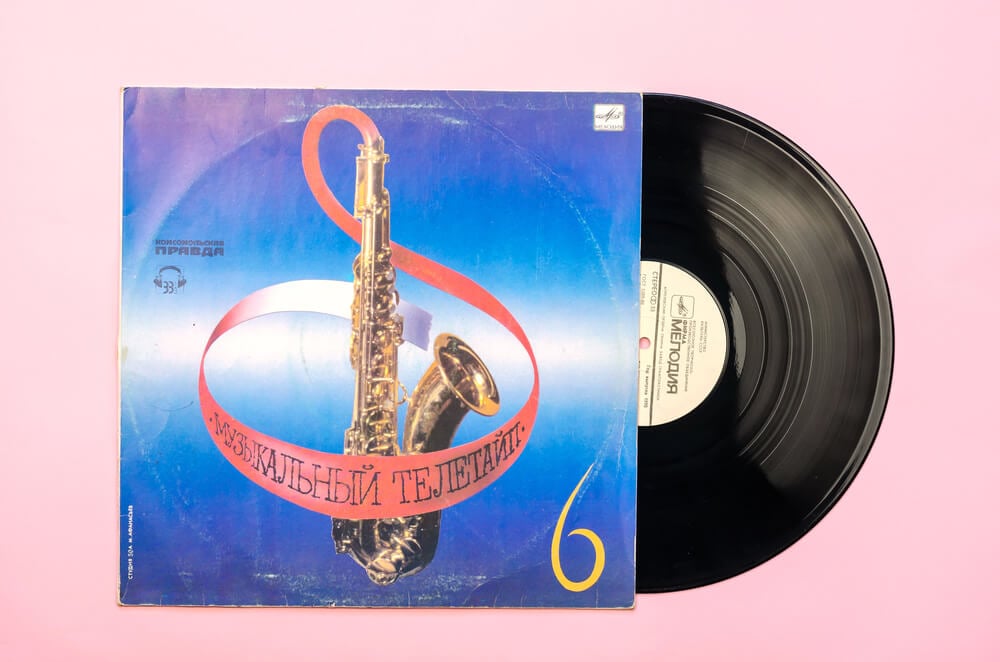
Paramount Records, run by the Wisconsin Chair Company and pressed in Grafton, Wisconsin, recorded many of the most important blues musicians of the 1920s and early 1930s. Original 78s by artists such as Charley Patton, Skip James and Tommy Johnson were sold in small numbers, mostly in the South, and many were broken or thrown out over time.
Some surviving titles exist in only one or two known copies. The rarest have sold for tens of thousands of dollars, while more common Paramount blues 78s often bring hundreds.
Cracks, chips and heavy groove wear drop prices sharply on these fragile shellac discs.
Aphex Twin’s Caustic Window Test Pressing
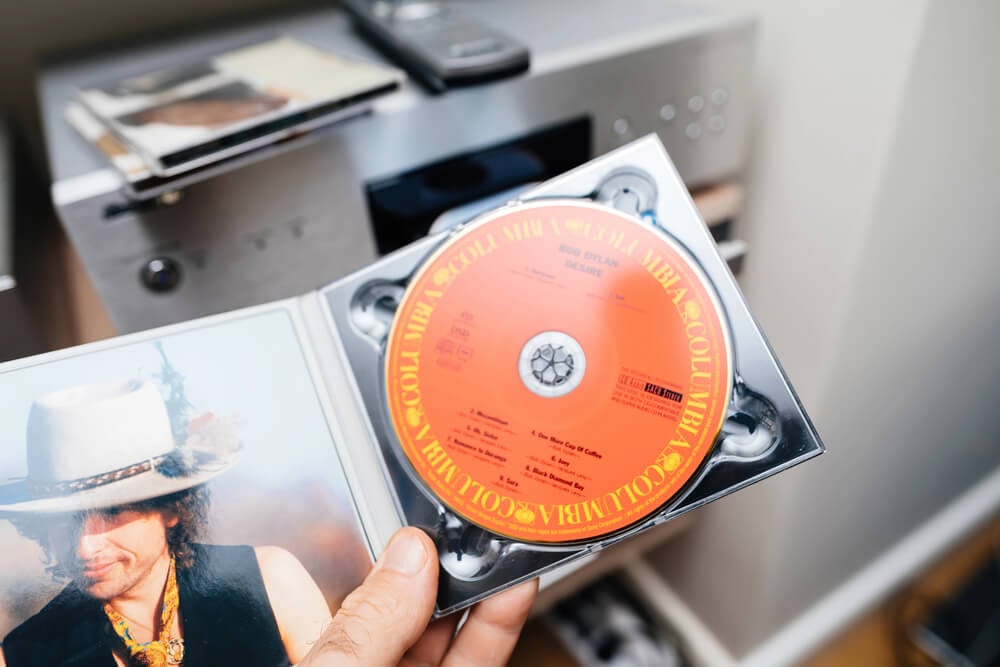
Richard D. James recorded an album as Caustic Window in 1994, but it was shelved, and only a handful of test pressings were made. In 2014, fans on the WATMM forum pooled money through a crowdfunding campaign to buy one copy, digitize it and share the music.
The original record was then sold on eBay for about 46,300 dollars to Minecraft creator Markus Persson, with proceeds shared among backers and charity. The sale drew attention to rare electronic music pressings.
Test pressings from other shelved releases can also bring strong prices, with condition and documentation playing a big role.
Street Fighting Man Picture Sleeve
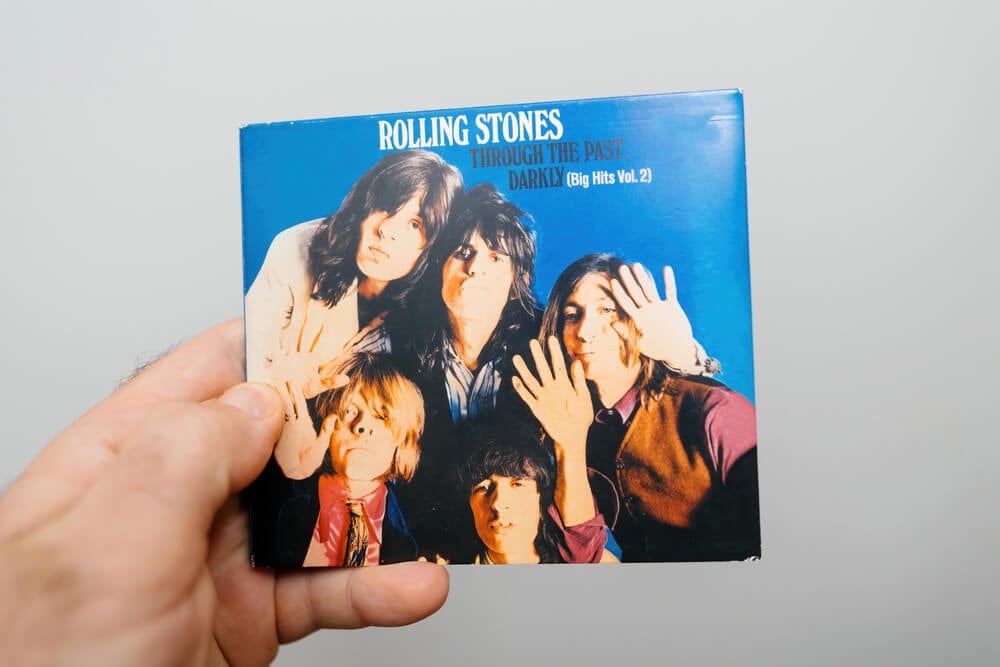
London Records issued the Rolling Stones’ 1968 single Street Fighting Man in the United States with a picture sleeve showing police officers confronting a protester. Released amid the unrest of that summer, the image was quickly pulled, and only a small number of sleeves reached the public.
Original sleeves have sold for thousands of dollars, making them one of the most valuable pieces of Stones memorabilia on paper. Reproductions are common, so collectors check printing quality and paper stock closely.
Creases, tears, writing and stains significantly lower the price of a genuine sleeve.
Blonde on Blonde Gatefold Photos
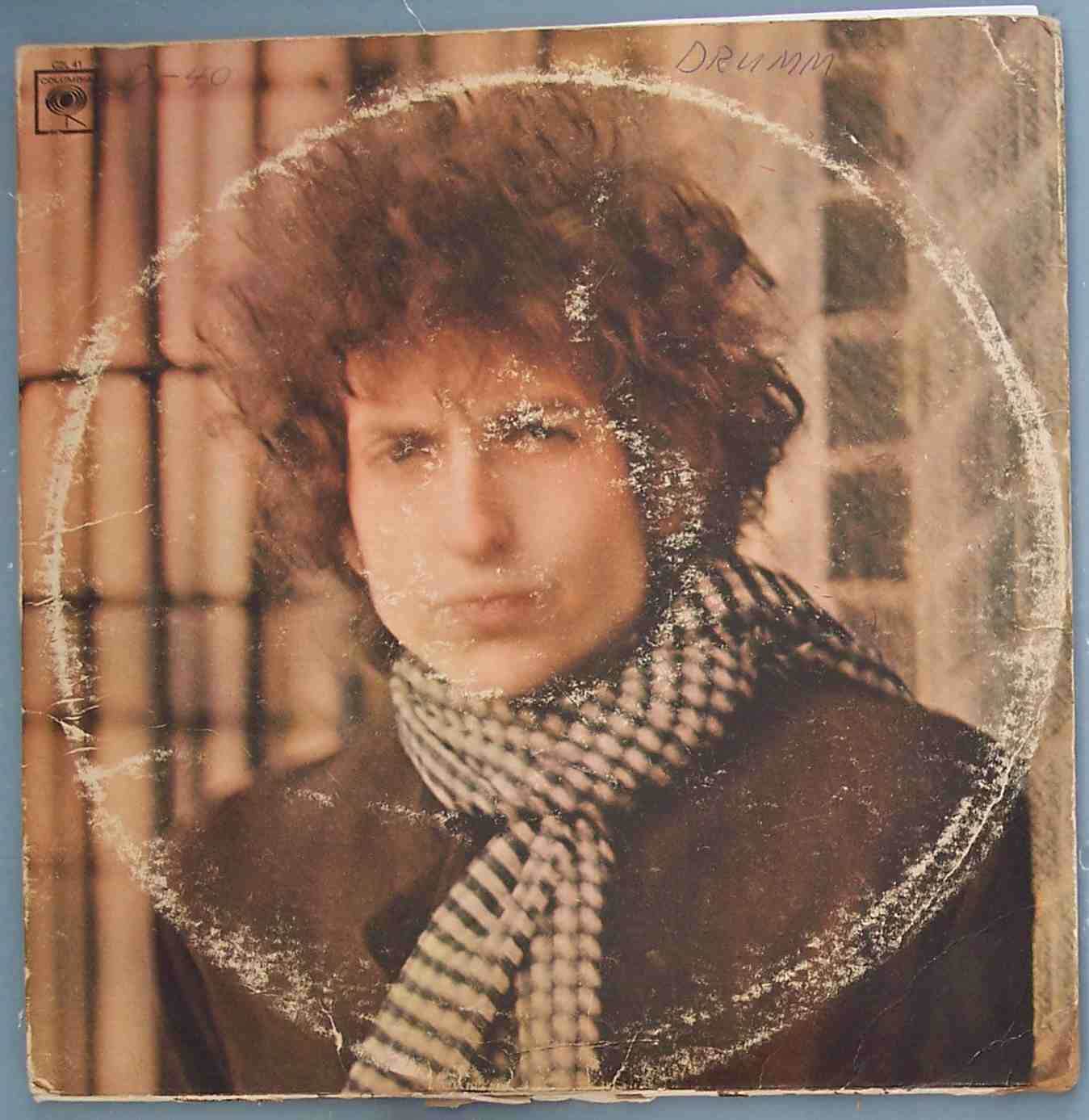
Early pressings of ‘s 1966 double album Blonde on Blonde included a photo of Italian actress Claudia Cardinale inside the gatefold. The image was used without her approval, so Columbia removed it, and later pressings replaced it with other photos.
Copies with the Cardinale image often sell for several hundred dollars, especially mono pressings in clean shape. The first pressing also included a photo showing the record’s producer, Bob Johnston.
Seam splits along the gatefold and ring wear are common issues, and the inner photo panels need to be intact to bring the best price.
Elvis Presley’s First Acetate
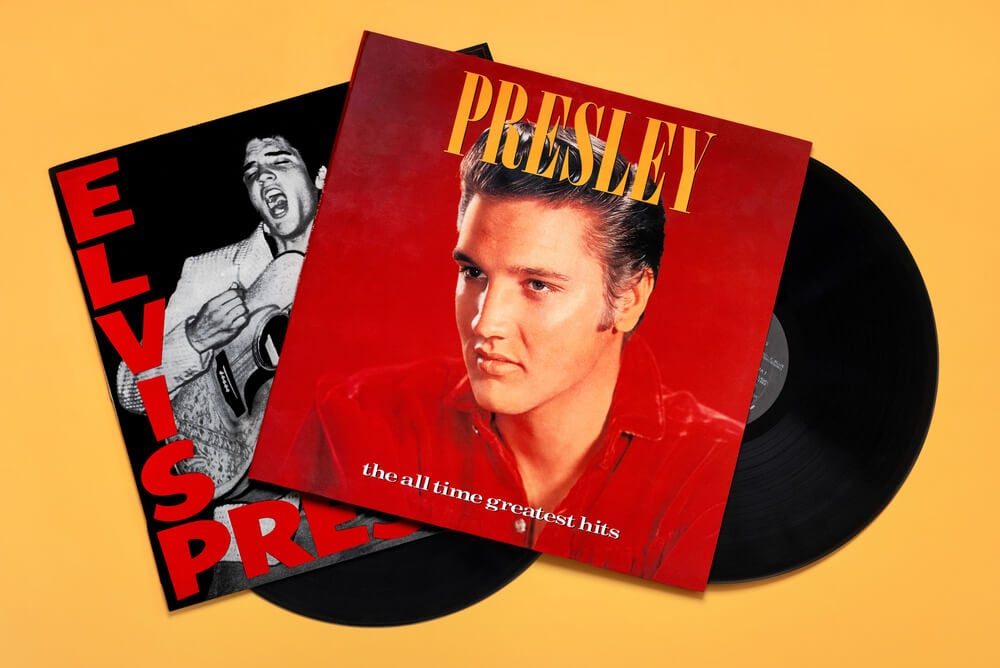
In 1953, an 18-year-old Elvis Presley paid a few dollars at Memphis Recording Service, the studio that also housed Sun Records, to record two songs, including a cover of a 1946 pop hit. The resulting acetate went to a high school friend and stayed out of sight for decades.
Jack White bought it at auction for 300,000 dollars in 2015 and reissued the recording through his Third Man Records. As the first known recording of Elvis, the disc is unique.
Provenance, not condition, drives most of its value, though any damage to a fragile acetate is a serious concern.
Glenn Danzig’s Cough Cool Single
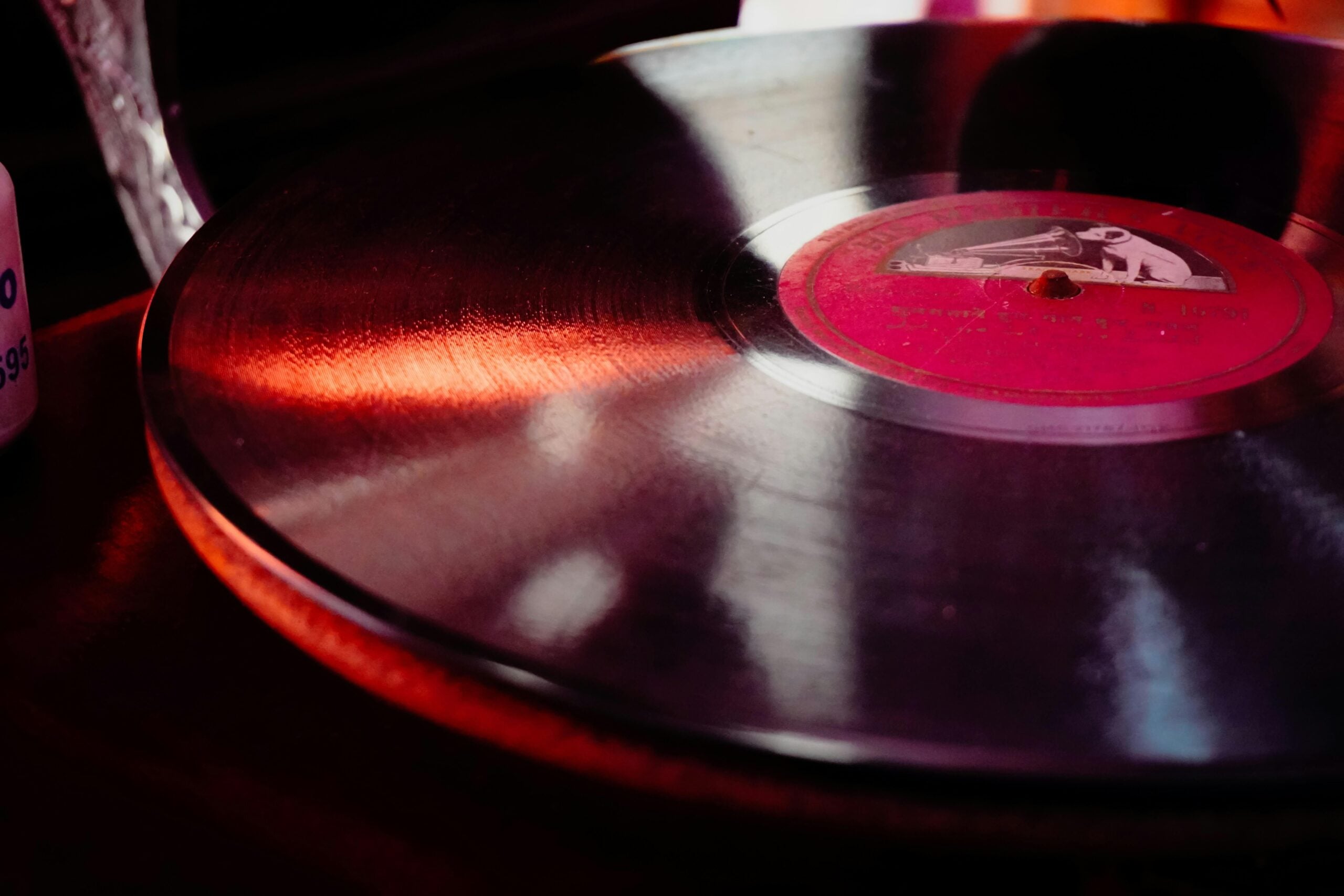
The Misfits released their debut single, Cough Cool, in 1977 on Blank Records, a label created by singer Glenn Danzig. Only a small run was pressed, and it arrived before the band adopted the horror-punk image and skull logo that later made them famous.
Originals often sell for several thousand dollars in strong condition. Bootlegs and counterfeits are common, so collectors check the label typeface, sleeve printing and dead wax markings carefully.
Wear, writing and sleeve damage reduce value, though even a played copy remains highly desirable among punk collectors.
Grunge-Era Vinyl Like Pearl Jam’s Ten
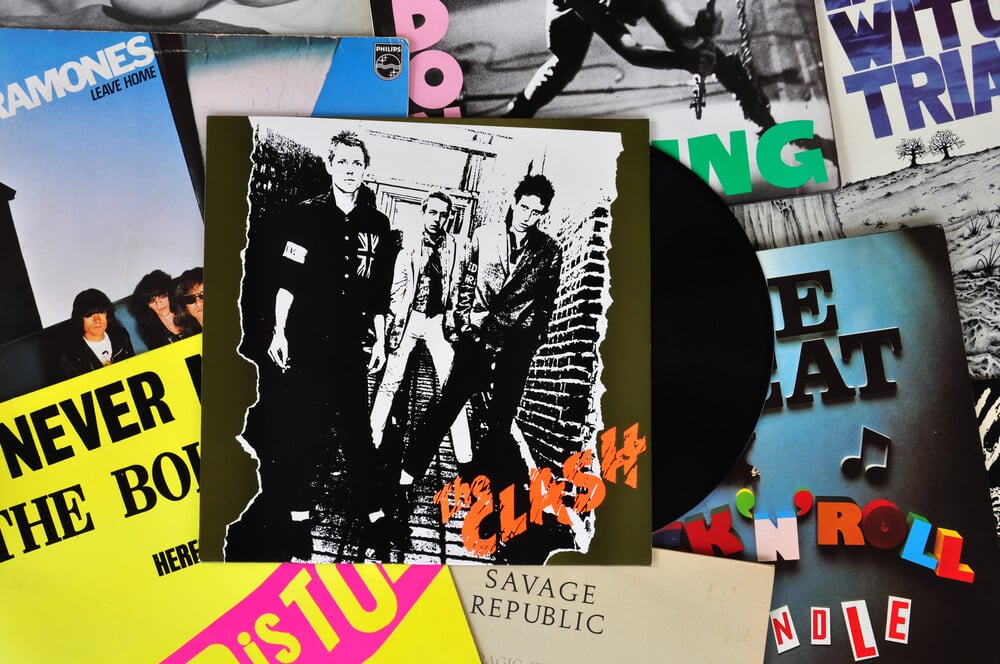
By the early 1990s, CDs dominated record store shelves, and many major albums were pressed on vinyl in very small quantities or not at all in the United States. Original 1991 vinyl copies of Pearl Jam’s Ten on Epic are a good example, often selling for several hundred dollars in clean condition.
The same pattern applies to other albums from the era, when vinyl was treated as a niche format. Reissues are plentiful and far cheaper, so collectors check catalog numbers, barcodes and label details.
Scuffs and worn covers reduce value.
Catch a Fire Zippo Cover
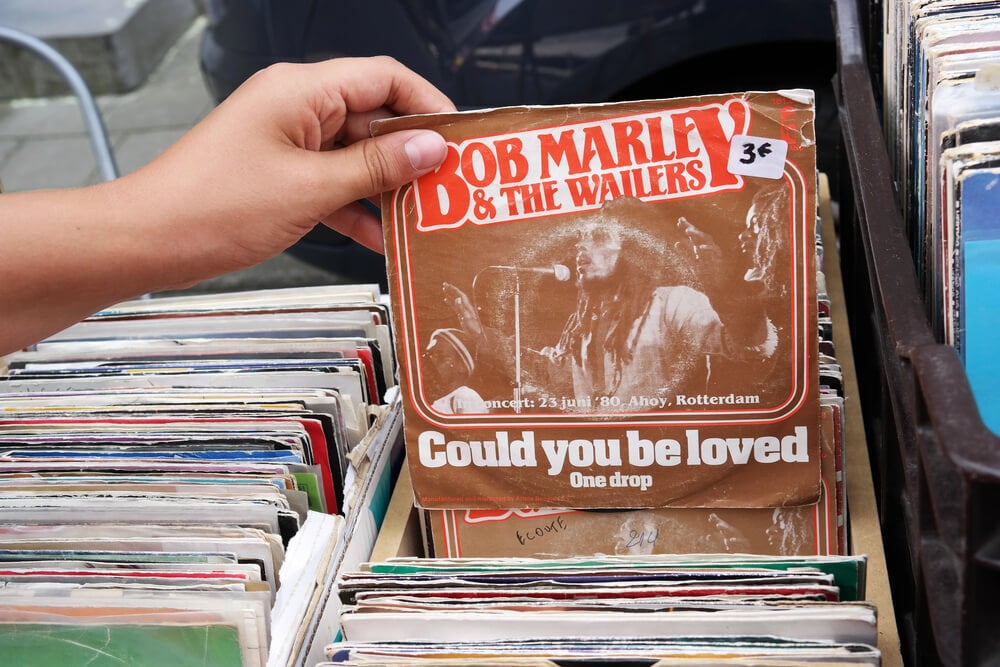
Bob Marley and the Wailers’ 1973 album Catch a Fire first came out on Island Records in a cover shaped like a Zippo lighter, with a hinged top that flipped open to reveal the record. The design was costly to produce and was soon replaced with a standard sleeve featuring a photo of Marley.
Original Zippo covers often sell for several hundred dollars, depending on condition. The hinge and rivet are the weak points, and many copies have torn or detached lids.
Complete, intact covers with the original record bring the strongest prices.
Unused Beach Boys Smile Sleeves
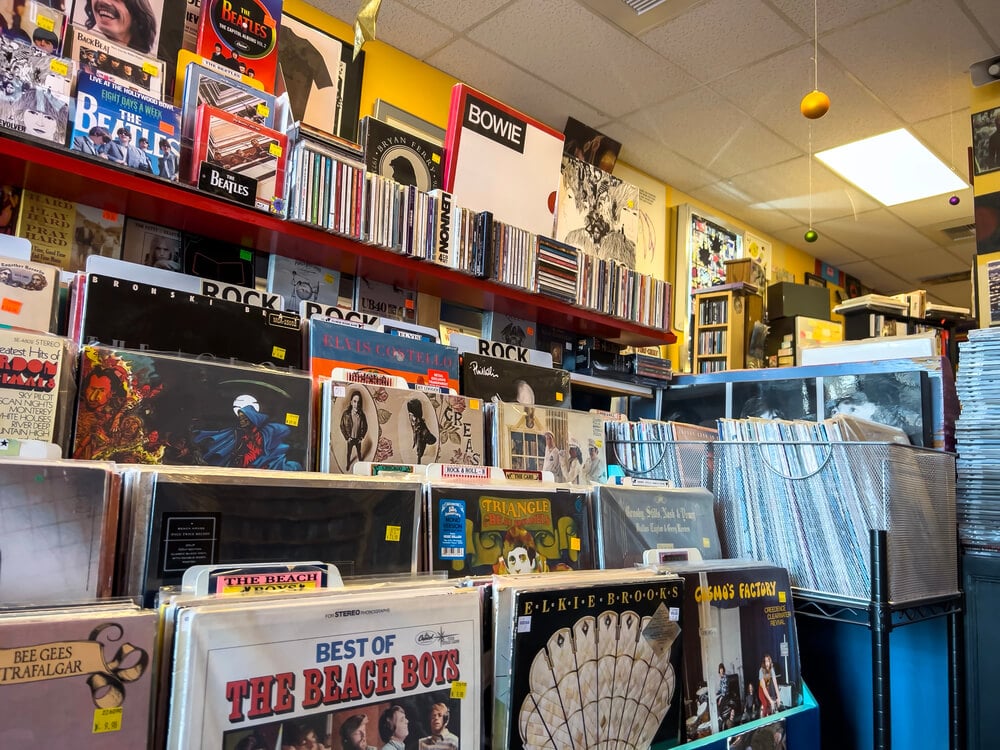
Smile, the Beach Boys album that never was, was meant to follow Pet Sounds, but Brian Wilson shelved it in 1967. Capitol had already printed cover slicks and booklets for the album, and some of that material survived in warehouses.
Original printed covers and booklets now sell for hundreds to thousands of dollars, depending on condition and completeness. The music itself was finally released as The Smile Sessions in 2011, which renewed interest in the original artwork.
Creases, tears and water damage reduce value, and reproductions exist, so careful inspection matters.
Five Sharps Doo-Wop on Jubilee
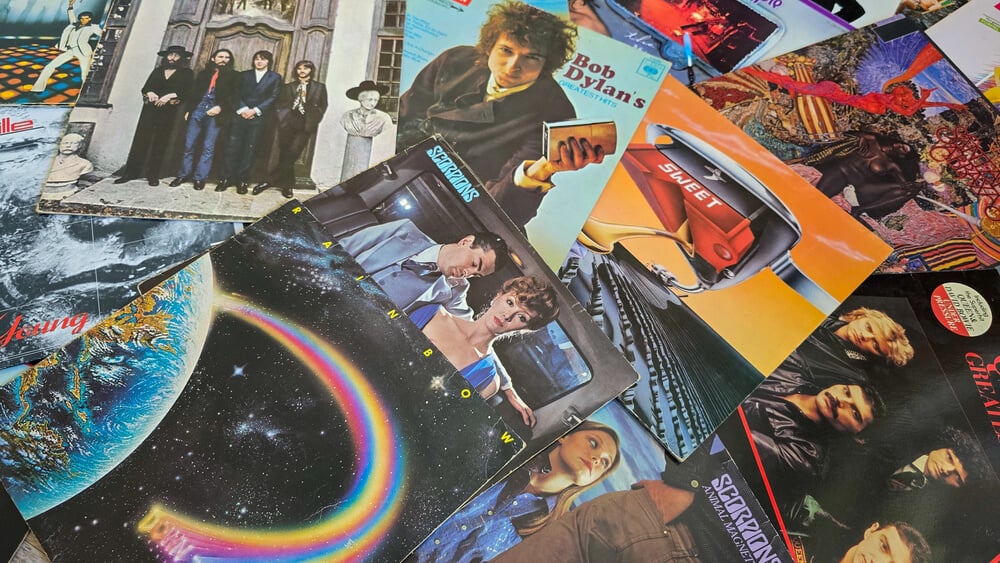
Five young singers from Queens calling themselves the Five Sharps recorded Stormy Weather for Jubilee Records in 1952, and the single sold poorly. Decades later, it became one of the most legendary rarities in doo-wop collecting.
Only a tiny handful of 78 rpm copies are known, and no original 45 rpm copy has ever been confirmed despite years of searching. The scarcity has led to many myths, including tales of copies sitting unrecognized in basements and attics.
Any genuine example would bring a very high price, with condition playing a major role.
Coltrane’s Blue Train Mono
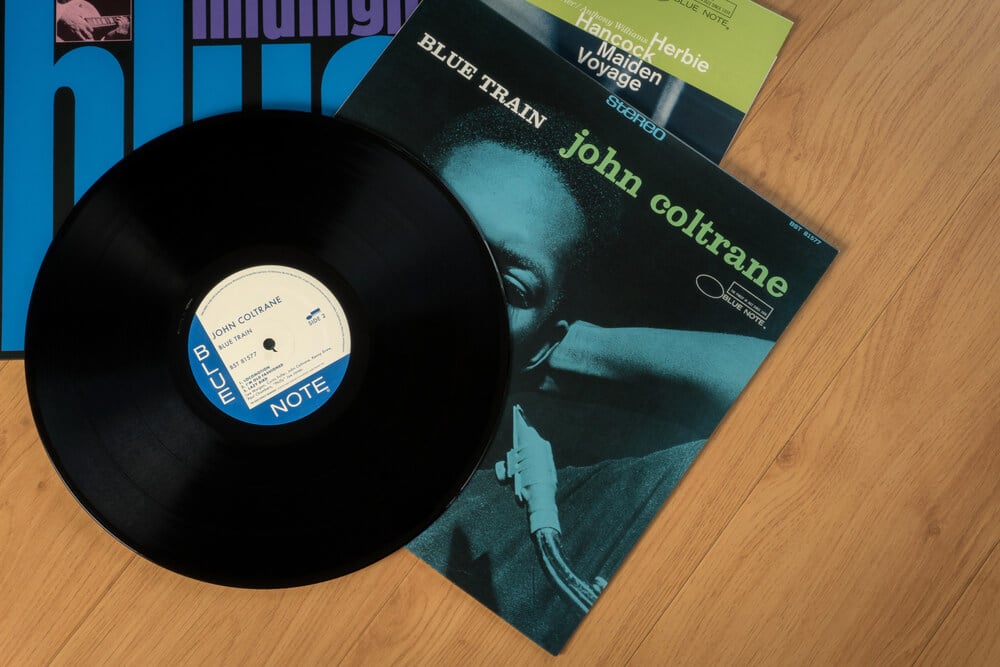
John Coltrane’s 1957 album Blue Train, Blue Note catalog number 1577, is one of the most celebrated records in the label’s history and the only album he led for Blue Note. Original mono pressings with the deep groove label, the West 63rd Street address and Rudy Van Gelder’s initials in the dead wax are highly prized.
Clean originals often sell for thousands of dollars. Later reissues are common and worth far less, so collectors check every label and matrix detail.
Scratches, label wear and cover damage reduce value significantly.
Vogue Picture Discs From Detroit
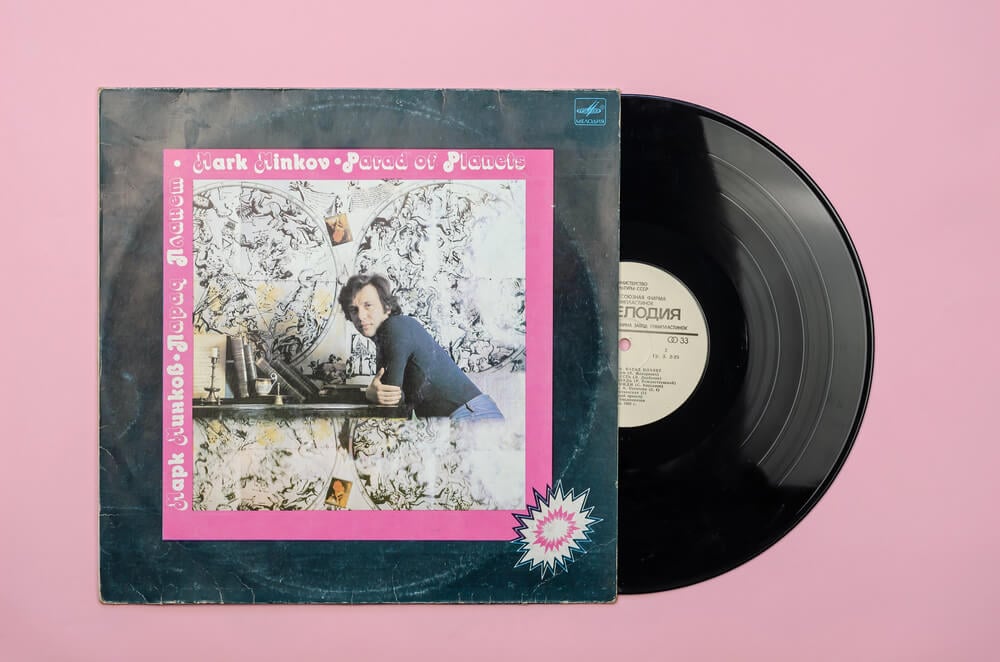
Sav-Way Industries in Detroit produced Vogue Picture Records in 1946 and 1947, embedding full-color illustrations directly into the vinyl so the artwork spun along with the music. The records featured popular songs and big-band numbers of the day, with artwork that matched each title.
The discs were built in layers, with printed paper artwork sealed beneath clear vinyl. Production was short-lived, and the company folded soon after.
Common titles often sell for 50 to 200 dollars, while rarer ones bring considerably more. Scratches, cracks and fading reduce value, and collectors prize copies with bright, unblemished artwork.
Nirvana’s Bleach on White Vinyl
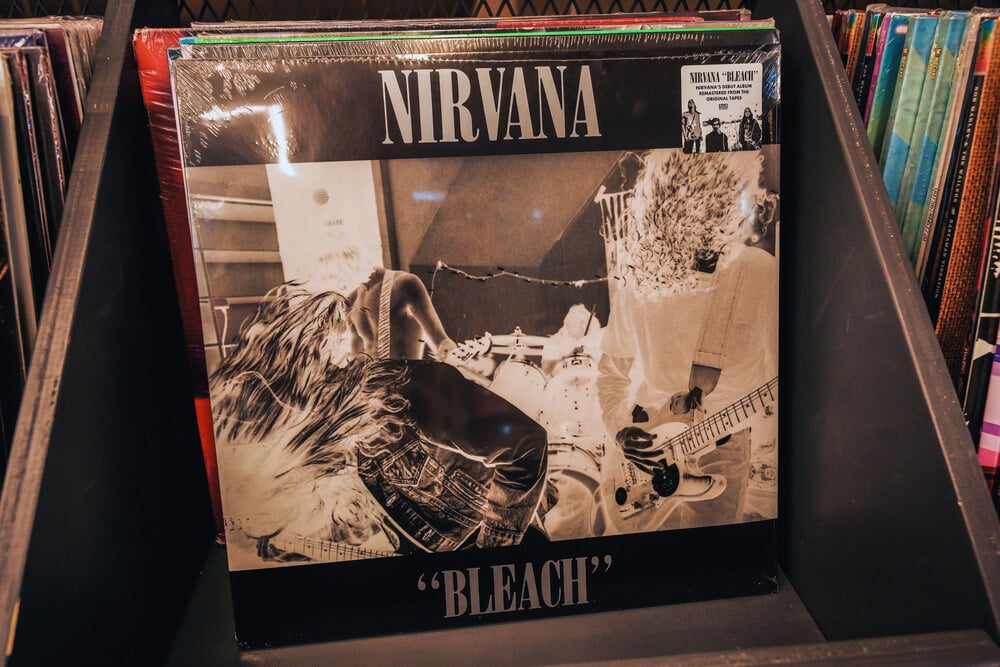
Sub Pop pressed the first 1,000 copies of Nirvana’s 1989 debut album Bleach on white vinyl, and many were sold at the Lamefest concert in Seattle that August, where buyers received a free poster. The second pressing came out on black vinyl.
Original white copies often sell for several hundred to over a thousand dollars, depending on condition. A 2009 deluxe reissue was also pressed on white vinyl, so collectors check catalog details, weight and packaging to tell them apart.
Scratches, sleeve wear and missing posters reduce value.
Grooves Worth More Than the Music
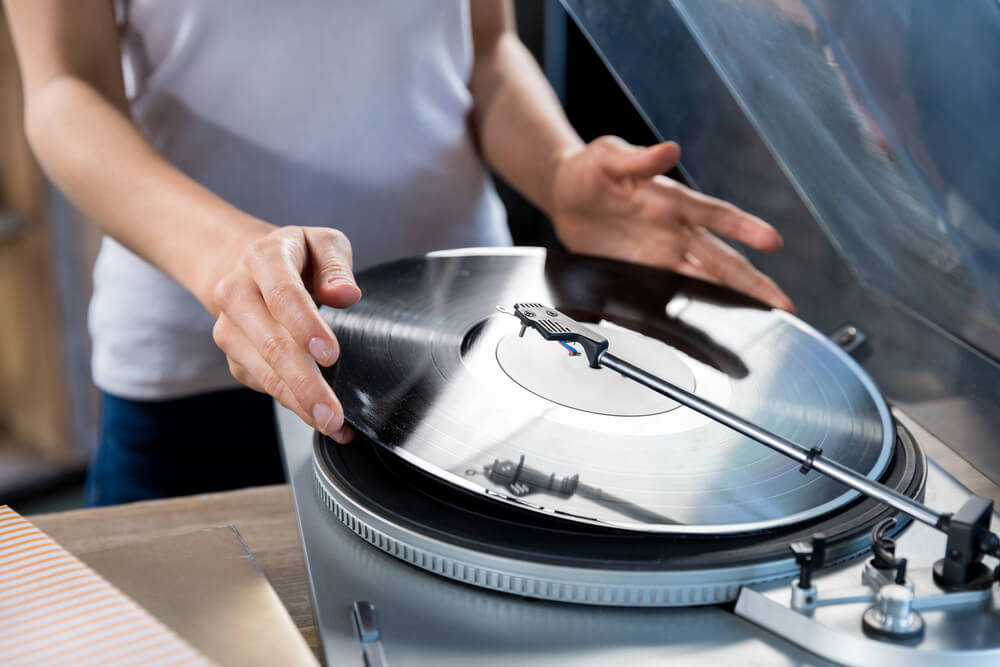
The value of these records rarely comes from the music alone. Recalls, label changes, cover swaps and tiny pressing runs created scarcity that collectors now chase.
Most of these quirks were accidents or business decisions. Few people at the time thought they mattered.
That is why record collecting rewards patience and close attention. The same album can be worth a few dollars or a few thousand depending on details hidden in plain sight.
Checking labels, covers and matrix numbers takes only a moment. That moment can make all the difference.
More from Go2Tutors!

- The Romanov Crown Jewels and Their Tragic Fate
- 13 Historical Mysteries That Science Still Can’t Solve
- Famous Hoaxes That Fooled the World for Years
- 15 Child Stars with Tragic Adult Lives
- 16 Famous Jewelry Pieces in History
Like Go2Tutors’s content? Follow us on MSN.