31 Forgotten Kingdoms That Once Controlled Vast Stretches of Territory
History has a strange way of playing favorites. Some empires get textbooks, statues, and blockbuster movies, while others — kingdoms that once stretched across deserts, mountains, and coastlines — end up as a paragraph, if that. It’s worth pulling a few of those names back into the light, not because they need saving, but because their scale deserves a second look.
Xiongnu Confederation
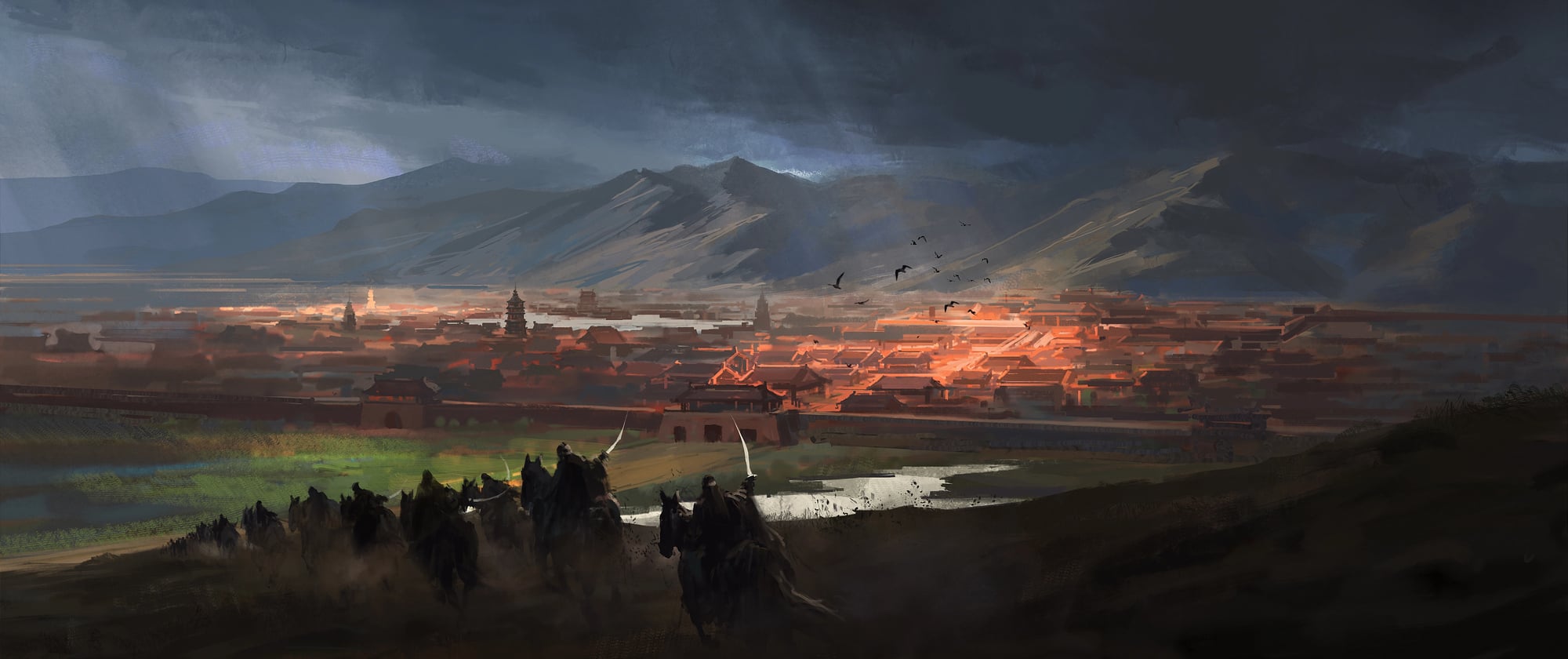
The Xiongnu ruled the steppe long before Genghis Khan was born. Their horsemen terrorized Han China for centuries, forcing emperors to pay tribute just to keep the peace. Today most people couldn’t place them on a map. That’s not an accident — history remembers the empires that wrote things down.
Kingdom of Kush
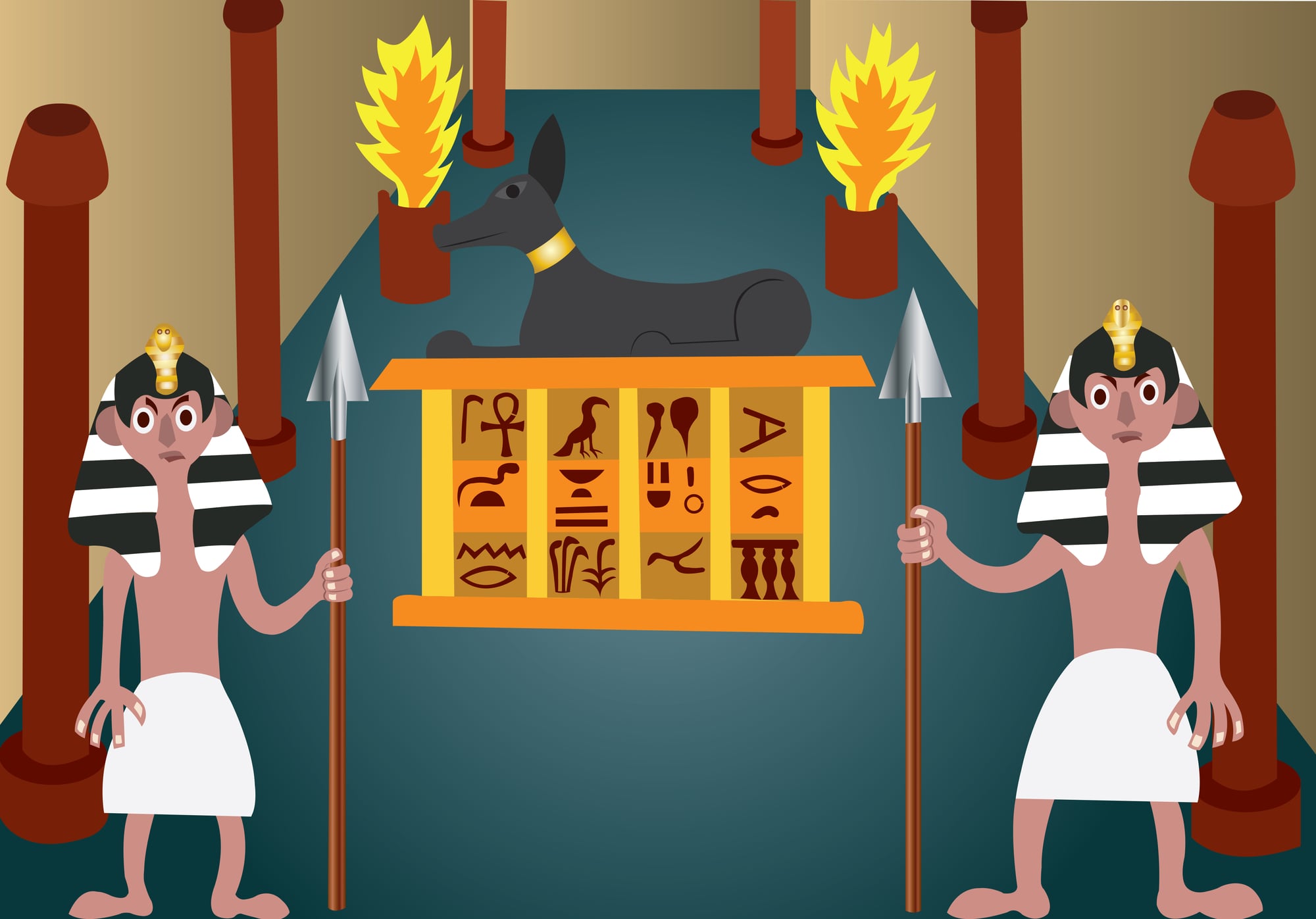
Kush sat along the Nile south of Egypt, and for a stretch of centuries — long enough that its pharaohs actually ruled Egypt itself, the so-called Twenty-Fifth Dynasty — it was the dominant power up and down the river, controlling trade routes that stretched from the Mediterranean deep into sub-Saharan Africa. Its capital at Meroë had iron furnaces going strong while Rome was still figuring out plumbing, which nobody mentions in school. And that’s the strange part: a civilization sophisticated enough to build its own pyramids, over two hundred of them, gets reduced to a footnote under Egypt’s shadow. So the pyramids at Meroë sit half-forgotten in the Sudanese desert, smaller than Giza’s but more numerous, waiting for a curiosity most travelers never develop.
Parthian Empire
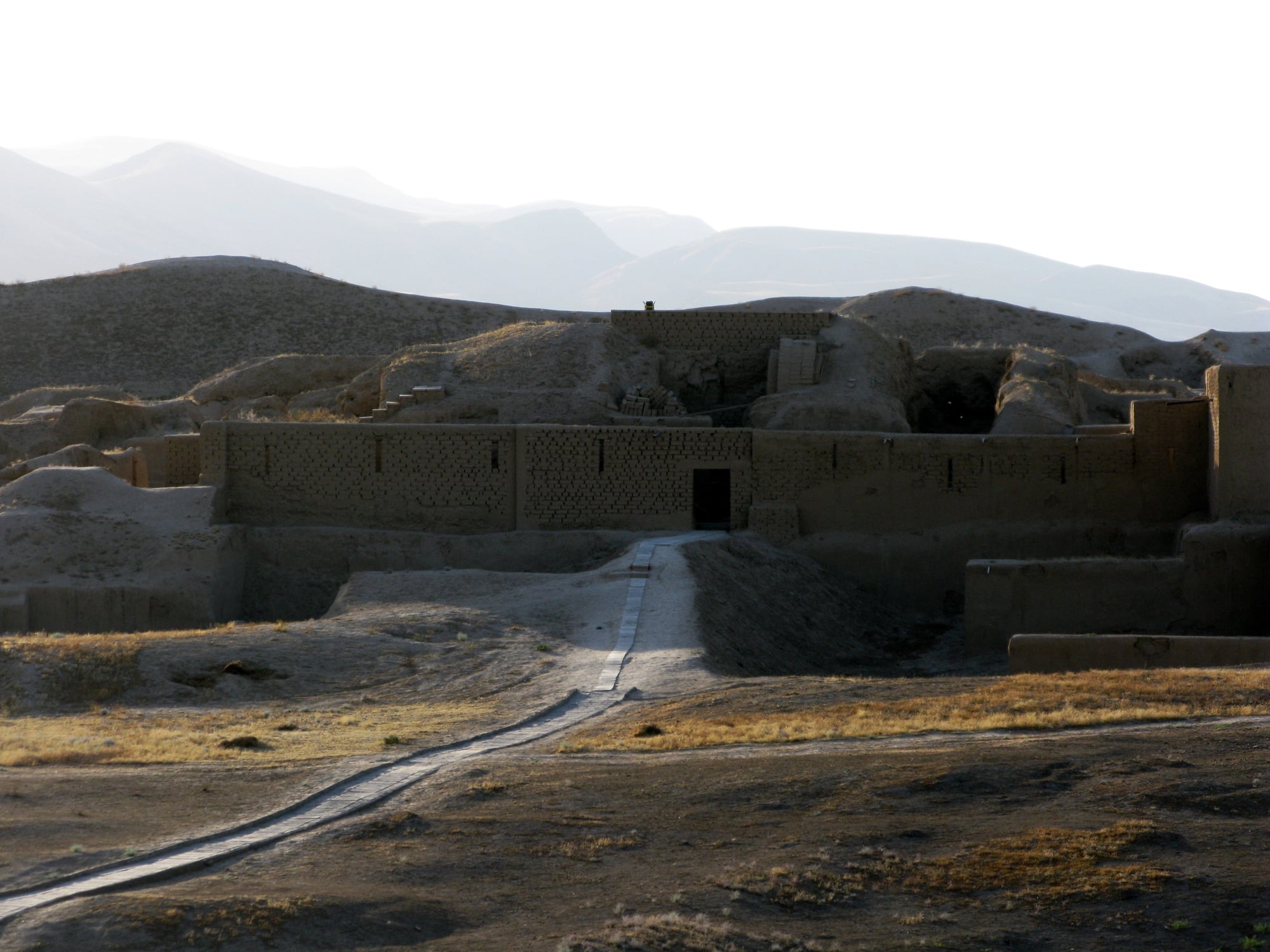
Parthia was the empire that made Rome flinch, a horse-archer power that turned the desert into a weapon nobody in the West quite understood. Picture an army that could ride forward and fire backward at full gallop — the maneuver still bears the name Parthian shot — and you start to grasp why Roman legions dreaded the Mesopotamian frontier. It never conquered the way Rome did, loud and monumental; it corrected Rome’s ambitions instead, quietly, from horseback. Its cities are dust now, but the phrase it left behind still lives in everyday language, tucked into idioms most people use without knowing where they came from.
Sogdiana
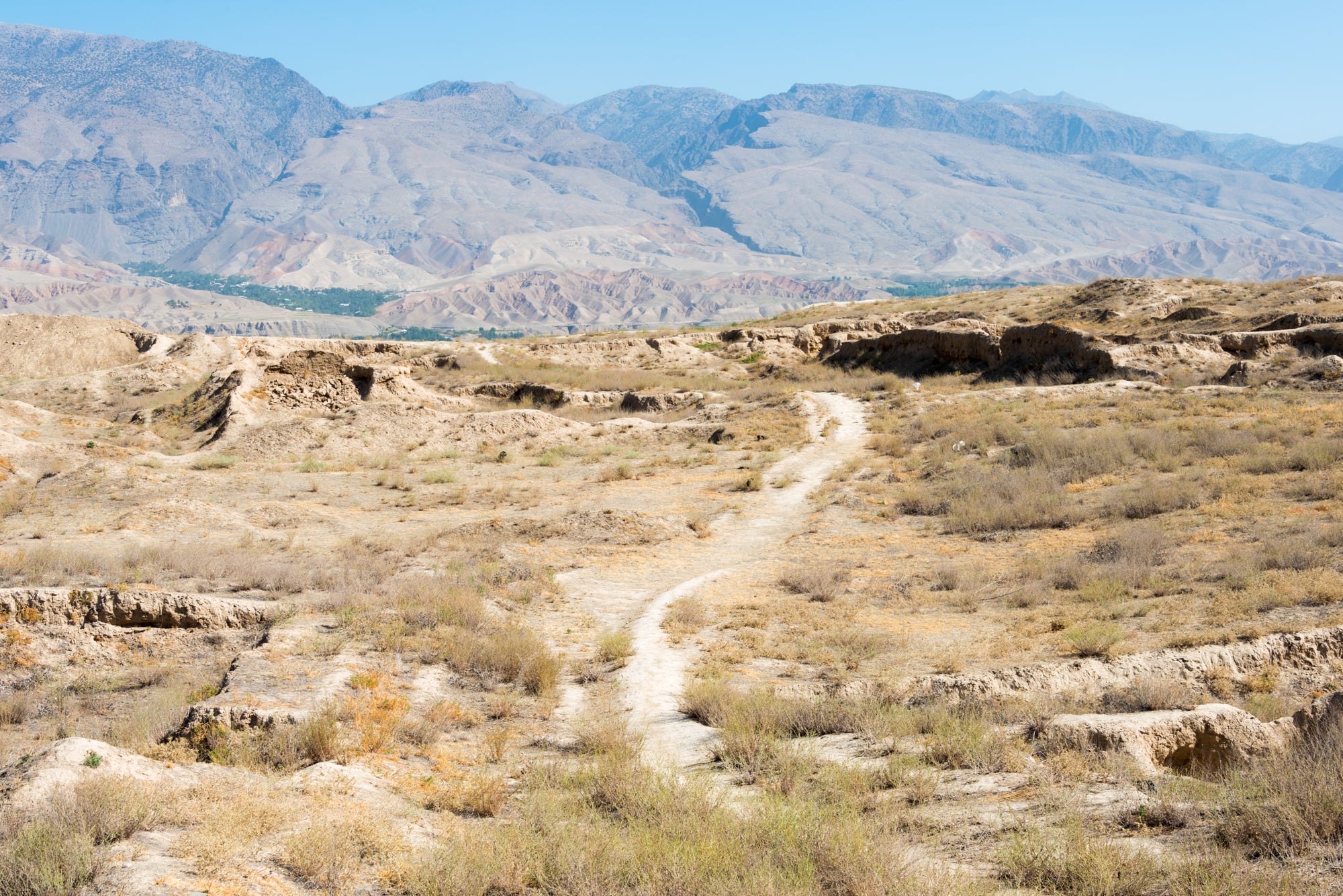
Sogdiana deserves far more credit than it gets, full stop. This was a network of city-states in Central Asia — Samarkand, Bukhara, Panjikent — that ran the Silk Road’s actual logistics while empires on either end took the credit. Sogdian merchants spoke half a dozen languages and set up trading colonies as far as China’s capital, which is more networking than most modern companies manage. Forgotten kingdom is almost too kind a phrase; erased middleman might be closer to the truth.
Khazar Khaganate
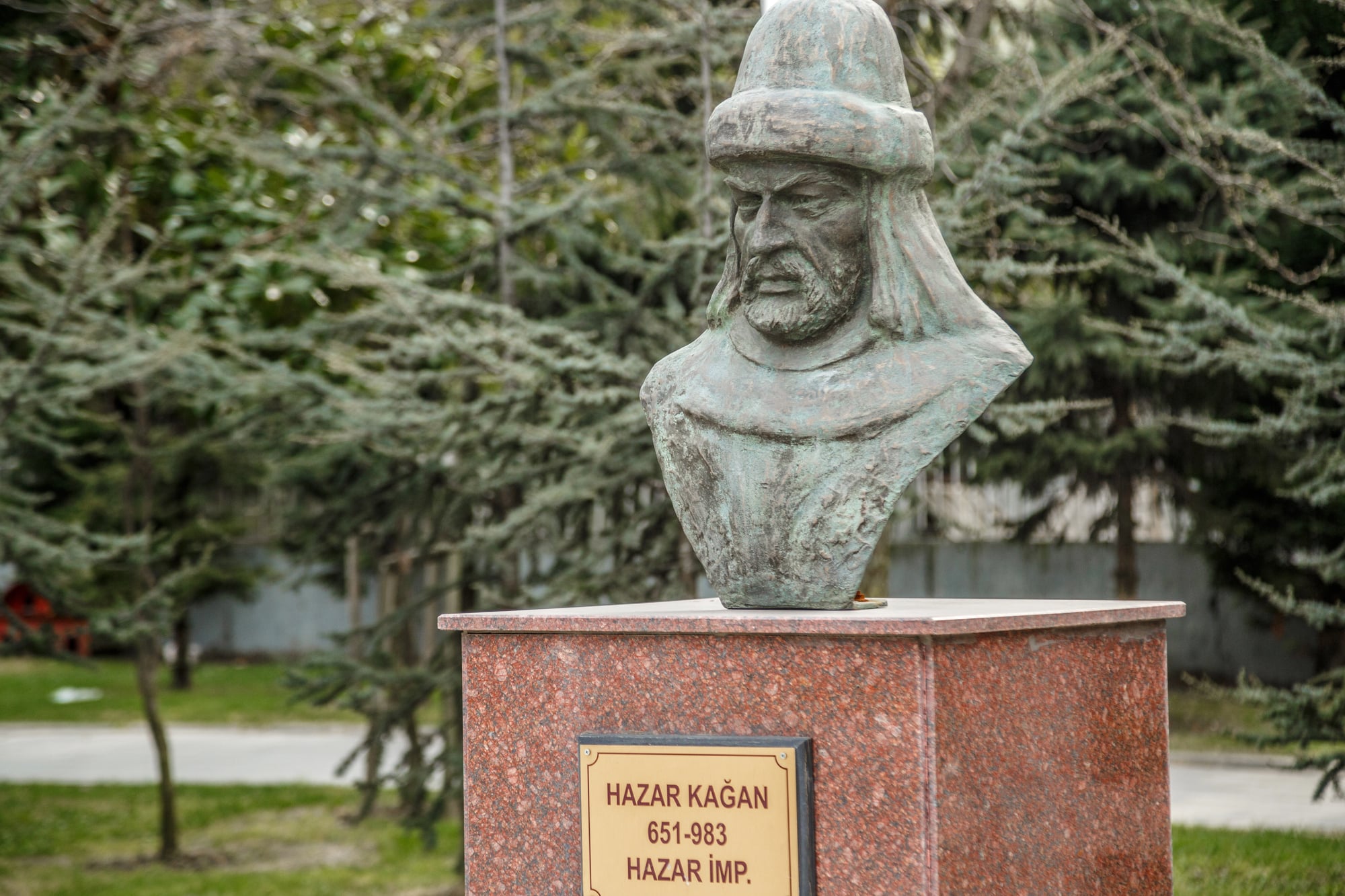
The Khazars controlled a swath of land between the Black Sea and the Caspian for nearly four centuries. Their khaganate blocked Arab expansion into Eastern Europe, which mattered more than history gives it credit for. Its elite reportedly adopted Judaism, a detail that still puzzles scholars. Then it collapsed, and the steppe swallowed the evidence.
Kingdom of Aksum
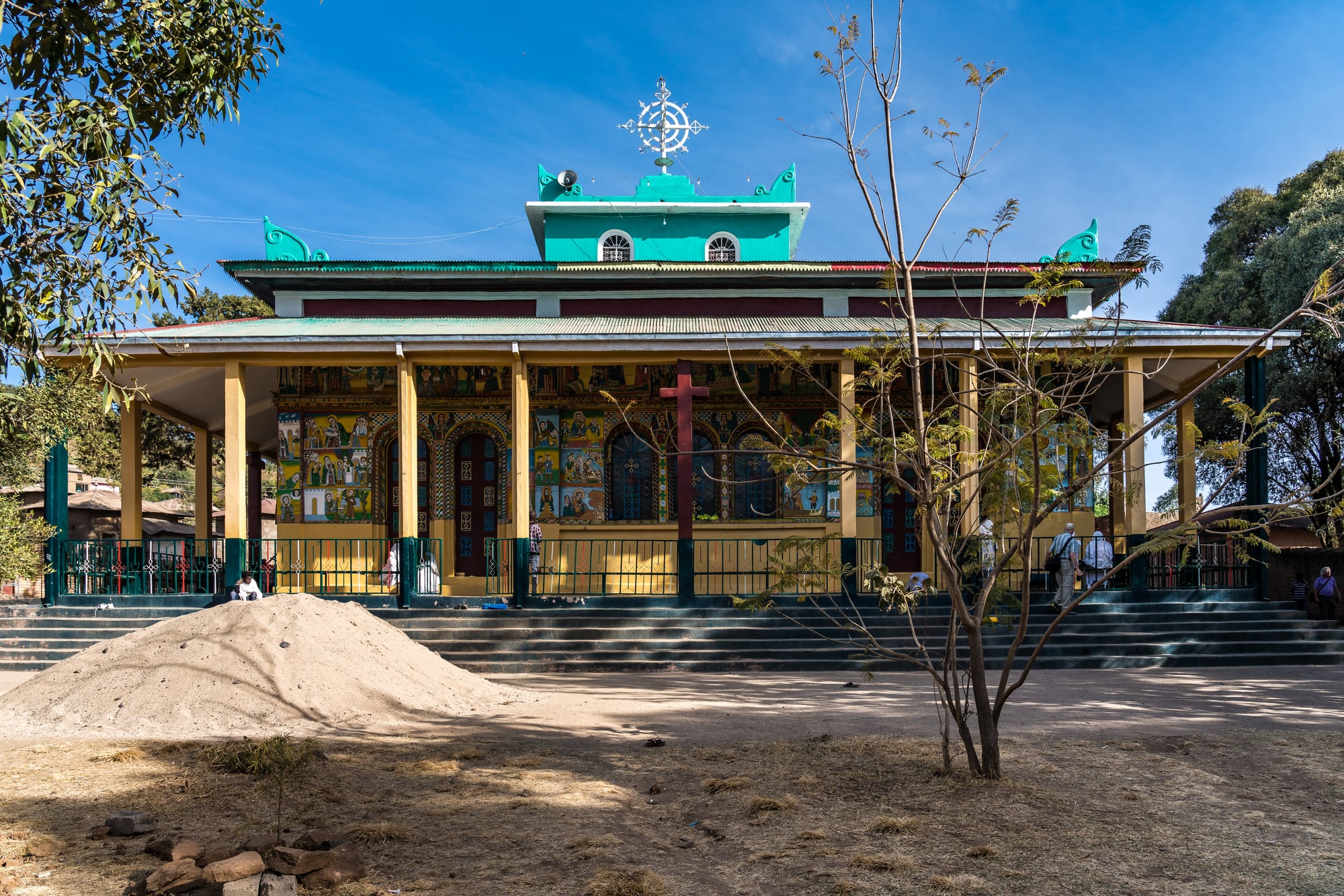
Aksum controlled a stretch of territory running from modern Ethiopia across the Red Sea into parts of Arabia, and it minted its own coinage — gold, no less — at a time when few African kingdoms bothered, because Aksum wasn’t just regional, it was trading directly with Rome, Persia, and India. The kingdom converted to Christianity in the fourth century, one of the earliest states anywhere to do so, predating most of Europe by a wide margin. Its stelae, towering carved stone monuments, still stand in the town of Axum today: some over one hundred feet tall, cut from single blocks of granite. And somehow this barely registers outside specialist circles, which says more about who writes the textbooks than about what Aksum actually accomplished.
Gupta Empire

The Gupta Empire is often called India’s golden age, and the phrase undersells it the way most golden ages get undersold. Picture a period so stable that mathematicians were free to sit around inventing the concept of zero, astronomers calculated the length of a year with startling precision, and Sanskrit literature flourished the way a garden does when nobody’s stepping on it. Its borders stretched across most of northern India, but the real territory it conquered was intellectual, quiet and permanent in a way army campaigns rarely manage. What’s left is a handful of coins, some ruins, and math the whole world still uses without a second thought.
Kingdom of Funan
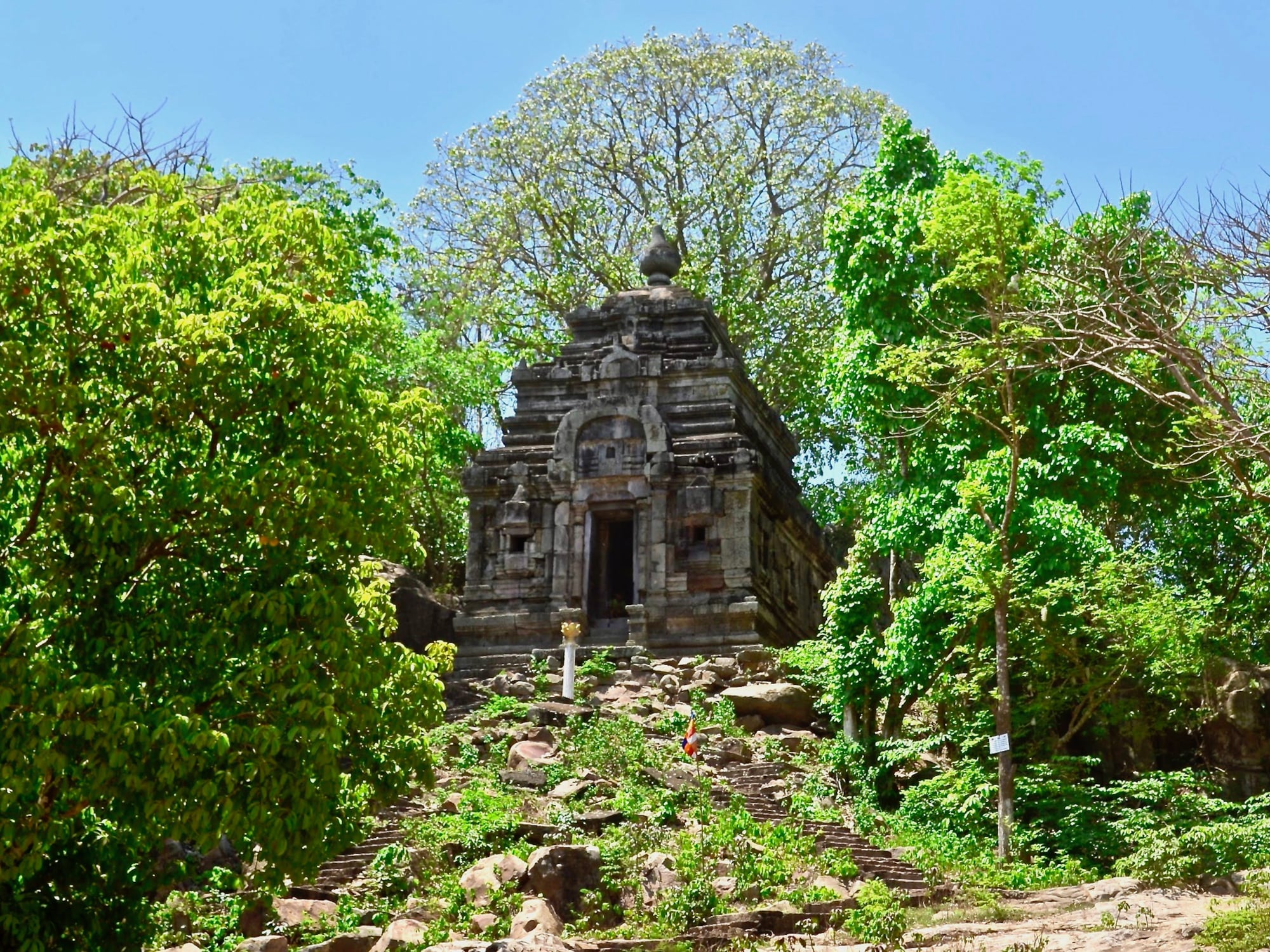
Funan was Southeast Asia’s first real heavyweight, and almost nobody outside the region has heard of it. Centered in the Mekong Delta, it controlled trade between India and China for roughly six centuries, taxing ships as they passed through its ports like a toll booth with an army behind it. Its capital, Oc Eo, has turned up Roman coins and Chinese mirrors in the same excavation layer, proof it was plugged into two ends of the ancient world at once. History gave the spotlight to the Khmer Empire that came after it, which is a bit like remembering the sequel and forgetting who wrote the original.
Tocharian Kingdoms
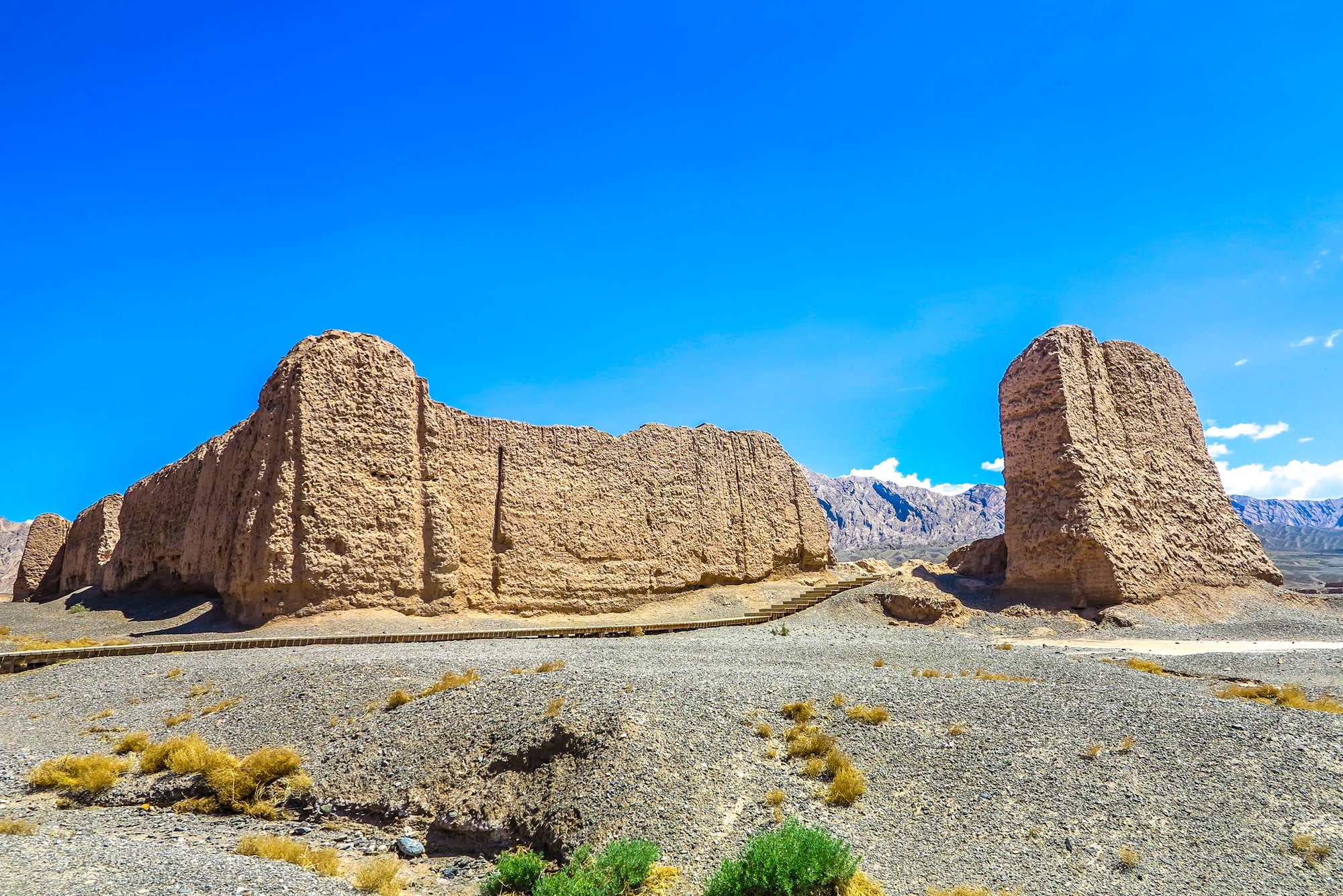
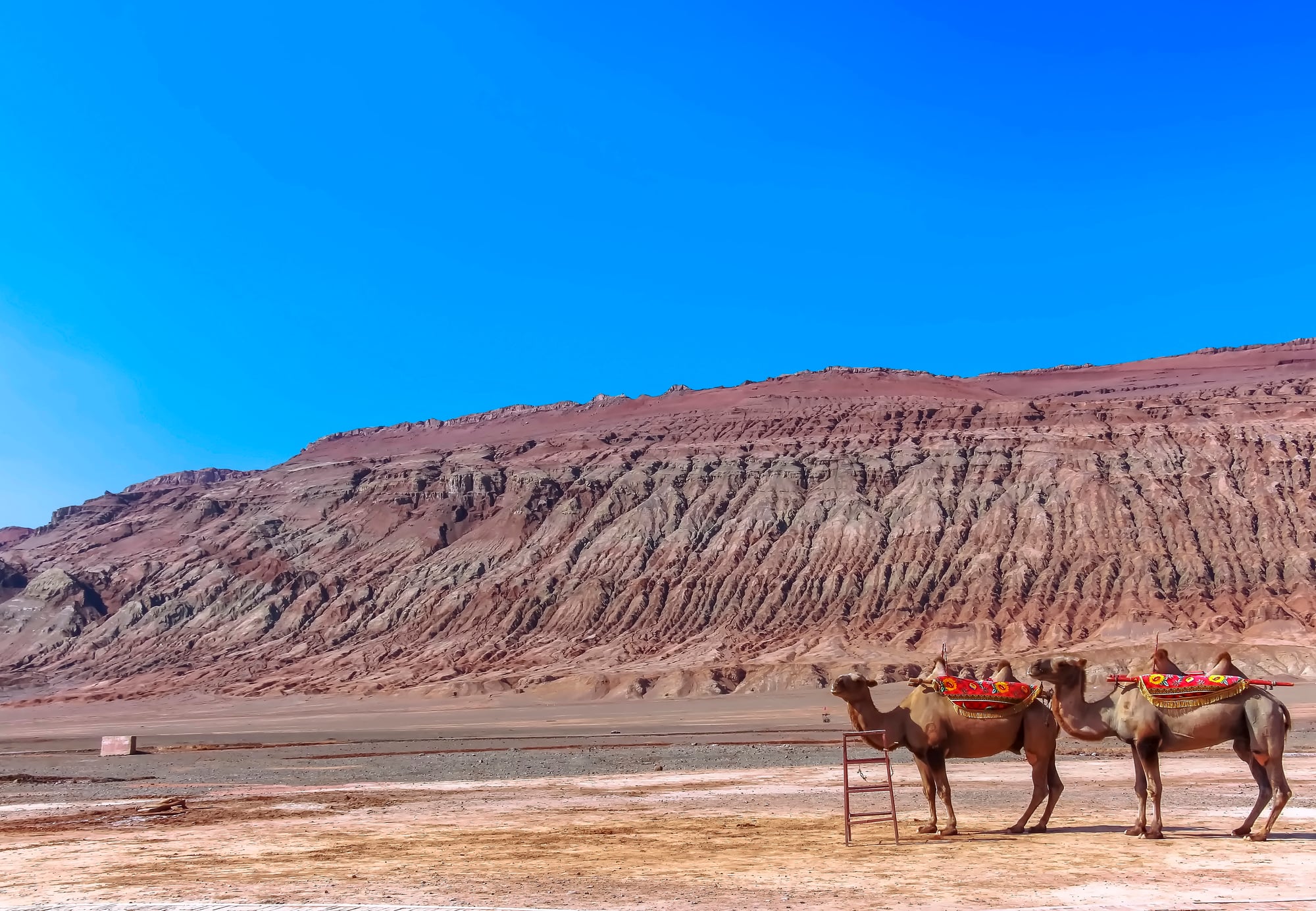
The Tarim Basin once held kingdoms that spoke a language related to Latin and Celtic, oddly enough, thousands of miles from Europe. Kucha and Turfan controlled key stretches of the Silk Road through brutal desert terrain. Their mummies, preserved by the dry climate, still have reddish hair. Almost nobody teaches this in school, and that’s a genuine loss.
Kingdom of Dahomey
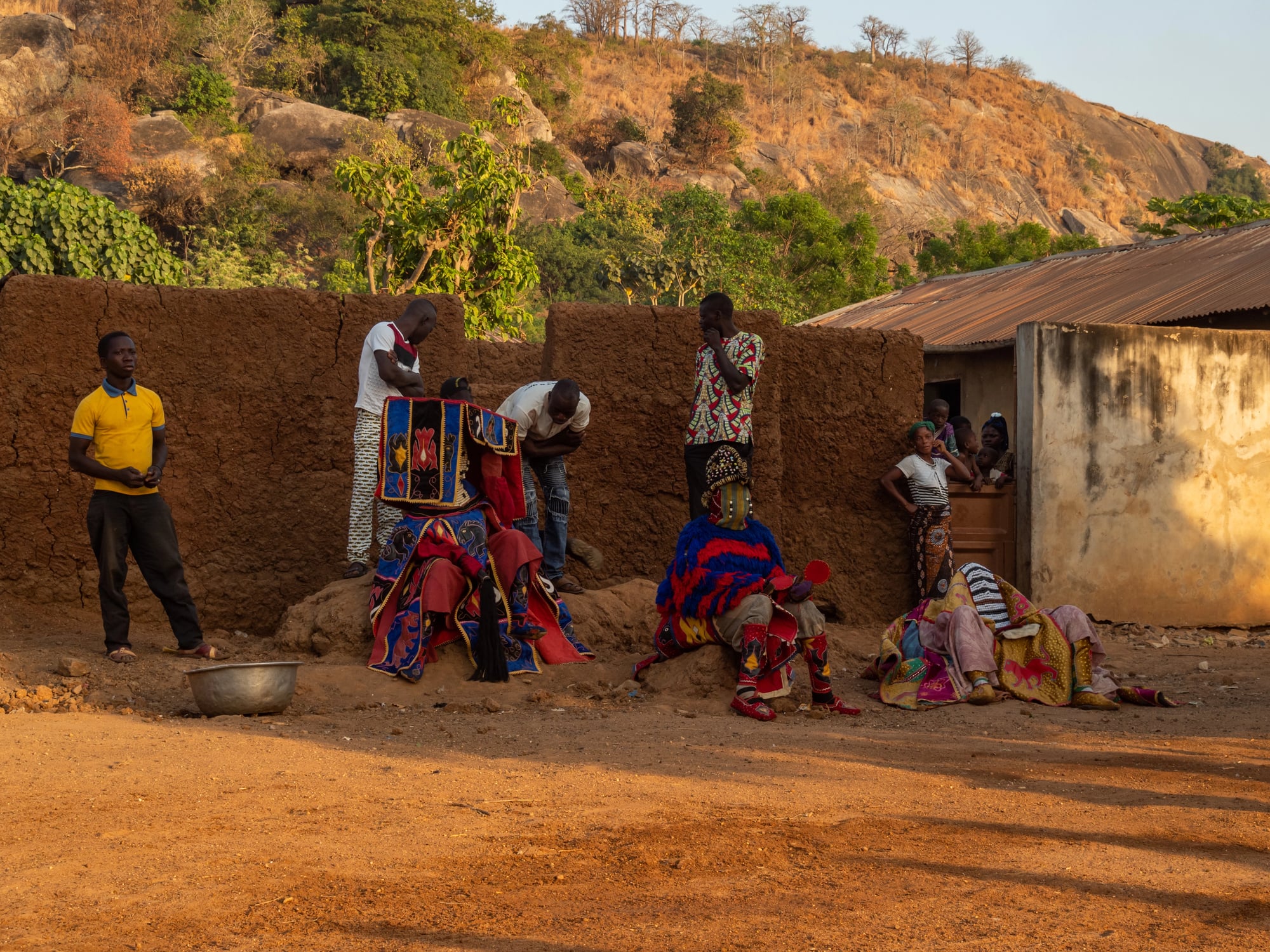
Dahomey, in what’s now Benin, built one of the most disciplined militaries in West African history — including an all-female regiment Europeans nicknamed the Amazons, a name that stuck even though it wasn’t theirs to begin with — and used that force to control a coastline stretching well beyond its original borders. The kingdom ran a centralized bureaucracy sophisticated enough to track annual census data, which is more administrative rigor than plenty of eighteenth-century European states managed. Its involvement in the transatlantic trade complicates its legacy considerably, and any honest account has to hold both truths at once. So Dahomey doesn’t fit neatly into a hero-or-villain framework, and maybe that’s exactly why it gets left out of the simplified version of history most people learn.
Kingdom of Great Zimbabwe
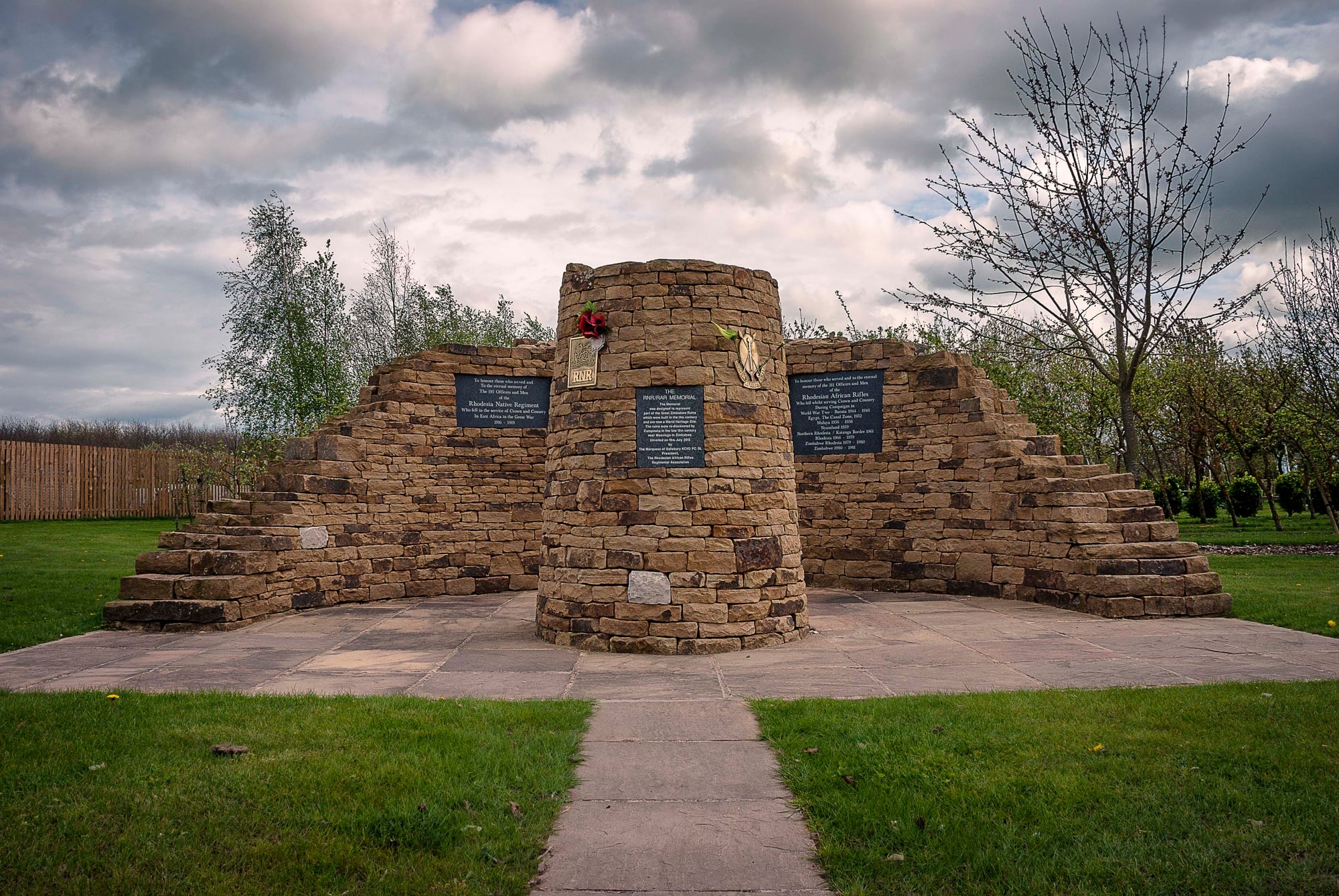
Great Zimbabwe rises out of the southern African plateau like a question nobody bothered answering for centuries — colonial historians simply refused to believe Africans built it, crediting Phoenicians or lost tribes instead, anything but the obvious truth. The stone walls, stacked without mortar, curve with a confidence that feels almost musical, holding for eight hundred years under nothing but their own careful weight. At its peak the kingdom controlled gold routes stretching to the Indian Ocean coast, trading as far as China and Persia. The silence around it now says less about the kingdom’s importance and more about who got to write the history books.
Kanem-Bornu Empire
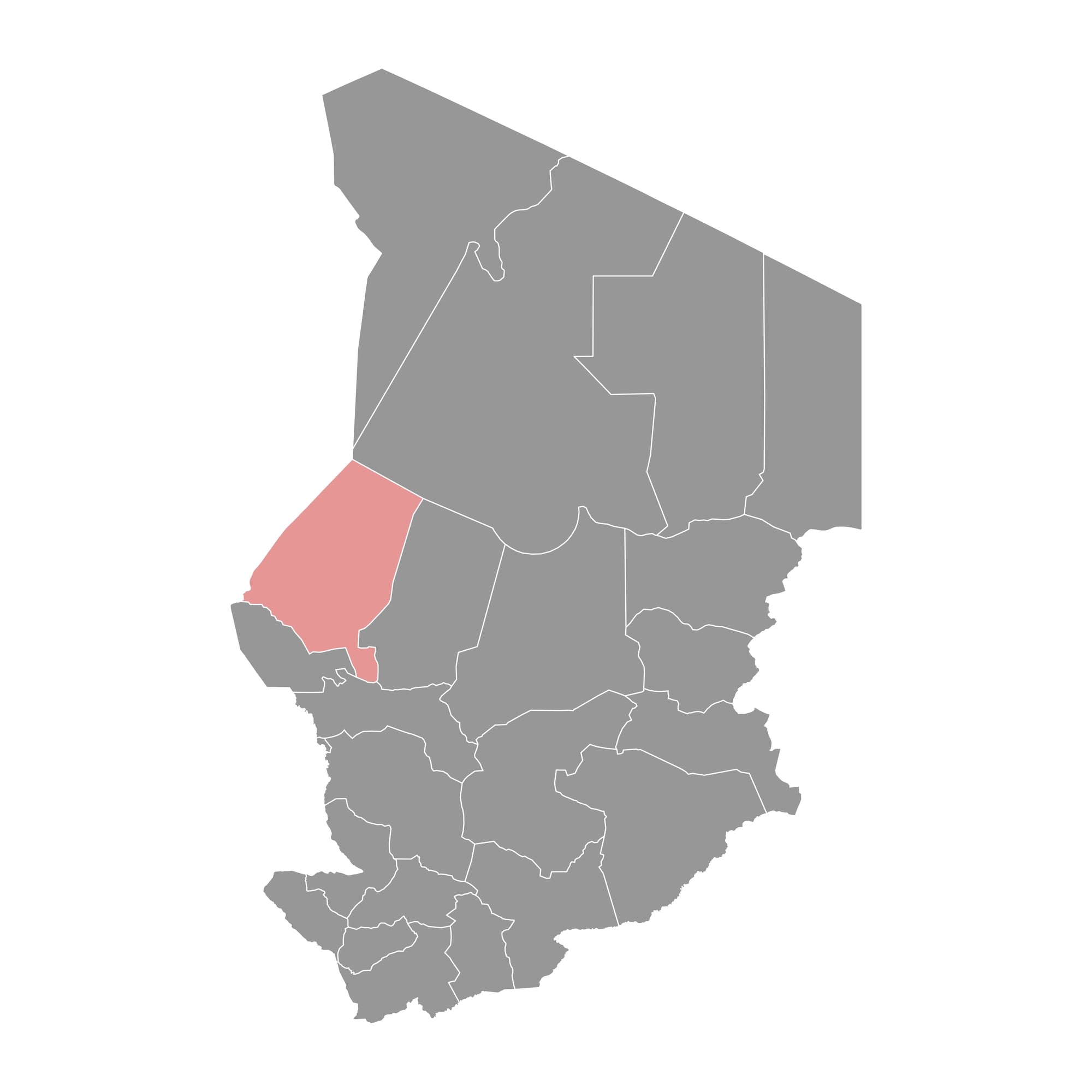
Kanem-Bornu lasted over a thousand years, which is longer than most modern countries have existed, and it barely gets a mention outside African history courses. Centered around Lake Chad, it controlled trans-Saharan trade routes moving salt, slaves, and textiles between North Africa and the forest kingdoms further south. Its rulers corresponded with the Ottoman court and imported firearms early enough to matter militarily, which was no small feat for a landlocked power. A thousand years is a long run for any kingdom, forgotten or not, and Kanem-Bornu earned every century of it.
Kingdom of Elam
Elam predates most of the empires people actually remember. Based in what’s now southwestern Iran, it controlled territory rivaling early Mesopotamian powers for over two thousand years. Its writing system remains only partly deciphered. Entire chunks of its history are just gone, guessed at from fragments and cuneiform tablets.
Hittite Empire
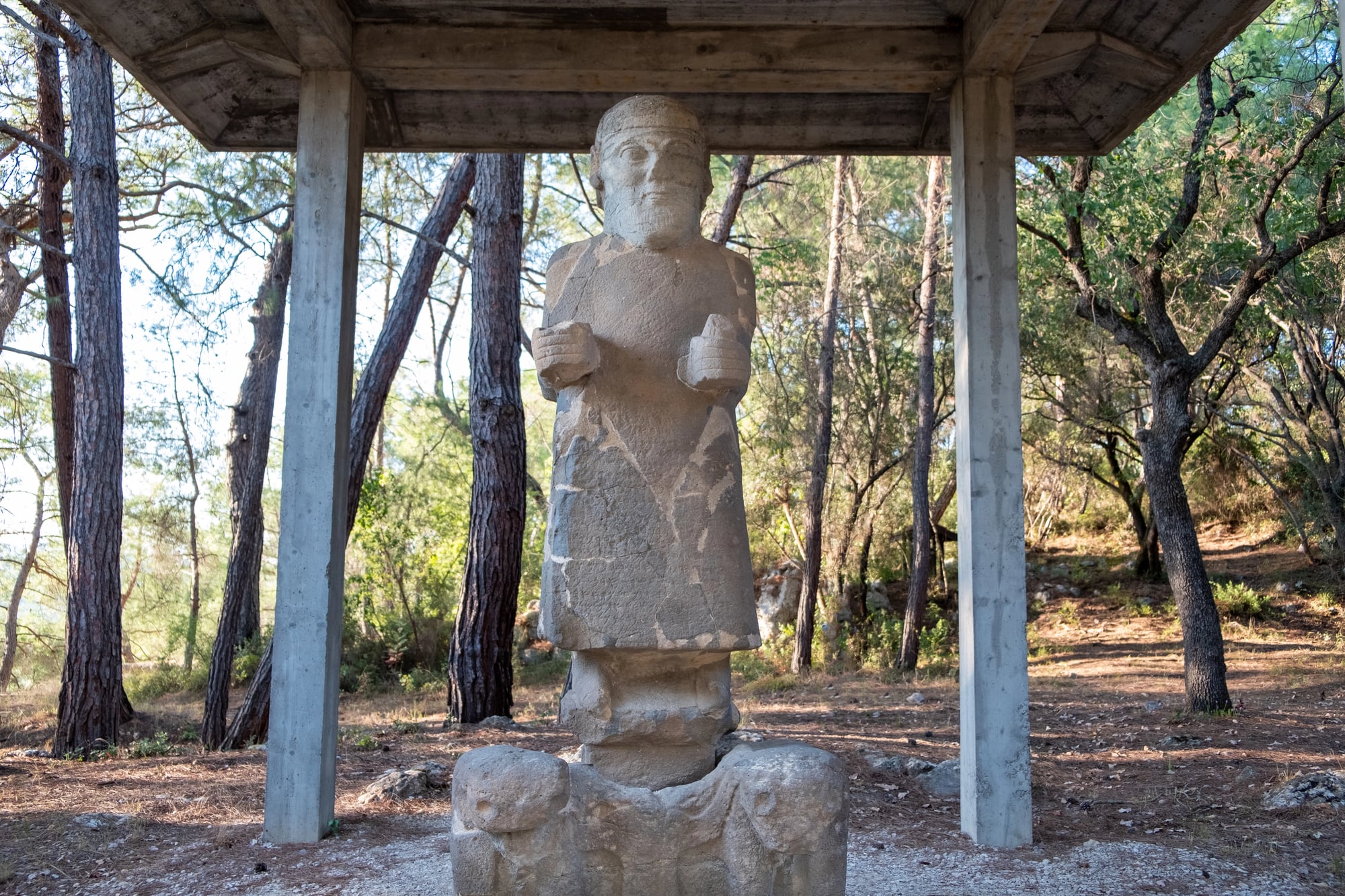
The Hittites controlled Anatolia and pushed deep into the Levant, fighting Egypt to a standstill at the Battle of Kadesh — a fight so inconclusive that both sides claimed victory, and the peace treaty that followed is often cited as the oldest surviving one in the world. They were early adopters of ironworking, which gave their armies a technological edge most of their neighbors couldn’t match for generations. And yet when people list ancient superpowers, Egypt and Mesopotamia come up first, almost automatically, while the Hittites get filed under “also existed.” Their capital, Hattusa, sits in modern Turkey now, mostly rubble and tourists.
Kingdom of Urartu
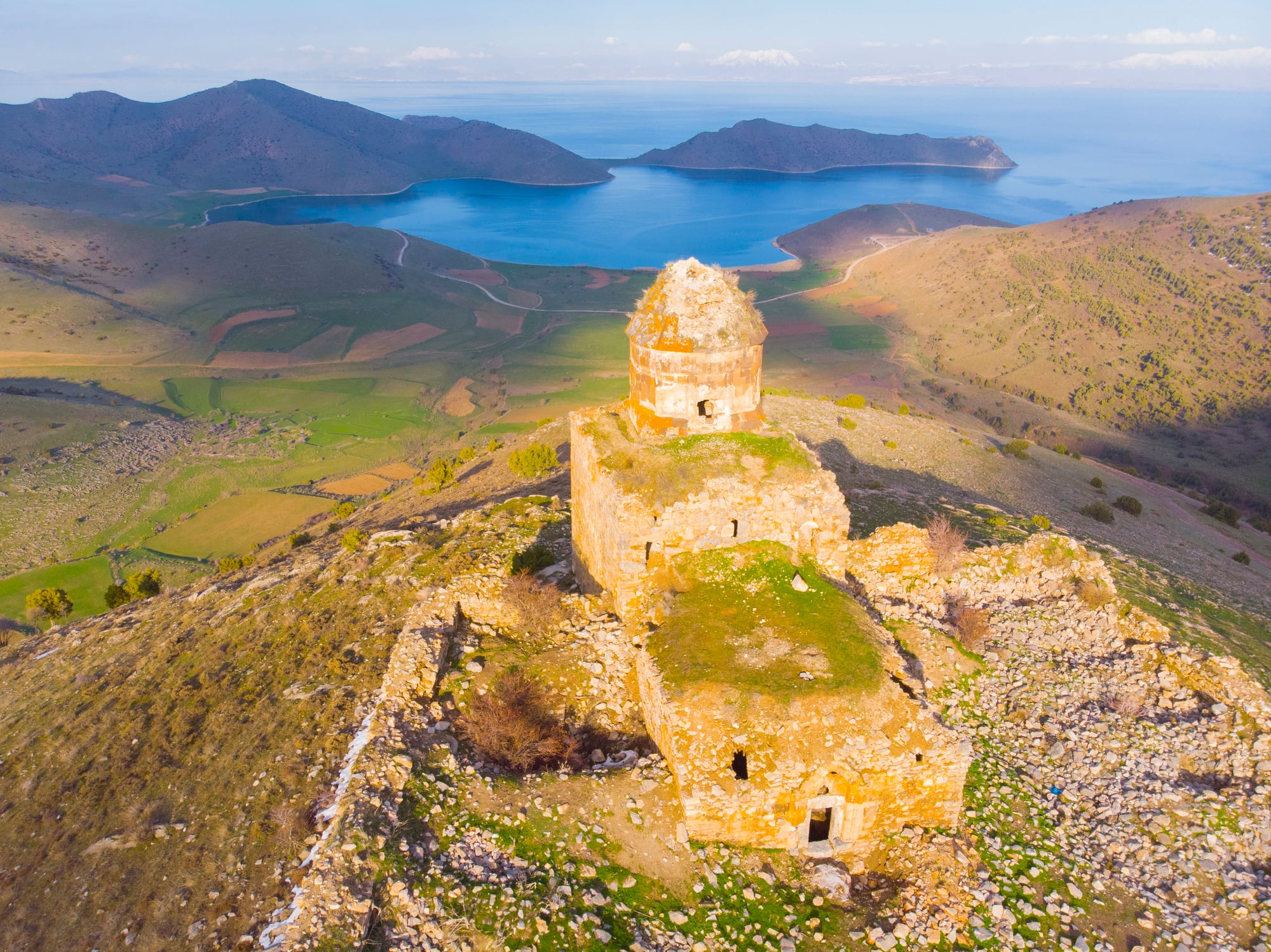
Urartu sat in the mountains around Lake Van like a fortress built by someone who trusted nothing but stone. It controlled the highlands of what’s now eastern Turkey, Armenia, and parts of Iran, engineering irrigation canals so effective that some are still used today, quietly outlasting the kingdom that built them. Assyrian records mention Urartu constantly, mostly complaining about it, which is its own kind of backhanded tribute. What’s left is a scatter of fortress ruins clinging to cliffsides, indifferent to how few people now know what they were for.
Seleucid Empire
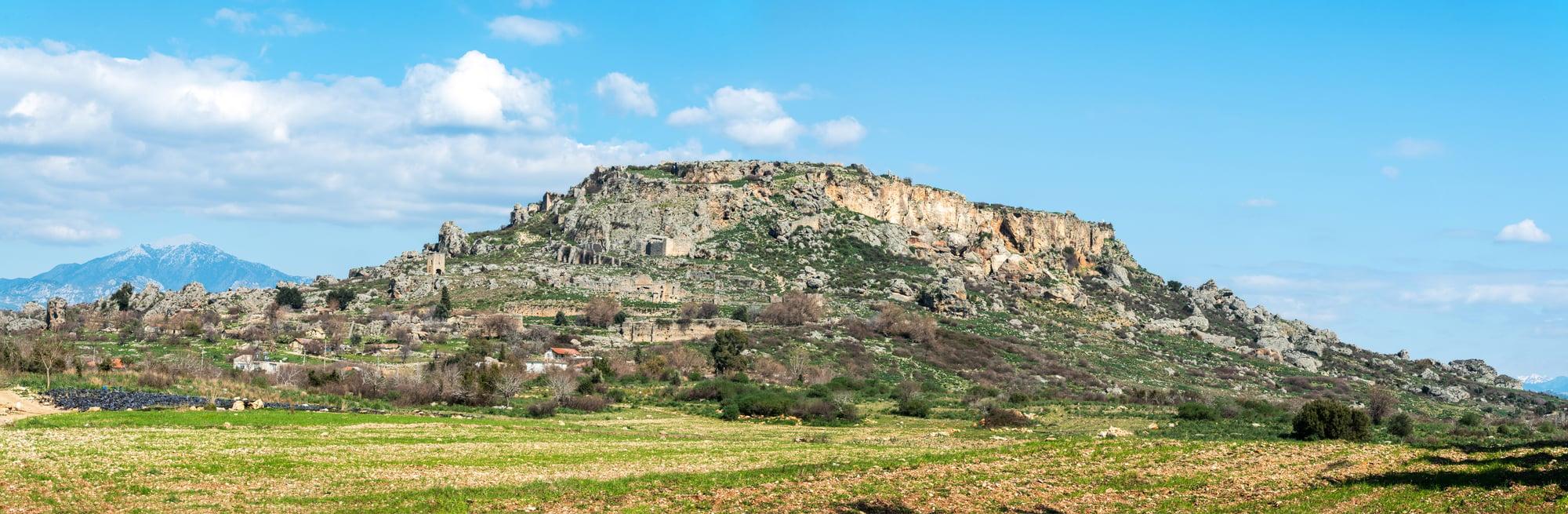
The Seleucid Empire gets treated as a footnote to Alexander the Great, and that’s a genuine disservice. At its height it stretched from modern Turkey to India, making it one of the largest empires the ancient world ever produced. It struggled to hold that territory together, sure, fractured into pieces over a few centuries, but so did every empire that overreached that badly. Blaming the Seleucids for falling apart is a little like blaming a stretched rubber band for snapping.
Kingdom of Pontus
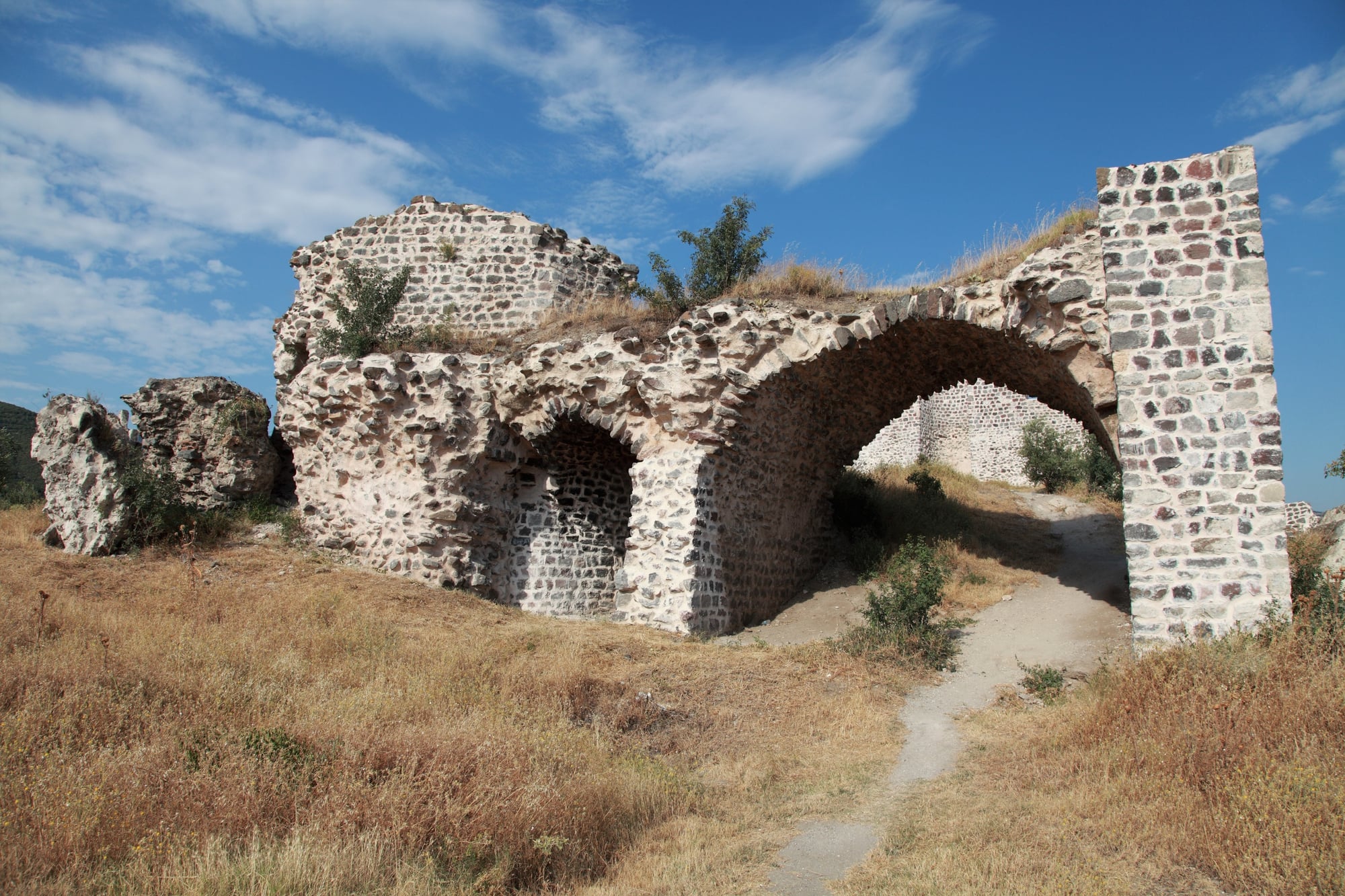
Pontus sat along the Black Sea coast of modern Turkey. Under Mithridates VI it grew into a genuine threat to Rome, one of the few kingdoms that ever managed that. He reportedly built up immunity to poison by taking small doses for years. It didn’t save his kingdom, but it’s a detail that outlived it.
Bactria
Greco-Bactrian rulers ended up governing a swath of Central Asia and parts of northern India, blending Greek administrative habits with local customs in a way that produced some genuinely strange coinage — Greek gods on one side, Buddhist symbols creeping in on the other — because that’s what happens when Alexander’s soldiers settle somewhere and stop leaving. The kingdom sat at a crossroads literally and culturally, absorbing influence from Persia, India, and the Hellenistic world all at once. So its art ended up looking like nothing else in the ancient world, Greek columns holding up Buddhist shrines, which still confuses museum visitors today. Bactria’s name barely survives outside specialist circles, which feels like an odd fate for a kingdom that basically invented cultural fusion by accident.
Kingdom of Ghana
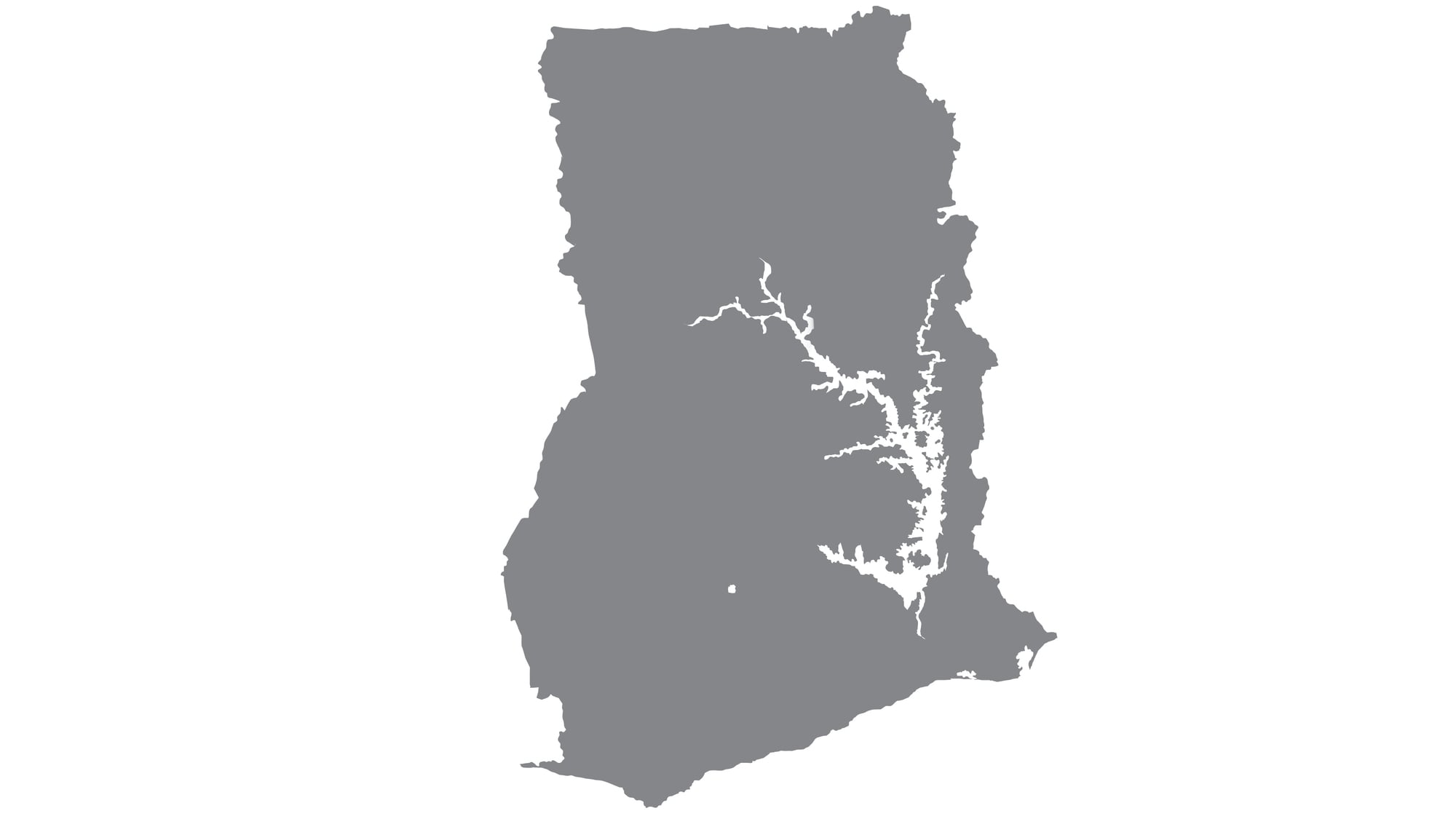
The Ghana Empire, older and unrelated to the modern country that borrowed its name, built its wealth on gold the way a river builds a delta: slowly, then all at once, until merchants across the Sahara knew its capital as a place where gold was said to grow like a crop. Arab travelers wrote about its court with something close to astonishment, describing displays of wealth that rivaled anything in the Mediterranean world. The empire controlled trans-Saharan trade for centuries before drought and rival kingdoms wore it down. Its name got borrowed by a country a thousand miles away, which is either flattery or theft, depending on how generous you’re feeling.
Kingdom of Nri

Nri deserves recognition as one of the more unusual political systems in African history, and it rarely gets any. Rather than ruling through military conquest, the Igbo kingdom of Nri spread its influence through religious authority, sending priest-kings to resolve disputes and cleanse abominations across a wide stretch of what’s now southeastern Nigeria. That’s a genuinely rare model — soft power before anyone had a term for it — and it lasted for centuries without a standing army doing the heavy lifting. Most empires needed swords to hold territory; Nri mostly needed a reputation, which is arguably harder to build.
Chola Empire
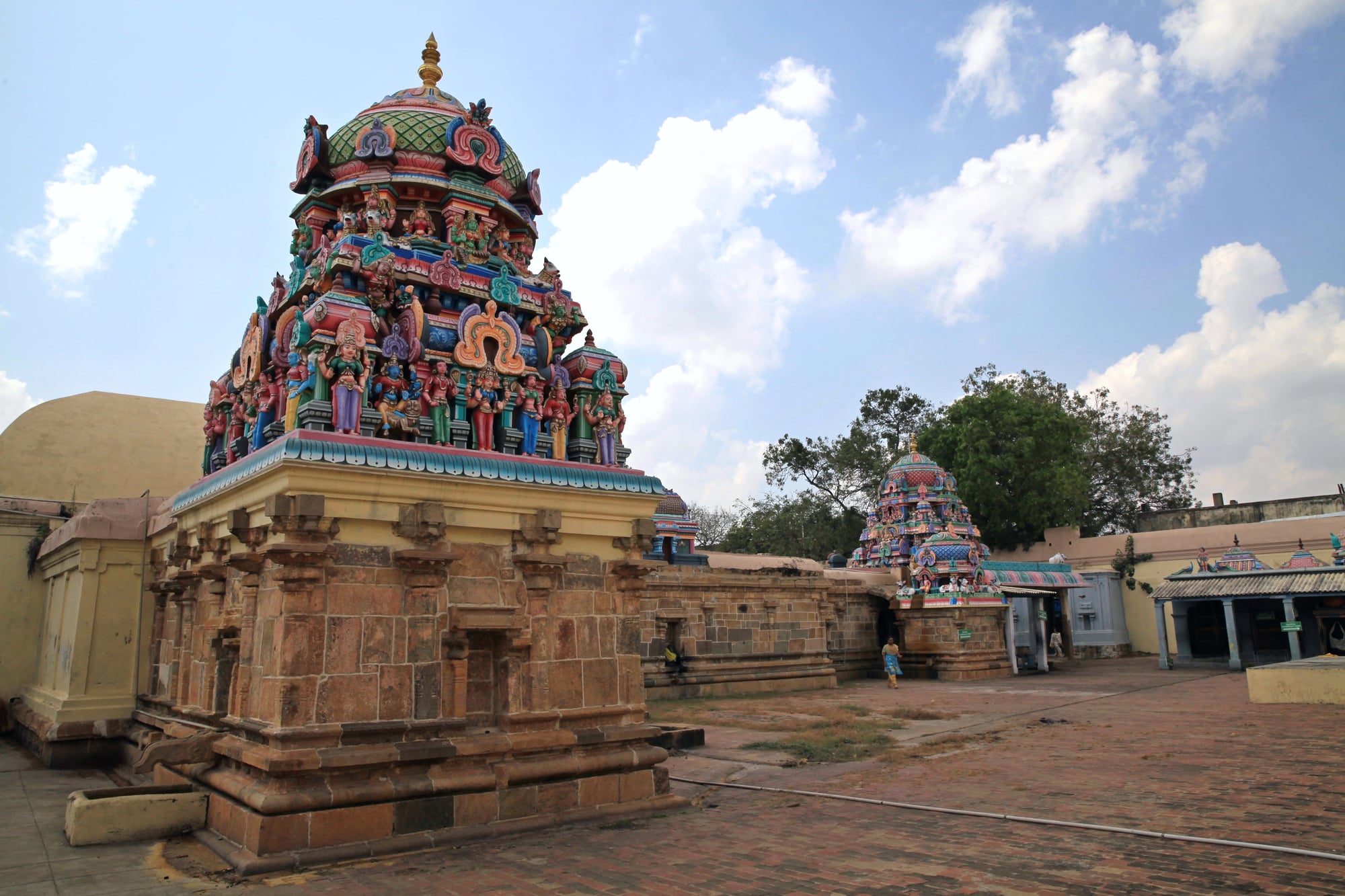
The Cholas ran southern India and pushed naval power as far as Southeast Asia. Their fleet raided Srivijaya, a rival maritime kingdom, and briefly controlled parts of the Malay Peninsula. Temple architecture from this era still stands, massive and precise. Naval ambition on that scale, from a thousand years ago, doesn’t get nearly enough attention.
Kingdom of Champa
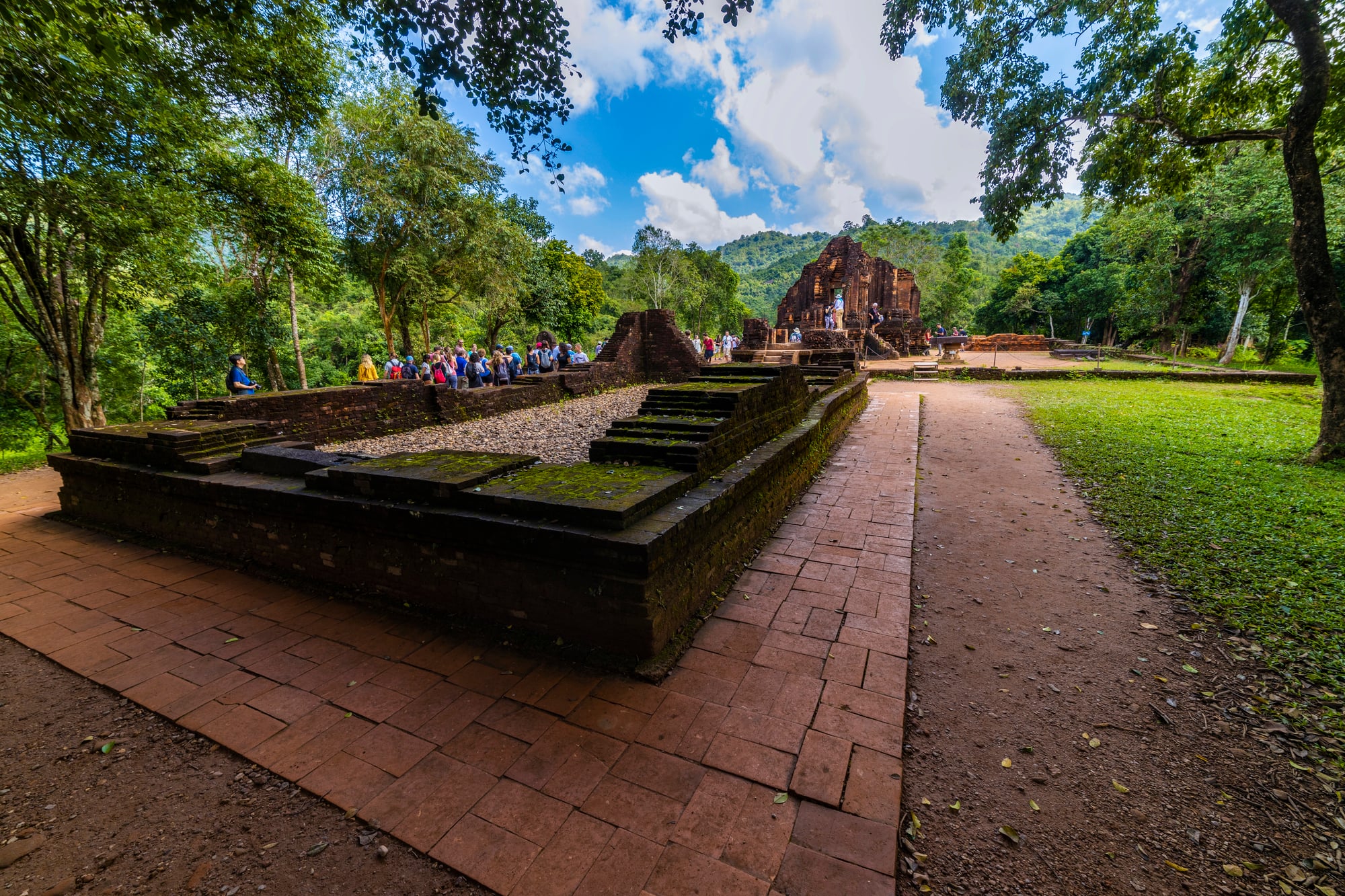
Champa controlled the central coast of what’s now Vietnam for well over a thousand years, running a Hindu-influenced culture wedged between two much larger neighbors — China pressing from the north, the Khmer Empire looming from the west — and somehow surviving that squeeze for far longer than geography suggested it should. Its temple complex at My Son, tucked into a jungle valley, echoes Angkor’s style but on a smaller, quieter scale. And its people, the Cham, still exist today as a minority group in Vietnam and Cambodia, carrying fragments of a kingdom most world history courses skip entirely. So the towers at My Son stand half-swallowed by vegetation now, a kingdom’s memory being slowly reclaimed by the same jungle it once cleared.
Silla Kingdom
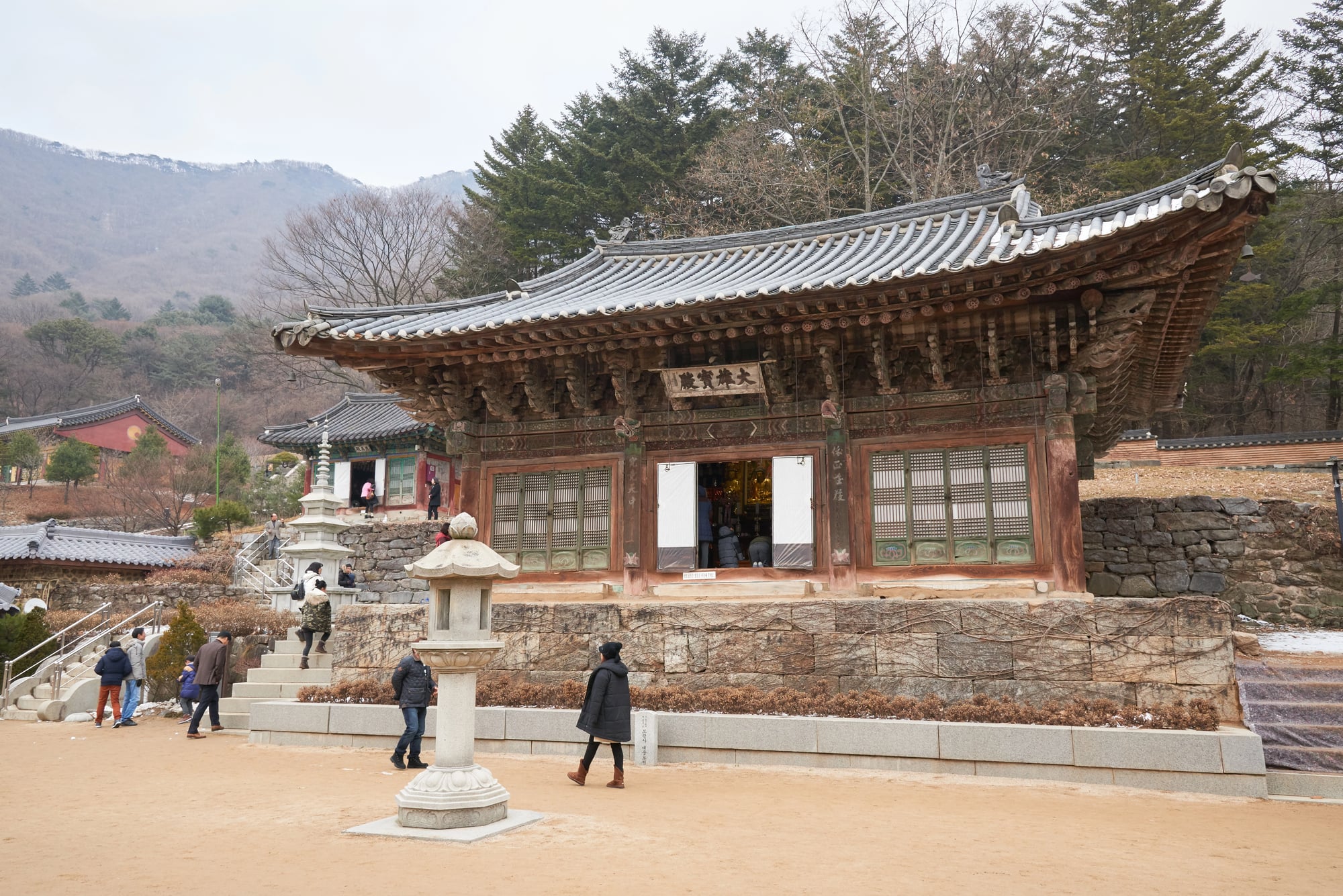
Silla spent centuries as the smallest of Korea’s Three Kingdoms, tucked in the southeast like the quiet sibling nobody expected much from. Then it partnered with Tang China, crushed its rivals, and unified the Korean peninsula under its own banner, a reversal of fortune that reads almost like a plot twist. Its capital, Gyeongju, became a city so dense with gold that observers described roofs tiled in it, a detail that sounds embellished until you visit the museum housing the crowns that survived. Unified Silla’s golden age faded into the history of later dynasties, the way a bright color fades fastest in direct sun.
Chimú Empire
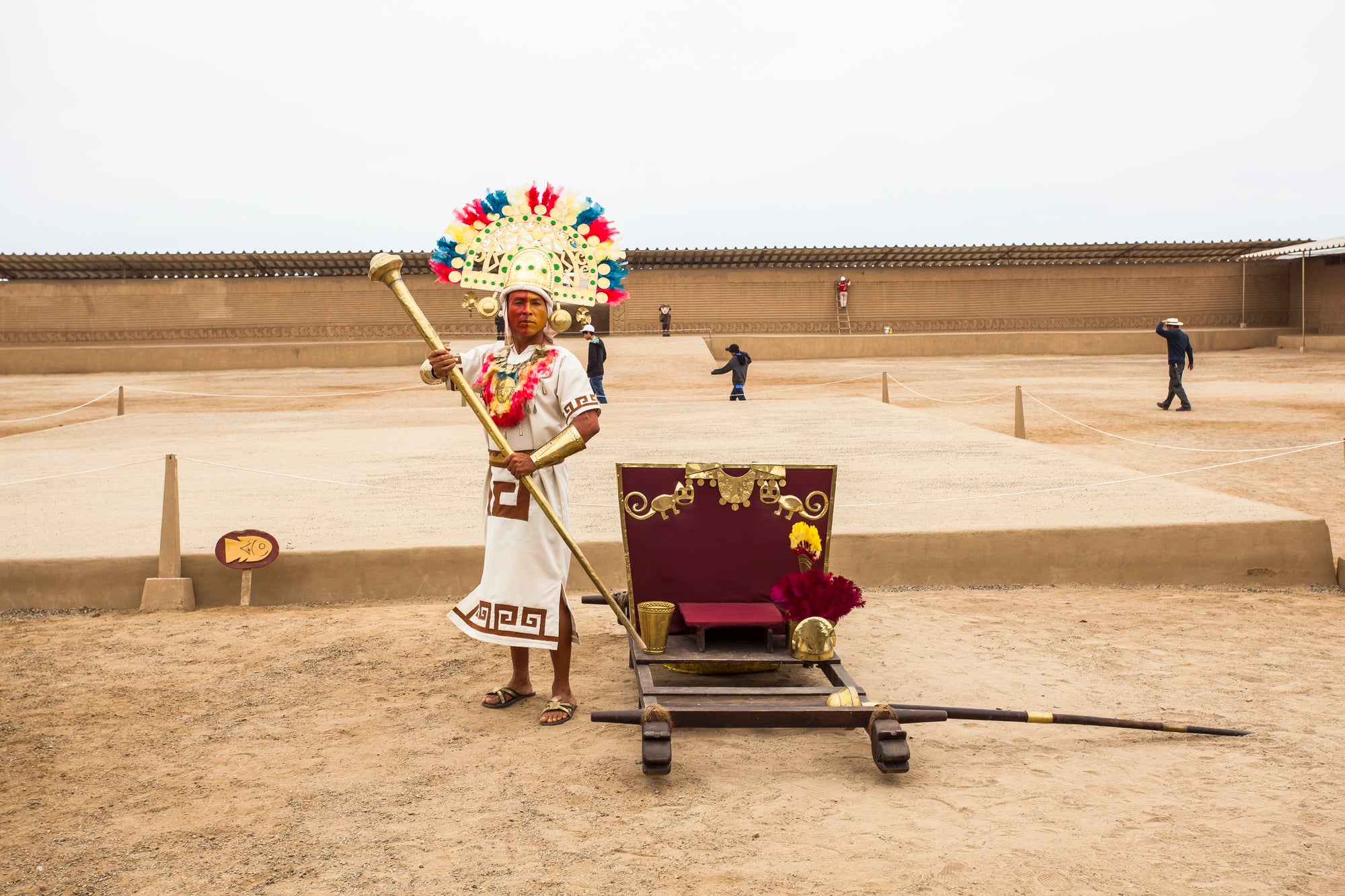
The Chimú Empire ran the Pacific coast of Peru for centuries before the Inca swallowed it whole, and it deserves better than being remembered as a stepping stone. Its capital, Chan Chan, was the largest adobe city in the pre-Columbian Americas, a sprawling maze of walled compounds housing tens of thousands of people. Chimú metalwork was good enough that the Inca reportedly relocated its artisans to their own capital after conquest, which is basically an admission that the conquered side had better craftsmen. Getting absorbed by a more famous empire is a rough way to end up in the history books, forgotten twice over.
Kingdom of Tiwanaku
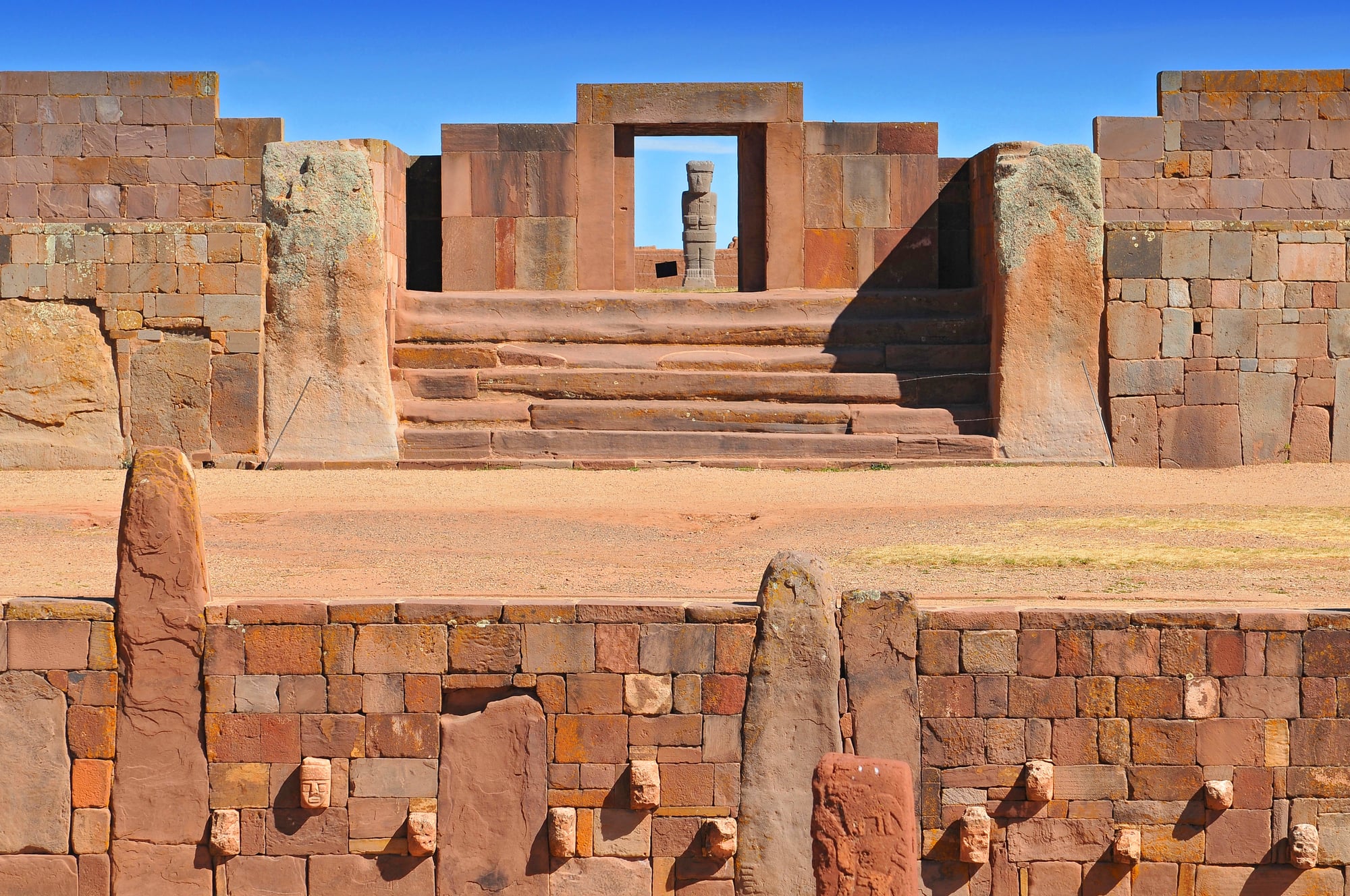
Tiwanaku controlled the high plateau around Lake Titicaca centuries before the Inca existed. Its influence stretched across parts of modern Bolivia, Peru, and Chile. The site’s stonework is precise enough that some blocks still fit together without gaps. Most visitors today go for the ruins and never learn the empire’s name.
Kingdom of Wari
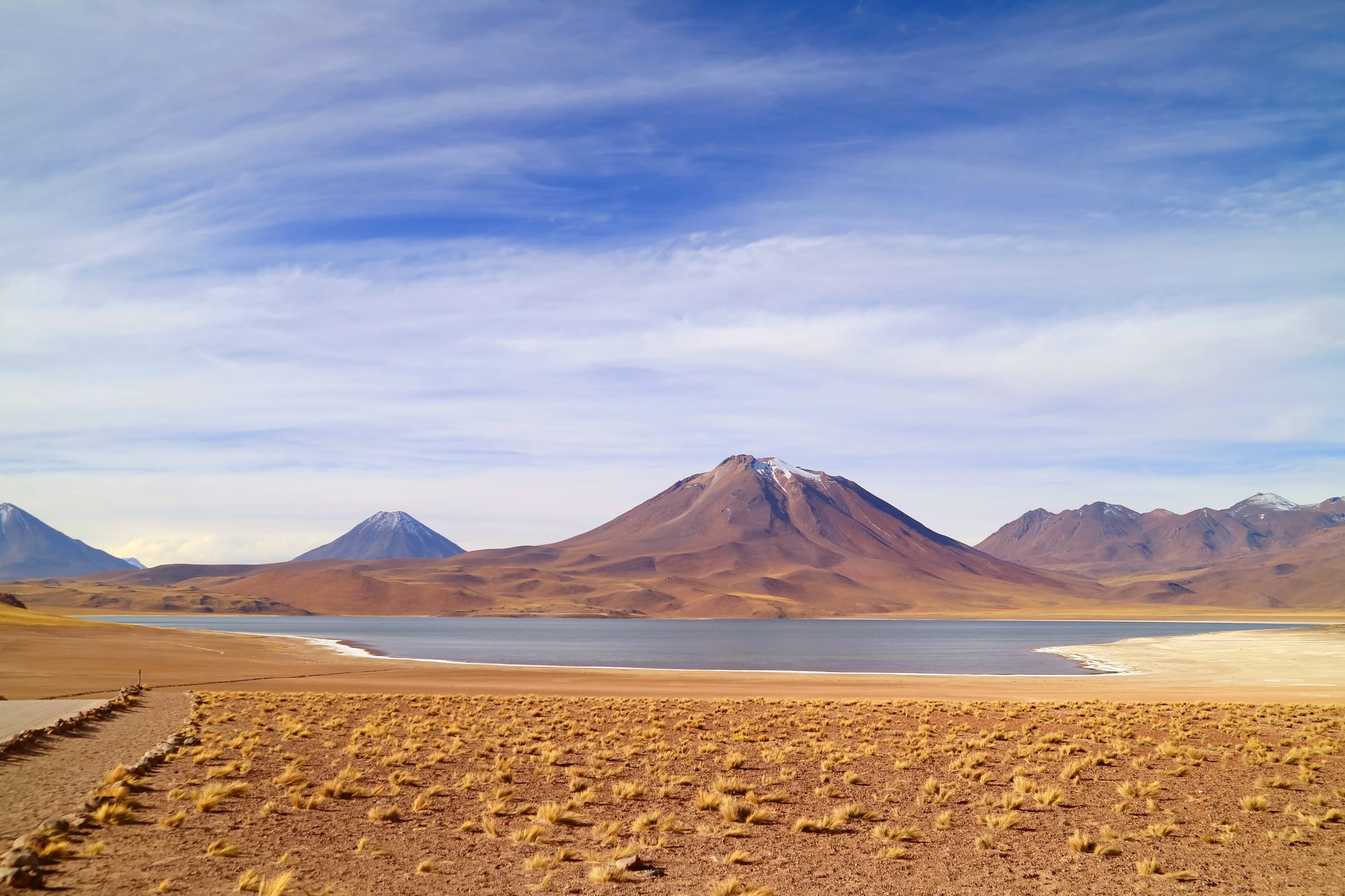
Wari controlled a huge stretch of the central Andes centuries before the Inca, and in fact — this part tends to surprise people — a lot of what gets credited to Inca engineering, the road networks especially, seems to have been built on infrastructure Wari left behind first. Its administrative centers stretched from the highlands down toward the coast, connected by roads that later empires simply inherited and improved. So the Inca didn’t invent the wheel here, so to speak: they inherited one already rolling and took the credit for its momentum. Wari’s capital, near modern Ayacucho, still holds massive stone compounds that archaeologists are only slowly making sense of.
Avar Khaganate
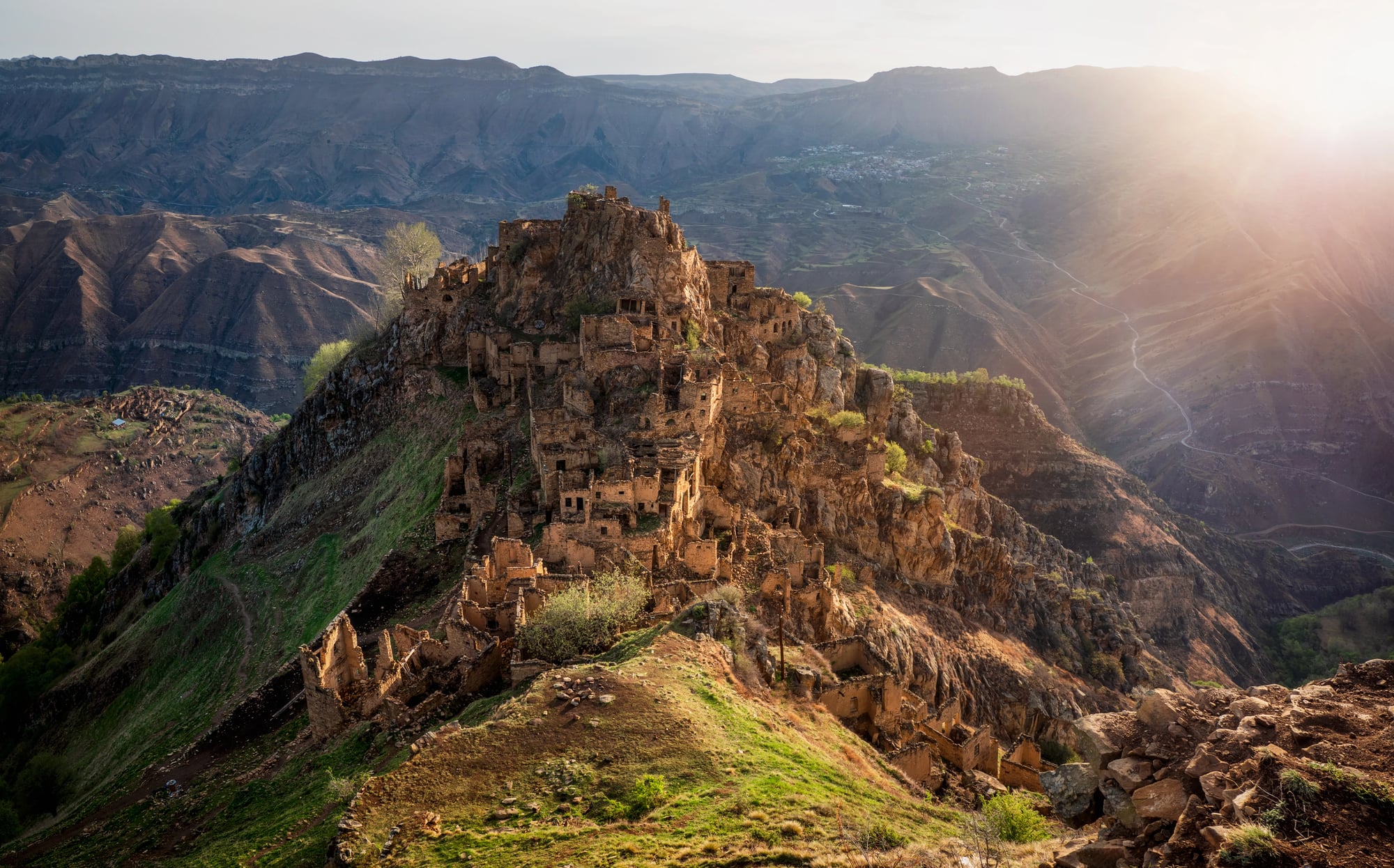
The Avars moved into Central Europe like weather nobody was prepared for, arriving from the steppe and settling into the Carpathian Basin with a force that reshaped the region for over two centuries. They besieged Constantinople itself, alongside Persian allies, coming close enough to unsettle an empire that considered itself untouchable. Charlemagne’s forces eventually broke them, scattering treasure hoards so large that later chroniclers described wagons needed just to haul the gold away. What’s left of the Avars now is mostly grave goods in museum cases, quiet evidence of a power that once made Byzantium nervous.
Kingdom of Georgia
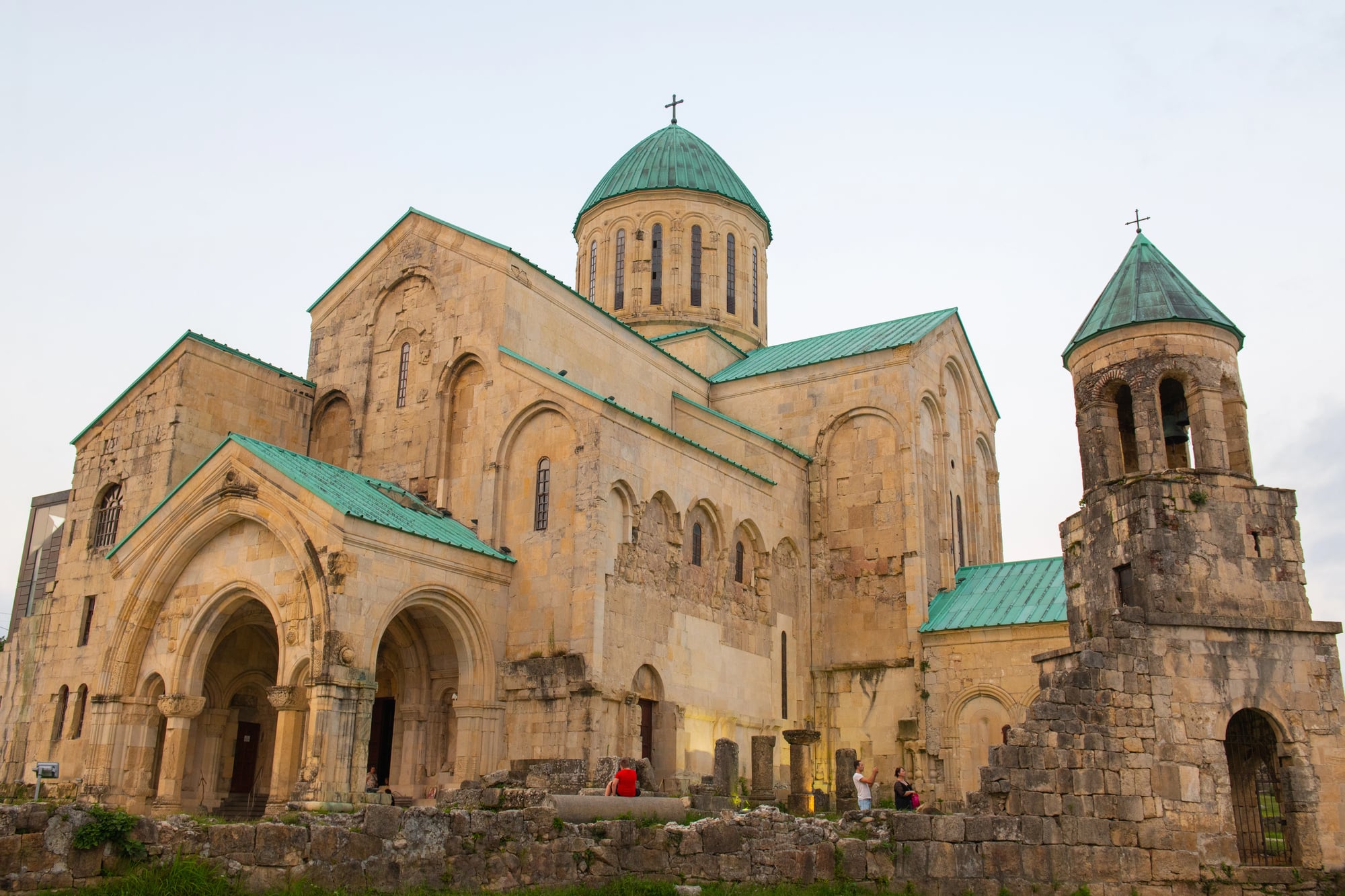
Medieval Georgia’s golden age, under Queen Tamar, doesn’t get nearly the recognition it deserves. The kingdom controlled territory stretching across the Caucasus, from the Black Sea toward the Caspian, and functioned as a genuine regional power at a time when a woman ruling outright was rare enough to raise eyebrows across neighboring courts. Georgian architecture, poetry, and manuscript illumination flourished during this stretch, producing work still studied today. A kingdom that thrived while ruled by a queen its neighbors underestimated deserves more than a paragraph in world history textbooks.
Kingdom of Numidia
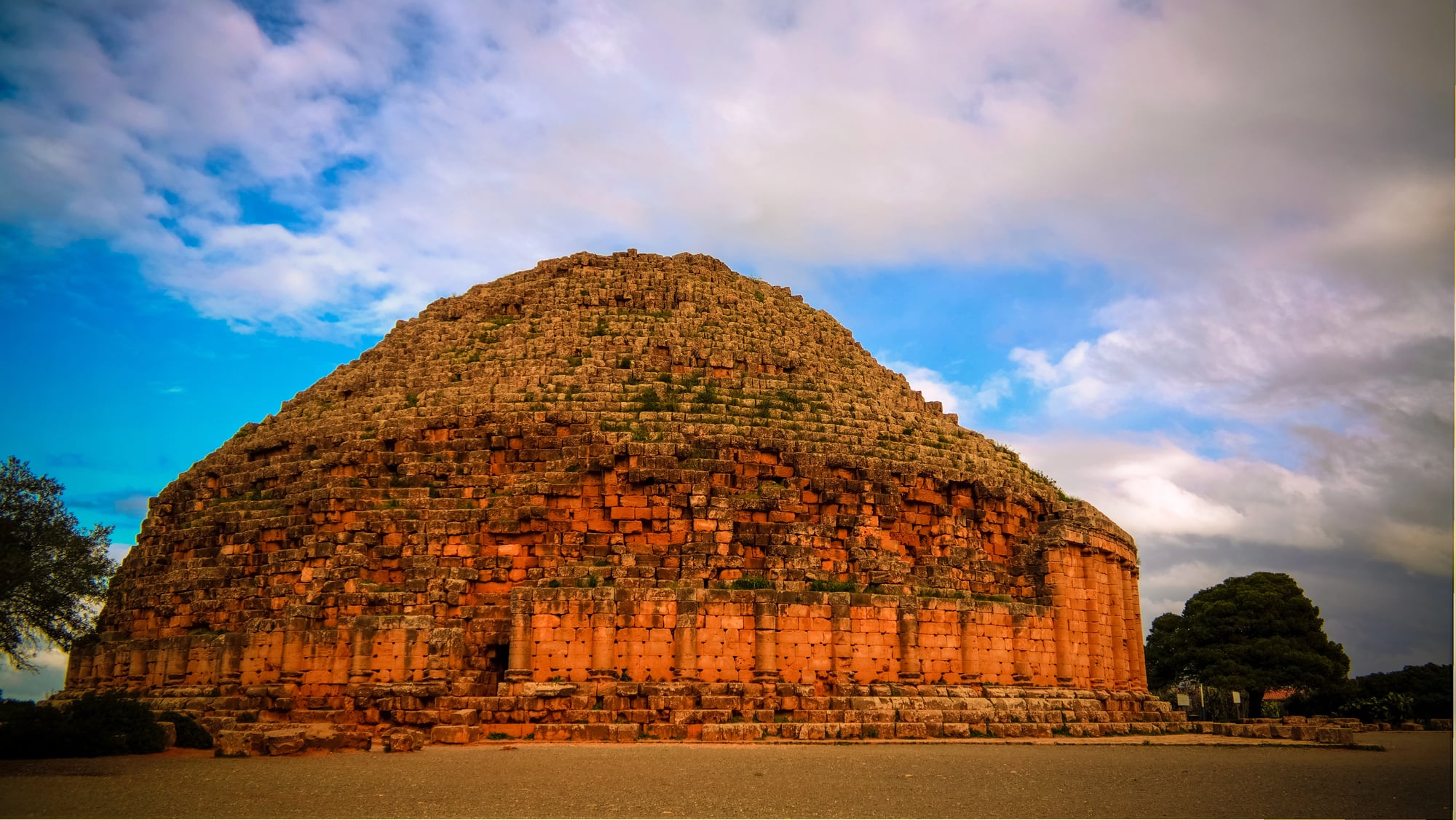
Numidia controlled North Africa west of Carthage for centuries. Its cavalry was good enough that Rome recruited Numidian horsemen for its own legions. King Jugurtha fought Rome directly and nearly won more than once. The kingdom got absorbed into Rome eventually, the way most neighbors of Rome eventually did.
Kingdom of Kongo
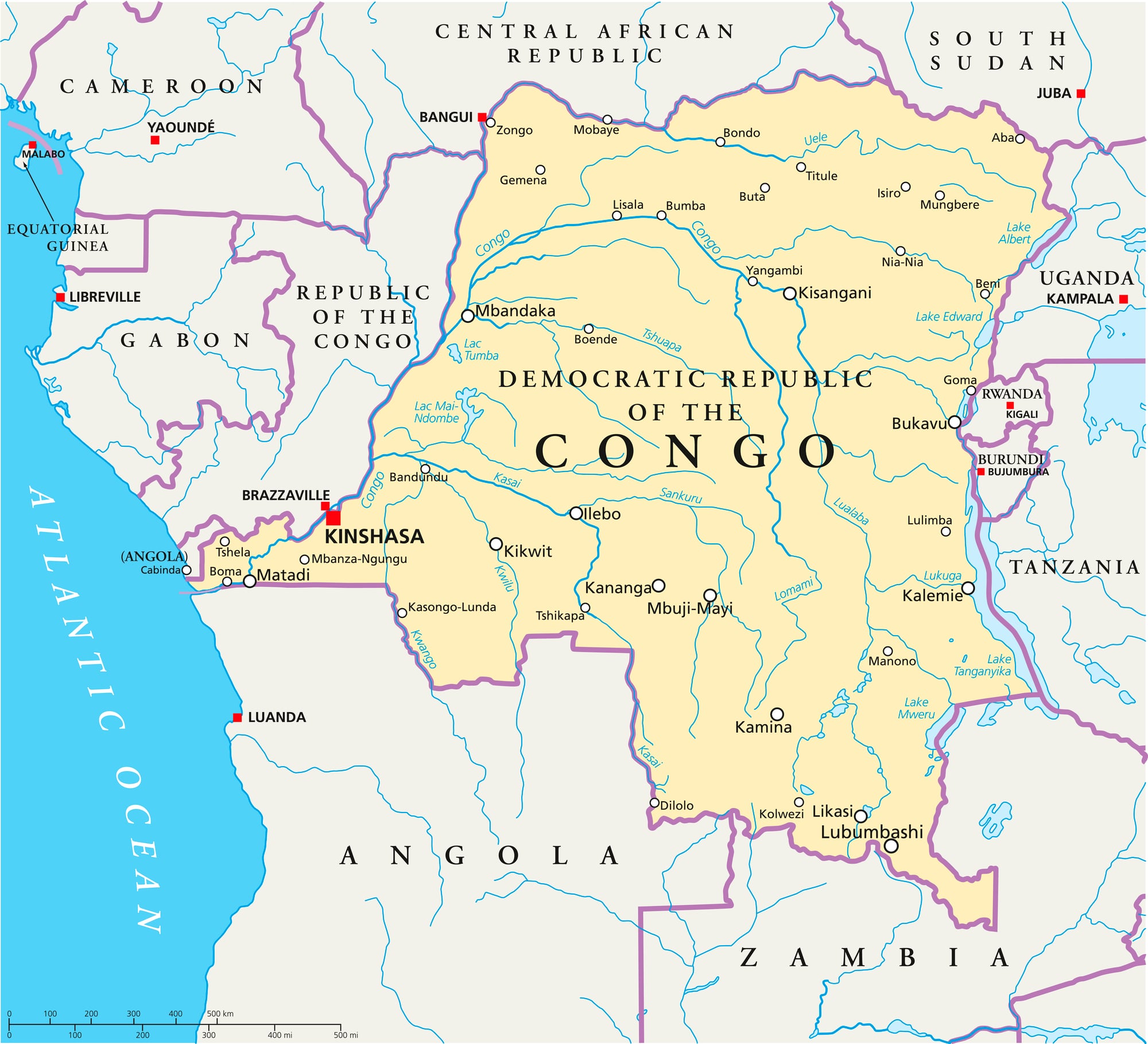
Kongo controlled a substantial stretch of Central Africa’s Atlantic coast for centuries, running a sophisticated tribute system and a currency based on cowrie shells — which worked fine, honestly, until European contact reshaped the entire economic and political landscape within a couple of generations. Its rulers converted to Christianity early, corresponded directly with the Vatican, and sent ambassadors to Portugal, treating the relationship as one between equals rather than colonizer and colonized. So the kingdom’s later collapse into the slave trade era reads less like inevitability and more like tragedy, a genuine loss of sovereignty that took generations to unfold. Kongo’s name survives mostly as a root word now, buried inside a modern country’s name and little else.
Kingdom of Media
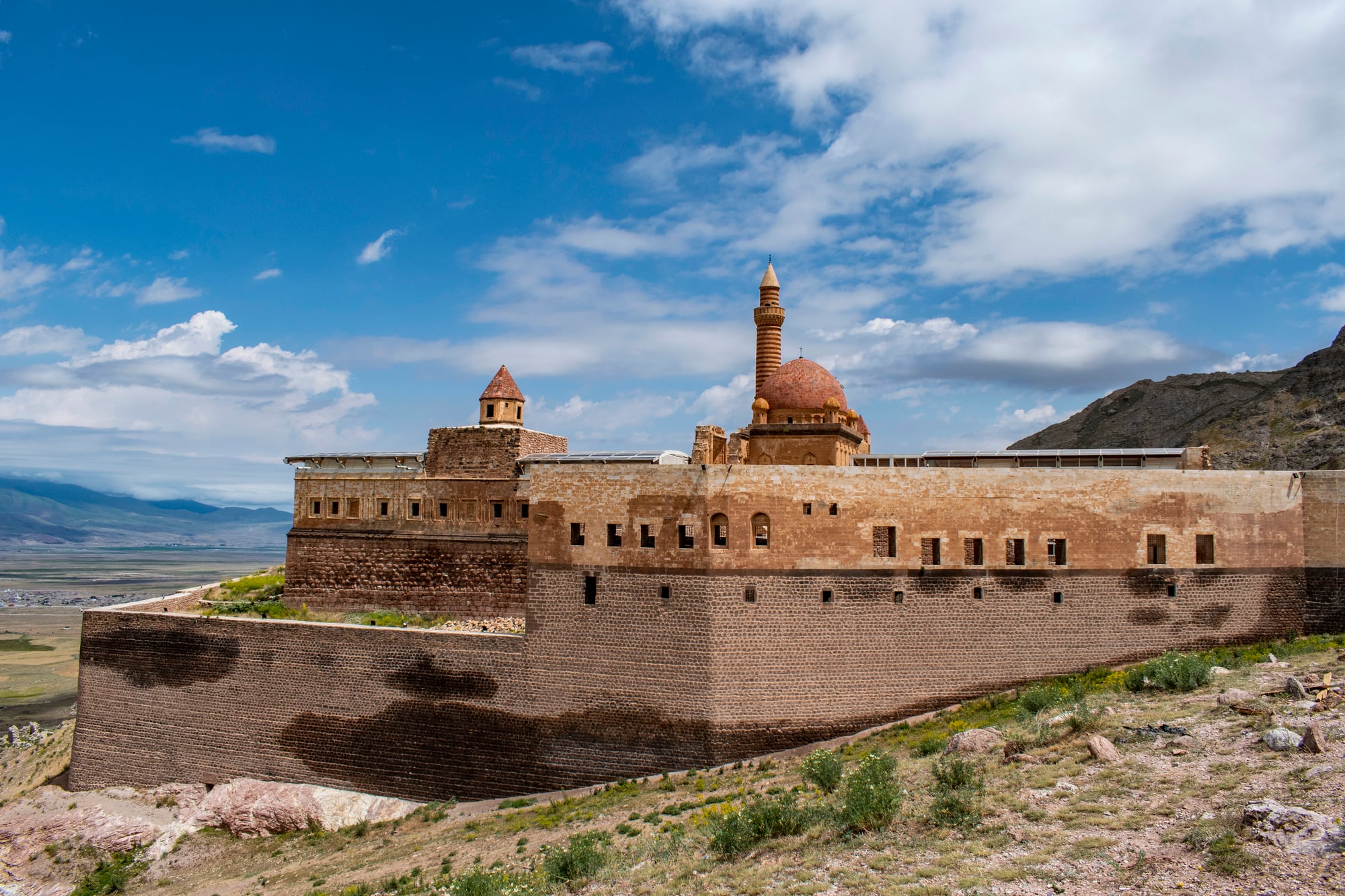
Media ruled the Iranian plateau before Persia ever existed as an empire, and in a real sense it built the template Persia later filled. Its armies toppled Assyria, a power that had terrorized the region for centuries, and did it with an alliance that must have felt improbable at the time. Cyrus the Great, founder of the Persian Empire, was Median on his mother’s side, which makes Media less a forgotten kingdom and more an uncredited parent. History gave the spotlight to the child and let the parent fade quietly into the footnotes.
The Weight of What Gets Left Out

None of these kingdoms vanished because they were minor. They vanished because memory is selective, and the empires that survive in popular imagination tend to be the ones with the better publicists — a conquering successor, a surviving language, a Hollywood script. What’s left behind is fragments: a stela here, a stretch of road there, a word buried inside a country’s name. Worth remembering, at least, that the map used to look a lot more crowded than the textbooks let on.
More from Go2Tutors!

- The Romanov Crown Jewels and Their Tragic Fate
- 13 Historical Mysteries That Science Still Can’t Solve
- Famous Hoaxes That Fooled the World for Years
- 15 Child Stars with Tragic Adult Lives
- 16 Famous Jewelry Pieces in History
Like Go2Tutors’s content? Follow us on MSN.



