Weird Facts About Holiday Nutcrackers and Their History
Those wooden soldiers staring blankly from mantels and tabletops each December have stranger origins than most people realize. Nutcrackers evolved from practical tools into decorative icons through a series of cultural accidents and deliberate marketing moves.
The journey from medieval Europe to suburban living rooms involved a dark fairy tale, a famous ballet, Cold War politics, and an obsessive collecting culture that turns mass-produced wooden figures into valuable commodities.
They Actually Cracked Nuts

Early nutcrackers served a real purpose in households where nuts appeared regularly at meals. Before someone molded them into soldiers and kings, nutcrackers took various forms—levers, screws, and simple wooden devices that applied pressure to crack shells without destroying the meat inside.
The decorative nutcrackers you see today still technically work, though nobody uses them for their original purpose anymore. The lever mechanism in the back moves the lower jaw up to crack a nut placed in the mouth.
But the painted finish and the fact that most people paid good money for them means they stay decorative rather than functional. Medieval Europe saw nutcrackers as practical necessities, not holiday decorations.
Nuts provided protein and fat during winter months when other foods ran scarce. Having an effective nutcracker meant less waste and easier access to nutrition.
The transformation from tool to toy to collectible happened gradually over centuries.
The Erzgebirge Region Made Them Famous
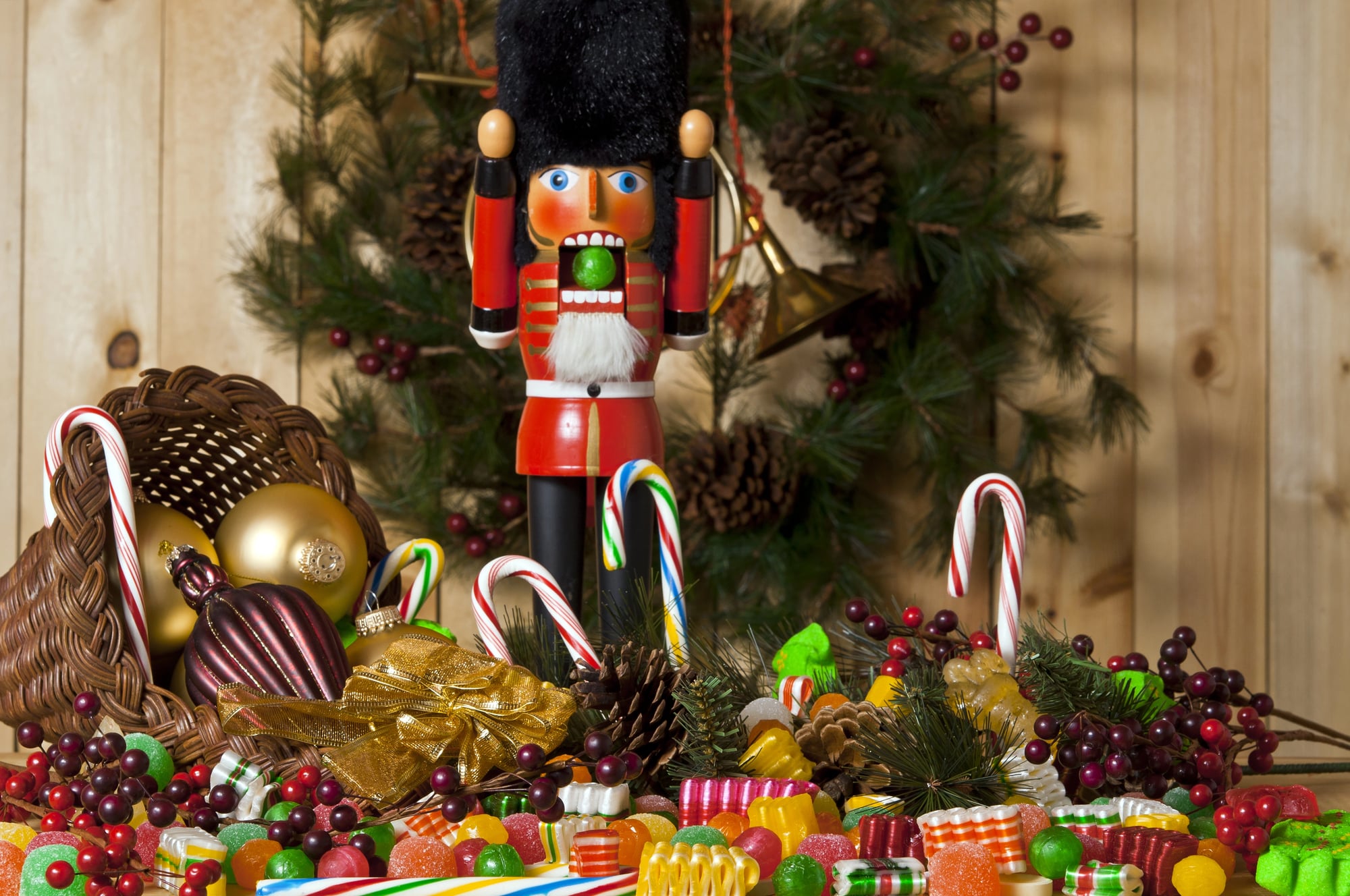
The mountainous area along the German-Czech border became the center of nutcracker production in the 1600s. The Erzgebirge region had abundant forests and a tradition of wood carving that developed when mining declined and families needed new sources of income.
Craftsmen in villages like Seiffen started making wooden toys, Christmas pyramids, and nutcrackers. The figures reflected local characters—miners, soldiers, gendarmes—people the carvers saw in their daily lives.
Each village developed its own style, and families passed down carving techniques through generations. The region still produces most authentic German nutcrackers today.
You can visit workshops where fourth or fifth-generation carvers continue making nutcrackers using traditional methods. The quality difference between Erzgebirge nutcrackers and mass-produced versions from other countries shows in the detail work, the finish, and the way the mechanism operates.
A Dark Fairy Tale Popularized Them

E.T.A. Hoffmann wrote “The Nutcracker and the Mouse King” in 1816, creating the story that eventually launched nutcrackers into global fame. The tale is darker and weirder than most people remember.
The nutcracker character was actually a young man cursed into wooden form by the Mouse Queen after he killed her son. Hoffmann’s story features graphic battle scenes, a subplot about the hard nut Krakatuk, and psychological elements that make it stranger than typical children’s literature.
The protagonist, Marie, develops a possibly unhealthy attachment to the nutcracker doll, defends it against her family’s mockery, and eventually enters a fantasy world where the nutcracker comes to life. This bizarre tale became the foundation for the famous ballet, though Tchaikovsky and choreographer Marius Petipa softened many of the darker elements.
The ballet’s success created demand for nutcracker dolls as souvenirs and decorations, transforming them from regional German crafts into international symbols of Christmas.
The Ballet Changed Everything
Tchaikovsky’s 1892 ballet flopped initially. Critics found it confusing and poorly structured compared to his earlier works.
But over decades, “The Nutcracker” became the most performed ballet in the world, especially during the Christmas season. American companies adopted the ballet in the 1940s and 1950s, using it to fill seats and train young dancers during the holidays.
By the 1960s, nearly every ballet company in the United States performed their own version annually. This created massive exposure for nutcracker imagery and drove demand for the decorative figures.
The ballet’s popularity established nutcrackers as Christmas symbols in countries that had no previous connection to German wood-carving traditions. Japanese department stores sell nutcrackers.
Australian families display them. The ballet spread the imagery far beyond its cultural origins, though many people who own nutcrackers have never seen the ballet or read the original story.
They Represent Authority Figures
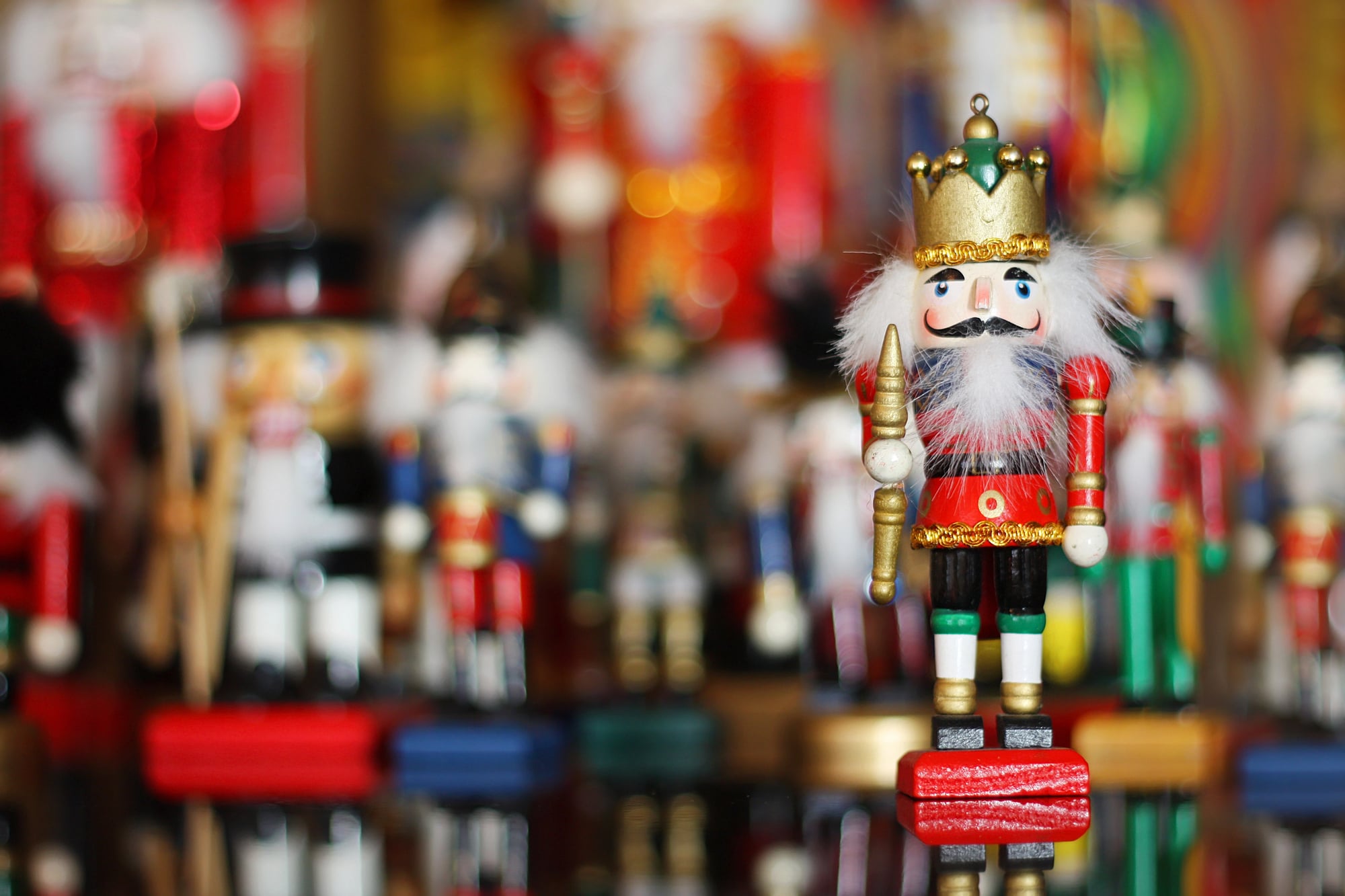
Traditional nutcracker designs depict soldiers, kings, gendarmes, and other authority figures. This choice wasn’t random.
The German craftsmen who created them were making gentle fun of pompous officials by turning them into servants who cracked nuts with their mouths. The exaggerated features—the large mouths, the stern expressions, the elaborate uniforms—mock military and royal pretension.
You’re putting a nut in a king’s mouth and forcing him to crack it for you. The social commentary built into the design gets lost on modern consumers who see them as cute decorations rather than subtle satire.
Some historians argue the designs also reflect the militaristic culture of 19th-century Germany, where military uniforms and strict hierarchy permeated daily life. Children grew up surrounded by soldiers and officials, making these figures natural subjects for toys and decorative objects.
Steinbach Dominates the Collector Market
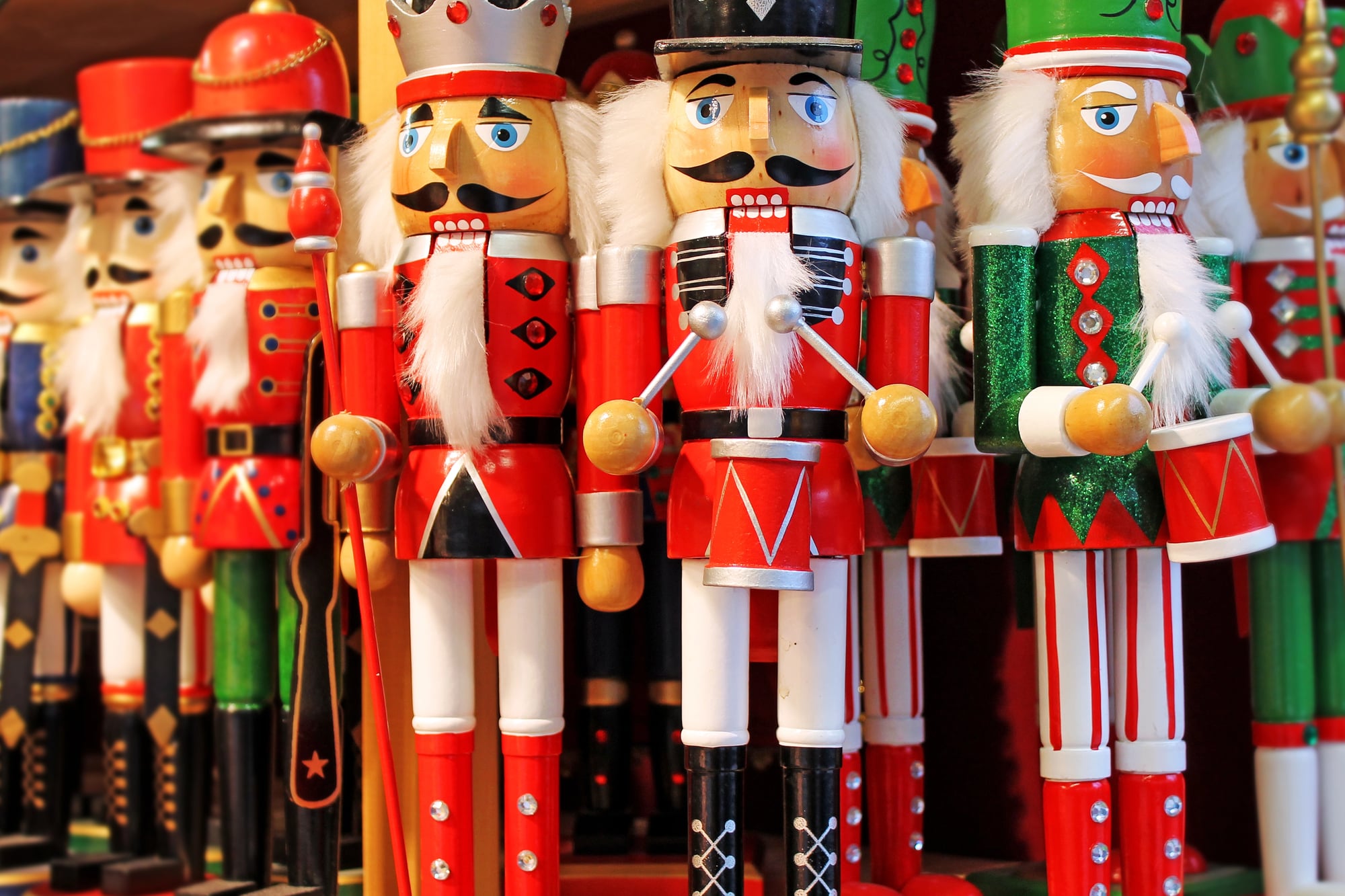
The Steinbach company, founded in 1832, produces nutcrackers that serious collectors pursue obsessively. These aren’t the affordable versions you find in big-box stores.
Steinbach nutcrackers can cost hundreds or thousands of dollars, especially limited editions or signed pieces. Christian Steinbach took over the family business in the 1980s and expanded it into a global brand.
He created themed collections, signed pieces, and limited runs that appealed to collectors. The strategy worked—Steinbach nutcrackers became status symbols in collecting circles.
The company releases new designs annually, and collectors compete to acquire complete sets. Some people own hundreds of Steinbach nutcrackers, displaying them in dedicated rooms.
The secondary market for rare Steinbach pieces can exceed original retail prices by significant margins, turning Christmas decorations into investment vehicles.
Cold War Politics Affected Production

When East Germany became communist after World War II, the traditional nutcracker workshops in the Erzgebirge region found themselves behind the Iron Curtain. The East German government recognized the export potential and organized production through state-controlled cooperatives.
Western companies couldn’t easily access traditional German nutcrackers, so production expanded in West Germany and eventually in other countries. Quality varied wildly.
Some maintained traditional standards while others cut corners to compete on price. After reunification in 1990, Erzgebirge workshops regained access to global markets.
But they also faced competition from cheaper Asian manufacturers who flooded stores with nutcrackers that looked similar to German originals but cost a fraction of the price. The struggle between traditional craftsmanship and mass production continues today.
The Tallest Nutcracker Keeps Growing

The town of Leavenworth, Washington, displays a nutcracker that stands over 23 feet tall. This German-themed tourist town went all in on nutcracker culture, hosting a nutcracker museum and annual festivals centered around the figures.
Other towns have built competing giants. Steinbach created a nutcracker over 34 feet tall for display in Germany.
These oversized versions serve no purpose except attracting attention and tourists. They can’t crack nuts.
They barely qualify as functional sculptures. They exist purely as spectacle.
The competition to build the tallest nutcracker reflects how far these objects have strayed from their practical origins. Nobody needs a 34-foot-tall nutcracker, but cities compete to have one anyway because it draws visitors and media coverage.
Collectors Have Specific Criteria
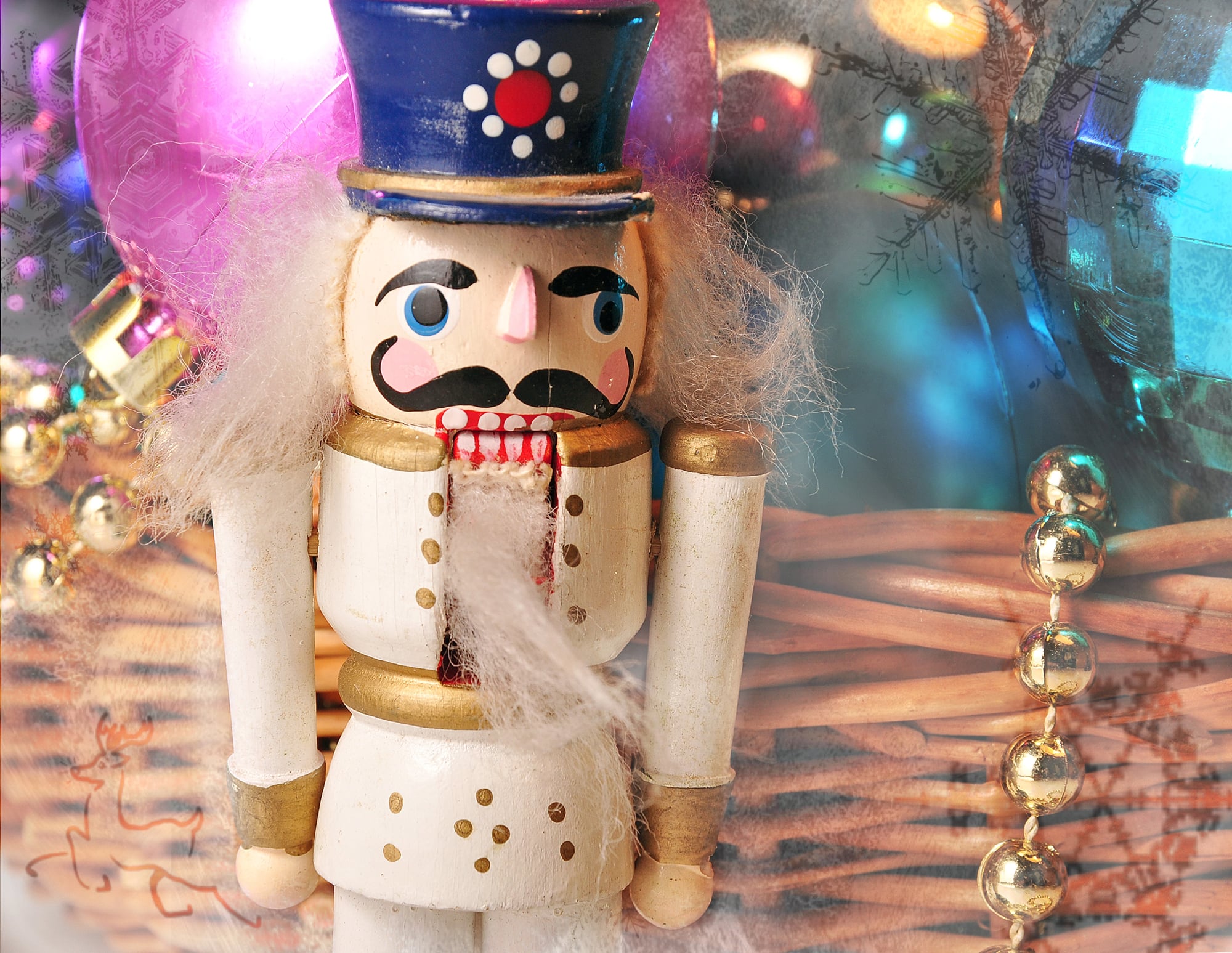
Serious nutcracker collectors obsess over details most people never notice. They check the smoothness of the paint, the alignment of the jaw mechanism, the quality of the wood, and whether the piece was hand-painted or mass-produced.
Authentic Erzgebirge nutcrackers bear stamps indicating their origin. Collectors verify these marks and research the specific workshops that produced pieces.
They distinguish between early Steinbach designs and later mass-market versions. They track limited editions and artist signatures.
This level of scrutiny creates a hierarchy within the collecting world. Casual collectors might grab interesting nutcrackers from holiday markets.
Serious collectors attend specialized shows, join clubs, and spend significant time and money acquiring specific pieces to complete their collections.
Different Styles Mean Different Things
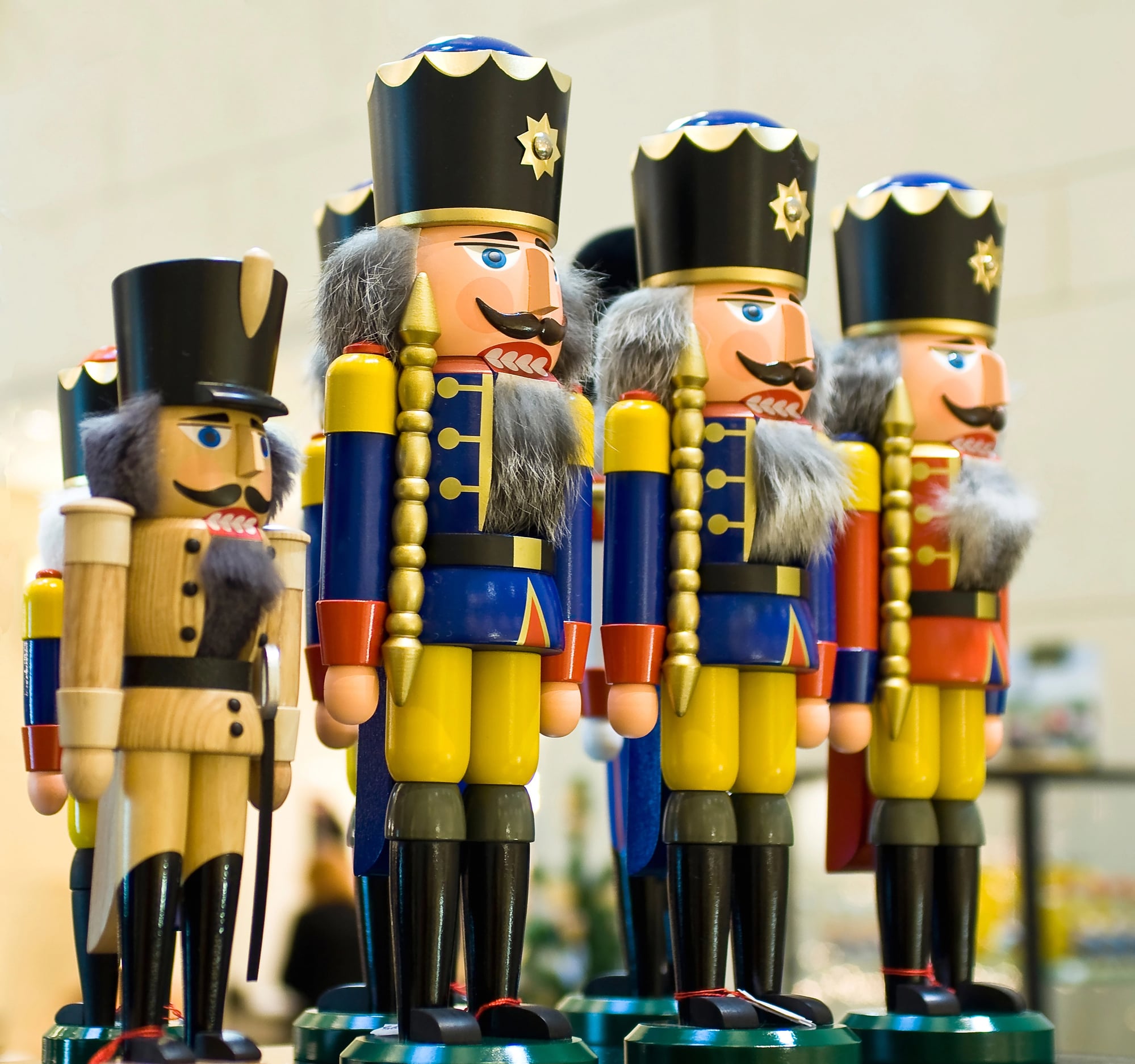
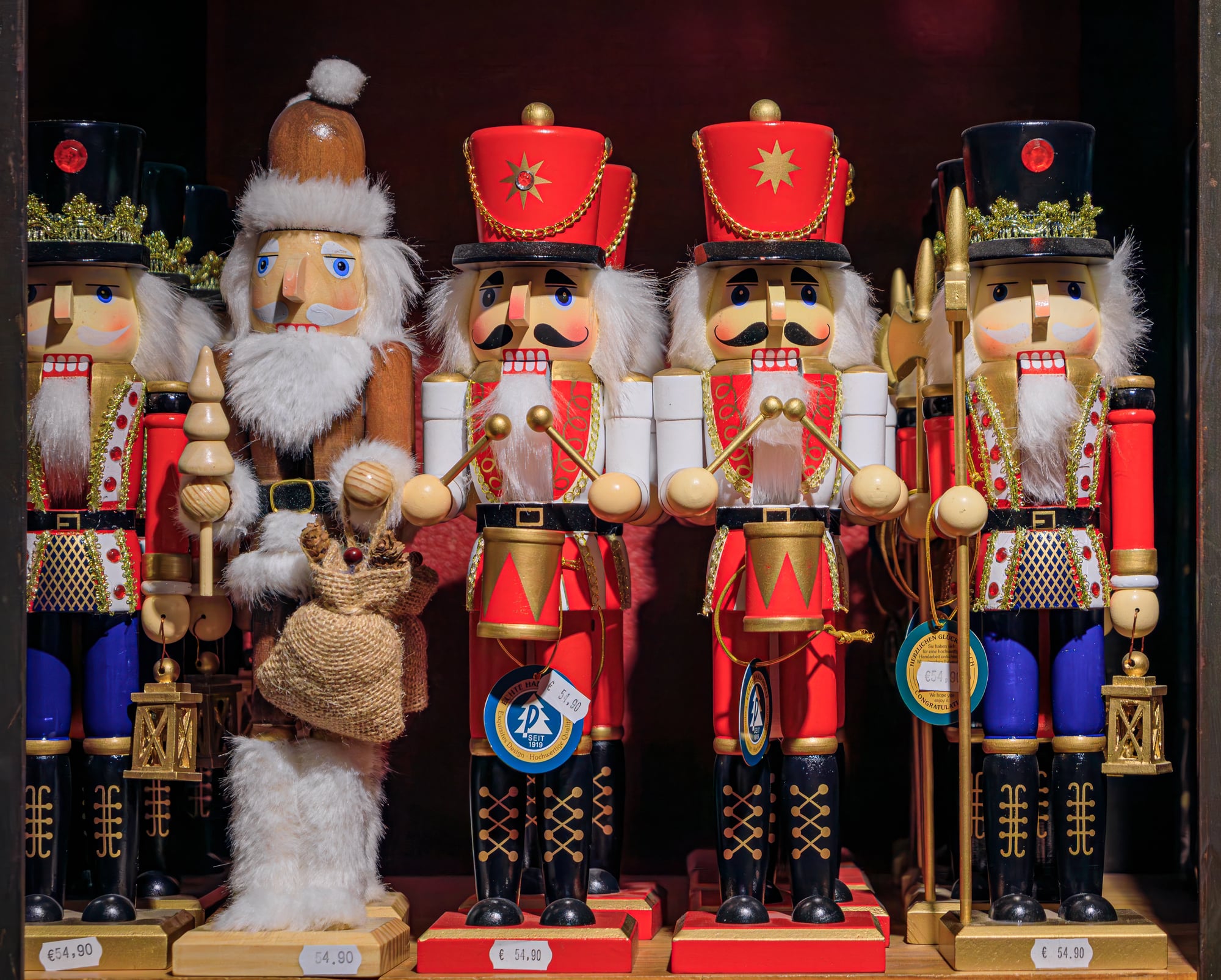
The soldier nutcracker is the most common, but designs include kings, Santa figures, religious characters, occupational figures, and fantasy creatures. Each style carries different symbolism and appeals to different collectors.
Kings and royalty represent wealth and authority. Santa and Christmas-themed nutcrackers lean into the holiday connection.
Occupational nutcrackers—firefighters, doctors, teachers—let people celebrate specific professions. Fantasy nutcrackers featuring wizards or dragons abandon historical roots entirely for pure imagination.
Some manufacturers create custom nutcrackers representing sports teams, universities, or corporations. These promotional nutcrackers blur the line between folk art and marketing merchandise, turning traditional craft into branded content.
Modern Manufacturing Changed Standards
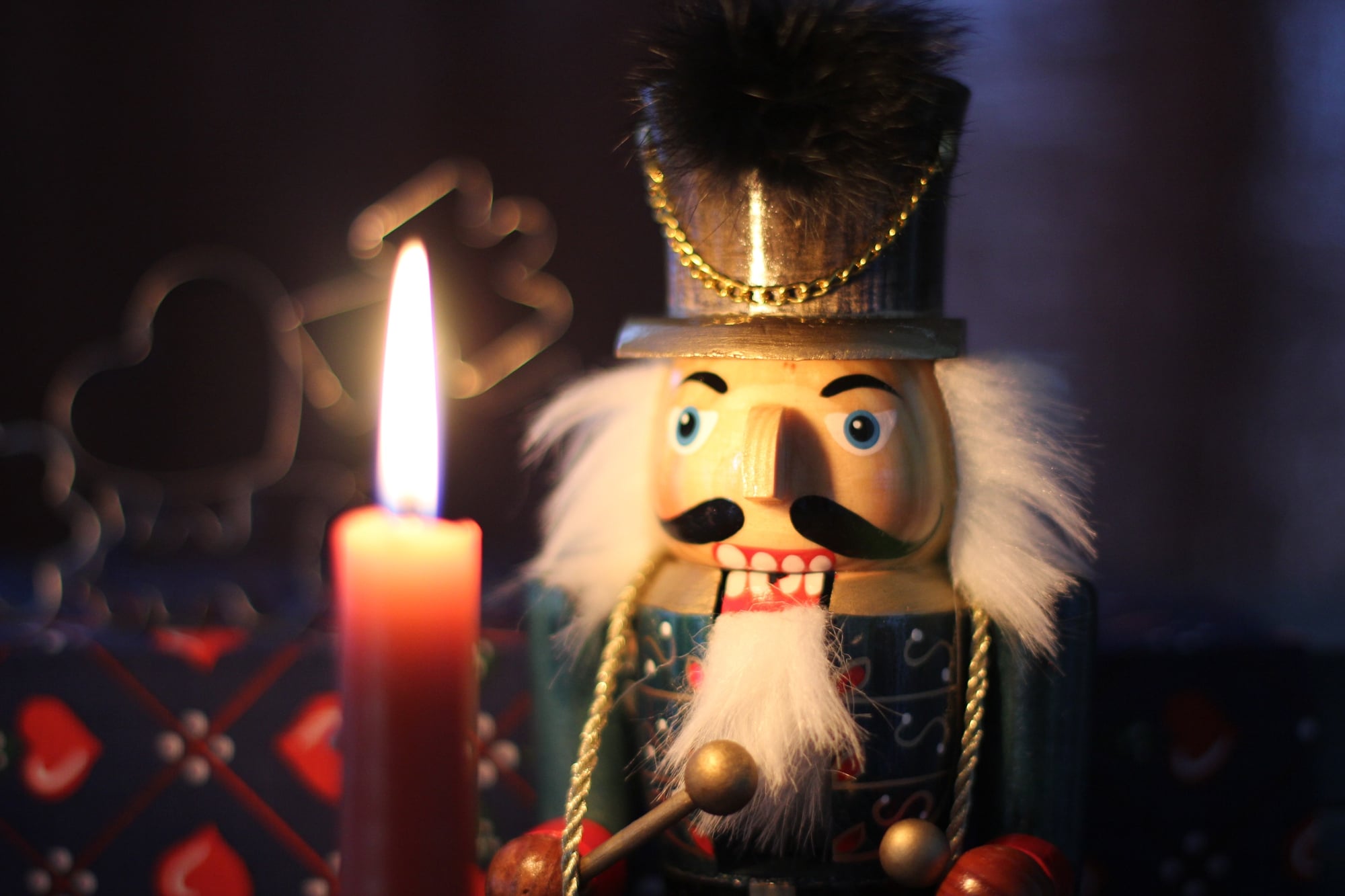
Traditional nutcracker production involved hand-carving, hand-painting, and individual assembly. Modern manufacturing uses CNC machines, spray painting, and assembly lines.
The difference shows in the final products. Hand-carved nutcrackers have subtle variations that make each piece unique.
Machine-carved ones look identical. Hand-painted details show brush strokes and slight color variations.
Factory paint jobs achieve uniform coverage but lack character. This shift from craft to manufacture democratized nutcracker ownership—more people can afford them now—but it also diluted the connection to traditional methods.
The techniques passed down through generations of Erzgebirge families become less relevant when machines do most of the work.
They’re Not Just German Anymore
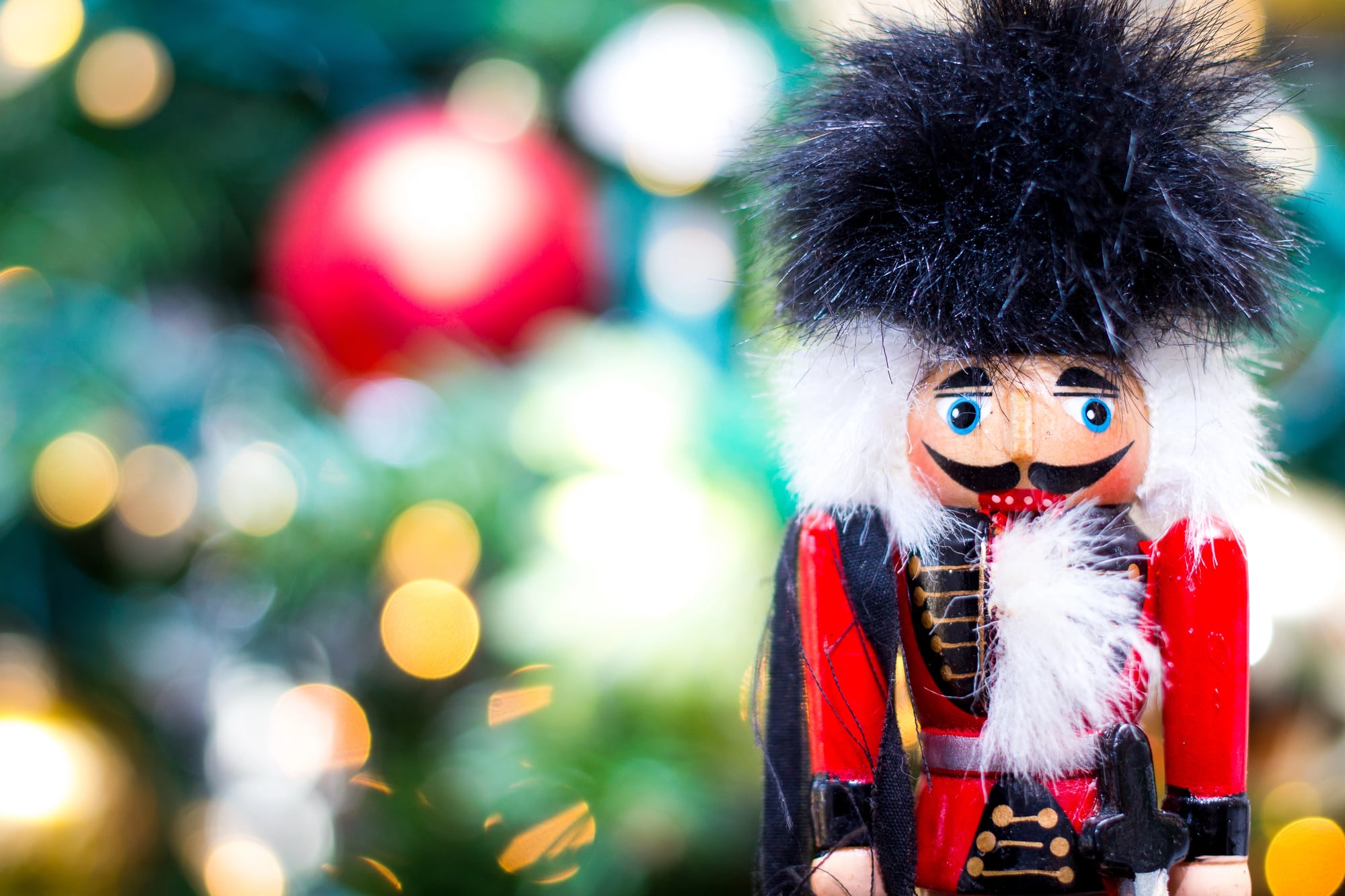
While Germany maintains its association with nutcrackers, production happens worldwide. China manufactures millions annually.
American companies create patriotic versions featuring presidents and historical figures. Japan produces anime-inspired nutcrackers that would bewilder traditional carvers.
This globalization fragments the meaning of nutcrackers. Are they German folk art? Christmas decorations?
Collectibles? Marketing tools? All of the above?
The answer depends on who makes them and who buys them. Some purists insist only Erzgebirge nutcrackers qualify as authentic.
Others embrace the diversity of modern designs and appreciate how different cultures interpret the basic form. The debate over authenticity versus innovation plays out in collecting communities and among manufacturers competing for market share.
Museums Preserve the History
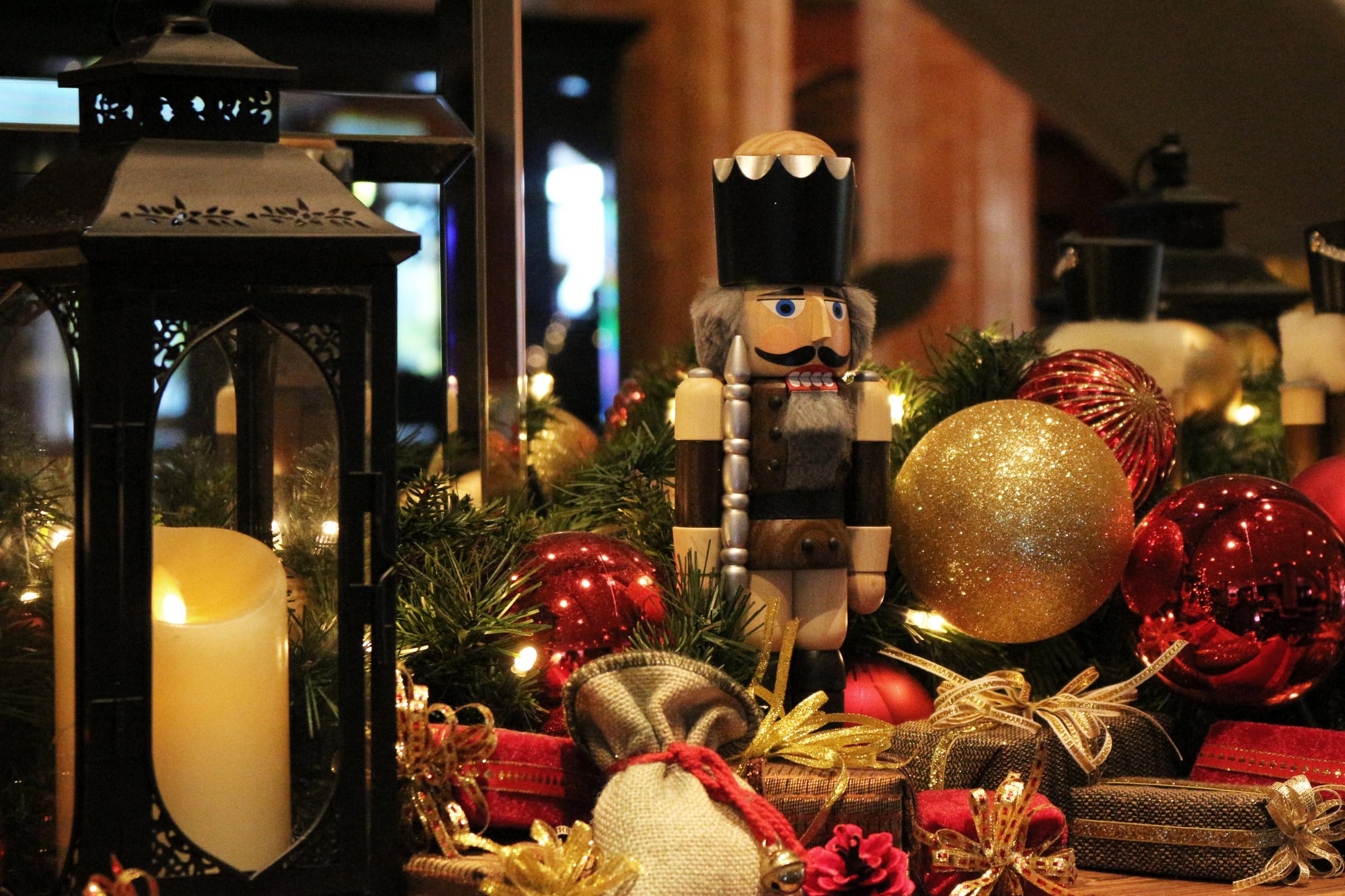
Several museums dedicated to nutcrackers exist in Germany and the United States. The Nutcracker Museum in Leavenworth displays thousands of nutcrackers spanning centuries.
The Ore Mountain Toy Museum in Seiffen shows how traditional production methods worked. These institutions preserve techniques and designs that might otherwise disappear as manufacturing centralizes and modernizes.
They document the social history embedded in nutcracker designs and maintain examples of rare or unusual pieces. Visiting a nutcracker museum reveals how much variety exists within what seems like a narrow category.
Ancient nutcrackers made from bronze or iron sit near elaborate wooden figures. Simple functional designs contrast with ornate decorative pieces.
The evolution from tool to art object becomes visible across the displays.
Where Wooden Soldiers Stand Guard

The shift from tool to festive symbol then into sought-after object reveals how things gain layers of significance over time. Your shelf ornament ties back to ancient cracking devices, handcrafted figures from Germany, an odd old story, a well-known dance performance, postwar market shifts, also today’s passion for gathering curiosities.
Most folks showing off nutcrackers aren’t aware of any backstory. To them, the figures are simply pleasing to see – maybe they match the season’s vibe.
Yet every carved soldier holds weight from ages past, visible or not. Their rigid expressions, detailed outfits, stand guard without a sound through December light.
History piles up behind those still eyes, unseen by many – and that silence gives them an odder feel.
More from Go2Tutors!

- The Romanov Crown Jewels and Their Tragic Fate
- 13 Historical Mysteries That Science Still Can’t Solve
- Famous Hoaxes That Fooled the World for Years
- 15 Child Stars with Tragic Adult Lives
- 16 Famous Jewelry Pieces in History
Like Go2Tutors’s content? Follow us on MSN.