31 Inventions That Were Shelved Before They Reached Buyers
Throughout history, inventors and companies have developed products destined to improve lives, but these innovations never reached consumers due to corporate suppression, economic miscalculation, regulatory obstacles, or deliberate decisions to protect existing markets. Some inventions were shelved to prevent disruption to profitable business models.
Others were suppressed by competing interests or lacked adequate funding at critical moments. A few were simply ahead of their time, dismissed as impractical even as later developments proved them viable.
These shelved inventions represent lost opportunities, abandoned possibilities, and the uncertain line between progress and obstruction.
The Nikola Tesla Wireless Energy Transfer System

Nikola Tesla developed a method for transmitting electrical energy wirelessly across distances using the earth and atmosphere as conductors. The system operated successfully in experiments, but investors—particularly J.P. Morgan—withdrew funding when they realized a wireless system could not be metered for billing purposes.
The technology was shelved, leaving the world dependent on wired power transmission systems to this day.
Dishwashers (Early Versions)
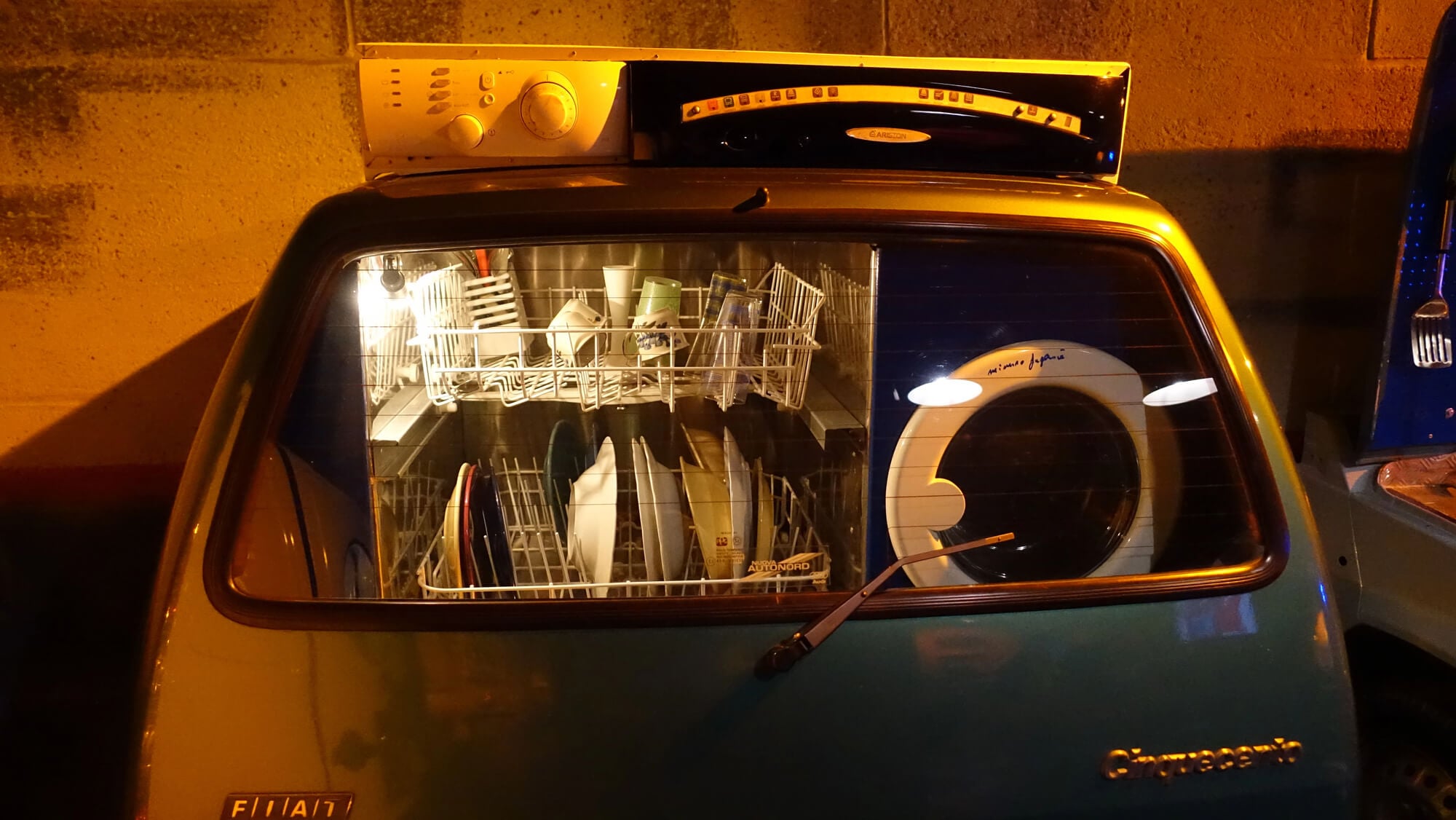
The first mechanical dishwashers were invented in the 1880s, but manufacturers were skeptical that households would accept mechanical devices for washing dishes. The technology existed decades before manufacturers actively marketed dishwashers to consumers.
Production was minimal and the devices remained rare until mid-20th century marketing campaigns created demand.
Air-Cooled Engines
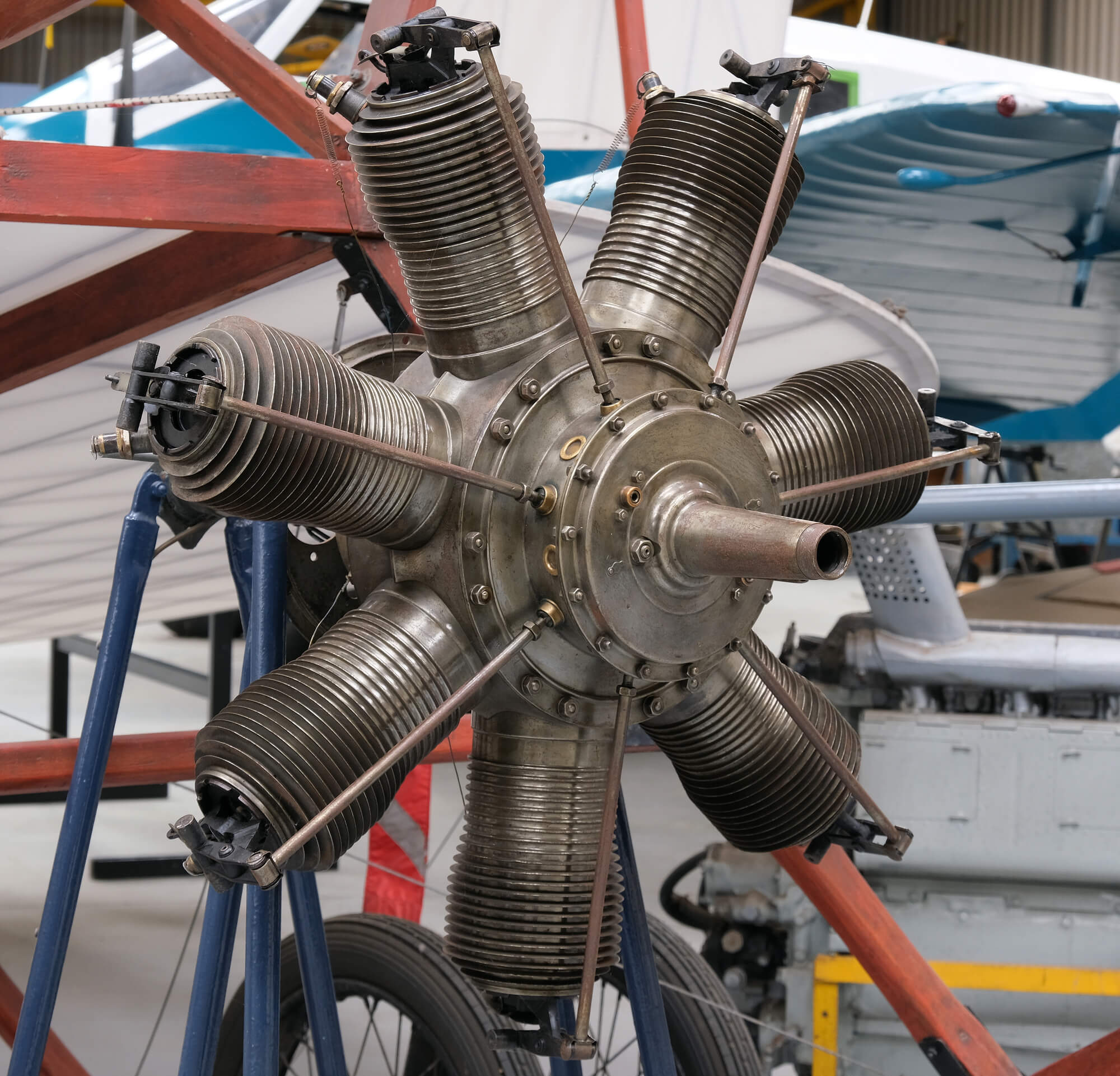
Automotive engineers developed efficient air-cooled engines that could compete with water-cooled engines, but manufacturers shelved the technology to maintain compatibility with existing coolant-dependent systems and radiator infrastructure. Only Volkswagen and Porsche persisted with air-cooled designs while most manufacturers abandoned them.
Electric Vehicles (Early Models)
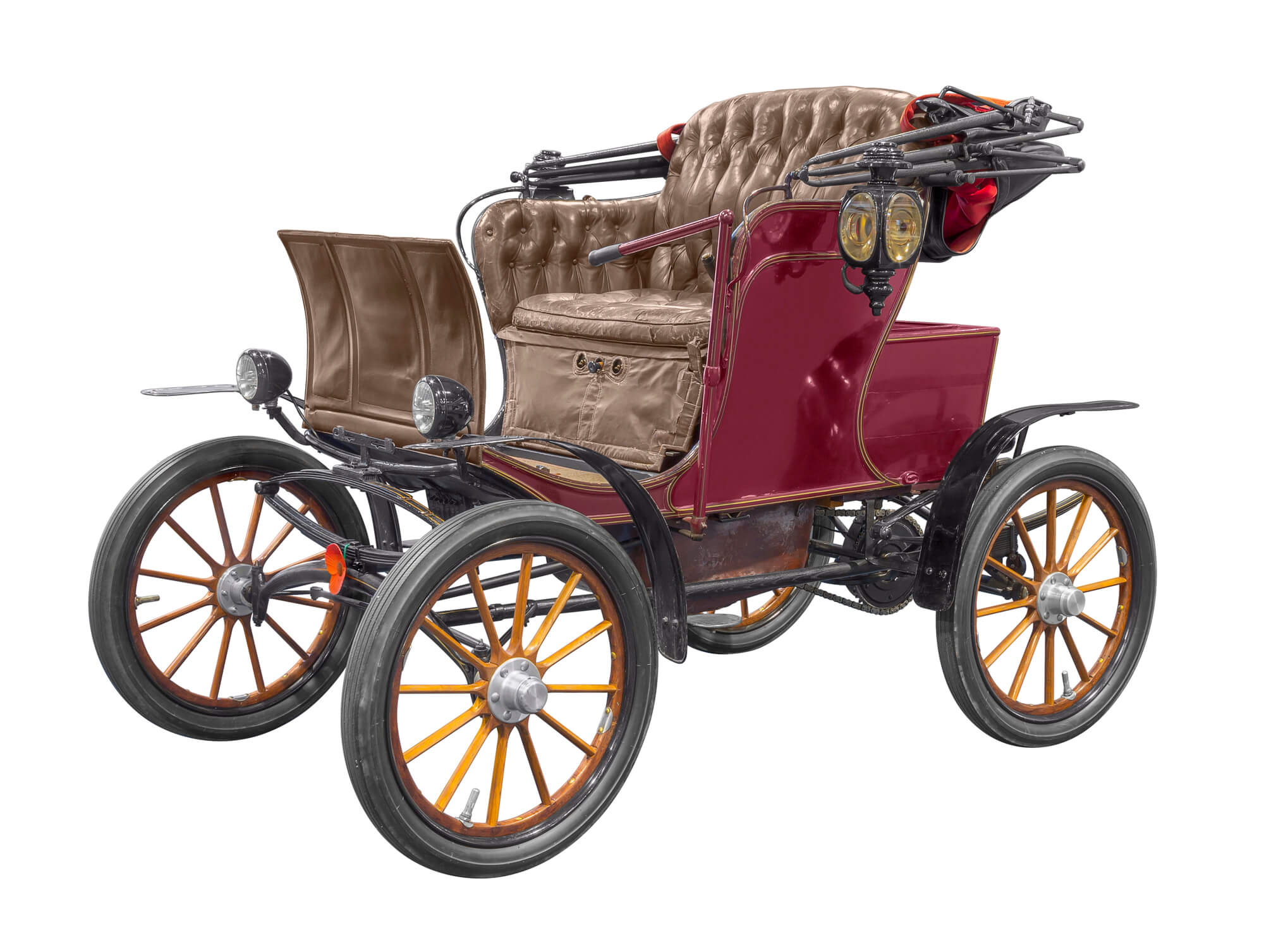
Electric automobiles were developed and manufactured in the early 1900s, with over 30,000 electric cars on American roads by 1912. However, when the assembly line made gasoline vehicles cheaper to produce, electric vehicles were abandoned.
The technology was not seriously revisited commercially for nearly a century.
Three-Wheeled Automobiles (Efficient Models)

Engineers developed efficient three-wheeled designs offering superior fuel economy to conventional automobiles, but manufacturers shelved them as “unconventional” and pushed four-wheel designs instead, even when the three-wheel designs were technologically superior and more economical.
Stirling Engines
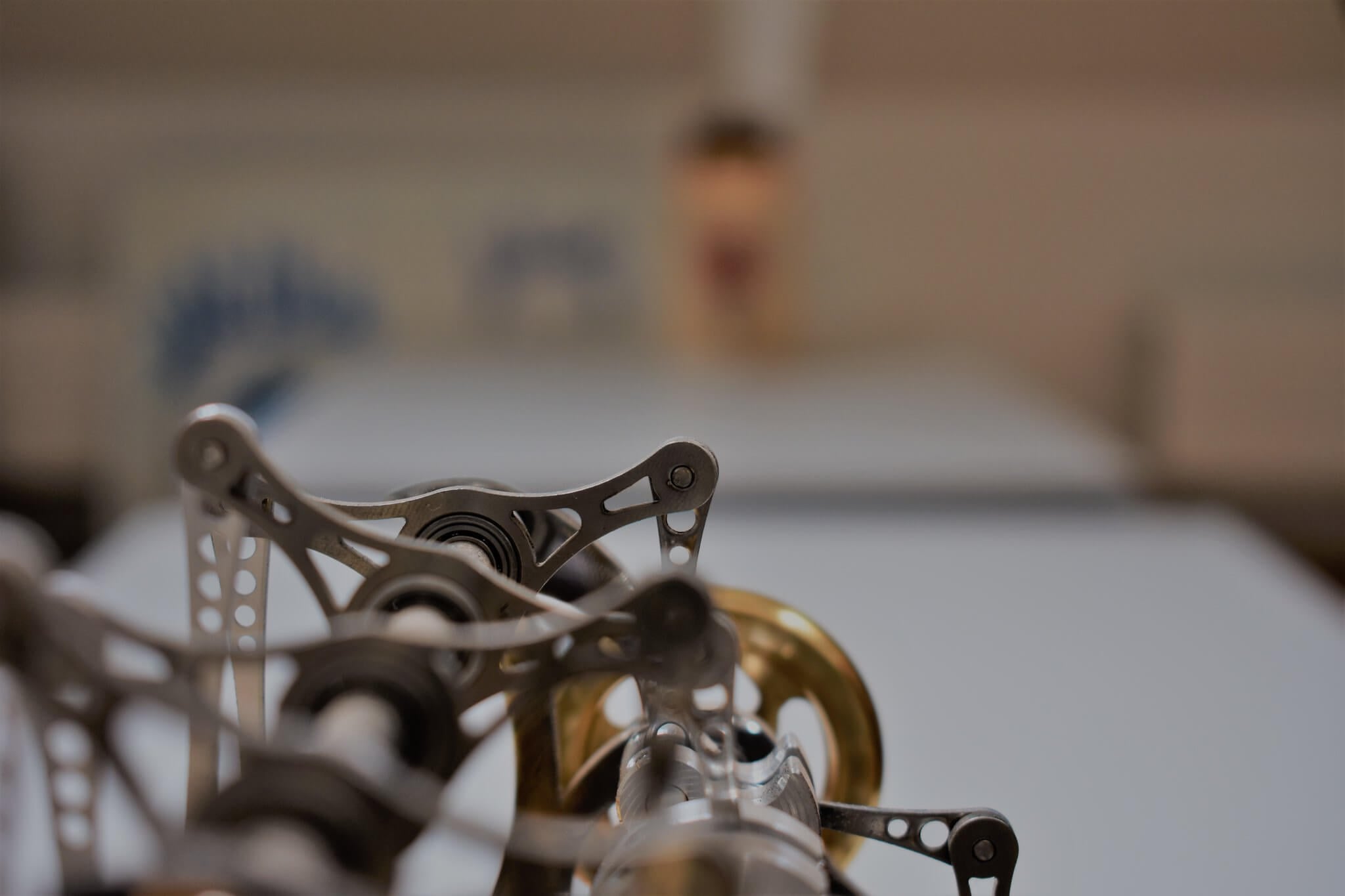
The Stirling engine operates at higher efficiency than internal combustion engines with lower emissions. The technology existed for centuries but was never widely adopted because oil companies preferred conventional engines and automotive manufacturers had already committed to gasoline technology.
Hydrogen Fuel Cells
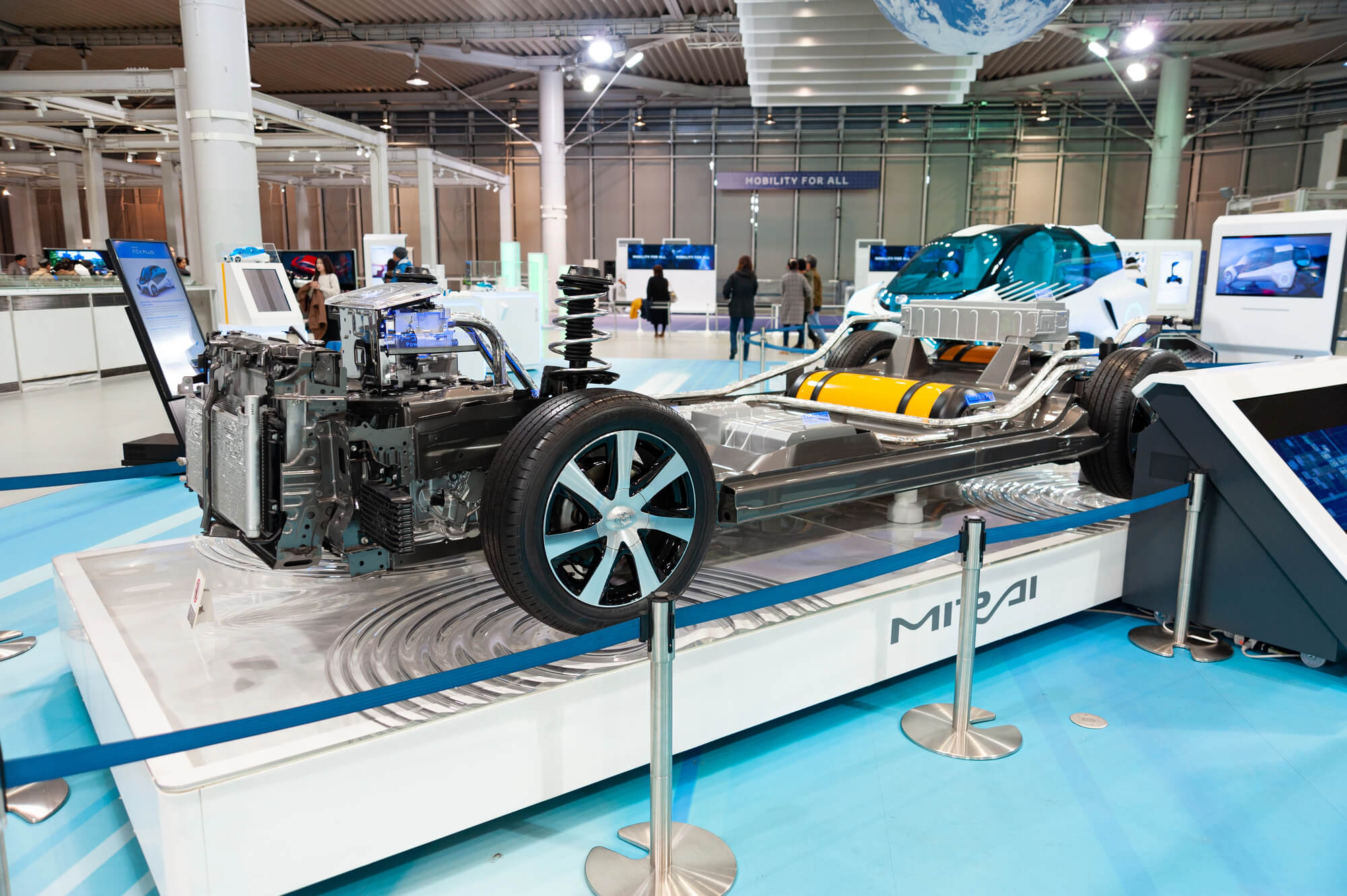
Hydrogen fuel cell technology was developed and demonstrated in the 1960s and 1970s, but oil interests and automotive manufacturers shelved commercialization, instead promoting gasoline and diesel vehicles despite the environmental advantages of hydrogen fuel cells.
Geothermal Heating Systems
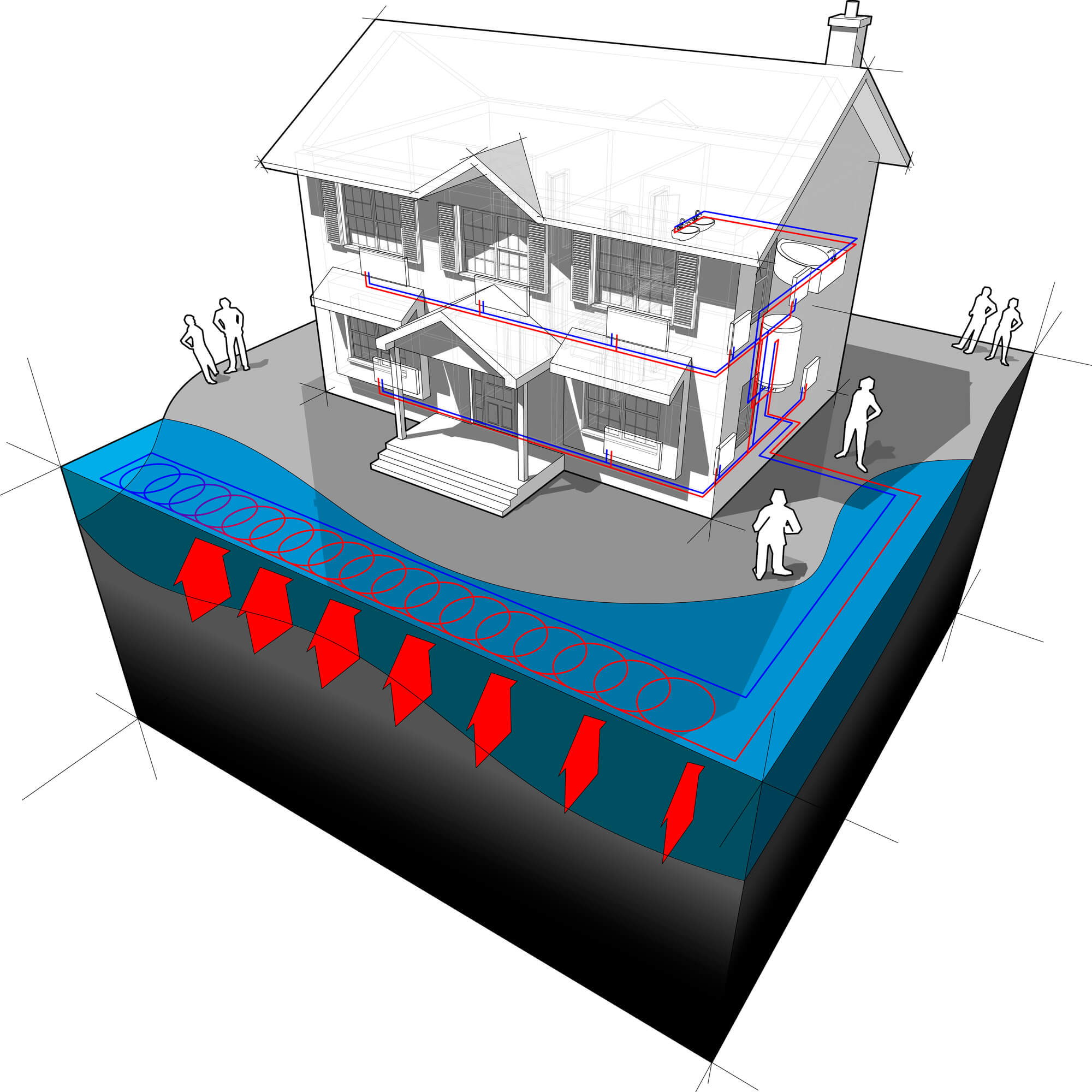
Efficient geothermal heating systems were developed in the 1970s but never widely implemented in residential construction. Fossil fuel companies and utilities opposed the technology, and building codes were not rewritten to accommodate it.
Commercial adoption remained minimal despite technological viability.
Solar Panels (Early High-Efficiency Designs)

High-efficiency solar panel designs were developed decades before widespread solar adoption became commercial reality. Manufacturers shelved the technology, determining that cheaper but less efficient designs would suffice for niche markets while oil-based energy remained cheaper.
The Better Place Electric Vehicle Battery-Swap Network

Better Place developed infrastructure for rapid battery swapping in electric vehicles, eliminating range anxiety. The company was shelved after spending over $900 million when automotive manufacturers refused to standardize battery designs needed for the system to work at scale.
Thorium Nuclear Reactors
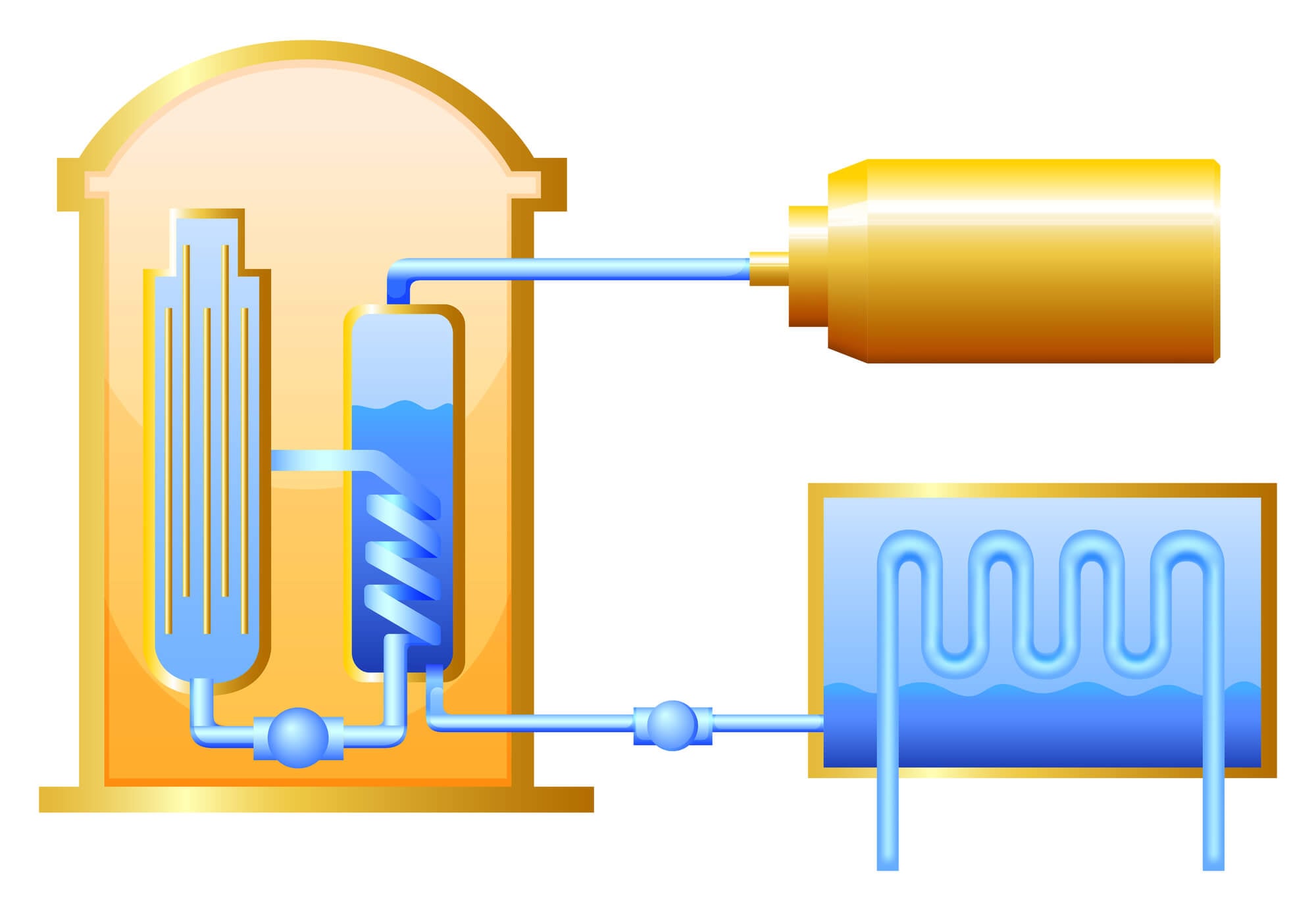
Thorium reactors operate with greater safety than uranium reactors and produce less waste, yet the nuclear power industry shelved thorium technology in favor of uranium reactors, which could more easily produce weapons-grade material and created greater dependency on concentrated fuel sources.
The Segway (For Wide-Adoption)
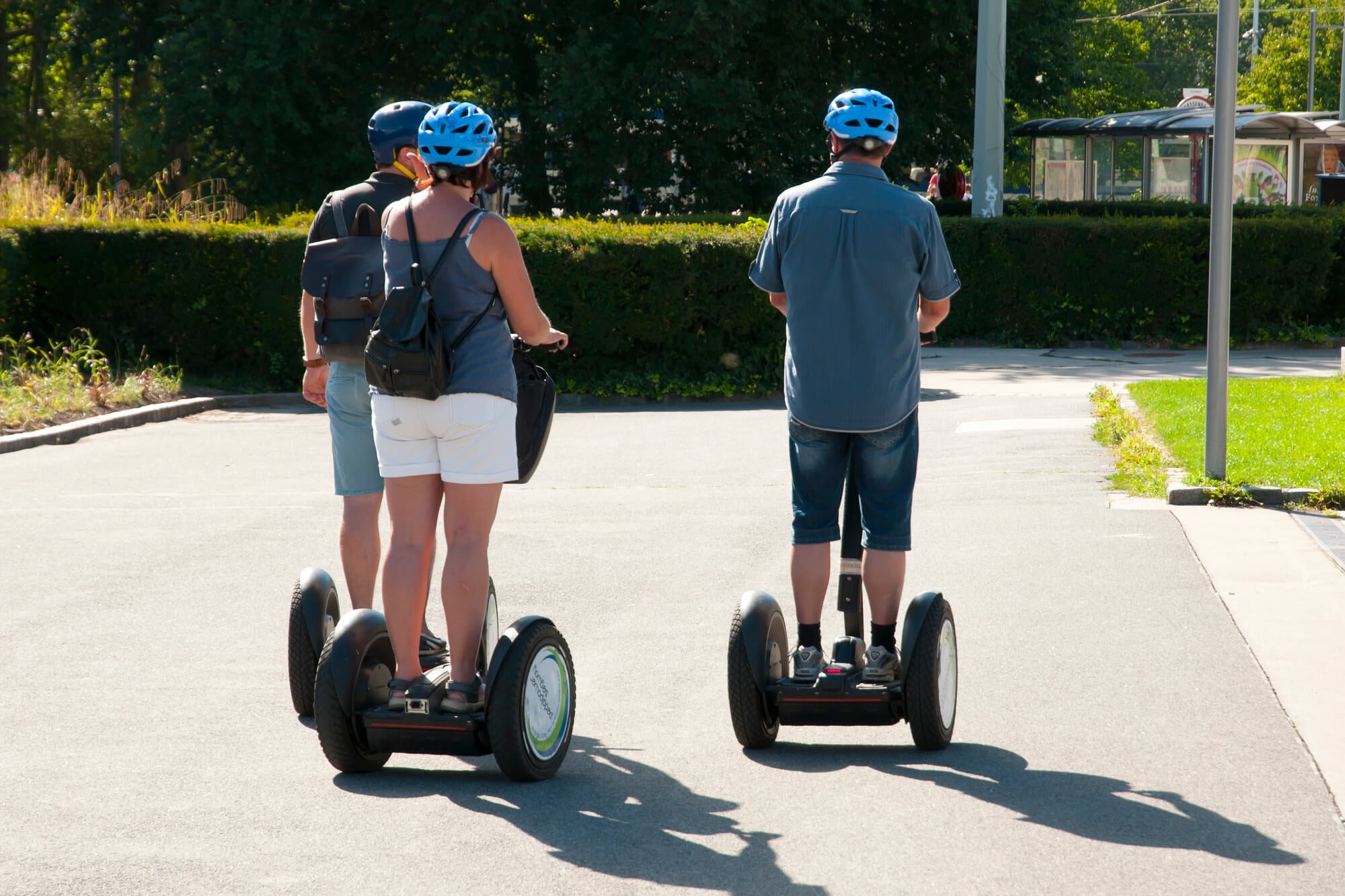
The Segway was hyped as revolutionary in 2002 but was shelved from wide adoption when municipalities and consumers found limited practical uses for it. Cities did not redesign infrastructure to accommodate the device, and it remained a novelty.
Augmented Reality Glasses (Early Versions)

Wearable augmented reality systems were developed in university laboratories in the 1990s and early 2000s, but companies shelved commercial development, determining the technology was not yet mature. Only in the 2010s did AR glasses see commercial development.
Curved Television Screens

Curved TV screen technology was developed and shelved multiple times by manufacturers. Initially dismissed as gimmicks without advantages over flat panels, curved screens were only commercialized decades later when 3D television failed to gain traction and manufacturers needed a new selling point.
Smartphone Operating Systems (Open Source)

Several open-source smartphone operating systems were developed before Android, but lacked commercial backing and were shelved. Nokia’s control of the smartphone market and Apple’s closed ecosystem prevented these alternatives from reaching consumers.
Faster Internet Protocols

Engineers developed faster internet communication protocols and encryption standards, but internet service providers shelved implementation, preferring to charge premium prices for slower service and to avoid hardware upgrades.
Aluminum-Air Batteries
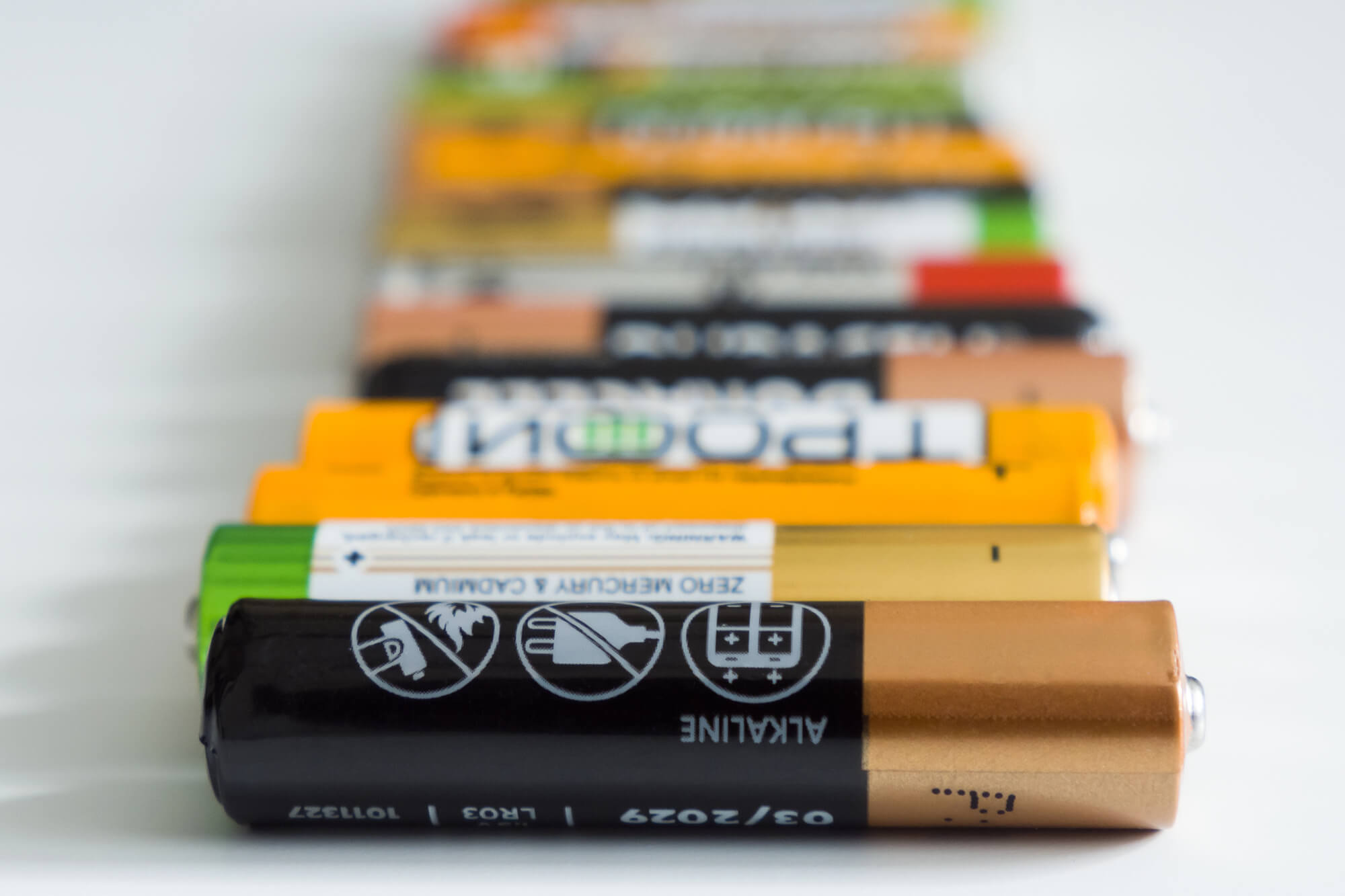
Aluminum-air batteries offered extremely high energy density and could power electric vehicles for hundreds of miles on a single charge, but the technology required substantial infrastructure changes and was shelved in favor of conventional lithium batteries.
Zinc-Air Batteries

Zinc-air batteries were developed and demonstrated in electric vehicles in the 1990s but were shelved when battery manufacturers determined lithium alternatives would become cheaper at scale.
Sodium-Ion Batteries
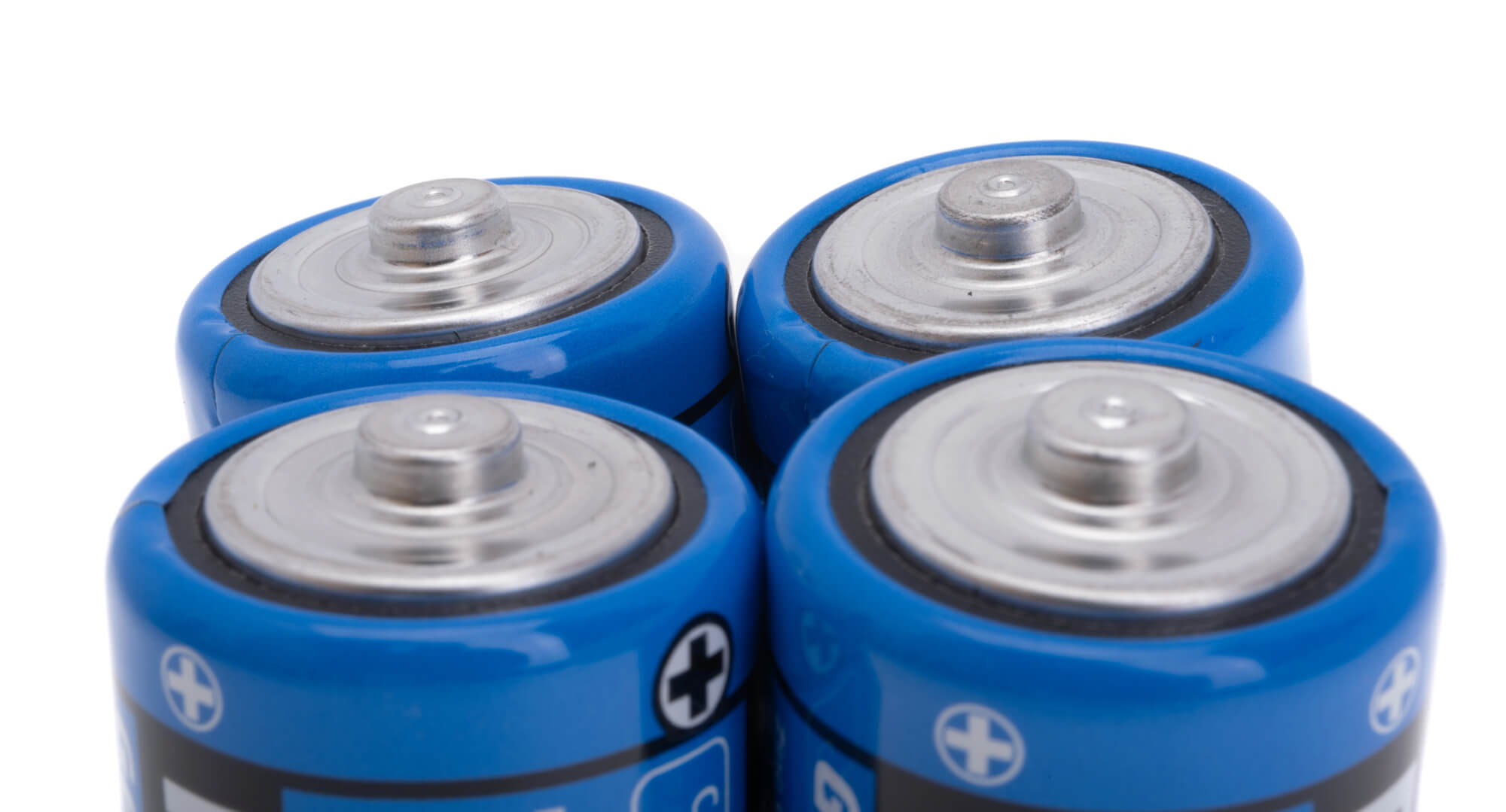
Sodium-ion batteries offered cost advantages over lithium and used more abundant materials, but battery manufacturers had invested heavily in lithium technology and shelved sodium-ion alternatives until recently when supply chain pressures forced reconsideration.
The Loom (Programmable Textile Manufacturing)
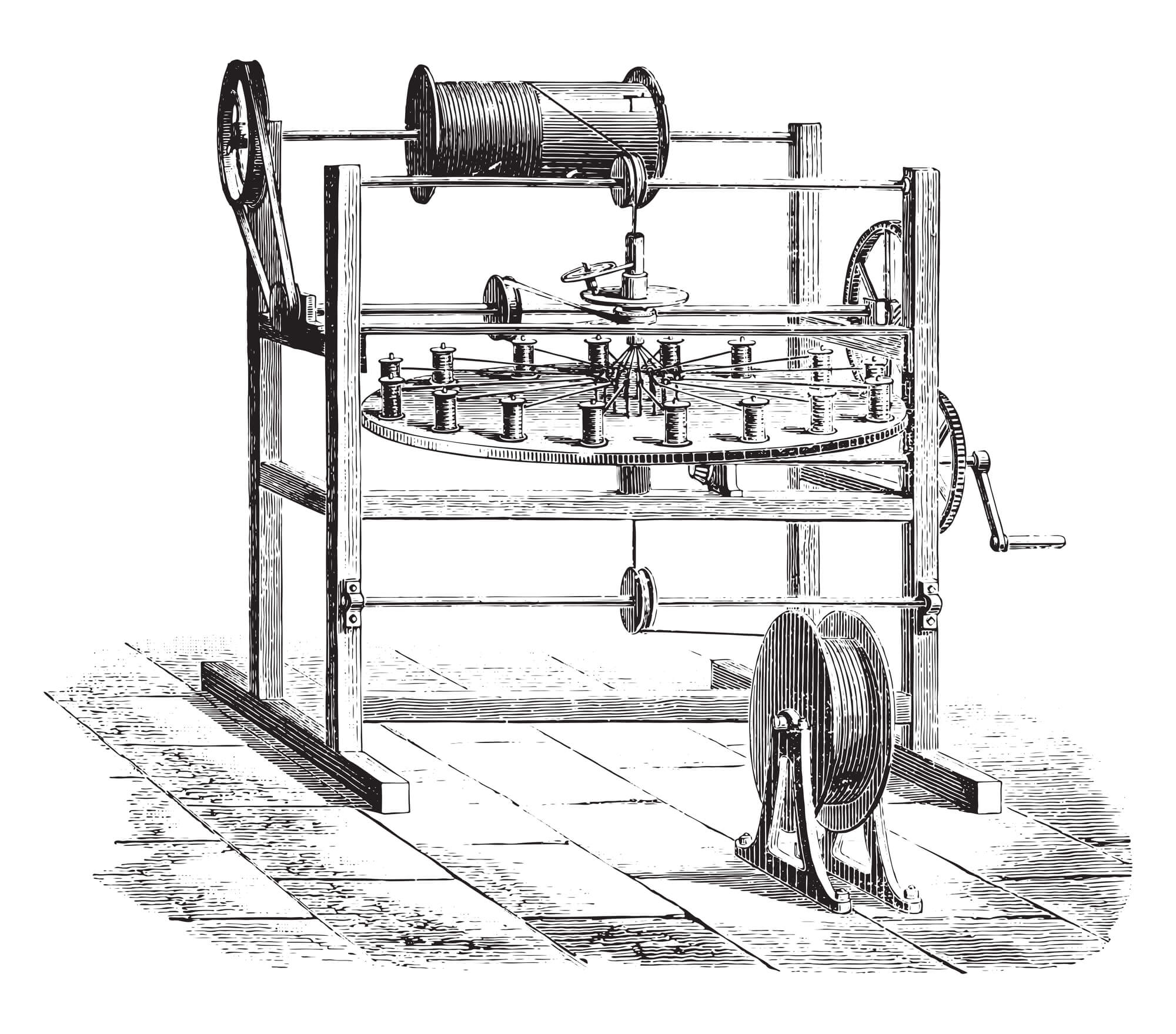
In the 1800s, the Jacquard loom—a predecessor to computer programming—demonstrated programmable manufacturing using punch cards. The technology could have automated textile production decades earlier, but textile manufacturers using cheap labor suppressed the technology.
The Floppy Disk Alternative
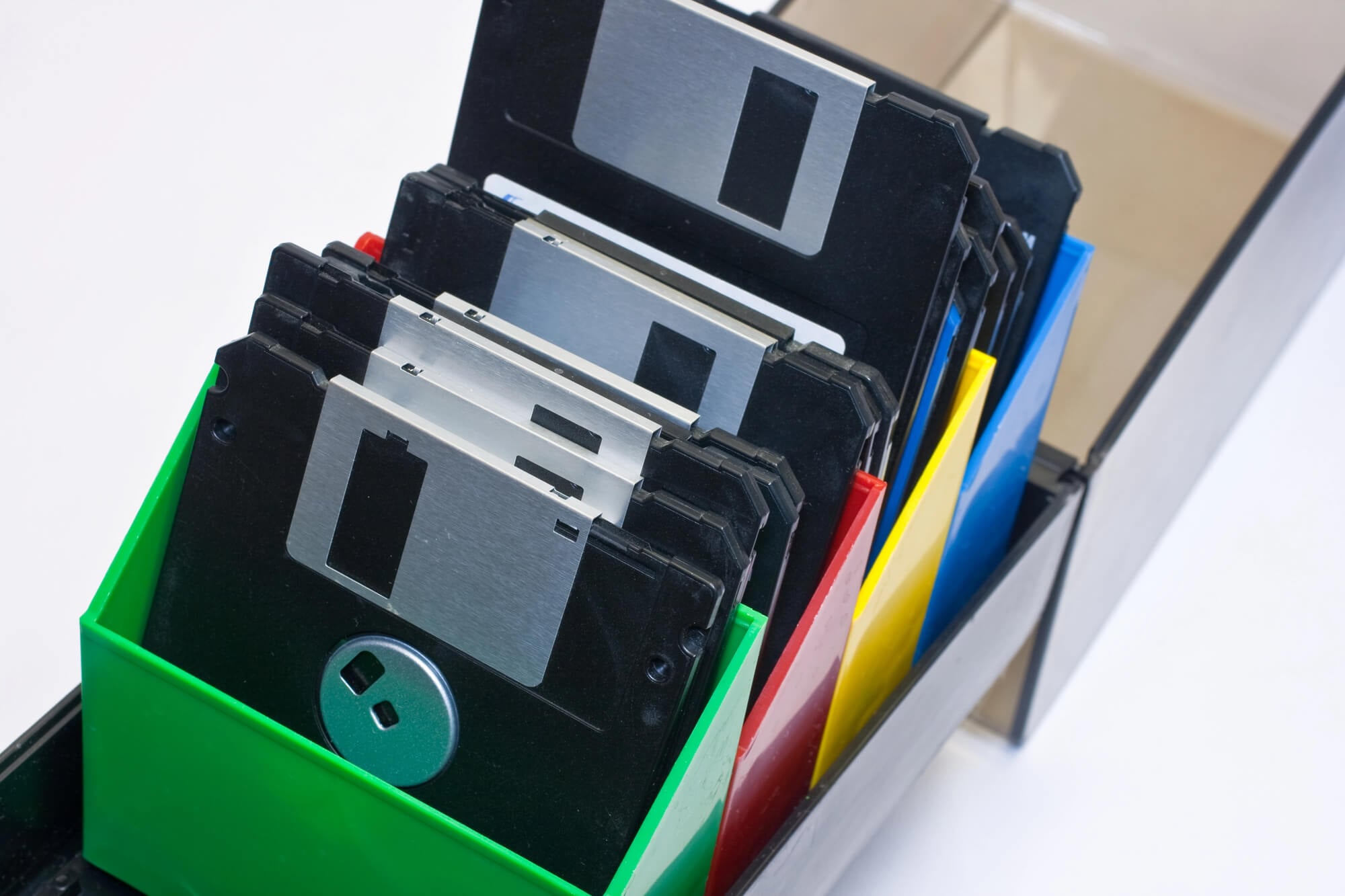
Before the floppy disk dominated personal computing, alternative removable storage media were developed, but IBM’s dominance of early computing standardized floppy disks. Alternative storage technologies were shelved, delaying progress in storage density and reliability.
The Computer Mouse Alternative Input Devices
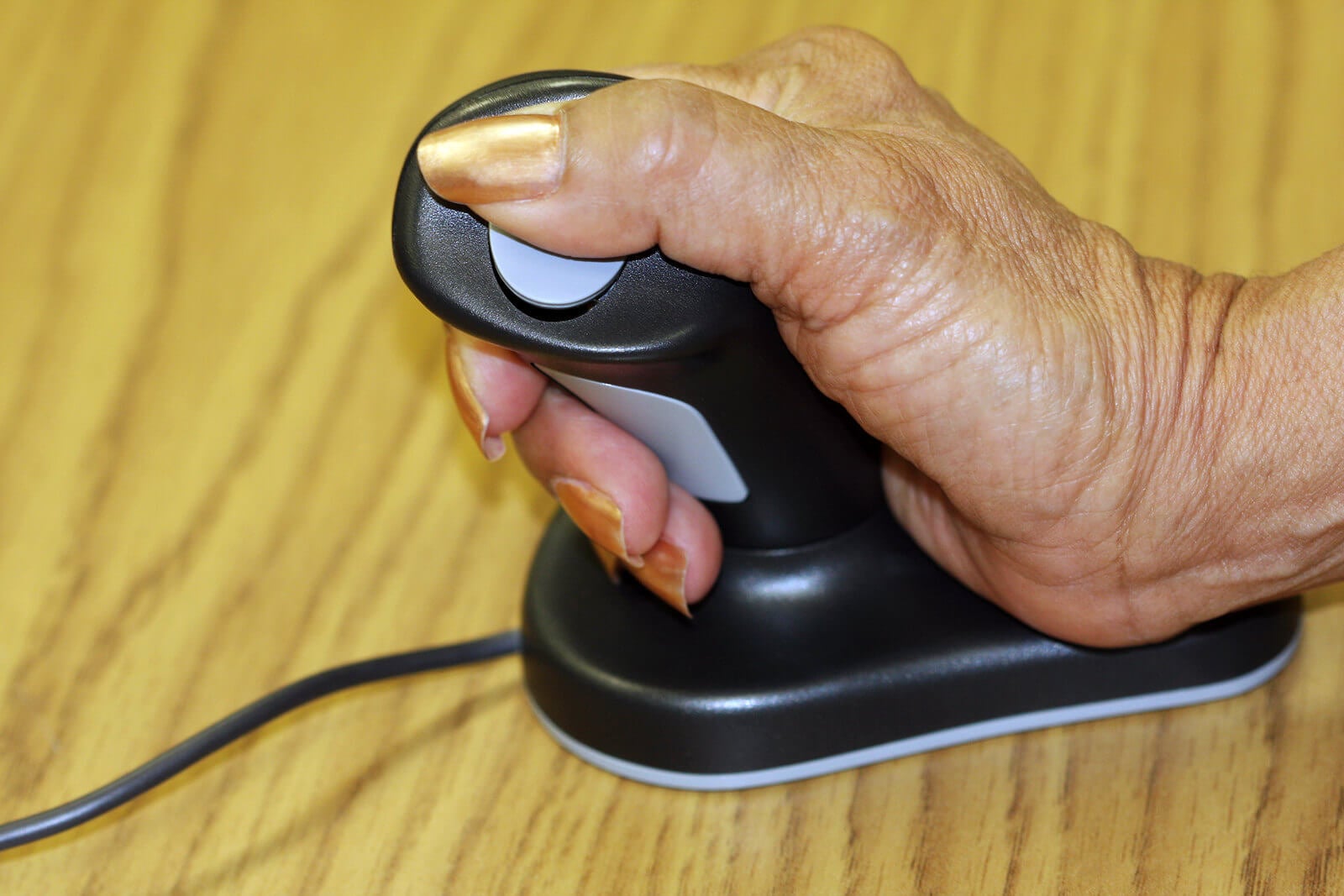
Before the mouse became standard, multiple alternative input devices including touchscreens were developed and shelved. Xerox Alto’s GUI and mouse existed years before Macintosh, but Xerox failed to commercialize it.
Advanced Train Networks

High-speed rail and maglev train technologies were developed but shelved in the United States by automobile and oil industries that lobbied against rail infrastructure investment. Other countries commercialized these technologies while American infrastructure stagnated.
Hyperloop Tube Transportation

Elon Musk’s hyperloop concept was developed in the 2010s but shelved from construction, with the concept remaining largely theoretical as regulatory obstacles and the failure to secure funding prevented deployment.
The Video Disc (Early Formats)

Before DVDs dominated, earlier video disc formats including LaserDisc existed and had superior quality, but media manufacturers failed to agree on a single standard and shelved the technology in favor of VHS videotape.
Dual-Screen Smartphone Designs

Flexible display technology and dual-screen smartphones were demonstrated in laboratories for years before Samsung and other manufacturers shelved the designs as too expensive and impractical.
The Holodeck Concept

Holographic display and immersive computing environments were conceptualized and partially developed decades before virtual reality headsets gained traction. Investment and development were shelved until VR technology approached commercial viability.
Biodegradable Plastic

Fully biodegradable plastic was developed decades ago but shelved by petroleum-based plastic manufacturers who saw it as a threat to their markets. Commercial biodegradable plastic alternatives were not aggressively developed until environmental pressure mounted.
Water-Powered Engines

Hydrogen-based engines powered by electrolysis of water were demonstrated but shelved when oil companies and automotive manufacturers determined gasoline vehicles had already captured the market.
Alternative Refrigerants

Efficient, non-toxic refrigerants were developed but shelved by refrigeration manufacturers who had invested in existing technologies. CFC and other harmful refrigerants continued in use longer than necessary.
The Perpetual Motion Machine

Various engineers claimed to have developed perpetual motion machines, but thermodynamic reality consistently shelved these technologies when independent verification proved impossible.
The Verdict on Shelved Inventions

Whether suppressed, delayed, or simply overlooked, these inventions reveal how economic interests, infrastructure dependencies, and market forces shape technological progress. The path to innovation is not linear.
Viable technologies fail to reach consumers while inferior technologies dominate markets. Understanding why inventions are shelved illuminates the social, economic, and political factors that determine which futures are built and which are abandoned.
from Go2Tutors!

- The Romanov Crown Jewels and Their Tragic Fate
- 13 Historical Mysteries That Science Still Can’t Solve
- Famous Hoaxes That Fooled the World for Years
- 15 Child Stars with Tragic Adult Lives
- 16 Famous Jewelry Pieces in History
Like Go2Tutors’s content? Follow us on MSN.



