31 Lies Commonly Taught in Schools That Have Since Been Corrected
Education systems worldwide have long perpetuated historical inaccuracies with such confidence that generations accepted them as fact. Some myths arose from misunderstandings, others from propaganda designed to serve particular national narratives, and still others from simple incompetence—cartographers guessing at geography, translators mangling meaning, or textbook authors repeating what they read without verification.
Modern historians and researchers have spent decades correcting these falsehoods, yet many persist in contemporary curricula. Here are the lies we’ve all been taught.
Christopher Columbus Discovered America
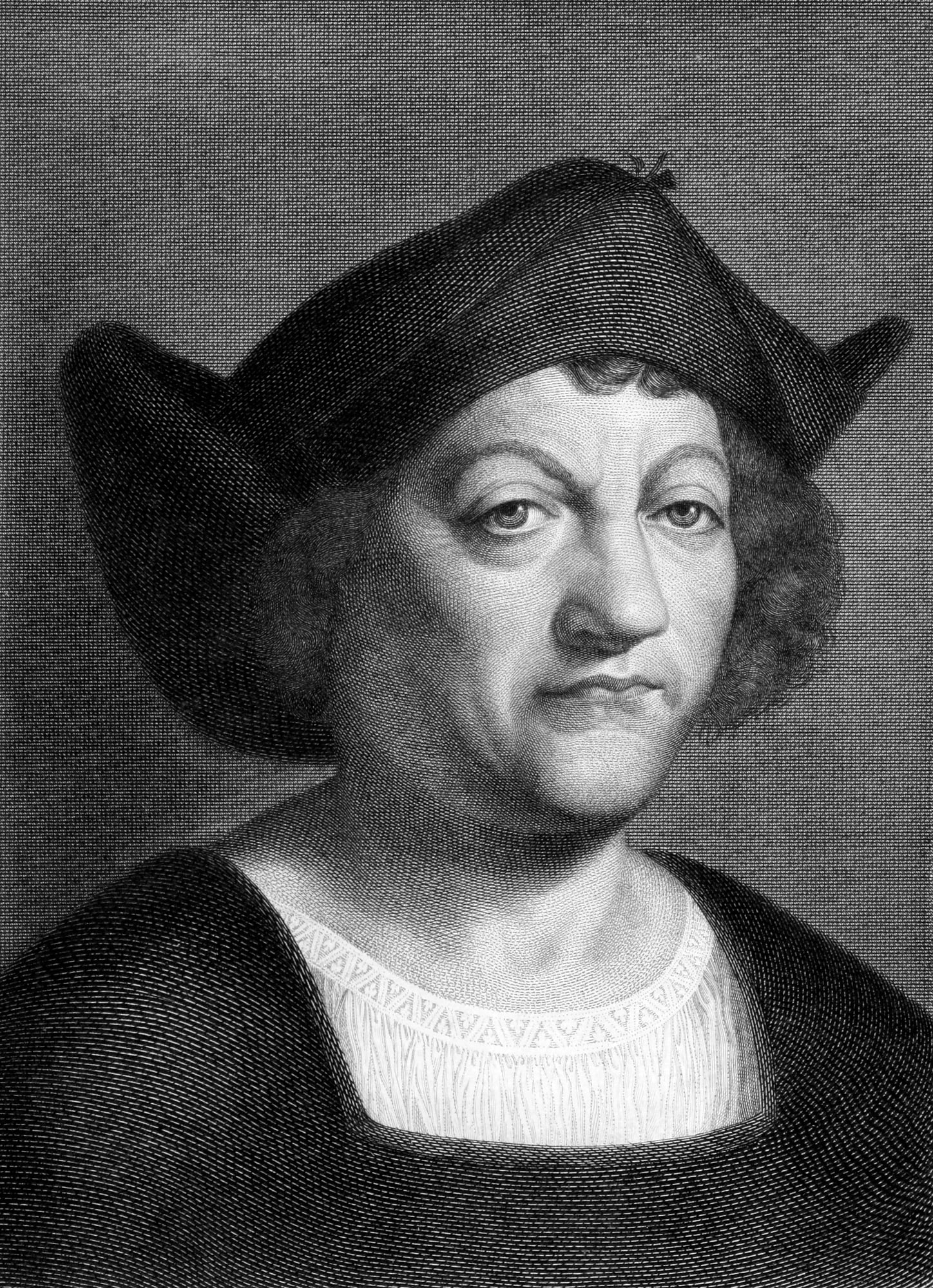
Schools taught that Columbus sailed in 1492 and discovered a “New World,” a claim that ignores both the indigenous peoples who inhabited the Americas for 15,000 to 20,000 years before his arrival and the Vikings who established settlements in Newfoundland around 1021 CE. Columbus never even set foot on North America—he landed in the Bahamas, Cuba, and other Caribbean islands.
What he actually did was initiate sustained European contact with the Americas, beginning a process of colonization and disease that killed millions. The “discovery” framing erases indigenous presence entirely.
Napoleon Was Short
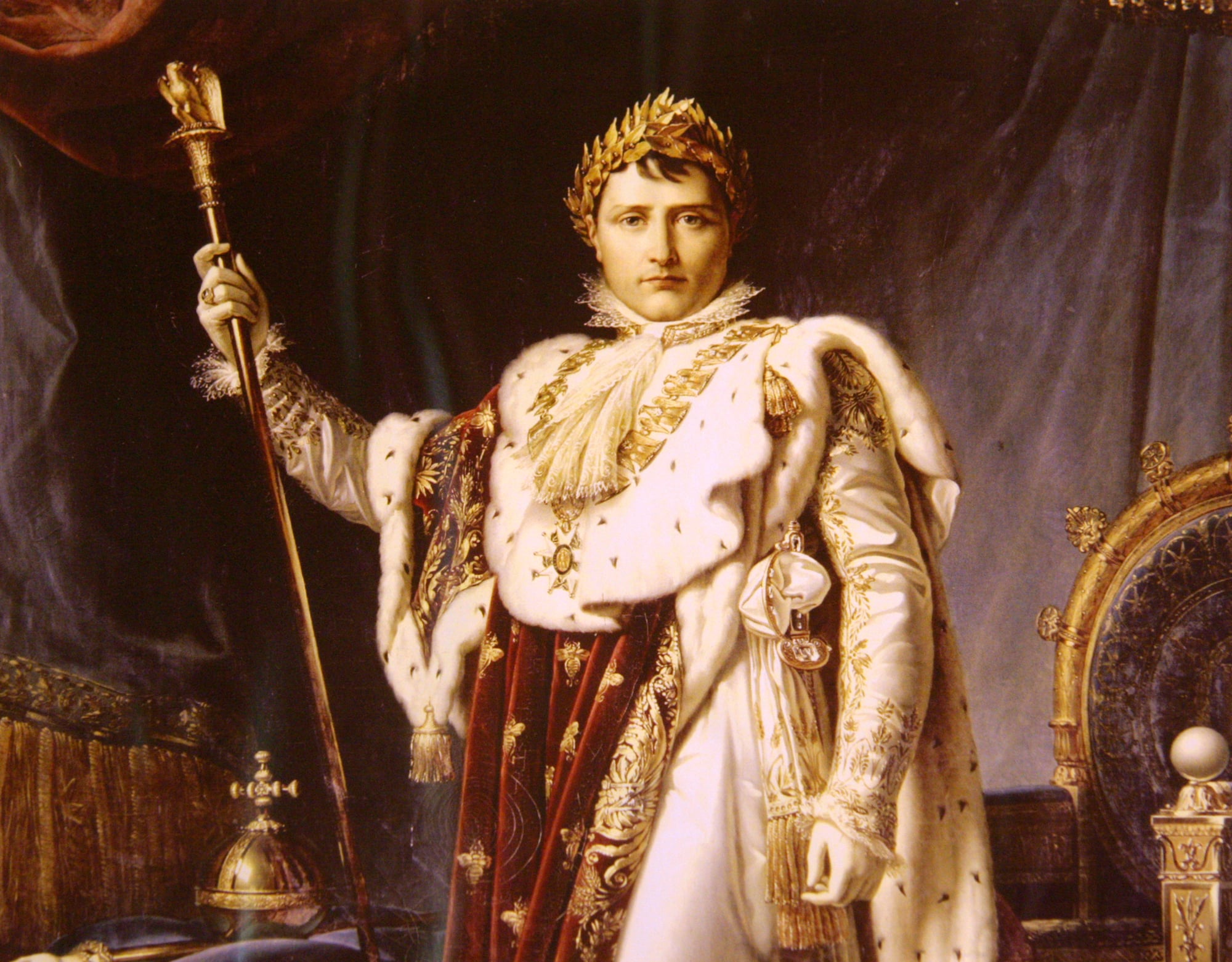
British cartoonist James Gillray’s political caricatures portrayed Napoleon as diminutive, images that circulated so widely they became accepted historical fact. In reality, Napoleon stood approximately 5 feet 6 inches tall—average or even slightly above average for men of his era.
His recorded height of “5 feet 2 inches” came from French measurements using the older “pied” system, where an inch equaled 2.71 centimeters, not the English measurement. The myth persists because propaganda proved more memorable than facts.
George Washington Had Wooden Teeth
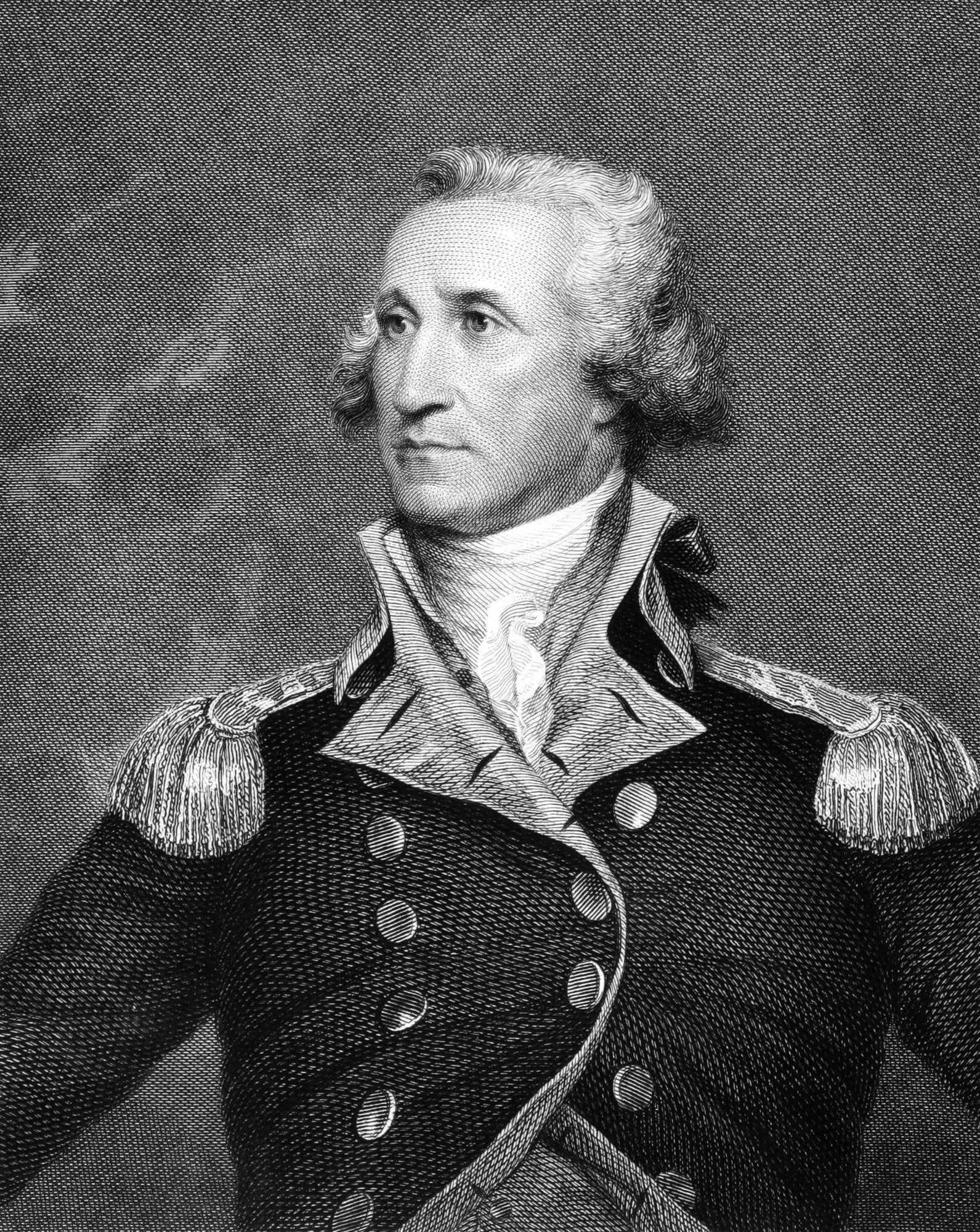
For centuries, students learned that Washington’s dentures were carved from wood, an image reinforced by illustrations and textbook repetition. His actual dentures were crafted from ivory, human teeth, gold, lead, and animal teeth—never wood.
The misconception likely arose because the ivory and bone materials stained over time to a darkish, wood-like color. Ironically, this myth humanizes Washington by suggesting physical weakness, yet the reality of his dental decay and discomfort was worse than any wooden prosthetic could imply.
Albert Einstein Failed Mathematics

A pervasive motivational myth claims young Einstein struggled in math and failed early exams, only to become a genius later. This is entirely false.
By age 12, Einstein had taught himself algebra and Euclidean geometry in a single summer. By age 15, he had mastered calculus. He excelled in mathematics throughout his education. The myth appears to stem from a misunderstanding of his grading system—his school used reverse scoring where 6 was the best mark and 1 was failing, which when translated directly to modern systems creates the appearance of poor performance.
Medieval People Thought the Earth Was Flat

Schools presented medieval Europe as a period of ignorance where educated people believed the Earth was flat until proven otherwise. This is false.
Ancient Greek astronomers Pythagoras and Aristotle had argued for a spherical Earth around 500 BCE, and by 200 BCE, Eratosthenes had calculated Earth’s circumference within a few percent of accuracy. By medieval times, the spherical Earth was accepted knowledge among educated Europeans. As historian Jeffrey Burton Russell noted, “no educated person in the history of Western civilization from the 3rd century BC onwards believed that the Earth was flat.” The flat-Earth myth was largely constructed in the 19th century to portray medieval people as ignorant.
Marie Antoinette Said “Let Them Eat Cake”
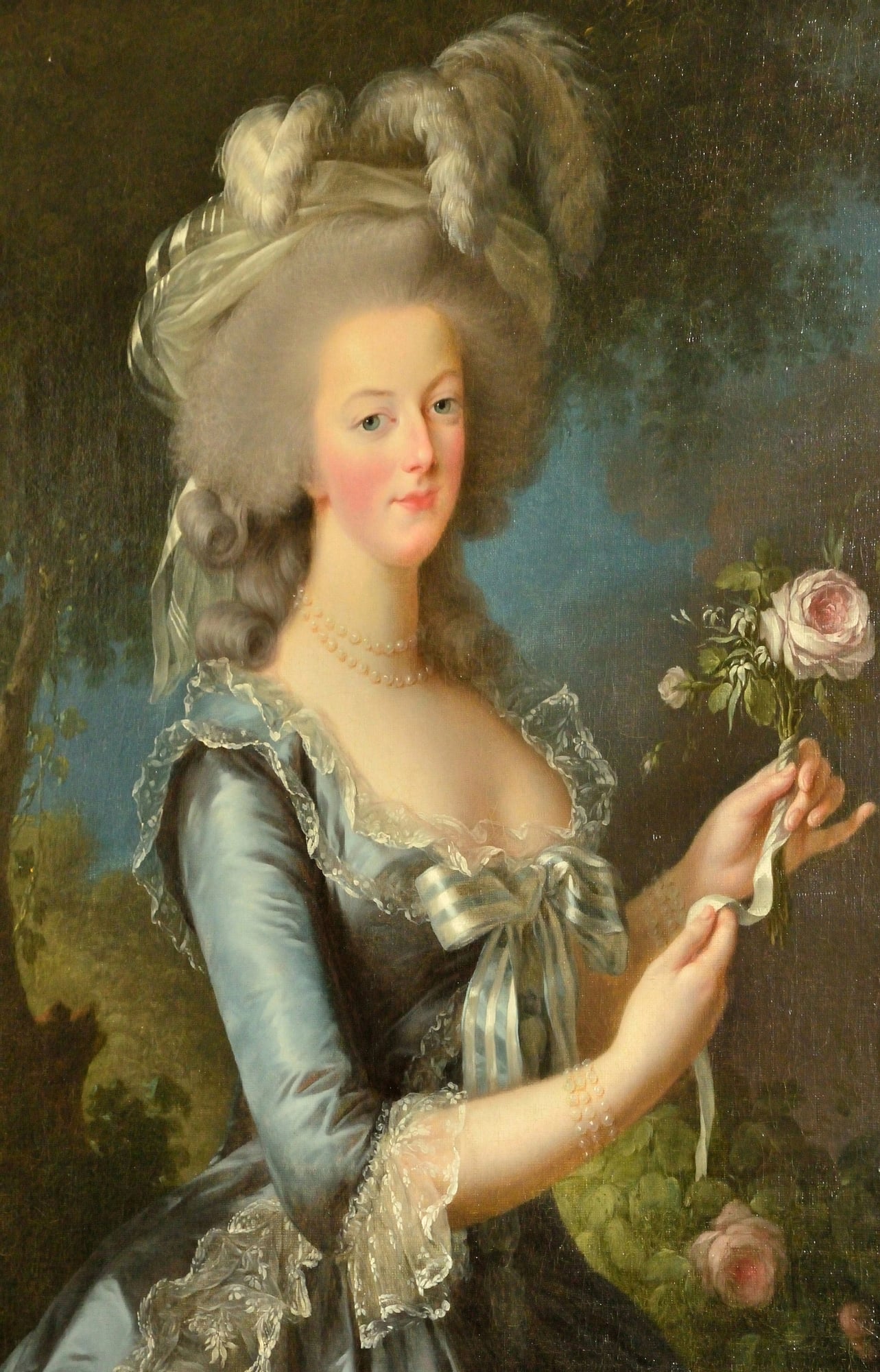
The famous quote, “Let them eat cake” (or in French, “Qu’ils mangent de la brioche”), was never uttered by Marie Antoinette. The phrase first appeared in Jean-Jacques Rousseau’s autobiography, written around 1765 when Marie Antoinette was nine years old and living in Austria.
Rousseau attributed it to “a great princess” but never named her. Historical records show Marie Antoinette actually funded local relief efforts from her personal allowance and maintained sympathy for the poor. The attribution to her was revolutionary propaganda designed to make the monarchy appear callous and disconnected.
Paul Revere Shouted “The British Are Coming”
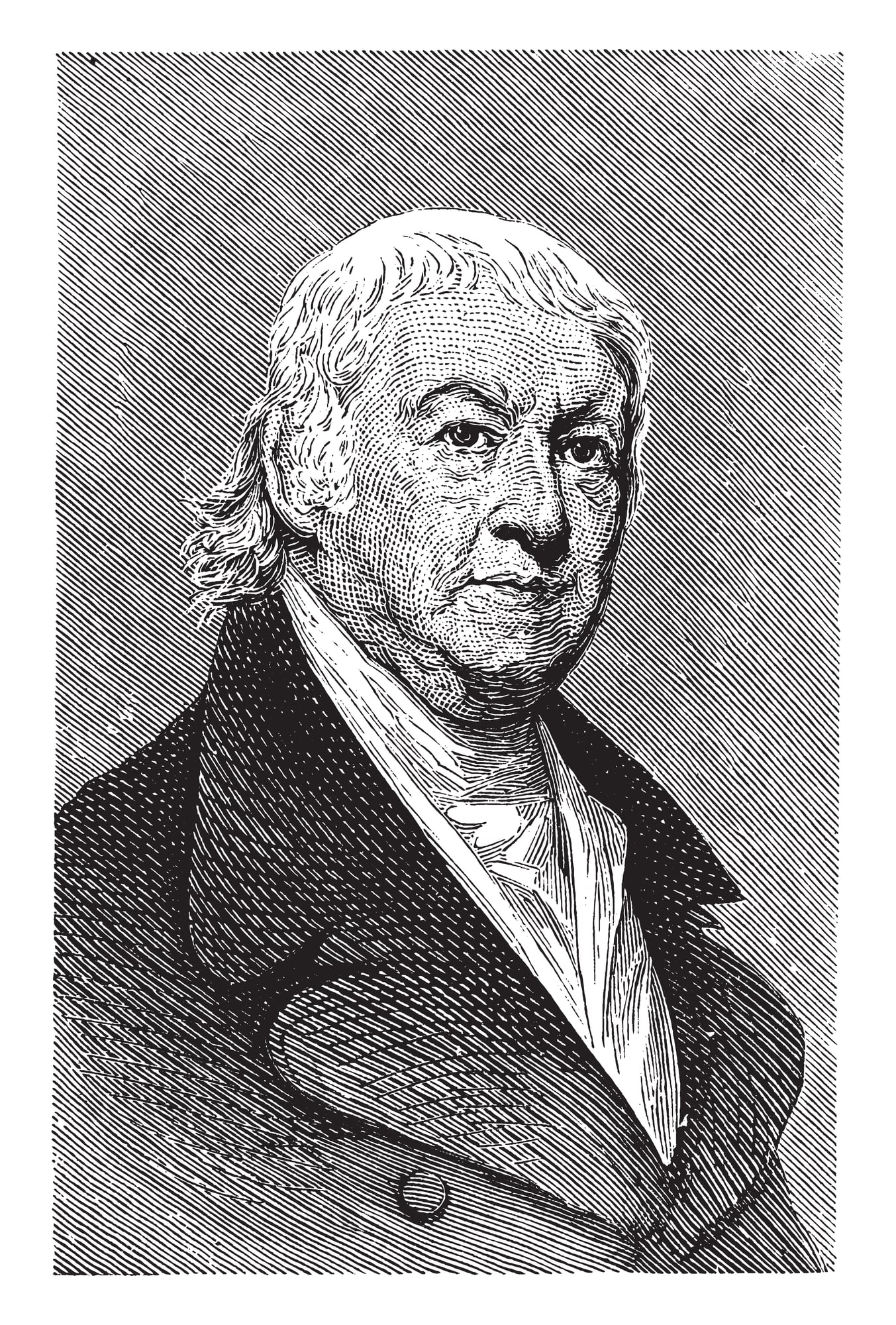
The myth of Paul Revere riding through the night shouting “The British are coming” is American folklore, not history. Most colonists still identified as British at the time, making such a shout nonsensical.
Revere actually used a quiet network of riders and predetermined signals (the famous “one if by land, two if by sea”) to warn that British troops were mobilizing. His approach was deliberate secrecy, not dramatic publicity. Longfellow’s 1863 poem transformed a covert operation into a famous midnight ride.
Vikings Wore Horned Helmets

The iconic image of Vikings in horned helmets comes entirely from 19th-century opera costumes, not historical reality. No archaeological evidence supports horned helmets for Viking warriors—such headgear would be impractical in combat, catching on weapons and throwing the wearer off balance.
Real Viking helmets were functional, smooth, and designed for protection. The myth was perpetuated by Richard Wagner’s operas and has since dominated popular culture and textbook illustrations.
The Trojan Horse Was Real
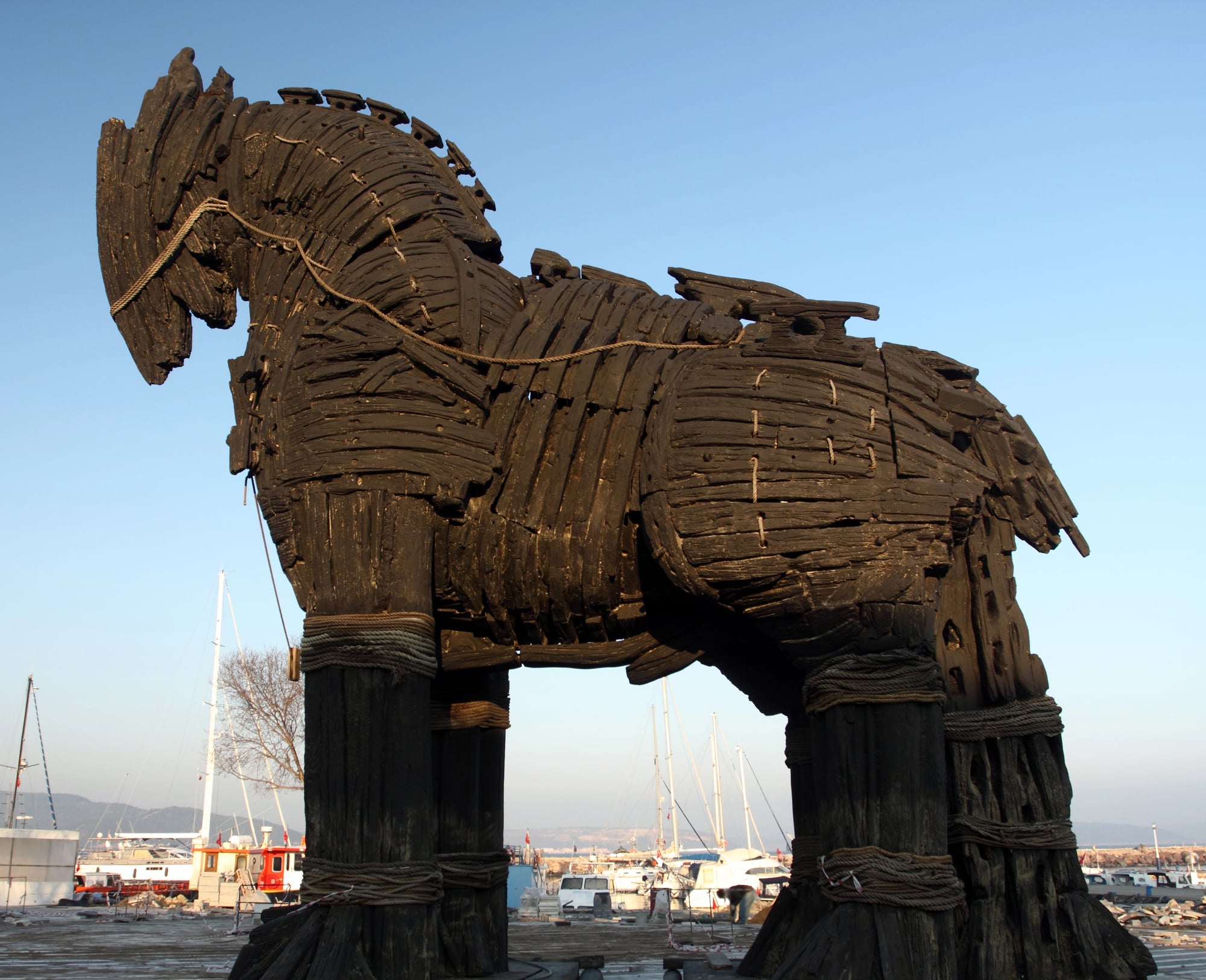
The Trojan Horse, described in Homer’s epics as a massive wooden structure that the Greeks used to infiltrate Troy, was likely metaphor or myth rather than historical fact. No archaeological evidence supports that such a structure ever existed or was used.
Troy itself was a real settlement that fell to siege, but the wooden horse narrative appears to be a symbolic or mythological account, not a documented historical event. It endured in textbooks because it makes for compelling storytelling.
Pythagoras Discovered His Theorem
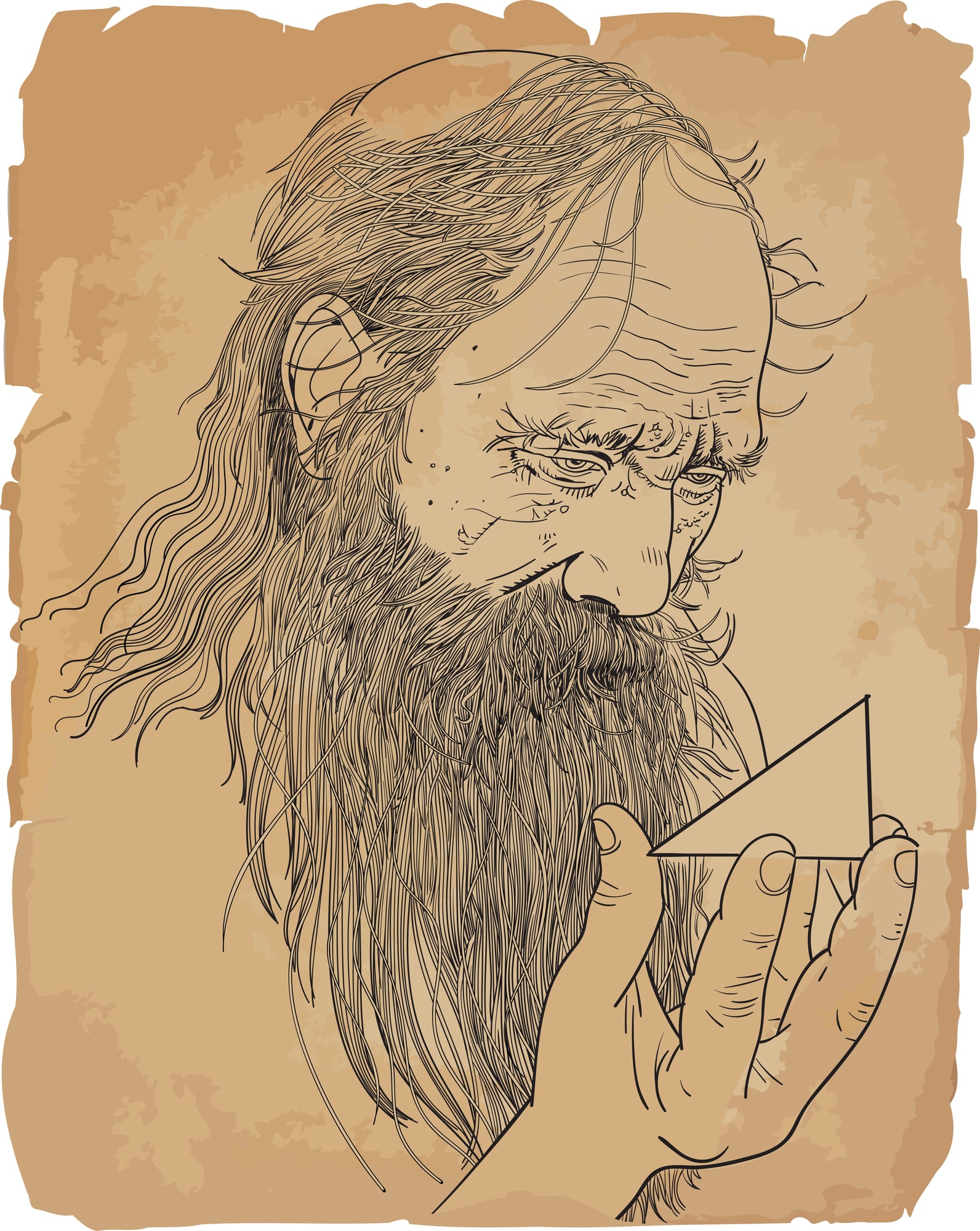
Students are taught that Pythagoras discovered the geometric relationship between the sides of right triangles (a² + b² = c²), but Babylonian mathematicians documented this relationship on clay tablets nearly 1,200 years before Pythagoras lived. Chinese mathematicians and Indian mathematicians also knew of this relationship independently.
Pythagoras was a philosopher and mathematician, but he did not discover the theorem bearing his name—he simply lived much later and the Greek scientific tradition became more documented in Western historical records.
The Great Wall of China Is Visible from Space

Textbooks claimed the Great Wall of China was so massive it was the only human structure visible from space with the unaided eye. This is false.
The wall, while impressive, is not wide enough to be clearly distinguished from orbital altitude without magnification. The myth was so pervasive that even astronauts repeatedly denied it during interviews, yet schools continued teaching it.
Thomas Edison Invented the Light Bulb
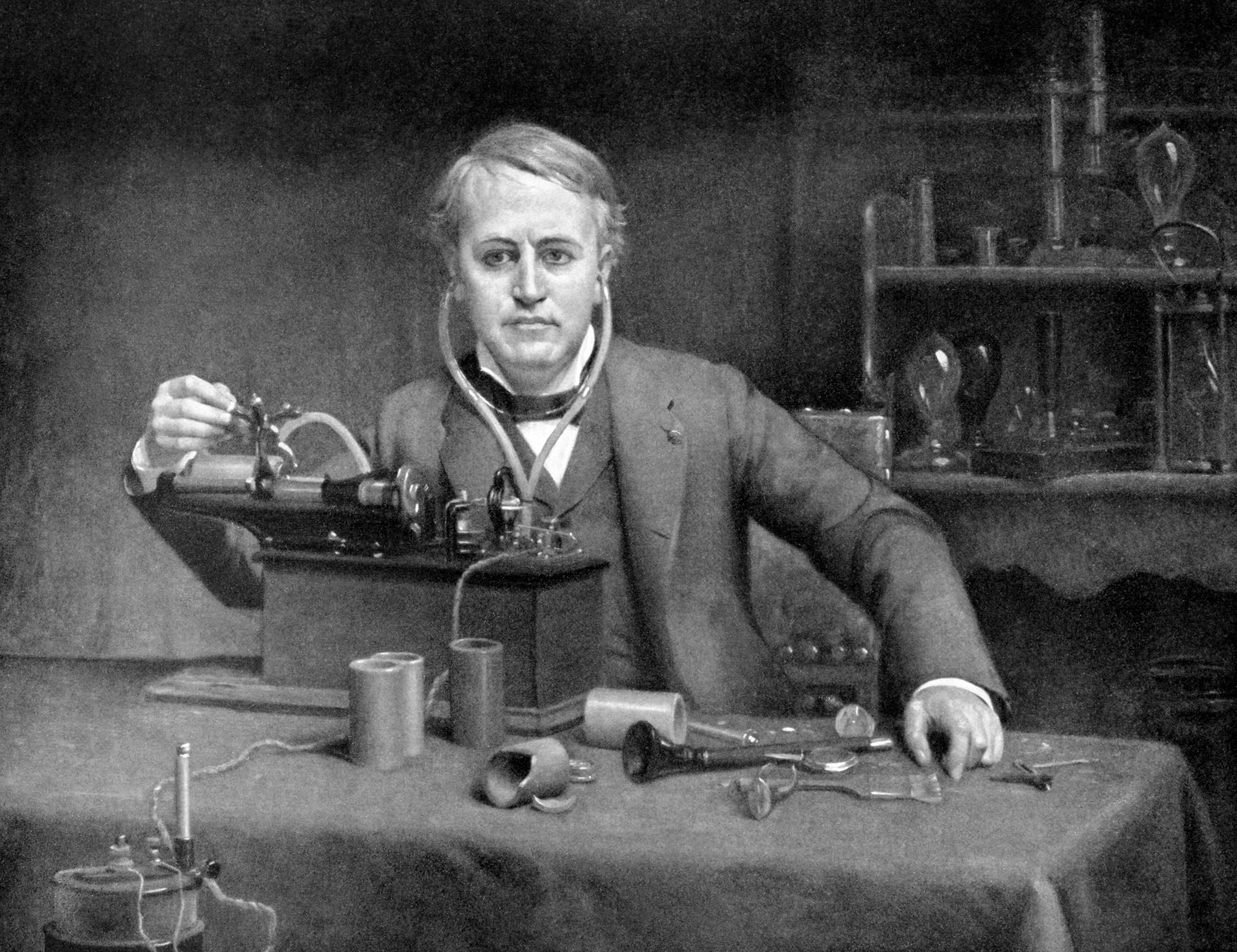
Edison gets credit for inventing the practical incandescent light bulb, but he wasn’t the first to demonstrate one. Joseph Swan in Britain and Humphry Davy in the early 1800s created incandescent lights before Edison.
What Edison did was develop a commercially practical bulb with a long-lasting carbon filament and create the electrical infrastructure to power homes. His contribution was engineering and business acumen, not foundational discovery, yet textbooks present him as the sole inventor.
Alexander the Great Died in Battle
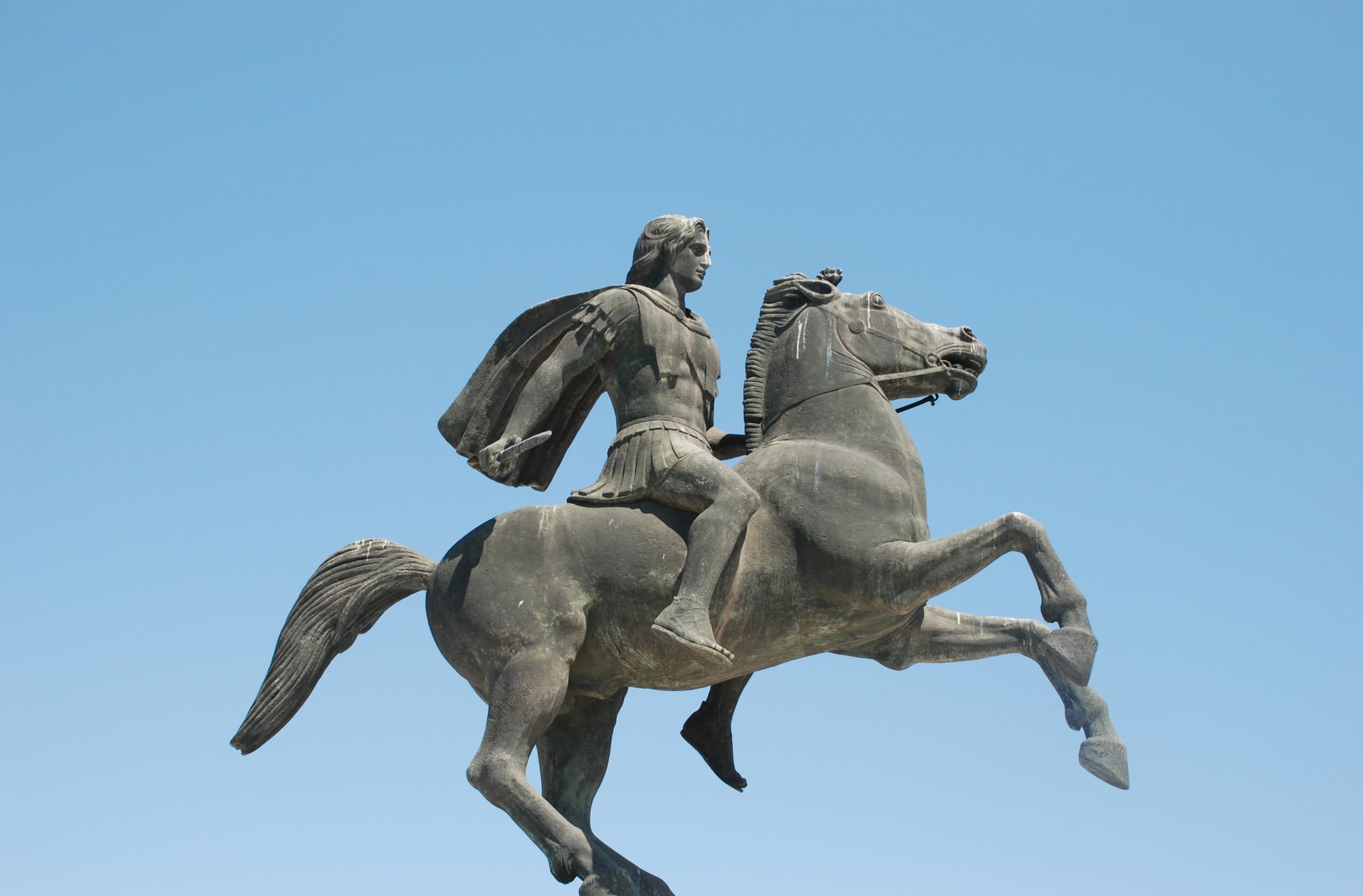
While Alexander was a military prodigy, he did not die in combat. He died in 323 BCE in Babylon at age 32, likely from malaria, typhoid, or other infection, not from battle wounds.
The exact cause remains debated by historians, but there is no evidence of a dramatic death in combat. The mythology around his invincibility was convenient for his legend and persisted in historical accounts.
The Earth Is 4.5 Billion Years Old

Schools taught for decades that Earth formed approximately 4.5 billion years ago, calculated by physicist William Thomson (later Lord Kelvin) in the 19th century based on cooling rates. This estimate became textbook fact.
However, modern radiometric dating of meteorites and Earth’s oldest rocks has confirmed the age at 4.54 billion years, remarkably close to Thomson’s guess but arrived at through completely different methods. The teaching was correct, but the methodology and certainty expressed in early textbooks was premature.
Vikings Never Set Foot in America Before Columbus
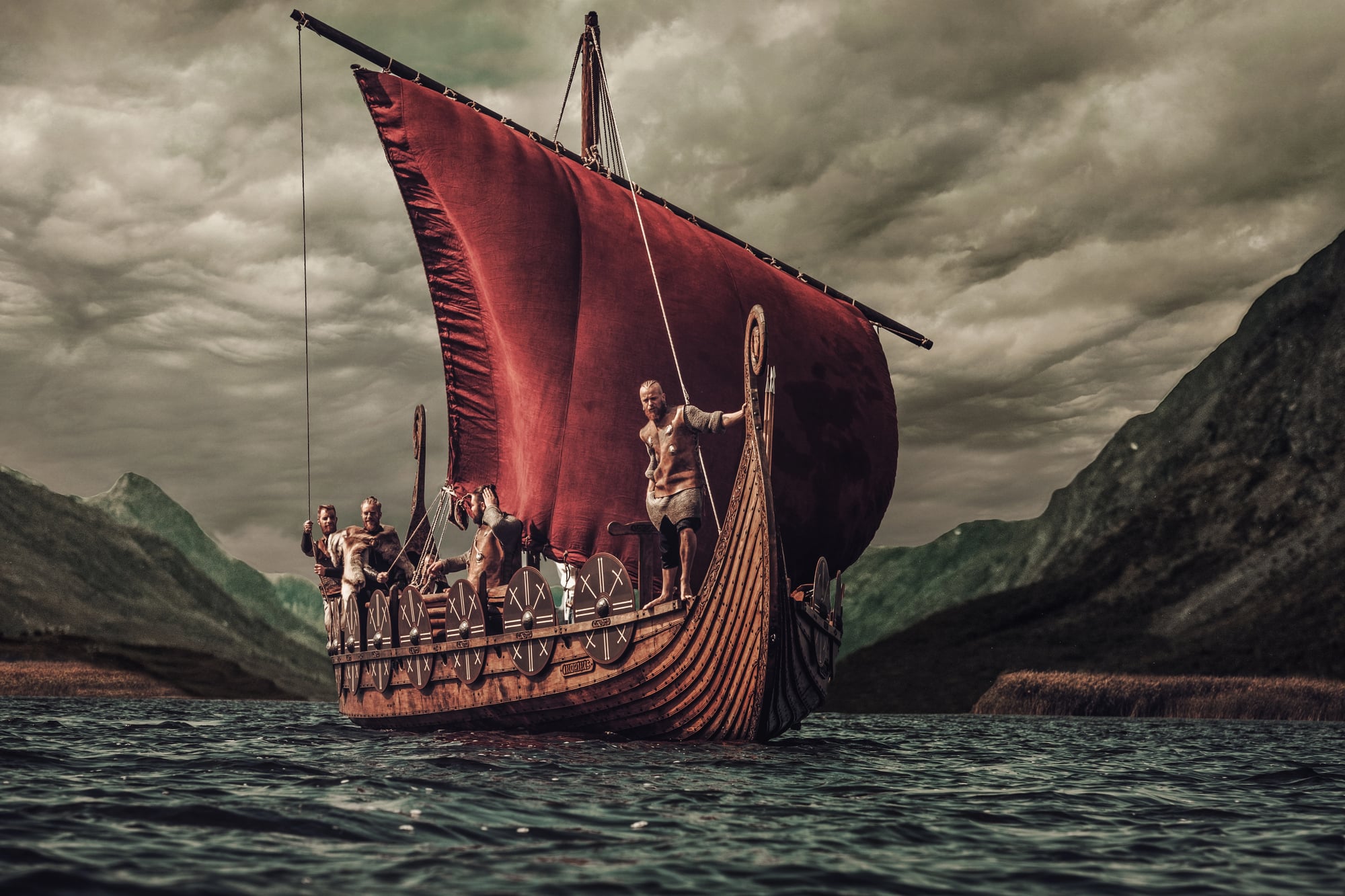
While Columbus never reached North America, Vikings established settlements around 1000 CE in Newfoundland (L’Anse aux Meadows). This was archaeologically confirmed in 1960, yet many textbooks continued teaching that Columbus was the first European to reach the Americas.
The evidence was so clear that this myth has mostly been corrected in modern curricula, though Columbus-centric narratives remain dominant in American education.
Queen Elizabeth I Never Married Because She Was Married to England
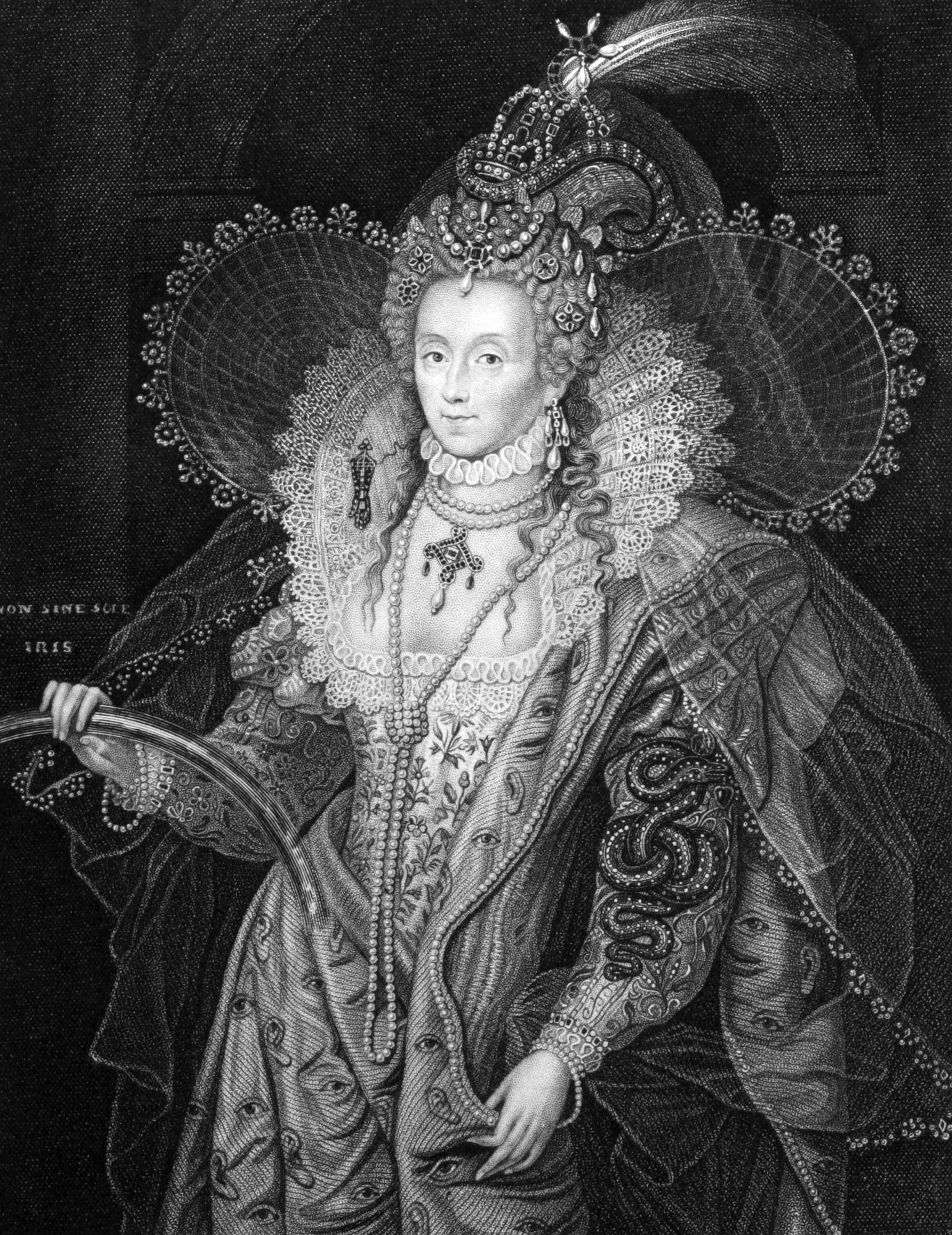
The popular notion that Elizabeth I remained single because she was “married to England” is romantic but historically questionable. Elizabeth chose not to marry for political reasons—marriage would mean submitting to a husband’s authority, which would undermine her sovereignty.
She used the possibility of marriage as a diplomatic tool for decades. The framing of marriage as self-sacrifice to duty makes for better storytelling than acknowledging that she recognized marriage would diminish her power.
The American Civil War Was About States’ Rights, Not Slavery
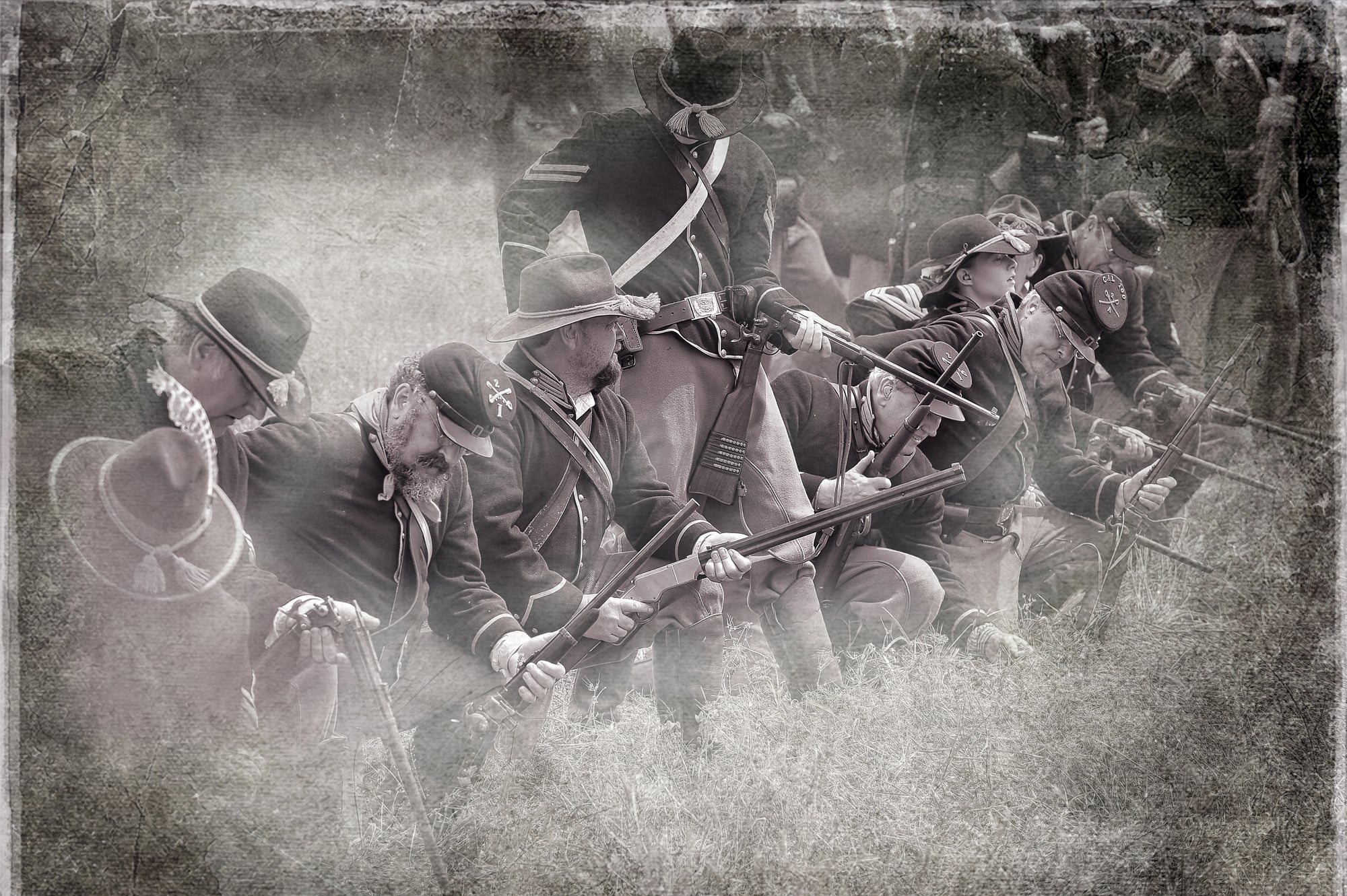
Southern educational systems taught that the Civil War was fought over abstract constitutional principles of states’ rights. Primary documents and the declarations of secession make clear that the war was fundamentally about slavery and the Southern states’ determination to preserve the institution.
While states’ rights were invoked, the specific right being defended was the right to own enslaved people. This is not a matter of interpretation but of reading the historical record.
Nero Fiddled While Rome Burned
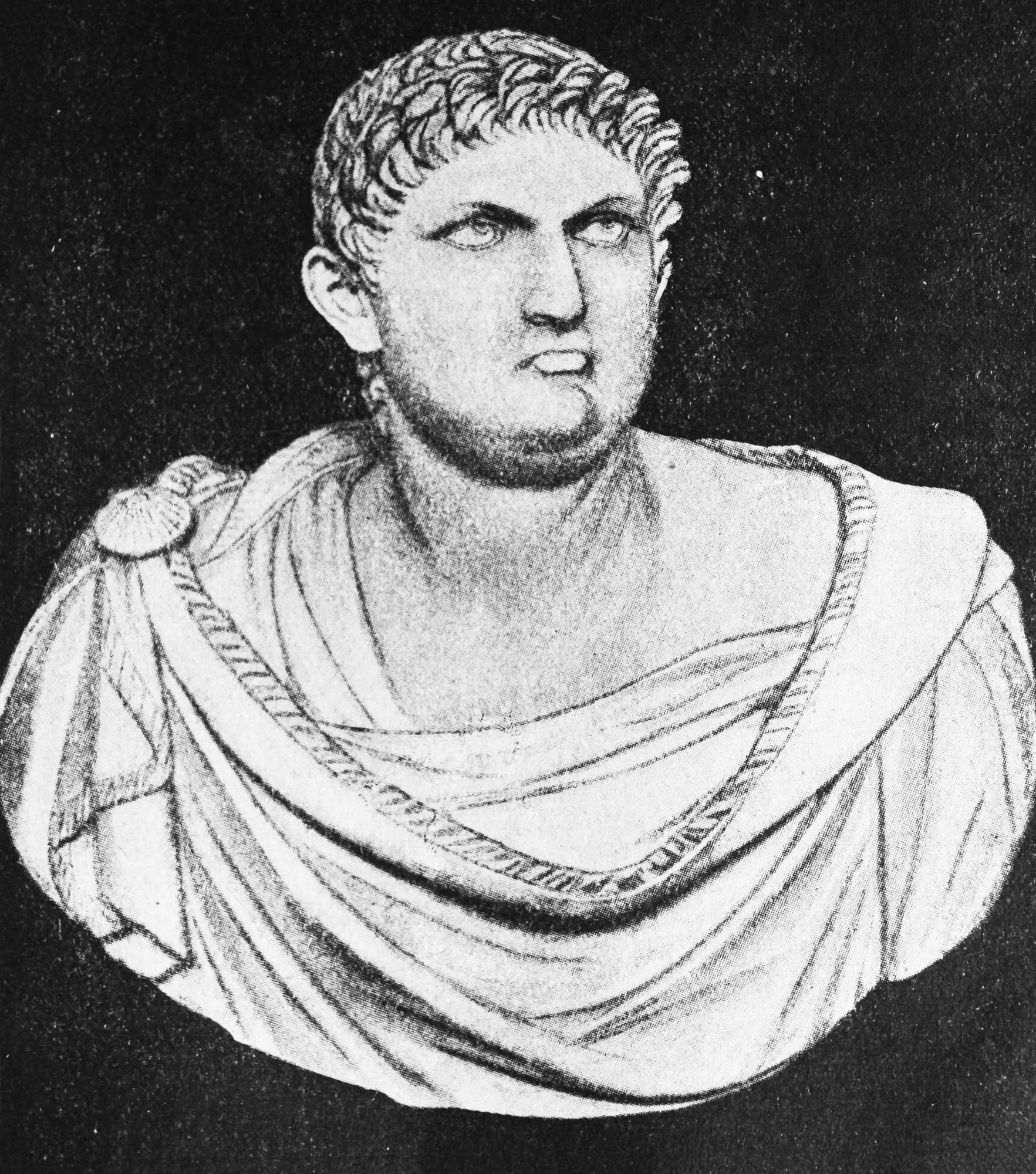
The image of Nero playing music while Rome burned in 64 CE is ancient Roman propaganda that has been repeated in textbooks. Nero likely wasn’t even in Rome during the fire.
The story was used to portray him as callous and irresponsible, but it has no reliable historical support. Most historians believe Nero actually directed efforts to contain the fire and provided housing for displaced residents. The myth persisted because it fit the narrative of Nero as a tyrant.
The Dark Ages Were Dark Because of Ignorance
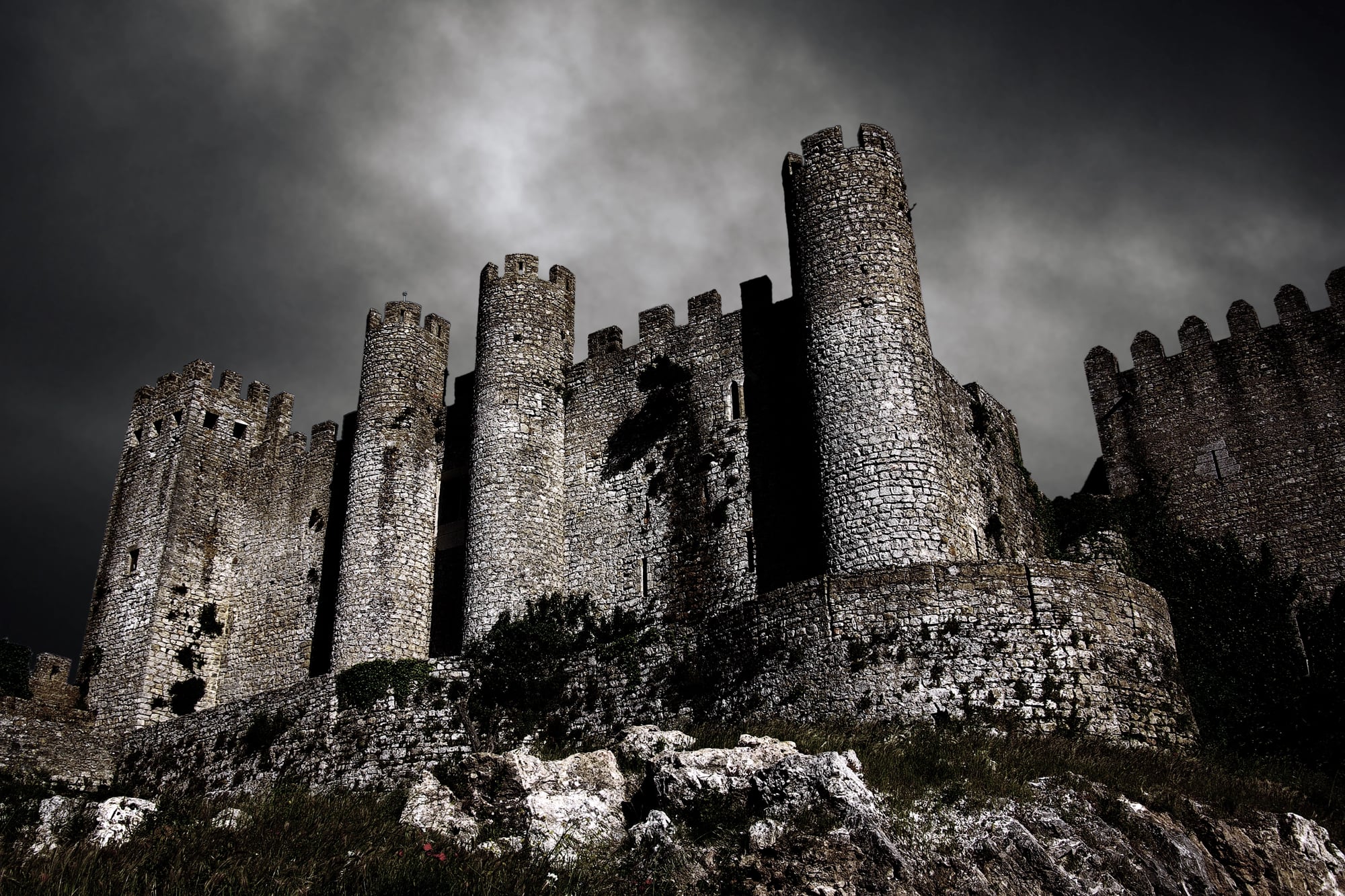
Medieval Europe was commonly portrayed as a period of intellectual darkness between the fall of Rome and the Renaissance, with progress halting and knowledge dimming. This view is fundamentally wrong.
The medieval period saw significant advancements in agriculture, architecture, mathematics, philosophy, and science. Monastic schools preserved classical knowledge, Islamic scholars made breakthroughs in mathematics and astronomy, and universities emerged. The “darkness” was a Renaissance invention, used by later scholars to contrast their own “enlightened” era with what came before.
The Anasazi Disappeared Mysteriously
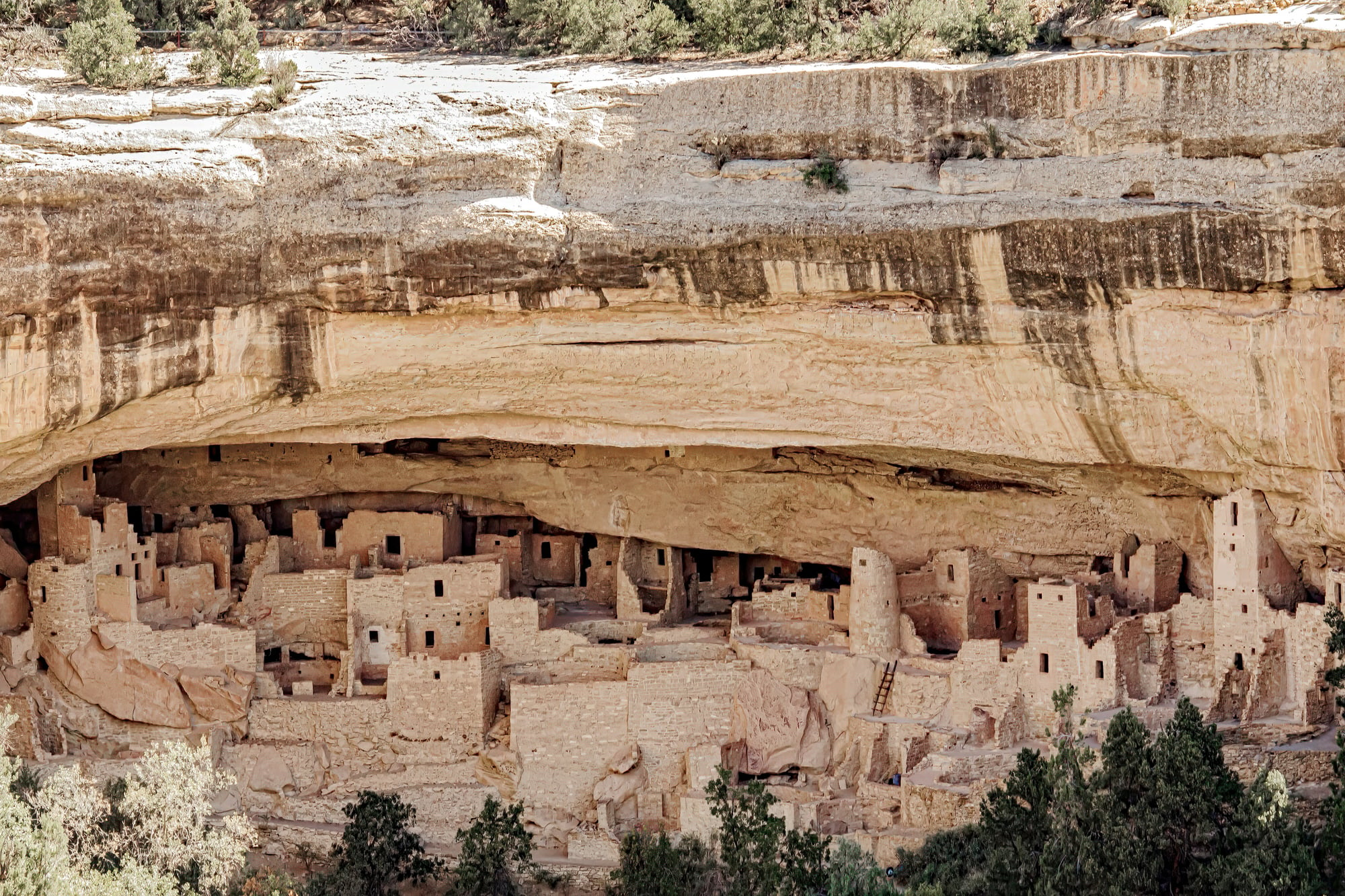
Textbooks presented the Ancestral Puebloans (formerly called the Anasazi) as a civilization that mysteriously vanished from the American Southwest. In reality, they didn’t disappear—they migrated and their descendants remain in the Pueblo peoples of the Southwest today.
Calling their departure a “mystery” ignored decades of archaeological and ethnographic evidence. The term “Anasazi” itself means “ancient enemies” in Navajo, so modern usage of “Ancestral Puebloans” is more culturally appropriate and historically accurate.
Stone Age People Were Primitive and Stupid
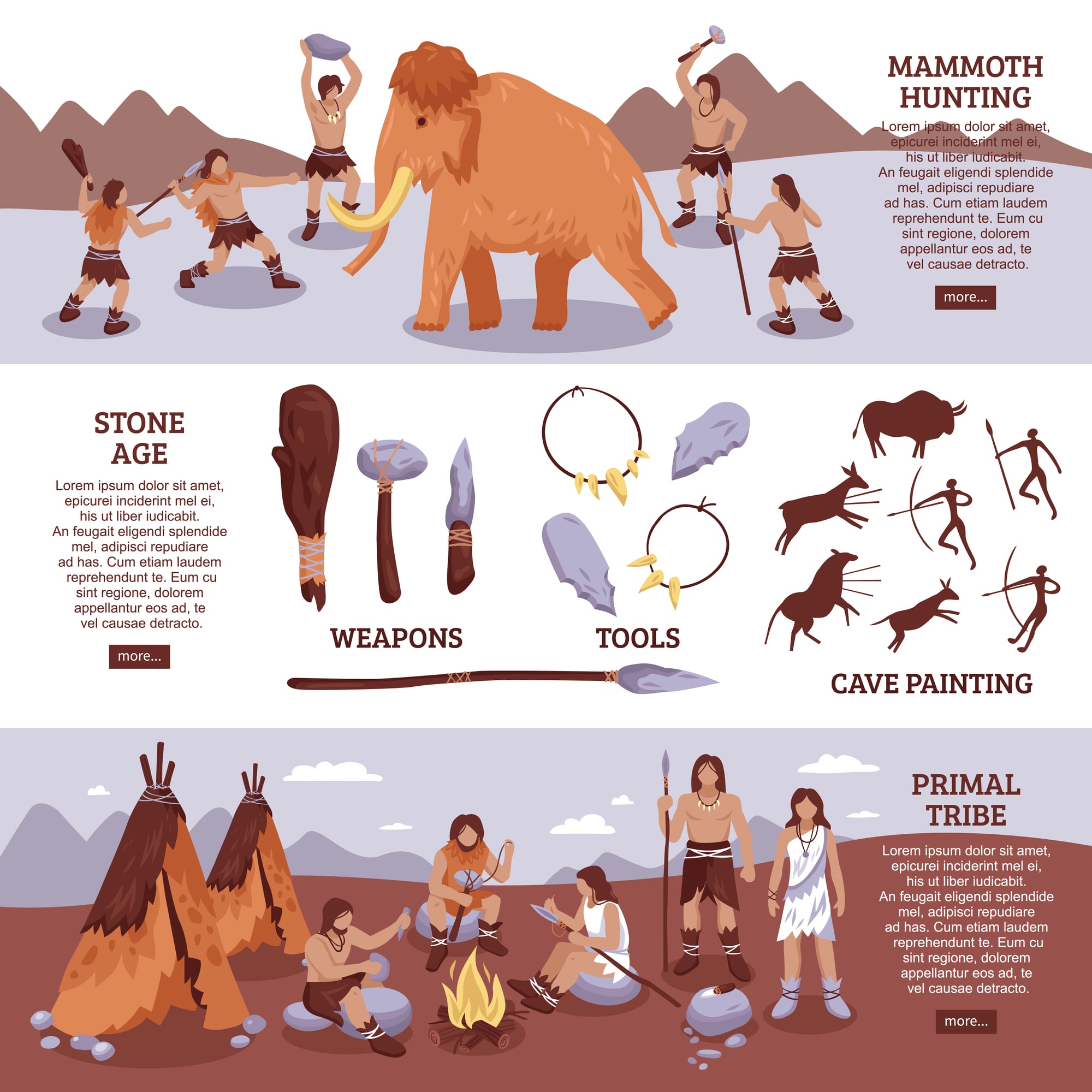
Archaeological and anthropological evidence shows that people of the Stone Age were cognitively identical to modern humans. They had the same brain capacity, language abilities, and problem-solving skills.
Their tools and societies were sophisticated for their environment. The label “primitive” reflects a misunderstanding of the progression from stone to metal tools as representing intellectual inferiority rather than technological stage. This misconception led to racist theories about contemporary indigenous peoples and has done considerable harm.
The Civil Rights Movement Succeeded in the 1960s
American textbooks often present the Civil Rights Movement as effectively concluded by the late 1960s with the passage of key legislation. This narrative ignores ongoing systemic racism, police violence, mass incarceration of Black Americans, economic disparities, and contemporary civil rights struggles.
The implication that racism was “solved” during the Civil Rights era is historically inaccurate and educationally dishonest.
Native Americans Were Unified and Homogeneous
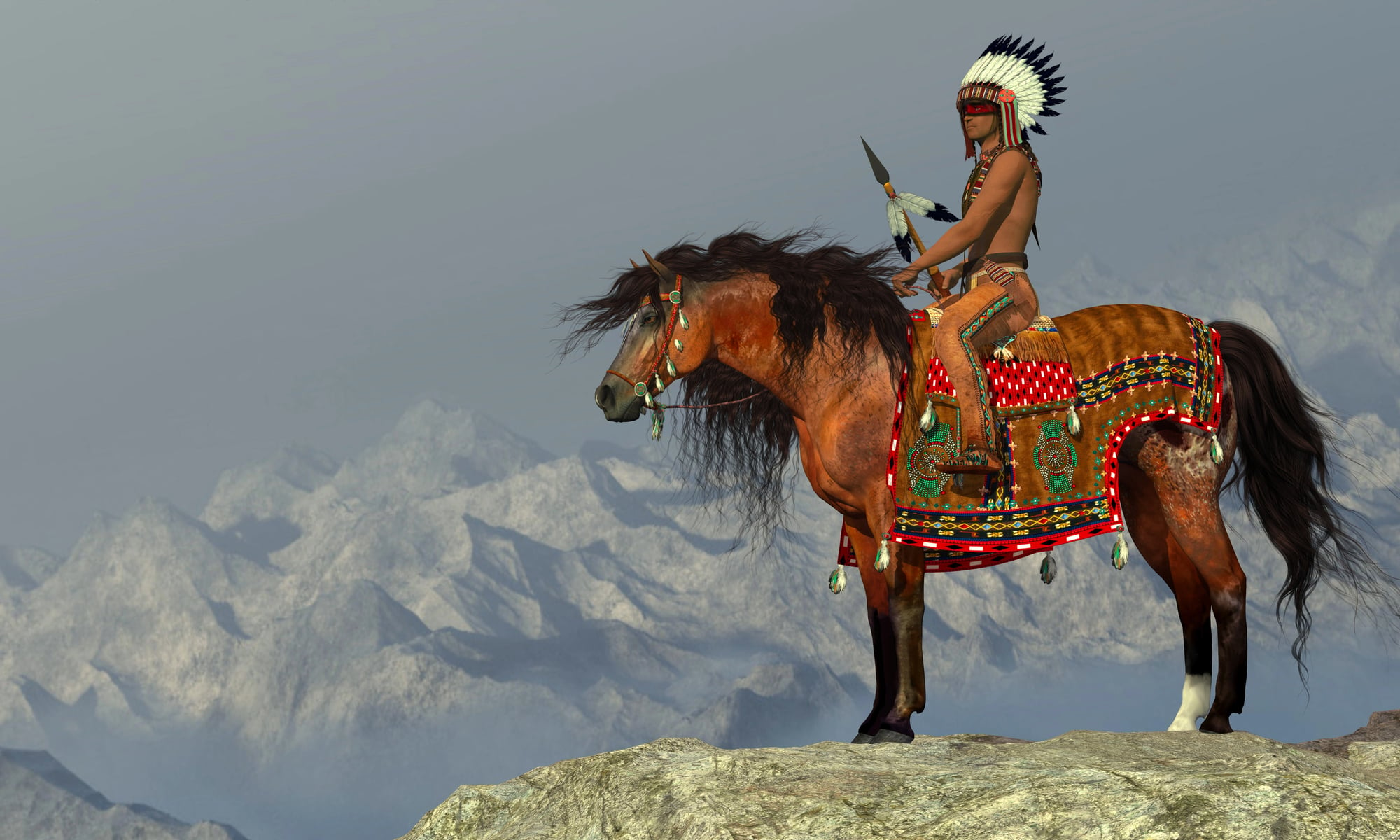
Schools simplified Native American history by treating indigenous peoples as a single group with common culture, language, and values. In reality, hundreds of distinct nations existed with different languages, political systems, philosophies, and ways of life.
From the Haudenosaunee Confederacy’s democratic governance to Mississippian city-states to Great Plains nomadic cultures, the diversity was immense. Presenting them as “the Indians” erases this complexity.
The Printing Press Invented by Gutenberg

While Johannes Gutenberg developed movable type printing in Europe around 1440, the technology was invented centuries earlier in China, where wooden and ceramic movable type was used from around the 11th century. Korea also developed metal movable type before Gutenberg.
Textbooks credit Gutenberg with “inventing” the printing press because his version eventually dominated in Europe, but the broader history involves earlier Asian innovations that transformed literacy there long before Europe.
King John Signed Magna Carta to Protect Freedom
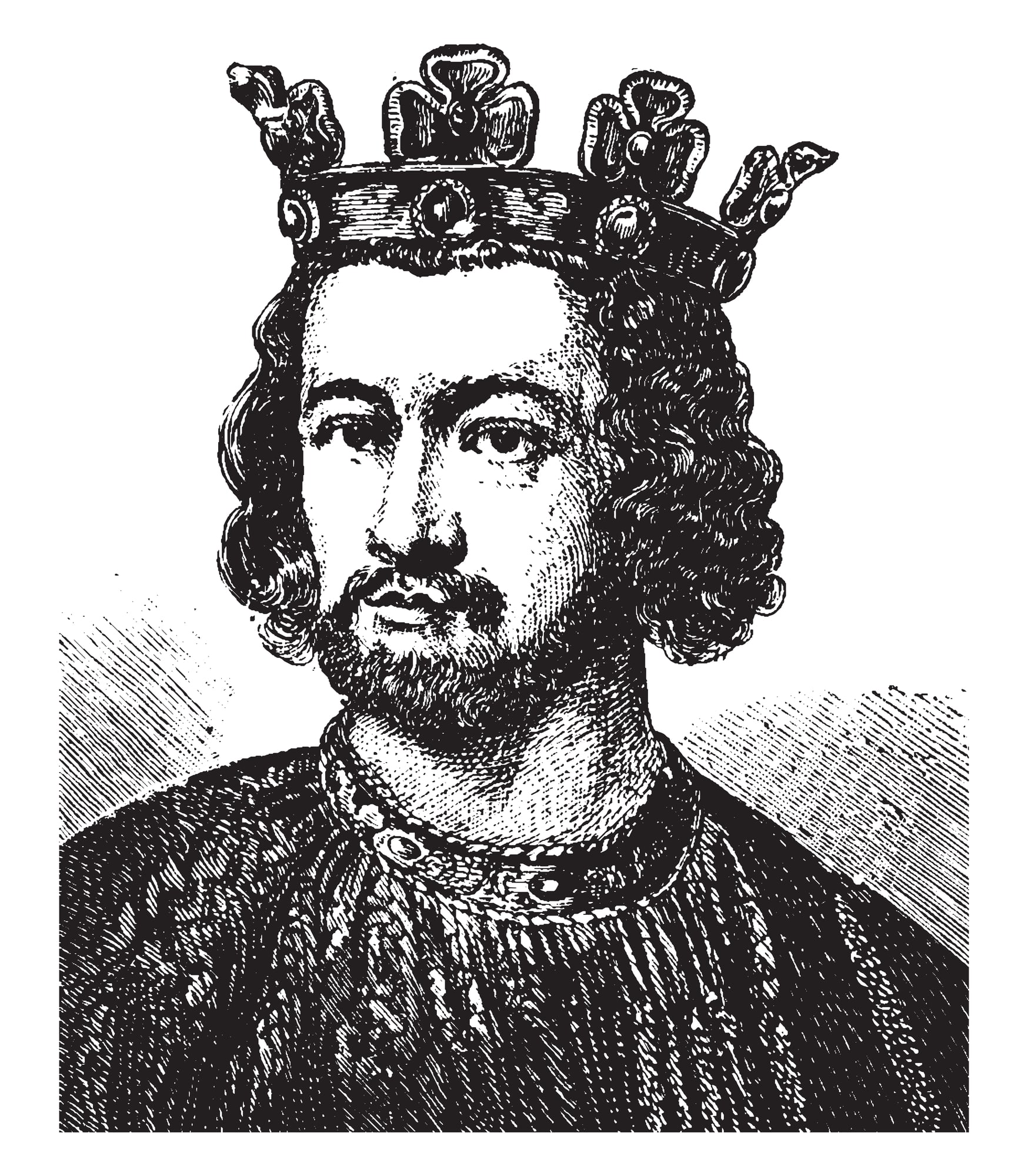
Magna Carta (1215) is portrayed as a charter of freedom limiting government power, yet its actual purpose was to protect nobles’ feudal privileges against royal taxation and authority. It had little to do with commoner rights and wasn’t viewed as a freedom document until centuries later when English Parliamentarians reinterpreted it.
The myth of Magna Carta as a founding document of liberty is a later historical construction used to legitimize British constitutional development.
The Inquisition Only Persecuted Heretics
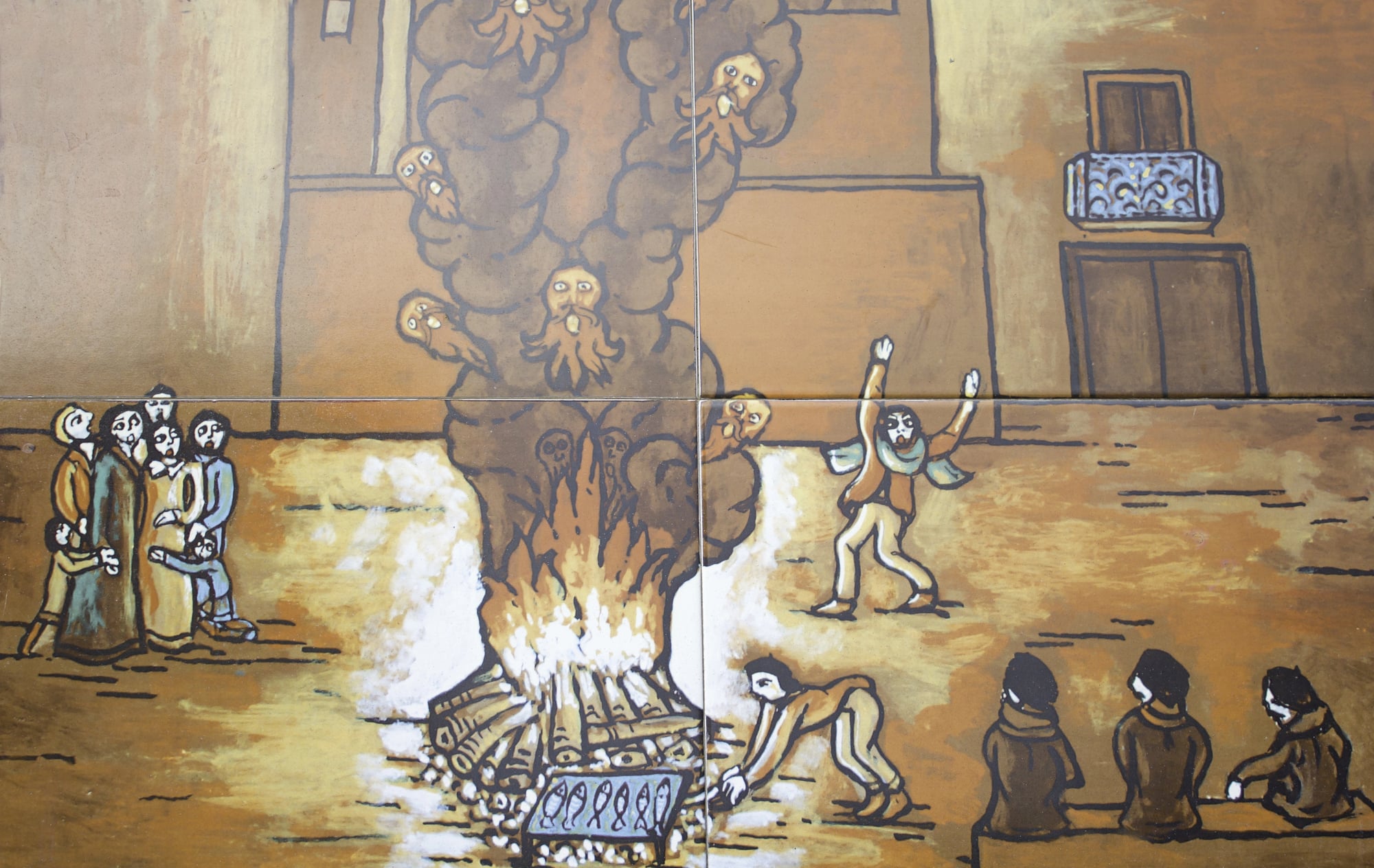
The Spanish Inquisition is presented in textbooks as targeting religious heresy, but it was also fundamentally an instrument of ethnic persecution targeting conversos (converted Jews) and Muslims. Many victims had been Christian for generations but faced suspicion and persecution based on ancestry.
The Inquisition was as much about enforcing religious and ethnic purity as about doctrinal orthodoxy. Framing it solely as anti-heresy hides the racist dimensions of the persecution.
Slavery in America Ended with the Civil War

The Thirteenth Amendment abolished slavery in 1865, yet slavery evolved into sharecropping, convict leasing, and mass incarceration systems that perpetuated forced labor and bondage. The promise of freedom was not delivered—formerly enslaved people were systematically denied property ownership, voting rights, and economic opportunity.
Textbooks often portray 1865 as an ending, when it was merely a transformation of exploitation systems.
The Middle Ages Had No Scientific Progress

Medieval scholars are sometimes portrayed as uniformly religious and anti-scientific, yet the period saw important developments in mathematics, astronomy, medicine, and technology. Islamic scholars translated and preserved Greek scientific works, made original contributions to mathematics and algebra, and advanced medical knowledge.
European monasteries maintained learning through the early medieval period. The stereotype of medieval science as nonexistent ignores centuries of documented progress.
Amerigo Vespucci Discovered America
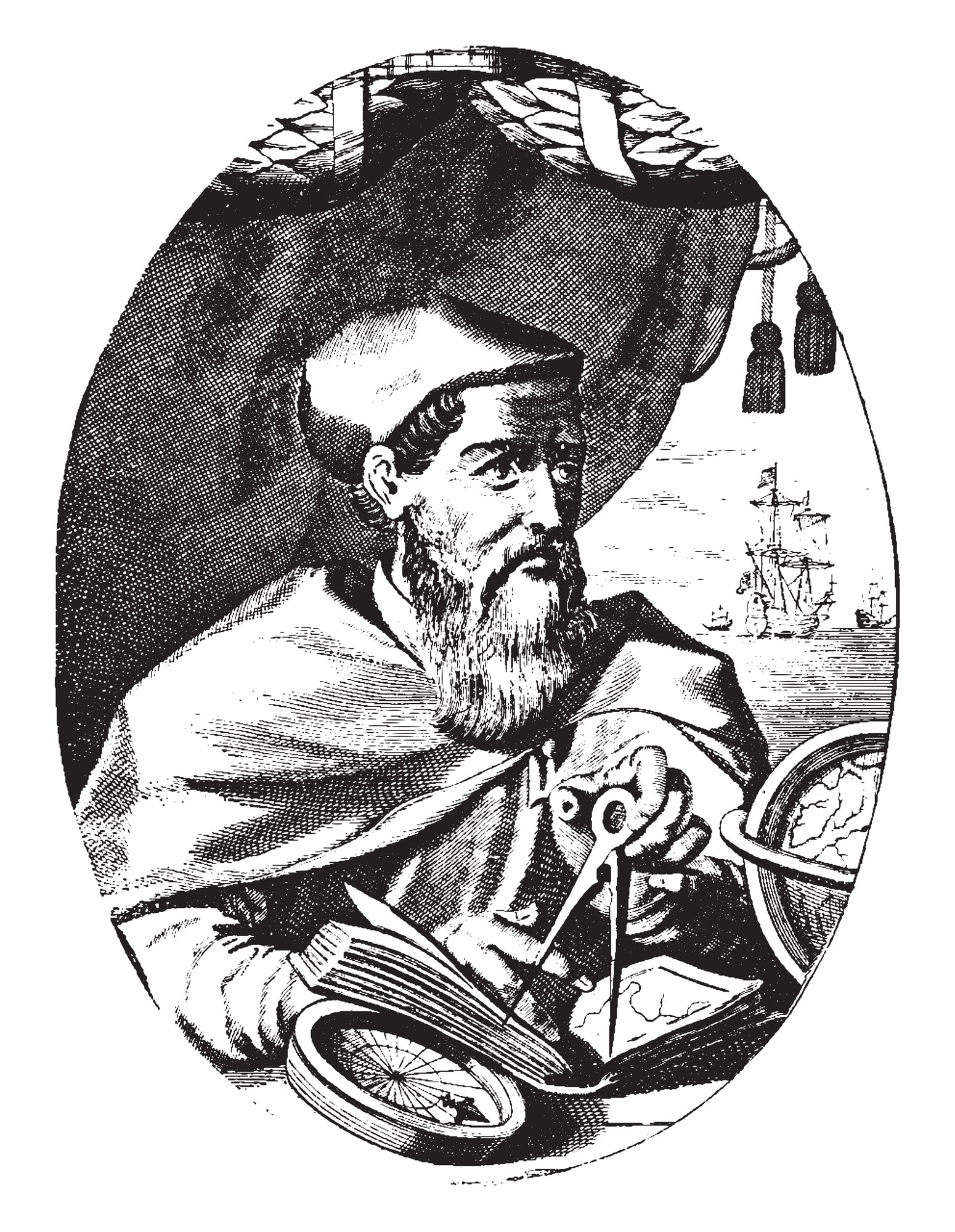
Vespucci is credited with “discovering” America and having it named after him, yet he came after Columbus and the Vikings. What Vespucci did was write detailed accounts of his voyages that circulated in Europe, leading cartographers to name the continents after him.
This is not discovery but rather effective marketing and documentation. The name “America” thus reflects not historical priority but Renaissance-era publication and naming practices.
Joan of Arc Was Illiterate
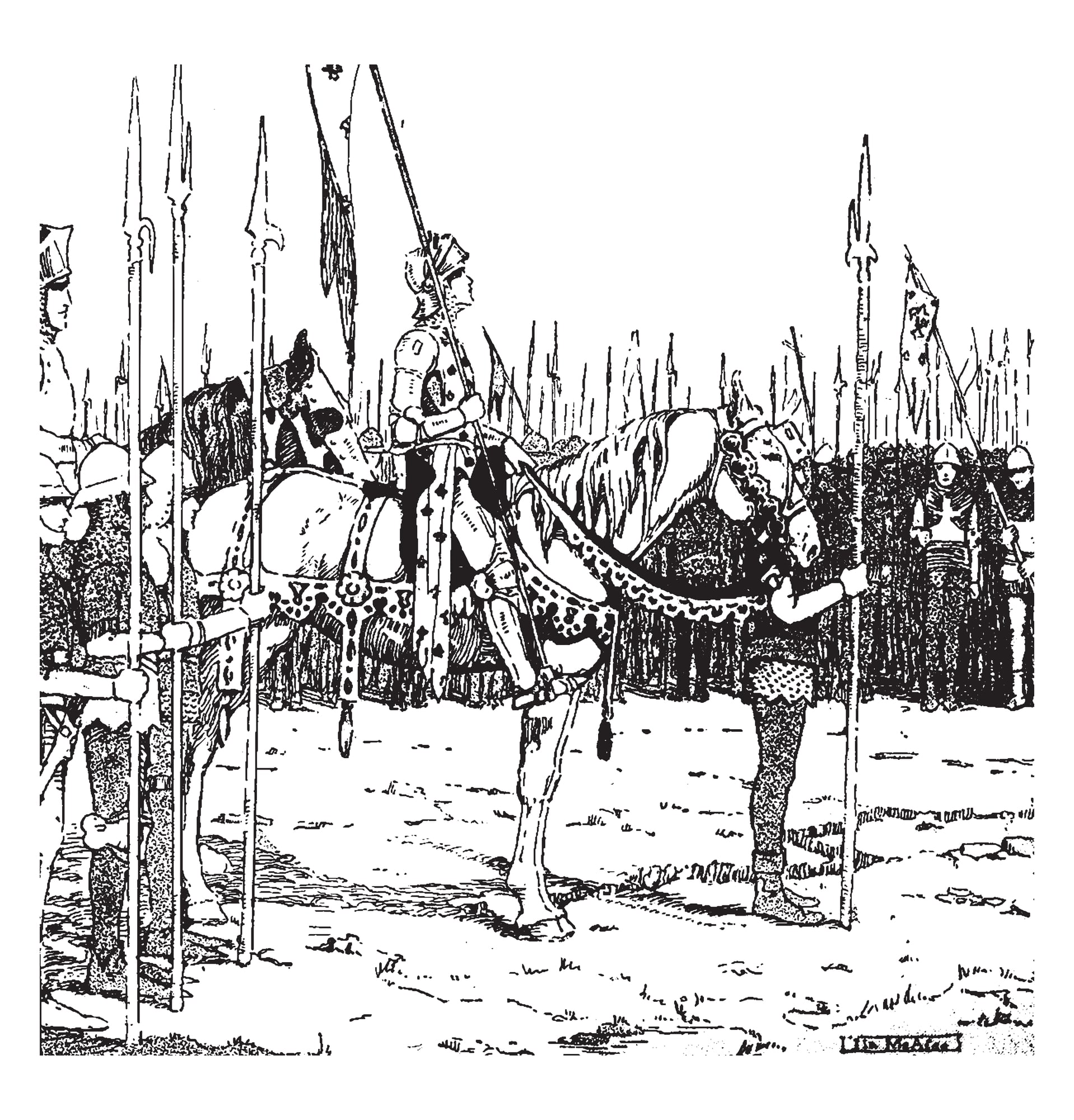
Textbooks often portrayed Joan of Arc as an illiterate peasant girl, emphasizing the miraculous nature of her leadership and literacy. Historical evidence suggests she had at least some basic education, could read, and possibly write, which was not uncommon for even lower-class women of her era.
The “illiterate peasant” narrative was constructed to emphasize her low social status and make her military success seem more miraculous. The reality was more complex.
History Is Objective Truth

Perhaps the most damaging lie taught in schools is that history is an objective record of facts. History is interpretation, shaped by which sources survive, which historians are heard, and which narratives nations choose to emphasize.
Different countries teach entirely different versions of shared historical events. Understanding this doesn’t mean history is relative fiction—it means recognizing that historical knowledge is constructed, contested, and always evolving as new evidence emerges and perspectives change.
Knowledge Is Final

Schools often present historical “facts” as settled truths, implying that once something is in the textbook, it is established forever. Yet this article itself demonstrates that textbooks are regularly wrong, and historical understanding constantly evolves.
New archaeological discoveries, reanalysis of primary sources, and scholarly research continually revise what we thought we knew. Teaching history as if it is complete and unchanging trains students to accept received authority rather than question and verify.
More from Go2Tutors!

- The Romanov Crown Jewels and Their Tragic Fate
- 13 Historical Mysteries That Science Still Can’t Solve
- Famous Hoaxes That Fooled the World for Years
- 15 Child Stars with Tragic Adult Lives
- 16 Famous Jewelry Pieces in History
Like Go2Tutors’s content? Follow us on MSN.



