15 Bizarre Victorian Inventions That Look Like Torture Tools Than Technology
The Victorian era produced some truly ingenious innovations that changed the world forever. Steam engines, telegraphs, and photography all emerged from this period of rapid industrial progress.
But for every brilliant breakthrough, there were dozens of strange contraptions that make you wonder what exactly their inventors were thinking. Walking through a Victorian inventor’s workshop would have felt like stumbling into a medieval dungeon.
Elaborate metal frameworks, leather straps, and mysterious mechanical devices filled with gears, springs, and sharp-looking implements. These weren’t instruments of punishment — they were supposed to make life better.
The Victorians had an unshakeable faith that any human problem could be solved with enough brass fittings and mechanical ingenuity. Many of these inventions targeted the body itself, promising to cure ailments, improve posture, or enhance physical capabilities through elaborate mechanical interventions.
The results were often more frightening than helpful, creating devices that looked like they belonged in a torture chamber rather than a respectable Victorian household.
Hair Cutting Machine
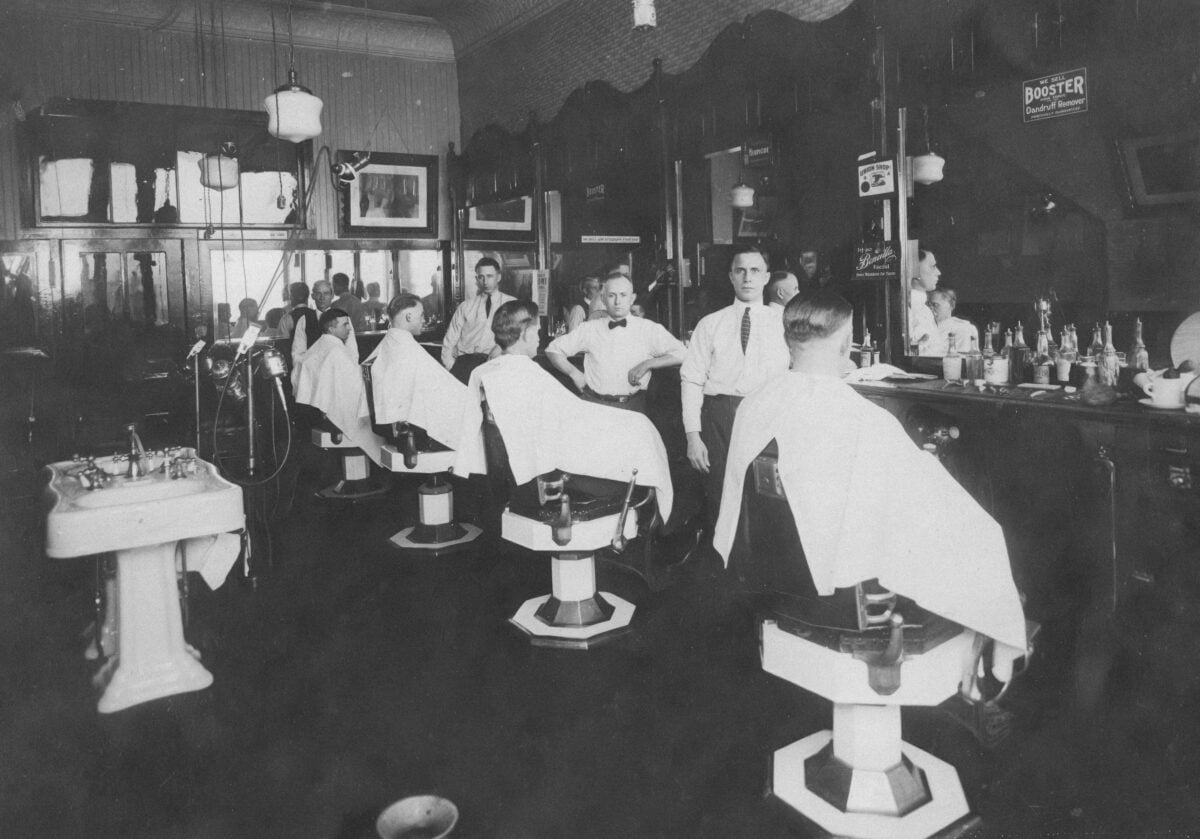
Victorian barbers thought they could revolutionize haircuts with mechanical precision. The hair cutting machine looked like a medieval helmet crossed with a meat slicer.
Metal arms extended from a cap-like apparatus, each equipped with spinning blades that would theoretically trim hair to uniform lengths. The contraption required customers to sit perfectly still while multiple sharp blades whirred around their head.
Most people took one look at this mechanical monstrosity and decided their current barber was just fine.
Dimple Machine
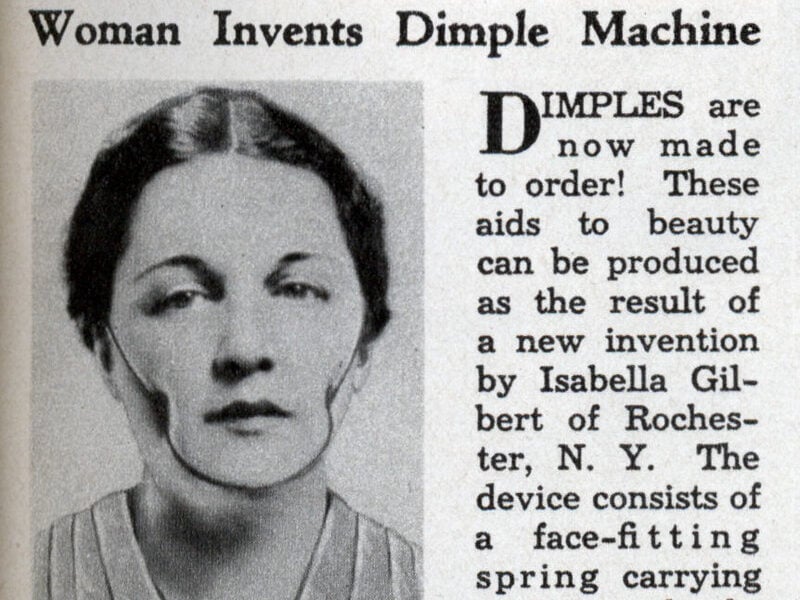
The Victorians were obsessed with dimples as a mark of beauty. When nature failed to provide them, inventors stepped in with a solution that resembled a torture device designed for the face.
Isabella Gilbert’s dimple machine consisted of a face-fitting spring contraption with knobs that pressed into the cheeks for extended periods. Users were supposed to wear this uncomfortable apparatus daily, enduring the pressure in hopes that permanent dimples would eventually form.
The device looked like a medieval dental torture tool, complete with metal springs and adjustable pressure points that dug into facial tissue. And the results?
Temporary indentations that disappeared as soon as the contraption was removed. But that didn’t stop people from subjecting themselves to what amounted to facial compression therapy in pursuit of fashionable dimples.
Shower Bath Apparatus
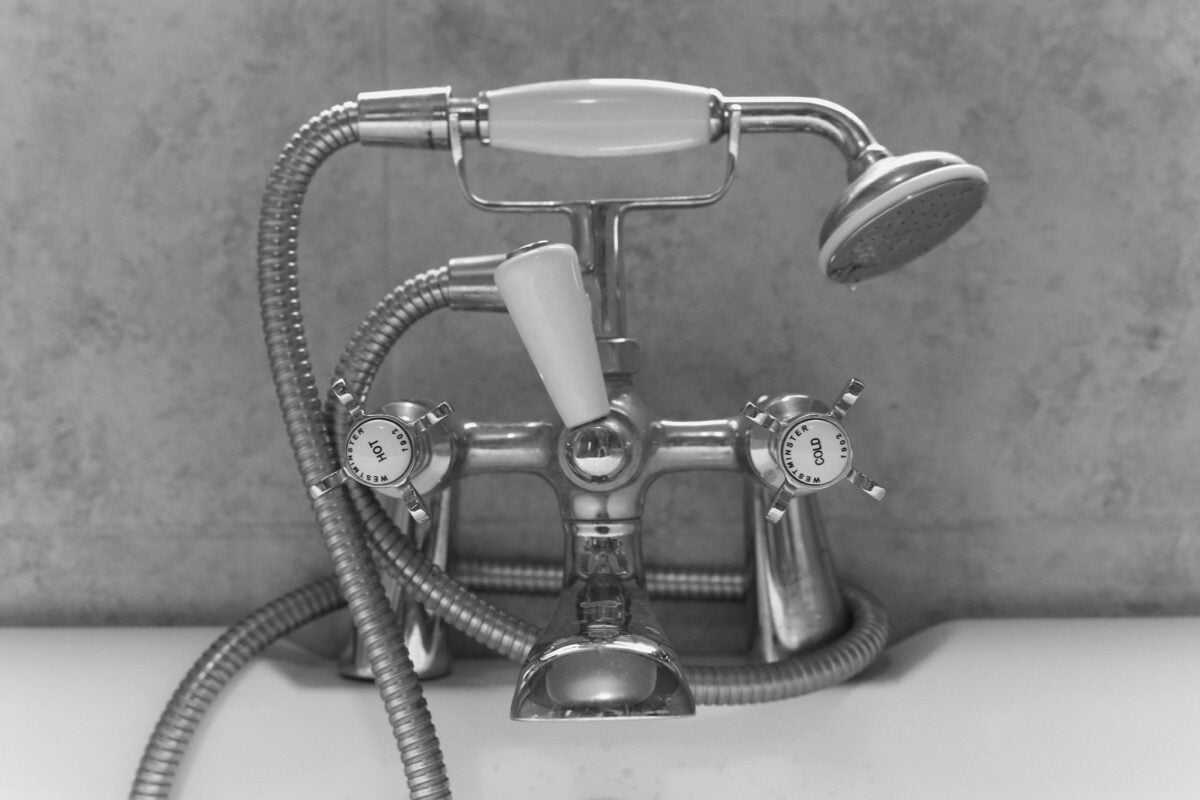
Before modern plumbing, Victorians created elaborate shower systems that looked more like industrial torture equipment than bathing aids. These contraptions featured complex arrangements of pipes, pumps, and reservoirs mounted on intimidating metal frameworks.
The user stood beneath this mechanical maze while servants operated various levers and valves to control water flow. Multiple nozzles pointed at the bather from different angles, creating a somewhat violent bathing experience.
The whole apparatus resembled something designed to interrogate prisoners rather than provide a refreshing wash.
Electric Corset
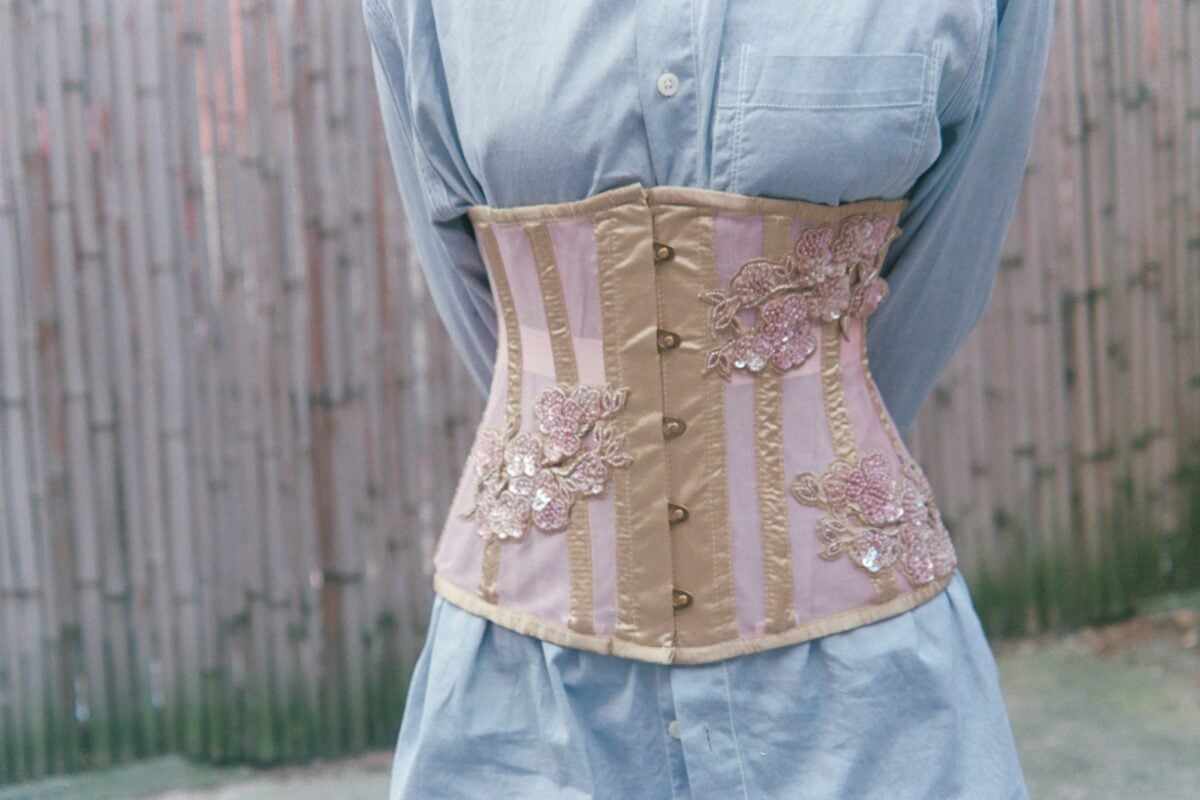
Someone decided that regular corsets weren’t restrictive enough — they needed electricity too. The electric corset promised to cure everything from back pain to depression through strategic electrical stimulation of the torso.
This bizarre garment combined traditional corseting with battery-powered elements that delivered mild electrical shocks to the wearer’s midsection. The contraption featured metal strips woven throughout the fabric, connected to a small electrical device that the wearer carried.
It looked like a combination of medieval armor and electrical torture equipment, which is essentially what it was.
Mechanical Exercise Horse

Victorian ladies needed exercise, but actually riding horses was considered too strenuous and undignified. Some brilliant inventor solved this problem by creating a mechanical horse that bucked, swayed, and jolted riders in their own homes.
The device resembled a torture rack more than exercise equipment (which, in fairness, describes most exercise equipment even today). A complex system of springs, levers, and weights created unpredictable movements that were supposed to simulate horseback riding — but the jerky, mechanical motions looked more likely to cause injury than provide beneficial exercise.
Users strapped themselves onto this contraption and endured minutes of uncomfortable mechanical bucking, all while wearing full Victorian dress. And the manufacturers claimed this nightmarish experience was not only healthful but enjoyable.
Magneto Electric Machine
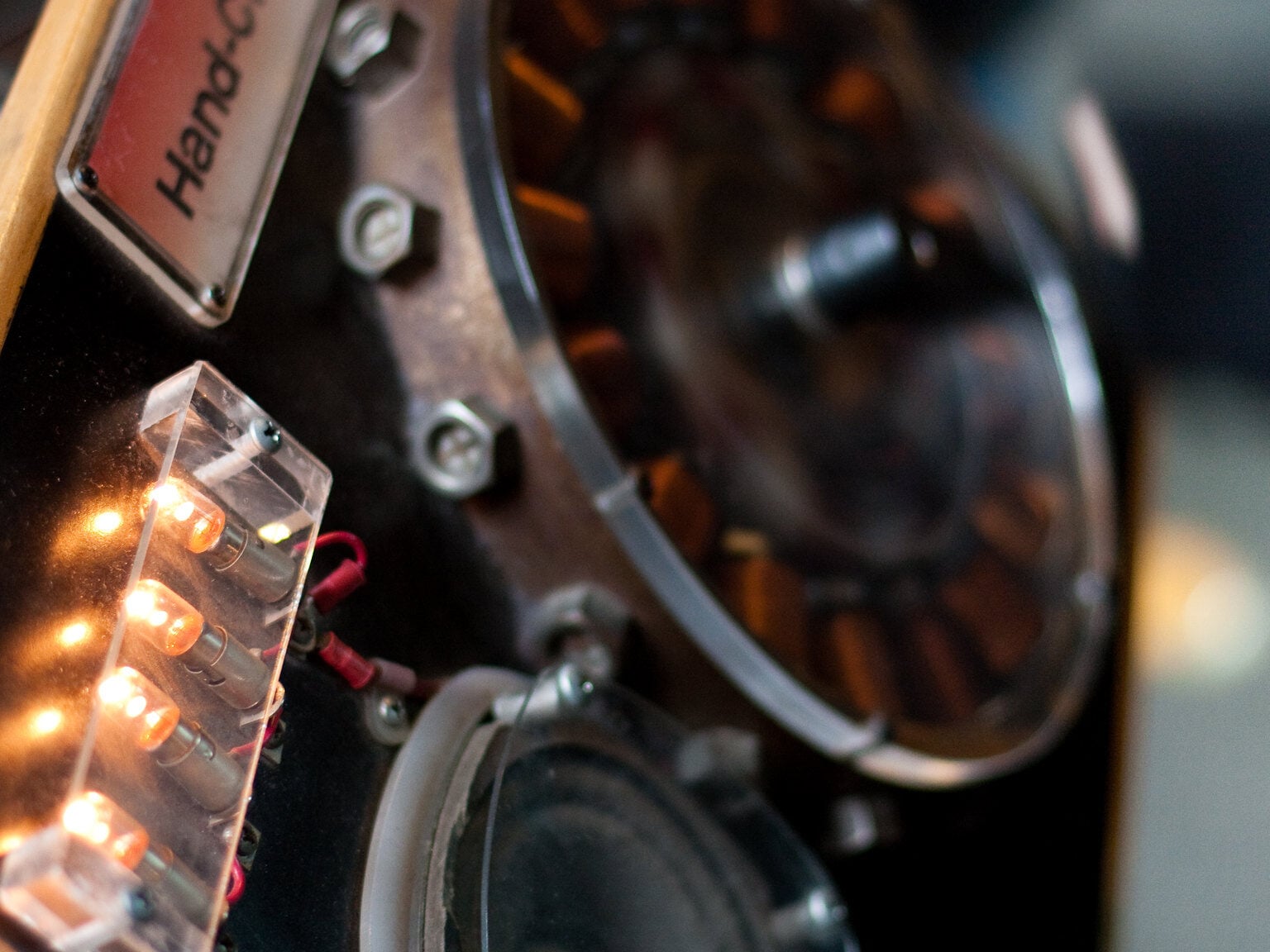
Medical quackery reached new heights with devices that promised miraculous cures through electrical stimulation. The magneto electric machine looked like a combination of a telephone switchboard and an electric chair.
Patients grasped metal handles connected to a hand-cranked generator while the operator controlled the electrical current. The brass and wood construction, complete with mysterious dials and gauges, created an ominous appearance that probably scared more people than it helped.
Multiple electrical outputs allowed practitioners to shock several patients simultaneously.
Rocking Bath Chair
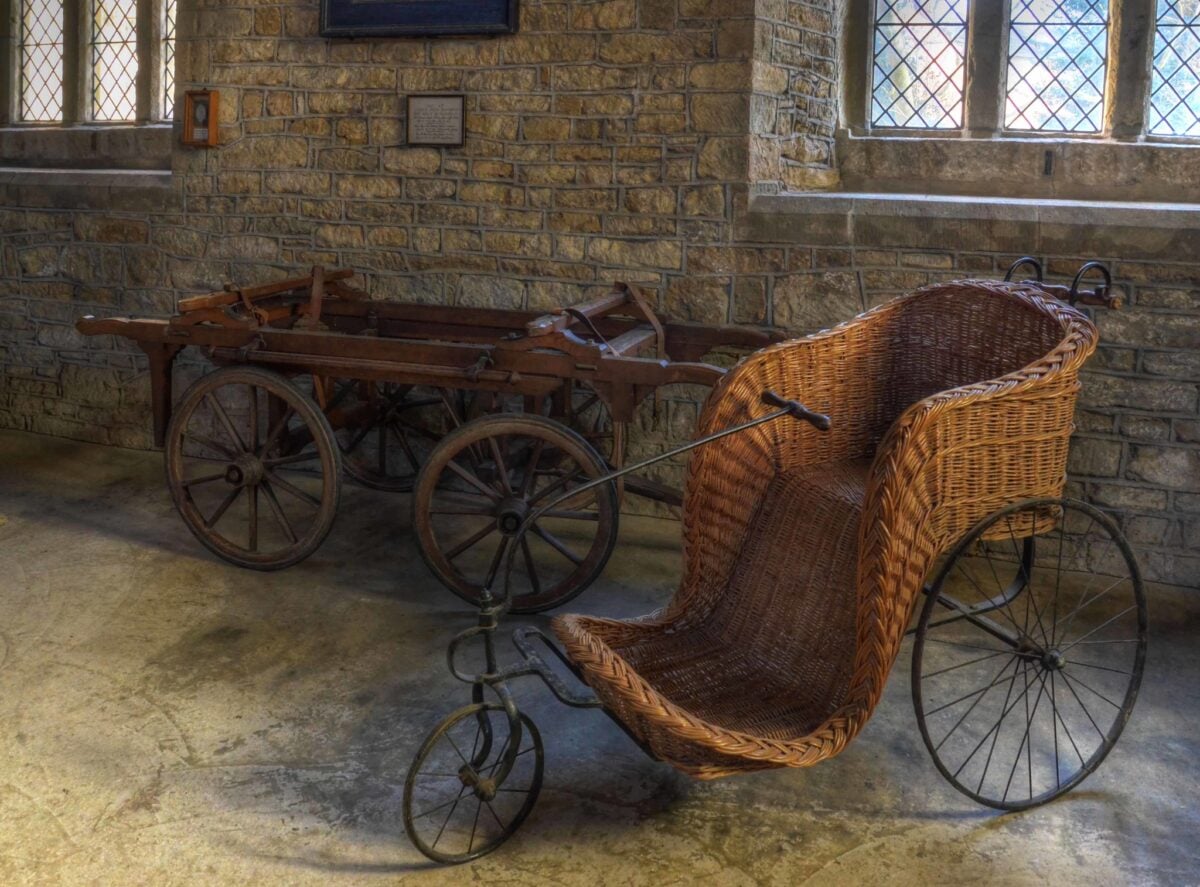
Hydrotherapy was all the rage, so inventors created chairs that dunked patients repeatedly in water for therapeutic purposes. The rocking bath chair resembled a medieval ducking stool used to punish accused witches.
Users strapped themselves into a wooden chair mounted on a pivoting mechanism that dunked them backwards into a tub of water. The repeated submersion was supposed to cure nervous conditions and improve circulation.
The whole contraption looked exactly like equipment designed to extract confessions rather than promote health.
Patent Medicine Vaporizer
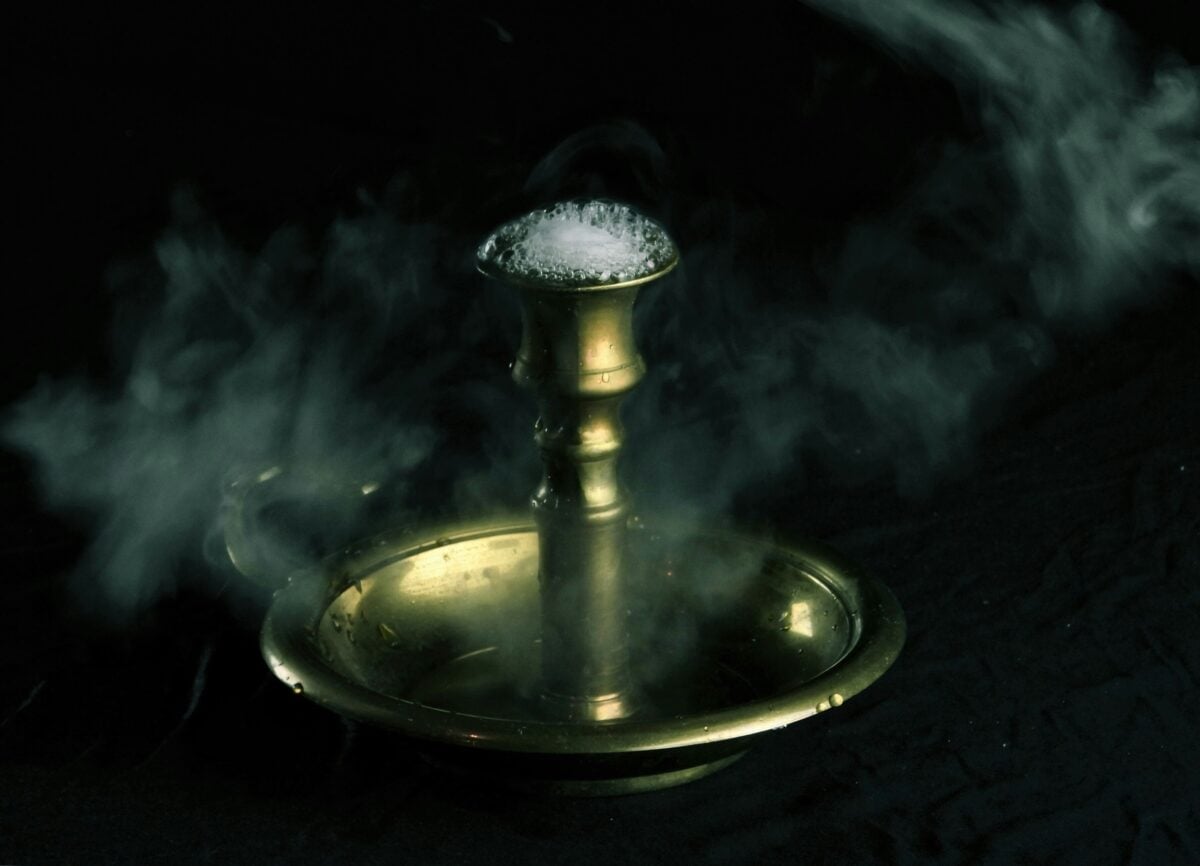
The Victorians believed that inhaling medicated vapors could cure respiratory ailments — so they built elaborate contraptions to deliver these treatments. These vaporizers looked like something between a hookah and a gas mask, with multiple tubes, chambers, and mysterious brewing vessels.
Patients sat connected to these mechanical breathing apparatuses while various herbal concoctions bubbled and steamed through a maze of pipes and valves. The metal and glass construction created an intimidating industrial appearance that made medical treatment look more like chemical experimentation.
And considering that many of these “medicines” contained alcohol, cocaine, or other questionable substances, the comparison wasn’t entirely unfair.
Mechanical Bread Kneading Machine

Before electric mixers, ambitious bakers created mechanical devices to knead bread dough. These contraptions featured large metal arms that pummeled dough in wooden troughs, powered by complex gear systems and hand cranks.
The violent kneading action and intimidating mechanical arms made these devices look more suitable for medieval siege warfare than food preparation. Operators stood well clear of the flailing metal appendages that attacked the dough with mechanical fury.
Posture Correction Frame

Victorian society was obsessed with proper posture, leading to the creation of elaborate frameworks designed to force the human body into ideal alignment. These posture correction devices looked like medieval stocks redesigned for spinal torture.
Metal rods, adjustable braces, and leather straps created a cage-like structure that imprisoned the wearer in supposedly perfect positioning — the kind of “perfection” that required being locked into a mechanical framework that resembled orthopedic punishment equipment. Users had to remain motionless within these contraptions for extended periods while metal bars pressed against their spine and shoulders.
But the Victorian faith in mechanical solutions to human problems meant people willingly subjected themselves to what amounted to postural imprisonment in pursuit of fashionable deportment.
Electrical Hair Brush
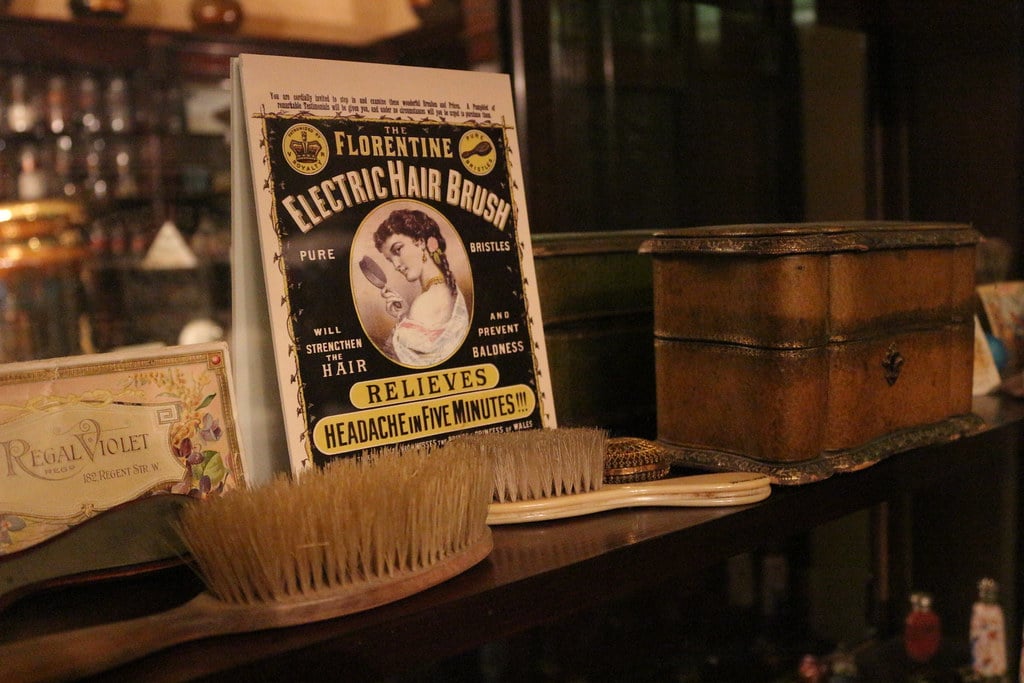
Combining grooming with medical quackery, inventors created hairbrushes that delivered electrical stimulation to the scalp. These devices looked like regular brushes attached to electrical torture equipment.
Metal bristles connected to battery-powered electrical systems promised to cure baldness, stimulate hair growth, and treat various scalp conditions. The brush resembled something designed to interrogate prisoners rather than improve personal grooming.
Users had to endure mild electrical shocks while brushing their hair, trusting that this uncomfortable experience would somehow enhance their appearance.
Mechanical Baby Rocker
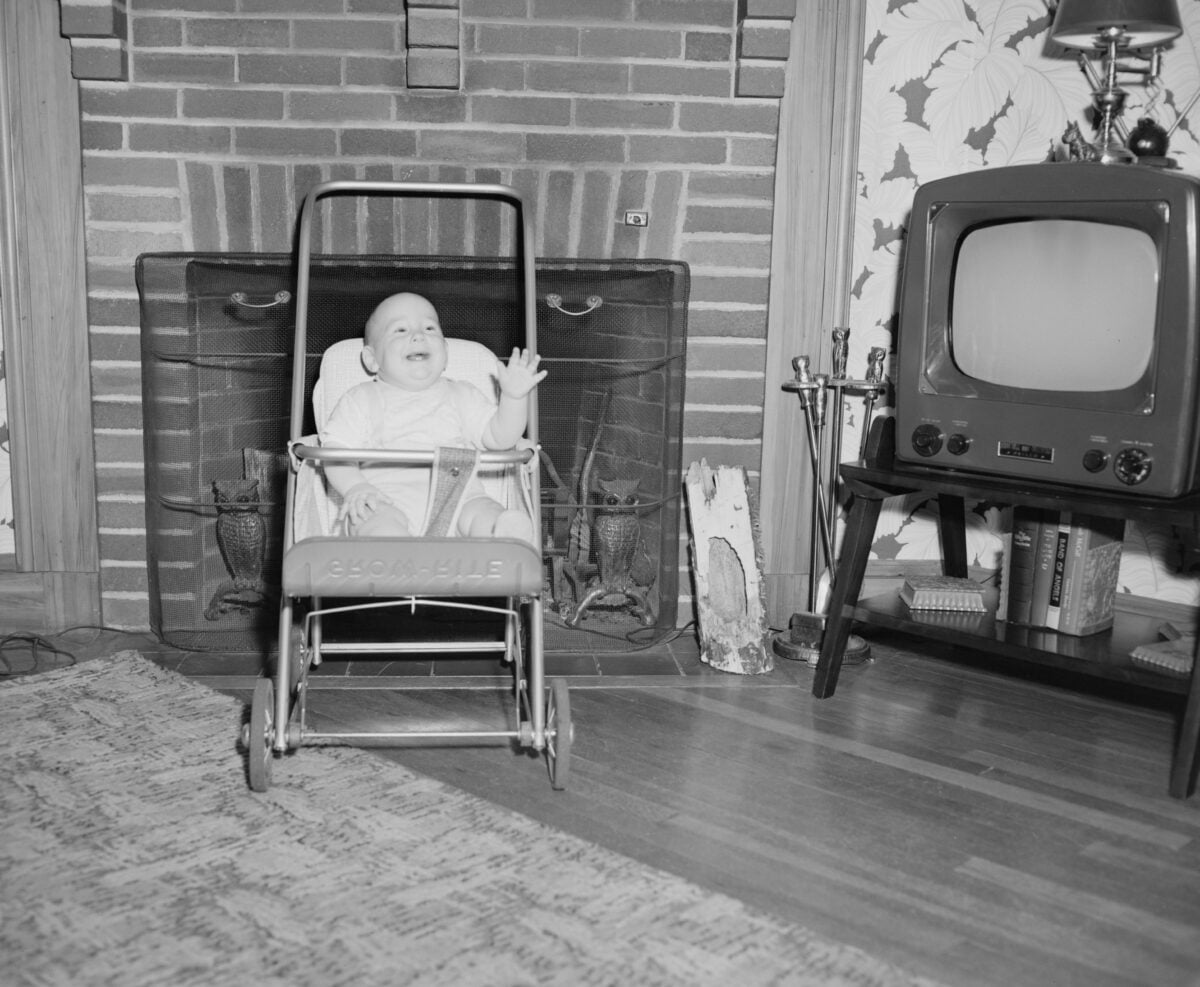
Victorian parents wanted mechanical assistance with childcare, leading to the creation of elaborate rocking devices for infants. These contraptions resembled miniature versions of medieval torture equipment designed specifically for babies.
Complex spring systems and mechanical arms created aggressive rocking motions that were supposed to soothe crying infants. The intimidating metal framework and violent mechanical action made these devices look more likely to traumatize children than comfort them.
Parents operated various levers and controls to adjust the rocking intensity, creating an industrial approach to infant care.
Steam Powered Hair Curler

Before electric styling tools, inventors tried to harness steam power for hair curling. These devices featured small boilers connected to heated metal curling rods through an elaborate system of pipes and valves.
The contraption looked like a miniature industrial steam plant designed specifically for inflicting burns on the scalp. And that’s basically what it was.
Users heated water in the boiler section, built up steam pressure, then applied the heated curling rods to their hair while connected to this potentially explosive beauty apparatus (because combining high-pressure steam with delicate facial proximity is always a brilliant idea). The whole system required careful monitoring to prevent scalding, explosion, or electrocution — which really put the “danger” in “dangerously fashionable hairstyles.”
Mechanical Tooth Extraction Device
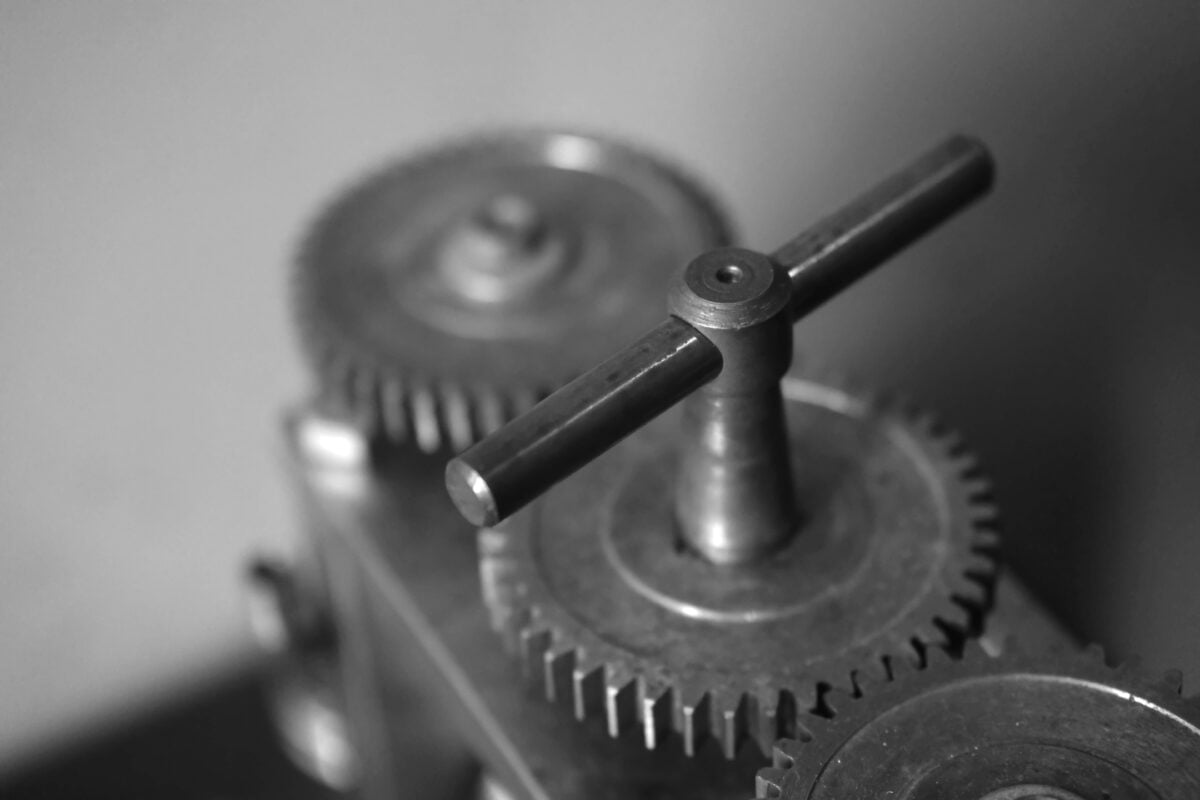
Dentistry in the Victorian era was already terrifying enough without elaborate mechanical assistance. But inventors created spring-loaded extraction devices that amplified the horror of dental procedures.
These contraptions featured complex lever systems and spring mechanisms designed to provide mechanical advantage when removing teeth. The intimidating metal construction and aggressive mechanical action made dental visits look like medieval torture sessions.
Patients faced not just painful tooth extraction, but extraction performed by intimidating mechanical devices that belonged in a dungeon rather than a dental office.
Electrotherapy Bed
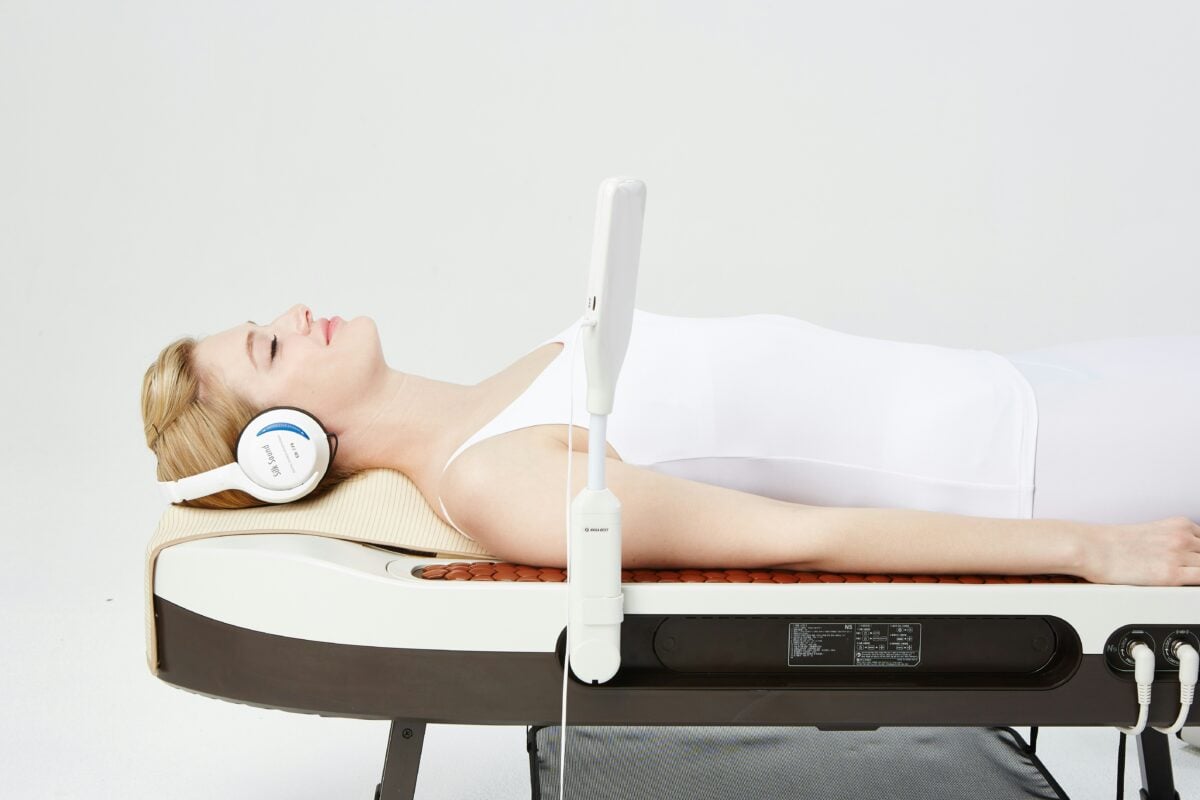
The ultimate fusion of furniture and electrical torture equipment, electrotherapy beds promised to cure everything through overnight electrical treatment. These beds featured metal coils, electrical connections, and battery systems built directly into the mattress framework.
Patients lay on electrically charged bedding while mild electrical currents supposedly treated their ailments during sleep. The bed resembled an electric chair redesigned for extended torture sessions rather than comfortable rest.
Multiple electrical controls allowed practitioners to adjust current levels and target specific body areas throughout the night.
When Progress Looks Like Punishment
The Victorian era teaches us something valuable about the relationship between innovation and intimidation. These inventors weren’t trying to create frightening devices — they genuinely believed they were pushing the boundaries of human progress.
But their mechanical solutions to life’s problems ended up looking more like elaborate punishment devices than helpful technology. There’s something both admirable and absurd about the Victorian faith in mechanical complexity.
Every human ailment, they believed, could be solved with enough brass fittings, electrical connections, and mechanical ingenuity. The fact that most of these contraptions looked terrifying didn’t diminish their creators’ enthusiasm for subjecting people to increasingly elaborate mechanical interventions in pursuit of better living through intimidating technology.
More from Go2Tutors!

- The Romanov Crown Jewels and Their Tragic Fate
- 13 Historical Mysteries That Science Still Can’t Solve
- Famous Hoaxes That Fooled the World for Years
- 15 Child Stars with Tragic Adult Lives
- 16 Famous Jewelry Pieces in History
Like Go2Tutors’s content? Follow us on MSN.



