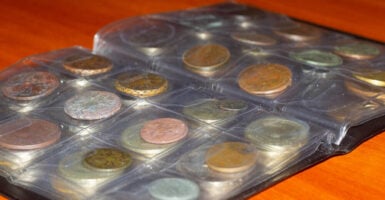
31 Old Bus Tokens and Subway Coins Worth Keeping
Transit tokens were made to be dropped into a slot thousands of times and then forgotten. That makes the survivors oddly appealing: small metal discs that carried millions of people to work, now sitting in drawers, dealer trays, and museum cases.
Some can be bought by the handful, and a few are scarce enough to chase for years. The date, the agency name, and the condition of the surfaces decide which is which.
New York’s Subway Token Run of 1953 to 2003
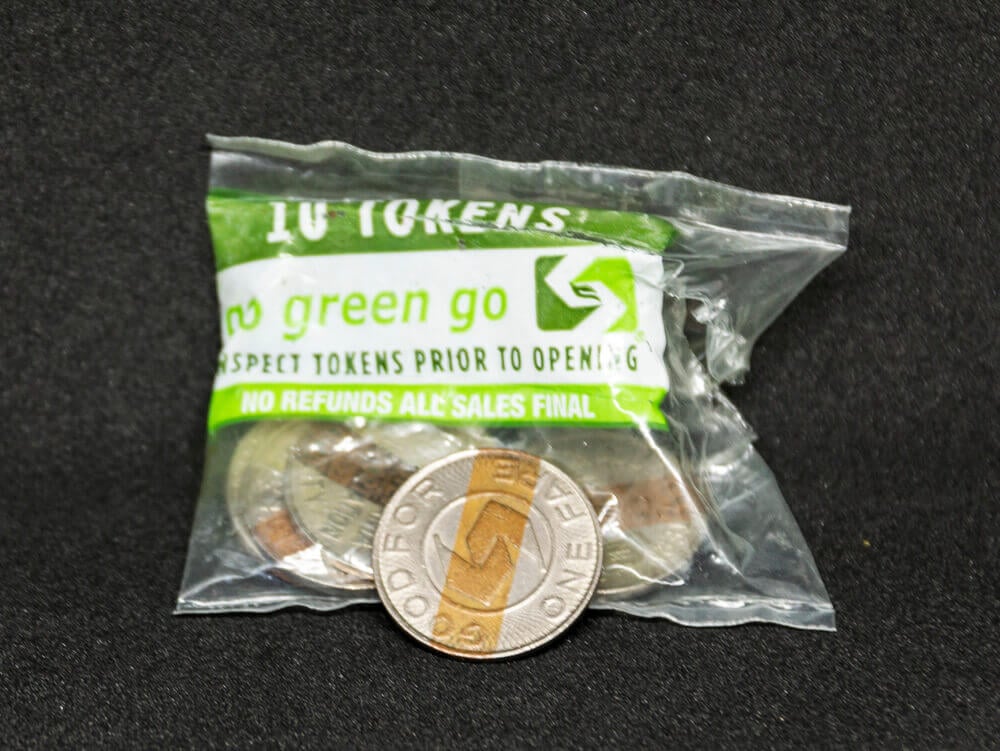
New York’s subway token served the city for fifty years, from 1953 until 2003, when the MetroCard finished the job. Over that span the design changed enough that complete sets of six pieces are sold as a collecting goal.
Early pieces show their age through scratches and dull surfaces, while bright, sharp-edged examples draw far more interest. Anyone assembling a set should compare each coin carefully, because the differences between issues are small.
Hong Kong’s Star Ferry Tokens
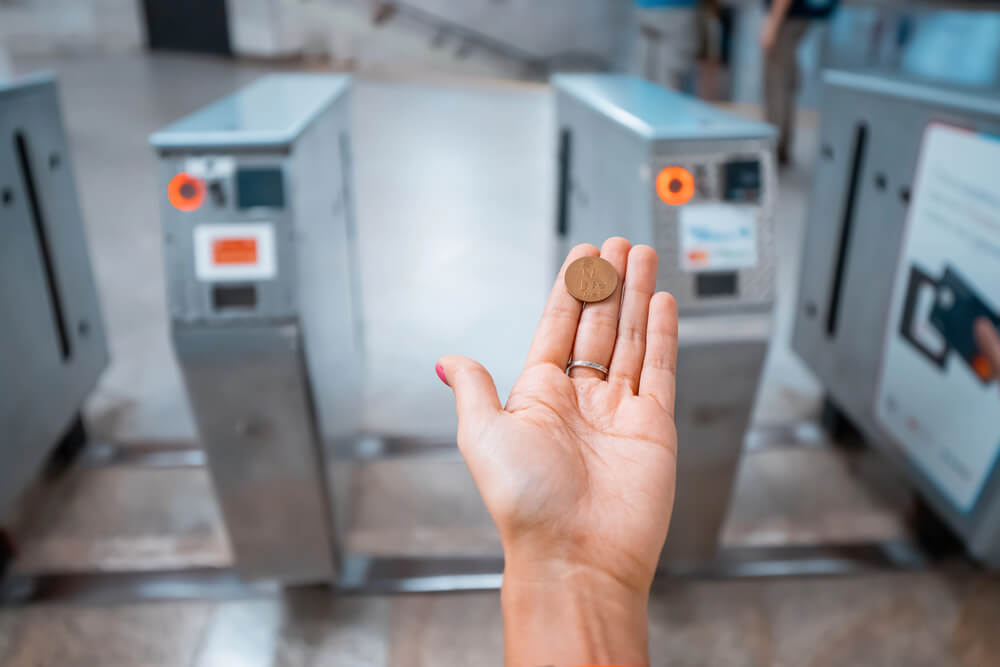
Hong Kong’s Star Ferry issued tokens sorted by deck and rider type, with separate pieces listed for adult lower deck, adult upper deck, and concession fares. That means a collector can chase a small family of related tokens rather than a single coin.
Examples with clean fields and no gouges are the easiest to display, and mixed lots often hide the less common deck and fare combinations. Condition matters here the way it does everywhere, but completeness of the set matters almost as much.
Boston’s Metropolitan Transit Authority Token
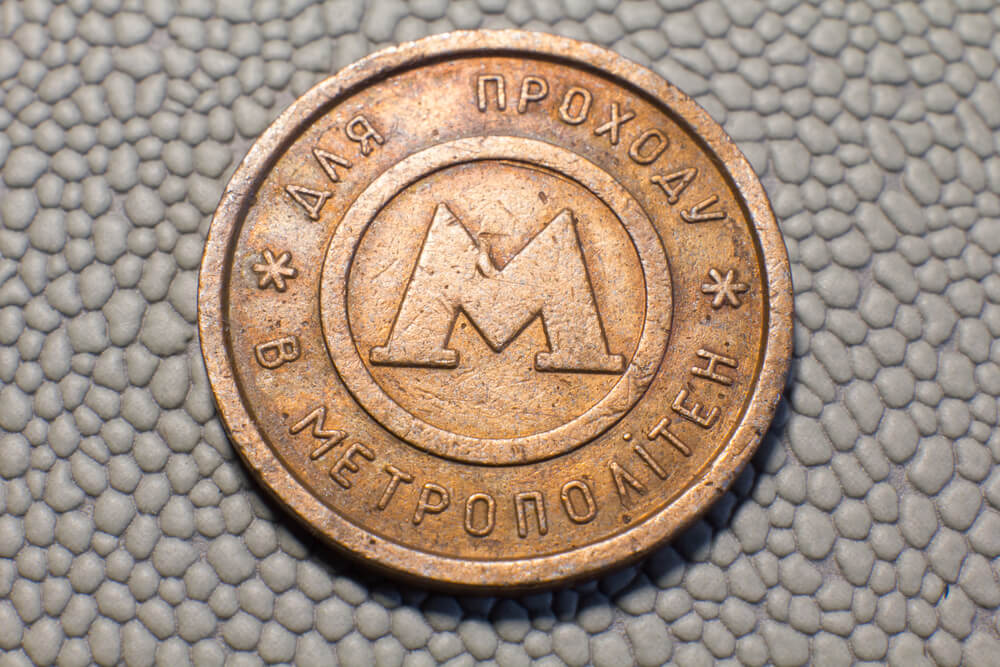
Boston riders of the 1950s paid with tokens bearing the Metropolitan Transit Authority name, an agency that came between older operators and the modern MBTA. Pieces from that era are frequently offered with their single-fare use noted, and they tend to turn up worn from years of pockets and turnstiles.
Examples with readable lettering and an even surface look better and tend to be preferred. Heavy tarnish or dark spotting can hide the very detail that identifies the issue.
The 1987 Southwest Corridor Token
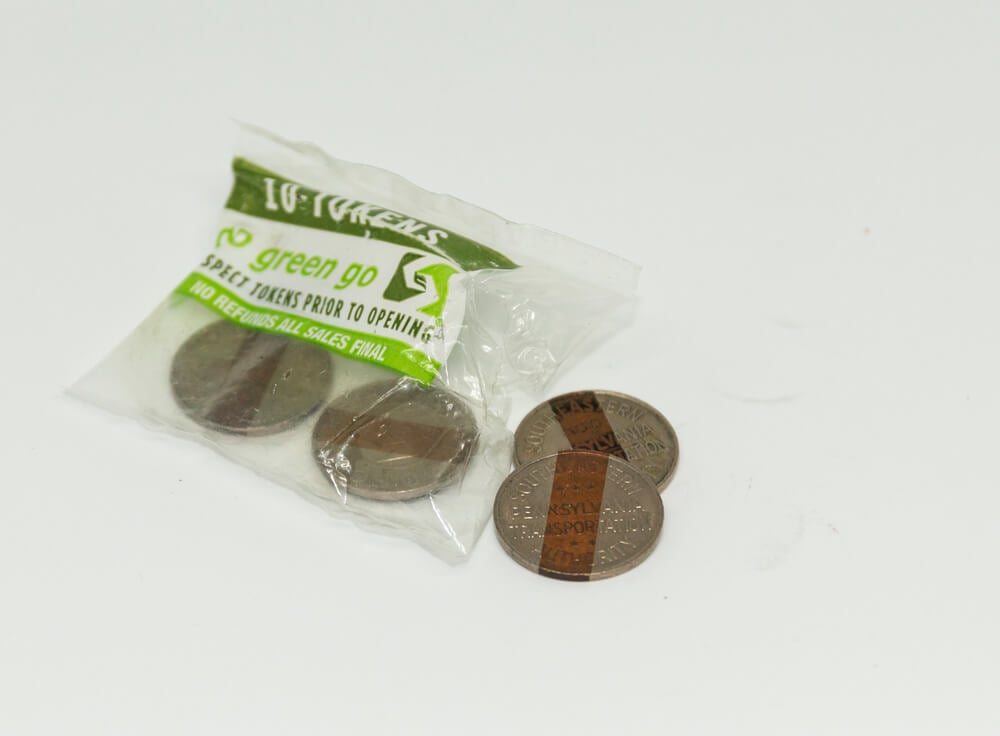
A dated MBTA token marked the 1987 Southwest Corridor project, making it a commemorative as well as a fare piece. Tokens made to mark an event were more likely to be tucked away than spent, so surviving examples often look better than ordinary fare tokens.
Even so, fingerprints, spots, and rim nicks keep many pieces from looking their best. Original packaging, when it survives, adds appeal because it shows the token was set aside early.
The MBTA “T” Tokens of the 1990s and 2000s

The MBTA ran tokens from 1988 into the 2000s, and The Henry Ford holds examples dated around 1998 and 2002. Boston stopped accepting them in 2012, ending a long habit of paying with a small metal disc.
Because the pieces were struck in large numbers, wear and cleaning marks matter more than scarcity. A bright, untouched example, especially from a sealed roll, stands apart from the rubbed ones found in change jars.
The SEPTA Token of 1965 to 2016
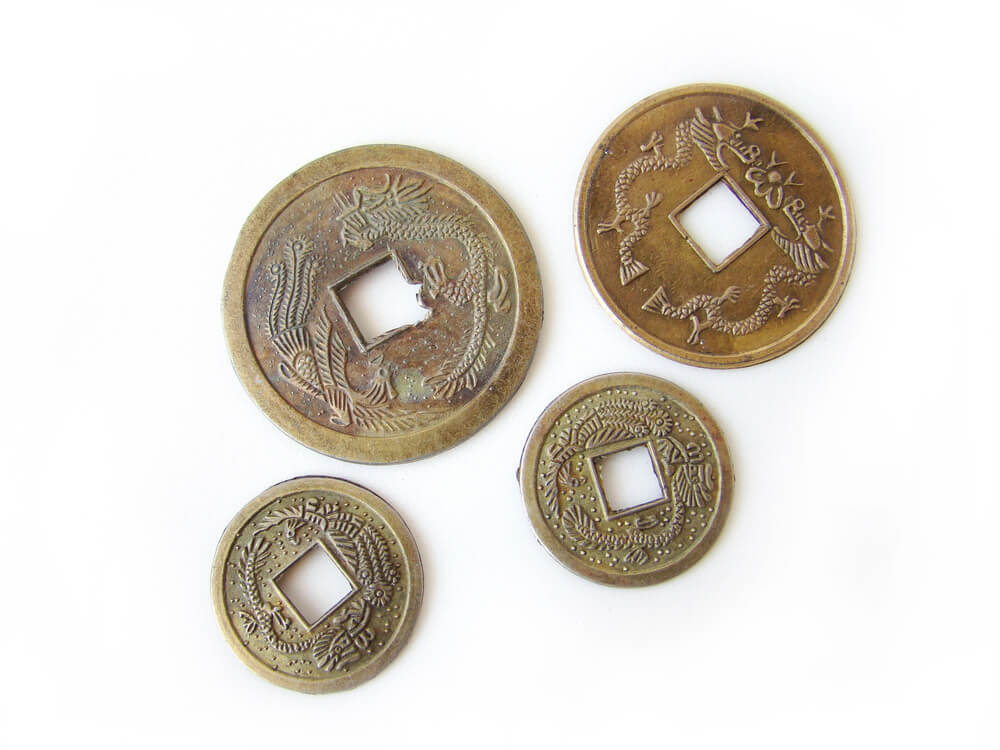
Philadelphia’s SEPTA token has a printed lifespan of 1965 to 2016, and token sales finally ended on April 30, 2018, when the system moved to the Key card. Philadelphians turned the old pieces into jewelry at local arts sales, which shrinks the pool of unaltered examples.
A token with its original surface and no drilling or mounting marks is the best kind to keep. Worn survivors are plentiful, so a sharp one is a smarter buy than a bulk lot of tired ones.
Toronto’s 1954 Subway Token
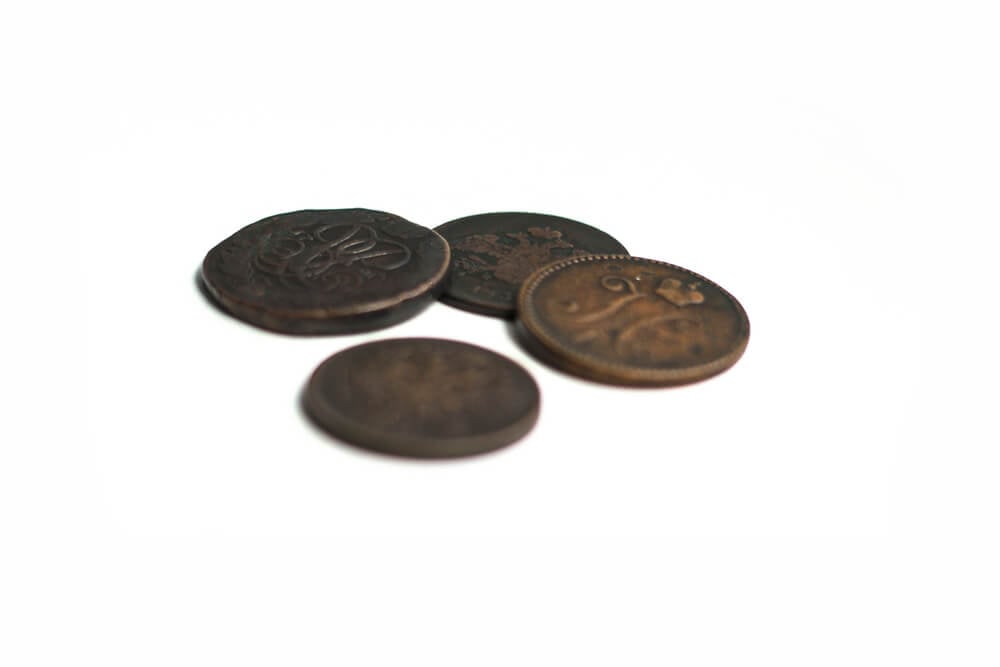
When Toronto opened the Yonge Street subway in 1954, the Toronto Transit Commission issued a token dated to that year. Collectors treat it as one of the central pieces of Canadian transit exonumia, and a clean specimen is worth more than a darkened one.
Its age means pocket wear is common, so edge condition and surface brightness tell you most of what you need. Later issues look similar at a glance, which makes checking the date essential.
The 1966 Brass Metro Token
Toronto also struck a brass metro token dated 1966, a design that sits in the collecting record alongside the earlier subway piece. Brass rewards good storage and punishes neglect, since it spots and darkens when kept in damp conditions.
A piece with even color and a clear date will always look better than one with green or black blemishes. Cleaning it aggressively usually does more harm than leaving it alone.
The 1968 Borough of Scarborough Token
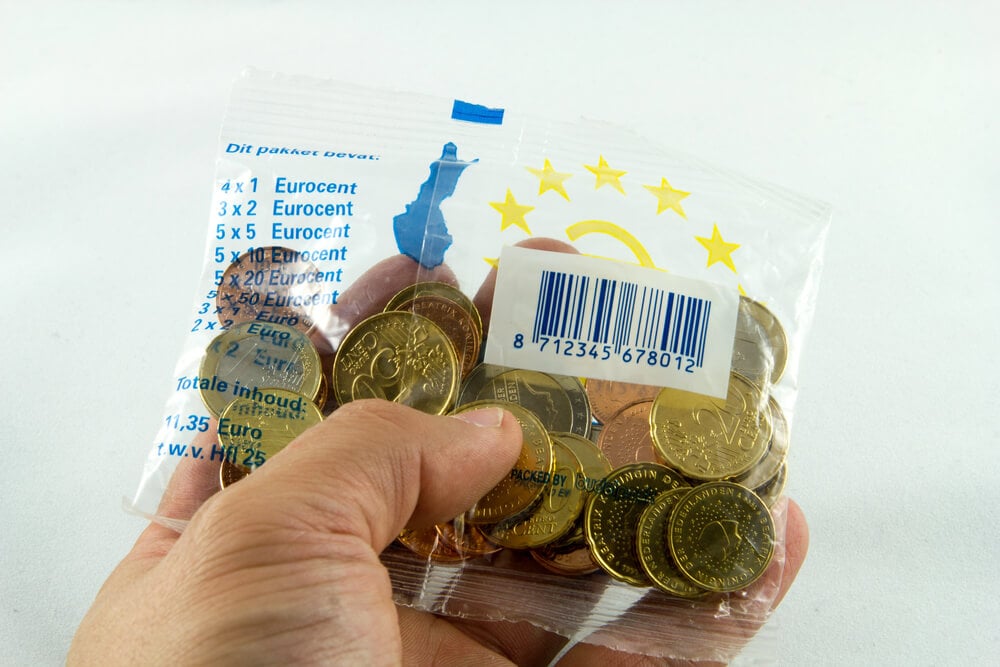
Scarborough, east of central Toronto, was a separate borough in the late 1960s and is tied to a 1968 metro token carrying its name. A local issue like this was seen by far fewer riders than the main system pieces, which gives it a niche appeal.
It is usually found with ordinary circulation wear, so a surface free of scars is a pleasant surprise. Many collectors keep it beside the main Toronto issues to show how regional the network once was.
Mexico City’s Brass Metro Token
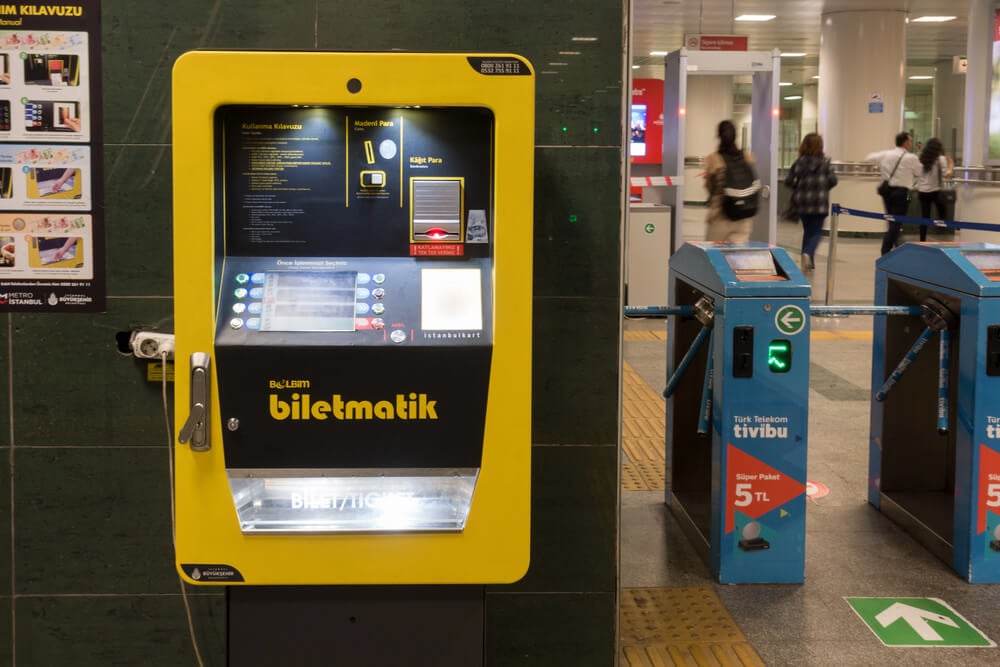
Mexico City’s metro used a brass token carrying the logo of its operator, the Sistema de Transporte Colectivo, and a variant exists with CONASUPO branding. Pairing the two shows how much a small change in lettering can separate related pieces.
Brass wears and darkens with use, so uniform color and crisp lines make a token easier to appreciate. A mixed lot is worth sorting, since the variant can hide among ordinary examples.
The 1847 Montreal and Lachine Railroad Token
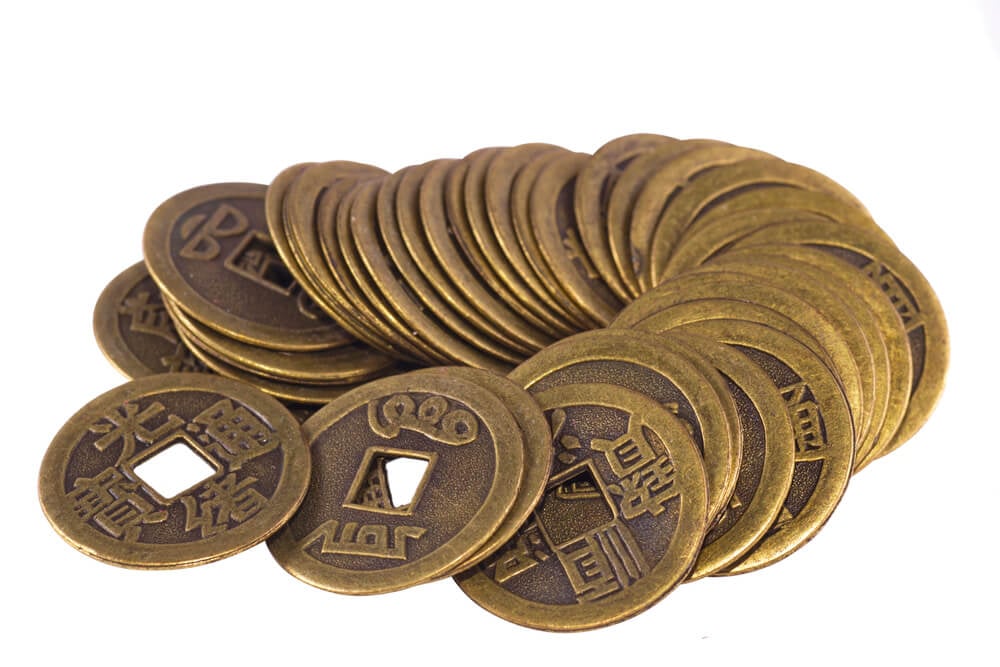
The Montreal and Lachine Railroad token dates to 1847, long before subways, and it is cataloged in Canadian references by Le Roux and Breton numbers. Dealers have offered it in choice about-uncirculated grade, which tells you how much condition drives its desirability.
An early piece like this is judged mostly by the amount of surviving detail, so a sharp example and a damaged one are barely the same item. Graded specimens give buyers more certainty than raw ones.
The 1950 Capital Transit Token of Washington
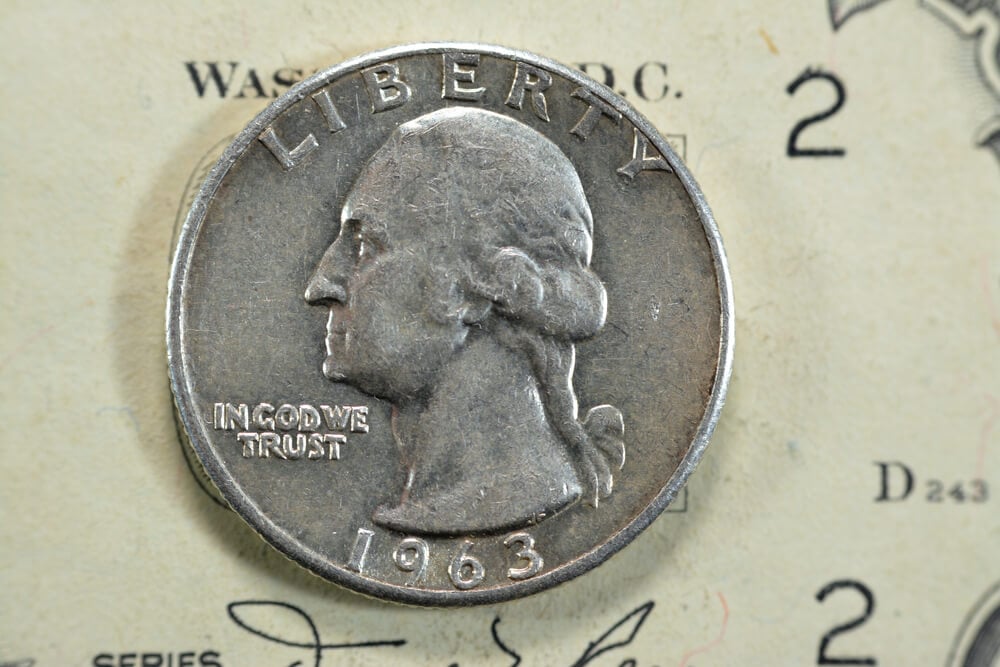
The Capital Transit Company of Washington issued fare tokens, and one listed example carries the year 1950. Dated pieces are easier to sort into series than undated ones, which helps new collectors.
Years of use leave many with scratches and dull faces, so a bright example is a real find. Harsh polishing is a common mistake that can undo exactly what makes a token appealing.
The Los Angeles Metropolitan Transit Authority Token
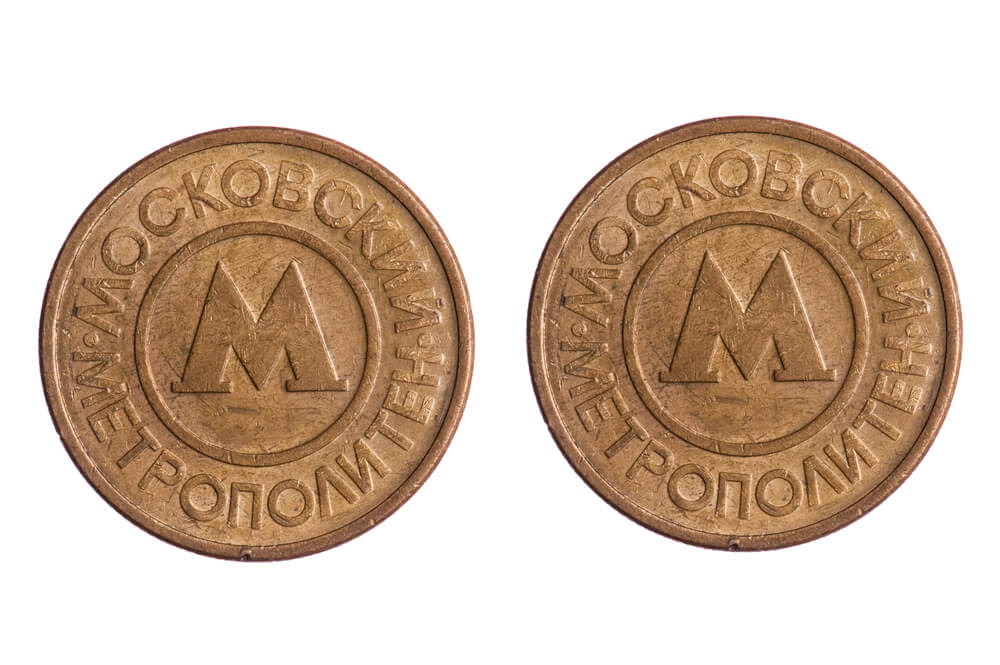
The Metropolitan Transit Authority name appears on a Los Angeles fare token that sits in transit-history collections. An agency-specific piece like this marks a moment between earlier private operators and later public systems.
Tokens that stayed in old coin purses often show spotting, so a clean example stands out. Pairing it with earlier Los Angeles issues shows the changing names behind the city’s bus and rail service.
The Los Angeles Transit Lines Token
Los Angeles Transit Lines is another name found on a local token, and collectors who chase the city’s series usually want it for completeness. Because the company name is shown on the face, identification is straightforward even when the surface is tired.
Examples with sharp lettering and a smooth rim are preferred to dull, abraded ones. The token also gives context to the agency token that followed it.
San Francisco’s Market Street Railway Token

The Market Street Railway token is held by the Smithsonian, which gives the series unusual institutional standing among transit pieces. Museum provenance does not change the rule that surface condition drives interest, so a token with a clear legend and an unaltered face remains the goal.
Many show the rub and nicks of daily use. Anyone buying should look at the rim and fields under good light.
The San Francisco Muni Token
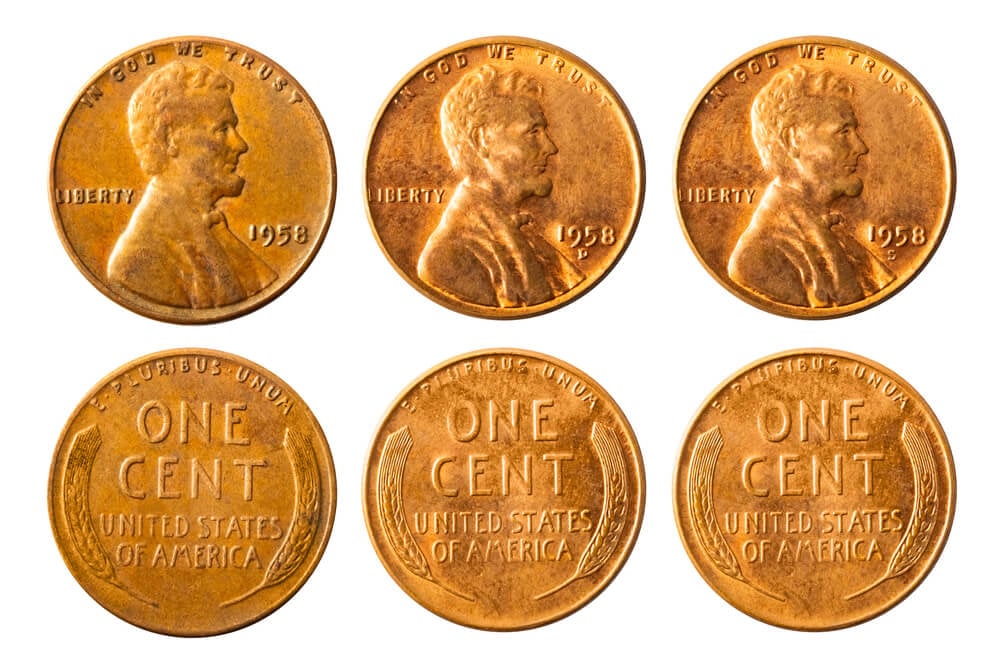
San Francisco’s Municipal Railway used tokens through the 1990s, and The Henry Ford holds one from around 1995. A listing for a Muni piece spans 1945 to 2004, which shows how long the agency leaned on tokens in some form.
The late issues were struck in large quantities, so scarcity is not the question; wear is. Bright examples, and especially intact rolls, are the version that holds up best in a collection.
The Detroit Department of Street Railways Token
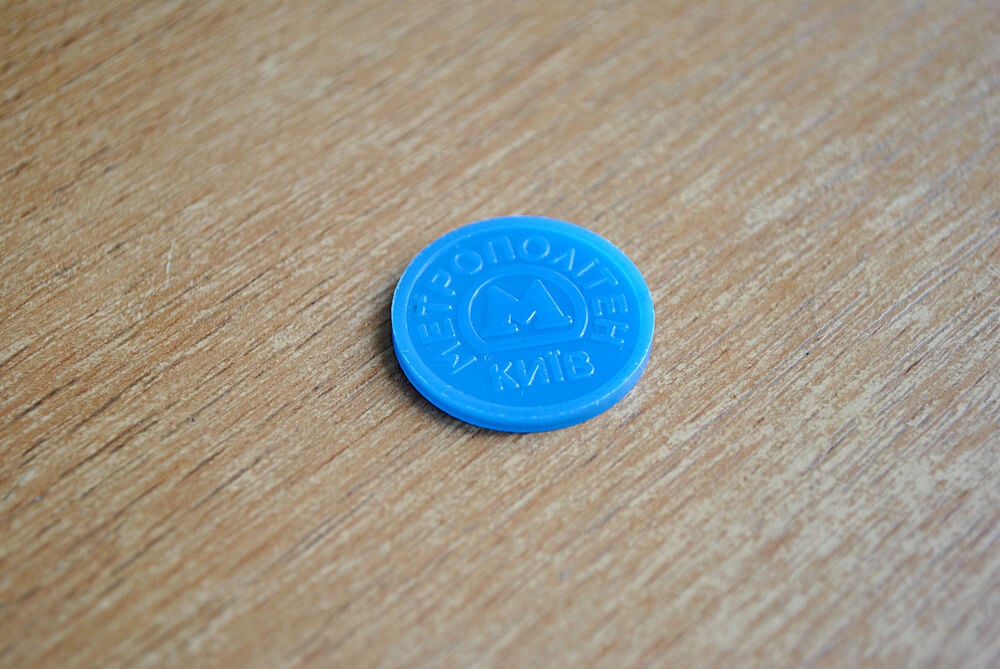
Detroit’s Department of Street Railways issued a token that The Henry Ford dates to around 1925. It reflects the era when the city ran its own streetcar system.
Pieces from that time were handled constantly, so dull, uneven surfaces are the norm. A clear legend and minimal edge damage make one far easier to enjoy than a heavily worn survivor.
The Cleveland Municipal Transit Token of 1908
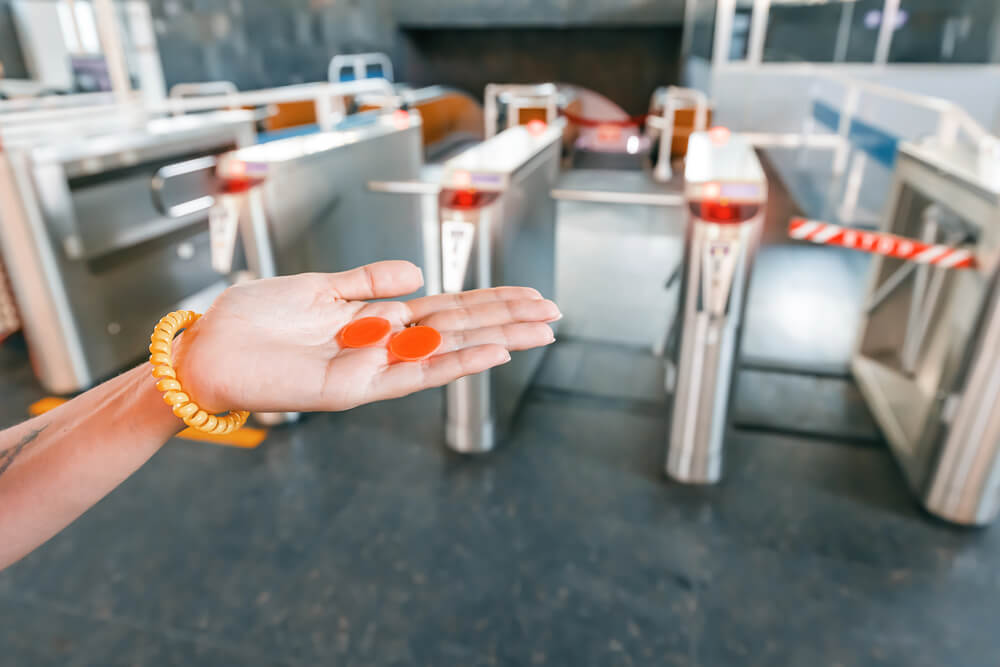
A Cleveland municipal transit token dated 1908 sits in The Henry Ford’s collection, which shows how early these fare pieces appeared. At well over a century old, any survivor has seen decades of use and perhaps storage in poor conditions.
Surface corrosion and pitting are the main hazards, so a clear date and even tone count for a lot. Because of its age, even a modest example makes a respectable addition.
The Pittsburgh Port Authority Token
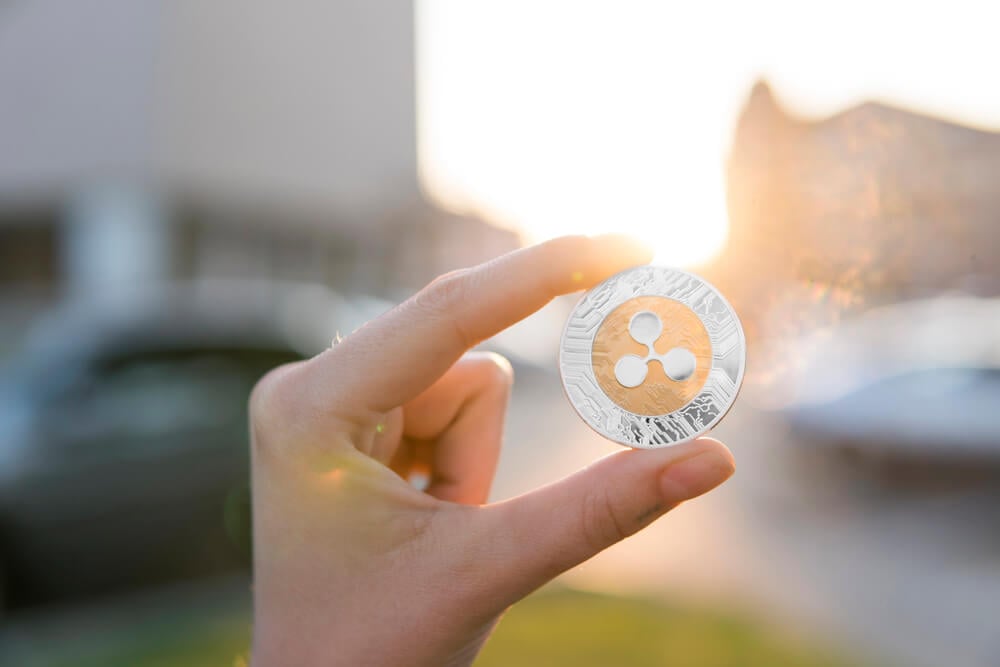
The Port Authority of Allegheny County used its own token in Pittsburgh, and the Heinz History Center holds many of the city’s transportation tokens. That abundance suggests the region produced a wide range of pieces over the years.
Port Authority examples were handled heavily, so clean ones are the real prize. A bag of mixed Pittsburgh tokens is worth sorting before assuming everything inside is the common type.
Seattle Transit’s 1946 Token
Seattle Transit issued a token dated 1946 that collectors regularly highlight. The agency name and date make it straightforward to place within the city’s postwar history.
Surfaces vary with use, so an example with sharp details and no corrosion is preferred. As with most vintage metal, a gentle approach to storage beats any attempt at cleaning.
Seattle Transit’s Child’s Fare Token
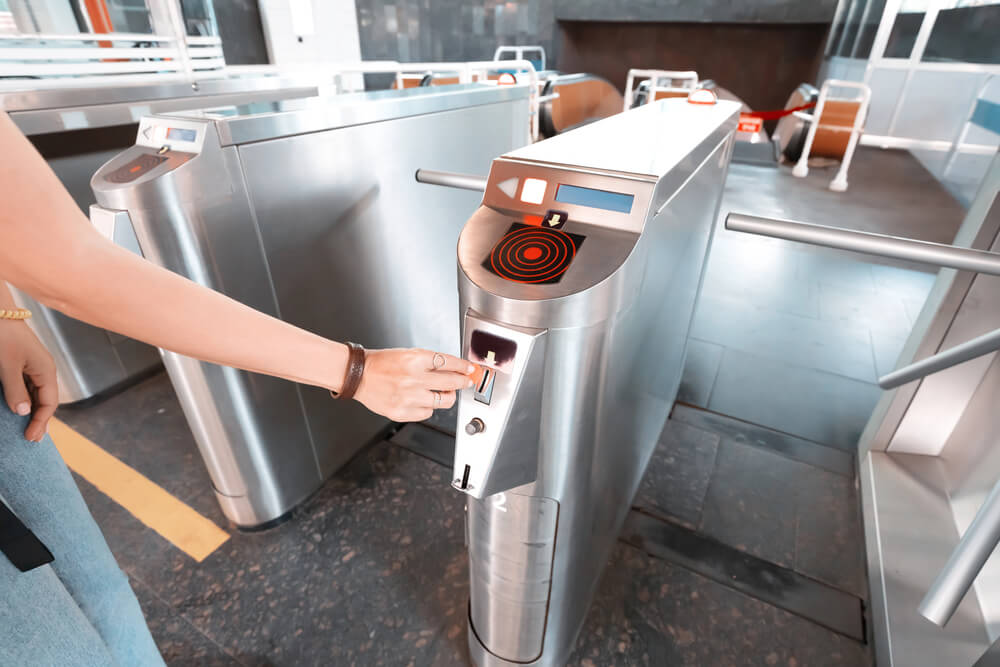
Seattle Transit also produced child’s fare tokens, with a 1940 piece cataloged and entire rolls of forty offered from the 1940s. The roll is the unusual part: an unopened roll preserves the tokens in the state they left the transit office.
Loose child’s fare pieces tend to be marked by handling, while intact rolls keep fresher surfaces. Opening a sealed roll may satisfy curiosity but removes the proof that it was never touched.
Baltimore’s United Railways and Electric Company Token
Baltimore’s United Railways and Electric Company issued fare tokens, including pieces listed under school fare. Having separate tokens for different riders meant the system carried more than one design at a time.
These older pieces often show their age through scratching and dull faces. A token whose lettering remains easy to read is the more useful one for anyone sorting a Baltimore series.
The Chicago Surface Lines Token
The Chicago Surface Lines operated the city’s streetcars and issued fare tokens, and the Fitzwilliam Museum in Cambridge holds one. Seeing a Chicago piece in a British collection hints at how far transit tokens have traveled.
Daily use leaves many examples with dull, scuffed faces, so one with a crisp edge and clear lettering is preferred. Condition is the main way to separate good examples from average ones.
The Chicago Transit Authority Token
The Chicago Transit Authority issued its own tokens, and WBEZ has examined what happened to them in its Curious City series. The agency’s pieces are a step along the city’s move from tokens to cards.
They survive in large numbers, so bright, unmarred examples matter more than rarity. A token that has dodged the usual pocket abuse looks noticeably better than one from a mixed jar.
Atlanta’s MARTA Token Box
The Atlanta History Center features a MARTA token box from around 1979 among its fifty objects of Atlanta history, which shows how central tokens were to the system’s early years. The tokens themselves faded when the Breeze card arrived.
A box that survives with its original contents is a more complete record than a single token. Anyone holding loose pieces should check them for spotting and mixed years.
The 1917 Denver Tramway Token
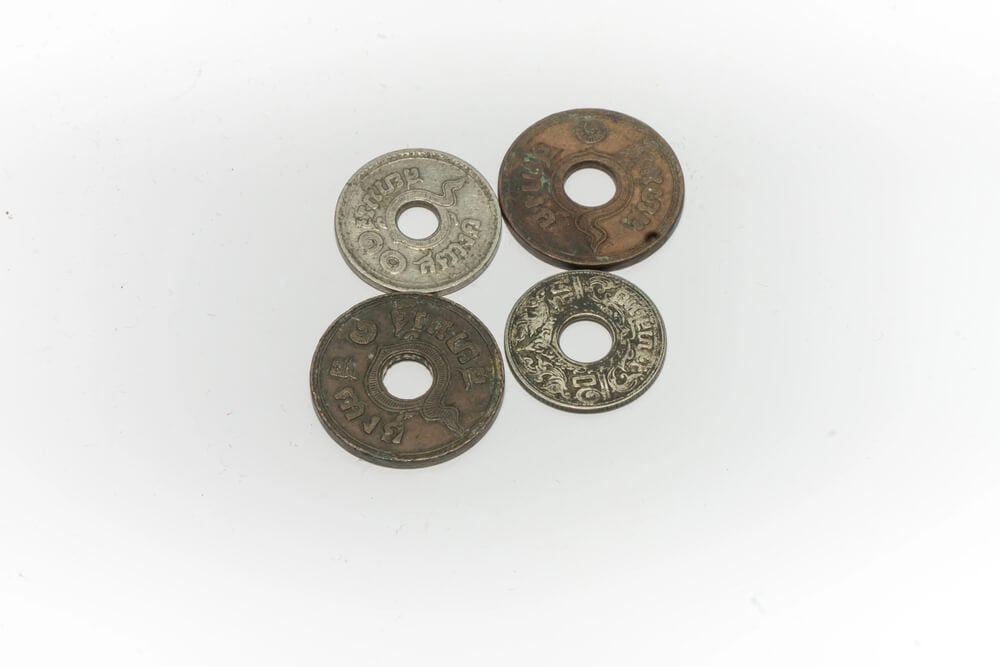
Denver Tramway City Lines issued tokens, including a piece dated 1917 that turns up in dealer listings. The year makes it one of the older fare tokens in this lineup.
A century of handling leaves most examples worn, so an undamaged edge and an even face are worth seeking. Storing it in an inert holder is far better than letting it knock against other coins.
The 1946 St. Louis Public Service Company Token
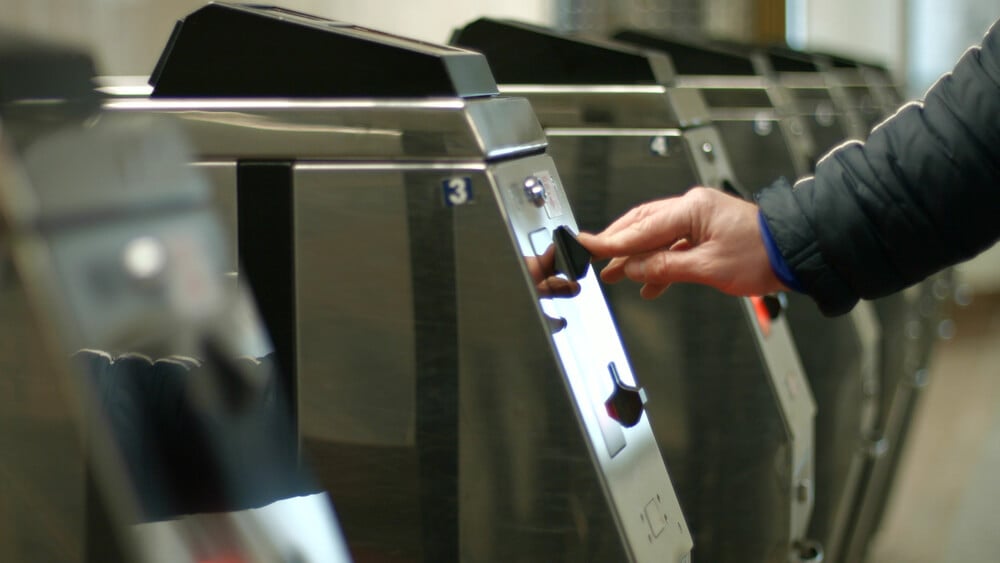
The St. Louis Public Service Company issued a one-ride token dated 1946. The specific date and the single-ride wording make it a tidy example of how fares were handled after the war.
Tokens in poor condition show scuffing and dark patches, while clean examples hold their appeal. It pairs well with earlier St. Louis tokens from the United Railway Company.
The 1927 Twin City Motor Bus Token
The Twin City Motor Bus Company of Minneapolis issued a token worth twelve and a half cents in 1927, a fare that sounds odd to modern ears. That unusual denomination is the surprise that makes the piece memorable.
Surfaces on these tokens vary, so a bright example with a clean rim is the one to look for. Later Twin City Lines pieces, including a student fare, give a nice follow-up.
Crew’s Pyramidal Railway Token of Cincinnati
An 1871 Cincinnati token tied to Crew’s Pyramidal Railway has been sold in an NGC MS 61 BN holder, meaning it was graded as uncirculated with brown color. Grading services reward minimal wear and attractive surfaces, so a slabbed token like this is judged very differently from a worn raw one.
Its age makes it one of the oldest entries on this list. Buyers should pay attention to the grade on the holder, since that grade shapes how the market views it.
The 2016 Cincinnati Streetcar Token
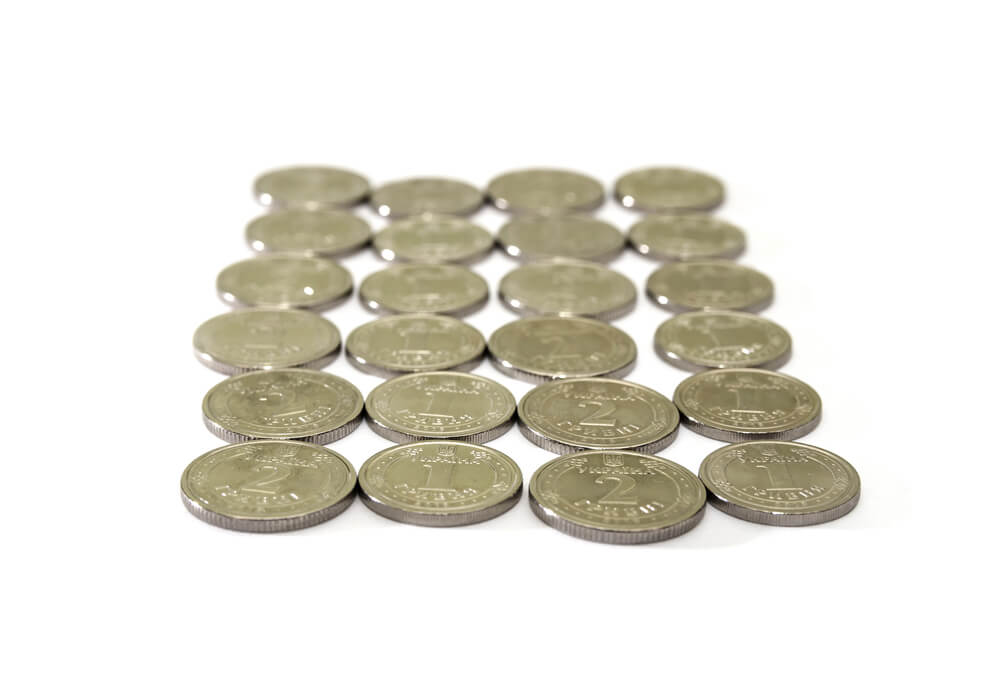
When the Cincinnati Streetcar began service in 2016, the system sold commemorative tokens that offered unlimited rides for the first week of operation. That makes it a modern token with a built-in story about opening week.
Tokens like this are often saved unused, so many survive in excellent condition. Original packaging and unmarked surfaces help a modern piece stand out from the rest.
Newark’s Public Service Coordinated Transport Token
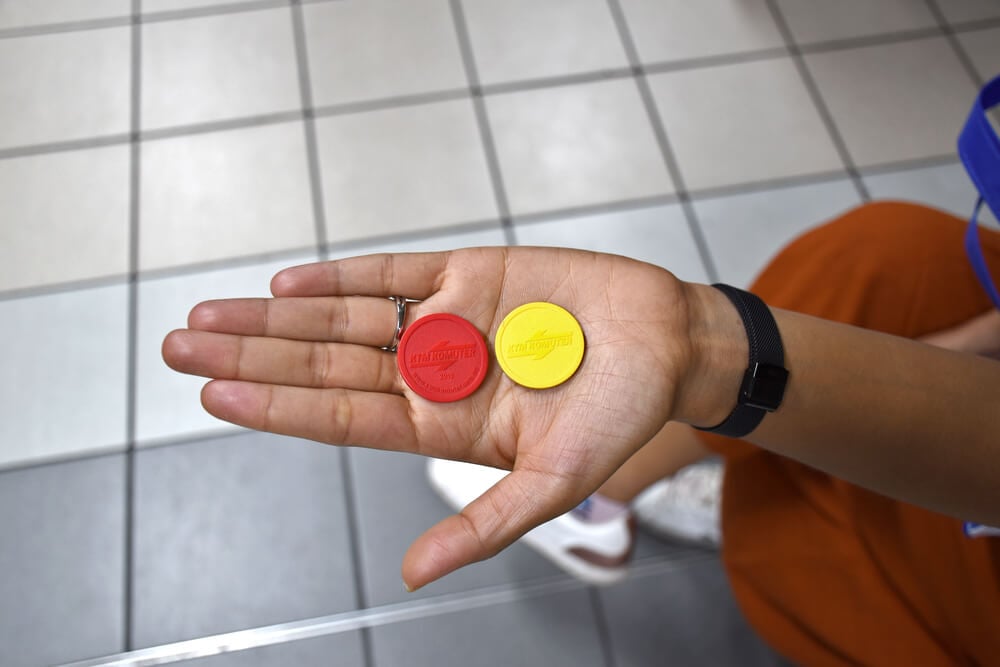
Public Service Coordinated Transport served Newark and surrounding New Jersey communities, and its tokens include a five-cent piece. The company later became part of the state’s transit network.
Pieces from that period are typically marked by hard use, so an unspotted face is welcome. Because the fare appears on the token, it is also a neat snapshot of what a ride cost.
What a Fare Token Really Preserves
A transit token records a price, a place, and a moment when a city decided a small piece of metal was easier than loose change. It also carries the quiet evidence of use, with every scratch and rubbed edge reflecting trips that no one thought to record.
That is why condition matters more here than almost anywhere else in collecting. Keeping these pieces does not require a large budget, only some patience and a willingness to sort carefully.
Store them dry, avoid aggressive cleaning, and keep rolls and sets intact when they come that way. The result is a small, durable archive of how people once paid to get across town.
More from Go2Tutors!

- 27 Silver Dollars and Half Dollars Worth Keeping
- 28 Restaurant Menu Items Nobody Orders Anymore
- 17 Places Built in Seemingly Impossible Spots
- 27 Vintage Rings Worth More Than They Look
- 25 Restricted Sites Tourists Can’t Enter
Like Go2Tutors’s content? Follow us on MSN.