31 Things Found Inside Donated Furniture That Were Worth More Than the Piece Itself
Most people donate furniture without looking too closely at it first. A couch gets hauled out, a dresser goes into the back of a truck, and whatever’s still inside it goes along for the ride.
What nobody expects is for the real value to be hiding in the cushions, taped under a drawer, or tucked inside a secret compartment that wasn’t obvious until someone nearly dropped the thing loading it into a van.
Thrift store workers and charity shop volunteers have quietly become the first line of discovery for a remarkable range of forgotten valuables. Depression-era savers in particular had a deep distrust of banks and a habit of stashing cash, coins, and jewelry in furniture they considered more reliable than any institution.
When those homes are eventually cleared out, the furniture goes first — and whatever was stored inside it often goes with it.
Cash Hidden in Sofa Cushions and Linings
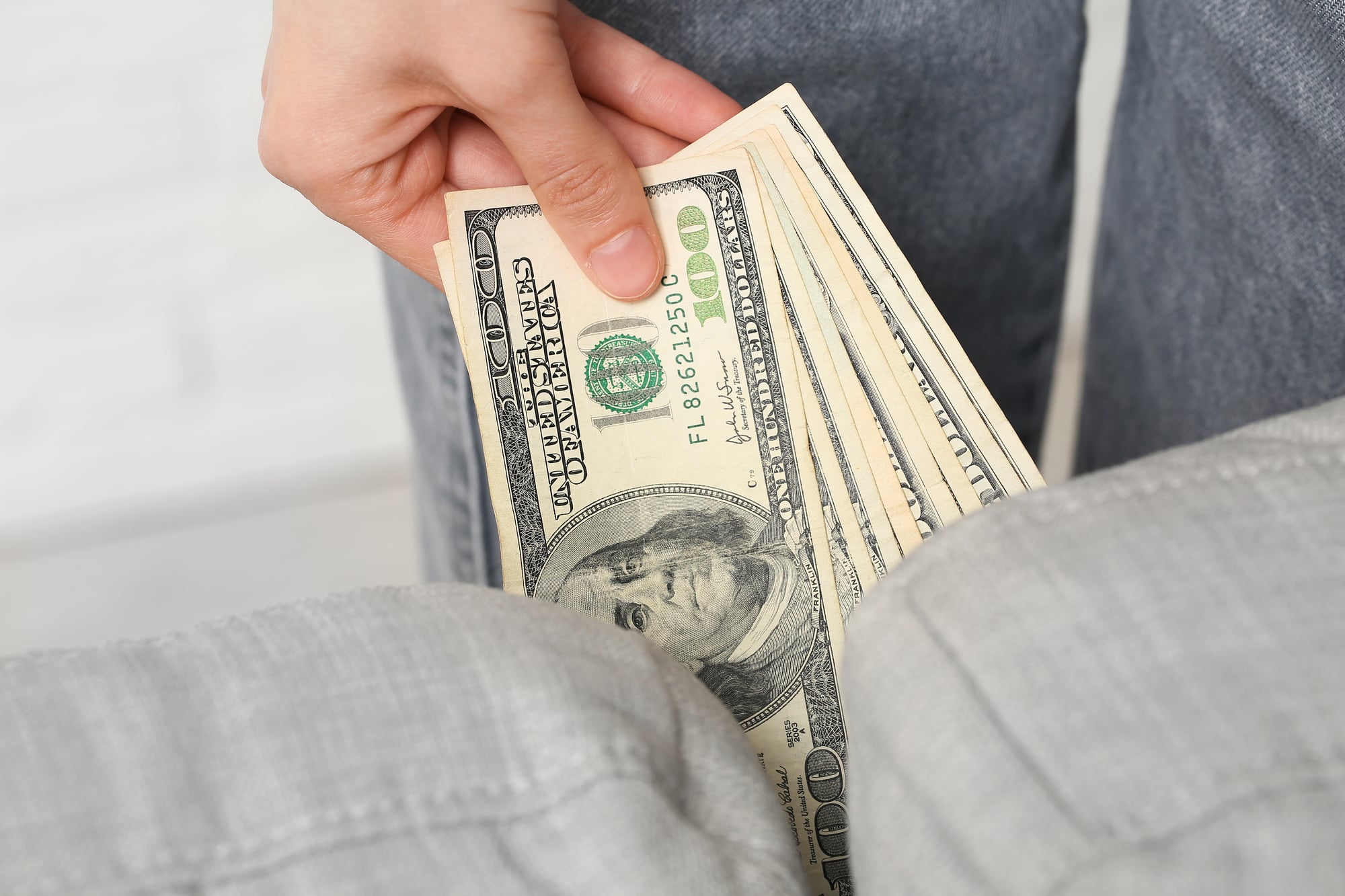
The most common find in donated upholstered furniture is plain cash, usually tucked into the lining or slipped between the cushion and the frame. Workers at the Emmaus charity shop in Batford, Hertfordshire, found £9,000 in £50 notes inside a donated sofa bed.
The owner had put it there for safekeeping and genuinely forgotten about it. He made a £500 donation to the shop in gratitude after police tracked him down.
Rolls of $100 Bills Wrapped in Clothing
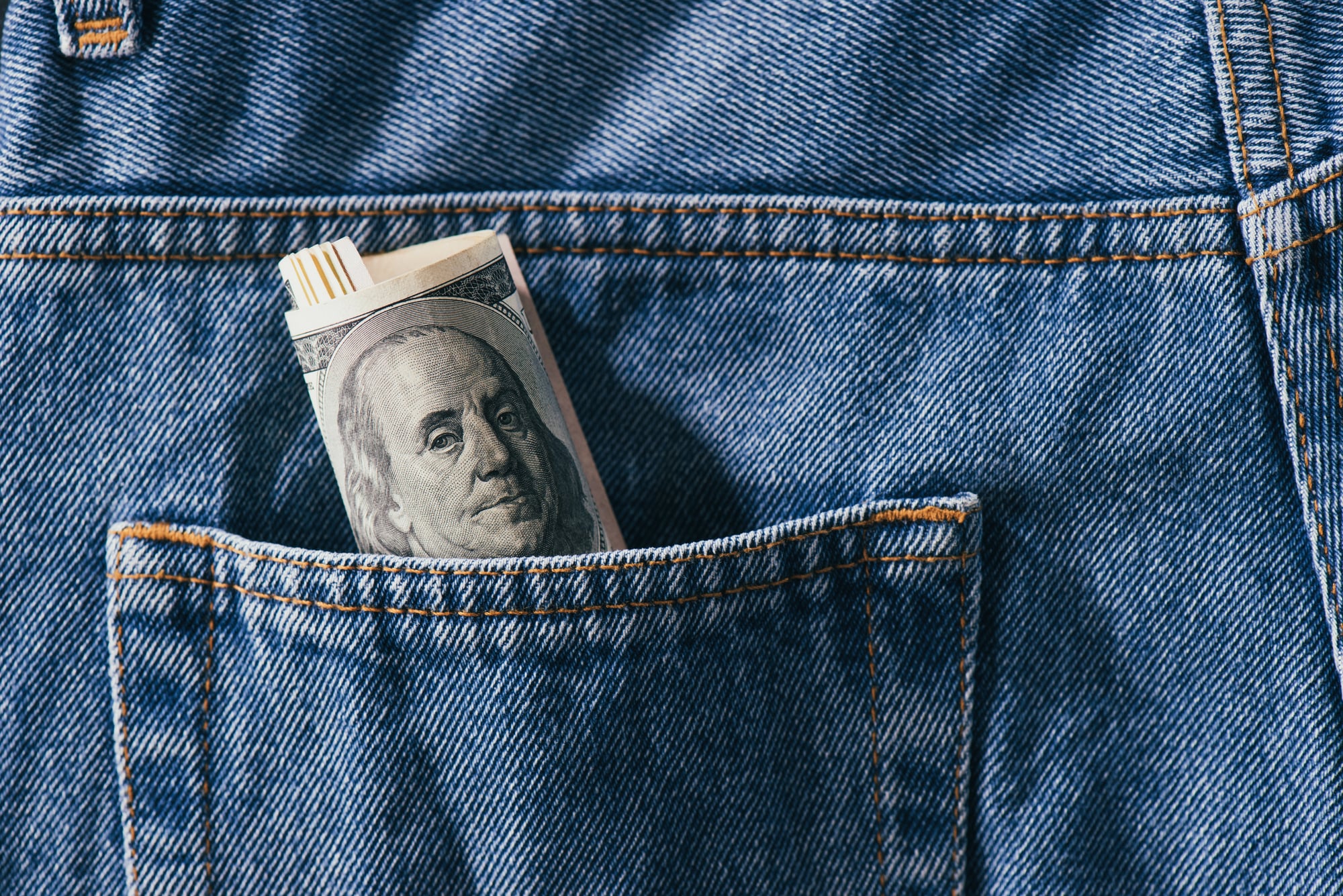
At a Goodwill in Oklahoma, employee Andrea Lessing found $42,000 in $100 bills bundled inside donated sweaters. She thought at first that the bulk wrapping contained books.
The cash came with documents that helped the store trace the original owner, who had wrapped it for safekeeping and donated the lot without checking the pockets first. Lessing returned every dollar and received $1,000 as a thank-you.
Gold Coins Taped Under Drawers
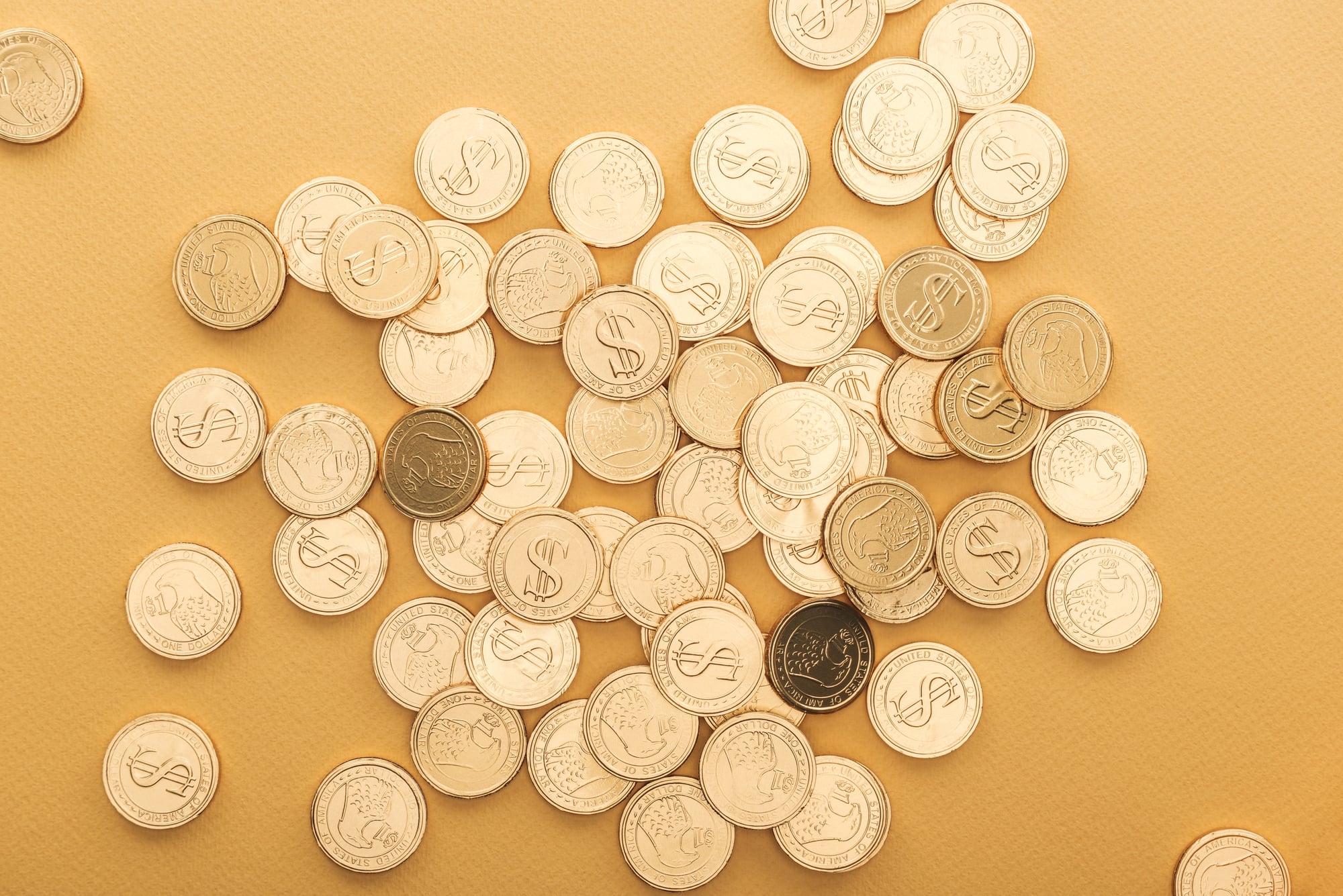
Antique dressers and writing desks frequently turn up with envelopes or small pouches taped to the underside of drawers. Pre-1933 American gold coins can be worth $500 to several thousand dollars depending on denomination and mint mark.
Emerald and Diamond Jewelry in a Secret Drawer
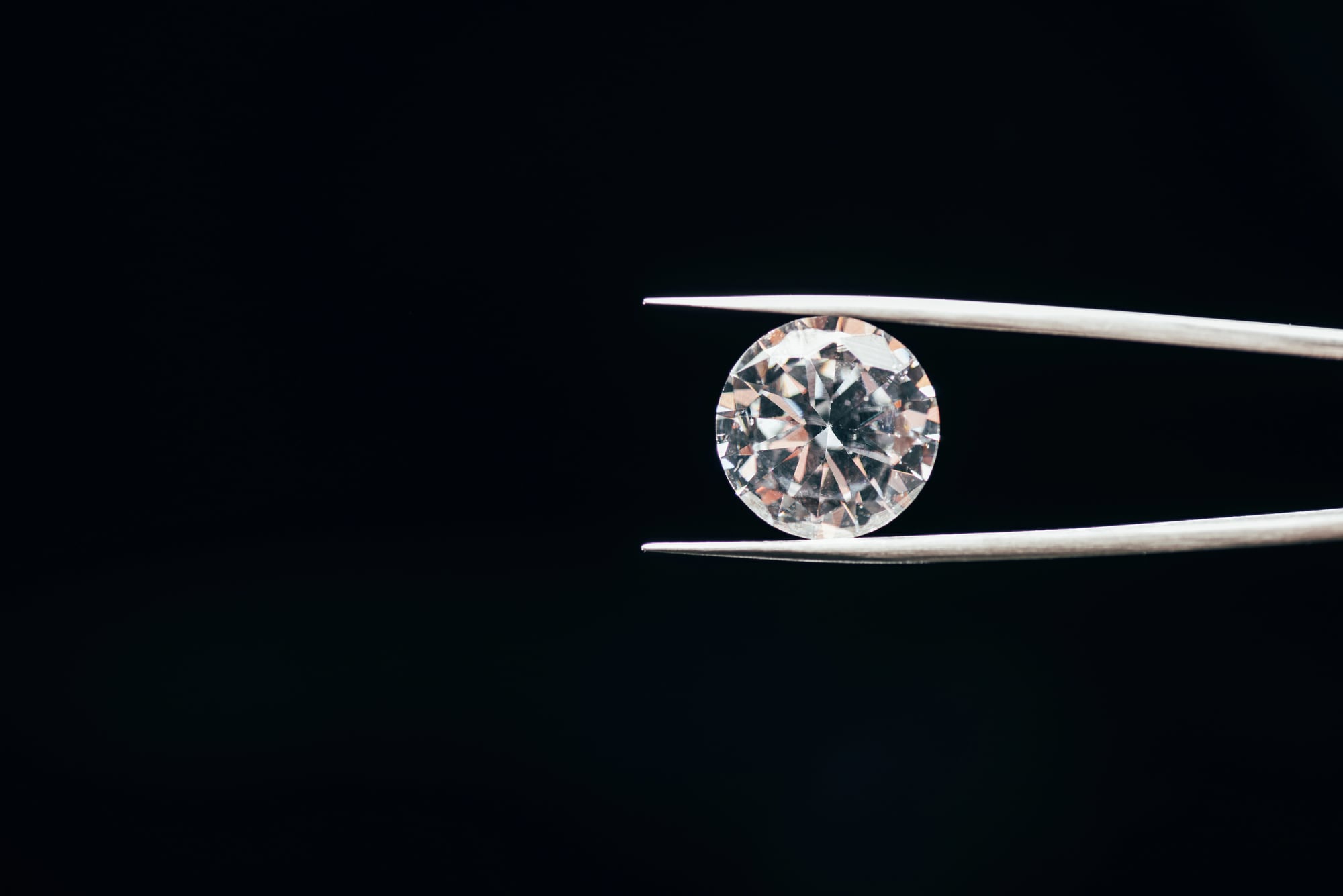
In 2015, Emil Knodell paid $100 for a marble-topped chest at an estate sale in Texas. When workers tipped the chest to load it, they heard metal shifting inside.
A hidden bottom drawer revealed currency, gold rings set with emeralds and diamonds, military dog tags, and Civil War memorabilia.
Sterling Silver Flatware Sets
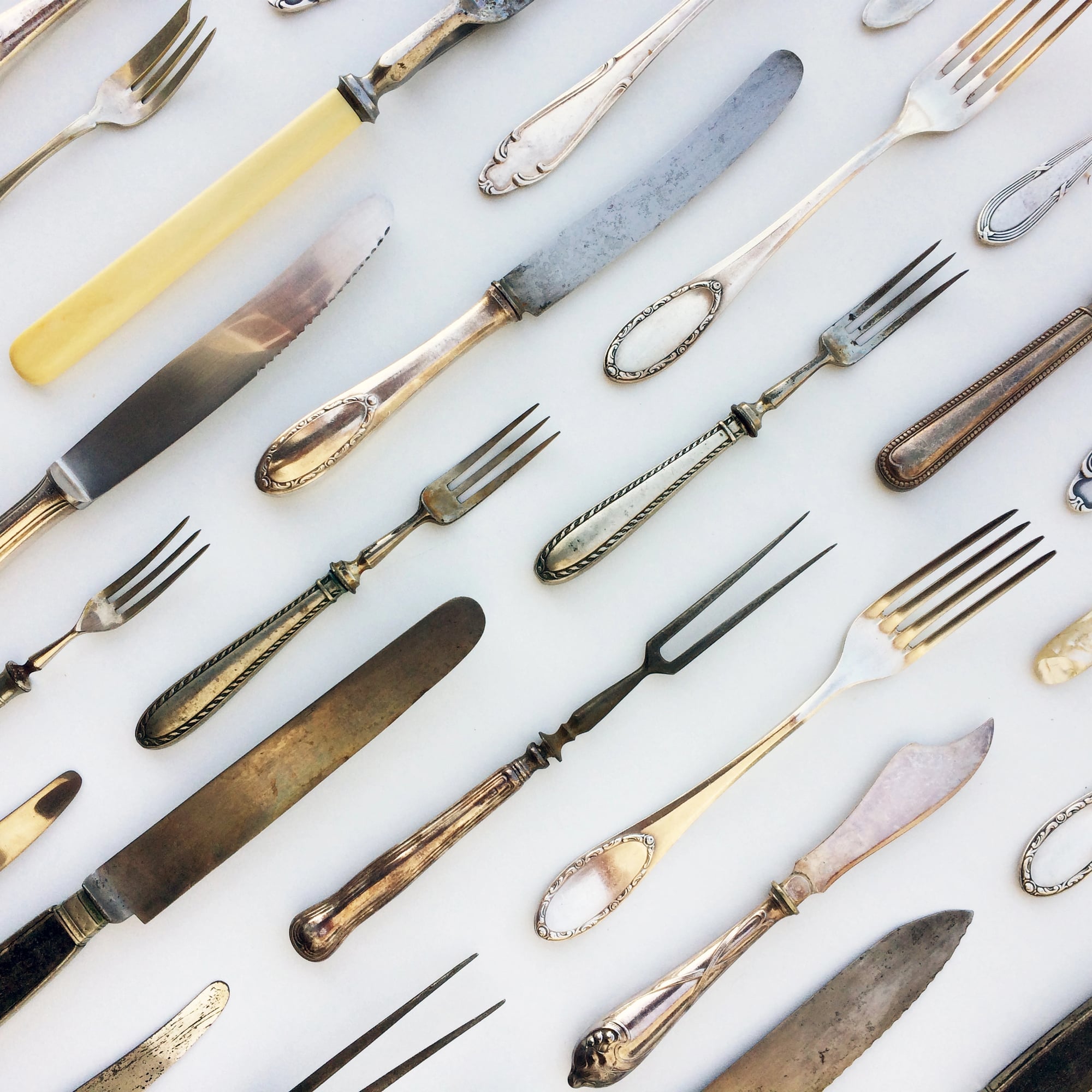
A service for twelve in a desirable pattern from Gorham, Wallace, or International Silver can sell for $800 to $2,500 depending on pattern and condition. Individual serving pieces from prestige makers bring $20 to $80 each.
Rare Stamps Used as Bookmarks
A thrift store book sorter reported finding cash used as bookmarks along with a hollowed-out book concealing gemstones and first-edition agricultural texts from the 1800s. A single penny black or an error stamp in fine condition can be worth hundreds to thousands of dollars.
Vintage Wristwatches in Sock Drawers
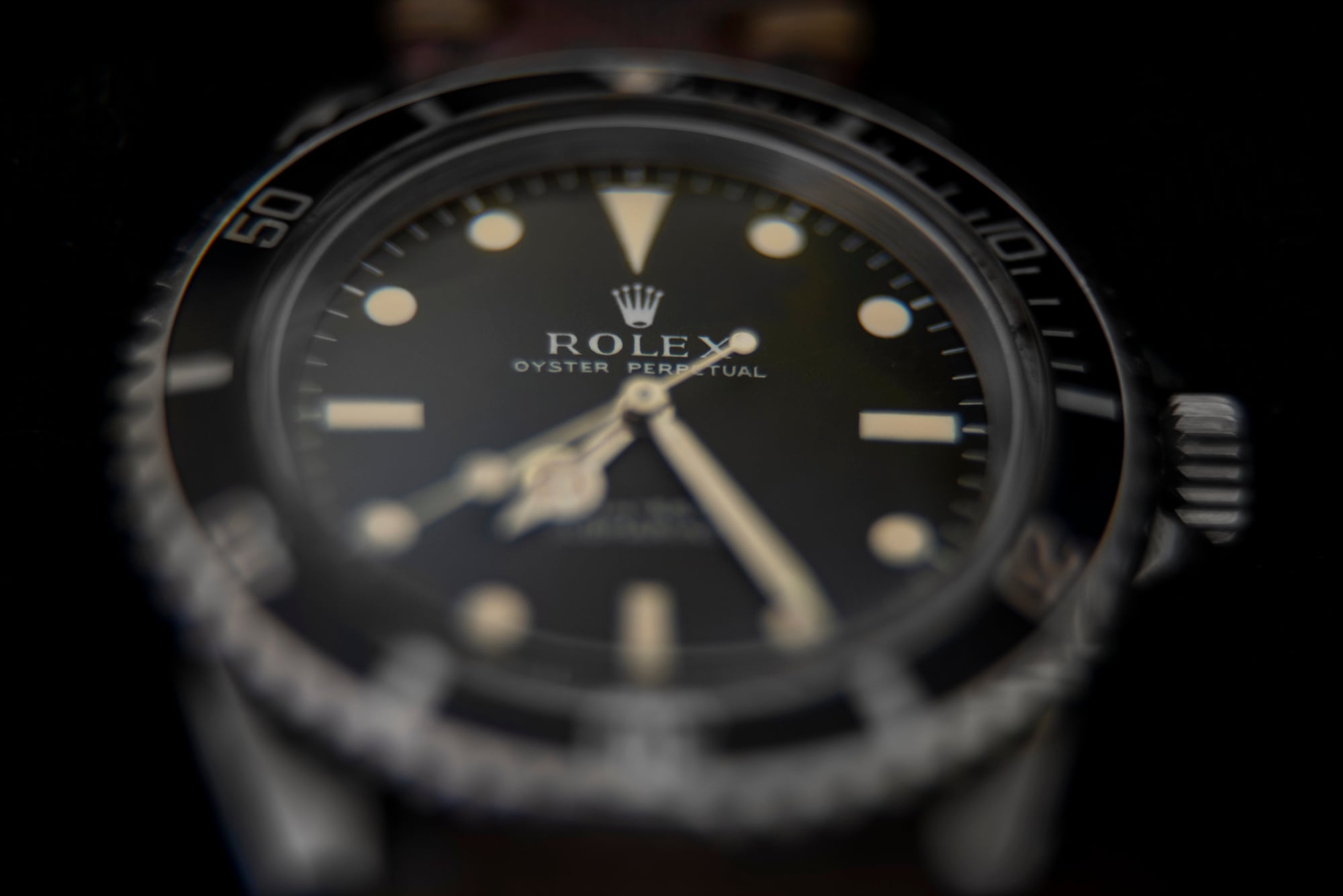
A Rolex Submariner from the 1960s in working condition can fetch $8,000 to $20,000 or more at auction. Omega, Longines, and Jaeger-LeCoultre pieces from the same era regularly bring $500 to $5,000.
Depression Glass Collections in China Cabinets
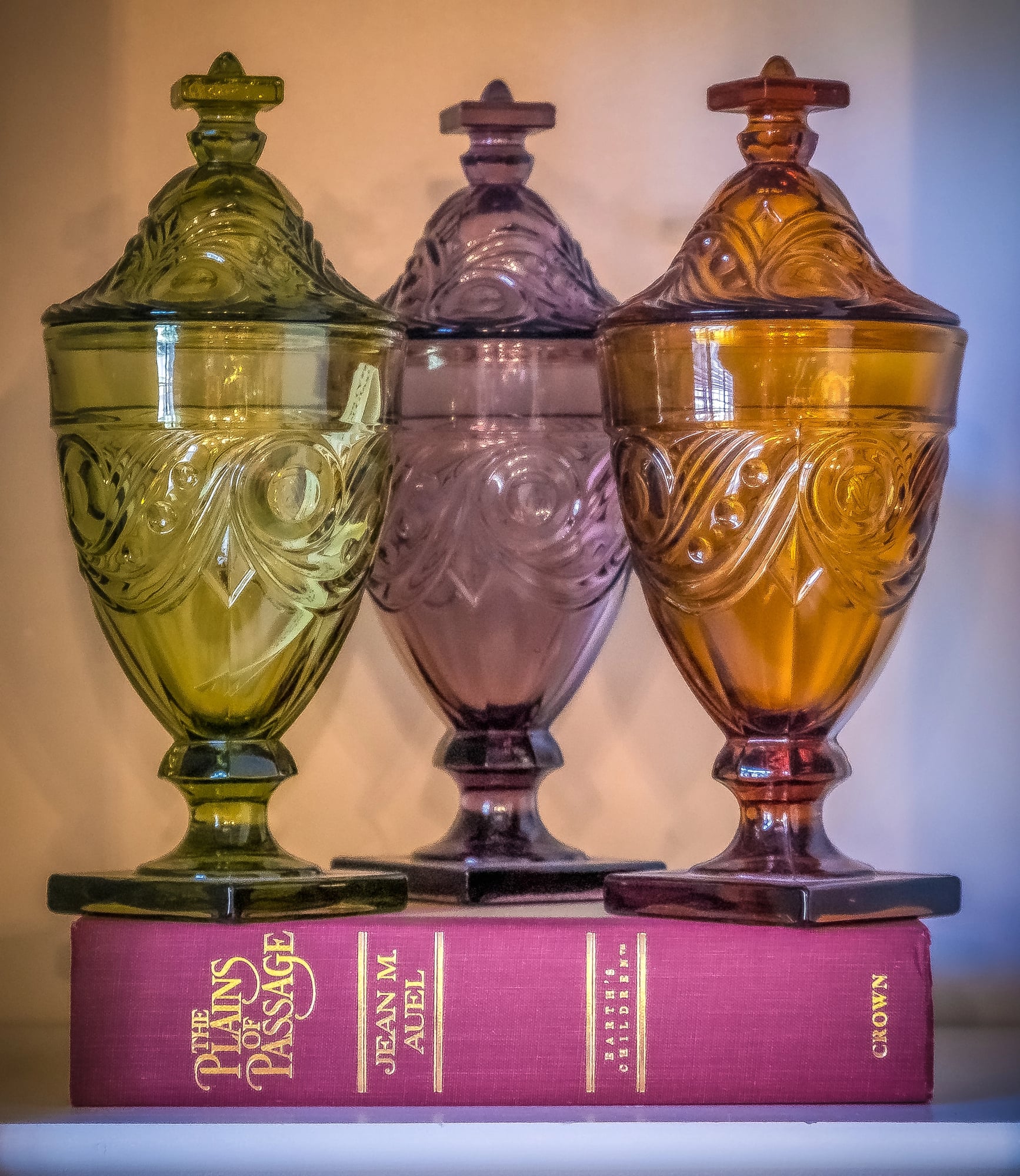
Pink, green, and amber Depression glass from the 1920s and 1930s now trades briskly among collectors. Rare patterns like Royal Lace in cobalt blue sell for $100 to $300 per piece, and complete sets can run into the thousands.
Fountain Pens in Desk Drawers
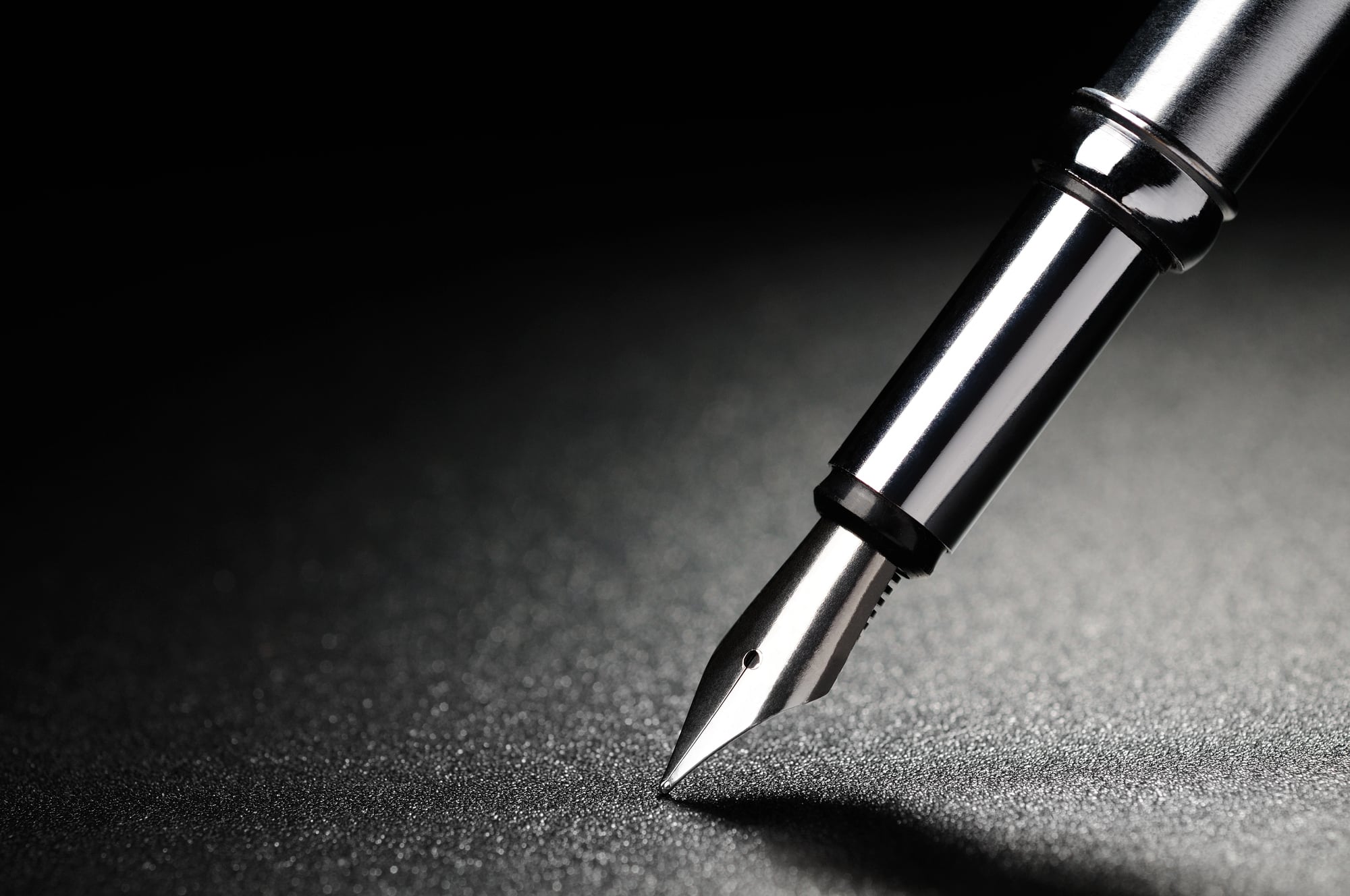
A Montblanc 149 from the 1950s in working order sells for $400 to $1,200. Limited edition or discontinued Parker and Waterman pens command similar prices.
First Edition Books in Bookshelves
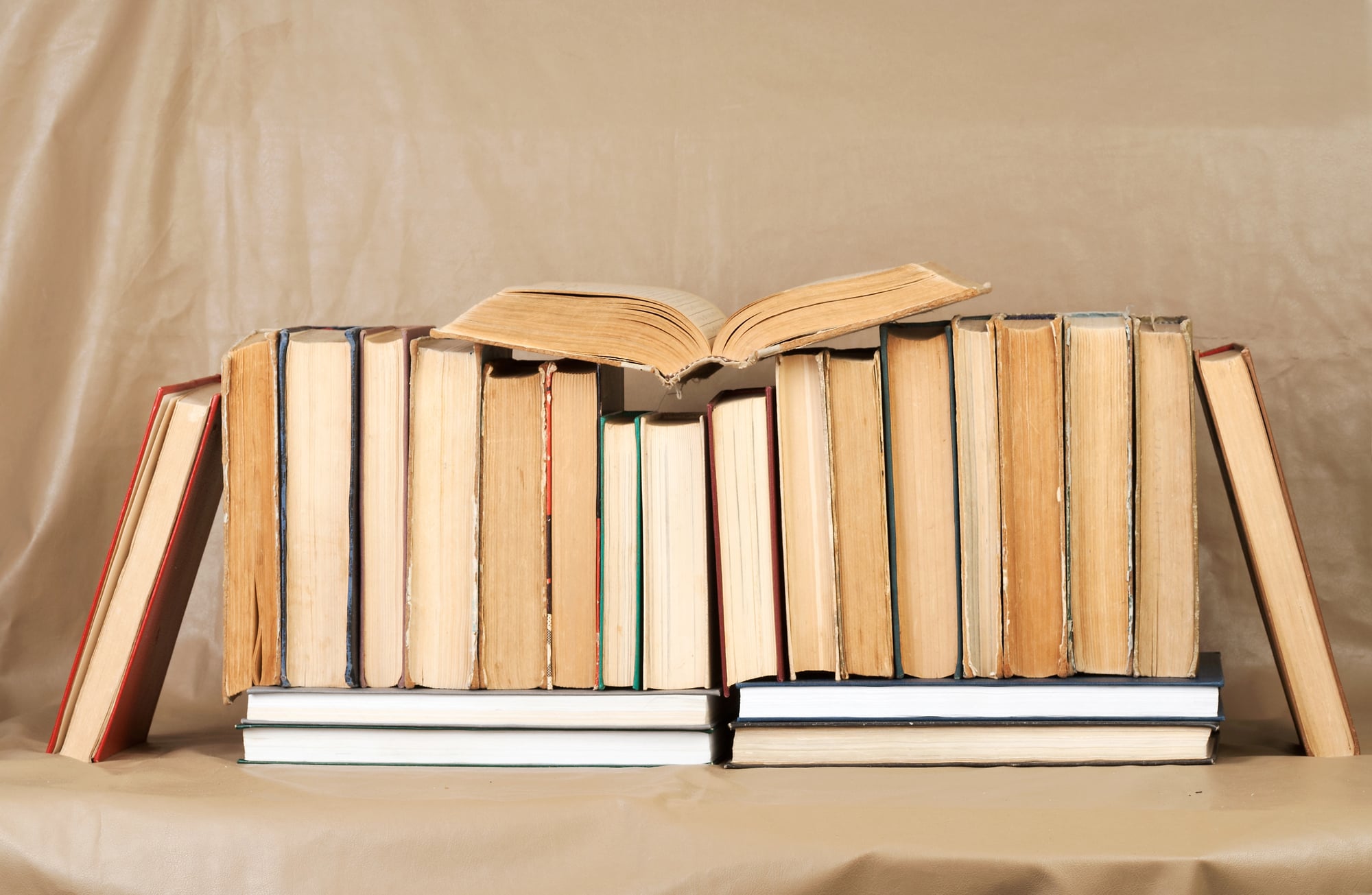
A first edition of F. Scott Fitzgerald’s “The Great Gatsby” with its jacket intact has sold for over $100,000 at auction. Even more modest first editions from mid-century crime writers regularly sell for $200 to $2,000.
Vintage Pyrex in Kitchen Hutches
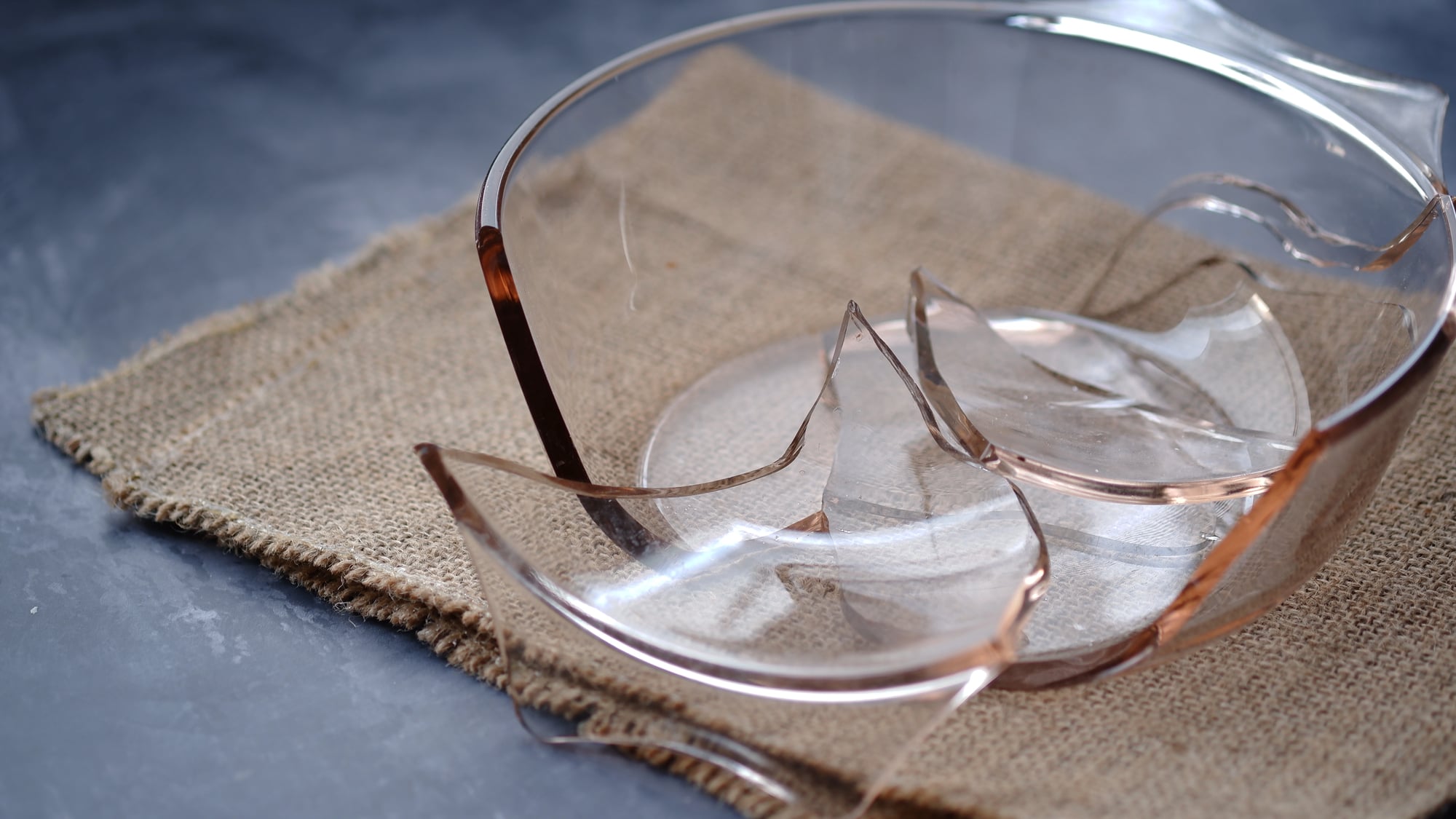
The Gooseberry pattern in pink, the Lucky Clover casserole set, and the Butterprint cinderella bowls in turquoise are aggressively sought by collectors. A single mixing bowl in a rare pattern in mint condition has sold for $300 to $900.
Military Medals and Dog Tags
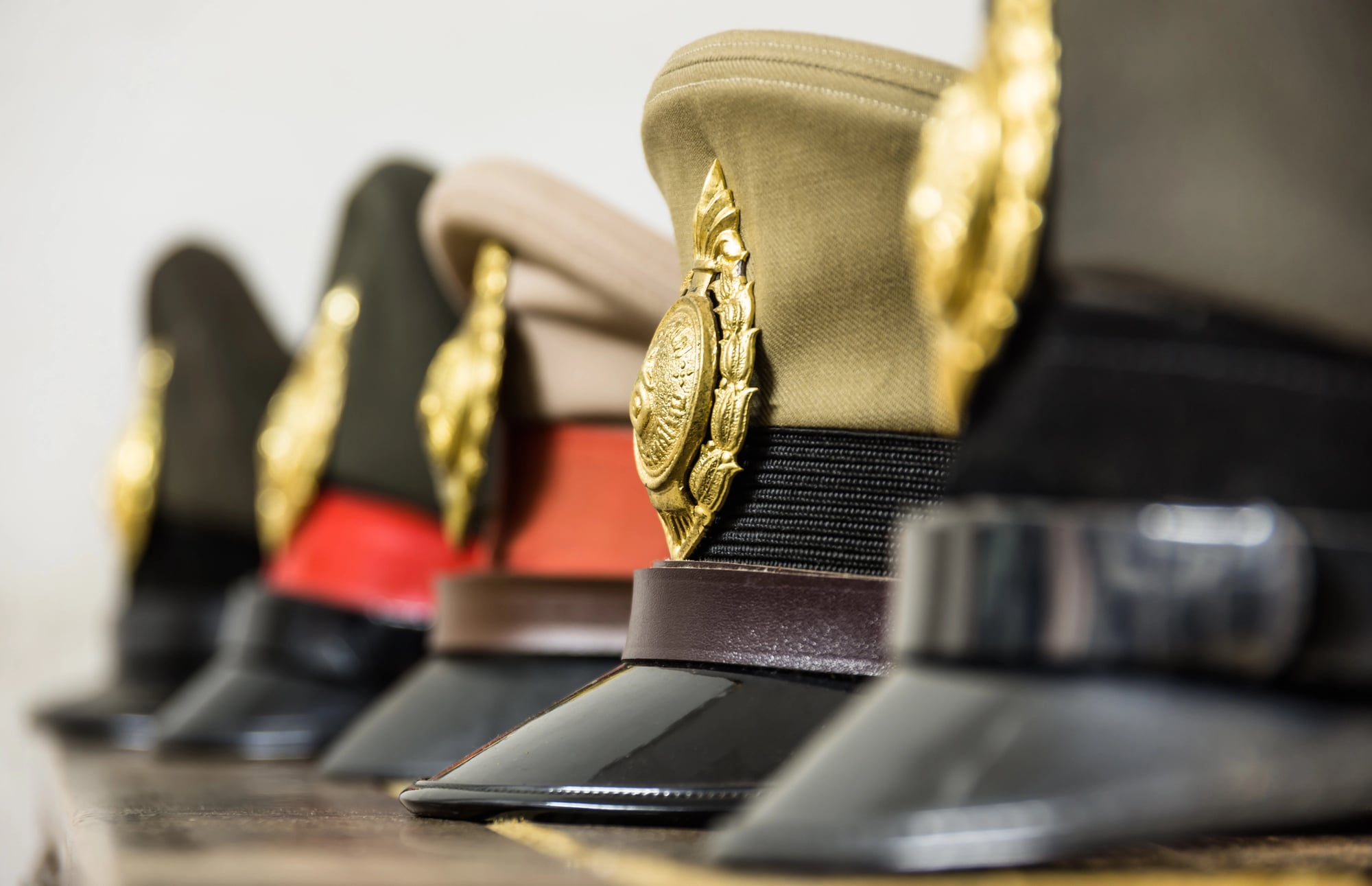
Campaign medals, Purple Hearts, and unit citations from World War I and II trade actively among militaria collectors, with individual pieces ranging from $50 to several thousand dollars depending on rarity and documentation.
Vintage Cameras and Lenses
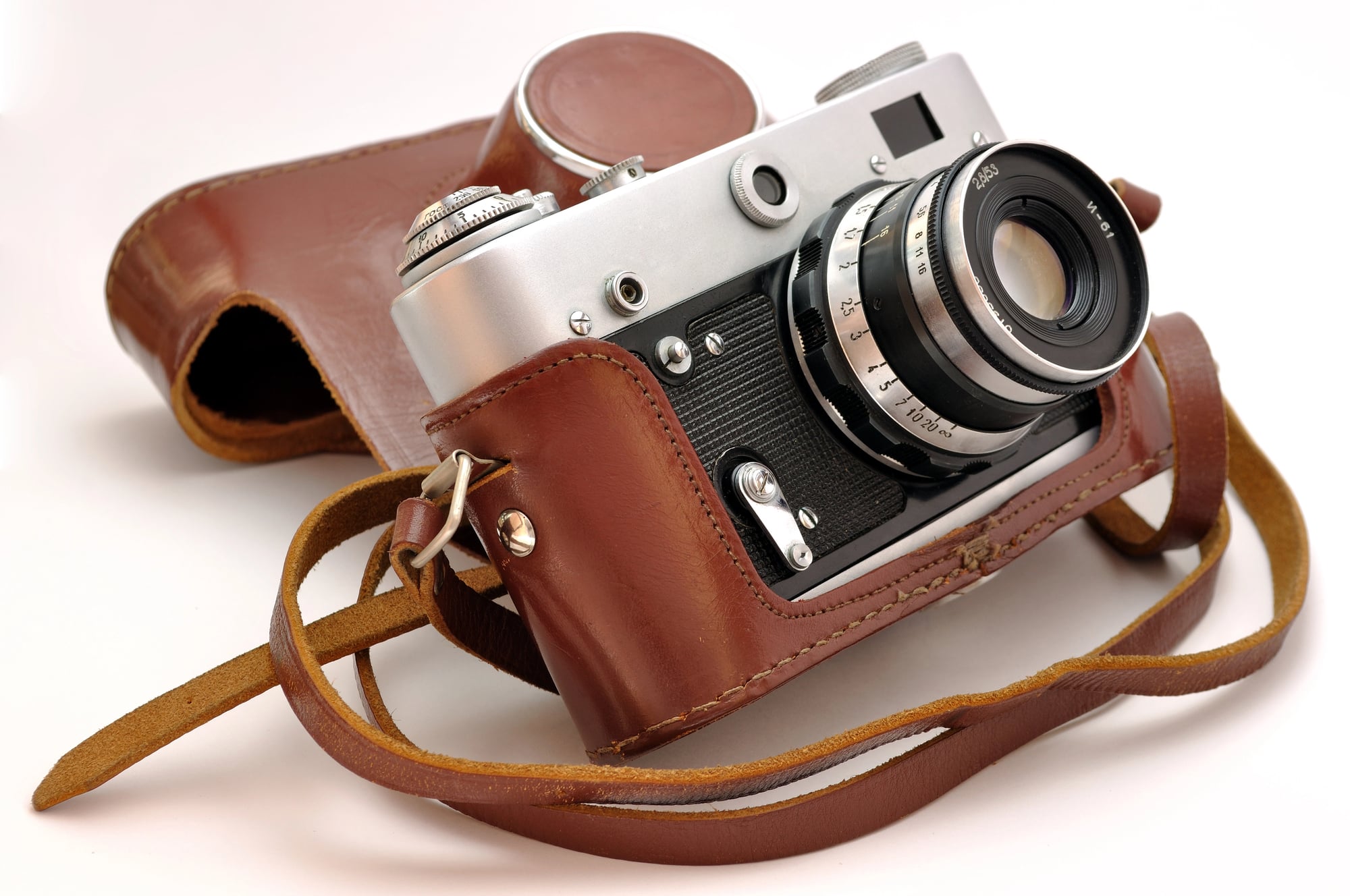
A Leica M3 in working condition sells for $800 to $2,000. Leica lenses frequently exceed the body in value — a 50mm Summicron from the 1950s can bring $500 to $1,500 on its own.
Antique Porcelain Dolls
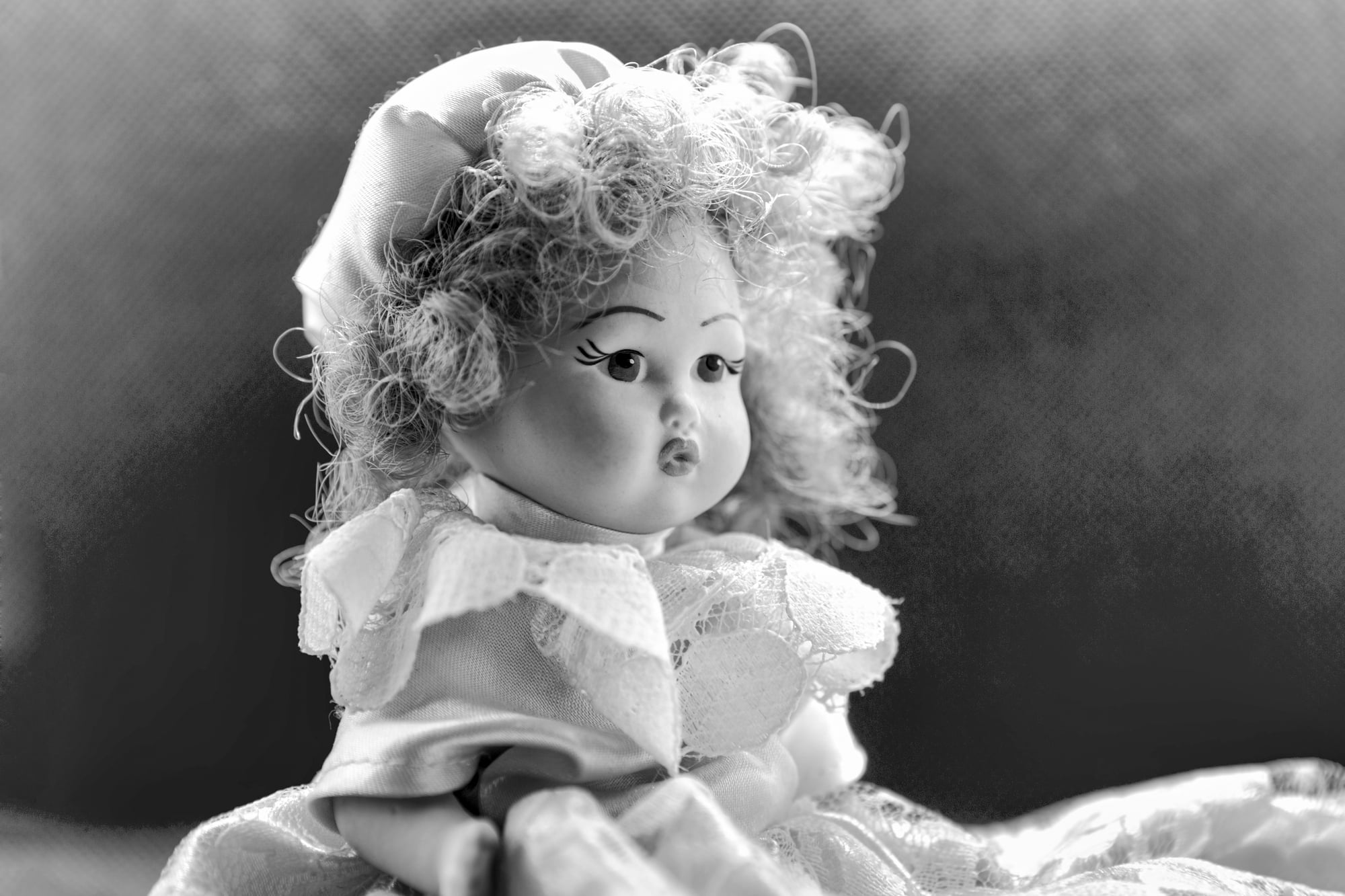
Bisque porcelain dolls manufactured by German firms like Kestner, Simon and Halbig, and Armand Marseille before 1940, in good condition with original clothing and glass eyes intact, sell for $500 to $5,000 at specialist auction.
Coin Collections in Locked Boxes
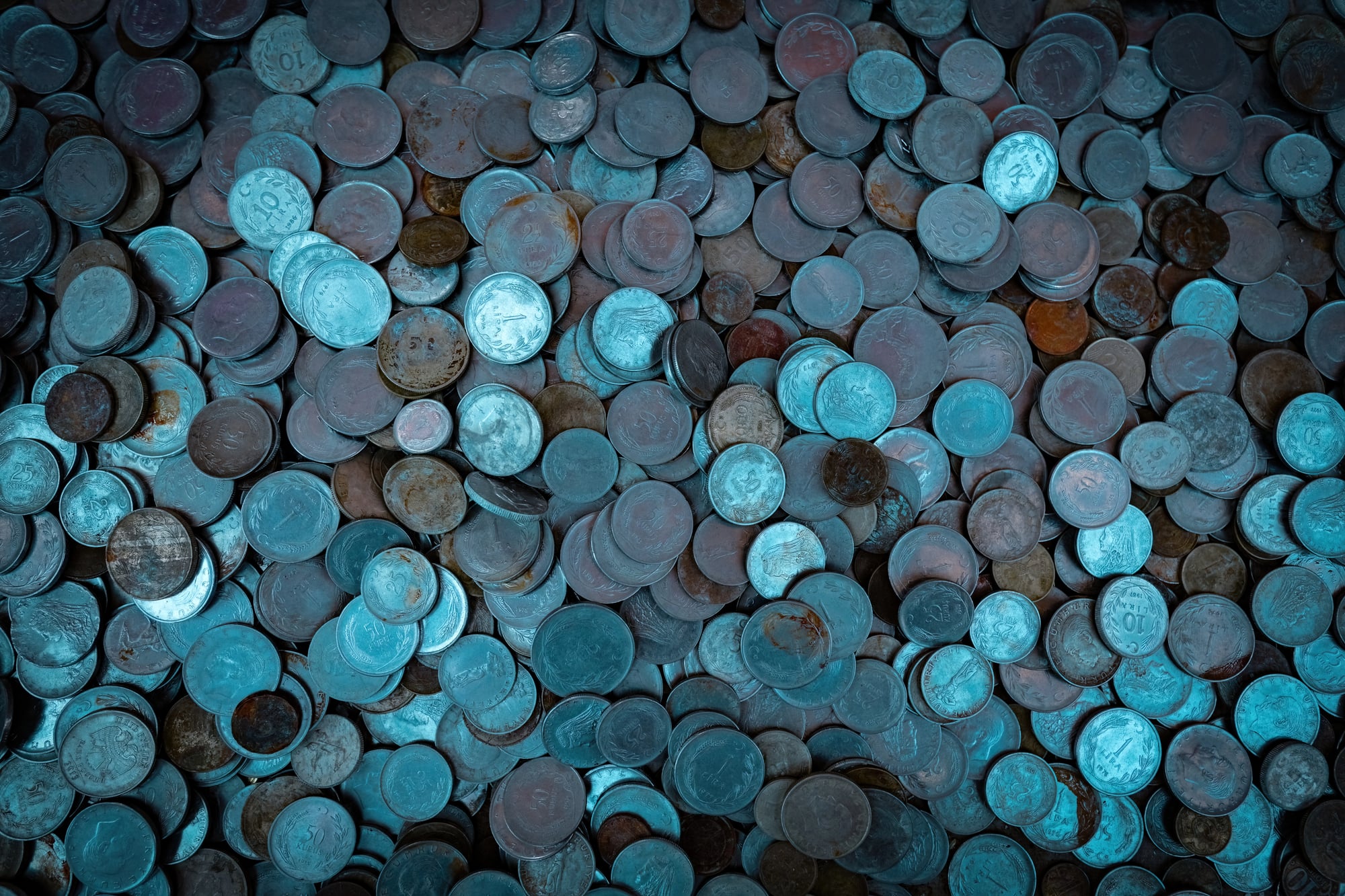
A 1909-S VDB Lincoln cent in fine condition sells for over $1,000. A 1916-D Mercury dime in the same condition exceeds $2,000.
Pre-1920 British silver coins carry additional numismatic premiums.
Original Oil Paintings in Frames

In 2007, art dealer Laura Stouffer found a framed piece at a thrift shop in Summerville, South Carolina, that turned out to conceal a much older and significantly more valuable original work beneath the visible surface.
Silver Candlesticks in Dining Room Sideboards
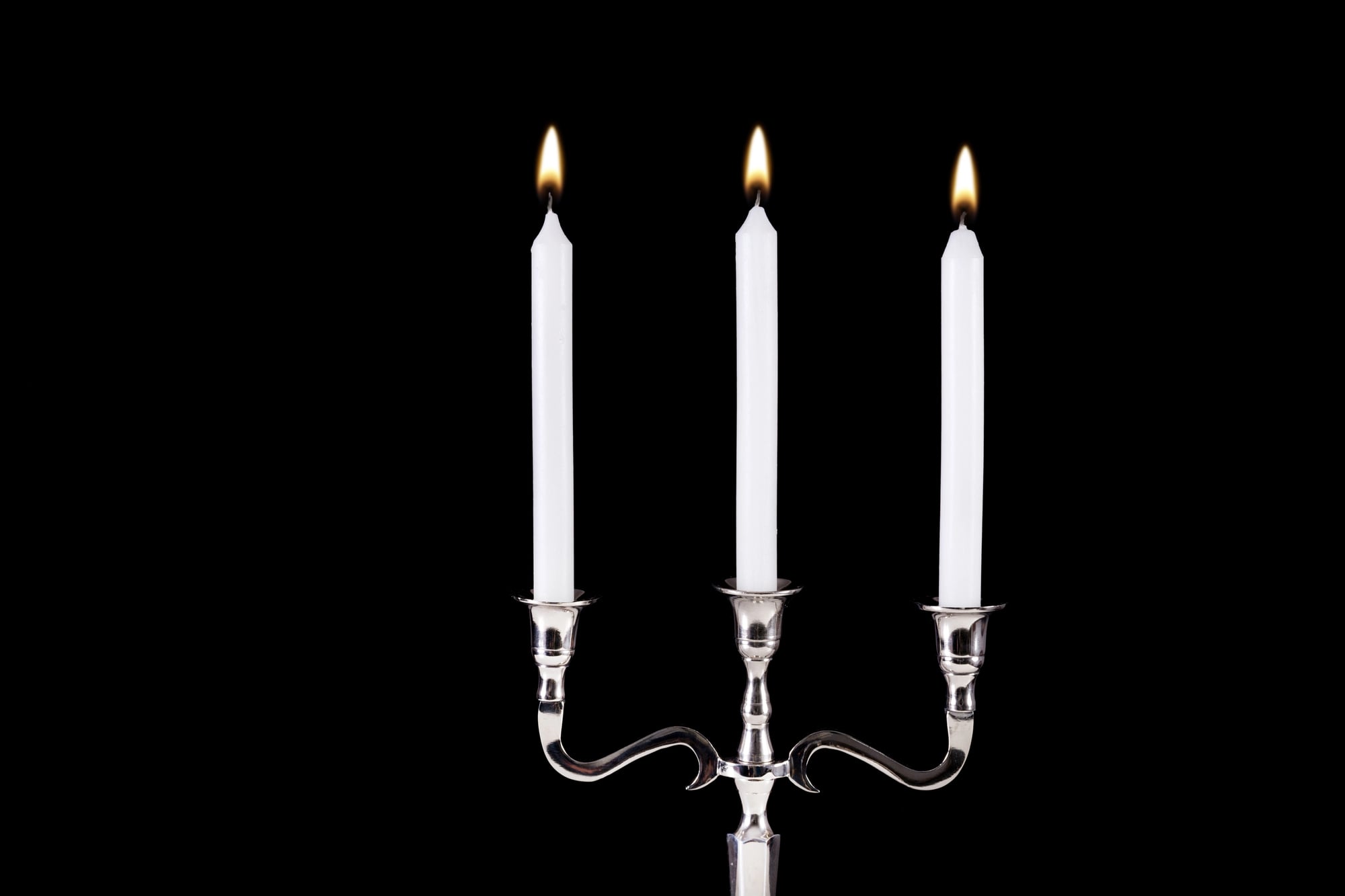
A pair of Georgian silver candlesticks in good original condition can sell for $600 to $3,000 depending on maker and date letter.
War Bonds and Old Share Certificates
Some war bonds from the 1940s still hold monetary value through the US Treasury. Pre-war share certificates in companies that still exist, or railway bonds with ornate engraving, have become collectible as financial ephemera.
Vintage Perfume Bottles
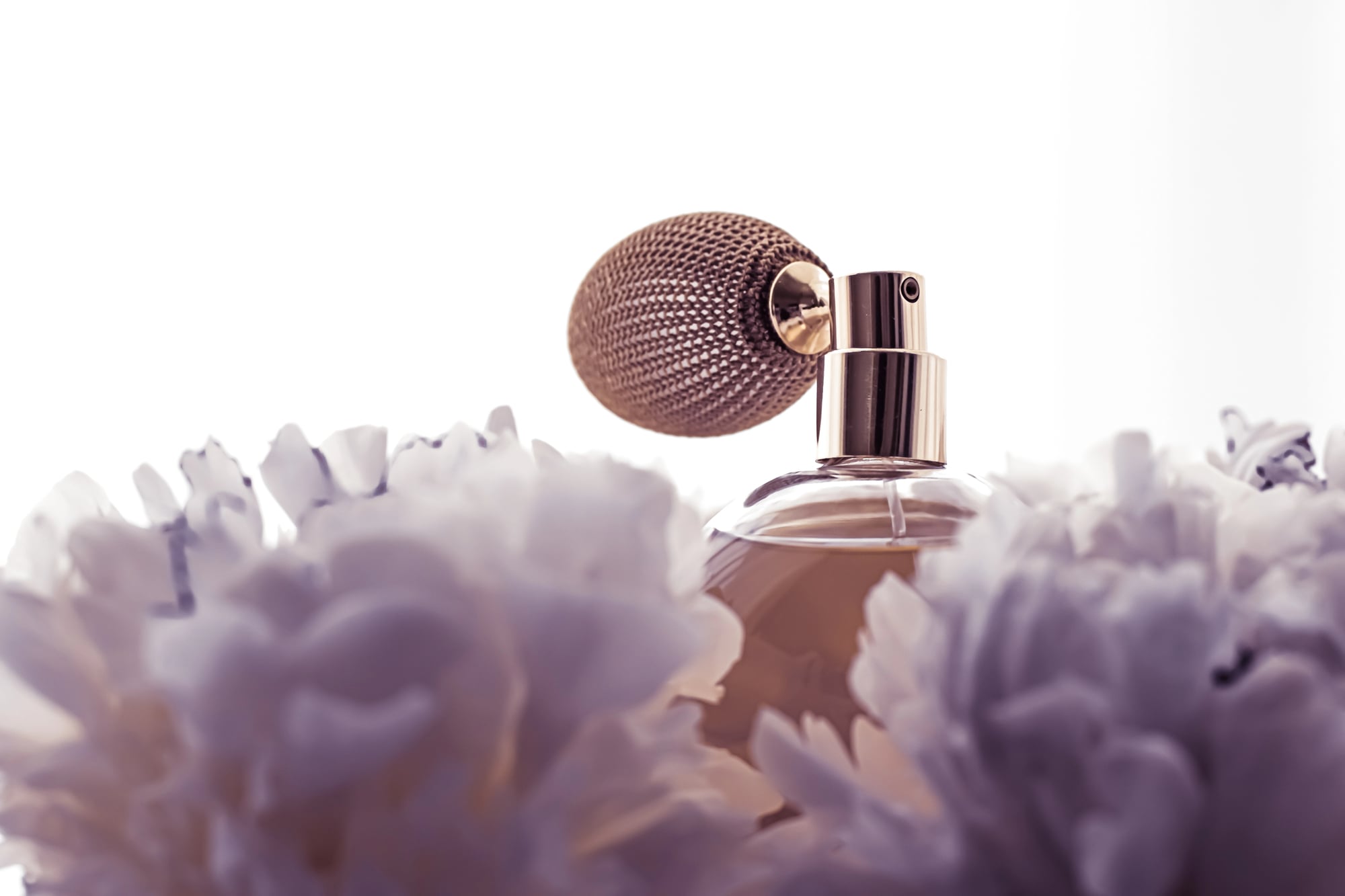
Lalique perfume bottles from the 1920s and 1930s sell for $200 to $2,000 at glass specialist auctions. Bottles designed by René Lalique and marked on the base can fetch significantly more than the vanity table they were sitting on.
Handguns Discovered in Nightstand Drawers
Loaded firearms discovered in donated nightstand drawers are a documented reality for thrift store workers. A pre-war Colt revolver or a Walther PPK from the 1930s can sell for $600 to $3,000 depending on condition and provenance.
Vintage Advertising Tins
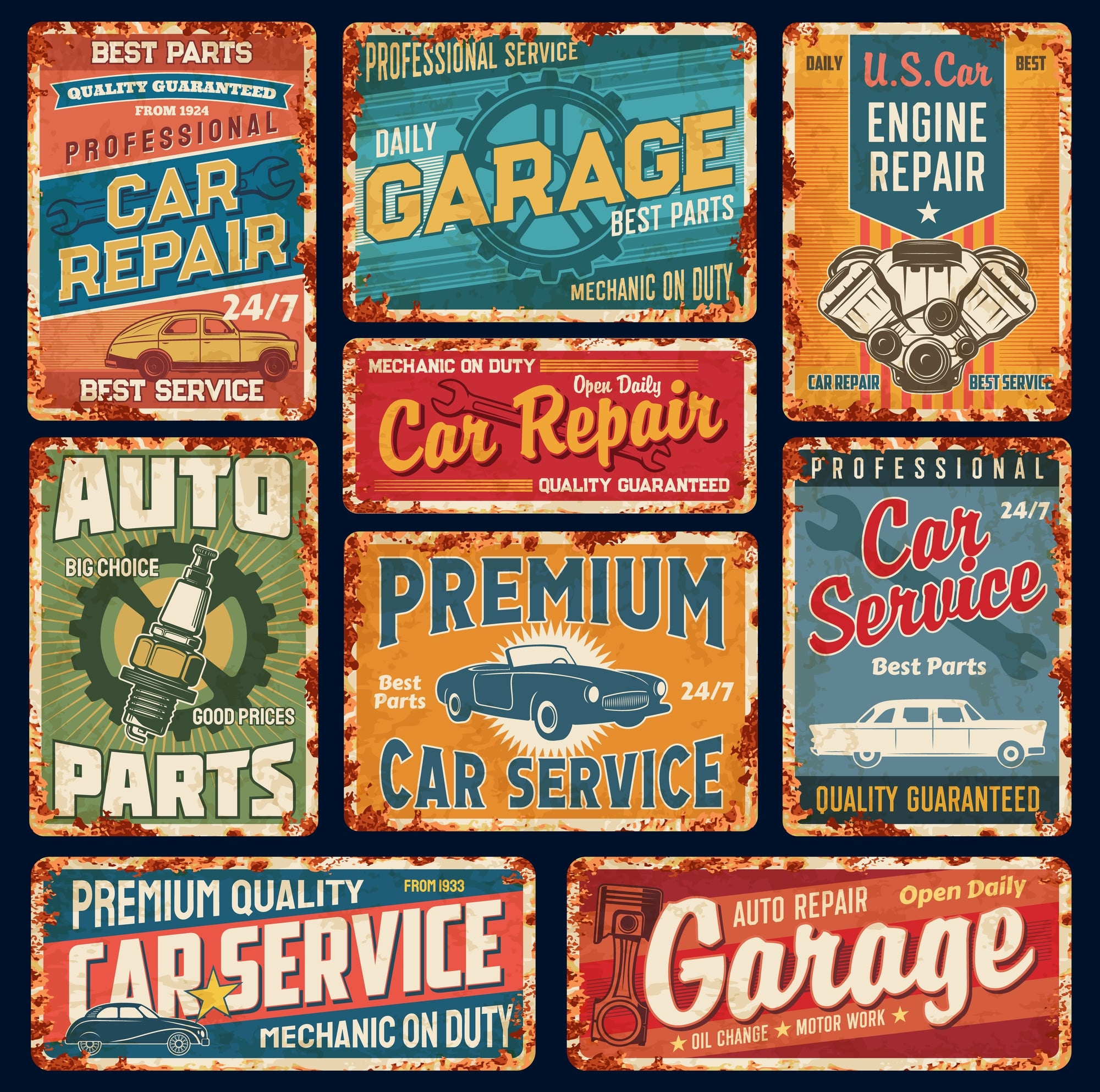
Vintage cig, coffee, and baking powder tins from the early 1900s with intact lithographed labels in bright original color sell for $30 to $400 each. Rarer pharmaceutical and product tins can exceed $1,000 at advertising memorabilia auctions.
Signed Sports Memorabilia in Display Cases
A signed photograph of Babe Ruth authenticated by a recognized service sells for $5,000 to $15,000. Signed baseball cards and programs from the pre-war era occupy a similar range.
Hand-Knotted Persian Rugs Rolled Under Beds
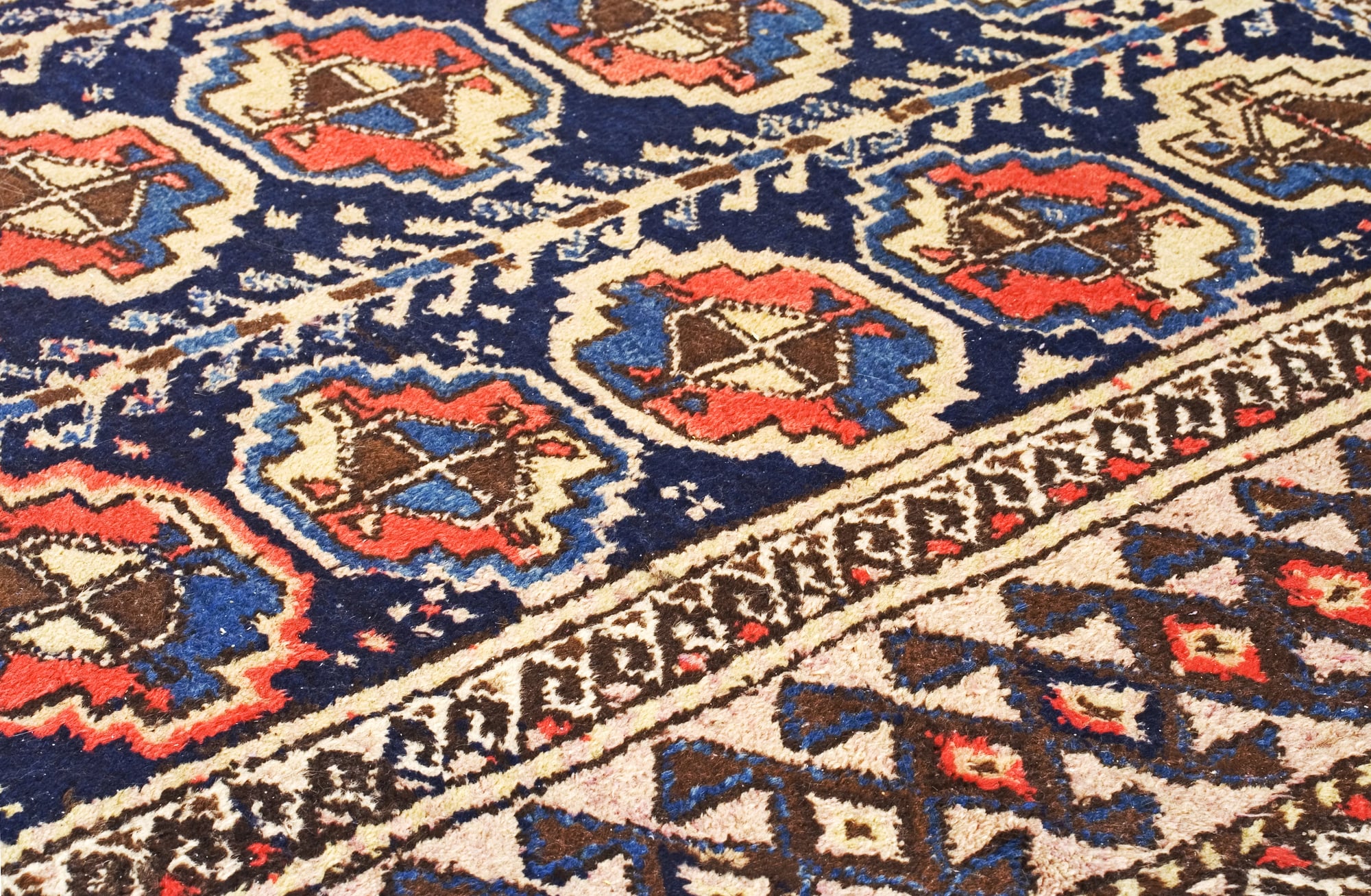
A hand-knotted Tabriz or Kashan rug from Iran, pre-1970, measuring 8 by 10 feet in reasonable condition, sells for $1,500 to $8,000 depending on density of knots, dye quality, and pattern.
19th-Century Maps and Prints in Rolled Tubes
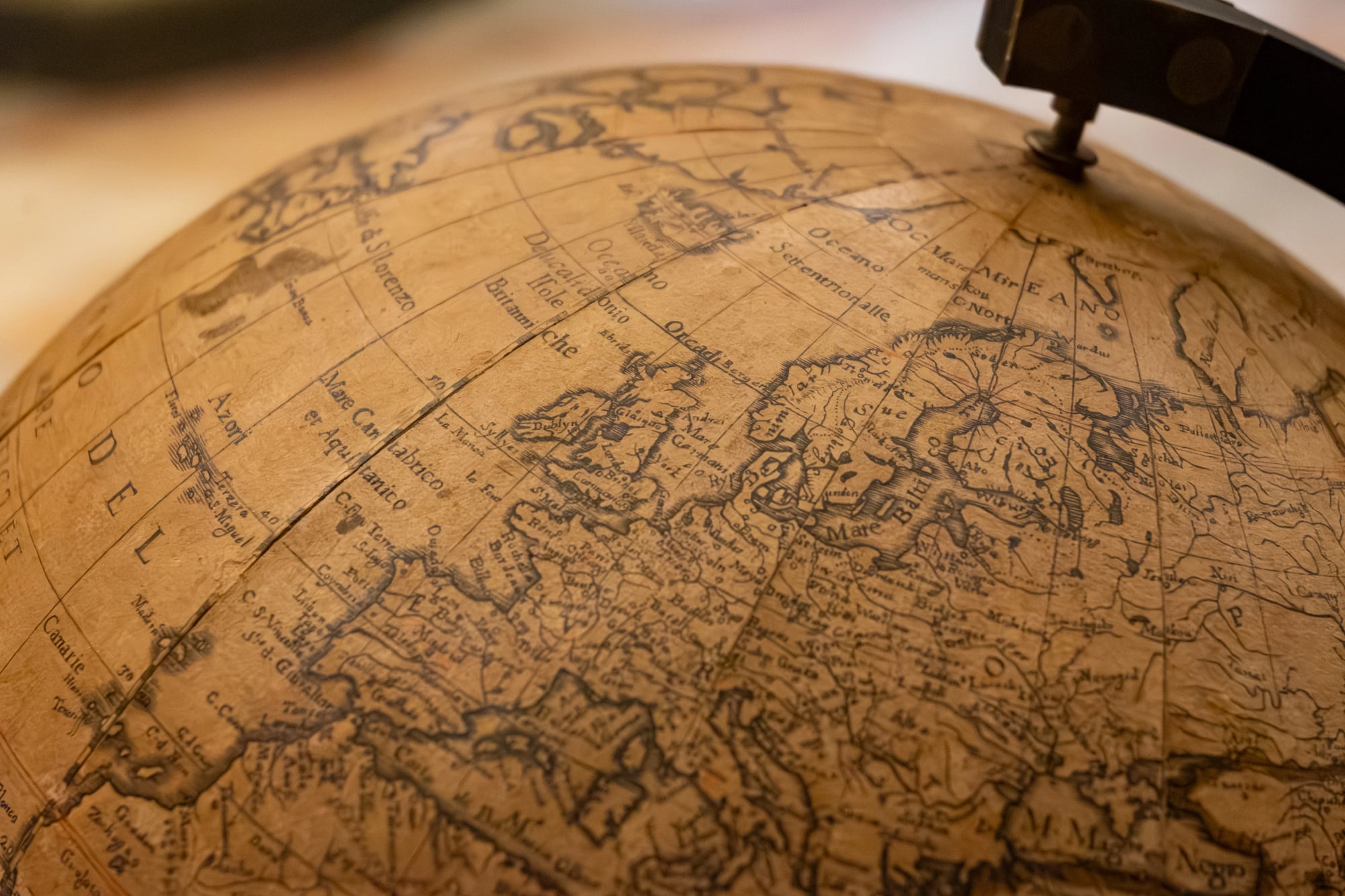
A hand-colored botanical print from an 18th or 19th-century natural history publication can sell for $200 to $1,500. County maps from before 1900 with original color can bring $300 to $2,000.
Crystal Glassware in Buffets

A set of six Baccarat wine glasses in a discontinued pattern can sell for $400 to $900. Single Lalique decorative pieces may bring $150 to $600 depending on the design and condition.
Handwritten Letters and Personal Diaries
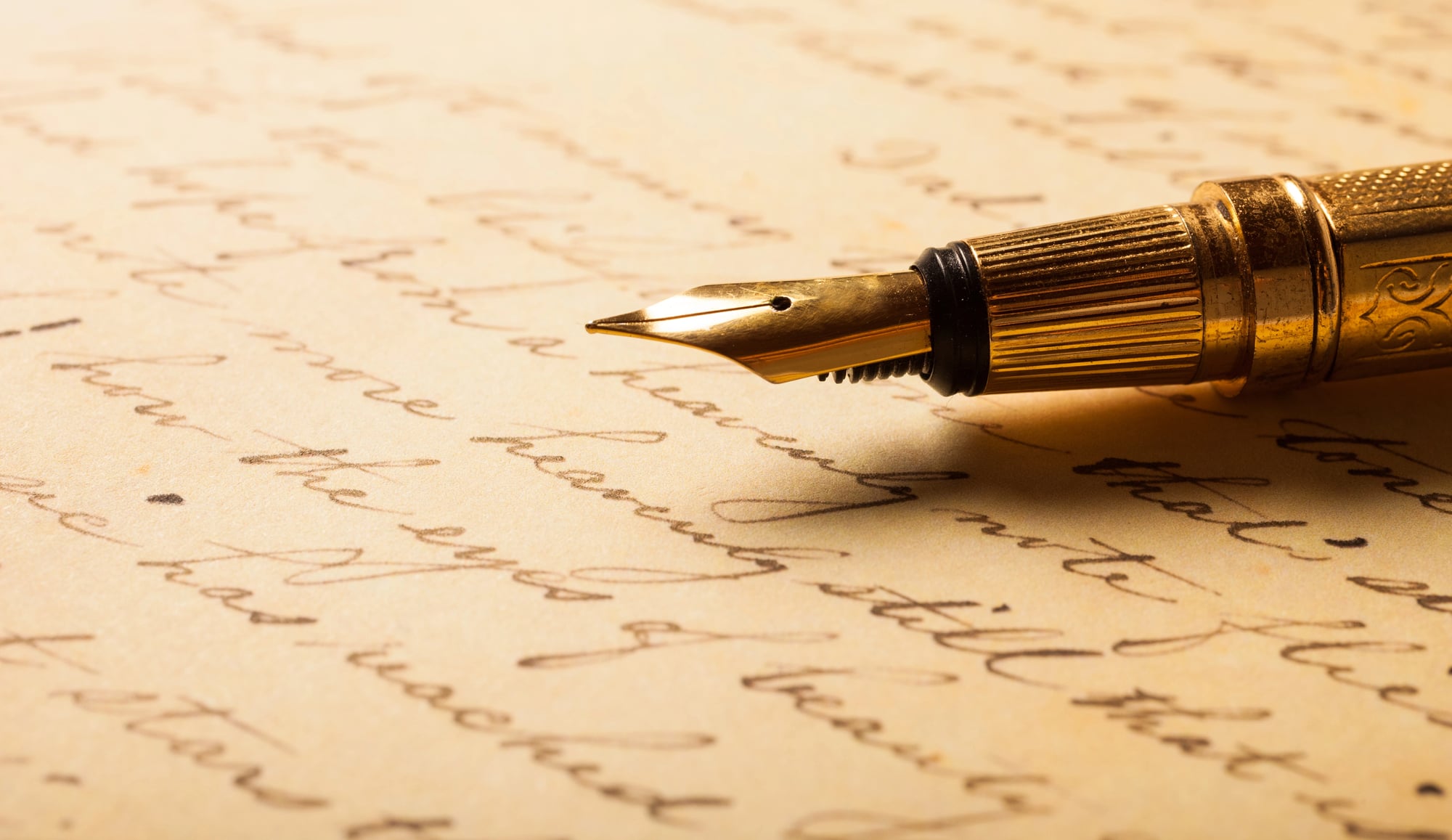
A personal letter from Abraham Lincoln authenticated by a specialist service has sold for tens of thousands. Even letters from lesser-known historical figures sell for $50 to several thousand dollars.
Ivory Chess Sets
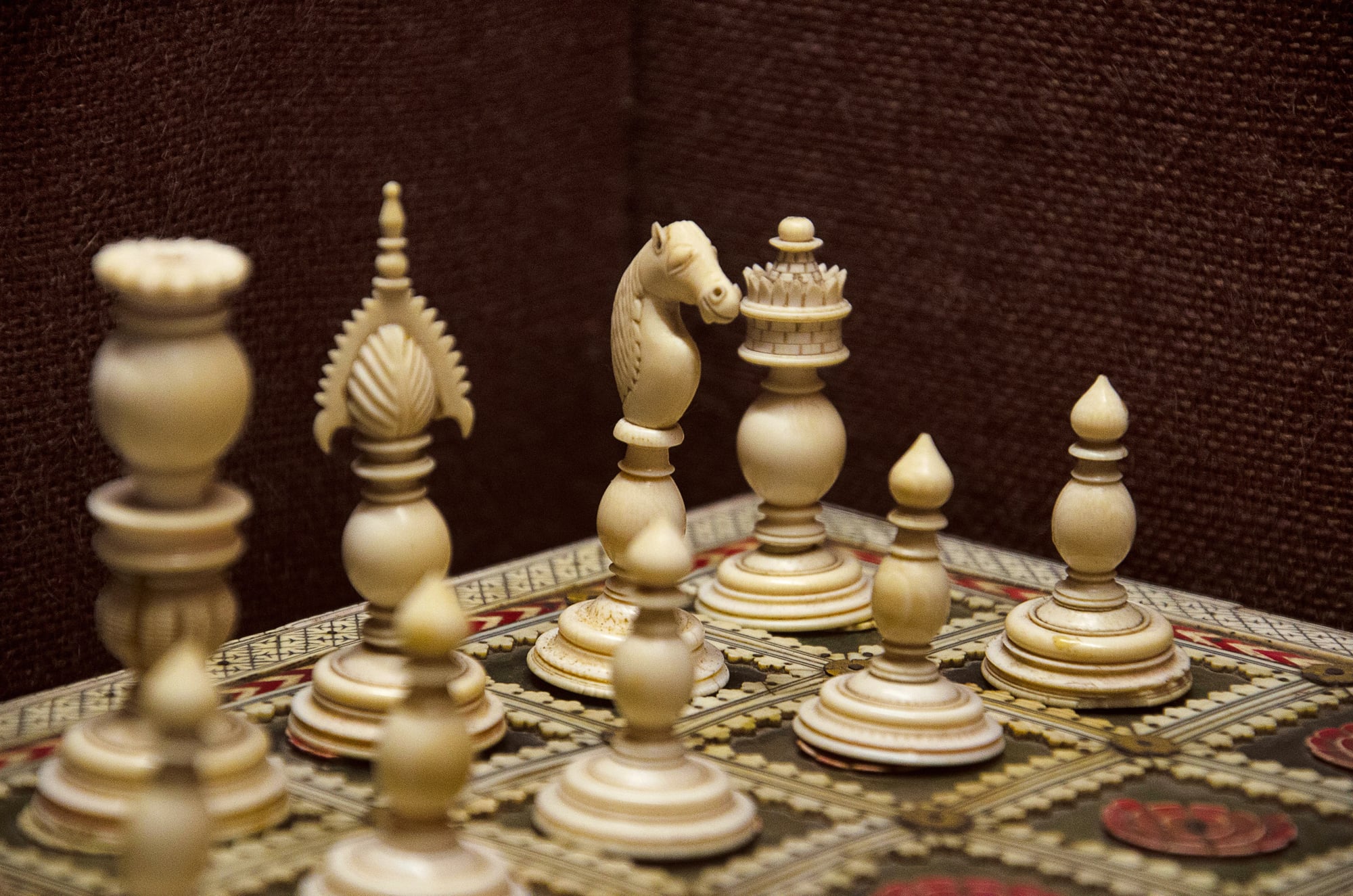
A complete antique ivory chess set in original box can bring $2,000 to $15,000 at specialist auction. The legal landscape varies by country and local law, making professional advice essential before selling.
Vintage Scientific Instruments
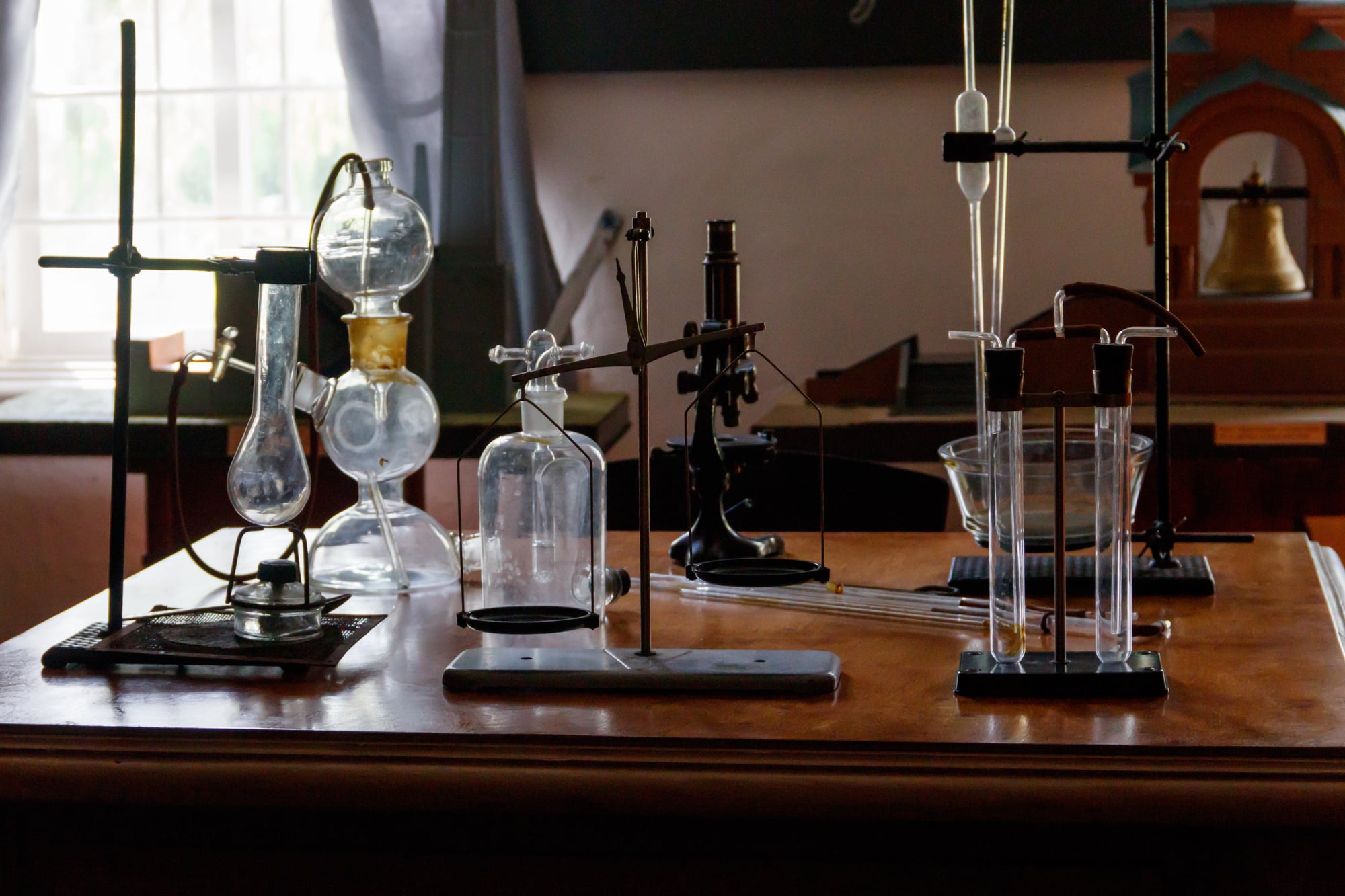
A brass-bodied compound microscope in its original mahogany case from the 1880s sells for $400 to $2,500. Navigational instruments in original boxes bring comparable prices among maritime antique collectors.
Vintage 1970s and 1980s Action Figures

Star Wars figures in original packaging from 1977 to 1985 sell for $100 to $30,000 depending on character and condition. A carded Boba Fett from 1979 in near-mint condition sold for over $1.3 million at auction in 2024.
Mid-Century Modern Furniture Attributed to Named Designers
A teak sideboard that turns out to carry the mark of a recognized designer like Paul McCobb or Adrian Pearsall can be worth $800 to $3,000 — transforming a $40 price tag into a referral to a specialist dealer.
Bundled Cash Inside Couch Frames

In one documented instance from Russia, a couch belonging to a deceased elderly relative literally fell apart during moving and spilled out bundles of wrapped cash sufficient for a full home renovation.
The surprise wasn’t the cash — it was how thoroughly the owner had trusted the couch over every other option available to them.
The People Who Keep Discovering These Things
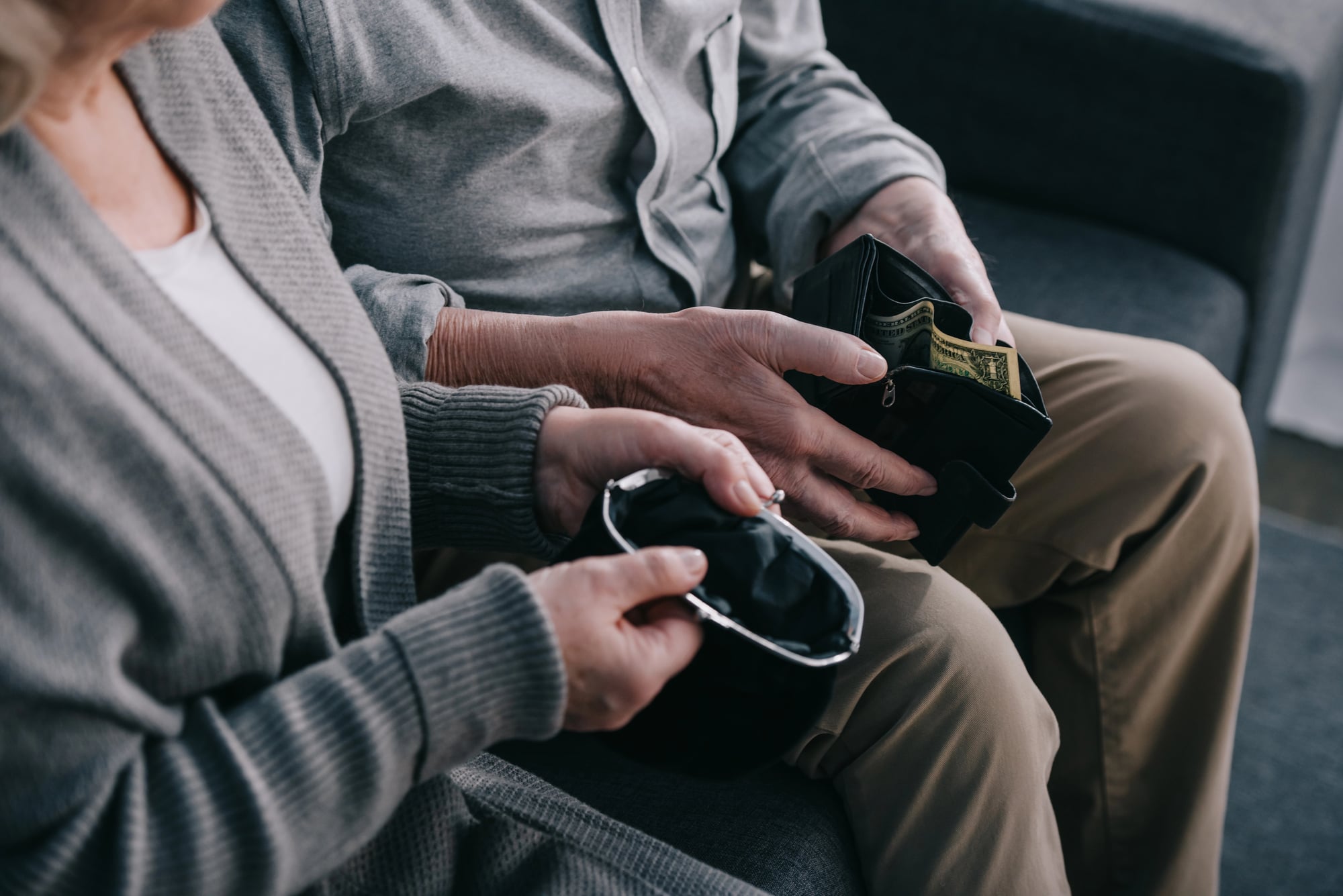
Every one of these finds has the same origin: a family in a hurry, clearing a home, making decisions too fast about what matters and what doesn’t. What goes unexamined gets donated.
What gets donated becomes someone else’s discovery. The workers sorting through boxes and pulling cushions apart are doing something that looks like routine charity work, but it occasionally becomes something entirely different — an accidental archaeology of other people’s private arrangements, their savings strategies, their forgotten treasures.
The lesson isn’t to distrust thrift stores. Most of what comes through the doors is genuinely ordinary.
The lesson is that the ordinary and the extraordinary share the same boxes, the same drawers, the same couch frames — and the only thing separating them is whether anyone thought to look.
More from Go2Tutors!

- The Romanov Crown Jewels and Their Tragic Fate
- 13 Historical Mysteries That Science Still Can’t Solve
- Famous Hoaxes That Fooled the World for Years
- 15 Child Stars with Tragic Adult Lives
- 16 Famous Jewelry Pieces in History
Like Go2Tutors’s content? Follow us on MSN.