31 Things Grandparents’ Kitchens Had in Common
There’s a particular kind of memory that lives in a grandparent’s kitchen. Not the grand, sweeping kind — the small, sensory kind.
The smell of something simmering before you’d even taken your coat off. The sound of a drawer that stuck just slightly before it gave.
The feeling that this room, more than any other in the house, was where everything that mattered actually happened. For millions of people who grew up visiting grandparents, those kitchens weren’t just rooms — they were a whole specific world, and it turns out, they had a remarkable amount in common.
The Rooster
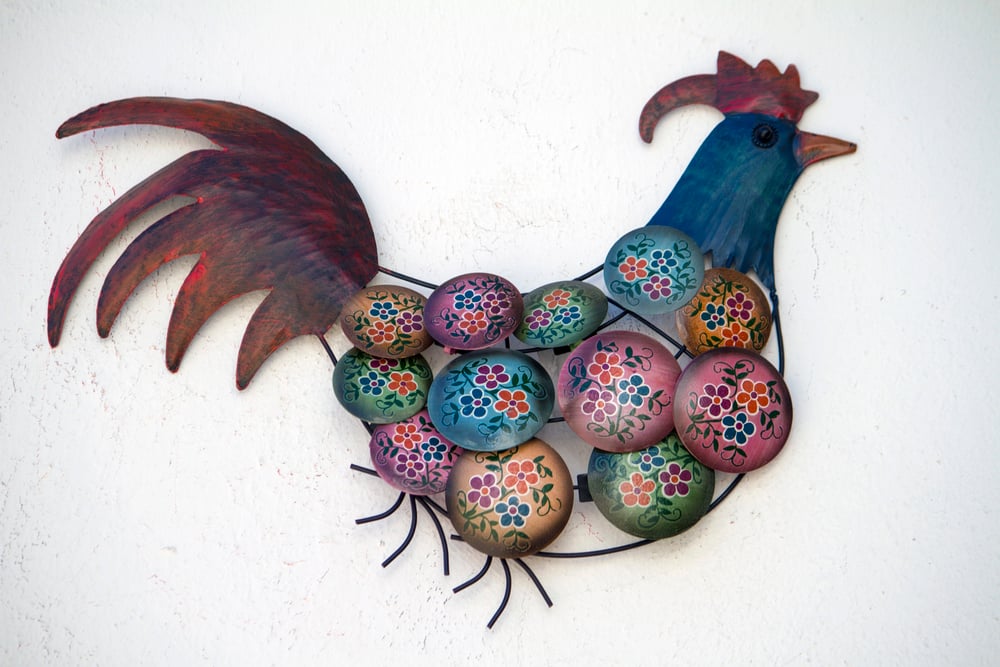
Roosters were everywhere. On dish towels, ceramic canisters, curtain trim, and hand-painted tiles above the stove — the rooster was the unofficial mascot of the American grandmother’s kitchen, and nobody ever questioned it.
Go figure.
The Junk Drawer
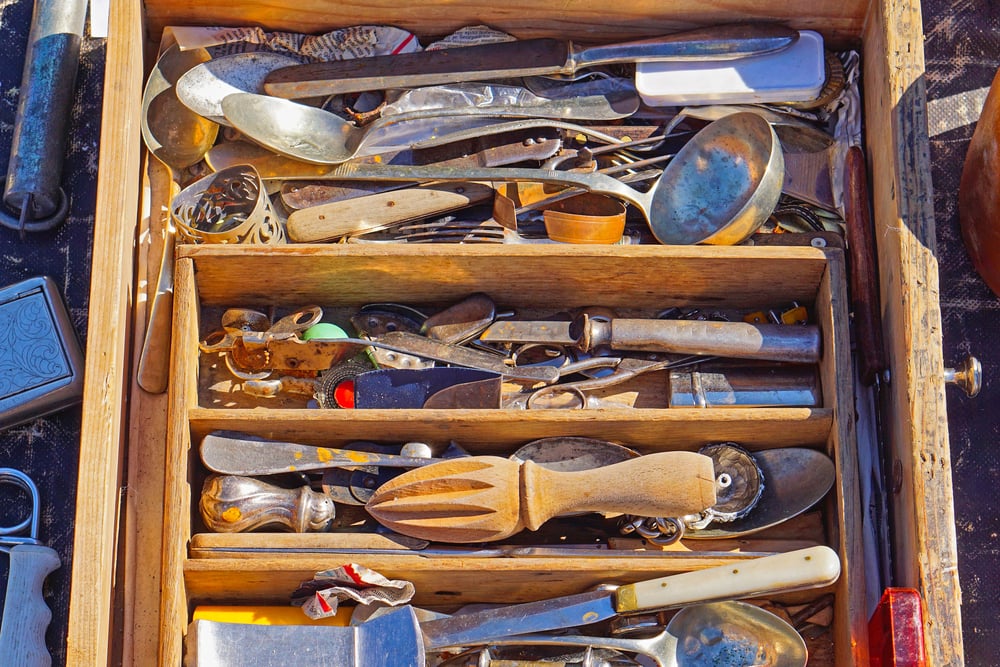
Every grandparent’s kitchen had one drawer that contained everything and explained nothing. Rubber bands gone brittle, a birthday candle from 1987, keys to something no one remembered, a coupon that expired during a different presidential administration — it was a drawer that operated outside of logic, and it somehow always had exactly what you needed.
The Cookie Jar on the Counter
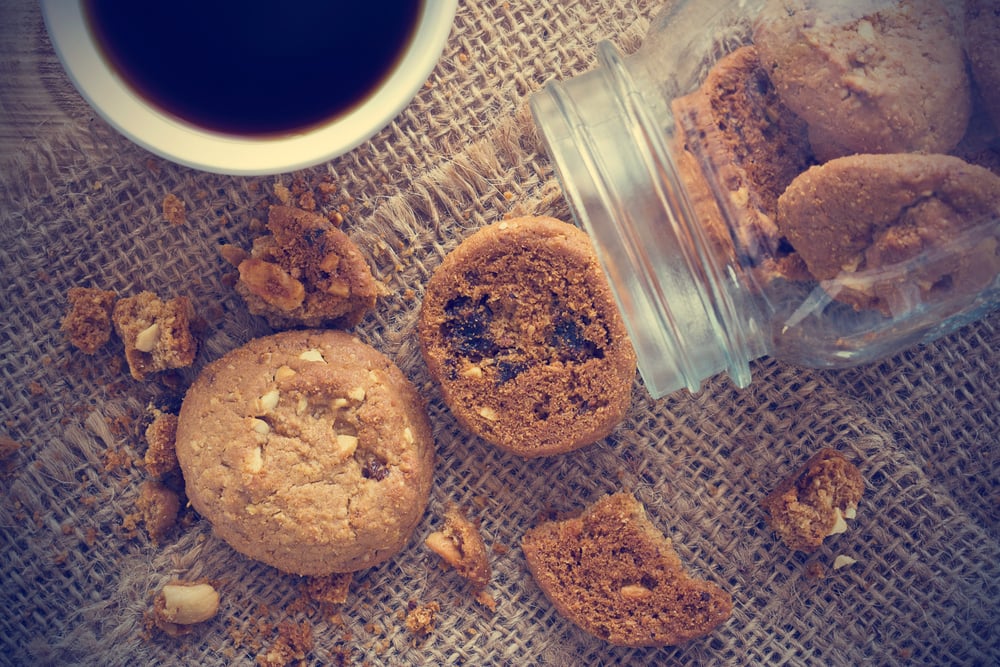
A cookie jar sitting out in plain sight wasn’t decoration — it was a standing invitation, the kitchen’s way of saying the rules here are different. The jar itself was usually ceramic, often shaped like a barn or a bear or something vaguely pastoral, and it was always within reach of a child who knew better than to ask twice.
The Percolator or Drip Coffee Maker
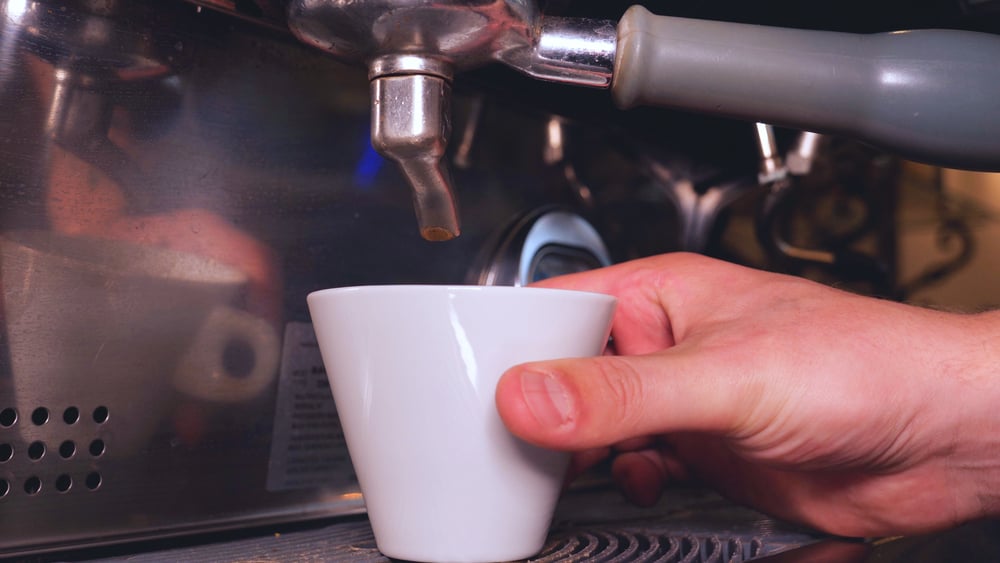
Coffee was non-negotiable and always in progress. Whether it was an ancient percolator that rattled on the stovetop or a Mr. Coffee machine that had been running since roughly 1978, there was always a full pot waiting — warm, strong, and made for adults who drank it black without performing a whole ritual about it.
The Dish Towels That Were Actually Flour Sacks

Flour sack towels were the workhorses of the grandparent kitchen, and they outlasted everything else in the room by decades. Thin from decades of washing, slightly bleached, occasionally embroidered with a day of the week — “Tuesday” — even if it was Saturday when you reached for it.
They dried dishes perfectly and asked for nothing in return.
The Refrigerator Covered in Magnets
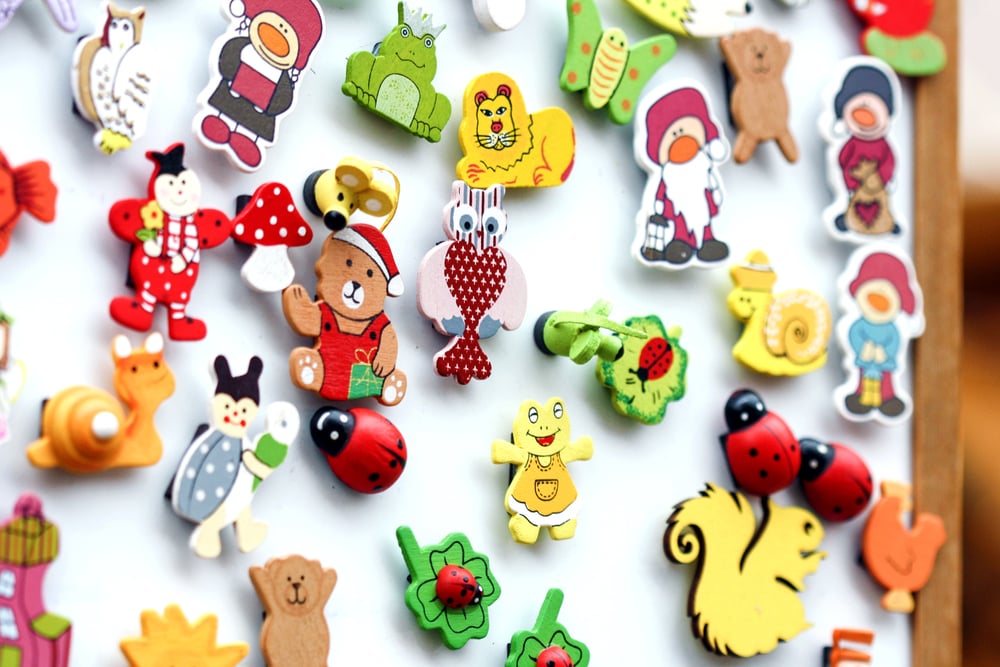
The refrigerator door was a full archive. Magnets from Niagara Falls and the Smoky Mountains competed for space with school photos, phone numbers written on scraps of paper, and a doctor’s appointment reminder from two years prior that had never come down.
The whole thing functioned as a timeline of a family’s life, arranged with zero editorial intention.
The Cast Iron Skillet
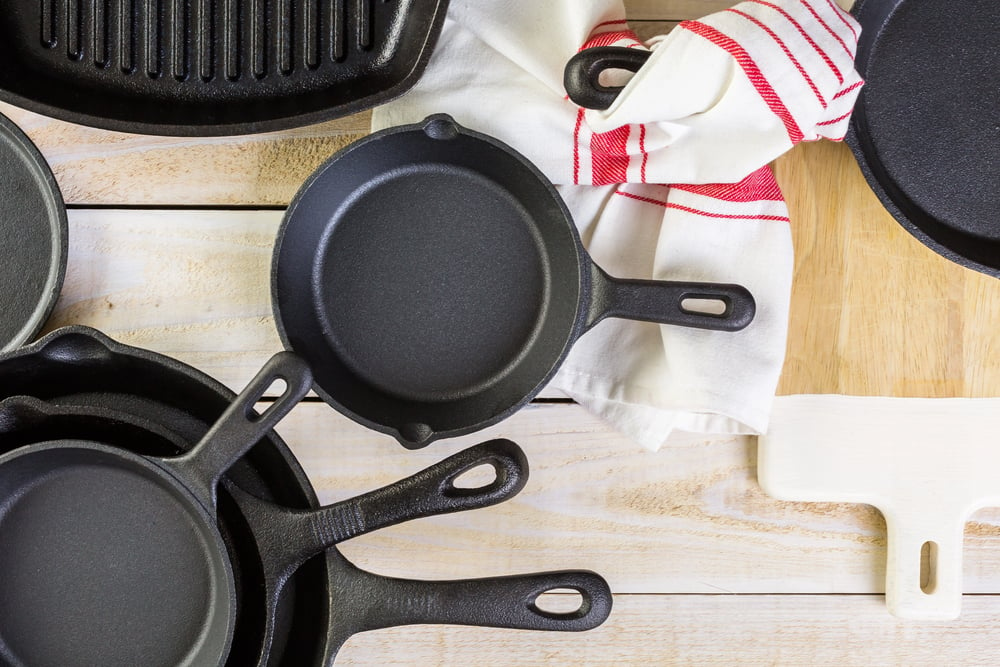
Cast iron skillets in a grandparent’s kitchen weren’t cookware — they were artifacts. Seasoned over decades of bacon and cornbread, they sat on the stovetop or hung above it with a permanence that suggested they predated the house itself.
Nothing cooked in a brand-new pan has ever tasted the same.
The Good China Nobody Used
Somewhere in that kitchen — usually behind glass doors or stacked in the high cabinet nobody could reach without a step stool — lived the good china. It appeared at Thanksgiving and Easter and sometimes Christmas.
The rest of the year it sat there, impossibly fragile, a monument to occasions that always felt slightly more formal than the actual gathering.
The Smell of Something Always Cooking

A grandparent’s kitchen smelled like it was actively feeding someone, even when nobody was home. That particular mix of old wood, dried herbs, and something that had been slow-cooked at some point in recent history — it settled into the walls the way memories settle into people: gradually, without announcement, and then all at once when you encounter it again years later.
The Fruit Bowl

There was always a fruit bowl, and it always held the same things: a few apples going slightly soft, two bananas at varying stages of brown, and one orange that had been there long enough to become structural. Nobody ate from it; it existed to signal abundance and normalcy, and in that role, it never failed.
The Bread Box
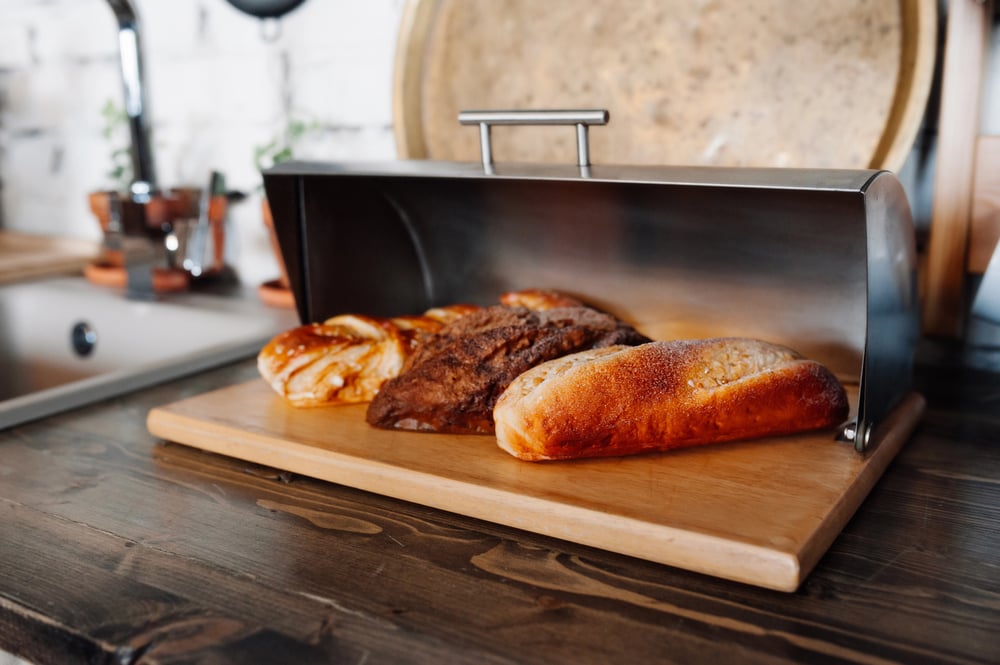
Bread boxes are functionally extinct in modern kitchens, which is a genuine loss. In a grandparent’s kitchen, the bread box sat on the counter with quiet authority, keeping a loaf of white sandwich bread or a half-eaten package of rolls at exactly the right humidity, and the hinged metal door made a satisfying click every single time.
The Recipe Box
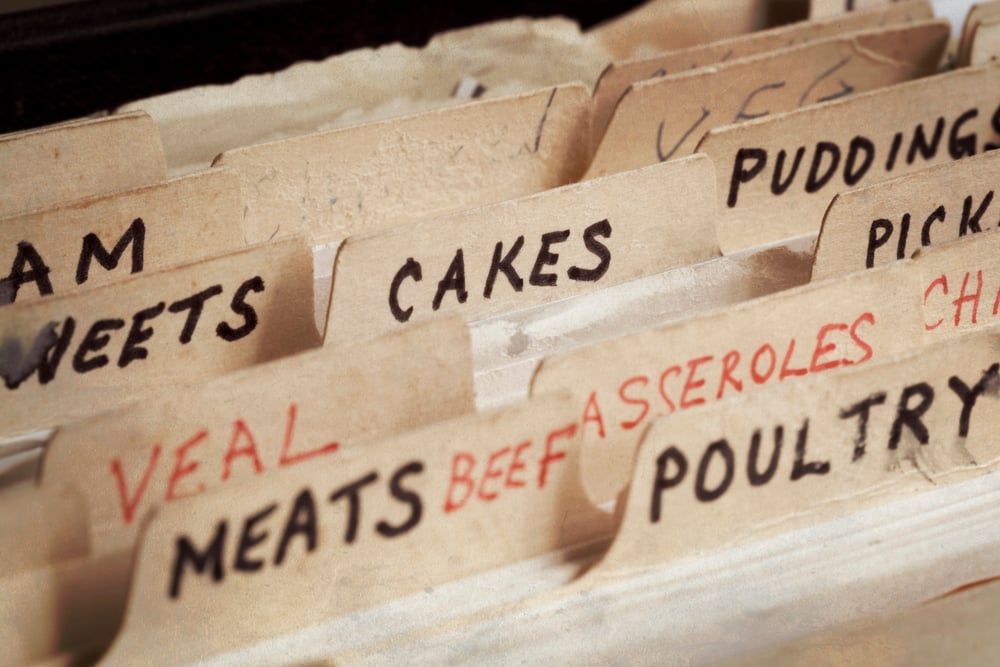
The recipe box was a small, often wooden or tin container stuffed with index cards written in handwriting so specific it felt like a signature. Recipes clipped from newspapers sat alongside cards written in pencil, some stained with vanilla extract or butter, each one a direct line back to a dish that existed nowhere else on earth.
The Lazy Susan
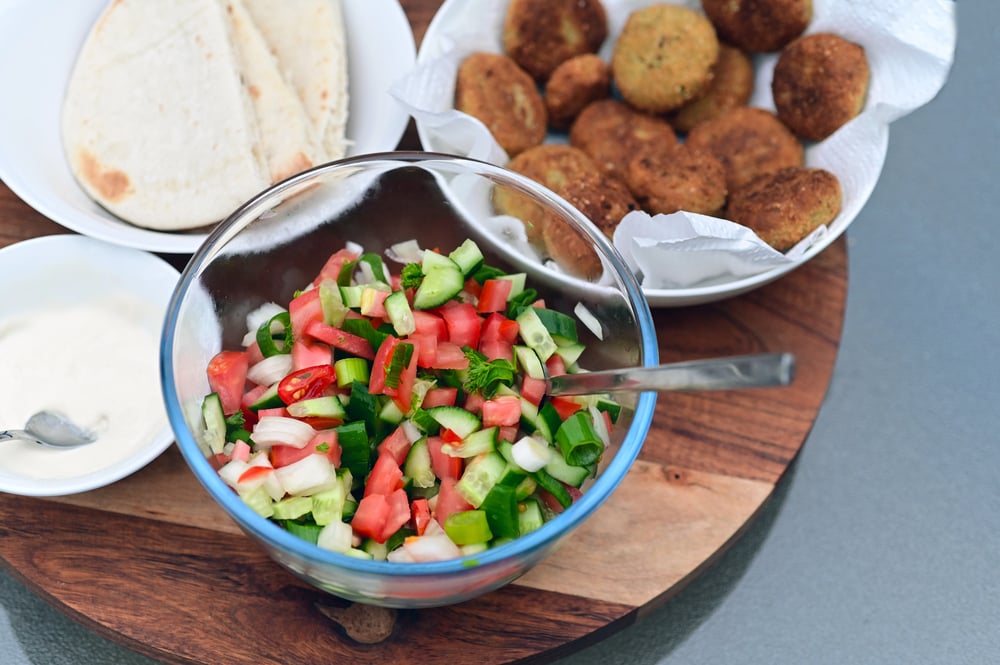
Rotating trays — lazy Susans — appeared on kitchen tables and inside corner cabinets with a frequency that suggested they were considered a major technological advancement, which to be fair, they kind of were. Spin it once to get the salt, spin it again to get the hot sauce that had been back there since the Reagan administration.
The Wall Calendar
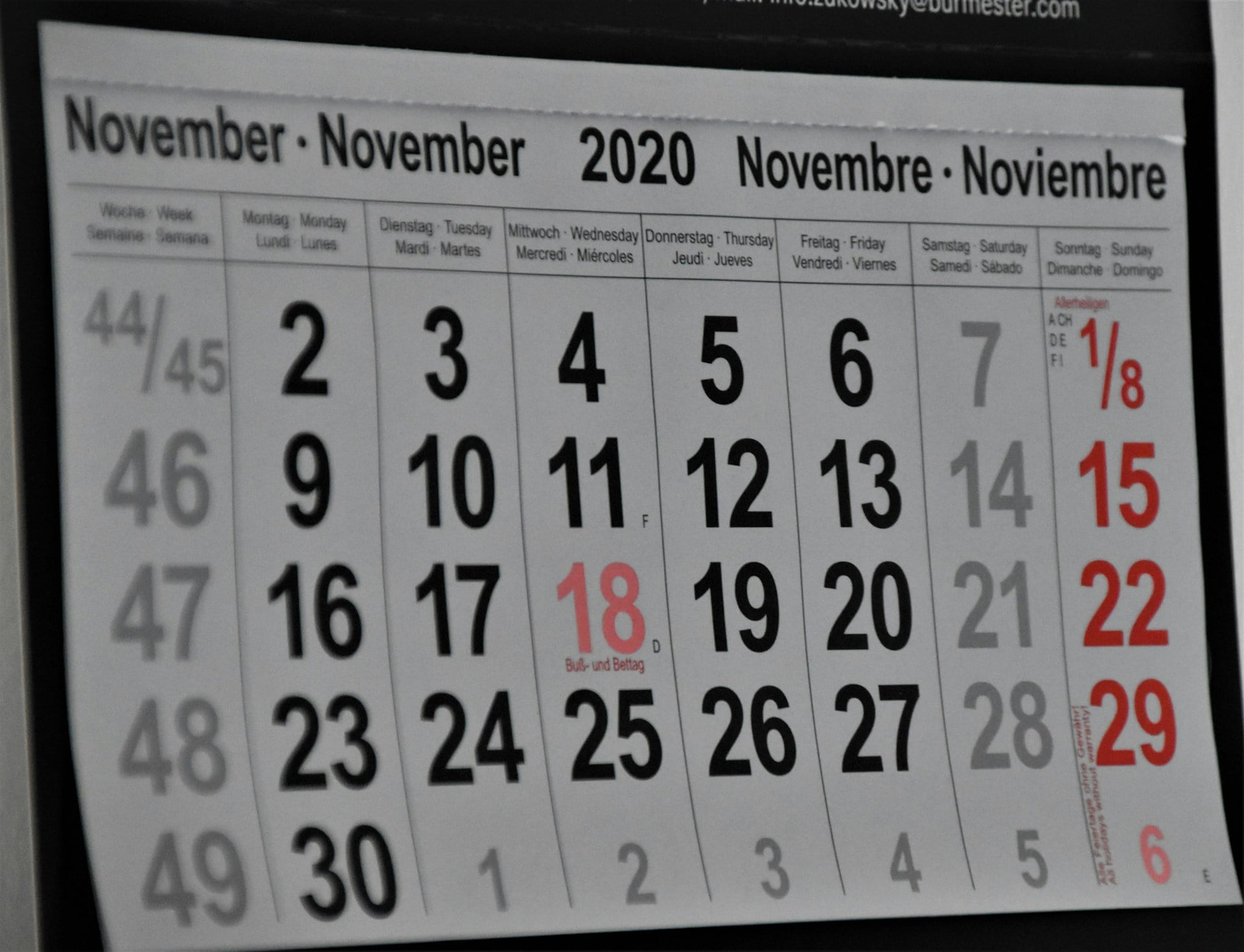
A paper calendar hung in that kitchen and it was actually used. Appointments written in ballpoint pen, birthdays circled twice, a note about someone’s graduation crossed out and rewritten when the date changed.
It was a working document, not decoration, and it made the whole room feel like a place where real life was being managed.
The Avocado Green or Harvest Gold Appliances
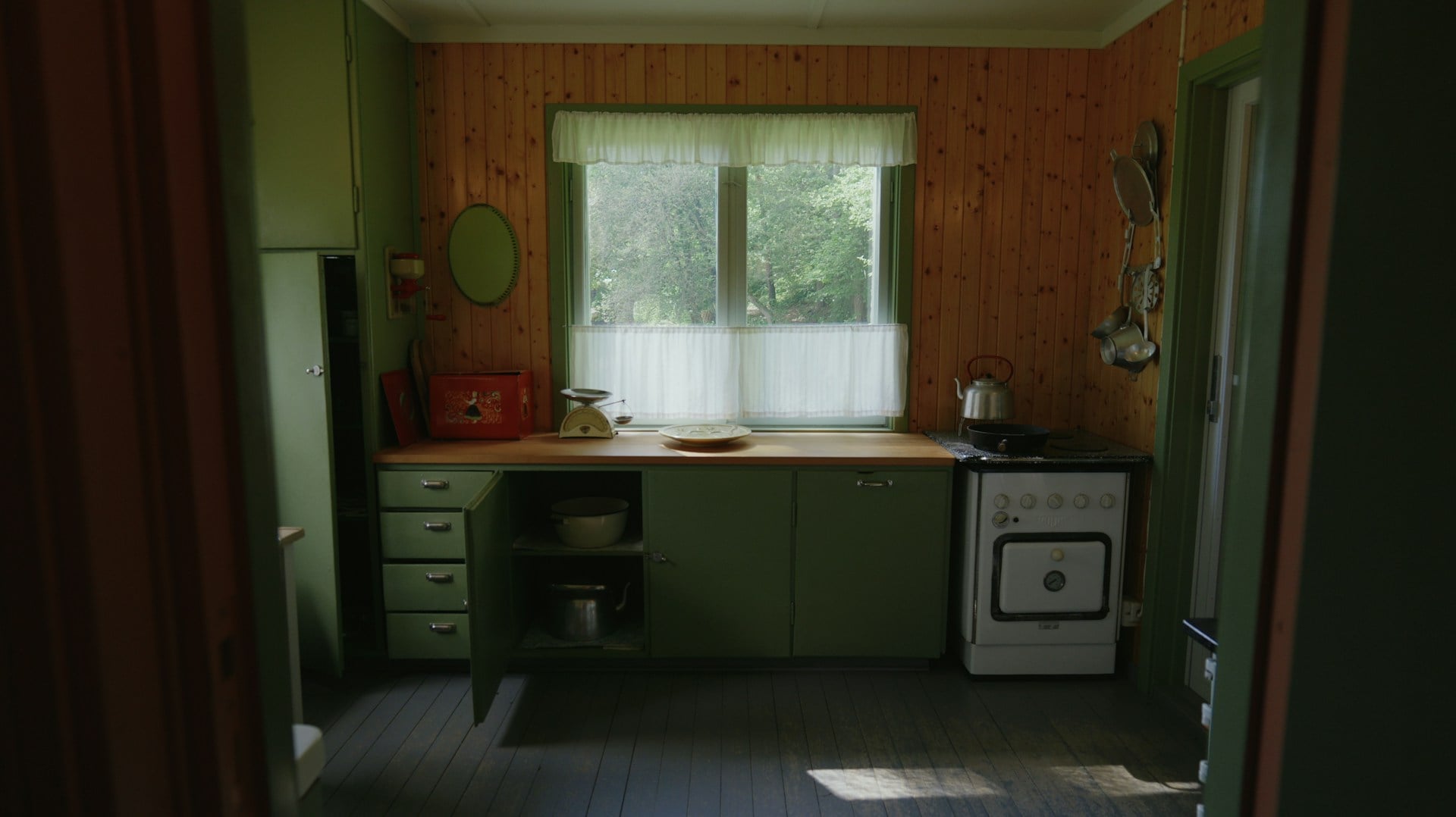
Avocado green. Harvest gold. Almond.
These were real colors that real appliance manufacturers produced for decades, and grandparent kitchens held onto them with the stubborn loyalty of someone who paid good money for something that still works fine. The 1970s refrigerator that outlived three recessions deserves a certain amount of respect.
The Small Black-and-White TV
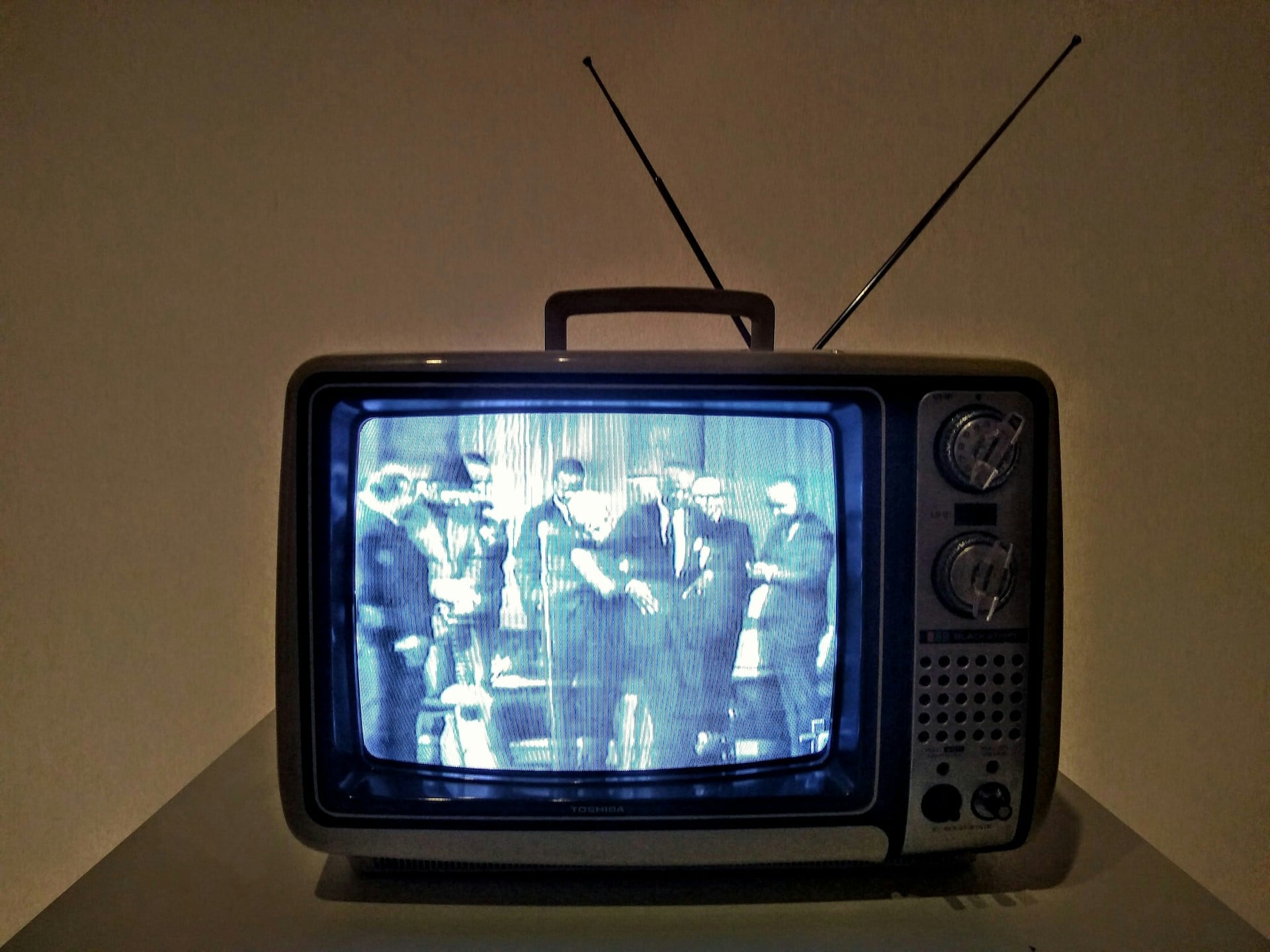
Perched on the counter or mounted under the cabinet, a small television — often black-and-white, often with rabbit ears wrapped in aluminum foil for reception — played the local news or a game show while dinner was being made. The idea that a kitchen should be a screen-free space had not yet been invented and would not have been welcome.
The Canning Jars

Even grandmothers who didn’t can every summer kept canning jars around for something. Storing bacon grease.
Holding buttons. Keeping rubber bands that had long since lost their elasticity.
A Mason jar in a grandparent’s kitchen was a utility vessel of infinite reinvention, and the pantry shelf lined with actual preserved tomatoes or peaches felt like proof that someone in this house took things seriously.
The Tablecloth
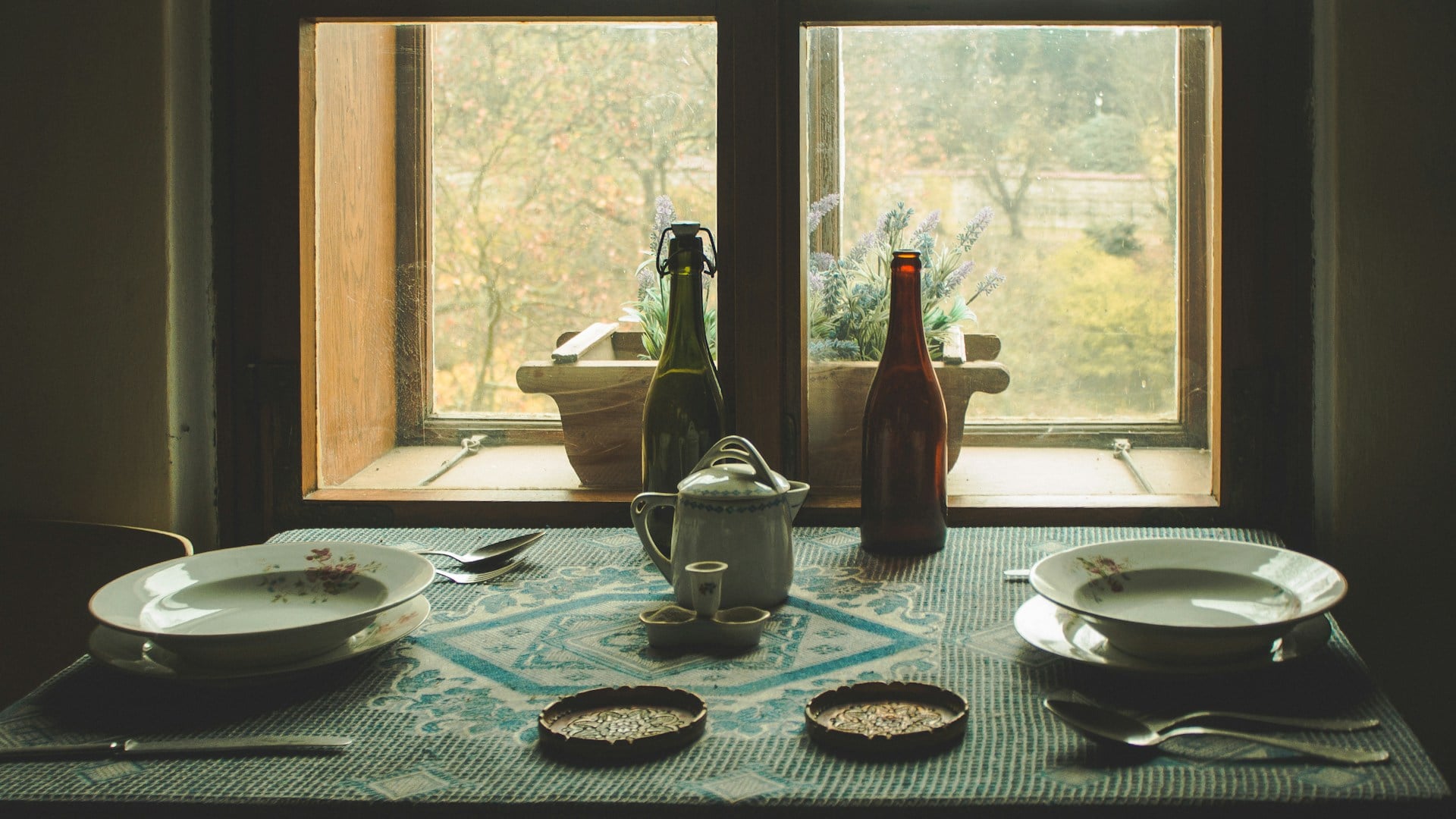
Bare kitchen tables belonged to other people’s houses. A grandparent’s table wore a tablecloth — plastic-coated if it was a daily-use situation, actual fabric for company — and it stayed on through every meal, every homework session, every hand of cards played on a weeknight after dinner.
It gave the table a formality the room didn’t otherwise insist on.
The Hand Lotion by the Sink

There was always hand lotion next to the kitchen sink. Always.
A bottle of Jergens or Lubriderm or something in a soft pump, positioned to be used the moment the dishes were done. Washing dishes twice a day in hot water is genuinely harsh on hands, and grandmothers — who did most of this in a pre-dishwasher or light-dishwasher era — understood this without making a thing of it.
The Church Cookbook
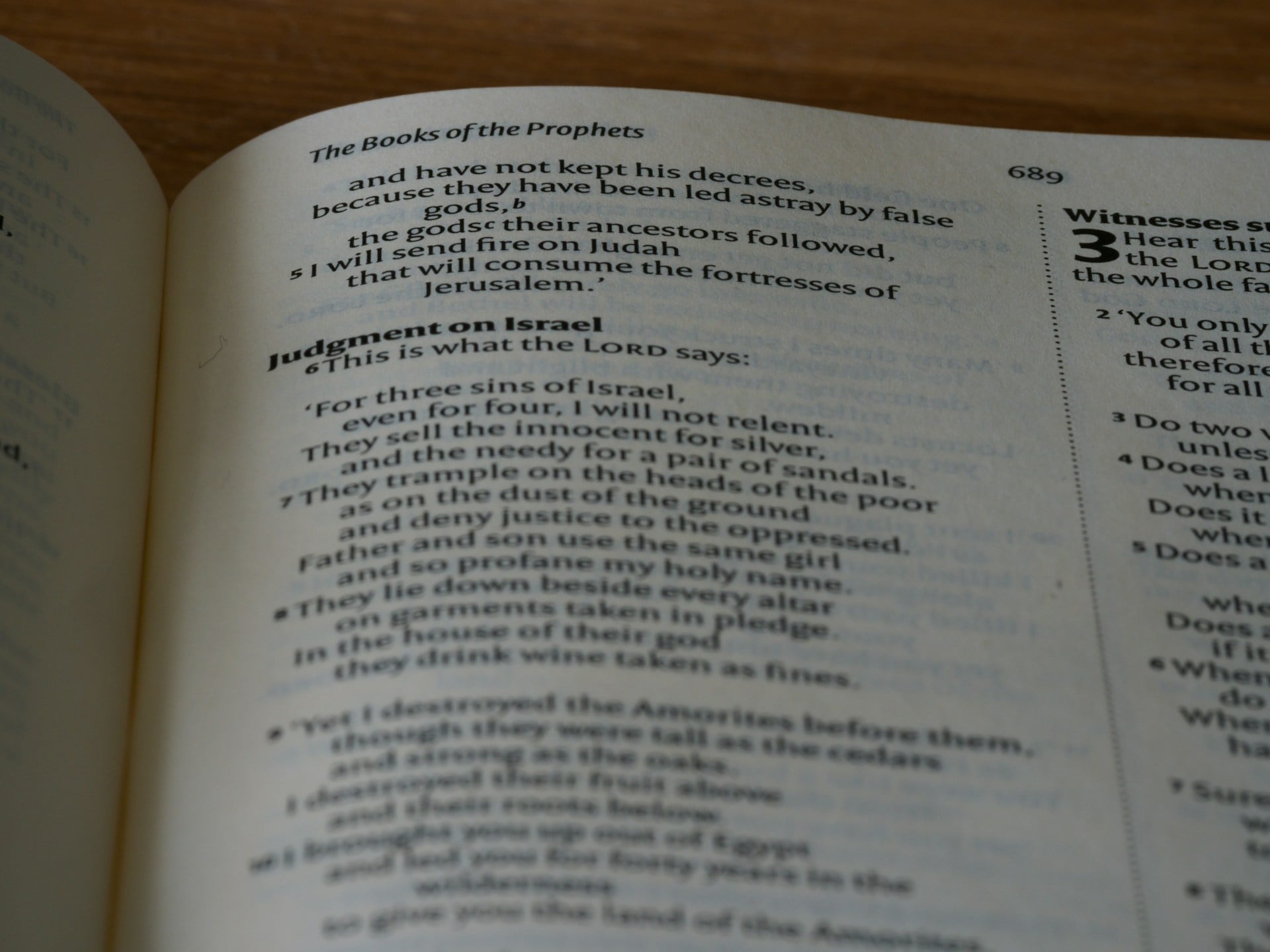
Somewhere in that kitchen, on a shelf or in a drawer or stacked under the proper cookbooks, lived a spiral-bound church cookbook. Local churches produced these for fundraisers for generations — collections of recipes submitted by congregation members, printed cheaply, sold at the door — and they contained the most reliable, unfussy recipes imaginable, the kind nobody ever indexed on a food blog.
The Step Stool
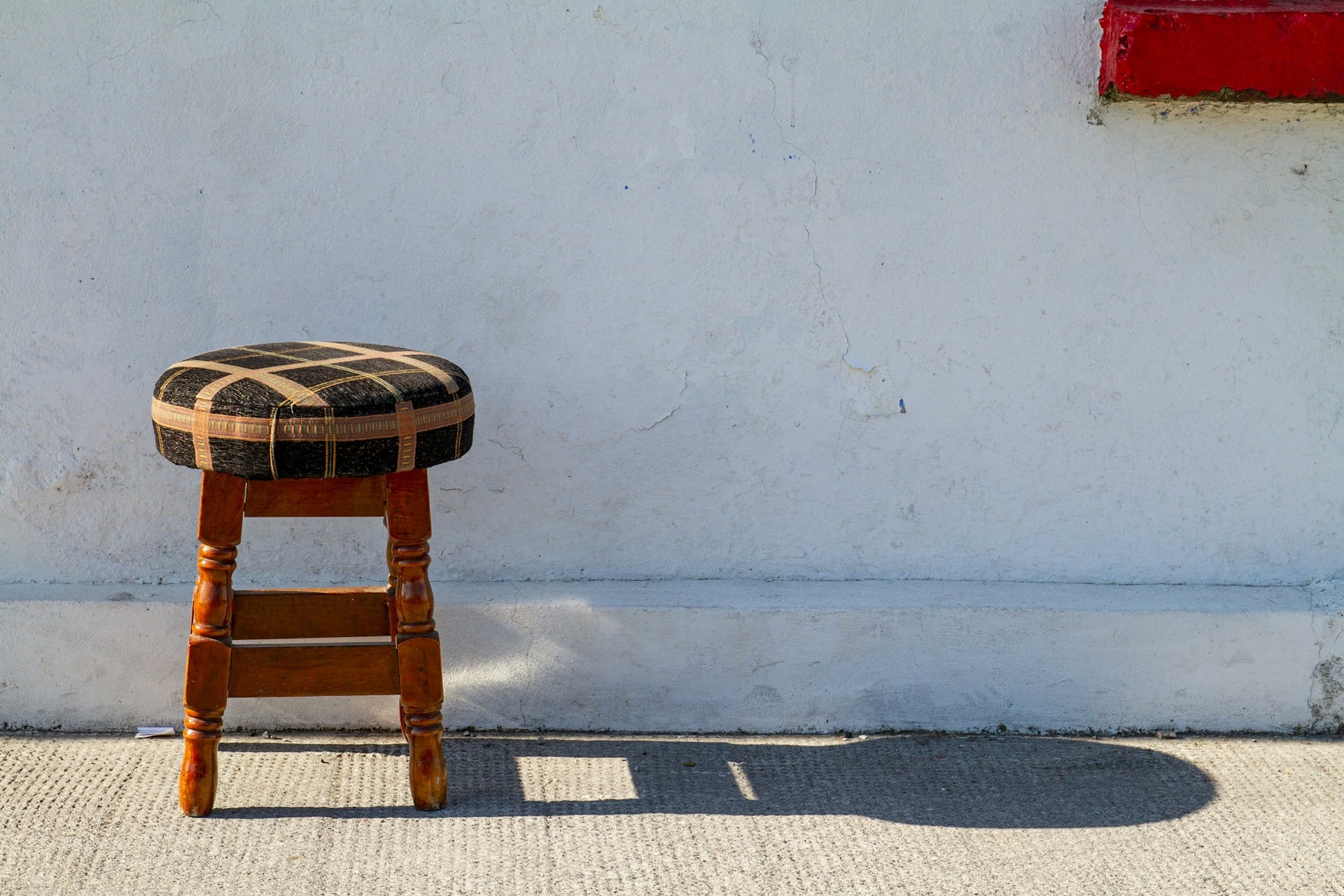
A wooden step stool, often painted, often with a little handle at the top — it lived in the corner or tucked next to the refrigerator, and it got genuine daily use. High cabinets were a reality of older kitchen design, and nobody was going to pretend otherwise.
The step stool was practical, unashamed, and usually the first thing a child was allowed to stand on to help.
The Windowsill Herb Pot

A small pot of something green lived on the kitchen windowsill — usually parsley, sometimes chives, occasionally a struggling basil that never fully thrived in the indirect light but stayed anyway. It was part utility and part optimism: a kitchen that grew even a single herb was a kitchen that believed it would keep cooking for a long time.
The Spice Rack
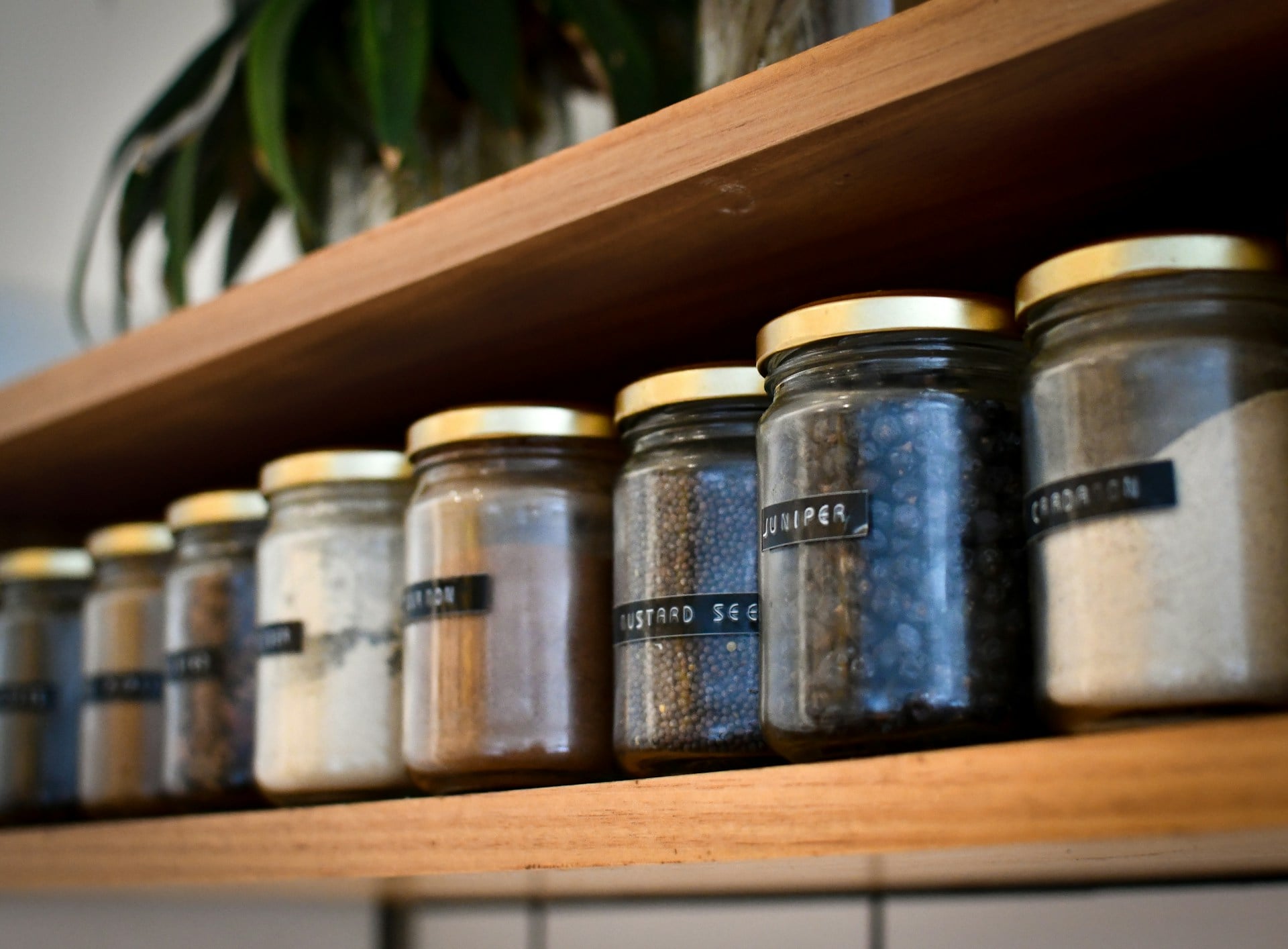
Not a cabinet, a rack — mounted to the wall or sitting on the counter as a freestanding unit, holding small glass or tin spice containers in a row like a perfectly domesticated little shelf. Some of those spices had been there long enough that the labels had faded to near-illegibility, and the contents had lost most of their potency, but the rack itself was a statement: this kitchen was equipped.
The Placemat Collection
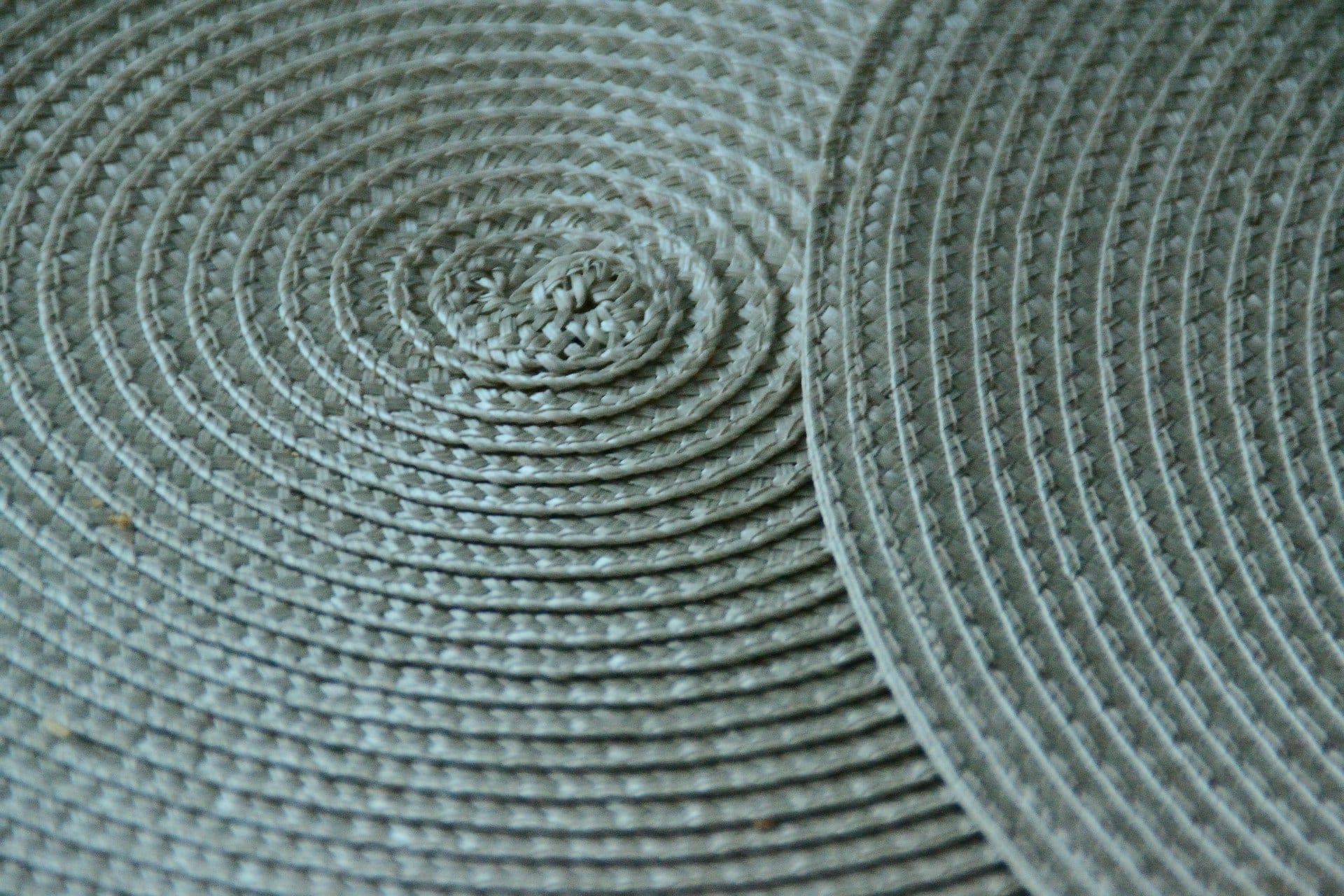
Placemats in a grandparent’s kitchen were seasonal at minimum and often thematic. The autumn ones came out in September.
The Christmas ones in December. The plain ones for every other Tuesday.
Stacked in a drawer or on a shelf, they represented a level of domestic organization that felt almost ceremonial — the table set not just for eating, but for marking time.
The Knife Block
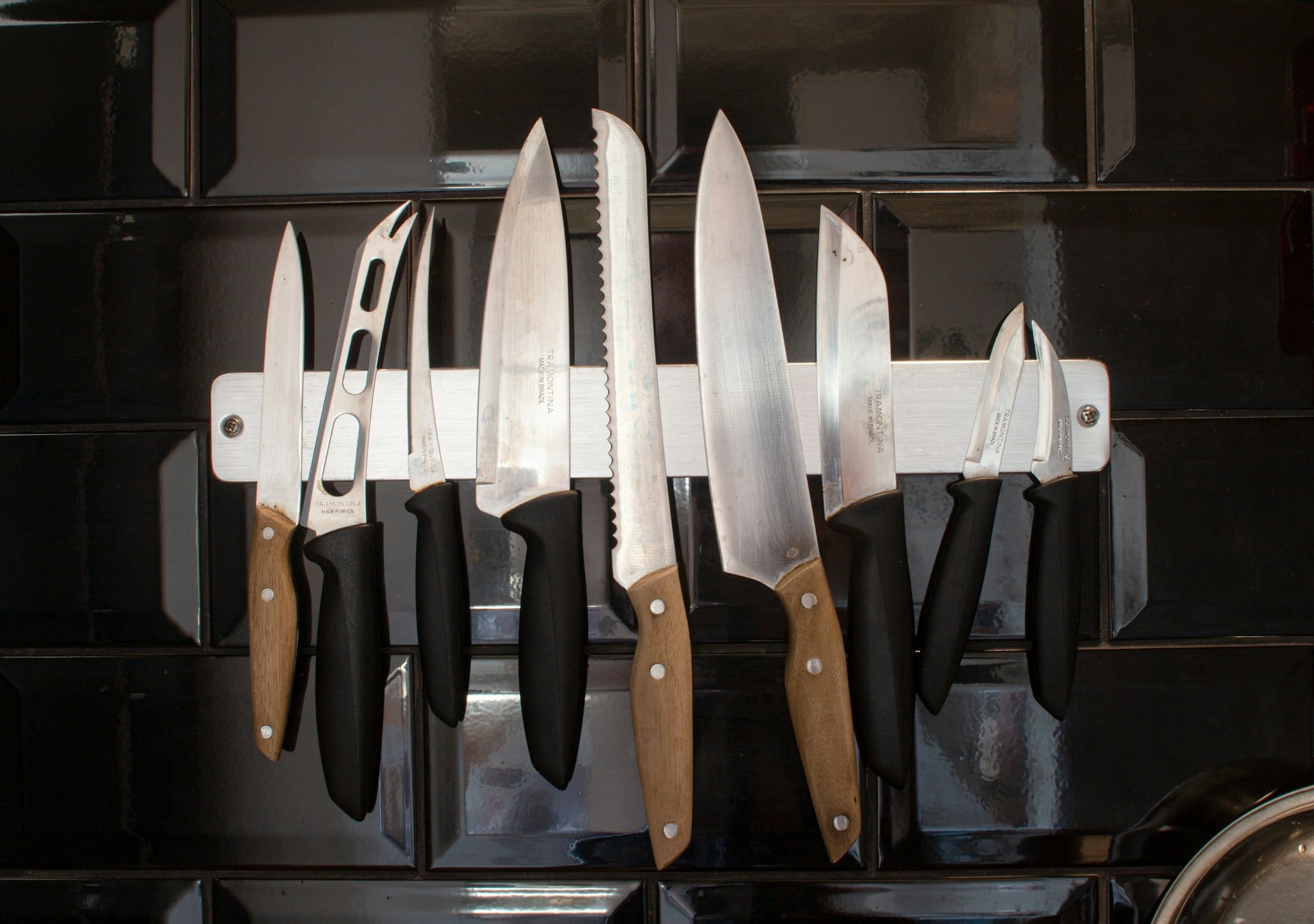
A wooden knife block, usually dark, usually holding more knives than anyone needed and one pair of kitchen scissors that had been sharpened approximately zero times. The knives themselves were good ones — heavy, well-balanced, collected over decades rather than bought in a set — and they were not left in the dishwasher, because grandmothers knew better.
The Chicken-Themed Décor
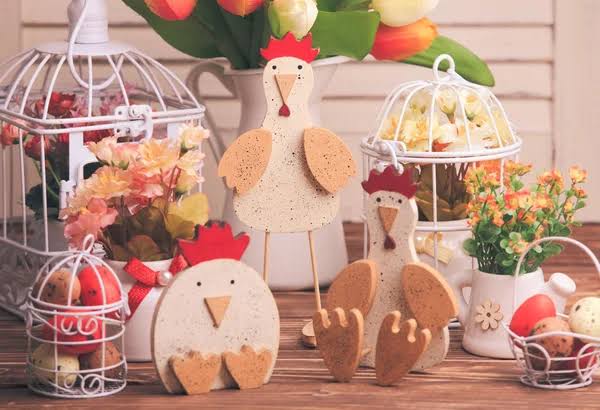
Chickens, not unlike roosters, appeared throughout the grandparent kitchen in ceramic form, in printed cotton, in painted wood hung on the wall. There was an entire era of American kitchen décor that decided farm animals were the correct aesthetic, and grandparent kitchens represented the most committed end of that spectrum.
To be fair, a ceramic hen on the counter has never offended anyone.
The Butter Dish
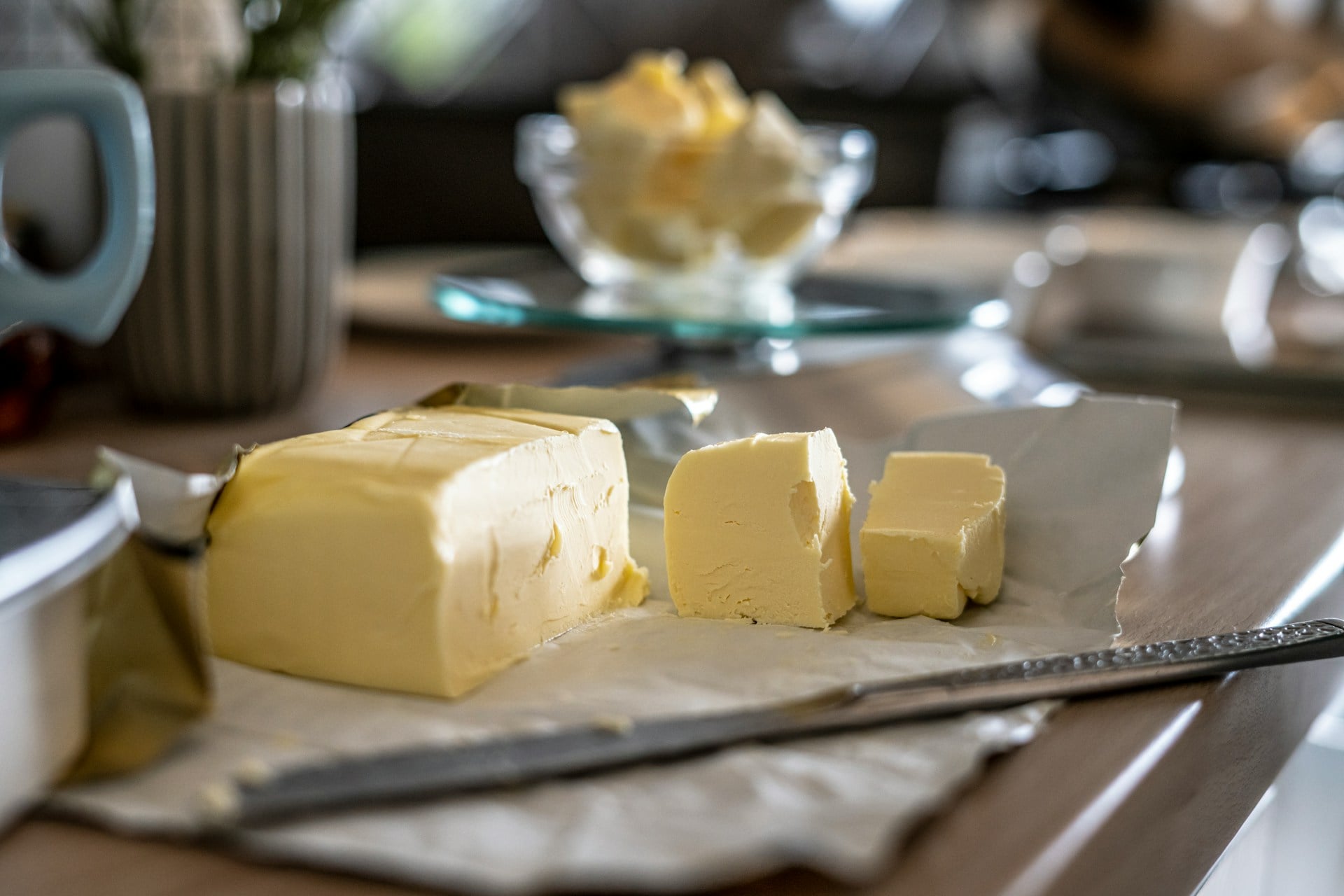
Butter lived on the counter, not in the refrigerator. A covered butter dish — ceramic or glass — kept a stick of butter at room temperature, always ready, always soft, because spreading cold butter on bread was considered an unnecessary hardship and grandmothers had zero patience for unnecessary hardships.
The Folded Paper Grocery Bags

Paper grocery bags were folded neatly and stacked — inside the pantry, under the sink, or inside a larger paper bag — with a tidiness that suggested this was a deeply considered system rather than a habit. They were reused for garbage, for school book covers, for wrapping packages, for lining shelves.
Waste wasn’t a philosophy in those kitchens; it was just common sense.
The Pot Holders Made by Grandchildren
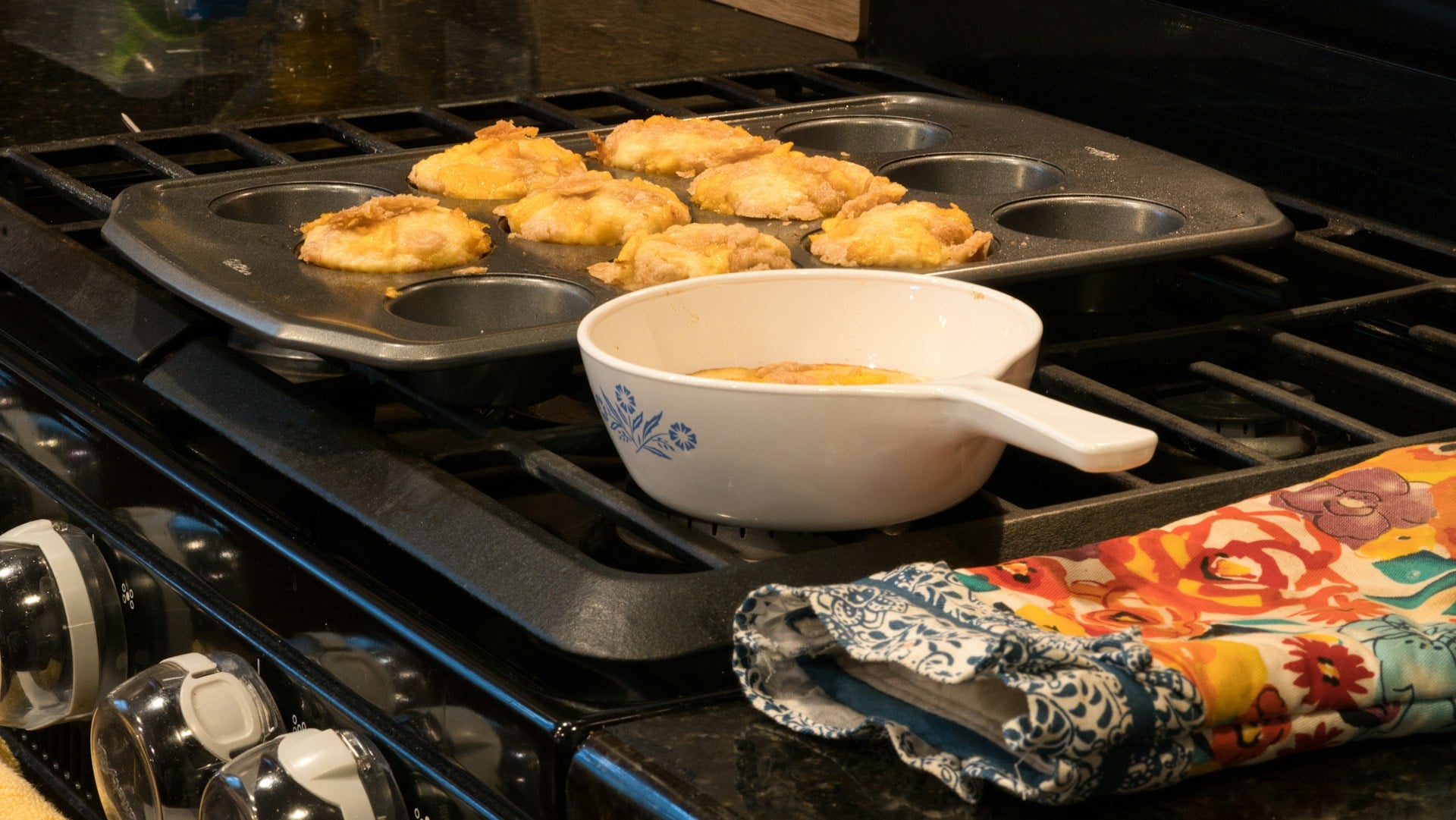
Looped cotton pot holders, made on those little plastic looms and given as gifts by every grandchild between the ages of seven and ten, occupied a permanent spot in the kitchen drawer or hung on the wall alongside the good ones. They were not the most effective pot holders ever made.
They stayed anyway.
The Back Door That Led to the Garden

In house after house, a grandparent’s kitchen had a back door, and that door led somewhere meaningful — a garden, a yard, a porch where herbs grew in coffee cans. The kitchen connected to the outside with an ease that modern open-plan living somehow lost in translation: step through that door and you were in a different world, still close enough to smell what was on the stove.
The Table That Was Always Set for More Than Just Two
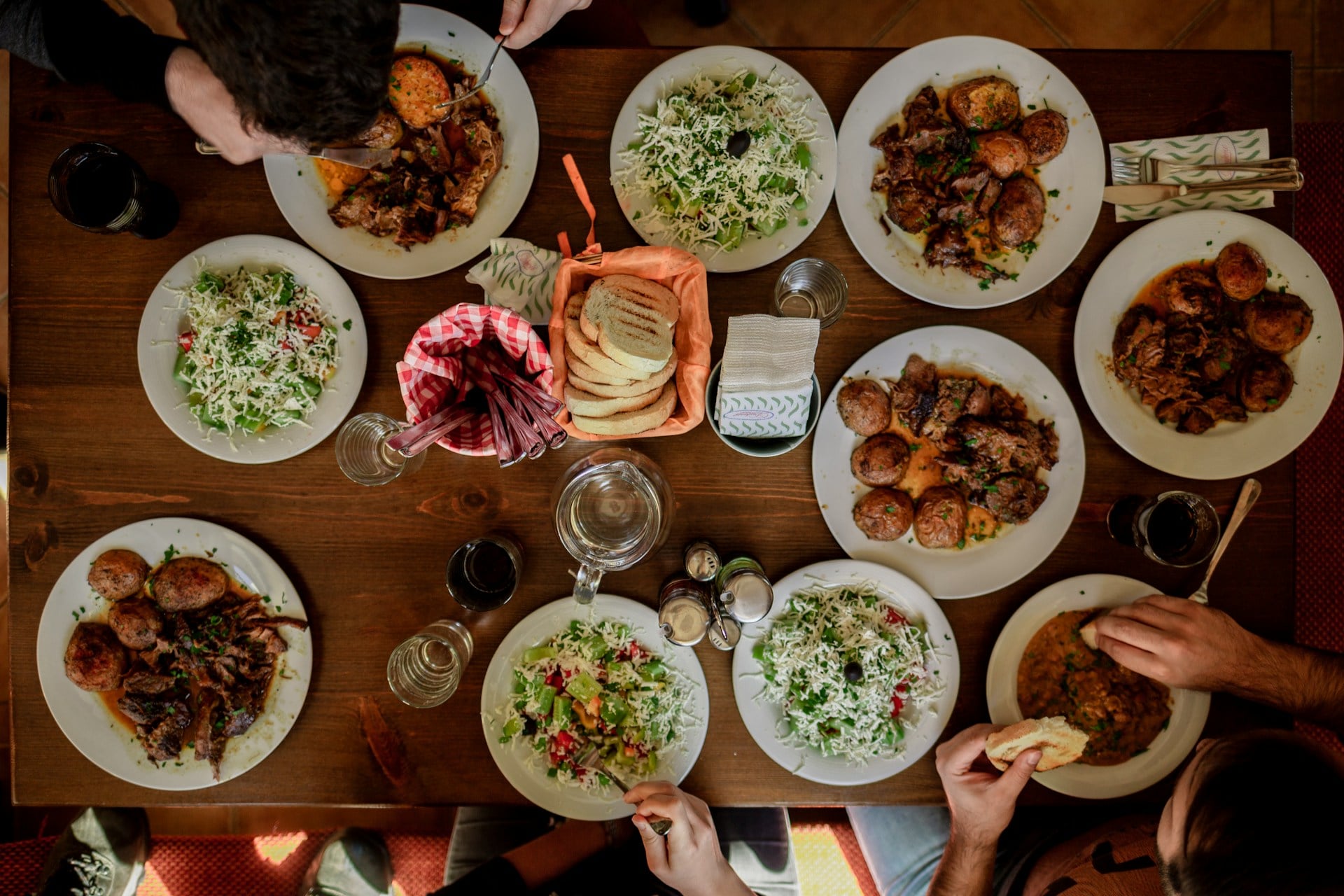
A grandparent’s kitchen table was never sized for two people because it was never meant for two. Even on a random Wednesday with nothing special happening, there were enough chairs, enough place settings nearby, enough food on the stove for whoever might walk through that door.
The table was a standing offer, not a scheduled event.
Grandma’s Welcoming Homs

None of these 31 things were valuable on their own. A folded grocery bag, a faded spice label, a pot holder a seven-year-old made badly — none of it would survive an estate sale appraisal.
But taken together, they describe something real: a room organized entirely around the expectation that people would keep showing up, and that when they did, everything would already be ready for them. That’s the actual thread connecting the rooster towels to the back door to the table that was always set for more.
A grandparent’s kitchen wasn’t decorated to look a certain way. It was equipped, patiently and without fanfare, to keep doing one job indefinitely: feeding whoever walked in, for as long as the kitchen was standing.
More from Go2Tutors!

- The Romanov Crown Jewels and Their Tragic Fate
- 13 Historical Mysteries That Science Still Can’t Solve
- Famous Hoaxes That Fooled the World for Years
- 15 Child Stars with Tragic Adult Lives
- 16 Famous Jewelry Pieces in History
Like Go2Tutors’s content? Follow us on MSN.