31 Trade Routes That Shaped the Modern World Map
The global economy, political alliances, cultural boundaries, and power structures that define the modern world were fundamentally shaped by trade routes established centuries or even millennia ago. These routes determined which cities would become wealthy international ports, which regions would develop into powerful empires, and which cultures would exchange ideas, religions, and technologies across vast distances.
The trade routes transformed from simple pathways connecting suppliers to consumers into complex networks that reshaped the political and cultural landscape of the entire world, creating rivalries between nations, spurring colonial expansion, and establishing economic relationships that persist into the modern era.
The Silk Road
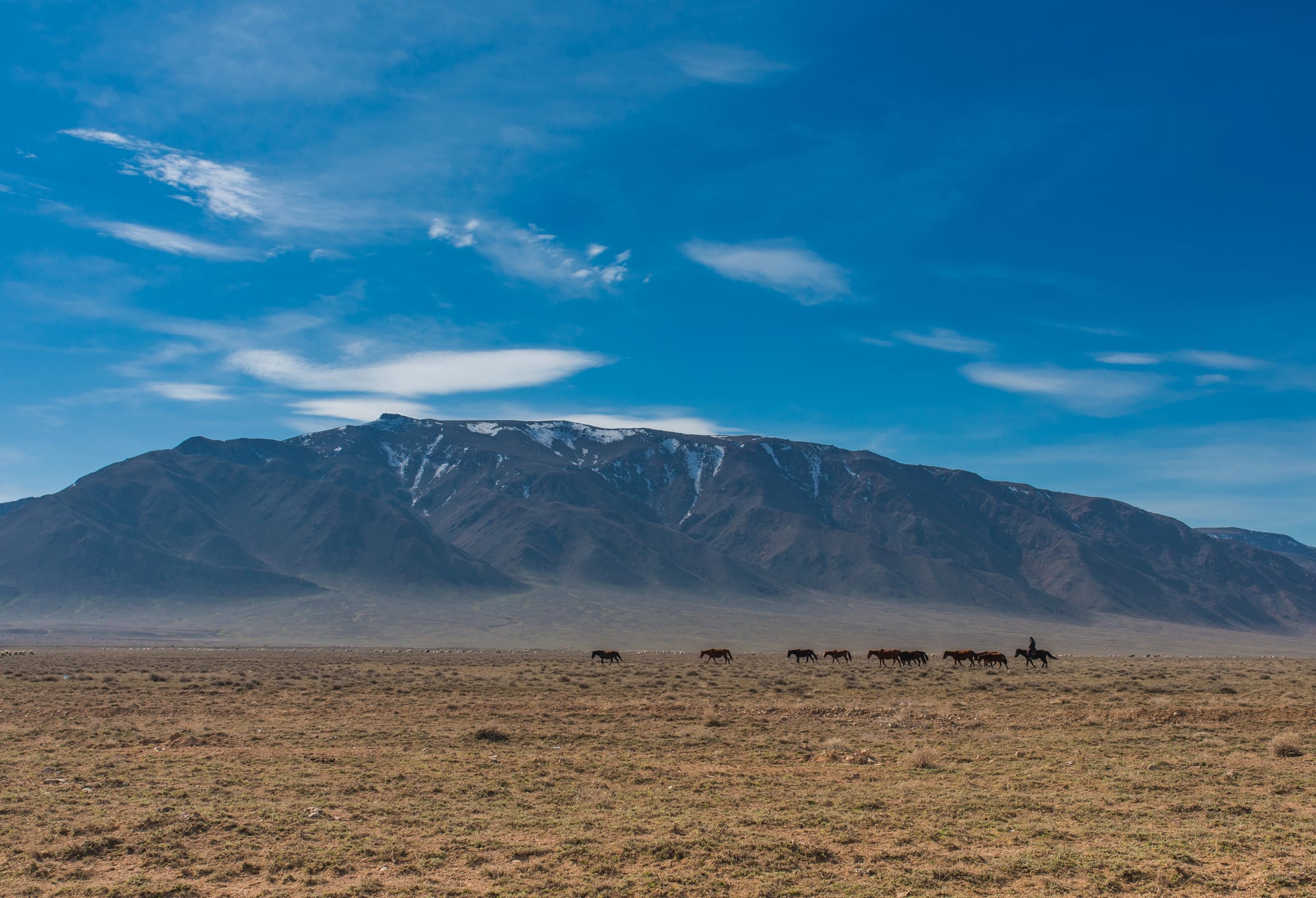
The most famous ancient trade route, the Silk Road connected China with the Roman Empire beginning in the 1st century BCE, creating a 4,000-mile network of both overland and maritime paths. Silk from China was highly valued in Rome, Egypt, and Greece, exchanged for wool, silver, and gold coming from Europe.
The route became particularly important during the Han Dynasty and was later revived under the Mongols in the 13th century. Beyond commerce, the Silk Road facilitated the spread of Buddhism, Islam, and Christianity across Asia, along with technologies like papermaking and the compass that transformed distant civilizations.
The Maritime Silk Road
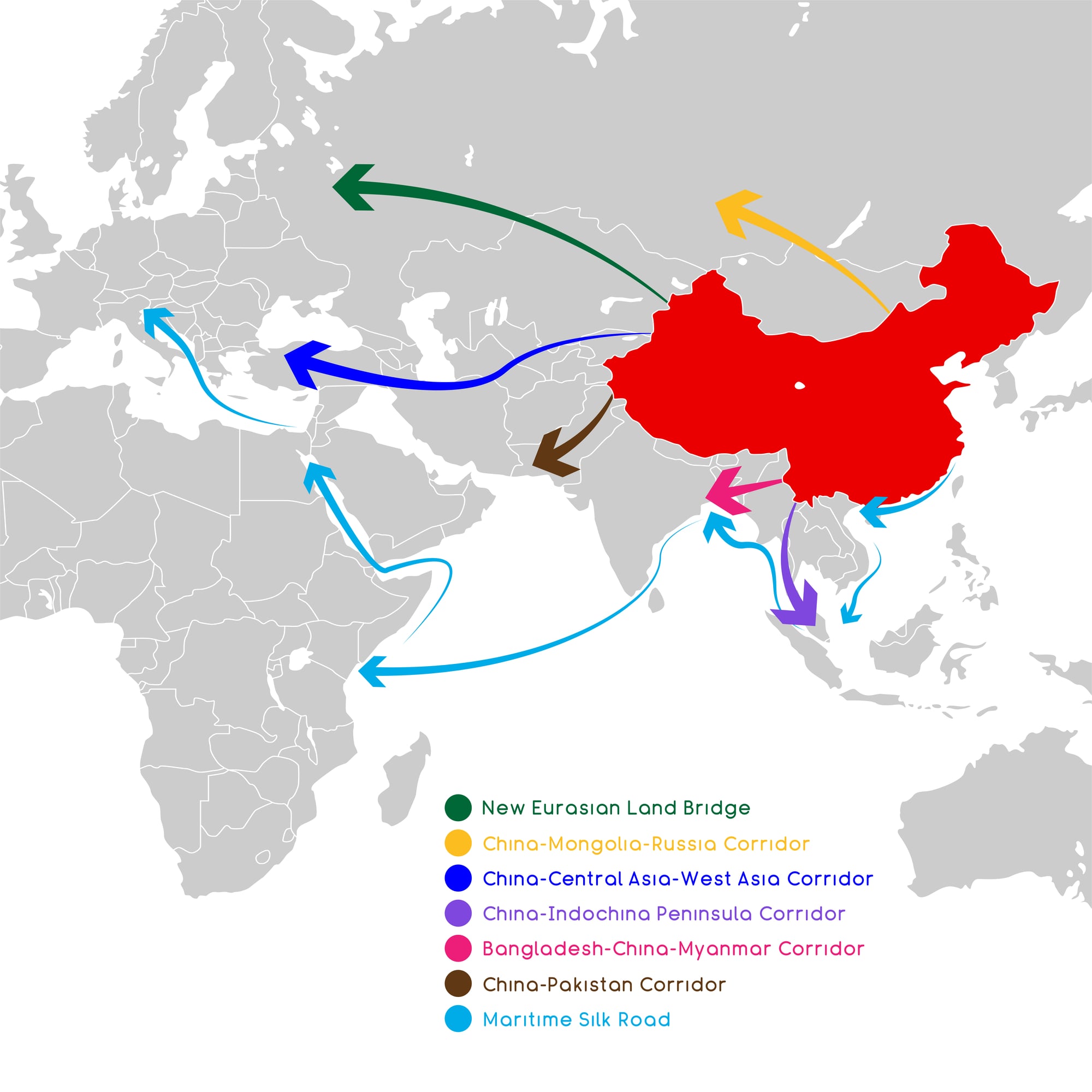
This network of sea routes utilizing monsoon winds for efficient navigation connected East Asia with the Indian Ocean world from the 7th through 15th centuries, generating significant trade activity in ports like Quanzhou, Guangzhou, Malacca, Calicut, and cities around the Persian Gulf. The Maritime Silk Road enabled the exchange of spices, precious metals, textiles, and cultural innovations between civilizations that might never have made direct contact otherwise.
Important trading cities like Malacca in Malaysia became wealthy international hubs where merchants from multiple regions conducted business and negotiated trade agreements.
The Spice Routes
The Spice Routes extended over 15,000 kilometers from Japan, Indonesia, and India through the Middle East into Europe, creating wealthy port cities and enriching the merchants who controlled access to valuable spices like cinnamon, pepper, cloves, and nutmeg. High prices in European markets due to middlemen and taxation spurred European explorers to search for alternative routes directly to spice-producing regions, ultimately driving the Age of Exploration.
Navigating spice routes was extremely dangerous due to pirates, monsoons, and treacherous conditions that made successful navigation a source of tremendous wealth and power.
The Incense Trail

The Incense Trail connected frankincense-producing regions of Arabia with the empires of antiquity including Egypt, Greece, and Rome, making it one of the oldest established long-distance trade routes. Frankincense and myrrh were extraordinarily valuable commodities in ancient religious and ceremonial practices, justifying the difficult journey across Arabian deserts to access them.
The route established Arabian merchants as crucial intermediaries in international commerce and created permanent settlements along desert trading paths that structured human migration in the region.
Vasco da Gama’s Route
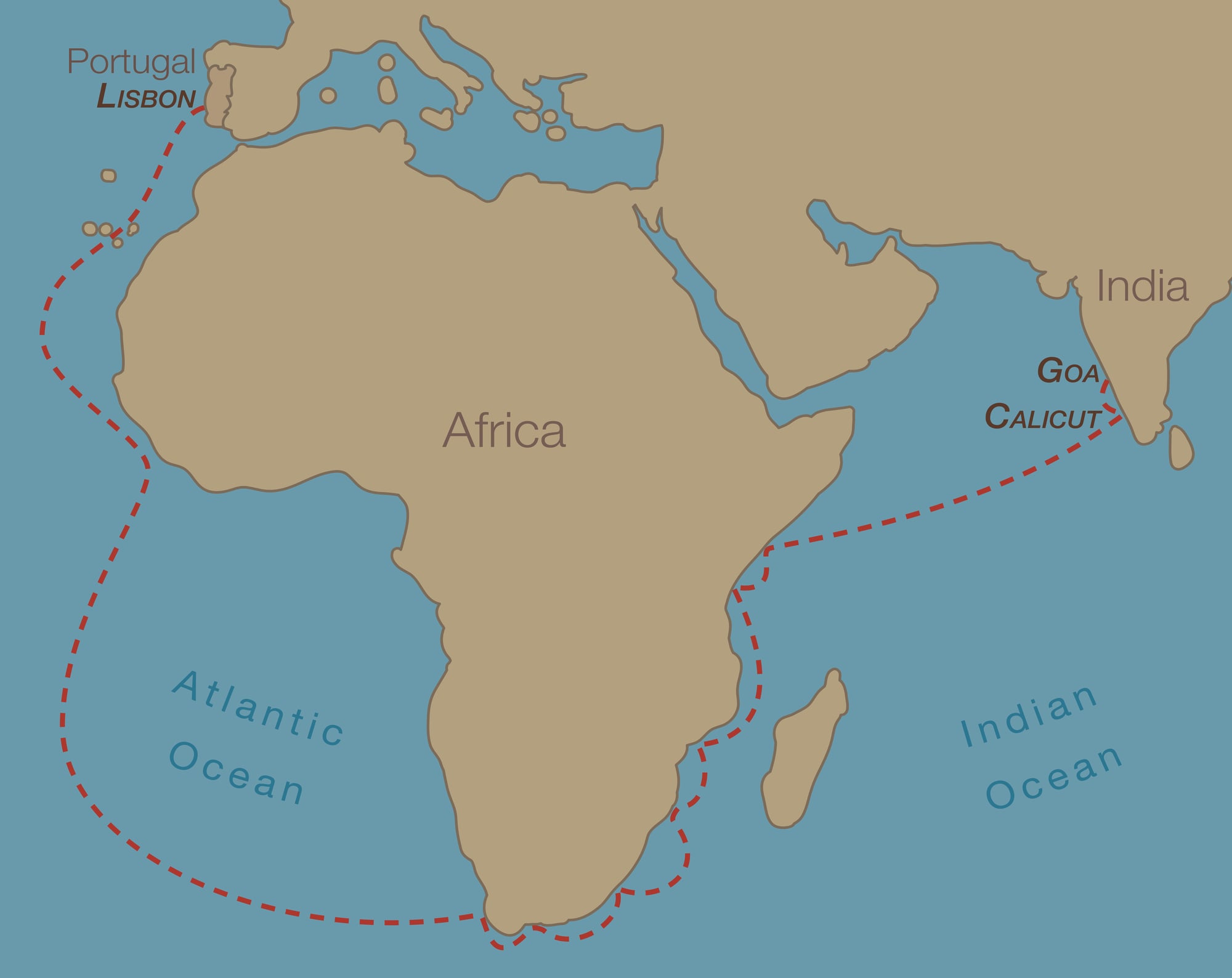
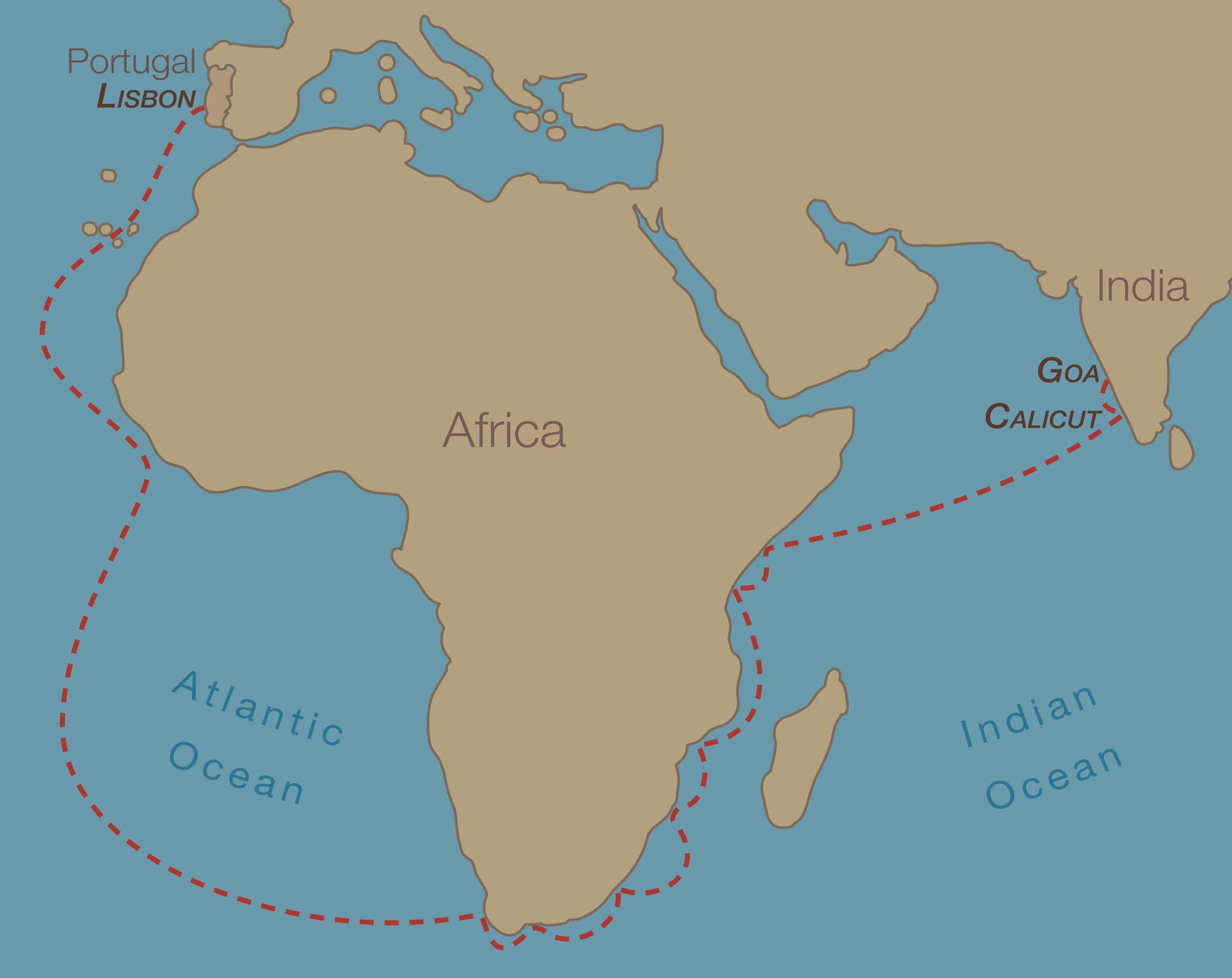
Vasco da Gama’s 1497-1498 voyage from Europe directly to India created a permanent maritime route that bypassed Middle Eastern intermediaries and revolutionized European access to spices and Asian goods. This route established Portuguese dominance in global maritime trade and sparked the Age of European Exploration and colonization.
The discovery of this ocean route transformed global geopolitics by enabling European nations to establish direct trading relationships with Asian powers without depending on Middle Eastern merchants.
The Trans-Saharan Trade Routes
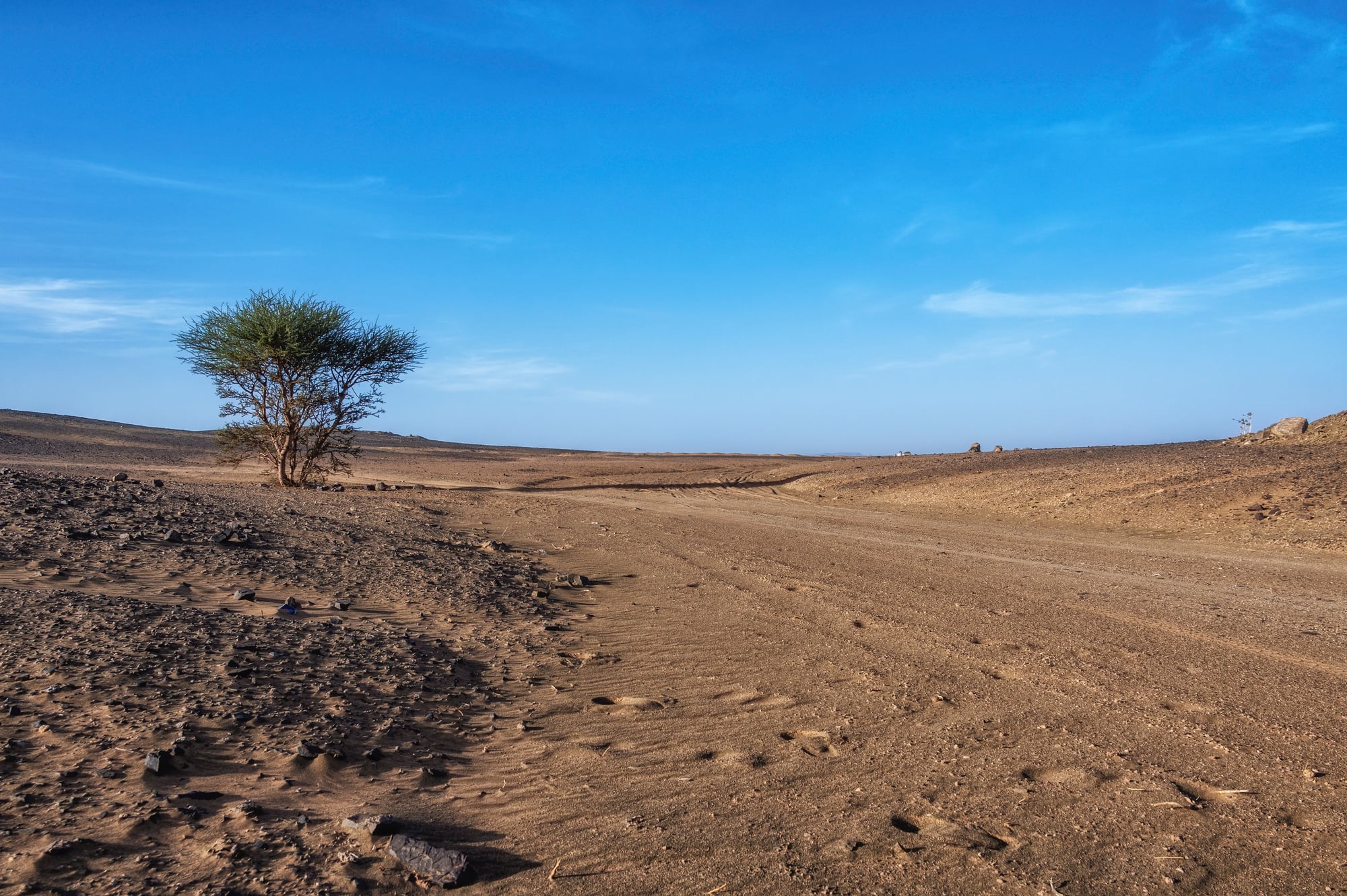
These routes crossed the Sahara Desert connecting sub-Saharan African regions with Mediterranean North Africa and the Middle East, facilitating trade in gold, salt, and enslaved people. The trans-Saharan routes established West African city-states like Timbuktu as major commercial and intellectual centers and enriched North African merchants.
These ancient routes preceded European colonization by over a thousand years and established longstanding trade relationships that shaped African political and economic development.
The Baltic Trade Routes
Northern European maritime routes connecting Scandinavian timber and amber with Baltic region ports like Novgorod created the Hanseatic League, a merchant confederation that dominated Northern European commerce. These routes established the power and wealth of cities like Lübeck and Hamburg and created trading networks that organized much of medieval Northern Europe’s economy.
Baltic trade routes facilitated the spread of Christianity into Scandinavia and established Russia as a major commercial power.
The Indian Ocean Trade Network
This vast maritime system connected East Africa, the Arabian Peninsula, India, Southeast Asia, and China through monsoon-driven sailing patterns that determined when ships could travel certain routes. The Indian Ocean trade network was one of history’s most important commercial systems, carrying spices, silks, precious stones, and ceramics across multiple civilizations for over 2,000 years.
The system developed sophisticated trading posts, banking networks, and standardized merchant practices that enabled commerce across enormous distances and cultural barriers.
The Grand Trunk Road
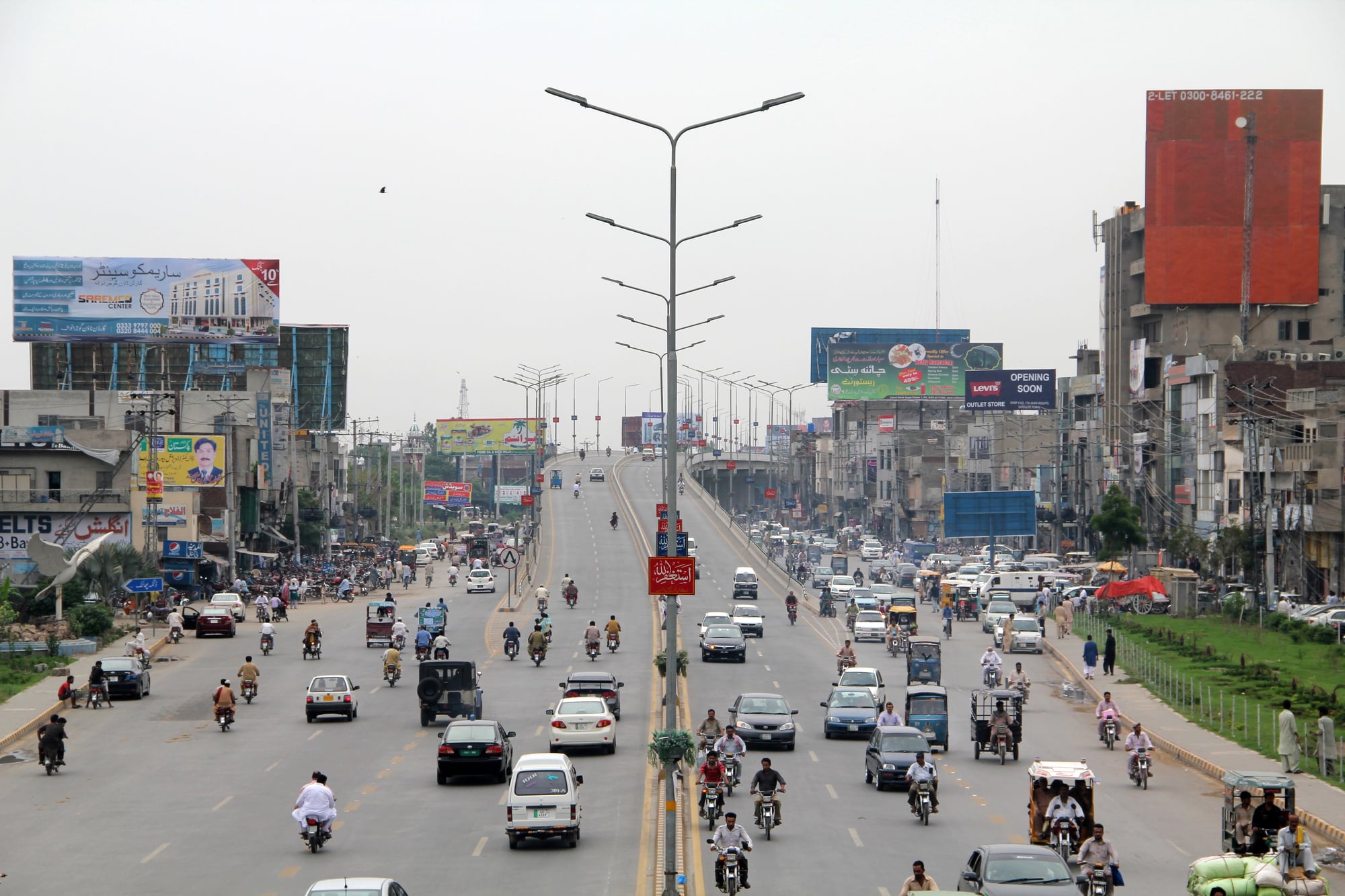
This ancient overland highway running through Central Asia connected China with the Mediterranean world, serving as a crucial alternate route when maritime trade was disrupted by pirates or weather. The Grand Trunk Road facilitated trade in silks, spices, and precious metals while also serving as a cultural exchange route for religious ideas and philosophical traditions.
Control of the Grand Trunk Road determined which empires held power in Central Asia and which merchants could grow wealthy through commerce.
The Amber Road

This ancient trade route transported Baltic amber through Central and Southern Europe to Mediterranean civilizations, making amber-producing regions like what is now Poland into wealthy trading centers. Amber was valued in ancient Greece and Rome for its beauty and supposed medicinal properties, justifying the elaborate trade networks necessary to transport it thousands of miles.
The Amber Road established trade relationships between Northern and Southern Europe that influenced political alliances and cultural exchange.
Medieval Wool Trade Routes
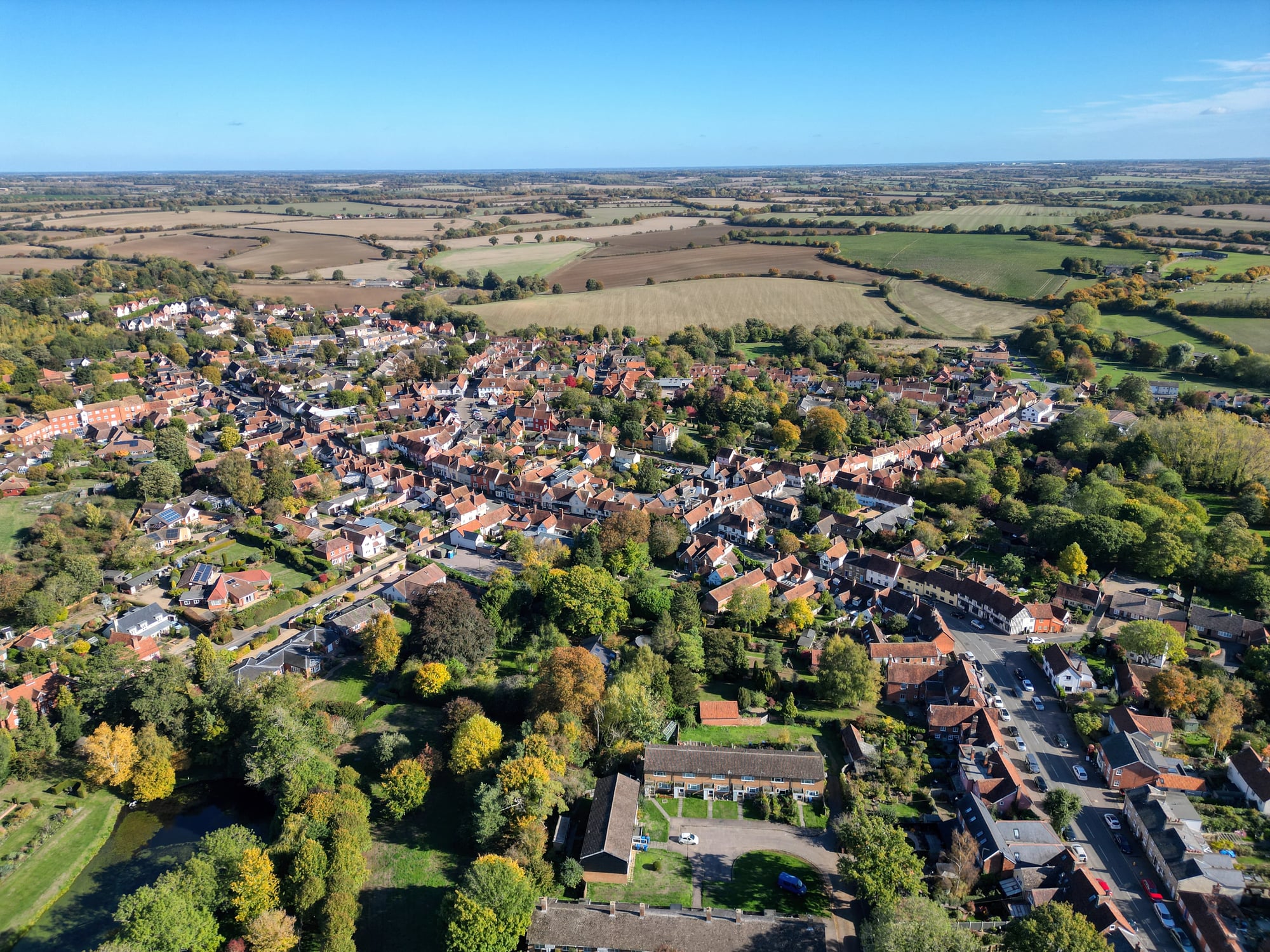
English wool was the primary trade commodity of medieval Europe, shipped through Antwerp and Bruges to Florentine merchants who would process it and trade the finished cloth throughout Europe. This wool trade enriched English merchants and nobility, funded the expansion of the wool-exporting regions, and established the dominance of Flemish cities in international commerce.
The wool trade connected English farms directly to Italian Renaissance cities through an elaborate network of merchants and money lenders.
Mediterranean Trade Routes
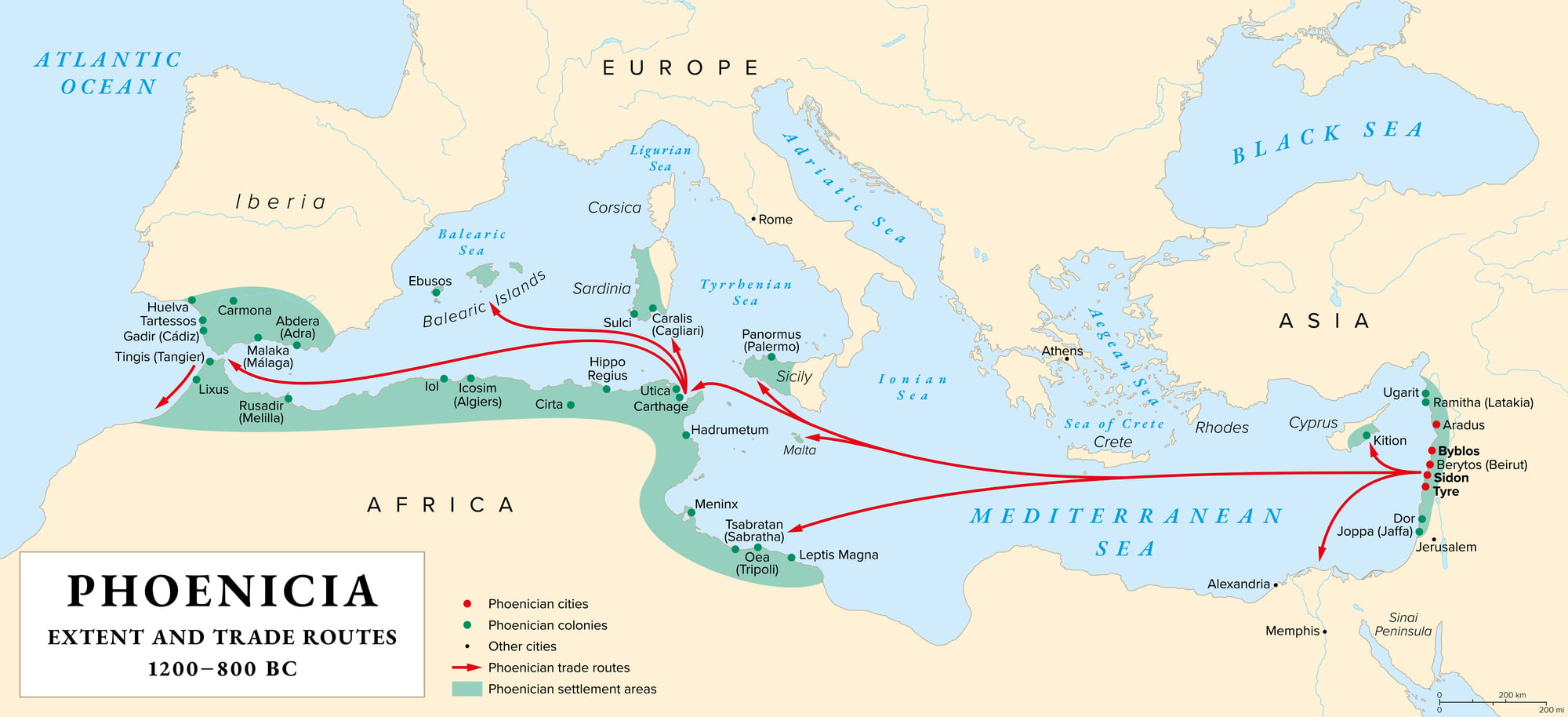
Established by Phoenicians and Greeks, Mediterranean routes connected Egypt, Greece, Rome, and Persia through sea lanes that had been continuously used for thousands of years. These routes facilitated the spread of Greek culture and later Roman civilization throughout the Mediterranean, establishing trade networks that persist to the present day.
Control of Mediterranean routes determined which civilizations held power and shaped the development of Mediterranean coastal cities.
The Tea Trade Route
Chinese tea, which became a highly valued commodity in Europe in the 17th century, traveled through the Silk Road, around the Cape of Good Hope, and through established maritime routes to reach European markets. The tea trade enriched Chinese merchants and established tea-producing regions as crucial parts of the global economy.
Competition for control of tea trade routes drove European colonization of tea-growing regions and established trade monopolies that lasted centuries.
Portuguese Spice Routes

Portuguese explorers and merchants established multiple sea routes from Portugal around Africa to India and Southeast Asia, creating a Portuguese trading empire in the Indian Ocean. These routes bypassed Middle Eastern merchants entirely and established Portuguese dominance in the spice trade for over a century.
Portuguese maritime routes established fortified ports and trading posts throughout the Indian Ocean world, creating a global Portuguese commercial network.
The Hanseatic League Trade Network
This confederation of German merchant cities established an intricate network of Northern European maritime and river routes that connected the Baltic, North Sea, and Mediterranean through major river valleys. Hanseatic merchant guilds standardized trading practices, created banking systems, and established weights and measures that facilitated commerce across enormous distances.
The Hanseatic League demonstrated how merchant confederations could organize regional economies and compete with nation-states.
The Rhine River Trade Route
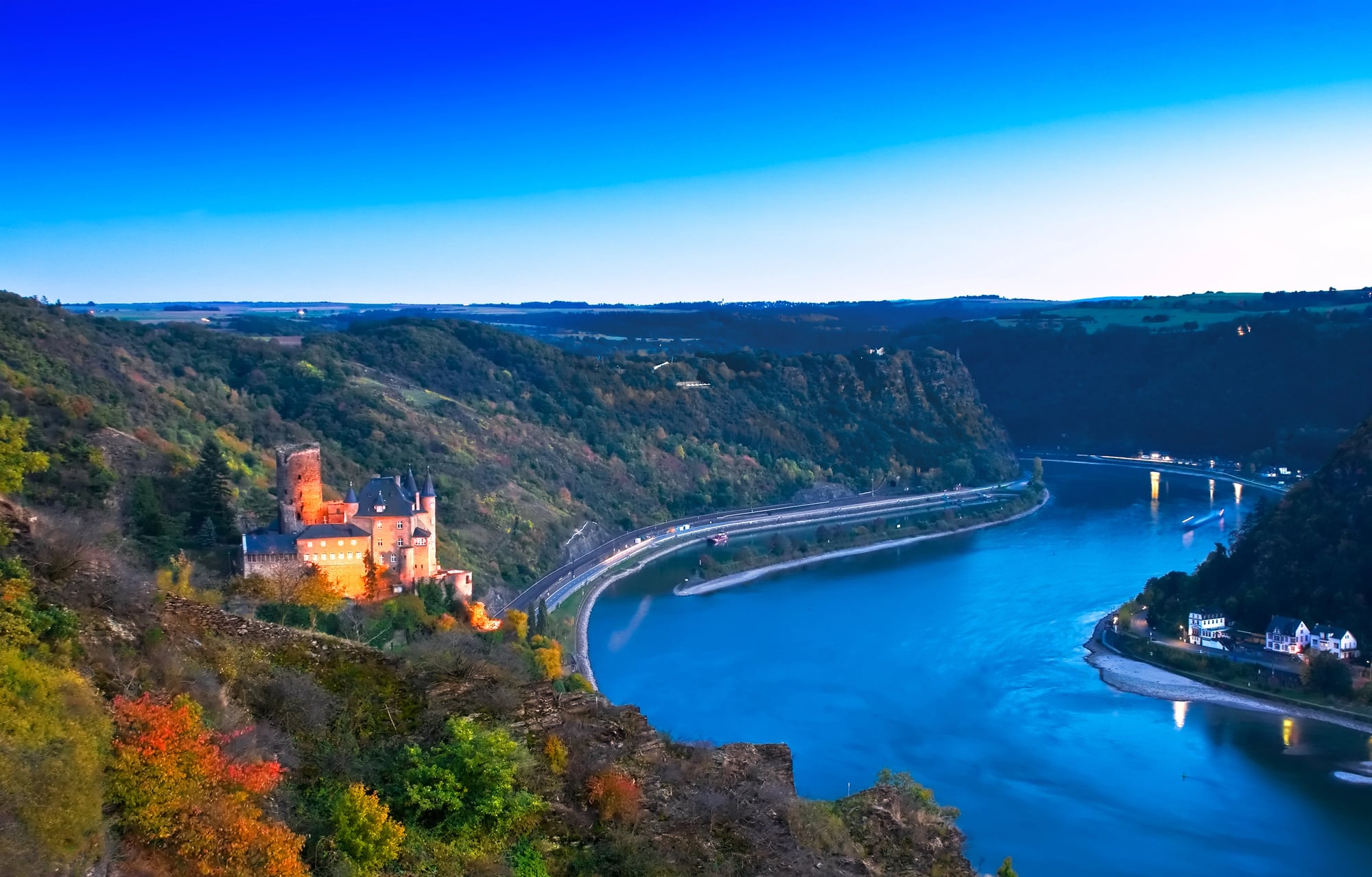
This navigable river flowing through Central Europe became a crucial trade artery connecting the North Sea with Alpine regions, transporting wine, salt, tin, and other essential commodities. Cities like Cologne and Frankfurt grew wealthy from Rhine trade and became major international commercial centers.
The Rhine established economic connections between Northern Europe and Mediterranean regions through a single river system.
Venetian Mediterranean Trade Routes
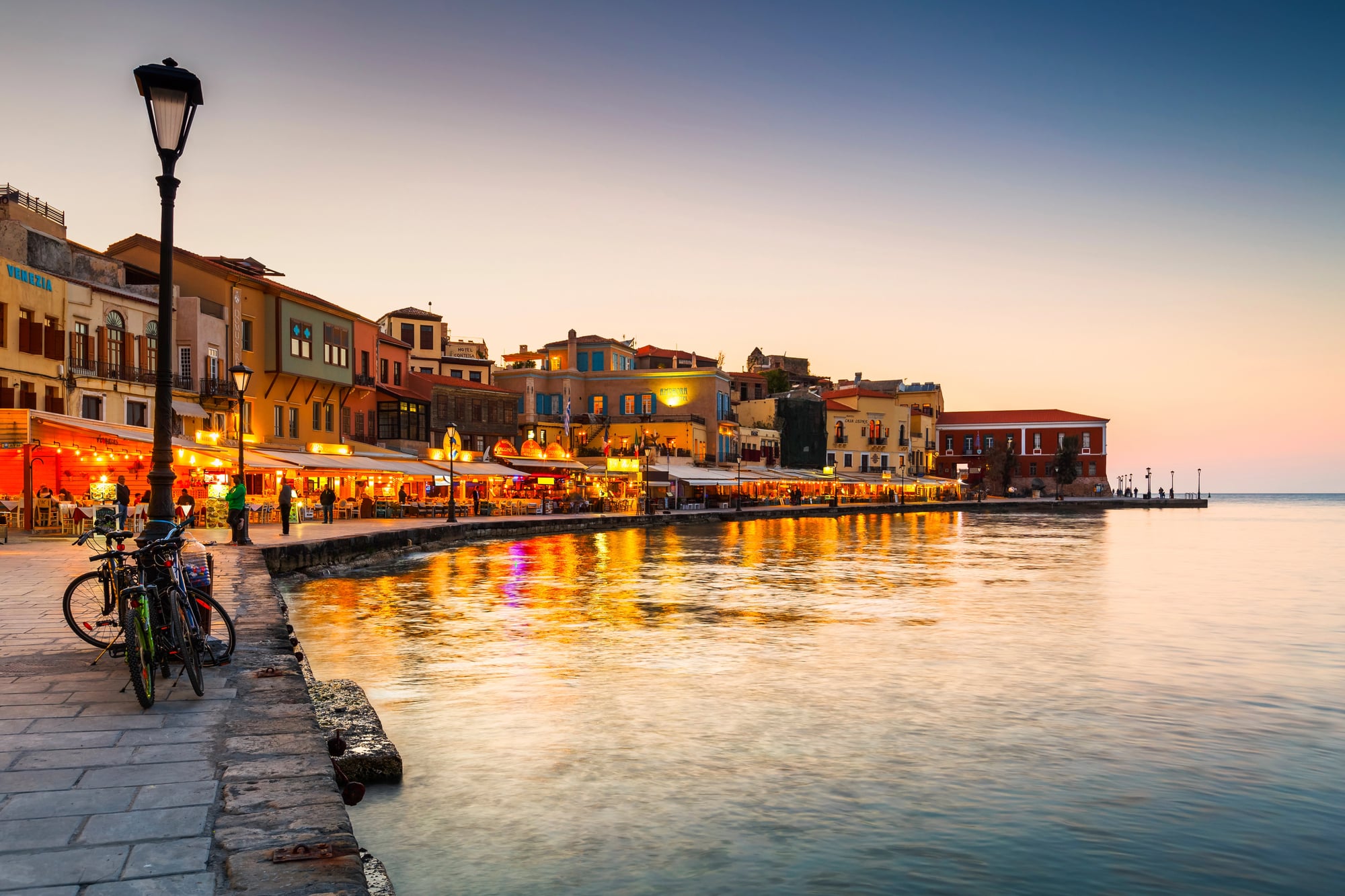
Venice created elaborate maritime routes connecting Mediterranean, Black Sea, and Baltic regions through a series of merchant galleys and trading posts that enriched Venice and established it as the world’s richest city during the medieval period. Venetian merchants pioneered sophisticated financial instruments, insurance mechanisms, and credit systems that enabled international commerce.
Venice’s dominance depended entirely on control of crucial trade routes between East and West.
The Hanseatic-Mediterranean Connection
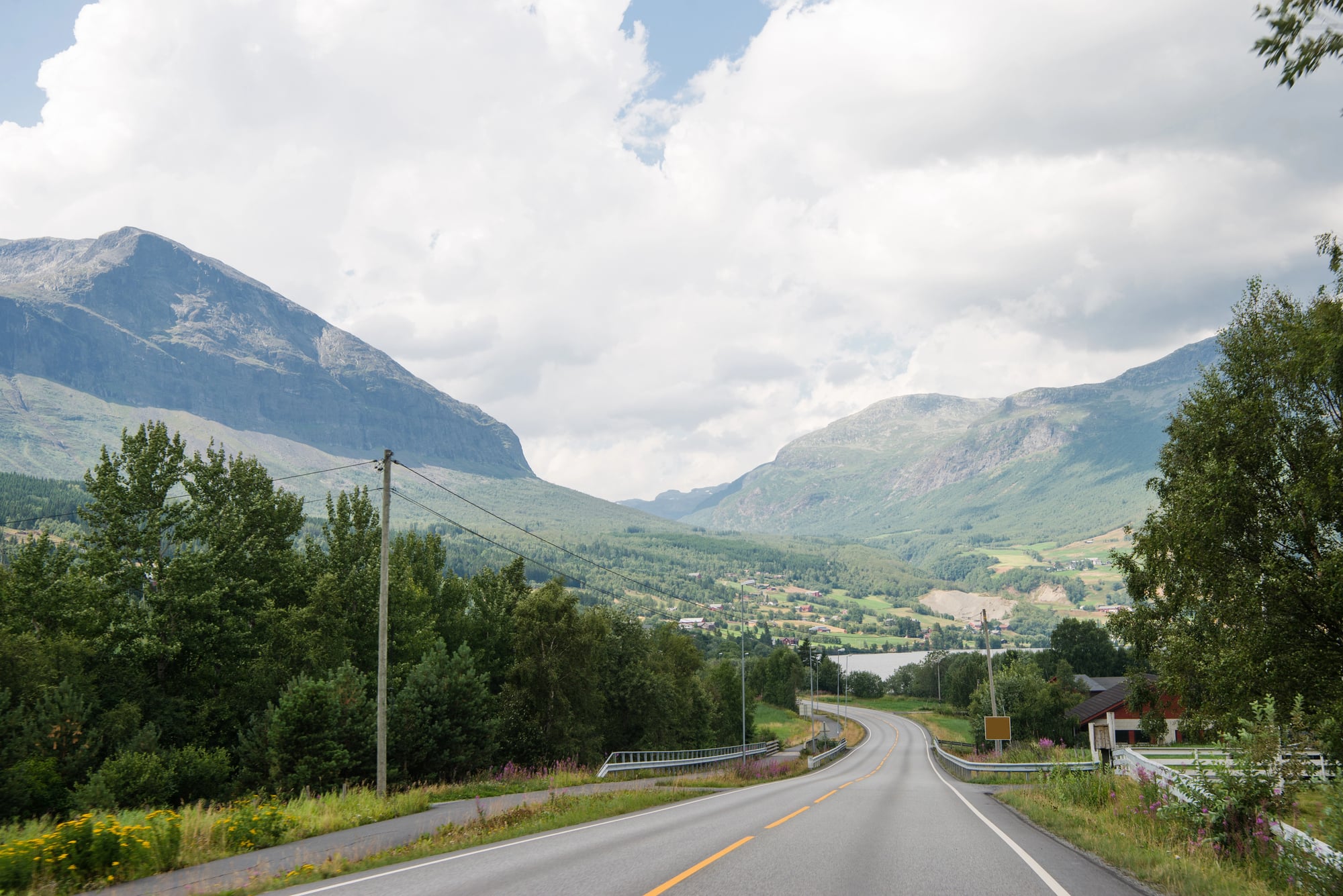
This complex network linked Northern European Hanseatic League ports with Mediterranean trading cities, connecting Baltic amber and timber with Mediterranean wine and oil through an elaborate chain of merchants and money lenders. This connection established trading relationships between Northern and Southern Europe that still structure European economic geography.
The connection established permanent merchant colonies where foreign merchants could conduct business in safe, regulated environments.
The Russian River Routes
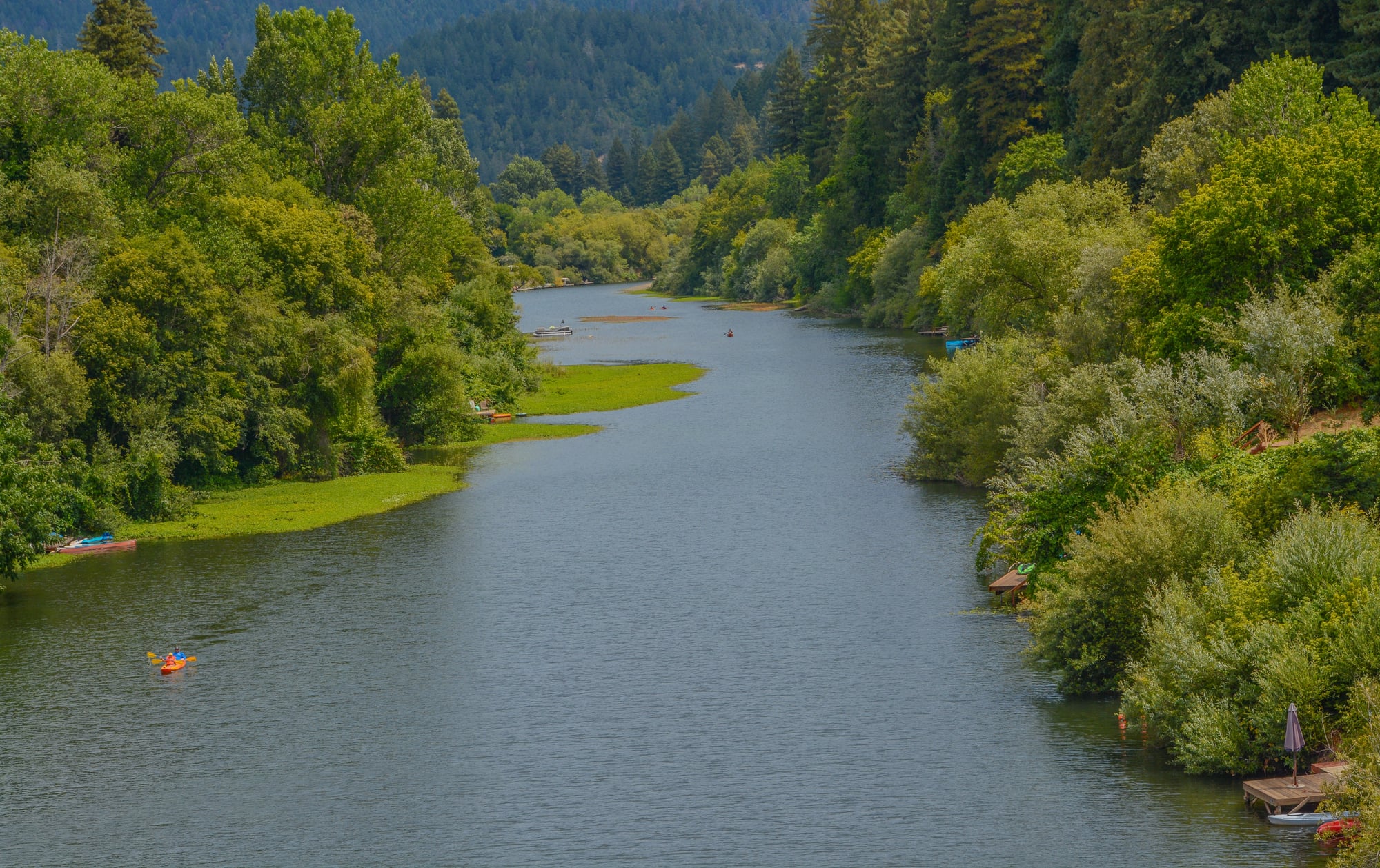
Russian merchants used river systems like the Dnieper and Volga to establish trade connections between the Baltic, Black Sea, and Caspian Sea regions, creating a vast interior trade network. These river routes established Russian cities like Novgorod and Smolensk as major commercial centers and connected Russia to both Islamic and Christian trading worlds.
Russian river routes facilitated cultural and religious exchange between Orthodox Christianity and Islam.
The Salt Roads of Central Europe
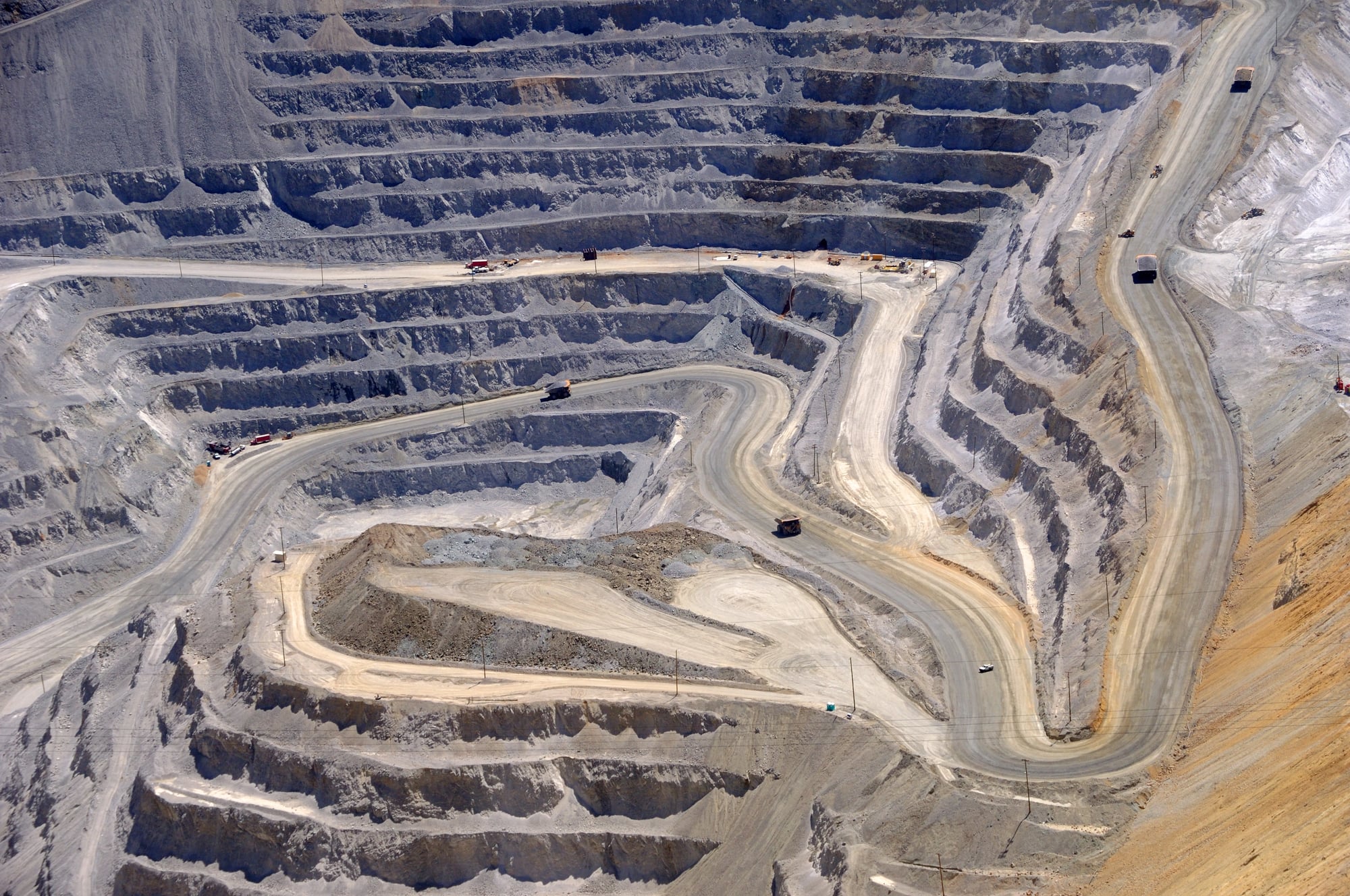
These ancient routes transported salt from mining regions to consumer markets throughout Central Europe, with salt being so valuable it was sometimes used as currency. Salt roads established themselves as permanent trade arteries that shaped settlement patterns and city development throughout medieval Europe.
Control of salt routes made certain regions wealthy and determined regional power structures.
The Tin Routes from Cornwall
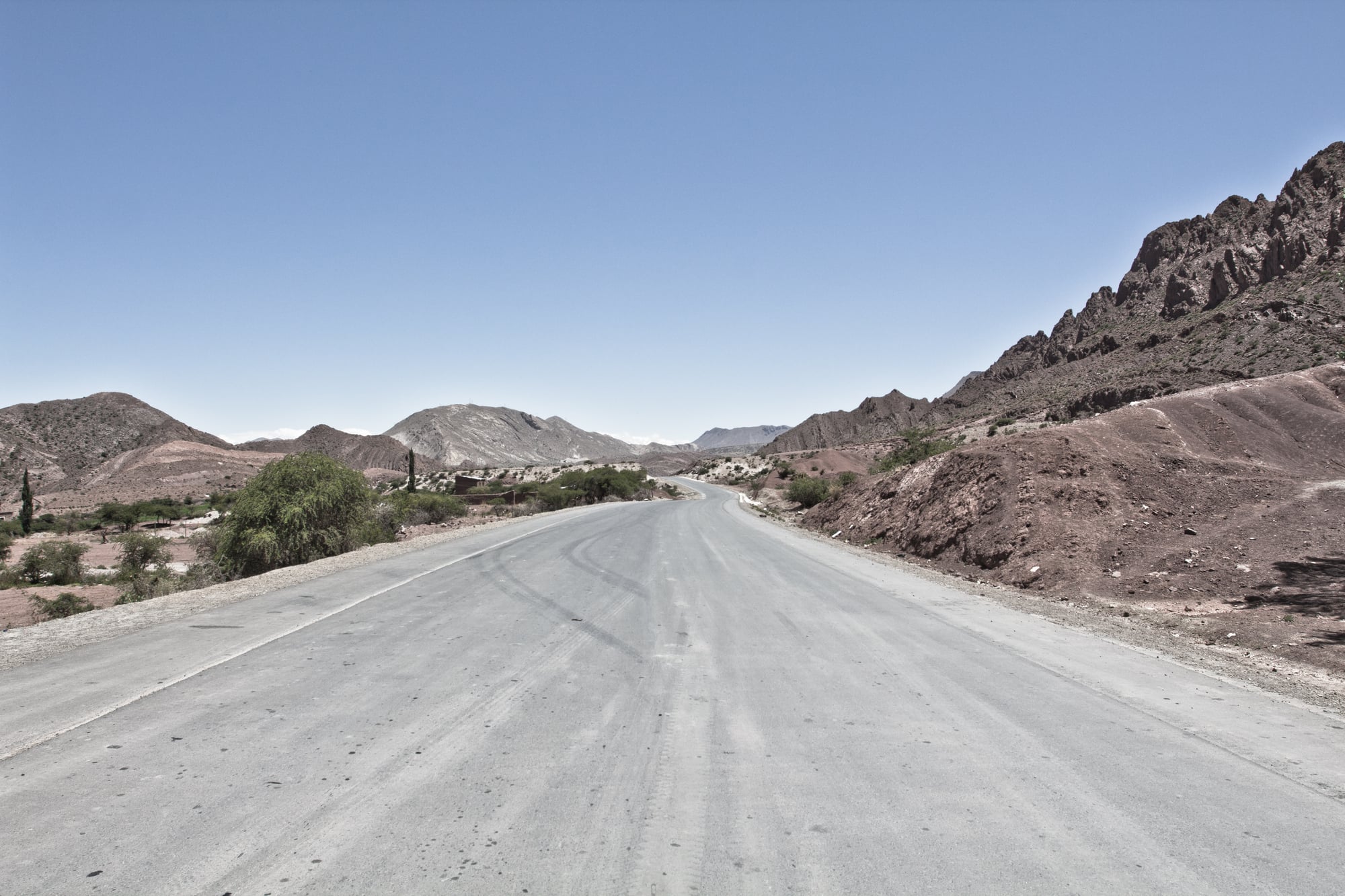
Tin from Cornwall was a crucial metal for bronze production in ancient Mediterranean civilizations, establishing Cornish tin-producing regions as essential parts of ancient trade networks. Tin routes connected isolated Cornwall with Mediterranean, Aegean, and Near Eastern markets, establishing trade connections that influenced Mediterranean Bronze Age civilizations.
The value of tin made the effort to reach distant Cornwall worthwhile for international merchants.
The Monsoon Wind Routes

Sailors learned to utilize monsoon winds in the Indian Ocean to establish reliable seasonal trading patterns that made long-distance maritime commerce feasible. These wind patterns determined when ships could travel certain routes and established fixed trading seasons that organized commercial activity.
Understanding monsoon patterns gave sailing nations enormous advantages in establishing maritime dominance.
The Trans-Asiatic Routes
Multiple routes crisscrossing Asia connected Chinese, Persian, Indian, and Southeast Asian merchants through an elaborate network of caravanserais and trading posts. These routes facilitated technological transfer, religious spread, and cultural exchange across Asia for thousands of years.
Asian trade routes established sophisticated merchant networks and banking systems that were unmatched in complexity until European commercial expansion.
The Pilgrimage Routes to the Holy Land
Religious pilgrimage routes to Jerusalem facilitated not just spiritual travel but also commercial exchange, cultural contact, and the transfer of goods between Europe, the Mediterranean, and the Middle East. Pilgrimage routes established permanent merchant networks that persisted long after religious pilgrimages declined.
These routes demonstrated how religious motivations could create permanent commercial infrastructure.
The Northern European Timber Routes

Scandinavia’s vast forests provided timber, furs, and amber that were essential to building medieval Europe’s cities and ships. Timber routes established Scandinavian merchants as crucial suppliers of building materials and established settlements in forested regions.
Competition for control of timber routes influenced military conflicts and political alliances throughout medieval Europe.
The East India Company Routes
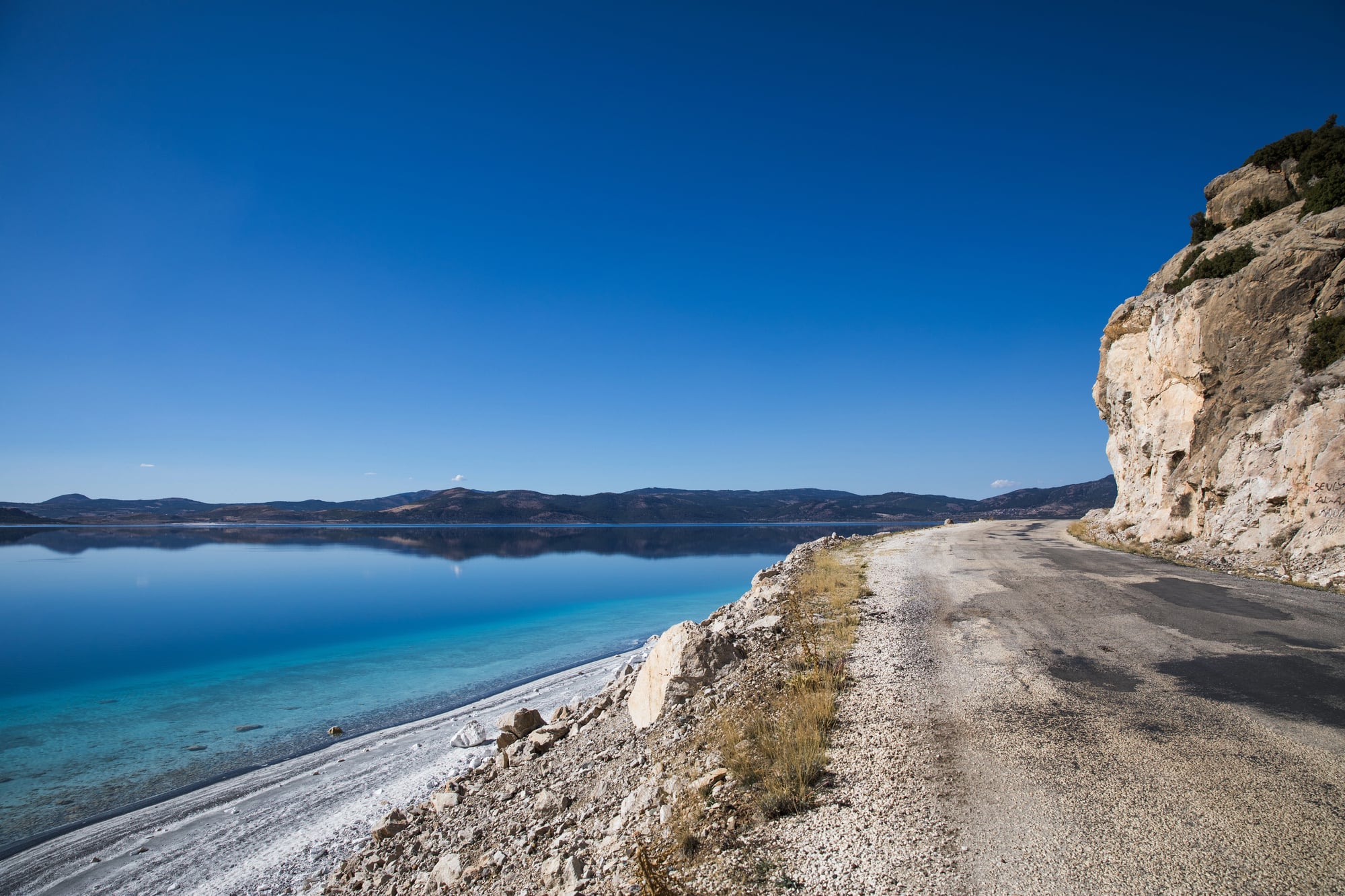
British, Dutch, French, and other European East India Company routes established during the 17th and 18th centuries created a network of colonial trading posts throughout Asia that enriched European merchant companies and impoverished Asian producers. These routes established European dominance in global commerce and created the economic relationships that would lead to European colonization.
East India Company routes demonstrated how merchant companies could become quasi-governmental powers controlling vast territories and populations.
The Cape Route

The sea route around the Cape of Good Hope connecting European ports with Indian Ocean trade, established after the Portuguese navigated it successfully, eliminated the need to cross Middle Eastern territories controlled by Ottoman merchants. The Cape route reduced shipping time dramatically and made direct European-Asian commerce financially viable.
Control of the Cape route determined which European nations could engage in profitable Asian trade.
The Mississippi River Trade
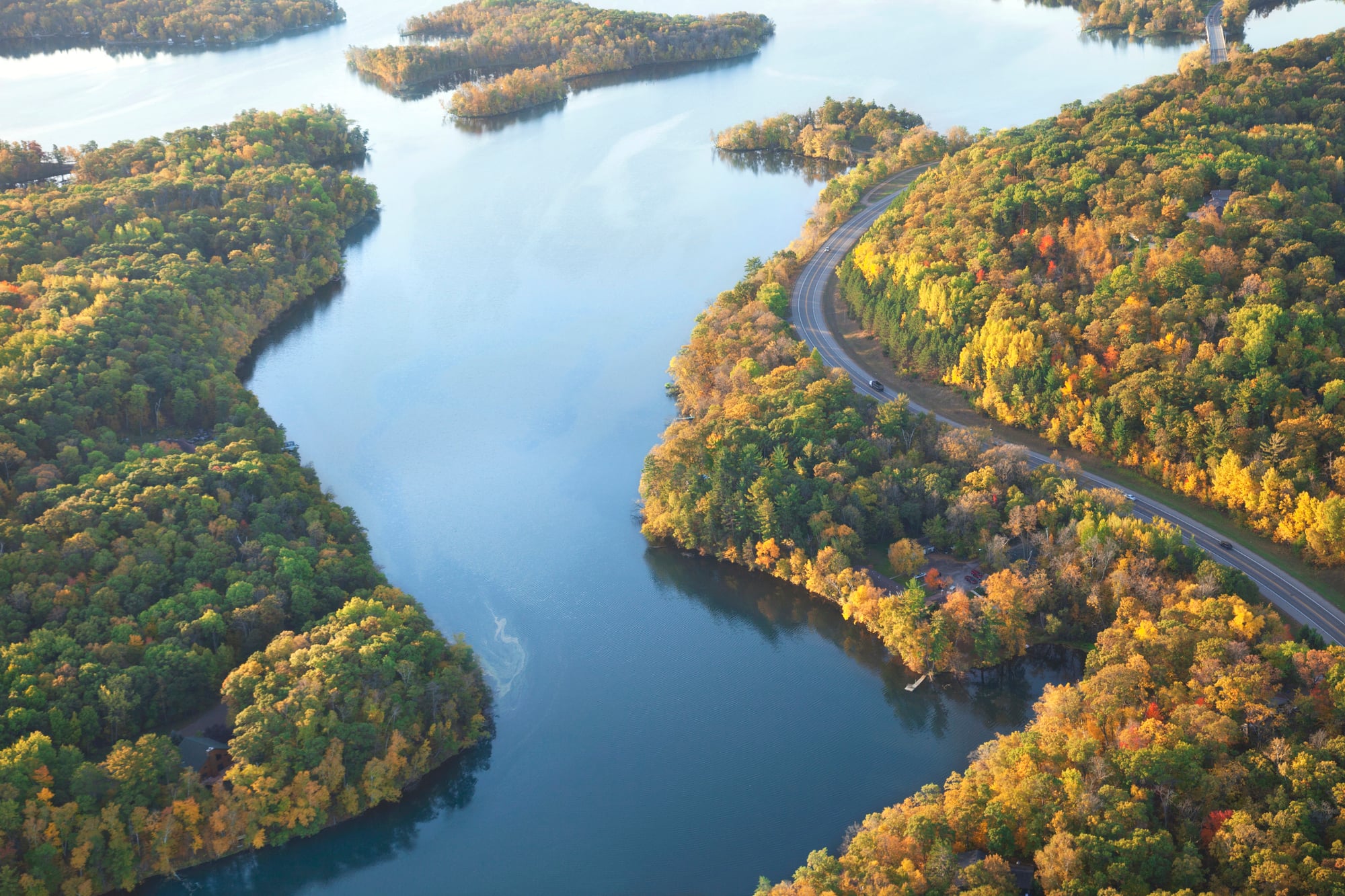
This vast North American river connected northern fur-trading regions with Gulf of Mexico ports, establishing New Orleans as a crucial commercial center. The Mississippi River trade established economic relationships between inland North American regions and Atlantic trade networks.
Control of the Mississippi River determined French versus British power in North America.
The Grand Canal of China
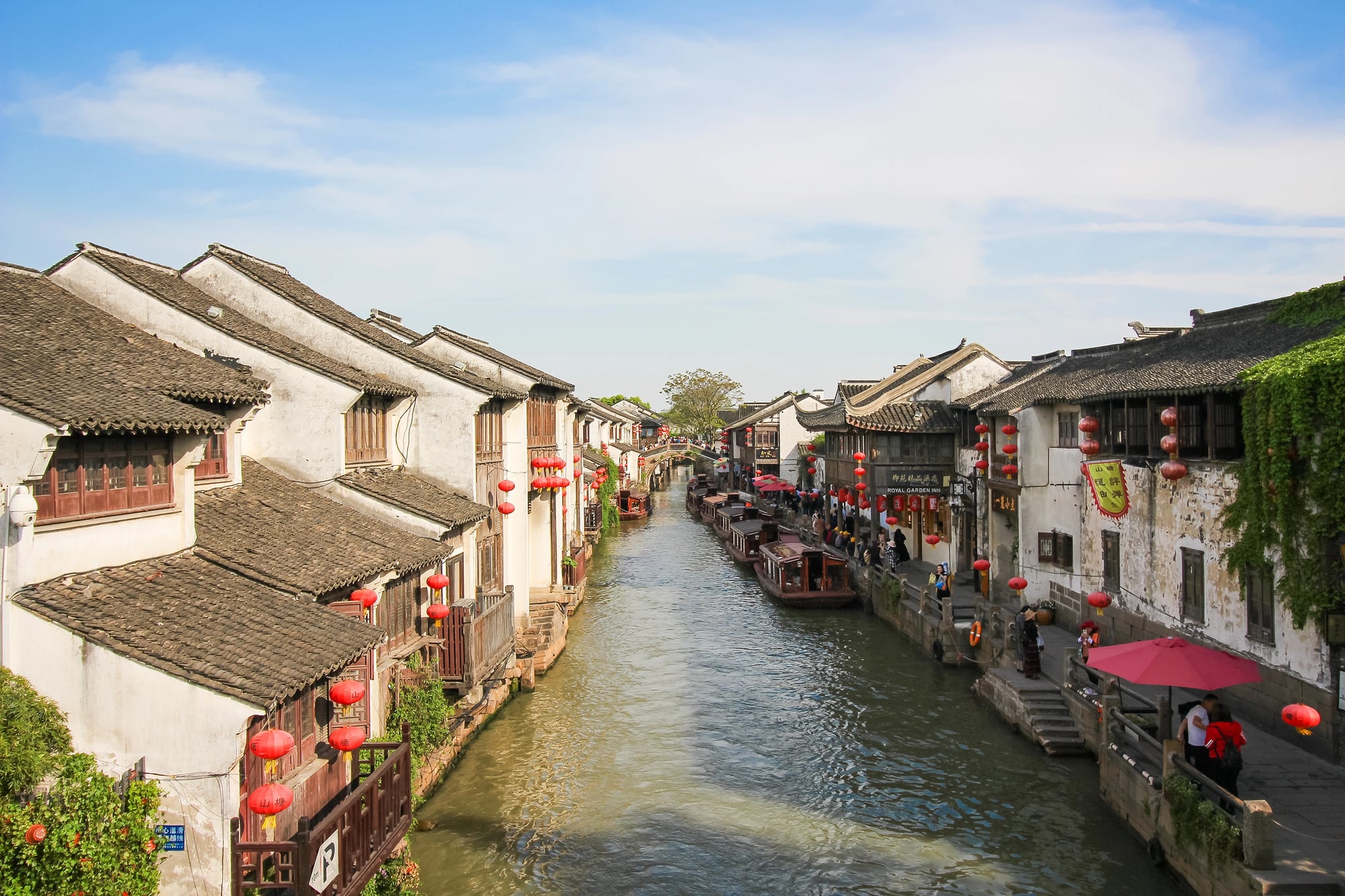
This artificial waterway connecting Beijing with southern China’s Yangtze River region facilitated rice, salt, and luxury goods transportation that sustained China’s massive urban population. The Grand Canal established northern Chinese cities as dependent on southern agricultural regions and created permanent merchant networks between north and south.
The Grand Canal demonstrated how infrastructure investment could reshape trade patterns and urban development.
The Danube River Trade
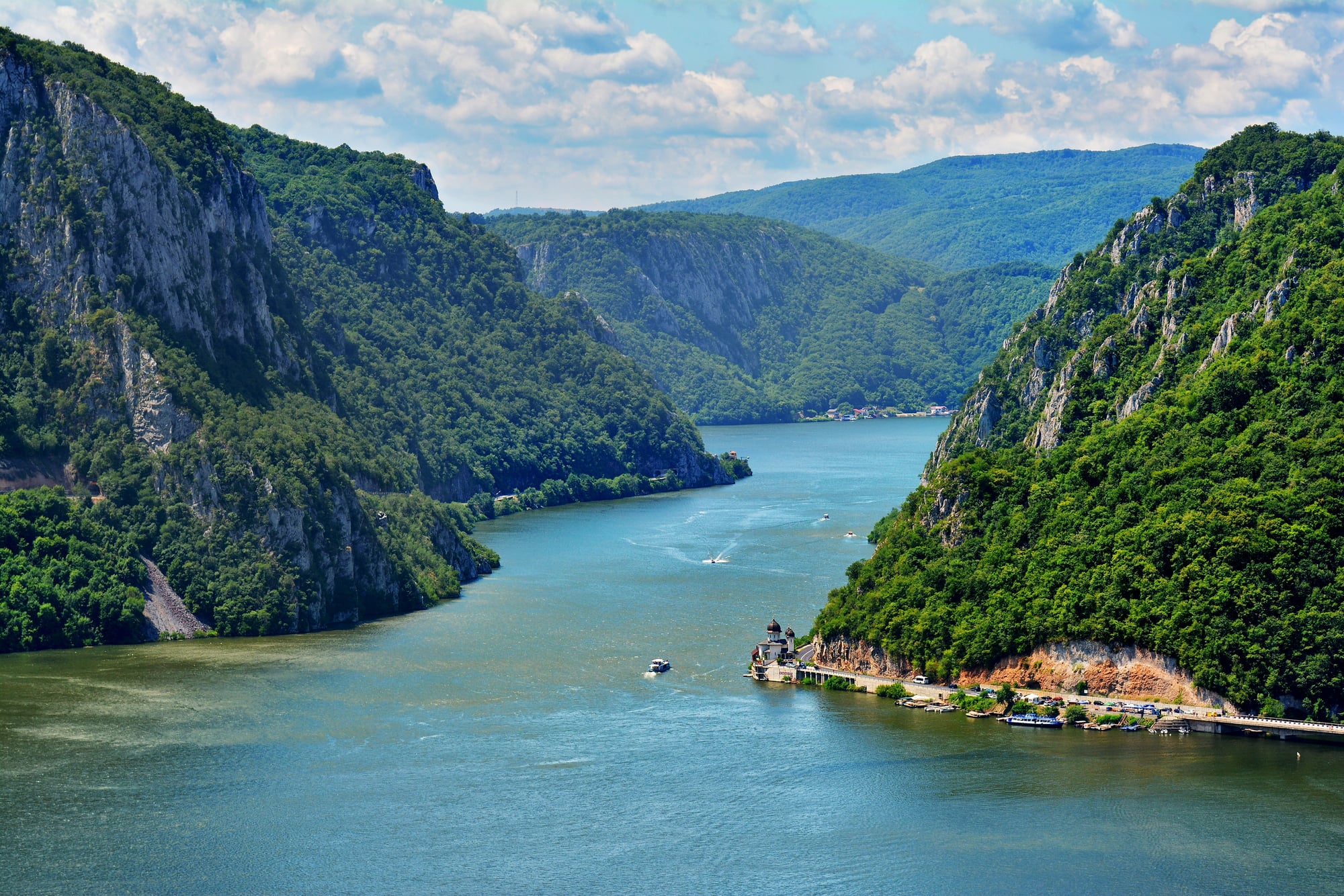
This European river connected Central Europe, the Balkans, and the Black Sea through navigable waterways that established Vienna, Budapest, and other cities as major commercial centers. Danube trade facilitated the spread of Christianity into Central Europe and established merchant networks between Northern European and Mediterranean regions.
Control of Danube trade determined regional power distribution in Central and Eastern Europe.
The Arab Dhow Routes
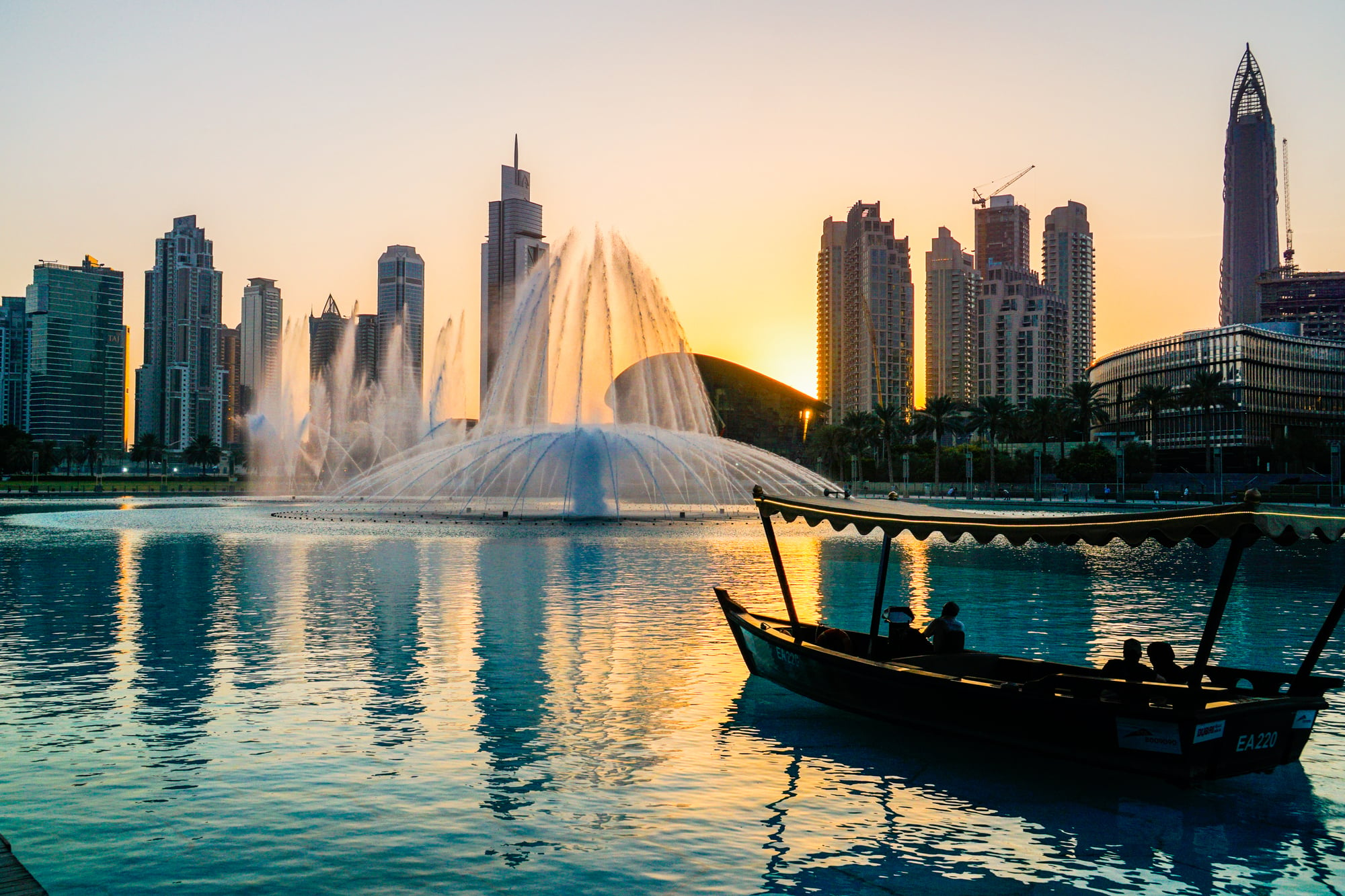
Arab merchants using dhow ships (traditional sailing vessels) established maritime routes throughout the Indian Ocean, Red Sea, and Persian Gulf, connecting East Africa, the Arabian Peninsula, India, and Southeast Asia. Arab dhow routes carried not just merchandise but also Islamic religious and cultural influence, establishing Islam as a major religion across the Indian Ocean world.
Arab merchants pioneered sophisticated navigational techniques and financial instruments that enabled long-distance maritime commerce.
The Routes That Remain
Many of the ancient trade routes that shaped the medieval and early modern world have been displaced by modern transportation networks—container ships follow different routes than Portuguese caravels, and airfreight has eliminated the time constraints that once determined commerce. Yet the cities that grew wealthy from ancient trade routes—Venice, Genoa, Amsterdam, Calcutta, Shanghai—remain major world cities, and the political and cultural relationships established by these routes persist into the modern era.
Modern international relationships between European and Asian nations, the economic dominance of certain coastal regions, and the cultural hybridity of port cities all trace their origins to ancient trade routes that connected distant civilizations and facilitated the exchange of goods, ideas, and technologies across vast distances.
More from Go2Tutors!

- The Romanov Crown Jewels and Their Tragic Fate
- 13 Historical Mysteries That Science Still Can’t Solve
- Famous Hoaxes That Fooled the World for Years
- 15 Child Stars with Tragic Adult Lives
- 16 Famous Jewelry Pieces in History
Like Go2Tutors’s content? Follow us on MSN.