31 Treaties That Ended Wars but Created Problems That Lasted Even Longer
The men who designed the Treaty of Versailles in 1919 believed they were ending war. Twenty years later, their treaty had helped start another one.
The story is common enough that it has a pattern: a war ends, exhausted powers sit around a table and make decisions under conditions of anger, grief, and strategic self-interest, and the document they produce solves the immediate problem while quietly building the next one. The peace conference does not always know what it has done. Sometimes it takes a generation to find out.
Here are thirty-one agreements that ended conflicts but created consequences their authors never fully anticipated.
The Treaty of Versailles, 1919

The most discussed peace settlement in history imposed the War Guilt Clause on Germany, requiring it to accept full responsibility for the First World War, pay enormous reparations, surrender significant territory, and reduce its military to near-nothing. Economist John Maynard Keynes resigned from the British delegation and immediately published a warning that the settlement would produce economic catastrophe in central Europe.
He was right. The resentments the treaty encoded gave Adolf Hitler a political programme, and what the peacemakers called a final settlement, historians now describe as a twenty-year ceasefire.
The Sykes-Picot Agreement, 1916

Technically a wartime arrangement rather than a peace treaty, the Sykes-Picot Agreement between Britain and France divided the Arab territories of the Ottoman Empire into spheres of influence along lines drawn by two diplomats with rulers and maps. The borders paid little attention to ethnic, religious, or tribal boundaries on the ground.
The resulting states of Iraq, Syria, and Lebanon were constructed around populations with competing loyalties that the colonial powers managed through suppression rather than consent. The consequences remain visible across the Middle East more than a century later.
The Treaty of Sèvres, 1920

The Allied powers designed the Treaty of Sèvres to dismember the Ottoman Empire after the First World War. Among its provisions was an autonomous Kurdistan and an independent Armenia. It was never ratified.
Turkish nationalist forces under Mustafa Kemal fought the Turkish War of Independence, rendering the treaty void and replacing it with the Treaty of Lausanne three years later. The Kurdish state promised at Sèvres was never delivered.
That unfulfilled promise has underpinned Kurdish political claims and armed resistance across Turkey, Iraq, Syria, and Iran ever since.
The Treaty of Trianon, 1920
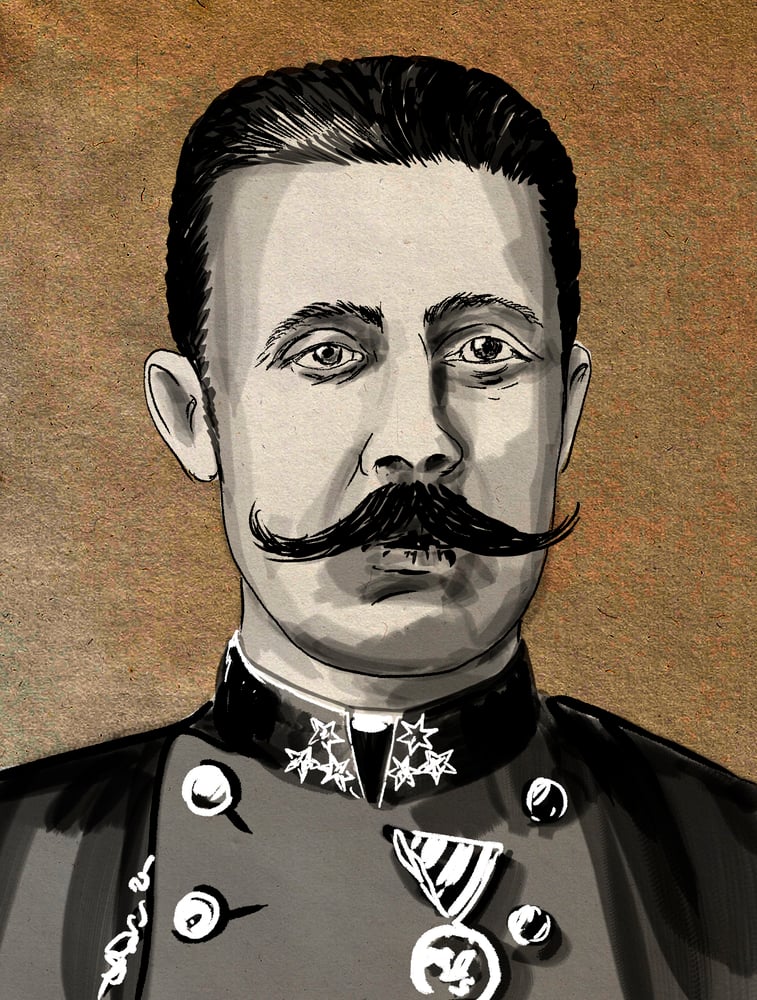
The Treaty of Trianon stripped Hungary of roughly two-thirds of its pre-war territory and placed approximately three million ethnic Hungarians under the sovereignty of neighbouring states. The settlement was designed to create ethnically coherent successor states out of the Austro-Hungarian Empire, but the ethnic map was too complex to accommodate that ambition cleanly.
Trianon remains a source of profound national grievance in Hungary and shaped the country’s territorial revisionism in the 1930s, its alignment with Nazi Germany, and elements of its foreign policy that remain contested into the twenty-first century.
The Congress of Berlin, 1878
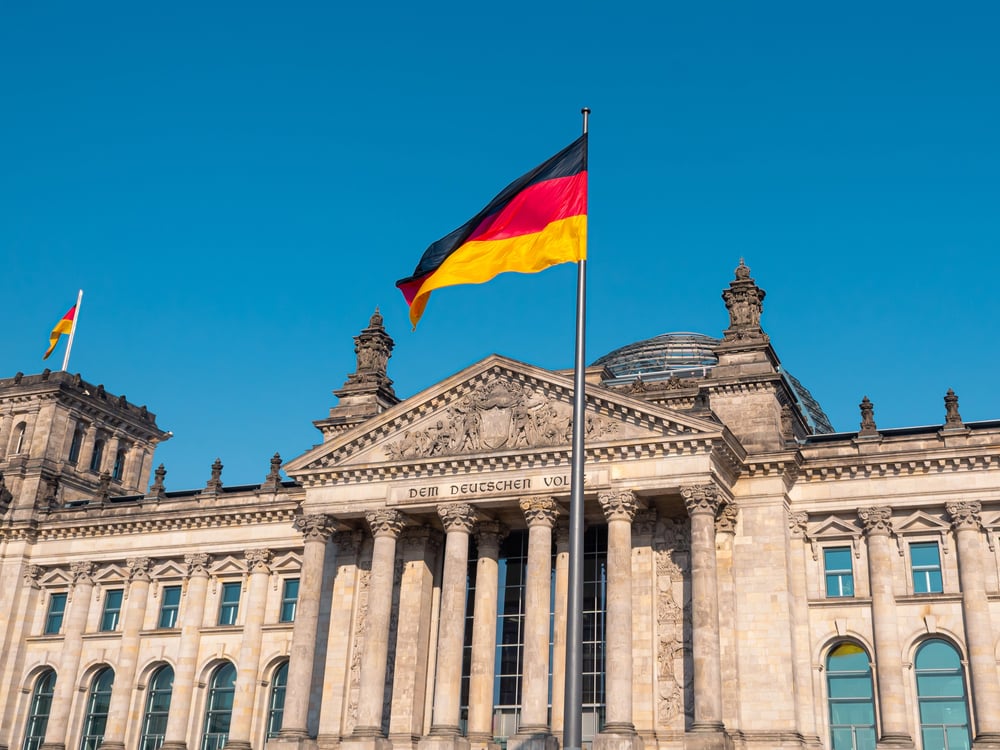
The Congress of Berlin redrew the Balkan map after the Russo-Turkish War, but it generated significant grievances in the process. Russia felt its military gains had been stripped away by the European powers. Austria-Hungary was given administrative control of Bosnia-Herzegovina without formal sovereignty — an ambiguous arrangement that would eventually trigger the assassination of Franz Ferdinand in Sarajevo in 1914, the event that started the First World War.
The congress resolved one Balkan crisis by deferring the underlying tensions for thirty-six years.
The Treaty of Lausanne, 1923
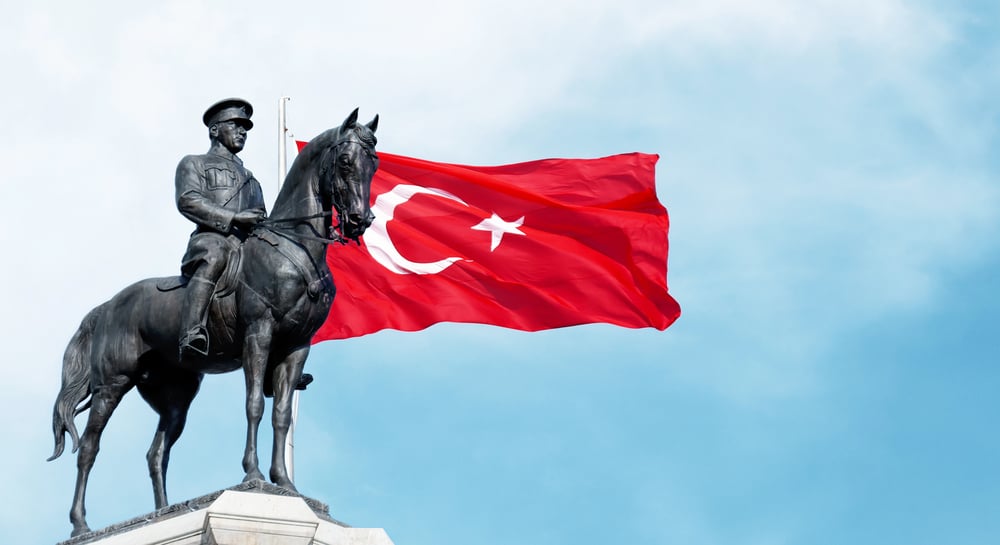
The Treaty of Lausanne is sometimes described as the model of a successful peace settlement because it was held. It created a negotiated rather than dictated peace between Turkey and the Allies, and Atatürk’s Turkey accepted its terms.
But it also ratified the world’s largest forced population exchange: around 1.5 million Greek Orthodox Christians were expelled from Turkey, and approximately half a million Muslims were expelled from Greece. Families had lived in these places for generations.
The exchange resolved a territorial dispute by uprooting populations who had never consented to be exchanged.
The Treaty of Tordesillas, 1494
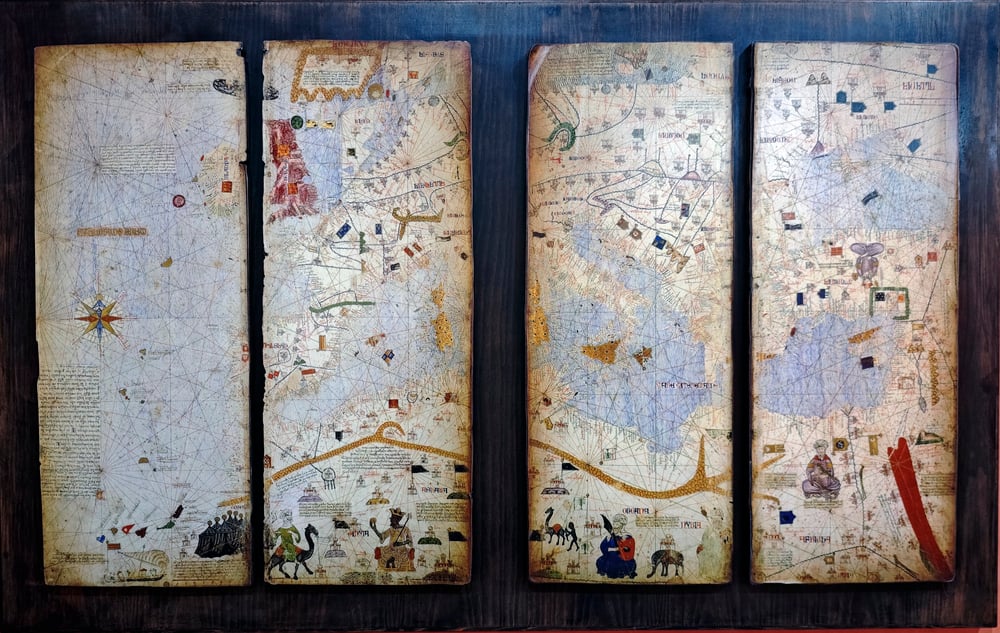
Portugal and Spain, with Papal approval, divided the newly discovered world between themselves along a line of longitude in the middle of the Atlantic Ocean. The indigenous peoples of the Americas, Africa, and Asia were not consulted.
The treaty legitimised colonial conquest on a planetary scale and established the precedent that distant powers could assign sovereignty over inhabited lands without reference to the people living in them. Its logic shaped colonial practice for the next four centuries.
The Peace of Westphalia, 1648

The Peace of Westphalia ended the Thirty Years’ War — one of the most destructive conflicts in European history — and established principles of national sovereignty and non-interference that still underpin international law. Its contribution to stability in Europe was genuine.
Its unintended legacy was an international system in which sovereign states could treat their own populations however they chose without external intervention, a principle that proved convenient for perpetrators of internal repression for the next three centuries.
The Treaty of Utrecht, 1713
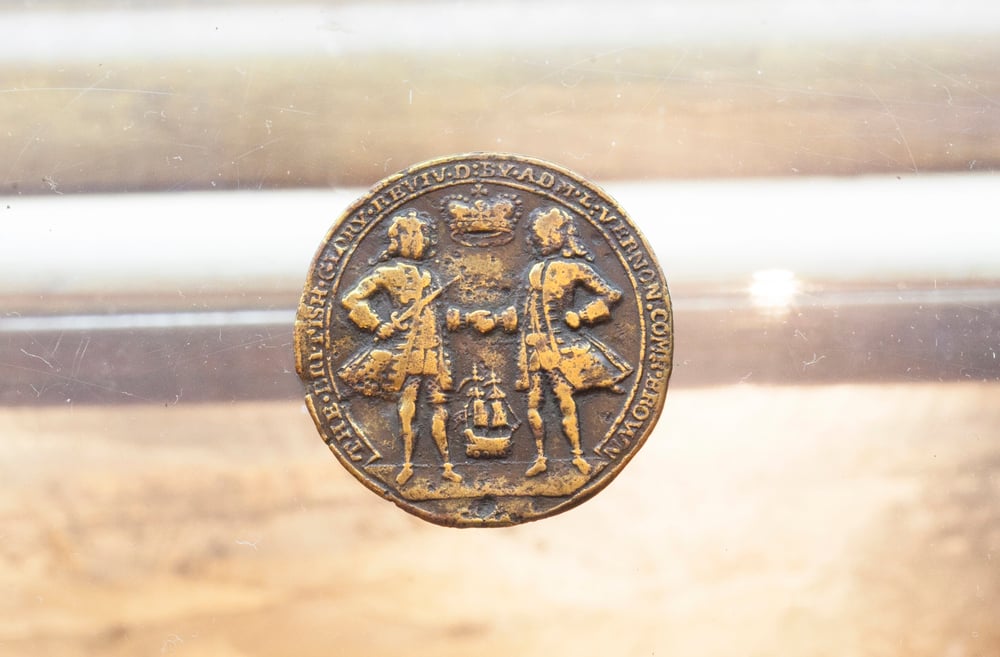
The Treaty of Utrecht ended the War of the Spanish Succession and confirmed a Bourbon prince on the Spanish throne, but its territorial settlements satisfied almost no one completely. France gave up significant territories, Spain lost its European possessions, and Britain gained Gibraltar and Menorca.
The cession of Gibraltar, intended as a temporary settlement, produced a territorial dispute between Britain and Spain that has never been formally resolved and remains a source of bilateral friction more than three hundred years later.
The Congress of Vienna, 1815
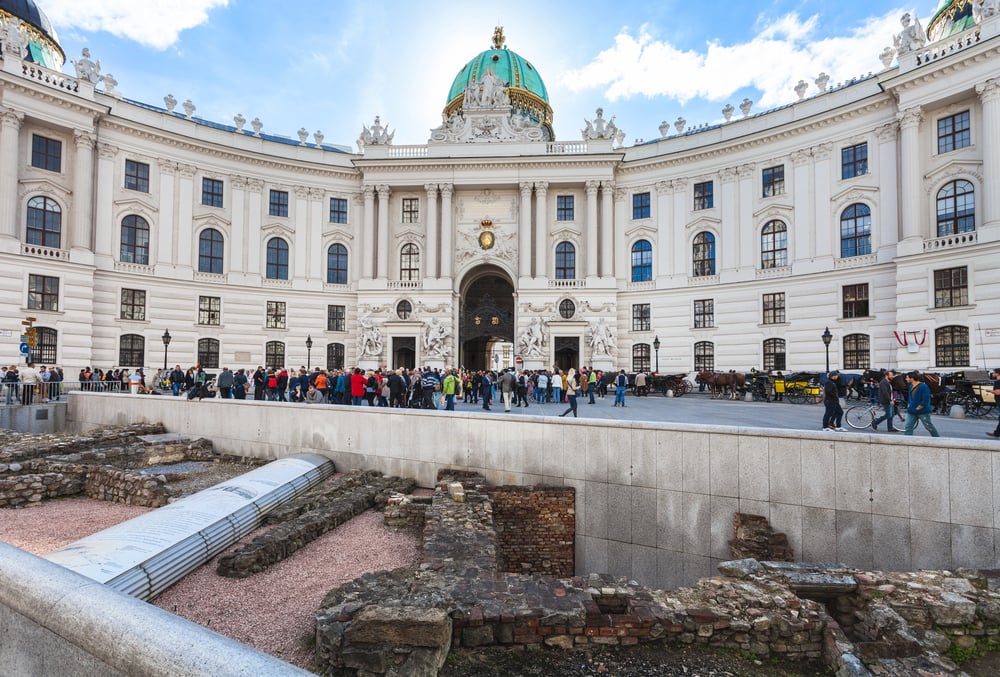
The Congress of Vienna after the Napoleonic Wars was a masterwork of conservative realpolitik that successfully suppressed European great-power conflict for nearly a century. It achieved this by ignoring nationalism.
The principle of legitimate dynastic rule was prioritised over the national identities of the populations being settled. Poland was divided between the great powers; Italian and German national ambitions were suppressed; Belgium was attached to the Netherlands.
The 19th century spent most of its energy attempting to undo the map that Vienna had drawn.
The Treaty of Westphalia, and German Fragmentation

A consequence of Westphalia often overlooked in discussions of its sovereignty principles was the codification of German political fragmentation. The treaty confirmed the rights of hundreds of German principalities, making German unification constitutionally difficult for another two centuries.
When unification finally came under Prussian leadership in 1871, it came through war and military dominance rather than through the gradual political consolidation that might have produced a more stable outcome.
The Treaty of Nanking, 1842
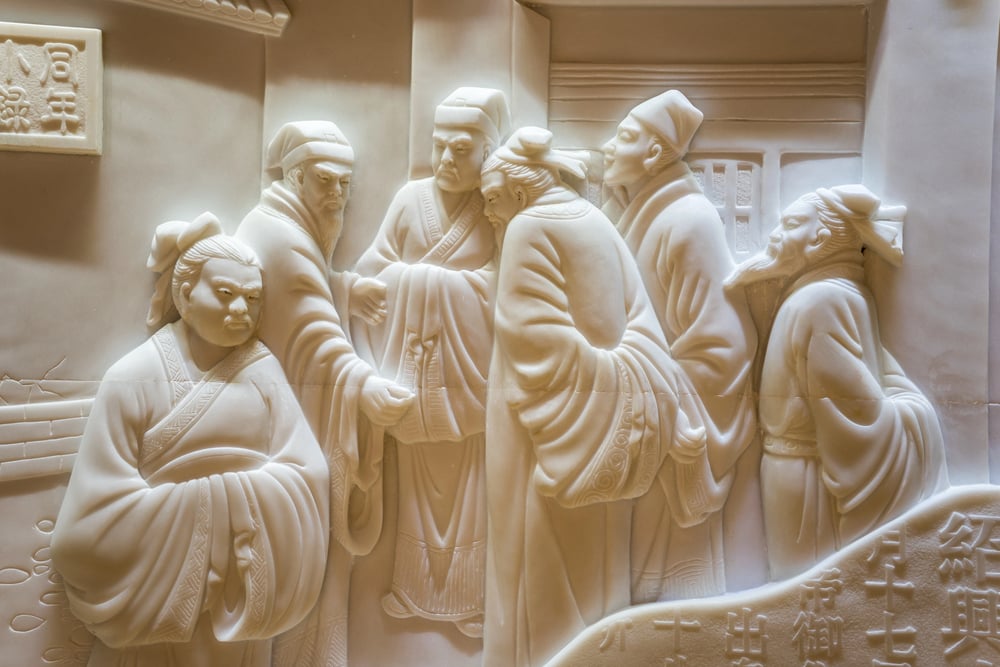
The Treaty of Nanking ended the First Opium War and opened five Chinese ports to British trade, imposed a substantial indemnity on China, and ceded Hong Kong to Britain. It was the first of what Chinese historians call the “unequal treaties” — a series of agreements extracted under military coercion from a weakening Qing dynasty. The cumulative effect of the unequal treaties created the conditions of national humiliation that fuelled revolutionary movements throughout the 19th and 20th centuries and continues to inform Chinese foreign policy orientations in the present.
The Convention of Kanagawa, 1854

Commodore Matthew Perry’s black ships arrived in Tokyo Bay in 1853 and the Convention of Kanagawa the following year opened Japan to American trade under the implicit threat of force. The forced end of Japanese isolation created immediate economic disruption and contributed to the collapse of the Tokugawa shogunate.
The crisis produced the Meiji Restoration, which in turn produced the rapid Japanese militarisation that led to the Russo-Japanese War, the invasion of China, and eventually the attack on Pearl Harbour. The treaty that opened Japan to the world set in motion a sequence that would close it again violently in 1941.
The Berlin Conference Act, 1885

The General Act of the Berlin Conference partitioned Africa among European colonial powers with minimal reference to the cultures, languages, or political structures of the people being divided. The 1884 to 1885 conference produced borders that cut across existing communities and forced rival groups into the same administrative units while separating related ones. The post-colonial African state inherited these borders almost entirely intact.
The ethnic conflicts and governance crises they have produced are not fully attributable to the Berlin Conference, but that document provided the framework within which those crises developed.
The Treaty of Ghent, 1814
— Photo by WHPics
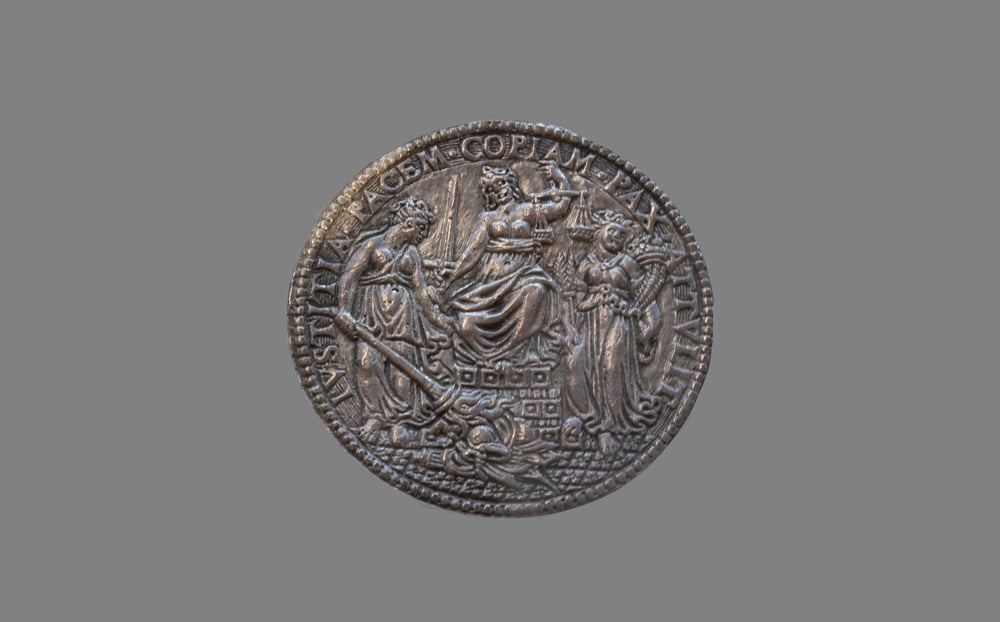
The Treaty of Ghent ended the War of 1812 between the United States and Britain and restored everything to the pre-war status quo. No borders have changed. No grievance was resolved.
The maritime rights disputes that had triggered the war were not addressed in the final settlement because both sides had lost interest in them. The Native American allies who had fought alongside the British were abandoned to American expansion by the treaty’s terms.
The Ghent settlement is often cited as evidence that wars can end without resolving anything, on the theory that time and exhaustion suffice.
The Treaty of Paris, 1783
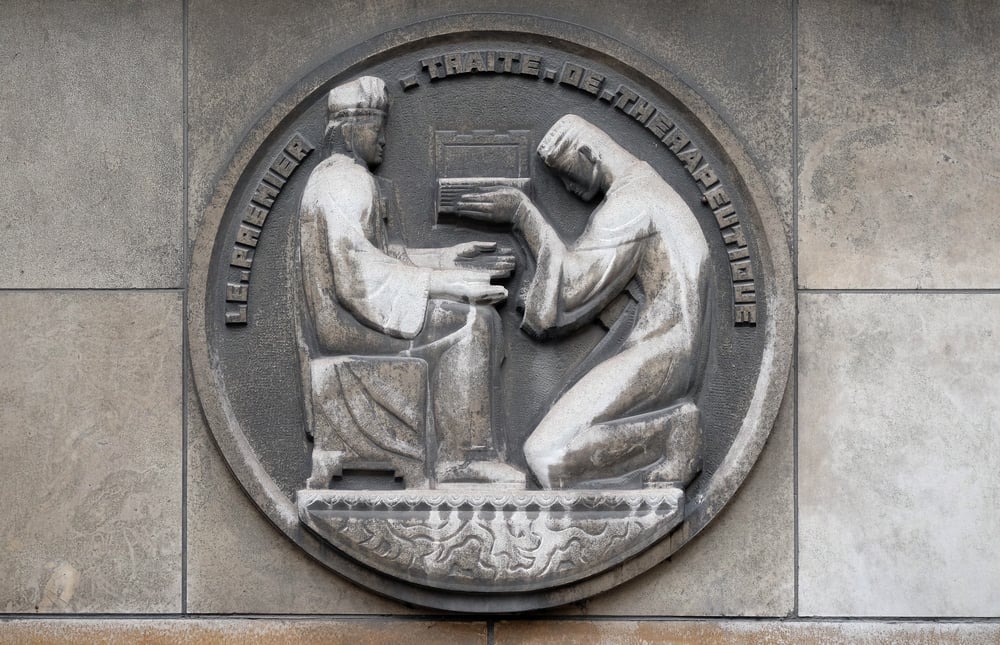
The Treaty of Paris recognising American independence was in many respects a remarkable diplomatic achievement for the new United States, which secured generous borders from the Atlantic to the Mississippi. The treaty’s authors did not, however, consult the Native American nations whose territories had been included in those borders.
The Cherokee, Iroquois, Shawnee, and other nations found themselves formally assigned to American sovereignty without their knowledge or consent. The treaty that created the United States also created the legal framework for the dispossession of its indigenous inhabitants.
The Treaty of Guadalupe Hidalgo, 1848
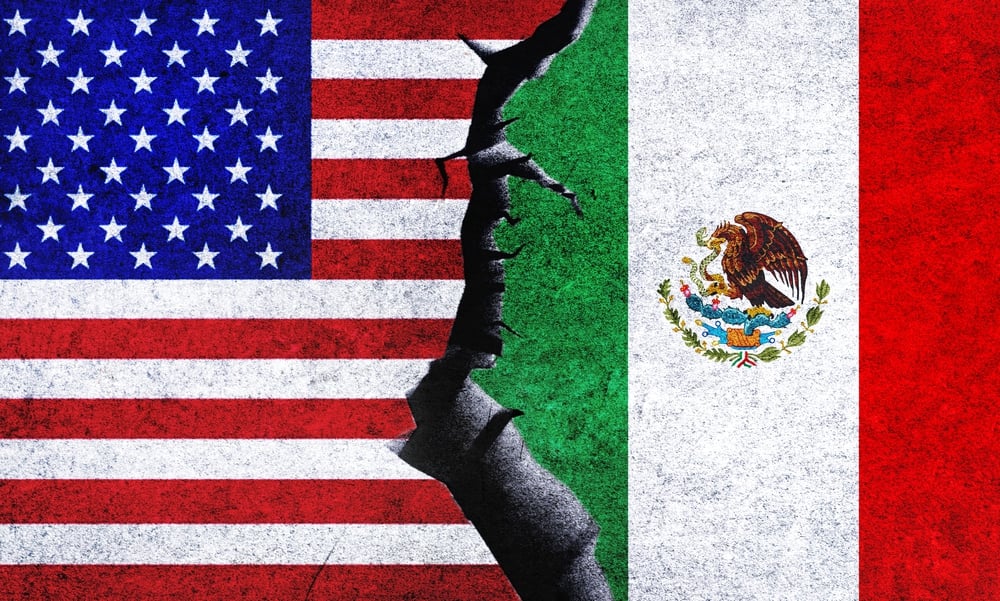
The Treaty of Guadalupe Hidalgo ended the Mexican-American War and transferred roughly half of Mexico’s territory to the United States, including present-day California, Texas, Nevada, Utah, and parts of several other states. The treaty guaranteed property and civil rights for Mexican citizens in the ceded territories.
Those guarantees were systematically violated over subsequent decades, a pattern that created land grievances and cultural tensions that remain active in the American Southwest nearly two centuries later.
The Adams-Onís Treaty, 1819

The Adams-Onís Treaty transferred Florida from Spain to the United States and defined the boundary between American and Spanish territory in North America. The treaty also formally renounced American claims to Texas.
This renunciation was politically unpopular almost immediately and contributed to the political pressure that ultimately led to the annexation of Texas in 1845 and the Mexican-American War. A peace settlement that ceded one territory created the conditions for the next war over a different one.
The Treaty of Frankfurt, 1871
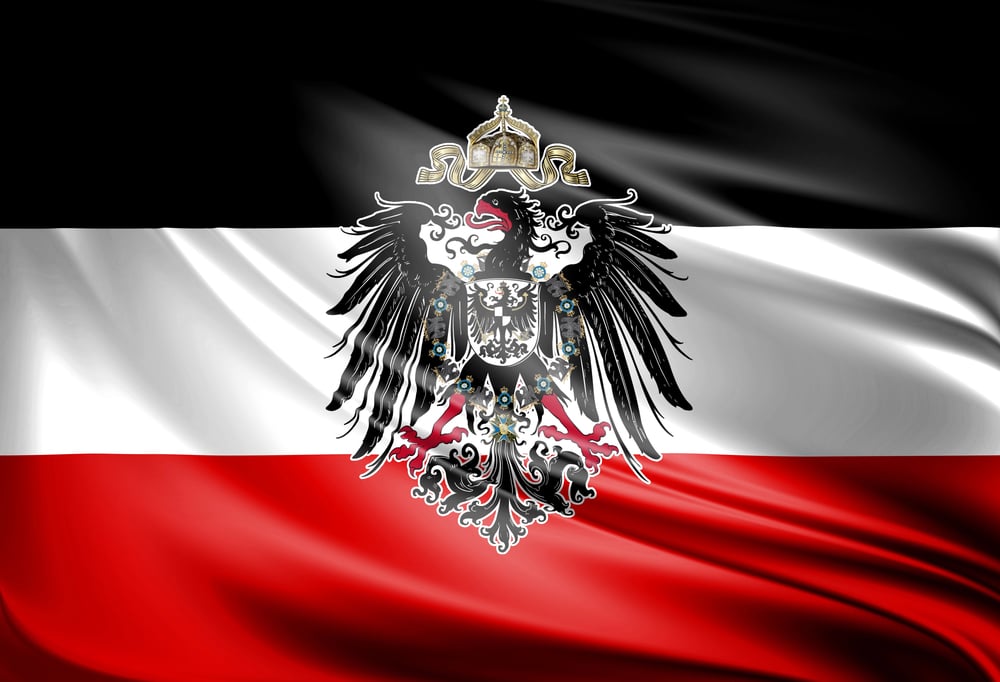
The Treaty of Frankfurt ended the Franco-Prussian War and imposed on France the cession of Alsace and most of Lorraine, regions with a mixed French and German population. The loss of Alsace-Lorraine became a defining element of French national identity and a major driver of the revanchist sentiment that made France a willing participant in the Great War in 1914.
The territory was recovered after the First World War, lost again to Germany in 1940, and recovered again in 1945. The settlement designed to secure Prussian dominance in Europe instead guaranteed French hostility for two generations.
The Treaty of Portsmouth, 1905

The Treaty of Portsmouth ended the Russo-Japanese War and was brokered by President Theodore Roosevelt, who won the Nobel Peace Prize for his efforts. The settlement gave Japan significant gains in Manchuria and Korea but fell short of Japanese expectations, particularly regarding a financial indemnity.
Japanese public opinion had been led to expect more. The resulting popular anger sparked riots in Tokyo, embarrassed the government, and contributed to the growth of an ultranationalist movement that eventually led Japan toward the catastrophe of the Second World War.
The Treaty of San Francisco, 1951

The Treaty of San Francisco formally ended the Second World War in the Pacific and established the framework for postwar Japan. China was not a signatory — neither the People’s Republic nor the Republic of China was invited to participate.
The Soviet Union was present but refused to sign. Territorial disputes left unresolved by the settlement, particularly regarding the Senkaku Islands between Japan and China, and the Kuril Islands between Japan and Russia, remain active diplomatic flashpoints more than seventy years later.

The Paris Peace Accords, 1973

— Photo by Stefanedwards1
The Paris Peace Accords ended American military involvement in Vietnam and were presented as a diplomatic achievement. Within two years, North Vietnamese forces had taken Saigon and the south had fallen. The accords negotiated American withdrawal rather than Vietnamese peace, and the distinction proved fatal.
The settlement allowed the United States to describe the outcome as something other than military defeat while delivering no lasting protection to South Vietnam.
The Dayton Agreement, 1995

The Dayton Agreement ended the Bosnian War and created a constitutional structure for Bosnia-Herzegovina divided into two entities: the Federation of Bosnia and Herzegovina, and the Republika Srpska. The structure was designed to end the fighting, and it did.
It was also designed to prevent the establishment of an effective central government, and it succeeded at that too. Bosnia has operated under dysfunctional constitutional arrangements ever since, with ethnic divisions institutionalised into the governmental structure rather than resolved.
The Oslo Accords, 1993 and 1995

The Oslo Accords between Israel and the Palestine Liberation Organisation were presented as a framework for a two-state peace settlement. They established the Palestinian Authority and created a negotiating structure.
They did not resolve the core issues of borders, Jerusalem, settlements, refugees, or security — deferring these to final-status negotiations that were never successfully concluded. Both sides have since accused the other of bad faith. The accords created institutions without resolving the conflict that those institutions were supposed to manage.
The Good Friday Agreement, 1998
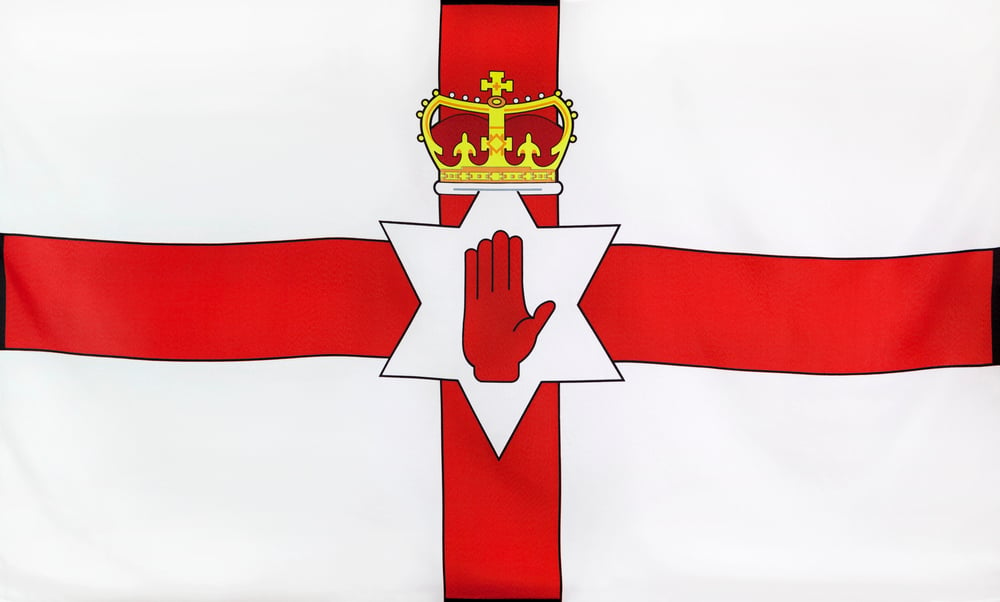
The Good Friday Agreement ended decades of violence in Northern Ireland and created a power-sharing government at Stormont. It has largely achieved its central purpose: political violence in Northern Ireland has remained limited since 1998, and the ceasefire has broadly held.
The agreement did not resolve the underlying constitutional question — Northern Ireland’s membership in the United Kingdom remains contested — but embedded it in political structures stable enough to contain it. The agreement created a deliberate ambiguity about Northern Ireland’s future that has sustained peace while leaving the fundamental disagreement in place.
The Treaty of Truce of Adrianople, 1829
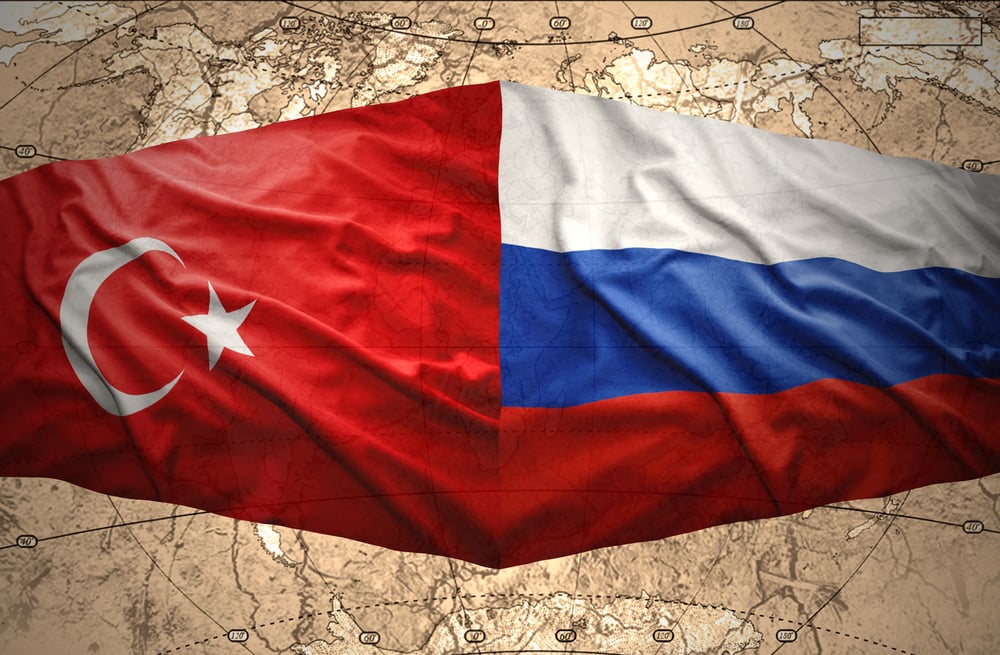
The Treaty of Adrianople ended the Russo-Turkish War of 1828 to 1829 and gave Russia extensive rights in the Danubian Principalities, which eventually became Romania. It also gave Russian ships free passage through the Bosphorus.
The erosion of Ottoman power codified by the treaty accelerated the Eastern Question — the recurring diplomatic crisis over what would happen as the Ottoman Empire declined — and contributed to the outbreak of the Crimean War in 1853 and the further sequence of Balkan crises that eventually led to 1914.
The Peace of Amiens, 1802

The Peace of Amiens briefly ended the French Revolutionary Wars between Britain and France. It was described at the time as a peace of necessity — both sides needed rest — and observed for fourteen months before war resumed.
Both Britain and France violated its terms almost immediately. The peace was essentially an interlude in a conflict that was not ready to end, and its failure demonstrated that a treaty which papers over unresolved strategic competition is not really a settlement at all.
The Treaty of Kiel, 1814
The Treaty of Kiel transferred Norway from Denmark to Sweden after the Napoleonic Wars. Norwegian opinion on this arrangement was not consulted.
Norway declared independence in 1814 and adopted a constitution, but Swedish military pressure forced a union that lasted until 1905. The treaty created a political situation that took nearly a century to resolve peacefully and established a pattern of great-power transfers of people and territory that would be repeated across Europe with similar results throughout the 19th century.
The Treaty of Brest-Litovsk, 1918
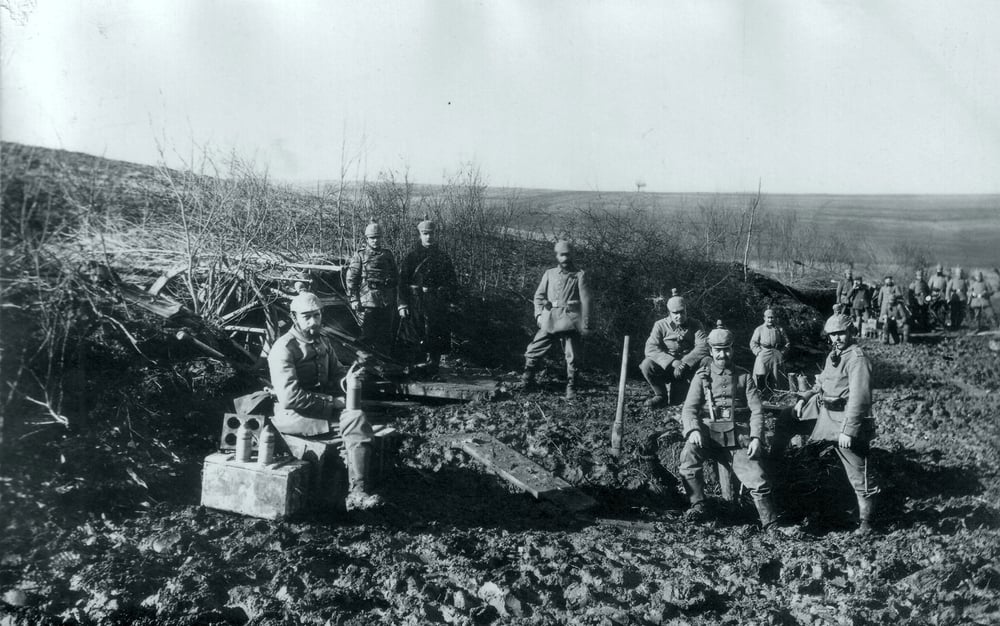
The Treaty of Brest-Litovsk ended Russian involvement in the First World War and transferred massive territories — including Ukraine, Finland, Poland, and the Baltic states — to German control. The settlement was designed to buy time for the Bolshevik government.
It was annulled eight months later when Germany lost the war on the Western Front, but the territorial rearrangements it set in motion — particularly regarding Ukraine — had consequences that extended well beyond the peace conference that invalidated it.
The Minsk Agreements, 2014 and 2015

The two Minsk Agreements were designed to end the conflict in eastern Ukraine following Russia’s annexation of Crimea and support for separatists in Donetsk and Luhansk. The agreements created a ceasefire framework that neither side fully implemented.
Each party accused the other of violating the terms while claiming nominal commitment to the process. The Minsk framework held together long enough to defer the larger conflict; Russia’s full-scale invasion of Ukraine in 2022 ended even that appearance of a settlement.
The Camp David Accords, 1978
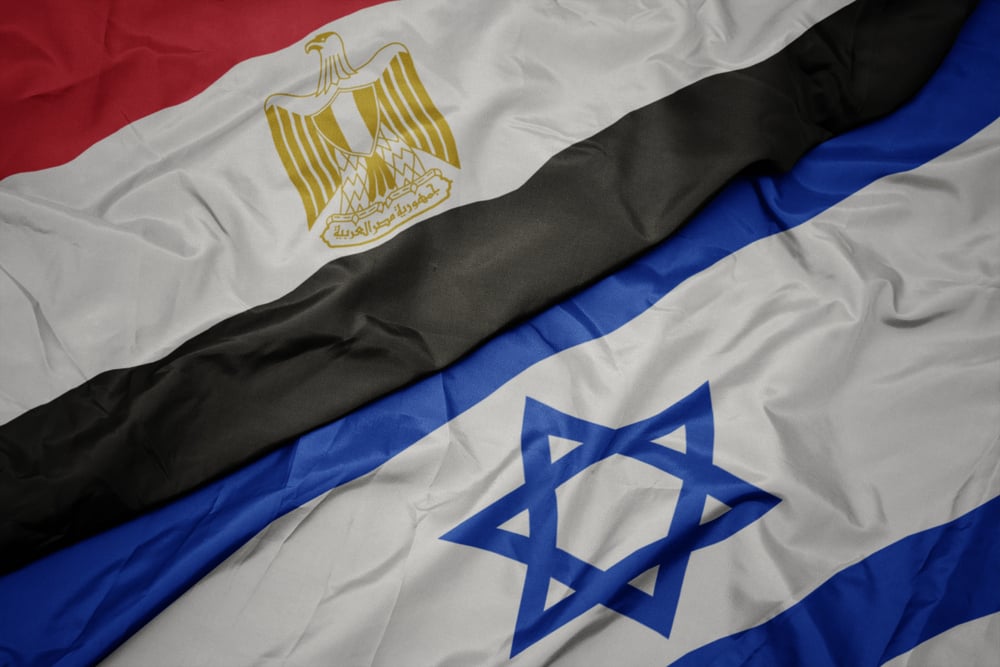
The Camp David Accords brokered by President Carter produced the Egypt-Israel peace treaty of 1979, a genuine diplomatic achievement that has held for over four decades. The framework also included provisions for Palestinian autonomy in the West Bank and Gaza — provisions that were never implemented.
The Egyptian-Israeli peace removed Egypt from the Arab coalition but did not resolve the Palestinian question. Egypt was suspended from the Arab League for a decade.
The Accords achieved their most important goal while demonstrating that solving one part of a complex conflict is not the same as resolving it.
What the Table Always Misses

Peacemakers sit in rooms and sign documents, and the documents reflect what was negotiable on that particular day, under those particular pressures, between those particular parties. The populations whose lives the treaties reorganise are rarely in the room.
Their identities, their claims, their grievances, and their memories of what was promised to them do not disappear when the ink dries — they accumulate, change shape, and surface again under different names in different generations. A settlement that fails to account for the people it rearranges does not resolve the conflict.
It deposits it somewhere in the future, where someone else will have to manage it — usually with less information and less goodwill than the original parties had, and more anger on all sides.
More from Go2Tutors!

- The Romanov Crown Jewels and Their Tragic Fate
- 13 Historical Mysteries That Science Still Can’t Solve
- Famous Hoaxes That Fooled the World for Years
- 15 Child Stars with Tragic Adult Lives
- 16 Famous Jewelry Pieces in History
Like Go2Tutors’s content? Follow us on MSN.



