31 Turning Points in History Schools Rarely Teach
Most history curricula move in straight lines: a handful of wars, a handful of revolutions, a handful of names repeated until graduation. The moments that actually redirected the course of nations rarely fit that outline, either because they are inconvenient, complicated, or simply crowded out by material that tests better.
The events below are not obscure trivia. Each one reshaped borders, economies, or the lives of millions, and each one is largely absent from standard classroom timelines.
The Bengal Famine of 1943

Roughly three million people died in British-administered Bengal in 1943 amid wartime grain diversion, export policy, and administrative failures that historians continue to debate the responsibility for. The famine occurred while food was still being exported from India to other parts of the British war effort, a detail that fueled postwar arguments about colonial governance.
It remains one of the deadliest famines of the twentieth century and one of the least discussed in Western classrooms.
The Haitian Revolution’s Final Victory
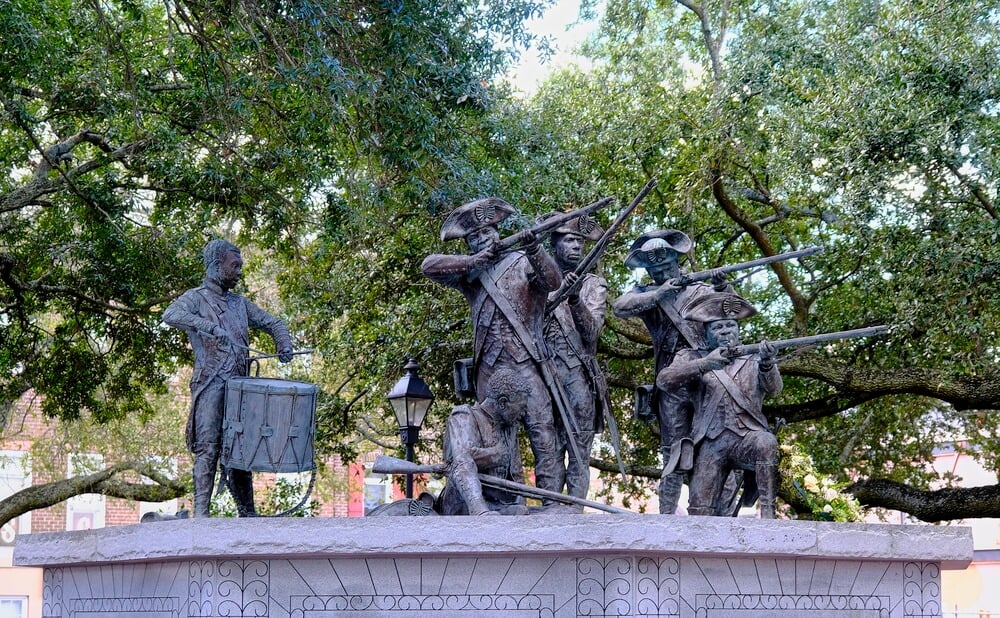
The 1804 declaration of Haitian independence marked the only successful large-scale slave revolt in history to result in the founding of a state, following more than a decade of war against French, Spanish, and British forces. France did not fully accept the loss and later forced Haiti to pay a massive indemnity to former slaveholders, a debt that drained the young nation’s finances for generations.
The revolution’s scale and consequence rival any Atlantic-world event of its era, yet it receives a fraction of the attention given to the American and French revolutions.
The Berlin Conference
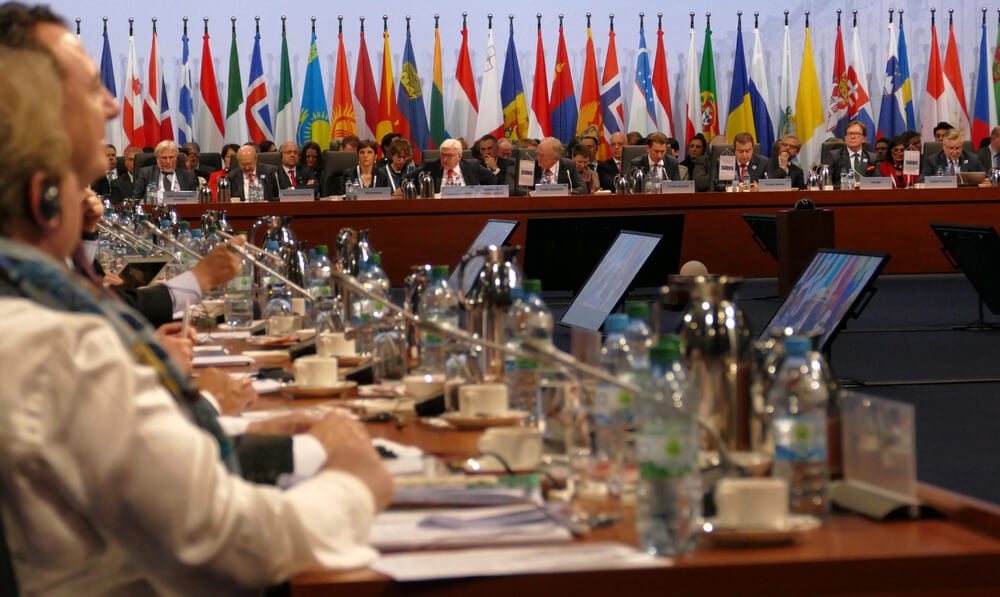
Between 1884 and 1885, European powers met in Berlin to divide the African continent among themselves, drawing borders with little regard for existing ethnic, linguistic, or political boundaries. No African representatives were present at the negotiations that determined the continent’s colonial future.
Many modern conflicts and border disputes across Africa trace their origins directly to lines drawn in that room.
The Nika Riots

A chariot-racing rivalry in Constantinople exploded into a full urban insurrection in 532 CE, nearly toppling Emperor Justinian and resulting in the deaths of tens of thousands of people over roughly a week. Justinian’s decision to crush the revolt rather than flee preserved his rule and cleared the way for the rebuilding of the Hagia Sophia, which still stands today.
Few events better illustrate how a sporting rivalry can reshape imperial history.
The Taiping Rebellion
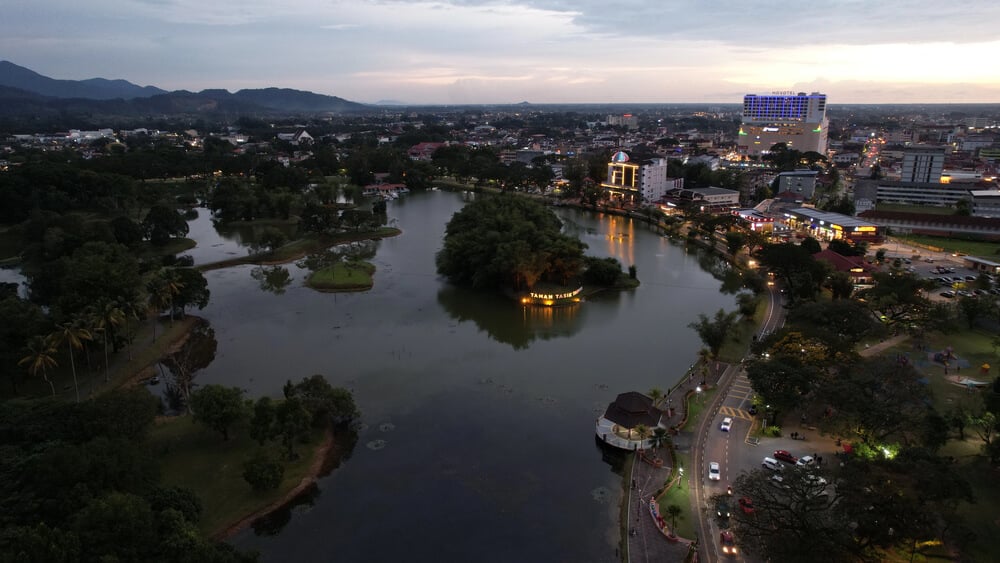
Led by a man who believed himself the younger brother of Jesus Christ, this mid-nineteenth-century civil war against China’s Qing dynasty killed an estimated twenty million people, making it one of the deadliest conflicts in human history. It lasted from 1850 to 1864 and devastated the Chinese economy and population for decades afterward.
Despite its scale, it receives only passing mention in most world history courses outside China.
The Defenestration of Prague

In 1618, Protestant nobles threw two Catholic officials out of a castle window in Prague, an act that directly triggered the Thirty Years’ War. That conflict went on to kill an estimated eight million people across Central Europe and redrew the religious and political map of the continent.
The war’s brutality shaped European diplomacy for centuries, yet the incident that started it is often reduced to a footnote.
The Congress of Vienna
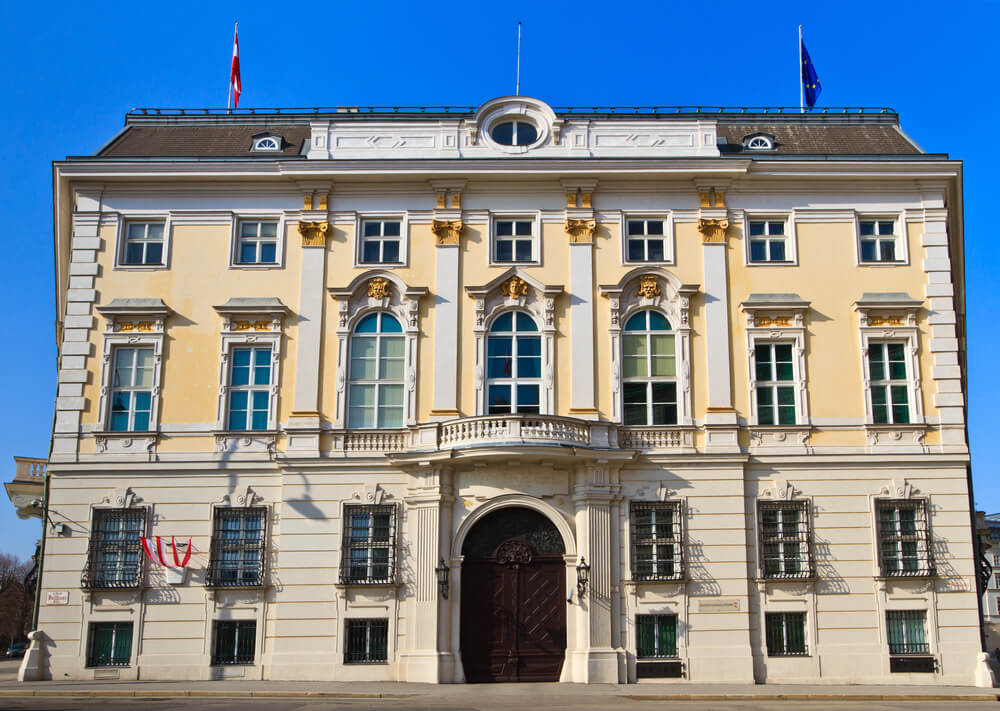
Following Napoleon’s defeat, European powers gathered in Vienna from 1814 to 1815 to redraw the continent’s borders and restore a balance of power that would hold, with interruptions, for nearly a century. The settlement prioritized monarchical stability over the nationalist and liberal movements that would later erupt across Europe.
Its long-term consequences for modern statehood are enormous, but the conference itself is rarely taught in detail.
The First Opium War

Britain went to war with Qing China from 1839 to 1842 largely to protect its trade in opium, which it had been smuggling into China against the government’s wishes. China’s defeat led to the forced opening of its ports and the cession of Hong Kong to Britain, marking the beginning of what Chinese historians call the “century of humiliation.”
The conflict’s origins in drug trafficking are rarely emphasized in Western accounts.
The Sykes-Picot Agreement
A secret 1916 agreement between Britain and France carved up the Ottoman Empire’s Arab territories into spheres of influence, laying the groundwork for many of the modern borders of the Middle East. The lines were drawn largely along strategic and administrative convenience rather than existing communities.
Many of the region’s twentieth and twenty-first century conflicts trace back to boundaries fixed in that agreement.
The Bandung Conference
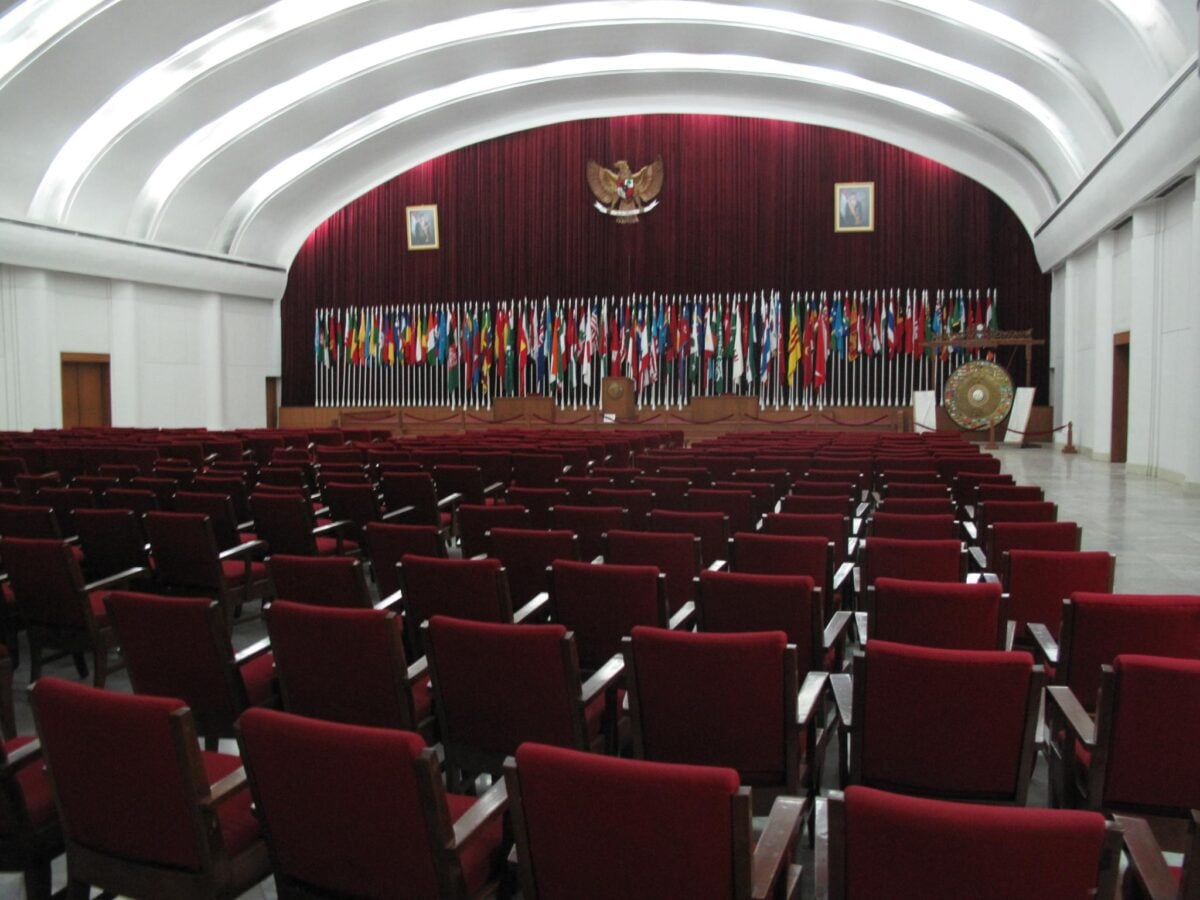
In 1955, representatives from twenty-nine newly independent Asian and African nations met in Indonesia to chart a path outside the Cold War’s two dominant blocs, effectively founding the Non-Aligned Movement. The conference gave a unified voice to decolonizing nations at a moment when most were still finding their footing on the world stage.
It rarely appears in Cold War curricula that focus almost exclusively on the United States and Soviet Union.
The 1953 Iranian Coup
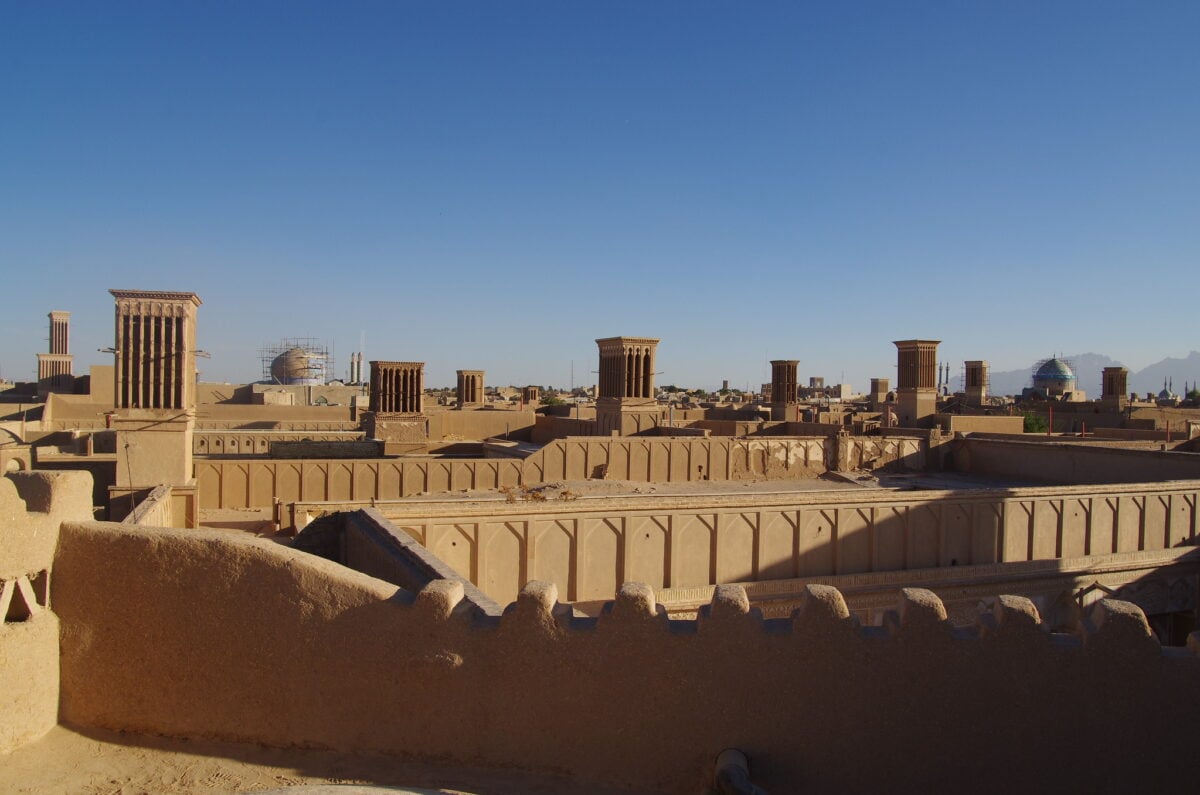
A joint American and British intelligence operation helped overthrow Iran’s democratically elected prime minister, Mohammad Mosaddegh, in 1953 after he moved to nationalize the country’s oil industry. The coup restored the Shah to full power and is widely cited by historians as a major contributing factor to the resentment that fueled the 1979 Iranian Revolution.
Its role in later U.S.-Iran relations is rarely connected for students in American classrooms.
Vasili Arkhipov’s Refusal
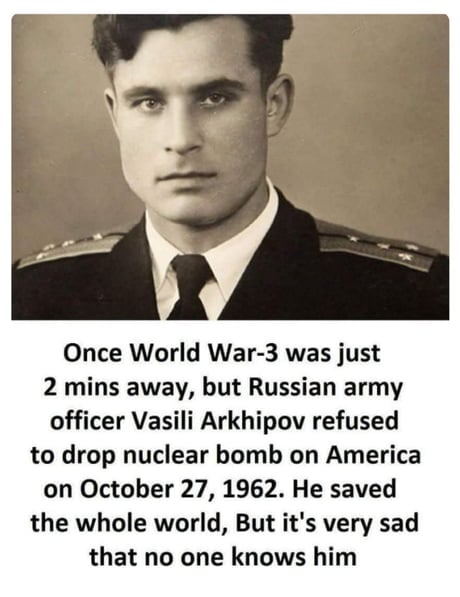
During the 1962 Cuban Missile Crisis, a Soviet submarine officer named Vasili Arkhipov refused to authorize the launch of a nuclear torpedo when his vessel came under pressure from American depth charges, a decision that required unanimous consent from three officers aboard. His refusal is credited by multiple historians with preventing a nuclear exchange at the crisis’s most dangerous moment.
The episode remained classified for decades and is still absent from most standard accounts of the crisis.
The Great Leap Forward Famine
Mao Zedong’s push to rapidly industrialize China through collectivized agriculture between 1958 and 1962 resulted in a famine that killed an estimated fifteen to forty-five million people, depending on the historical source. Local officials, under pressure to report success, frequently falsified grain production figures even as starvation spread.
It stands among the deadliest famines in recorded history and receives limited coverage outside specialized courses.
The Partition of India
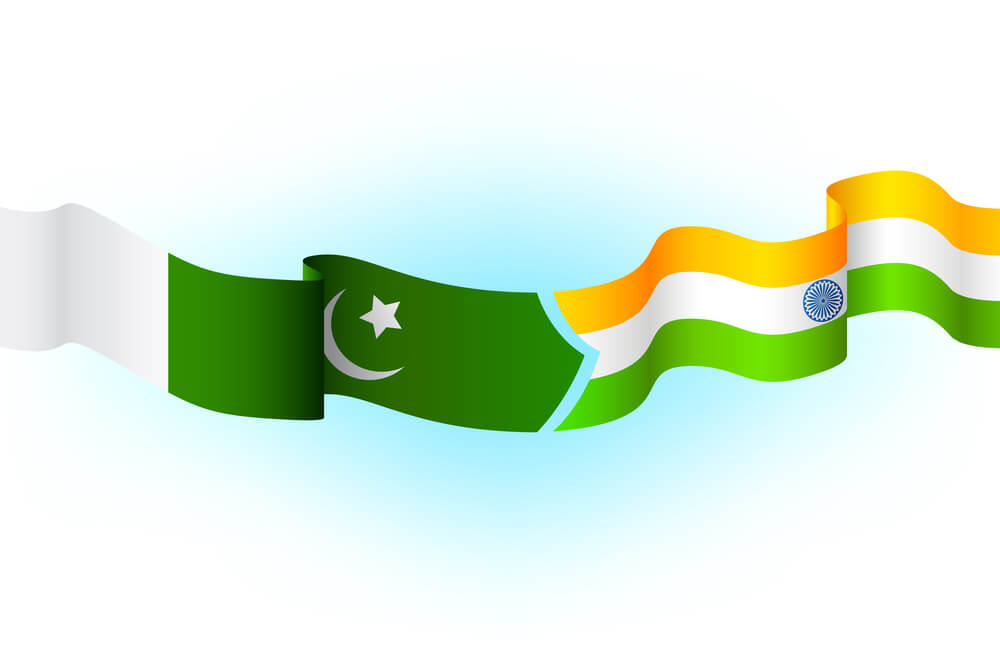
The 1947 division of British India into India and Pakistan triggered one of the largest mass migrations in human history, displacing an estimated fourteen million people and resulting in widespread violence that killed hundreds of thousands. Borders were drawn by a British lawyer who had never visited India before being assigned the task, with lines finalized just weeks before independence.
The partition’s human toll and lasting regional tensions are rarely given proportional attention in world history classes.
The Suez Crisis
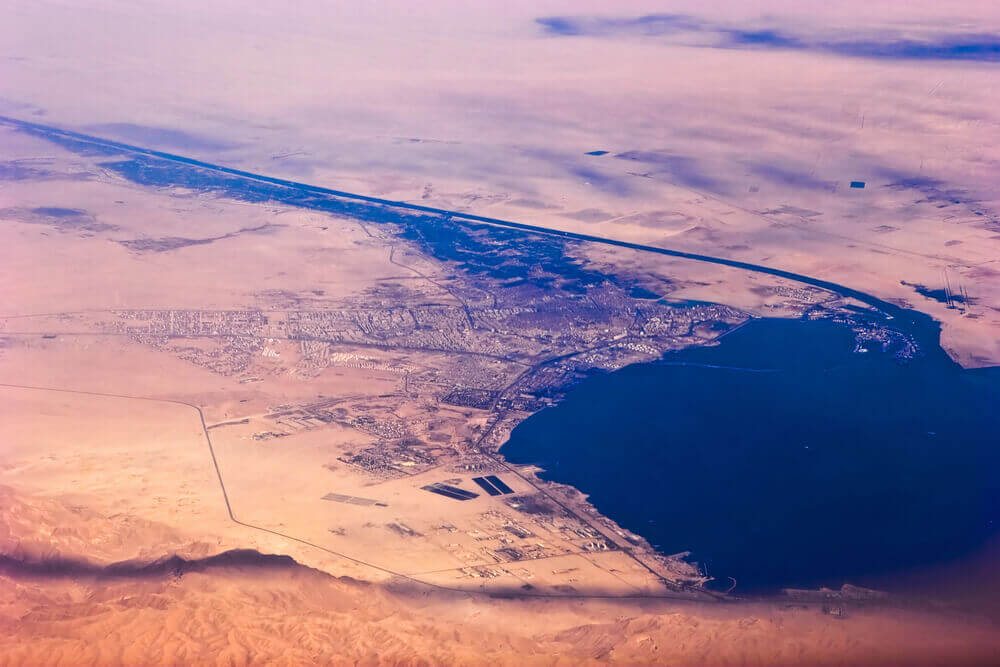
When Egypt nationalized the Suez Canal in 1956, Britain, France, and Israel launched a coordinated military response, only to be forced into a humiliating withdrawal under pressure from the United States and Soviet Union. The crisis effectively marked the end of Britain and France’s status as top-tier global powers and accelerated the decline of European colonialism.
It is a pivotal moment in the shift of global power toward the United States and Soviet Union, yet it is often skipped in favor of larger Cold War narratives.
The Assassination of Patrice Lumumba
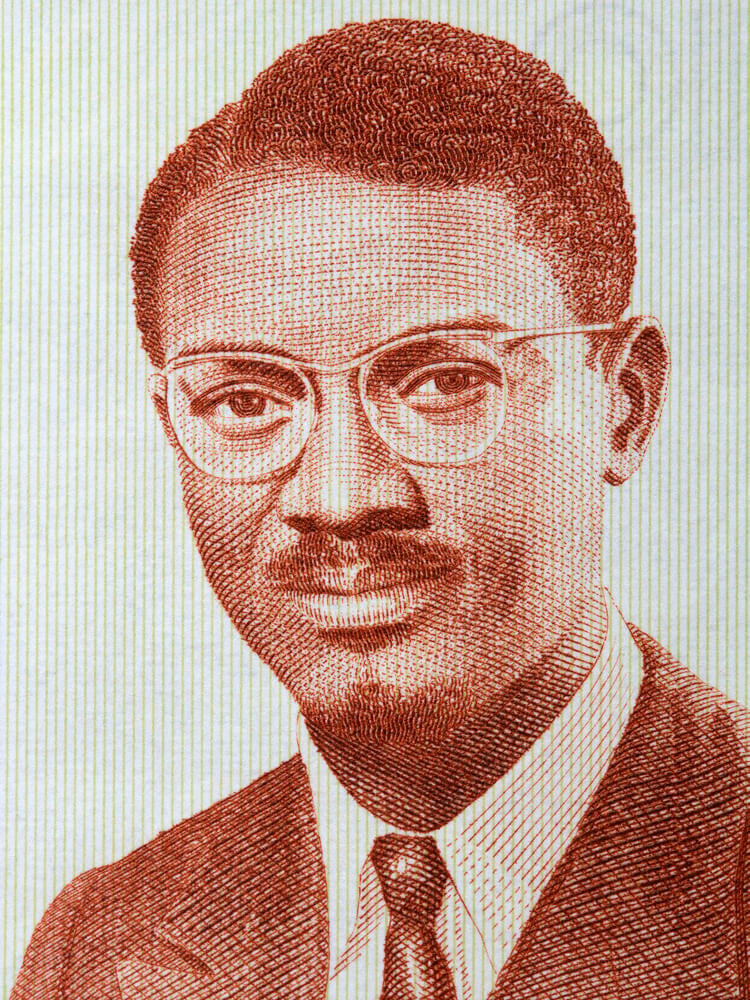
The Congo’s first democratically elected prime minister was assassinated in 1961 with the involvement of Belgian and American intelligence services, just months after the country gained independence from Belgium. His death opened the path for decades of dictatorship under Mobutu Sese Seko, who ruled with Western backing throughout the Cold War.
The episode is a rare case where declassified documents have confirmed direct foreign involvement in a political assassination.
The Munich Agreement
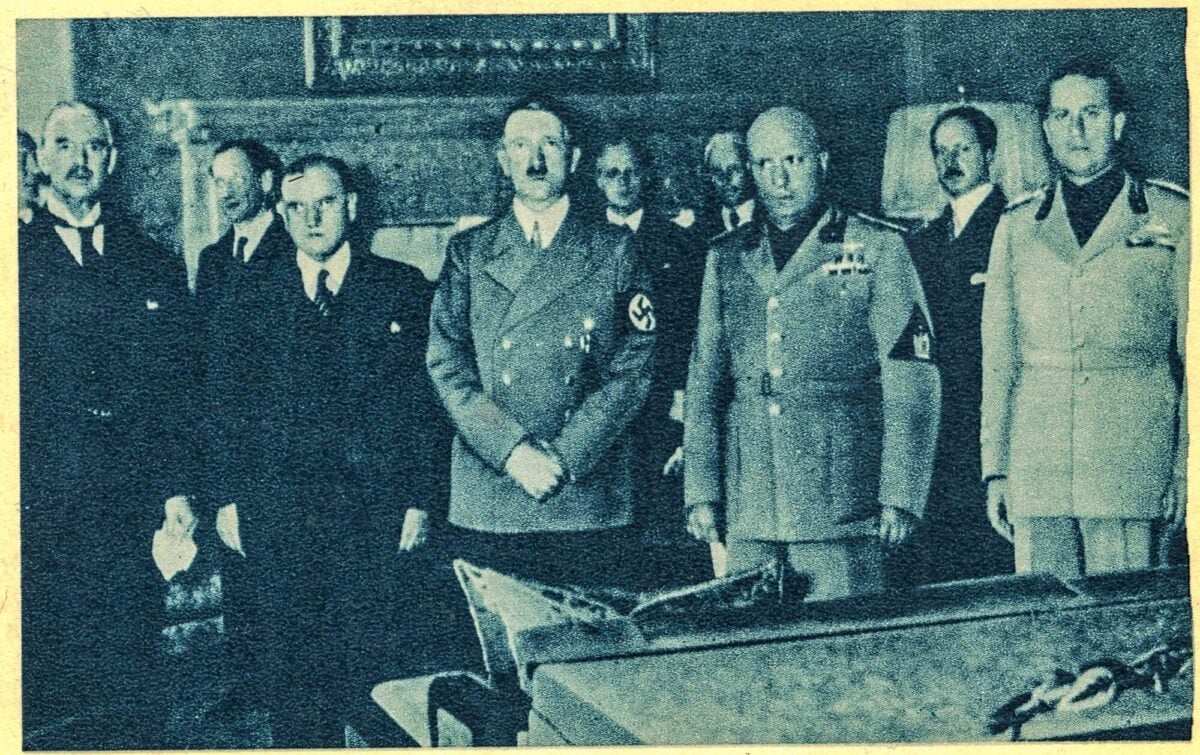
In 1938, Britain and France agreed to let Nazi Germany annex the Sudetenland region of Czechoslovakia in exchange for a promise of no further territorial expansion, a policy of appeasement that failed within a year. Czechoslovakia itself was not invited to the negotiations that determined its fate.
The agreement is frequently cited as a cautionary example in foreign policy discussions, yet its details are often reduced to a single sentence about “appeasement.”
The Molotov-Ribbentrop Pact
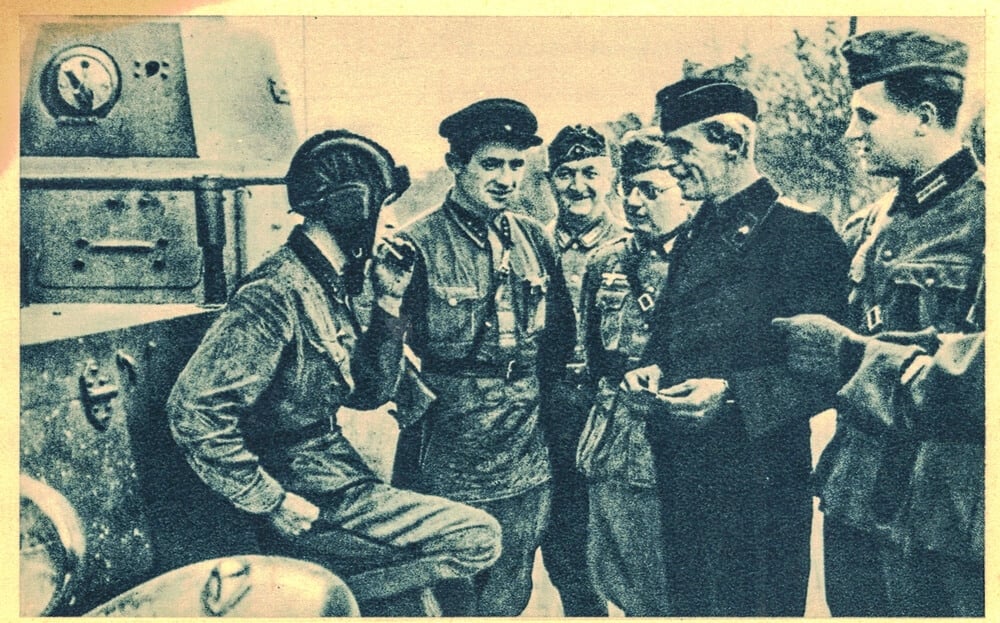
Nazi Germany and the Soviet Union signed a non-aggression pact in August 1939 that included secret protocols dividing Eastern Europe into spheres of influence, clearing the way for the joint invasion of Poland weeks later. The pact meant two ideologically opposed regimes cooperated militarily for nearly two years before Germany broke it by invading the Soviet Union in 1941.
Its existence complicates simplified narratives of World War II that are common in introductory courses.
The Treaty of Tordesillas
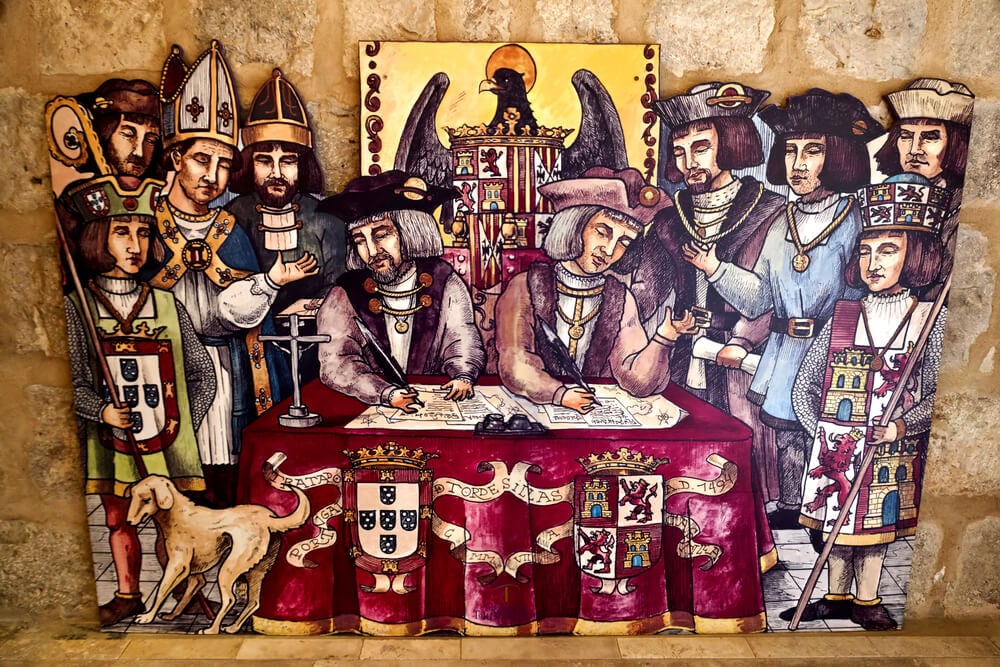
In 1494, Spain and Portugal, with the pope’s backing, divided the entire non-European world between themselves along a single meridian line, with no input from the people actually living in the territories being divided. The treaty shaped centuries of colonization patterns across the Americas, Africa, and Asia.
Its audacity, deciding global territory on paper before most of it had even been explored, is rarely conveyed to students.
The Diet of Worms
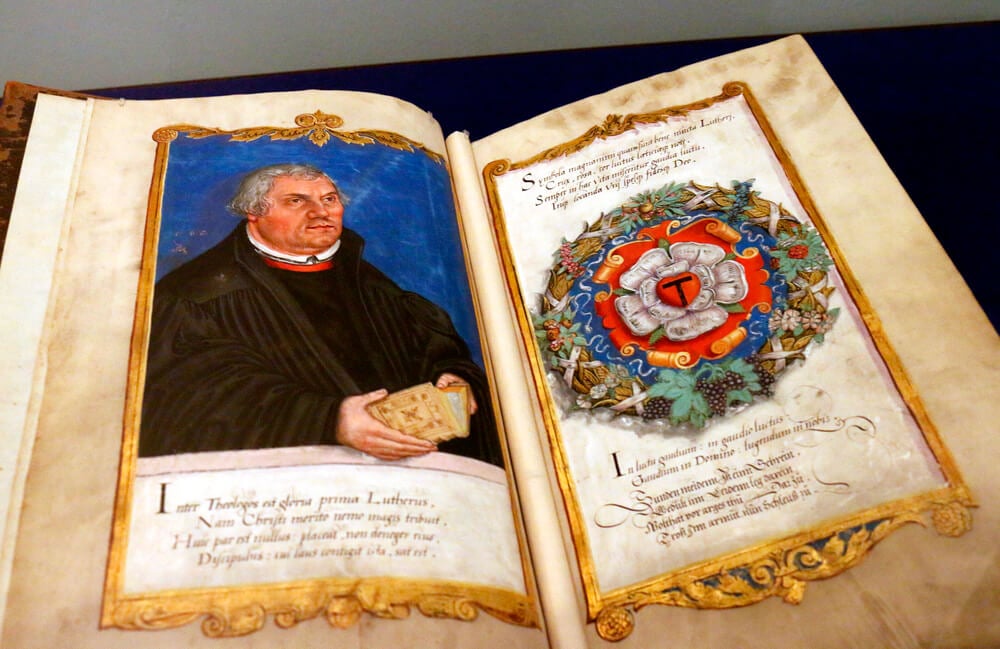
Martin Luther’s 1521 appearance before the Holy Roman Empire, where he refused to recant his religious writings, is often taught as a moment of individual conviction rather than what it actually triggered: a continental religious and political fracture that reshaped Europe for centuries. The printing press allowed his ideas to spread faster than any prior religious dissent in European history.
The Reformation’s political and economic consequences, including changes to land ownership and state power, are usually left out of the story.
The Fall of Constantinople
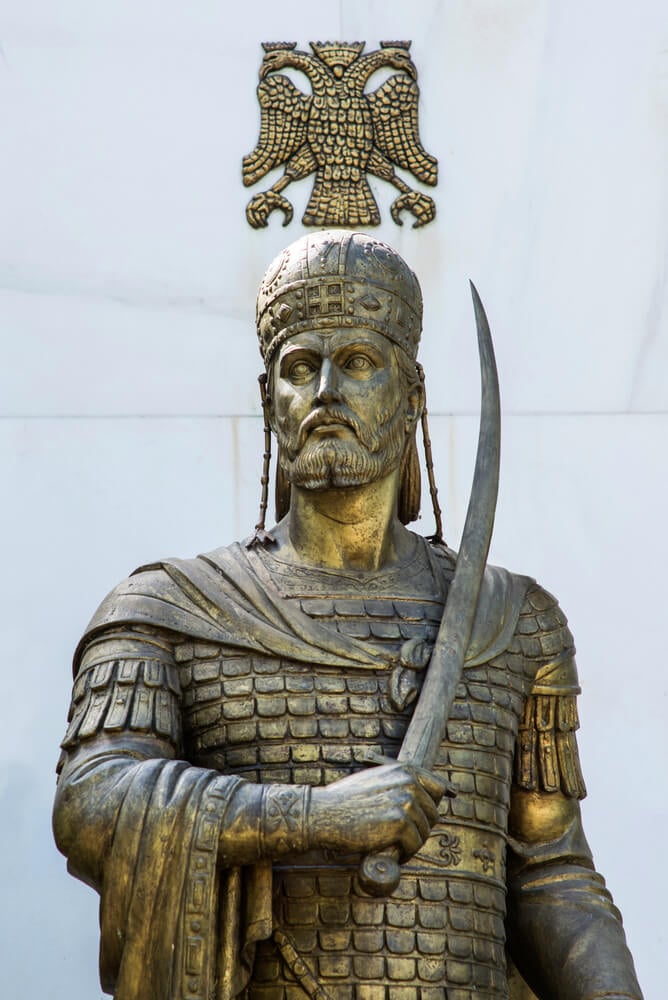
The Ottoman capture of Constantinople in 1453 ended the Byzantine Empire after more than a thousand years and is frequently cited by historians as marking the symbolic end of the medieval period. The event also pushed European traders to search for new routes to Asia, indirectly contributing to the Age of Exploration.
Its role as a hinge point between the medieval and early modern worlds is rarely explained in full.
The Mongol Siege of Baghdad
In 1258, Mongol forces under Hulagu Khan destroyed Baghdad, then one of the world’s leading centers of science and scholarship, killing much of its population and demolishing its libraries and irrigation systems. The city’s decline as an intellectual capital is often cited by historians as a major setback for the broader Islamic Golden Age.
The scale of destruction rivals better-known sieges from the same era but receives comparatively little classroom attention.
The Black Death’s Arrival in Messina
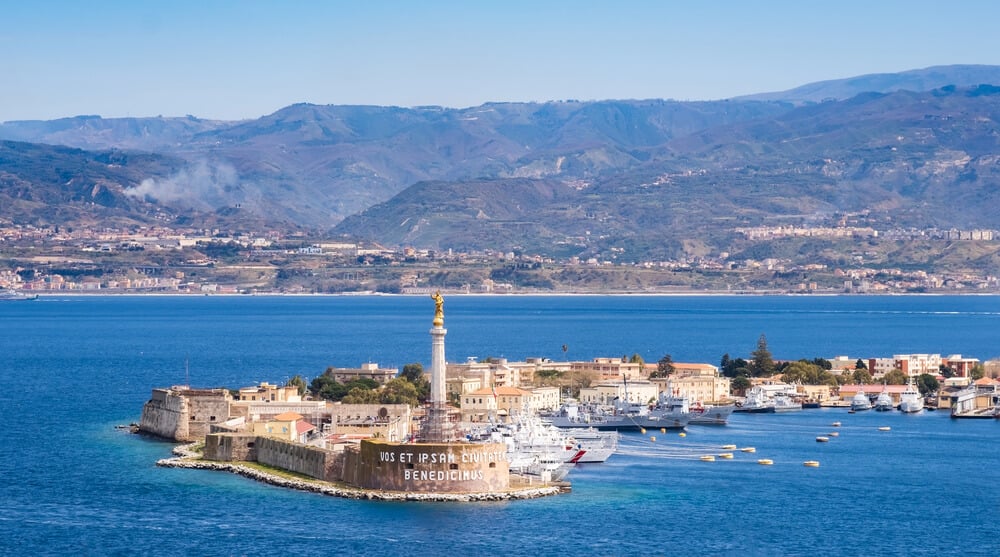
The plague that would kill an estimated third of Europe’s population is generally understood to have entered the continent through the Sicilian port of Messina in 1347, carried aboard trading ships from the Black Sea region. The demographic collapse that followed upended feudal labor structures across Europe, contributing to long-term economic and social shifts.
The specific entry point and its connection to global trade routes are often left out of general plague narratives.
The Edict of Nantes and Its Revocation
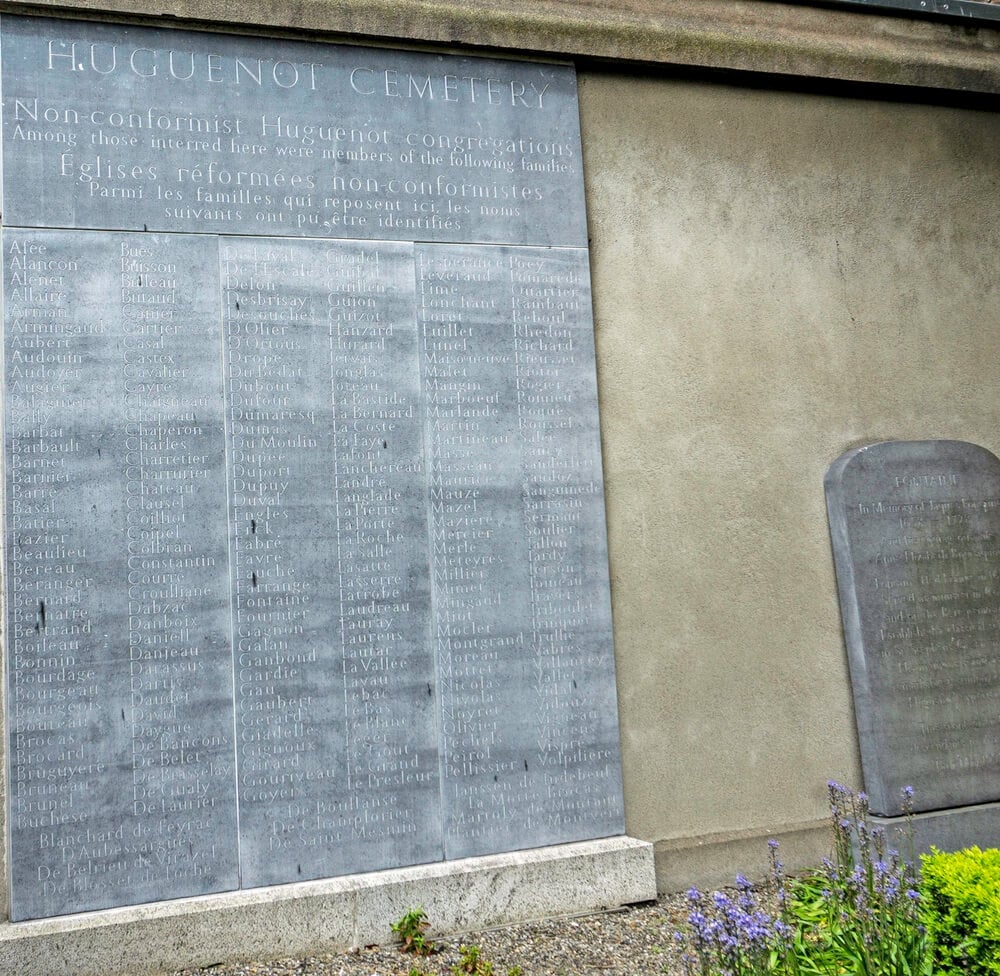
France’s 1598 Edict of Nantes granted religious toleration to Protestant Huguenots after decades of civil war, only for Louis XIV to revoke it in 1685, triggering a mass exodus of skilled Huguenot workers to Protestant countries across Europe. The revocation is credited by economic historians with weakening French industry while strengthening the economies of nations that received the refugees.
The connection between religious policy and economic migration is a detail usually skipped in standard coverage of Louis XIV’s reign.
The Iran-Iraq War’s Chemical Attacks
During the Iran-Iraq War of the 1980s, Iraqi forces under Saddam Hussein used chemical weapons against both Iranian troops and Kurdish civilians, including the 1988 attack on the town of Halabja that killed thousands in a matter of hours. The international community’s largely muted response at the time later became a point of scrutiny once the same government’s weapons programs drew global attention in the 2000s.
The war itself, one of the twentieth century’s longest conventional conflicts, is rarely covered in depth outside specialized courses.
The Srebrenica Massacre
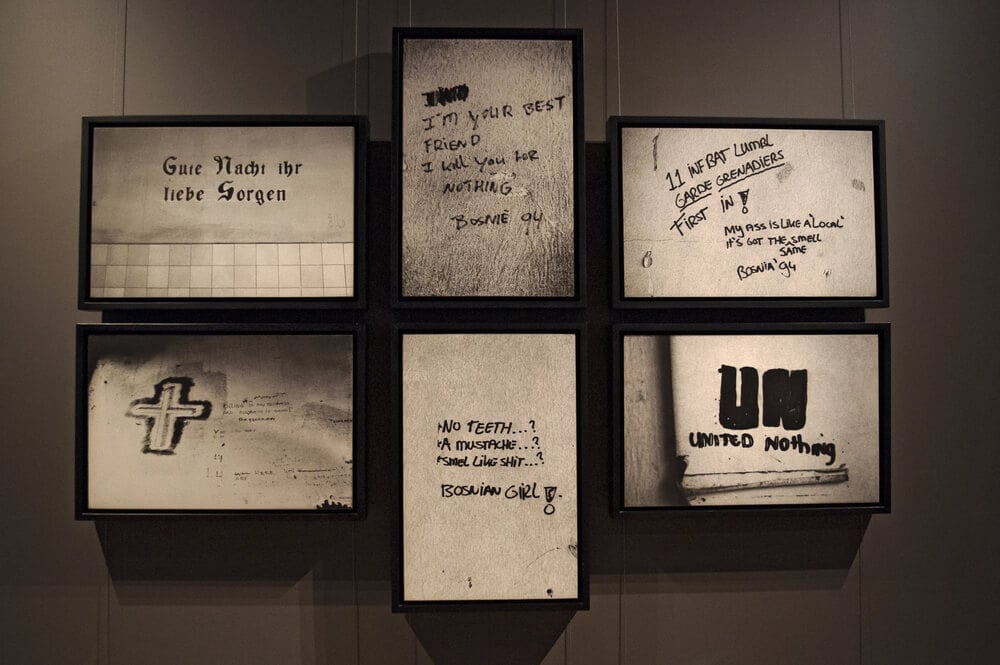
In July 1995, Bosnian Serb forces killed more than eight thousand Bosniak men and boys in and around the town of Srebrenica, an act later classified as genocide by international courts. The massacre occurred in an area that had been declared a United Nations safe zone, raising lasting questions about the limits of international peacekeeping.
It stands as the worst atrocity on European soil since World War II, yet it receives minimal coverage in most standard world history sequences.
The Rwandan Genocide Broadcasts
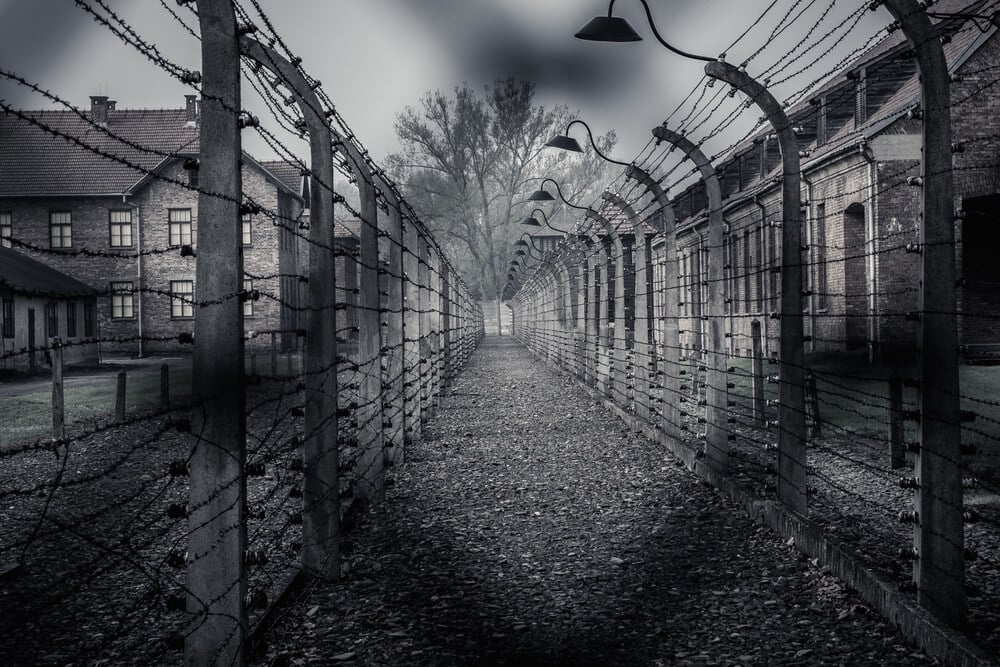
Radio stations played a documented role in coordinating the 1994 Rwandan genocide, broadcasting instructions and targeting information that helped direct violence against the Tutsi population, resulting in the deaths of an estimated eight hundred thousand people over roughly one hundred days. International forces present in the country at the time were not authorized to intervene to stop the killing.
The genocide’s speed and the international community’s documented failure to act remain a significant case study in foreign policy courses, though rarely in general history classes.
The Congo Free State Under Leopold II
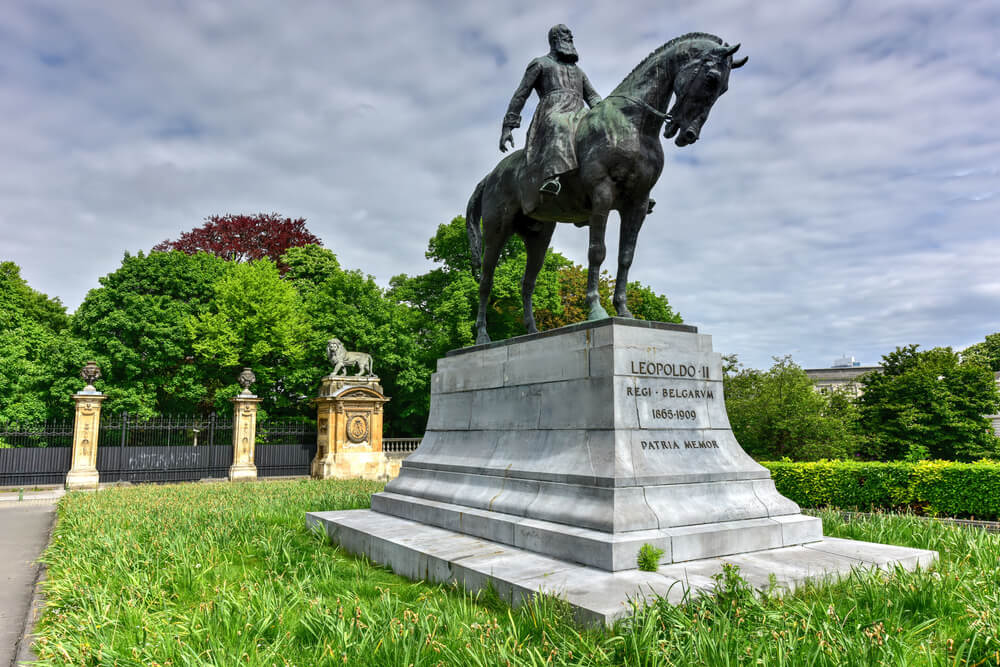
Between 1885 and 1908, Belgium’s King Leopold II ran the Congo as his personal property, extracting rubber and ivory through a forced-labor system that resulted in the deaths of millions of Congolese people through violence, starvation, and disease. International exposure of the abuses, including reports from missionaries and journalists, eventually forced Leopold to cede control to the Belgian state.
The scale of the atrocity rivals other colonial-era episodes far more commonly taught in Western schools.
The Trail of Tears
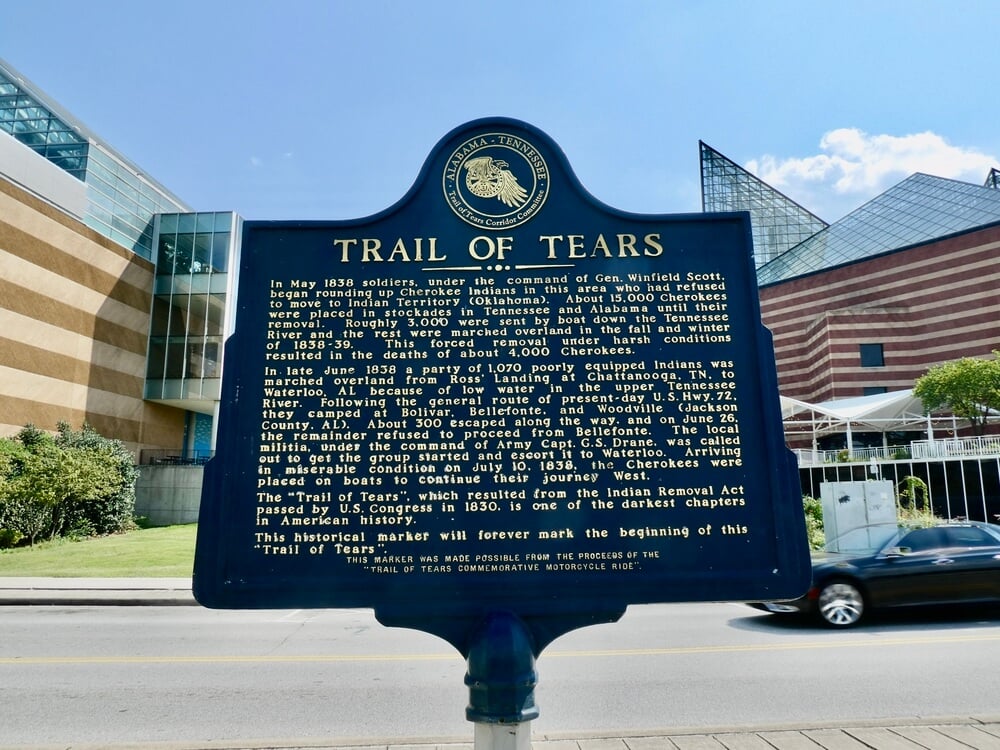
The forced relocation of tens of thousands of Native Americans, primarily Cherokee, Muscogee, Seminole, Chickasaw, and Choctaw people, from their ancestral lands in the southeastern United States to present-day Oklahoma during the 1830s resulted in thousands of deaths from exposure, disease, and starvation along the route. The removal was carried out under federal policy despite a Supreme Court ruling that had favored Cherokee sovereignty.
Most curricula mention the event briefly without conveying the scale of the death toll or the legal battle that preceded it.
The Tulsa Race Massacre
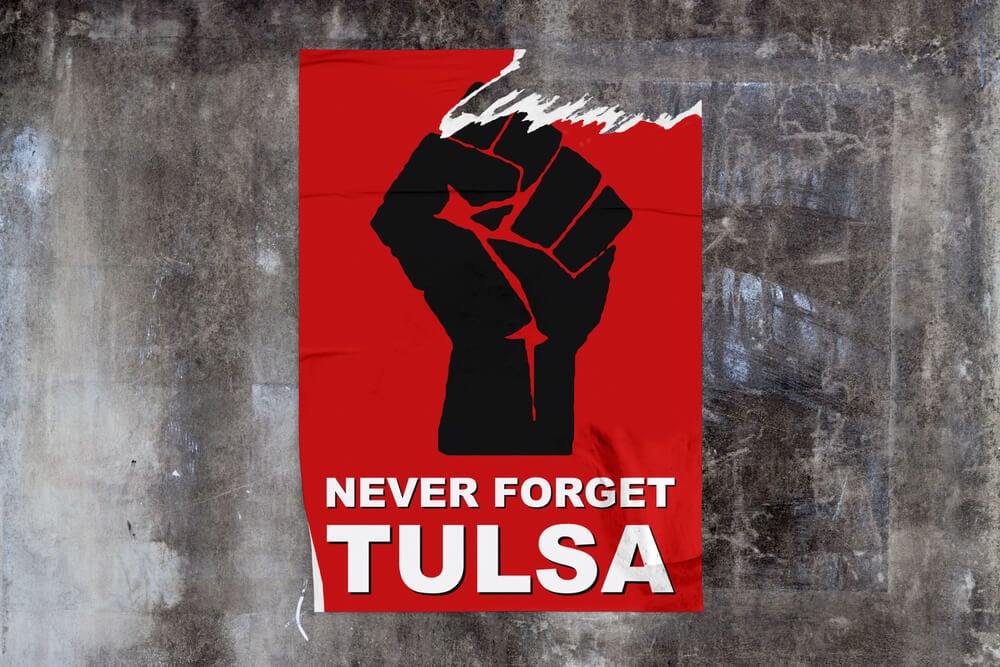
In 1921, a mob destroyed the prosperous Greenwood district of Tulsa, Oklahoma, known at the time as “Black Wall Street,” killing an estimated one hundred to three hundred Black residents and leaving thousands homeless. Insurance claims for the destruction were almost universally denied, and the event was largely absent from Oklahoma’s own school curricula for most of the twentieth century.
Its scale as one of the worst incidents of racial violence in American history only became widely publicized decades later.
The Berlin Airlift
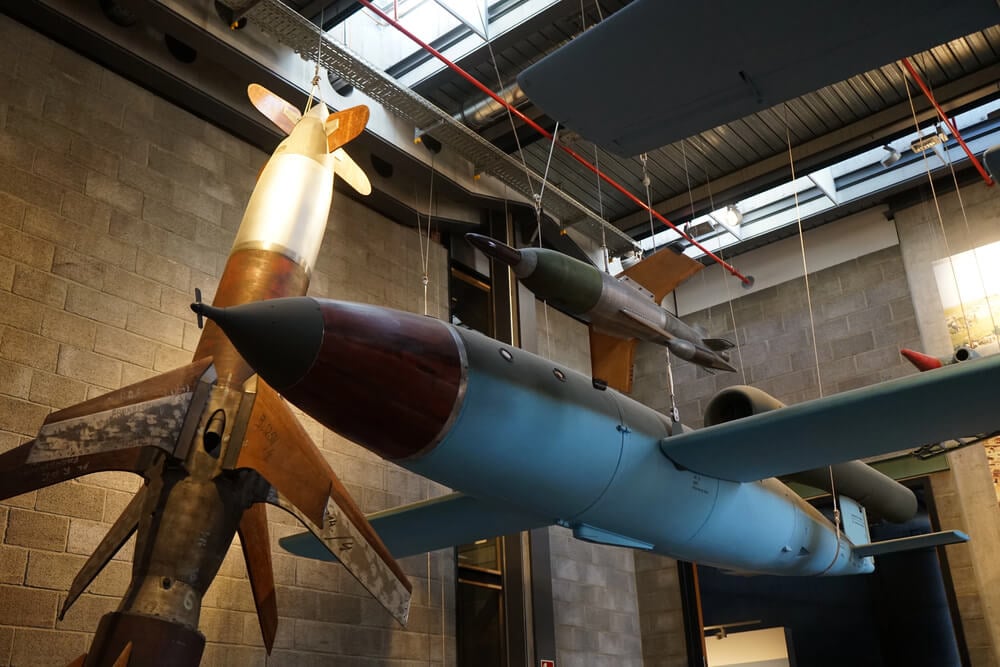
When the Soviet Union blockaded West Berlin in 1948, cutting off food and fuel to more than two million people, the United States and Britain responded not with military confrontation but with a massive airlift that sustained the city for nearly a year. Pilots made hundreds of thousands of flights, and the operation’s success without direct conflict is considered one of the Cold War’s earliest defining moments.
Despite its scale and drama, it is usually summarized in a single sentence before courses move on to later Cold War events.
Why the Gaps Are Never an Accident

Curricula are built by committees with limited time, competing priorities, and, often, a national story they are implicitly trying to tell. Events that complicate that story, that implicate a colonial power, a wartime ally, or a founding narrative, tend to get compressed or dropped entirely, not through conspiracy but through the ordinary mechanics of what gets tested and what does not.
The result is a version of history that feels complete because it is confidently taught, even when entire continents and centuries of consequence are missing from the frame. Filling those gaps does not require abandoning what schools already cover; it requires noticing how much of the story was never assigned in the first place.
More from Go2Tutors!

- The Romanov Crown Jewels and Their Tragic Fate
- 13 Historical Mysteries That Science Still Can’t Solve
- Famous Hoaxes That Fooled the World for Years
- 15 Child Stars with Tragic Adult Lives
- 16 Famous Jewelry Pieces in History
Like Go2Tutors’s content? Follow us on MSN.