32 Antique Tools in Garages That Woodworkers Compete Over
A garage clean-out rarely feels like a treasure hunt, right up until someone recognizes a maker’s mark stamped into old iron. Hand tool manufacturing peaked long before power tools took over, and the best examples from that era were built to outlast their owners.
Woodworkers who prefer hand tools now pay well above scrap value for the right names, the right patterns, and the right condition. Here’s what to look for before any of it gets sold by the pound.
Stanley Bailey No. 4 Smoothing Plane
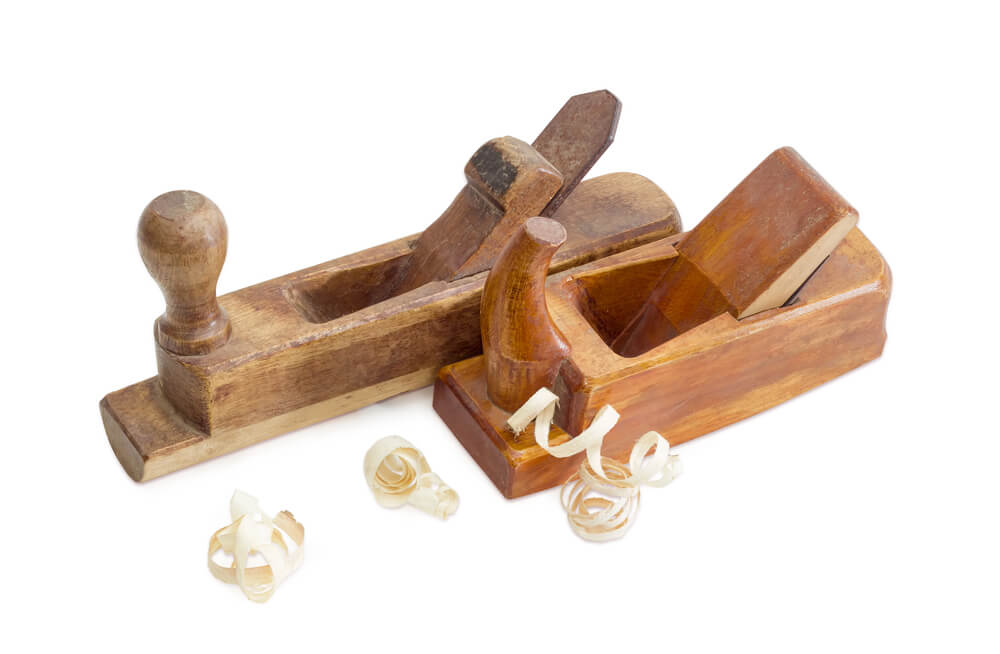
Stanley’s Bailey line, produced from the late 1800s through the mid-1900s, set the standard that most modern hand plane designs still follow. The No. 4 was the most common size made, but early “type” variations from before 1920 carry the strongest premiums among collectors.
A plane with its original blade, tight sole, and clean japanning finish draws real interest at tool auctions.
Stanley No. 45 Combination Plane
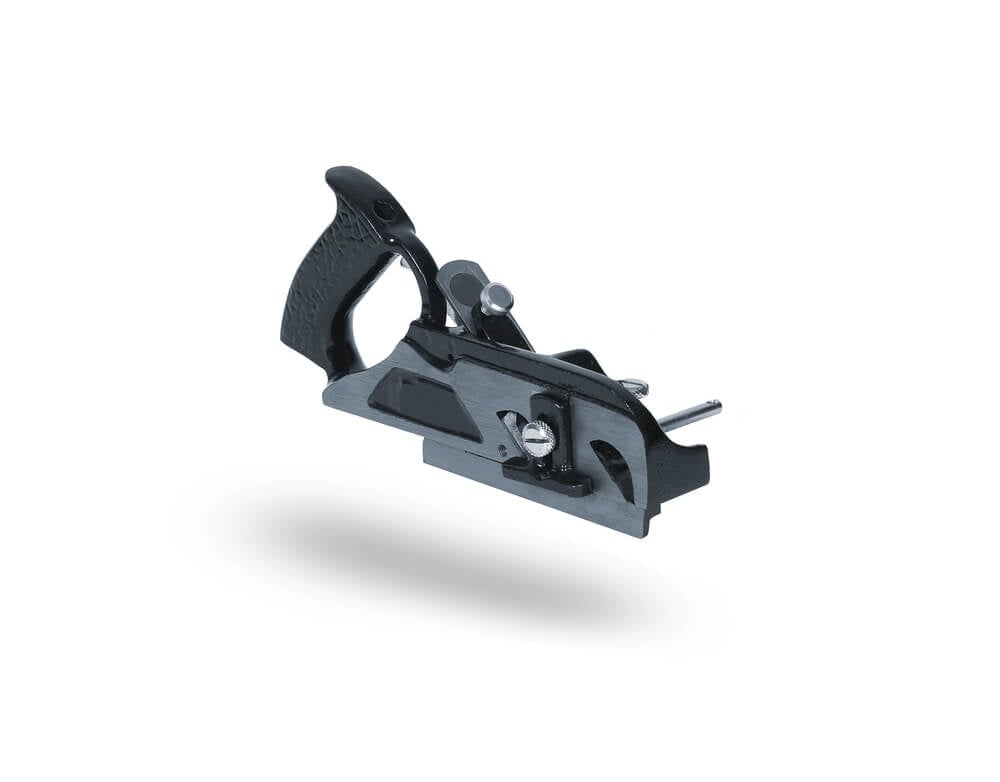
Marketed as capable of replacing dozens of specialty molding planes, this adjustable tool came with an extensive set of interchangeable cutters. Complete sets with all original cutters and the fitted wooden box are considerably rarer than the plane alone, since pieces scattered easily over a century of use.
Woodworkers who do traditional molding work seek these out specifically for their versatility.
Disston Handsaw with Applewood Handle
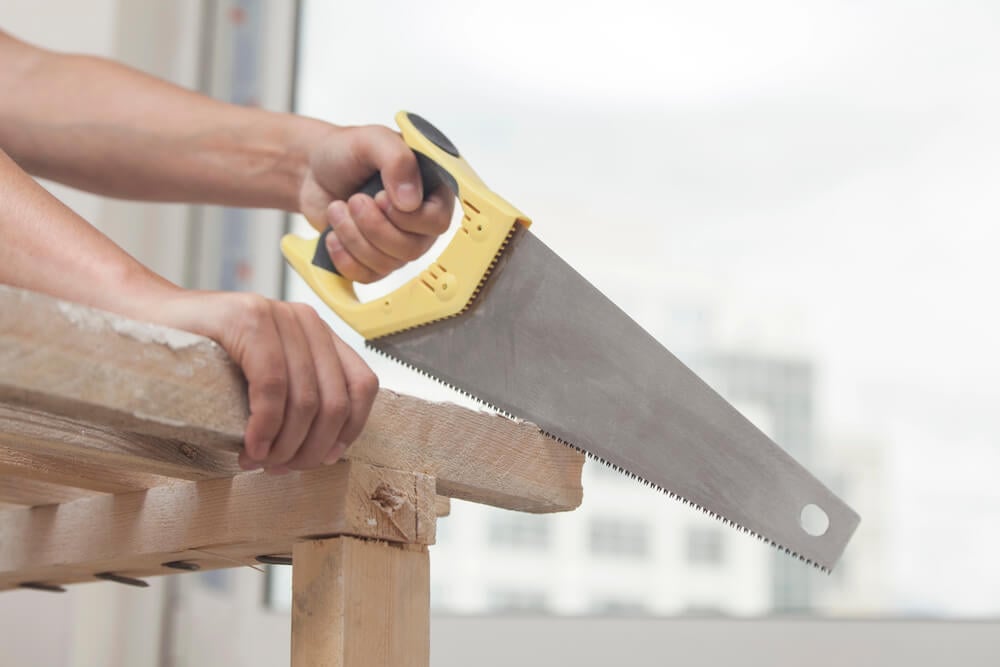
Henry Disston’s saw company, founded in Philadelphia in the 1840s, became the dominant American saw maker for decades. Saws with an applewood or beech handle bearing a clear medallion stamp, rather than a later plastic handle, are the ones collectors want.
The etched blade markings, when still legible, help date a saw precisely and affect its value significantly.
Millers Falls Hand Drill
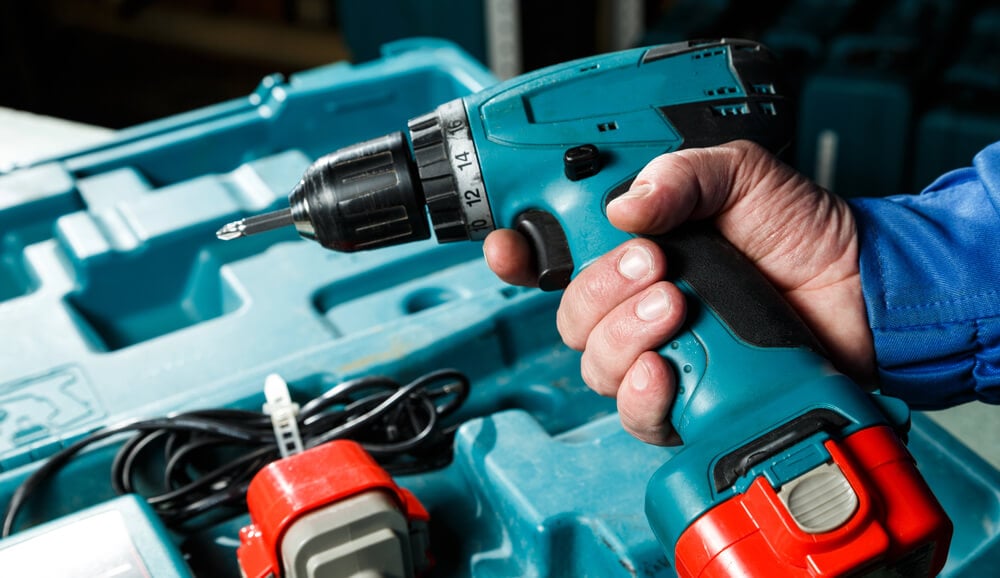
Millers Falls produced a range of eggbeater-style hand drills through the early and mid-1900s, known for smooth gearing that outperformed many competitors. The company’s higher-end models with a hollow handle for bit storage are particularly sought after.
A drill that still spins freely without grinding is worth far more than one seized by rust.
Starrett Combination Square
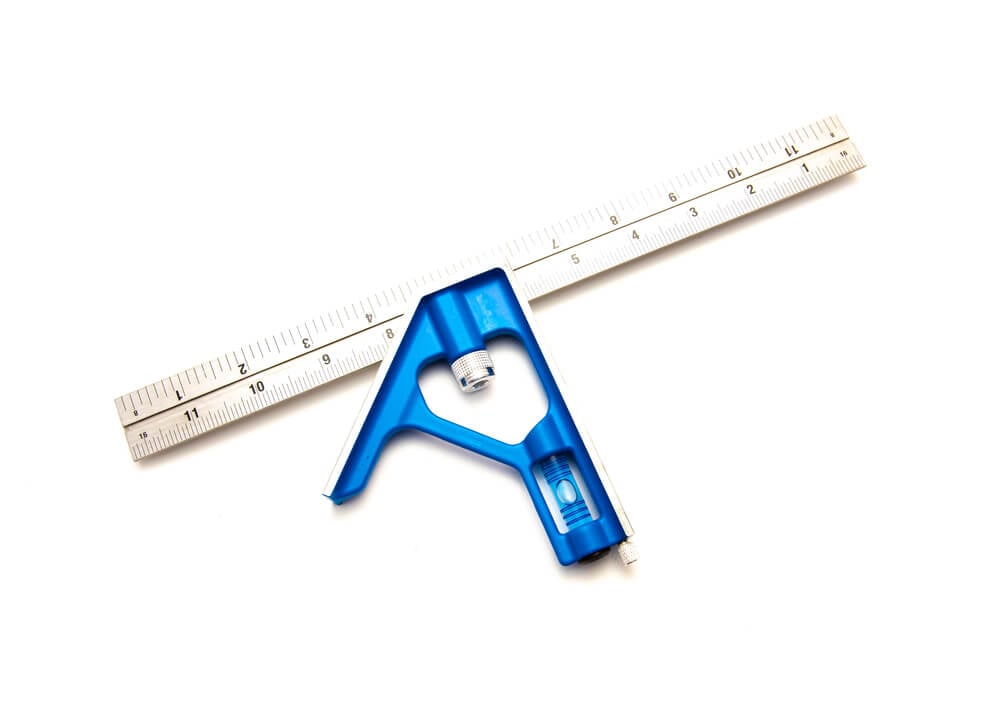
L.S. Starrett Company, based in Massachusetts since 1880, built precision measuring tools that machinists and woodworkers both relied on. Early combination squares with a solid brass-trimmed head and cast iron body hold their accuracy remarkably well if kept out of a damp garage.
Collectors check the ruler’s markings and the square’s edge for wear before deciding on a price.
Stanley No. 71 Router Plane

This hand-powered router plane let woodworkers clean out recesses like hinge mortises to a consistent depth long before electric routers existed. The open-throat versions made before the 1930s are generally preferred over the later closed-throat redesign.
Original fences and cutters, often the first parts lost, add considerably to a complete example’s value.
Craftsman Chisel Sets from Sears
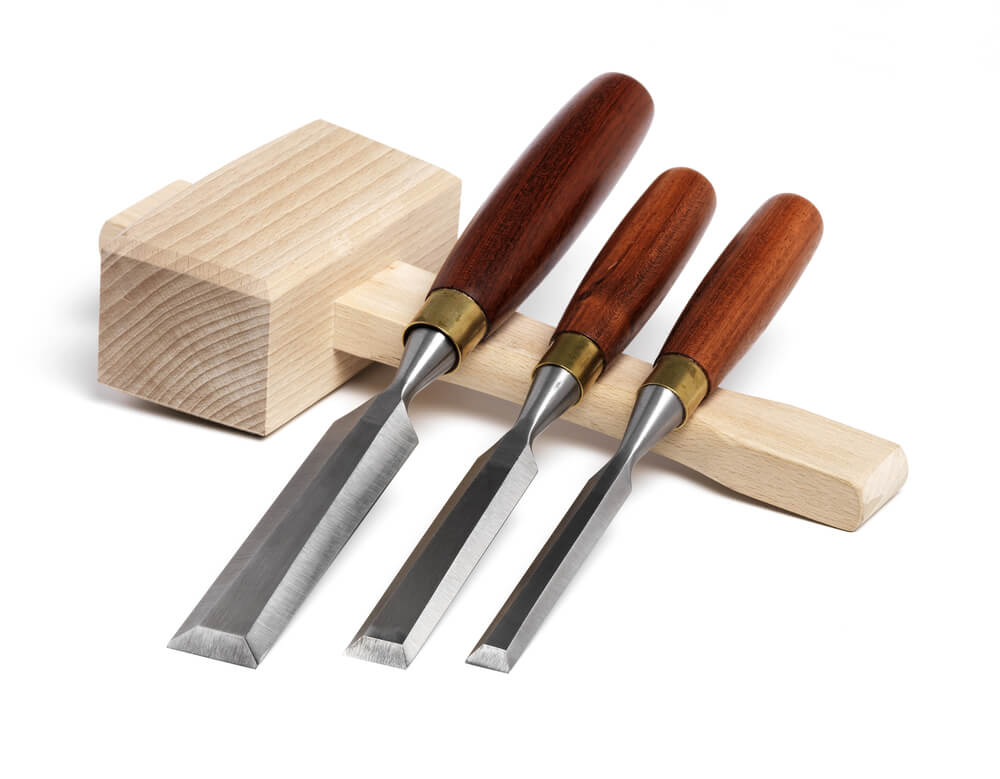
Sears sold Craftsman-branded chisels manufactured by several different companies over the decades, with quality varying depending on who actually made a given set. Sets still housed in their original fitted wooden or leather roll are worth noticeably more than loose, mismatched chisels.
Collectors specifically look for forged, not stamped, construction on the earlier examples.
Stanley No. 55 Universal Plane
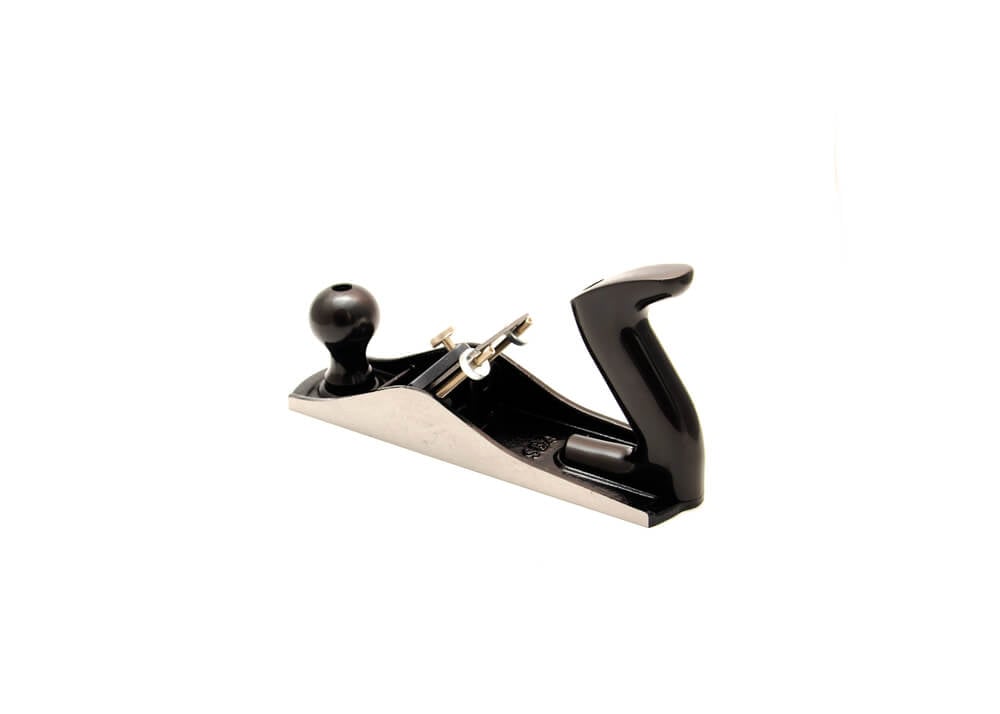
Stanley’s most complex molding plane came with over fifty cutter profiles and enough adjustment options to replace an entire wall of specialty planes. It was expensive when new and complicated enough that many woodworkers never mastered it, which kept survival rates relatively low.
A complete set in its original wooden case is one of the more dramatic finds in a garage clean-out.
Yankee Push Drill by North Bros.
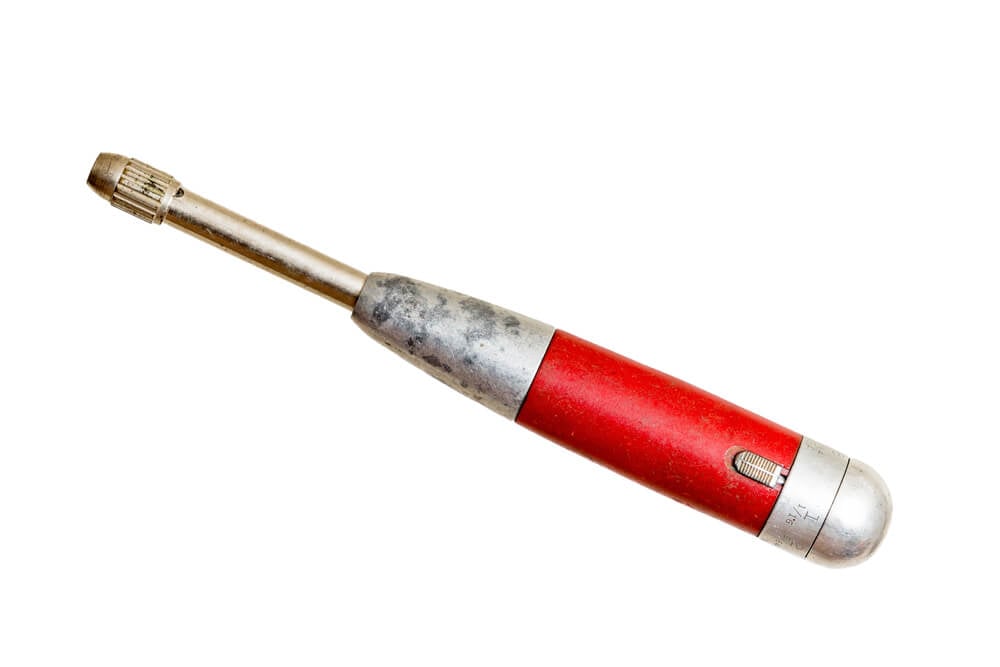
Before cordless drills existed, this spring-loaded push drill let a woodworker bore small openings with one hand by pushing down on the handle. North Brothers Manufacturing, later absorbed by Stanley, produced these in large numbers, but ones with a full set of stored bits inside the handle are less common.
The mechanism should still ratchet smoothly for a buyer to take it seriously.
Buck Bros. Carving Chisels
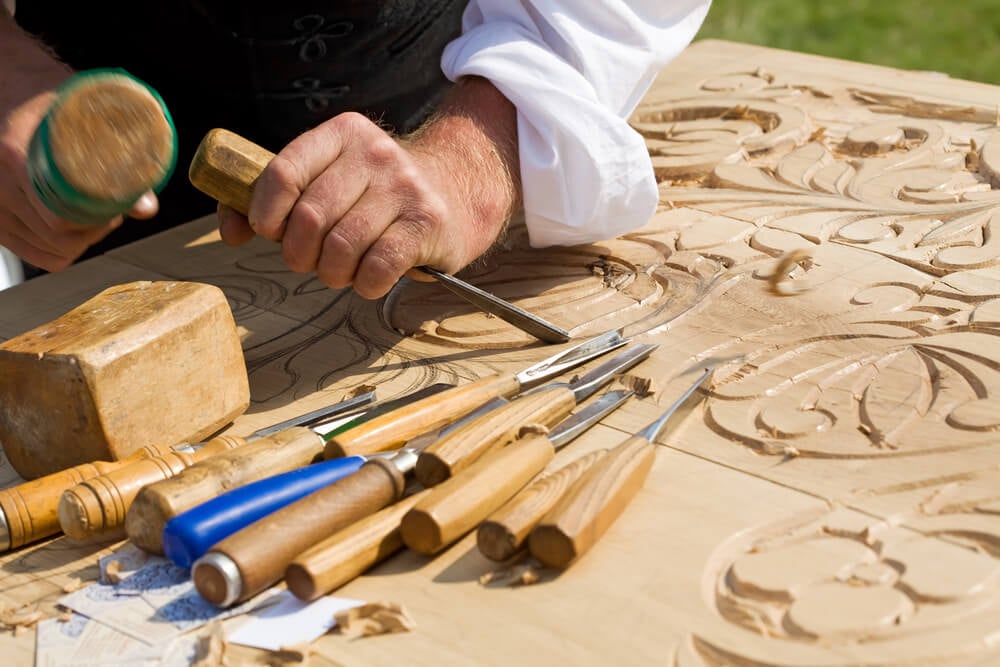
Buck Brothers, a Massachusetts firm active from the mid-1800s, produced carving tools known for taking and holding a sharp edge. Individual chisels stamped with the company name still turn up in old rolls at estate sales, often mixed in with lesser brands.
A woodworker doing detail carving work values these specifically for the steel quality rather than rarity alone.
Bailey-Pattern Wooden Transitional Plane
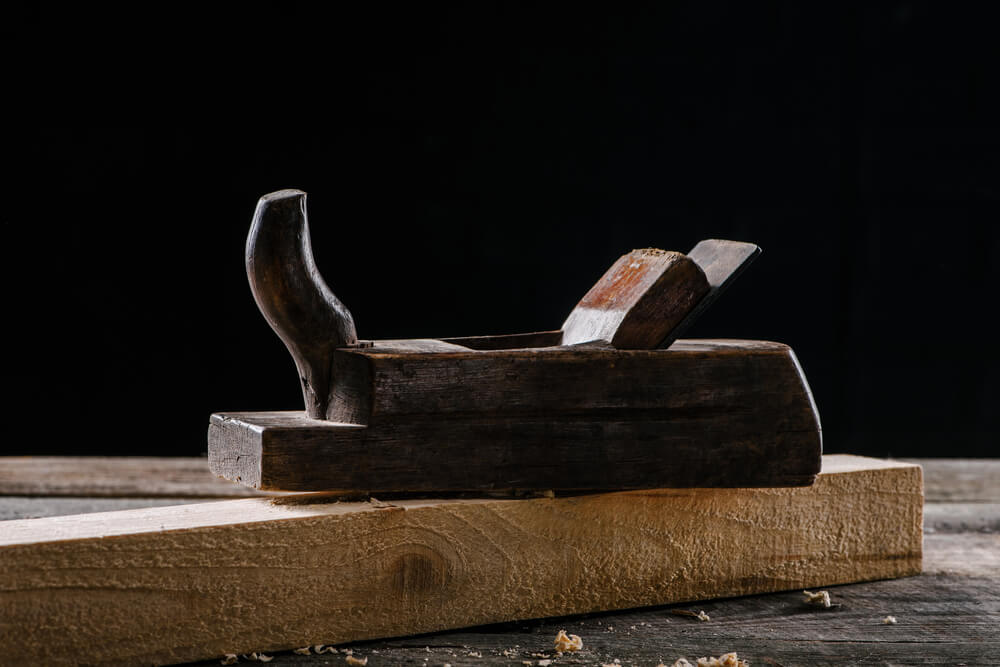
These planes combined a traditional wooden body with a metal Bailey-style adjustment mechanism, a hybrid design meant to ease the transition from wooden to all-metal planes. They’re less collected than full metal Baileys, which paradoxically makes them a more affordable entry point for woodworkers who actually want to use one.
Condition of the wooden sole matters enormously to function.
Sargent No. 414 Plane
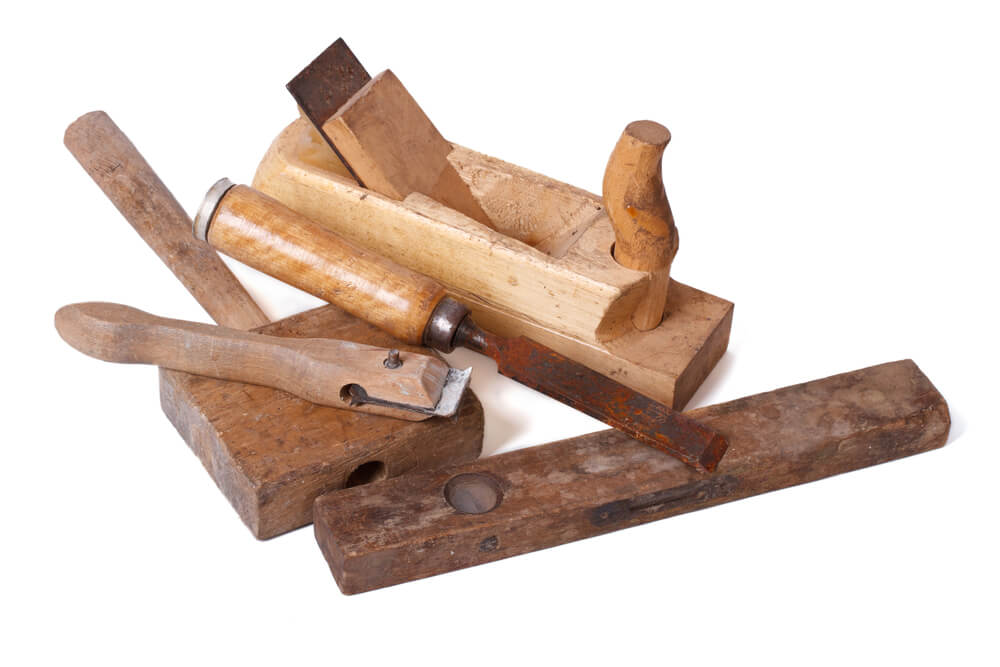
Sargent & Company competed directly with Stanley for decades, producing planes of comparable quality at a lower price point historically. Because Stanley dominates collector attention, well-preserved Sargent planes sometimes sell for less than an equivalent Stanley despite similar quality.
Woodworkers looking for a using tool rather than a display piece often seek these out deliberately.
Marples Bevel Edge Chisels
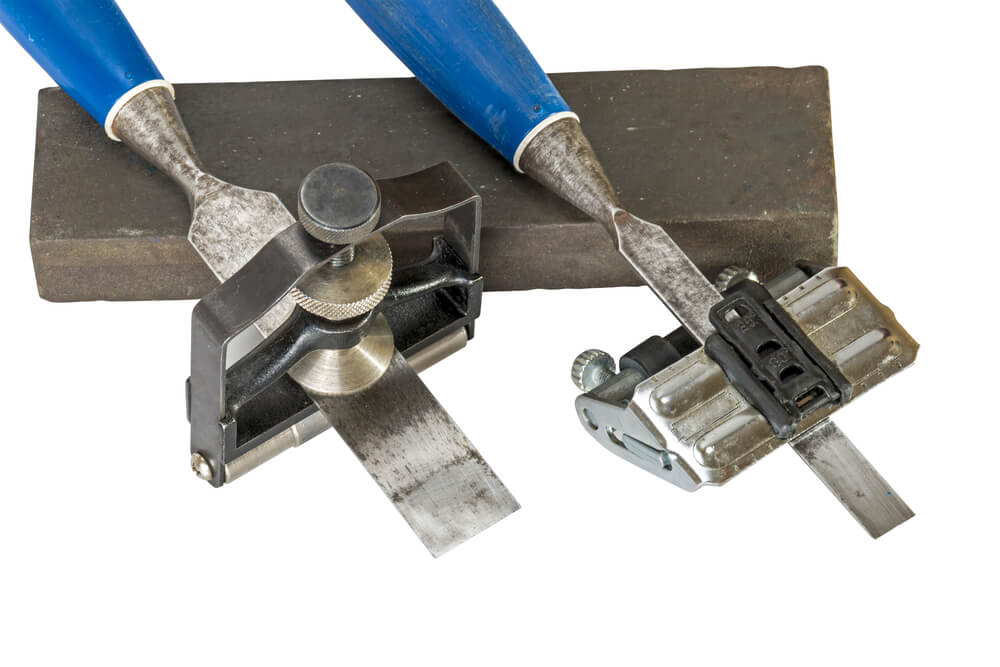
William Marples & Sons, a Sheffield, England firm dating to the 1800s, built chisels favored for their steel quality and comfortable boxwood handles. The “Shamrock” branded examples from before the mid-1900s are the ones specialists watch for specifically.
A full graduated set in good condition is a strong find in any tool box.
Stanley No. 78 Rabbet Plane
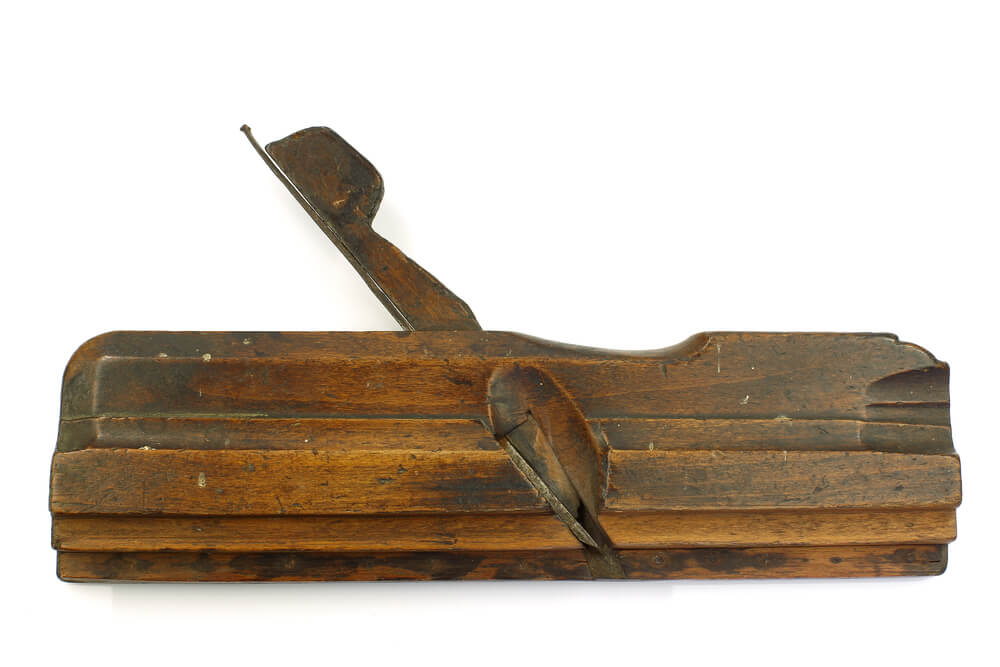
Designed for cutting rabbets and grooves along the edge of a board, this plane includes an adjustable fence and depth stop that set it apart from a basic block plane. Complete examples with both attachments intact bring meaningfully more than a plane missing its fence.
It remains one of the more practical antique planes for someone doing actual joinery work.
Emmert Patternmaker’s Vise

K.O. Emmert’s vise design, patented in the early 1900s, allowed a workpiece to be rotated and tilted in nearly any direction, a feature patternmakers relied on for complex shapes. These heavy cast iron vises are genuinely rare compared to standard woodworking vises.
A functioning example with all its adjustment mechanisms intact is a serious find that draws competitive bidding.
Goodell-Pratt Egg Beater Drill

Goodell-Pratt, later merged into Millers Falls, produced hand drills known for smooth mechanical action and solid build quality. Their higher-numbered models with nickel-plated hardware are the ones collectors specifically request.
A drill’s gears should mesh cleanly without excessive play for a buyer to consider it a using tool rather than a display piece.
Stanley No. 90 Bullnose Plane
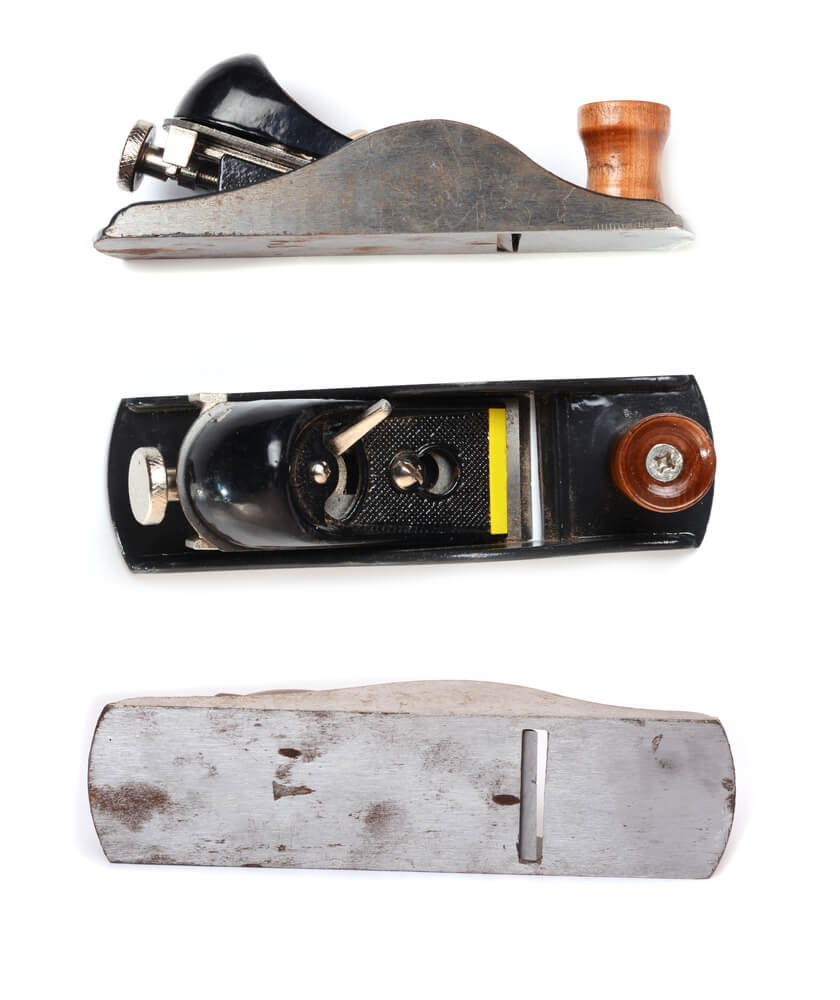
This small plane’s blade sits nearly flush with the front of the tool, letting it work into tight corners a standard plane can’t reach. Its compact size means it was easy to lose or set aside, which keeps clean surviving examples relatively scarce.
Furniture restorers specifically value this one for detail work on antique pieces.
Norris Infill Smoothing Plane
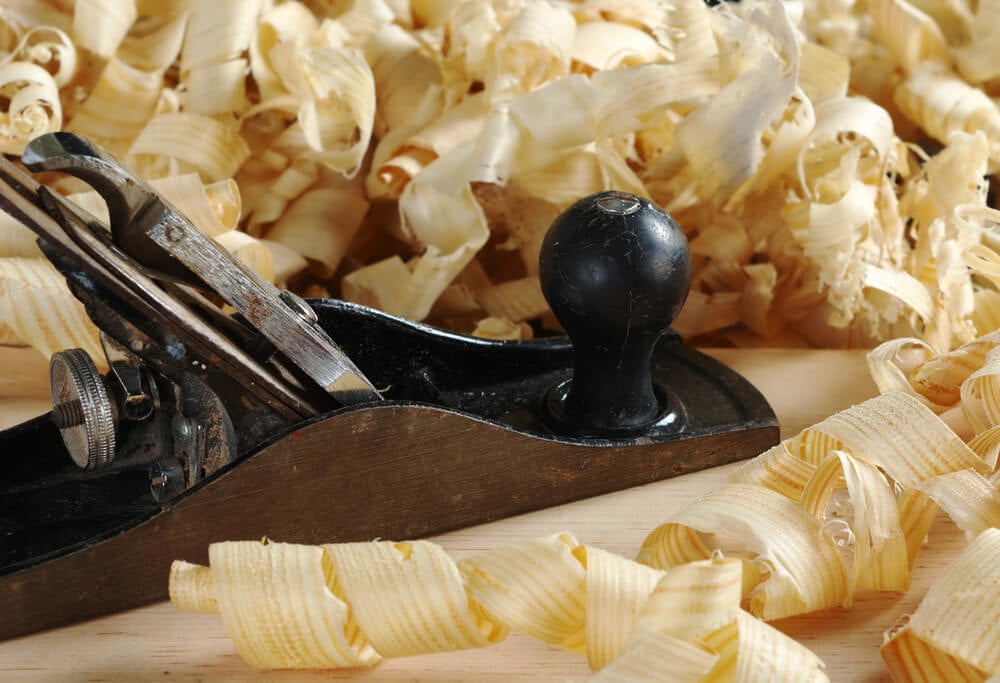
British-made Norris infill planes, produced from the late 1800s into the 1900s, feature a dense wooden infill inside a bronze or steel body, giving them significant heft and stability. They were expensive even when new and represent some of the finest hand plane engineering of their era.
A genuine Norris in good condition routinely draws the highest prices among all antique plane categories.
Winchester-Branded Hand Tools
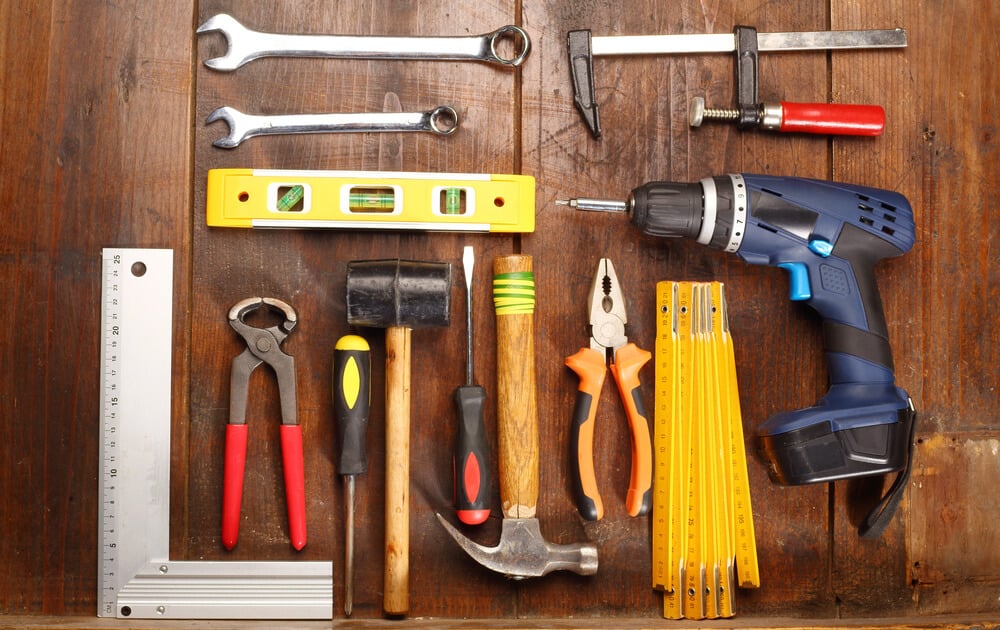
Winchester Repeating Arms briefly licensed its name to a line of hand tools in the early 1900s, including planes, hammers, and screwdrivers, as a way to diversify beyond firearms. The line was short-lived, which makes surviving examples genuinely uncommon compared to dedicated tool manufacturers.
Collectors of Winchester memorabilia and woodworking tool collectors sometimes compete directly for the same piece.
Keen Kutter Hand Tools
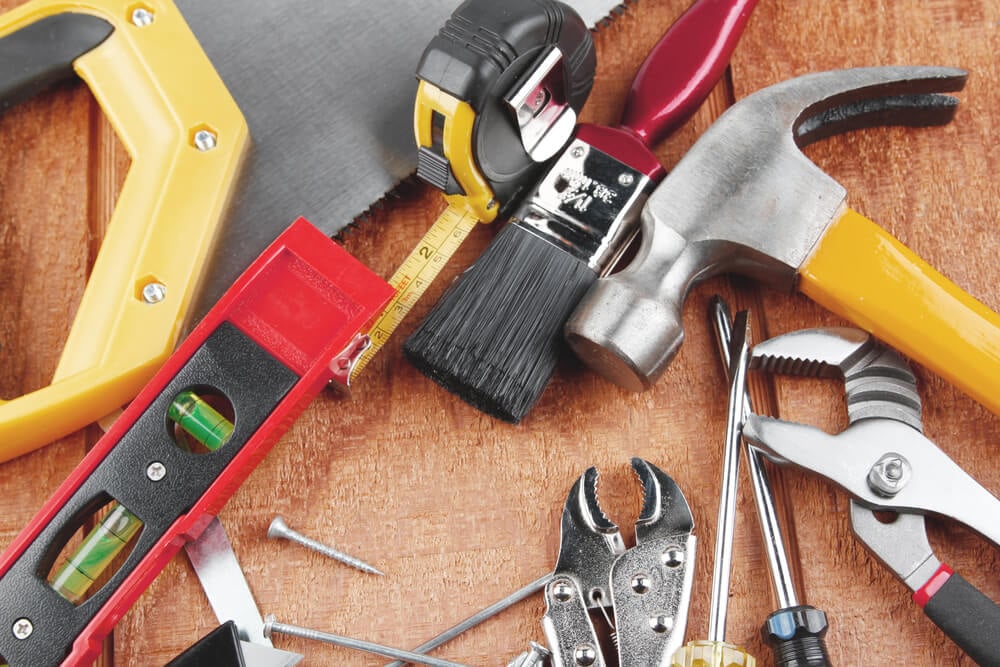
Simmons Hardware Company’s Keen Kutter brand covered everything from axes to hand planes through the early 1900s, sold through hardware stores nationwide. The broad range means a garage might turn up anything from a hatchet to a full plane under this single mark.
Consistent branding across such a wide product line makes Keen Kutter a favorite starting point for new tool collectors.
Stanley No. 62 Low Angle Jack Plane
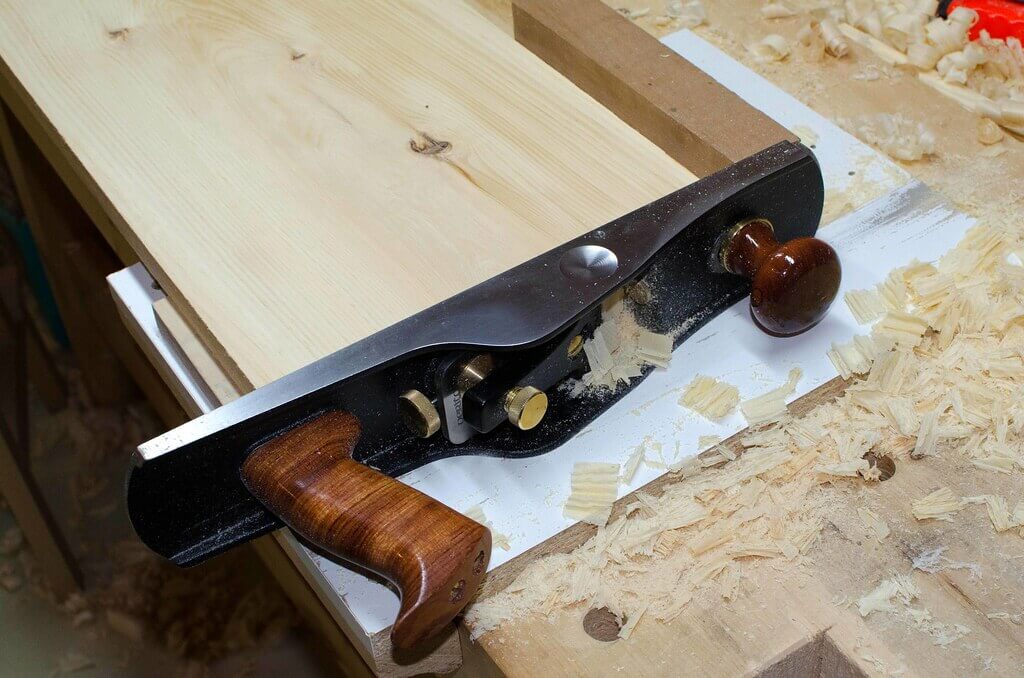
This plane’s bed angle, lower than a standard bench plane, made it particularly effective on figured or difficult grain. It was only produced for a limited run before being discontinued and later reintroduced decades later in a modern version.
Original examples from the earlier production run carry a distinct premium over the modern reissue.
Greenlee Auger Bits
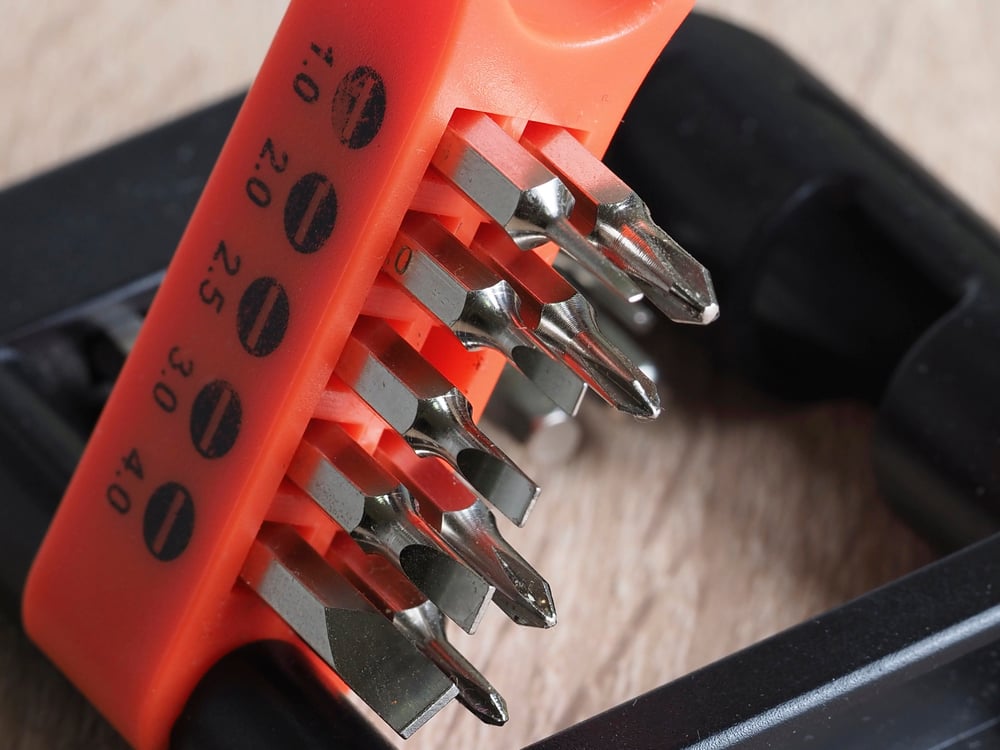
Greenlee Tool Company, founded in Illinois in the 1800s, produced auger bits known for clean, accurate boring even in dense hardwood. Complete graduated sets in their original wooden box, rather than loose bits scattered through a drawer, are what specialists actively seek.
The screw tip design on the earlier bits differs enough from later models that collectors can date a set by examining it closely.
Union No. 4 Hand Plane
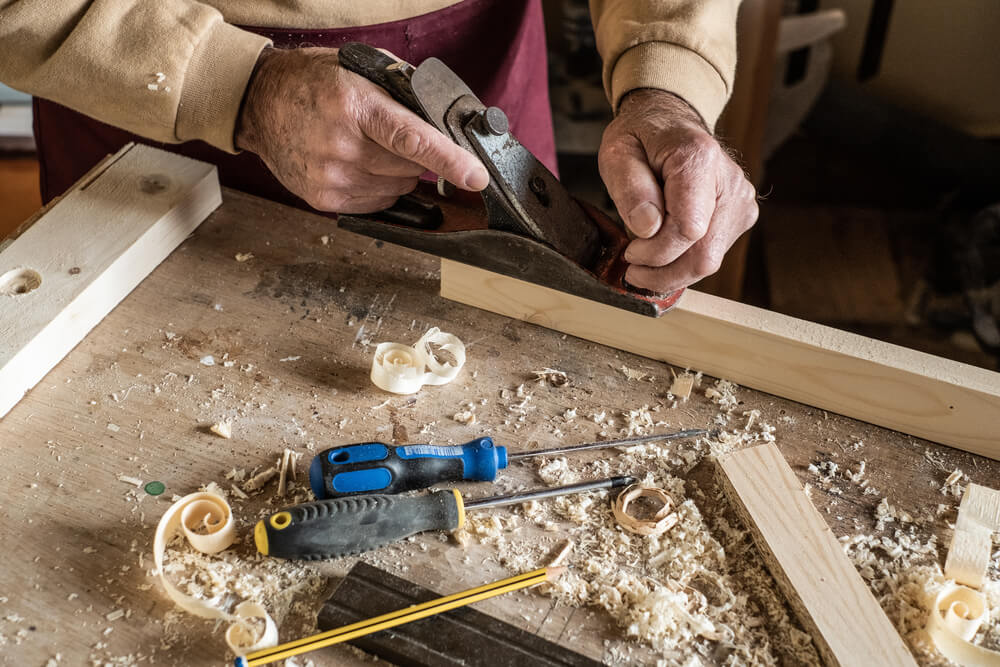
Union Manufacturing Company built planes as a budget alternative to Stanley during the same general era, using a similar Bailey-style design under license or through patent workarounds. Because they were cheaper originally, fewer survived in good condition, which has slowly pushed their collector value upward.
A clean example still functions as a legitimate working tool today.
Stanley No. 100 Block Plane
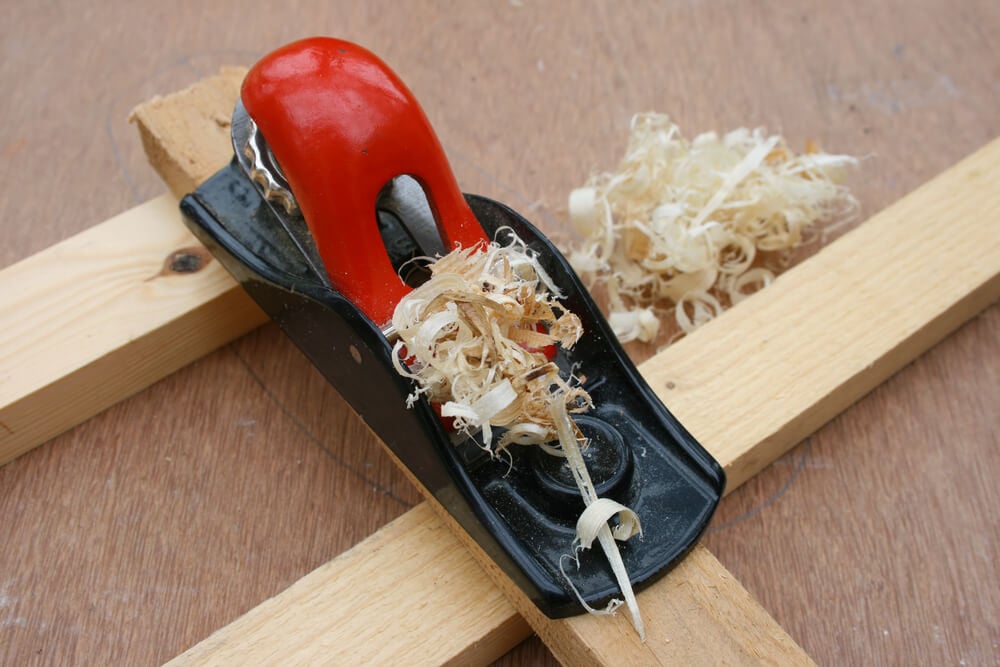
This small, single-hand block plane was designed for trimming end grain and light smoothing work rather than heavy stock removal. Its compact size made it easy for a previous owner to misplace, so complete examples with the original blade are less common than the larger bench planes from the same maker.
It remains a favorite among woodworkers who want a genuinely useful antique rather than a shelf piece.
Two Cherries Carving Tools
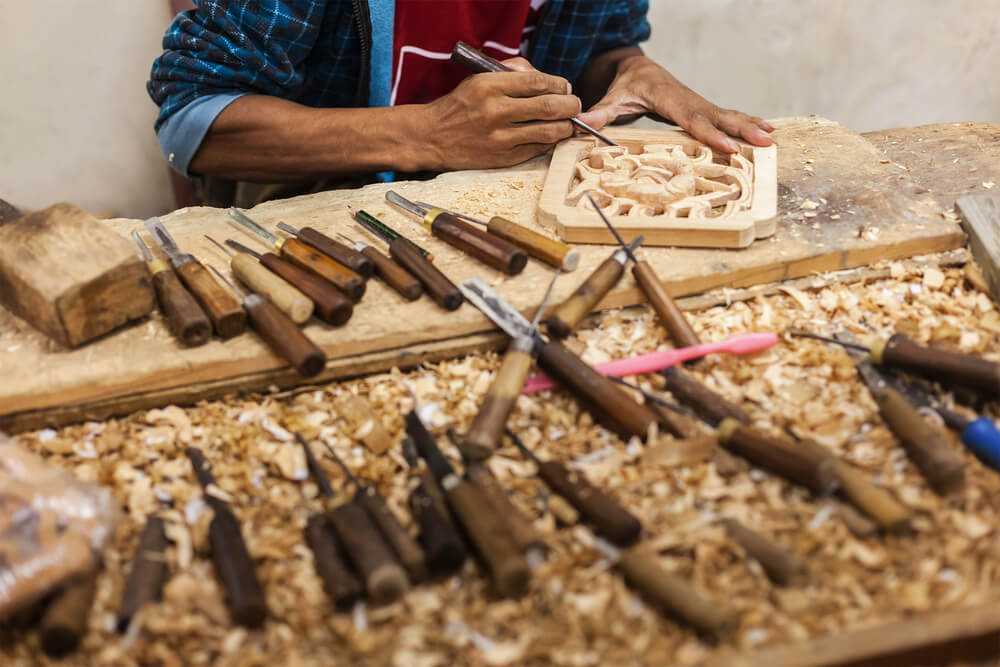
This German maker, tracing its history back to the 1700s, produced carving chisels and gouges known for excellent steel and comfortable handle shapes. Older examples with the traditional cherry logo stamp, made before more recent branding updates, are what specialists look for in estate finds.
A full graduated set is considerably harder to find complete than individual pieces.
Stanley No. 92 Shoulder Plane
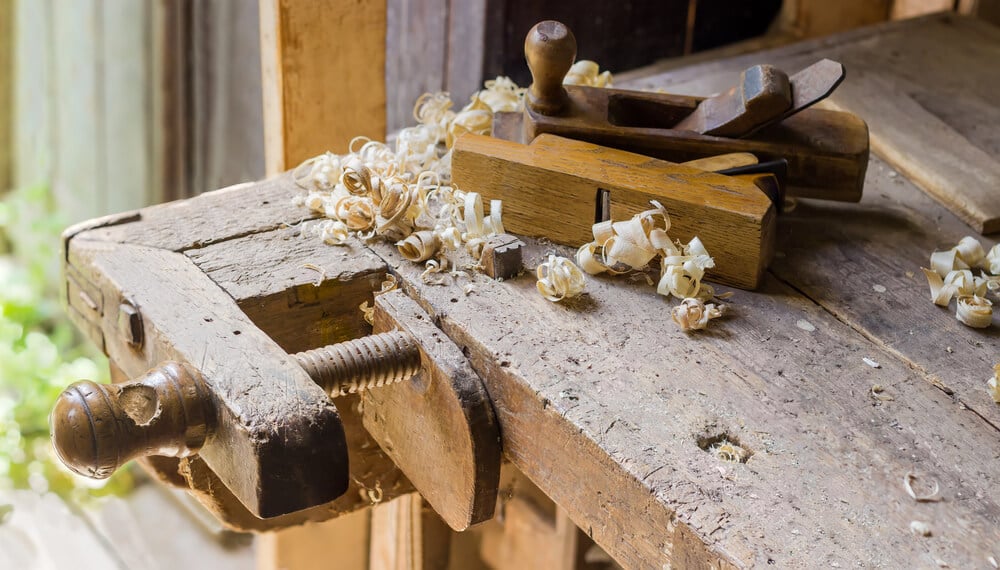
Built specifically for trimming tenon shoulders to a precise fit, this small plane has a blade that extends the full width of its body for clean, square cuts into corners. Furniture makers doing traditional joinery still reach for these over any modern equivalent.
A tight mouth opening and a straight sole are the two details that matter most when evaluating one.
Peck, Stow & Wilcox Tinsmith Tools
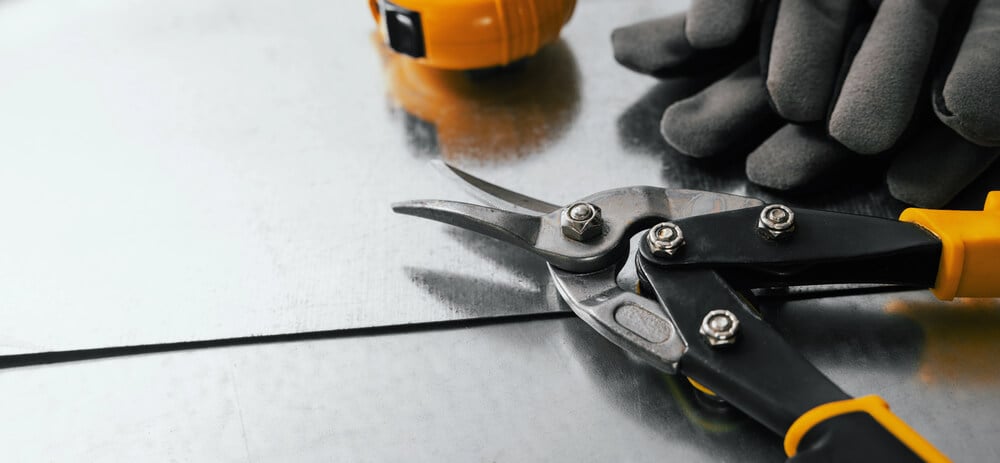
Known widely by the abbreviation P&S&W, this Connecticut company produced sheet metal working tools alongside a smaller line of woodworking hand tools through the 1800s and 1900s. Their less common woodworking pieces occasionally surface mixed in with more typical tinsmith equipment at estate sales.
Specialized tool collectors watch specifically for the maker’s mark on otherwise unfamiliar-looking pieces.
Stanley No. 3 Smoothing Plane
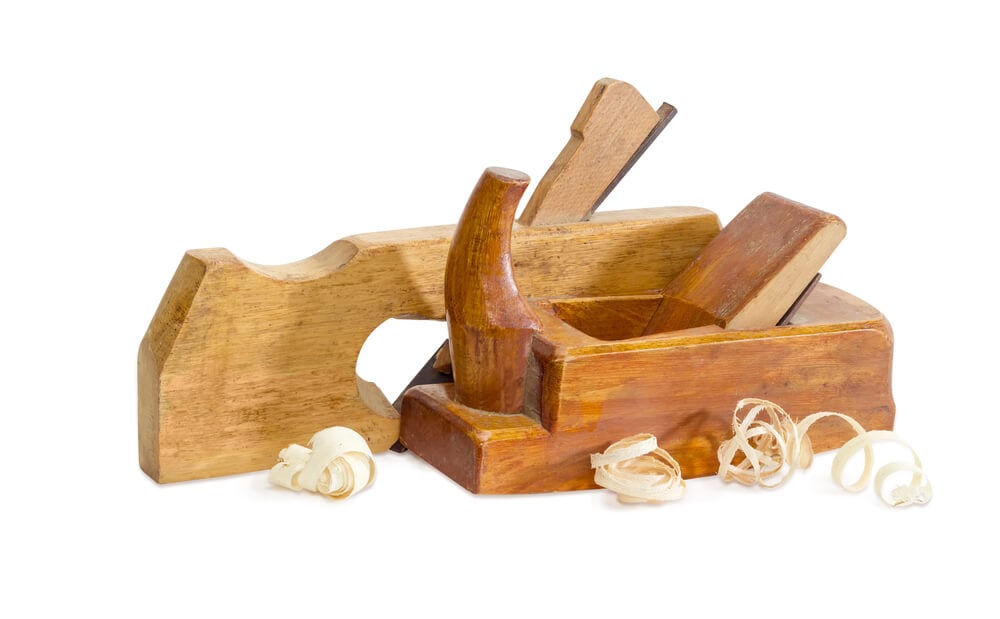
Slightly smaller than the more common No. 4, this plane suited woodworkers who wanted a lighter tool for detail smoothing work. Early production examples, identifiable by specific casting and lever cap details, are the ones type-collectors track most closely.
A well-tuned example remains genuinely practical for fine finishing work today.
Bridge City Tool Works Precision Squares
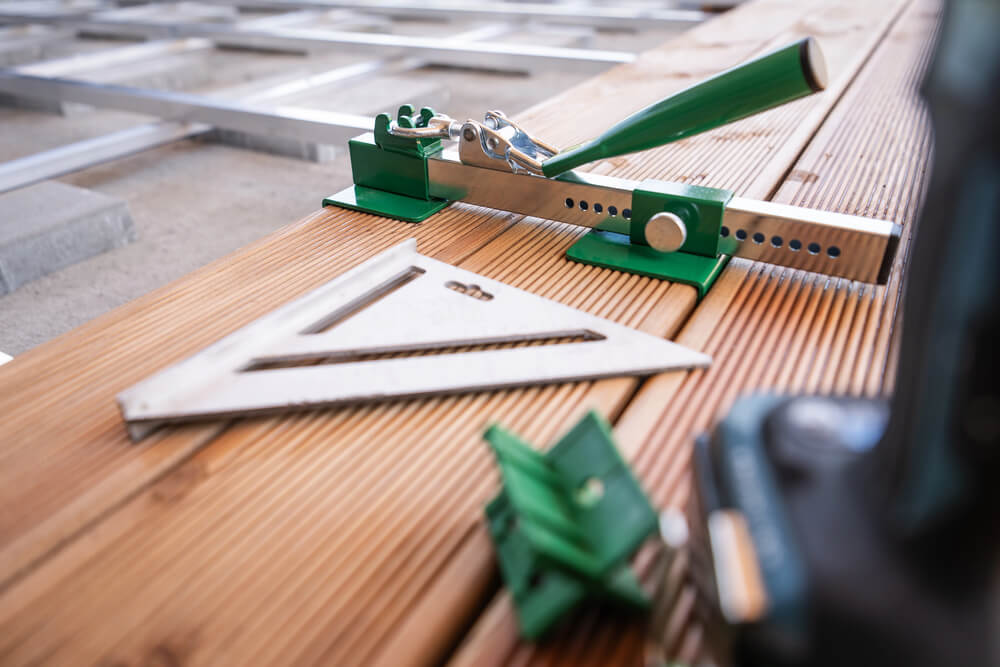
A more modern maker compared to the others on this list, Bridge City built its reputation in the 1980s and 1990s on exceptionally precise, often exotic-wood measuring tools aimed at collectors as much as working woodworkers. Limited production runs on certain models have already pushed some pieces into genuine collector territory decades later.
Their crossover appeal between tool users and tool collectors sets them apart from the older manufacturers on this list.
Stanley No. 10 Carriage Maker’s Plane
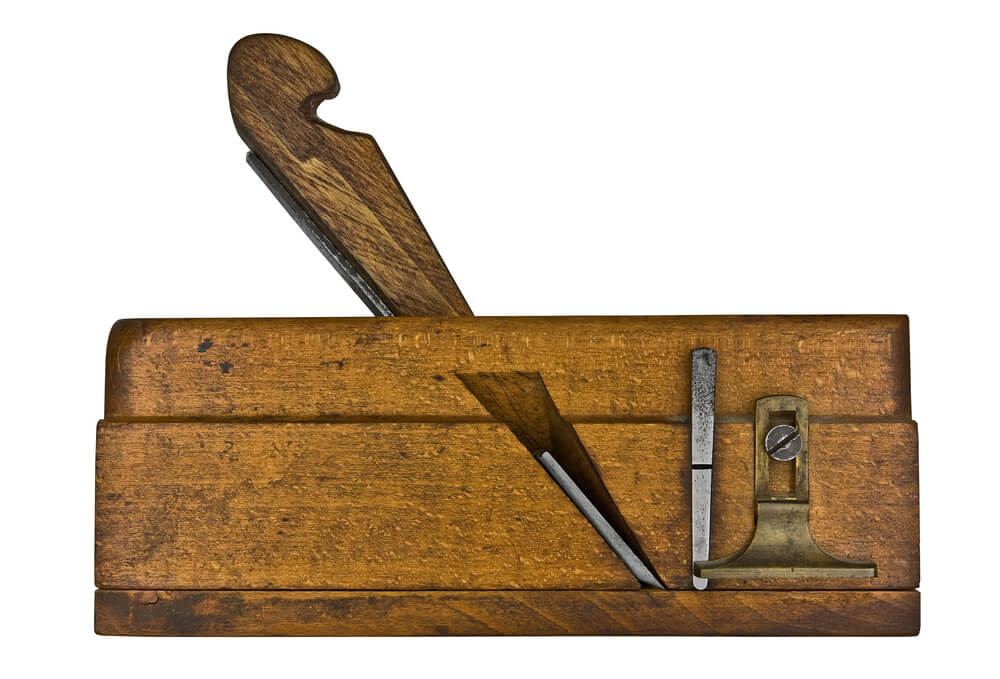
Designed originally for the specialized work of building horse-drawn carriages, this rabbet-style plane found a second life among general woodworkers once the original trade declined. Its distinctive shape makes it easy to identify even for someone unfamiliar with the maker’s full catalog.
Specialists in trade-specific antique tools particularly value pieces tied to a now-vanished profession.
Ohio Tool Company Wooden Planes
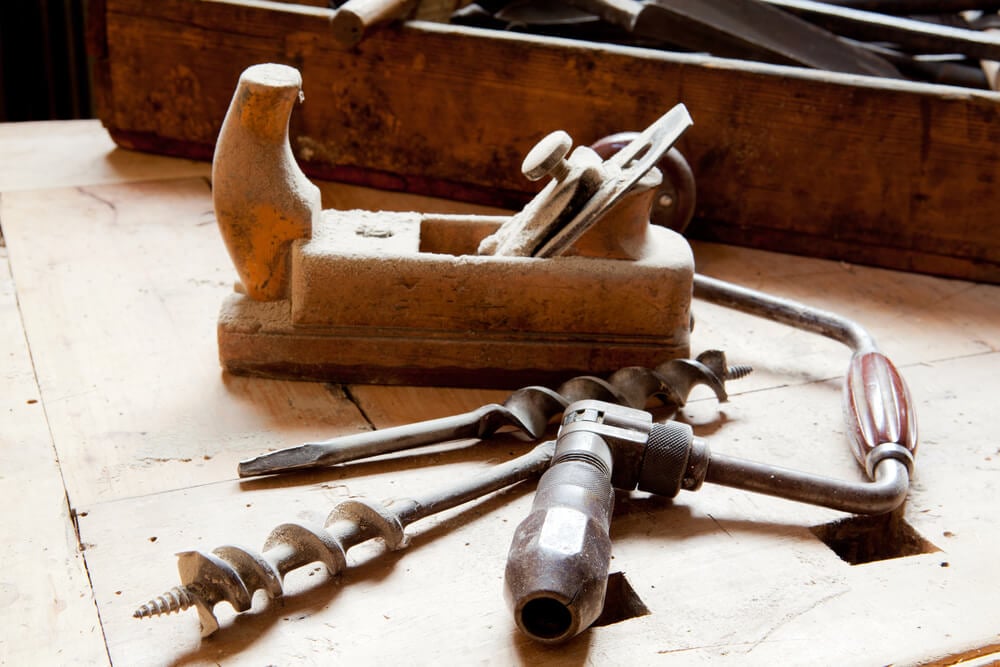
Based in Columbus through the 1800s and into the early 1900s, this company produced wooden bench and molding planes before the shift to metal designs took over the market. Its planes are identifiable by stamped maker’s marks on the toe of the tool.
Collectors of wooden plane history specifically track Ohio Tool alongside a handful of other major regional makers from the same period.
Stanley No. 750 Bevel Edge Chisel Set
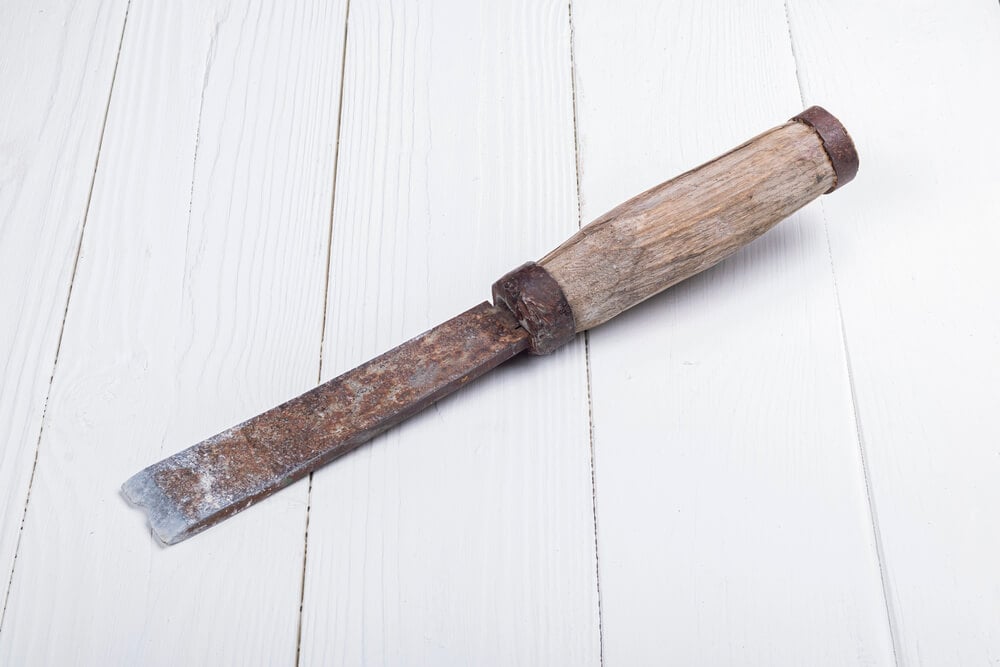
This premium chisel line, produced with tapered sides and a socketed handle design, represented Stanley’s higher-end offering compared to its standard chisel lines. Complete boxed sets with all sizes present are considerably rarer than individual chisels found loose in a drawer.
The socket design, rather than a tang, is one of the details collectors check to confirm authenticity.
The Weight of Iron That Outlasted Its Owner
Nobody bought these tools thinking a stranger would care about them a century later. A carpenter picked a plane because it sat flat and held an edge, not because a maker’s mark might someday matter to a collector standing in a stranger’s garage.
The tools that survived did so because someone kept using them, oiled the metal, and never got around to throwing them out. That accidental preservation is what makes a garage clean-out worth slowing down for.
A rusted box of hand tools looks like scrap to most people and looks like an afternoon of careful research to a woodworker who knows what a stamped name on cold iron can still be worth.
More from Go2Tutors!

- The Romanov Crown Jewels and Their Tragic Fate
- 13 Historical Mysteries That Science Still Can’t Solve
- Famous Hoaxes That Fooled the World for Years
- 15 Child Stars with Tragic Adult Lives
- 16 Famous Jewelry Pieces in History
Like Go2Tutors’s content? Follow us on MSN.



