32 Everyday Objects With Surprisingly Old Origins
The objects surrounding us in daily life often feel modern, yet many trace their lineage back centuries or even millennia. From the toothbrush to the zipper, these everyday items evolved through quiet innovation across vast spans of human history.
Understanding their origins reveals how ancient peoples solved problems that still define our modern experience.
Toothbrush
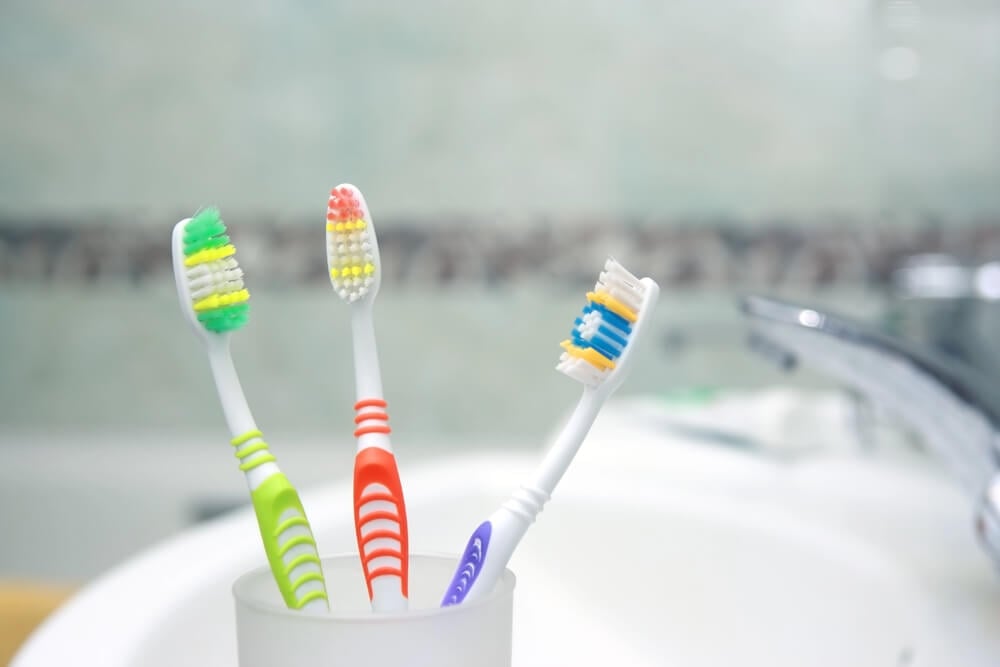
While frayed twigs served as toothbrushes in ancient Babylonia and Egypt around 3500 to 3000 BC, the bristle brush emerged in the late 15th century when a Chinese emperor patented a brush made of hog hairs set into bamboo or bone handles. The shift to nylon bristles occurred only in 1935 when DuPont invented the world’s first fully synthetic fiber.
Lock and Key

The oldest preserved door locks date back to ancient Egypt at least as far back as 2000 BC and were constructed entirely from wood including the key. The basic pin tumbler concept created by ancient Egyptians remains the most common lock type used globally today.
Postal Service

The world’s first postal service emerged in Ancient Assyria around the 9th century BC, with Greek historian Xenophon documenting how Cyrus the Great established a relay system using couriers. Cyrus the Great established an organized relay system using couriers that dramatically improved communication across the empire.
Breath Mints
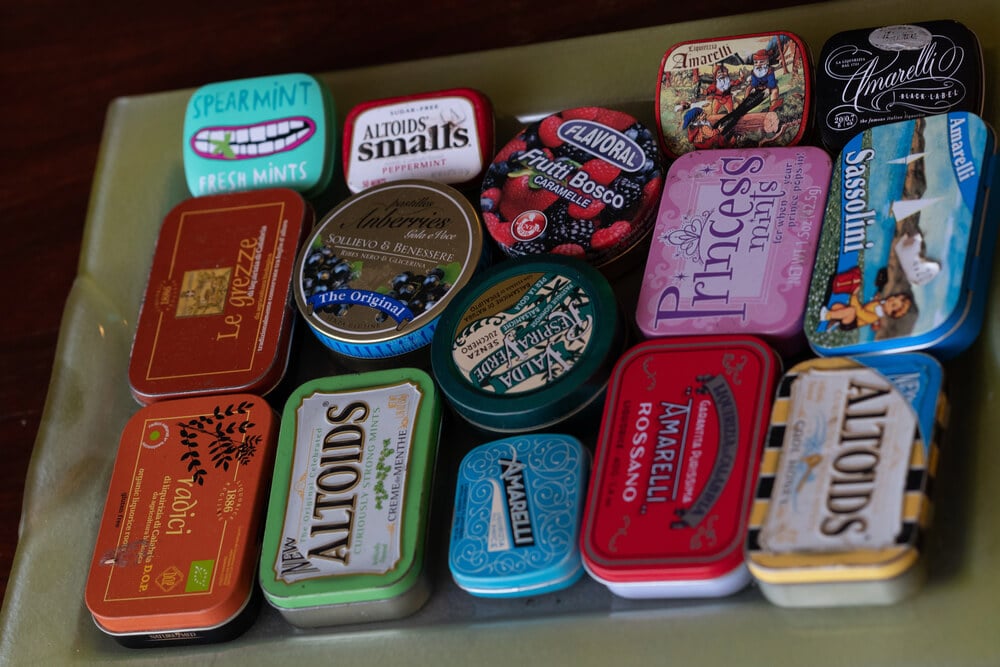
Ancient Egyptians created the first mints by mixing frankincense, cinnamon, and various other ingredients together, boiling them in honey, then shaping them into edible sweets. While the mixture lacked modern mint flavor, it represented the foundational concept of portable breath fresheners.
Toothpaste

The earliest known tooth cleaning formula dates to Egyptian manuscripts from 4 CE, describing powder mixtures containing crushed rock salt, mint, dried iris flower, and pepper.
Umbrella

Umbrellas originated over 4,000 years ago in ancient Egypt, Assyria, and China, initially serving as symbols of status and protection from the sun rather than rain. Made from materials like feathers and lotus leaves, umbrellas didn’t gain widespread popularity in Europe as rain protection until the 17th century.
Soap
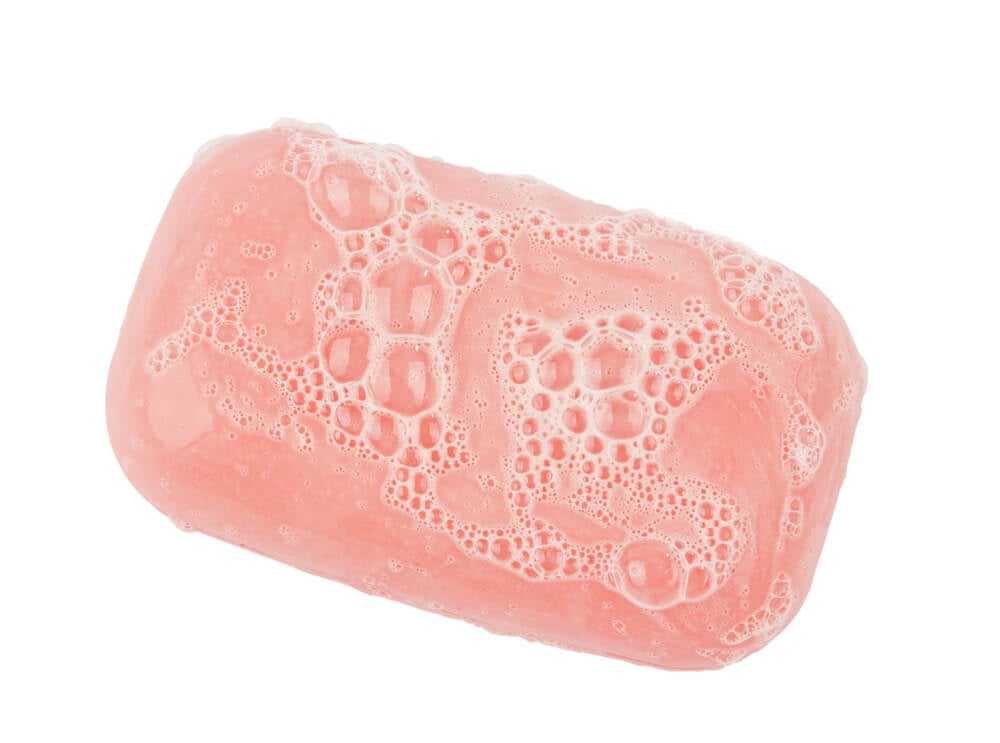
Soap-making dates back at least to 2800 BCE in ancient Babylon, where early soap was made by mixing animal fats with wood ash. Thanks to industrialization in the 19th century, soap bars became widely available, and the Victorian Era witnessed a surge in scented soap use.
Button
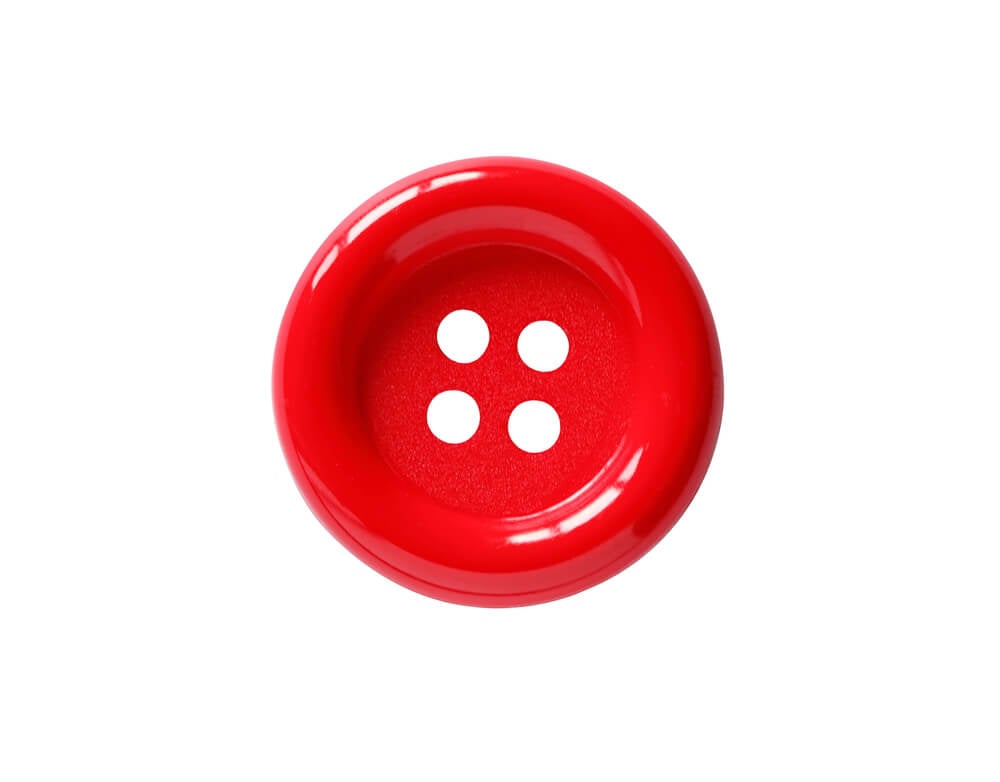
Buttons have existed for over 5,000 years, first used in the Indus Valley Civilization as decorative items rather than functional fasteners. When buttonholes became a practical innovation in the 13th century, buttons transformed into closures.
Alarm Clock

The ancient Greeks used water clocks to time alarms with bells, establishing the foundational concept of scheduled alerts. Levi Hutchins invented the first mechanical alarm clock in 1787, though it rang only at 4 a.m.
Friction Match
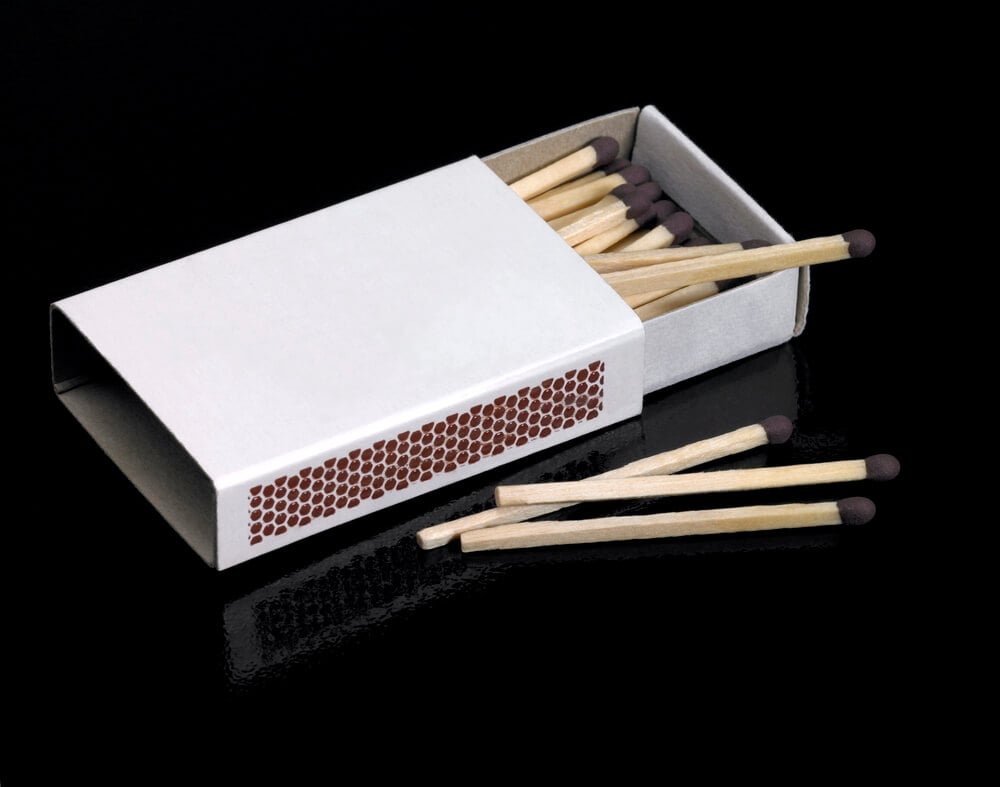
Before friction matches, people relied on flint, steel, or chemical reactions to create fire in time-consuming and unreliable processes. In 1826, English chemist John Walker invented the first friction match, revolutionizing fire-starting.
Safety Pin
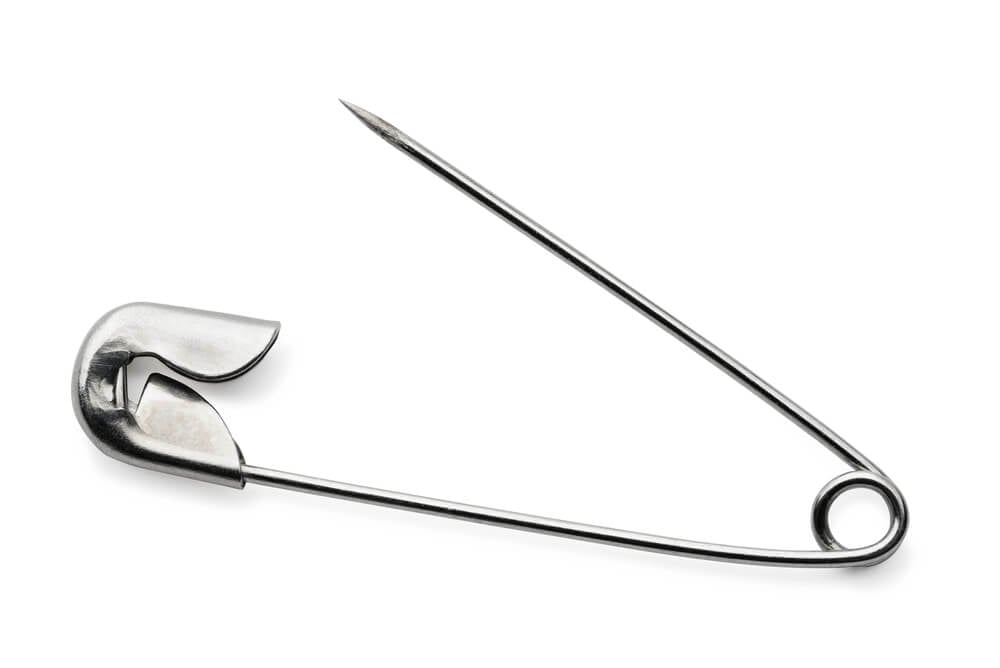
Walter Hunt invented the safety pin in 1849 as a quick solution to pay off a debt, creating a modern evolution of the ancient Roman fibula used to fasten togas. Hunt sold the patent for only $400 and never profited from its massive success.
Playing Cards
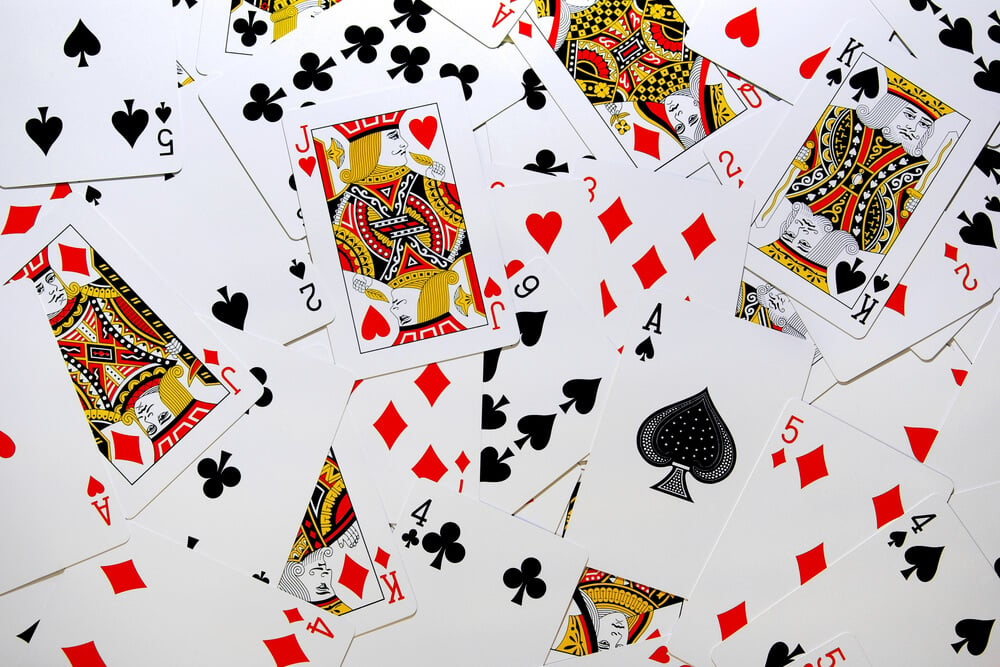
Playing cards first emerged in China during the Tang Dynasty in the 9th century, spreading through the Islamic world to Europe by the 14th century. During World War II, special playing cards were issued that could be soaked and peeled apart to reveal escape maps.
Treadmill
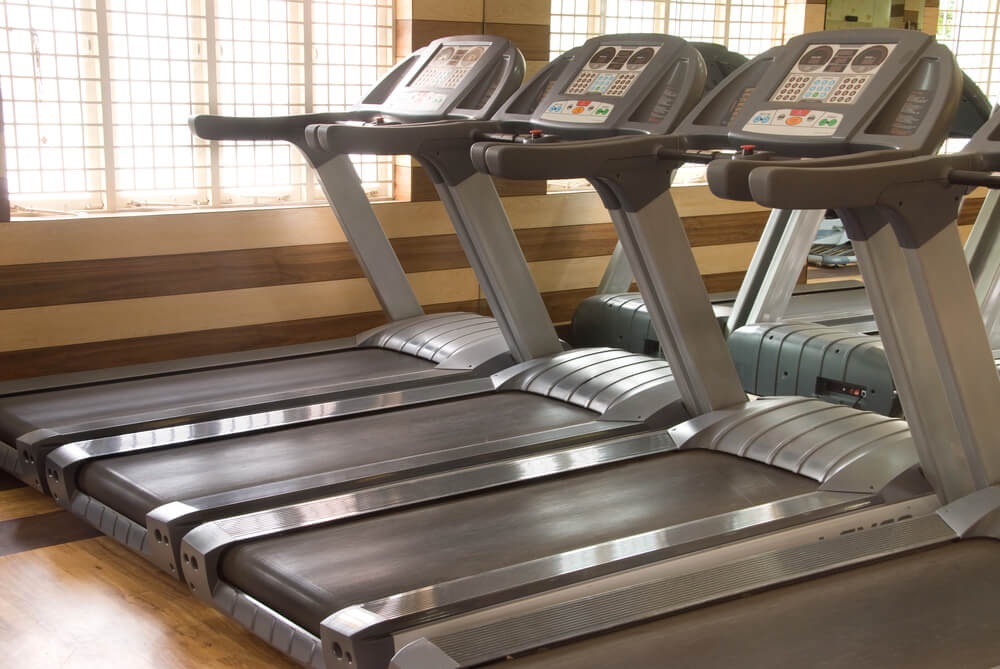
In the 1800s, treadmills were originally invented as punishment devices in British prisons where prisoners would walk on massive wheels to generate power. Some prisons used treadmill time to grind flour or pump water into tanks.
Zipper

Early zippers were called “clasp lockers” and used mostly on boots and cig pouches before modern innovations transformed them into reliable fasteners. The friction between teeth required mechanical perfection that took decades of refinement.
Mattress
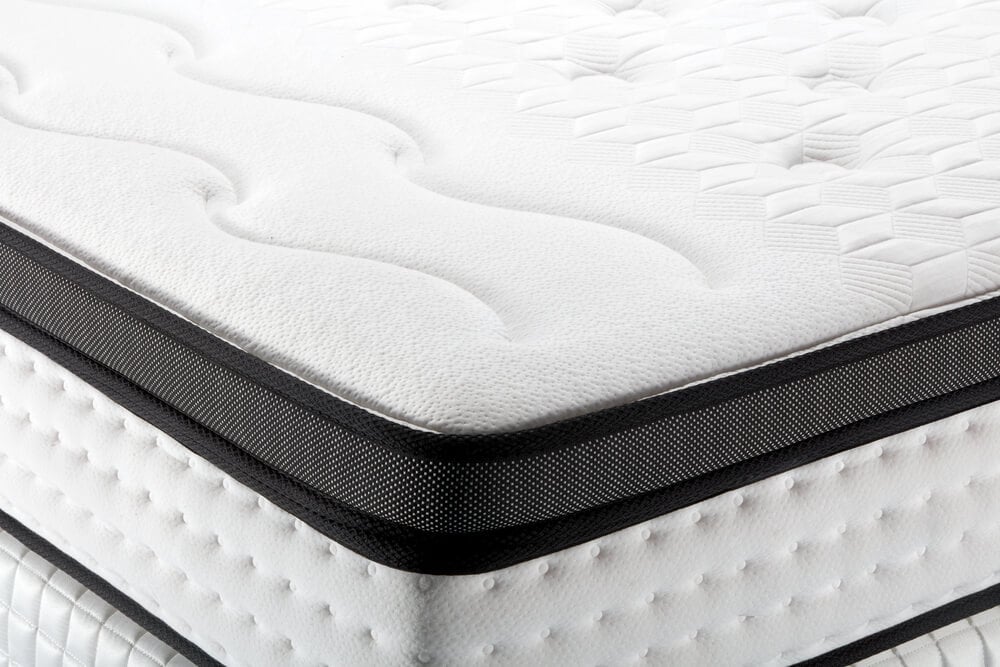
The history of the mattress extends deep into antiquity, with early versions featuring stuffed fabrics and animal materials used by wealthy individuals. Modern spring mattresses emerged only in the 19th century, representing a significant technological advancement in comfort.
Eyeglasses
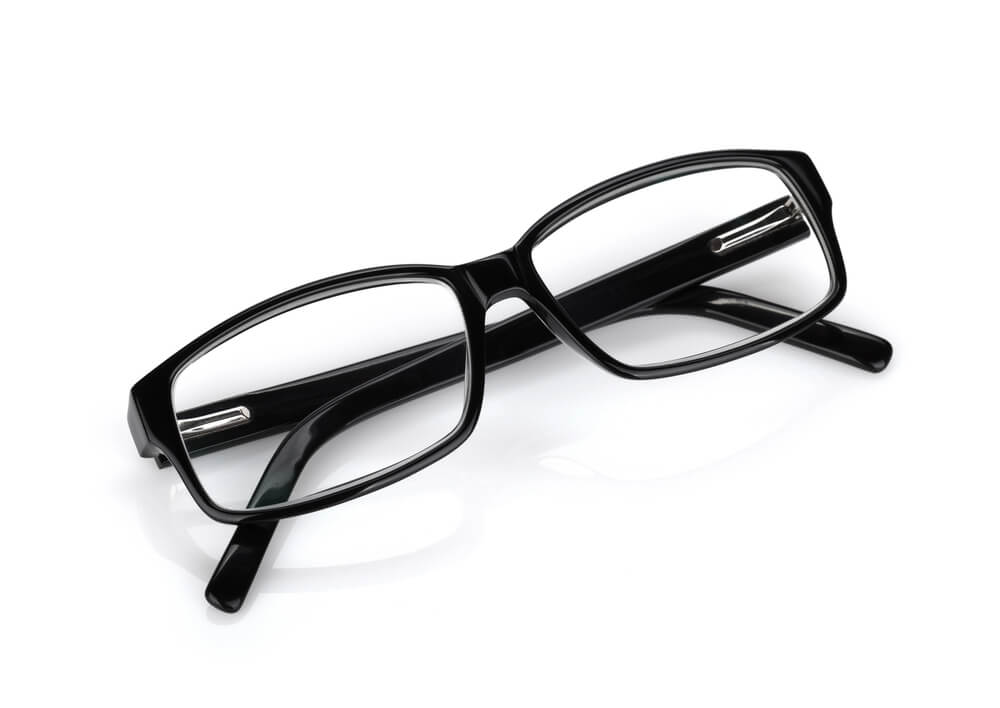
Ancient Romans used curved glass to magnify text, and by the 13th century, Venice had established itself as a center of lens production and eyeglass manufacturing. The evolution from simple reading stones to wearable corrective lenses required centuries of optical experimentation.
Fireplace

Fireplaces evolved from open fires used by prehistoric peoples for warmth and cooking, with architectural innovations in ancient Rome introducing the chimney concept. Medieval European castles refined fireplace design significantly, making enclosed heating a status symbol.
Fork
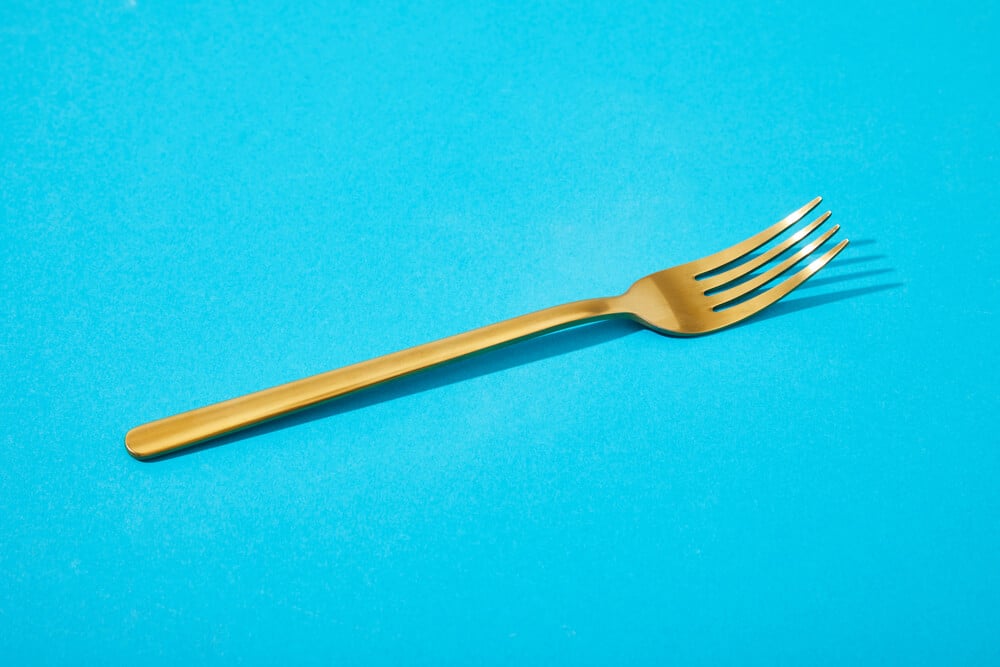
The fork is surprisingly recent in Western dining history, with the two-pronged implement originating in ancient Rome but not gaining widespread European acceptance until the 11th century. Some northern European nobles initially viewed forks as unnecessarily finicky.
Pencil

Pencil technology evolved from ancient charcoal sticks used by artists, with graphite discovery in 16th century England revolutionizing writing and drawing implements. The combination of graphite and clay in a wooden case became standardized in the 18th century.
Refrigeration

While people used ice houses and ice cellars for centuries to preserve food through seasonal harvesting, mechanical refrigeration emerged only in the 19th century with innovations by scientists like Willis Carrier. Early ice boxes required constant replenishment with blocks of ice cut from frozen lakes.
Clock Tower

Ancient civilizations used sundials and water clocks to mark time publicly, but mechanical clocks mounted in towers emerged during the Middle Ages in European cities. These devices became symbols of civic pride and technological achievement.
Wheel

The wheel is among humanity’s oldest inventions, originating in Mesopotamia around 3500 BCE for pottery production before application to transportation. This simple circular device fundamentally altered human capability to transport goods and power tools.
Ratchet
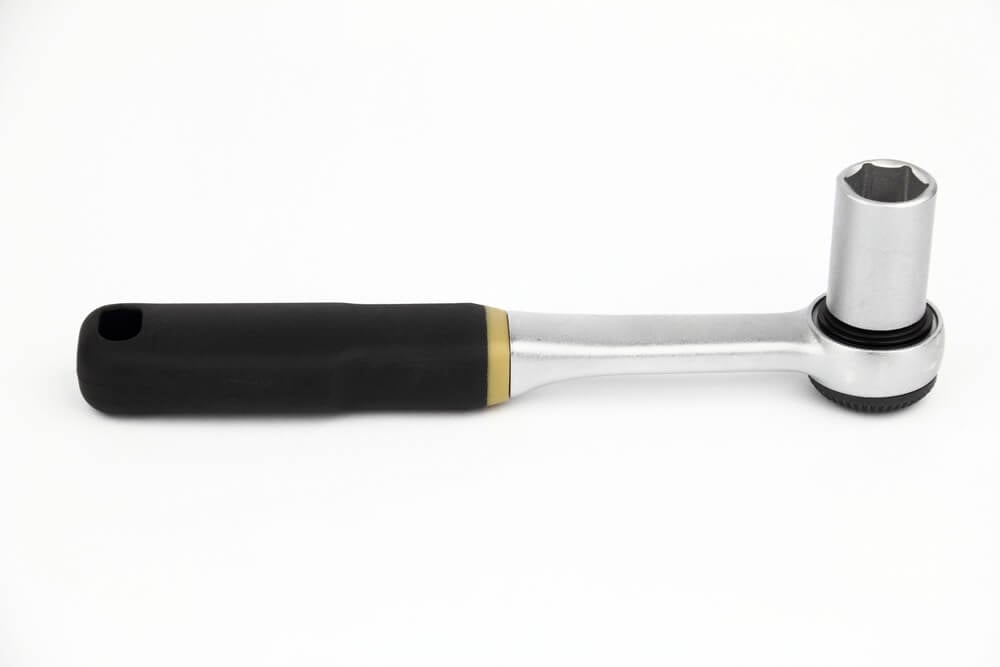
The ratchet mechanism emerged in ancient Rome and was used in various mechanical applications throughout the medieval period. The simple design of one-way rotational force transmission remains one of the most elegant mechanical solutions ever devised.
Crown
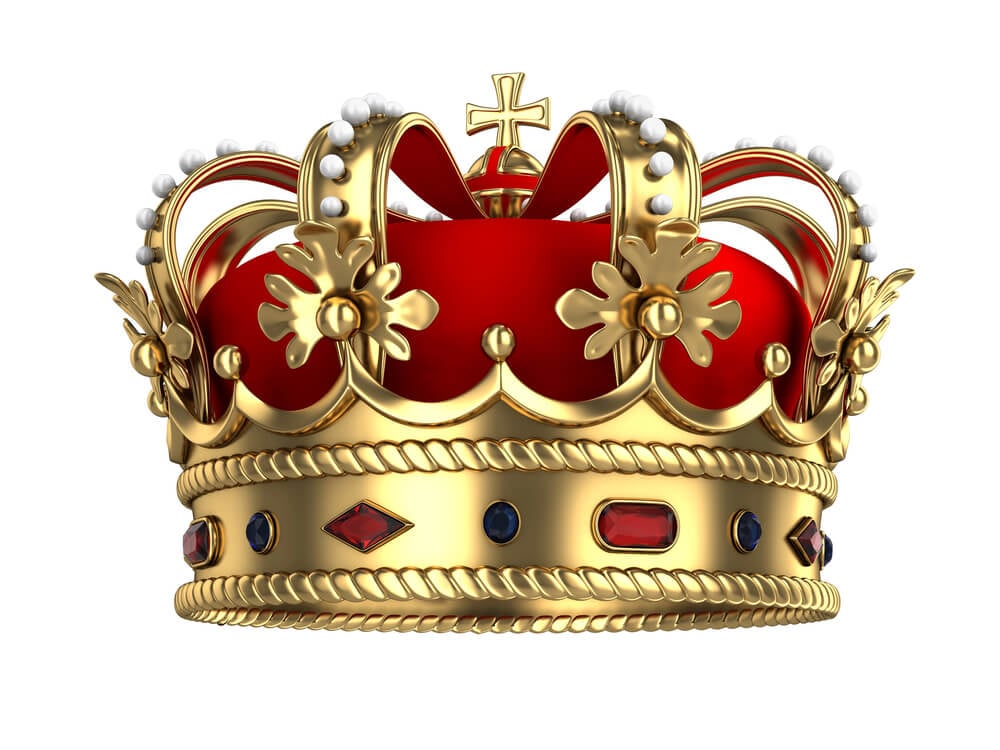
Crowns as symbols of authority trace back to ancient Egypt and Mesopotamia, where rulers adorned themselves with distinctive headpieces signifying power. The evolution from simple circlets to elaborate jeweled crowns reflects changing notions of kingship across centuries.
Desk

Desks evolved from simple writing tables used by scribes in ancient Egypt and Rome to specialized furniture of the medieval period. The modern desk design with drawers and compartments emerged during the Renaissance.
Eyebrow Grooming

Ancient Egyptians shaped eyebrows as part of grooming rituals, removing hair with sugaring—a technique using heated sugar paste—that persists in beauty practices today. Archaeological evidence shows eyebrow styling was considered essential to personal appearance.
Basket Weaving
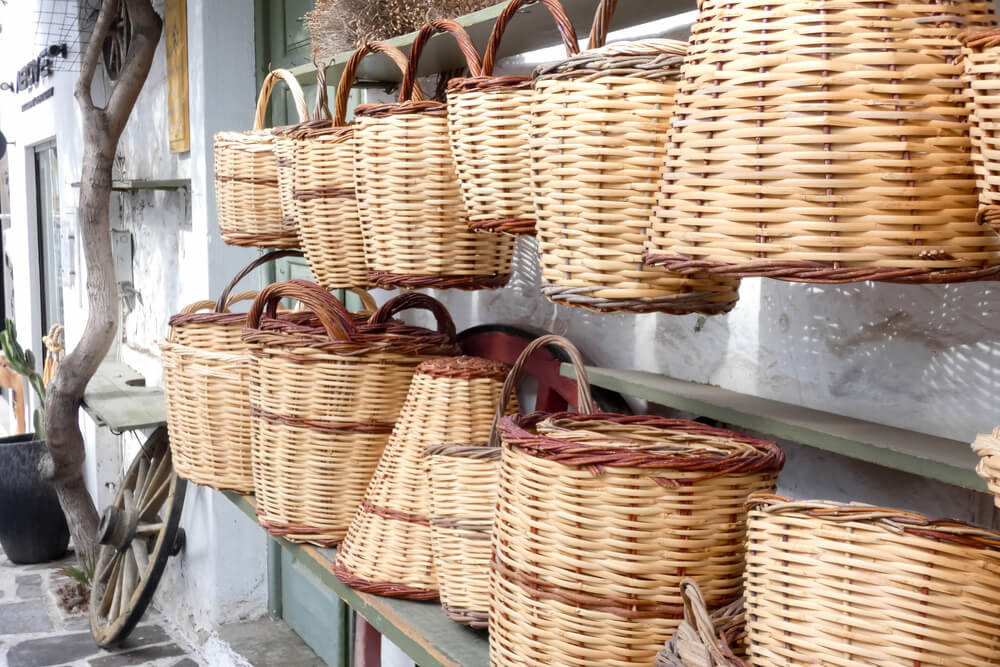
Basket weaving represents one of humanity’s oldest crafts, predating pottery by millennia with archaeological evidence placing woven baskets in use over 12,000 years ago. The technique remains virtually unchanged in many cultures.
Parchment

Parchment, made from animal skin, emerged in Pergamon in the 2nd century BCE as an alternative to papyrus with superior durability. This material was used for important documents and books throughout the medieval period.
Candle

Candles made from animal tallow date back to ancient times, with evidence of candle use appearing in Roman texts and archaeological sites. The shift to beeswax candles in medieval Europe created cleaner-burning lights for the wealthy.
Compass

The magnetic compass originated in ancient China around the 11th century, initially used for geomancy and navigation before spreading to the Islamic world and Europe. This device fundamentally changed naval exploration.
Concrete

The ancient Romans developed a concrete mixture using volcanic ash, limestone, and seawater that proved more durable than modern concrete. Roman concrete structures like the Pantheon remain standing after nearly 2,000 years.
Paper
Paper production began in China around 105 CE when Cai Lun developed a technique for making paper from plant fibers. The technology spread gradually westward, eventually enabling the printing revolution centuries later.
The Elegance of Ancient Solutions
These everyday objects reveal how fundamentally human needs remain constant across millennia—we’ve always needed to organize our teeth, fasten our clothing, mark time, and preserve information. The ingenuity lies not in inventing new needs but in refining solutions that our ancestors conceived millennia ago.
More from Go2Tutors!

- The Romanov Crown Jewels and Their Tragic Fate
- 13 Historical Mysteries That Science Still Can’t Solve
- Famous Hoaxes That Fooled the World for Years
- 15 Child Stars with Tragic Adult Lives
- 16 Famous Jewelry Pieces in History
Like Go2Tutors’s content? Follow us on MSN.