Classic Literature That Shaped Modern Storytelling
Every blockbuster movie, binge-worthy series, and bestselling novel owes something to the writers who came before. These classic works didn’t just entertain readers of their time—they created the blueprint for how stories are told today.
From complex characters to plot twists that still surprise us, these books changed everything about how we experience fiction. Let’s look at the stories that built the foundation for everything we watch and read now.
Homer’s Odyssey
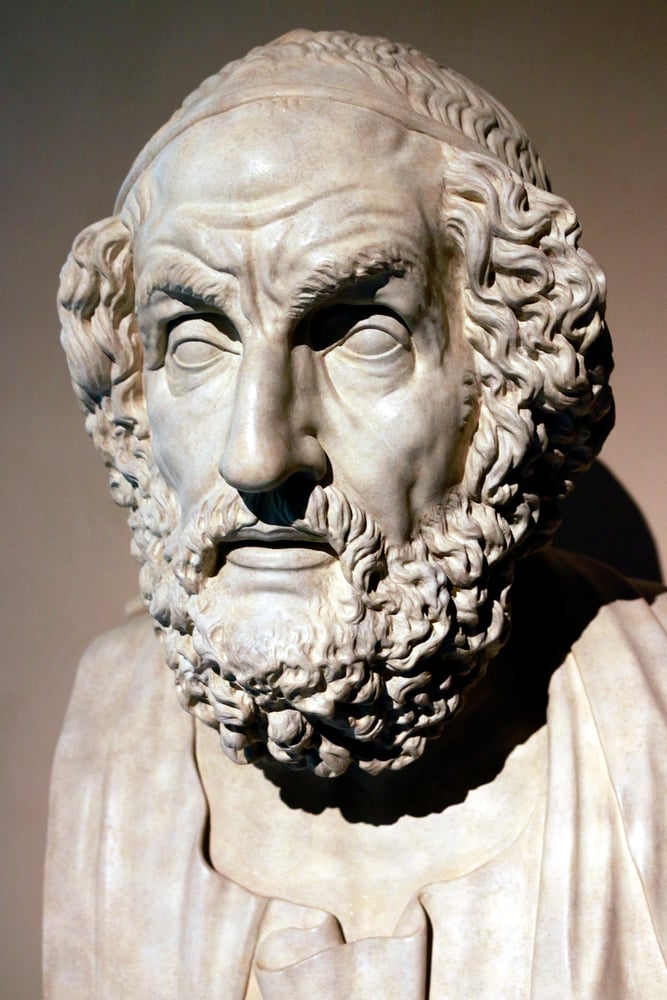
This ancient Greek epic gave us the template for every hero’s journey that followed. Odysseus spends ten years trying to get home after the Trojan War, facing monsters and gods along the way.
The structure of a protagonist leaving home, facing trials, and returning changed shows up everywhere from Star Wars to The Lord of the Rings. Writers have been copying this pattern for nearly three thousand years because it simply works.
The idea that a character must struggle and transform before achieving their goal remains the backbone of storytelling across every medium.
Don Quixote by Miguel de Cervantes

Cervantes created the first modern novel by making his main character completely delusional. Don Quixote thinks he’s a knight in a world that has moved past knights, leading to comedy and tragedy in equal measure.
This book introduced the concept of an unreliable narrator and characters who don’t fit into their society. Modern stories about misfits and dreamers, from Walter Mitty to The Office, trace back to this Spanish nobleman who tilted at windmills.
The gap between how a character sees themselves and reality became a goldmine for writers everywhere.
Frankenstein by Mary Shelley

A teenager wrote this book during a ghost story competition, and it launched an entire genre. Shelley’s tale of a scientist creating life explores what happens when ambition outpaces ethics.
Science fiction as we know it started here, asking questions about technology and responsibility that feel more relevant than ever. Every story about artificial intelligence, cloning, or playing god stands on the shoulders of Victor Frankenstein.
The monster’s struggle with rejection and isolation also created the sympathetic villain, a character type that dominates modern storytelling.
Pride and Prejudice by Jane Austen

Austen perfected the art of witty dialogue and social commentary wrapped in romance. Elizabeth Bennet and Mr. Darcy’s relationship established the enemies-to-lovers trope that fills romance novels and rom-coms today.
The sharp observations about class, money, and marriage remain surprisingly modern despite being written over two hundred years ago. Austen showed that ordinary life could be as dramatic as any adventure, opening the door for stories about everyday people.
Her influence appears in everything from You’ve Got Mail to Bridgerton.
Jane Eyre by Charlotte Brontë
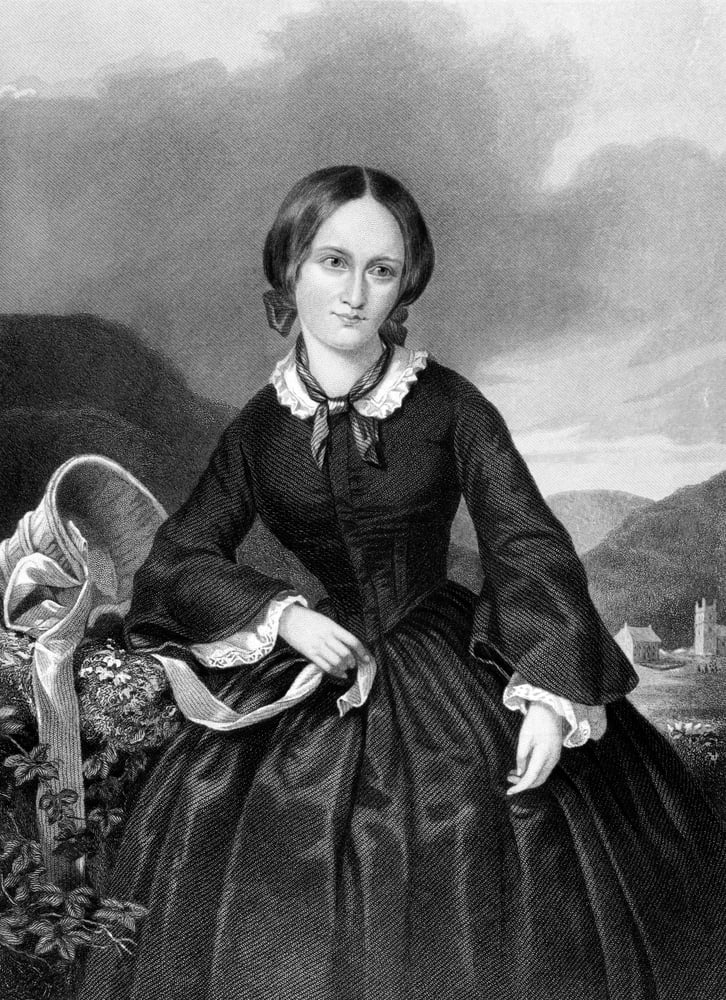
Brontë created a heroine who refuses to compromise herself for anyone, revolutionary for 1847. Jane’s insistence on equality in relationships and her moral strength made her the template for independent female characters.
The gothic atmosphere, complete with mysterious mansions and dark secrets, shaped countless thrillers and mysteries. Modern stories about women finding their voice in difficult circumstances, from The Handmaid’s Tale to Gone Girl, carry Jane’s DNA.
The first-person narration let readers inside a woman’s mind in ways that hadn’t been done before.
Crime and Punishment by Fyodor Dostoevsky
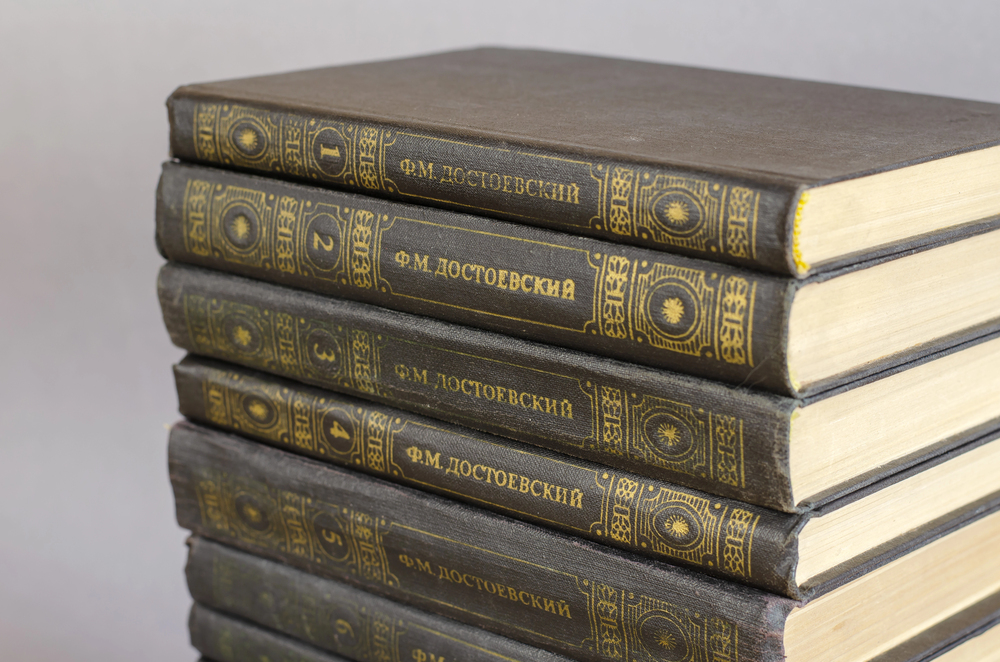
Dostoevsky crawled inside the mind of a murderer and showed his psychological unraveling in real time. Raskolnikov’s guilt and justifications for his crime created the modern psychological thriller.
The book explores whether extraordinary people are above ordinary morality, a question that haunts antiheroes from Dexter to Tony Soprano. Dostoevsky’s focus on the internal struggle rather than external action changed how stories depict crime and consequences.
Writers learned they could spend entire chapters inside a character’s head and keep readers hooked.
The Adventures of Sherlock Holmes by Arthur Conan Doyle
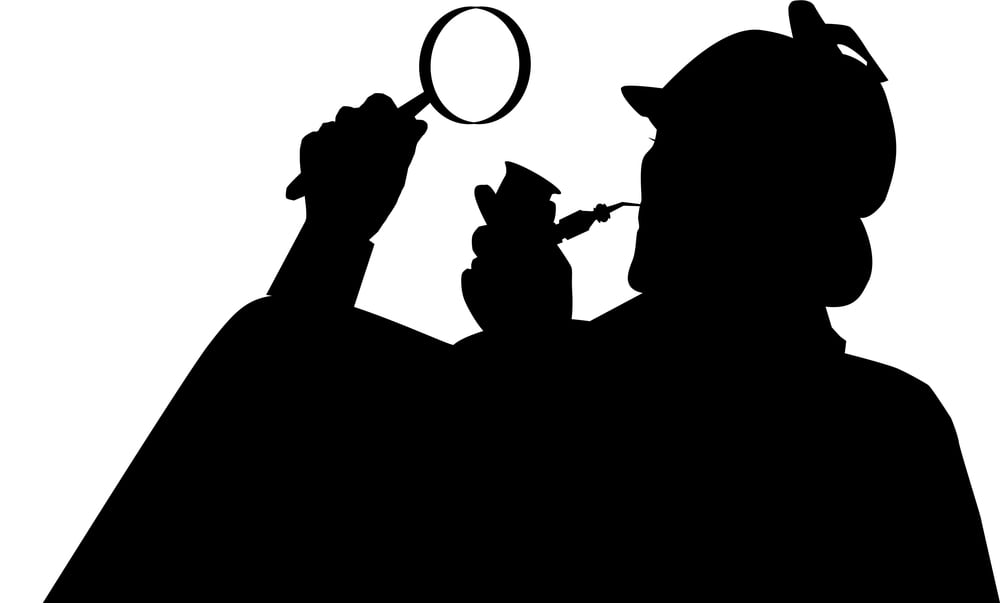
Doyle’s detective became the archetype for every investigator who followed. Holmes’s use of logic and observation to solve crimes established the detective story formula still used today.
The relationship between Holmes and Watson created the genius-and-sidekick dynamic that appears everywhere from House to Sherlock. Every crime procedural on television owes something to these short stories published in the 1890s.
Doyle proved that readers loved figuring out puzzles alongside characters who were smarter than everyone else.
The Strange Case of Dr. Jekyll and Mr. Hyde by Robert Louis Stevenson

Stevenson’s novella about a man’s dual nature became shorthand for the battle between good and evil within people. The transformation story, where characters physically change to reflect their inner darkness, appears in everything from The Hulk to werewolf tales.
This short book popularized the idea that civilization is a thin mask over our base instincts. Modern stories about alter egos and split personalities trace directly back to Jekyll’s laboratory.
Stevenson showed that horror could be as much about psychology as about monsters.
Dracula by Bram Stoker

Stoker didn’t invent vampires, but he created the version that dominates popular culture. His epistolary novel, told through letters and diary entries, influenced how stories can be assembled from multiple perspectives.
Dracula himself became the template for the charming villain who seduces as much as he threatens. The book’s exploration of Victorian anxieties about foreignness and desire remains relevant in how we use monsters to explore social fears.
From Buffy to Twilight, vampire stories still follow the rules Stoker established.
The Picture of Dorian Gray by Oscar Wilde

Wilde’s only novel explores vanity and corruption through supernatural means. Dorian’s portrait ages while he remains young, a metaphor for hidden sins that modern stories constantly revisit.
The book questioned Victorian morality while examining how appearance and reality can diverge. Stories about characters making Faustian bargains or hiding their true selves owe everything to Dorian’s terrible choice.
Wilde’s sharp wit and epigrams also showed that serious themes could be delivered with style and humor.
Heart of Darkness by Joseph Conrad

Conrad’s journey into the Congo became the blueprint for stories about descent into madness and moral ambiguity. The novella’s structure, moving deeper into physical and psychological darkness, influenced countless narratives about confronting evil.
Apocalypse Now famously adapted this story to Vietnam, proving its flexibility across contexts. Conrad’s critique of colonialism and exploration of how power corrupts remains disturbingly relevant.
Writers learned that adventure stories could simultaneously thrill readers and challenge their assumptions about civilization.
The Great Gatsby by F. Scott Fitzgerald

Fitzgerald crafted the definitive story about the American Dream’s dark side. Nick Carraway’s narration of Gatsby’s obsession with Daisy created the model for observers telling other people’s tragic stories.
The book’s exploration of wealth, class, and reinvention shapes how American stories examine success and failure. The unreachable dream and the cost of pursuing it appears in everything from Breaking Bad to The Wolf of Wall Street.
Fitzgerald’s prose style, blending beauty with disillusionment, influenced how writers approach their craft.
1984 by George Orwell

Orwell’s dystopian vision gave us concepts like Big Brother and thoughtcrime that shape how we discuss government surveillance. The book’s exploration of how language controls thought influenced countless stories about authoritarian societies.
Winston Smith’s doomed rebellion against totalitarianism established the template for protagonists fighting systems too powerful to defeat. Modern dystopias from The Hunger Games to Black Mirror all reference Orwell’s warnings about power and technology.
The book proved that science fiction could be a tool for political commentary and social criticism.
To Kill a Mockingbird by Harper Lee

Lee’s novel about racial injustice in the American South became the standard for stories told through children’s eyes. Scout Finch’s perspective allows readers to witness adult evil through innocent observation, creating powerful emotional impact.
Atticus Finch became the archetype of moral courage and integrity that characters still aspire to. The book’s courtroom drama influenced every legal thriller that followed, from A Few Good Men to Just Mercy.
Lee showed that serious social issues could be explored through accessible, deeply human storytelling.
The Catcher in the Rye by J.D. Salinger
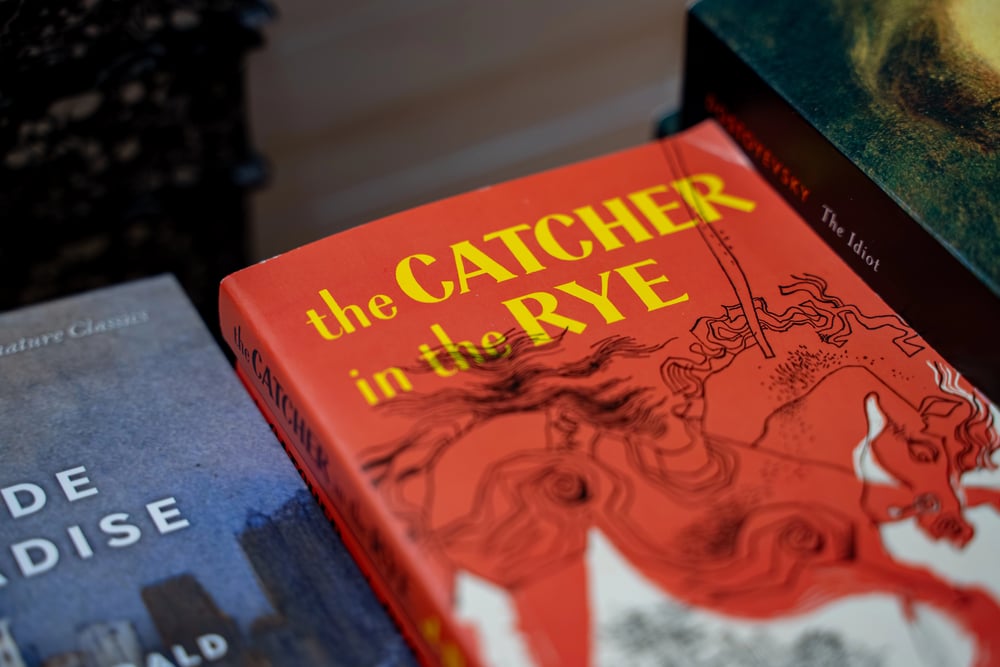
Salinger nailed how teens feel out of place – his tone felt so real, others tried copying it endlessly. With Holden Caulfield’s mix of sarcasm and fragility, he basically invented the blueprint for moody young characters.
Thanks to its choppy thoughts and casual speech, the novel showed stories could mirror real conversation. Nearly every tale about an outsider growing up borrows from Holden’s messy trip through NYC.
By treating teen struggles with depth, Salinger cleared space for whole new kinds of books.
One Hundred Years of Solitude by Gabriel García Márquez

García Márquez’s iconic novel brought magical realism into popular reading, mixing surreal moments with ordinary life. Instead of just listing events, the long story of the Buendía clan revealed how big tales across generations can still feel personal.
Rather than moving straight ahead, his sense of time leapt around – yet everything somehow fit together naturally. Because of him, storytellers in shows such as Big Fish or novels like The Night Circus now weave magic into real-world settings more smoothly.
Reality and imagination share space in his work, no justification needed.
The Handmaid’s Tale by Margaret Atwood

Atwood’s take on women’s struggles proved sci-fi can mirror today’s fears using tomorrow’s settings. Her character Offred tells of life under strict religious rule, setting a model for tales about pushing back against control.
Instead of fantasy leaps, the story builds from real history – making its terror oddly believable. Today’s grim futures focused on intimate roles, authority, or fanatical faith walk roads she opened up first.
Dystopias don’t need to shout – they can whisper through one person’s pain.
Right here, at this point in time

These books weren’t only fun back then – they showed later writers how to craft stronger tales. Their fresh tricks, like shaky storytellers or deep inner lives or mixing styles, quietly shaped most of today’s novels and shows.
Writers now dig into these old works looking for sparks, blueprints, even clues about why people act the way they do. Picking up one of these isn’t a chore – it’s seeing where every powerful plot really began.
More from Go2Tutors!

- The Romanov Crown Jewels and Their Tragic Fate
- 13 Historical Mysteries That Science Still Can’t Solve
- Famous Hoaxes That Fooled the World for Years
- 15 Child Stars with Tragic Adult Lives
- 16 Famous Jewelry Pieces in History
Like Go2Tutors’s content? Follow us on MSN.