Facts about the Taj Mahal
The Taj Mahal stands as one of the most recognized buildings on Earth. This white marble monument in India draws millions of visitors each year, all hoping to witness its beauty firsthand.
While most people know it’s a famous landmark, the real stories behind its creation and the details hidden in its design reveal something far more interesting than just another pretty building. Let’s look at what makes this place truly worth knowing about.
It took over 20 years to build
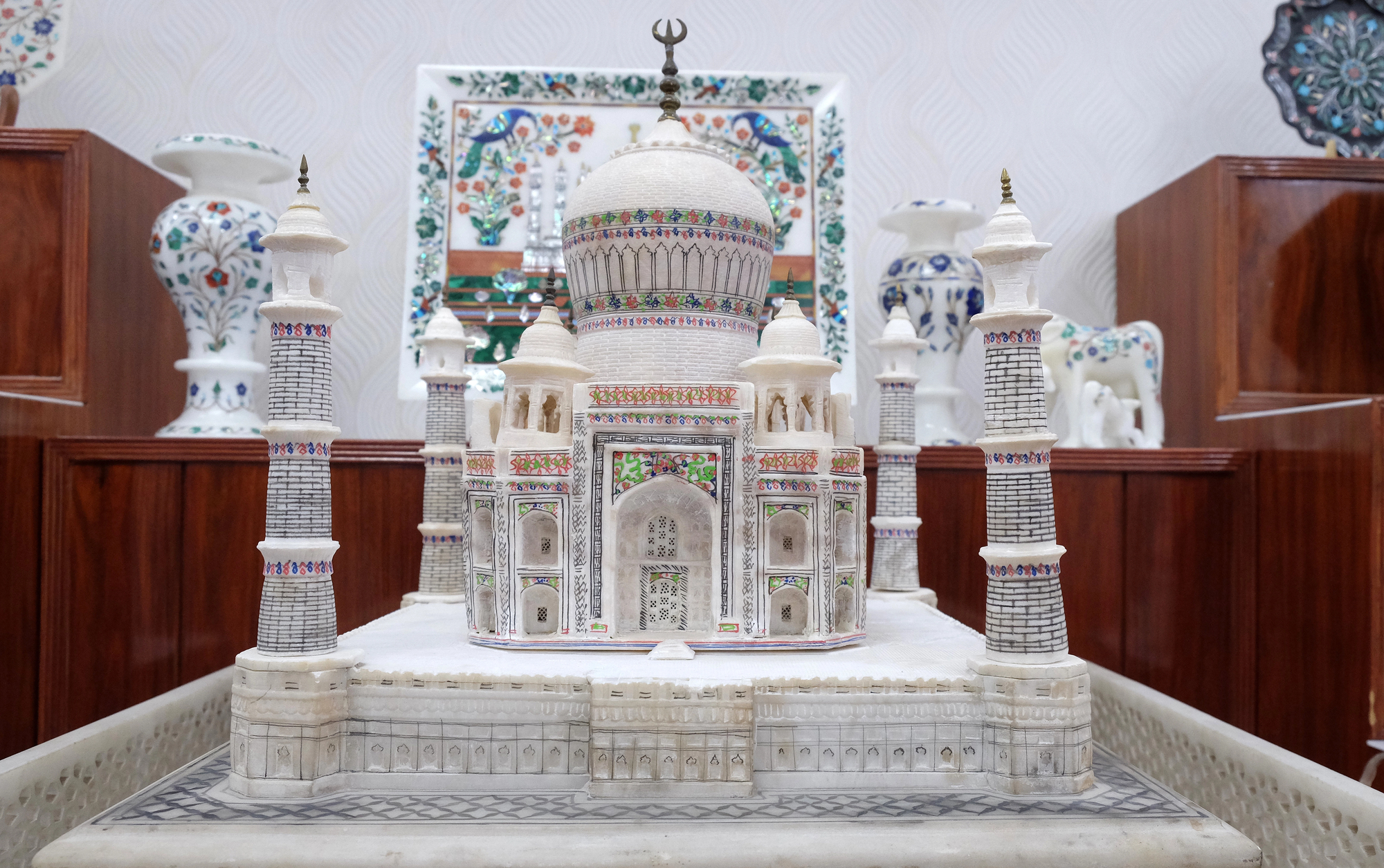
Construction of the Taj Mahal began in 1632 and wasn’t completed until 1653. Emperor Shah Jahan commissioned the monument as a tomb for his beloved wife, Mumtaz Mahal, who died during childbirth.
More than 20,000 workers and 1,000 elephants were involved in the construction process. The elephants transported heavy materials from quarries located hundreds of miles away, making the logistics alone a massive undertaking for that era.
The color changes throughout the day
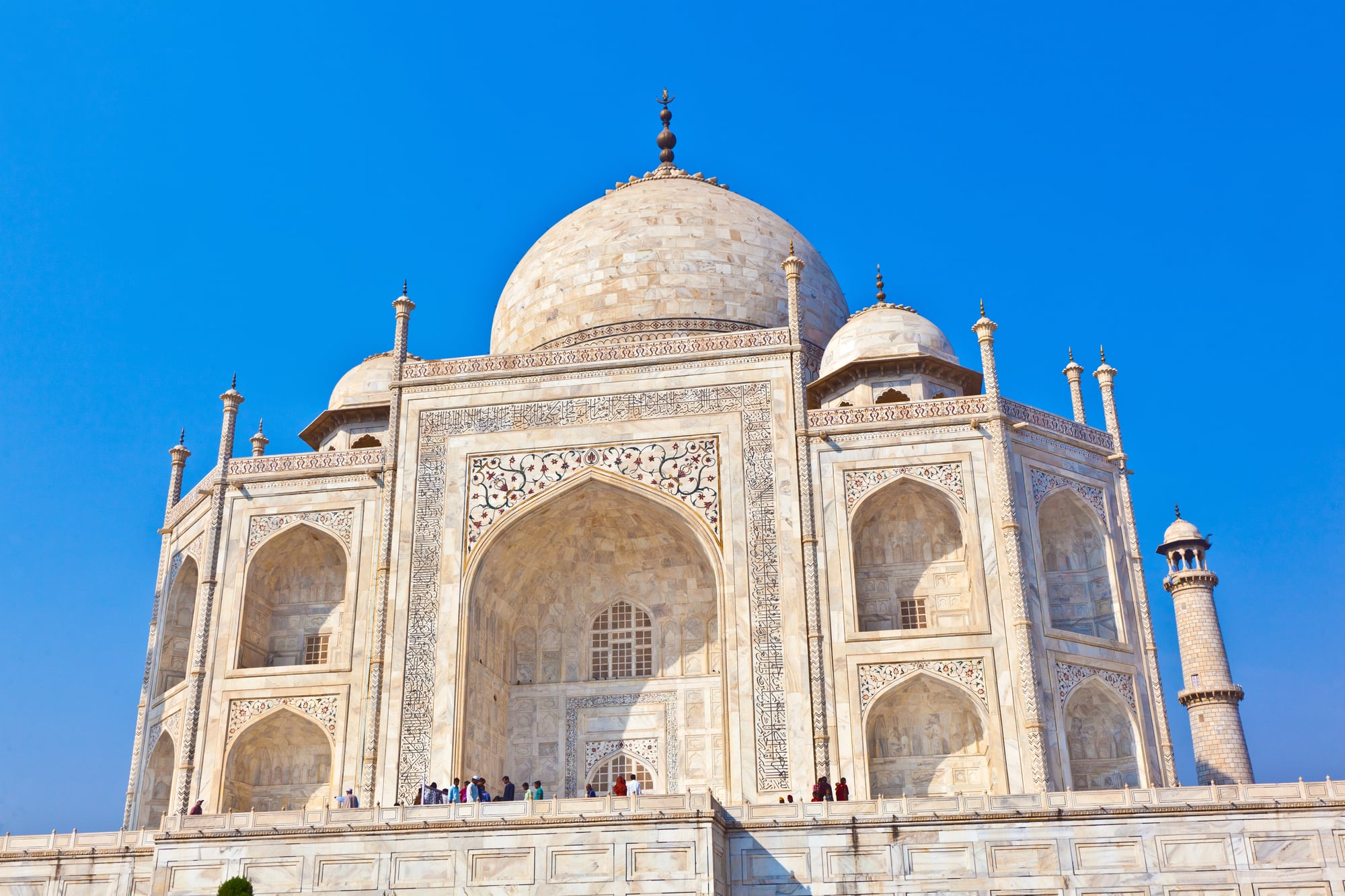
The white marble exterior appears to shift colors depending on the time of day and lighting conditions. During sunrise, the structure takes on a soft pink glow.
At noon, it blazes brilliant white under the intense sun. By sunset, the marble seems to turn golden, and under moonlight, it glows with an almost ghostly blue-white appearance.
This wasn’t accidental but rather a deliberate design choice that reflects the changing moods and emotions associated with love and loss.
Over 28 types of precious stones decorate the walls
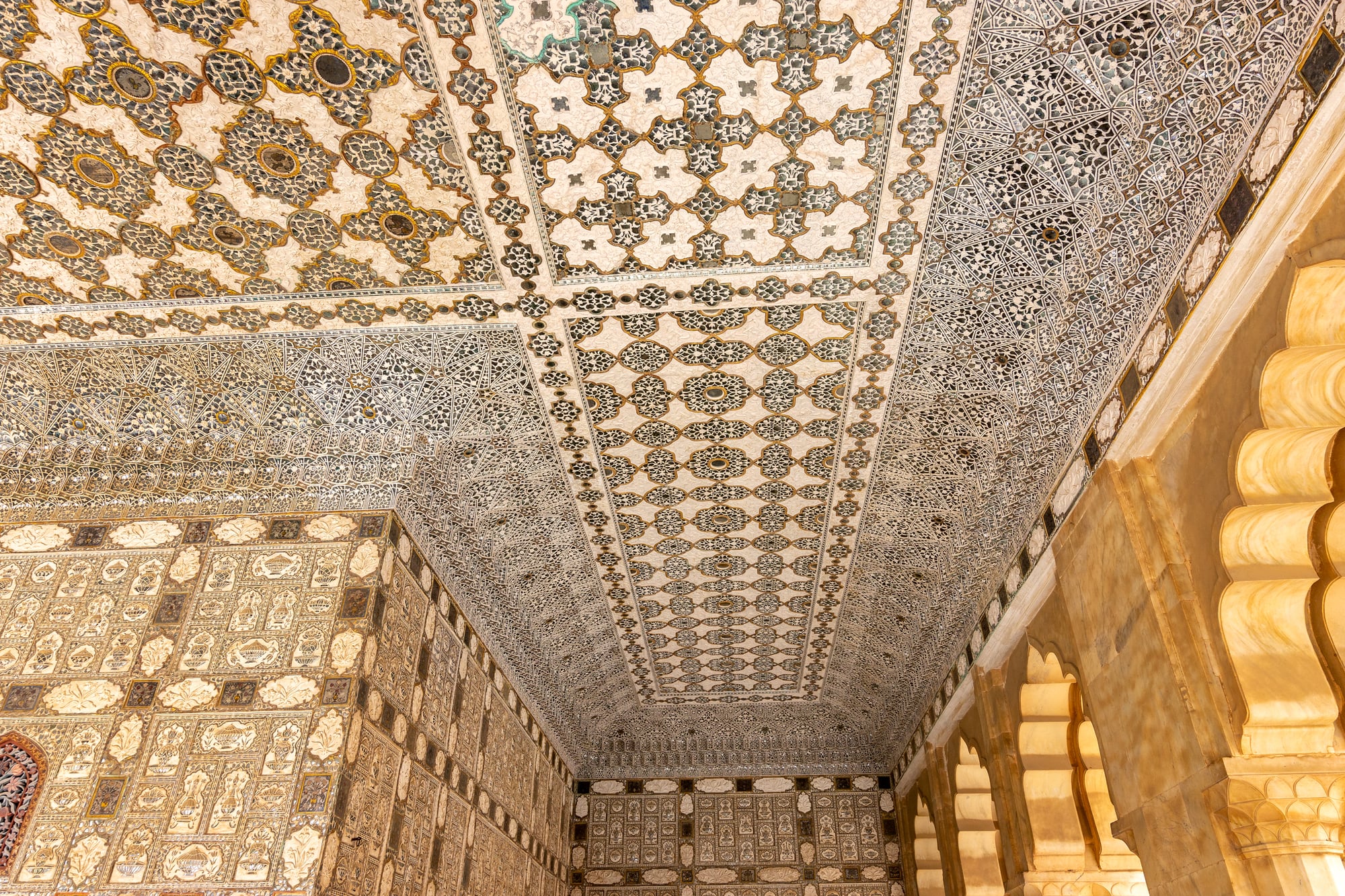
The marble walls feature intricate inlay work called pietra dura, which incorporates 28 different types of semi-precious and precious stones. Craftsmen embedded jade from China, turquoise from Tibet, sapphires from Sri Lanka, and carnelian from Arabia into the marble surfaces.
These stones form detailed floral patterns and calligraphy that cover both the interior and exterior walls. The level of precision required meant that a single flower design could take an entire day to complete.
Four minarets lean slightly outward
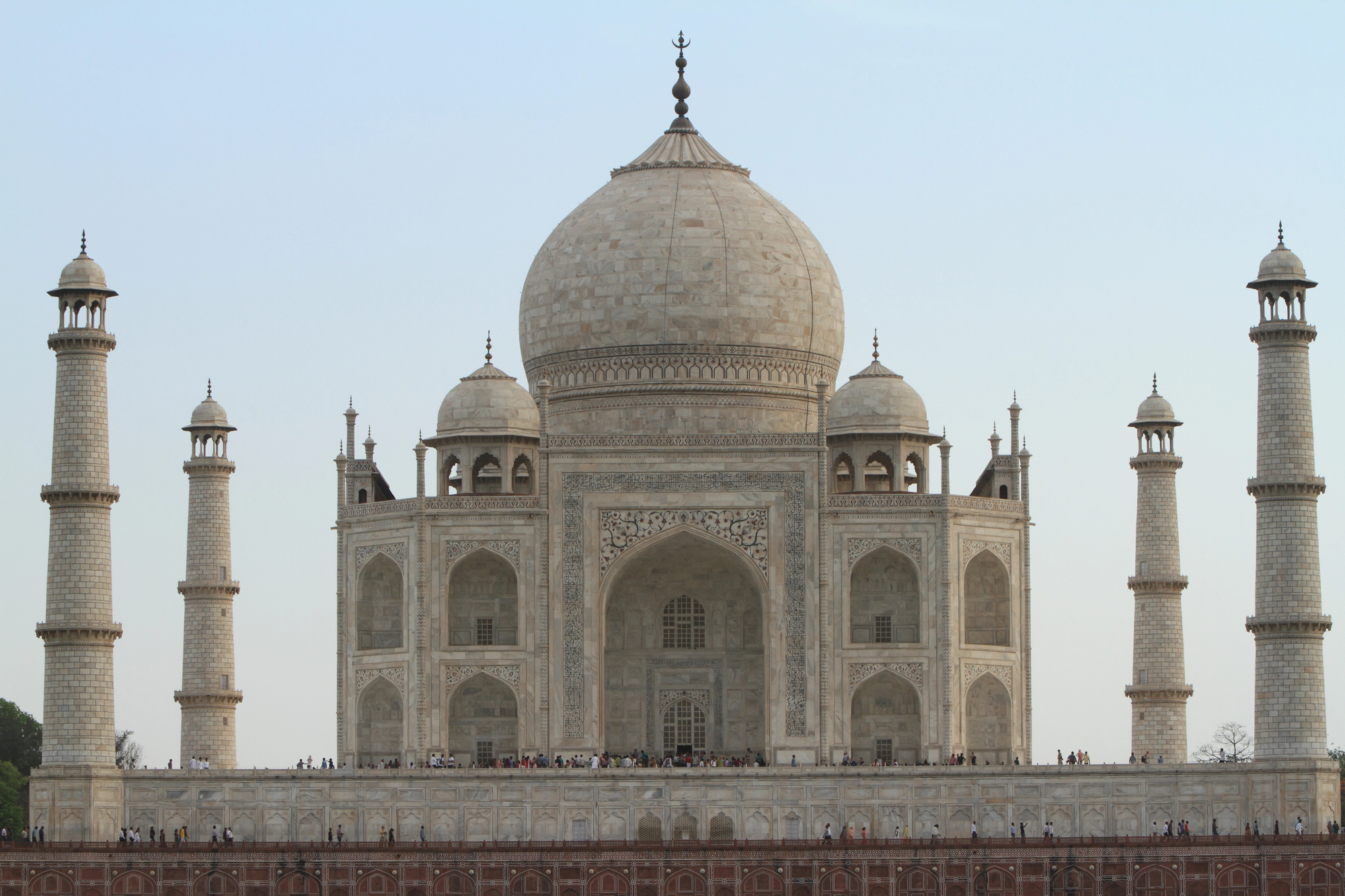
The four towers surrounding the main dome aren’t perfectly vertical. Each minaret tilts slightly away from the central structure by a few degrees.
Engineers designed them this way as a safety measure so that if an earthquake ever caused them to collapse, they would fall outward rather than crash into the main tomb. This shows remarkable foresight for 17th-century architecture and demonstrates the advanced engineering knowledge of the time.
The main dome reaches 240 feet high
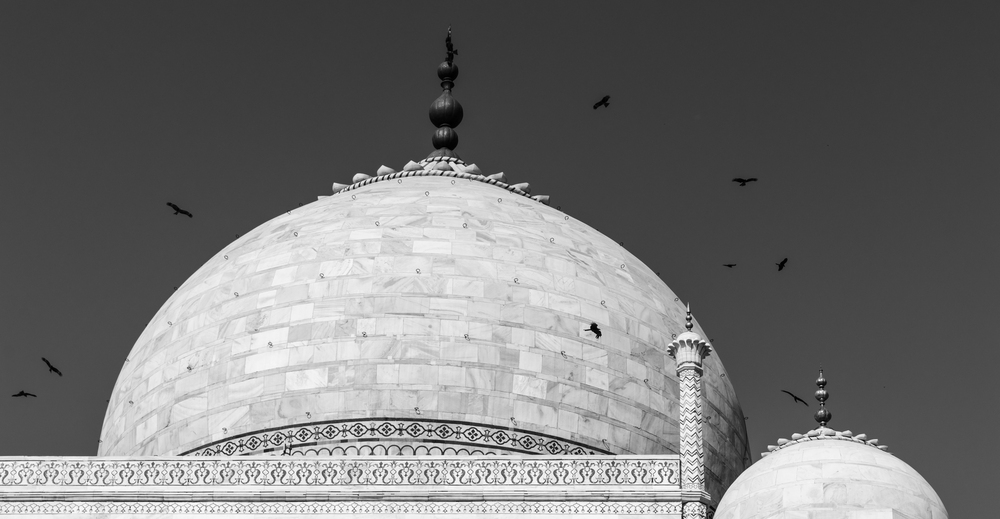
The central dome dominates the skyline and measures about 240 feet in height. Its shape represents a heavenly dome, symbolizing the vault of heaven in Islamic architecture.
The dome sits on a cylindrical drum that’s nearly 23 feet tall, which elevates it even higher above the base structure. Inside, the dome creates an acoustic effect where sound reverberates for up to 28 seconds, which was intentional for amplifying the reading of prayers.
A reflecting pool creates a mirror image
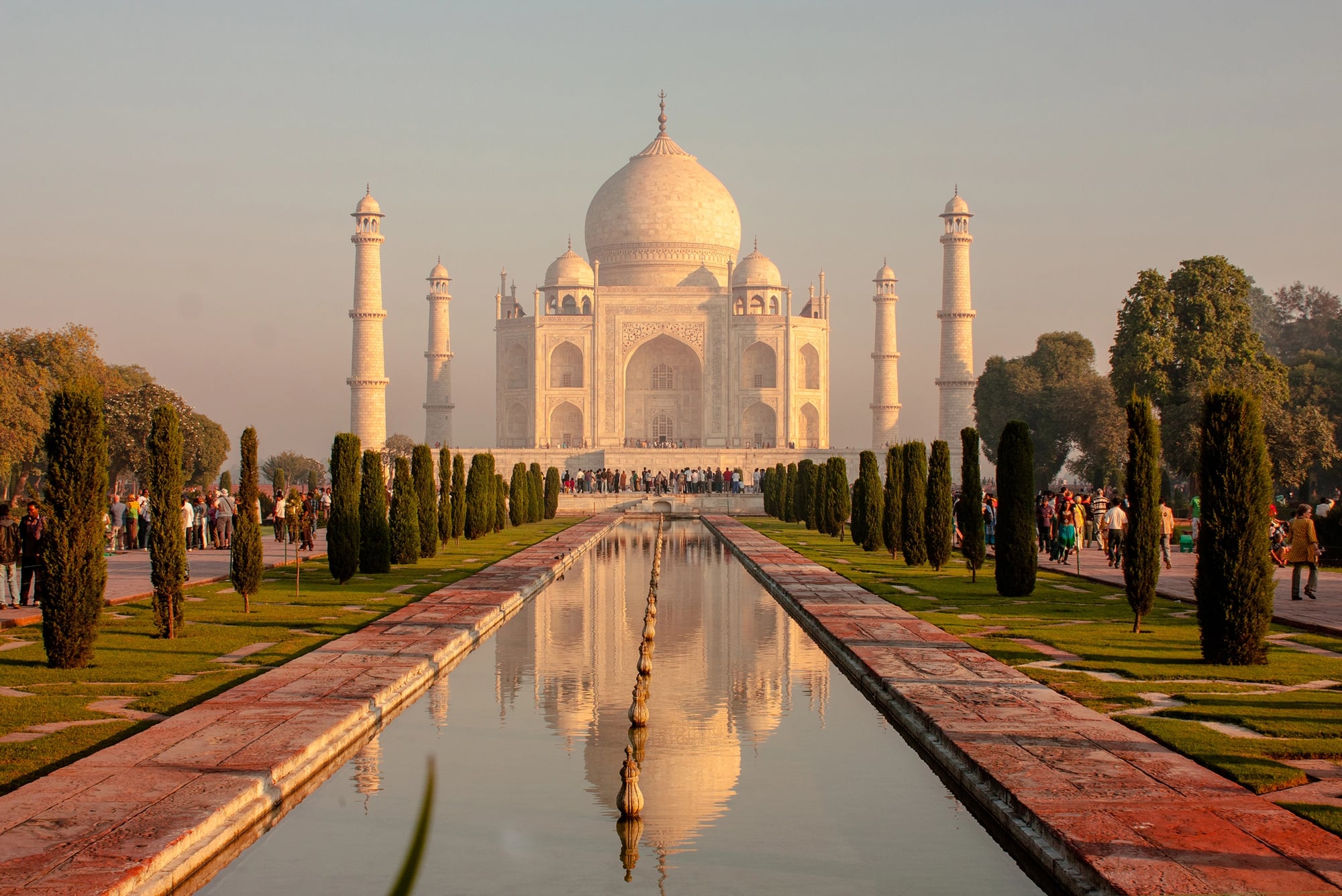
The long rectangular pool in front of the Taj Mahal creates a perfect reflection of the entire structure. This pool stretches nearly 1,000 feet and serves both an aesthetic and spiritual purpose.
The reflection symbolizes the concept of heaven and earth as mirror images in Islamic philosophy. On calm days, the reflection becomes so clear that photographers struggle to tell which is the real structure and which is the reflection.
The foundation rests on timber wells
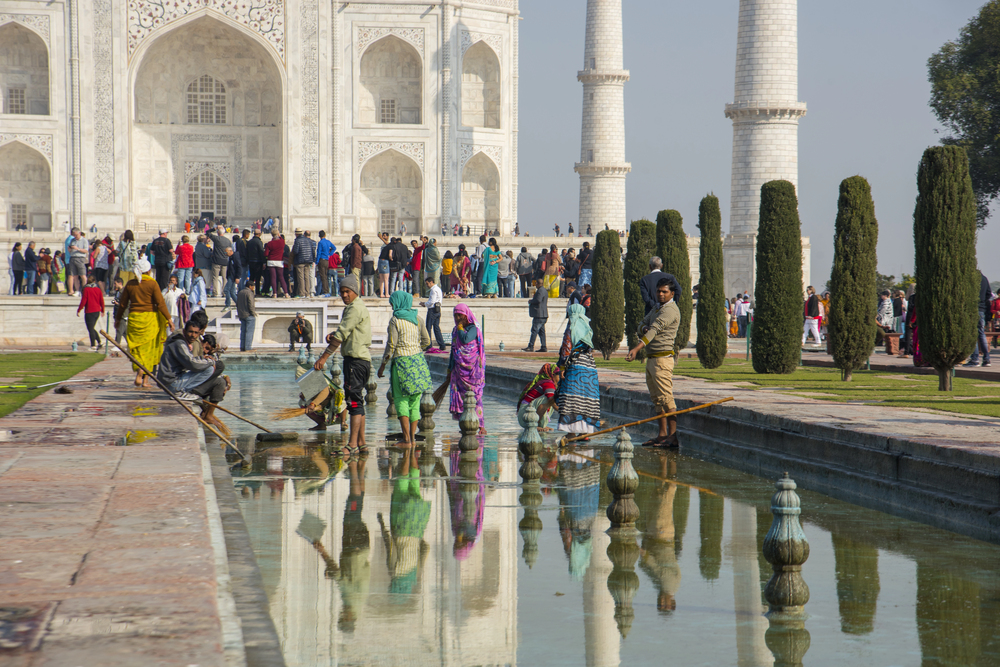
Building on the banks of the Yamuna River required special foundation techniques. Engineers dug deep wells and filled them with timber logs, which remain submerged in groundwater.
The waterlogged wood doesn’t rot because it stays oxygen-free, creating a stable foundation that has supported the massive structure for nearly 400 years. This technique demonstrates sophisticated understanding of soil mechanics and moisture preservation.
Calligraphy gets larger toward the top
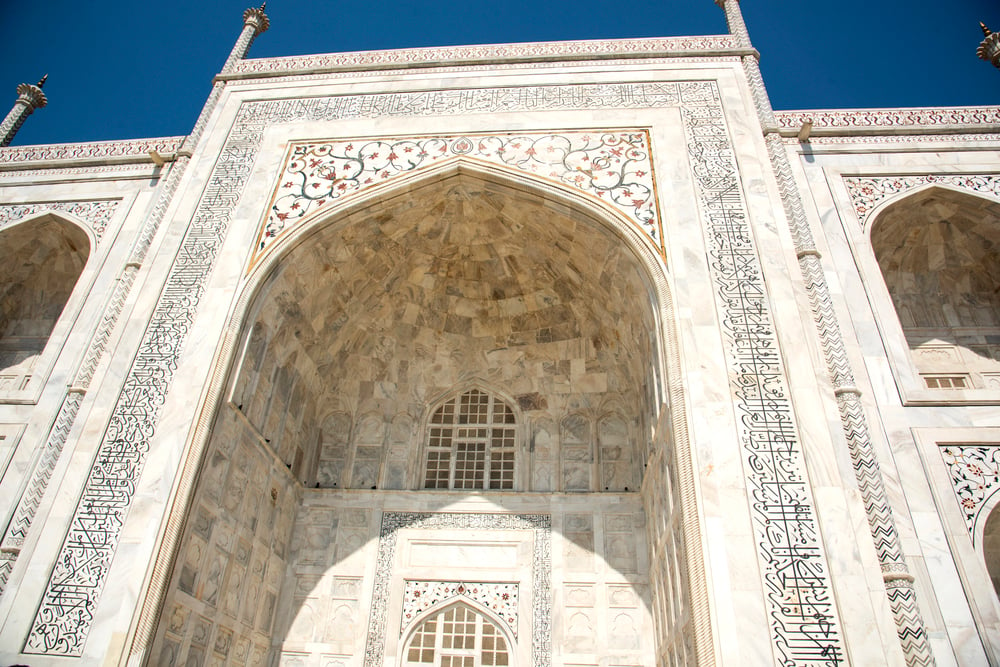
The verses from the Quran that decorate the archways appear uniform in size from ground level. However, the letters actually increase in size as they go higher up the walls.
Calligrapher Amanat Khan designed this optical illusion so that all text appears the same size to viewers standing below. The precision required for this calculation and execution was extraordinary for that period.
The empress died giving birth to her 14th child

Mumtaz Mahal, whose name means ‘Jewel of the Palace,’ was Emperor Shah Jahan’s third wife but his favorite companion. She died in 1631 while giving birth to their 14th child during a military campaign.
The emperor was reportedly so grief-stricken that his hair turned white almost overnight. He spent the next year in mourning before beginning plans for the monument that would honor her memory.
Workers had their hands cut off
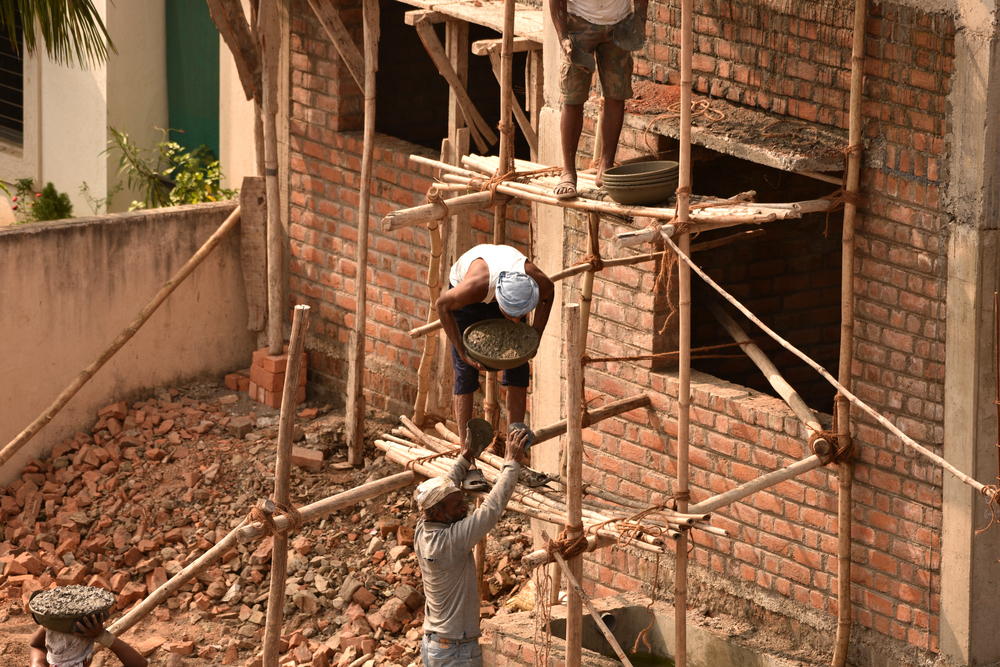
A popular legend claims that Shah Jahan ordered the hands of the master craftsmen cut off after completion to prevent them from building anything comparable. However, historians have found no evidence supporting this brutal tale.
The story likely emerged from the desire to explain why no similar structure was ever built. Records actually show that many of the same artisans went on to work on other projects throughout the Mughal Empire.
The structure is perfectly symmetrical except for one thing
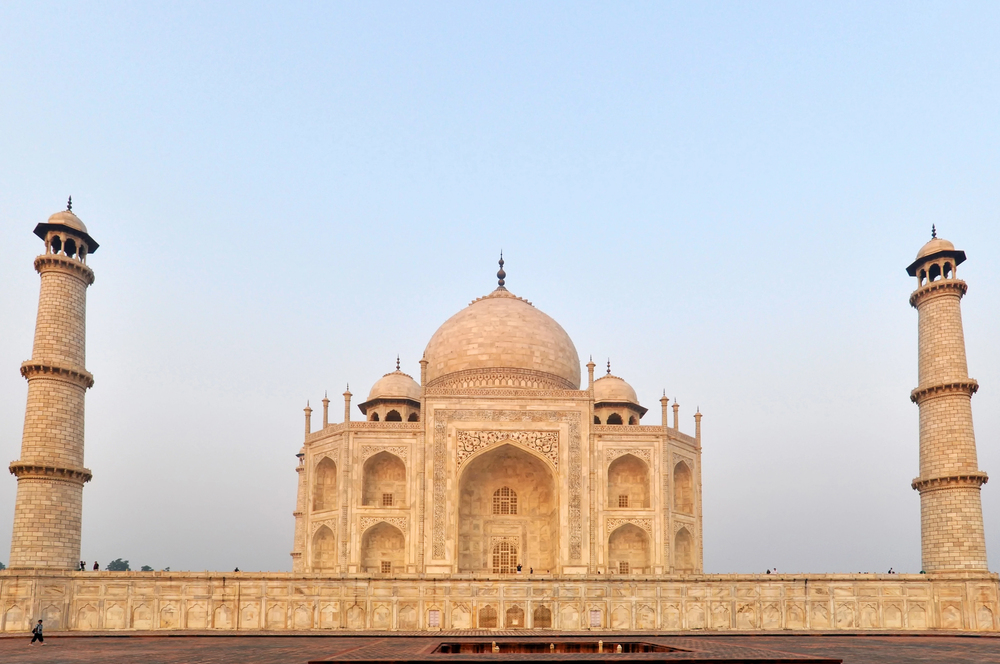
The entire complex displays perfect bilateral symmetry in almost every aspect. Gardens, pathways, buildings, and decorative elements mirror each other on both sides of a central axis.
The one exception lies inside the main chamber, where the tomb of Shah Jahan sits beside his wife’s tomb. His tomb breaks the symmetry because he wasn’t part of the original design but was buried there after his death in 1666.
It costs about 32 million dollars in today’s money

Estimates suggest the construction cost roughly 32 million rupees at the time, which translates to approximately 827 million dollars in current value when adjusted for inflation and economic changes. Some historians argue the real cost was much higher when accounting for the value of materials, skilled labor, and opportunity costs.
The emperor essentially bankrupted the royal treasury to complete the project, contributing to the eventual decline of Mughal power.
Pollution threatens the white marble
Industrial pollution and vehicle emissions in the Agra region have been yellowing and darkening the white marble surfaces. Acid rain caused by sulfur dioxide reacts with the marble, creating a yellow-brown discoloration.
Indian authorities have implemented strict environmental regulations around the site, including restrictions on vehicle traffic and factory emissions within a certain radius. Workers periodically clean the marble using a special clay paste that draws out embedded pollutants without damaging the stone.
The Brits attempted to offload the marble
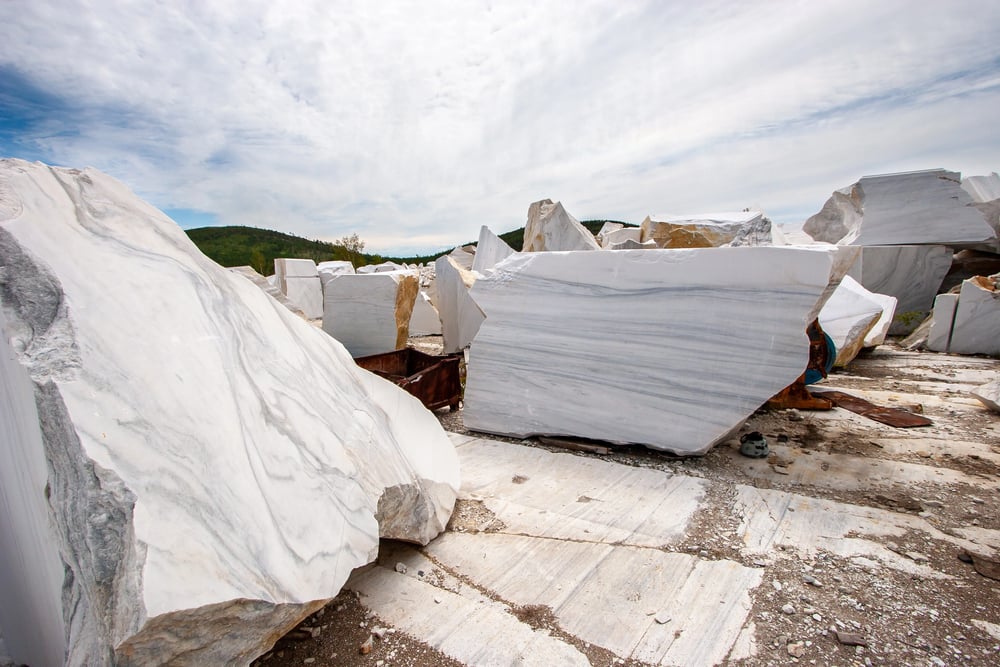
In the 1800s, while Britain ruled India, a man named Lord William Bentinck supposedly wanted to tear down the Taj Mahal – then ship its marble to buyers in England. Instead of ‘and’, they’d remove gemstones first, followed by selling off the pale stone slabs.
Luckily, that idea fell apart since past sales of similar marble from older Mughal sites barely made money, so destroying it wasn’t worth the cost. That brush with loss shows just how nearly we lost one of history’s most treasured sights.
Gardens follow Persian paradise design
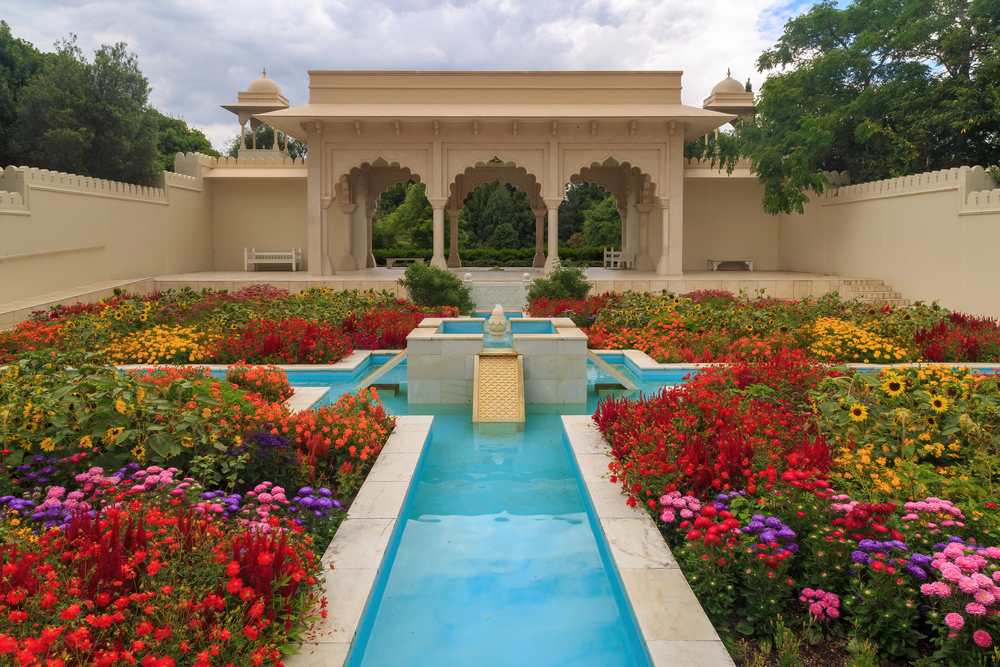
The garden spans 42 acres, laid out in the old Persian char bagh layout – splitting everything into four parts. Each part stands for one of the paradise rivers described in Islamic writings.
Walkways on slightly higher ground divide these areas, while water jets add beauty plus a refreshing chill. At first, it had blooming plants and fruit-bearing trees meaning fertility and wealth, offering something for every sense.
Visitors can’t enter like before because rules got tighter
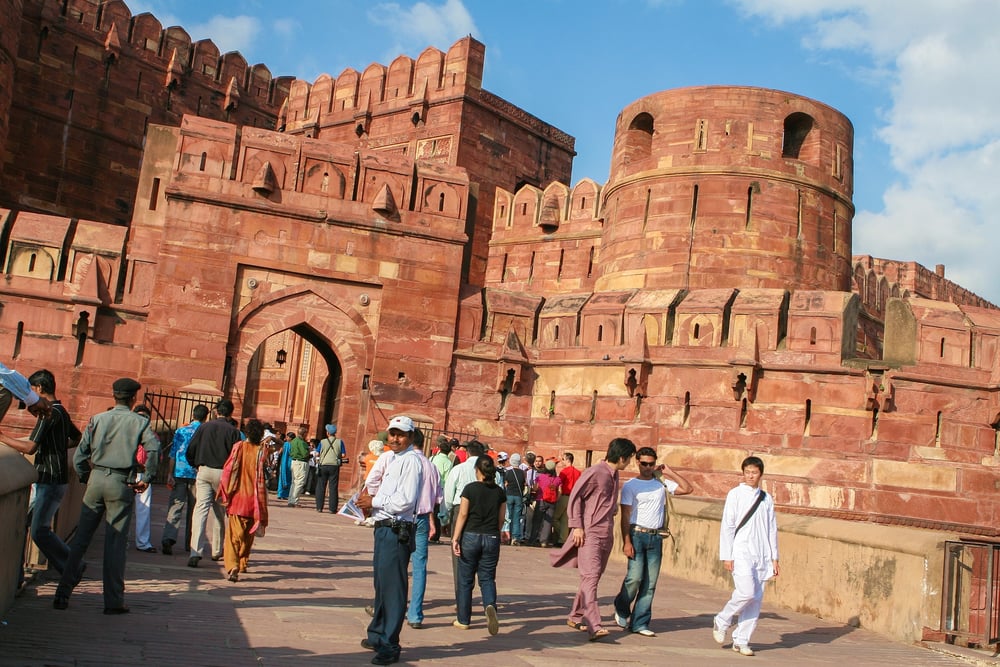
Due to rising dangers along with everyday strain from huge crowds every year, officials put tight safety rules in place. Getting in means going through several checks while leaving big backpacks, meals, or camera stands outside.
In busy spots, time caps keep groups small and limit harm. Unique booties shield marble surfaces from scuffing.
While these steps save the site, they also shift how folks interact with it.
The statue sparked copies around the globe
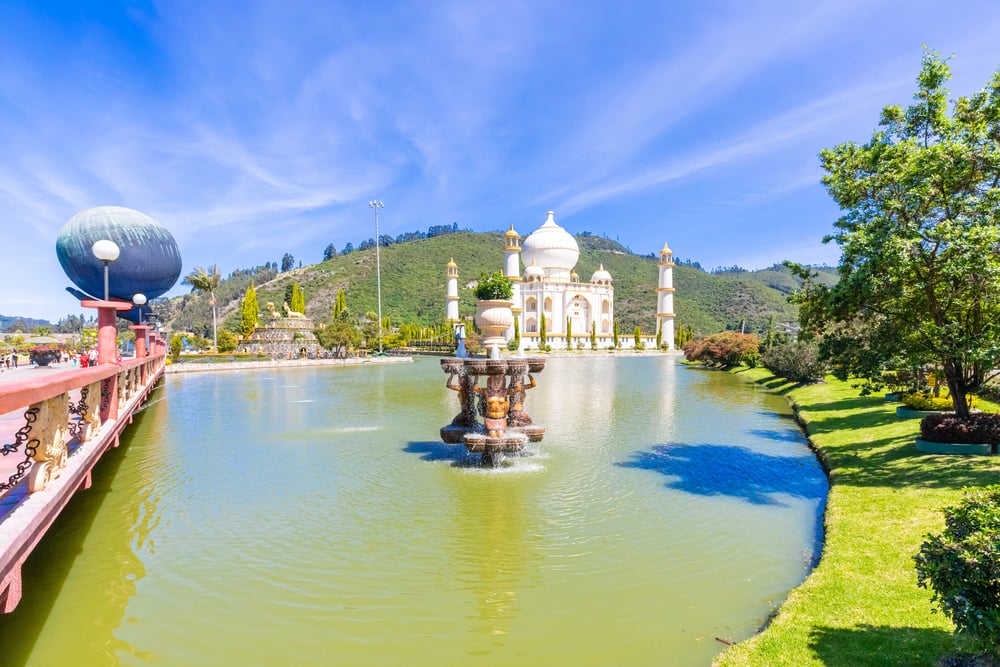
The Taj Mahal’s look shows up in many places worldwide. In Aurangabad, India, the Bibi Ka Maqbara looks almost like it – built by Shah Jahan’s son – but cheaper stuff was used.
Back then, Atlantic City had a place named after it; still, it didn’t really match the real thing. Over in Bangladesh, a rich movie maker put up a version so people nearby could see something similar.
All these versions prove how much this building keeps shaping designs far beyond its home.
A timeless mark of endless affection
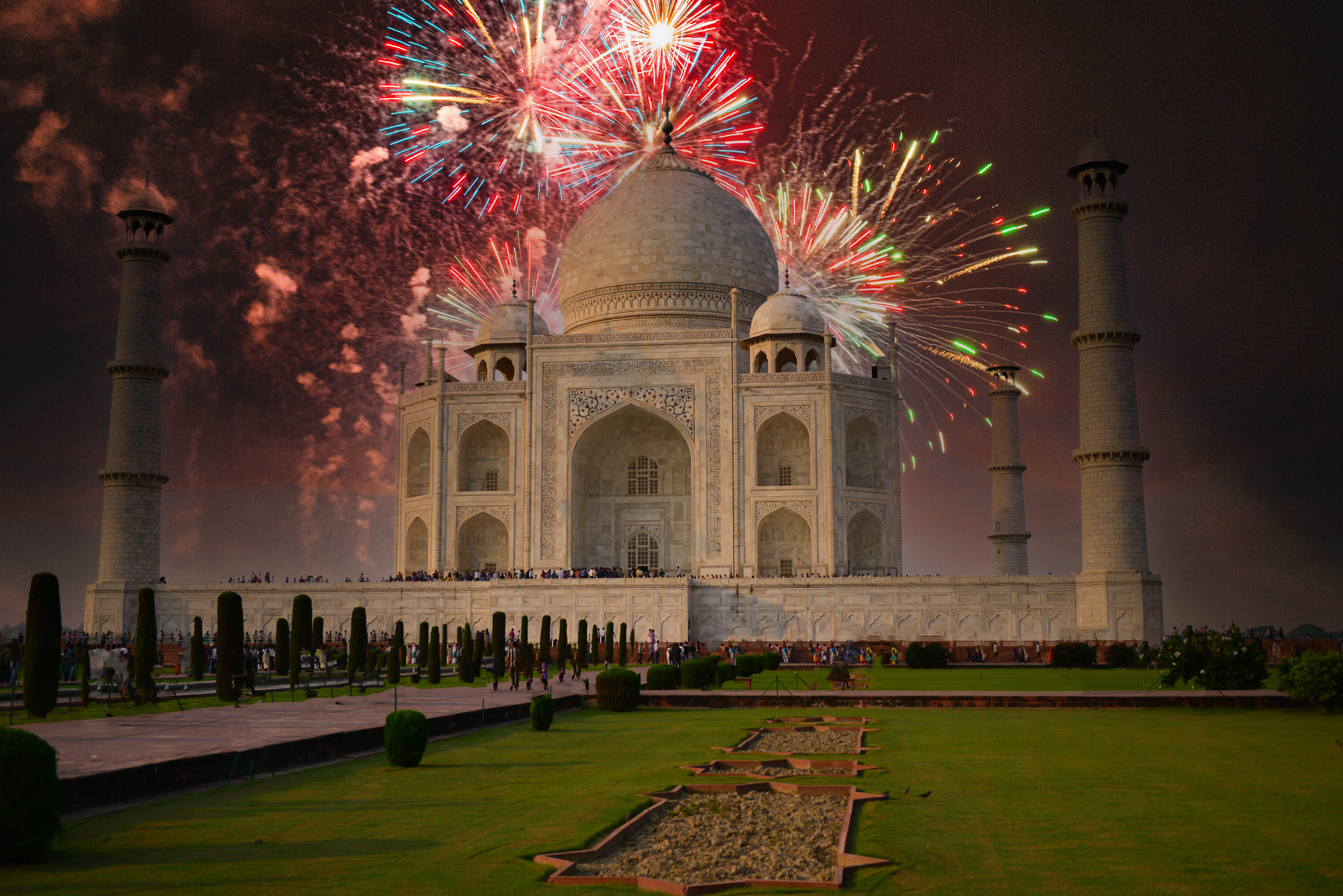
The Taj Mahal isn’t only about impressive design. Yet it shows how deep sorrow mixed with affection pushes people to build what lasts beyond life itself.
Even though Shah Jahan lost his wife forever, he made certain everyone else remembered her name. Now lovers from everywhere come here, drawn by romance, bringing fresh stories to a place built on private heartbreak.
Over time, its role shifts – no longer merely a resting place, but something wider, felt across cultures without needing words.
More from Go2Tutors!

- The Romanov Crown Jewels and Their Tragic Fate
- 13 Historical Mysteries That Science Still Can’t Solve
- Famous Hoaxes That Fooled the World for Years
- 15 Child Stars with Tragic Adult Lives
- 16 Famous Jewelry Pieces in History
Like Go2Tutors’s content? Follow us on MSN.