32 Old Coins Still Turning Up in Change Jars
Most jars of loose change contain exactly what they look like: pocket lint and a few dollars of ordinary currency. But mint mistakes escape quality control every year, and coins from other countries still slip into American change through travelers, tourists, and old collections dispersed into circulation.
Neither kind announces itself. Both reward a slow look.
The coins below are not the famous headline finds that already show up in every roundup. They are the errors and foreign pieces that genuinely still turn up in ordinary change, sorted by what actually makes them worth pulling aside.
1992 Close AM Reverse Cent
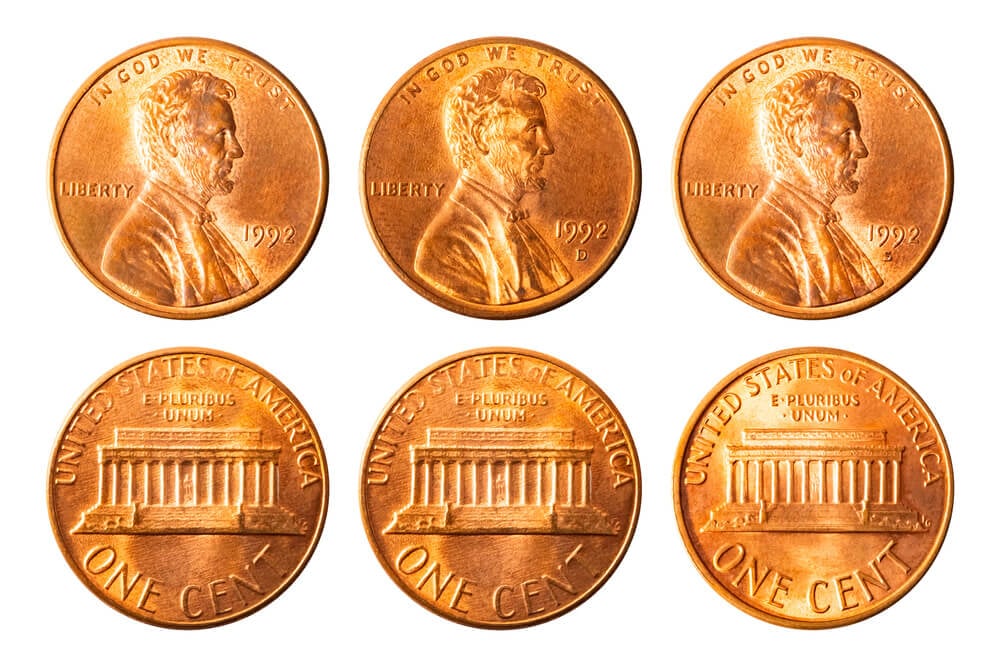
A small number of 1992 and 1993 cents were struck using a reverse die intended for proof coins only, identifiable by the tight spacing between the A and M in AMERICA. Business-strike cents from those years should show a wider gap.
A verified example in circulated condition can bring several hundred dollars, and the difference between the two dies is visible without magnification once a collector knows where to look.
1999 Wide AM Reverse Cent
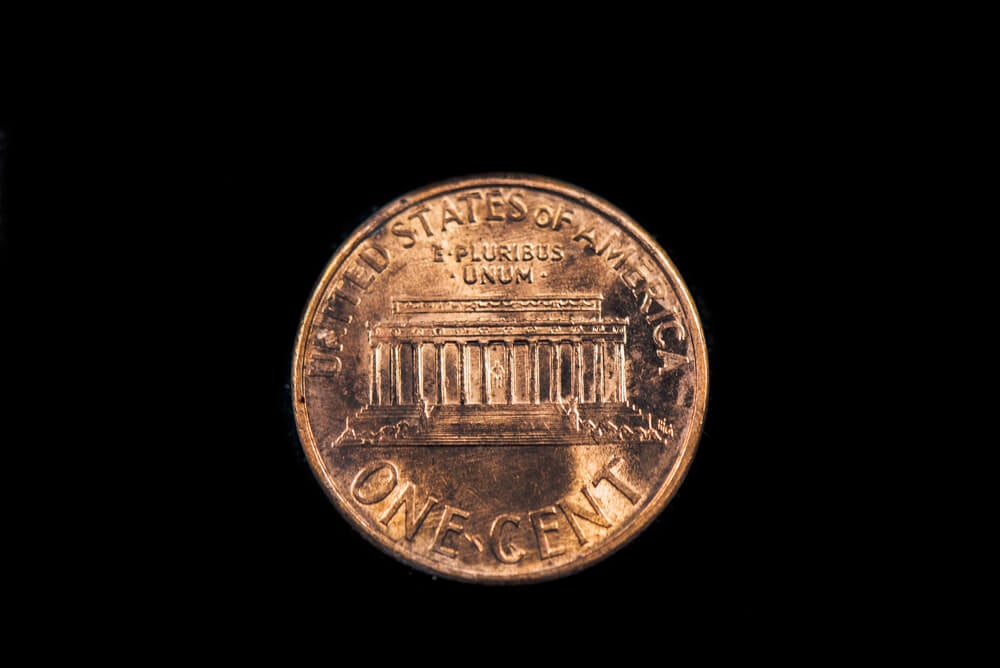
The opposite mix-up happened seven years later, when a wide-spaced reverse meant for circulation strikes turned up on some 1999 proof-style cents. Collectors distinguish the two dates by the same letter spacing that separates the 1992 error, and both are worth checking with a loupe rather than the unaided eye for anyone sorting a jar of 1990s pennies.
2000-P Sacagawea Dollar Mule Error
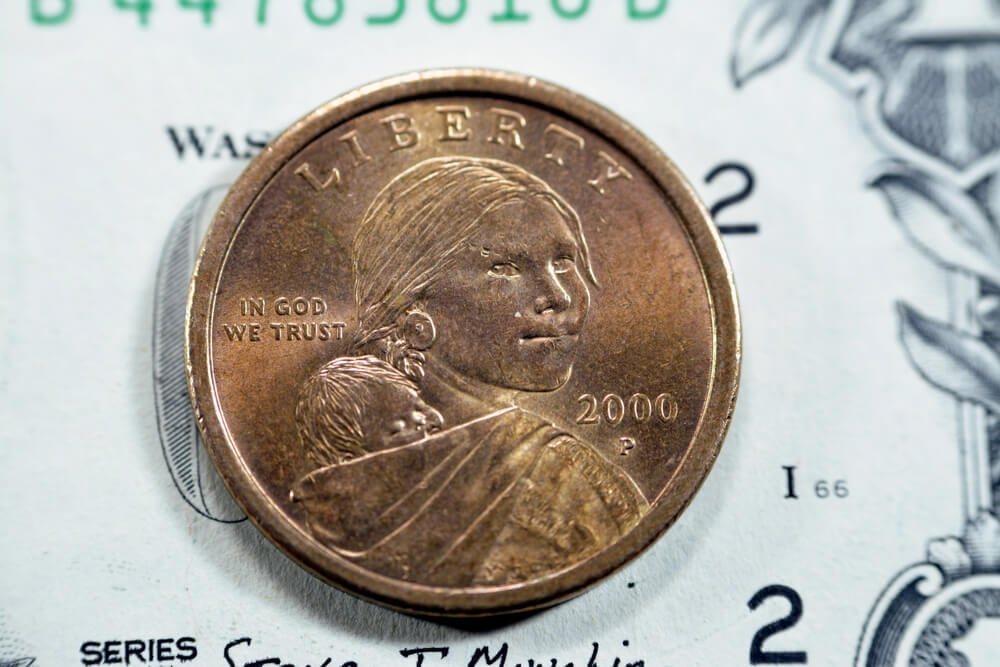
A handful of coins struck in 2000 paired the golden Sacagawea dollar reverse with an obverse die meant for a state quarter, creating a mismatched coin unlike anything the mint intended to release. Fewer than twenty are confirmed, and authenticated examples have sold for tens of thousands of dollars.
Most people who own one do not know it, since the coin still spends and looks unremarkable at a glance.
2007 Presidential Dollar Missing Edge Lettering
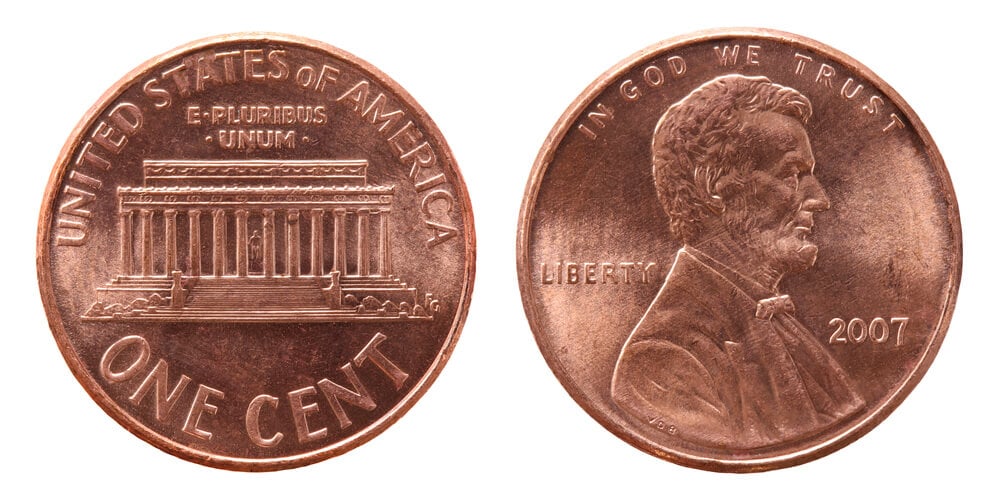
The early Presidential dollar series moved its motto and mint mark to the coin’s edge instead of its face, and a production error briefly let coins leave the mint with a blank edge. Collectors nicknamed the result the missing-edge dollar, and thousands entered circulation before the mint caught the problem.
A plain-edge example in worn condition still brings fifty dollars or more, and a smooth edge is the entire test.
1982 No Mint Mark Roosevelt Dime
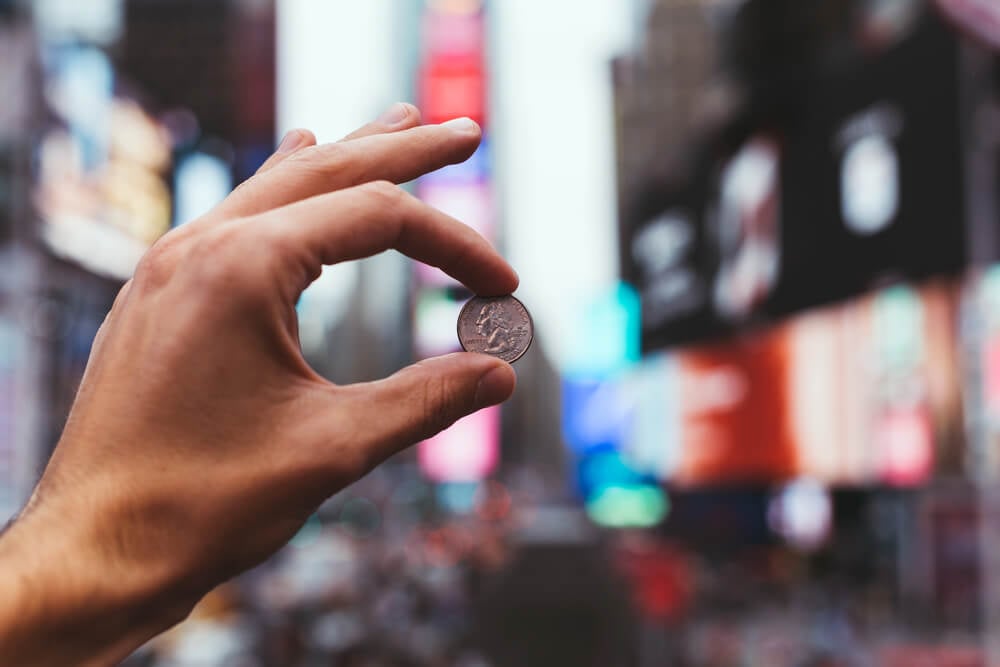
A production mishap at the Philadelphia mint let a batch of 1982 dimes leave without their expected mint mark, an error that should not exist for a Philadelphia-struck coin at all. Genuine examples in decent condition sell in the hundreds of dollars, and the absence itself, rather than any added detail, is what a buyer is checking for.
Speared Bison Nickel of 2005
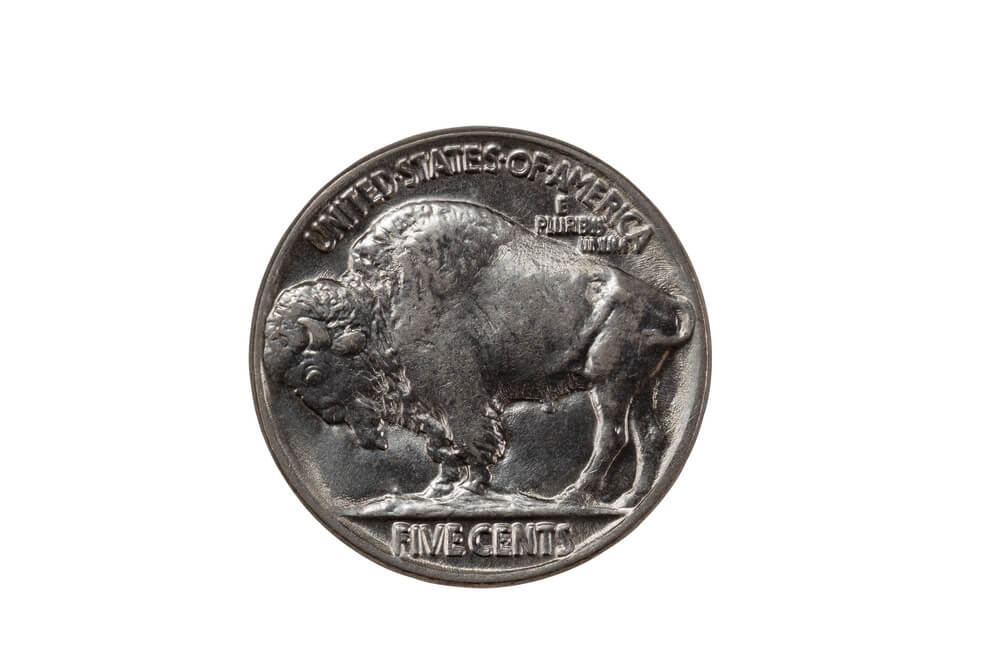
The Westward Journey nickel series added a bison to the reverse in 2005, and a die gouge on some early strikes created what looks like a spear piercing the animal’s back. The flaw is sharp enough to spot without magnification, and well-preserved examples sell for tens to low hundreds of dollars depending on how crisp the line appears.
1917 Doubled Die Obverse Cent
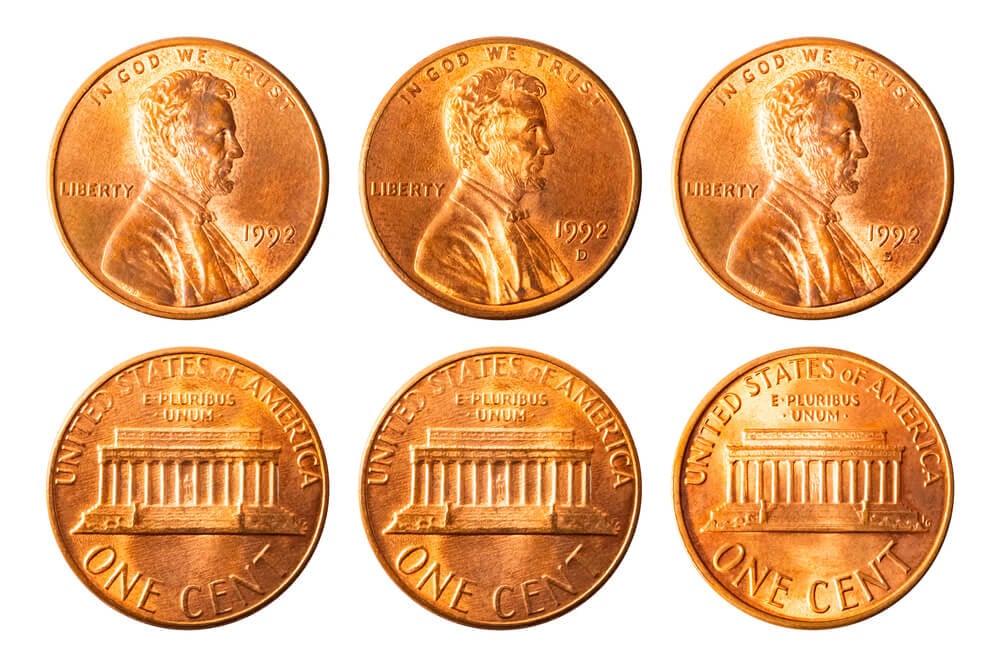
Doubling on the date and lettering of some 1917 cents predates the more famous 1955 error by decades and is less widely searched for as a result. The doubling shows most clearly on the numeral seven and the word LIBERTY.
Circulated examples with visible doubling bring meaningful premiums over an ordinary 1917 cent, and the coin’s age means most survivors have already been through many hands.
1958 Doubled Die Obverse Cent
A dramatic doubling error on the final year of the wheat-back cent design shows clearly in the date and motto, produced by a misaligned working die during manufacture. Confirmed examples are scarce enough to draw strong bids whenever one surfaces, and the doubling is pronounced enough that a careful eye catches it before any tool is needed.
1983 Doubled Die Reverse Cent
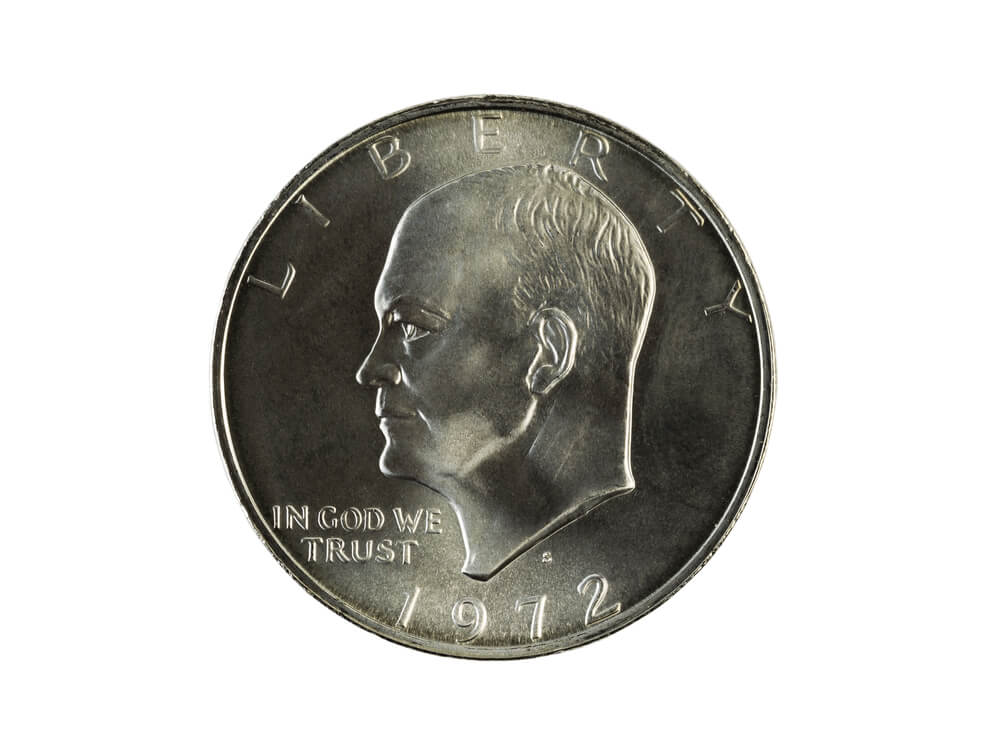
Unlike the more commonly discussed obverse doubling errors from other years, this one shows in the reverse lettering spelling out ONE CENT and UNITED STATES OF AMERICA. It is far less searched for than obverse doubling because most people check the date side and stop looking.
A confirmed example in circulated grade still commands a solid premium.
Off-Center Strike Cents
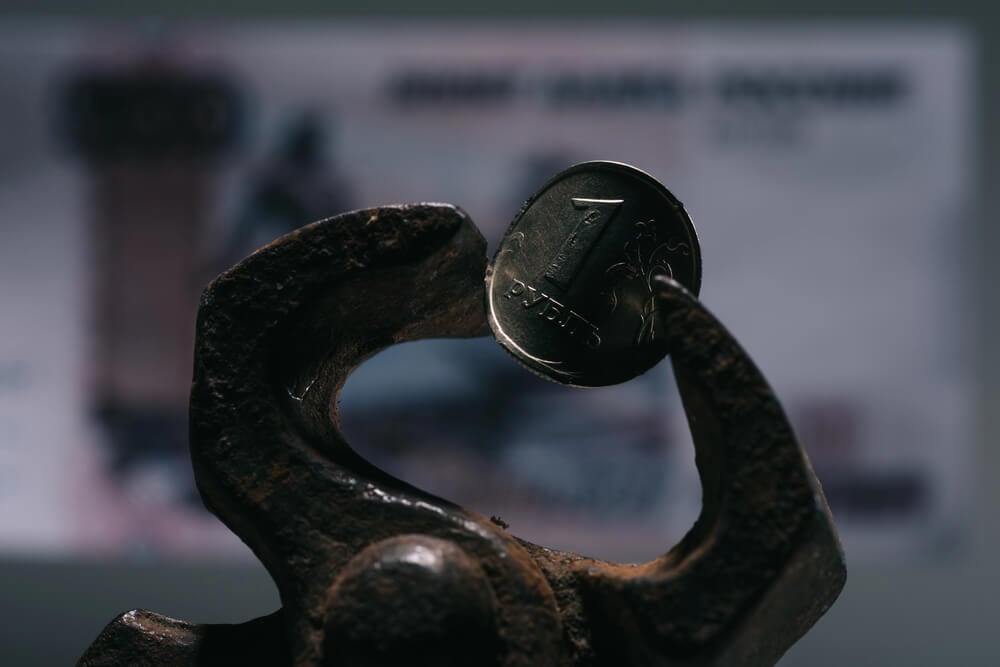
When a blank planchet feeds into the press misaligned, the design strikes only part of the coin, leaving a blank crescent on one side. The value scales with how far off-center the strike sits, with coins in the ten to ninety percent range holding the most collector interest and anything struck exactly at fifty percent commanding the strongest premium.
These turn up occasionally in ordinary rolls of any denomination.
Broadstruck Coins
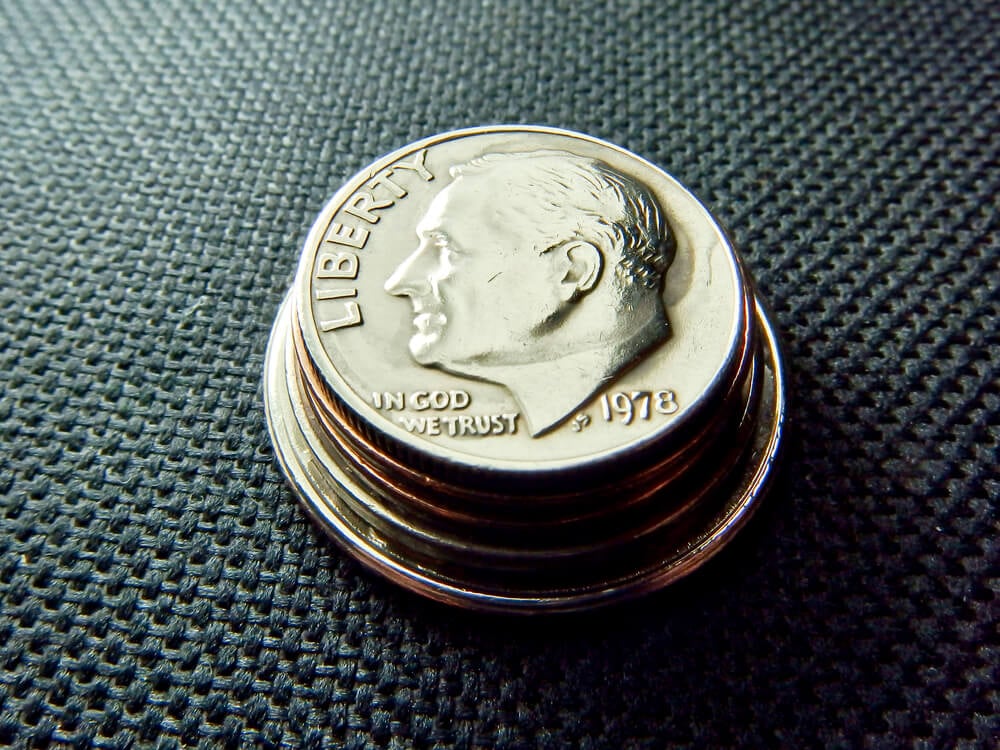
A coin struck outside its retaining collar spreads wider and thinner than a normal example, producing an irregular, slightly ragged outline instead of a clean circle. The defect is easy to feel by touch alone, since the edge lacks the crisp reeding or smoothness of a properly struck coin.
Values run modest for common dates but climb quickly on scarcer years.
Clipped Planchet Errors
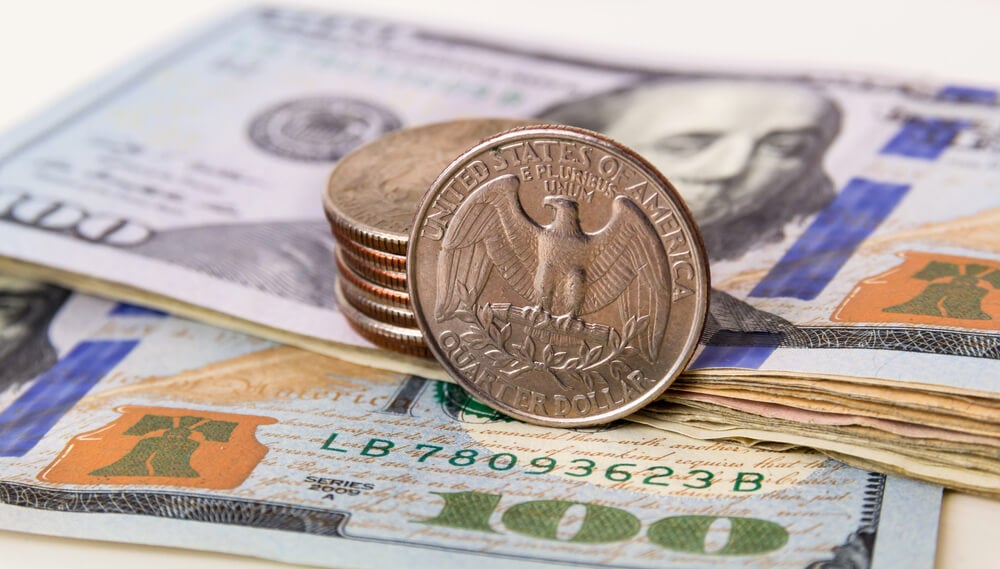
A blank that was punched too close to the edge of its metal strip produces a coin missing a curved bite from its circumference, as if a small crescent had been removed. Genuine clips show a smoothly tapered edge rather than a rough cut, which is the detail that separates a real mint error from a coin damaged after the fact.
Larger, cleaner clips bring the strongest prices.
Struck-Through Grease Errors
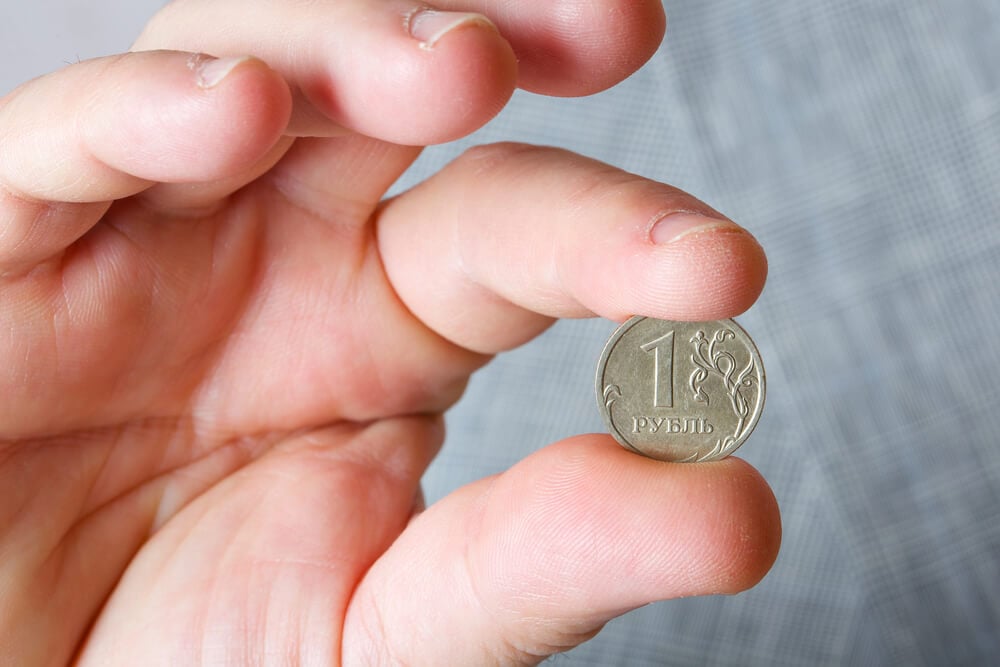
Accumulated grease and debris inside a coin press can fill in parts of the die, producing a coin with blurred or missing design elements in isolated spots rather than an even strike. These are common enough to be inexpensive individually, but a dramatic example on a scarce date still draws real interest from error specialists who collect the category on its own terms.
Die Crack Cud Errors
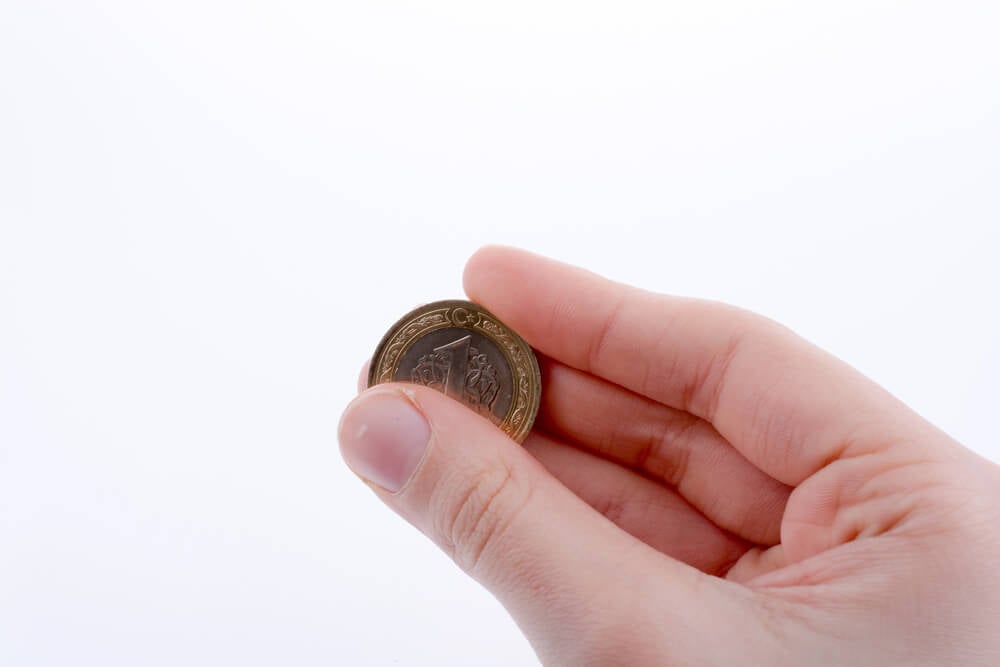
As a coin die ages and develops cracks, a piece can eventually break away entirely, leaving a raised, featureless blob on every coin struck afterward until the die is replaced. Collectors call the resulting raised lump a cud, and its position on the coin, along with how much of the design it obscures, sets the value.
Large, well-placed cuds on scarcer dates bring the most attention.
Wrong Planchet Error Coins
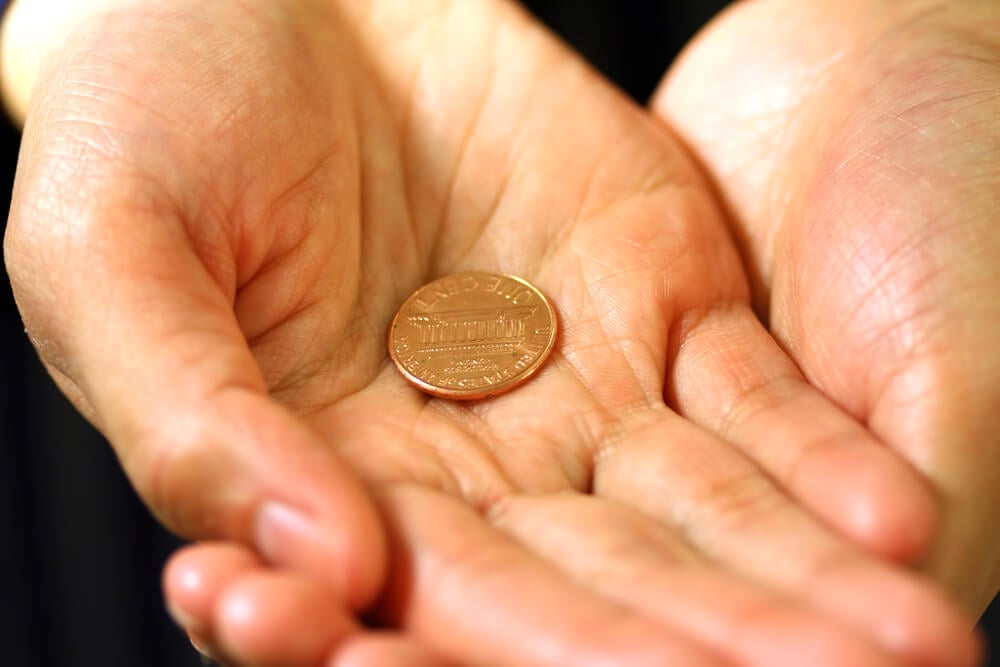
Occasionally a blank meant for one denomination feeds into a press set up for another, producing a dime struck on a cent planchet or a quarter struck on a dime blank. The resulting coin is the wrong size, weight, or color for its design, and the mismatch is usually obvious once weighed on a jeweler’s scale.
These are scarce enough that even common dates bring strong premiums.
British Threepence Pieces
The twelve-sided brass threepence, minted from 1937 into the 1952, has a thick, unmistakable profile that stands out instantly in a jar of American change. Most examples are common enough to be inexpensive, but scarcer dates and pieces in uncirculated condition draw steady interest from collectors who specialize in British decimal-era transition coinage.
Pre-1947 British Shillings
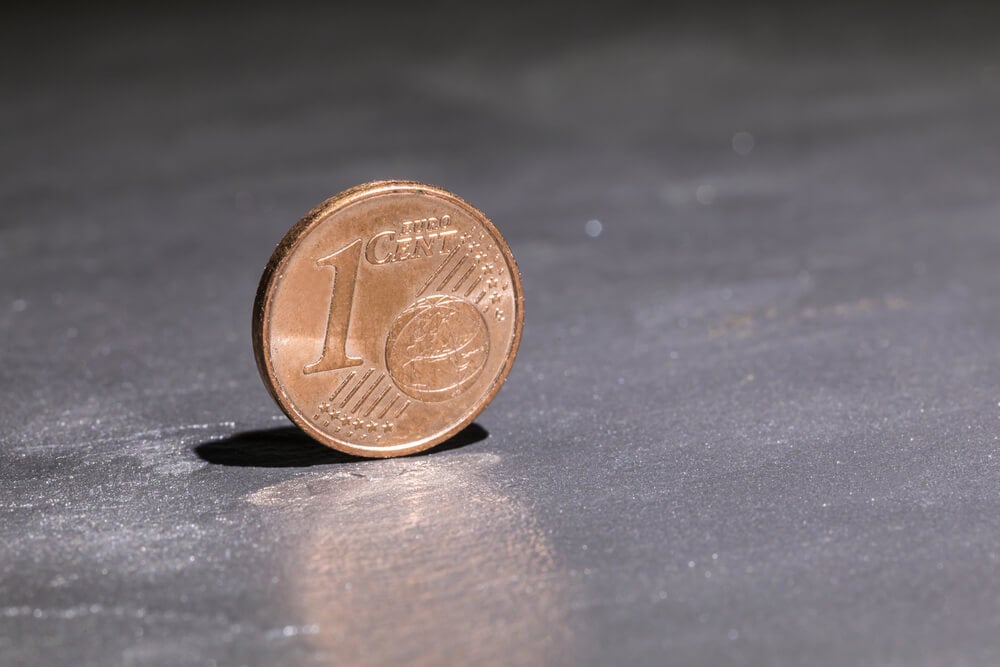
British shillings struck before 1947 contain fifty percent silver, a detail that gets lost on anyone unfamiliar with the design and mistakes it for base metal. The silver content alone gives these coins real melt value well above their face conversion, and a shilling from the 1920s or earlier in decent condition carries a numismatic premium on top of that.
Irish Pre-Euro Coinage
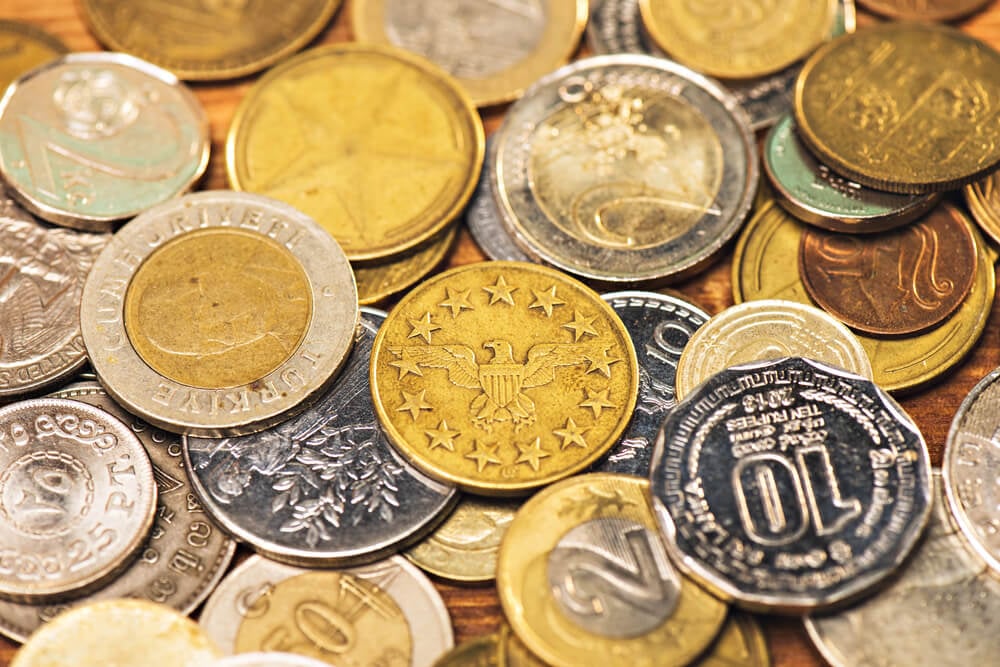
Ireland’s pre-decimal and early decimal coins, struck with distinctive animal designs including a horse, a hare, and a salmon, circulated for decades before the country adopted the euro. Because Irish coins are relatively uncommon outside Ireland, even ordinary dates draw interest from collectors assembling a full set, and the artwork alone makes them recognizable at a glance.
Israeli Lira and Agora Coinage
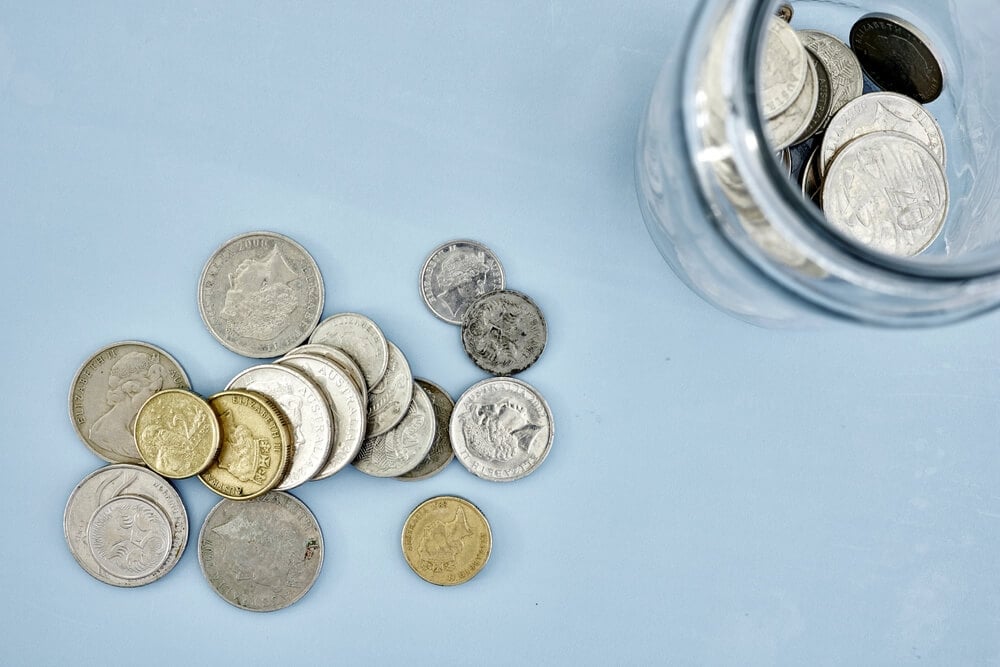
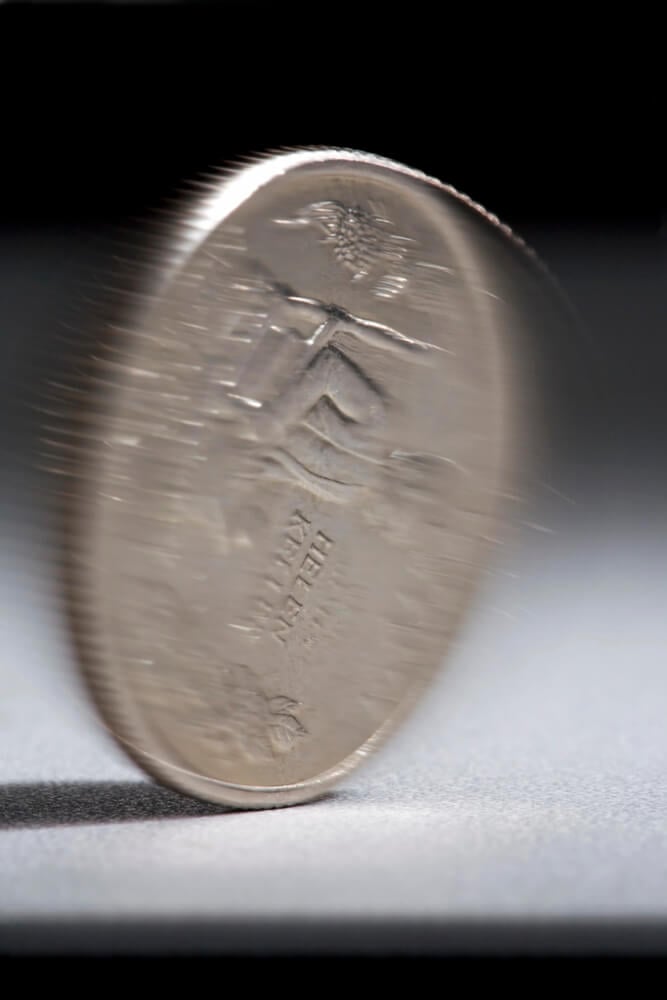
Coins from Israel’s pre-shekel currency system, struck from the 1950s through the 1970s, occasionally travel home with visitors and end up mixed into ordinary change. Hebrew lettering and dates given in the Hebrew calendar make them stand out immediately, and certain commemorative issues from the early state period carry meaningful premiums over their common counterparts.
Swiss Silver Five-Franc Pieces
Switzerland struck its large five-franc coin in silver well into the twentieth century, and the coin’s size and heft make it feel obviously different from anything in ordinary American pocket change. The silver content supports solid melt value on its own, and specific years with lower mintages add a collector premium above that floor.
Australian Pre-1966 Silver Coinage
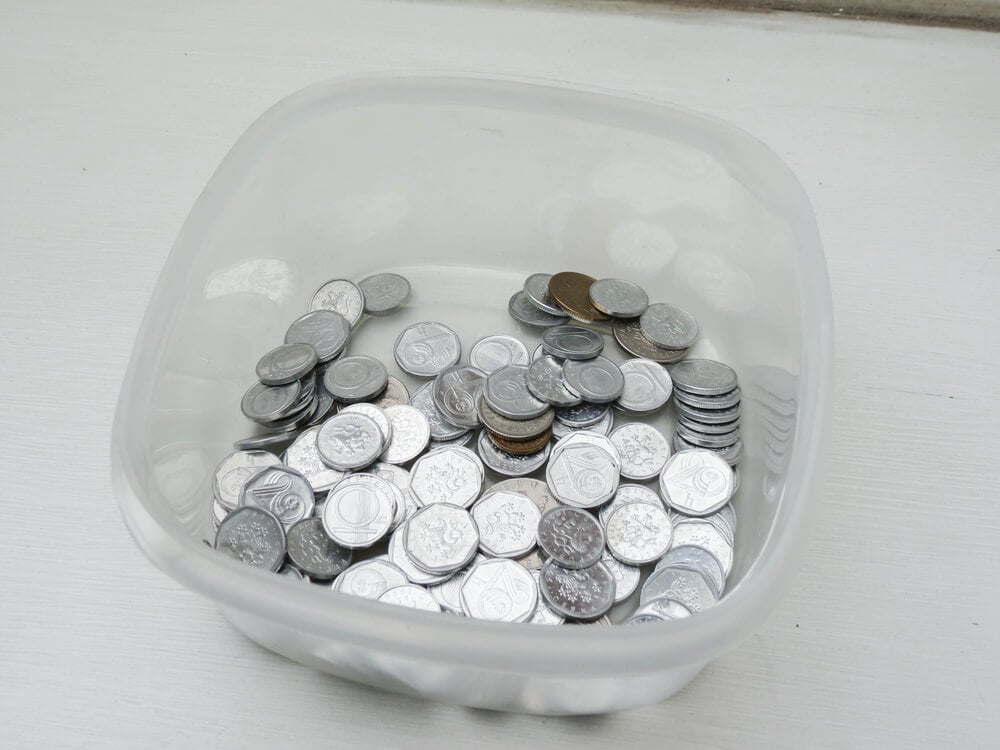
Australian coins struck before the country moved to decimal currency in 1966 were minted in silver, and the imagery, featuring the reigning monarch and Australian wildlife, is distinctive enough to catch attention immediately. Silver content provides a reliable value floor, with certain dates and mint marks adding meaningful premiums on top.
Japanese 100 Yen Silver Coins
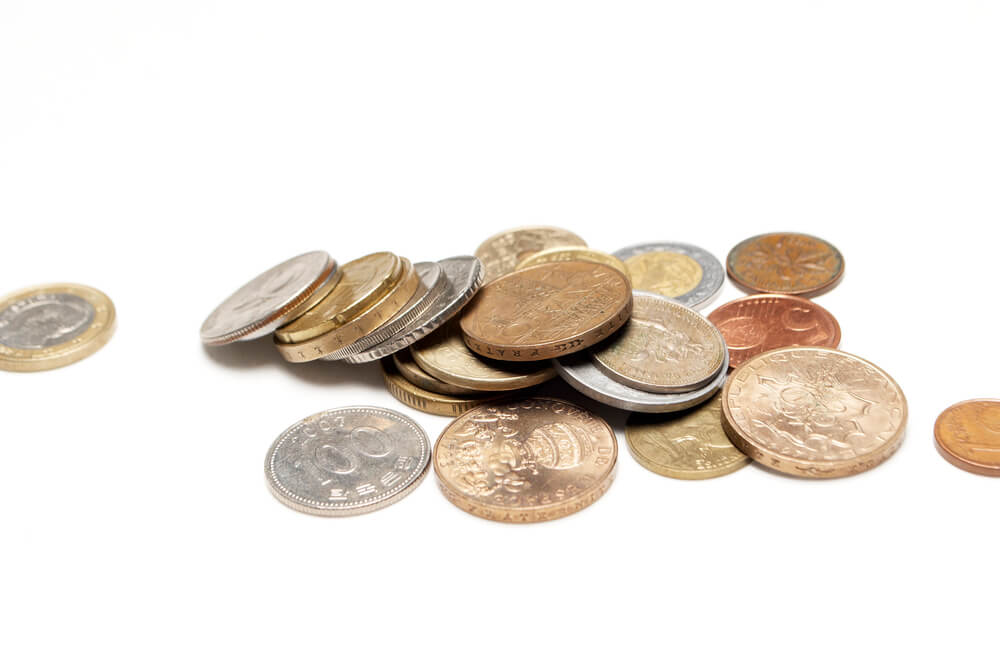
Japan struck its 100 yen coin in silver only from 1957 through 1964, a short window that makes surviving examples scarcer than the base-metal coins that replaced them. The design featuring a phoenix or rice sheaf is distinctive enough to separate the silver issues from later versions at a glance, and condition drives most of the value swing.
Dutch Silver Guilder Coins
Guilder coins struck in the Netherlands before the country’s currency transitioned contained silver through much of the twentieth century, and the portrait of the reigning monarch changes with the decade, giving collectors a straightforward way to date a find. Weight and a dull silver ring when tapped are the quickest field tests before consulting a reference.
Hong Kong Dollar Coinage
Older Hong Kong dollar coins, struck under British administration with a portrait of the monarch on one face, occasionally surface in American change carried home by travelers. Certain transitional years and mint mark combinations draw premiums from collectors who specialize in former colonial coinage, and the coins remain relatively inexpensive as an entry point into the category.
West German Deutsche Mark Coinage
Coins from West Germany’s mark currency, used until the country adopted the euro, occasionally include silver commemorative issues struck for anniversaries and historical figures alongside the ordinary base-metal circulation coins. The commemorative pieces are larger and heavier than everyday German coins, which is usually the first clue that a particular find is worth a closer look.
Italian 500 Lire Silver Coins
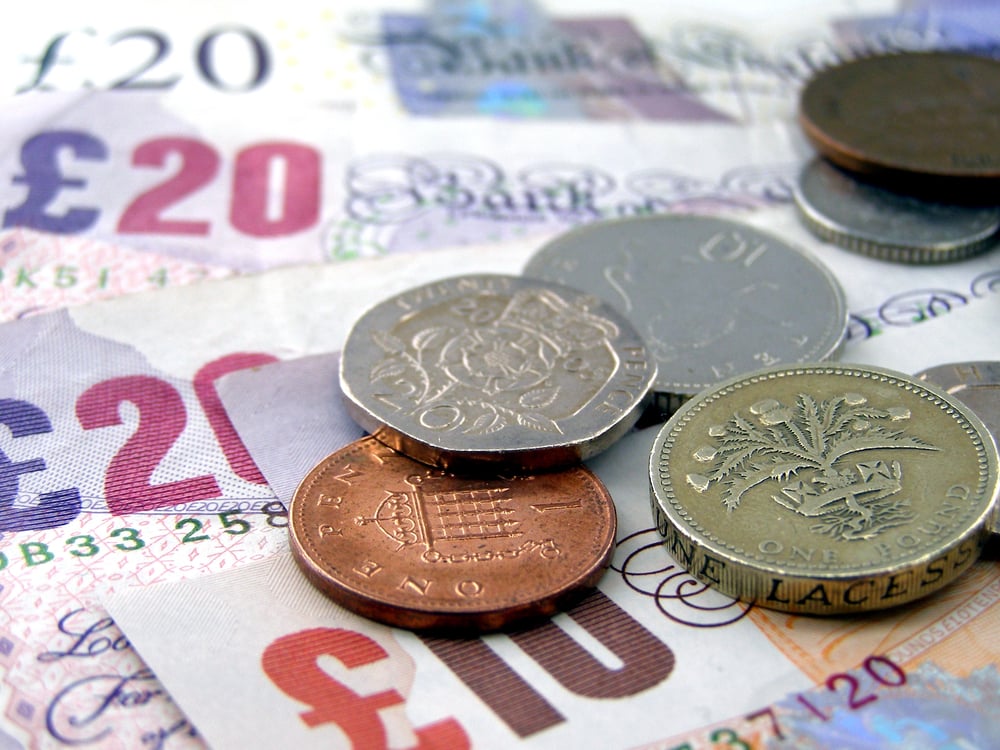
Italy struck its 500 lire coin in silver from the 1950s through the 1980s, featuring three allegorical figures representing the nation’s founding cities on the reverse. The silver content and the distinctive multi-figure design make these coins easy to identify once a collector knows the pattern, and better dates carry premiums above straightforward melt value.
Transit System Fare Tokens
Subway and streetcar systems across dozens of American cities issued their own brass or nickel-alloy tokens for decades before switching to cards and digital fares, and discontinued systems left millions of tokens in circulation among collectors and in old jars. Scarcer city issues and short-lived designs bring the strongest prices, while common New York and Chicago tokens remain modestly priced entry points.
Good For Trade Tokens
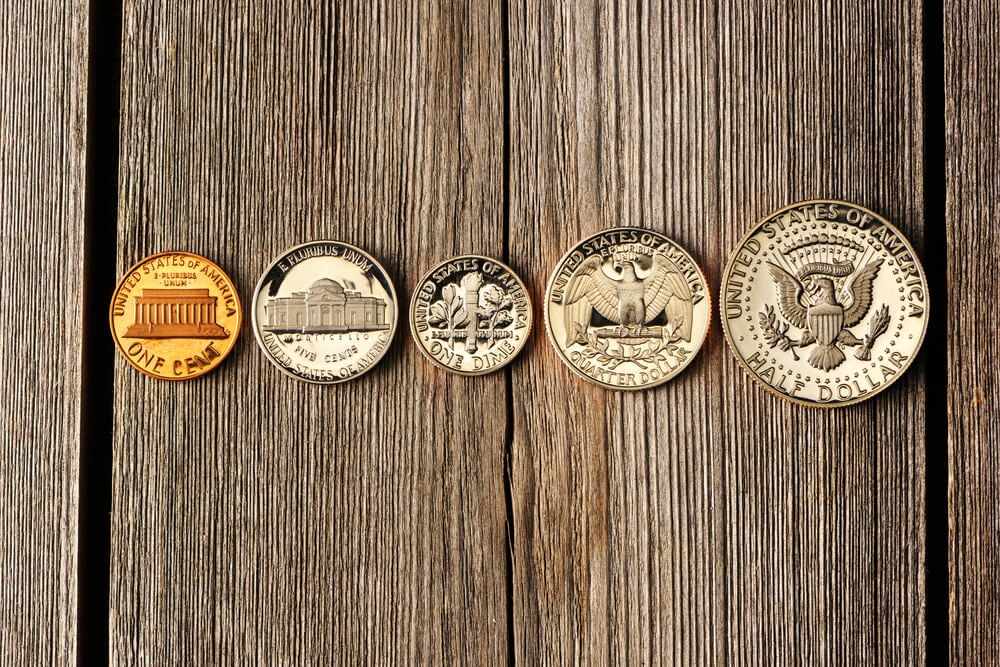
Local merchants, taverns, and company stores issued their own tokens redeemable for goods or services, often stamped with a business name, a town, and a denomination phrased as good for a specific item or amount. These are collected by region and by the issuing business, and a token from a defunct company or a ghost town commands far more than the metal it contains.
Arcade and Amusement Tokens
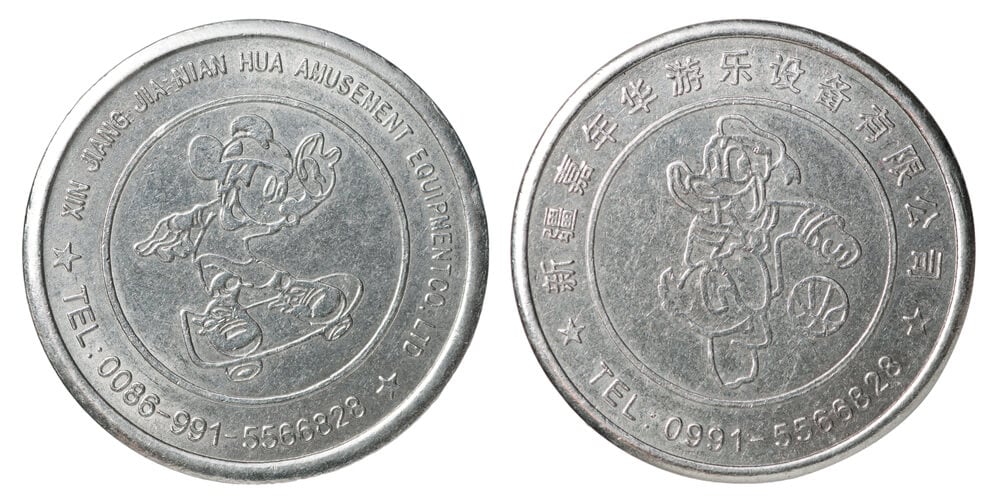
Coin-operated amusement arcades minted their own tokens for decades, often stamped with a business name or a novelty design unique to a single location. Because most were used up in machines rather than saved, surviving examples from closed arcades and defunct chains draw interest from a growing token-collecting community, particularly pieces tied to a specific, identifiable venue.
Encased Cent Advertising Pieces
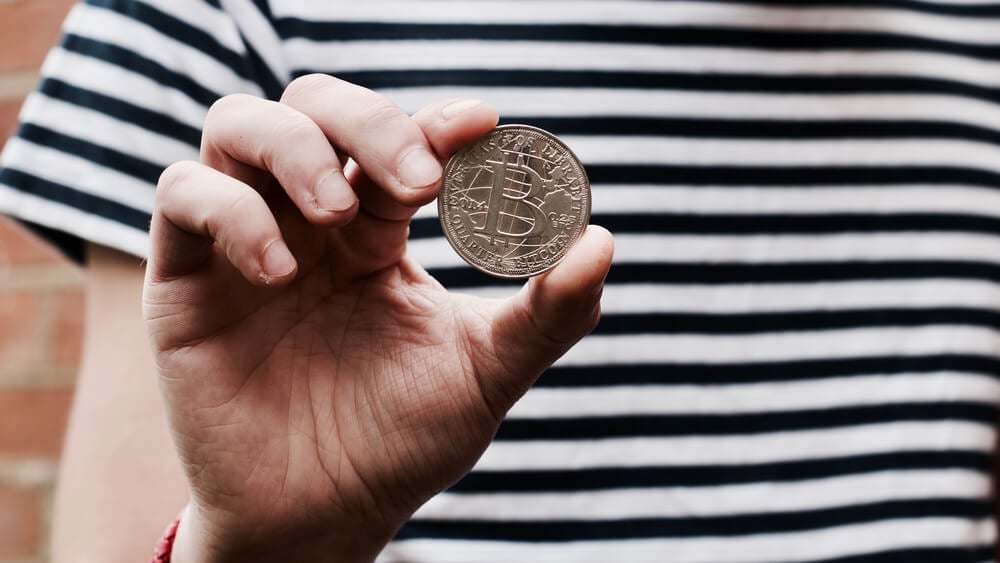
Businesses once mounted an ordinary cent inside a stamped aluminum or brass frame as a promotional giveaway, turning pocket change into a miniature advertisement for a shop, a bank, or a local fair. The coin inside is usually common, but the surrounding frame, with its printed business name and slogan, is what collectors of this narrow category actually chase, particularly examples tied to businesses that no longer exist.
Wooden Nickel Promotional Pieces
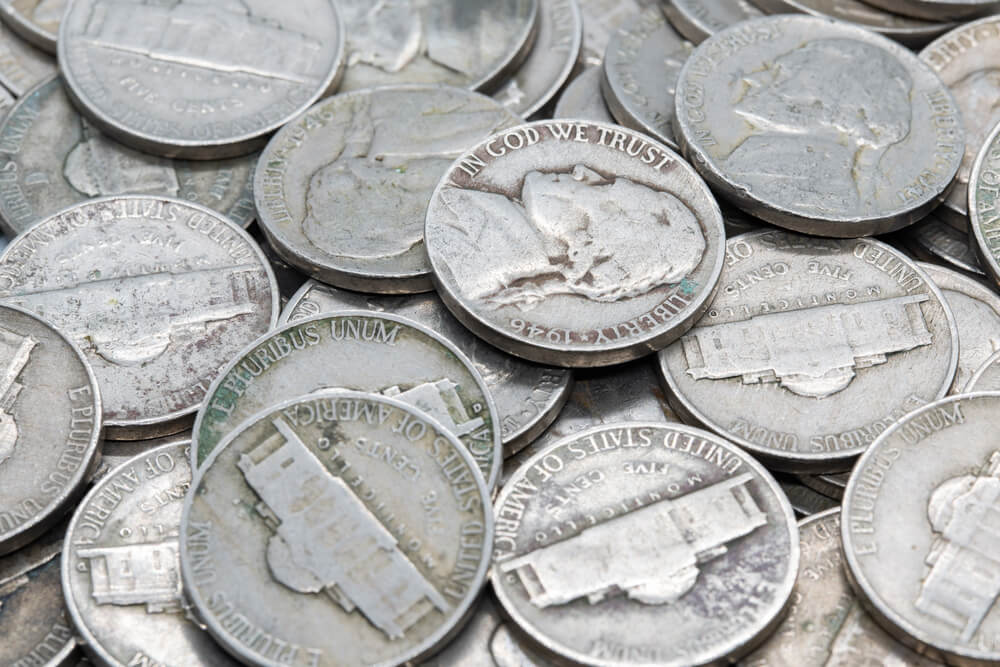
Towns, fairs, and businesses have issued wooden nickels as souvenirs and promotional items since the 1930s, printed with a date, a location, and often a local landmark or event. Individually inexpensive, they become collectible in sets tied to a specific town’s centennial or a fair that ran for only a handful of years, since those runs were never reprinted.
French Silver Franc Coins
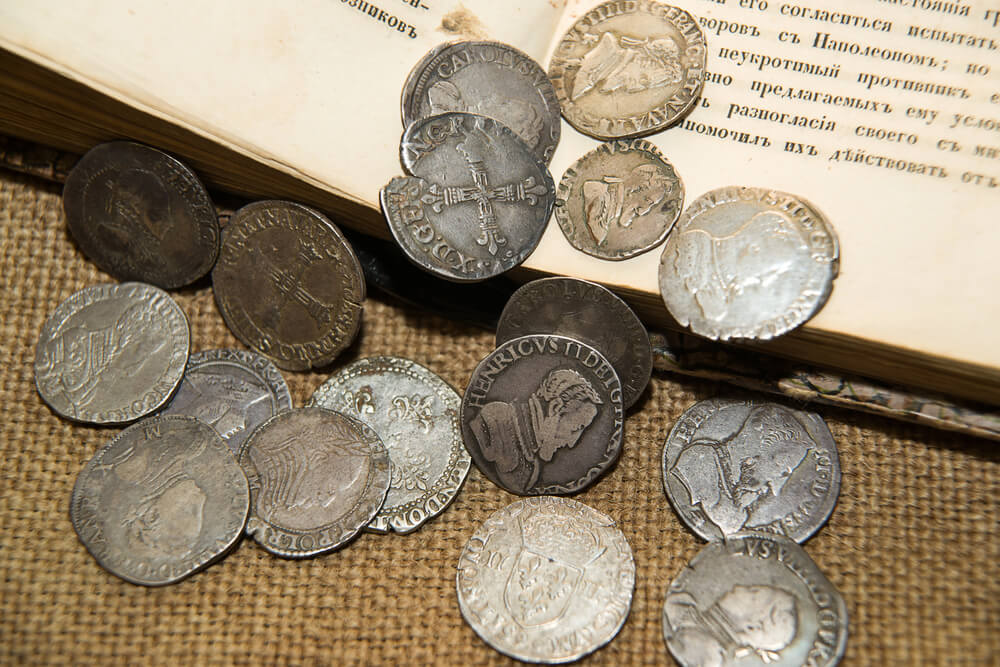
France struck five and ten franc coins in silver into the mid-twentieth century, featuring the recognizable sower design that later inspired other national coinages. The silver content provides a reliable value floor, and specific pre-war dates with lower mintages carry a numismatic premium above straightforward melt value.
What a Jar Actually Holds

A jar of change is a small, unsorted archive of everywhere its coins have been, from a mint press that briefly slipped to a pocket that crossed an ocean. Most of what sits at the bottom is exactly what it appears to be, and that is fine.
The habit worth building is not suspicion of every coin but a willingness to look twice at the ones that feel slightly wrong in the hand. That second look costs nothing and takes a few minutes with good light and a jeweler’s loupe.
Most jars will not contain a mule error or a silver shilling. A few, checked carefully enough times, eventually will.
More from Go2Tutors!

- The Romanov Crown Jewels and Their Tragic Fate
- 13 Historical Mysteries That Science Still Can’t Solve
- Famous Hoaxes That Fooled the World for Years
- 15 Child Stars with Tragic Adult Lives
- 16 Famous Jewelry Pieces in History
Like Go2Tutors’s content? Follow us on MSN.



