33 Ancient Weapons That Changed Warfare
Every weapon on a battlefield is an argument about distance. Get closer than the enemy expects, or stay farther away than he can reach, and the fight tilts. For hundreds of thousands of years, people kept finding new ways to win that argument.
Some of these inventions ruled for a thousand years. Others lasted a single generation before someone found the answer, which is the other half of every weapon’s story.
Kathu Pan Spear Points
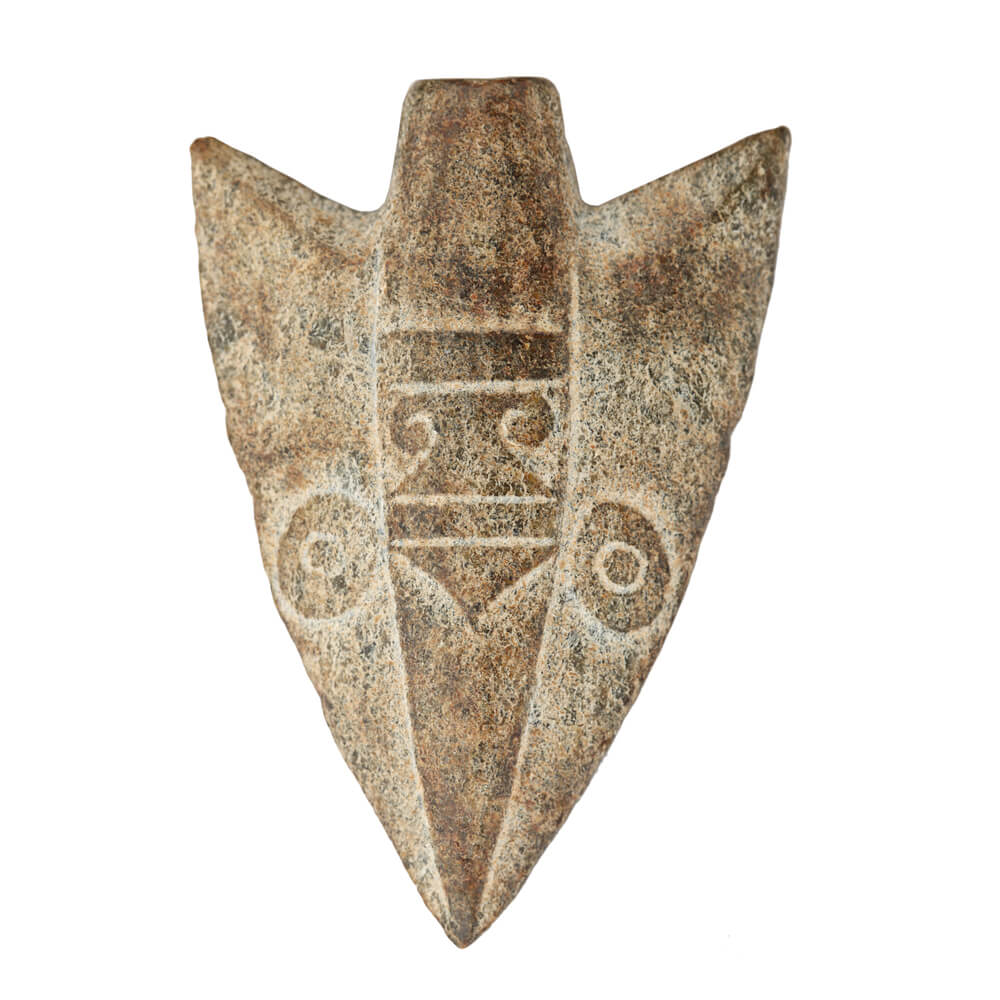
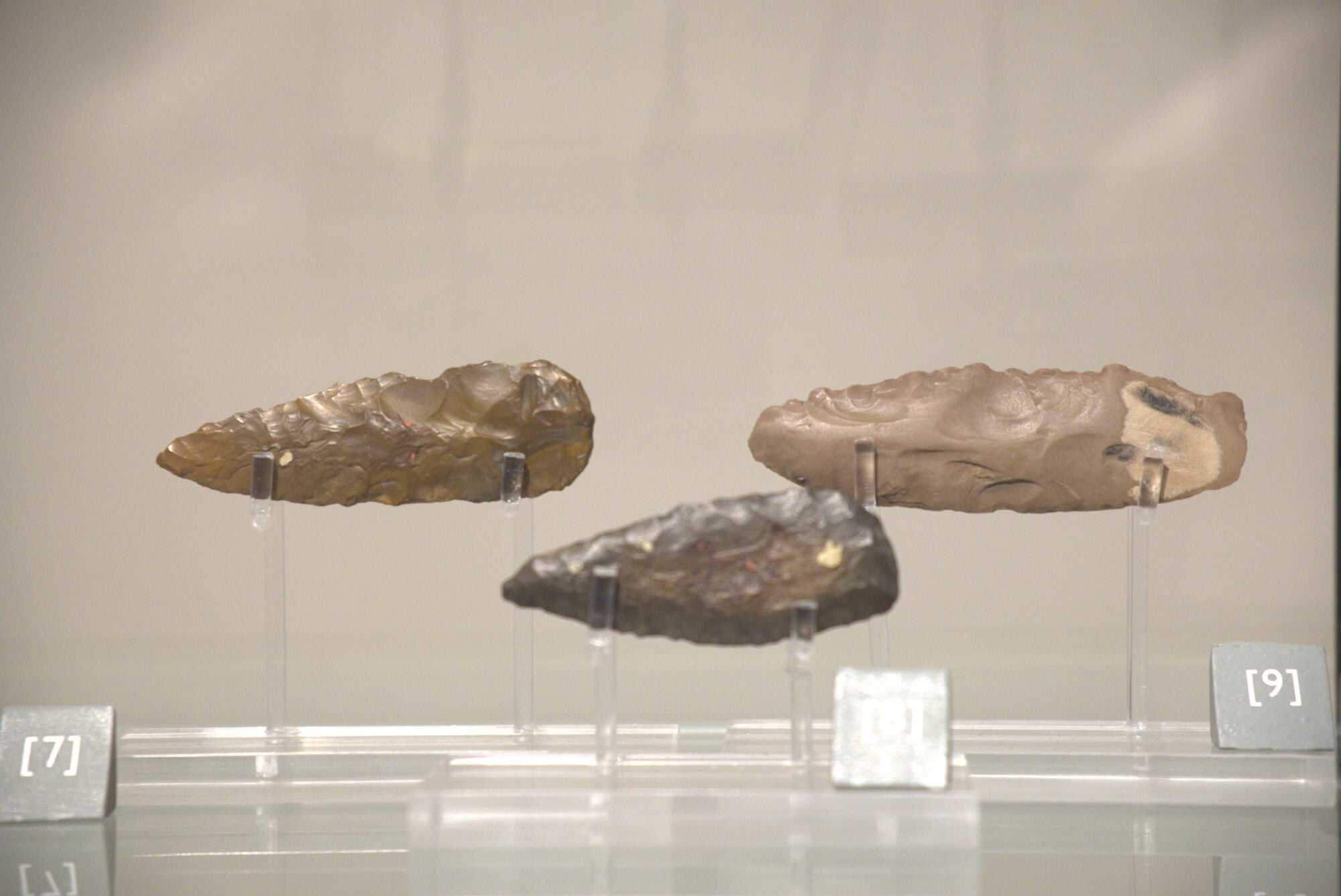
At Kathu Pan in South Africa’s Northern Cape, archaeologists found stone points about 500,000 years old that show wear patterns consistent with being mounted on wooden spears. Hafting, the act of attaching a stone tip to a shaft, turned a sharpened stick into a far deadlier tool. It also required planning, since the maker needed binding and adhesive as well as the stone itself. The dates put the technique long before modern humans appeared. The idea that led to every spear, arrow and bayonet began with ancestors who never saw a city.
Atlatl, the Spear-Thrower

An atlatl is a simple shaft with a hook at one end that seats the butt of a dart. By effectively lengthening the thrower’s arm, it launches a projectile far faster and farther than a hand throw. Examples from Ice Age Europe are well over 15,000 years old, some carved with animal figures. The name comes from the Aztec language Nahuatl, and Spanish soldiers in the 16th century reported that atlatl darts could punch through their armor. Hunters on nearly every inhabited continent used some version of it, and competitors still throw them today.
Sibudu Cave Arrow Points
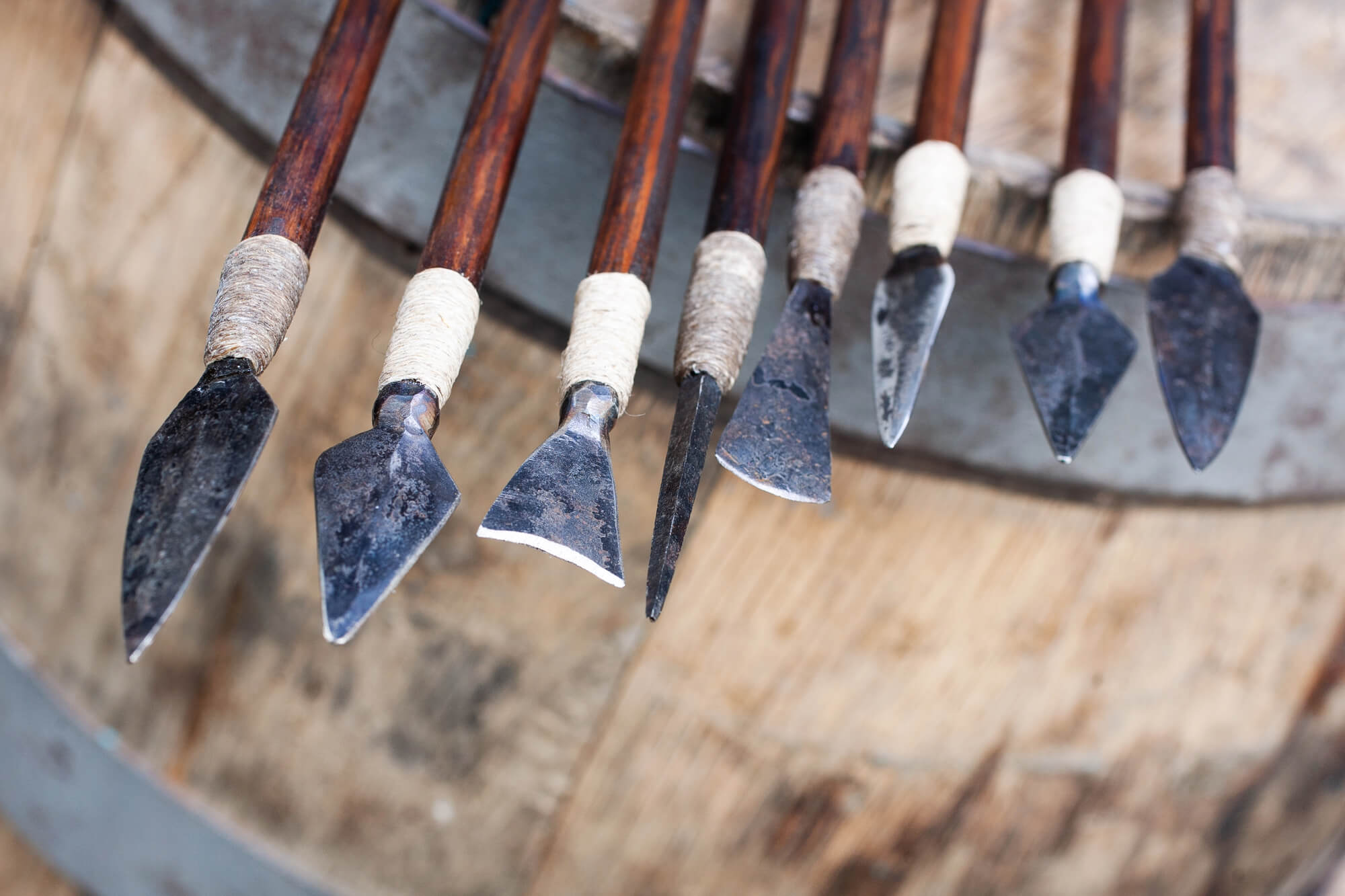
Sibudu Cave in KwaZulu-Natal has yielded tiny stone points about 64,000 years old that carry traces of blood and bone. Researchers studying their shape and damage concluded they were most likely arrowheads, making them among the earliest evidence of the bow and arrow anywhere. Some points bore remains of plant-based glue, suggesting a multistep manufacturing process. The bow let hunters strike from a safe distance, a shift that would eventually reshape warfare. For most of human history, it was the most important ranged weapon on Earth.
Sling and Its Lead Bullets
A sling is two cords and a pouch, yet in trained hands it could hurl a stone or lead projectile with enough force to break bone at long range. Slingers from the Balearic Islands were so skilled that Carthage and Rome hired them as specialist troops. Roman and Greek slingers cast lead bullets, and some carry inscriptions ranging from unit names to crude insults aimed at the enemy. Assyrian reliefs of the siege of Lachish show slingers in action. It was cheap, portable and lethal, which kept it in service for thousands of years.
Mace of Early Egypt
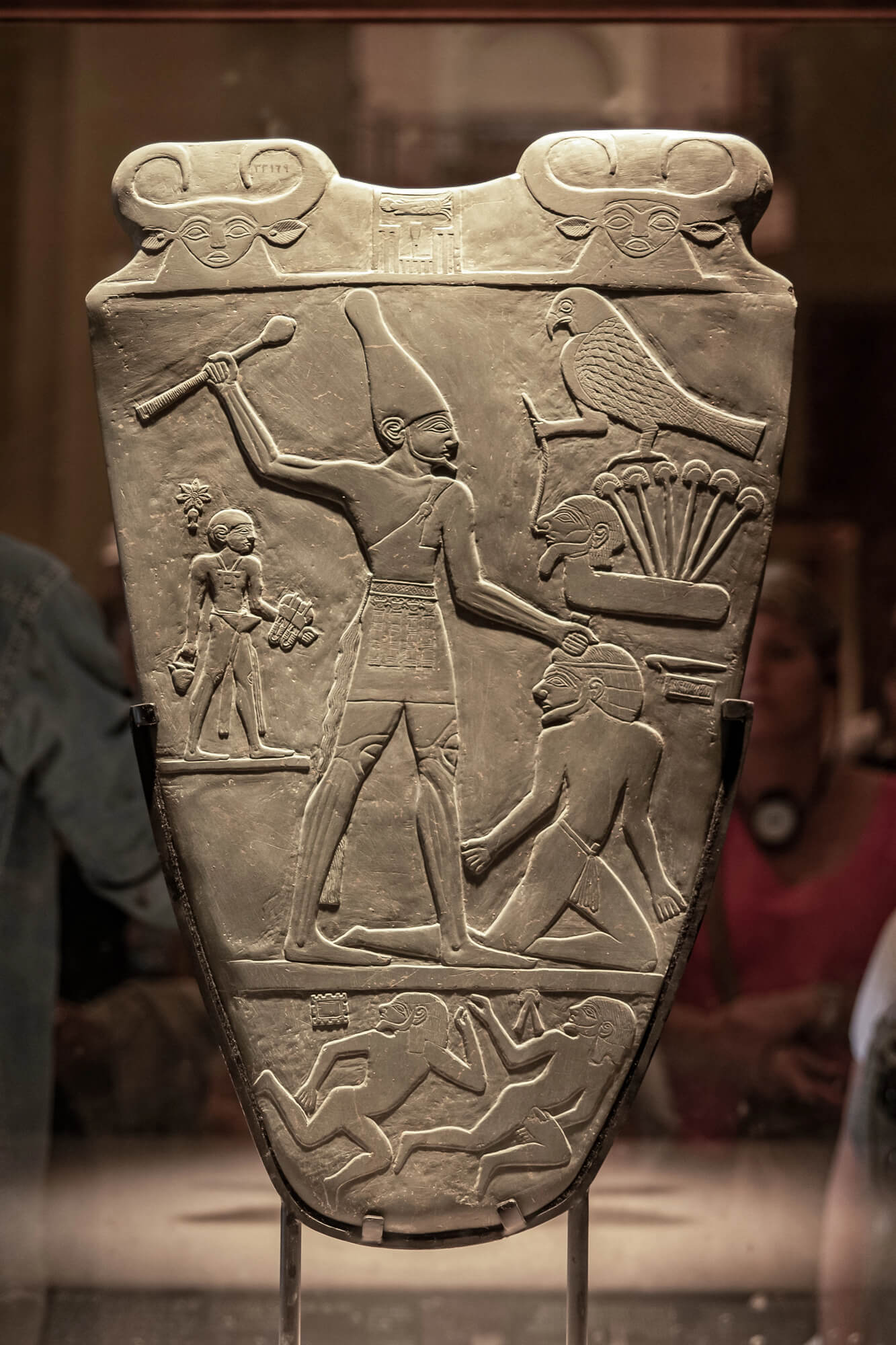
Stone-headed maces were signature weapons of early Egyptian kings, often carved from hard, polished stone. The Narmer Palette, carved around 3100 BC, shows the king raising a mace over a kneeling enemy, an image repeated for centuries in royal art. The mace was designed to crush skulls. That strength also became its weakness, because the spread of helmets made blunt blows less effective, and armies shifted toward axes with narrow blades. By the time the pharaohs were building pyramids, the mace survived mostly as a symbol of authority, carried in ceremonies long after it had lost its place in battle.
Arslantepe Arsenical Swords
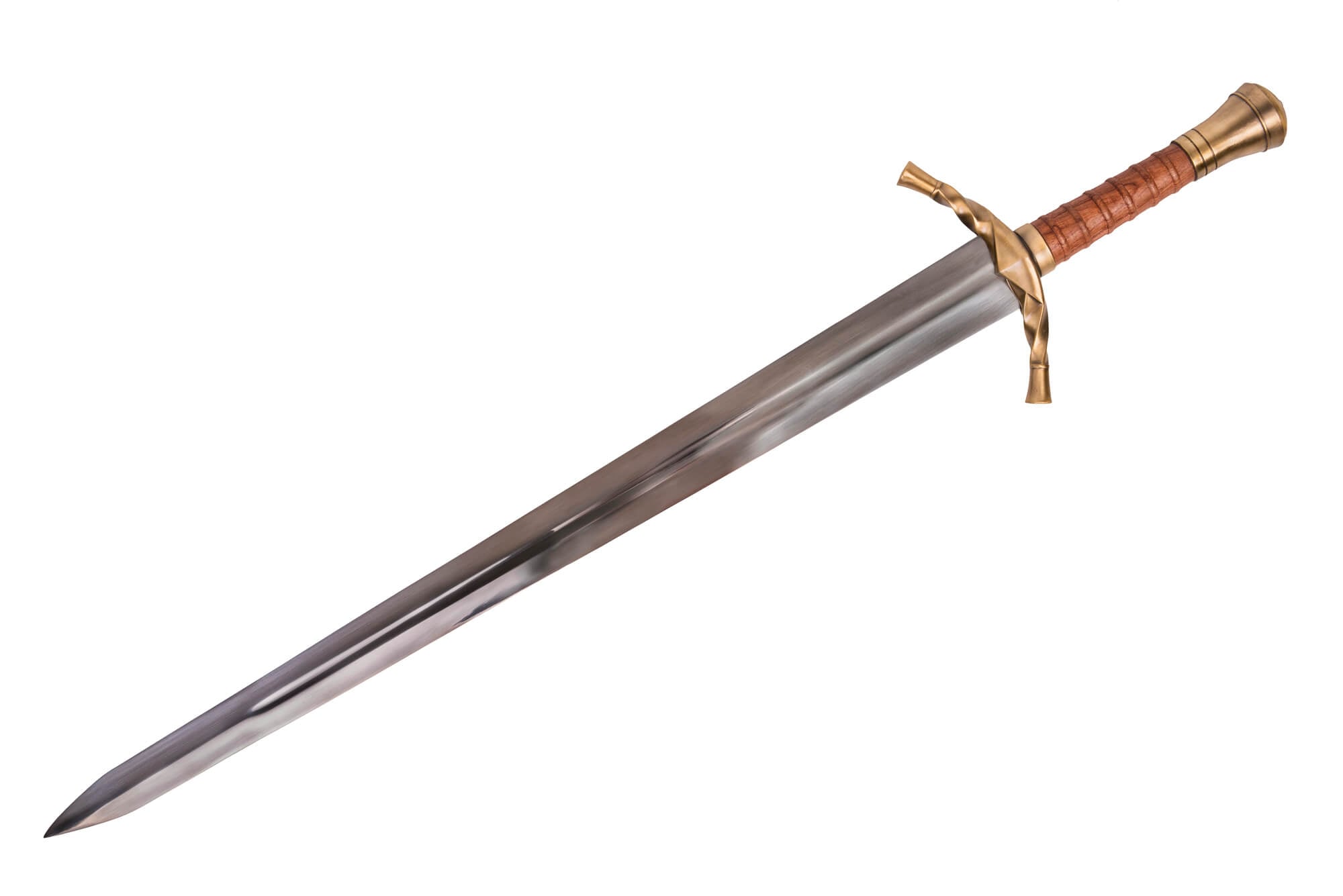
Archaeologists found the oldest known swords at Arslantepe in eastern Turkey, dated to around 3300 BC. They were made from arsenical copper, an early alloy harder than pure copper, and some have silver inlay. The sword was a new idea, a weapon designed purely for fighting people, not for hunting or chopping wood. In 2020 a researcher identified a sword of the same age sitting in a monastery museum in Venice, where it had been cataloged as medieval. Its true age went unnoticed for generations.
Khopesh, the Sickle Sword
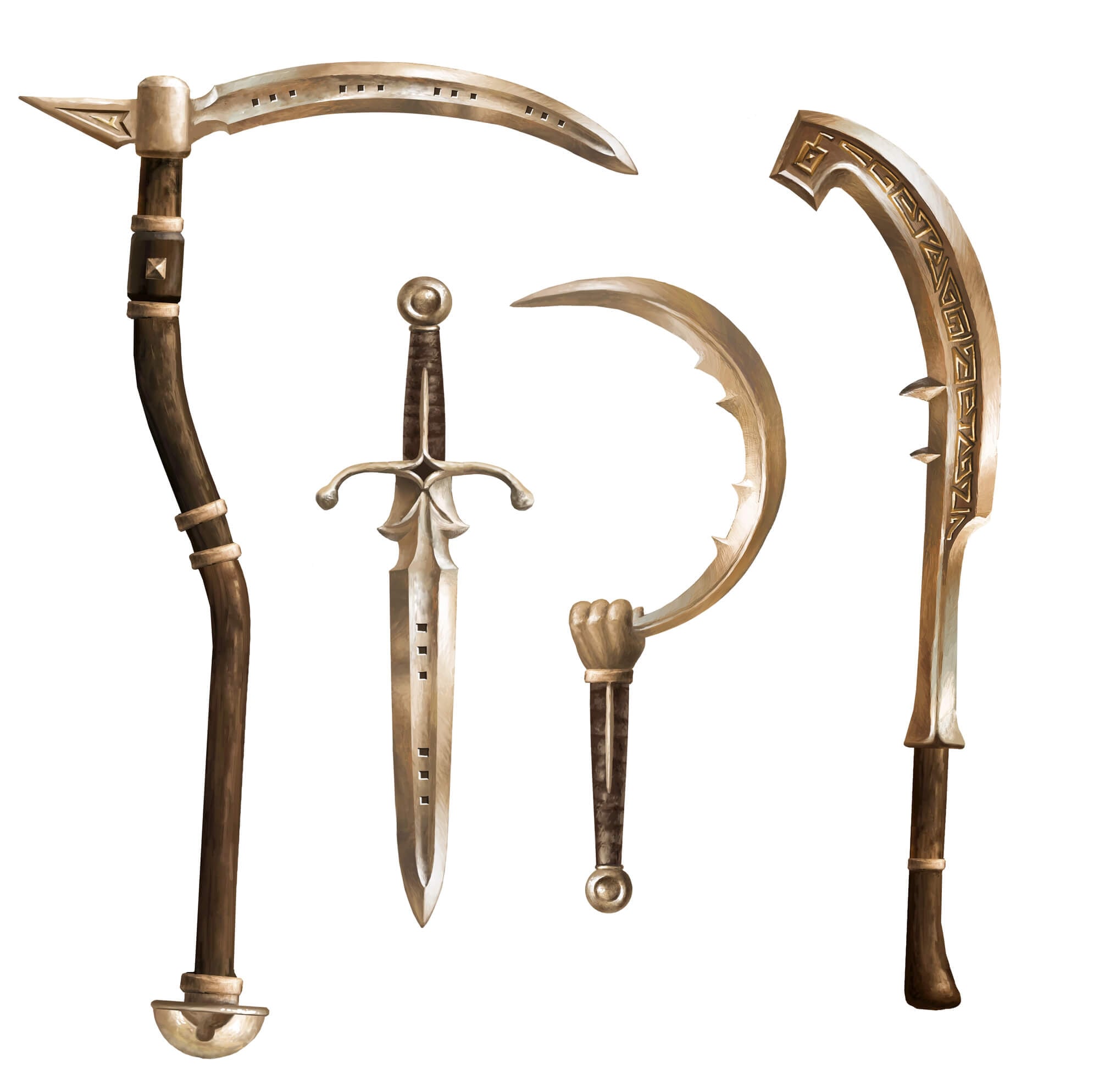
Egypt’s khopesh was a curved bronze blade shaped roughly like a question mark, with the cutting edge on the outside of the curve. It probably came from the Levant and became a signature weapon of New Kingdom Egypt, used for slashing and for hooking an opponent’s shield aside. Egyptian art shows pharaohs holding it as they smite enemies. Tutankhamun was buried with two examples of different sizes. By around 1300 BC it was fading from use as straighter swords spread across the region. Its distinctive curve survived longer in art and ceremony, where it signaled royal power.
War Chariot at Kadesh
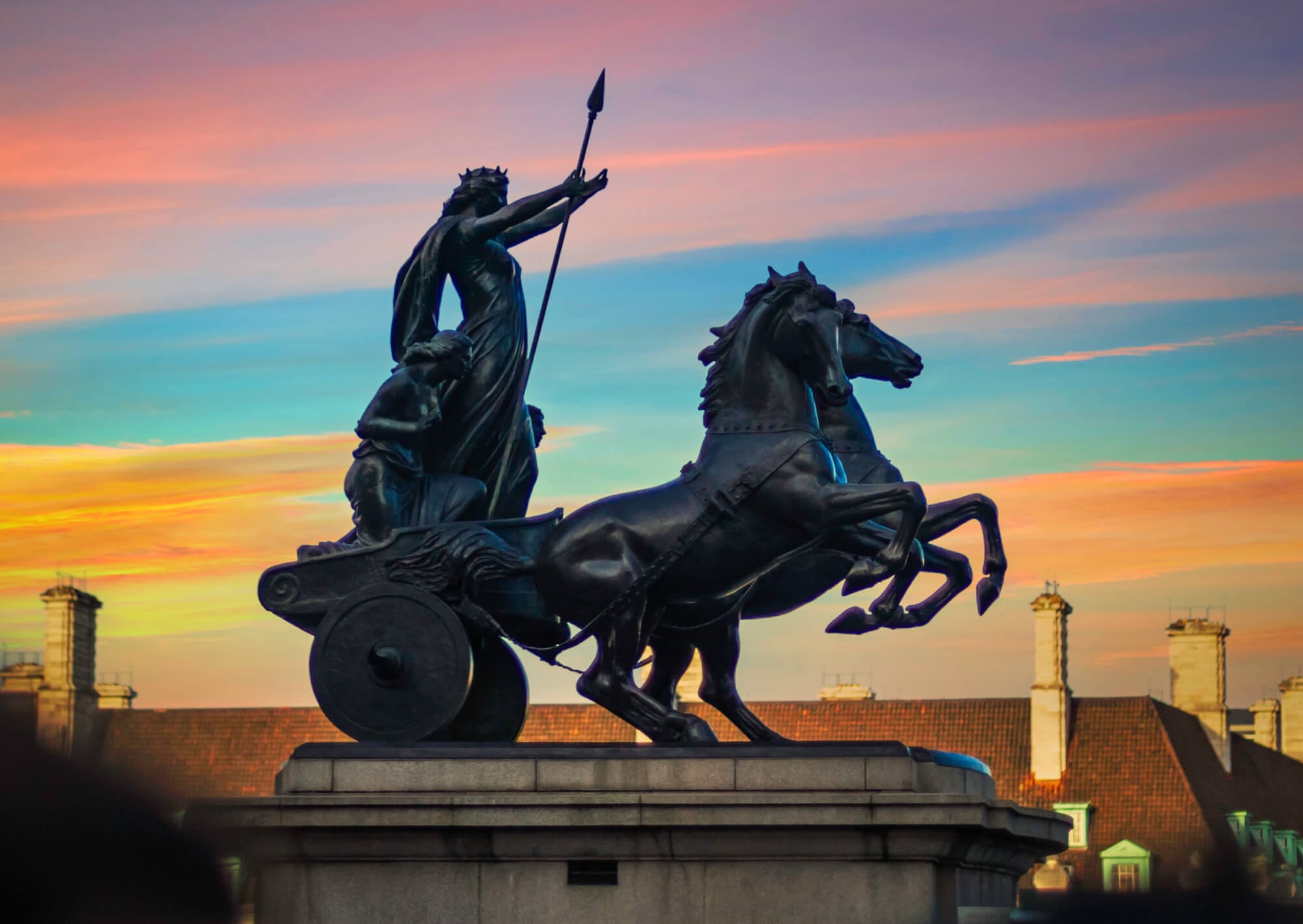
Spoked wheels, first seen around 2000 BC in the Sintashta culture of the Eurasian steppe, made light and fast chariots possible. For centuries, chariots dominated the battlefields of the Near East, carrying archers who could strike and retreat quickly. The Battle of Kadesh in 1274 BC, fought between the Egyptians under Ramesses II and the Hittites, may have involved thousands of chariots, making it one of the largest chariot battles on record. It also produced one of the earliest known peace treaties. The chariot was so expensive that it created a military aristocracy of its own.
Composite Bow
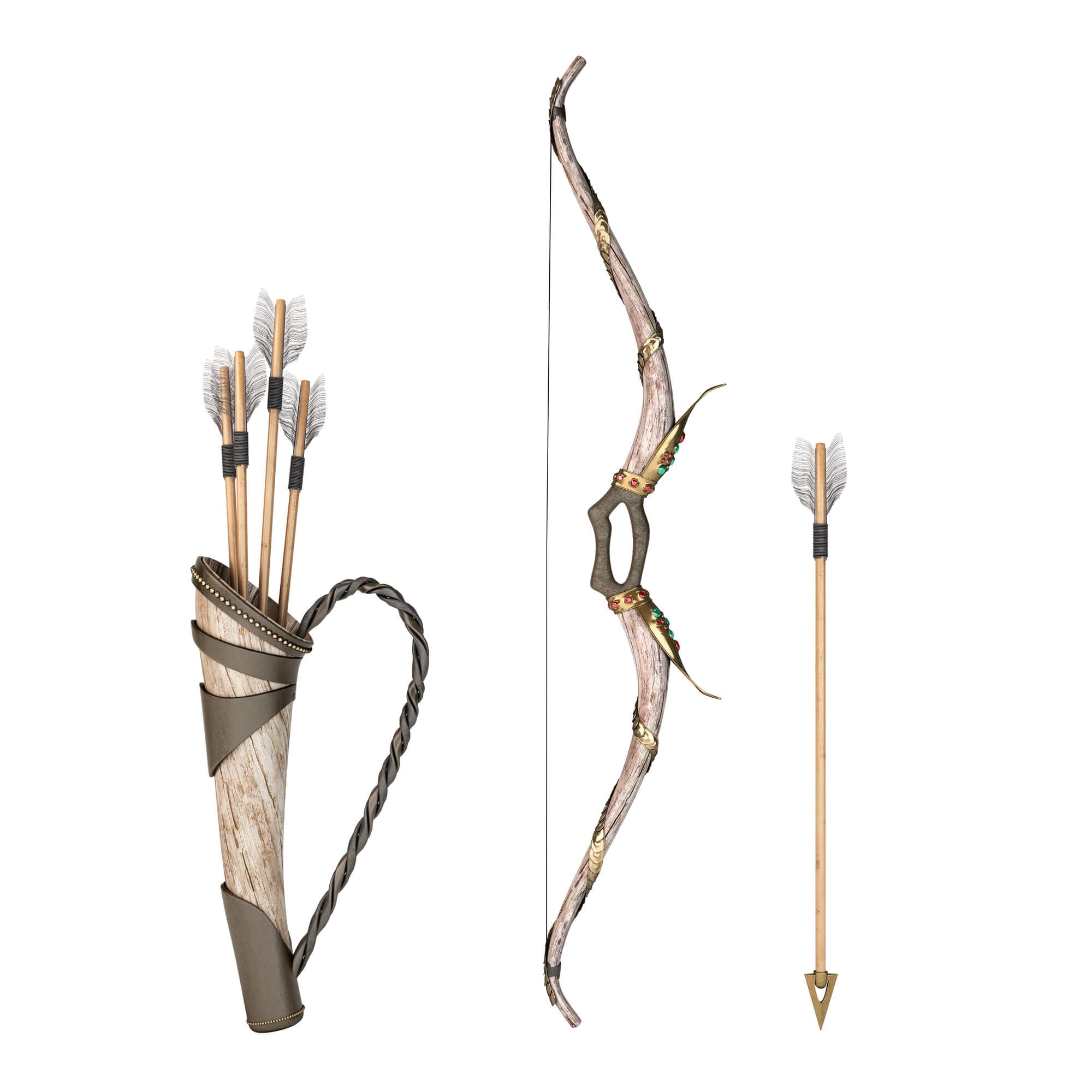
A composite bow laminates wood with horn on the belly and sinew on the back, each material chosen for how it behaves under compression or tension. The result stores far more energy than a simple wooden bow of the same length. That compact power made it ideal for chariot crews and horse archers who could not handle a long weapon. Assyrians, Scythians, Persians and later Mongols all built armies around it. A good one could take a year or more to make, since the glue and sinew had to cure slowly. Archers kept them unstrung and protected from damp, because moisture could ruin the layers.
Tutankhamun’s Meteorite Dagger
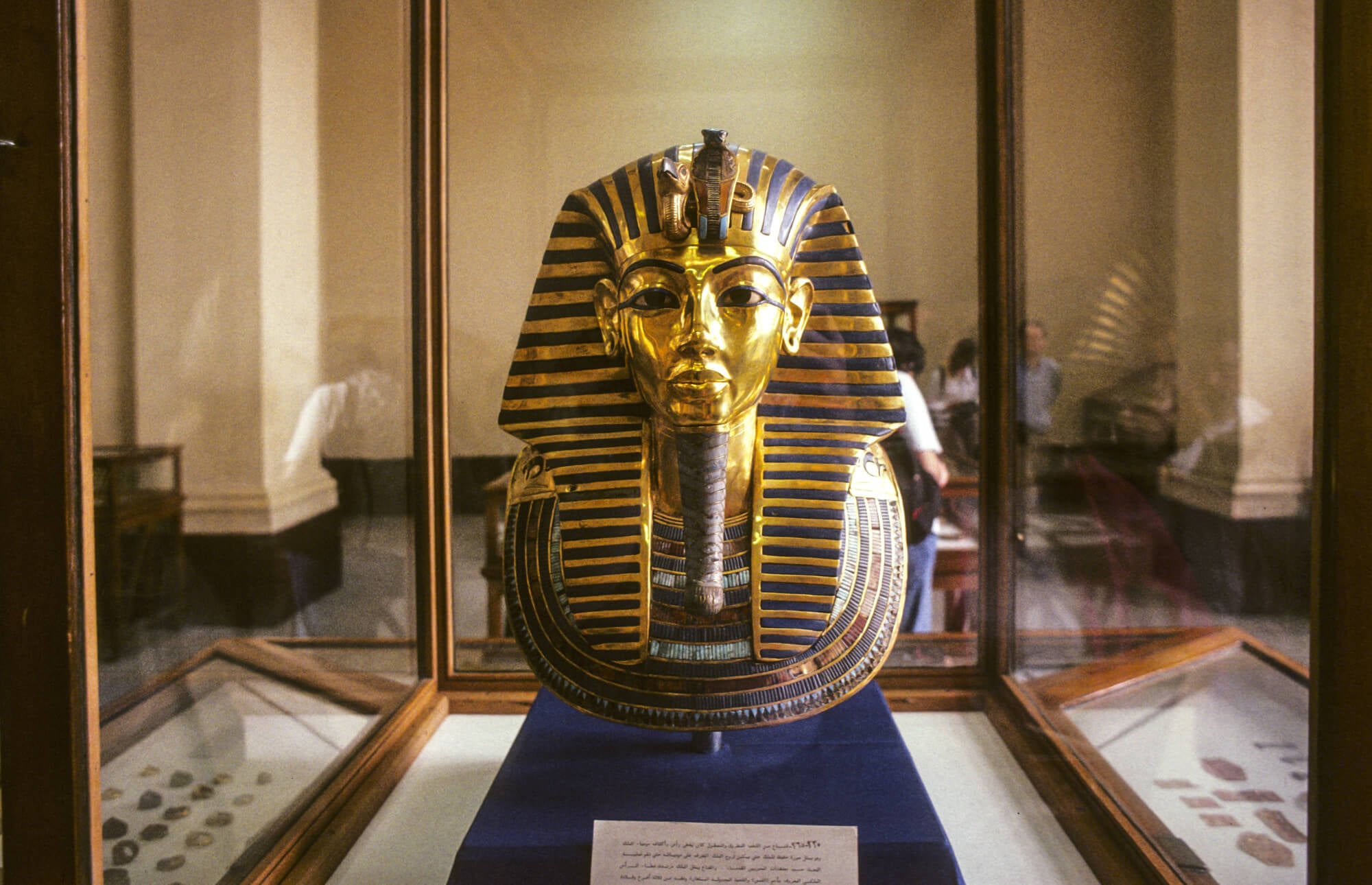
Among the objects found with Tutankhamun was a dagger with a blade of iron, at a time when Egypt had not yet mastered ironworking. A 2016 analysis showed the metal’s nickel and cobalt levels match meteorites. Iron objects were so rare in the Bronze Age that rulers exchanged them as royal gifts, and the Amarna letters record a king of Mitanni sending iron items to Egypt. When smelted iron did spread, cheap and plentiful iron weapons equipped much larger armies than bronze ever could. The young pharaoh’s blade quite literally fell from the sky.
Dagger-Axe of Bronze Age China
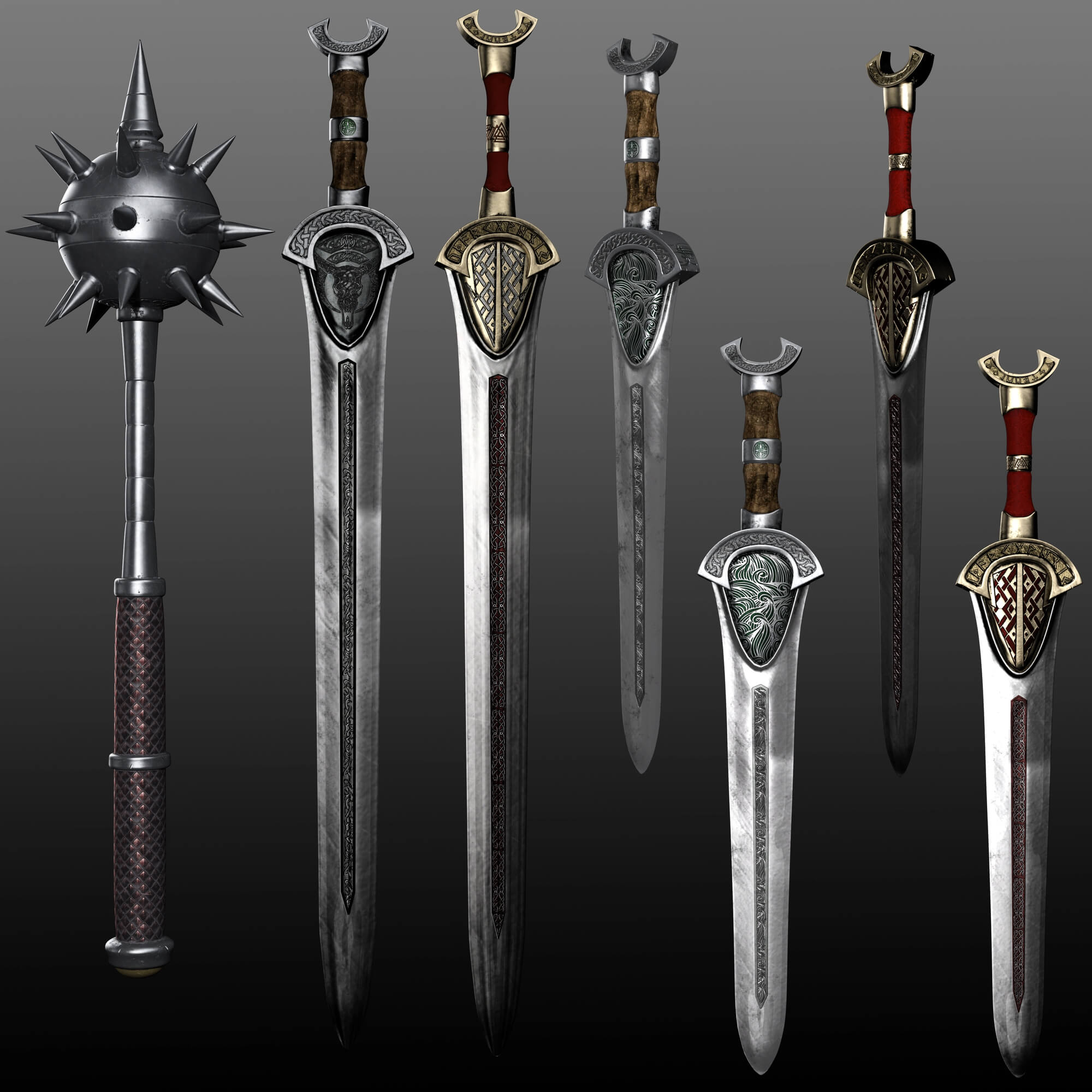
Known in English as the dagger-axe, the ge mounted a bronze blade at a right angle to a long wooden shaft. It was the most common weapon in Chinese armies from the Shang dynasty onward, used by infantry and chariot crews to hook and slash. Archaeologists have found thousands of them in tombs. Over time, smiths combined the dagger-axe with a spear point to create the ji, a hybrid weapon that stayed in use for centuries. Few blade designs have lasted anywhere near as long.
Assyrian Battering Ram
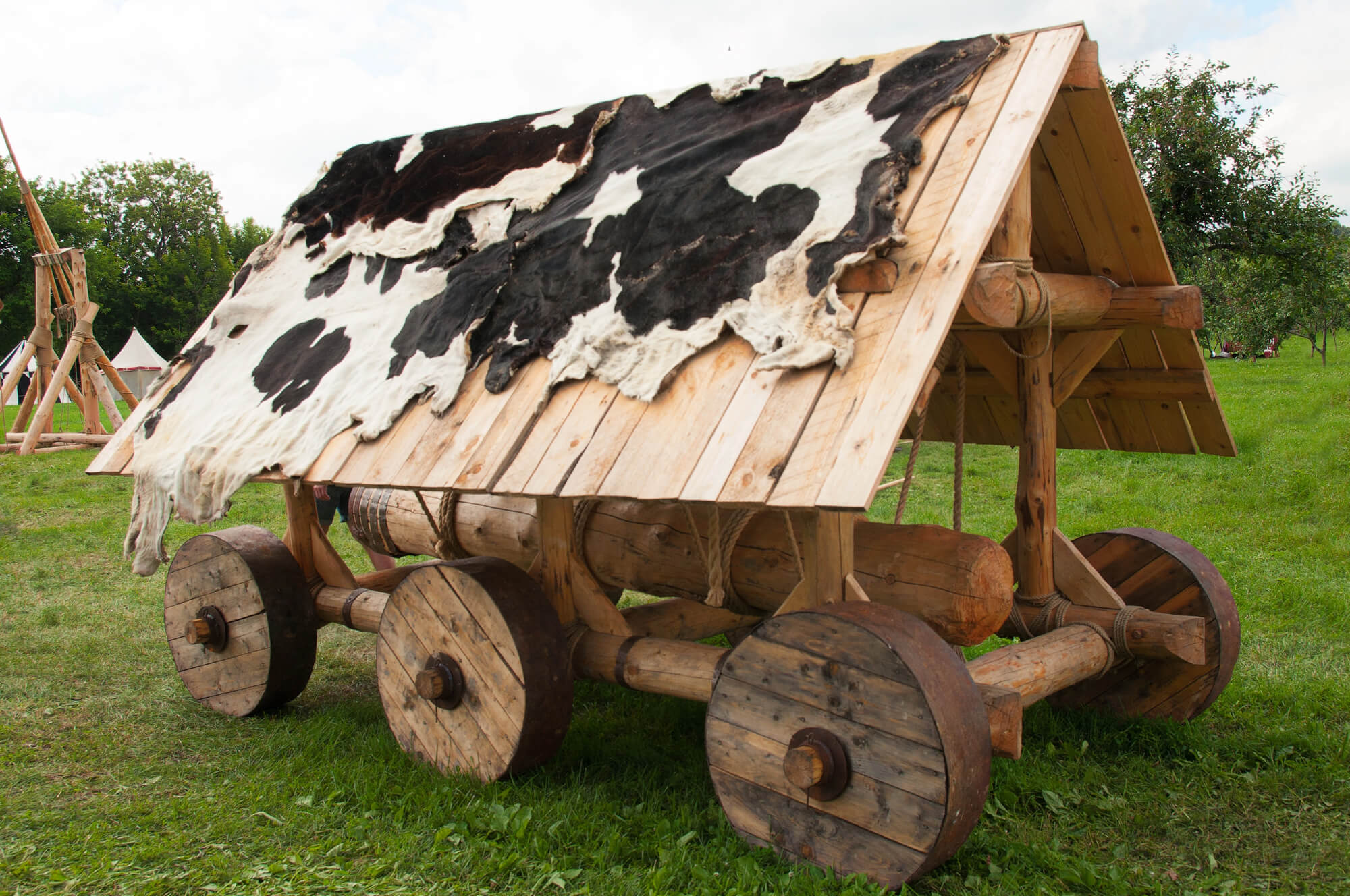
Assyria’s army turned siege warfare into an engineering discipline. Palace reliefs from Nimrud and Nineveh show wheeled rams covered by protective housings, with crews working inside while archers gave covering fire. The siege of Lachish in 701 BC, carved in detail on reliefs now held in the British Museum, shows ramps built up against the city walls. The remains of that siege ramp still survive at the site in Israel. Assyrian kings treated these sieges as propaganda, decorating their palaces with scenes of breached walls. For the first time, walls could no longer guarantee safety.
Hoplite Spear and Aspis Shield
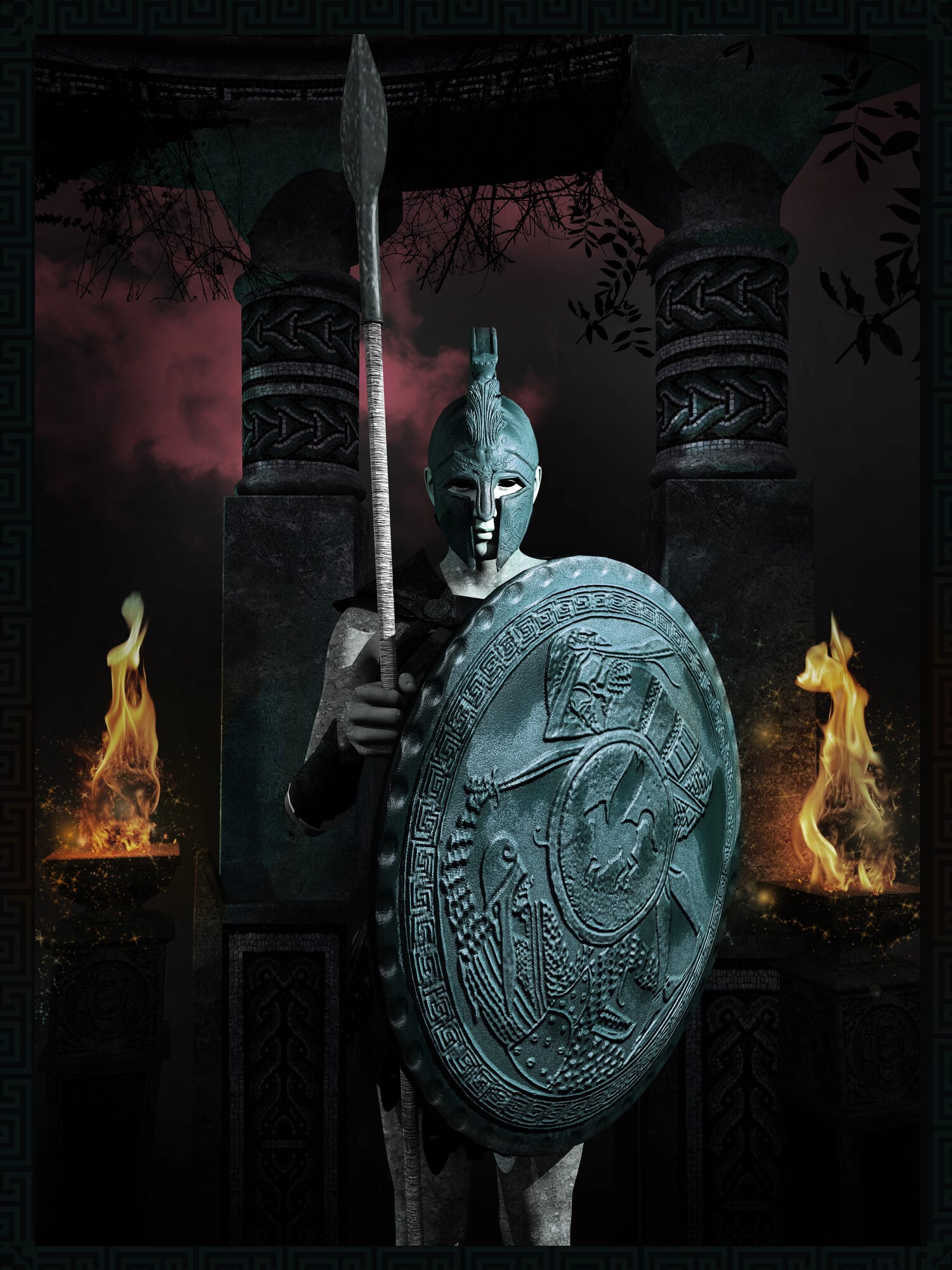
Greek hoplites fought in the phalanx with a spear about 7 to 9 feet long and a large round shield called the aspis. The shield was gripped by a band at the forearm and a handle at the rim, and it covered the left side of the bearer and part of the man beside him. That overlap made the formation dependent on every soldier holding his place. The spear had a bronze butt spike called the sauroter, nicknamed the lizard-killer, which could still be used if the head snapped. Citizenship and military duty in many Greek city-states grew around this formation.
Sarissa of the Macedonian Phalanx
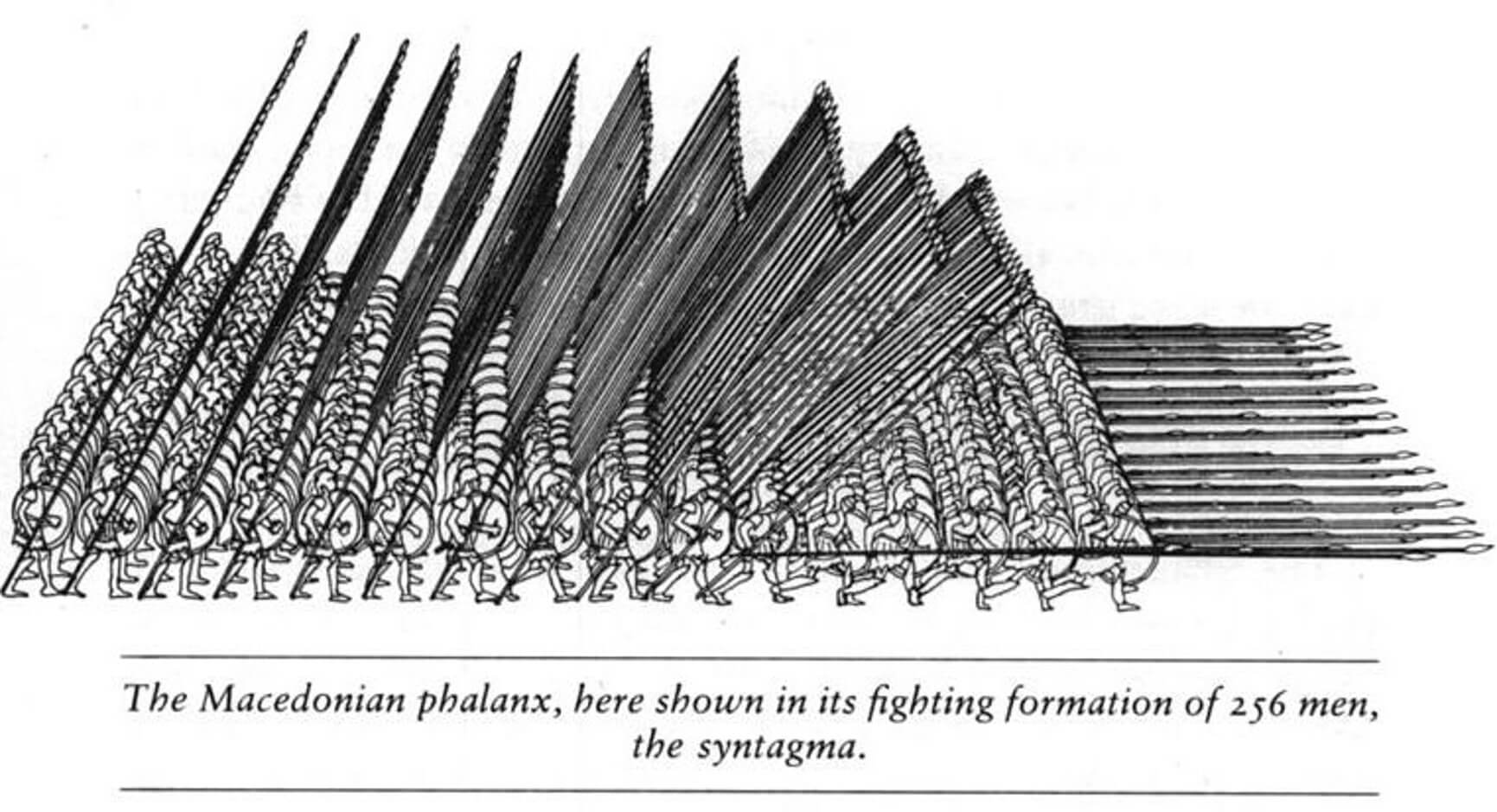
Philip II of Macedon armed his infantry with the sarissa, a pike roughly 13 to 20 feet long, held with both hands. The first several ranks could present their points in front of the formation, creating a hedge of iron that enemies struggled to reach. Philip’s army defeated Athens and Thebes at Chaeronea in 338 BC, and his son Alexander used the formation to conquer the Persian Empire. The phalanx was formidable on flat ground. On broken terrain against Roman legions, its rigidity would eventually become a fatal weakness.
Bronze Ram of the Trireme
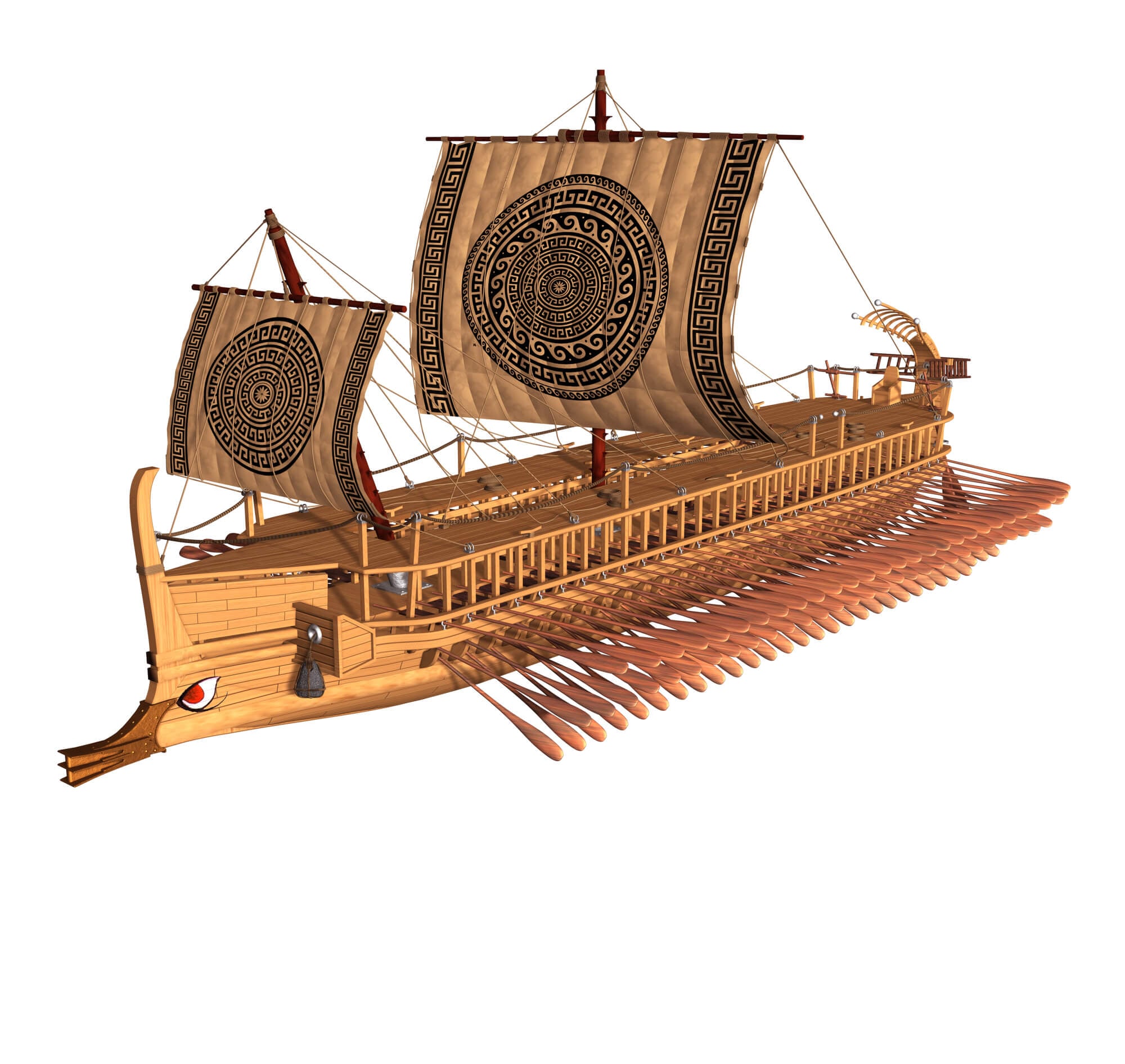
Greek and Phoenician warships were fitted with a heavy bronze ram at the waterline, designed to smash through the hulls of enemy ships. The trireme, with three banks of oars, turned the entire ship into a guided projectile. At Salamis in 480 BC, Greek fleets used ramming tactics to defeat a much larger Persian navy. A ram found off Athlit in Israel in 1980 weighs about 1,000 pounds. Divers have also recovered bronze rams from the site of the Battle of the Egadi Islands, fought between Rome and Carthage in 241 BC.
Gastraphetes, the Belly Bow
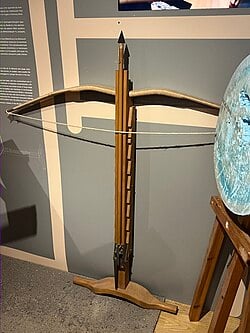
Greek engineers around 400 BC developed the gastraphetes, a mechanical bow braced against the stomach while the user pushed down to draw it. It could shoot with more power than a hand-drawn bow. Engineers working for Dionysius of Syracuse developed early mechanical artillery of this kind, and it saw use at the siege of Motya in 397 BC. Heron of Alexandria later described the weapon in technical writing, preserving details that would otherwise have been lost. It marked the first step toward the large bolt-throwing machines that would dominate ancient sieges.
Standardized Chinese Crossbow
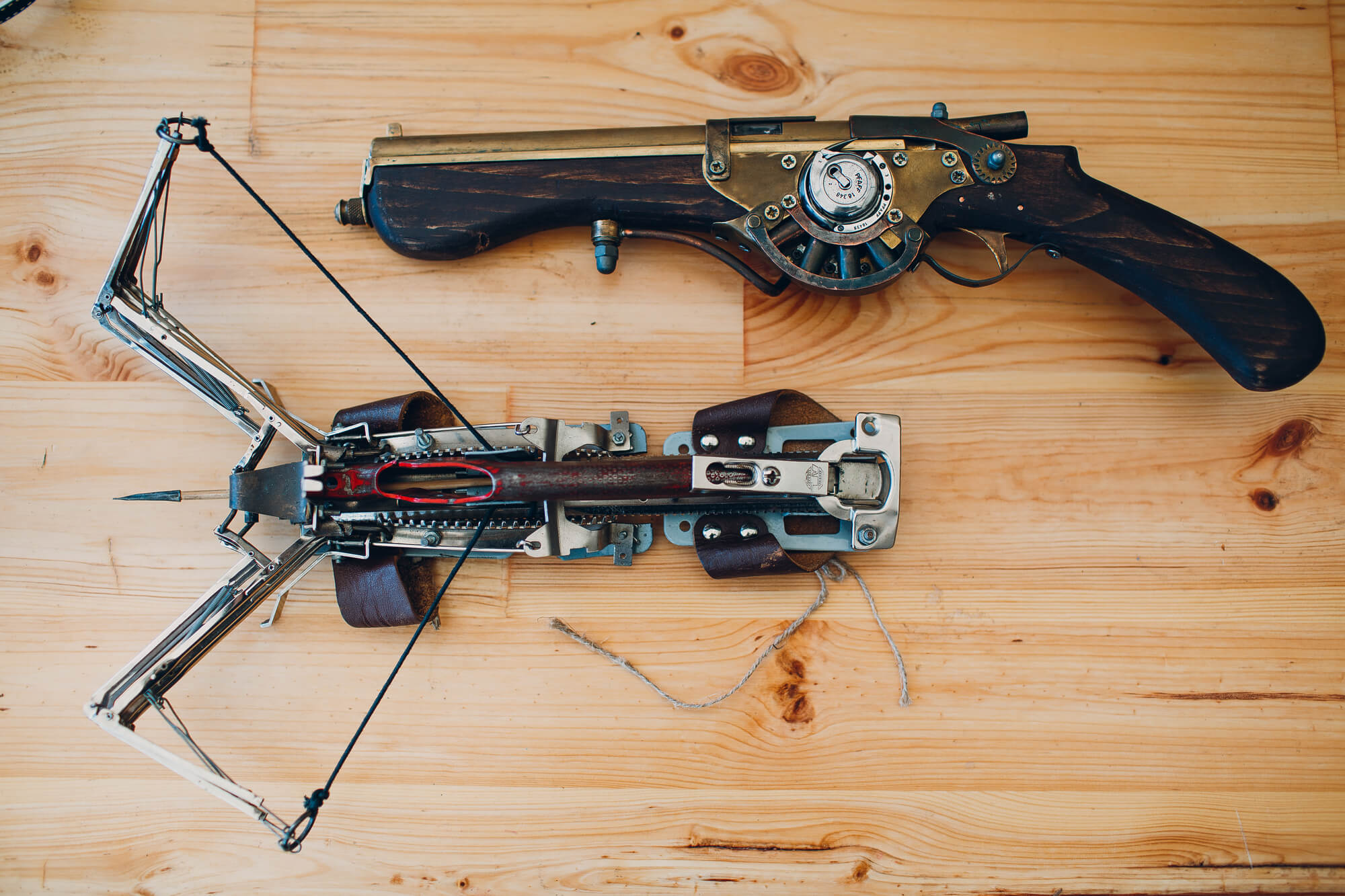
Chinese armies used crossbows from at least the Warring States period, and their bronze trigger mechanisms were remarkably precise. By the time of the Qin dynasty, parts were standardized enough to be interchangeable, which meant broken weapons could be repaired in the field with spares. Crossbow triggers have been found with the Terracotta Army. The crossbow required less training than a bow, so large numbers of ordinary soldiers could be armed quickly. That combination of mass production and ease of use made it one of China’s most important weapons for centuries.
Repeating Crossbow
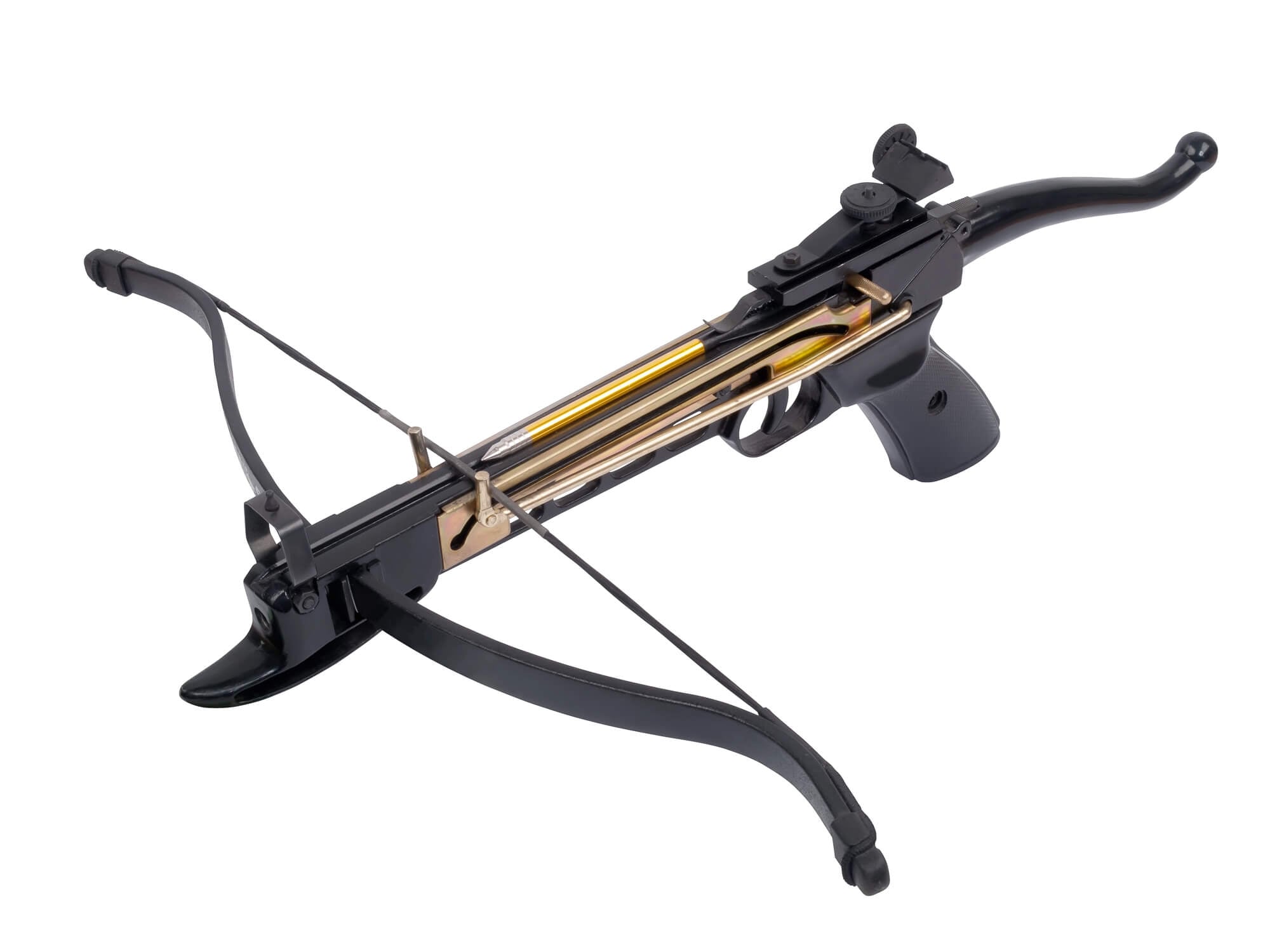
Known in China as the zhuge nu, the repeating crossbow held several bolts in a magazine on top and could be cocked and fired rapidly by working a lever. It is often credited to the strategist Zhuge Liang of the third century AD. An example from a tomb in Hubei province, however, dates to the fourth century BC, long before his time. The weapon traded power for speed and was useful for defending walls. Versions of it were still made in China in the late 19th century.
Torsion Bolt-Throwers
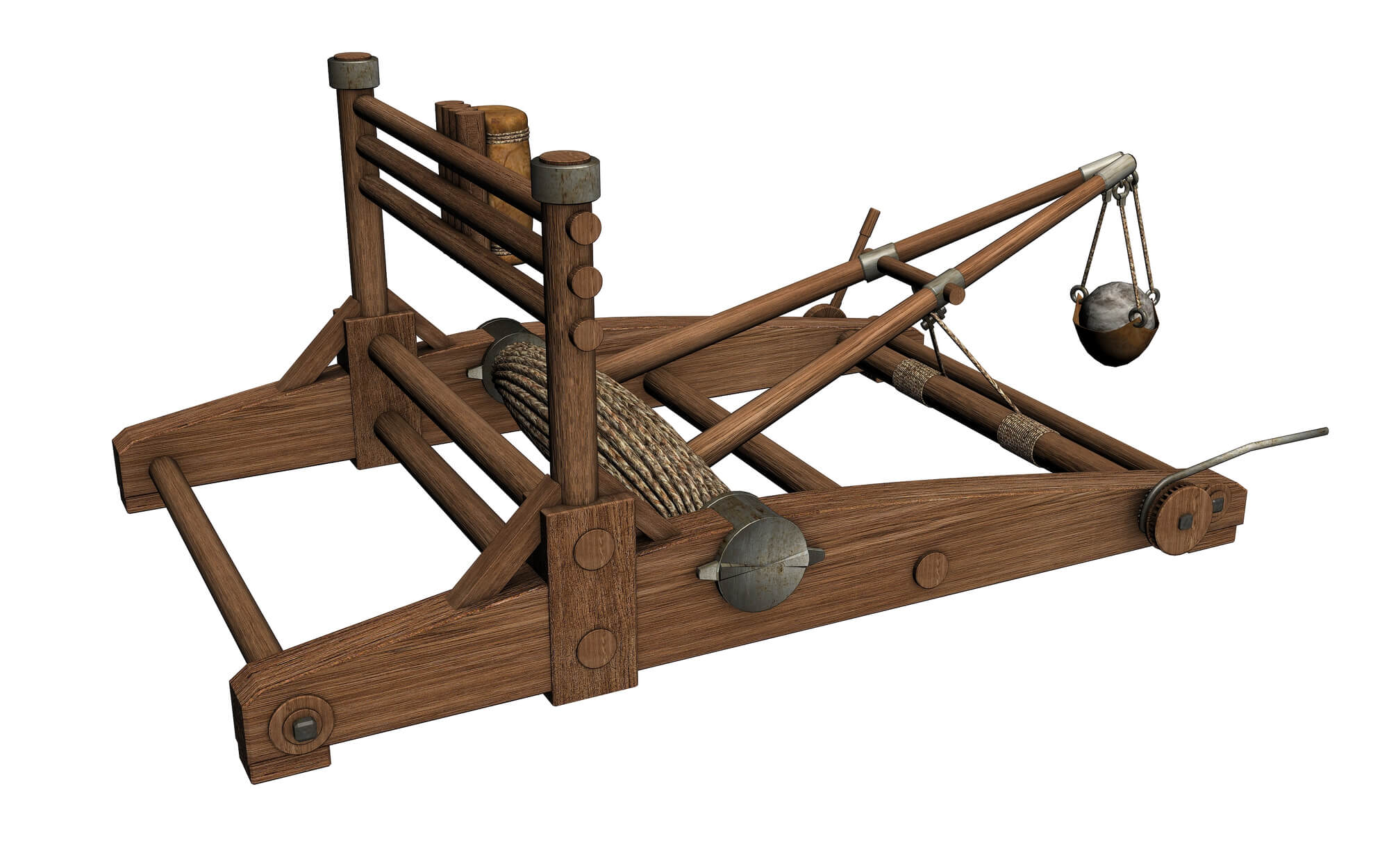
Engineers under Philip II and Alexander the Great developed torsion artillery, which stored energy in twisted bundles of sinew or hair instead of in bent wood. The result could hurl bolts or stones farther and harder than earlier designs. Rome later adopted the idea in its legions, including the small bolt-thrower called the scorpio. The springs needed regular replacement, and hair was a valuable military resource. During the Roman siege of Carthage in 149 BC, the women of the city were said to have cut their hair to make torsion ropes.
Onager, the Kicking Catapult
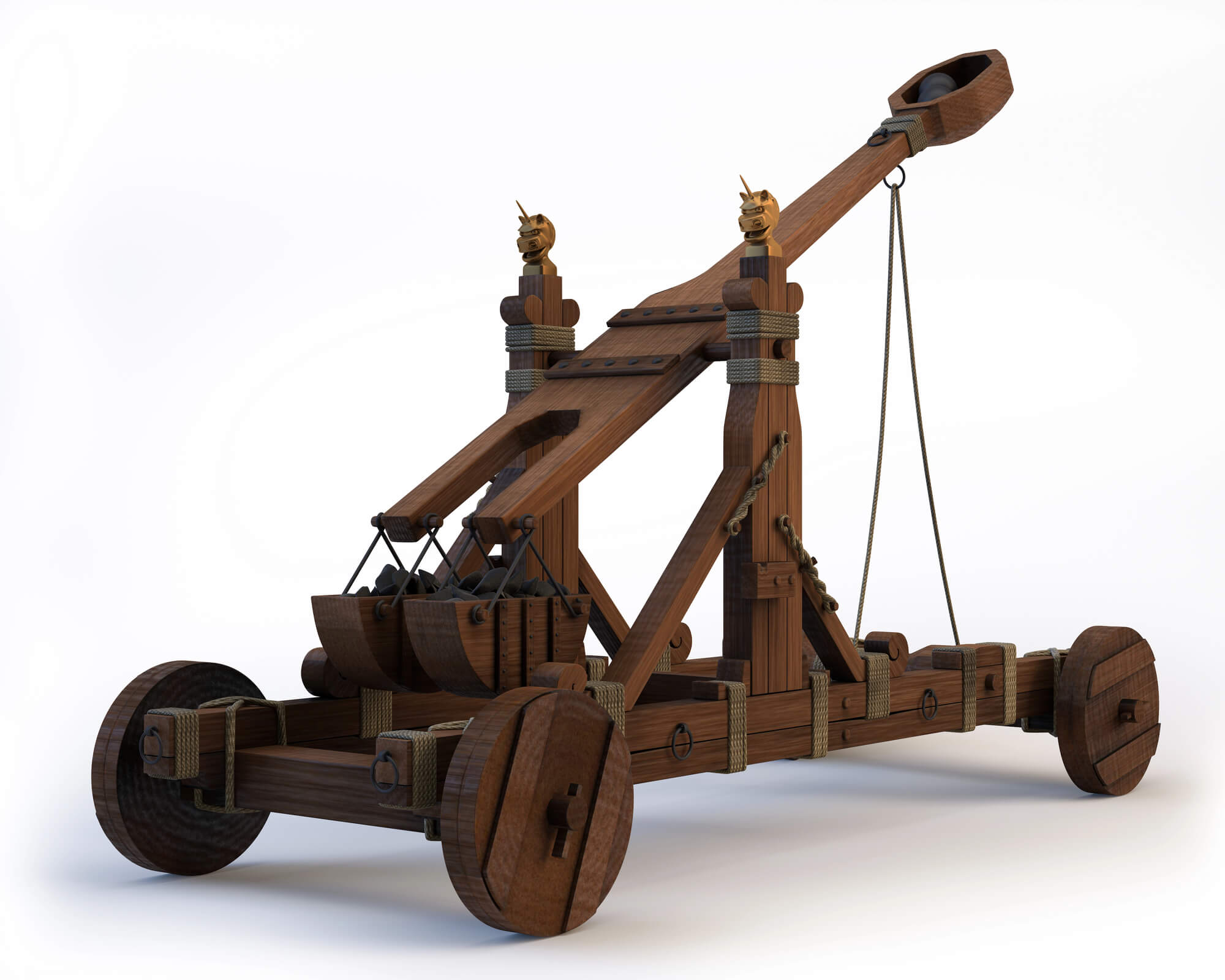
Rome’s onager was a stone-thrower with a single arm, powered by twisted rope and stopped suddenly by a padded beam. It was named after the wild donkey because of the violent kick it gave when fired. The historian Ammianus Marcellinus described it in the fourth century AD. It was simpler to build than the two-armed torsion machines that came before it. Its single arm made it rugged and easier to repair on campaign, though it was hard on its own frame. The design remained in use well into the medieval period, before the trebuchet replaced it.
Traction Trebuchet
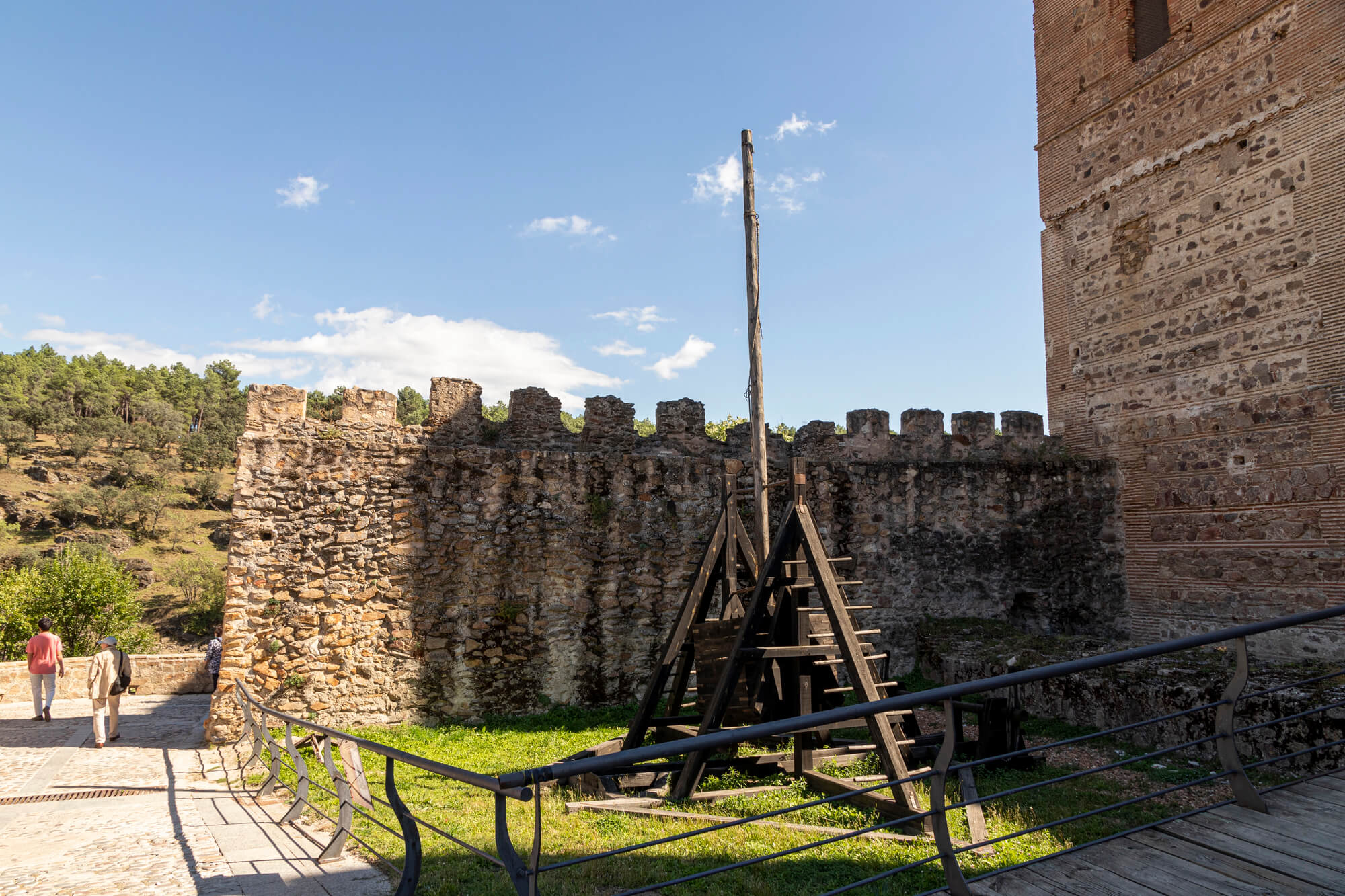
Chinese texts from the Mohist school in the fourth century BC describe the traction trebuchet, a long throwing arm on a pivot pulled down by a team of people hauling on ropes. Pulling crews could fire stones at a steady rate without twisted sinew or complicated mechanisms. The design spread across Asia and reached the Mediterranean by the sixth century AD. The counterweight trebuchet that dominated medieval Europe grew from this simpler machine. Muscle and rope did the work that engineers would later give to heavy weights.
Helepolis at Rhodes
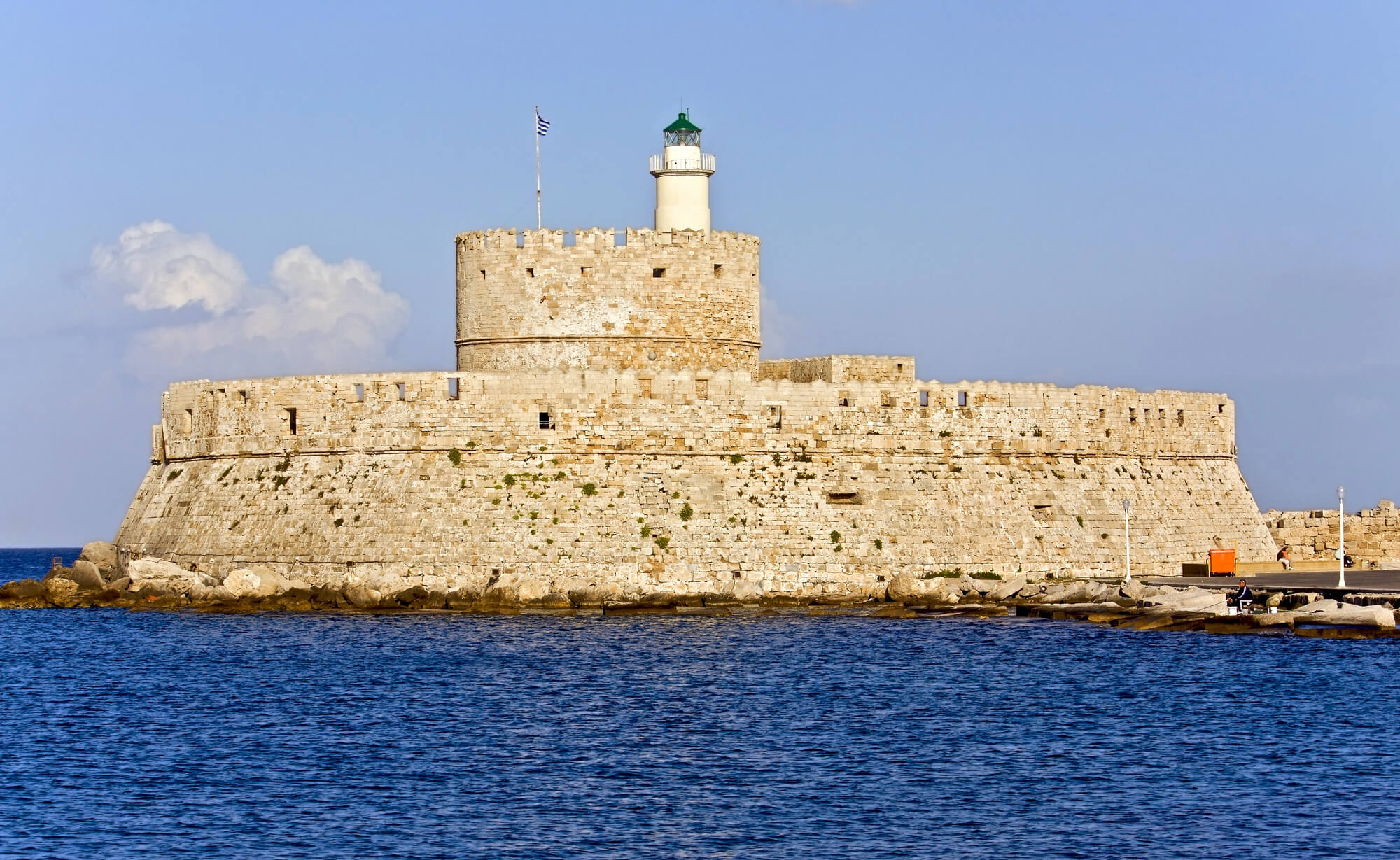
Demetrius, a Macedonian king known as the Besieger, built a vast siege tower called the Helepolis during his attack on Rhodes in 305 BC. Ancient accounts describe it as more than 100 feet tall, armored with iron plates and packed with artillery on several floors. The Rhodians flooded the ground in front of it, and the siege failed. After a year, Demetrius made peace and left his siege equipment behind. According to tradition, the Rhodians sold it and used the money to build the Colossus of Rhodes.
War Elephants
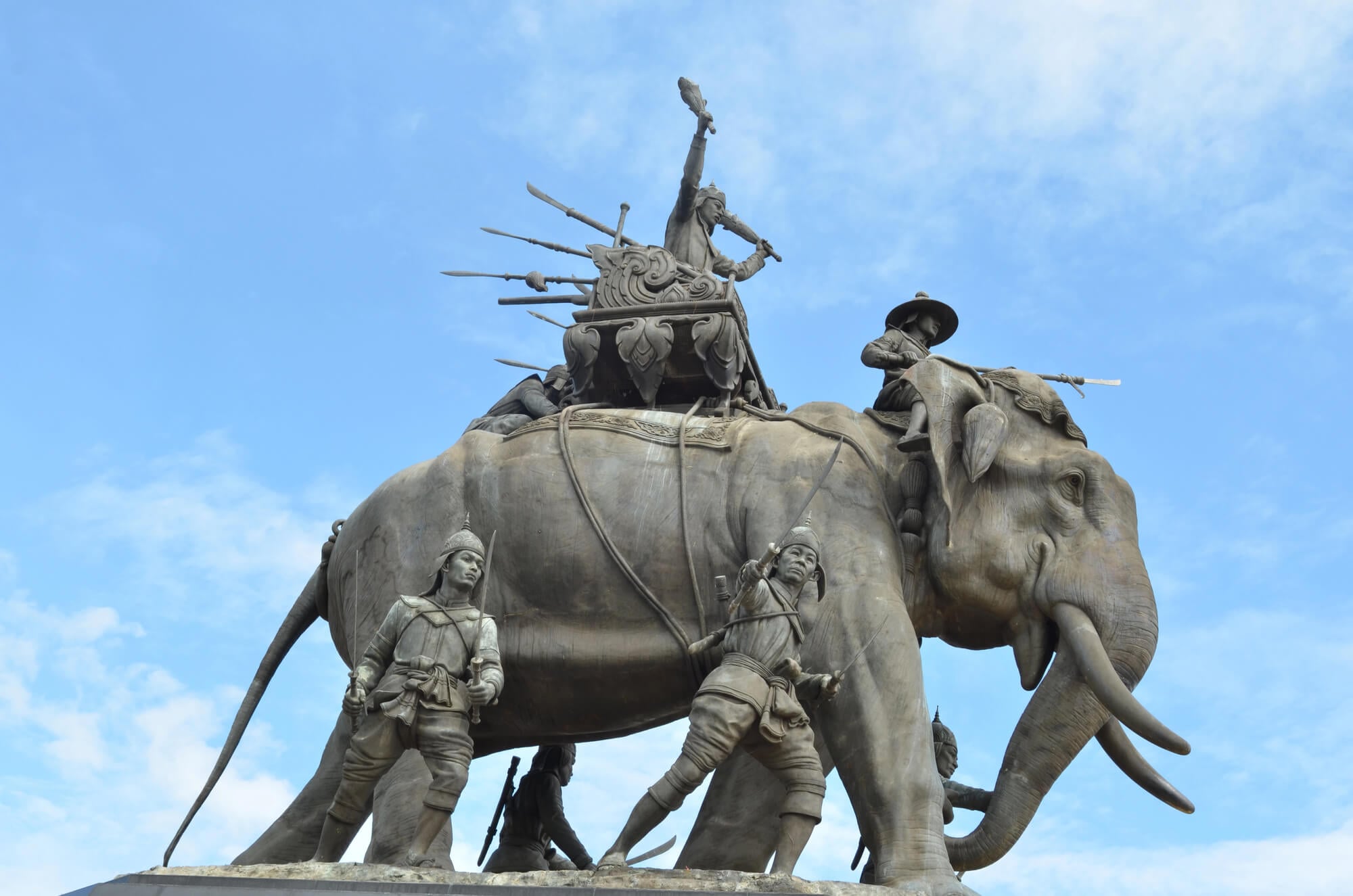
Elephants terrified horses and could break through infantry lines, which made them a powerful weapon for armies in India, Persia and the Mediterranean. At the Battle of the Hydaspes in 326 BC, Alexander faced the Indian king Porus and his elephants. Hannibal marched 37 elephants across the Alps in 218 BC, although most died soon afterward. Elephants also carried risk, because frightened animals could turn and trample their own troops. Roman armies eventually learned to open lanes in their formations and let the animals charge through.
Scythed Chariot at Gaugamela
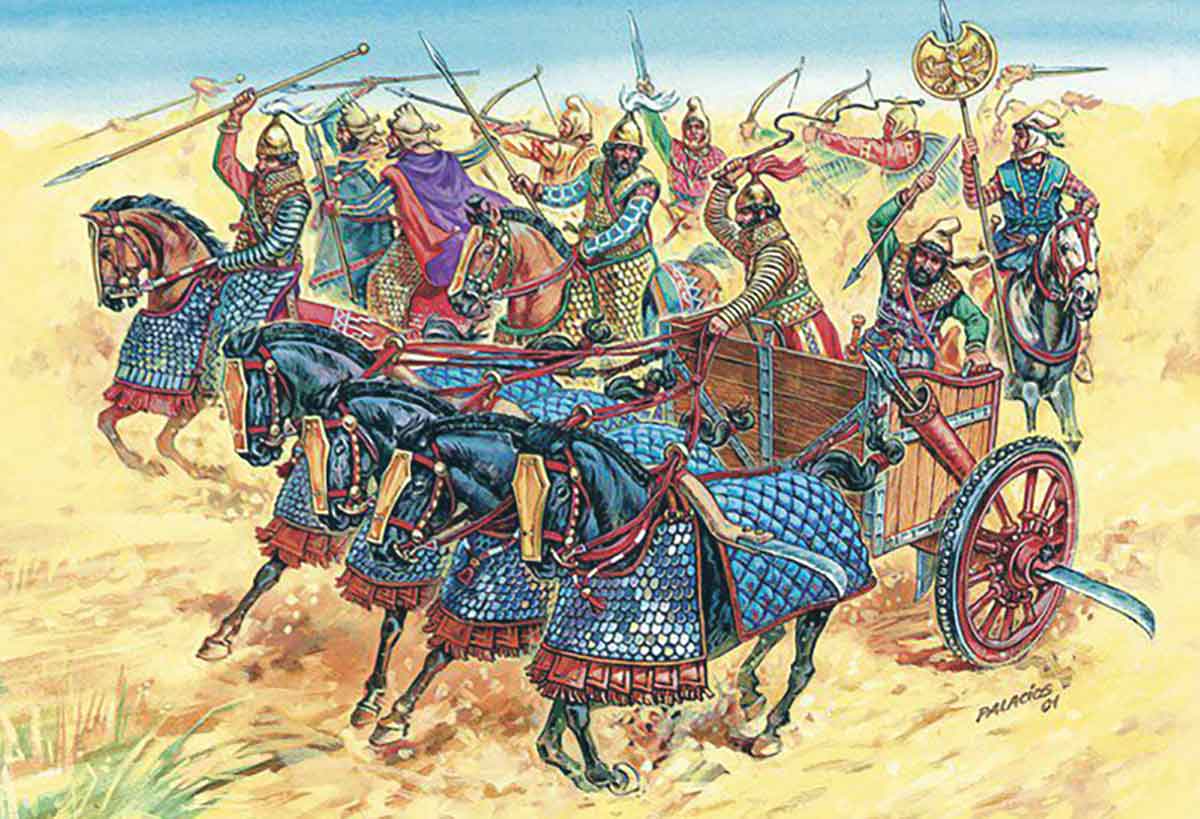
Persian scythed chariots carried long blades projecting from the wheel hubs, designed to cut down infantry as they charged. Darius III even had the ground leveled at Gaugamela in 331 BC so his chariots could move at full speed. Alexander’s troops opened gaps in their lines to let the chariots pass through, then attacked the drivers and horses. The weapon looked terrifying but was easy to counter once troops kept their nerve. It rarely achieved much, but it remains one of the most memorable weapons of the ancient world.
Gladius Hispaniensis
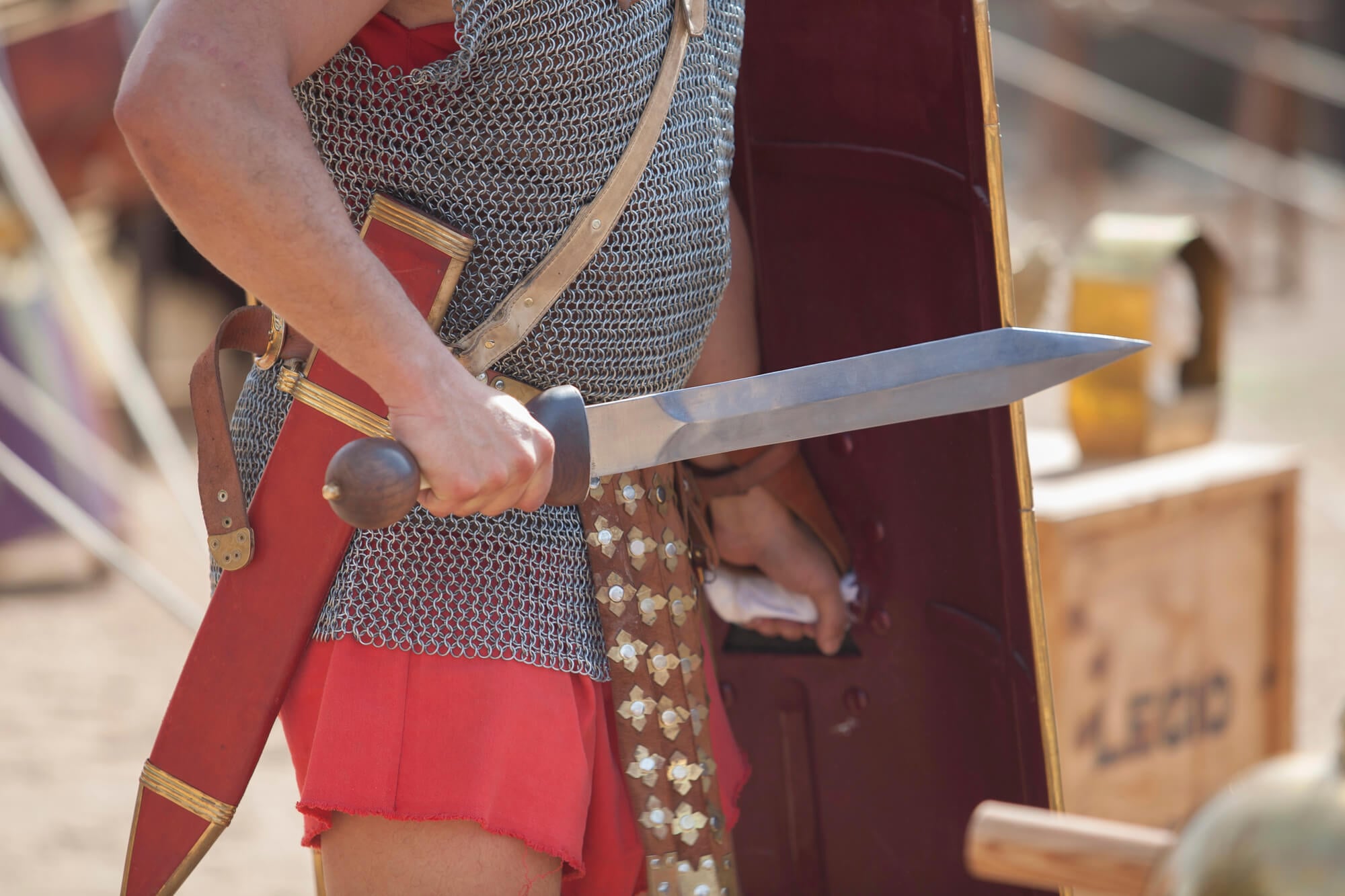
Rome adopted the short sword known as the gladius hispaniensis from Iberian designs around the third century BC, after meeting it in the hands of enemies and mercenaries. It was relatively short and built for thrusting, ideal for fighting in close formation behind a large shield. Legionaries stabbed from behind their shields instead of swinging wide, which exposed less of their bodies. The gladius became the signature Roman weapon for centuries. Polybius praised its strong point and edges. Its name eventually gave the English language the word gladiator.
Pilum That Bent on Impact
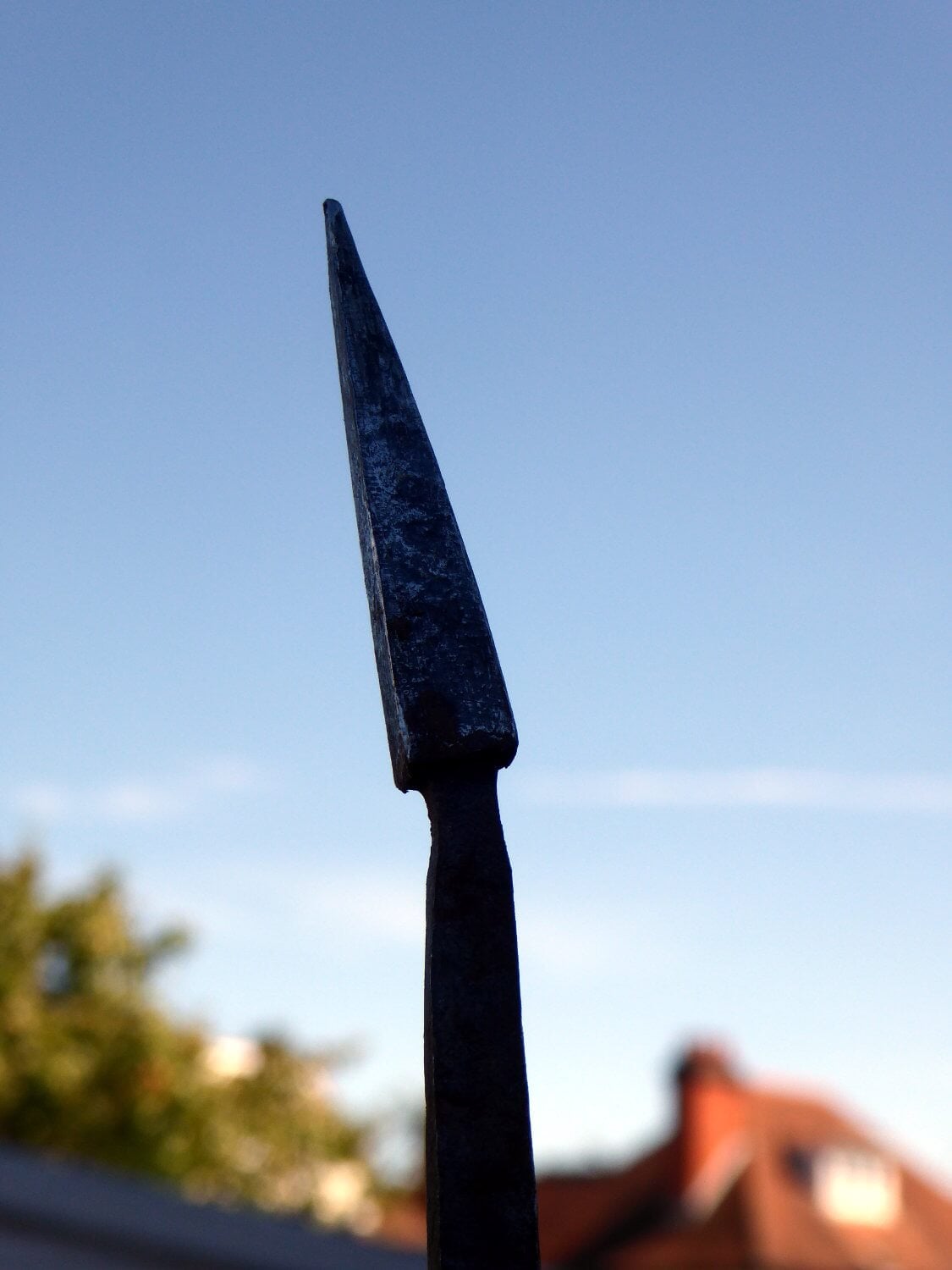
Rome’s pilum was a heavy javelin with a long, thin iron shank behind a small point. When it struck a shield, the shank often bent, leaving the enemy unable to throw it back or easily remove it. A shield weighed down by a bent javelin had to be abandoned. Plutarch wrote that Gaius Marius modified the pilum so that one of its fastening pins would break on impact, which made it even harder to reuse. Legionaries usually threw it just before charging, softening the enemy line before closing with swords.
Scutum and the Testudo
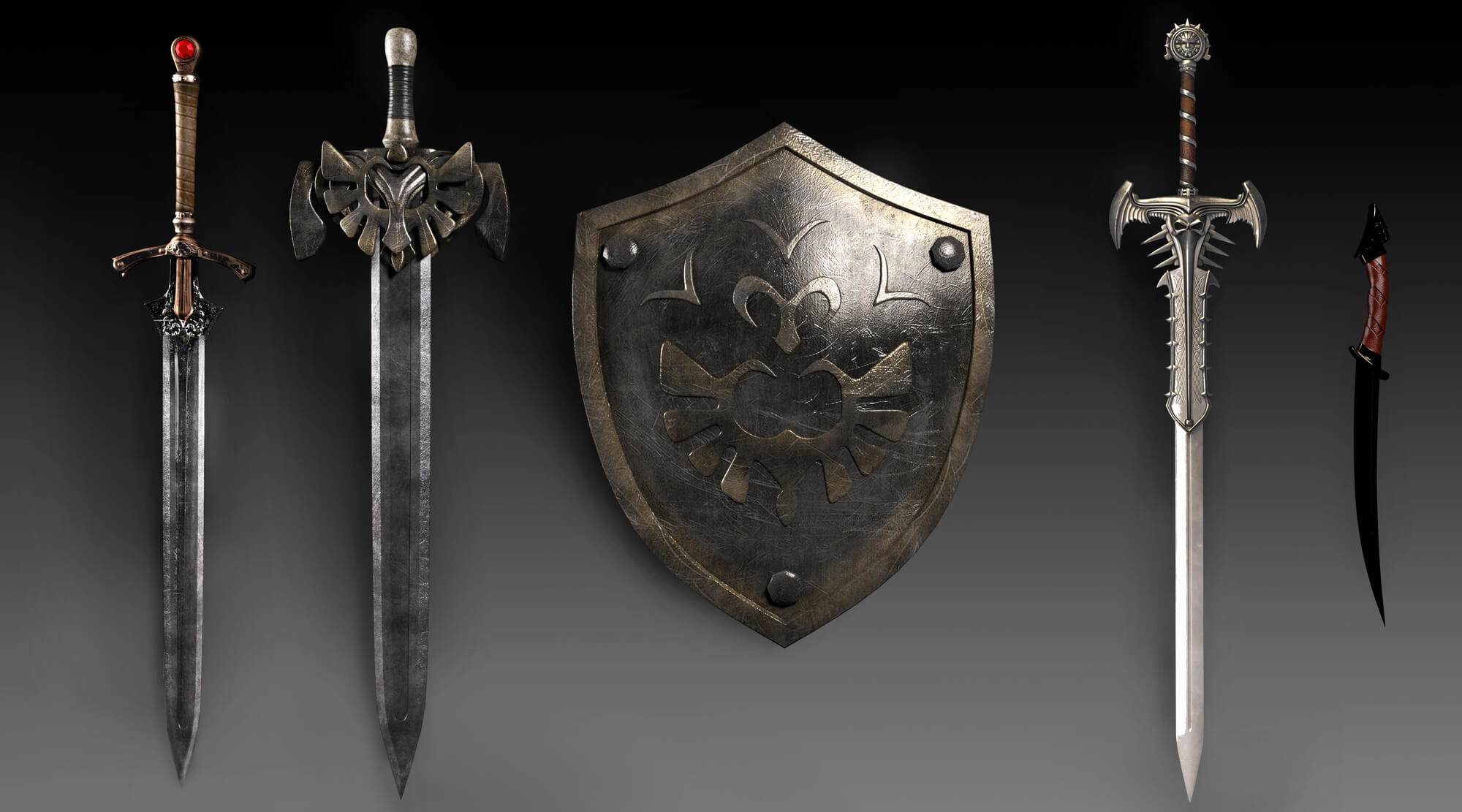
Legionaries carried the scutum, a large curved shield made from layered wood, covered in leather, with a metal boss in the center. It protected most of a legionary’s body and could be locked together with others to form a wall. The famous testudo, or tortoise formation, had soldiers raising their shields overhead and to the sides so they could approach walls under a shower of missiles. Roman writers describe it being used during sieges. It turned a unit of men into a slow-moving armored box.
Corvus, the Boarding Bridge
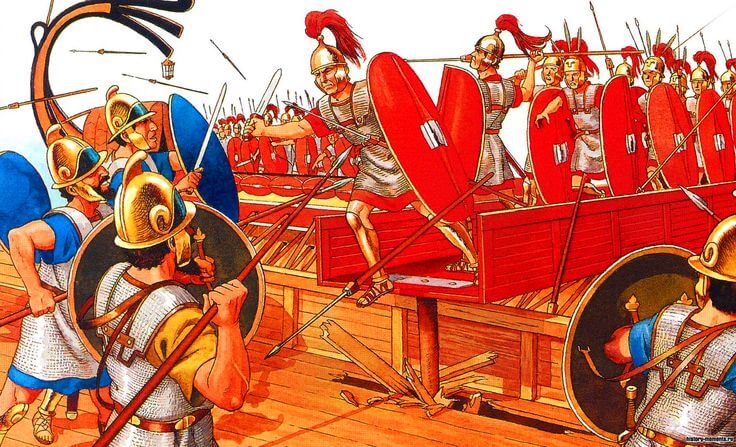
Rome entered the First Punic War as a land power facing Carthage, a skilled naval power. Roman engineers answered with the corvus, a hinged boarding bridge with a heavy spike that dropped onto an enemy deck and pinned the ships together. That let legionaries fight at sea as if they were on land. The corvus helped Rome win at Mylae in 260 BC. The device also made ships top-heavy, and after Roman fleets suffered heavy losses in storms, the corvus seems to have been abandoned. By then Roman crews had learned enough seamanship to fight without it.
Iberian Falcata
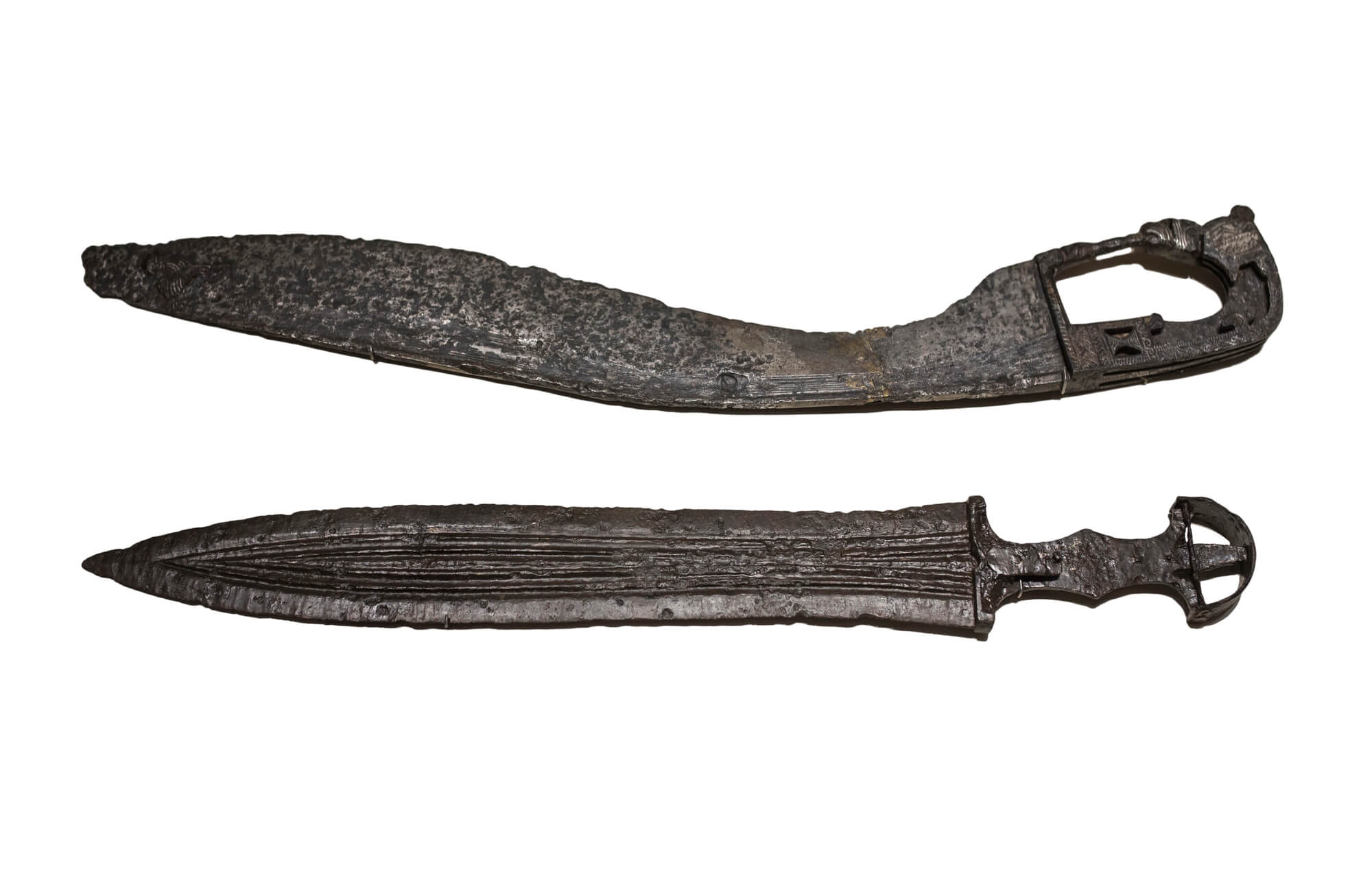
Iberian warriors carried the falcata, a curved, single-edged sword with a blade that widened toward the tip for powerful downward cuts. Iberian troops carried it in Hannibal’s army during the Second Punic War, and it earned a fearsome reputation among Roman writers. Its forward-weighted blade could cut through shields and armor. Many surviving examples have hilts shaped like horse or bird heads. Roman respect for Iberian swordsmanship influenced the design of their own short sword, and Iberian smiths had a reputation for exceptionally tough iron.
Dacian Falx
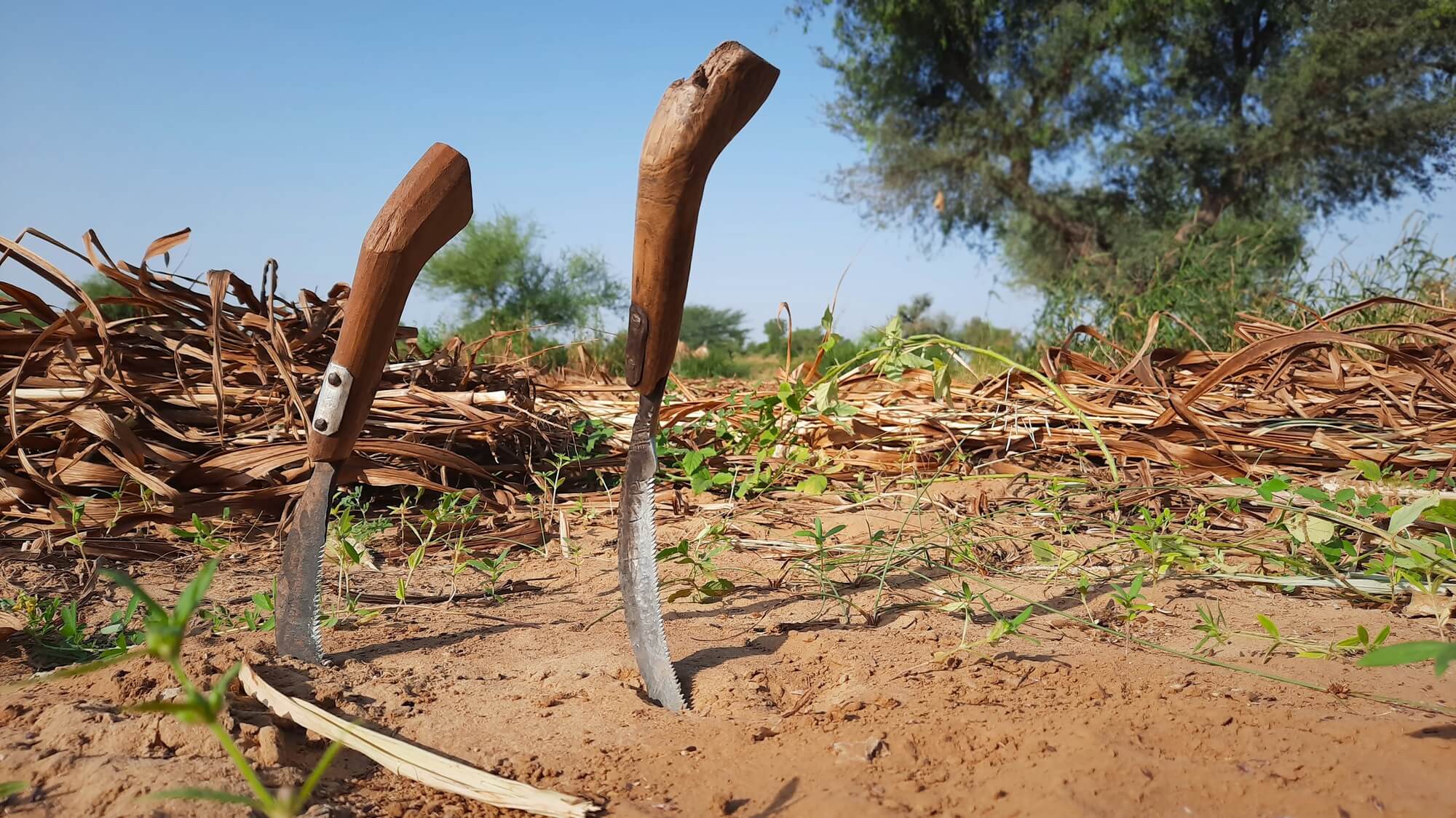
Dacian warriors of present-day Romania fought with the falx, a long, inward-curving blade on a handle, sometimes wielded with two hands. During Trajan’s Dacian Wars in the early second century AD, Roman soldiers faced falx blows that could split helmets and sever limbs. Roman armorers responded by adding reinforcing crossbars to helmets and by reintroducing armored sleeves for sword arms. Evidence for those changes appears on surviving helmets and on monuments from the campaigns. It is one of the clearest ancient examples of armor adapting to a specific weapon.
Parthian Horse Archers at Carrhae
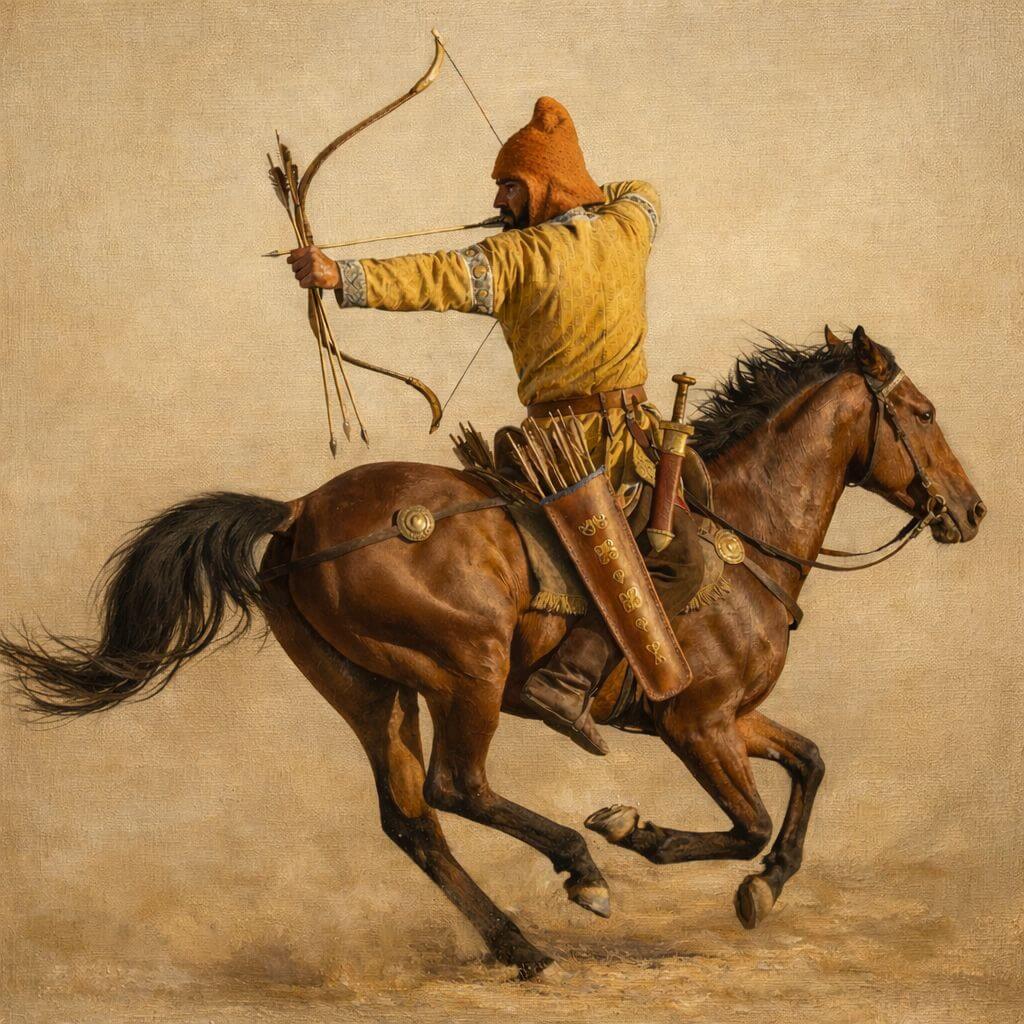
At Carrhae in 53 BC, the Roman general Marcus Licinius Crassus marched into Parthian territory with a large army. Parthian horse archers circled the legions and showered them with arrows, while heavily armored cavalry charged any Romans who tried to break out. A camel train kept the archers supplied with fresh arrows, so the Romans could not simply wait for them to run out. Crassus was killed and many of his men were captured. The phrase Parthian shot, for a parting attack, comes from these archers firing backward while riding away.
Caltrops Underfoot
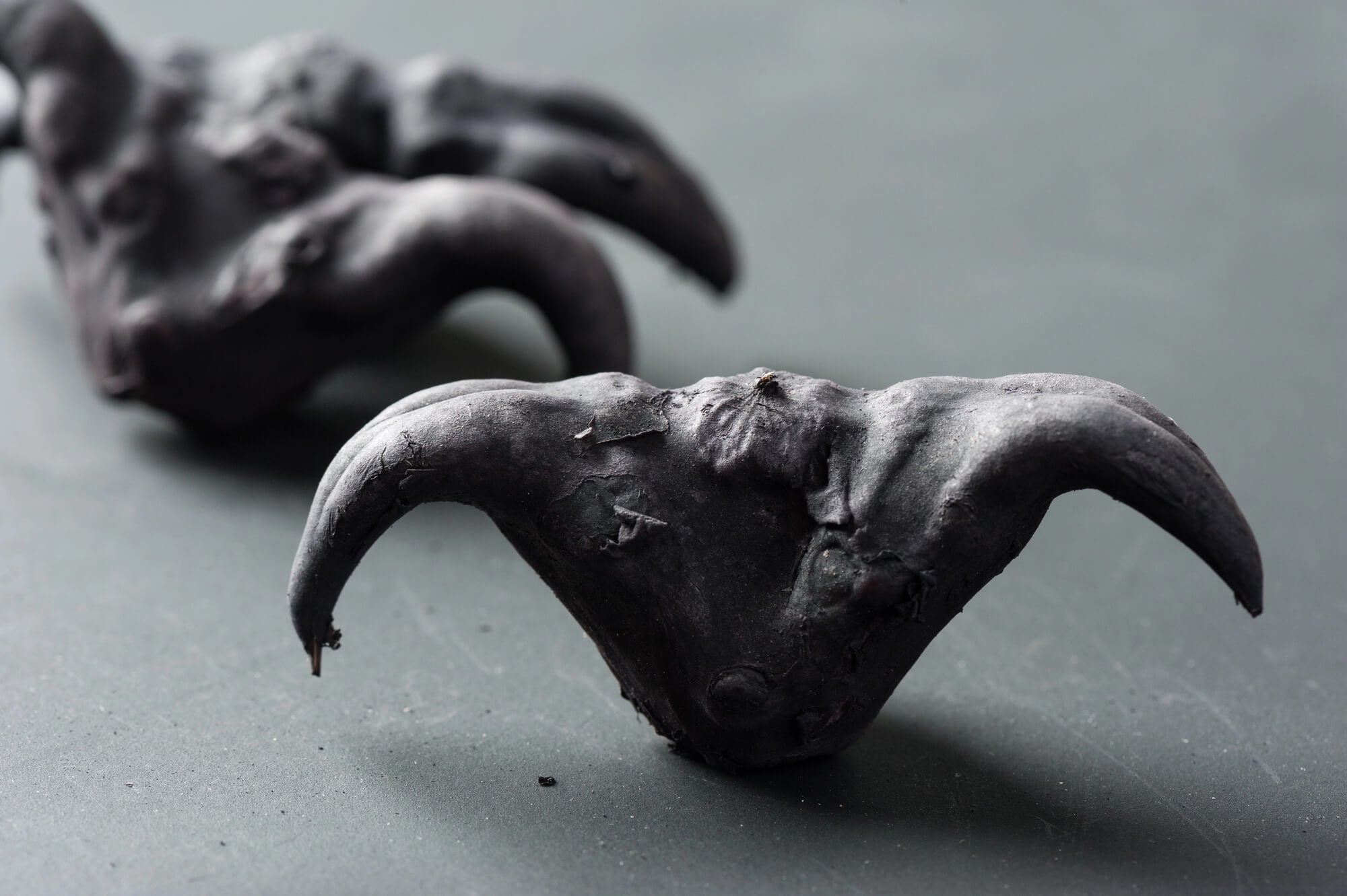
A caltrop is made of spikes arranged so one always points upward, however it lands. Scattered on the ground, caltrops disabled horses, elephants and soldiers who stepped on them. The Romans called them tribuli, and armies in many regions used versions of them. They were cheap, easy to make and required no skill to deploy. Their simplicity is their genius, since a handful thrown behind a retreating force could slow an entire pursuit. The same basic idea is still used today to stop vehicles by puncturing tires.
Greek Fire of Byzantium
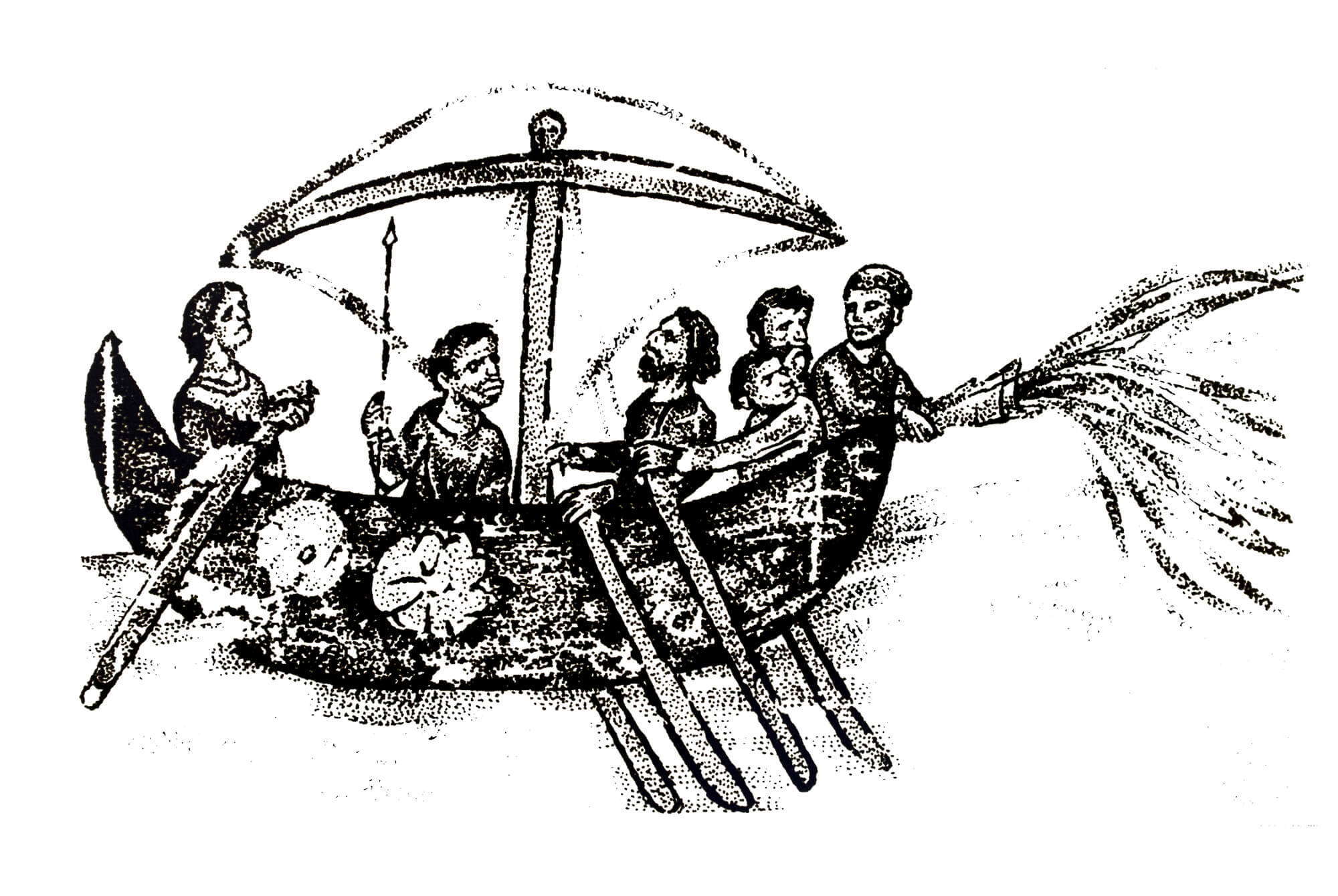
In the 670s AD, the Byzantine Empire deployed a liquid incendiary weapon later known as Greek fire. It was sprayed from siphons mounted on ships and reportedly kept burning on water, making it devastating against wooden fleets. Tradition credits its invention to Kallinikos, an architect who had fled from Syria. The Byzantines guarded the recipe so closely that it was eventually lost. Petroleum from the Black Sea region is the most common guess, possibly mixed with resins, but no surviving source gives the formula. Historians and chemists still debate what it contained, and the secret helped protect Constantinople for centuries.
Every Advantage Expires
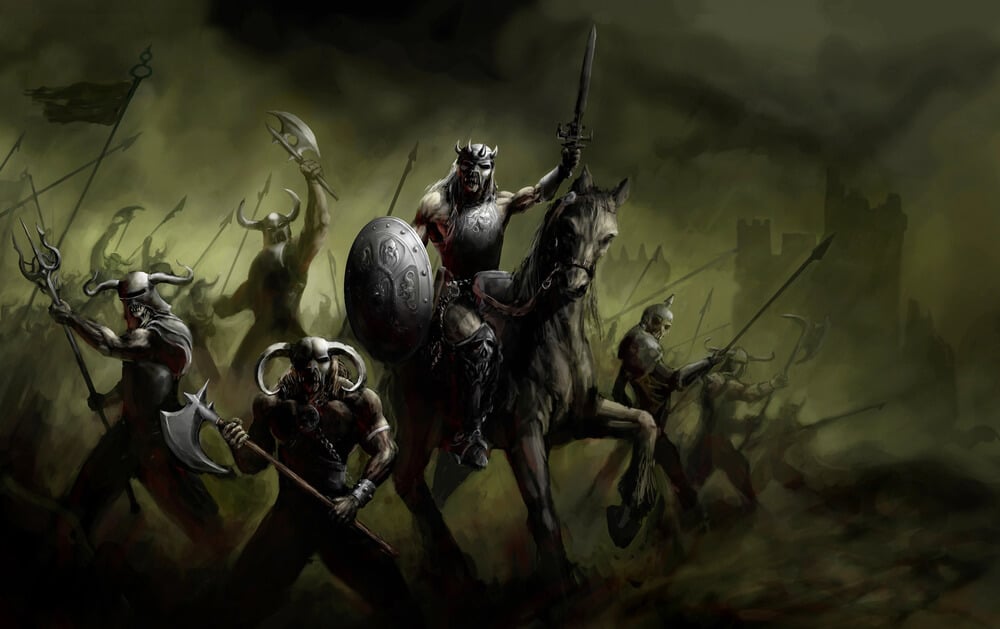
The pattern across thousands of years is remarkably consistent. A new weapon gives one side an edge, the other side studies it, and soon there is a shield, a formation, a counter-tactic or a better version. The mace fell to the helmet, the scythed chariot to disciplined infantry, and the elephant to open ranks. Nothing on this list stayed dominant forever.
What lasted was the logic behind these inventions. Reach, speed, protection and supply still decide battles. Modern weapons are faster and deadlier, but the questions military engineers ask have barely changed since someone first bound a stone to a spear.
More from Go2Tutors!

- The Romanov Crown Jewels and Their Tragic Fate
- 13 Historical Mysteries That Science Still Can’t Solve
- Famous Hoaxes That Fooled the World for Years
- 15 Child Stars with Tragic Adult Lives
- 16 Famous Jewelry Pieces in History
Like Go2Tutors’s content? Follow us on MSN.



