33 Caves Closed to Protect What Is Inside
A cave keeps things the way a fridge does. Steady temperature, steady humidity, no sunlight, no wind.
Leave a charcoal drawing on the wall and it’s still there 30,000 years later, sharp enough to see the artist’s fingerprints. Then you arrive.
You bring body heat, carbon dioxide on your breath, skin flakes, lint, and a few million spores on your shoes. One visitor changes nothing much.
A thousand a day changes everything. That’s why the world’s most precious caves have locked steel doors on them, and why the list of closed ones grows every decade.
Lascaux, France
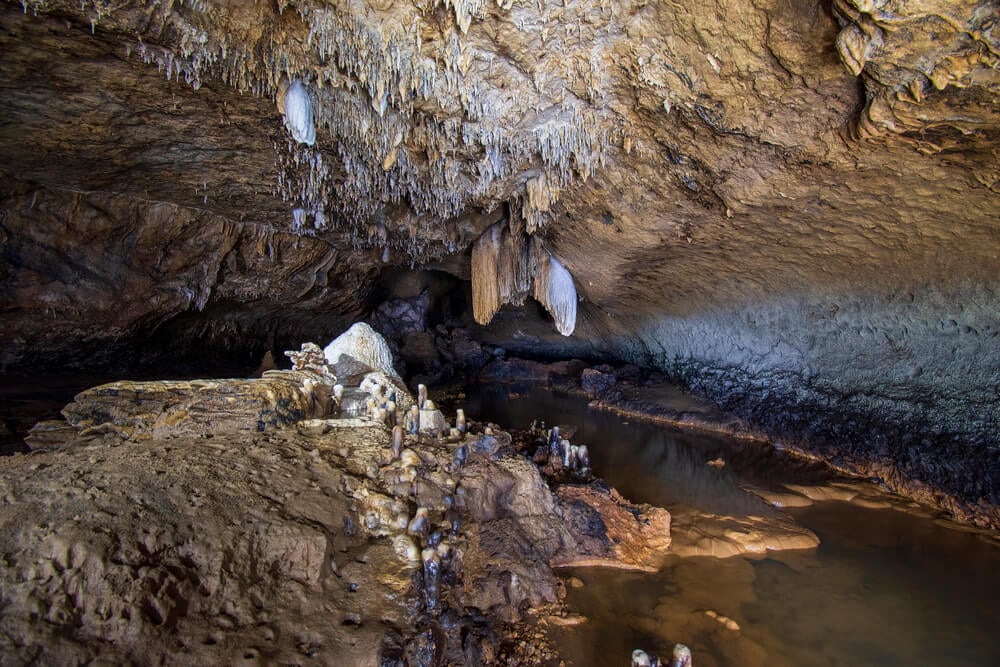
Four teenagers and a dog found the cave in September 1940. It opened to tourists in 1948, and soon 1,200 people a day filed past the painted bulls.
Their breath fed green algae on the walls. White calcite crystals started growing over the pigment.
France’s culture minister shut the cave in April 1963. It has struggled with fungus outbreaks since, even with almost nobody going in.
You visit a replica now, and the latest one reproduces the cave to the millimetre. Fifteen years of tourism did more harm than 17,000 years of darkness.
Chauvet, France
Three cavers felt a draught coming from a rock pile in the Ardèche gorge in December 1994. Behind it they found lions, rhinos, and horses drawn around 36,000 years ago, twice the age of Lascaux.
France had learned its lesson. Chauvet never opened to the public, not for a day.
A few scientists enter for short periods each year and keep to metal walkways. Cave bear skulls still lie where they’ve lain since the Ice Age.
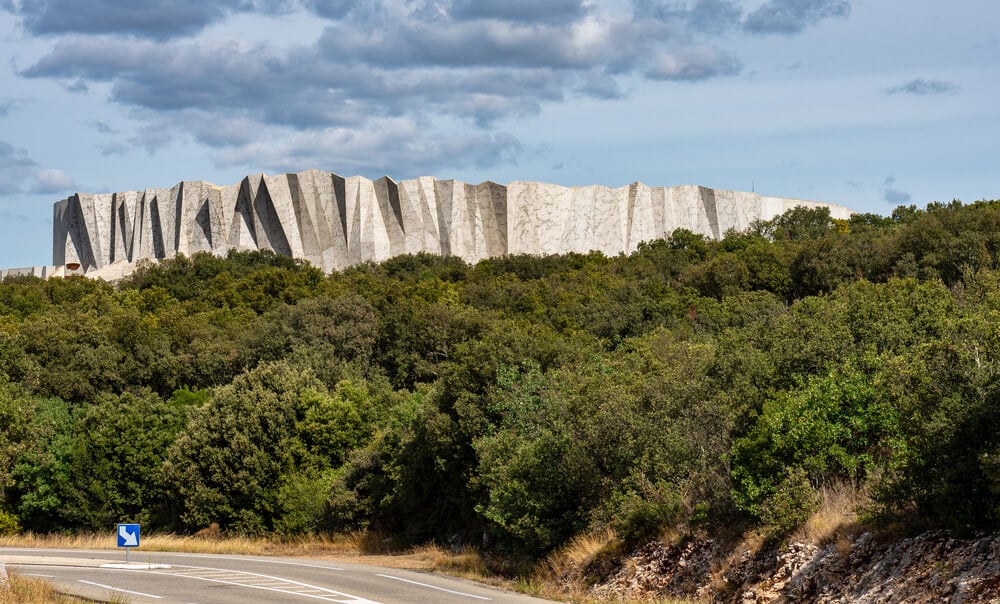
The replica nearby is the largest of its kind in the world.
Altamira, Spain
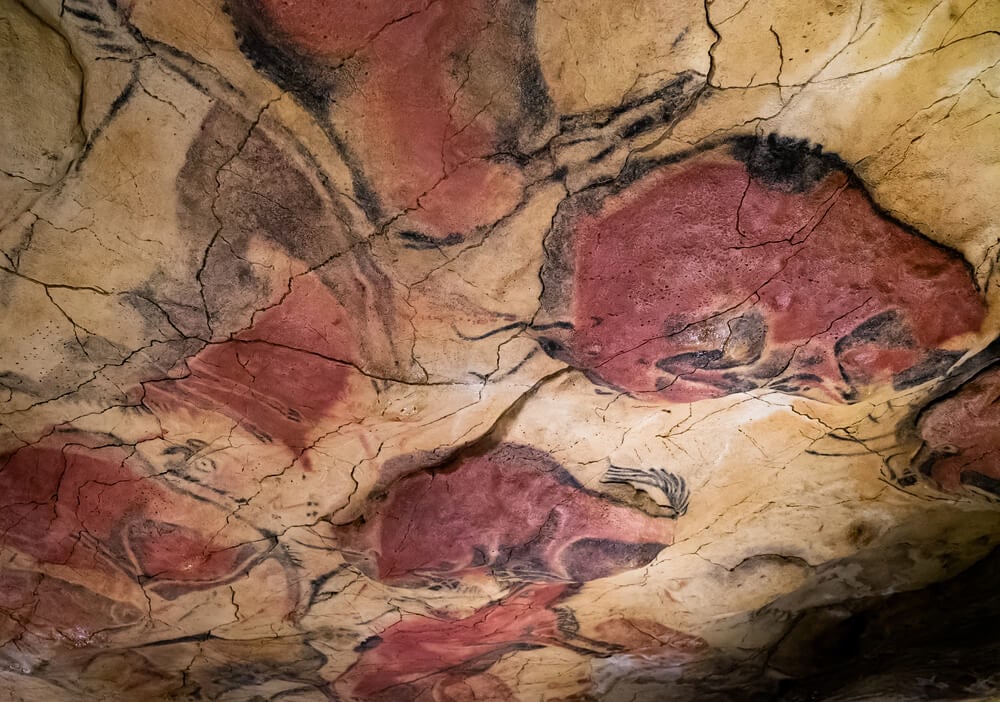
A landowner’s young daughter looked up in 1879 and noticed bison on the ceiling. Experts accused her father of fraud, because nobody believed Stone Age people painted that well.
He died before they apologised. By the 1970s, more than 150,000 visitors a year were wearing the cave out.
Spain closed it in 2002. Since 2014, five people a week, drawn by lottery at the museum, go in wearing protective suits for 37 minutes.
Those are the toughest tickets in European tourism.
Cosquer, France
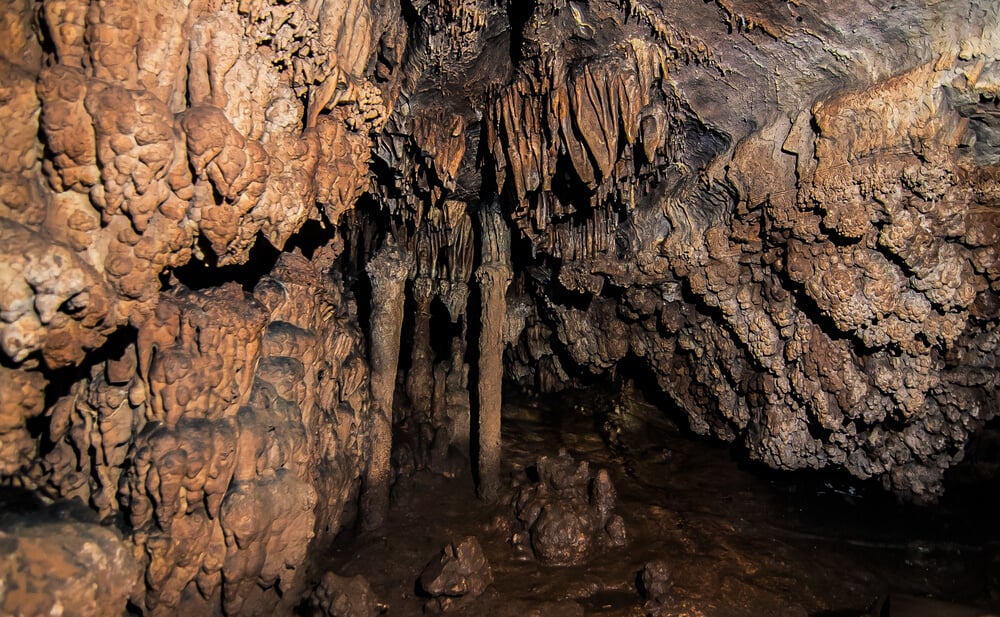
The entrance lies 37 metres under the Mediterranean near Marseille. A diver named Henri Cosquer swam up a 175-metre flooded tunnel in 1985 and surfaced in a chamber painted with horses, seals, and great auks.
When the art was made, the coast was kilometres away and the sea 120 metres lower. Three divers drowned in the tunnel in 1991, and authorities sealed it.
The rising sea is slowly claiming the paintings from below. A replica opened in Marseille in 2022, partly as a record of what the water will take.
Lechuguilla, New Mexico
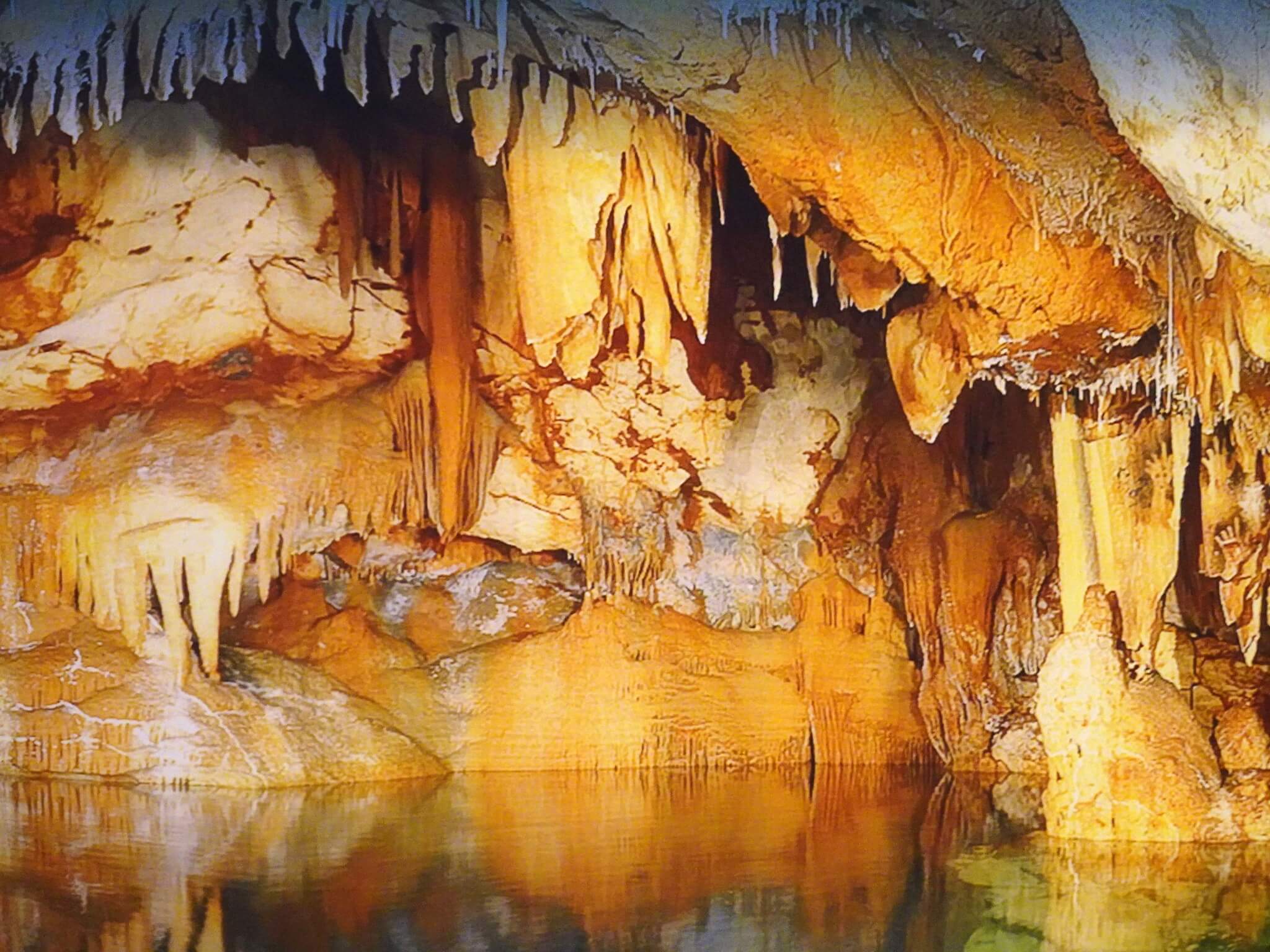
Until 1986, this was a minor cave known for a dead end. Then diggers following a breeze broke through into more than 240 kilometres of passages hung with gypsum chandeliers six metres long.
Nothing like it had been seen anywhere. The park service allows only research and survey teams.
Scientists have found bacteria inside that resist modern antibiotics, in a place cut off for millions of years. Nobody wants a tourist’s sandwich crumbs in that experiment.
Movile Cave, Romania
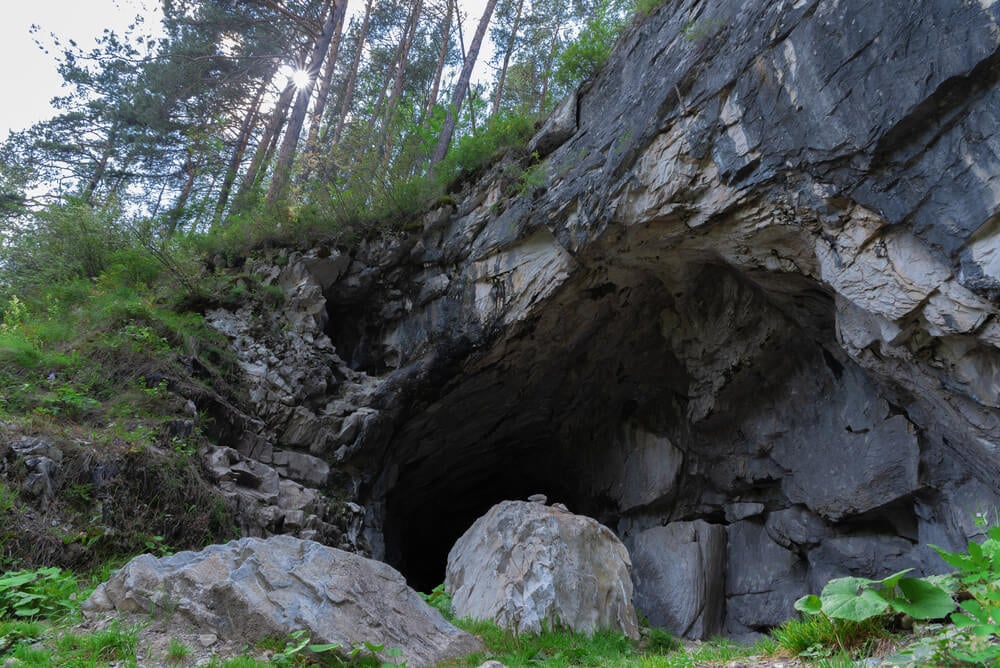
In 1986, workers testing ground for a power station near the Black Sea broke into a chamber sealed for about 5.5 million years. The air is thick with hydrogen sulphide and low on oxygen.
Life inside runs on chemistry instead of sunlight. Bacteria feed on the gases, and everything else feeds on the bacteria.
Around 50 species live there, and more than 30 exist nowhere else: blind spiders, water scorpions, a leech. Fewer than a hundred people have ever been inside.
The cave shows how life could work on another planet, and it’s under a field in Romania.
The Cave of Crystals, Mexico
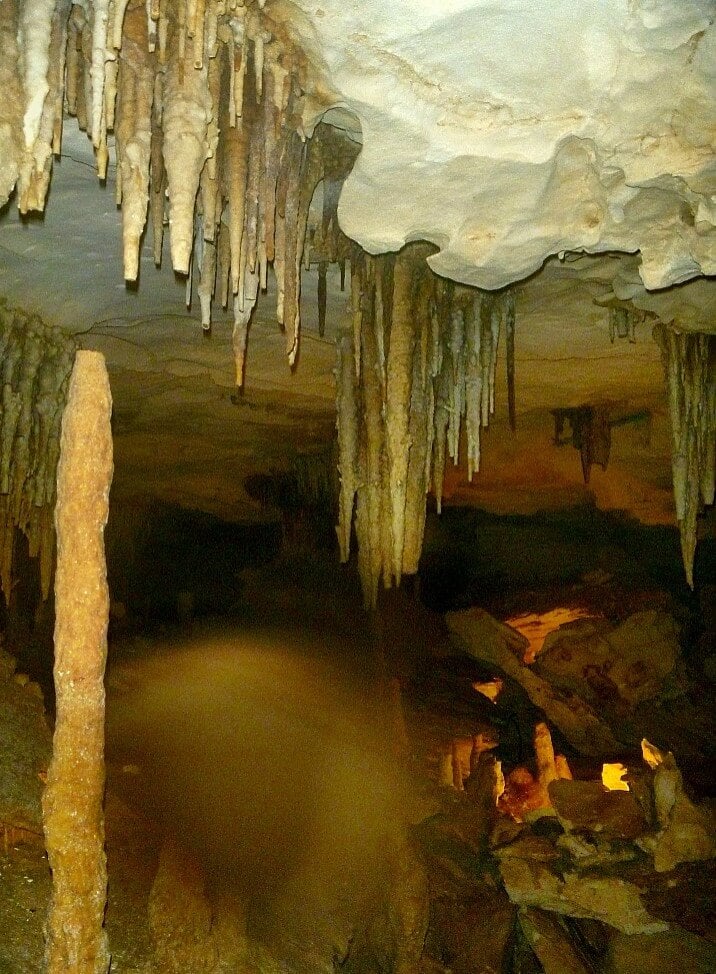
Two miners drilling 300 metres down in the Naica mine in 2000 broke into a chamber full of selenite beams up to 11 metres long. The air sat near 58 degrees with close to total humidity.
An unprotected person lasts about ten minutes before their lungs start filling with fluid. Scientists worked in ice-packed suits.
The cave existed only because mine pumps kept it dry. When mining stopped, the pumps stopped, and the water returned.
The crystals are back under the conditions that grew them, out of reach.
Rising Star, South Africa
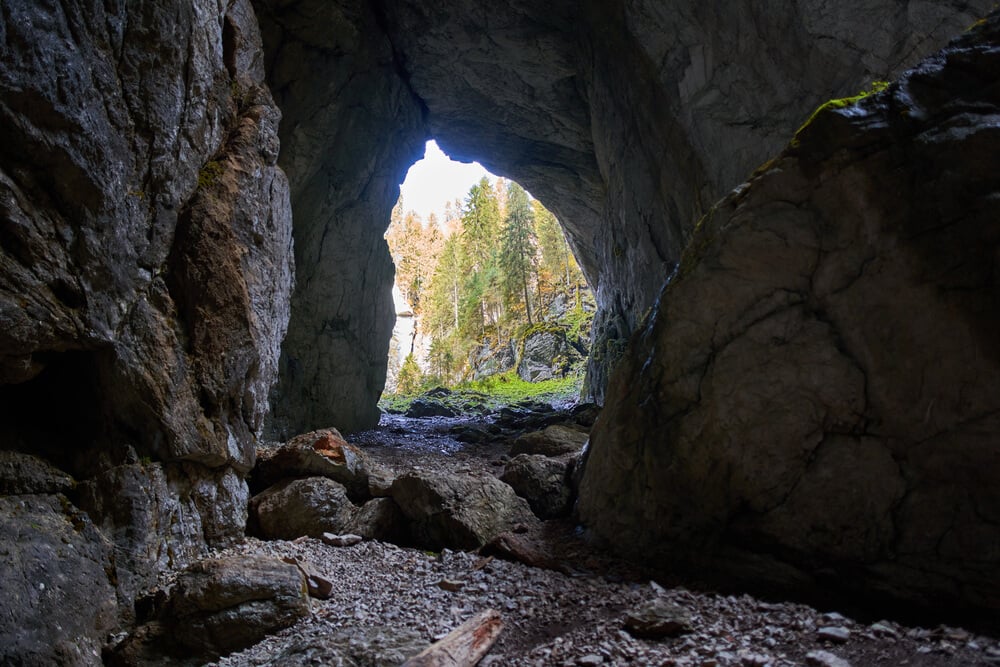
About 50 kilometres northwest of Johannesburg, two recreational cavers squeezed down a vertical crack in 2013 and found a chamber floor covered in bones. The tightest point of the route measures 18 centimetres.
Professor Lee Berger advertised on social media for scientists who were small, skilled, and unafraid. Six women got the job.
They brought out more than 1,500 fossils of a previously unknown human relative, Homo naledi. The Cradle of Humankind has caves you can tour, and this isn’t one of them.
Even Berger had to lose a serious amount of weight before he could see the chamber himself.
Blombos Cave, South Africa
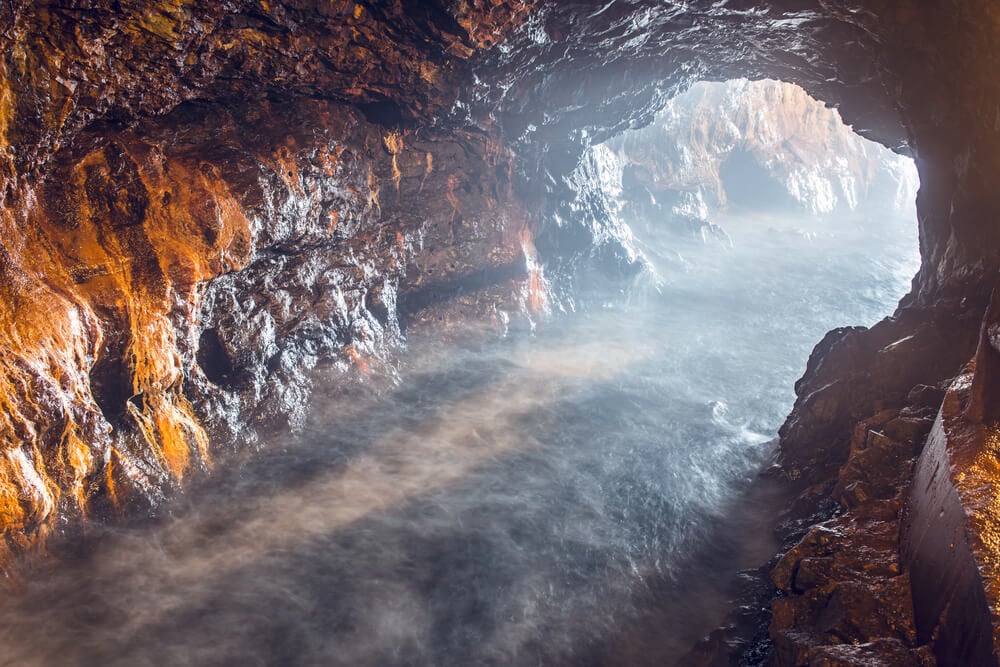
On the southern Cape coast near Still Bay, a small cave in a limestone cliff has rewritten the story of the human mind. Professor Christopher Henshilwood’s team found shell beads, a paint-making kit in abalone shells, and a piece of ochre engraved with a crosshatch pattern 75,000 years ago.
In 2018 they announced a stone flake with a drawing on it, the oldest known. The cave sits on a private nature reserve, and the team seals the site between digging seasons.
You see the finds in museums. The cave itself holds metres of deposit still to excavate, and one careless footprint destroys a thousand years of layering.
Cango Two and Cango Three, South Africa
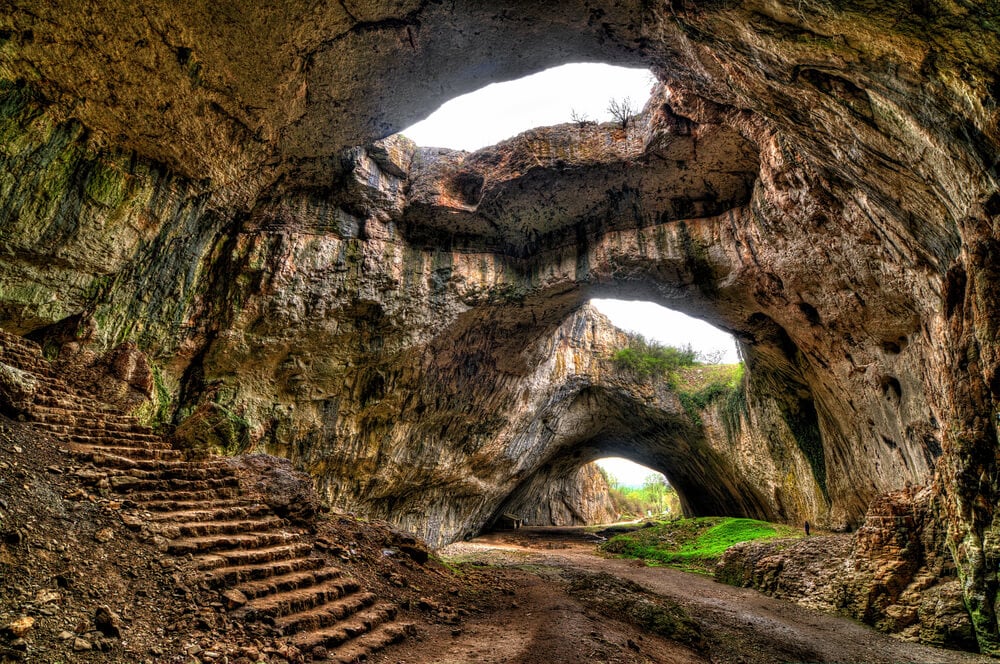
Generations of South African schoolchildren have shuffled through the Cango Caves near Oudtshoorn and posed at Cleopatra’s Needle. Few know that the tour covers only the first section.
In 1972, guides broke through into a second system, and in 1975 explorers pushed past a flooded passage into a third, each more richly decorated than the last. The authorities looked at what a century of lamps, touching, and souvenir-snapping had done to Cango One.
They closed the new sections to the public permanently. The dull, greasy formations near the entrance are the argument for keeping the other two shut.
Sibudu Cave, South Africa
This rock shelter above a river north of Durban holds evidence of people making bedding from insect-repelling leaves 77,000 years ago. Archaeologists also found early bone arrowheads and a glue recipe that needed careful heat control.
It joined the World Heritage list in 2024 alongside two other South African sites. There’s no visitor access.
The deposits are soft, and sugar cane fields and housing press close on every side. The country’s oldest bedroom needs protecting from its newest neighbours.
Ekain, Spain
Ekain, in the Basque hills, holds what one leading prehistorian called the most perfect group of horses in Ice Age art. Cavers found it in 1969.
Spain kept the cave closed from the start and later built a replica a few hundred metres down the valley.
Tuc d’Audoubert and Les Trois Frères, France
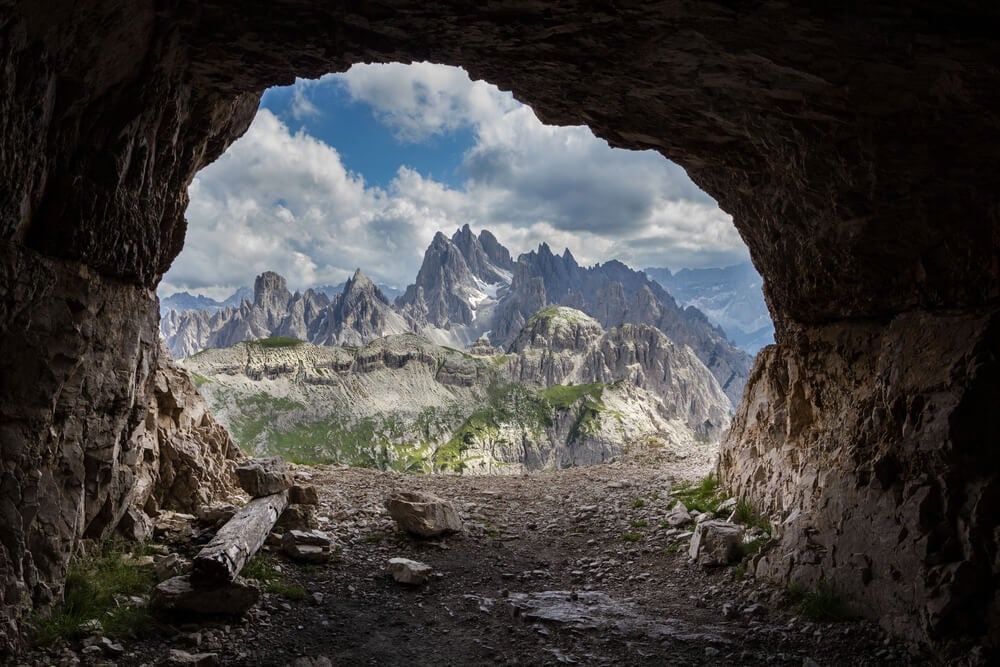
In 1912, three brothers paddled a home-made boat into a cave on their family’s land in the Pyrenees. Deep inside, they found two bison modelled in clay, propped against a rock, with the sculptor’s finger marks still visible.
The clay is around 15,000 years old and has never dried out enough to crumble. The same family still owns the caves and admits a few specialists a year.
Heel prints from Ice Age children remain pressed in the floor nearby. A century of private guardianship has kept them as crisp as the day they were made.
Cussac, France
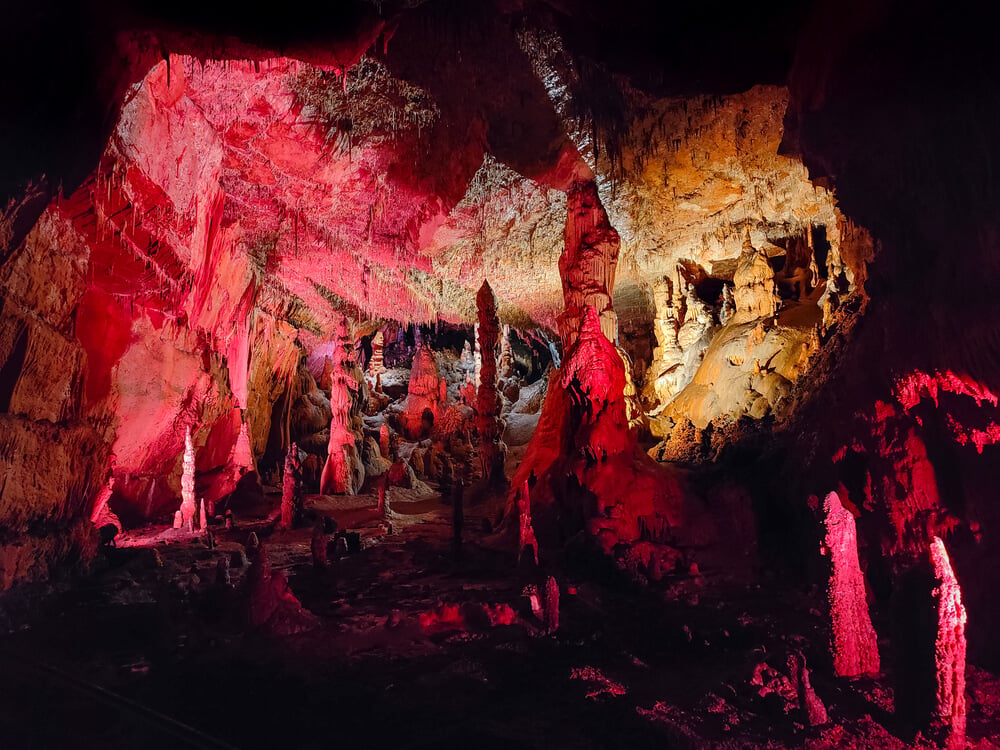
A caver found this Dordogne cave in 2000 and walked into galleries of engraved mammoths, bison, and human figures, some four metres long. Human skeletons lay in hollows once dug by hibernating bears.
The remains date back around 30,000 years. High carbon dioxide makes parts of the cave dangerous for much of the year.
Researchers get a few weeks of access and stay on marked paths. It was closed on the day of discovery and hasn’t opened since.
The Closed Grottoes of Mogao, China
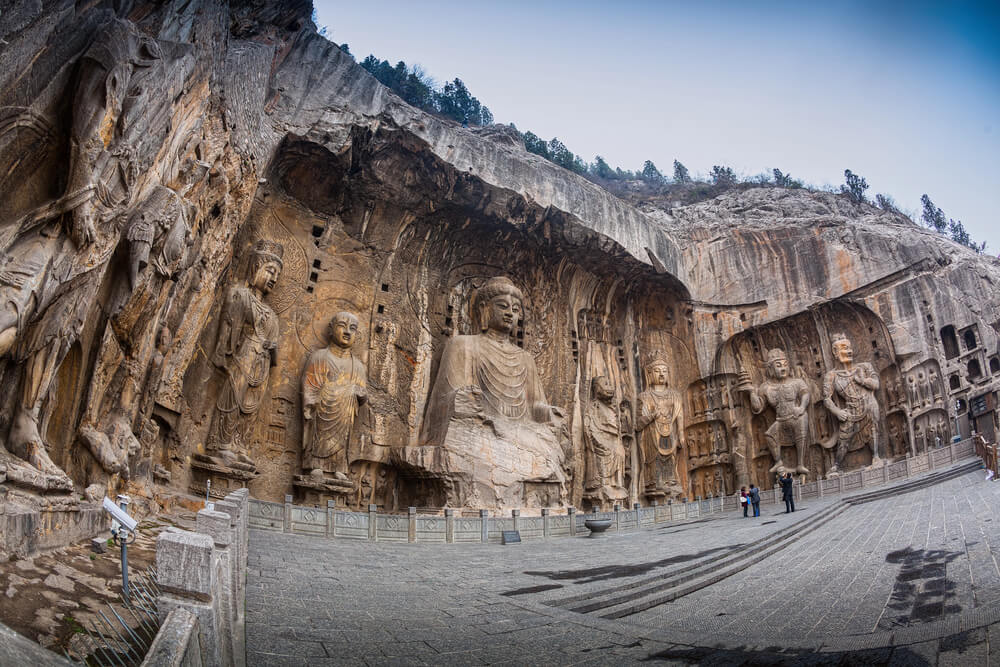
Near Dunhuang on the old Silk Road, Buddhist monks cut almost 500 decorated caves into a cliff over a thousand years. The murals cover 45,000 square metres.
Every visitor’s breath adds moisture and salt damage to painted plaster. The site caps daily numbers and opens only a rotating selection of caves.
Most stay locked at any given time. A digital centre shows visitors the closed ones in high resolution, and it’s the best view anyone has had of them since the monks left.
Bracken Cave, Texas
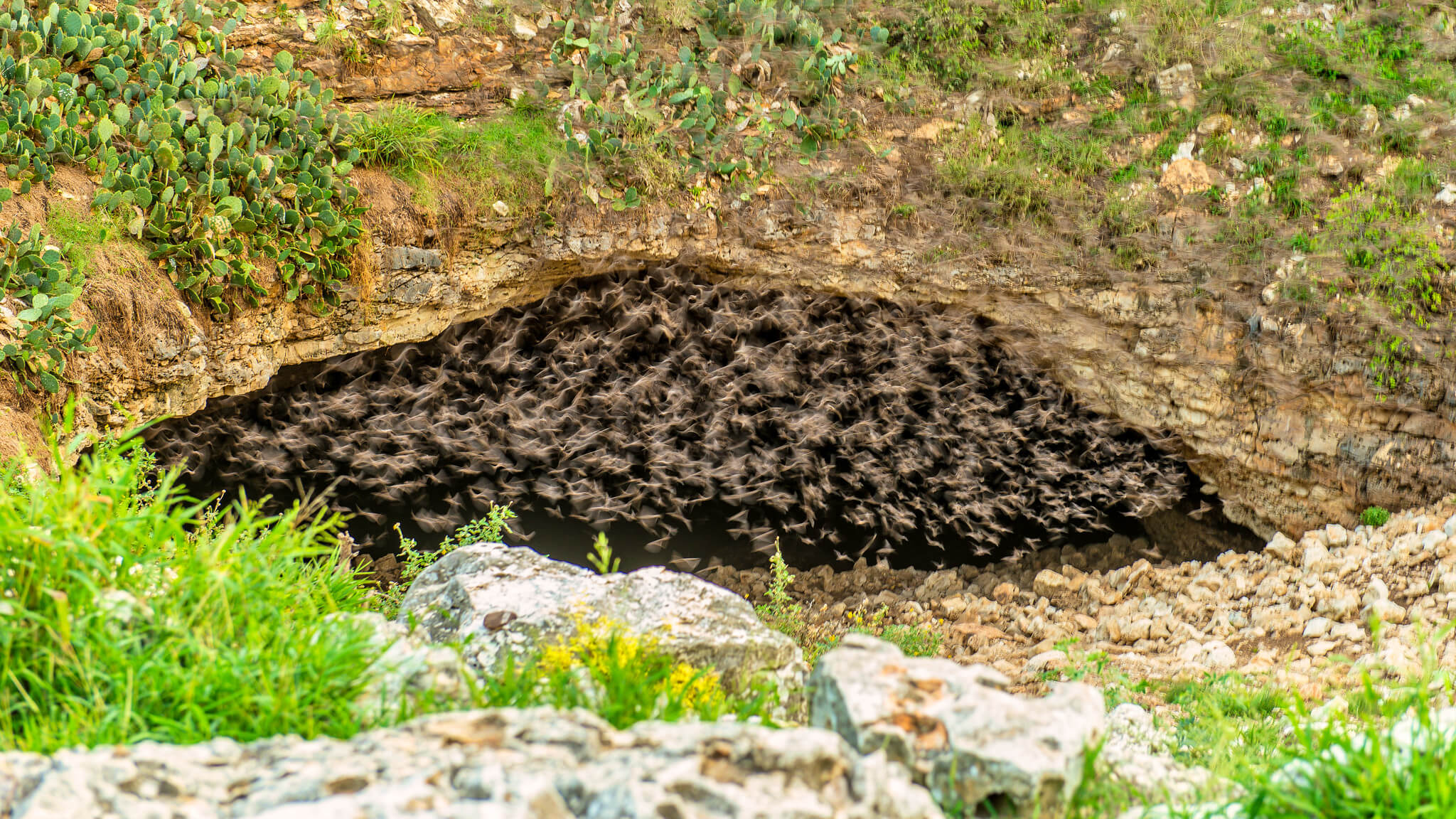
Every summer, around 15 million Mexican free-tailed bats pack into this cave near San Antonio. It’s the largest bat colony on earth, and most of the adults are mothers with pups.
The evening emergence takes three hours and shows up on weather radar. A conservation group owns the land and lets members watch from outside on set evenings.
Nobody enters. The floor is deep in guano alive with flesh-eating beetles, and the ammonia in the air makes it a poor choice for a stroll anyway.
Fern Cave, Alabama
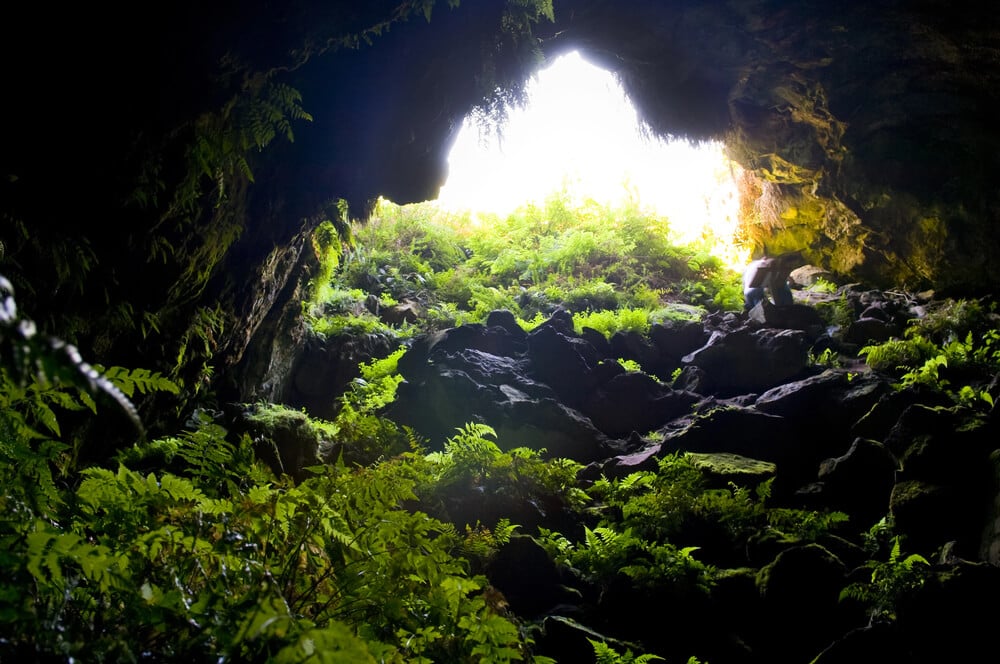
More than a million endangered gray bats hibernate here each winter, the largest such gathering known. America created a national wildlife refuge around the cave in 1981.
White-nose syndrome, a fungal disease that has killed millions of American bats, reached the region years ago. Cavers carry the fungus on their gear, so the refuge entrances stay closed.
Tumbling Creek Cave, Missouri
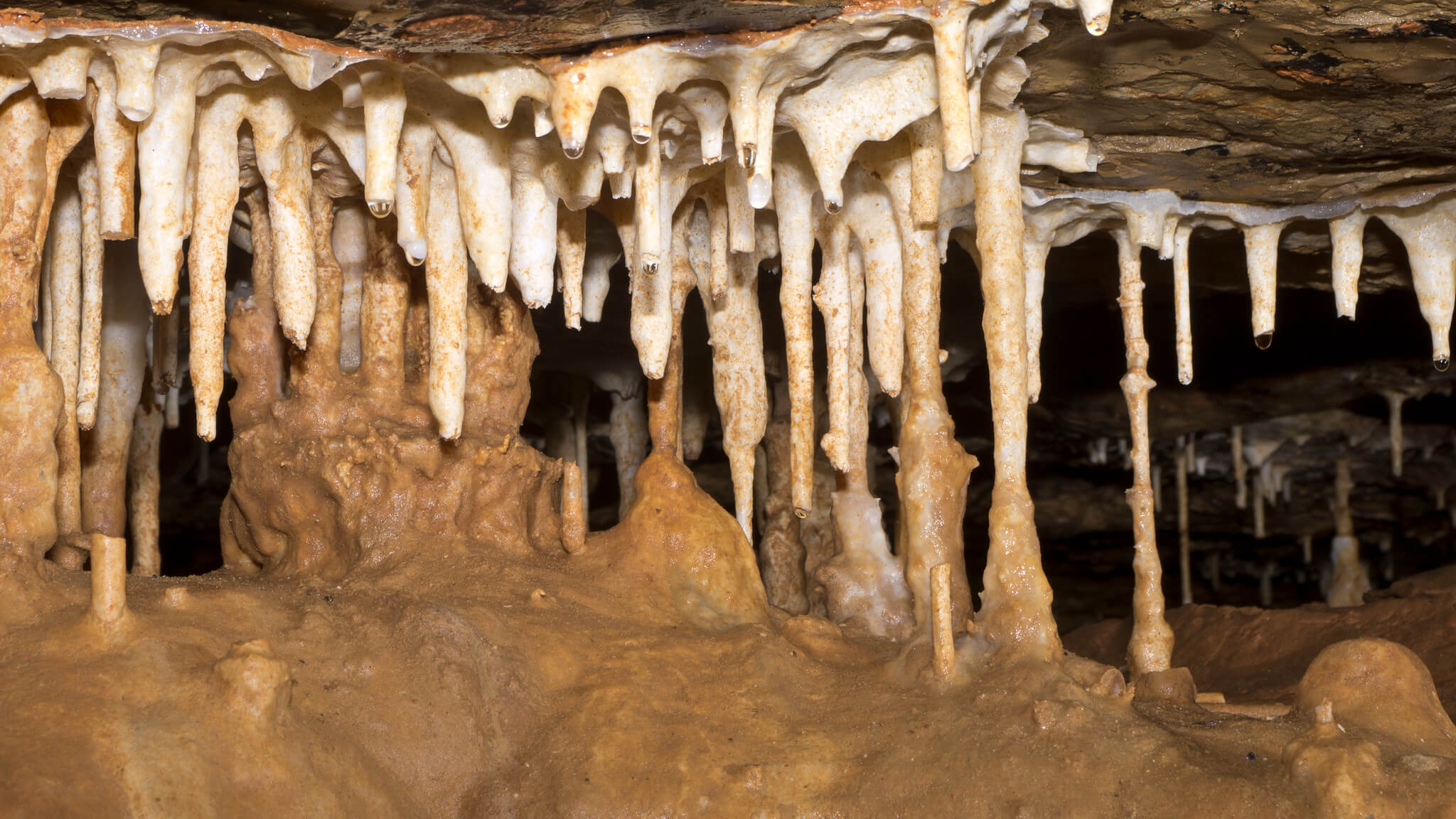
This privately owned Ozark cave hosts more species than any other cave west of the Mississippi. One of them is a snail smaller than a peppercorn that lives on the underside of rocks in a single stream.
Surveys once counted thousands. By the early 2000s, researchers could find fewer than fifty.
The owners run the cave as an underground laboratory and have bought up the surrounding land to clean the water flowing in. A snail you can barely see got an entire valley restored.
Koonalda Cave, Australia
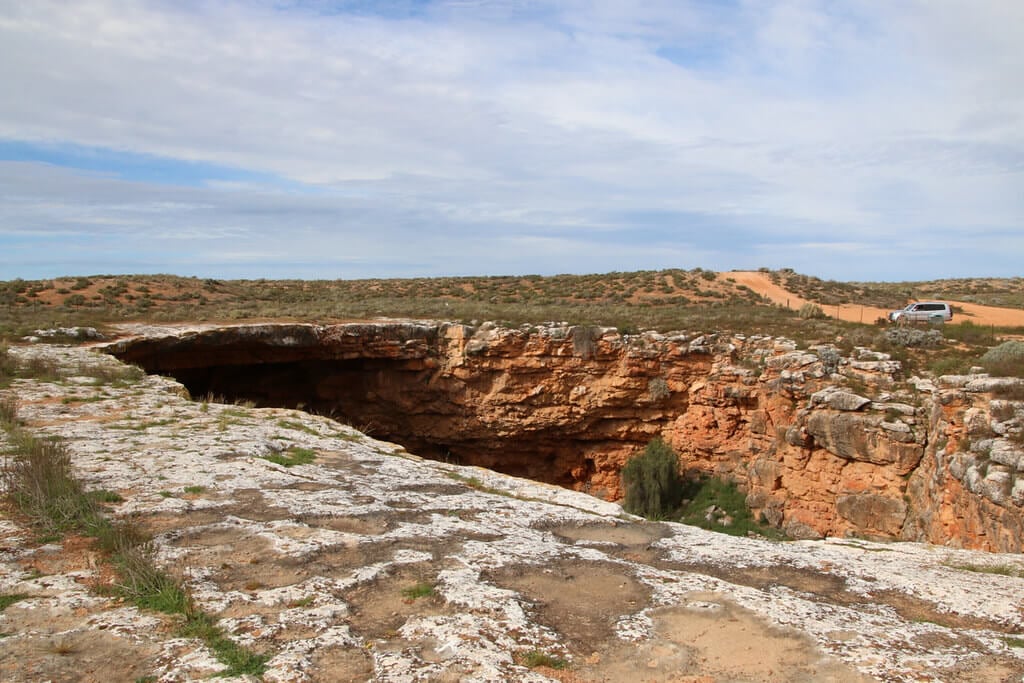
Beneath the Nullarbor Plain, Aboriginal people dragged their fingers through soft limestone walls at least 22,000 years ago, leaving patterns in total darkness 300 metres from daylight. The cave proved people lived in Australia’s arid interior during the Ice Age.
It’s closed to the public and sacred to the Mirning people. In 2022, vandals dug under the steel gate and scratched graffiti across part of the ancient markings.
The limestone is too soft to clean. A few minutes of stupidity damaged something older than farming.
Wargata Mina, Tasmania
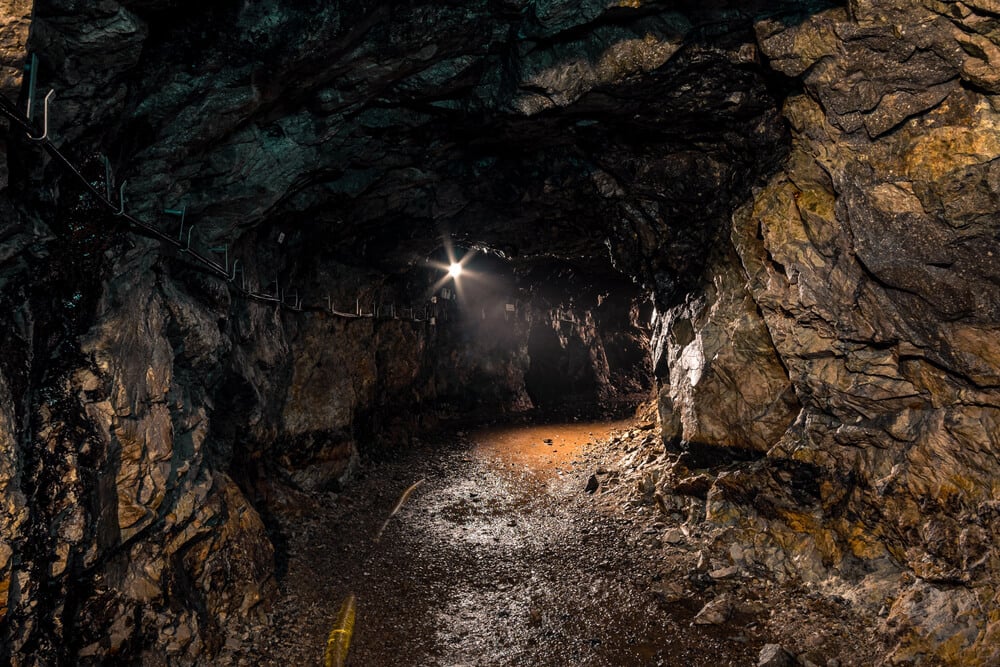
Deep in Tasmania’s southwest wilderness, researchers in 1987 found hand stencils on a cave wall, made with ochre mixed with human blood. They date to the last Ice Age, when the people living here were the southernmost humans on the planet.
The government returned the cave to the Tasmanian Aboriginal community in 1995, and the community decides who goes there.
Naj Tunich, Guatemala
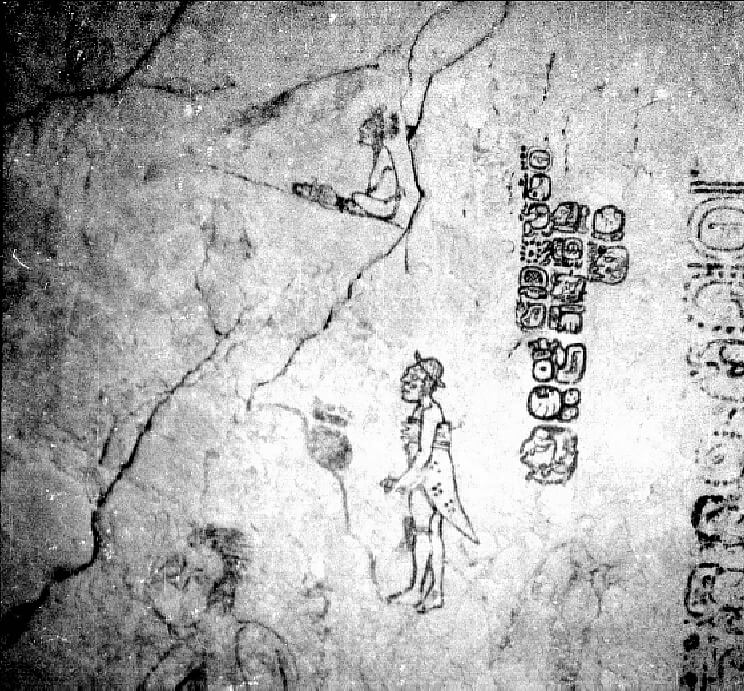
A Maya farmer found this cave in 1979 while following his dogs. Its walls carry around 90 paintings and long hieroglyphic texts from the eighth century, the finest Maya cave art known.
In 1989, vandals smeared and scratched nearly two dozen of the images. Guatemala closed the cave and commissioned an artist to paint exact copies in a neighbouring cavern.
Visitors see those. Pilgrims once walked days to reach the real thing, and now a locked gate does the job the jungle used to do.
Balamku, Mexico
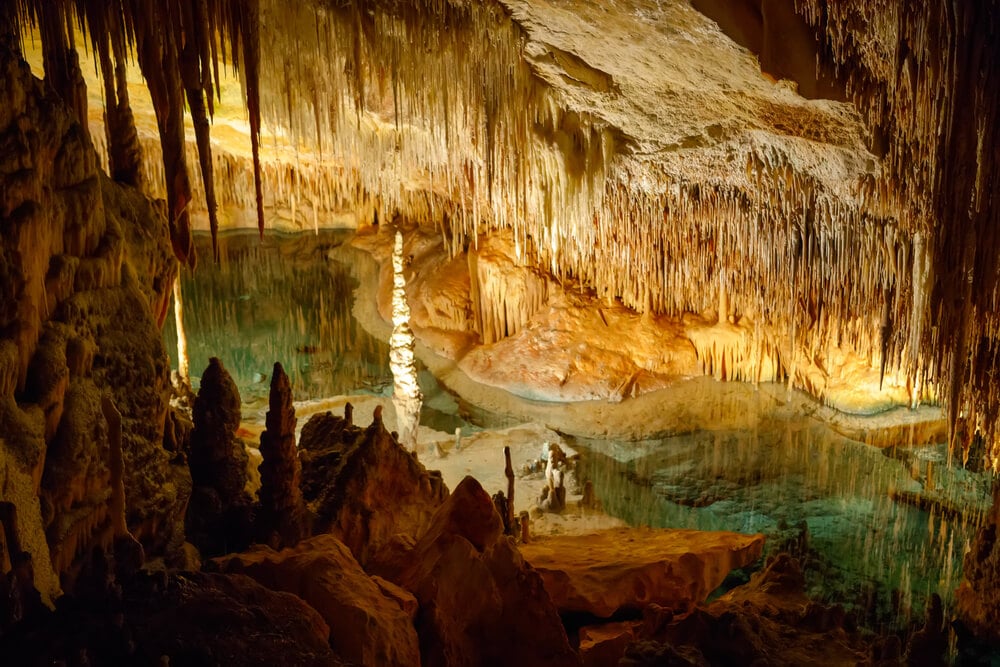
In 1966, farmers near Chichén Itzá showed an archaeologist a cave full of offerings. He wrote a short report, ordered the entrance sealed with stones, and told almost nobody.
His reasons remain a mystery. A team re-entered in 2018 after crawling for hours on their stomachs.
They found more than 150 incense burners and vessels, many bearing the face of the rain god, untouched for a thousand years. Archaeologists are recording everything in place, and the cave remains shut to everyone else.
La Garma, Spain
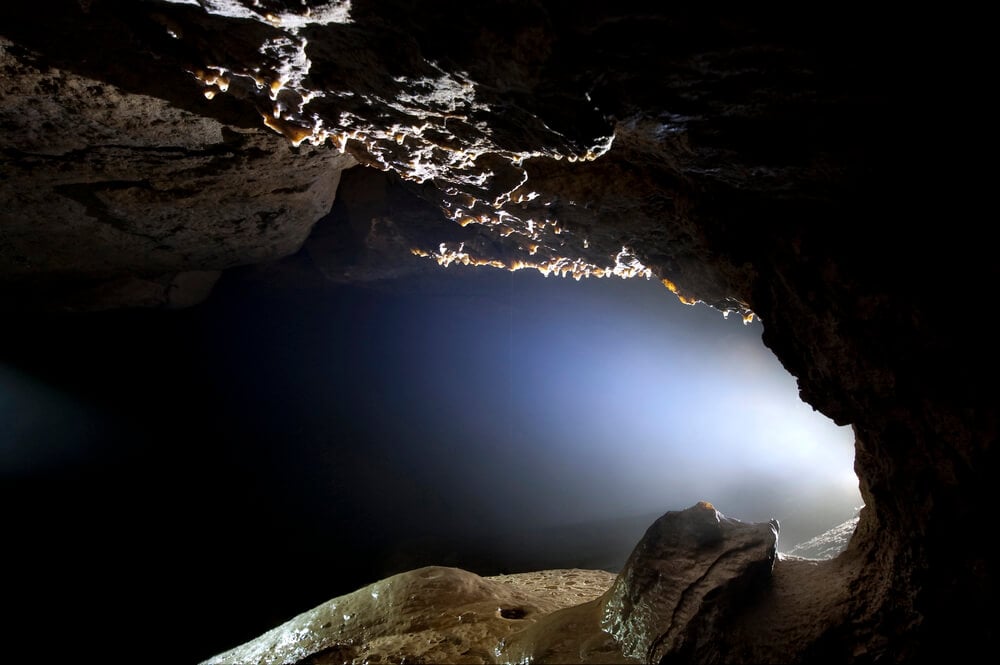
A rockfall sealed the lower gallery of this Cantabrian cave about 16,000 years ago. When cavers got in through another route in 1995, they found the floor exactly as Ice Age people left it.
Bones, tools, carved objects, and the outlines of their shelters all lay on the surface, not buried under it. Archaeologists normally dig down through time.
Here they walk across it, on raised platforms, in small numbers. No tourist will ever see it, and that’s the only reason it still exists.
Sima de los Huesos, Spain
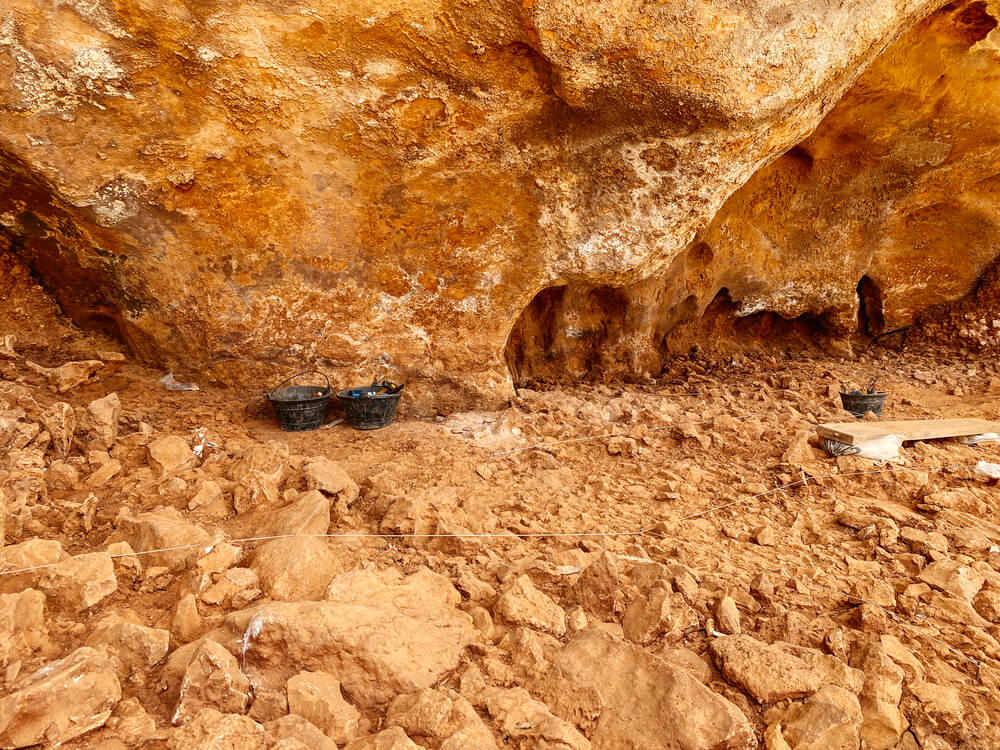
The name means Pit of Bones. At the bottom of a 13-metre shaft in the Atapuerca hills, researchers have recovered the remains of at least 28 early humans who died around 430,000 years ago.
That’s the largest collection of ancient human fossils from any single site. Someone dropped a finely made red stone handaxe in with them, and it’s the only tool found there.
The site has also produced the oldest human DNA ever sequenced. A few researchers work there each summer, lowered in on ropes.
Coliboaia, Romania
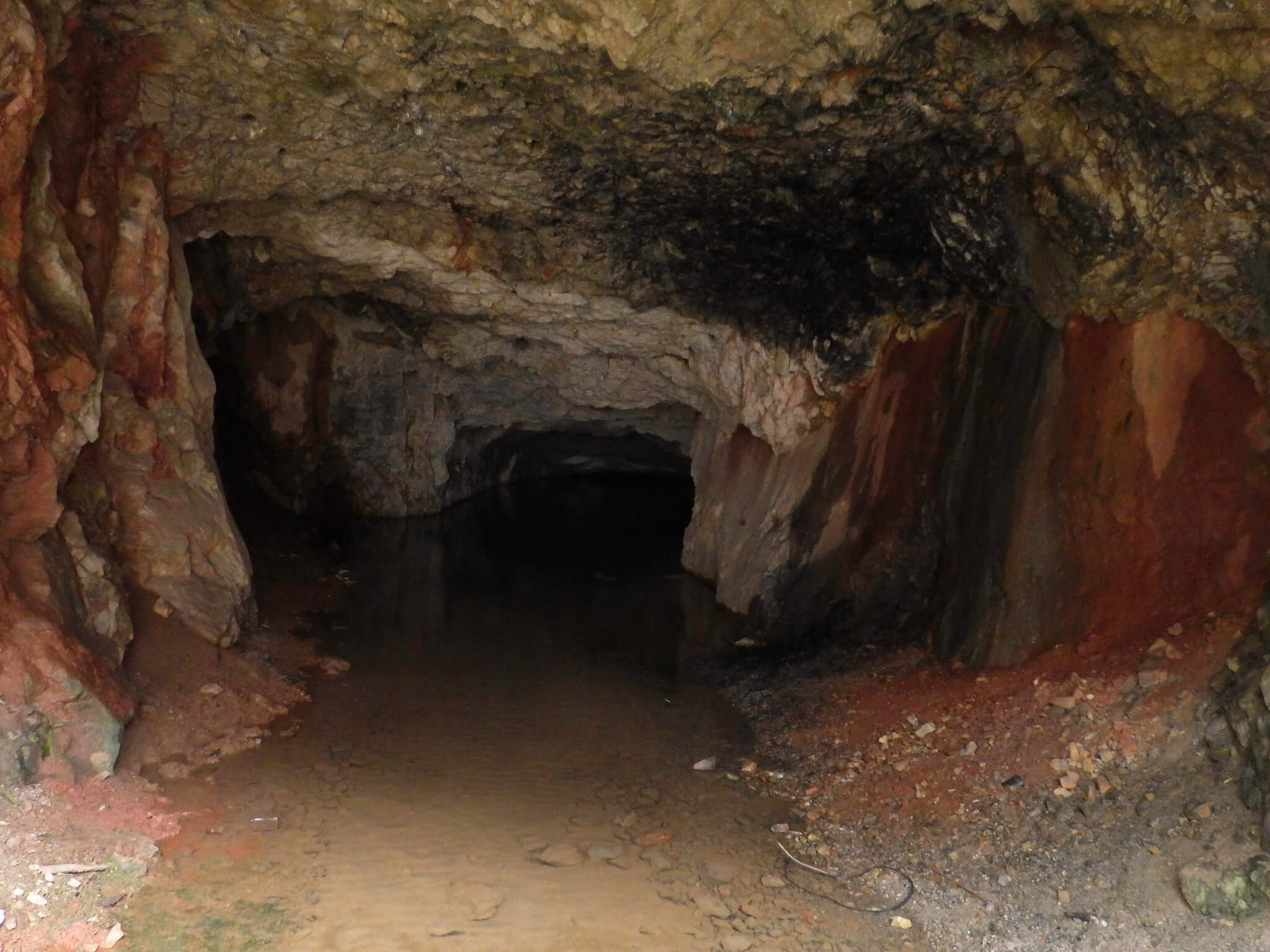
Cavers exploring a flooded cave in the Apuseni Mountains in 2009 looked up and saw a black rhino, a bison, and a horse drawn in charcoal. Dating put the drawings at more than 30,000 years old, the oldest cave art in Central Europe.
Reaching the gallery means wading and swimming through an underground river. Romania added a legal ban to the natural one.
Shulgan-Tash, Russia
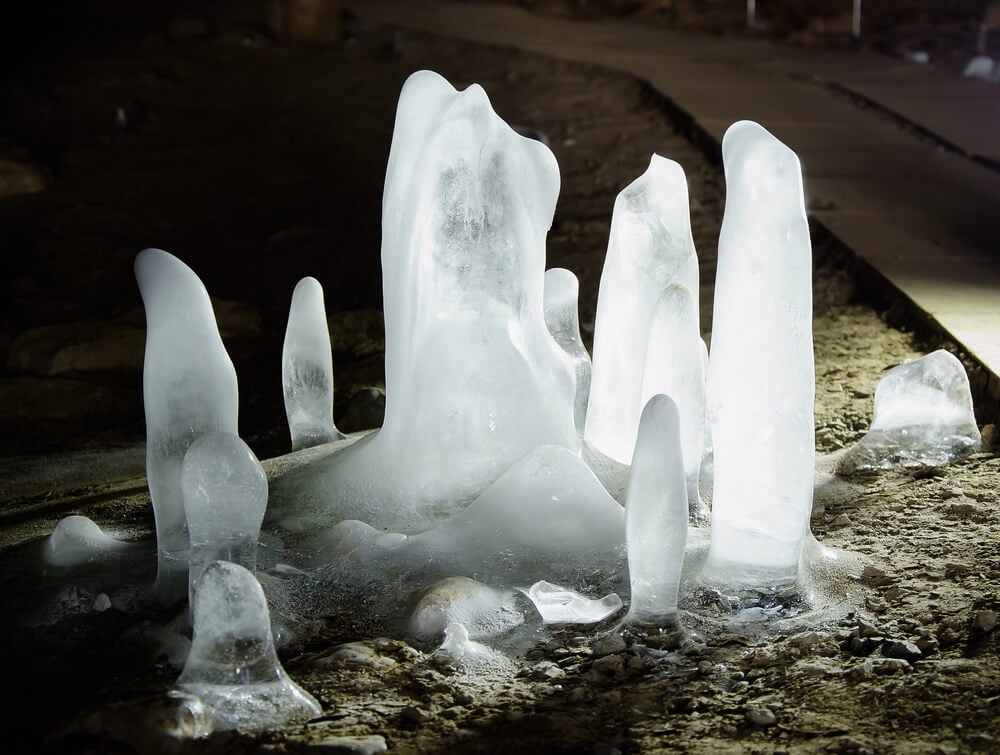
In 1959, a zoologist looking for bats in the southern Urals found mammoths and rhinos painted in red ochre. Before that, scholars had believed Ice Age cave painting stopped at the borders of France and Spain.
This cave moved the boundary 4,000 kilometres east. Tourists once walked the ground floor freely, and graffiti crept toward the art.
The painted halls are now sealed, with a museum and copies outside. In 2017, restorers cleaning the walls uncovered a painted camel nobody knew was there.
The Upper Galleries of Nerja, Spain
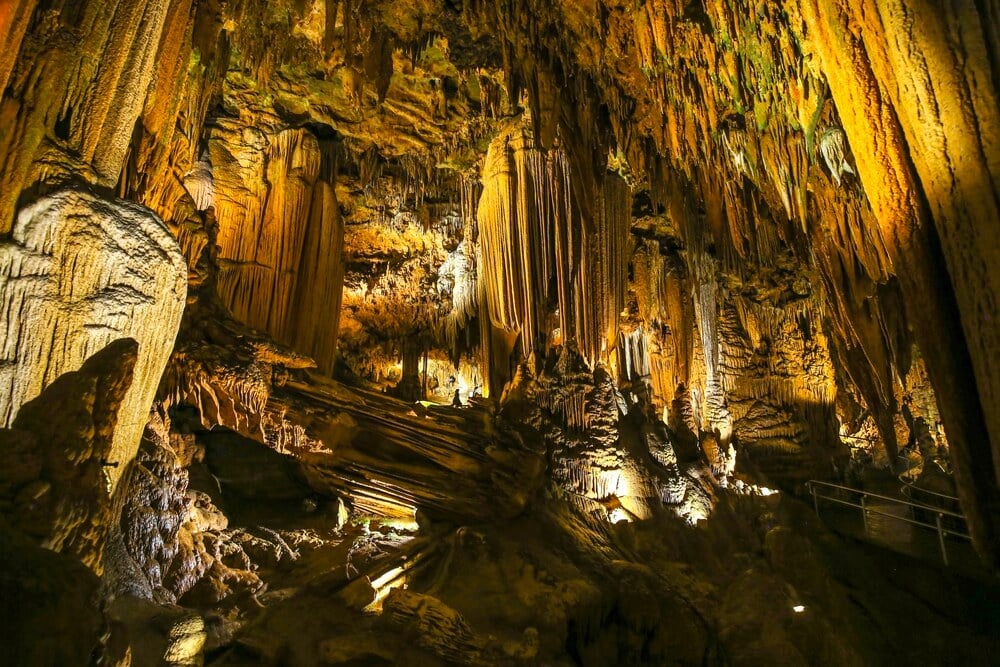
Five boys hunting bats found the Nerja caves on the Andalusian coast in 1959. Today half a million people a year visit the show cave, which hosts a summer music festival.
That’s roughly a third of the system. The upper and new galleries hold most of the prehistoric art, including red marks that some researchers believe Neanderthals made.
Only scientists go up there, and they go rarely.
The Réseau Clastres, France
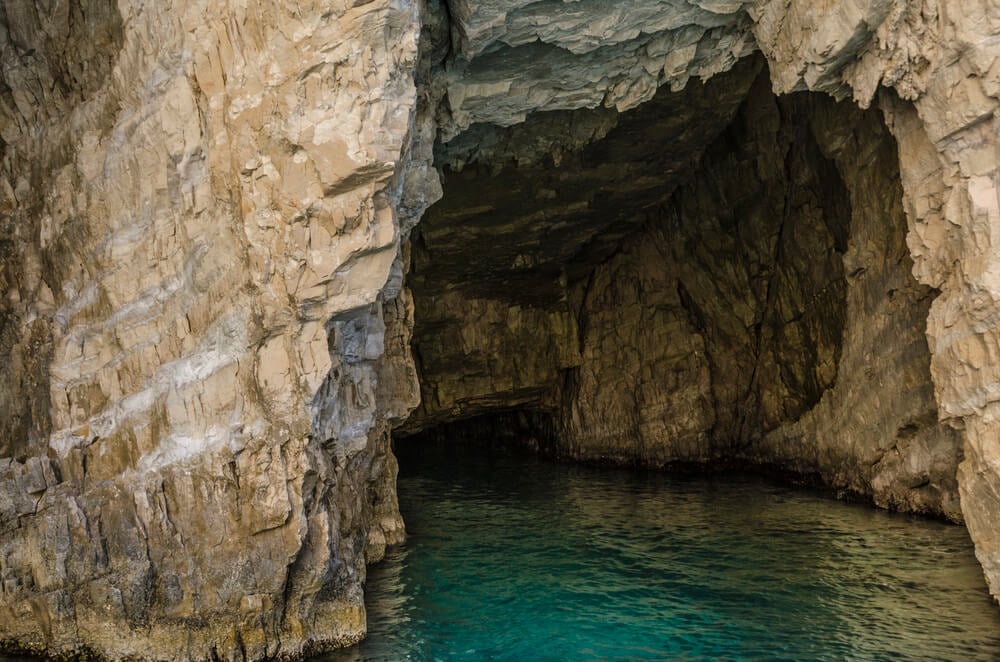
The famous cave of Niaux in the Pyrenees has a hidden extension, discovered in 1970 when cavers pumped out a series of flooded passages. Beyond the water, they found more than 500 footprints in the sand, left by children who wandered through thousands of years ago.
There’s also a charcoal drawing of a weasel, done in about ten confident strokes. The passages flood again naturally, which protects the prints better than any door.
France keeps the network closed regardless. Footprints don’t survive a second set of feet.
Hoyo Negro, Mexico
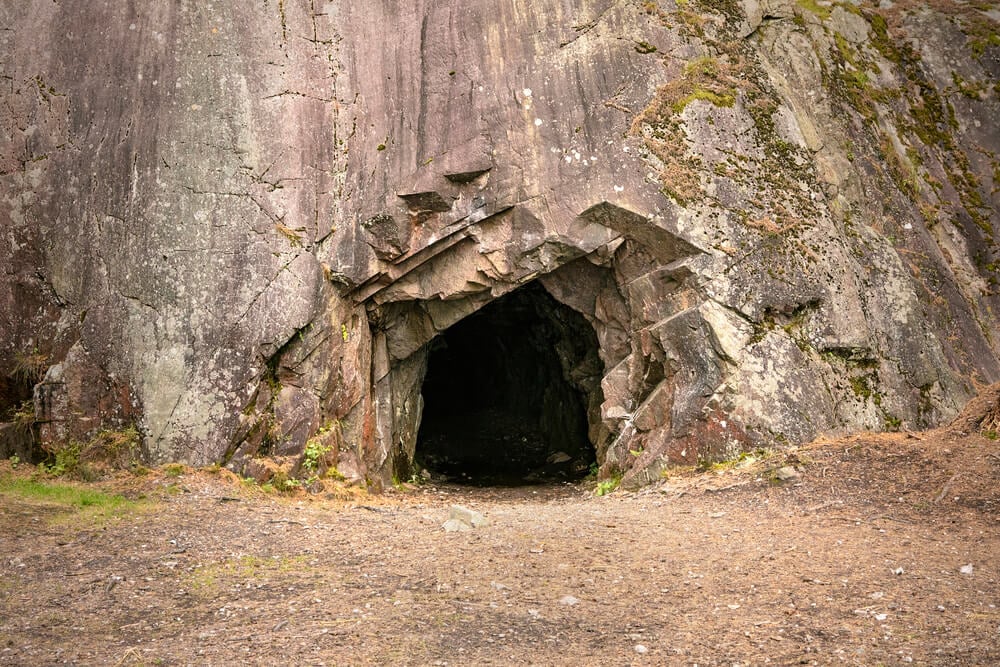
Divers mapping a flooded cave system on the Yucatán coast in 2007 swam out of a tunnel into a vast dark pit, 60 metres across. On the bottom lay the bones of extinct elephants, sabre-toothed cats, and a teenage girl.
She fell in about 13,000 years ago, when the caves were dry, and hers is among the oldest complete skeletons in the Americas. After unauthorised divers disturbed the bones, Mexico’s heritage institute restricted the site to its own project team.
They’ve since lifted the skeleton out for safekeeping.
Bruniquel, France
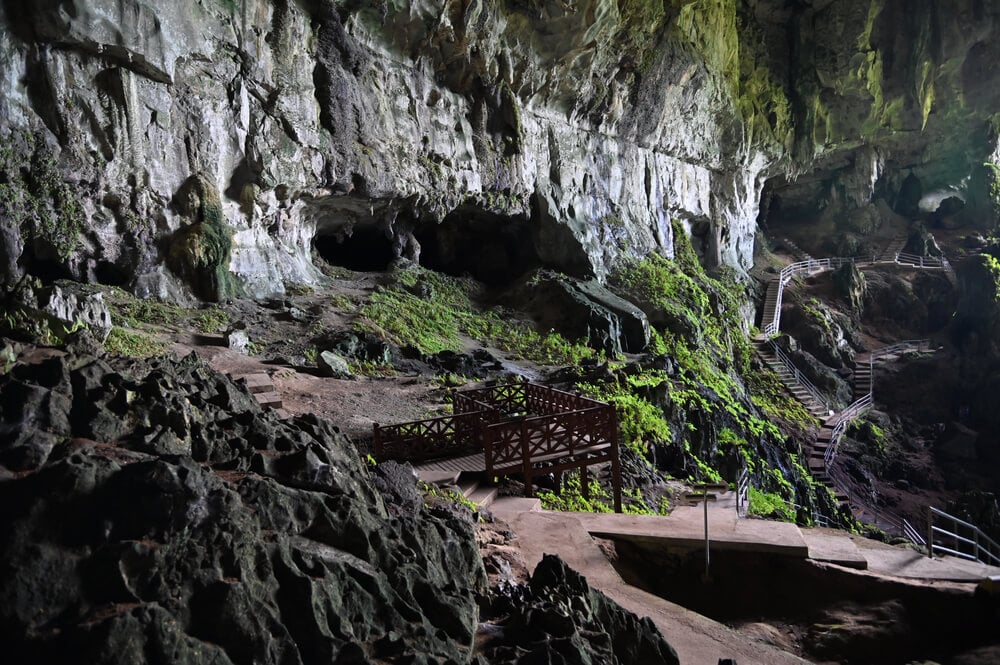
A teenage caver dug for three years to open this cave in southwest France in 1990. More than 300 metres from the entrance, he found about 400 broken stalagmites stacked into two rings, with traces of fire.
Dating in 2016 put them at 176,500 years old. Only Neanderthals lived in Europe then.
They had gone deep underground with torches and built something, long before modern humans arrived with their supposed monopoly on such behaviour. The cave’s owners and the state keep it closed.
Grotta dei Cervi, Italy
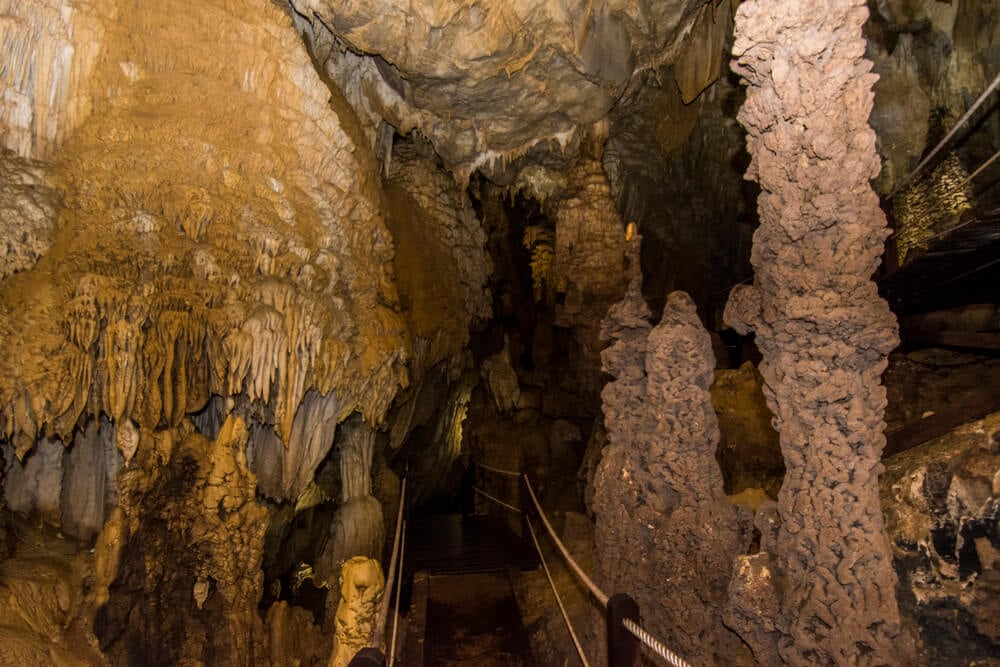
On the heel of Italy at Porto Badisco, cavers in 1970 found corridors covered with around 3,000 Neolithic pictographs in red ochre and brown bat guano. There are hunters with bows, deer, abstract spirals, and a famous dancing figure locals call the shaman.
The paintings are about 6,000 years old. Guano turns out to be a fragile paint.
Italy has never opened the cave, and even researchers need ministerial approval.
Lamalunga Cave, Italy

In 1993, cavers near Altamura in Puglia found a human skull staring out of the rock at the end of a narrow passage. The skeleton belongs to a Neanderthal who fell in and starved at least 130,000 years ago.
Calcite then grew over the bones like coral, fusing them to the wall. Removing him would destroy him.
So Altamura Man stays where he is, and the cave stays locked. Scientists managed to take a tiny sample from a shoulder blade, which yielded some of the oldest Neanderthal DNA on record.
Jaguar Cave, Tennessee
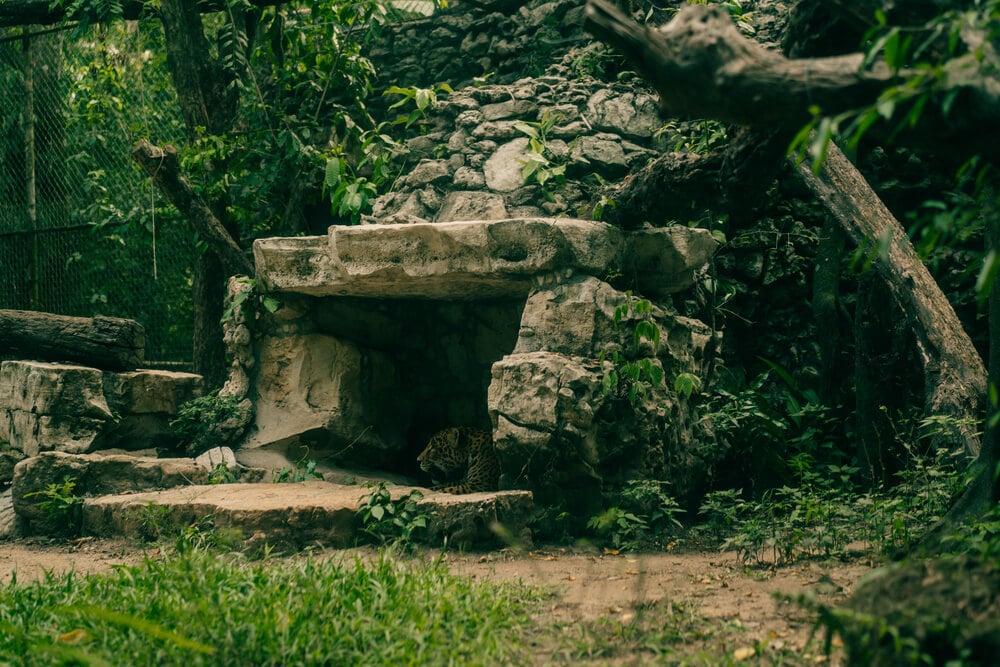
In 1976, cavers found 274 human footprints in the mud of a passage nearly a kilometre from the entrance. Nine people had walked in with cane torches about 5,000 years ago, explored, and walked out.
They’re the oldest known cave explorers in North America. Deeper in, the same cave preserves paw prints of an Ice Age jaguar that got lost and died there.
The landowners keep the cave gated and the footprint passage off limits. The route those nine people took is marked with flagging tape so that nobody steps where they stepped.
What the Dark Keeps
Visit the replicas, and don’t feel short-changed when you do. Lascaux IV and the Chauvet copy let you stand closer, with better light, than you’d ever be allowed in the originals.
And if you cave for sport in South Africa, join a registered club, clean your gear between systems, and stay out of anything gated. The gate is there for a reason you probably can’t see.
There’s a particular kind of respect in loving something you’ll never lay eyes on. Behind each of these doors, the bison still stand on their clay, the footprints still cross the sand, and the snail still clings to its rock.
They’re fine, and the proof is that nobody is in there checking.
More from Go2Tutors!

- The Romanov Crown Jewels and Their Tragic Fate
- 13 Historical Mysteries That Science Still Can’t Solve
- Famous Hoaxes That Fooled the World for Years
- 15 Child Stars with Tragic Adult Lives
- 16 Famous Jewelry Pieces in History
Like Go2Tutors’s content? Follow us on MSN.