Historic Treaties That Redrew the Map
Boundaries have rarely remained constant throughout history.
The world is changed by empires, alliances, and political agreements, which are frequently made in opulent halls distant from the battlegrounds they end.
In addition to creating nations and erasing others, treaties have altered maps and paved the way for both peace and war.
Each one depicts a pivotal moment when the balance of power was altered and the following morning’s world appeared differently.
Here’s a closer look at a few landmark treaties that genuinely altered the course of history, their formation, and the effects they had.
The Treaty of Tordesillas (1494)

In the late 15th century, Europe was obsessed with exploration—and competition.
After Christopher Columbus’s first voyage, both Spain and Portugal claimed vast new territories across the Atlantic.
The tension between these two maritime powers escalated quickly, prompting negotiations that culminated in the Treaty of Tordesillas.
The treaty, signed in 1494, was directly negotiated between Spain and Portugal but strongly influenced by earlier papal decrees.
Pope Alexander VI’s 1493 bull Inter caetera had granted Spain extensive rights to newly discovered lands, prompting Portugal to seek a new agreement.
The two nations eventually established an imaginary line about 370 leagues (roughly 1,185 miles) west of the Cape Verde Islands.
Lands to the east went to Portugal; those to the west went to Spain.
The results were enormous.
Portugal gained claim to what is now Brazil, while Spain took most of the Americas.
Though other European powers ignored the treaty, it created a linguistic and cultural divide that still defines South America—Spanish to the west, Portuguese to the east.
It remains one of the earliest examples of diplomacy used to divide a world that was still largely unmapped.
The Peace of Westphalia (1648)
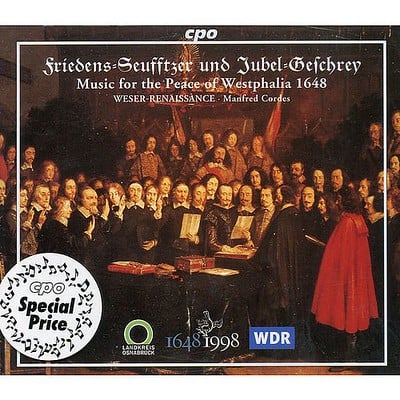
By the mid-1600s, Europe was exhausted.
The Thirty Years’ War—a brutal conflict driven by religion, politics, and power—had devastated the continent.
The Peace of Westphalia, signed in the German cities of Münster and Osnabrück, finally ended the bloodshed.
Its importance extended far beyond peace.
The treaties established the modern principle of state sovereignty: the idea that each nation had the right to govern itself without outside interference.
That single concept would come to define international law for centuries.
The map of Europe also changed.
France gained most of Alsace, but not Lorraine, which remained largely independent until its annexation by France in 1766.
Sweden gained control of important German ports, and several small German states won greater autonomy within the Holy Roman Empire.
The feudal patchwork of Europe began to give way to the concept of the nation-state.
The Peace of Westphalia didn’t just end a war—it reshaped how Europe, and later the world, viewed diplomacy, legitimacy, and independence.
The Treaty of Paris (1783)
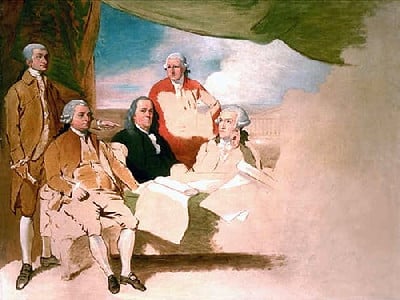
The American Revolution ended not with cannon fire, but with signatures.
The Treaty of Paris, signed in 1783, formally recognized the independence of the United States.
Britain ceded territory stretching to the Mississippi River, doubling the size of the new nation overnight.
For the British, it marked a reluctant retreat from the empire.
For the Americans, it was a defining act of nationhood.
France, Spain, and the Netherlands—each involved in the broader conflict—secured their own diplomatic settlements through parallel agreements.
The treaty didn’t just alter borders; it shifted global power.
It proved that a colony could successfully challenge a European empire, inspiring future independence movements across the world.
But it also came at the expense of Native American nations, whose lands and futures were redrawn without consultation—a sobering reminder of who was not invited to the table.
The Congress of Vienna (1814–1815)

When Napoleon’s empire collapsed, Europe faced a jigsaw puzzle of chaos.
The Congress of Vienna was convened to restore balance and prevent further revolution.
Led by Austria’s Prince Metternich, Britain’s Lord Castlereagh, and Russia’s Tsar Alexander I, it was one of the largest diplomatic gatherings in history.
The resulting settlement redrew the continent with the goal of containing France and preserving monarchy.
The Austrian Netherlands and the Dutch Republic were united into the Kingdom of the Netherlands as a buffer state to the north.
Prussia gained territory along the Rhine, Austria regained influence in Italy, and the German Confederation replaced the Holy Roman Empire.
This post-Napoleonic order ushered in nearly a century of relative peace in Europe.
However, it also suppressed rising nationalist and liberal movements, delaying—but not preventing—future revolutions.
Belgium would later break away from the Netherlands in 1830, a reminder that stability achieved by compromise often comes at the cost of lasting unity.
The General Act of Berlin (1885)

While earlier treaties focused on Europe, the late 19th century brought imperial ambitions abroad.
The so-called “Scramble for Africa” had begun, and European powers were competing to claim territory.
To prevent open conflict among themselves, representatives from 14 nations met in Berlin from November 1884 to February 1885.
The resulting General Act of Berlin (1885) set out the ground rules for colonization.
It required powers to establish effective occupation—administration and infrastructure—to validate their claims.
Within a few years, nearly 90 percent of Africa was under European control.
The map that emerged ignored existing cultural, linguistic, and tribal boundaries, dividing communities with straight lines drawn for administrative convenience.
The long-term effects were catastrophic, seeding tensions that persisted through decolonization and beyond.
The Berlin Conference remains one of the most striking examples of how borders imposed from afar can outlast the empires that drew them.
The Treaty of Versailles (1919)
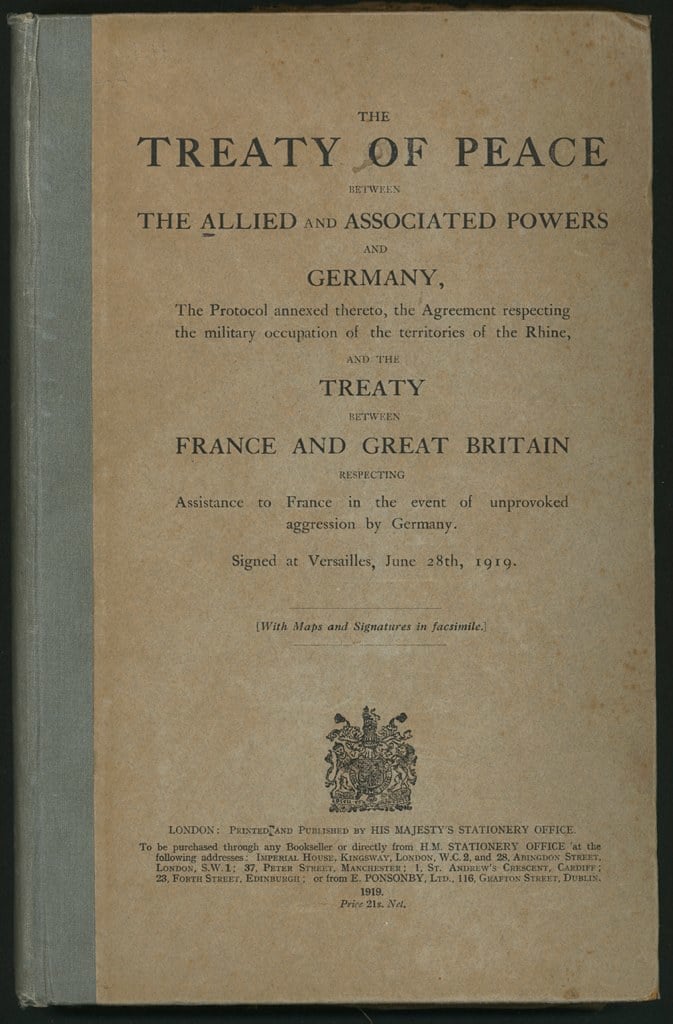
Few treaties have shaped the modern world as profoundly as the Treaty of Versailles.
Signed in 1919, it officially ended World War I between Germany and the Allied powers.
Germany was forced to cede Alsace-Lorraine to France, relinquish its overseas colonies, and accept heavy reparations and disarmament terms.
New states such as Poland and the Baltic republics were recognized, shifting the balance of power in Central and Eastern Europe.
However, the Austro-Hungarian and Ottoman Empires were dismantled by separate treaties—including Saint-Germain (1919), Trianon (1920), Neuilly (1919), and Sèvres (1920), later revised by Lausanne (1923).
Through this broader post-war settlement, nations such as Czechoslovakia and Yugoslavia emerged, though not formally by the Treaty of Versailles itself.
While Versailles aimed to secure lasting peace, its punitive terms fueled resentment in Germany, helping to set the stage for World War II.
The treaty stands as both a symbol of diplomacy’s power and a warning about its limits.
The Sykes–Picot Agreement (1916)
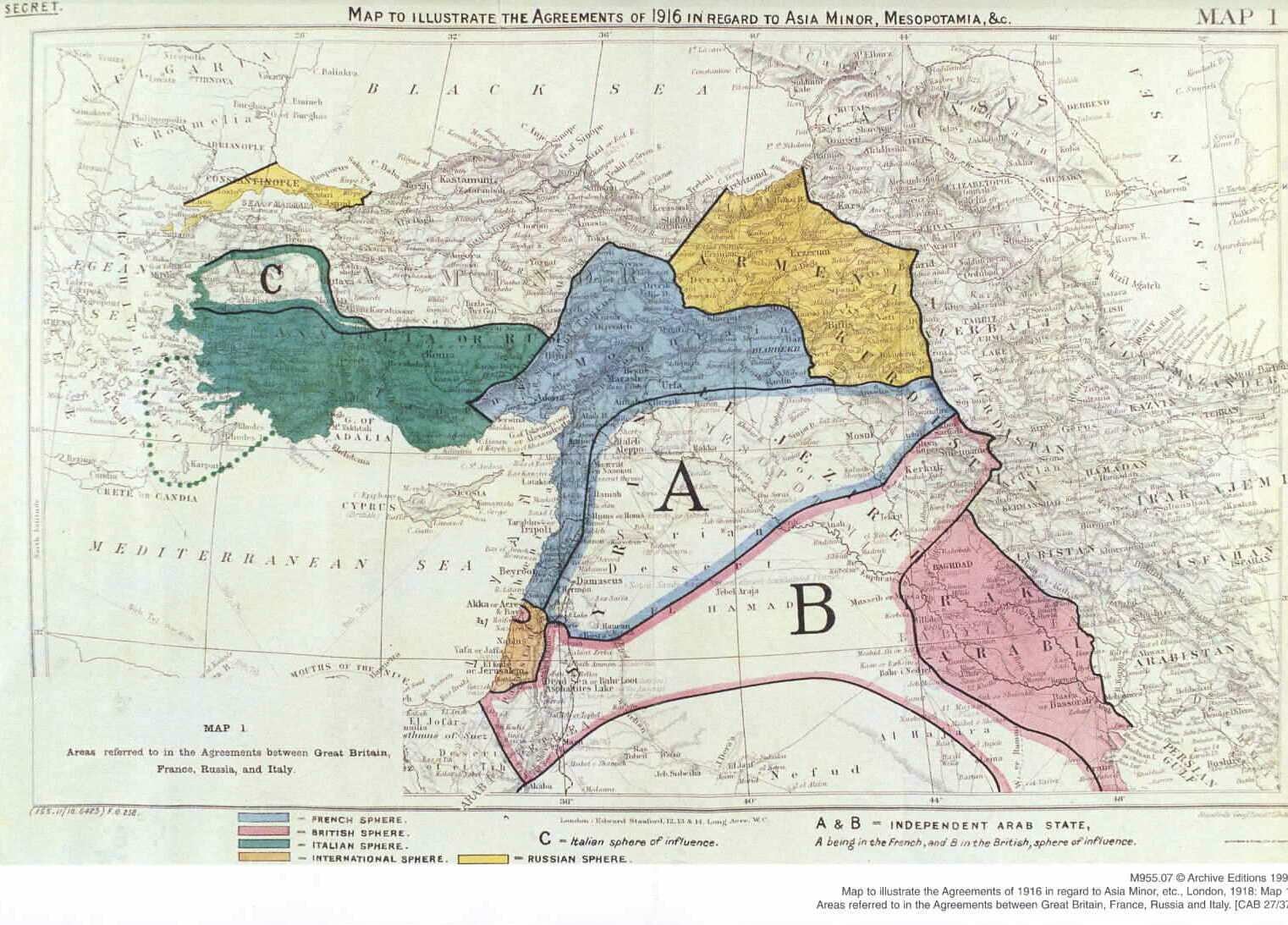
During World War I, Britain and France secretly negotiated how to divide the Ottoman Empire’s Arab provinces should the Allies win.
The result was the Sykes–Picot Agreement, named after diplomats Mark Sykes and François Georges-Picot.
The deal proposed French control over modern Syria and Lebanon, British control over Iraq and parts of Jordan and Palestine, and placed Palestine itself under planned international administration.
The borders were drawn with straight lines that ignored geography and identity, creating artificial divisions that would echo through the 20th century.
When the agreement became public after the Russian Revolution, Arab leaders—who had been promised independence—felt betrayed.
The revelation sowed deep mistrust and became a defining moment in Middle Eastern politics.
Though modified in later arrangements, Sykes–Picot remains shorthand for colonial interference and the long shadow of imperial mapping.
Why It Still Matters
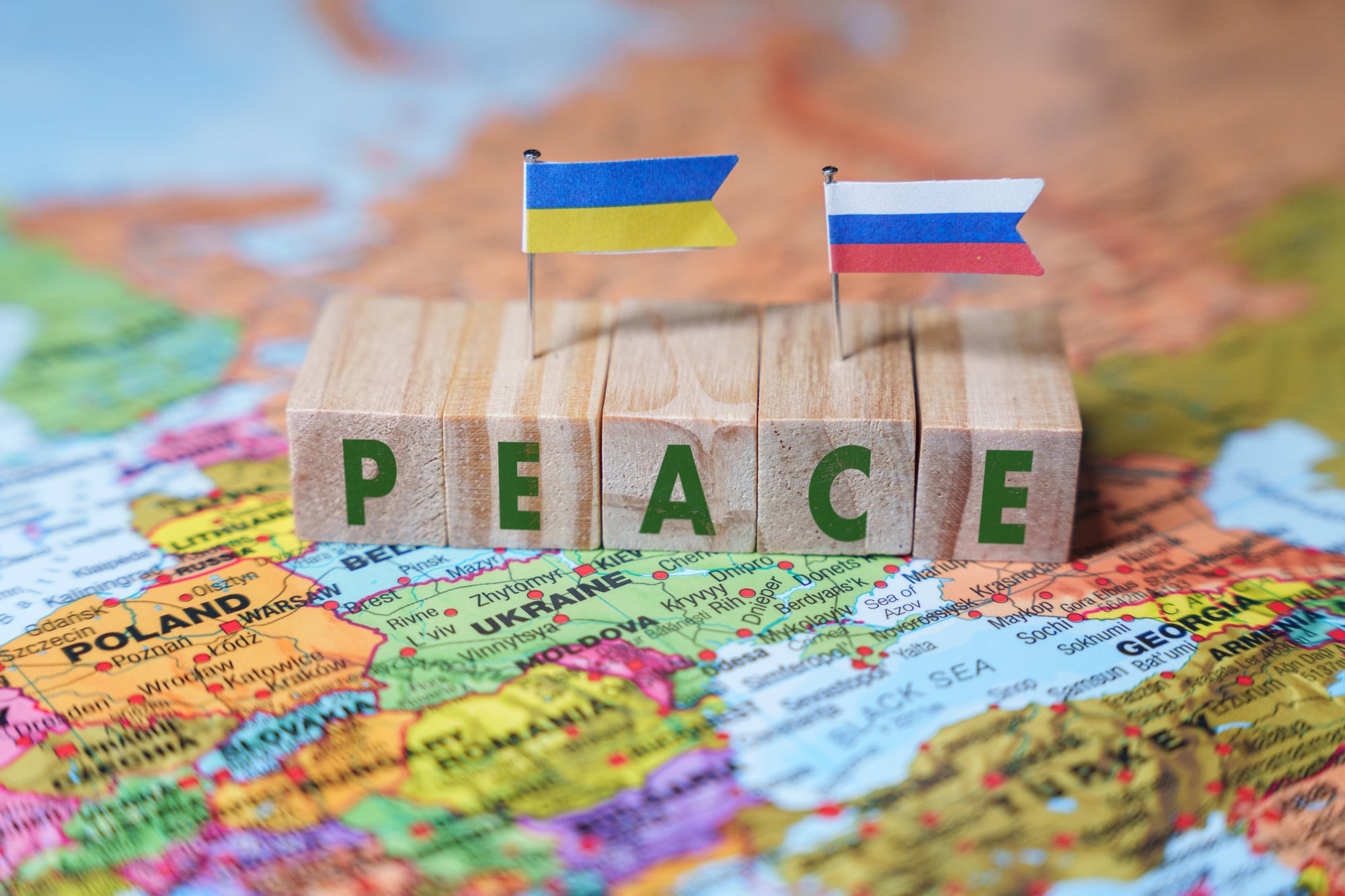
A tale of ambition, power, and unforeseen consequences can be found in each treaty that altered the course of history.
They show the centuries-long effects of decisions made in candlelit halls.
All of them altered how people perceived boundaries, sovereignty, and belonging; some brought stability, while others brought chaos.
The lines they drew are still relevant today.
These agreements are the source of the linguistic divide in South America, the patchwork of Central Europe, and the unstable borders of the Middle East.
The legacy of brittle compromise is frequently what appears permanent on a contemporary map.
Memorizing dates is only one aspect of studying these treaties; another is comprehending how geography is political and how diplomacy leaves enduring imprints.
The world map is a record of compromise, conflict, and change rather than a static image.
Furthermore, history demonstrates that the world changes slightly with each treaty that is signed.
More from Go2Tutors!

- The Romanov Crown Jewels and Their Tragic Fate
- 13 Historical Mysteries That Science Still Can’t Solve
- Famous Hoaxes That Fooled the World for Years
- 15 Child Stars with Tragic Adult Lives
- 16 Famous Jewelry Pieces in History
Like Go2Tutors’s content? Follow us on MSN.



