33 Pieces of Internet Culture from the 2000s That Already Feel Ancient
There was a version of the internet that didn’t apologize for being slow, clunky, and a little bit ugly. It buffered. It crashed your family’s phone line. It came with sound effects you’d recognize decades later just from a few notes.
Looking back at it now feels less like nostalgia and more like archaeology, digging through a layer of culture that got buried fast once broadband and smartphones showed up and never looked back.
Dial-Up Modem Sounds

That screech wasn’t just noise. It was a countdown, a warning to anyone else in the house who needed the phone line.
Everyone of a certain age can still hum it from memory. Nobody misses it, exactly, but nobody forgets it either.
AOL Instant Messenger

AIM wasn’t just a messaging app, it was a whole social contract, one where your screen name said more about you than your actual name did (which is a strange thing to admit, but true). You’d spend twenty minutes picking a font color and an away message before you’d sent a single conversation — and somehow that felt like the important part.
So much of adolescence happened inside that little yellow running man icon, quietly, after school, before parents figured out what it was. And when someone signed off, that door-closing sound landed with more weight than it probably should have.
Away Messages

An away message was a mood board disguised as a status update. Song lyrics, cryptic references, something aimed at exactly one person who’d understand it and nobody else.
It corrects the record on what “subtlety” meant to a fourteen-year-old with a keyboard.
MySpace Top 8

This is the single most brutal piece of software ever handed to teenagers, and nobody at the company seemed to fully grasp what they’d built. Ranking your friends publicly, in order, where everyone could see it, turned out to be a genuinely terrible idea for group cohesion.
Friendships ended over Top 8 reshuffles. That’s not an exaggeration, that’s just Tuesday in 2006.
Napster and LimeWire
Free music sounded great until the file turned out to be four minutes of static with a virus attached. Everyone downloaded anyway.
Nobody trusted the file names, and everyone opened them regardless.
Homestar Runner and Flash Cartoons

Before streaming platforms decided what counted as content, there was a scrappy world of homemade Flash cartoons living on personal websites, refreshed by hand, loved out of proportion to their budget. Homestar Runner in particular built something that felt handmade and a little bit sacred — cheap animation, genuinely funny writing, no algorithm deciding whether it deserved an audience.
And that’s sort of the point: nobody was optimizing for anything, they were just making something because it was fun to make. It’s strange how much warmth still lives in something so pixelated.
Xanga and LiveJournal
These were diaries with an audience, which is a strange contradiction that somehow worked for years. People wrote things there they’d never say out loud, then checked obsessively to see who’d read it.
It birthed a whole genre of teenage confession that blogging platforms today never quite recreated.
Chain Emails

Forwarding a chain email under threat of seven years of bad luck was, somehow, a normal Tuesday. Nobody actually believed it.
Everyone forwarded it anyway, just in case, which tells you everything about how superstition survives even in a fiber-optic world.
“You’ve Got Mail” Notification

That phrase did more emotional labor than any notification sound since. It announced something, it interrupted something, and for a solid decade it meant somebody out there was thinking of you.
The internet has never sounded that friendly again.
Geocities
Geocities was the internet’s first attempt at letting regular people own a piece of it, and the result was gloriously unpolished. Neighborhoods named after cities, personal pages stacked with animated stars and looping music nobody asked for, a genuine sense that the web was still being figured out in real time.
Nothing loaded correctly — backgrounds fought with text, colors clashed on purpose or by accident, and somehow that chaos felt more honest than a template ever could. Losing all of it in 2009 erased a strange and specific kind of folk art that nobody thought to back up.
Text Emoticons
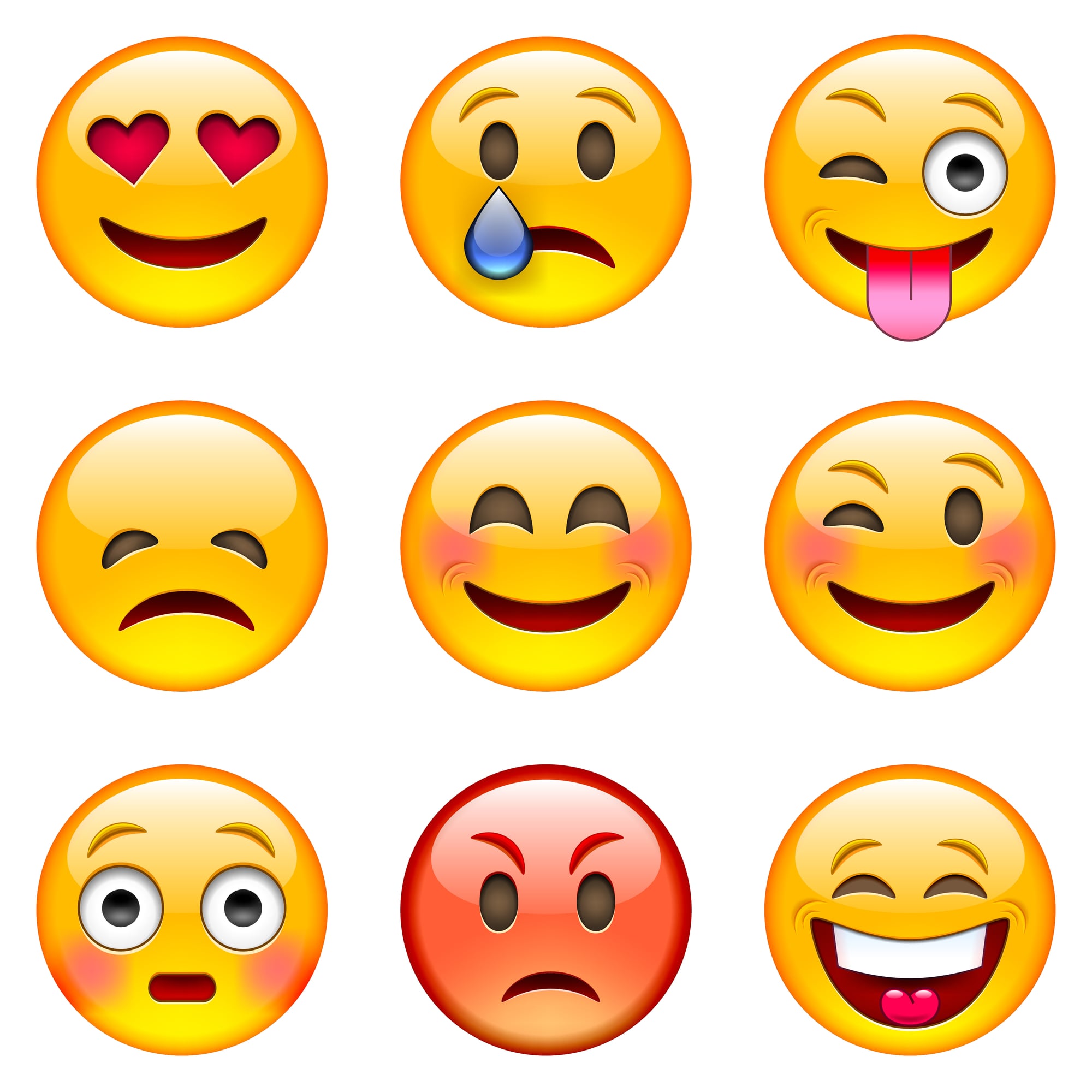
A colon and a parenthesis used to be enough. No yellow face required, no animation, just punctuation doing quiet emotional work.
It’s a small kind of ingenuity, using the leftover keys on a keyboard to build an entire expression.
Hamster Dance

There was no reason for this to work. A row of looping hamster GIFs set to a sped-up sample, and somehow it became one of the first true viral hits of the early web.
Millions of people visited a site that did, functionally, nothing.
Rickrolling
Somebody figured out that tricking people into a music video was funnier than any actual prank, and the joke never stopped being funny to the people running it. It required patience, timing, and a straight face — which, to be fair, is more effort than most pranks get.
It outlasted every platform it started on.
Early YouTube

Before YouTube optimized for watch time and thumbnails with wide-eyed expressions, it was mostly just people uploading whatever they had, badly lit and unscripted. “Broadcast Yourself” wasn’t a slogan yet, it was just accurate.
Nobody was chasing subscribers because subscribers weren’t really a currency yet.
Web Rings

A web ring was a small act of trust between strangers, a chain of personal sites linking to each other around a shared interest, guiding visitors from one to the next like stepping stones across a river nobody else had mapped. There was no algorithm doing the curating, just people deciding what belonged next to what.
It made the internet feel smaller and somehow more like a neighborhood, the kind where everyone knows the shortcut nobody else does.
Neopets

Neopets convinced an entire generation of kids to manage a tiny economy before they understood what an economy was. Feeding a pixelated pet, hoarding Neopoints, trading items with strangers online, none of it made real-world sense and all of it felt urgent.
It taught patience in a way homework never managed to.
Buddy Icons
A 100×100 pixel square somehow carried more personality than most profile photos do now. People changed them constantly, matching moods or inside jokes nobody outside the friend group would understand.
It’s a small format that asked for almost nothing and still managed to say something.
Newgrounds Flash Games
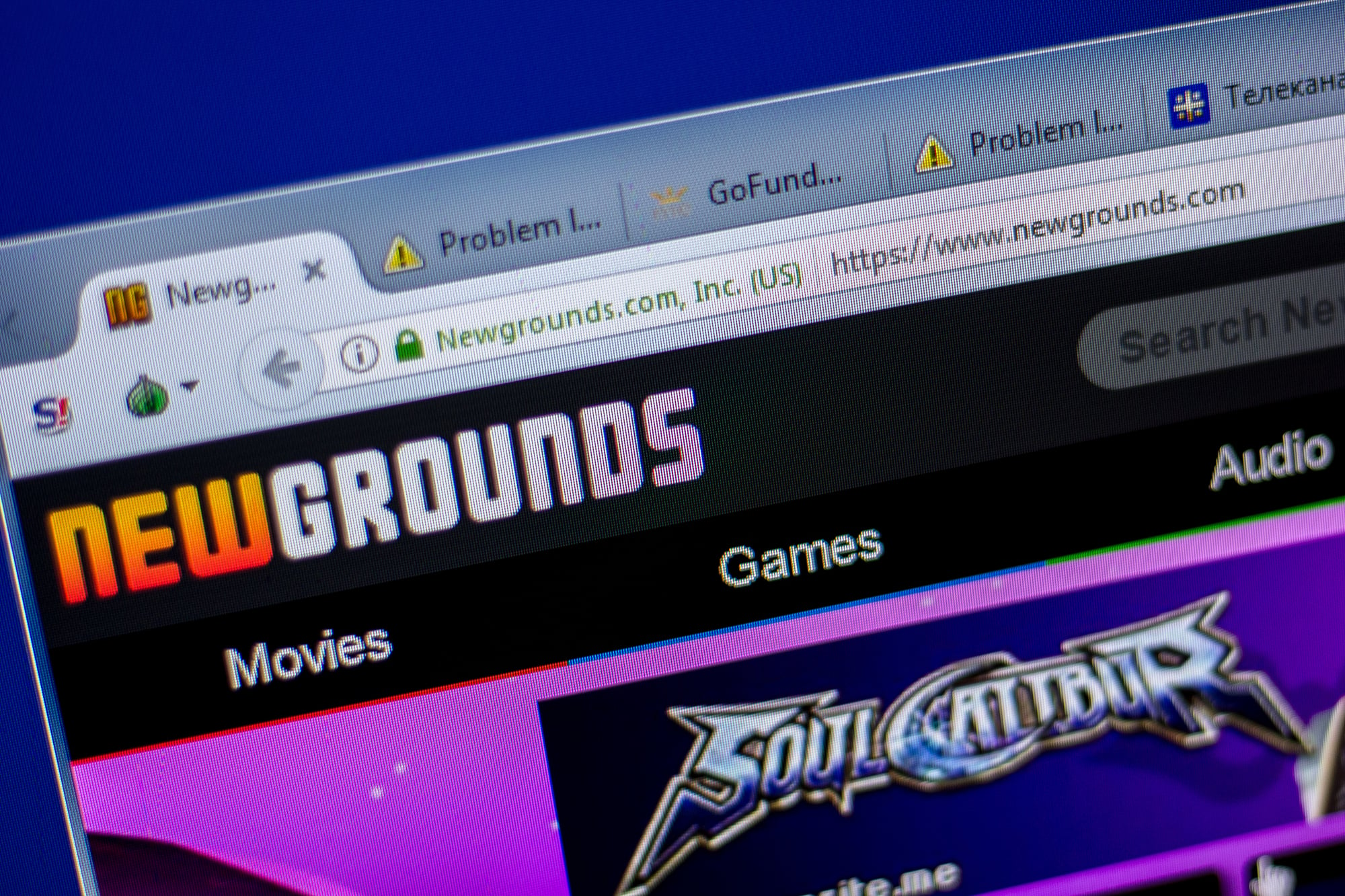
Newgrounds ran on the assumption that anyone with a computer and some patience could make something worth playing, and for a solid decade it delivered on that constantly. The games were rough, occasionally broken, sometimes genuinely brilliant — and that unevenness was part of the appeal, honestly, because you never knew which one you’d get.
A whole generation of animators and game designers got their start there, uploading things nobody paid them for. It’s easy to forget how much creative labor got poured into something with zero guarantee of an audience.
Forum Culture

Forums ran on structure nobody questioned: threads, sigs, post counts that quietly ranked your worth in the community. Regulars knew each other by username only, sometimes for years, without a single shared detail beyond a shared obsession.
It built a strange, durable kind of intimacy.
Hotlinked Photobucket Images

Nothing aged an old forum post faster than a broken image and the words “bandwidth exceeded” sitting where a photo used to be. Photobucket taught an entire generation what hotlinking meant, usually the hard way.
It’s the internet’s version of finding an old photo album with half the pictures missing.
Leetspeak

Replacing letters with numbers wasn’t really about secrecy, it was about signaling that you belonged somewhere specific. 1337 speak marked you as someone who’d spent real time in gaming forums and chat rooms, fluent in a dialect built entirely for insiders.
It reads now like a costume nobody wears anymore, but everyone remembers trying on.
All Your Base Are Belong to Us

A mistranslated line from an old video game somehow became one of the internet’s first true memes, spreading through forwarded videos and remixed images years before “meme” was even a common word. Nobody could explain why it was funny, and that unexplainability was sort of the whole joke.
It set the template every meme since has followed without knowing it.
Dancing Baby GIF

This thing showed up on desktops, in emails, in screensavers, long before “going viral” had a name. A poorly rendered 3D baby, dancing on loop, absolutely nothing else happening.
It’s proof that virality never needed quality, just timing and a lack of competition.
Friendster

Friendster got there first and still lost, which is one of the more honest stories the internet has to offer. It laid the groundwork for social networking, then buckled under its own slow servers right as MySpace and Facebook showed up ready to take the idea further.
Being early counts for very little if the site can’t load fast enough to keep people around.
Guestbooks

Signing someone’s guestbook was a small public gesture, a little proof-of-visit left behind for anyone scrolling through later. It reads now like a fossil record of who knew who, back when a website could have a front porch.
Nobody leaves those anymore, and something small got lost in that.
Hit Counters

That little number ticking upward at the bottom of a personal page mattered enormously to whoever put it there. It measured nothing meaningful, no engagement, no return visits, just raw traffic in its crudest form.
And yet watching it climb past 1,000 felt like an actual achievement.
Ask Jeeves

There was a brief window where a cartoon butler in a top hat was considered a legitimate way to search the internet. Ask Jeeves promised you could type a full question and get a real answer, which felt almost magical at the time.
It’s a strange artifact now, a search engine with a mascot, from an era before search got serious about itself.
Blinkies and Under Construction GIFs

Half the internet in the late 90s and early 2000s looked permanently unfinished, complete with animated barricades and little construction workers digging away at nothing. Blinking text banners assaulted every color combination imaginable, subtlety be damned.
Nobody worried about it looking “professional” because nobody expected it to.
Metallica Vs Napster

Metallica suing their own fan base over file sharing remains one of the internet’s cleanest lessons in how badly an industry can misjudge a moment. The band won the lawsuit and lost a chunk of goodwill that took years to rebuild.
It’s the origin story for every awkward standoff between old industries and new technology that followed.
MSN Messenger Nudges

Sending a nudge shook the entire chat window, rattled the screen, occasionally paired with a sound loud enough to make someone jump. It was rude, mildly obnoxious, and absolutely everyone did it constantly anyway.
There was no subtler way to say “answer me” in 2005.
Torrent Culture

Sites like the Pirate Bay ran on a kind of stubborn defiance, staying online through lawsuits, seizures, and constant relocation, treating copyright law as more of a suggestion than a boundary. Downloading something meant waiting hours for a bar to fill, hoping the seeders stuck around long enough to finish the job.
It built habits around media ownership that streaming services spent the next decade trying to undo.
Tom From MySpace
Everyone’s first friend on MySpace was a guy nobody actually knew, smiling out from a default profile picture that came pre-loaded on every account. Tom became a kind of internet folklore, half real person, half inside joke shared by millions of strangers who never met him.
It’s a strange kind of fame, earned entirely by default settings.
Forum Signature Banners

Every serious forum poster eventually built a signature, stacked with tiny banners, inside jokes, and links nobody clicked. It said more about belonging than almost anything else on the page.
Scrolling past dozens of them in a single thread felt like reading business cards from a club with no actual membership fee.
What the Old Web Left Behind

None of this stuff survived because it was efficient. It survived because it was strange, homemade, occasionally broken, and built by people who weren’t thinking about scale or engagement metrics.
The internet got faster and smoother and infinitely more useful since then, but it also got a little quieter in the ways that used to feel like personality. Looking back at all of it now, the appeal isn’t really the technology, it’s the reminder that somebody, somewhere, was just trying things out for the first time, with no idea any of it would matter later.
More from Go2Tutors!

- The Romanov Crown Jewels and Their Tragic Fate
- 13 Historical Mysteries That Science Still Can’t Solve
- Famous Hoaxes That Fooled the World for Years
- 15 Child Stars with Tragic Adult Lives
- 16 Famous Jewelry Pieces in History
Like Go2Tutors’s content? Follow us on MSN.



