The Smallest Countries with Big Impact
In the realm of global influence, size isn’t everything. While the sheer size of nations like China and Russia makes headlines, some of the smallest countries in the world are far more powerful than their size. These tiny nations have learned how to use their distinct advantages—whether they be geographic location, wealth, experience, or sheer willpower—to become major players on the world stage, far more significant than their small size would imply.
With influence that would make much larger countries jealous, these geographical underdogs have evolved into crucial figures in international finance, technology, diplomacy, and culture. These tiny nations have perfected the art of thinking big while remaining small.
Singapore
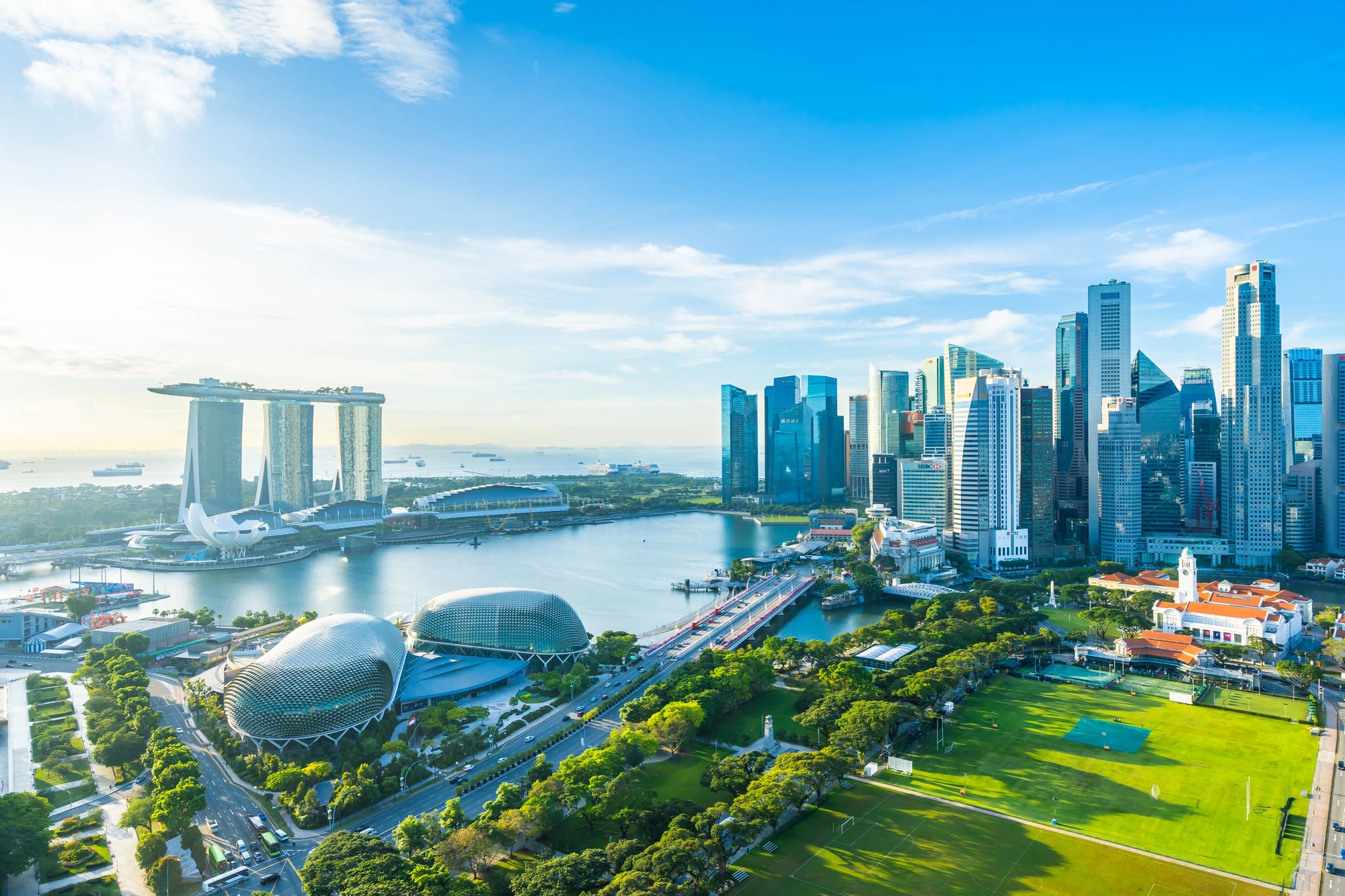
From a sleepy trading post to Asia’s financial and shipping hub, Singapore has more global influence per square mile than nearly any other place on Earth. Despite being smaller than New York City, this island nation acts as the entry point for trade throughout Southeast Asia and manages roughly 14% of all container traffic worldwide.
Singapore is a vital hub for international trade and finance because of its advantageous location at the intersection of important shipping lanes, as well as its business-friendly laws and anti-corruption administration.
Luxembourg
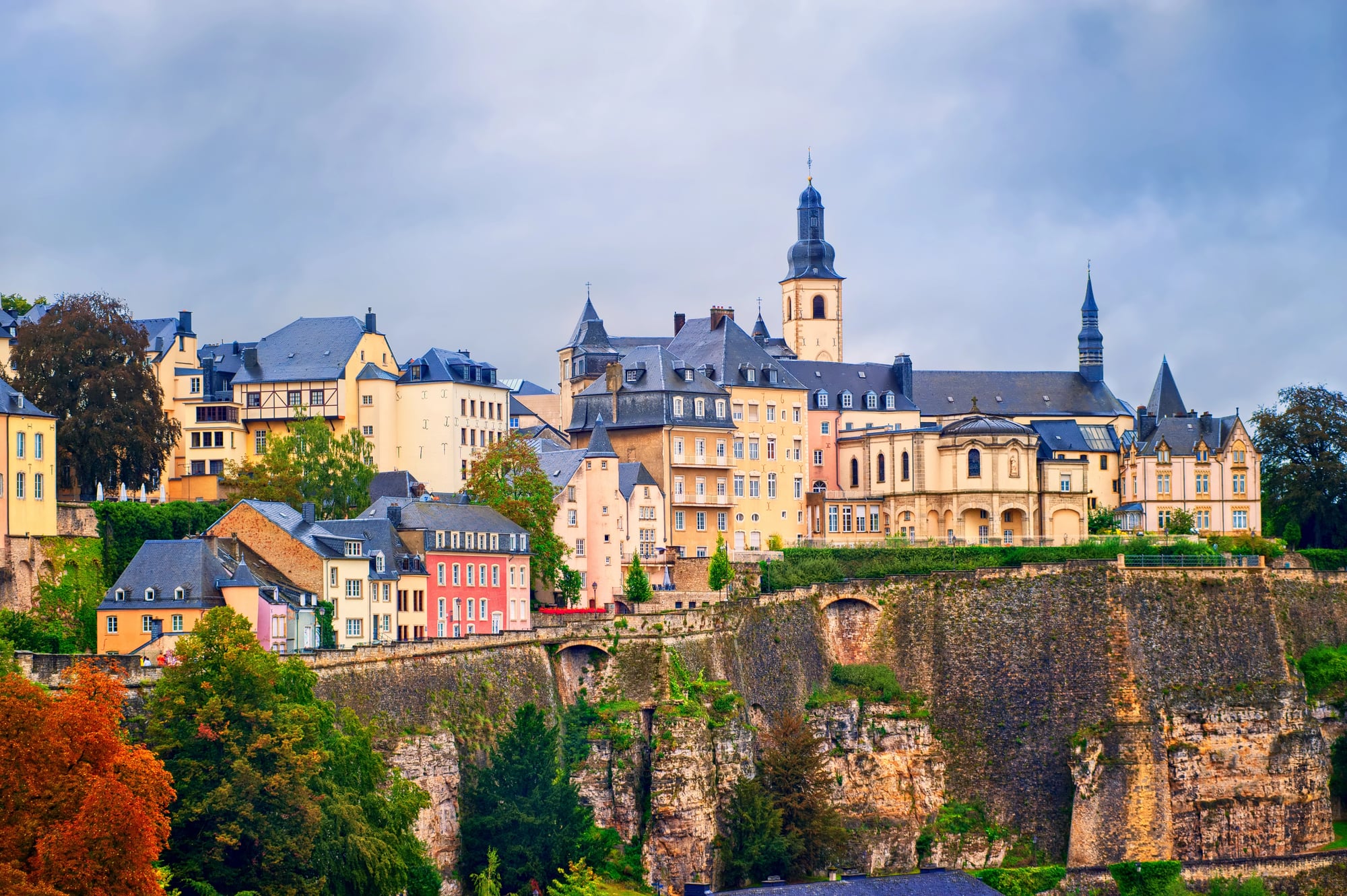
Despite being smaller than Rhode Island, Luxembourg is the country that manages the most investment funds outside of the US. Despite having fewer residents than San Francisco, this small European country is a major player in global finance, home to more than 3,800 investment funds valued at over 5.1 trillion euros.
A small duchy became one of the richest nations in the world per capita thanks to Luxembourg’s banking secrecy laws and advantageous tax policies, which drew in wealthy individuals and foreign corporations.
Switzerland
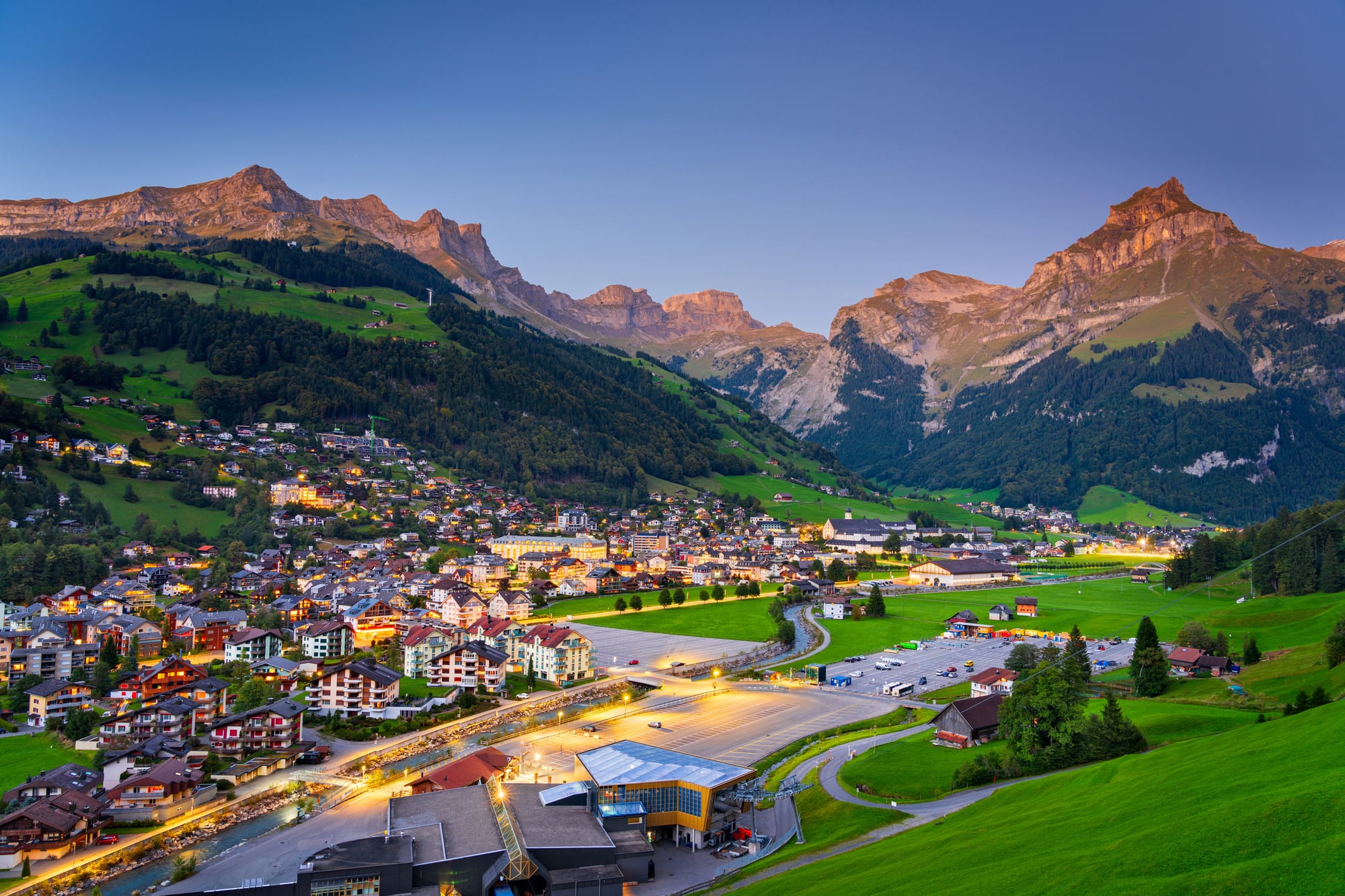
Switzerland leverages its political neutrality and mountain geography to become an indispensable global mediator and financial center. The country hosts more international organizations than much larger nations, from the United Nations European headquarters to the World Economic Forum in Davos.
Switzerland’s banks manage roughly 20-25% of the world’s private wealth, while its pharmaceutical and precision manufacturing industries supply essential products to markets worldwide.
Monaco
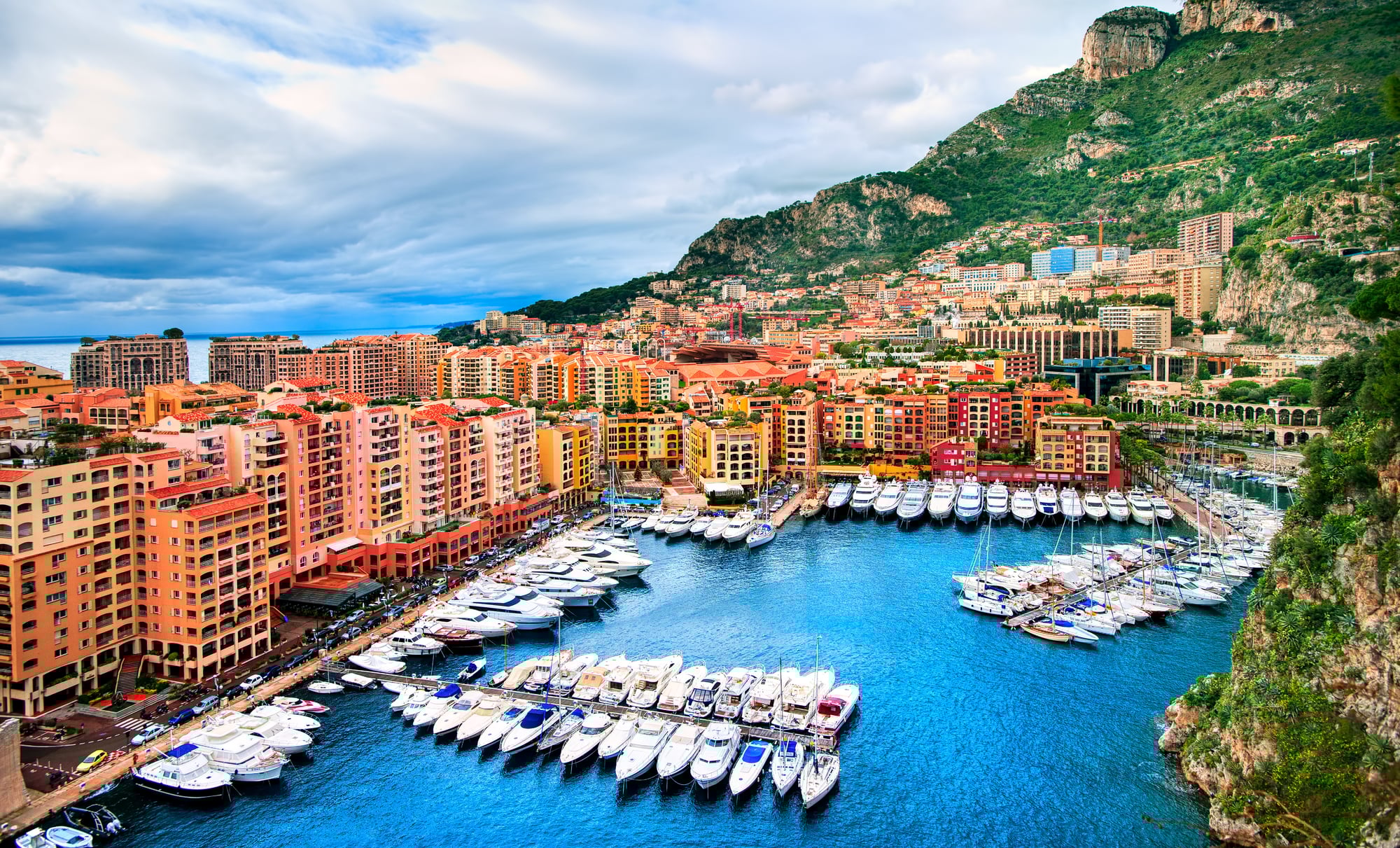
Monaco proves that being tiny doesn’t mean being insignificant, cramming more millionaires per square mile than anywhere else while serving as a playground for the global elite. This city-state is smaller than Central Park but generates enormous influence through its casino industry, Formula 1 Grand Prix, and low-tax jurisdiction status that attracts wealthy residents from around the world.
Monaco’s glamorous reputation and strategic Mediterranean location make it a cultural and economic magnet that far exceeds its microscopic size.
Qatar
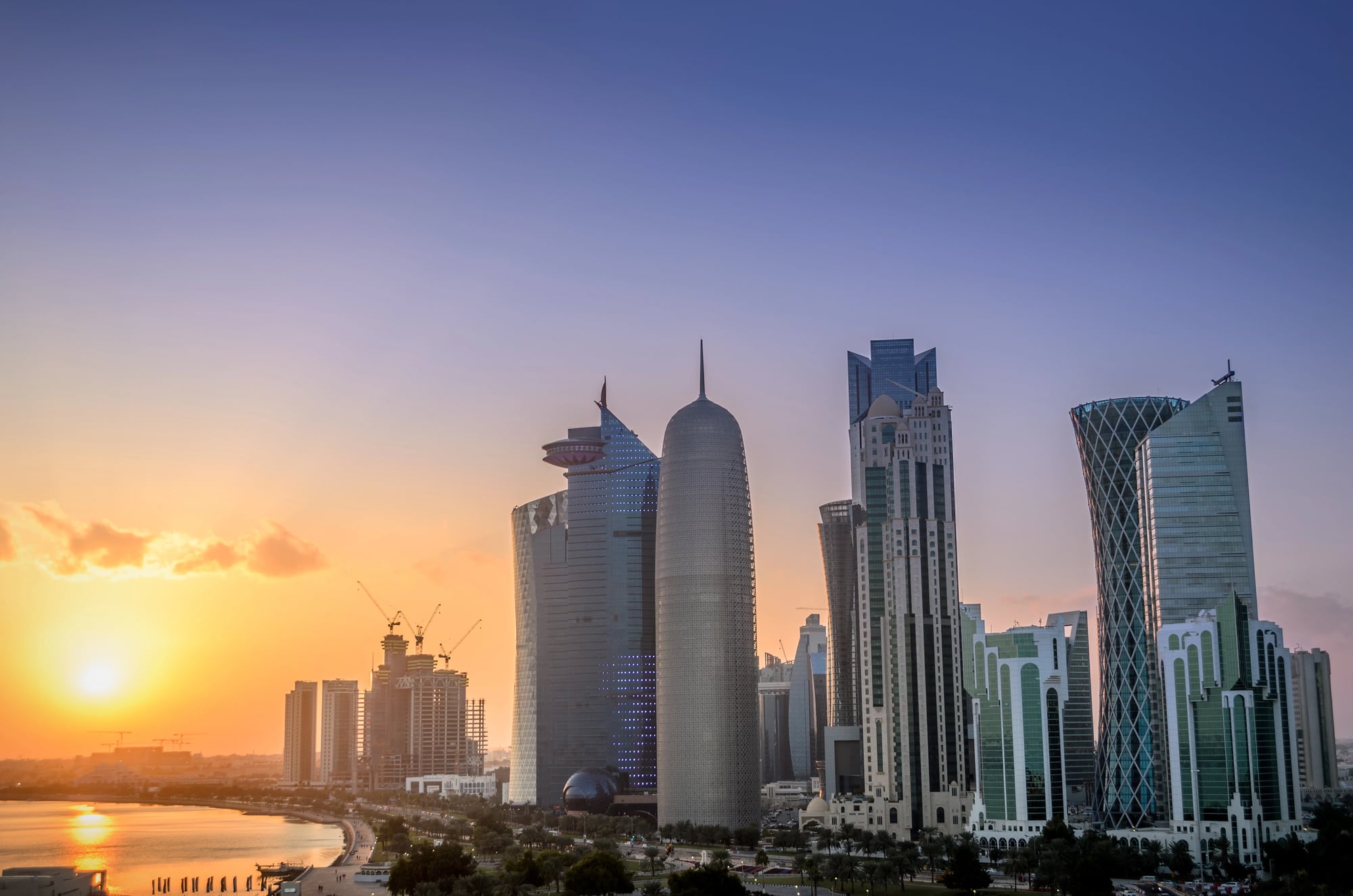
Qatar transformed itself from a desert peninsula into a global energy powerhouse and diplomatic mediator, using its massive natural gas reserves to fund outsized international influence. The country supplies about 13-15% of the world’s liquefied natural gas while hosting major international events like the FIFA World Cup and serving as a neutral venue for diplomatic negotiations.
Qatar’s sovereign wealth fund invests billions globally, from London real estate to major corporations, giving this small nation significant economic leverage worldwide.
United Arab Emirates
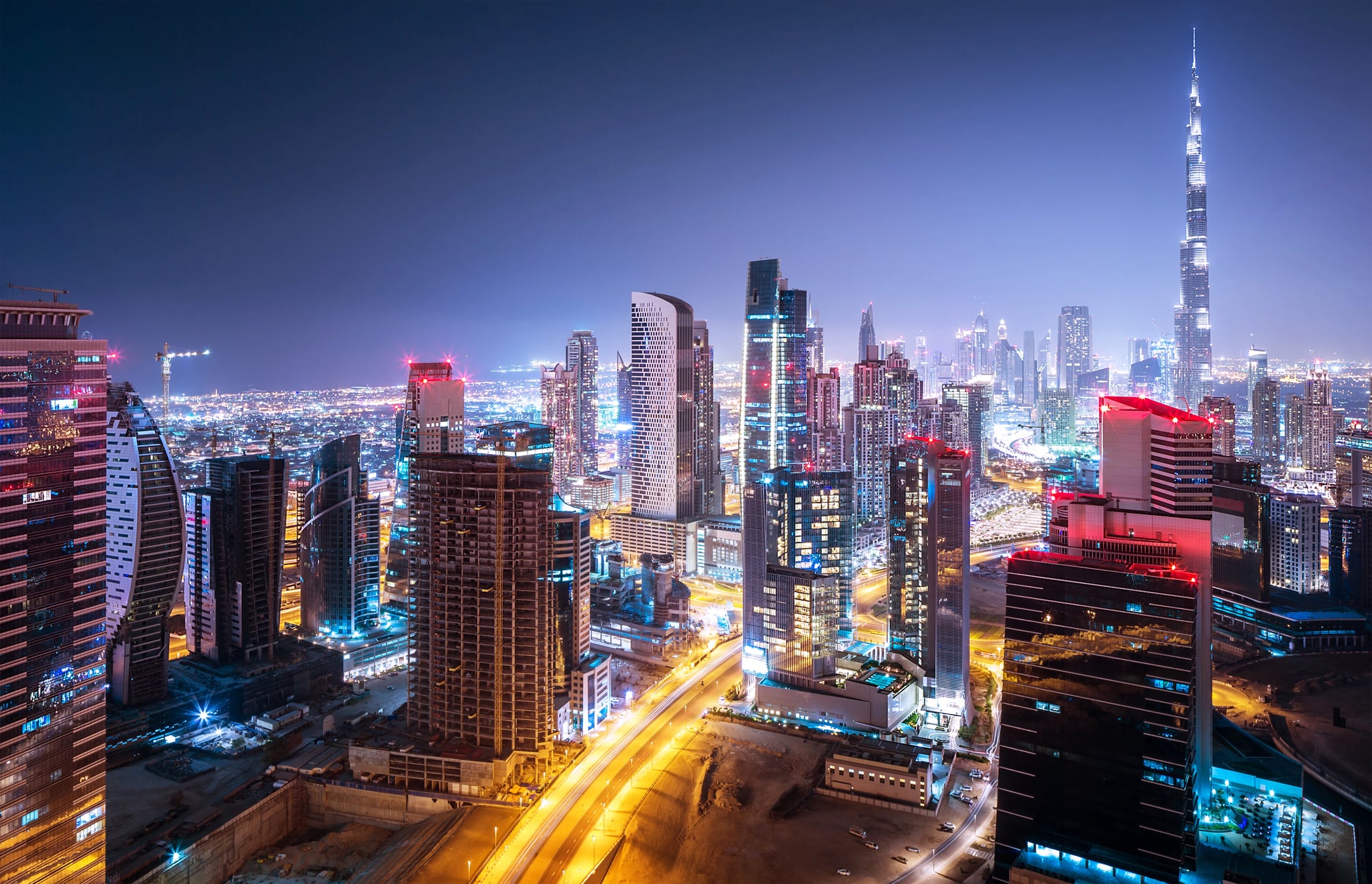
The UAE combined seven small emirates into a federation that became the Middle East’s business and tourism hub, with Dubai and Abu Dhabi emerging as global cities that rival much larger capitals. The country’s strategic location between Europe, Asia, and Africa, plus its business-friendly policies, made it a natural hub for international trade and finance.
The UAE’s airlines rank among the world’s top global connectors, while its ports handle massive amounts of regional trade.
Israel
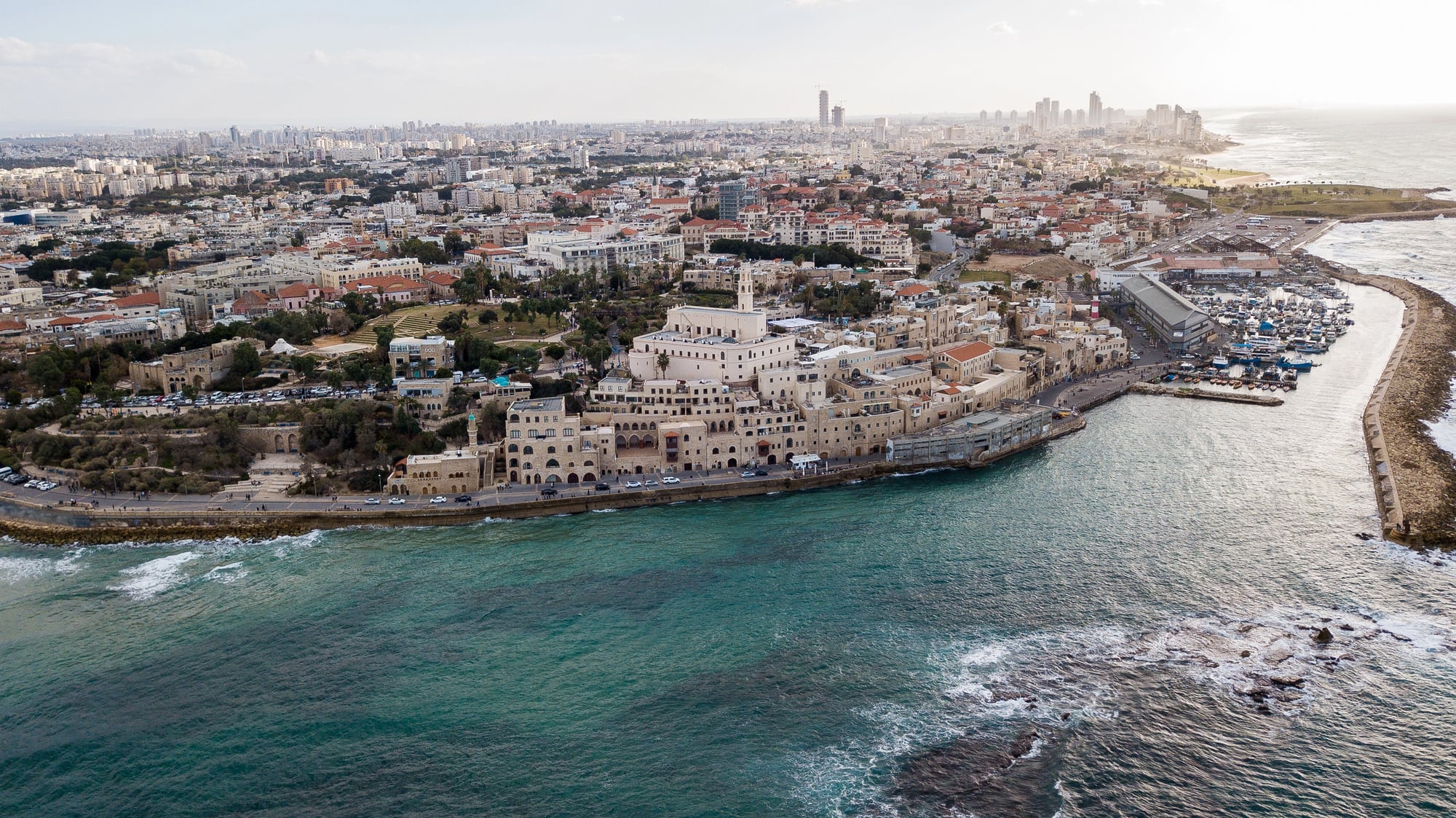
Israel leverages its technological innovation and strategic location to wield influence far beyond its small size, earning the nickname ‘Start-up Nation’ for its outsized contribution to global technology. The country has more companies listed on NASDAQ than many much larger nations, despite having a smaller population than New York City.
Israel’s military technology, agricultural innovations, and medical research impact countries worldwide, while its complex geopolitical situation makes it a key player in Middle Eastern and global affairs.
Denmark
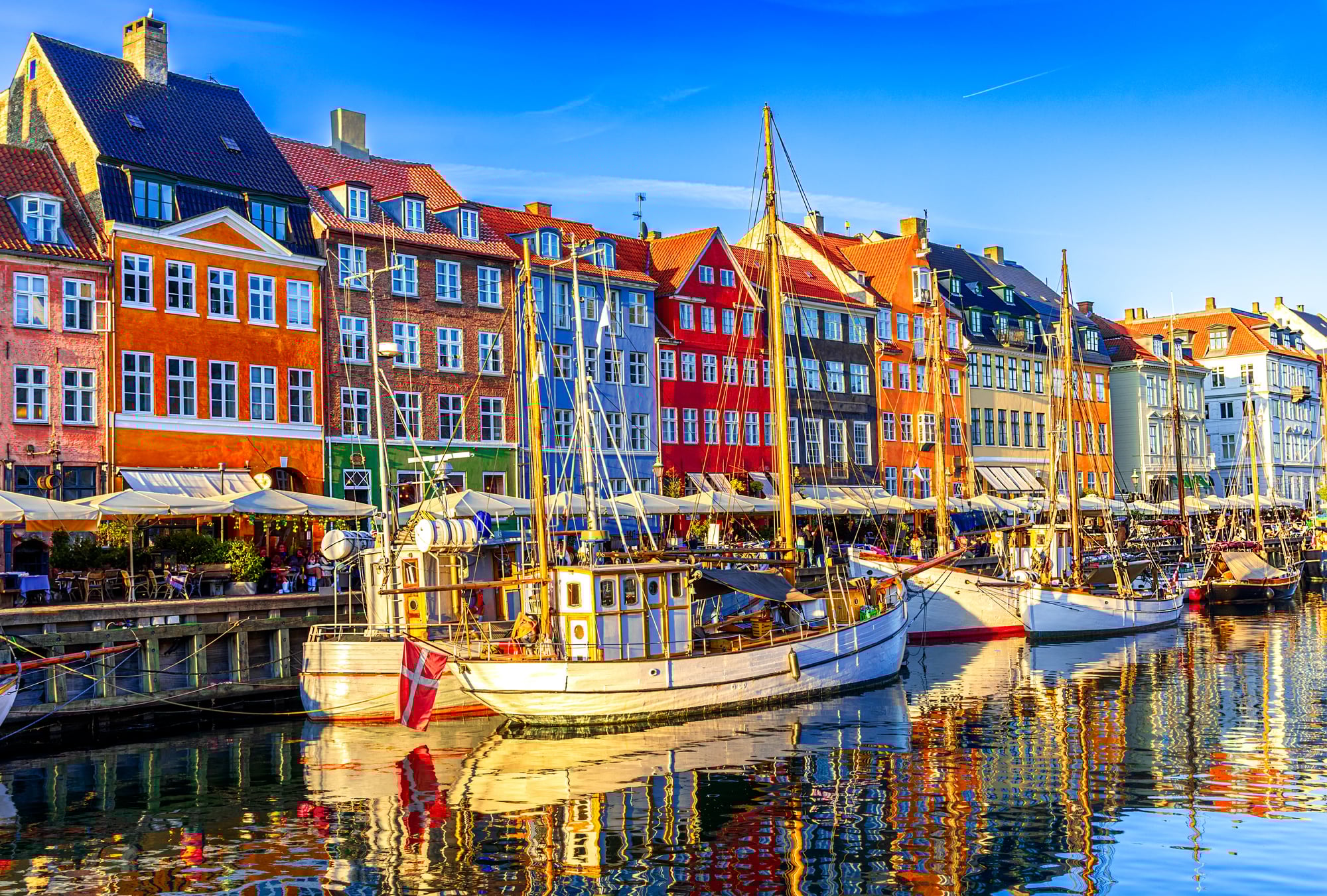
Denmark consistently ranks among the world’s happiest and most innovative countries, exporting everything from renewable energy technology to influential cultural concepts like hygge. The country generated about 55% of its electricity from wind power in 2022 and leads global efforts in sustainable development, with Danish companies dominating the wind energy industry worldwide.
Denmark’s social policies and work-life balance models influence policy discussions in much larger countries seeking to improve quality of life.
Ireland
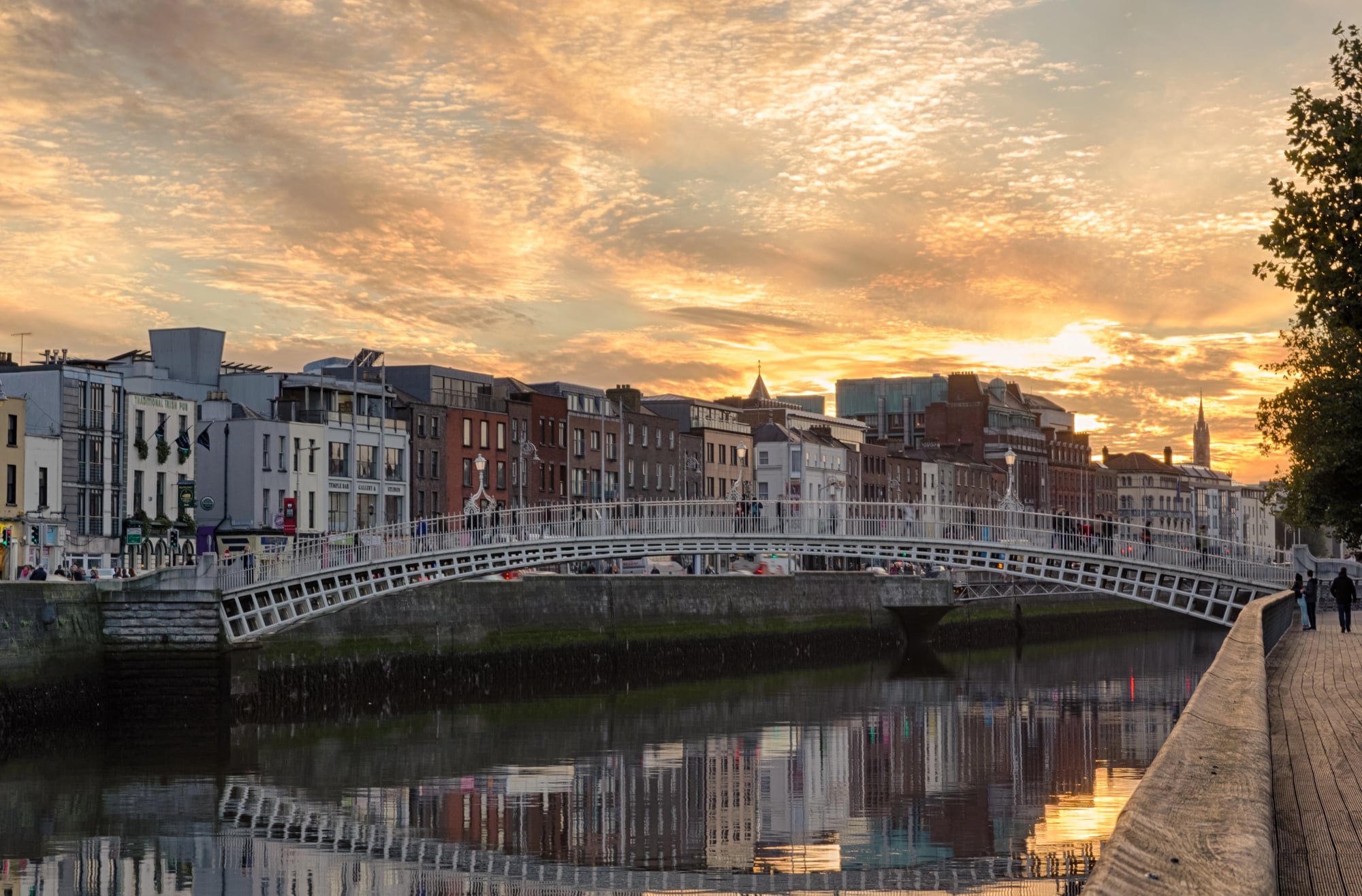
Ireland transformed from one of Europe’s poorest countries into a high-tech hub that attracts major international corporations with tax policies that remain competitive despite increased EU and international scrutiny. The country serves as the European headquarters for tech giants like Google, Facebook, and Apple, giving this island nation enormous influence in global digital policy discussions.
Ireland’s cultural exports, from literature to music, continue to shape global entertainment and artistic expression far beyond what its small population might suggest.
Malta
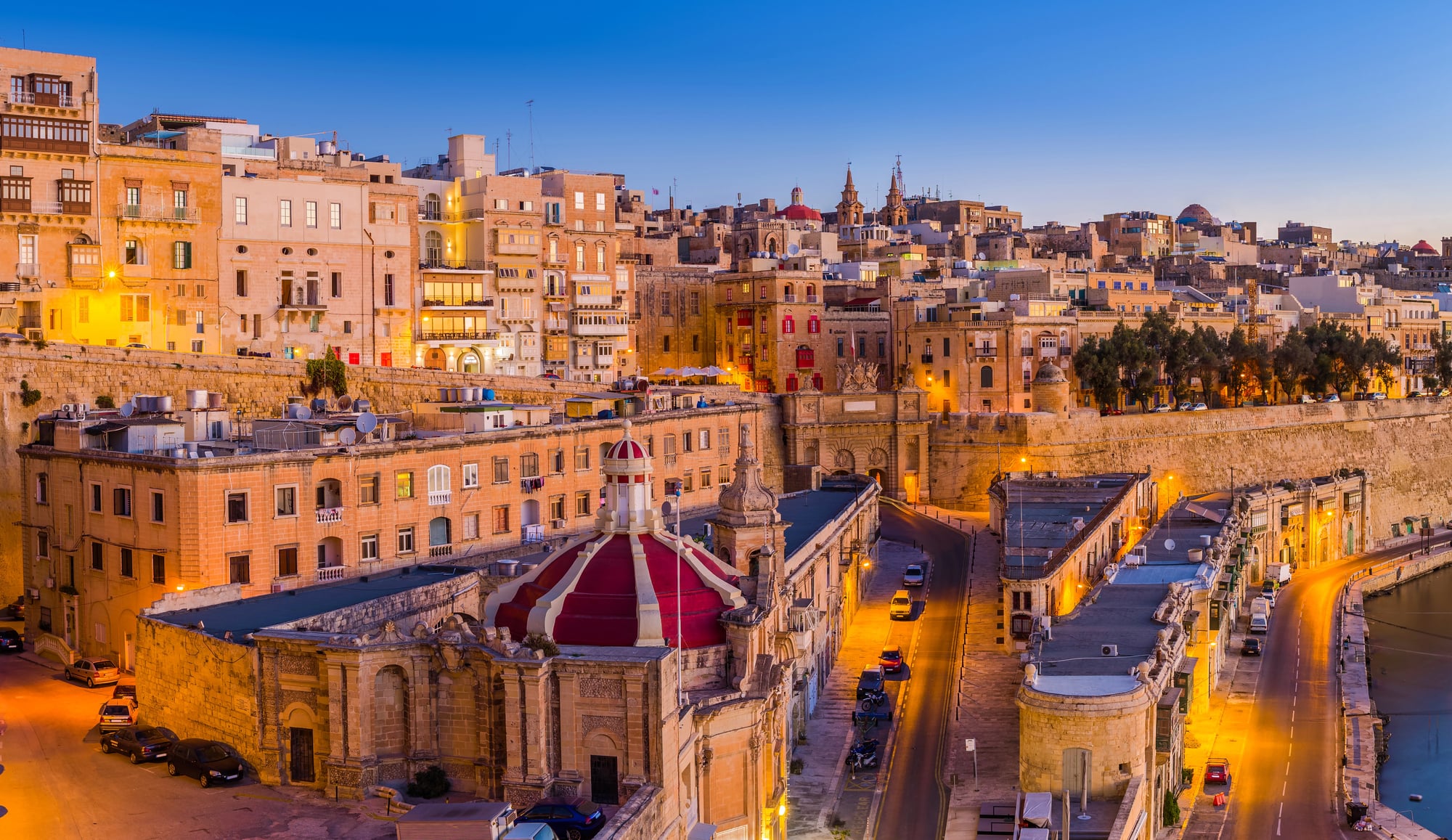
Malta sits at the crossroads of Europe, Africa, and the Middle East, leveraging its strategic Mediterranean location to become a crucial hub for shipping, finance, and digital innovation. The country developed early blockchain and cryptocurrency frameworks that attracted fintech companies, though regulatory requirements have become more stringent in recent years.
Malta’s history as a maritime trading post continues today, with its ports serving as essential links in global supply chains.
Cyprus
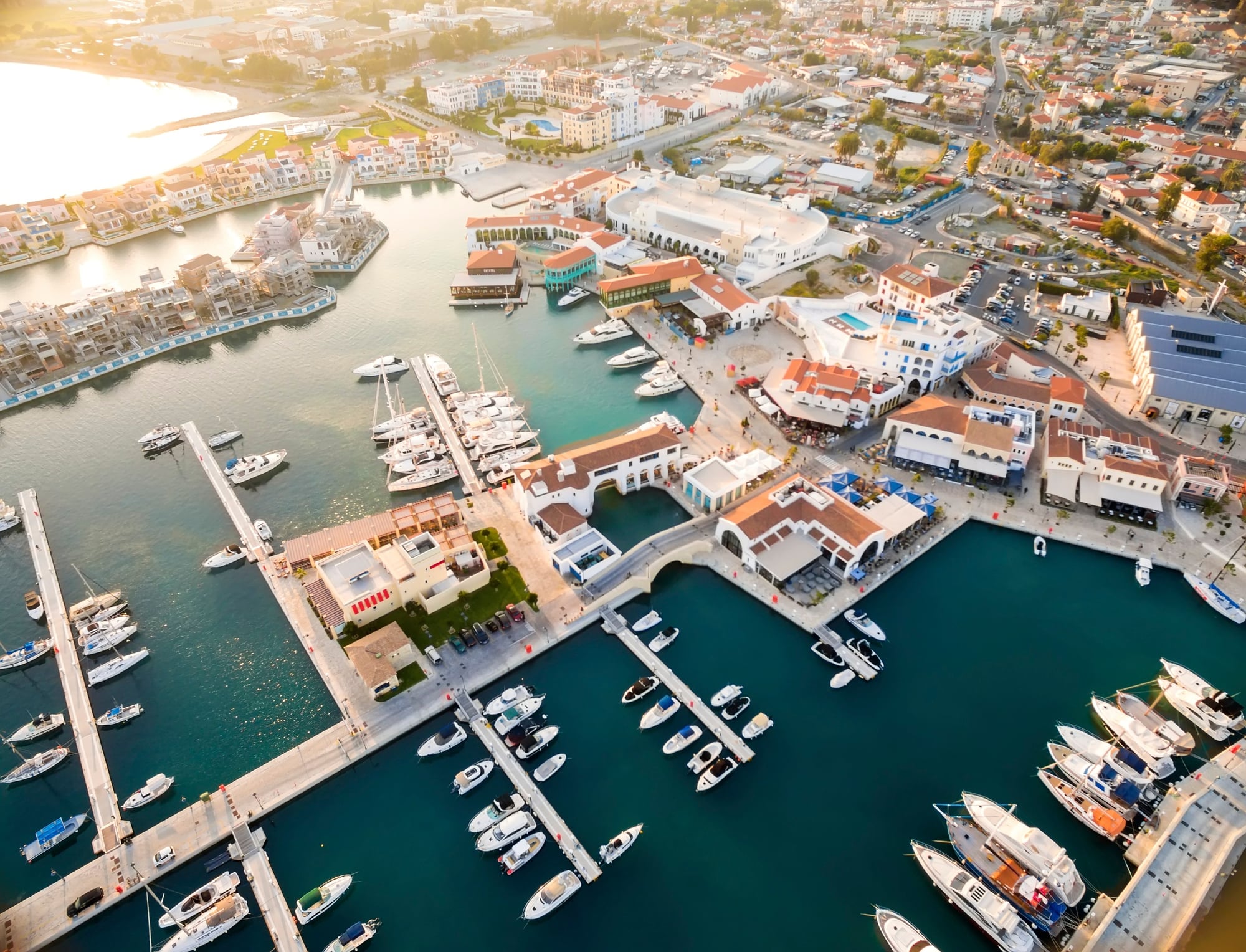
Cyprus serves as a bridge between Europe, Asia, and Africa while operating as an international financial center, though its offshore banking sector has undergone significant reforms to comply with EU anti-money laundering rules. The island’s strategic location in the Eastern Mediterranean, combined with EU membership, continues to attract businesses seeking European access.
Cyprus also plays an important role in regional energy development, with significant natural gas discoveries off its coast reshaping Eastern Mediterranean geopolitics.
Iceland
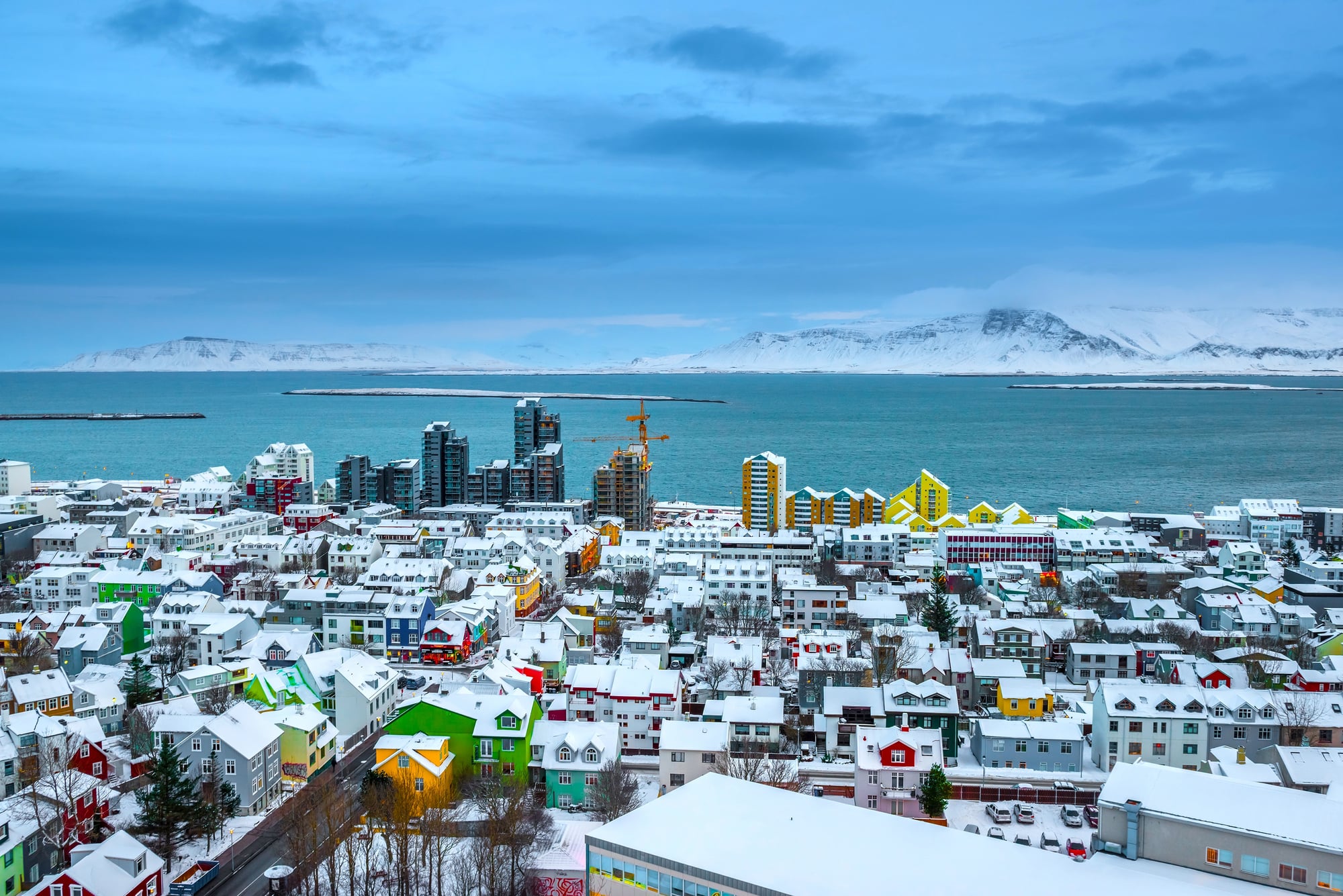
Iceland harnesses its unique geography to become a global leader in renewable energy and green technology, using geothermal and hydroelectric power to attract energy-intensive industries and data centers. The country generates nearly 100% of its electricity from renewable sources and exports its clean energy expertise worldwide through companies like Reykjavik Energy.
Iceland’s small population and stable democracy also make it an important voice in international environmental and human rights discussions.
Brunei
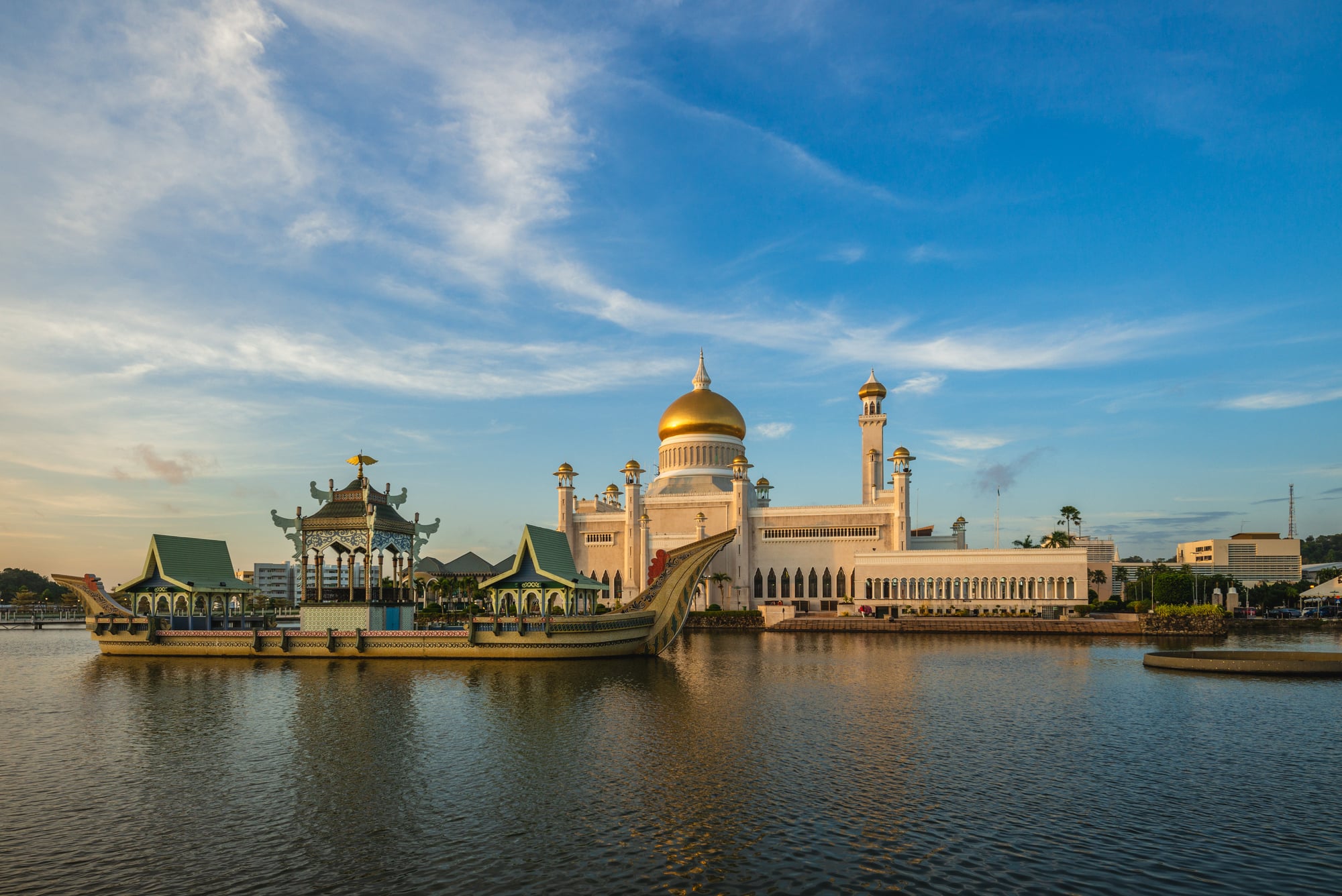
Brunei leverages its massive oil and natural gas wealth to maintain one of the world’s highest standards of living while wielding significant influence in Southeast Asian regional affairs. The country’s energy exports help power much of Asia, while its sovereign wealth fund invests globally, though its global political influence remains more limited compared to larger energy producers.
Despite having fewer people than most mid-sized American cities, Brunei’s energy resources and strategic location make it an important player in regional politics and global energy markets.
Small Size, Global Reach
These small nations show that strategic thinking, innovation, and the capacity to identify and seize competitive advantages are far more important in our globalized world than geographic size. Small countries can carve out crucial niches that make them indispensable to the global system, whether through resource wealth, financial services, technological innovation, or diplomatic mediation.
Their achievements demonstrate that sometimes the smallest players can have the greatest impact on the global scene and provide insightful lessons about specialization, efficiency, and the value of acting locally while thinking globally.
More from Go2Tutors!

- The Romanov Crown Jewels and Their Tragic Fate
- 13 Historical Mysteries That Science Still Can’t Solve
- Famous Hoaxes That Fooled the World for Years
- 15 Child Stars with Tragic Adult Lives
- 16 Famous Jewelry Pieces in History
Like Go2Tutors’s content? Follow us on MSN.