’70s Design Trends Still Around Today
The 1970s had its own unique visual aesthetic that was unapologetically bold, expressive, and warm. Interior spaces were comfortable, colors were earthy, and the overall aesthetic was personal rather than polished.
Although some of the trends of the time may have been relegated to the realm of nostalgia, they have also been quietly enduring and have made a comeback in modern interior spaces, fashion, and products. What has helped these trends stand the test of time is the way they marry individuality with functionality.
They are unapologetically textured, warm, and personal, and this has helped them endure as a trend that resonates well with modern spaces that are intended to feel lived-in rather than merely decorated. Let’s take a look at the design trends of the 1970s and how they have influenced modern aesthetics.
Earth Tones
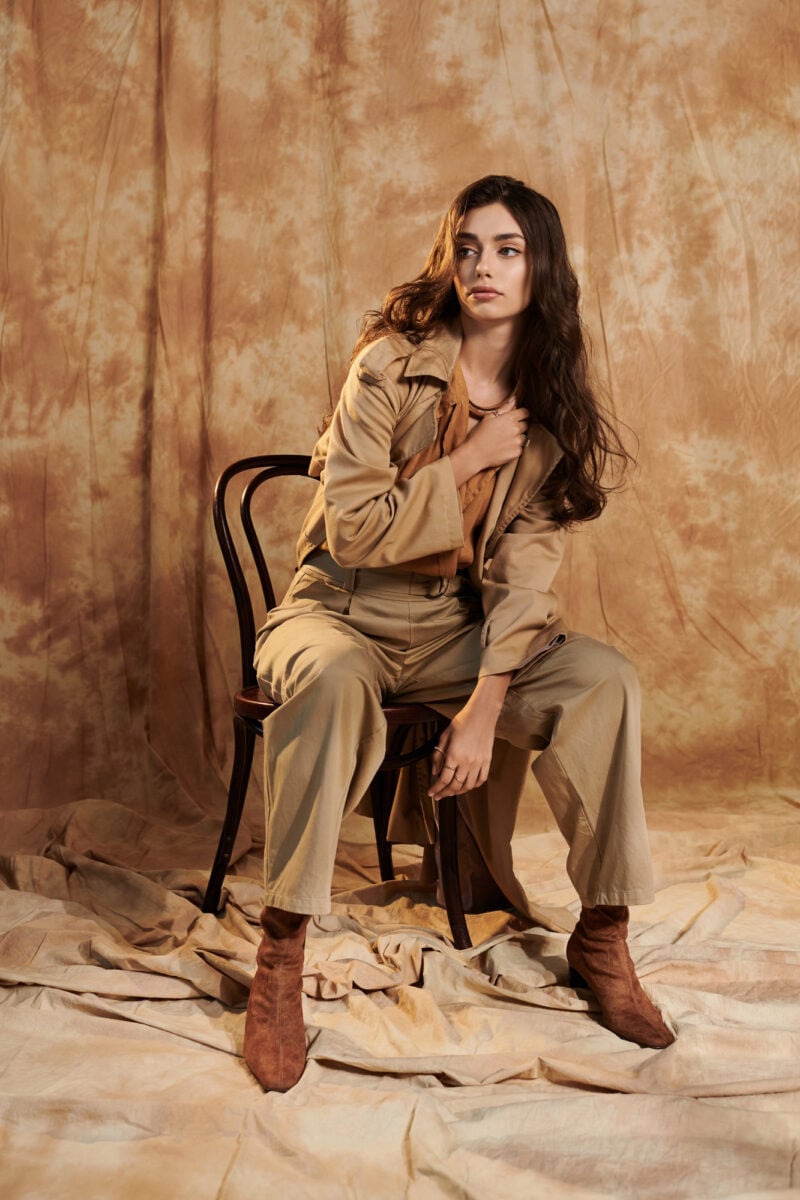
The 1970s embraced a palette inspired by nature—think browns, burnt oranges, mustard yellows, and deep greens. These colors created a sense of warmth and groundedness, making spaces feel inviting rather than stark.
They were often layered together, creating rooms that felt rich and immersive rather than minimal. Today, earth tones have returned in a more refined way.
Modern interiors often pair them with neutral backdrops or lighter woods, creating balance while maintaining that cozy feel. Designers also use these shades to soften contemporary spaces that might otherwise feel too clinical.
Still, the emotional impact remains the same. These colors make rooms feel comfortable and connected to the natural world, which explains their lasting popularity.
They work quietly in the background while still shaping the entire mood of a space.
Wood Paneling
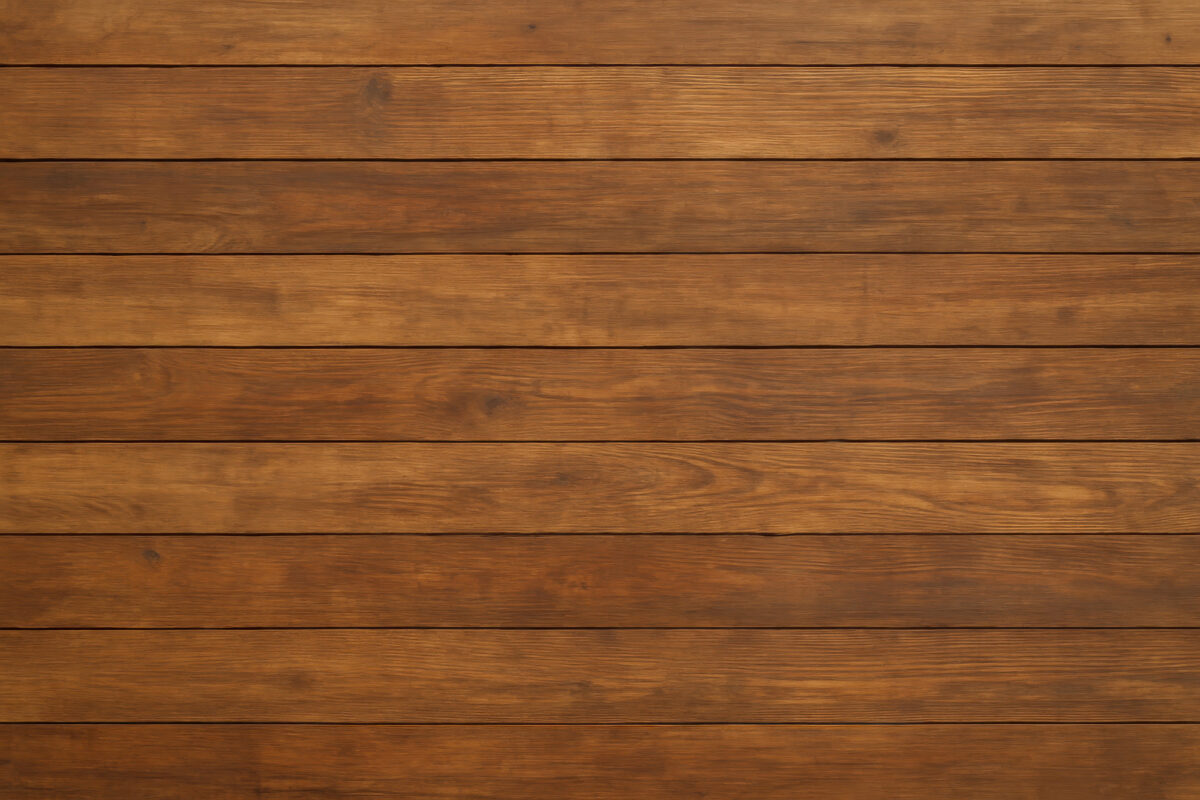
Wood paneling was once a defining feature of ’70s interiors, covering walls in rich, textured finishes. While it eventually fell out of favor, it has made a noticeable comeback in contemporary design.
Its ability to add warmth and depth has been rediscovered in an era that often leans toward minimalism. Modern versions tend to be lighter, sleeker, and used more selectively.
Instead of covering entire rooms, designers often use paneling as an accent wall or architectural detail. Vertical slats and natural finishes give it a clean, updated feel.
That said, the renewed interest reflects a broader shift toward natural materials. Wood adds character in a way that feels authentic, and it ages gracefully over time rather than looking dated.
Shag Rugs
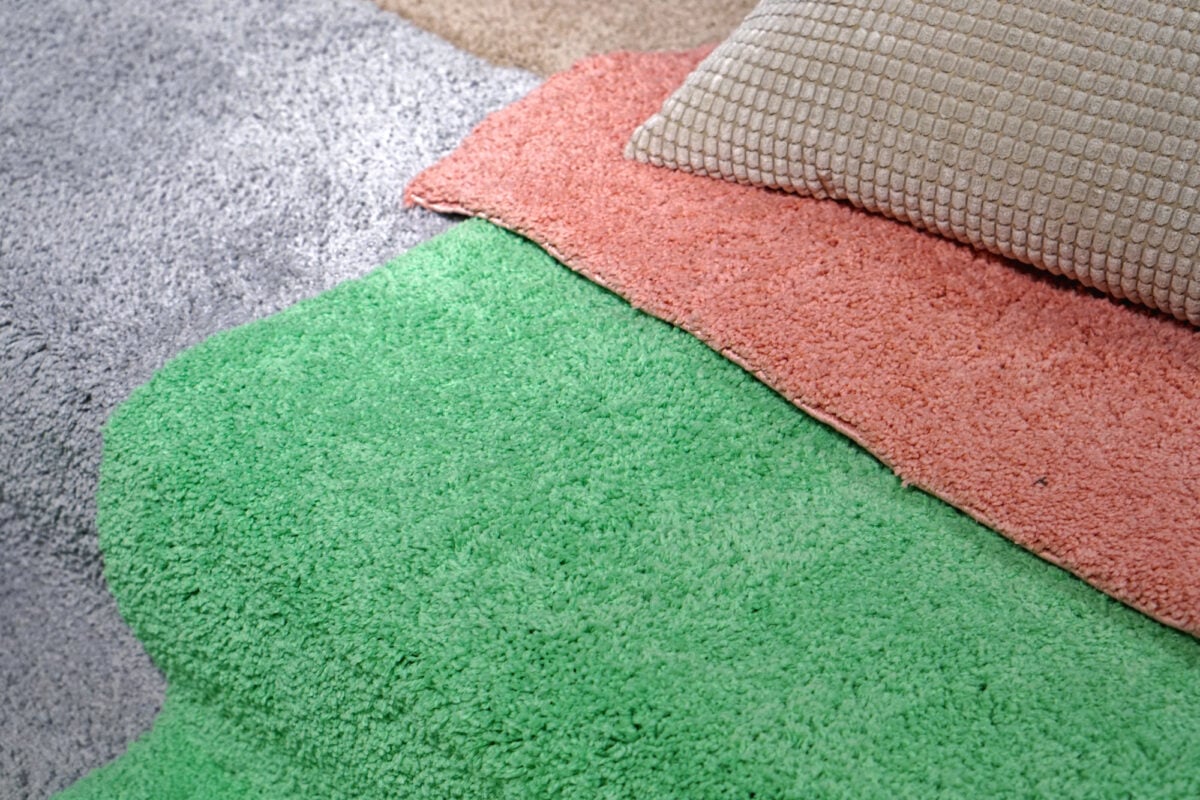
Shag rugs were everywhere in the 1970s, known for their thick, plush texture. They added softness underfoot and contributed to the cozy, relaxed atmosphere that defined the decade’s interiors.
Walking across one felt like stepping into a softer version of the room itself. Today’s versions are more restrained in both color and scale, but the core idea remains.
People still gravitate toward rugs that feel comfortable and tactile, especially in living rooms and bedrooms where comfort matters most. Even so, the appeal goes beyond comfort.
A textured rug can anchor a space visually, adding dimension without requiring bold patterns or colors. It also helps soften hard flooring, making a room feel more inviting.
Curved Furniture
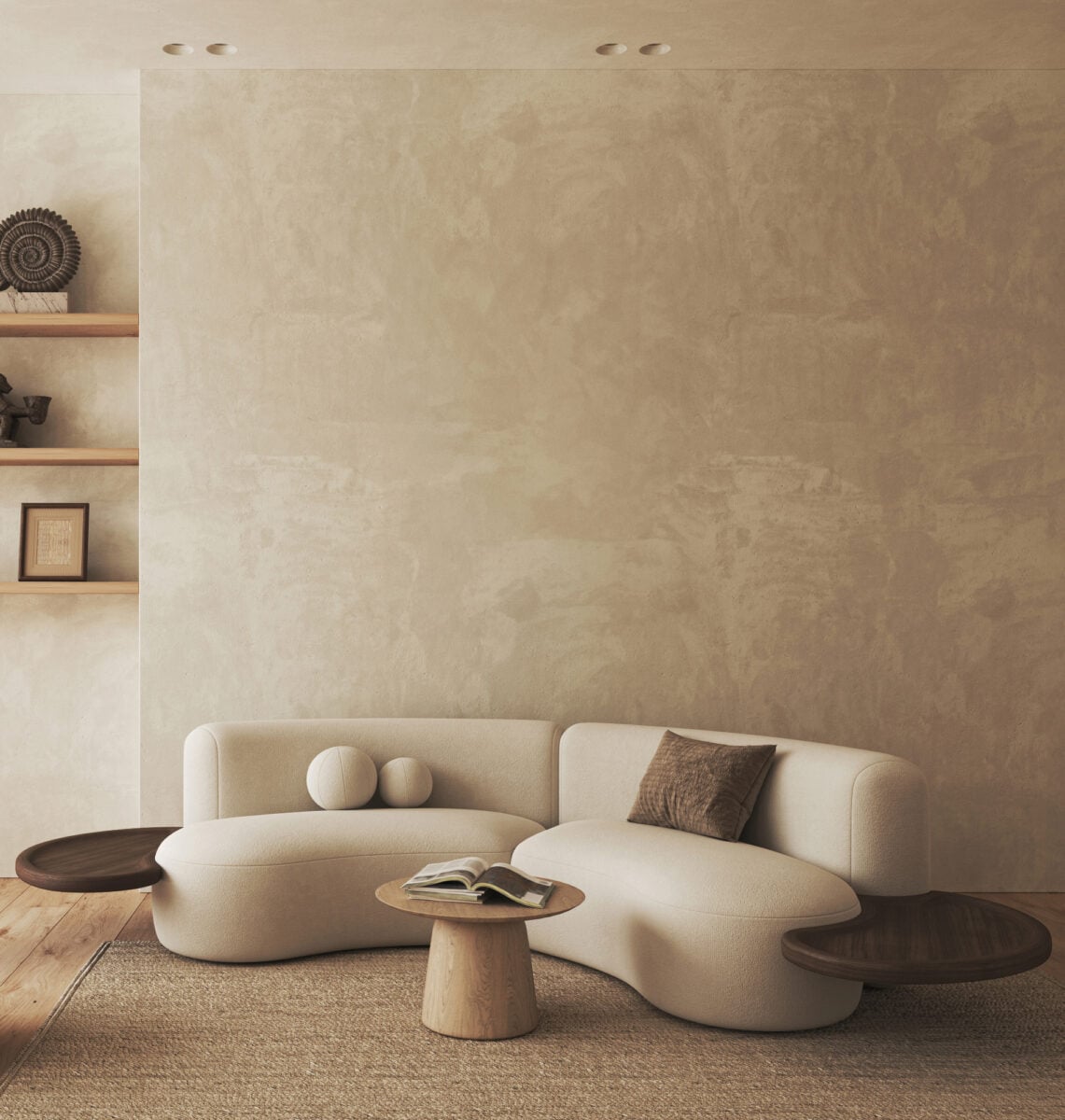
The 1970s moved away from rigid lines in favor of softer, more organic shapes. Sofas, chairs, and tables often featured rounded edges that created a more relaxed and inviting environment.
These shapes made rooms feel less formal and more approachable. This trend has returned in modern furniture design, where curved silhouettes soften otherwise minimal spaces.
Rounded sofas and circular tables break up straight lines, making rooms feel more fluid and dynamic. On the other hand, curved furniture also encourages a different kind of interaction.
It naturally draws people together, creating a more social and comfortable setting. The effect is subtle but noticeable in how a room is used.
Bold Patterns
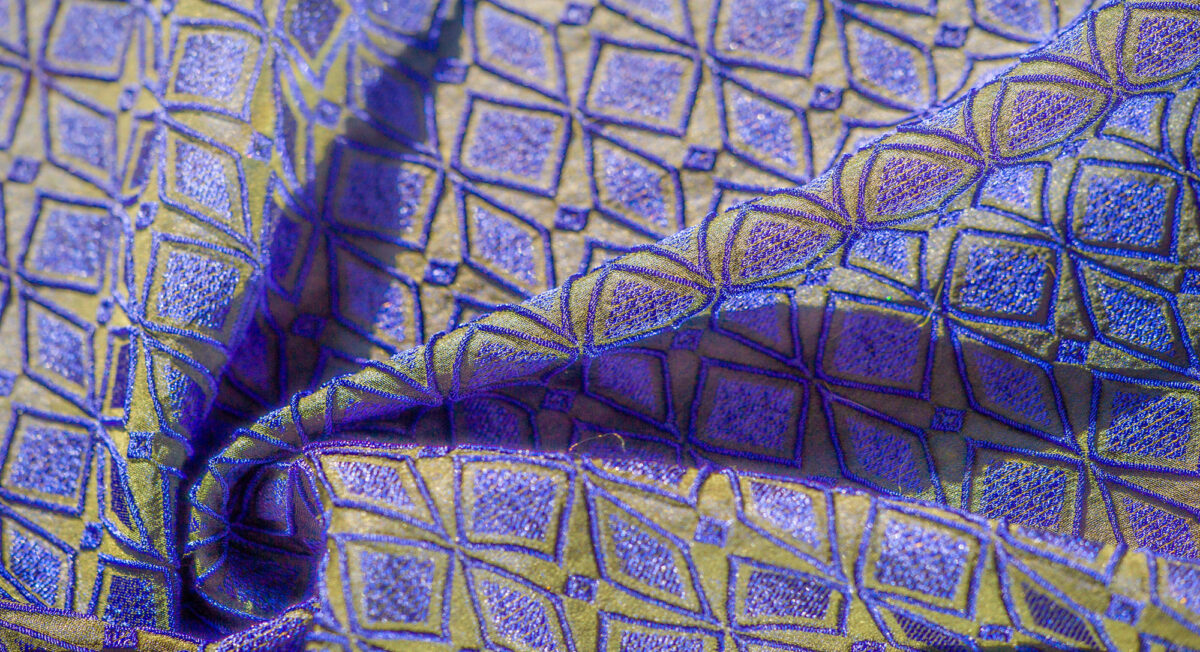
Patterns in the ’70s were anything but subtle. Geometric shapes, florals, and abstract designs appeared on everything from wallpaper to upholstery.
The goal was to create visual interest and personality rather than blend into the background. Today, bold patterns are used more sparingly but still play a key role in design.
A patterned cushion, wallpaper feature, or statement chair can bring personality into a space without overwhelming it. Still, the influence is clear.
Modern design continues to embrace the idea that patterns can add energy and individuality when used thoughtfully. They act as focal points that break up otherwise simple interiors.
Indoor Plants
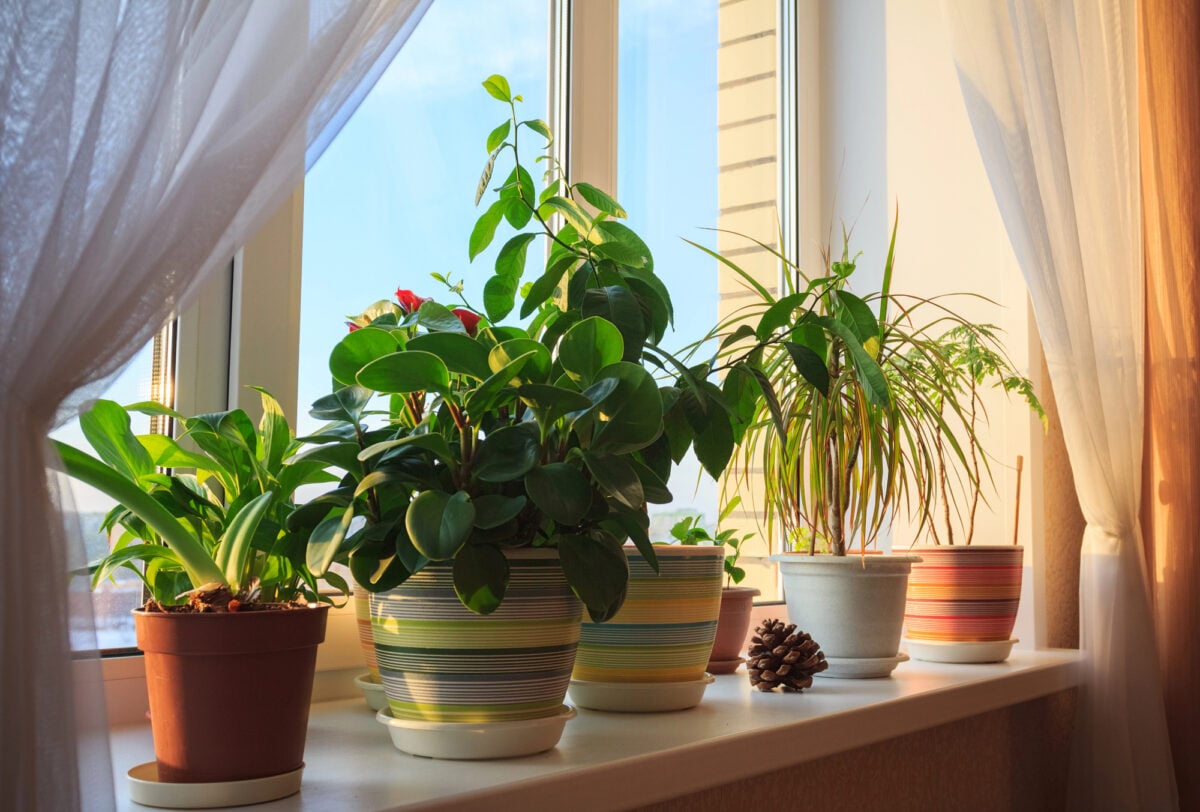
The 1970s saw a surge in indoor greenery, with plants becoming a central part of home decor. They added life, color, and a sense of connection to nature within indoor spaces.
Hanging planters and clustered arrangements became especially popular. That trend has not only persisted but grown stronger.
Today, plants are considered essential design elements, often used to soften interiors and improve overall atmosphere. They bring movement and freshness into otherwise static spaces.
Even so, the reason for their popularity remains unchanged. Plants make spaces feel more vibrant and lived-in, offering a natural contrast to furniture and architecture.
They also create a calming effect that many people actively seek.
Statement Lighting
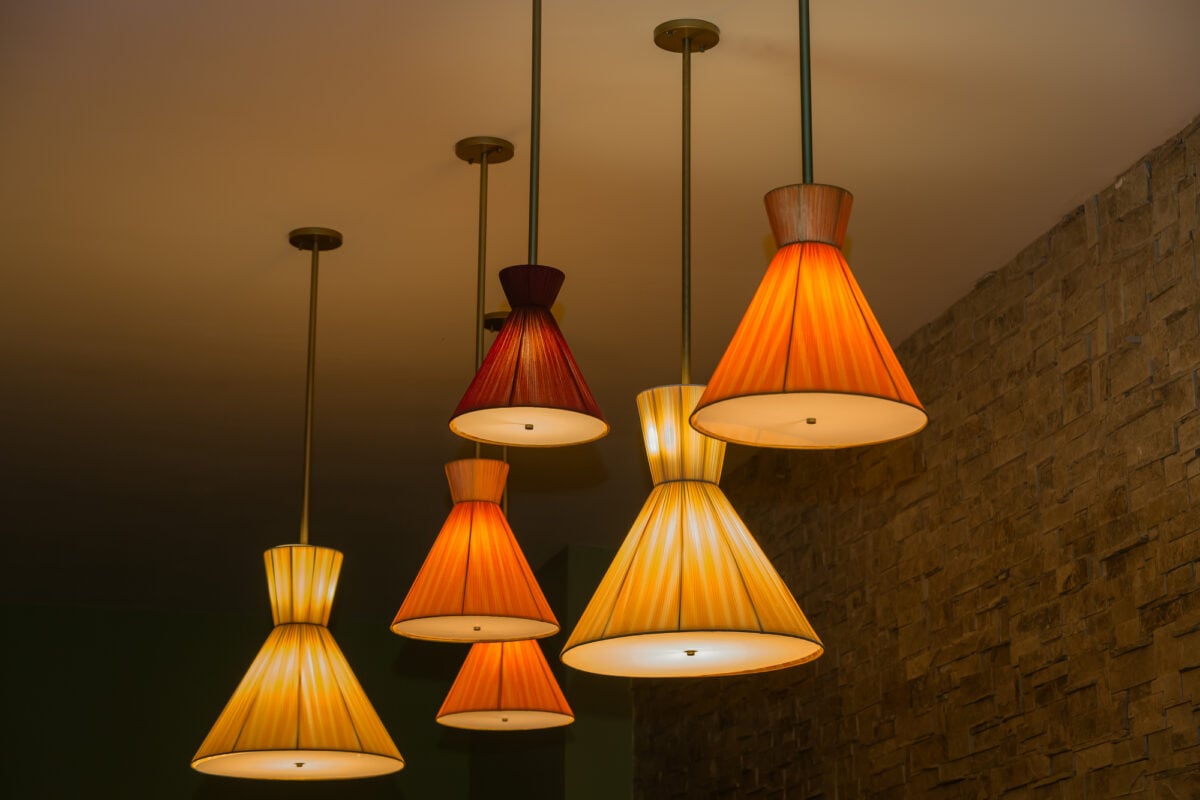
Lighting in the ’70s was often bold and sculptural, designed to stand out rather than disappear into the background. Fixtures doubled as art pieces, adding both function and visual interest.
Materials like glass, chrome, and brass were commonly used. Modern lighting follows a similar philosophy.
Pendant lights, floor lamps, and chandeliers are often chosen as focal points that define a room’s character. Designers treat lighting as a central feature rather than an afterthought.
That said, the enduring appeal lies in the balance between form and function. Good lighting not only illuminates a space but also shapes its overall mood, influencing how the room feels throughout the day.
Open Shelving
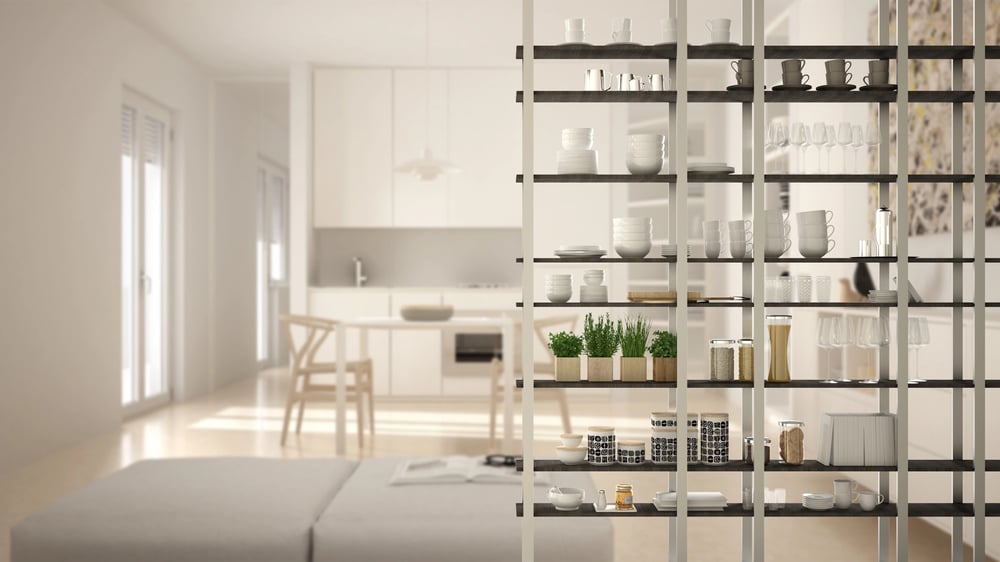
Open shelving gained popularity in the 1970s as a way to display books, ceramics, and personal items. It reflected a shift toward more relaxed, lived-in interiors where objects were meant to be seen and enjoyed rather than hidden away.
Today, open shelving remains a staple in kitchens and living spaces. It offers both practicality and an opportunity to showcase personality through carefully chosen items.
It also makes spaces feel more open and less confined. Still, the concept requires a thoughtful approach.
The best examples balance display with organization, ensuring the space feels curated rather than cluttered. When done well, it turns everyday items into part of the decor.
Velvet Upholstery
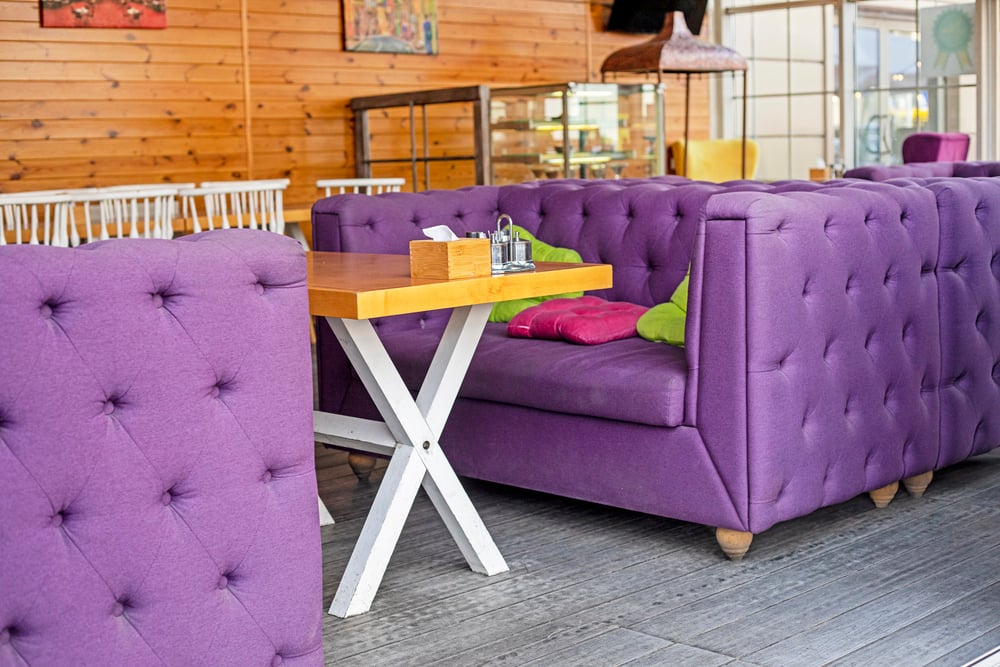
Velvet was a favorite fabric in the ’70s, known for its rich texture and luxurious feel. It appeared on sofas, chairs, and even walls, adding depth and sophistication to interiors.
The way it catches light gives it a subtle visual movement. Modern design has reintroduced velvet in a more understated way.
Deep jewel tones and clean lines give the fabric a contemporary edge while preserving its tactile appeal. It is often used as an accent rather than dominating a room.
Even so, velvet continues to stand out. It brings a sense of softness and elegance that few other materials can match, making it a popular choice for statement pieces.
Macramé Decor
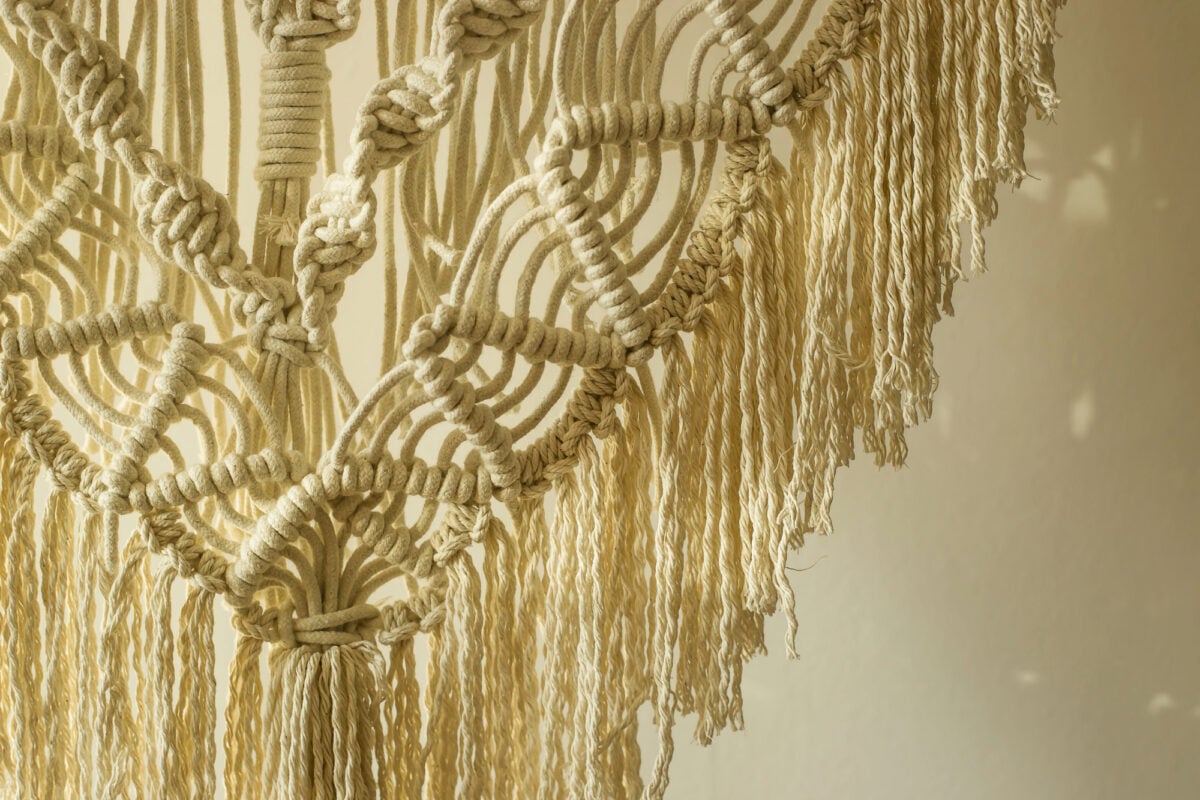
Macramé, with its intricate knots and handcrafted feel, was a hallmark of 1970s decor. Wall hangings, plant holders, and decorative pieces added texture and a personal touch to interiors.
Each piece carried a sense of individuality. Today, macramé has returned as part of a broader appreciation for handmade and artisanal design.
It offers a contrast to mass-produced items, bringing warmth and character into a space. On the other hand, its appeal also lies in simplicity.
The neutral tones and organic patterns make it easy to incorporate into a variety of styles without overwhelming the overall design.
Why The ’70s Still Shapes Modern Design
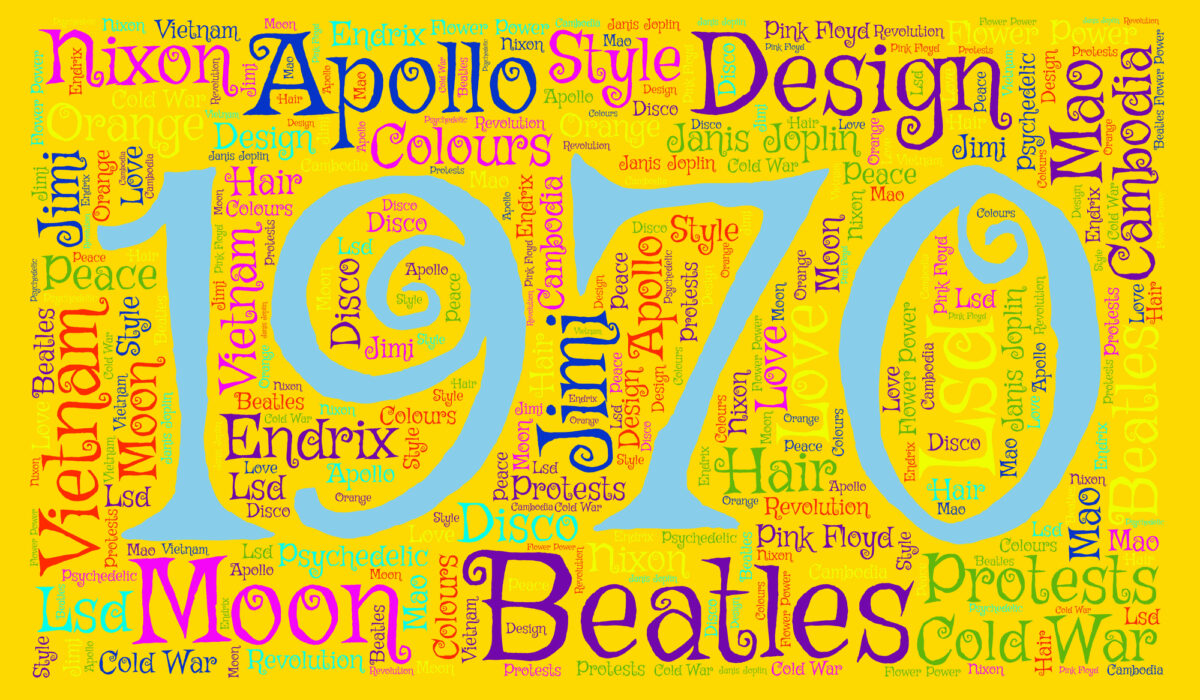
The design trends of the 1970s are still popular because they focus on comfort, texture, and individuality. They are not as focused on the idea of clean lines and minimalism as other trends.
Instead, they are focused on the idea of warmth. In a way, they are the antithesis of modern design.
Many of these trends have been adapted for modern tastes and have become more sophisticated while still retaining the charm of the original. Many designers are inspired by the past and use it as a way to create modern designs that are relevant for the current lifestyle.
Ultimately, the impact of the 1970s is a reflection of the fact that good design is not unique to a particular time period. It is something that changes and evolves with the ages.
More from Go2Tutors!

- The Romanov Crown Jewels and Their Tragic Fate
- 13 Historical Mysteries That Science Still Can’t Solve
- Famous Hoaxes That Fooled the World for Years
- 15 Child Stars with Tragic Adult Lives
- 16 Famous Jewelry Pieces in History
Like Go2Tutors’s content? Follow us on MSN.