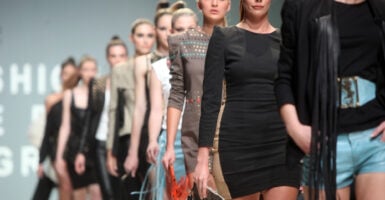
90s Grunge Fashion Trends That Deserve a Comeback
The 90s gave fashion permission to stop trying so hard. While other decades demanded perfection, grunge rolled out of bed with yesterday’s makeup and somehow made it look intentional.
That wasn’t accidental — it was revolutionary. The music scene in Seattle didn’t just change how we heard sound; it rewrote the rules about what counted as style. Flannel became formalwear. Ripped jeans became a statement. Looking like you didn’t care became the ultimate way to show you understood what really mattered.
Those trends didn’t disappear because they stopped working. They faded because fashion moved on, the way it always does. But some ideas are too good to stay buried in old yearbooks and music videos.
Flannel Shirts as Outerwear

Flannel wasn’t clothing. It was armor. The thicker, the better — oversized enough to disappear into, soft enough to live in.
Red and black checks became the uniform of an entire generation that refused to dress up for a world that felt dressed down.
Doc Martens with Everything
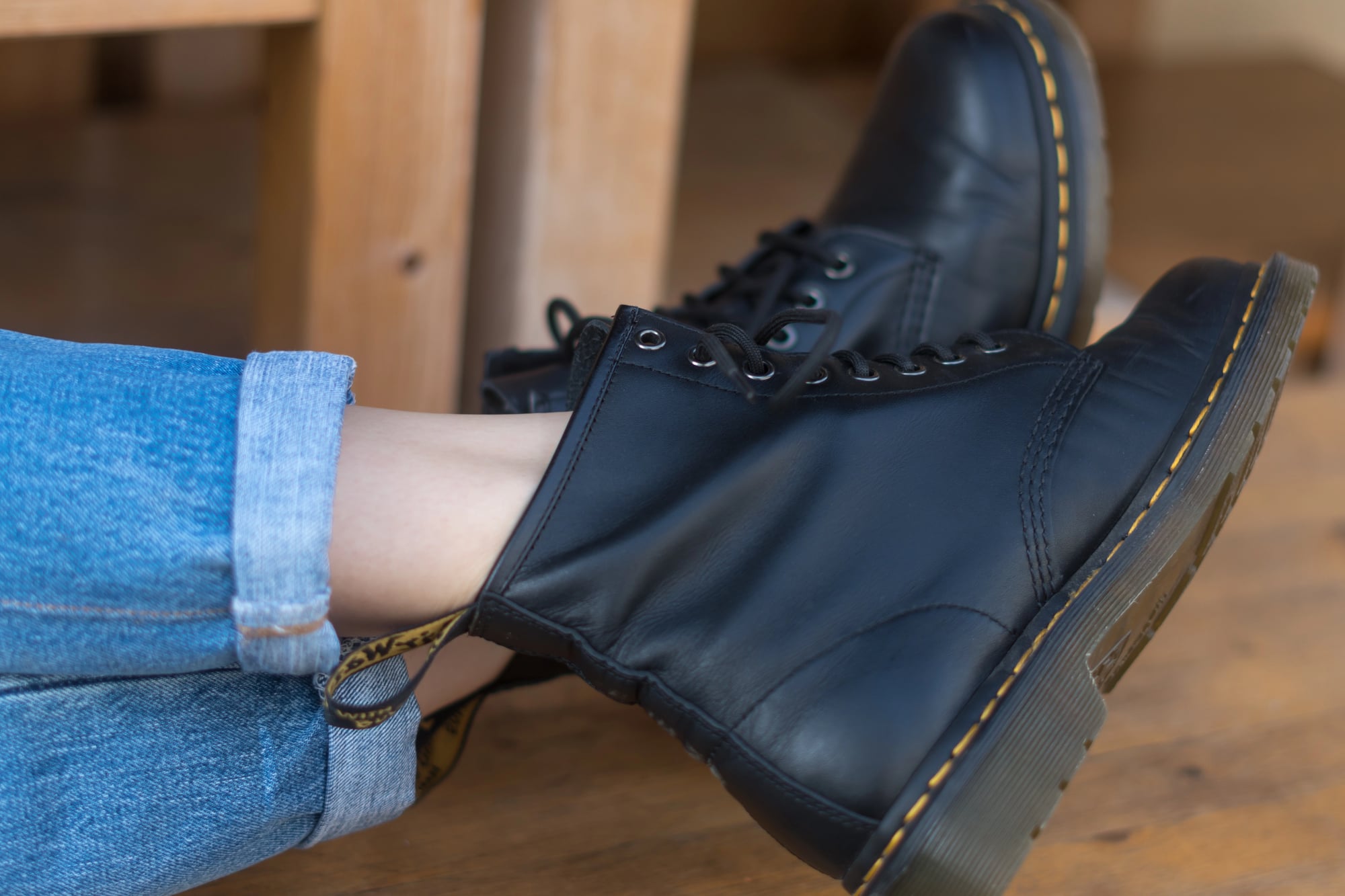
Doc Martens didn’t match anything, which made them match everything. Combat boots with floral dresses. Steel toes with ripped tights.
The contradiction was the point — beauty and toughness occupying the same space, refusing to choose sides.
Ripped Jeans Done Right
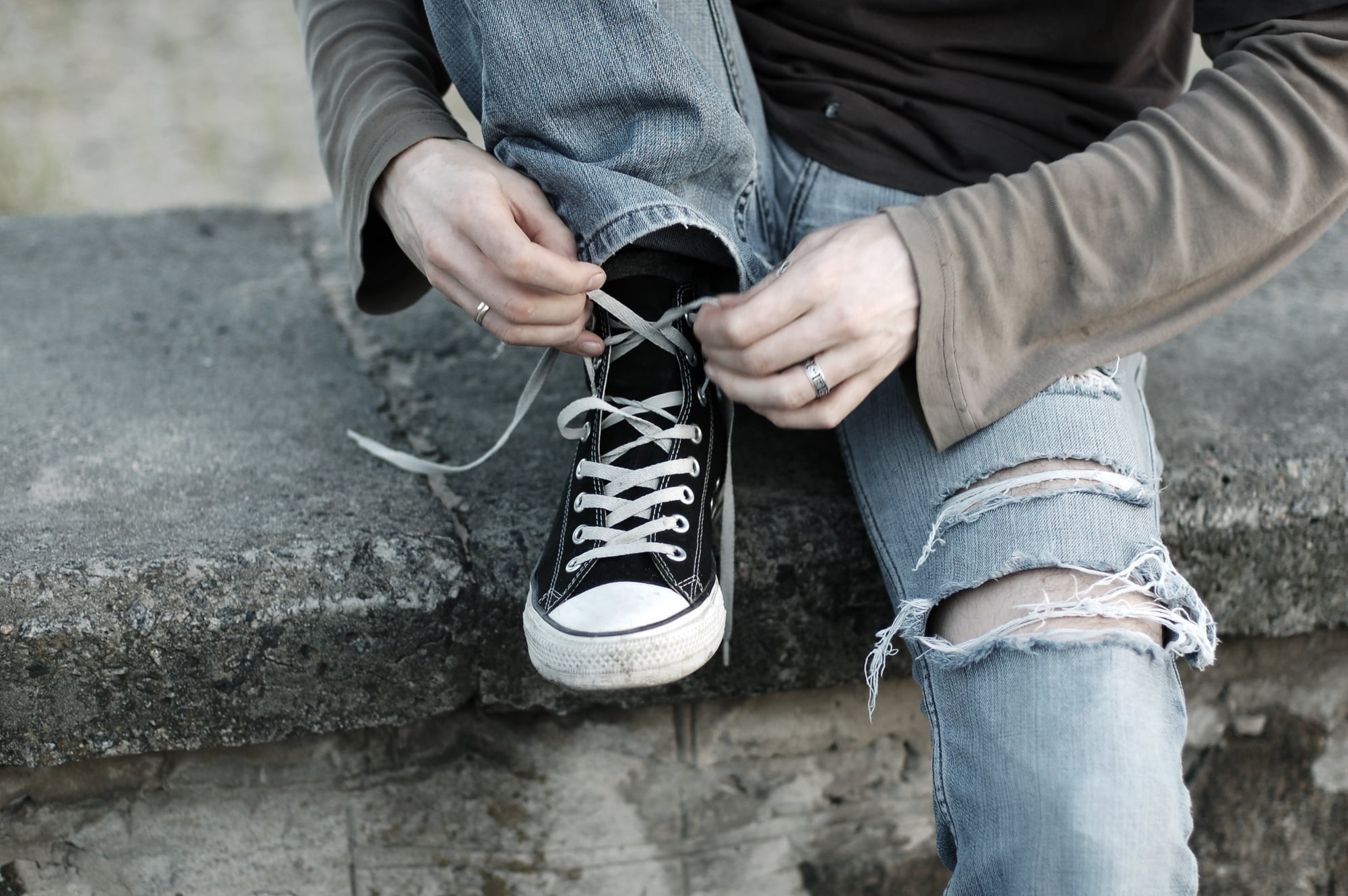
Here’s where modern fashion misunderstands grunge completely: the tears weren’t decoration, they were documentation. (Real wear, real life, real knees hitting real pavement.)
You didn’t buy distressed jeans — you earned them through months of living in the same pair until they started falling apart on their own terms, and even then you kept wearing them because breaking in new denim felt like betrayal.
But the fashion industry took that authenticity and turned it into a factory product, which is exactly the kind of thing grunge existed to reject in the first place. So the comeback shouldn’t be about buying pre-ripped designer denim — it should be about wearing jeans until they rip themselves.
Chokers as Daily Jewelry
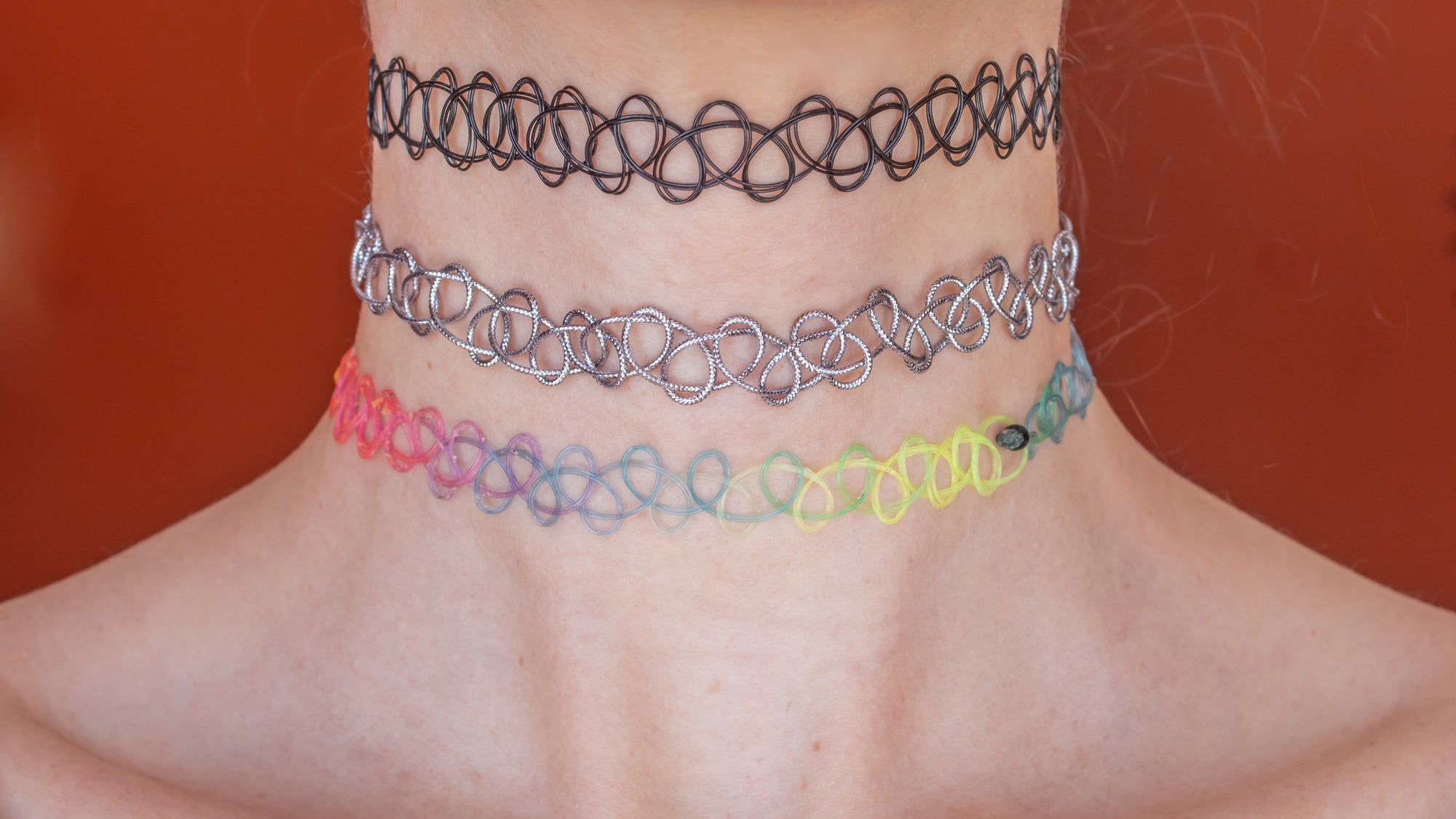
Chokers weren’t accessories. They were punctuation marks — a deliberate line drawn between the face and everything else.
Black velvet, leather, or simple cord. The neck became a canvas for the smallest possible rebellion.
Slip Dresses as Regular Clothes
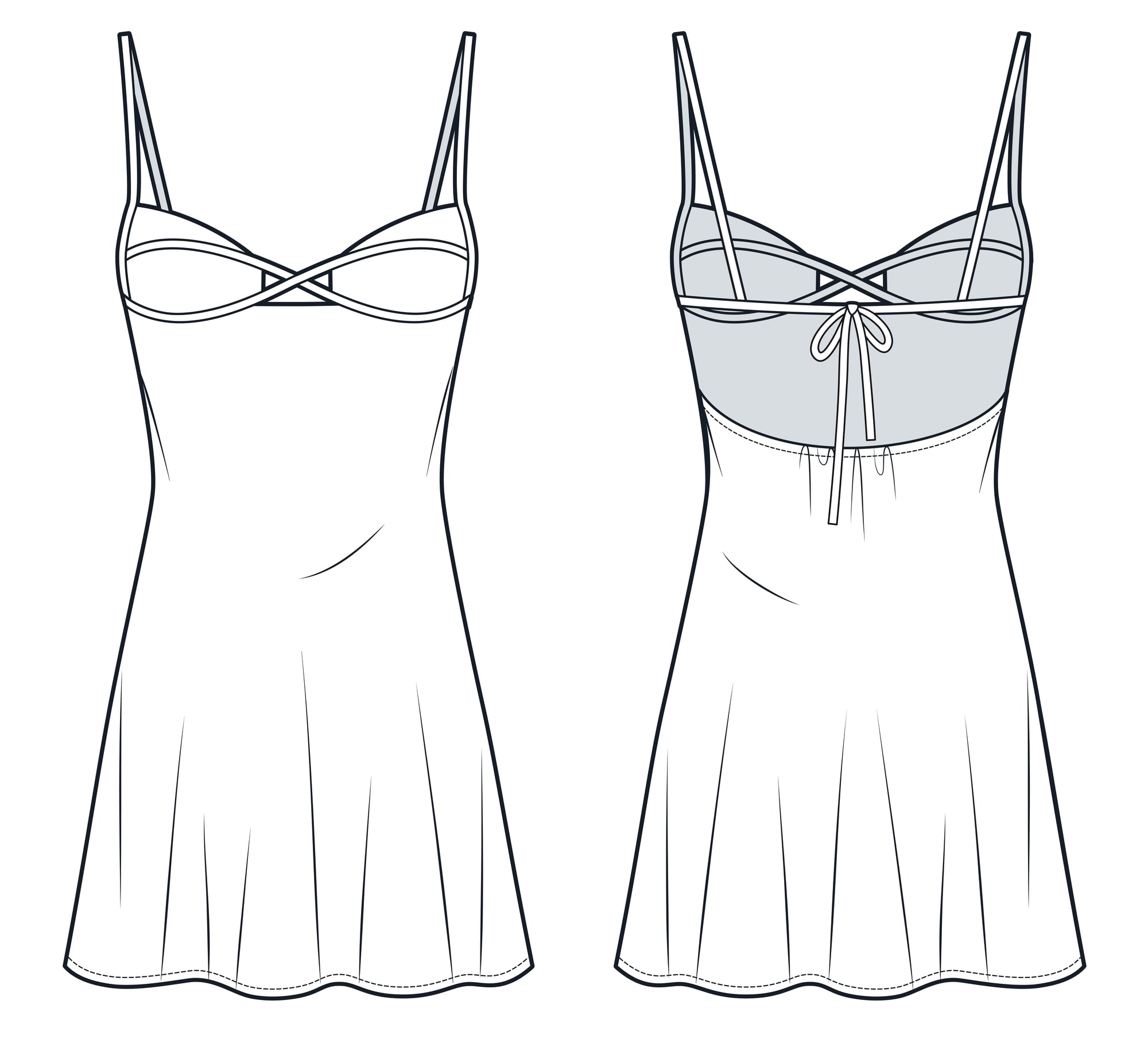
The slip dress was underwear that got tired of hiding. Satin or silk, worn alone or layered, it made intimacy public without making it obvious.
Evening wear for grocery stores. Intimate clothes for lunch dates.
Band T-Shirts Everywhere
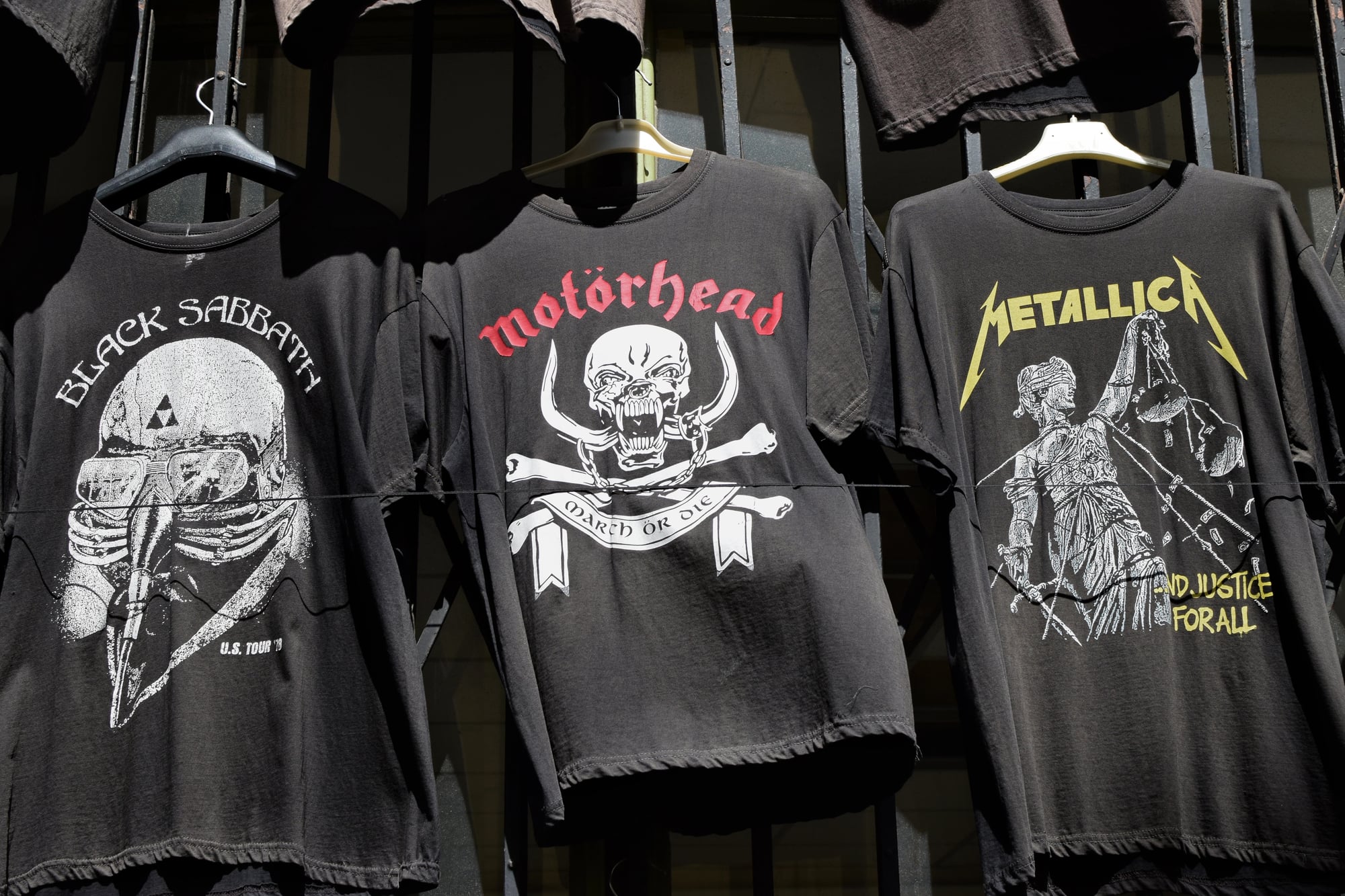
A band t-shirt was a passport and a declaration rolled into one piece of cotton. It said where you’d been (or where you wished you’d been) and what mattered enough to wear on your chest.
The more faded and stretched, the more stories it held — each wash cycle was another stamp in the passport, another layer of credibility that couldn’t be faked or bought, only earned through genuine devotion to the music that shaped how you moved through the world.
The shirt became a conversation starter with strangers who recognized the logo and a shield against those who didn’t understand why music mattered that much.
Combat Boots with Feminine Pieces
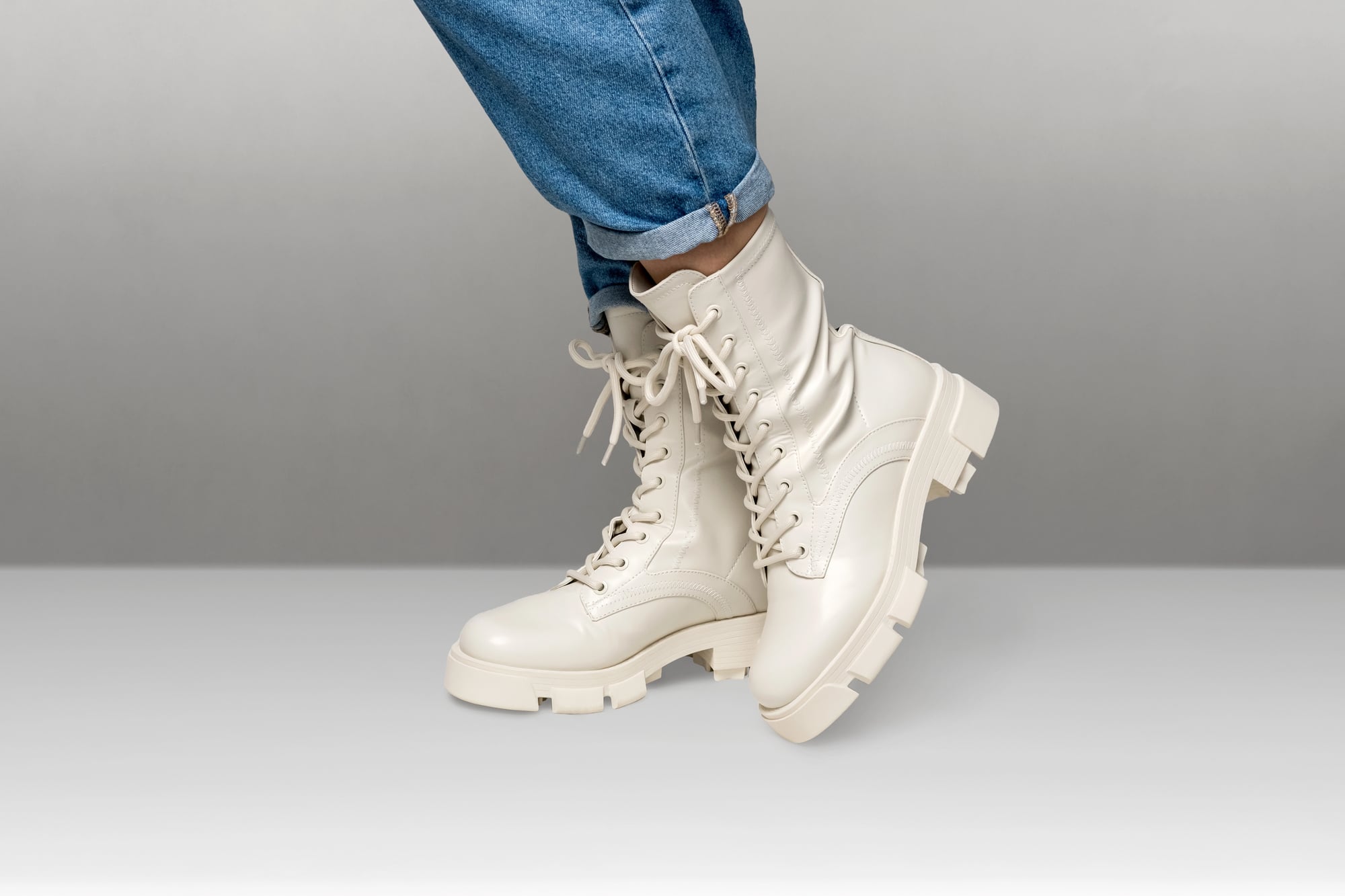
Combat boots under delicate dresses created a visual argument that never got old. The boots anchored everything else, turning fragility into a choice rather than a condition.
Tough enough to kick down doors, soft enough to dance — the combination suggested someone who contained multitudes and wasn’t interested in picking just one.
Layering Everything
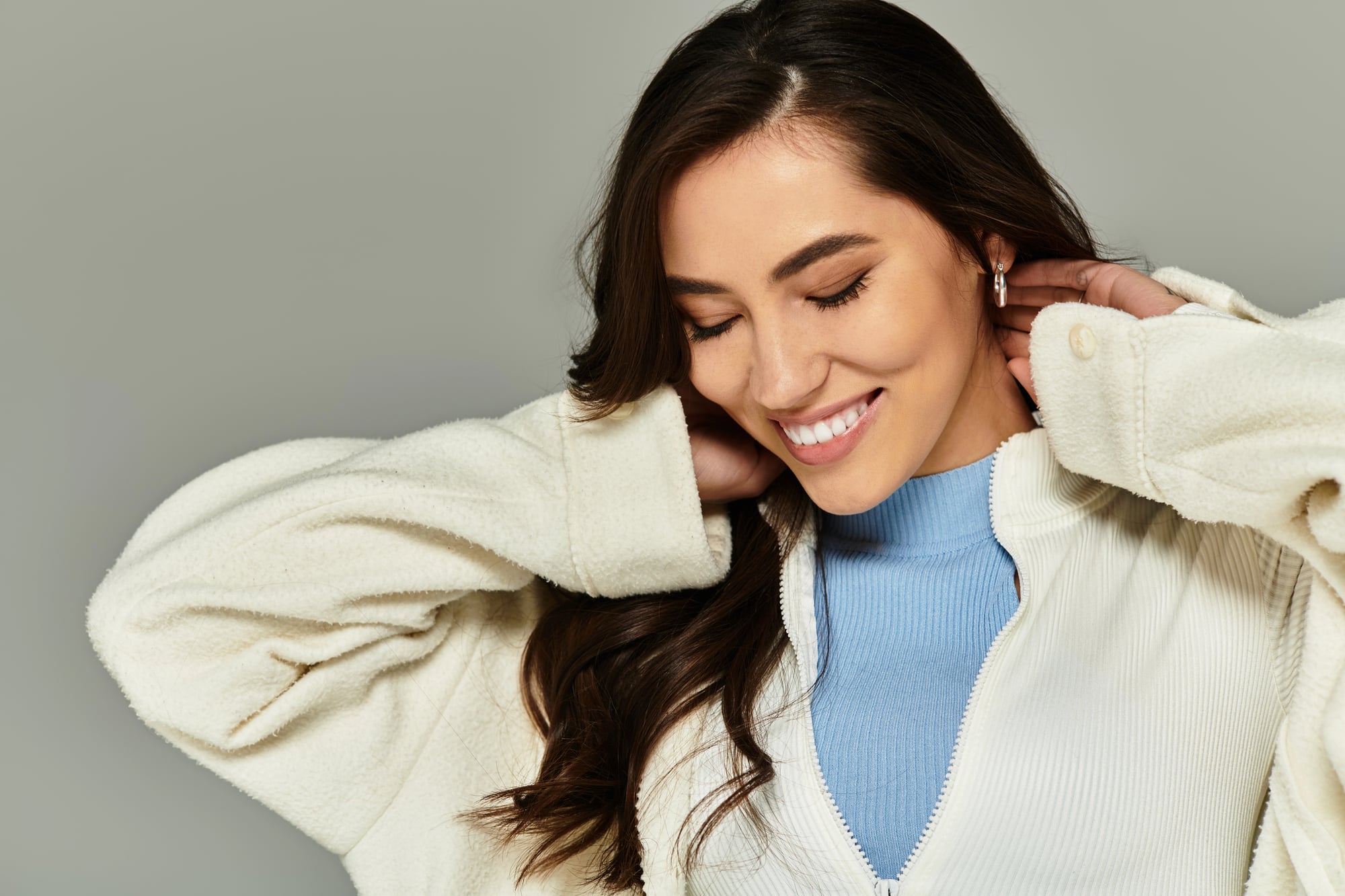
Layering in the 90s followed no rules because rules felt beside the point: tank tops under mesh shirts under flannel under leather jackets, each piece visible and contributing something different to the whole composition (which looked chaotic from a distance but made perfect sense up close, like a song with too many instruments that somehow harmonized into something you couldn’t get out of your head).
And the practical side mattered too — Seattle weather demanded adaptability, so you dressed in adjustable layers that could handle whatever the day decided to throw at you. But mostly it was about texture and possibility: the more pieces you wore, the more versions of yourself you carried around, ready to reveal or conceal depending on the moment.
Oversized Everything
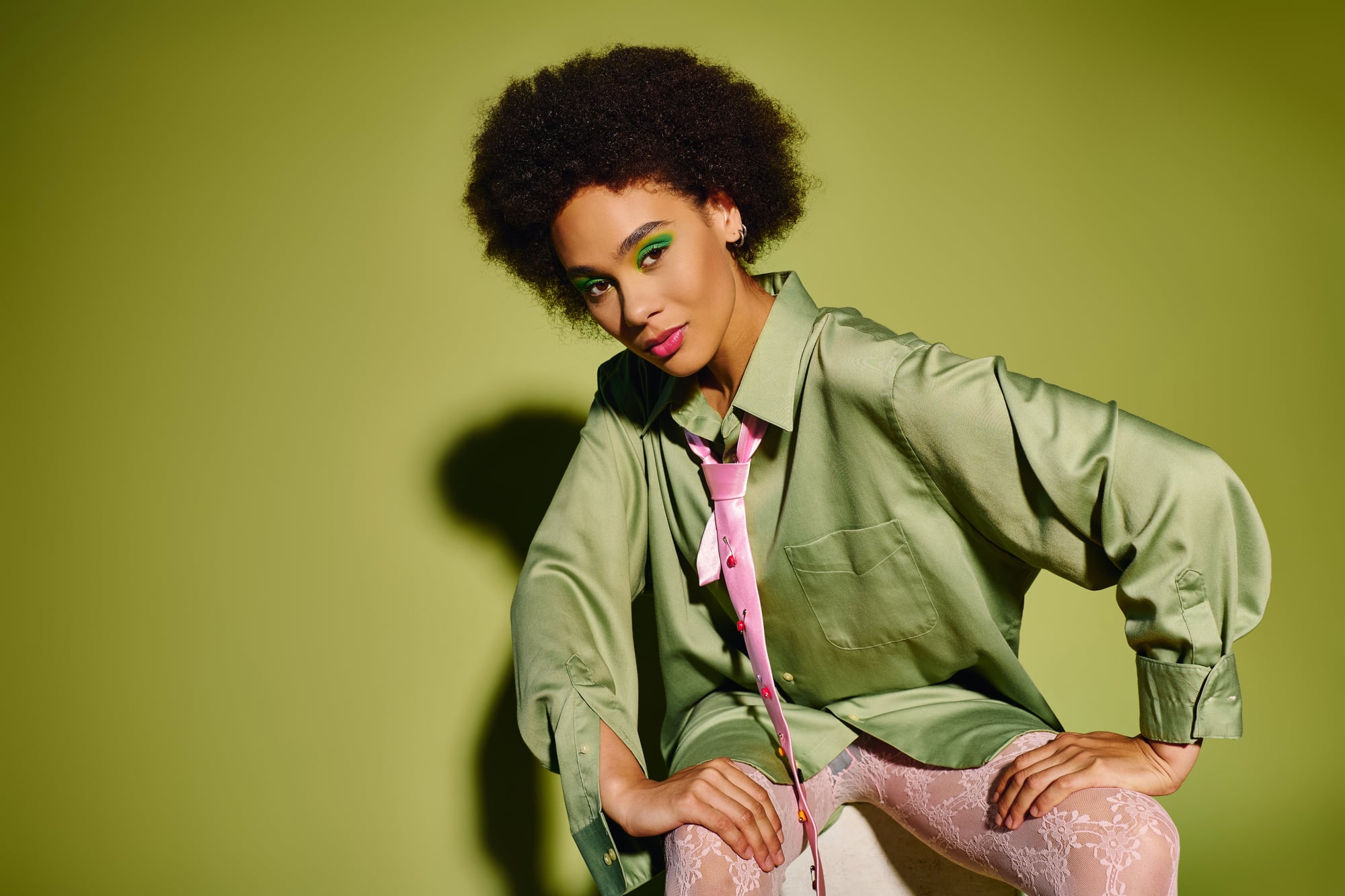
Oversized clothes made space for bodies to exist without explanation or apology. Baggy sweaters, loose pants, jackets that swallowed shoulders — everything designed to hide shape rather than celebrate it.
The opposite of form-fitting was form-freeing.
Platform Shoes for Height and Attitude
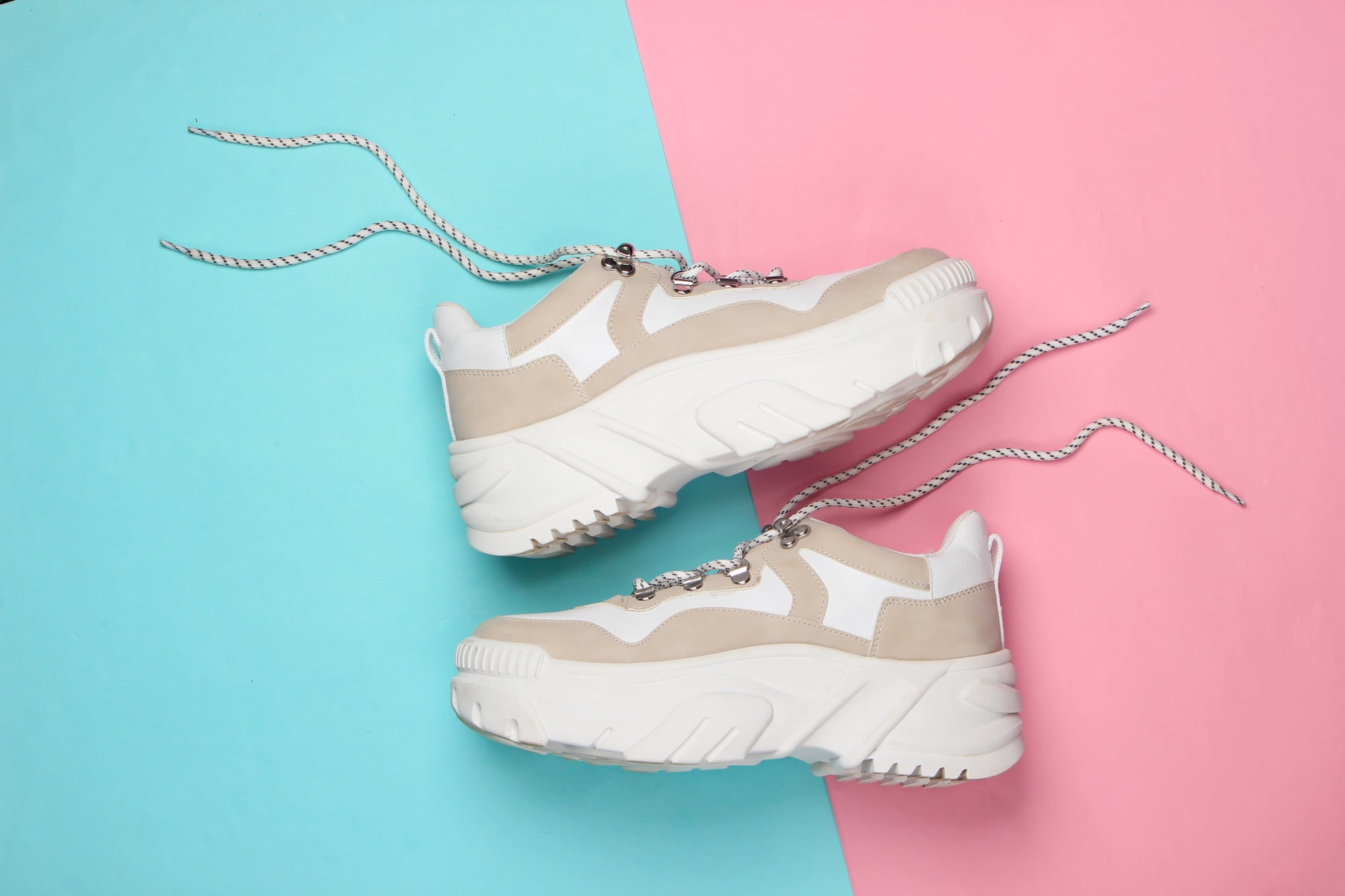
Platform shoes weren’t about reaching high shelves. They were about taking up more space in a world that preferred people to stay small and quiet.
The extra inches came with extra confidence — harder to ignore, impossible to overlook.
Dark Lipstick as Default
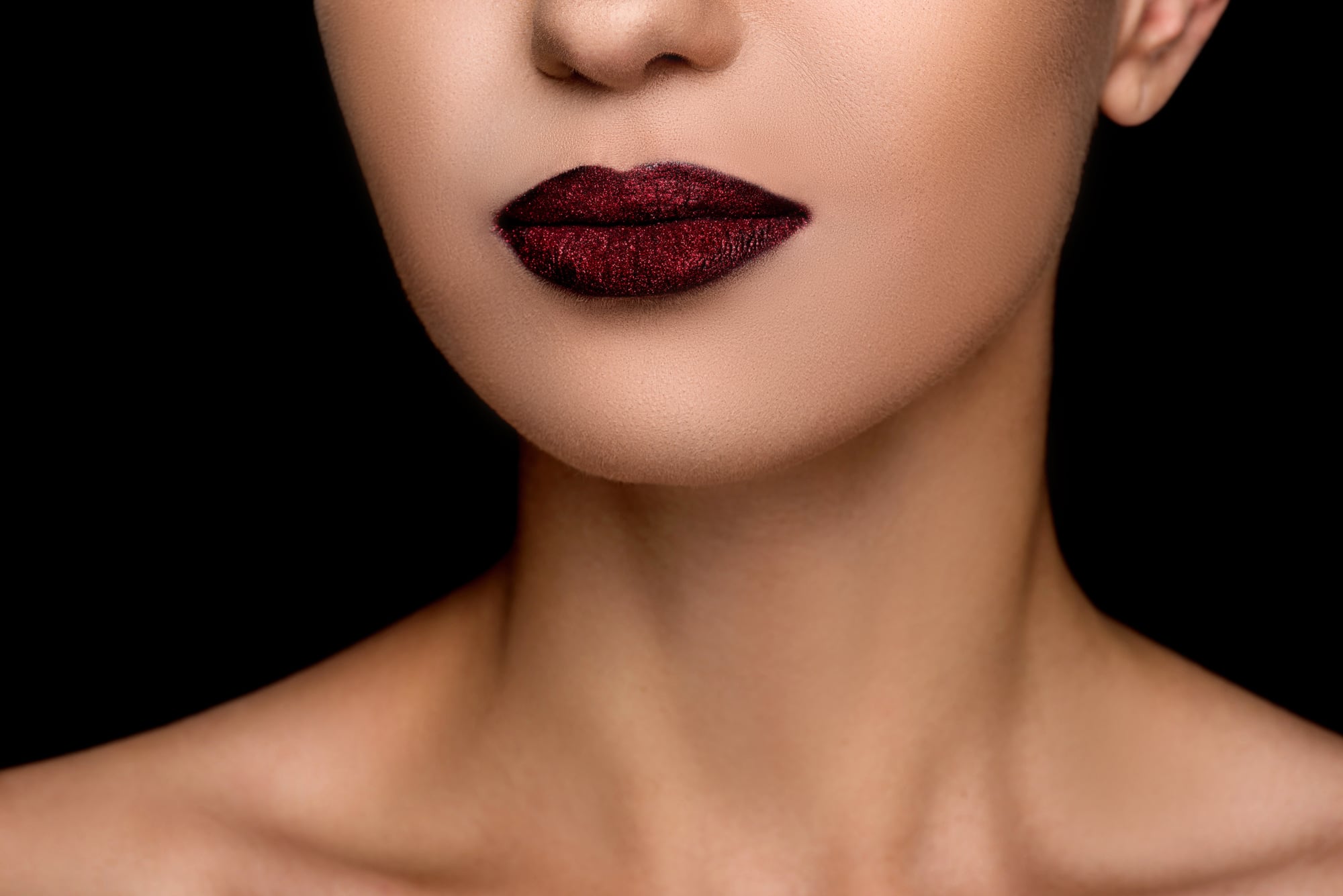
Dark lipstick turned mouths into statements. Deep red, brown, sometimes black — colors that said something before words did.
The rest of the face could stay natural or disappear entirely, but the lips demanded attention and held it without apology.
Vintage Band Merch
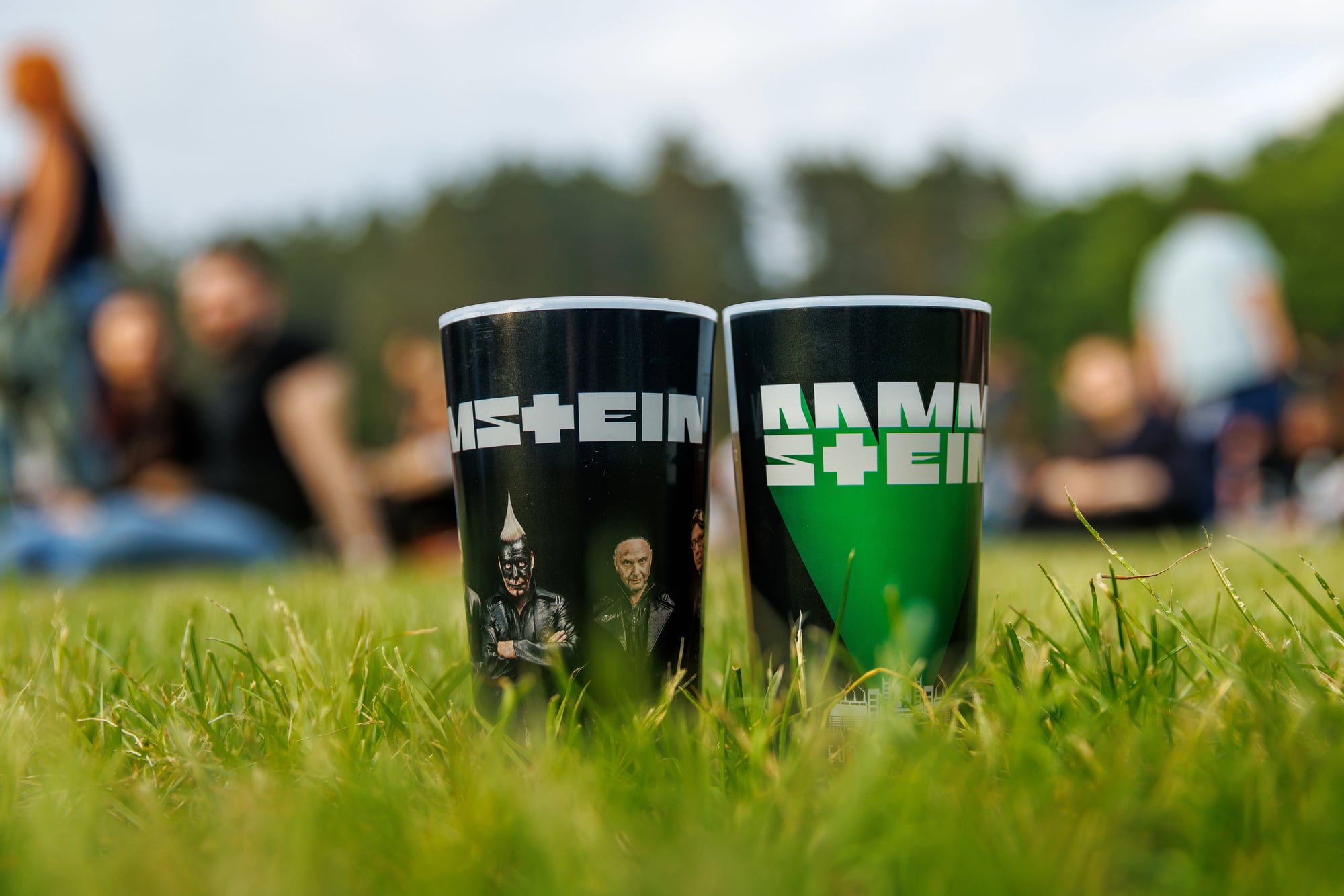
Vintage band merchandise carried weight that new clothes couldn’t fake — the faded graphics and soft cotton spoke of concerts attended, music discovered, and years spent believing that what you listened to mattered as much as how you lived.
Real vintage pieces became treasure maps: each shirt or jacket pointed toward a specific moment in music history, and wearing one meant claiming some connection to that legacy, even if you discovered the band years after their peak.
The hunt for authentic pieces became part of the culture itself — thrift stores and record shops turned into archaeological sites where patience and luck could unearth something genuinely special.
Minimalist Grunge Makeup

Grunge makeup was beauty stripped down to its most essential elements. Smudged eyeliner that looked slept-in. Foundation that didn’t quite cover everything.
The goal wasn’t perfection — it was authenticity, even if that authenticity took twenty minutes to achieve properly.
Thrift Store Finds as High Fashion
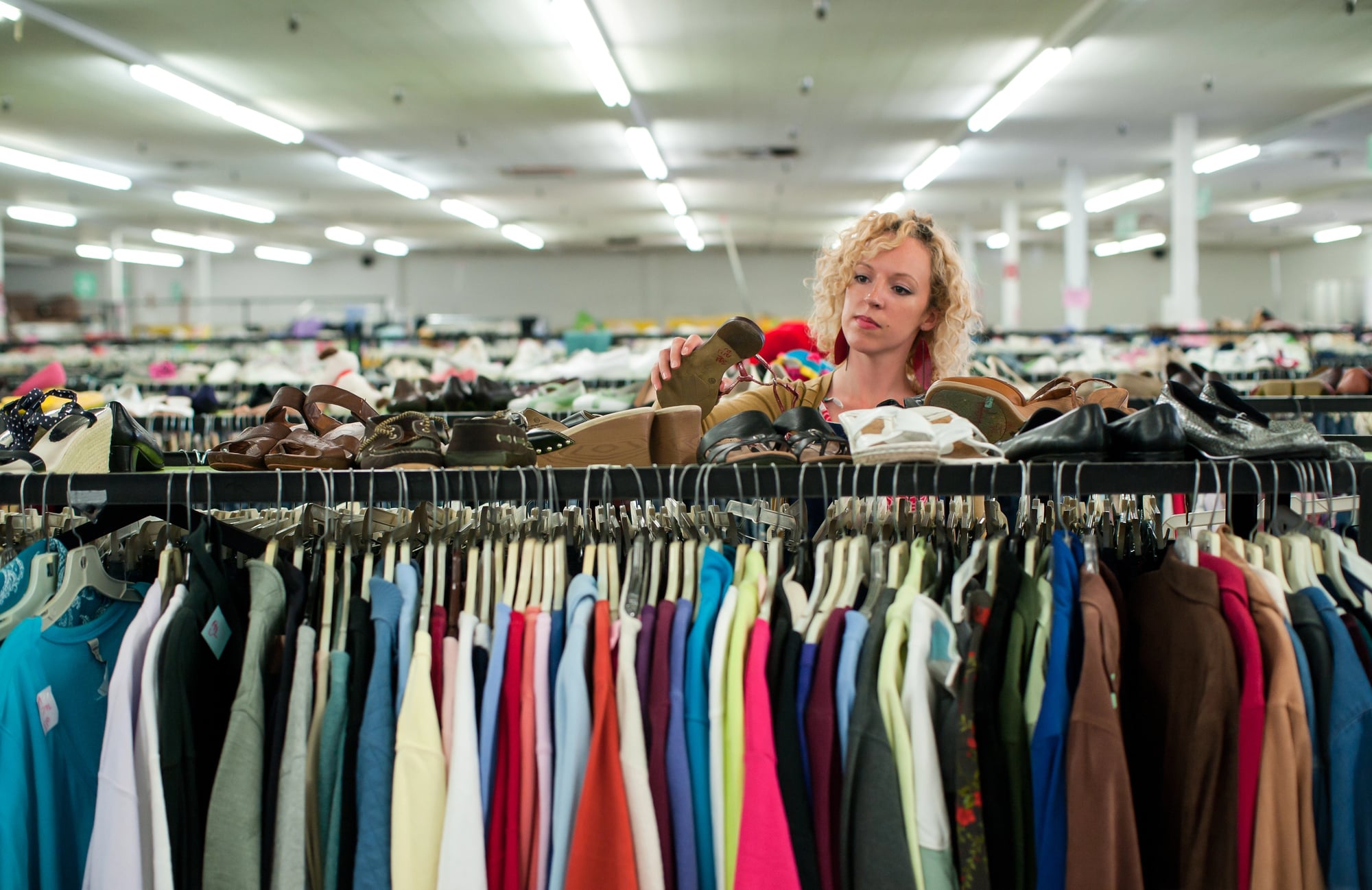
Thrift stores became the real fashion houses of the grunge era. Pre-owned clothes carried stories and character that department stores couldn’t manufacture.
Wearing secondhand meant wearing history — and it meant style didn’t require a trust fund.
The Revival Question

Fashion always looks backward when it runs out of places to go forward. These grunge trends work now for the same reason they worked then: they prioritize comfort over convention and authenticity over perfection.
The world still feels chaotic enough to warrant clothes that can handle whatever comes next.
The difference is knowing why these pieces mattered the first time around. Grunge wasn’t just about looking messy — it was about refusing to perform happiness for a world that felt increasingly hollow.
That sentiment hasn’t expired. If anything, it feels more relevant now than it did thirty years ago.
More from Go2Tutors!

- The Romanov Crown Jewels and Their Tragic Fate
- 13 Historical Mysteries That Science Still Can’t Solve
- Famous Hoaxes That Fooled the World for Years
- 15 Child Stars with Tragic Adult Lives
- 16 Famous Jewelry Pieces in History
Like Go2Tutors’s content? Follow us on MSN.