Cities Abandoned Due to Man-Made Disasters
Empty streets tell stories that history books sometimes skip. When people leave their homes behind forever, they create monuments to what happens when human ambition collides with consequences.
These abandoned cities stand as physical reminders of industrial accidents, environmental disasters, and conflicts that forced entire populations to walk away from everything they knew.
Pripyat, Ukraine

The clocks stopped at 1:23 AM on April 26, 1986. The Chernobyl nuclear reactor exploded, and within 36 hours, the Soviet government evacuated all 50,000 residents of Pripyat.
People left with only what they could carry, believing they’d return in a few days. They never did.
The radiation made the city uninhabitable for thousands of years. Amusement park rides sit frozen in time, never used.
Schoolbooks still rest on desks. The Ferris wheel, scheduled to open five days after the disaster, became one of the most haunting symbols of interrupted lives.
Times Beach, Missouri

In 1982, the EPA announced that an entire town had to disappear. Times Beach sat along Route 66, a small community of about 2,000 people who had no idea their roads contained deadly levels of dioxin.
A waste hauler had mixed dioxin-contaminated oil with waste oil and sprayed it on unpaved roads throughout the town to control dust. When floods hit in December 1982, the contamination spread everywhere.
The government bought out every resident and demolished the town. Today, Route 66 State Park sits where neighborhoods once stood.
Picher, Oklahoma

Lead and zinc mining made the Picher boom. The same mining destroyed it.
For decades, companies extracted minerals from beneath the town, leaving behind toxic waste and unstable ground. By the 1990s, the EPA declared it one of the most toxic places in America.
Chat piles—massive mounds of mining waste—surrounded the town. Children developed lead poisoning.
Buildings started sinking into abandoned mine shafts. A tornado in 2008 provided the final push.
The government officially disincorporated the town in 2009. Only a handful of people remain among the ruins.
Centralia, Pennsylvania

Underground fires don’t usually burn for over 60 years, but Centralia isn’t a usual place. In 1962, someone ignited trash in an abandoned mine pit.
The fire spread to coal seams beneath the town and never stopped. The ground grew hot enough to melt shoes.
Toxic gases seeped into basements. Sinkholes opened without warning.
The government relocated residents starting in 1984. Today, fewer than ten people live there, refusing to leave despite the condemned status.
Smoke still rises from cracks in the old highway.
Hashima Island, Japan
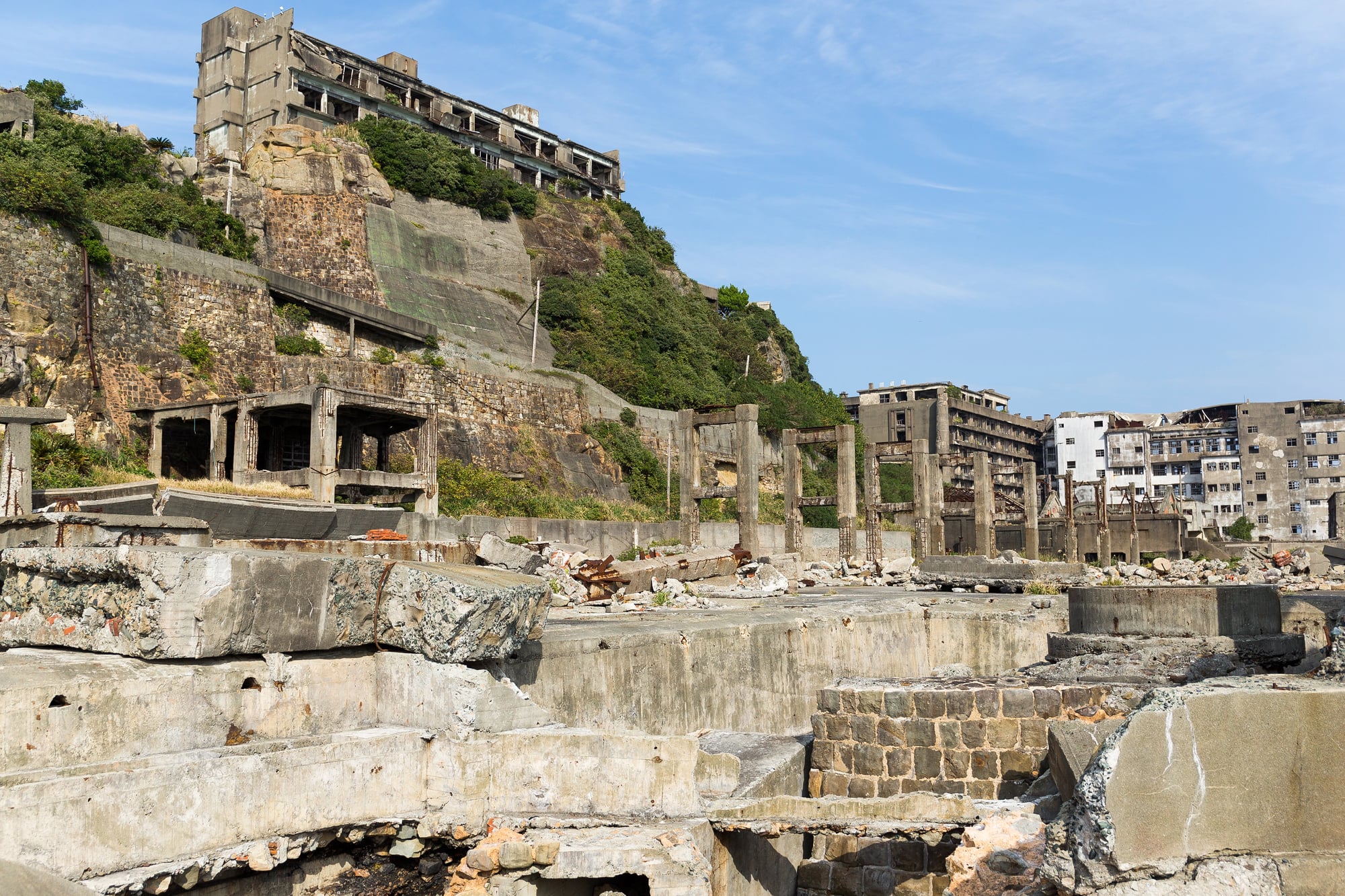
From a distance, Hashima looks like a battleship made of concrete. People called it Gunkanjima—Battleship Island.
Mitsubishi built it to house coal miners, packing 5,000 people onto a tiny island off the coast of Nagasaki. When petroleum replaced coal in the 1960s, the company shut down operations.
In 1974, the last resident left. The island sat empty for decades, concrete apartments crumbling into the sea.
Now tourists visit on guided tours, walking carefully through the ruins of what was once the most densely populated place on Earth.
Wittenoom, Australia

Blue asbestos seemed like a miracle material in the 1940s. The company mining it in Wittenoom assured workers it was safe.
They were wrong. By the 1960s, people started dying from asbestos-related diseases.
The mine closed in 1966, but the damage continued. Asbestos fibers still contaminate the area.
The government removed Wittenoom from official maps and signs. They’ve been trying to get the last few residents to leave for decades.
The death toll from asbestos exposure has passed 2,000 and keeps rising.
Gilman, Colorado

Mining towns in the Rockies usually die when the ore runs out. Gilman died because of what the mining left behind.
The Eagle Mine produced zinc, lead, silver, and copper for nearly a century. It also produced massive amounts of toxic waste that leached into groundwater and soil.
In 1984, the EPA stepped in. The town sat directly above the contaminated mine, and the water supply had become dangerous.
The mining company evacuated all residents and closed the site. The buildings still stand, frozen in the 1980s, visible from Interstate 70 but completely off-limits.
Kadykchan, Russia

Soviet central planning built Kadykchan in the frozen wilderness of eastern Russia to mine coal. When the Soviet Union collapsed, the coal industry collapsed with it.
The government shut down the mine in 1996, cutting off the only reason anyone lived there. Residents had 14 days to leave.
They abandoned furniture, clothes, and belongings because there was no way to transport them across the tundra. The town froze in place—literally.
Buildings collapse slowly under the weight of snow and ice. The extreme cold has preserved interiors better than abandonment usually allows.
Varosha, Cyprus

Varosha was a luxury resort destination in the 1970s. Movie stars and wealthy tourists filled the hotels along the beautiful beaches.
Then Turkey invaded Cyprus in 1974. Turkish forces captured the city and immediately sealed it off.
For over 40 years, nobody could enter except Turkish military patrols. Hotels, shops, and homes sat exactly as residents left them during the evacuation.
Cars rusted on streets. Nature reclaimed the beaches.
Recent developments have allowed limited reopening, but most of the ghost city remains frozen in 1974.
Kolmanskop, Namibia

Diamonds in the desert created Kolmanskop. In 1908, a railway worker found a diamond, and Germans rushed to establish a mining town in the Namib Desert.
They built it like a German town—complete with a hospital, ballroom, and bowling alley. The diamonds ran out by the 1930s.
People left. The desert moved in.
Sand fills the rooms now, creating surreal scenes of dunes inside ornate buildings. The desert reclaims everything eventually.
Kolmanskop just happened faster than most places.
Epecuén, Argentina
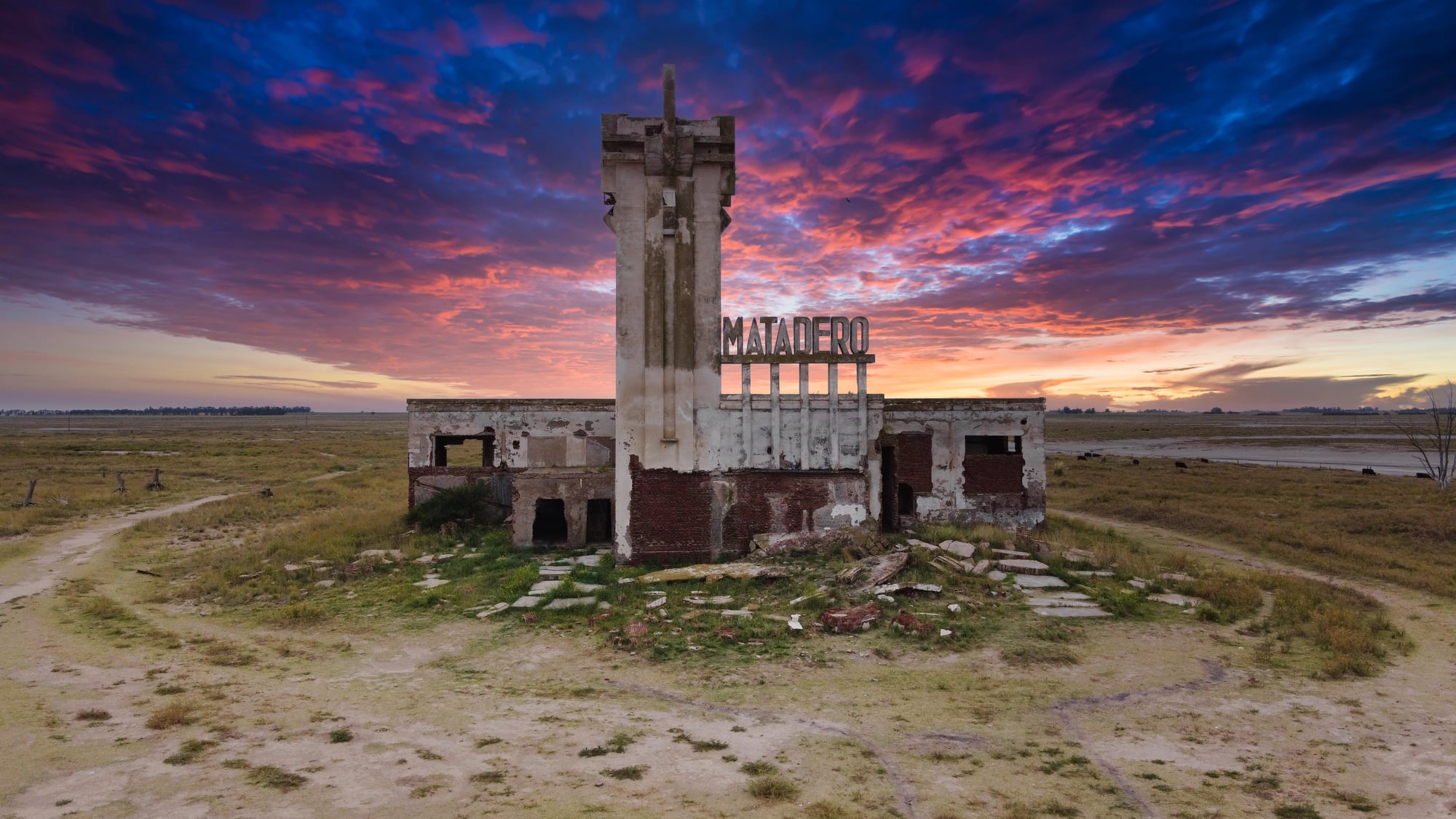
The dam broke in 1985, and a saltwater lake swallowed an entire resort town. Villa Epecuén had thrived as a spa destination, with hotels and shops serving tourists who came for the therapeutic salt waters.
But heavy rains overwhelmed the dam on nearby Lago Epecuén. The town stayed underwater for 25 years.
When the water finally receded, it revealed a landscape of destruction. Salt-encrusted ruins stand like white sculptures.
Trees look like skeletal hands reaching from the ground. One former resident moved back to live alone among the ruins.
Ordos, China
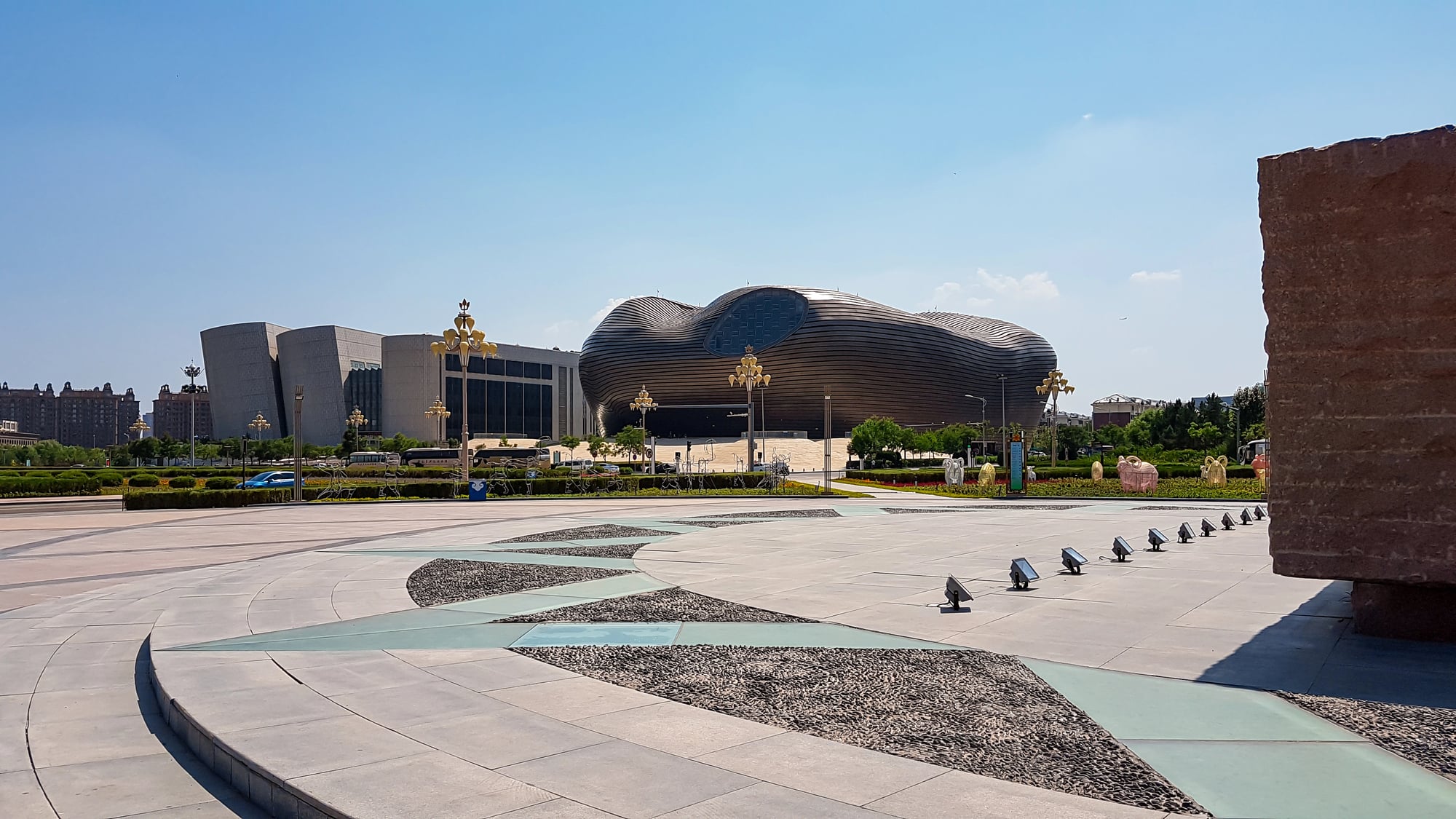
Modern ghost cities don’t always result from disasters you can see. Ordos Kangbashi in Inner Mongolia represents a different kind of abandonment—a city built for one million people that nobody wanted to live in.
Developers constructed an entire metropolis during China’s building boom, complete with museums, theaters, and government buildings. But people didn’t move in.
The economic planning that created it failed to account for actual demand. Empty apartment towers line empty boulevards.
The city spent years as a monument to overambitious development, though recent efforts have increased occupancy somewhat.
Oradour-sur-Glane, France
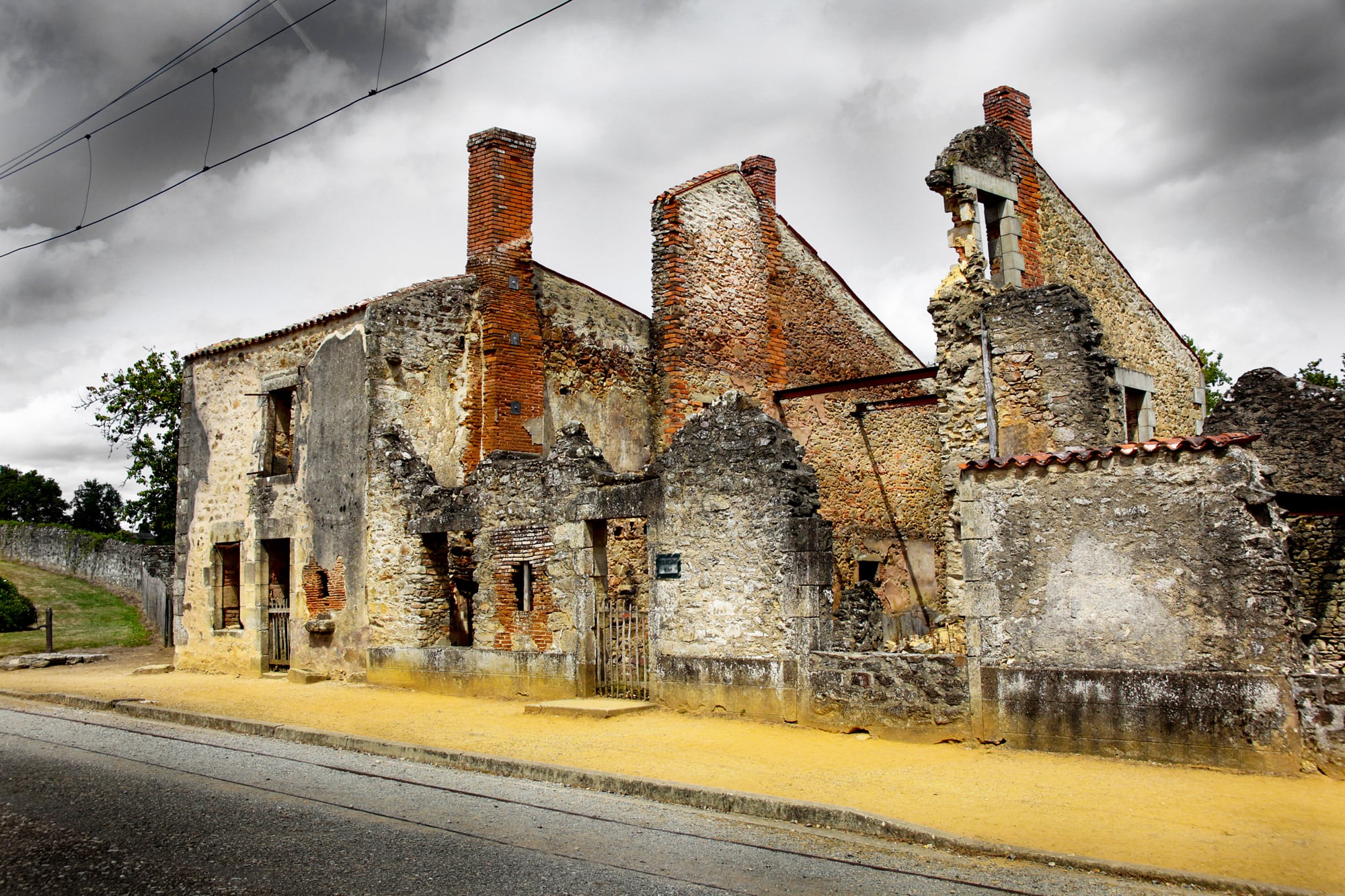
Some places stay abandoned as memorials. In June 1944, Nazi SS troops massacred 642 people in this French village.
They locked women and children in the church and set it on fire. They shot the men in barns.
After the war, French President Charles de Gaulle ordered that the village remain untouched as a memorial. The burned-out buildings still stand.
Rusted cars sit in garages. The church walls, blackened by fire, tower over the town square.
A new village was built nearby, but the old one stays exactly as the Nazis left it.
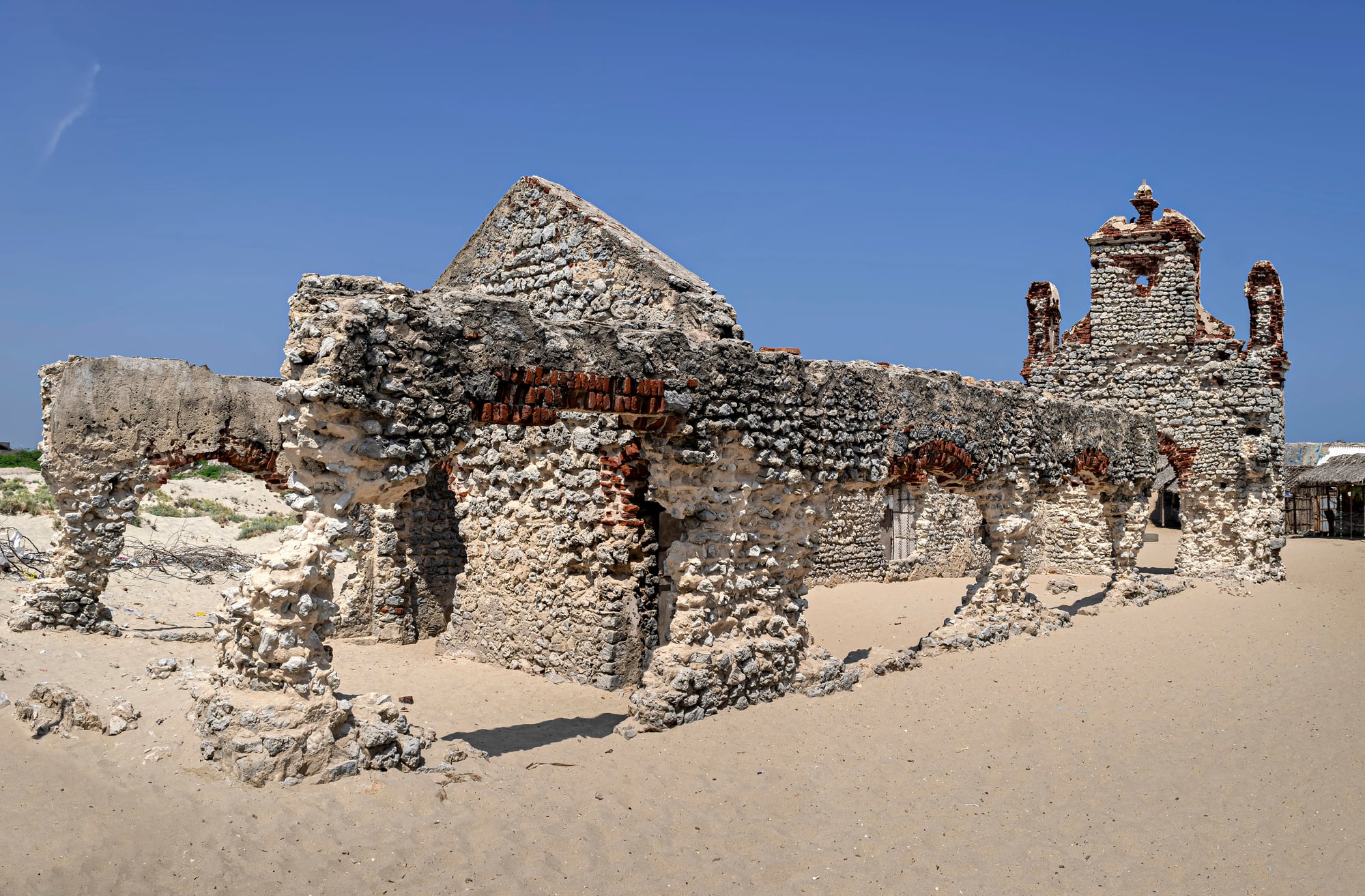
Dhanushkodi, India

A cyclone in 1964 destroyed this town at the southern tip of India. The storm killed nearly 2,000 people and destroyed every building.
The Indian government declared it unfit for living. The ruins stretch along a narrow strip of land between the Bay of Bengal and the Indian Ocean.
Fishermen use the area during the day, but nobody stays at night. Visitors walk among the skeletal remains of a train station, church, and homes, all gradually being reclaimed by sand and sea.
When the Ground Itself Becomes the Enemy
Standing in these places feels different from visiting ancient ruins. Ancient cities fell to time and forgotten civilizations.
These modern ghost towns show what happens when we push too hard, plan too poorly, or ignore warning signs too long. The empty buildings and silent streets aren’t distant history—they’re recent enough that photographs exist of people living there, going about ordinary lives.
You can trace the common threads: industries that prioritized profit over safety, governments that responded too slowly, technologies we thought we understood but didn’t. Some disasters happened in moments—explosions, invasions, floods.
Others crept up slowly—contamination, economic collapse, environmental degradation. The abandoned cities don’t vanish.
They persist as uncomfortable reminders. Nature moves in, but the concrete and steel resist easy erasure.
They exist in a strange state between past and present, neither fully gone nor really there. And they force a question that matters more as we build bigger cities and develop more powerful technologies: which of our current cities might join them?
More from Go2Tutors!

- The Romanov Crown Jewels and Their Tragic Fate
- 13 Historical Mysteries That Science Still Can’t Solve
- Famous Hoaxes That Fooled the World for Years
- 15 Child Stars with Tragic Adult Lives
- 16 Famous Jewelry Pieces in History
Like Go2Tutors’s content? Follow us on MSN.