Coldest Inhabited Towns
Most people settle where the weather stays calm. When it is neither too hot nor too cold, farming works better, travel feels simpler, leaving roads and buildings standing longer.
Still, a few communities lie way outside such zones – places where winter drags air down to levels so icy that frost sets the rhythm for everything done each day. Not temporary shelters or science stations tucked away on ice, these spots hold families across decades, built slowly through ways learned over lifetimes.
Frost grips these places hardest, yet homes still stand where snow outlasts sunshine by months. Life moves differently when cold shapes every decision, not just the weather report.
Towns survive under skies that barely brighten in January, rooted deep in routines built for endless nights. Winter isn’t an event there – it’s the rhythm most days follow without question.
People stay, though few outsiders understand why.
Oymyakon, Russia
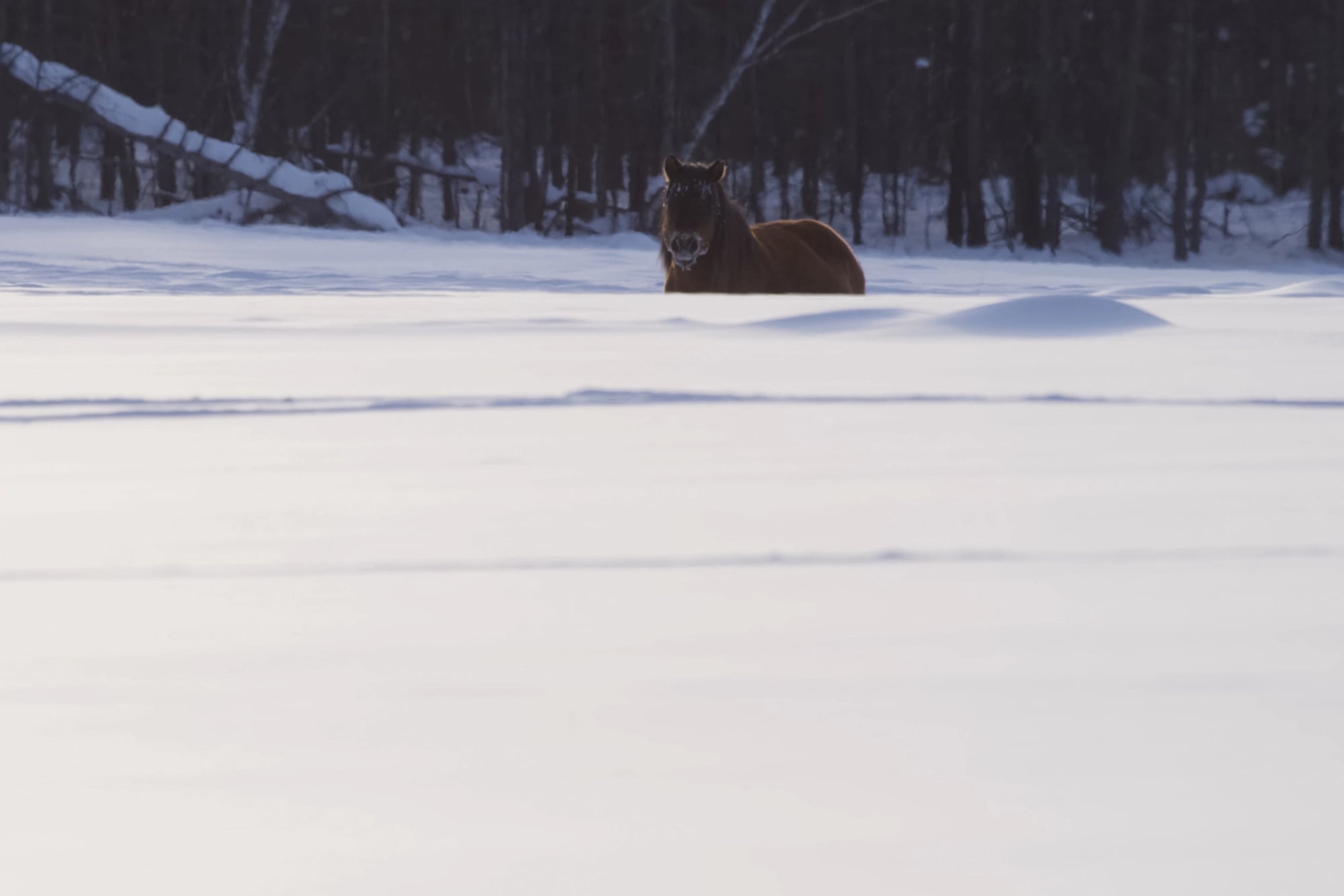
Oymyakon is widely regarded as the coldest permanently inhabited town on Earth. Winter temperatures have dropped below minus 90 degrees Fahrenheit, levels that push human tolerance to its limits.
The ground remains frozen year-round, which prevents conventional plumbing and road construction. Life here revolves around preparation.
Vehicles are kept running in winter to avoid mechanical failure, and food choices lean heavily toward items that can be stored without refrigeration. Despite these extremes, Oymyakon is not shrinking into abandonment.
Families remain, schools operate, and daily routines continue within a framework built entirely around cold.
Verkhoyansk, Russia
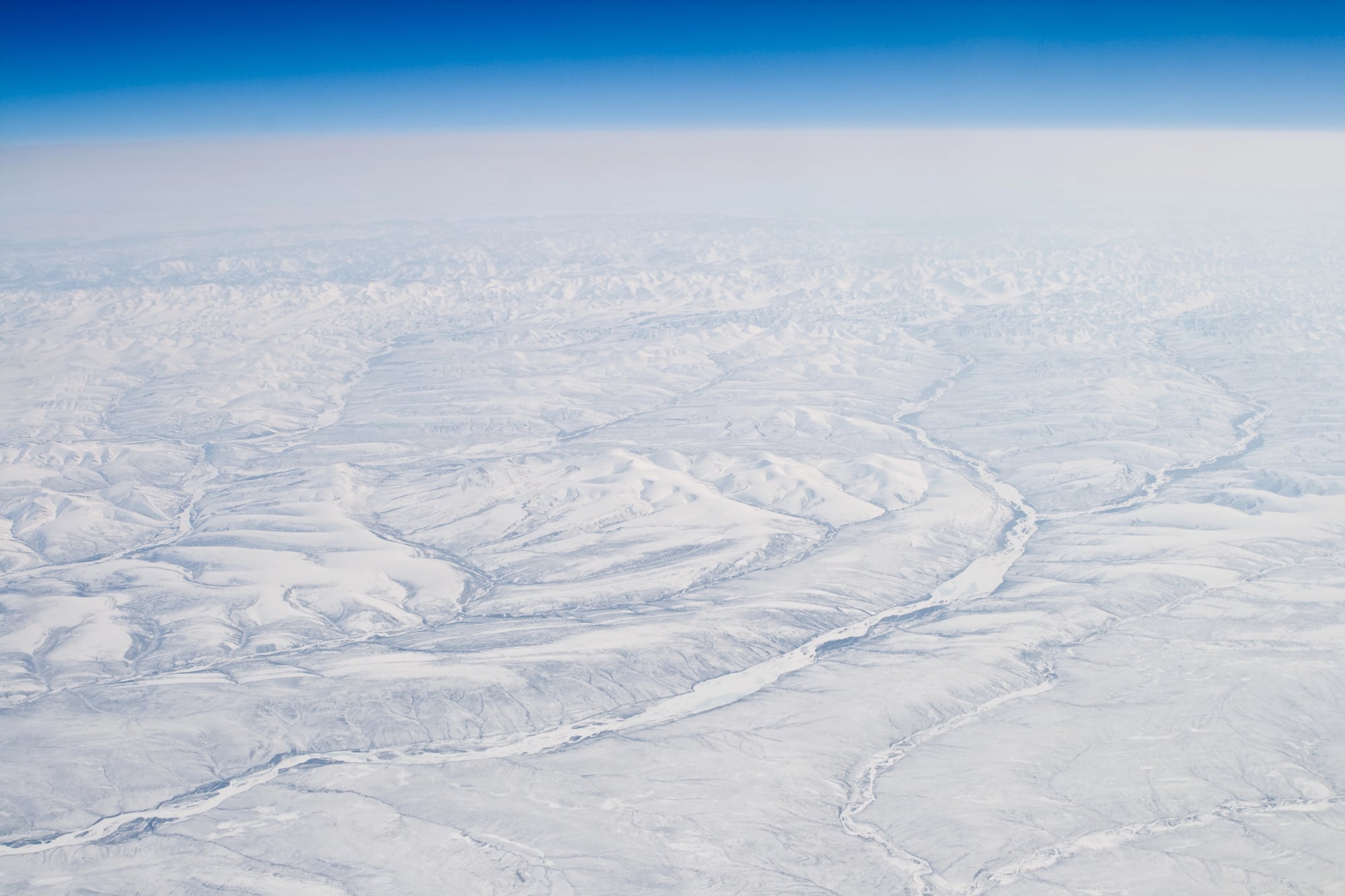
Verkhoyansk rivals Oymyakon for record-setting cold, with winter lows often falling below minus 80 degrees Fahrenheit. The town also experiences some of the widest seasonal temperature swings on Earth, moving from brutal winters to surprisingly mild summers.
That contrast defines local life. Buildings are engineered to retain heat during long winters, while residents make the most of short warm seasons for maintenance and travel.
Verkhoyansk demonstrates how communities learn to endure extremes by treating them as cycles rather than anomalies.
Yakutsk, Russia

Yakutsk is the coldest large city on the planet, home to hundreds of thousands of residents. Winter temperatures frequently fall below minus 60 degrees Fahrenheit, yet the city functions as a major administrative and cultural center in eastern Siberia.
Infrastructure here reflects long-term adaptation. Buildings are elevated to protect frozen ground, and heating systems are centralised and constant.
Yakutsk proves that extreme cold does not automatically limit urban scale. With planning and persistence, large populations can function in environments that appear hostile on paper.
Norilsk, Russia
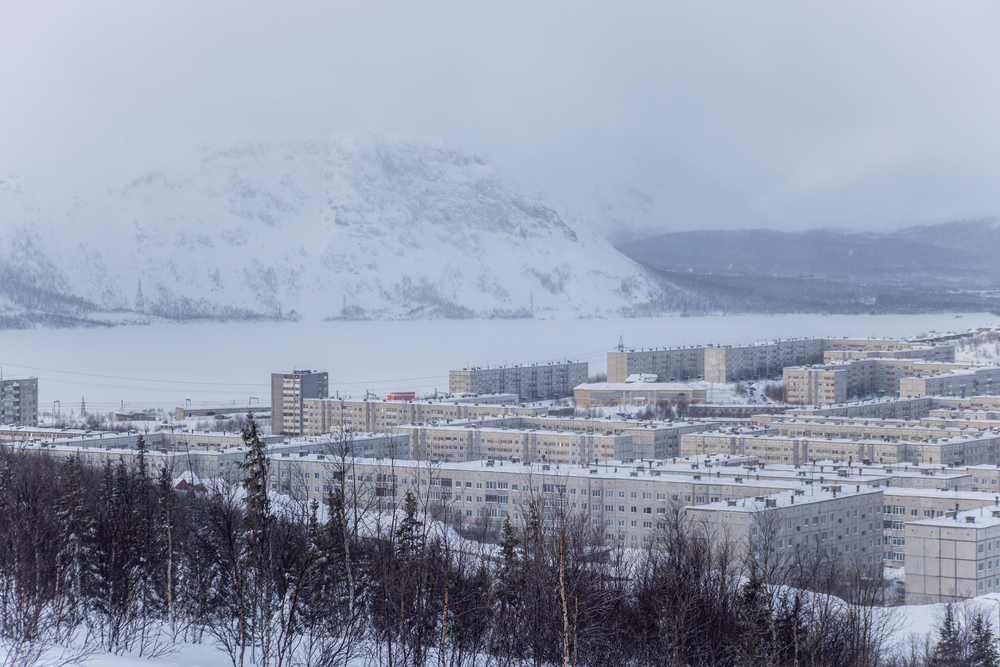
Norilsk lies well above the Arctic Circle and endures long, dark winters with temperatures commonly below minus 40 degrees Fahrenheit. The town is also known for strong winds, which intensify the cold and restrict outdoor movement.
Founded as an industrial center, Norilsk remains populated because of economic necessity. Mining operations anchor employment, and the town operates with limited seasonal access.
Its survival highlights how industry often precedes comfort in determining where people live.
Pevek, Russia
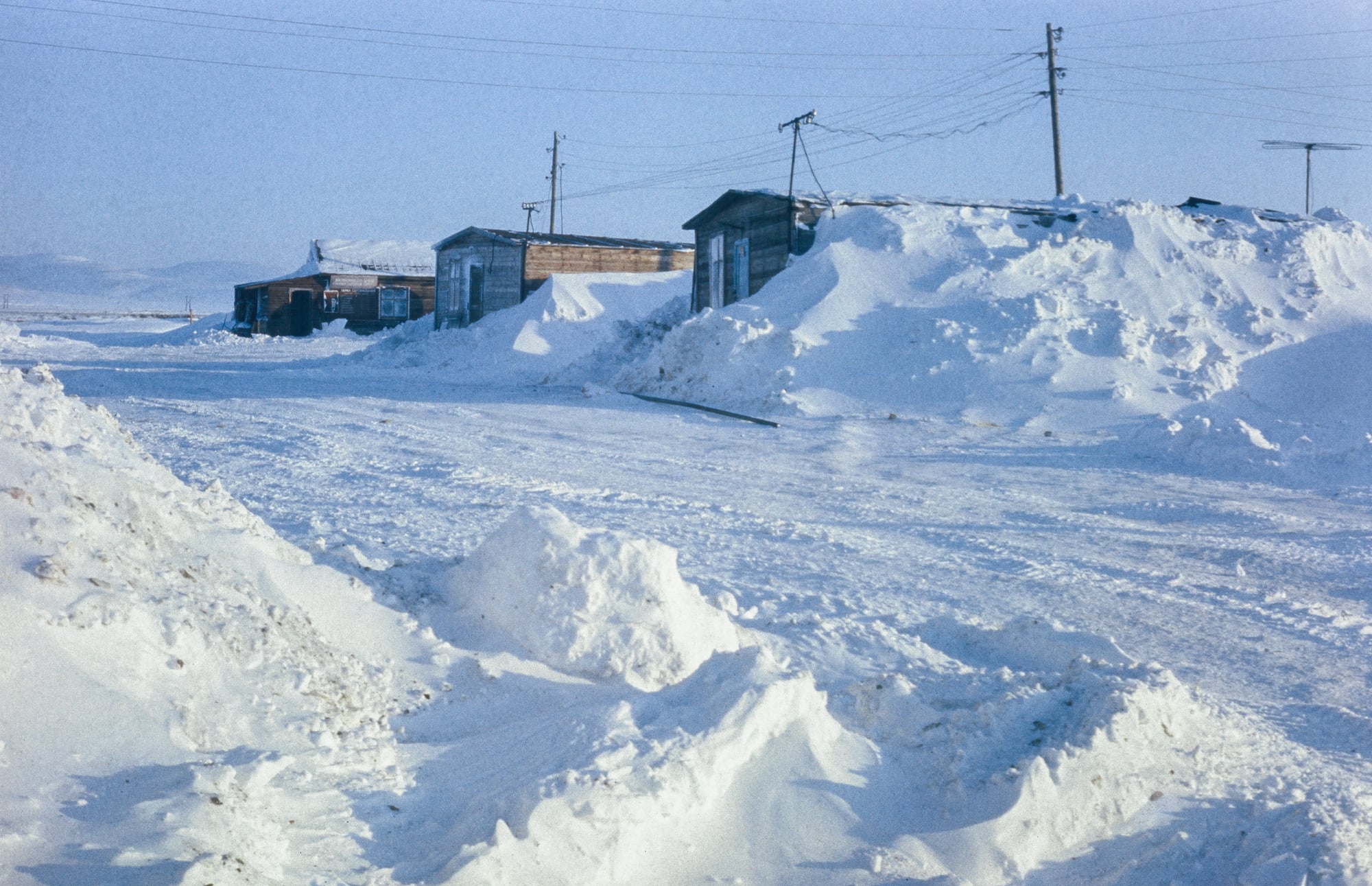
Pevek is the northernmost town in Russia, facing Arctic coastal conditions and frequent winter temperatures below minus 50 degrees Fahrenheit. Winds sweeping in from the sea add another layer of challenge.
The town’s layout reflects defensive design. Buildings are clustered to reduce exposure, and daily schedules adjust to weather forecasts rather than fixed routines.
Pevek remains inhabited because it serves as a regional hub, showing how function sustains settlement even in extreme cold.
Utqiaġvik, Alaska, United States
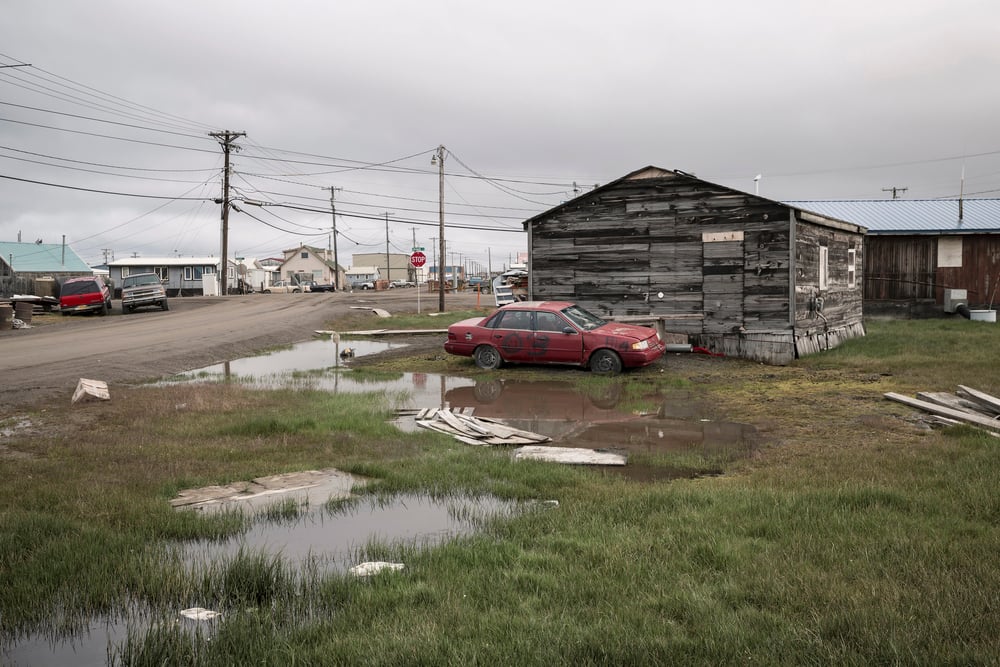
Utqiaġvik sits at the northern edge of Alaska and experiences weeks of darkness during winter. Temperatures often fall below minus 40 degrees Fahrenheit, and icy winds off the Arctic Ocean shape daily life.
The town blends modern infrastructure with traditional knowledge. Subsistence practices, communal planning, and careful weather awareness remain essential.
Utqiaġvik illustrates how cultural continuity helps communities remain resilient in environments where isolation and cold reinforce each other.
Fairbanks, Alaska, United States
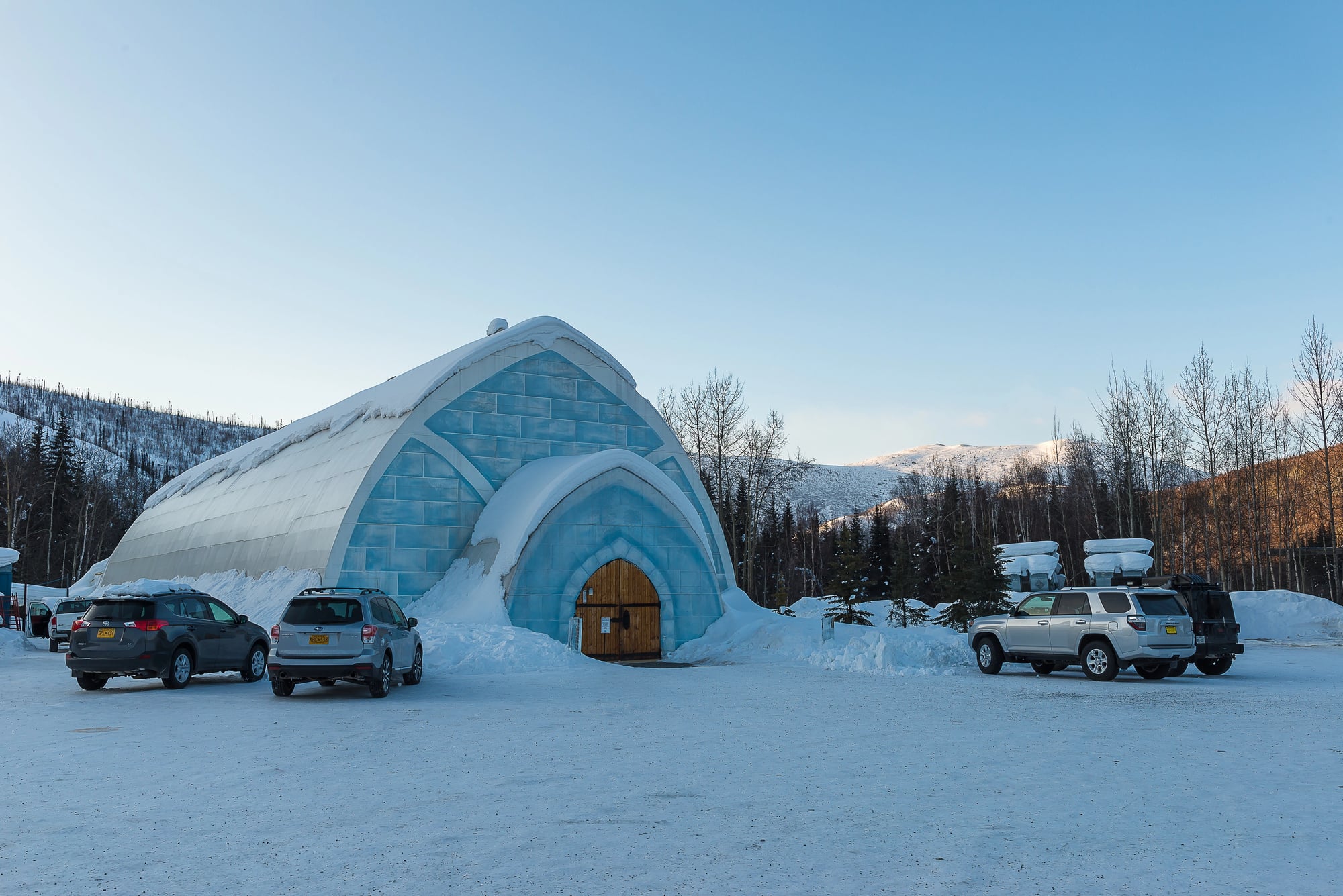
Fairbanks is one of the coldest cities in the United States, with winter temperatures frequently dropping below minus 40 degrees Fahrenheit during cold snaps. Unlike coastal Arctic towns, Fairbanks experiences temperature extremes due to its inland location.
Despite this, it functions as a transportation and research hub. Residents adapt through insulated homes, vehicle modifications, and seasonal routines.
Fairbanks shows how cold does not prevent economic or educational activity when infrastructure is tailored accordingly.
Inuvik, Northwest Territories, Canada
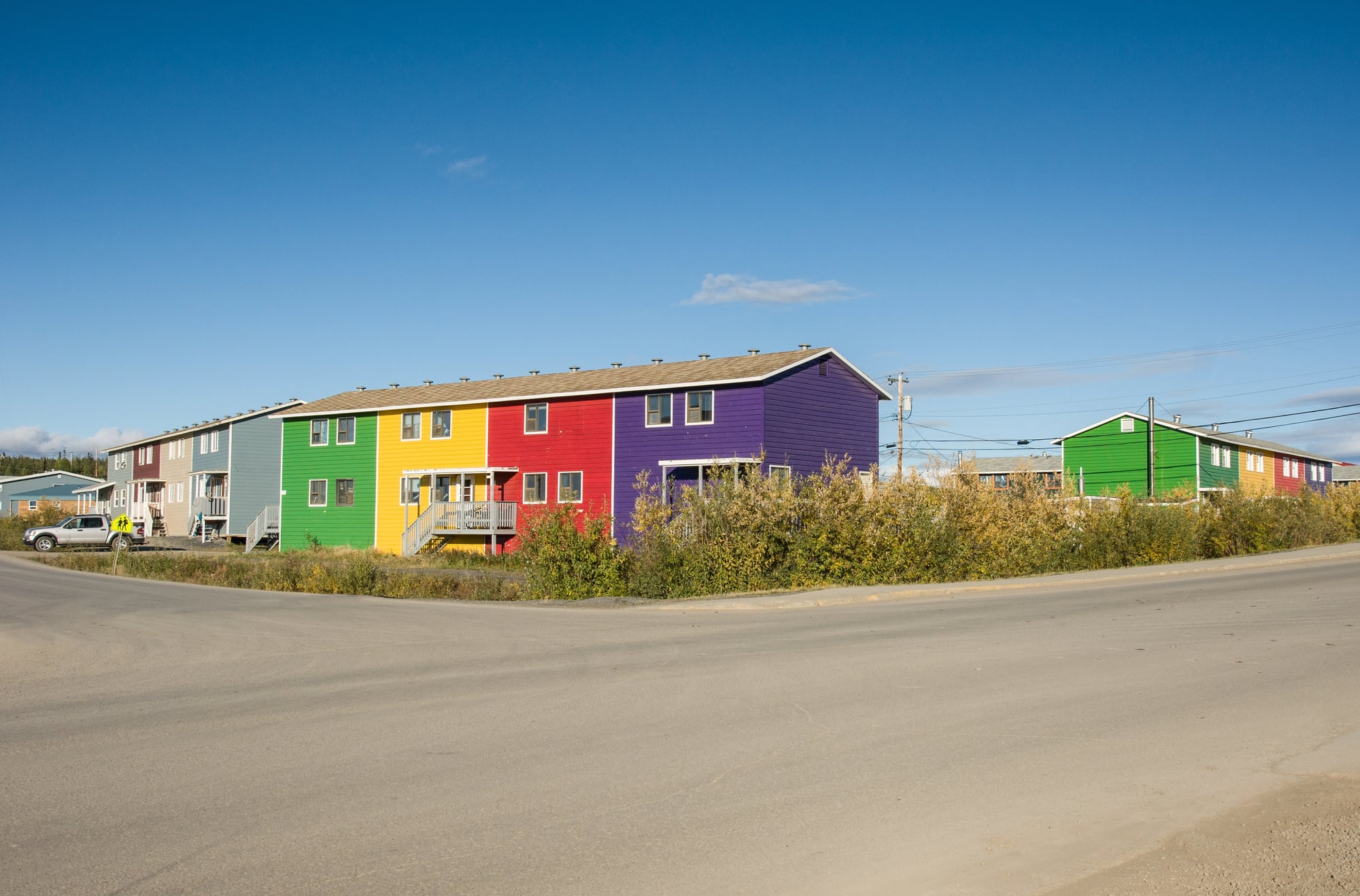
Inuvik was intentionally designed to support permanent Arctic settlement. Located above the Arctic Circle, it experiences long winters with temperatures often below minus 40 degrees Fahrenheit.
Buildings are elevated to protect frozen ground, and community services are structured to operate despite isolation. Inuvik represents planned adaptation rather than gradual settlement, demonstrating how modern engineering can support life in extreme climates.
Yellowknife, Northwest Territories, Canada
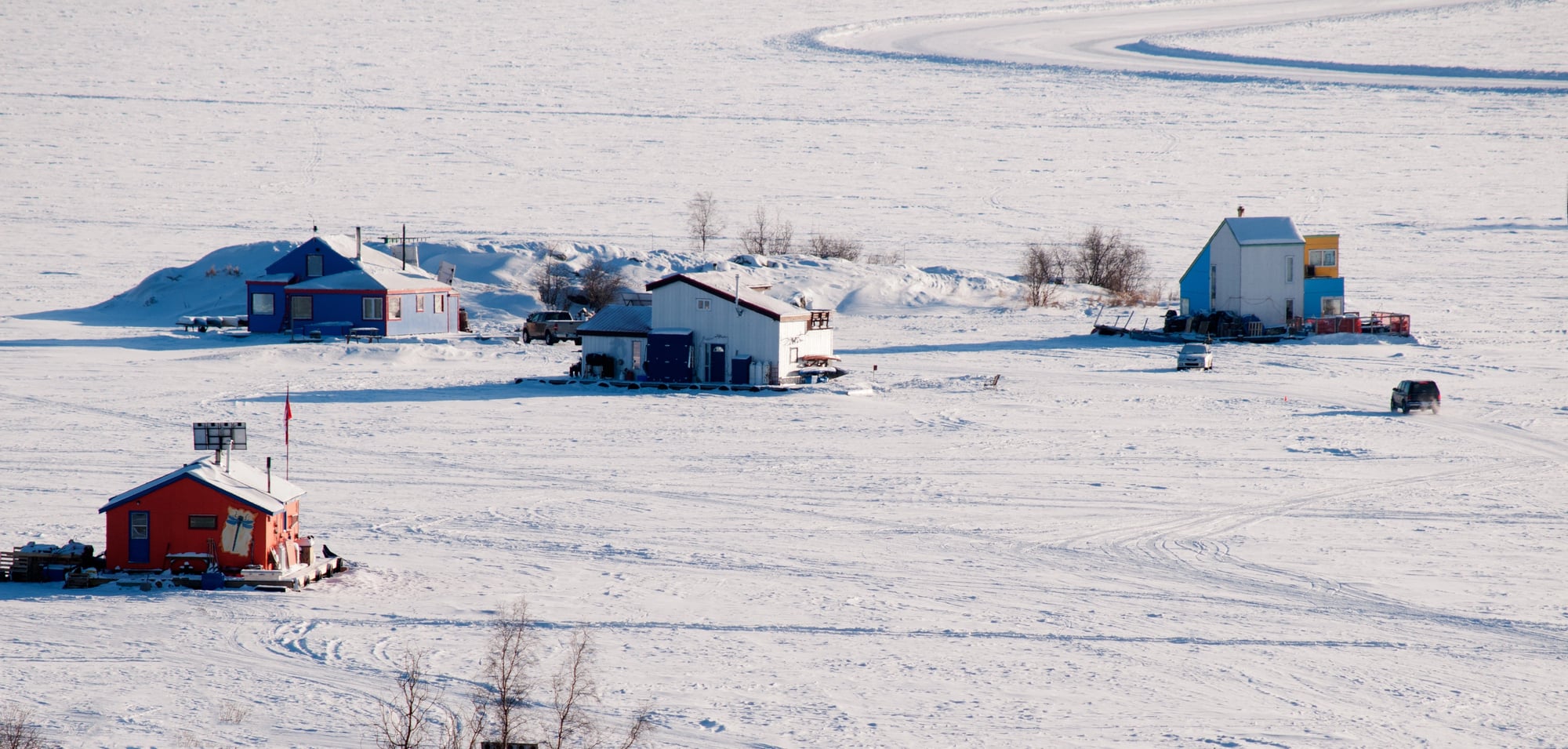
Yellowknife is among Canada’s coldest cities, with winter temperatures often below minus 30 degrees Fahrenheit. Situated along the edge of Great Slave Lake, it is exposed to wind that amplifies the cold.
The city thrives as a regional capital, supported by mining, government services, and tourism. Its continued growth shows how economic purpose can outweigh climatic hardship, sustaining population despite prolonged winters.
Snag, Yukon, Canada
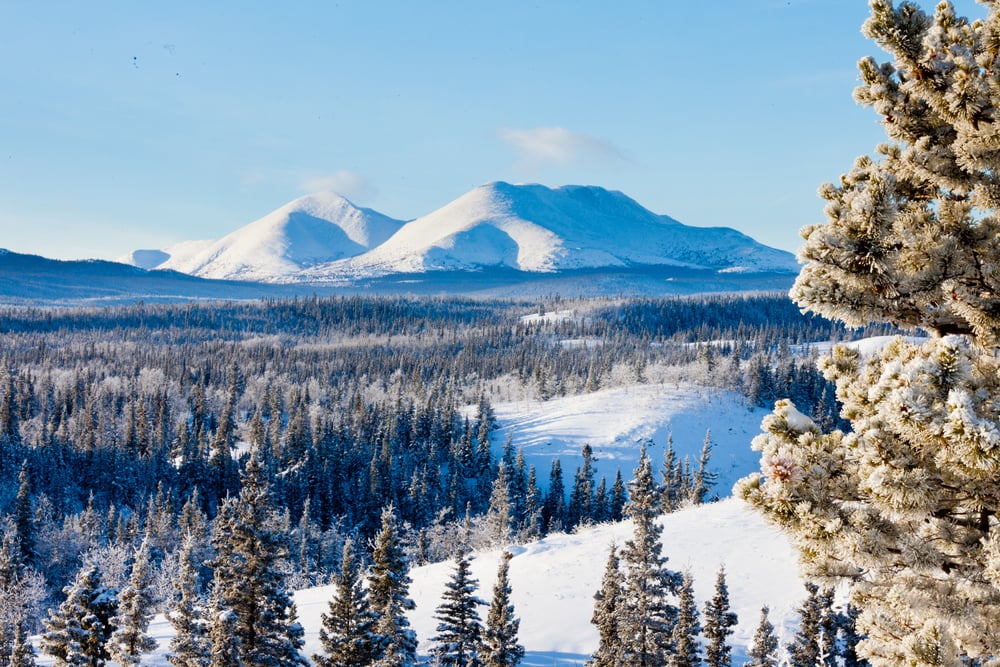
Snag is a small settlement best known for recording one of the lowest temperatures ever measured in North America, dipping below minus 80 degrees Fahrenheit. While its population has declined, it remains a reference point for extreme cold habitation.
Life in Snag historically depended on isolation-ready planning. Supplies, travel, and communication were all shaped by weather constraints.
The town represents a frontier model of endurance rather than expansion.
Ilulissat, Greenland
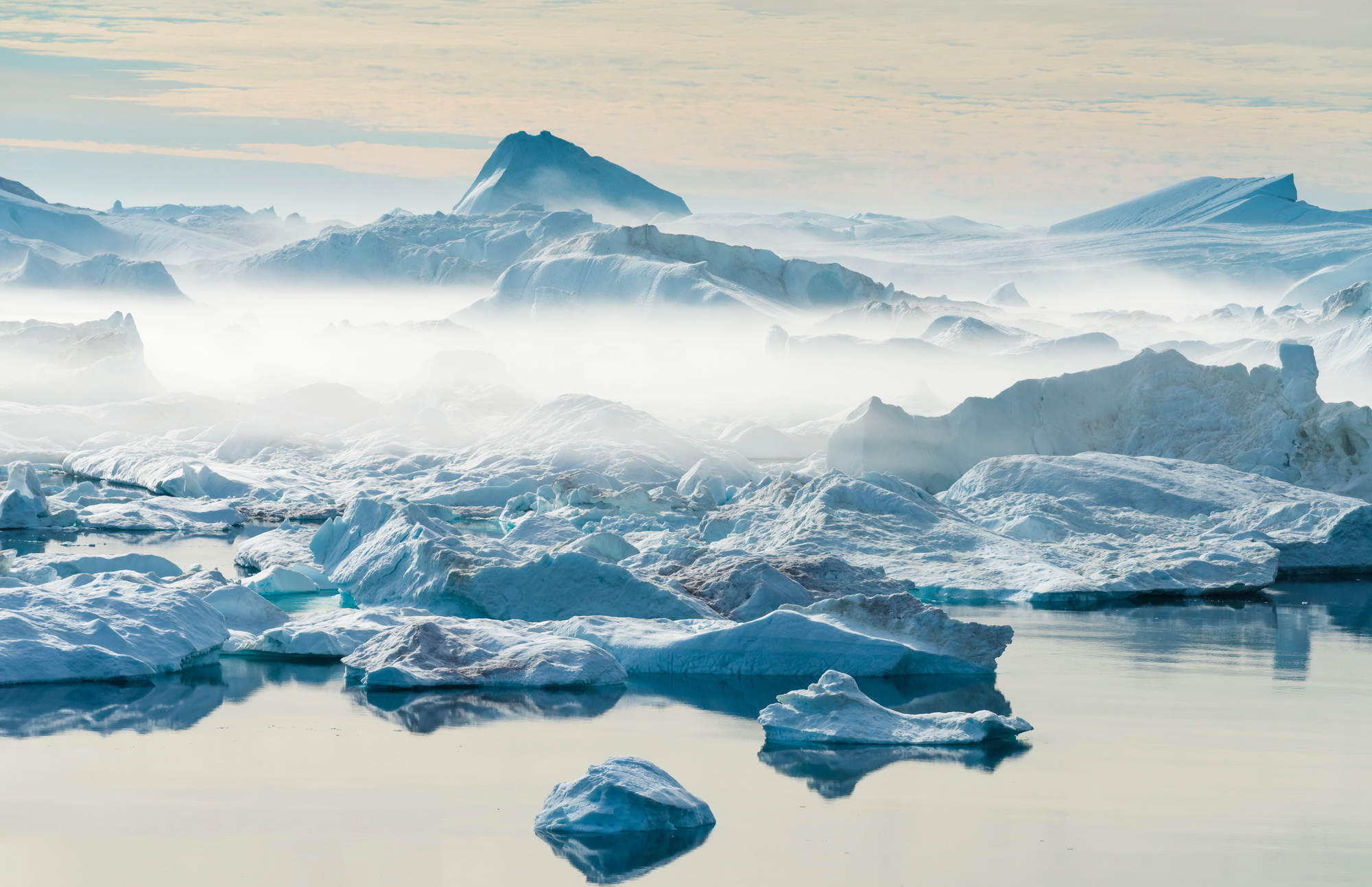
Ilulissat lies along Greenland’s western coast and experiences long winters with temperatures often below minus 20 degrees Fahrenheit. Ice dominates the surrounding landscape for much of the year.
Fishing and tourism support the population, which adapts to ice conditions rather than attempting to eliminate them. Ilulissat demonstrates how coastal Arctic towns align daily life with seasonal ice movement rather than resisting it.
Tasiilaq, Greenland
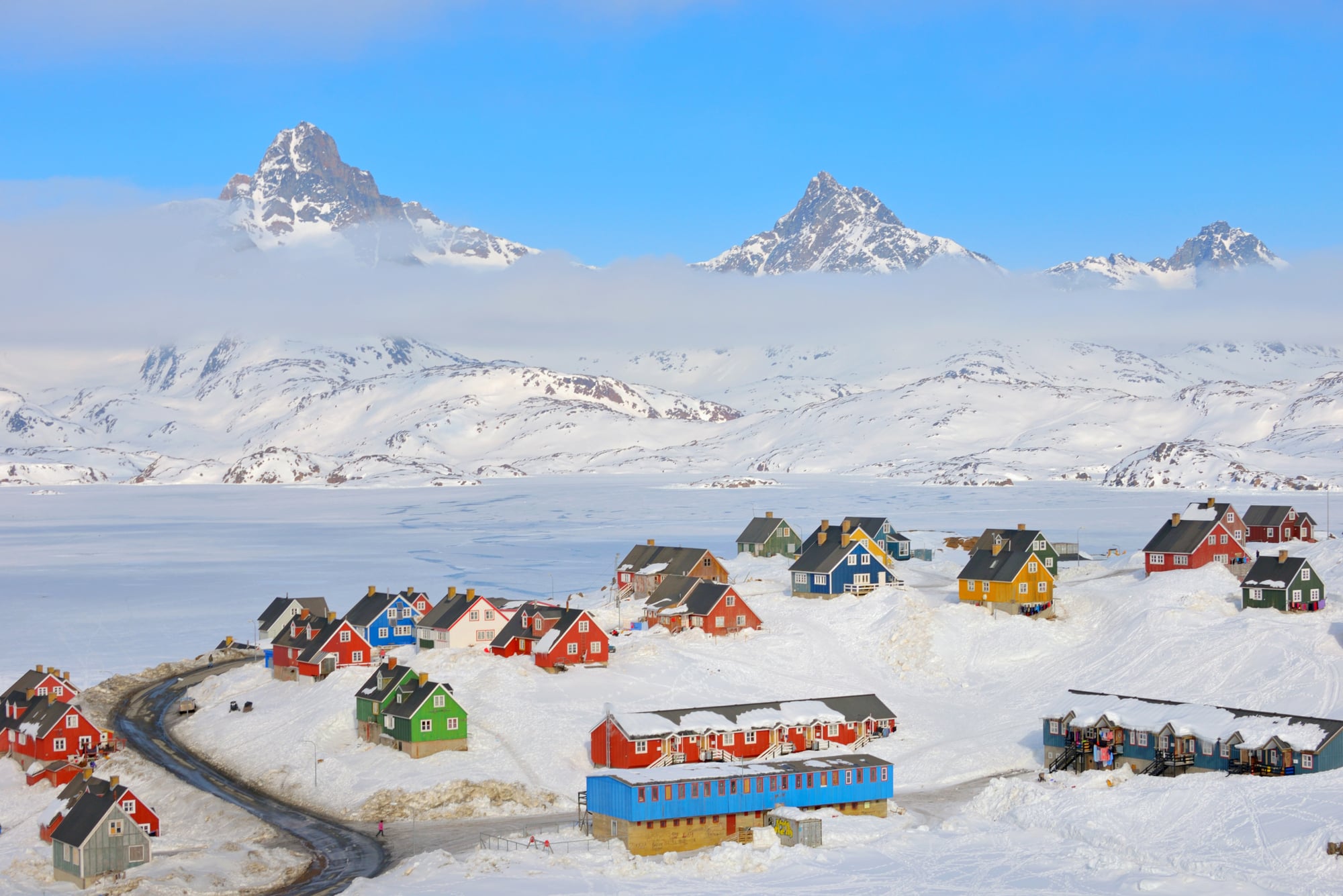
Tasiilaq sits on Greenland’s eastern coast, facing harsher weather and greater isolation than many western settlements. Winter temperatures remain consistently below freezing, with limited access during storms.
The town relies on fishing and local trade, with schedules shaped by weather windows. Tasiilaq reflects a model of acceptance rather than mitigation, where limitations are built into expectations rather than treated as disruptions.
Kautokeino, Norway
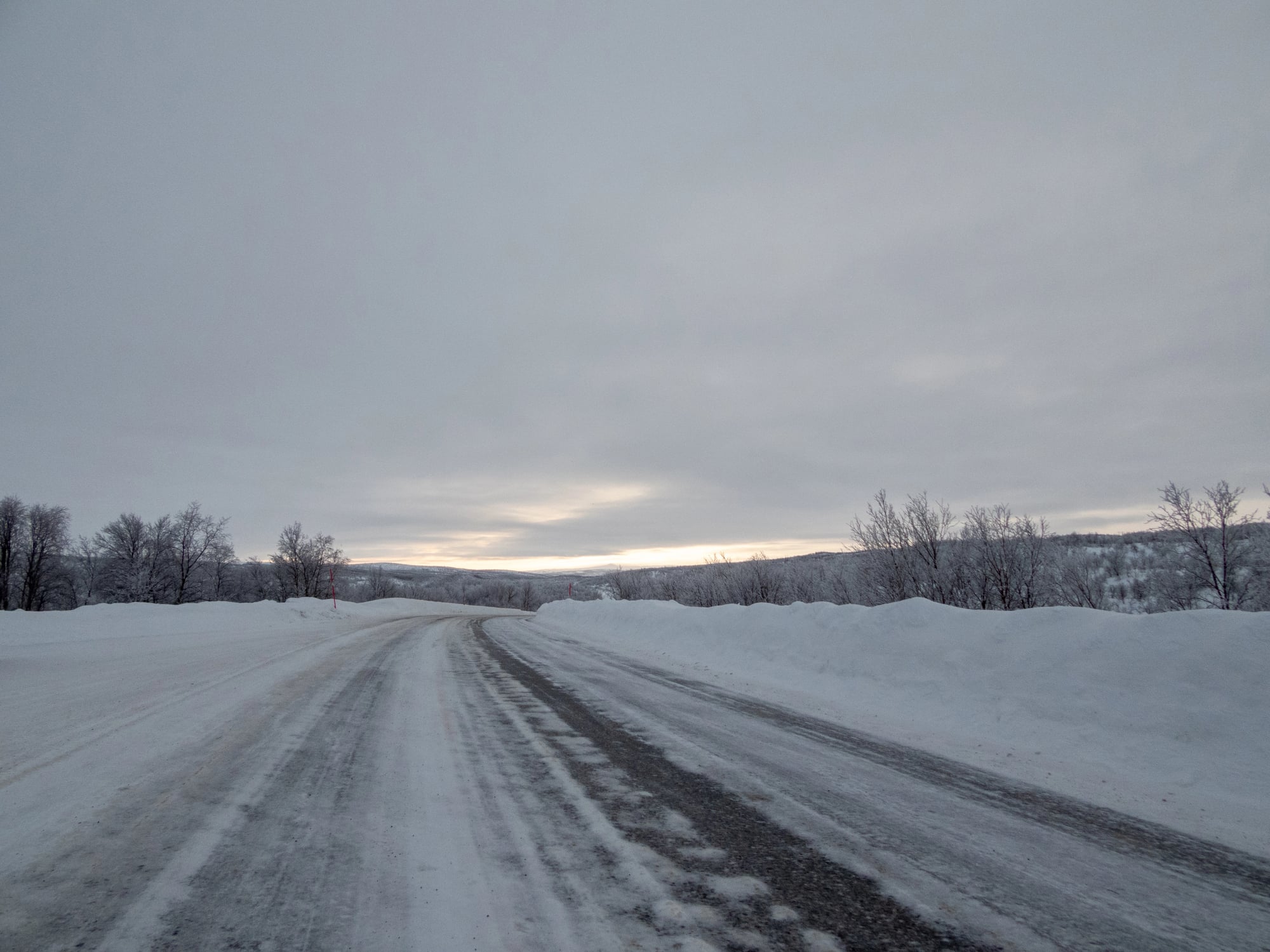
Kautokeino lies in northern Norway and regularly experiences winter temperatures below minus 40 degrees Fahrenheit. The town is part of the Sámi cultural region, where cold-adapted traditions remain central.
Reindeer herding and seasonal movement influence daily life. Cultural knowledge supports survival as much as modern infrastructure.
Kautokeino shows how long-standing traditions can align seamlessly with extreme environmental conditions.
Ulaanbaatar outskirts, Mongolia
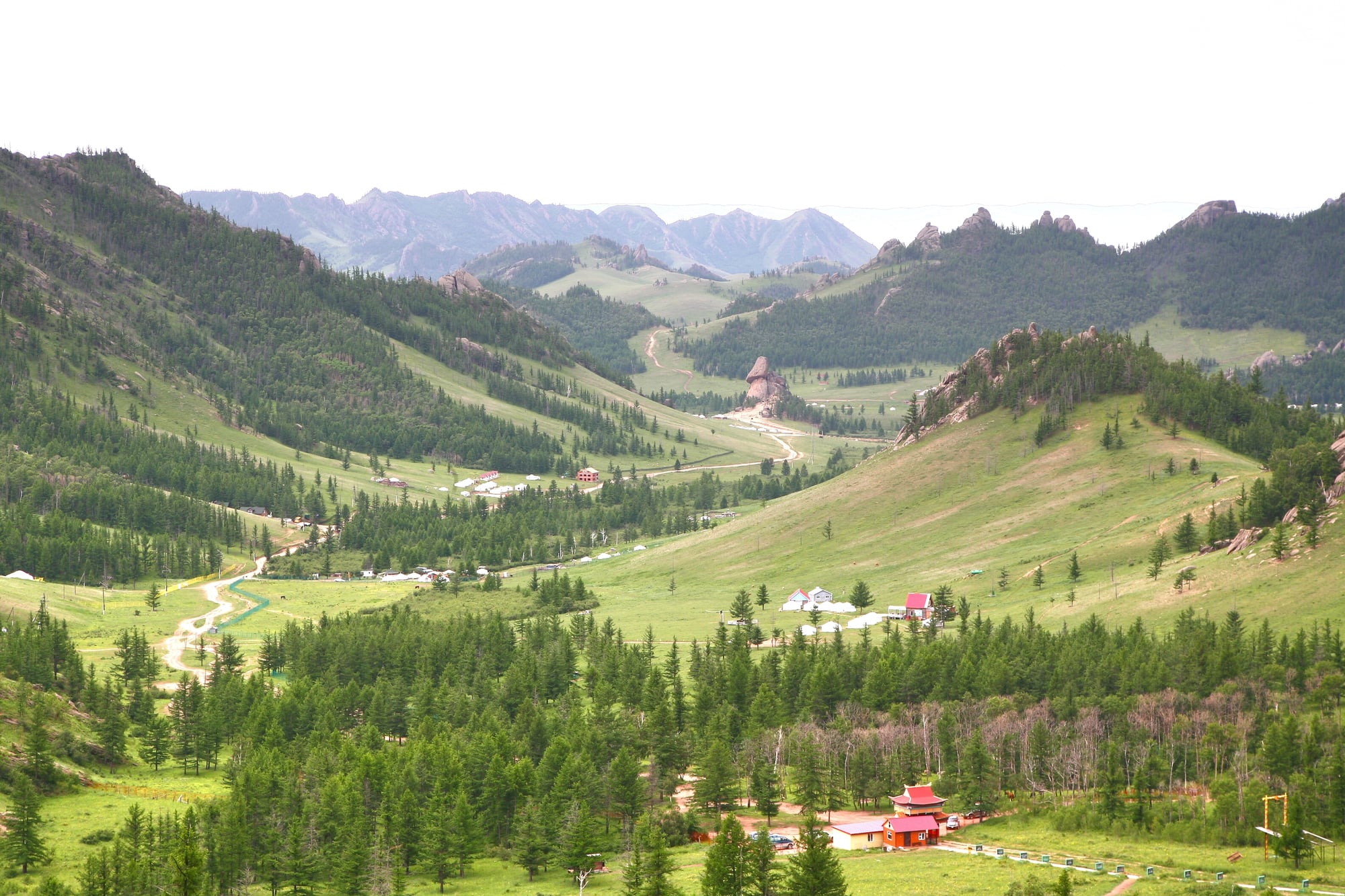
The outskirts of Ulaanbaatar experience some of the coldest urban-adjacent living conditions on Earth. Winter temperatures frequently drop below minus 40 degrees Fahrenheit, particularly at night.
Rapid population growth has increased strain on heating and infrastructure. Residents rely heavily on insulated dwellings and solid-fuel heating.
These districts highlight how cold shapes urban expansion differently than established city centers.
Yakutia rural settlements, Russia
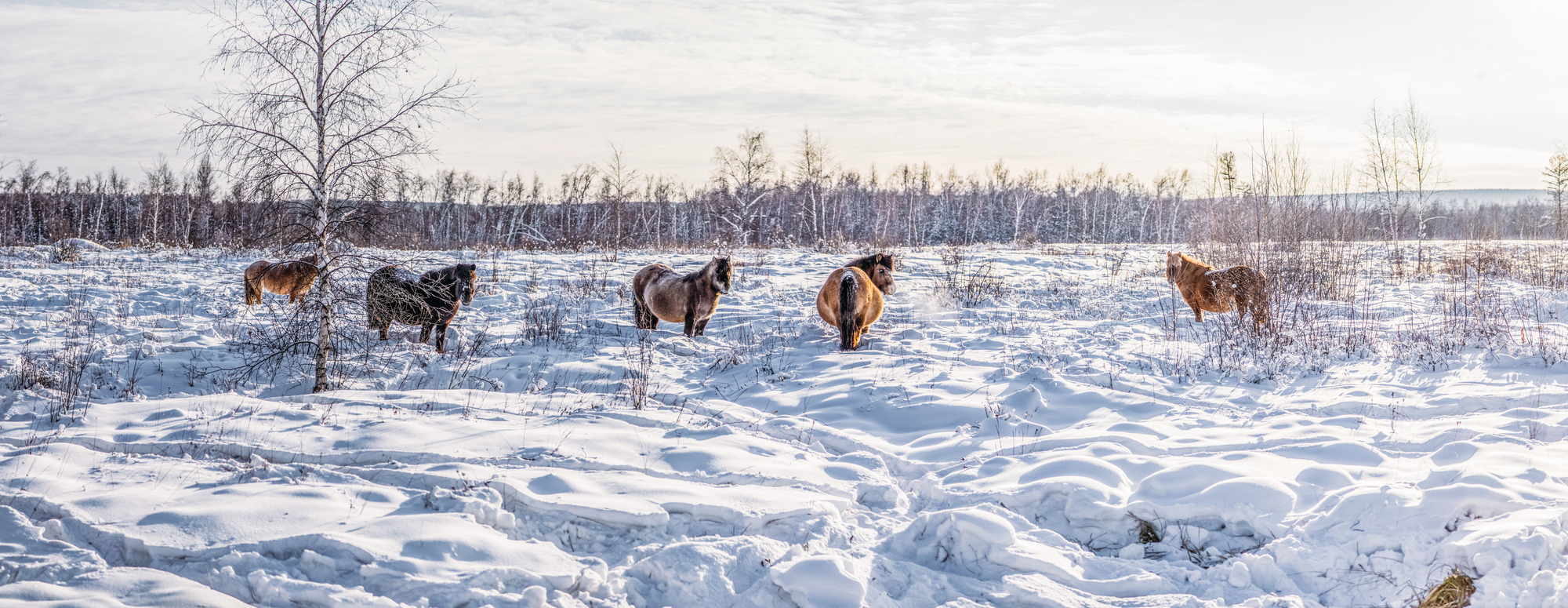
Far from city lights, tiny outposts in Yakutia face chill just like Oymyakon and Verkhoyansk. Cold snaps often drop the mercury under minus 60 Fahrenheit during winter months.
Yet life goes on. Frozen ground underfoot, these groups keep going by hunting what the land gives them.
Ties between villages hold firm, passed down like old tools. Not one person stands alone; it is everyone together that lasts.
The way they organize life follows winter’s rhythm – tight, shared, close.
Why people remain in the cold
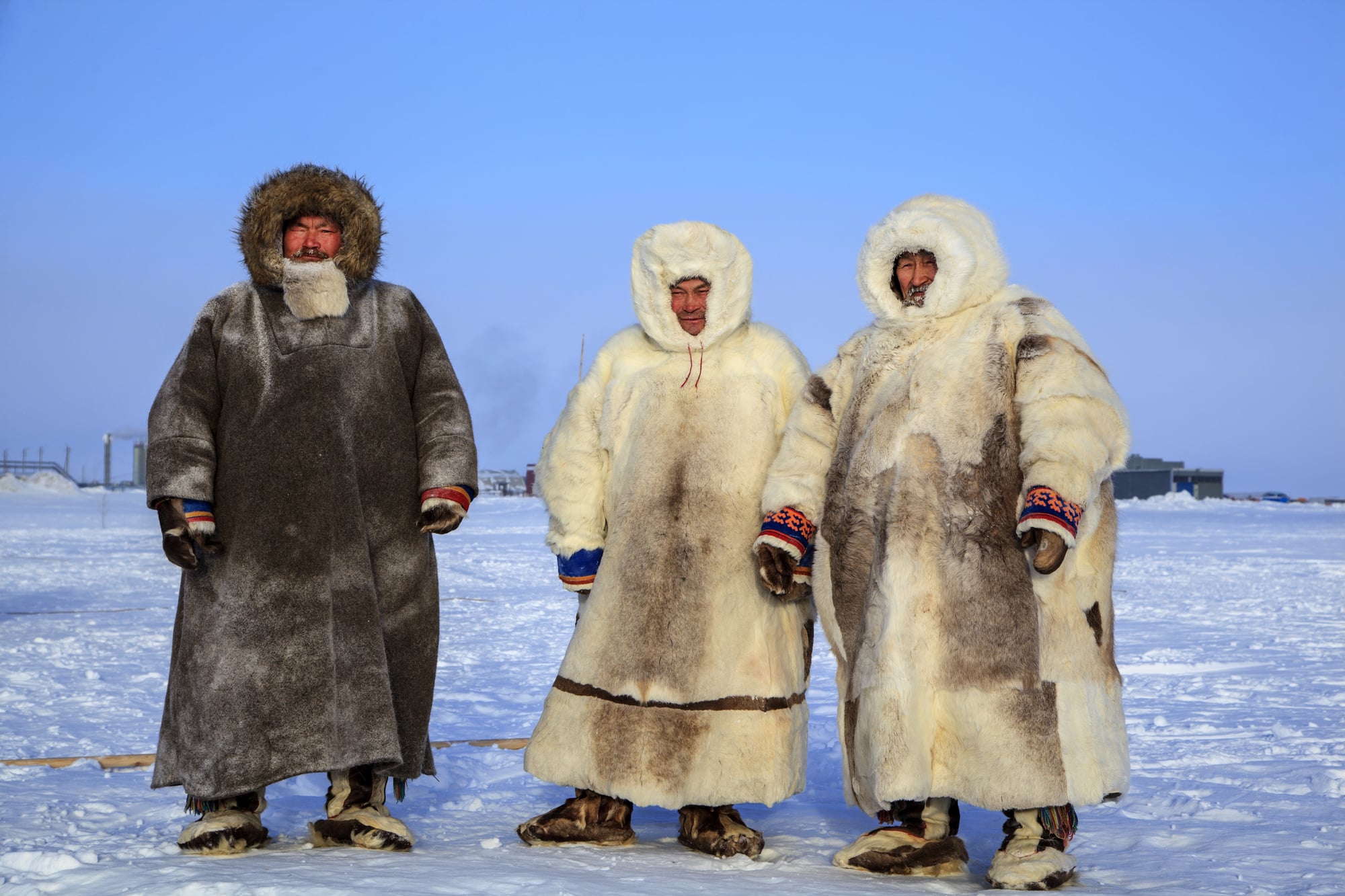
Frostbitten villages survive not due to comfort, yet staying makes more sense than going. Roots run deep where ancestry, work, and belonging stretch across generations.
What feels harsh elsewhere turns into routine here. Winter stops being an enemy once it shows up like clockwork every year.
Life shows its shape in these small communities. What draws people in is ease, yet what keeps them there is choice.
Where snow covers the ground for months, surviving isn’t seen as brave. It’s just how days unfold – planned ahead, shared with others, shaped by a steady regard for the frost pressing close.
More from Go2Tutors!

- The Romanov Crown Jewels and Their Tragic Fate
- 13 Historical Mysteries That Science Still Can’t Solve
- Famous Hoaxes That Fooled the World for Years
- 15 Child Stars with Tragic Adult Lives
- 16 Famous Jewelry Pieces in History
Like Go2Tutors’s content? Follow us on MSN.



