Longest Running TV Shows Ever
Every now and then, a TV show bursts onto screens, grabs attention, vanishes just as fast. A rare few manage what seems impossible instead.
Persistence becomes their rhythm. Seasons stack up, actors come and go, viewers age alongside characters, life beyond the living room evolves constantly – still, they keep moving forward.
Something holds them upright. Staying on air a long time goes beyond being well liked.
What matters most? How well a show adjusts, keeps its rhythm, stays sharp even after years go by.
When newness fades, people return for something familiar yet fresh. These enduring series did not resist change.
Instead, they shifted shape quietly, season after season. Their secret wasn’t flashiness.
It was listening without saying a word. Something steady sits beneath it all.
People come back less for shock value, more for the comfort of what they know. It slips into daily life without force, staying present not by grabbing focus but by showing up consistently.
Over weeks, that consistency starts to matter. Life moves fast.
Through seasons of change – new homes, careers, growing older – a show might stay constant. Viewers age while characters do too, slowly becoming part of daily rhythm.
Familiarity grows without effort. Over time, it feels less like watching and more like returning.
Picture this: some TV series just keep going, year after year. What keeps them running so long?
Their survival hints at something deeper within television culture. A few have lasted generations, quietly shaping how we see storytelling on screen.
The Simpsons

When The Simpsons first aired in 1989, no one imagined it would still be running more than three decades later. What began as a sharp, animated satire of American family life slowly became a cultural institution, spanning generations of viewers.
Its longevity comes from flexibility. The show can comment on current events, parody trends, or simply focus on character-driven humor without being tied to a single era.
Animation also plays a role, allowing characters to remain the same age while the world around them changes. Over time, The Simpsons has shifted tone and style, sometimes dividing audiences in the process.
Still, its ability to reinvent itself just enough has kept it relevant long after many peers faded.
Law & Order
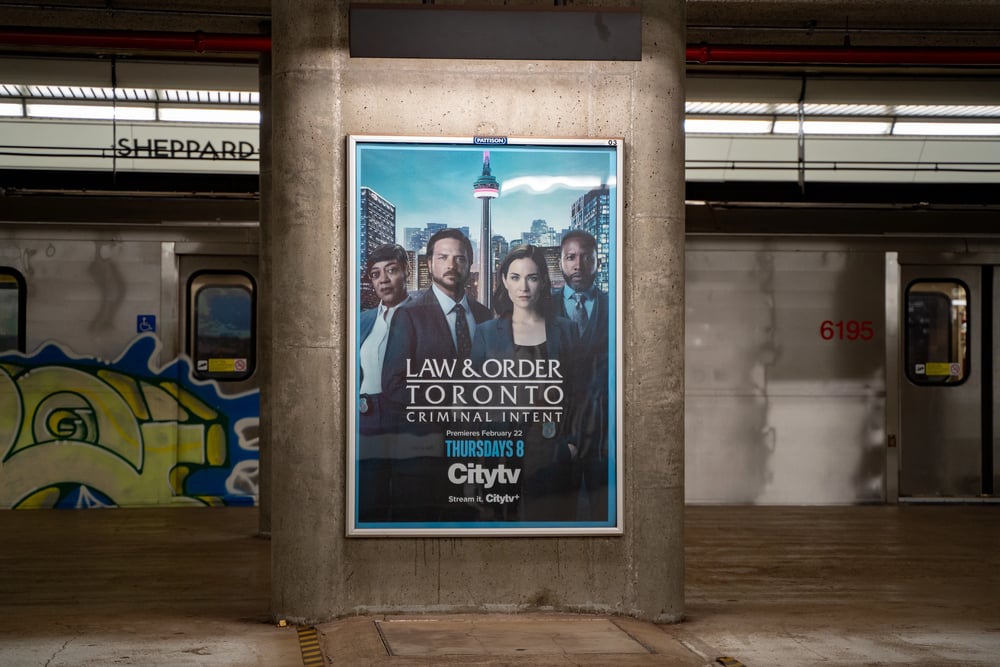
Premiering in 1990, Law & Order ran for 20 seasons in its original form and became the backbone of an entire franchise. Its simple, reliable structure proved to be its greatest strength.
Each episode followed a familiar rhythm, splitting time between investigation and courtroom drama. That predictability wasn’t a weakness.
It was comforting. Viewers knew what they were getting, even as the cases reflected evolving social issues.
The show’s format made cast changes easier to absorb, which is crucial for longevity. Characters could come and go without disrupting the core identity, allowing the series to outlast many of its contemporaries.
Doctor Who

Few shows have reinvented themselves as boldly as Doctor Who. First airing in 1963, the British series introduced a concept that quietly solved one of television’s biggest challenges: how to survive actor turnover.
By allowing the main character to regenerate into a new form, the show built change directly into its narrative. That decision made renewal possible again and again, even after long breaks.
Across decades, Doctor Who has reflected shifts in technology, storytelling, and audience expectations. Its survival isn’t about staying the same.
It’s about embracing transformation as part of its identity.
Gunsmoke

Gunsmoke aired for 20 seasons from 1955 to 1975, making it one of the longest running prime-time dramas in U.S. television history. Set in the American frontier, it arrived at a time when westerns dominated the small screen.
What kept it going was its focus on character rather than spectacle. While the setting remained familiar, the stories explored moral dilemmas, community, and justice in ways that felt grounded and human.
As tastes changed, Gunsmoke adjusted its pacing and tone, shifting away from action-heavy plots toward more reflective storytelling. That evolution helped it stay relevant long after the genre’s peak.
Saturday Night Live

When Saturday Night Live premiered in 1975, it wasn’t designed for longevity. Live sketch comedy is notoriously difficult to sustain.
Yet decades later, the show remains a fixture of American television. Its secret lies in constant renewal.
Cast members rotate frequently, writers change, and the tone evolves with each generation. The show becomes a reflection of its moment rather than a product stuck in the past.
Not every season lands the same way, but SNL endures because it’s allowed to fail, adjust, and try again. That flexibility has kept it culturally relevant for nearly fifty years.
Coronation Street

First airing in 1960, Coronation Street holds the record as one of the longest running scripted television shows in the world. Its success lies in its everyday realism.
Rather than relying on spectacle, the series focuses on ordinary lives unfolding over time. Viewers don’t just watch characters.
They grow up with them, mourn them, and welcome new generations into the same familiar streets. This kind of storytelling doesn’t chase trends.
It builds slowly, trusting that emotional investment will deepen rather than fade.
General Hospital

General Hospital debuted in 1963 and remains on the air decades later. Like many daytime dramas, its strength comes from volume and persistence rather than seasons or finales.
Episodes air multiple times a week, weaving long-running storylines that can stretch for years. Characters change, relationships evolve, and history accumulates in a way few other formats allow.
For many viewers, the show becomes part of daily life rather than something deliberately chosen. That consistency is a major reason it continues to endure.
Grey’s Anatomy

When Grey’s Anatomy premiered in 2005, it quickly became known for emotional storytelling and high-stakes drama. What’s surprising is how long it managed to sustain that intensity.
Cast departures, tonal shifts, and changing television landscapes didn’t end the show. Instead, it adapted by expanding its ensemble and leaning into character-driven arcs.
Its continued success shows that longevity isn’t limited to older formats. Even modern series can endure when emotional connection remains central.
NCIS

NCIS began as a spin-off and grew into one of the most reliable long-running dramas on television. Its appeal lies in balance.
Each episode blends procedural structure with character moments, making it accessible to new viewers while rewarding long-time fans. That balance helps explain how it stayed relevant across changing viewing habits.
Familiarity remains its anchor, even as faces and storylines evolve over time.
What Longevity Really Means

Staying on screen for ages? It takes more than time.
What matters is shifting shape while keeping the heart alive. Few shows pull that off.
Smooth changes are rare when decades pass. Familiarity shaped the way people gathered around these programs.
They tuned in because it felt normal, part of a daily rhythm instead of a decision. Togetherness happened without planning.
That kind of steady presence helped certain series last for years. Harder now to find that steady grip on things.
Yet these series prove how stories grow strong when they stick around long enough. These shows go beyond mere longevity.
Each rerun feels like flipping through an old photo album, proof that lasting presence grows quietly, week after steady week.
More from Go2Tutors!

- The Romanov Crown Jewels and Their Tragic Fate
- 13 Historical Mysteries That Science Still Can’t Solve
- Famous Hoaxes That Fooled the World for Years
- 15 Child Stars with Tragic Adult Lives
- 16 Famous Jewelry Pieces in History
Like Go2Tutors’s content? Follow us on MSN.



