Royal Servants With Humiliating Jobs
Working for royalty sounds glamorous until you learn what some positions actually entailed. The closer servants got to their monarchs, the stranger and more degrading their duties became.
These weren’t just menial tasks—they were intimate, bizarre, and sometimes downright revolting responsibilities that came with fancy titles and decent pay. History books often gloss over these roles, but they tell you something important about power: the people at the top rarely did anything for themselves.
The Groom of the Stool

The English court created a position specifically for someone to assist the king while he used the toilet. This wasn’t a quick wipe-and-go situation either.
The Groom of the Stool helped the monarch with everything from preparing the portable toilet to cleaning up afterward. You’d think this would be the lowest rung on the palace ladder, but it actually became one of the most prestigious positions at court.
Why? Because you spent private time with the king. While he sat there doing his business, you could whisper advice, share gossip, or make requests.
Some of the most powerful men in Tudor England held this title. Henry VIII’s Groom of the Stool controlled access to the king and became incredibly influential.
The indignity paid dividends.
The Royal Whipping Boy

Kings and princes couldn’t be physically punished as children—their bodies were too sacred. But they still needed discipline, so courts hired whipping boys to take beatings on behalf of royal brats.
When a prince misbehaved, his whipping boy got the lashes. The logic was that the prince would feel terrible watching his friend suffer.
Sometimes it worked. Often it didn’t. These boys were usually sons of nobles, chosen specifically to be companions to the prince.
They received excellent educations and lived comfortable lives, except for the occasional flogging they didn’t deserve. Charles I of England had a whipping boy named William Murray who later became a close advisor.
The scars probably helped with the bonding.
The Food Taster

Someone had to take the first bite of every dish before it reached royal lips. Poisoning was a real threat, and monarchs needed human shields at mealtimes.
Food tasters ate portions of everything—soup, meat, wine, even water. Then they waited.
If they started sweating, vomiting, or convulsing, dinner was canceled. If they stayed upright, the meal proceeded.
You might think this job came with hazard pay, but many tasters were slaves or low-ranking servants with no choice in the matter. Byzantine emperors kept entire teams of tasters.
Some courts made the cook taste everything first, which at least created incentive for good hygiene.
The Waker

French kings employed someone whose sole job was to wake them up each morning. Not with an alarm clock—that would be too simple.
The Waker had to stand by the royal bed and announce the time, weather, and schedule for the day while the king slowly roused himself.
Louis XIV took this to extremes with his lever ceremony, where dozens of people watched him wake up, get dressed, and start his day. But someone still had to be the first person to disturb the royal slumber, which meant tiptoeing into a darkened room and gently rousing an absolute monarch who might be cranky before coffee.
Get the tone wrong, and you’d spend the rest of the day dodging thrown objects.
The Herb Strewer

Before modern plumbing, palaces smelled terrible. Castles reeked of unwashed bodies, rotting food, and human waste.
The Herb Strewer scattered fresh herbs and flowers on the floors to mask the stench. They’d walk ahead of the monarch, dropping lavender, mint, and rose petals.
This sounds almost pleasant until you realize you spent your entire day bending over to sprinkle plants on filthy floors where people had been walking, spitting, and worse. You breathed in the smell all day while trying to make it better for someone else.
Queen Elizabeth I had an official Strewer of Herbs in Ordinary who received a salary and fancy title for this fragrant humiliation.
The Necessary Woman

Someone had to empty and clean the chamber pots. In grand households, this fell to the Necessary Woman or Groom of the Chamber.
They collected the royal waste, disposed of it, and scrubbed the containers. This happened multiple times daily, and in winter, the contents might freeze.
The job required discretion—you saw and smelled things no one wanted acknowledged. But you also gained access to private spaces and overheard conversations.
Some Necessary Women parlayed this into blackmail or information-selling on the side. The job was disgusting, but it came with opportunities.
The Royal Hair Catcher

Wigs became fashionable in European courts during the 17th and 18th centuries, but natural hair still needed maintenance. Someone had to brush, comb, and style the monarch’s real hair before covering it with a wig.
More importantly, they caught the hair that fell out during this process. Fallen royal hair couldn’t just be thrown away—it might be used in witchcraft or fall into the wrong hands.
The Hair Catcher collected every strand and burned it according to protocol. They also checked the monarch’s scalp for lice, which everyone had back then regardless of social status.
Picking bugs out of the king’s head while he sat still wasn’t exactly dignified work.
The Bladder Keeper
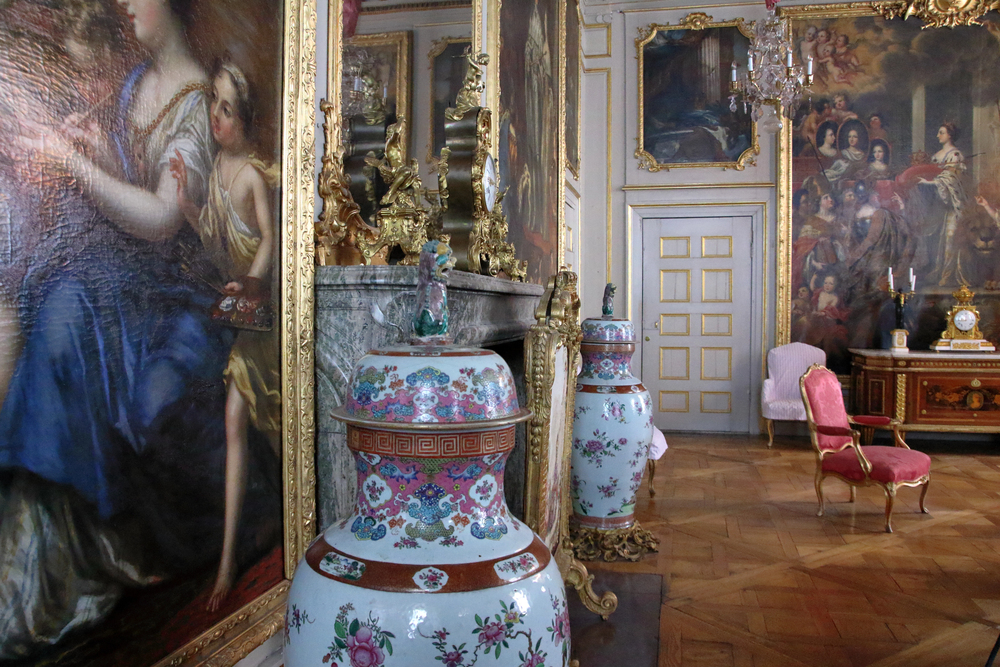
Medieval and Renaissance courts didn’t have running water or modern toilets. People relieved themselves in containers that needed emptying.
The Bladder Keeper managed these vessels for the royal household, ensuring clean ones were available and used ones disappeared.
This meant hauling urine-filled containers through palace corridors multiple times per day. You developed strong arms and lost your sense of smell.
The position required trust—you had access to private chambers and handled intimate waste. Some Bladder Keepers were actually minor nobles who traded dignity for proximity to power.
The Backscratcher
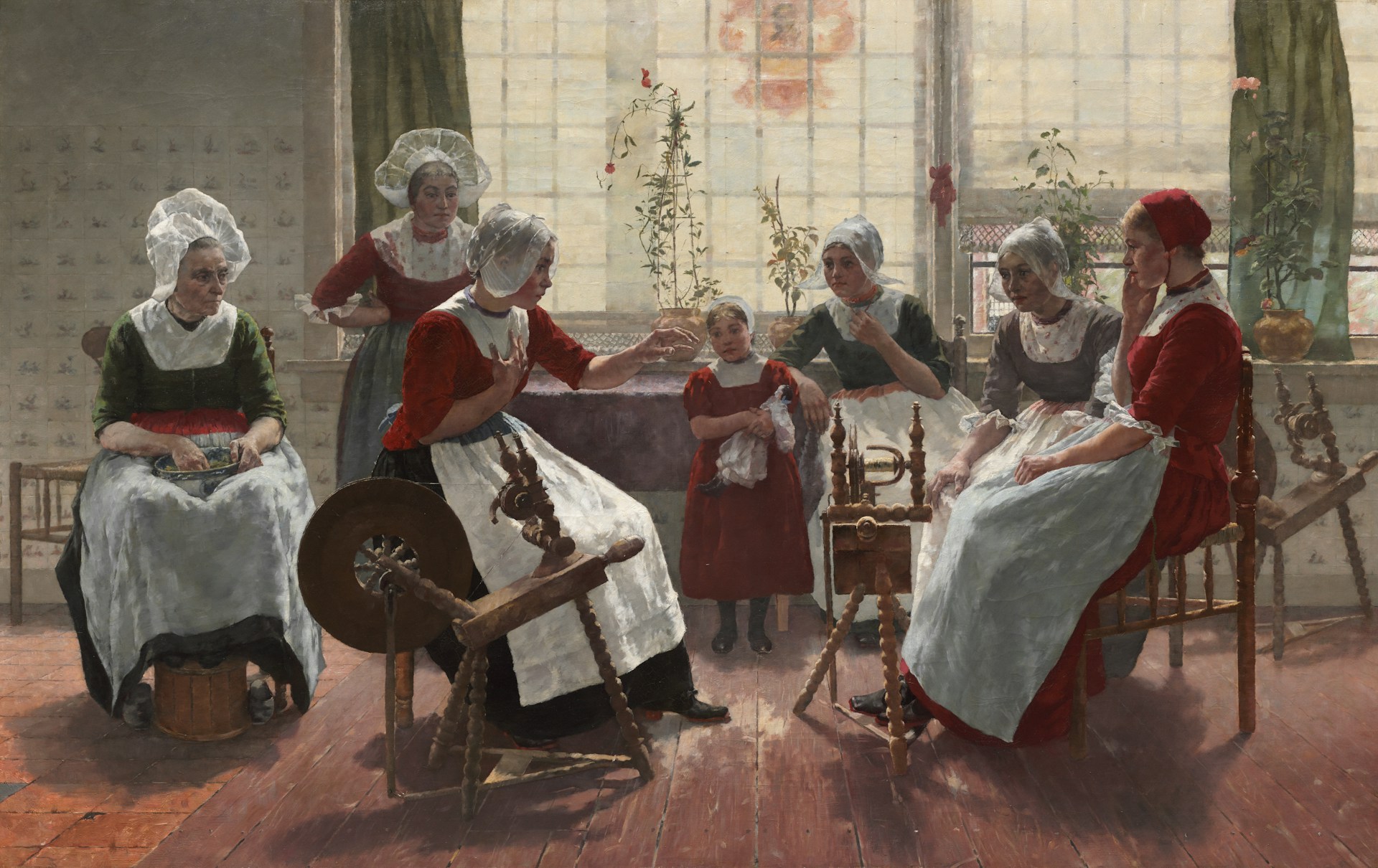
Kings and queens itched just like everyone else, but they couldn’t scratch themselves in public. That would be undignified.
Instead, they employed someone to handle scratching duties with special implements—usually long sticks with carved hands at the end.
You’d stand nearby during ceremonies and meetings, waiting for the subtle signal that indicated an itch needed addressing. Then you’d discreetly reach over with your scratching stick and take care of it.
The job required you to stare at your employer constantly, anticipate their discomfort, and provide relief without drawing attention. You became an extension of the royal body, which sounds poetic until you’re scratching someone’s back during a military briefing.
The Master of the Revels
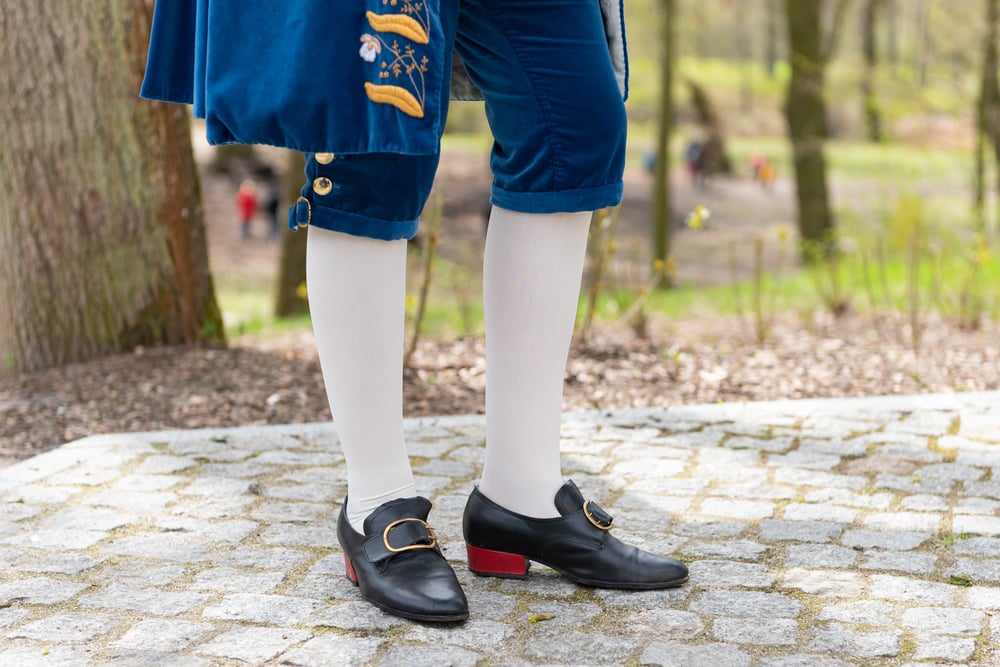
This title sounds fun, but part of the job involved testing royal entertainment for appropriateness. If the king wanted to attend a play, the Master of the Revels watched it first to ensure nothing offensive made it into the performance.
The problem? Royal sensibilities were unpredictable and ever-changing. Something that pleased the king last month might enrage him today.
You sat through countless performances, taking notes and making cuts, knowing that if you missed something objectionable, you’d face punishment. You also had to reject talented performers because their material was too risky, making you the bad guy to artists and the potentially incompetent guy to your employer.
The Ewerer

The Ewerer brought water for the monarch to wash their hands before and after meals. This sounds simple until you learn the ritual involved.
You’d carry an ornate pitcher and basin, kneel before the royal person, pour water over their hands, then provide a towel.
The water had to be the right temperature, the pitcher couldn’t drip, and your kneeling posture had to be perfect. You did this multiple times daily, and any mistake was a public embarrassment.
Some courts made the Ewerer taste the water first to ensure it wasn’t poisoned, adding another layer of absurdity. You were a human faucet with better posture and job security.
The Royal Shoe Tester

New shoes could cause blisters, and blisters could become infected, and infections could kill you before antibiotics. Some monarchs employed people to break in their shoes before wearing them.
You’d put on the royal footwear and walk around until the leather softened. This meant your feet had to be roughly the same size as the monarch’s, and you spent hours developing blisters so they wouldn’t.
If the shoes were too tight, you’d stretch them. Too loose? You’d report back so adjustments could be made.
Your feet hurt so the royal feet could remain comfortable. At least you got nice shoes out of it, even if they were pre-worn.
The Laundress of the Body

Washing the king’s clothes and sheets fell to one person alone. Not just any cleaning job – this work carried weight, like a quiet ritual.
Boiling water, rough brushing, careful drying – all done apart from the rest of the washing. Touching what had touched the ruler meant doing things differently.
Stains lingered in your memory – ones you never asked to see. Royal flesh left clues only you were meant to notice.
Quietness became second nature when holding soiled fabric close. Money arrived on time, yet each coin felt heavy with what it bought.
Touching undergarments meant touching truth, raw and unspoken.
When Service Felt Like Giving Up

Power shows a strange truth: behind every high seat, there’s labor no one wants to see – often growing stranger the nearer it gets to influence. Closer circles demand odder tasks; those doing them exchanged pride for safety, closeness, or simply staying alive.
A few gained real sway over decisions. Most just endured what came their way.
Back then, helpers handled secret duties now done by personal aides juggling schedules. Today’s image fixers owe roots to old-time advisors smoothing scandals behind curtains.
Those quiet figures reading wishes before voiced? They echo today in unseen coordinators adjusting life’s gears. Names shifted across centuries while chores took new shapes.
Still, one truth sticks around. Being near influence demands payment. Folks long ago weighed that cost just like minds do now.
More from Go2Tutors!

- The Romanov Crown Jewels and Their Tragic Fate
- 13 Historical Mysteries That Science Still Can’t Solve
- Famous Hoaxes That Fooled the World for Years
- 15 Child Stars with Tragic Adult Lives
- 16 Famous Jewelry Pieces in History
Like Go2Tutors’s content? Follow us on MSN.



