15 luxury brands accused of exploiting labor
Luxury brands are known for their high prices, fancy designs, and top-quality materials. People often assume these products are made in the best conditions, with skilled workers fairly treated.
But behind the scenes, many luxury companies have been accused of poor labor practices. From long hours to low pay, workers in some parts of the supply chain face tough realities that contrast sharply with the glamour of the final product.
Loro Piana put under court administration in Italy
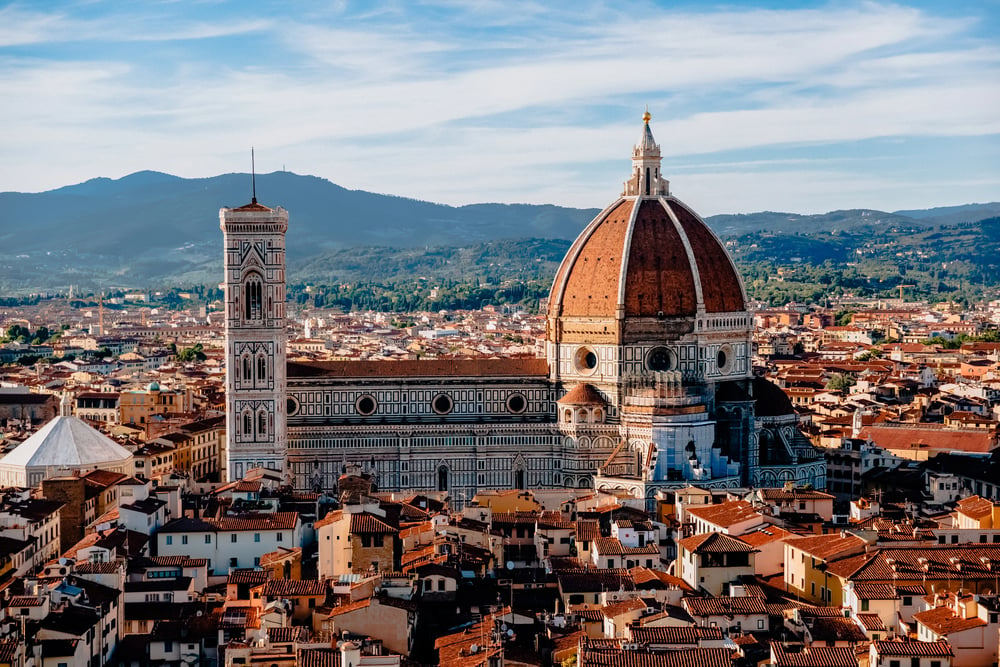
An Italian court placed Loro Piana, the high-end cashmere label owned by LVMH, under judicial administration after finding workers endured 90-hour workweeks for just €4 an hour. Many of these workers had to sleep inside factory buildings just to keep up with the exhausting schedule.
The brand subcontracted work through front firms and showed little oversight on these operations. Despite the high prices of their products, it became clear that the people making them were far from fairly treated.
Dior agreed to pay €2 million after probe
Dior settled with Italy’s competition watchdog and agreed to pay €2 million to support victims of labor abuse. The company also updated its ethics policies and increased monitoring of its suppliers.
It went further by providing labor law training to suppliers, aiming to prevent future issues. This settlement highlighted the need for brands to take responsibility for how their goods are made, even beyond their own factories.
Like Go2Tutors’s content? Follow us on MSN.
Armani under investigation alongside Dior
Armani faced investigations similar to Dior’s, especially related to subcontractors in China. Authorities found that some of these subcontractors exploited workers with poor conditions and misleading ethical claims.
As a result, parts of Armani’s operations were placed under temporary judicial administration. The investigation revealed how luxury brands can sometimes lose control over their supply chains, allowing exploitation to go unnoticed.
Valentino and Alviero Martini also flagged
Italian courts also targeted other luxury brands such as Valentino and Alviero Martini for labor abuses. These brands were found to be involved in subcontracted labor that exploited workers under poor conditions.
The investigations showed that labor violations were widespread, not isolated cases. These brands faced increased pressure to clean up their supply chains and ensure fair treatment for all workers.
Systemic issues in “Made in Italy” luxury supply chains
Reports uncovered a systemic problem in the “Made in Italy” luxury supply chain where subcontractors passed audits despite using undocumented workers and unsafe workplaces. Many luxury brands had weak monitoring systems that failed to catch these abuses.
This showed that audits alone were not enough to protect workers. It also raised questions about the true meaning of “Made in Italy” when part of the process was hidden and unethical.
Like Go2Tutors’s content? Follow us on MSN.
Extreme price gaps and hidden exploitation revealed

Researchers found huge differences between production costs and retail prices in luxury goods. For example, some jackets sold for over €3,000 were made for just €118.
This large gap means workers receive only a tiny part of the value their work creates. It points to unfair pay and exploitation hidden behind the glamorous brand image.
Dior handbags made in sweat-shop-like conditions
Reports showed that Dior and Armani handbags were made by migrant workers in Italy under harsh and unsafe conditions. These workers earned just a few euros per hour while producing bags that sold for thousands.
Some workers faced long hours and little protection. This raised concerns about transparency and accountability in the supply chain.
Veiled abuses among skilled Indian artisans
Luxury labels like Dior and Saint Laurent subcontracted embroidery work to Indian artisans who worked in unsafe environments. Many artisans worked long hours in crowded workshops with poor ventilation and few benefits.
Even though the craftsmanship was highly skilled, the working conditions were harsh and exploitative. This case shows that labor issues in luxury brands are not limited to factories but extend to artisans who remain hidden from the spotlight.
Like Go2Tutors’s content? Follow us on MSN.
Prada and Ferragamo score poorly in labor-risk audits
In a recent audit, Prada scored just 5 out of 100 and Salvatore Ferragamo scored 13 out of 100 for recruitment practices. These low scores highlight poor protections for migrant workers, who often face the highest risk of exploitation.
The audit showed weak recruitment policies and insufficient worker support. This underlines how luxury brands need to improve their approach to protecting vulnerable workers and ensuring fair hiring practices.
Champagne houses linked to migrant worker abuse

In France, some luxury champagne producers relied on underpaid migrant labor. Reports found that many workers had to sleep on the streets and resort to stealing food to survive.
These conditions stood in stark contrast to the billions of euros these producers earn annually. The case revealed how exploitation can happen even in high-profile industries far from fashion.
Loro Piana’s raw material chain also under fire
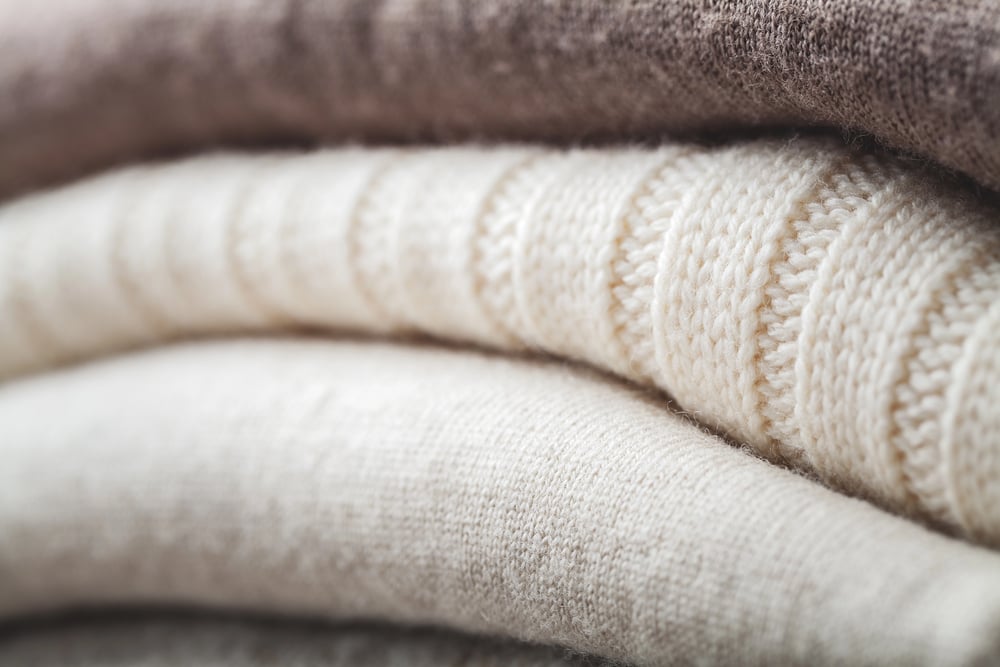
Loro Piana was criticized for underpaying Andean herders who provide vicuña wool, one of the world’s rarest fibers. These herders earned only a small fraction of the price that Loro Piana sold finished garments for, which could reach tens of thousands of euros.
This case brought attention to the exploitation happening at the very start of luxury supply chains. It showed that labor issues go beyond factory floors and into raw material sourcing.
Like Go2Tutors’s content? Follow us on MSN.
failing to catch violations

Several cases showed that formal audits often fail to detect labor abuses. Suppliers sometimes pass inspections while still exploiting workers.
This exposes serious flaws in how brands monitor their supply chains. Relying only on audits without deeper checks allows unethical practices to continue.
Probes hurting the prestige of ‘Made in Italy’
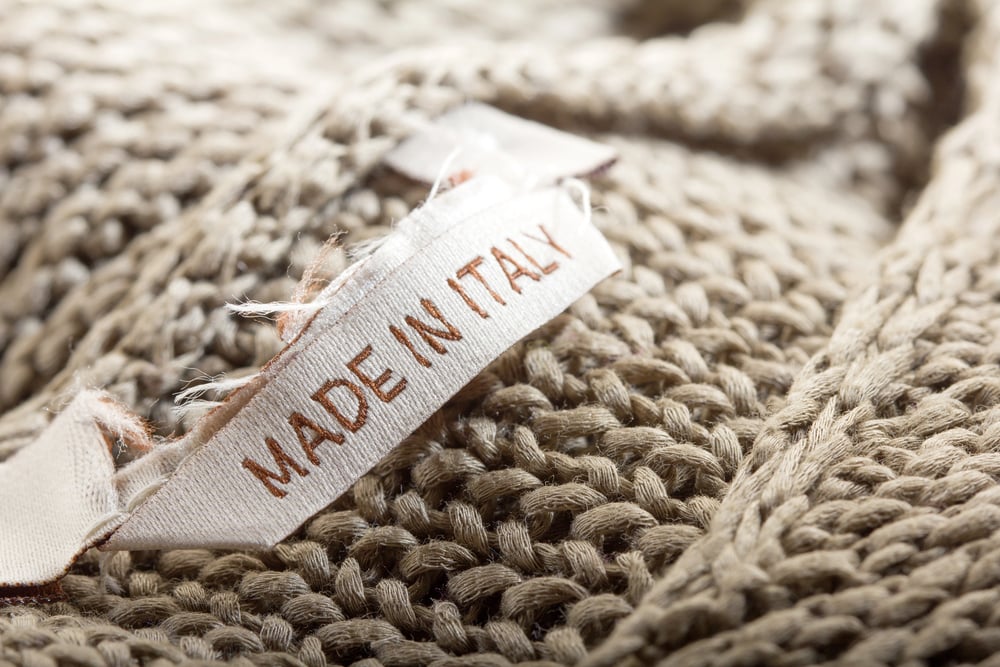
These labor scandals have damaged the reputation of the “Made in Italy” label. Once seen as a symbol of quality and pride, it now faces serious ethical doubts.
The repeated exposure of abuses made consumers question the real cost behind luxury goods. This shift challenges brands to restore trust by making real changes to their labor practices.
Complex subcontracting obscures responsibility
Luxury brands often use many layers of subcontractors, which makes it hard to control working conditions. This complexity allows illegal or unethical labor practices to hide from brands and consumers.
Even when brands claim to source ethically, middlemen sometimes break the rules. This system weakens accountability and makes it difficult to fix problems quickly.
Like Go2Tutors’s content? Follow us on MSN.
Exploitation remains despite sustainability claims

Many luxury brands promote sustainability and ethical production, but investigations show abuses still happen. There is often a gap between marketing messages and actual conditions for workers.
This mismatch creates distrust among customers who want to support fair labor. It highlights the need for brands to back up their promises with real action.
From luxury façades to calls for change today
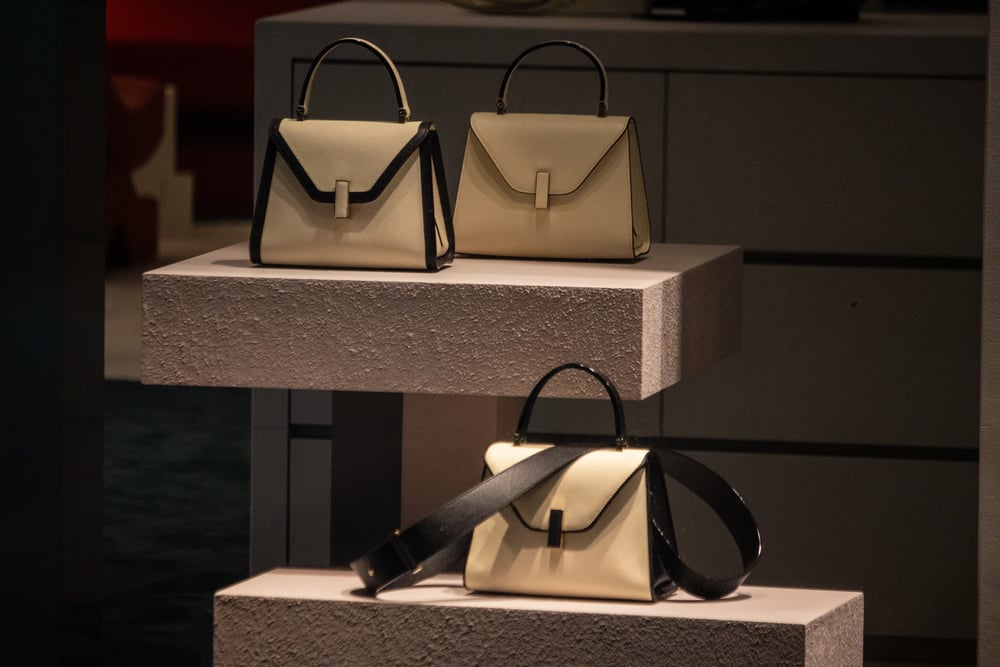
These stories show the bright image of luxury can hide serious problems. The big difference between brand fame and the reality of workers’ lives is hard to ignore.
Today, people want more than just names on labels. They want to know the truth behind how products are made and demand fair treatment for workers.
More from Go2Tutors!

- 16 Historical Figures Who Were Nothing Like You Think
- 12 Things Sold in the 80s That Are Now Illegal
- 15 VHS Tapes That Could Be Worth Thousands
- 17 Historical “What Ifs” That Would Have Changed Everything
- 18 TV Shows That Vanished Without a Finale
Like Go2Tutors’s content? Follow us on MSN.



