Fastest Animals On Land and Sea
Speed separates predators from prey and determines who eats and who gets eaten. Animals evolved to run, swim, and fly at velocities that seem physically impossible until you watch them in action.
These creatures push the limits of biology, using specialized muscles, streamlined bodies, and explosive power to reach speeds that most organisms can’t match.
The Cheetah: Built for the Sprint
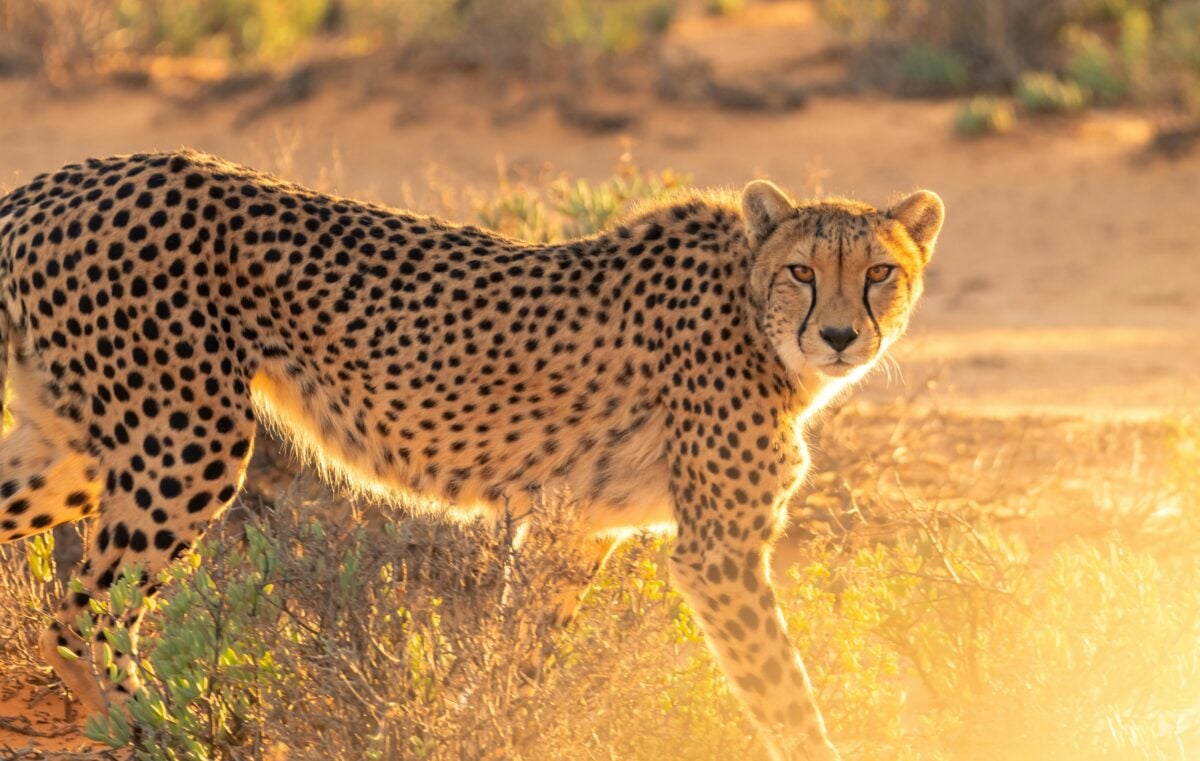
Cheetahs hit 70 miles per hour during short bursts, making them the fastest land animals on Earth. Their bodies sacrifice everything for speed.
Long legs, a flexible spine, and enlarged nostrils all serve one purpose: catching prey before it escapes. A cheetah’s claws don’t retract like other cats, giving them grip similar to track spikes.
They can accelerate from zero to 60 mph in just three seconds, faster than most sports cars. But this speed comes with serious limitations.
Cheetahs overheat quickly and can only maintain top speed for about 20 to 30 seconds. After a chase, they need 30 minutes to recover before they can eat their kill.
During this vulnerable period, lions and hyenas often steal their food.
Pronghorn: The Marathon Runner
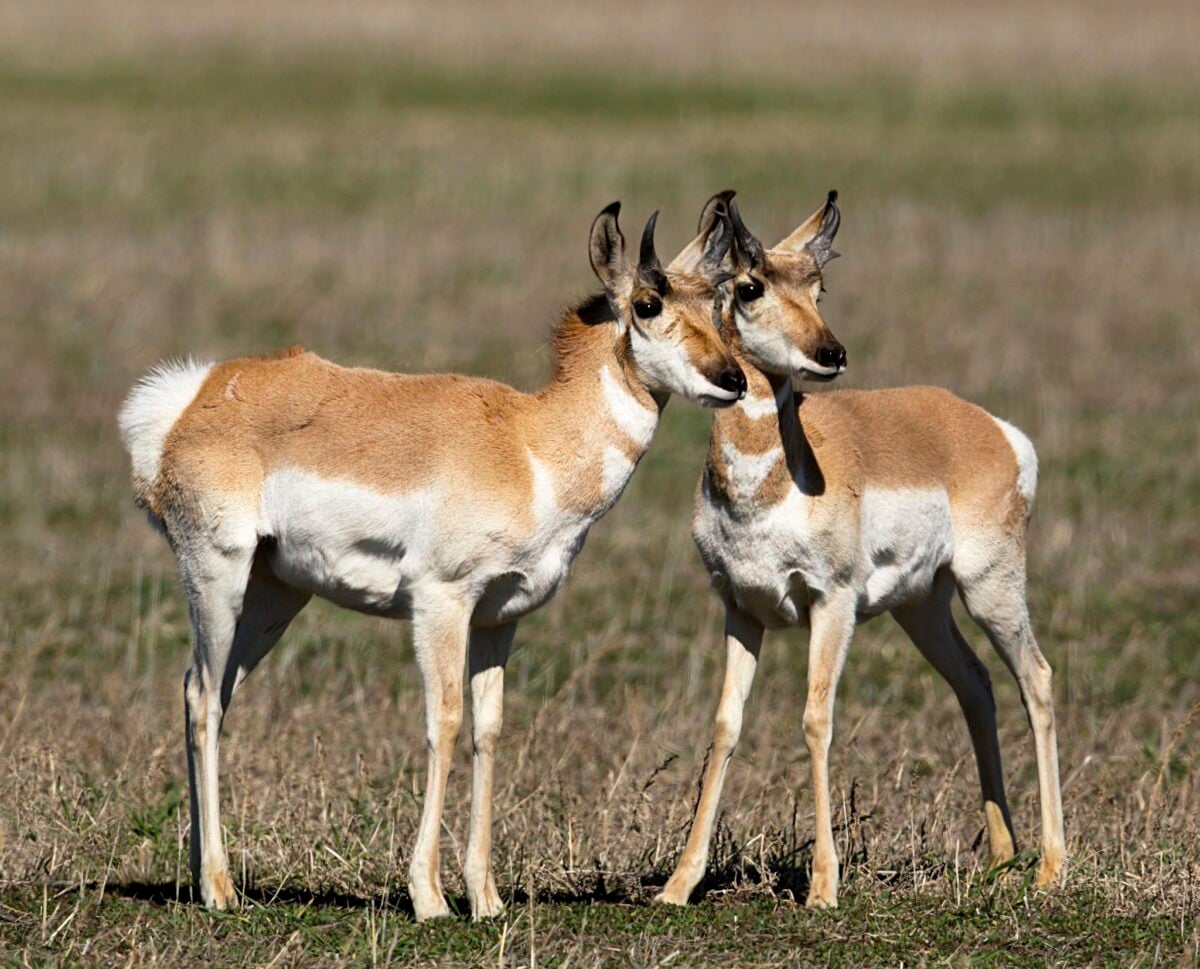
The pronghorn antelope reaches speeds of 55 mph and maintains high velocity far longer than any cheetah. These animals evolved in North America alongside now-extinct predators that were faster than modern wolves or coyotes.
Even though those ancient threats disappeared, pronghorns kept their incredible speed. They can run at 30 mph for several miles without stopping.
Their oversized windpipe and lungs process oxygen efficiently, and their hearts are unusually large for their body size. Pronghorns don’t just sprint away from danger.
They maintain speeds that exhaust any predator foolish enough to chase them.
Sailfish: The Ocean’s Speed Demon
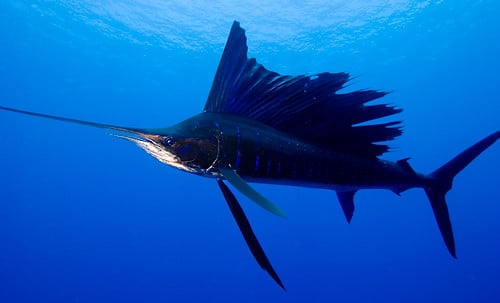
Sailfish swim at speeds reaching 68 mph, making them the fastest fish in the ocean. Their long, pointed bill cuts through water resistance, and their tall dorsal fin folds down during high-speed pursuits.
Sailfish hunt in groups, herding schools of smaller fish into tight clusters before attacking. Their bodies are perfectly hydrodynamic.
Every feature reduces drag, from their streamlined shape to the special grooves along their sides. Sailfish also have the ability to change color rapidly, possibly to communicate with other sailfish during coordinated hunts.
The Springbok’s Aerial Display
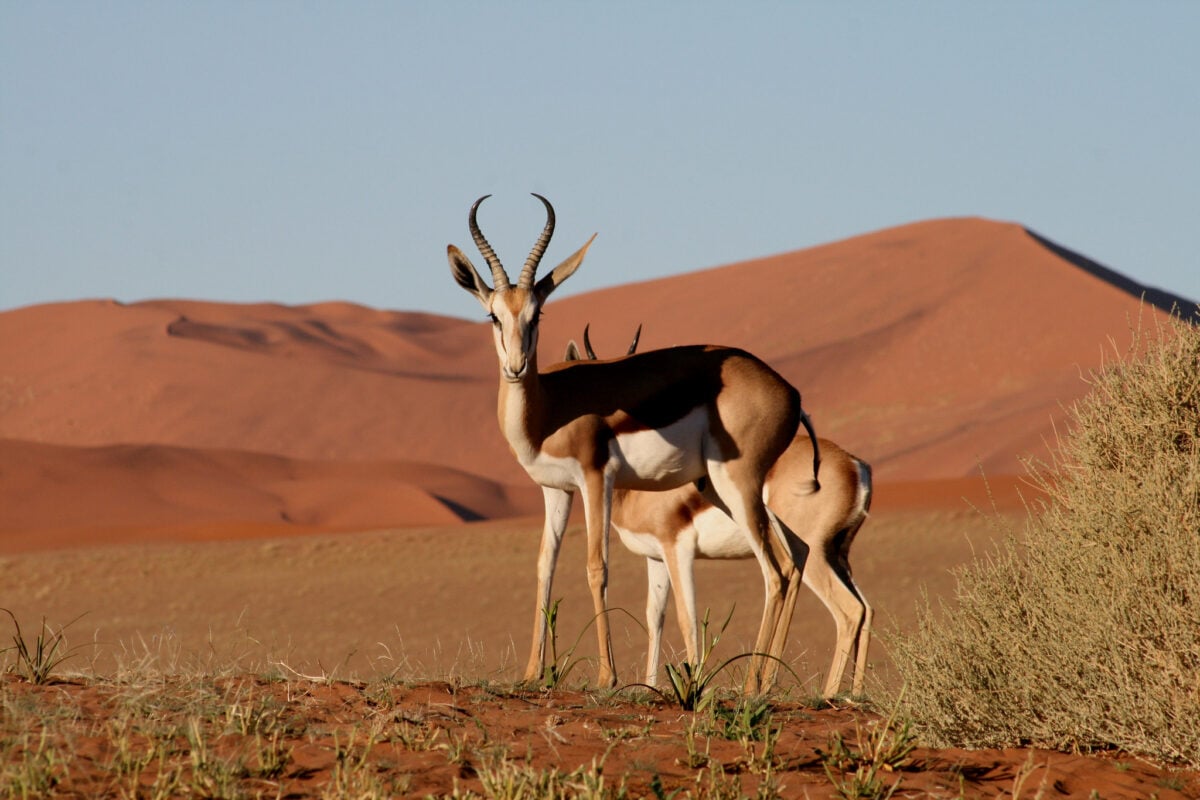
Springboks reach 55 mph when running, but their most distinctive feature is “pronking”—jumping straight up into the air repeatedly while fleeing. These gazelles live in southern Africa where open plains offer nowhere to hide.
Speed becomes their primary defense against predators like cheetahs and leopards. Young springboks can run fast within days of being born, a necessary adaptation when predators constantly scan for easy targets.
The antelope’s tan coat and white undersides create countershading that makes them harder to spot against the grasslands.
Black Marlin: Disputed Champion
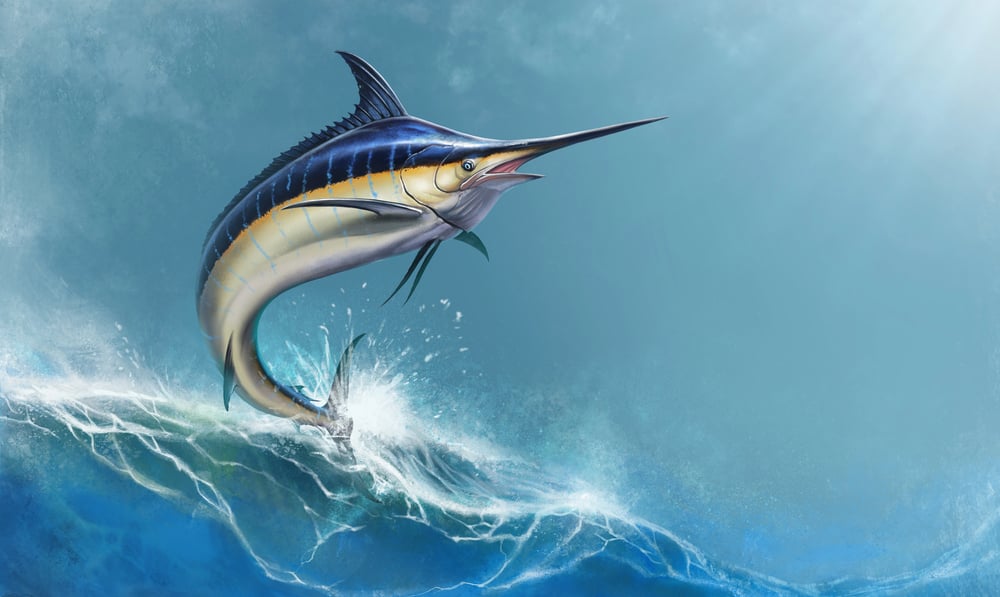
Black marlin reportedly reach speeds over 80 mph, though measuring their velocity accurately in open ocean proves difficult. These massive fish weigh up to 1,500 pounds yet move through water with surprising agility.
Their sword-like bill stuns prey, and their powerful tail provides thrust. Marlin migrate thousands of miles across oceans, following warm currents and schools of fish.
Sport fishermen prize them for their fighting ability and the spectacular jumps they make when hooked. Whether they truly exceed sailfish speeds remains debated among marine biologists who struggle to get reliable measurements.
When Birds Enter the Conversation
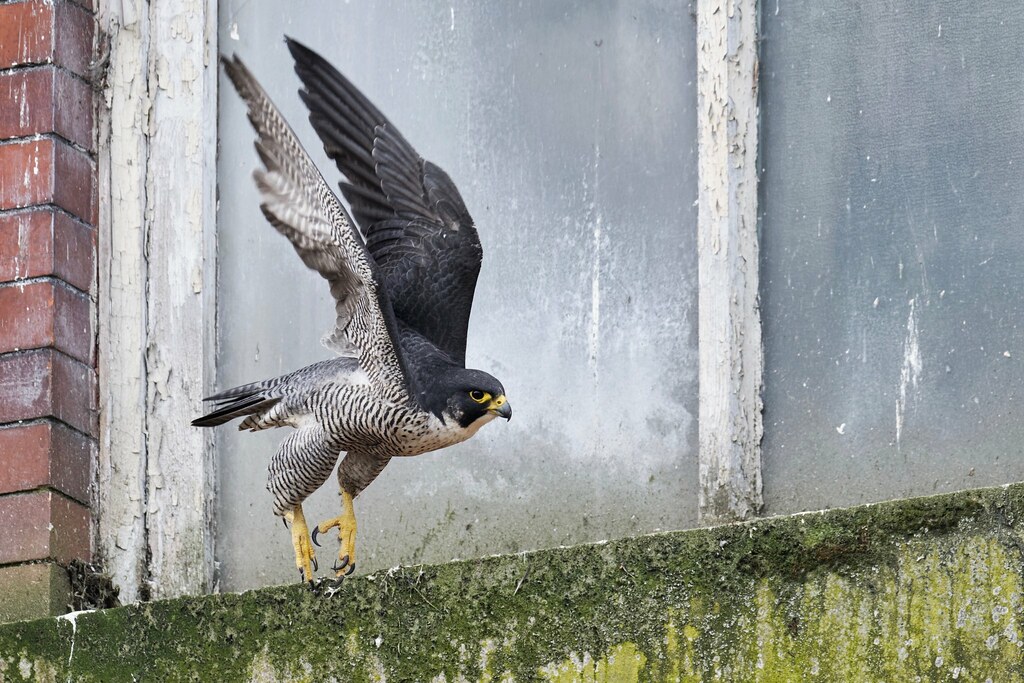
The peregrine falcon reaches 240 mph during hunting dives, destroying any land or sea animal’s speed record. But comparing a diving bird to a running cheetah or swimming sailfish feels unfair.
Gravity assists the falcon’s descent in ways that don’t apply to horizontal movement across land or through water. Still, the falcon’s speed demonstrates what’s possible when evolution optimizes for velocity.
Their bodies withstand g-forces that would kill most creatures. Specialized bones, air sacs, and a third eyelid protect them during these violent descents.
The Greyhound’s Domesticated Speed
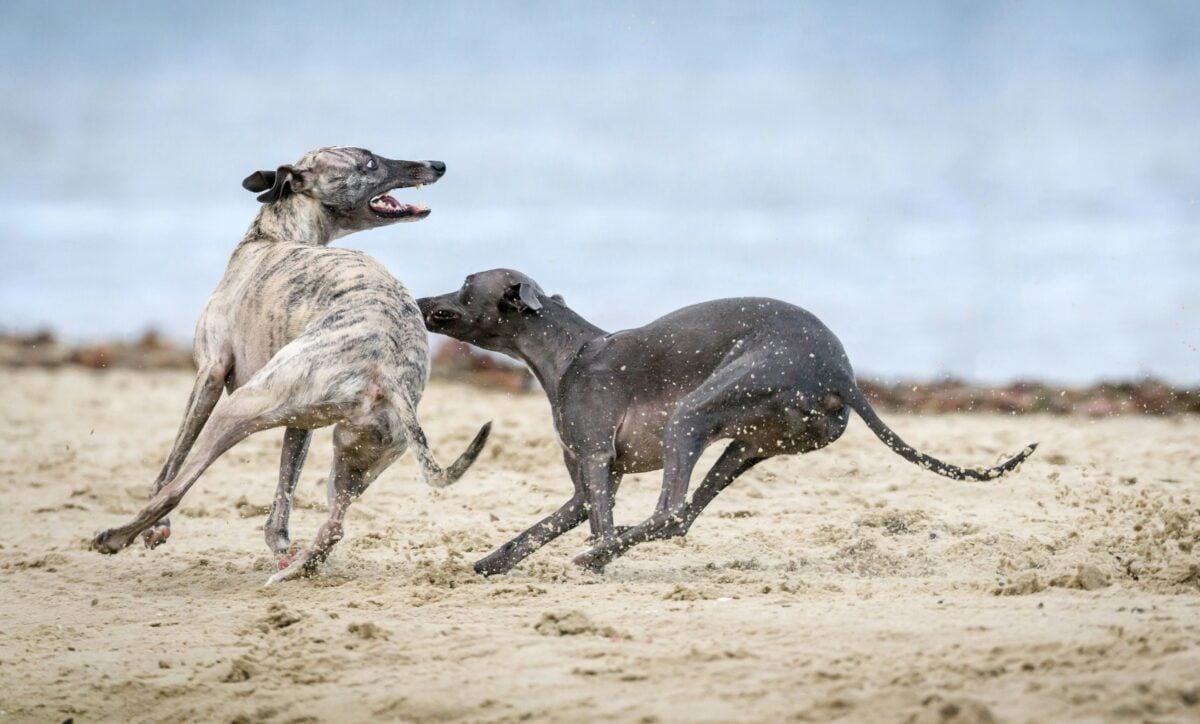
Greyhounds run at 45 mph, making them the fastest domestic animals. Humans bred them specifically for speed, selecting traits over centuries that produced long legs, deep chests, and lean muscles.
Racing greyhounds can accelerate almost as quickly as cheetahs, though they lack the wild cat’s top speed. Their running style uses a double-suspension gallop where all four feet leave the ground twice during each stride.
This technique allows them to cover ground efficiently. Greyhounds have unusually high red blood cell counts, similar to human endurance athletes who train at high altitude.
Ostriches: The Feathered Sprinters
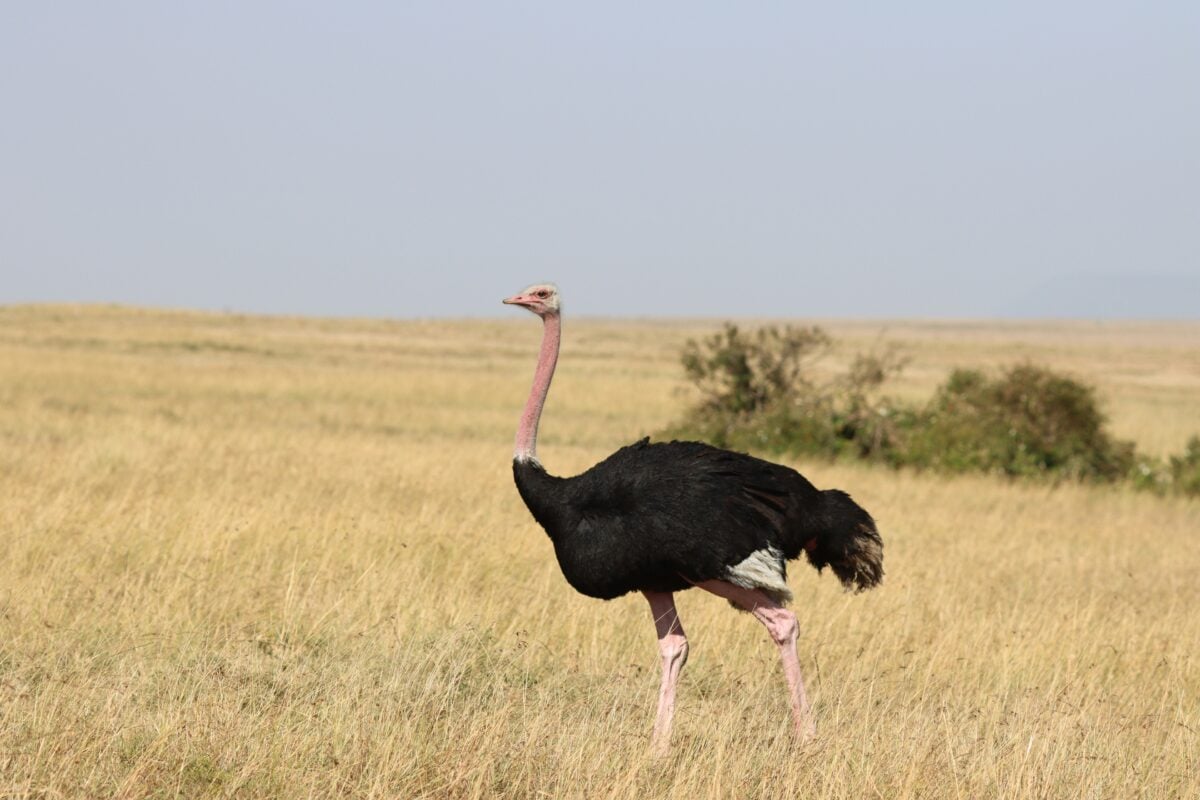
Ostriches reach 45 mph on their two powerful legs, making them the fastest birds on land. They can’t fly, but their running ability more than compensates.
Each stride covers 10 to 16 feet, and they use their wings for balance and sudden direction changes while fleeing predators. An ostrich’s legs contain most of its muscle mass.
The muscles sit high on the leg, close to the body, reducing the weight the bird must swing with each step. Their feet have only two toes, with the larger toe bearing most of their weight during running.
Blue Wildebeest: Strength in Numbers

Blue wildebeest run at 50 mph when necessary, though they prefer traveling in massive herds rather than relying on individual speed. During the annual migration across the Serengeti, over a million wildebeest move together, creating one of nature’s most impressive spectacles.
Predators target the young, old, and injured wildebeest that can’t keep pace with the herd. The healthy adults maintain speeds that make them difficult to catch, especially when running as a group.
Their endurance allows them to cover 30 miles per day during migration.
Shortfin Mako Shark: The Ocean’s Predator
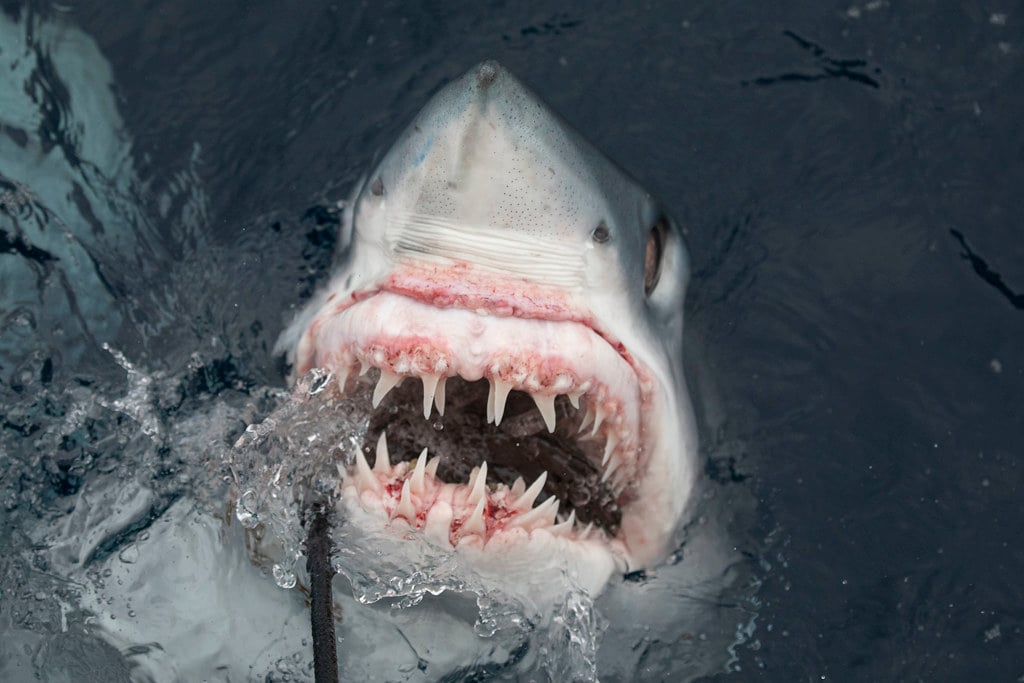
Mako sharks swim at 46 mph in short bursts, using their speed to catch fast-moving fish like tuna and swordfish. These sharks have a special circulatory system that keeps their muscles warmer than the surrounding water, giving them extra power and quicker reactions.
Their streamlined bodies and crescent-shaped tails provide efficient propulsion. Makos can leap up to 20 feet out of the water, demonstrating the explosive power in their muscles.
They’re active hunters that patrol open ocean waters far from shore.
Swordfish: The Deep-Sea Speedster
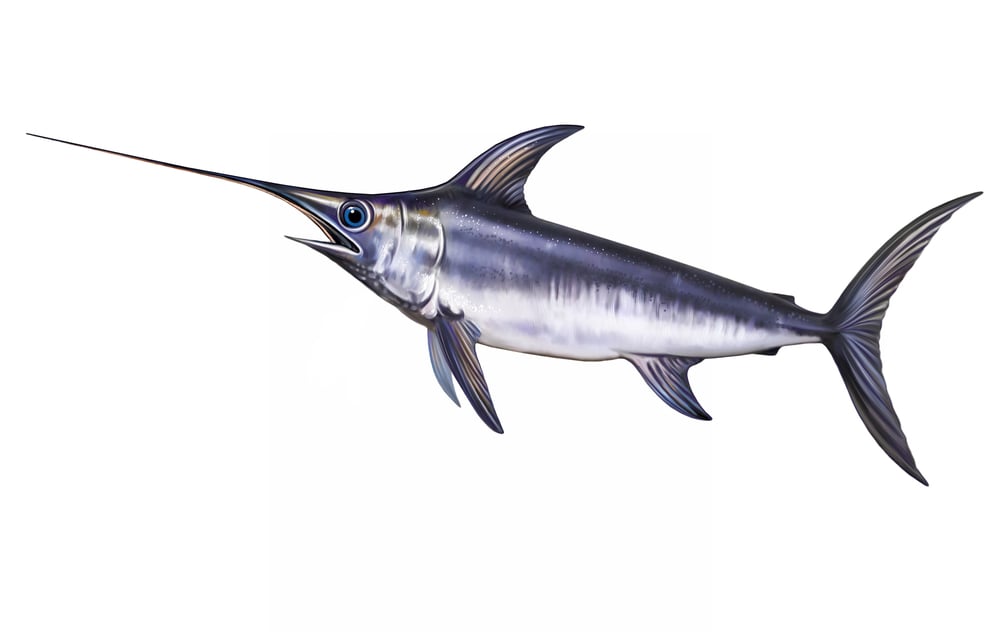
Swordfish reach speeds around 60 mph using their powerful crescent tail and streamlined body. The flat bill cuts through water and may help them swim faster by reducing turbulence.
These fish dive to depths of 2,000 feet during the day and rise to surface waters at night to feed. Special organs near their eyes heat the brain and eyes, allowing swordfish to function in cold deep water where most fish slow down.
This adaptation gives them access to prey that other fast-swimming fish can’t reach.
Lions: When Speed Meets Strategy
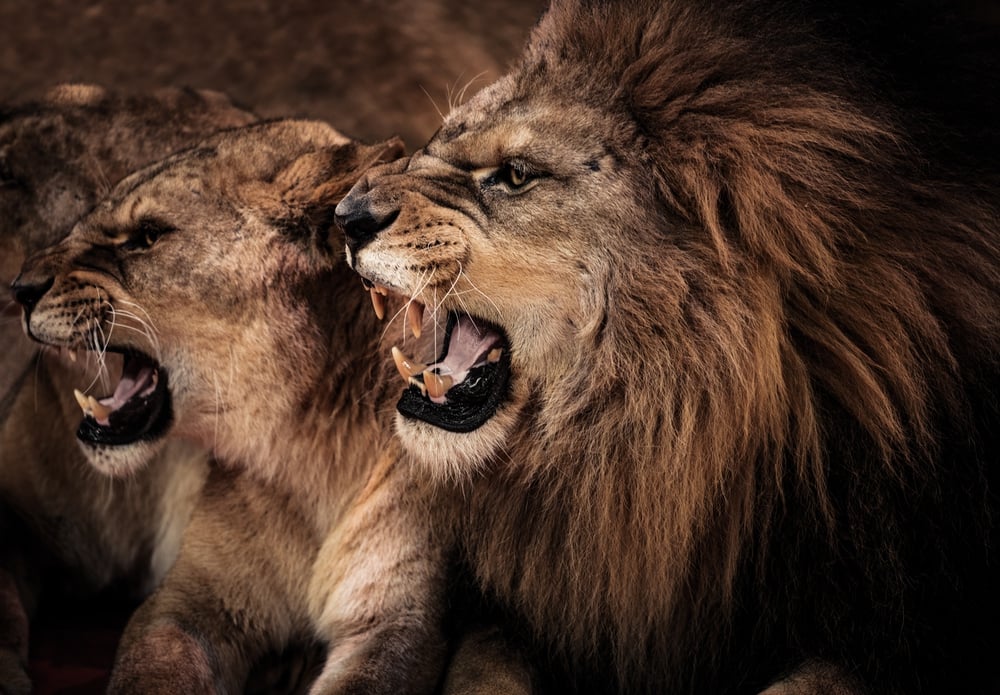
Lions run at 50 mph for short distances, but they rely more on teamwork than pure velocity. Female lions hunt in coordinated groups, using strategy to compensate for being slower than many of their prey animals.
They stalk within striking distance before launching their final sprint. A lion’s burst of speed lasts only seconds.
If they don’t catch their target quickly, they give up rather than waste energy on a prolonged chase. This practical approach to hunting works because lions hunt together, increasing their success rate even when individual chases fail.
Yellowfin Tuna: The Efficient Cruiser
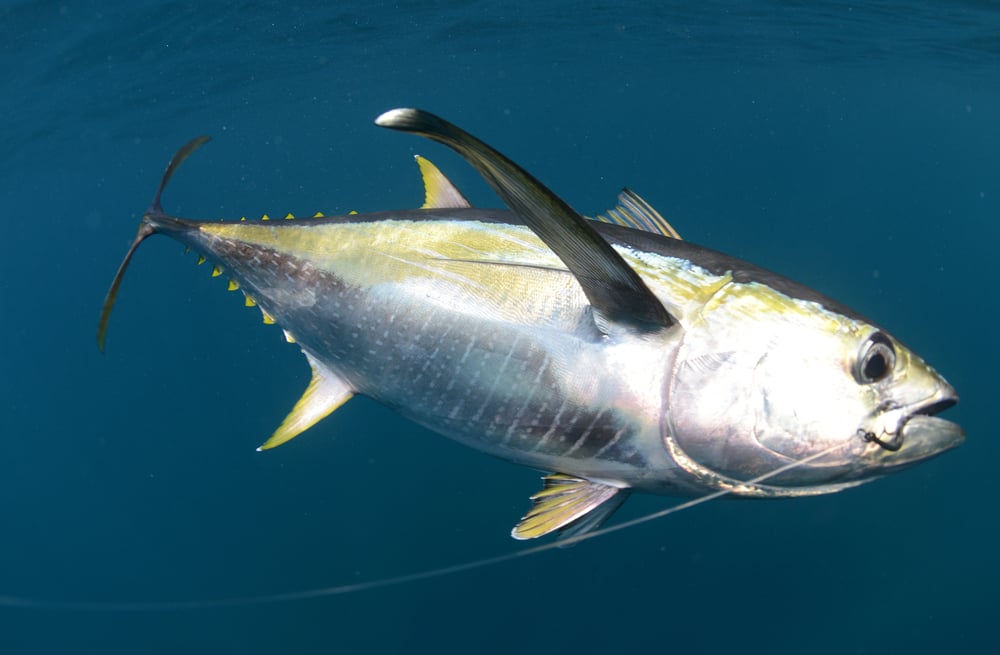
Faster than most ocean swimmers, yellowfin cruise near 47 miles per hour without tiring easily – built not just for bursts but lasting speed. Shape matters here: their sleek frames slice through water with little resistance.
Hidden tricks help too; fins tuck away into body slots when it’s time to reduce drag. Warm muscles give them an edge – they produce stronger thrusts compared to typical fish relying on cooler tissues.
Fish like these cross whole oceans, covering vast distances as they chase prey such as small fish and squid. Because they move so fast and travel so far, catching them is tough without today’s tools.
Even though fisheries want them, only advanced gear has a real chance.
Quarter Horses Sprint Champions of the Ranch
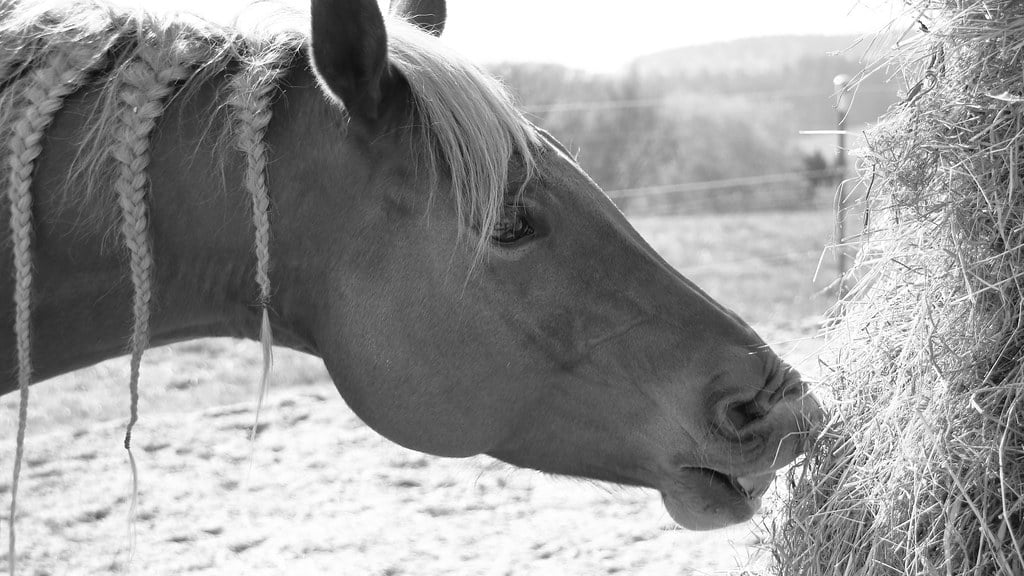
Speed bursts define how these horses move, hitting 55 miles per hour when racing brief stretches – making them the quickest breed for runs under a quarter mile. Developed by ranch hands for herding tasks, their strength lies in sudden starts and sharp pivots instead of endurance across wide-open spaces.
Power bursts come from their strong back legs. When racing, these horses usually outpace thoroughbreds at the start, especially within the first quarter mile, yet lose ground later as stamina becomes key.
That contrast reveals how breeding shapes distinct kinds of swiftness.
The Physics of Moving Fast
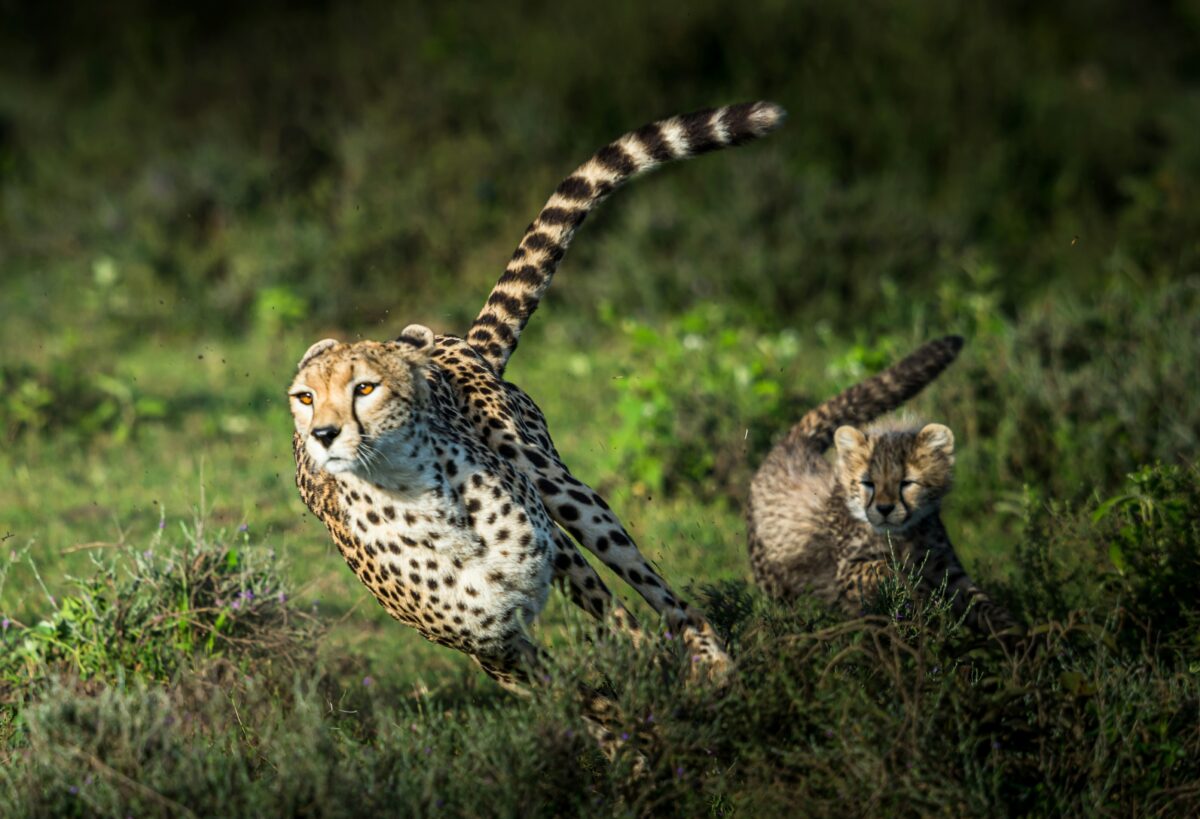
Speed requires trade-offs that shape every fast animal’s body and behavior. Cheetahs sacrifice strength and stamina for acceleration.
Sailfish give up the heavy bones that help other fish dive deep. Pronghorns developed oversized organs that demand extra calories just to maintain.
You can see these compromises in how fast animals live. Cheetahs hunt alone because they can’t defend themselves.
Sailfish must eat constantly to fuel their metabolism. Pronghorns spend most of their day eating to power their massive hearts and lungs.
Speed isn’t free. Every adaptation that makes an animal faster limits what else it can do.
The fastest creatures succeed not by being perfect at everything, but by being extraordinary at the one thing that keeps them alive.
More from Go2Tutors!

- The Romanov Crown Jewels and Their Tragic Fate
- 13 Historical Mysteries That Science Still Can’t Solve
- Famous Hoaxes That Fooled the World for Years
- 15 Child Stars with Tragic Adult Lives
- 16 Famous Jewelry Pieces in History
Like Go2Tutors’s content? Follow us on MSN.