Objects Banned From Being Photographed
Fingers reach for the phone before thought arrives. Snap – the scene locks inside glass and code instead of memory alone.
Yet something pushes back, soft but firm. Not every place welcomes eyes behind lenses.
Some corners refuse to be flattened into pixels on demand. Laws older than batteries shape what stays hidden.
Rules carved long before hashtags guard certain silences. Images cannot always claim their due.
Shutter clicks stop not from fear of new things or longing for old ones. Power lives in pictures, that much is clear.
Details stick around longer than words do. Context slips out, even when nobody plans it.
A lens pointed at the wrong thing can shift how it’s seen, handled, trusted. Meaning bends under flashbulbs.
Safety fades if exposure grows. Value jumps or crashes on film.
So silence fills the room instead. The camera stays shut.
A second glance reveals things purposely left outside the frame. Some choices stay hidden by design, showing up only when missing.
What remains unseen often speaks louder than what’s captured. Silence in images can carry weight, too.
Moments get shaped by absence just as much as presence.
Military Equipment and Facilities

Few photography restrictions are as widely enforced as those surrounding military infrastructure. Bases, ports, training grounds, and defensive systems are commonly protected from casual documentation, even when they are visible from public spaces.
The concern is not secrecy in isolation, but accumulation.
A single image might seem harmless. Taken together, however, multiple photographs can reveal layouts, access points, patrol routines, or equipment placement.
Modern analysis tools make it easy to extract patterns from visual data, which is why even outdated or partial images can pose a problem. That said, enforcement often varies by country, location, and current security posture.
Some areas rely on signage and patrols, while others apply strict penalties.
What stands out is how ordinary these objects can appear. A fence, a tower, or a parked vehicle rarely looks sensitive on its own.
Context is what turns them into protected subjects.
Courtroom Interiors During Proceedings
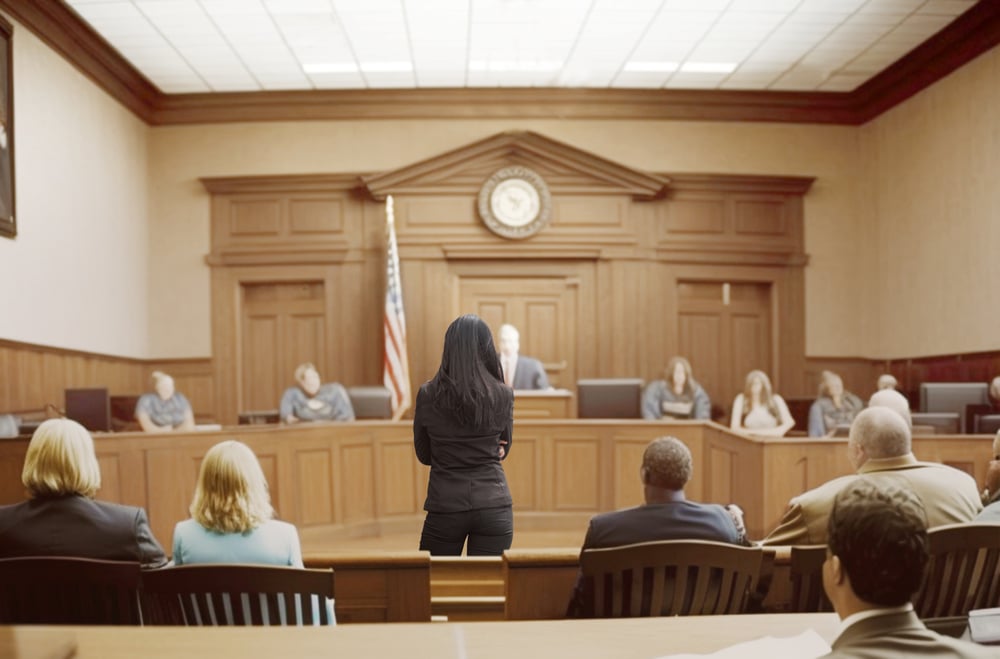
Courts are built on transparency, yet photography inside them is often tightly limited. Judges, jurors, and witnesses are typically shielded from cameras while cases are underway.
The goal is not secrecy, but balance.
Images can influence perception in ways that transcripts and rulings cannot. A photograph freezes an expression, a posture, or a moment of tension, stripping it of nuance.
In legal settings, that distortion carries consequences. Jurors may feel exposed, witnesses may hesitate, and proceedings can drift toward performance rather than deliberation.
Still, restrictions are rarely absolute. Empty courtrooms are often photographed freely, and some high-profile cases allow limited coverage under strict rules.
The boundary appears simple but reflects a deeper principle. Justice depends on focus, not spectacle.
Fragile Historical Manuscripts

Ancient manuscripts, early books, and handwritten documents are among the most carefully protected objects in the world. While they may look stable behind glass, their materials tell a different story.
Ink fades. Fibers weaken.
Light exposure, even at low levels, accelerates degradation.
Photography bans in archives and special collections exist primarily to preserve these objects for future study. Even devices without flash emit light and heat, and repeated exposure adds up.
Over decades, that cumulative effect can permanently alter a document’s appearance.
There is also a control element at play. High-resolution images of rare texts can undermine an institution’s ability to manage access, reproduction, and scholarly use.
Preservation and stewardship, rather than exclusivity, tend to be the guiding logic.
Currency and Secure Financial Materials
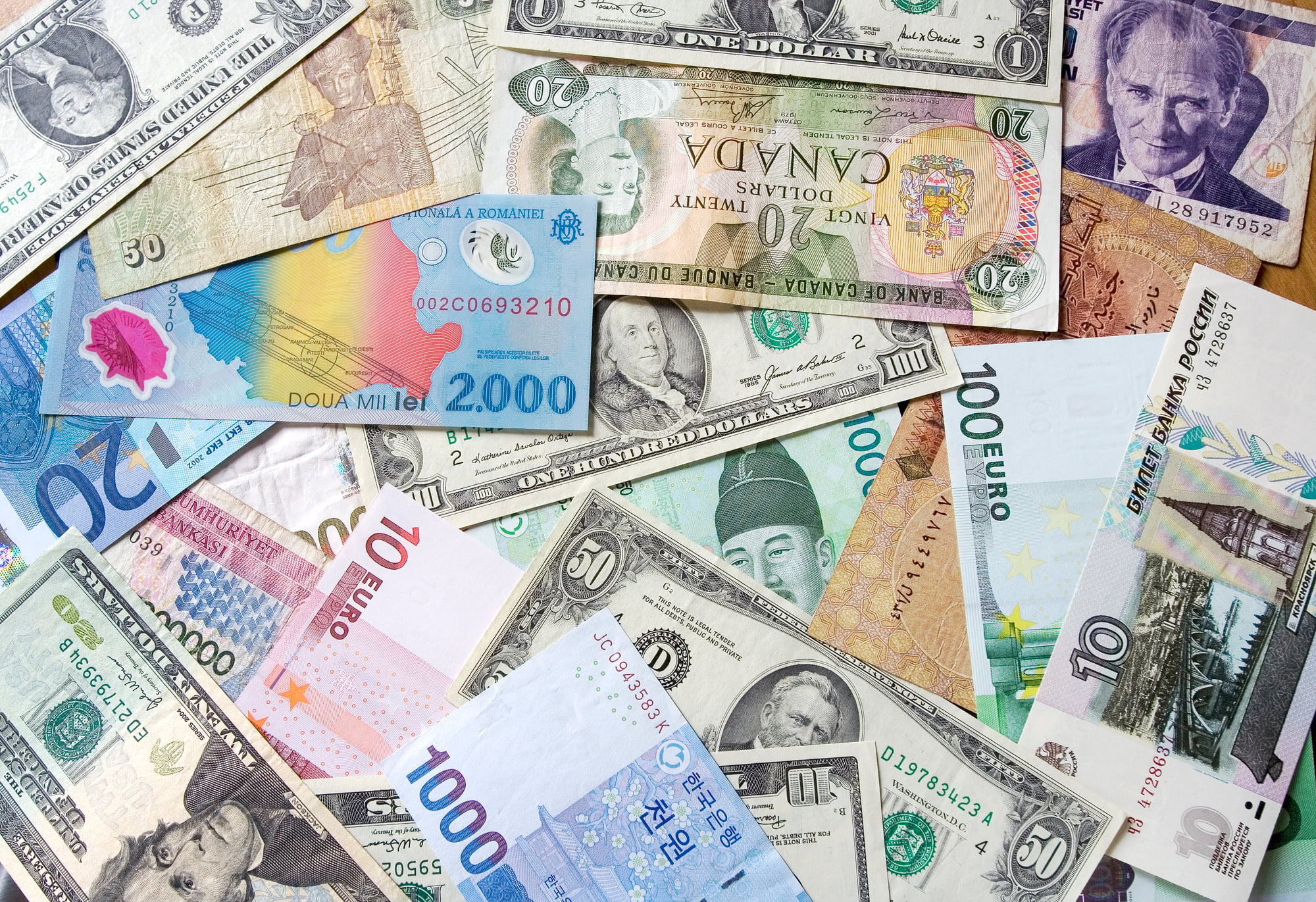
Money feels public by design, yet photographing it carries restrictions that are often misunderstood. High-quality images of banknotes expose security features intended to be subtle and difficult to replicate.
When those details circulate freely, they can be exploited.
This is why many governments regulate how currency is depicted, especially in commercial or large-scale reproduction. The same logic applies to secure financial materials like bonds, certificates, and certain checks.
These items rely on controlled visibility to function properly.
For individuals, enforcement can feel inconsistent. A casual image might draw no attention, while a printed or distributed version raises concerns.
The line is not about ownership of the object, but about how widely and clearly its details are reproduced.
Religious Relics and Sacred Objects
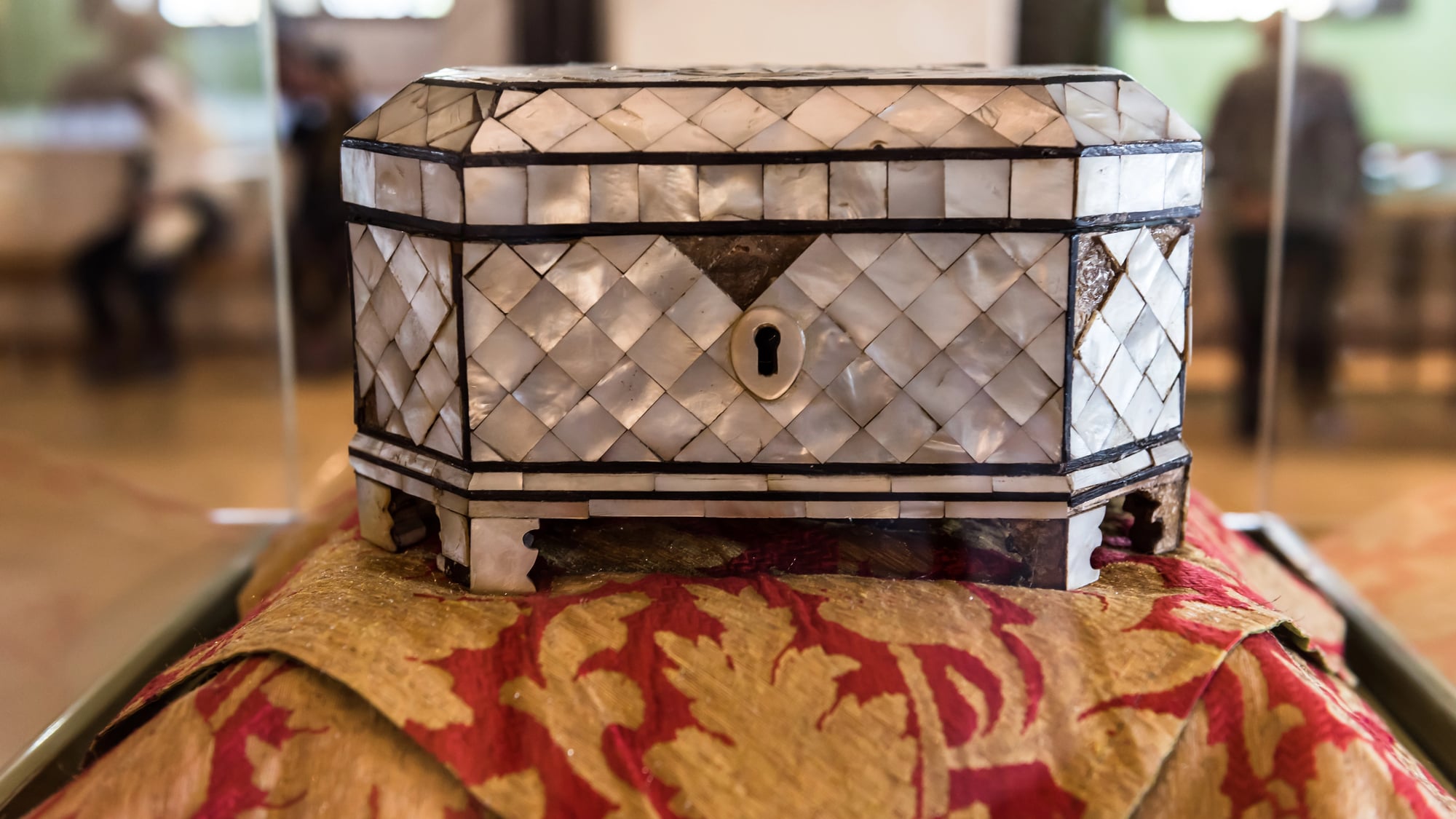
Some photography bans are rooted not in security or preservation, but in belief. Sacred objects in temples, shrines, and ceremonial spaces are often shielded from cameras out of respect rather than regulation.
The restriction reflects how these items are meant to be experienced.
In many traditions, sacred objects are not artifacts to be documented but presences to be encountered. Photographing them is seen as flattening their meaning, turning something ritual into something consumable.
That shift matters deeply within cultural contexts that value reverence over replication.
Even so, these bans are rarely explained in legal terms. They are enforced socially, through signage or custom, and their strength lies in shared understanding rather than punishment.
Prison Interiors and Security Features
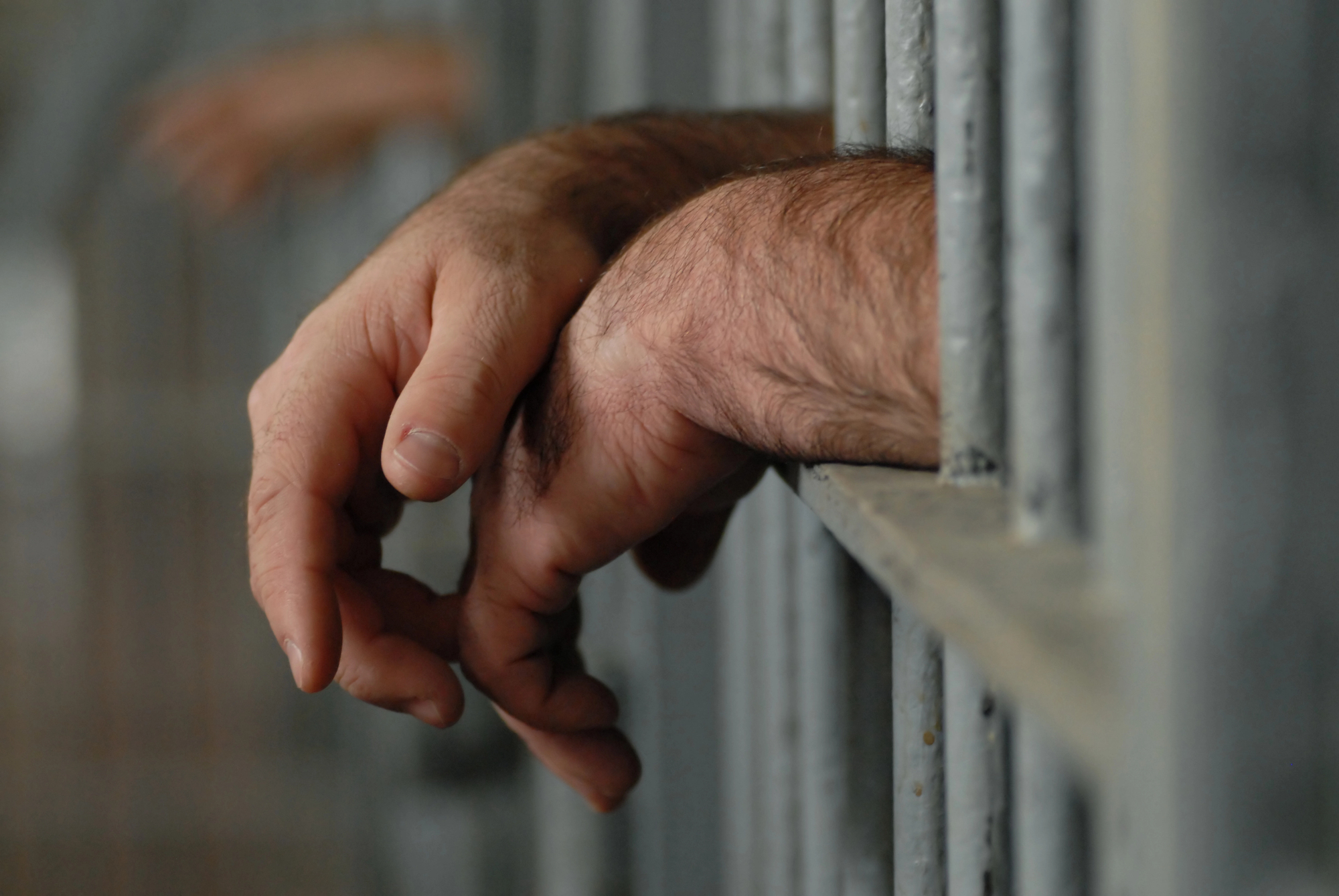
Correctional facilities are another space where photography meets firm resistance. Interior layouts, control systems, and security features are typically protected from documentation.
Images of these elements can compromise safety, both for staff and those housed within.
Beyond physical risk, there is also a privacy dimension. Individuals in custody are often shielded from being photographed without consent, particularly in vulnerable situations.
The ban serves both operational and ethical purposes, limiting exposure that could follow someone long after release.
What makes these restrictions notable is how little they rely on public explanation. The absence of images itself reinforces the boundary between public curiosity and institutional control.
Voting Materials and Ballots

Democratic systems depend on trust, and voting materials are treated accordingly. In many regions, photographing completed ballots or voting equipment is restricted or discouraged.
The aim is to protect the secrecy and integrity of the process.
Images of ballots can be used to prove how someone voted, opening the door to coercion or pressure. Even when shared innocently, such photographs challenge the principle of private choice that underpins elections.
The rule is subtle but important. Participation is encouraged, documentation is not.
The act matters more than the record.
Certain Industrial Processes
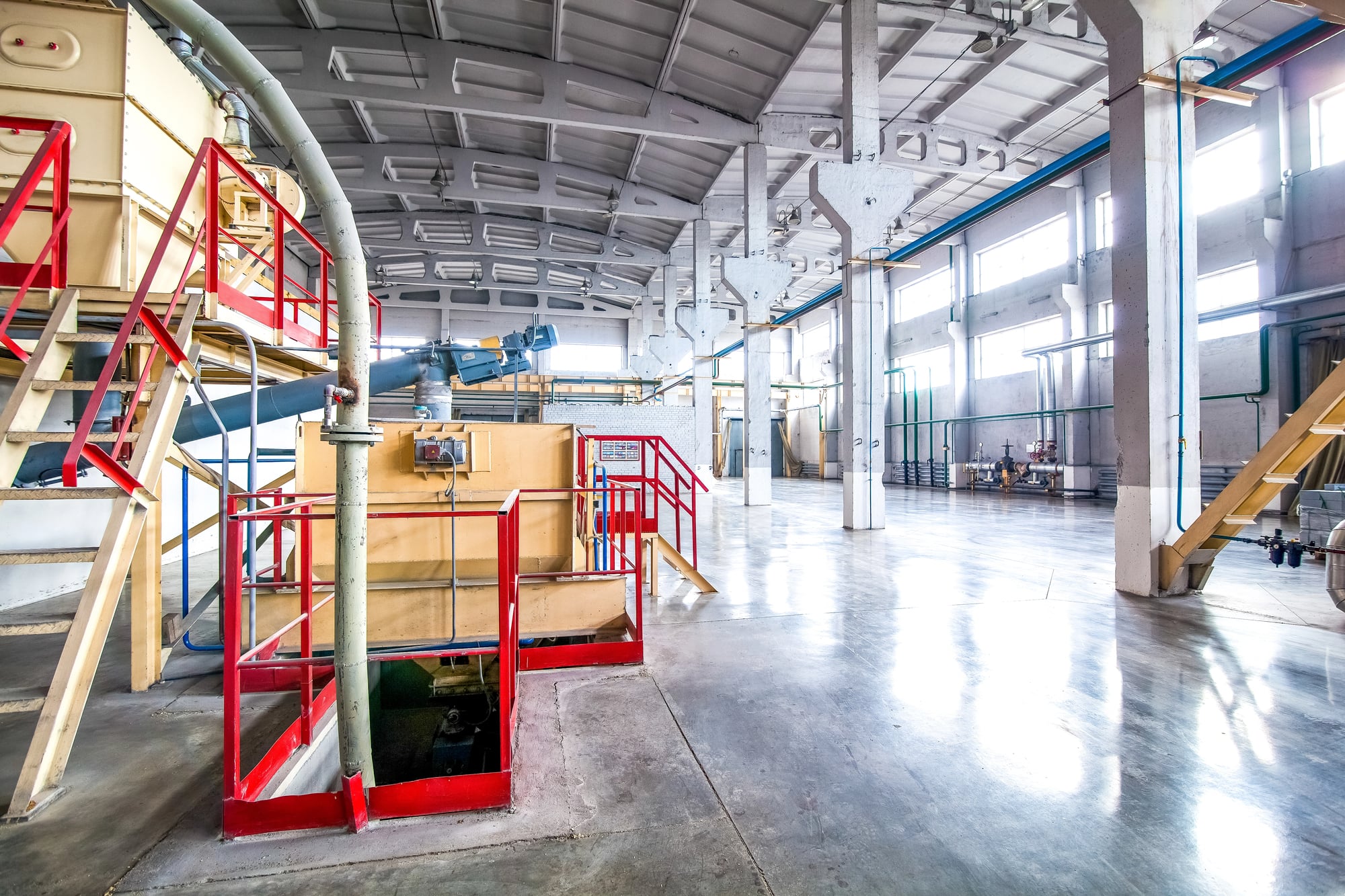
Factories and production facilities often prohibit photography, even when tours are offered. The objects themselves may not appear sensitive, but the processes behind them are.
Machinery configurations, workflows, and materials can reveal proprietary knowledge.
In industries built on innovation, a single image can expose years of research or competitive advantage. That risk extends beyond high-tech sectors.
Food production, manufacturing, and energy facilities all rely on controlled visibility to protect methods that define their success.
These bans highlight how photography intersects with ownership. Seeing is not the same as being entitled to record.
Art in Private Collections
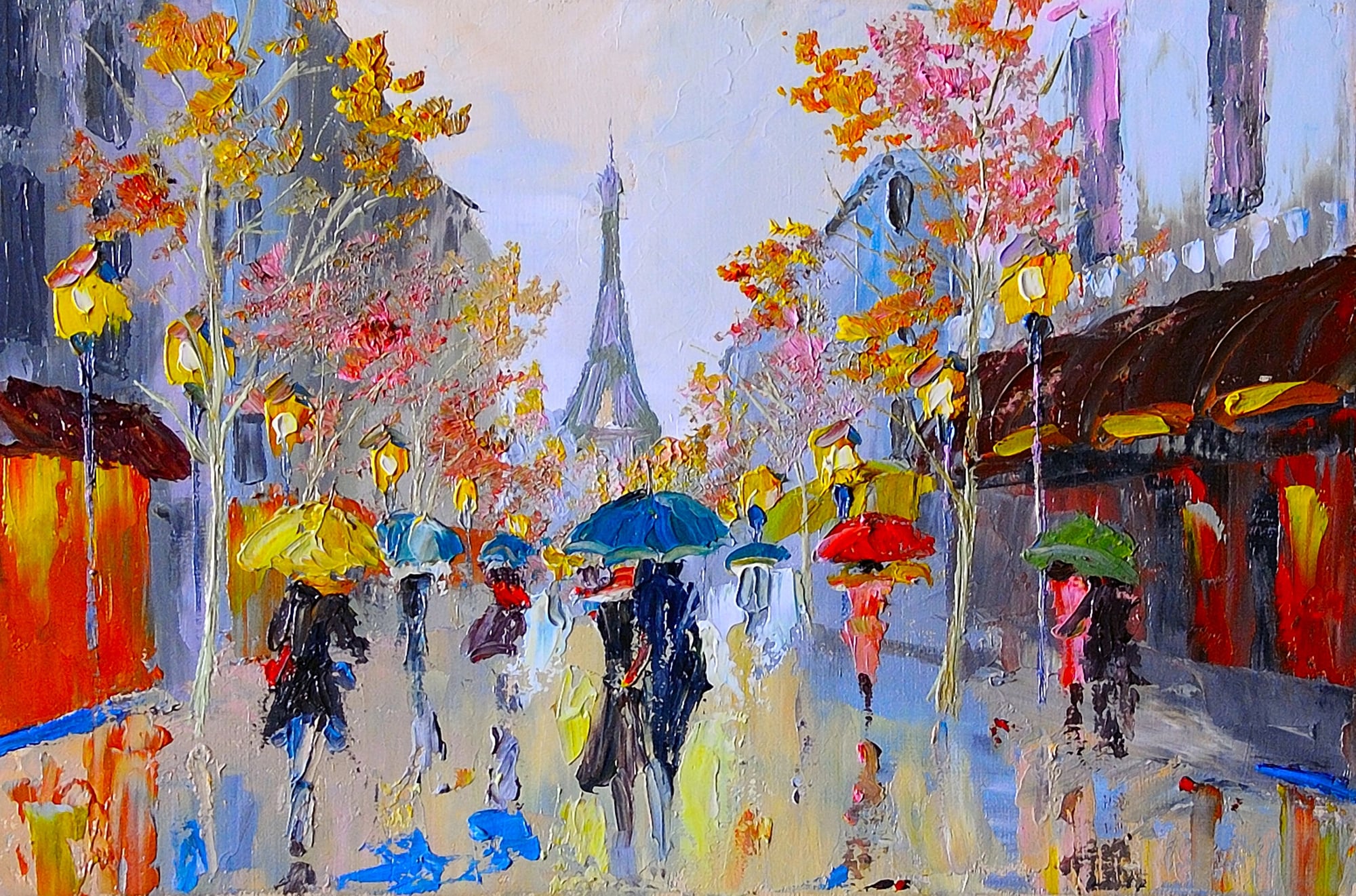
Not all art lives in museums, and privately held works often come with strict photography rules. Owners may restrict images to control provenance, reproduction, or market value.
In some cases, contracts governing a piece include specific limits on documentation.
Photography can change how art circulates, shifting it from a singular object to a widely shared image. For collectors and institutions alike, that shift affects both perception and value.
The result is a quiet tension between access and control. Viewing is allowed.
Recording is not.
Government Infrastructure
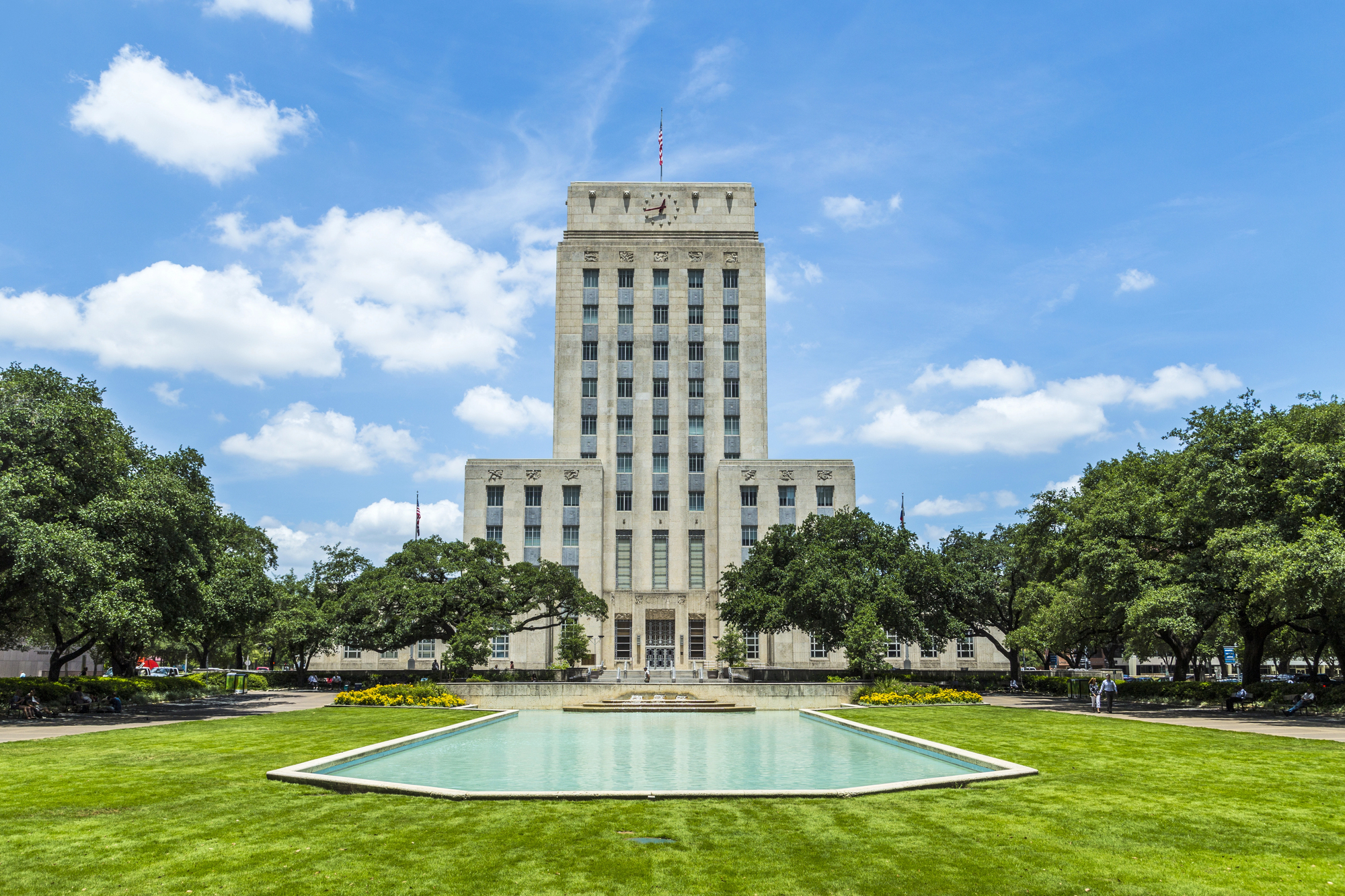
Power stations, water treatment plants, and transportation control centers are rarely considered visually sensitive until they are. These systems form the backbone of daily life, and documenting their inner workings introduces risks that are not immediately obvious.
Images can reveal vulnerabilities, entry points, or dependencies that were never meant to be public. As with military facilities, the concern is cumulative exposure rather than individual curiosity.
These objects are everywhere, yet remain unseen in detail. Their invisibility is part of their protection.
Why These Restrictions Persist

What you see isn’t always free to capture. Pictures carry weight – shifting stories, revealing truths people guard.
Once loose, they can’t be pulled back. Choosing not to shoot might just be the wiser act.
Out here, these things aren’t tucked away due to guilt or secrecy. Access gets limited since where something comes from shapes what it means.
Snapshots stop time so easily, turning layered moments into flat images that drift far from their roots.
Seeing these rules clearly shows how getting in does not always mean you get to keep it. Once-in-a-lifetime moments often belong only to those who stand there, eyes open, without saving anything.
Now, when photos never stop coming, stopping matters more than ever. Letting go of capture can feel strange at first – yet it holds its own kind of weight.
Meaning sometimes hides where cameras aren’t allowed.
More from Go2Tutors!

- The Romanov Crown Jewels and Their Tragic Fate
- 13 Historical Mysteries That Science Still Can’t Solve
- Famous Hoaxes That Fooled the World for Years
- 15 Child Stars with Tragic Adult Lives
- 16 Famous Jewelry Pieces in History
Like Go2Tutors’s content? Follow us on MSN.



