Richest Fictional Characters
Money talks, even when the people holding it don’t actually exist. Some fictional characters have amassed fortunes that would make real-world billionaires look like they’re counting pennies.
These wealth estimates come from fan calculations, comic book economics, and sometimes the creators themselves weighing in on just how loaded their characters really are.
The Duck Who Swims in Gold Coins

Scrooge McDuck takes the top spot with an estimated fortune of over $65 billion. The duck literally dives into his money vault like it’s a swimming pool.
His wealth comes from decades of adventures around the world, striking gold in the Klondike, and running a massive business empire from Duckburg.
What makes Scrooge interesting isn’t just the amount—it’s how he earned every dime through a combination of hard work, shrewd business deals, and treasure hunting. The character represents old-school wealth accumulation, back when tycoons built their fortunes through grit and determination rather than tech startups.
A Dragon’s Hoard
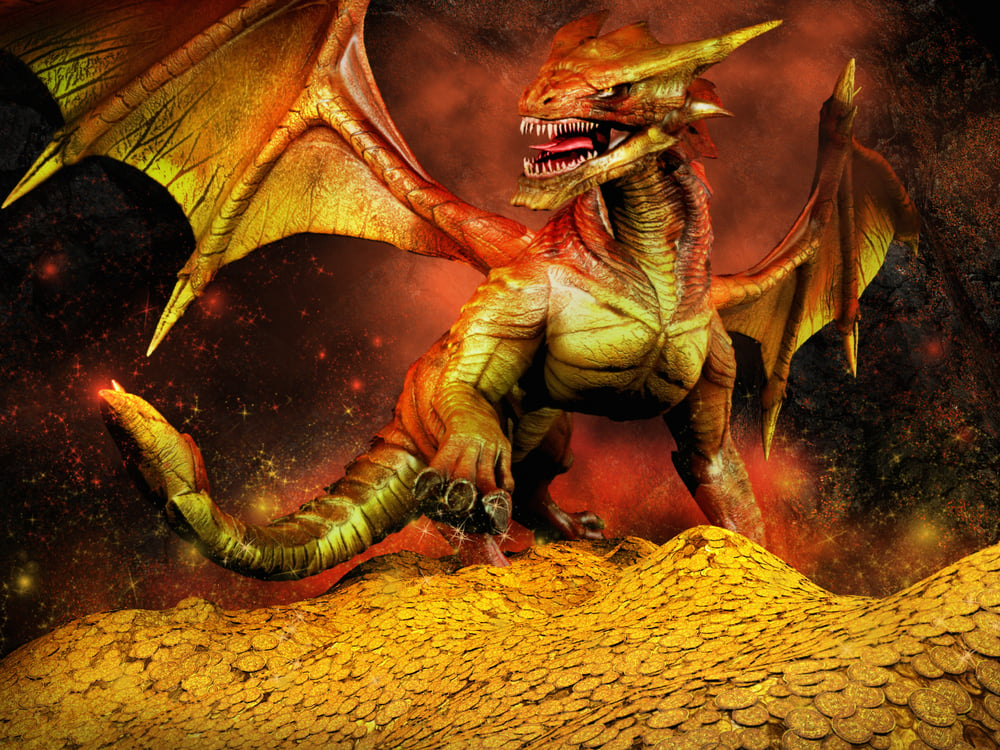
Smaug sits on a mountain of gold worth approximately $54 billion. The dragon from “The Hobbit” doesn’t invest or build businesses.
He simply took over the Lonely Mountain and claimed everything inside as his own. His wealth comes from the dwarves who mined and crafted treasures for generations.
The dragon represents wealth through conquest and hoarding. He doesn’t spend a single coin—just lies there, counting and recounting his treasure while entire kingdoms suffer from his greed.
The Genius Billionaire Playboy Philanthropist

Tony Stark’s fortune sits around $12 billion, built on weapons manufacturing and later clean energy technology. Stark Industries makes him one of the wealthiest people in the Marvel Universe.
Unlike some rich characters, Stark actually uses his money, funding the Avengers and developing technology that saves the world repeatedly. His wealth feels realistic because it comes from a recognizable source—defense contracts and advanced technology patents.
You can see how someone this smart and connected would actually accumulate billions in the modern world.
Gotham’s Dark Knight

Bruce Wayne’s estimated $9 billion comes from Wayne Enterprises, a conglomerate with interests in everything from technology to shipping. Wayne inherited his fortune but expanded it significantly through business acumen.
Of course, he also spends ridiculous amounts on his Batman activities. The maintenance costs alone for the Batcave, all those vehicles, and his endless supply of gadgets would bankrupt most people.
But Wayne makes it work, balancing a public persona as a playboy philanthropist with his night job as Gotham’s protector.
The Media Mogul

Charles Foster Kane, based loosely on William Randolph Hearst, controlled a newspaper empire in “Citizen Kane.” His wealth came from mining operations and grew through media acquisitions.
Kane represents the power of controlling information, something that resonates even more today than when Orson Welles created the character. The film shows how Kane’s wealth isolated him and ultimately left him lonely in his massive mansion, Xanadu.
Money couldn’t buy him love, respect, or happiness—a theme that runs through many stories about the ultra-wealthy.
The Mysterious Millionaire

Jay Gatsby’s wealth in “The Great Gatsby” comes from bootlegging during Prohibition. F. Scott Fitzgerald never gives an exact figure, but Gatsby’s Long Island mansion, constant parties, and collection of expensive shirts suggest serious money.
His wealth exists entirely to impress Daisy Buchanan, making it less about accumulation and more about pursuit. Gatsby represents new money—wealth earned quickly through questionable means.
He doesn’t come from privilege, so he overcompensates with displays of excess. The gold suit, the pink mansion, the extravagant parties—they’re all desperate attempts to belong to a world that will never fully accept him.
The Boy Who Has Everything

Richie Rich owns the title “the poor little rich boy” for a reason. His wealth is inherited and seemingly endless.
The Rich family fortune exceeds most estimates, putting young Richie’s net worth somewhere in the tens of billions. He has gold toilets, a personal roller coaster, and enough money that his family vault makes Fort Knox look modest.
But here’s what makes Richie different from other wealthy characters—he’s genuinely kind. His stories often show him using his money to help others, whether that’s saving struggling businesses or funding charitable causes.
The character teaches kids that wealth comes with responsibility.
Springfield’s Most Despised
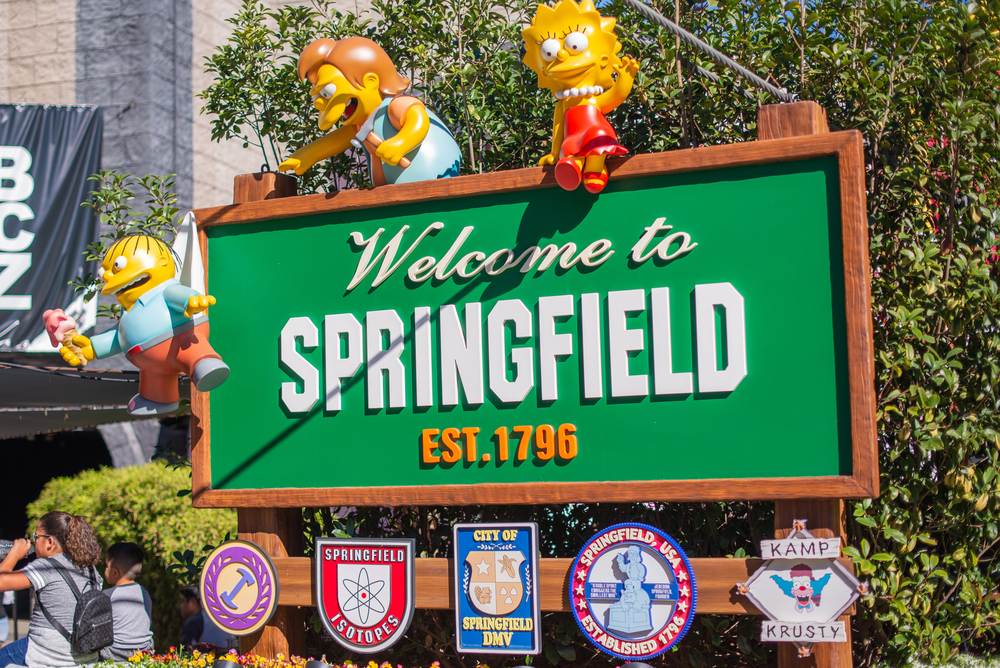
Mr. Burns from “The Simpsons” represents corporate greed and environmental destruction wrapped in a single, ancient body. His fortune comes from owning Springfield’s nuclear power plant, along with various other businesses around town.
Estimates place his wealth at several billion dollars. Burns embodies every negative stereotype about the wealthy—he’s cruel to his employees, indifferent to safety regulations, and actively works to suppress labor rights.
The show uses him to satirize American capitalism, making him simultaneously pathetic and terrifying. His wealth brings him no joy, just isolation in his enormous mansion with his devoted assistant Smithers.
The Billionaire Villain

Lex Luthor’s fortune fluctuates depending on which version of the character you’re watching, but it generally sits around $75 billion. LexCorp dominates multiple industries, from technology to defense to real estate.
Luthor earned his money through genius-level intellect combined with ruthless business practices. What makes Luthor fascinating is that he could be humanity’s greatest hero.
Instead, he obsesses over Superman, seeing the alien as a threat to human potential. His wealth funds elaborate schemes to defeat Superman rather than projects that could benefit mankind.
It’s a waste of resources driven by ego and jealousy.
Wakanda’s Wealth
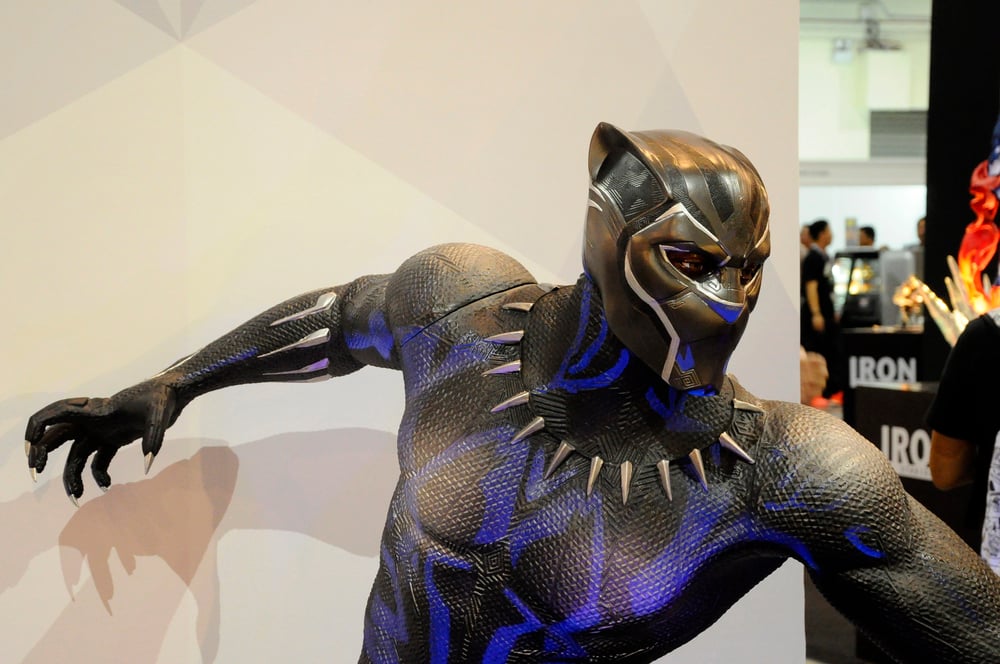
T’Challa, the Black Panther, rules over Wakanda, a nation sitting on the world’s largest vibranium deposit. This makes him potentially the wealthiest fictional character if you count national resources.
Vibranium’s value is incalculable—it’s the strongest metal on Earth and has properties that make it essential for advanced technology. Wakanda’s wealth stayed hidden for centuries, with T’Challa’s ancestors choosing isolation over sharing resources with the world.
When T’Challa finally opens Wakanda to the outside, his decision reshapes global economics and technology. His wealth isn’t personal—it belongs to his people and comes with the responsibility of protecting an entire nation.
The Aristocratic Adventurer

Money flowed to Lara Croft through family lines, landing her the Croft Estate along with roughly 1.3 billion dollars. Rooted in Britain’s historic upper class, that background opens doors – archaeological digs, far-off ruins, gear most could never touch.
Yet her riches aren’t about luxury; they slip into the story quietly, making expeditions possible without question. Most rich figures flaunt wealth, but hers stays offstage, doing its job behind the scenes.
Out there chasing relics instead of salaries, she moves through danger like it costs nothing. Money isn’t part of her story – yet everything she does leans on it.
Wealth shows up quietly, never named but always present. Risking harm for old objects only works if rent isn’t due. Comfortable means never mentioning comfort.
The Richest Man in Westeros

Gold made the Lannisters strong, and Tywin wielded it like a blade. Their mines poured coin into every corner of the Seven Kingdoms.
Power flowed where the money went, which meant power often stayed in Casterly Rock. When someone borrowed from House Lannister, they did not forget.
He reminded allies and enemies alike: promises tied to gold are harder to break. Armies marched on what he paid for; thrones tilted by his ledger entries.
Trust grew thin, but obligation ran deep under his rule. Money wasn’t just stored – it was spent with purpose, timed to shape outcomes.
Yet Tywin’s fortune did little to shield him from his family’s chaos. Each of his children carried bitterness toward him, shaped by separate wounds.
A bolt from his son’s crossbow found him seated on a chamber pot. Despite mountains of coin, respect slipped through his fingers, so did affection, along with any chance at a quiet farewell.
The Chocolatier’s Fortune
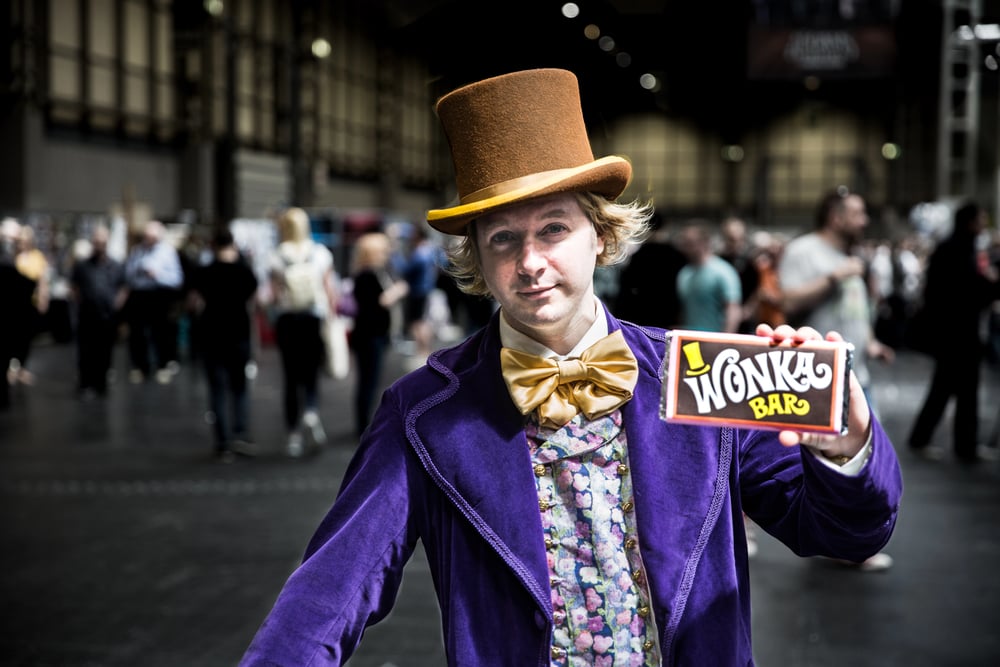
Inside every bar of chocolate made by Willy Wonka lives a secret only he knows. Though nobody can say exactly how rich he is, a place so huge, shipping sweets everywhere without rivals nearby, points toward numbers few ever reach.
Creativity like his – candies bending what seems possible – meets a sharp instinct for building something lasting. Not just invention alone, yet enterprise shaped by imagination.
Wonder shapes how Charlie views riches, unlike the others walking through Wonka’s halls. Where some spot chances to take, he notices magic worth protecting.
A quiet respect for invention matters more than coins piling high. That stillness, that awe – he picks him not for greed but for wonder kept alive.
When Numbers Lose Their Meaning

Fictional millionaires reveal quiet truths about what we think of riches. Loneliness shadows many top-tier tycoons, cut off or twisted by their own bank accounts.
Yet figures such as Tony Stark or Richie Rich keep our favor – not because they’re loaded, but because they pour resources into aiding people around them.
Now there are actual billionaires whose riches match those made-up ones. Yet the imaginary figures seem truer in some way.
Wealth becomes a story device through them – revealing greed, duty, influence, even the hollow space behind endless possession.
More from Go2Tutors!

- The Romanov Crown Jewels and Their Tragic Fate
- 13 Historical Mysteries That Science Still Can’t Solve
- Famous Hoaxes That Fooled the World for Years
- 15 Child Stars with Tragic Adult Lives
- 16 Famous Jewelry Pieces in History
Like Go2Tutors’s content? Follow us on MSN.