16 Lakes That Change Color Throughout the Year
Nature’s most spectacular light shows don’t always happen in the sky. Some of Earth’s most dramatic color transformations occur at water level, where lakes shift through rainbow spectrums as seasons change. These aquatic chameleons owe their transformations to various factors—algae blooms, mineral content, temperature fluctuations, and microscopic organisms that respond to environmental changes.
Even though these lakes are incredibly beautiful, that isn’t what really makes them exceptional. Each hue shift is the result of intricate geological processes and ecosystems, which are revealed by the complex science behind it. Some changes happen overnight, while others unfold gradually across months. Here is a list of 16 lakes that change color throughout the year.
Lake Hillier, Australia
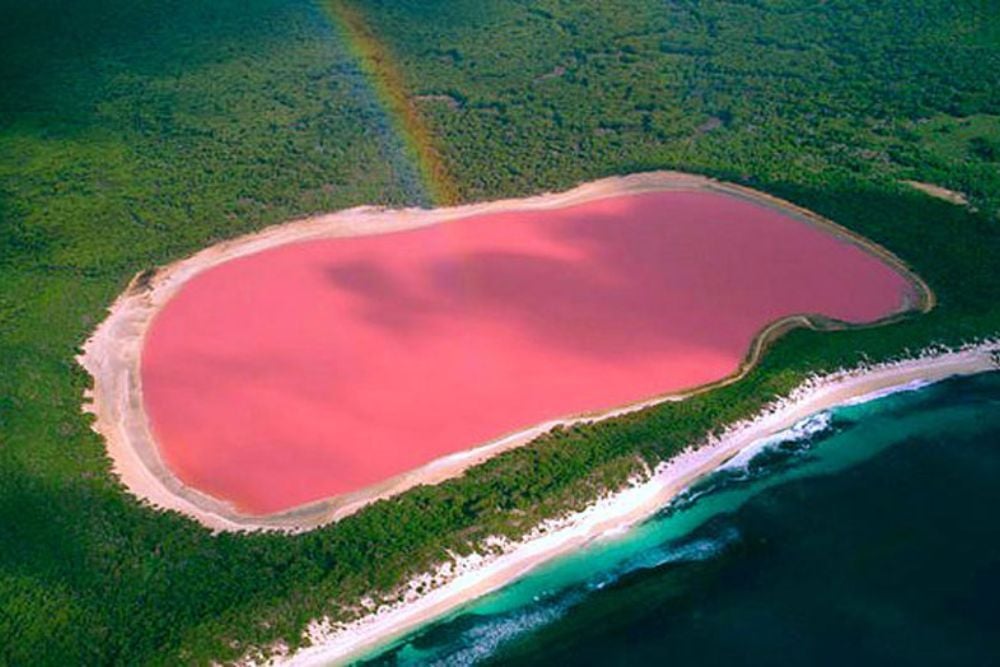
This permanently pink lake on Middle Island doesn’t actually change colors. It stays bubblegum pink year-round thanks to salt-loving bacteria called Dunaliella salina.
The lake’s salinity is so extreme that only these specialized microorganisms can survive, creating the consistent rosy hue. Scientists still debate exactly why the color remains so stable when similar lakes elsewhere fluctuate between pink and other shades.
Kelimutu Lakes, Indonesia
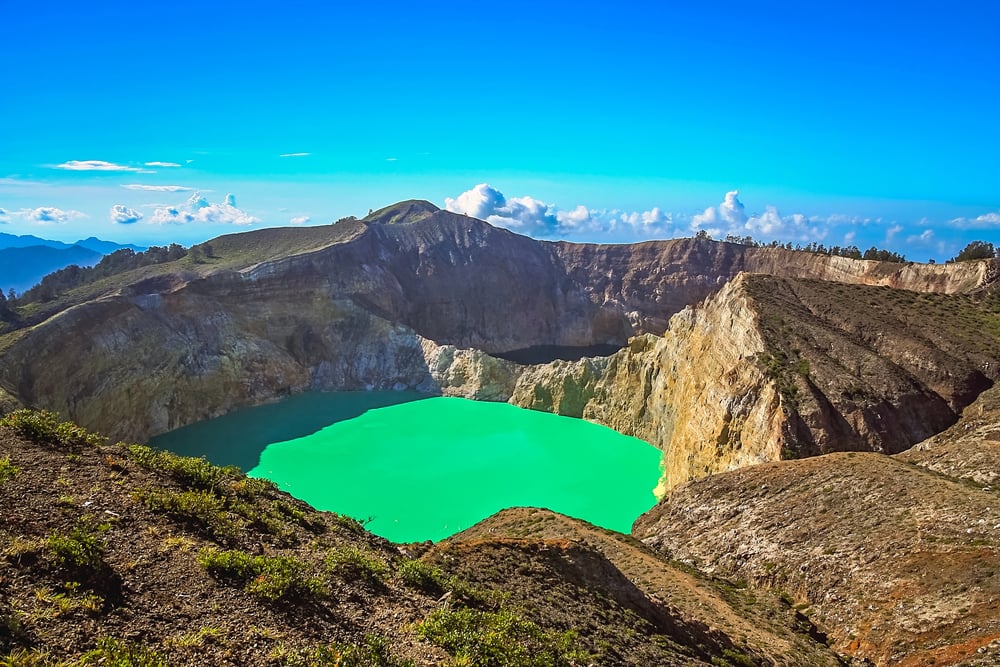
Three crater lakes sit atop Mount Kelimutu, each shifting between different colors seemingly at random. One lake might be turquoise while another turns deep red or chocolate brown, then they’ll switch colors within months.
The changes result from varying mineral concentrations and gas emissions from the volcanic crater beneath. Local folklore attributes the color changes to the spirits of the dead.
Like Go2Tutors’s content? Follow us on MSN.
Lake Retba, Senegal
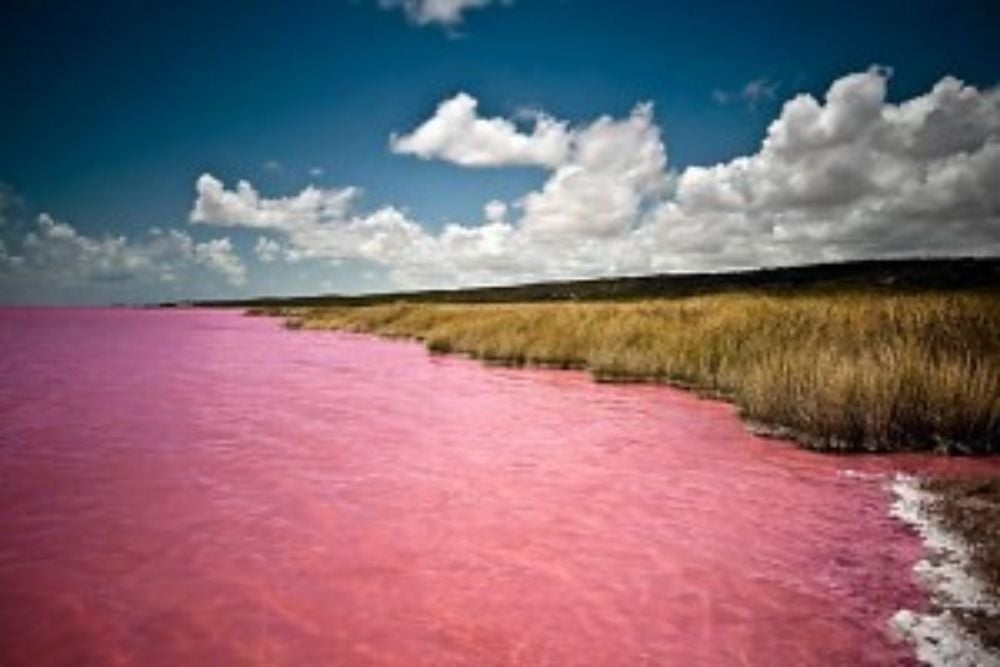
Known as the Pink Lake, this body of water shifts from pale rose to deep strawberry depending on the season and time of day. During the dry season, increased salinity triggers massive blooms of Dunaliella salina algae, the same organisms found in Australia’s Lake Hillier.
The lake’s color is most intense during afternoon hours when sunlight hits the water at optimal angles.
Plitvice Lakes, Croatia
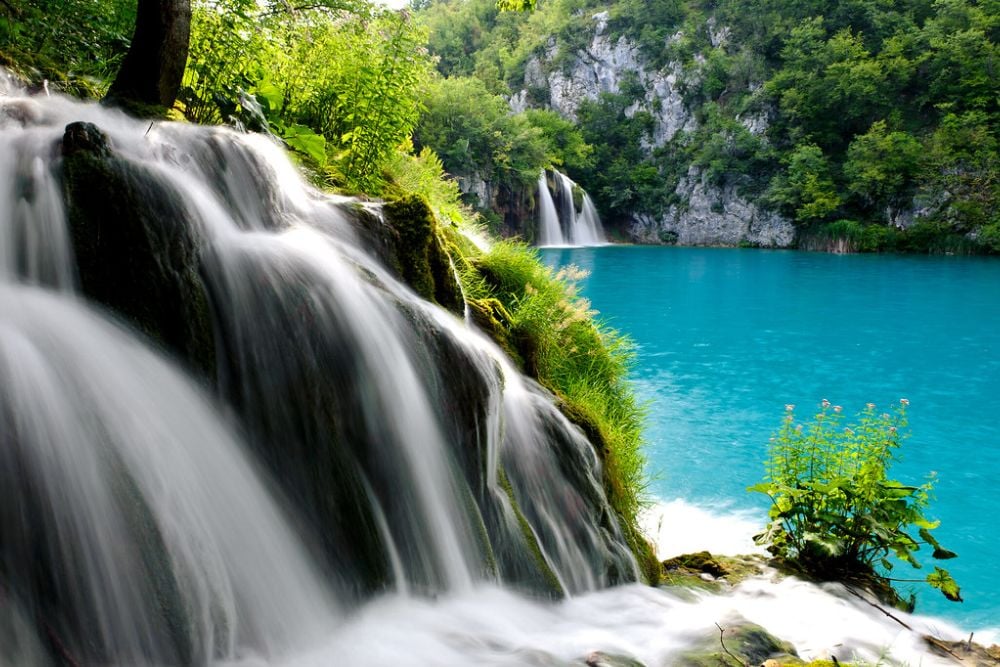
These sixteen terraced lakes cascade through a national park, shifting from azure blue to green, gray, or even turquoise throughout the year. The color changes depend on mineral content, water levels, and the angle of sunlight, with limestone deposits affecting how light reflects off the water.
As ice changes the environment in the winter, frozen waterfalls produce a whole distinct scenic sight.
Lake Bled, Slovenia
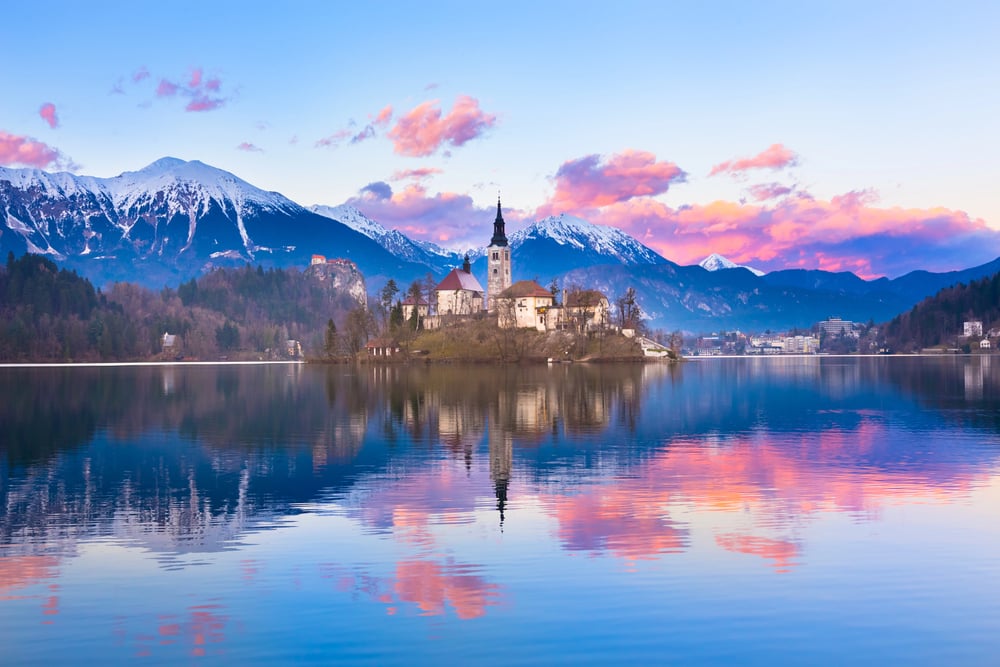
This mountain lake exhibits emerald green phases during spring algae blooms and changes from deep blue in the summer to silvery gray in the winter. Temperature changes have an impact on tiny plant life, which causes the color variations.
Different species are supported by warmer water than by colder water. Additionally, minerals brought in by snowmelt change the lake’s optical characteristics.
Like Go2Tutors’s content? Follow us on MSN.
Grand Prismatic Spring, USA
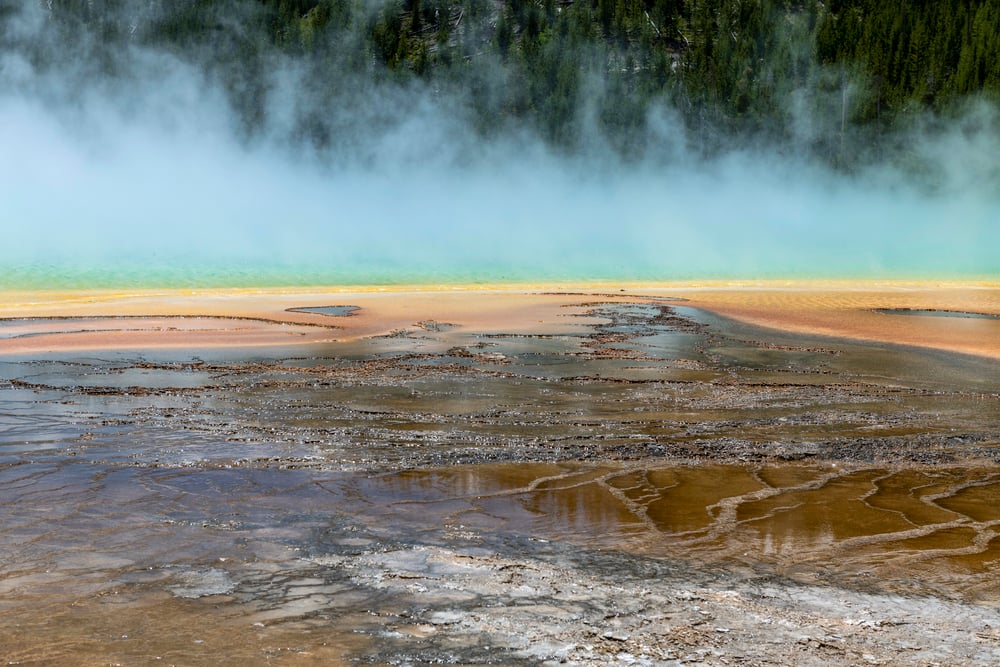
While technically a hot spring rather than a traditional lake, this Yellowstone feature displays the most dramatic color rings of any water body on Earth. The center remains deep blue year-round, but surrounding bands shift from green to yellow to orange to red as temperatures vary.
Heat-loving bacteria create these rainbow rings, with different species thriving at specific temperature ranges.
Lake Nakuru, Kenya
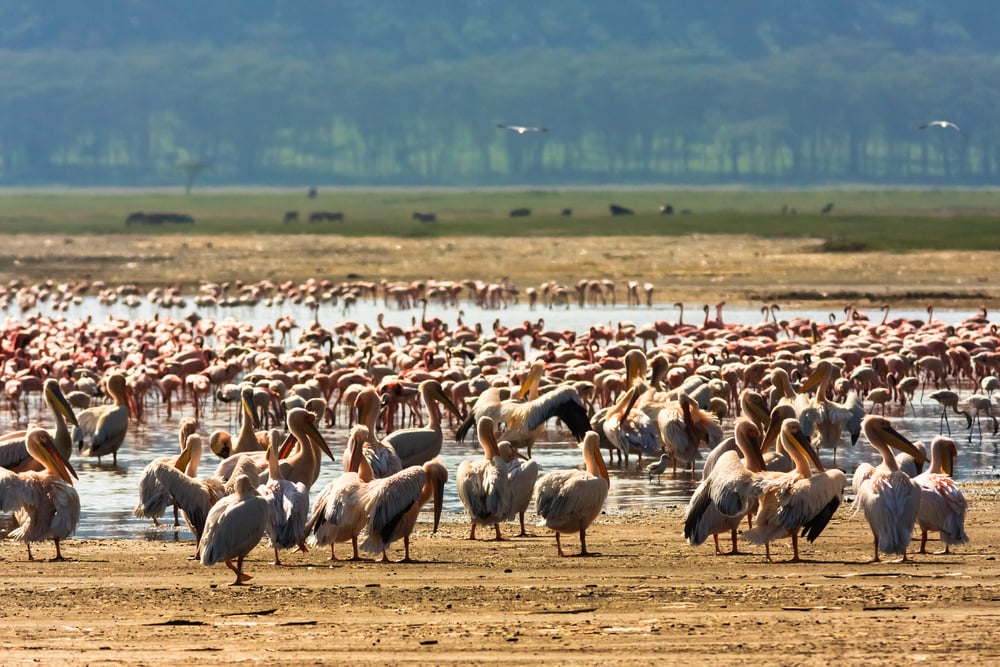
This soda lake shifts from blue to pink to white depending on flamingo populations and algae blooms. When millions of flamingos feed here, their sheer numbers can tint the entire lake pink, while their absence reveals the water’s natural blue-green color.
Seasonal rainfall also affects salinity levels, which influence both algae growth and flamingo migration patterns.
Laguna Colorada, Bolivia
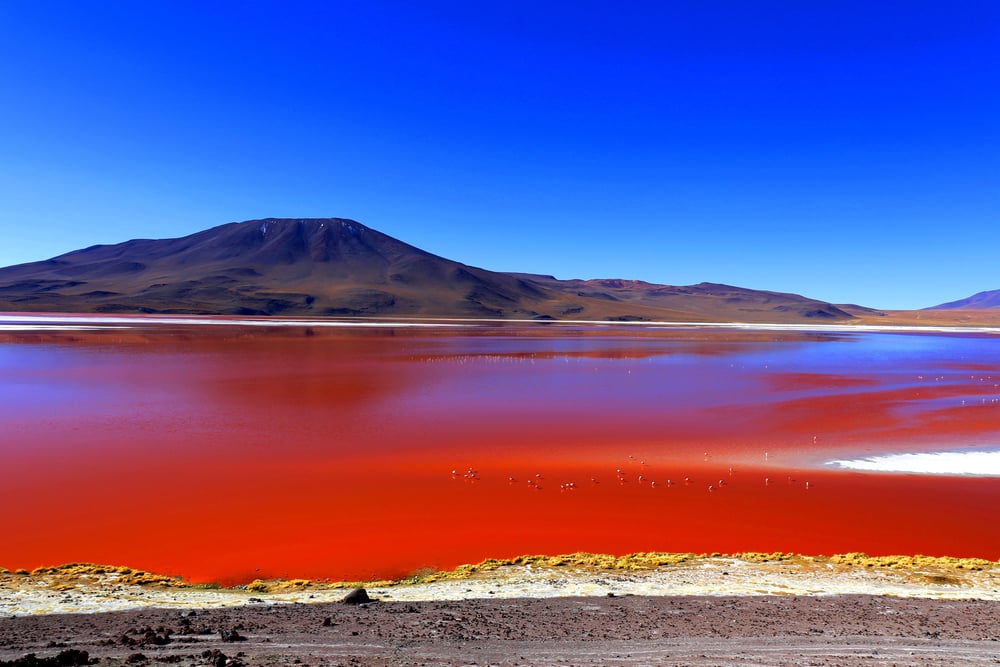
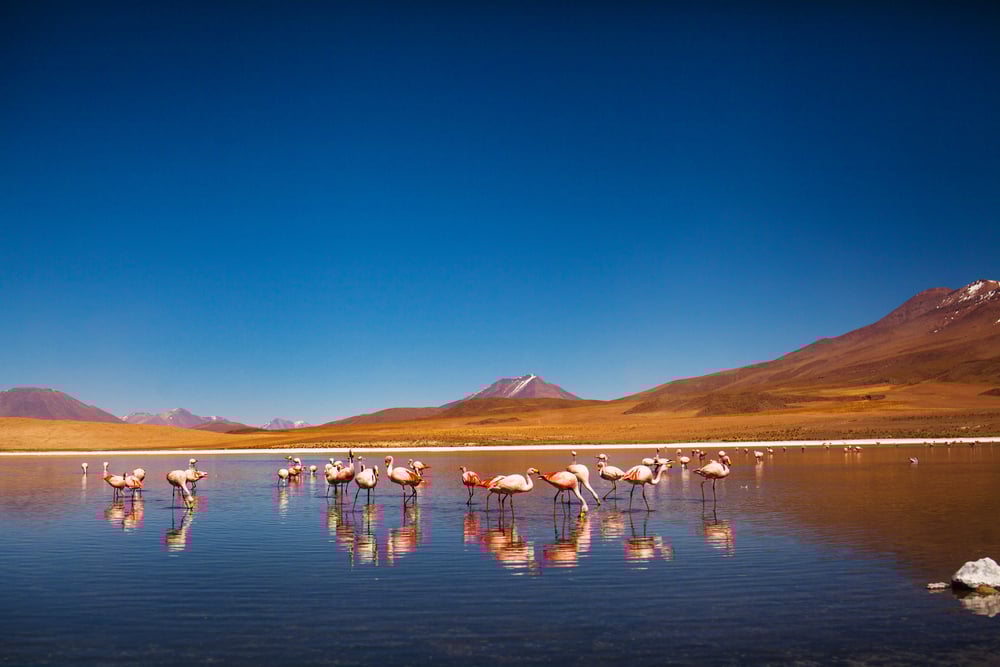
This shallow salt lake in the Andes changes from red to orange to pink based on algae concentrations and mineral deposits. The red coloration comes from sediments and algae, while borax deposits create white islands scattered across the surface.
Flamingos add their own pink hues when present, creating a living kaleidoscope effect.
Like Go2Tutors’s content? Follow us on MSN.
Lake Baikal, Russia
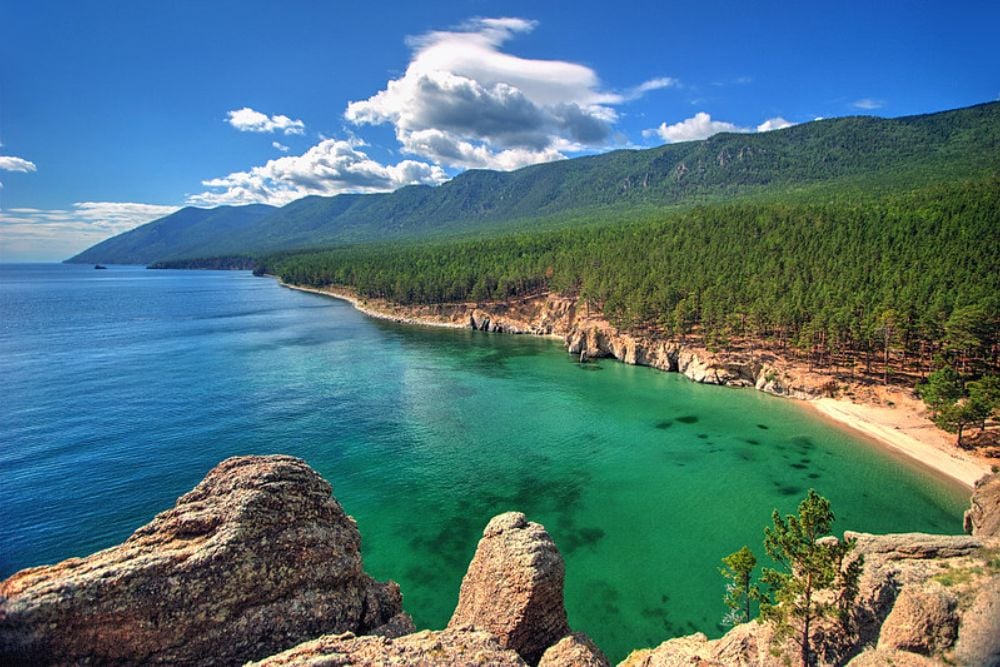
The world’s deepest freshwater lake displays remarkable color variations—from crystal clear blue in summer to silvery white when frozen, with green phases during plankton blooms. Its incredible depth and purity mean that color changes are subtle yet distinct, often reflecting seasonal changes in microscopic life forms.
Winter ice formations create unique optical effects that transform the lake’s appearance entirely.
Spotted Lake, Canada
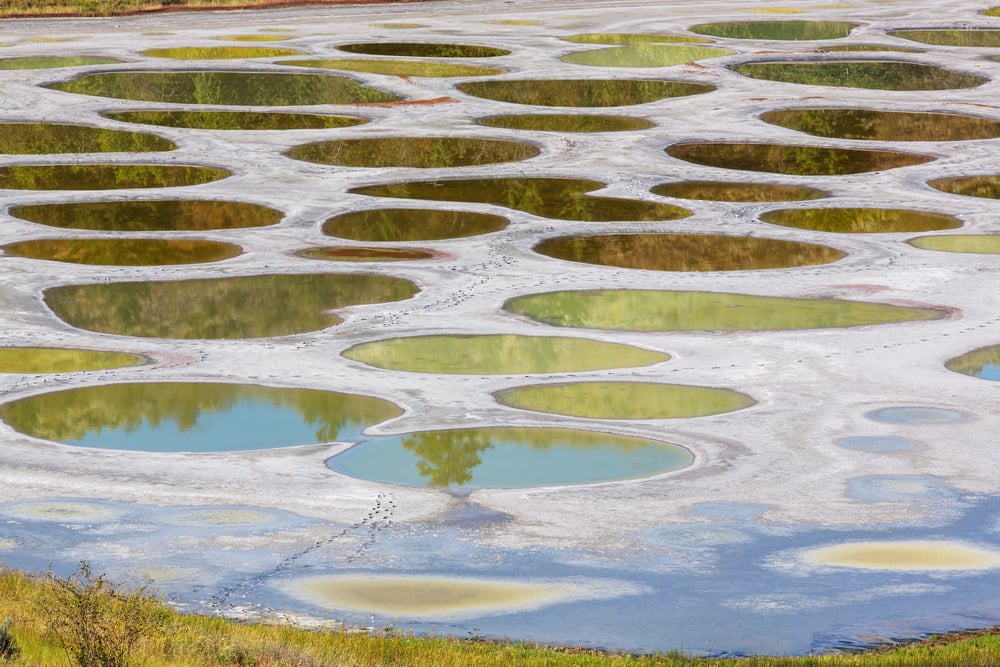
This unique lake in British Columbia becomes polka-dotted as water evaporates, leaving behind colorful mineral pools. Each spot displays different colors—yellow, green, blue, or white—depending on the specific minerals concentrated there.
The lake looks completely different from spring (when it’s one body of water) to summer (when it becomes hundreds of separate pools).
Lake Natron, Tanzania
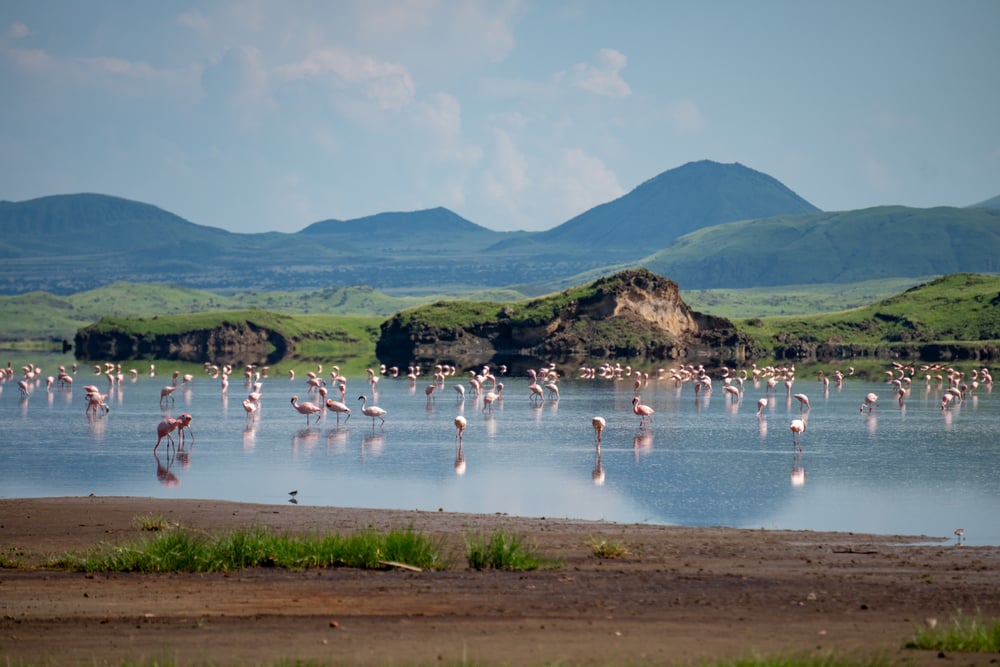
This alkaline lake shifts between red, orange, and pink hues based on salt-loving microorganisms that thrive in its extremely high pH environment. The lake’s color is most intense during dry seasons when evaporation concentrates the minerals and organisms.
Its caustic nature can actually calcify animals that die in its waters, creating eerie stone-like sculptures.
Like Go2Tutors’s content? Follow us on MSN.
Crater Lake, Oregon
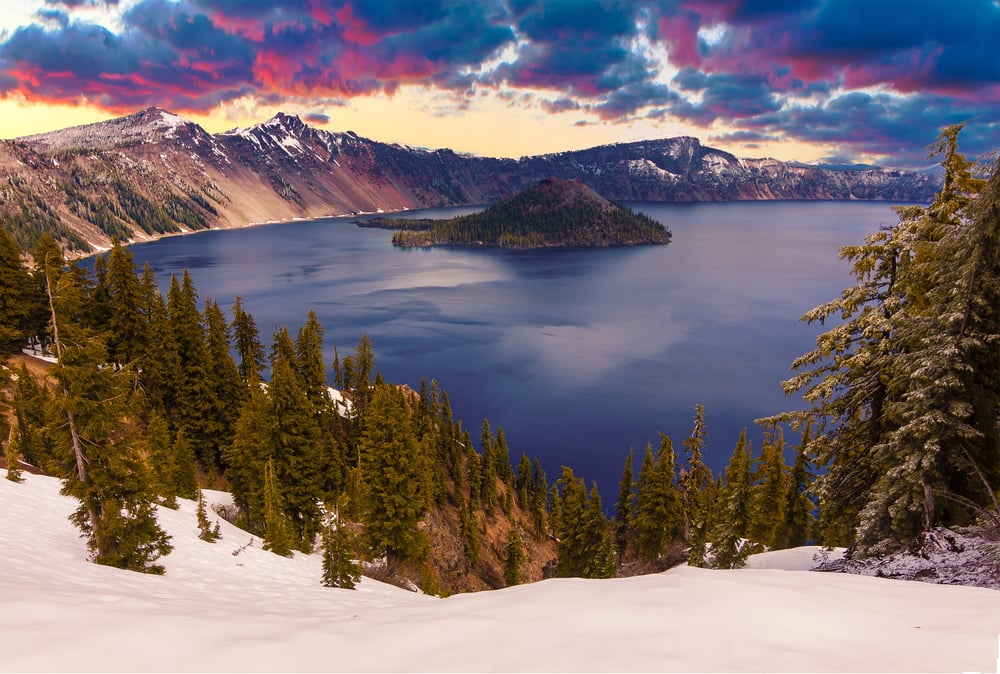
This deep volcanic lake changes from brilliant blue to steel gray to green depending on weather conditions and seasonal light patterns. Snow cover affects how much light reaches the water, while volcanic activity can introduce minerals that alter coloration.
The lake’s famous deep blue color results from its incredible depth and purity, but winter storms can temporarily change its appearance.
Lake Mono, California
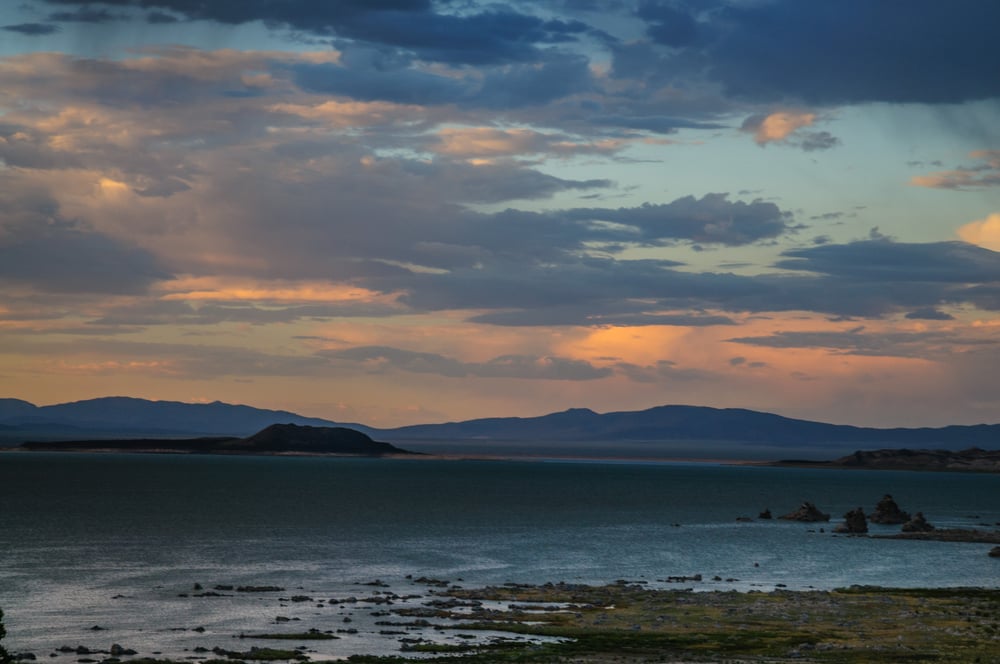
This ancient saline lake transforms from blue to green to red as water levels fluctuate and different types of algae dominate. During drought years, increased salinity favors red-colored bacteria, while higher water levels dilute minerals and promote blue-green algae.
The lake’s tufa towers add dramatic white contrasts against whatever color the water displays.
Five Flower Lake, China

Located in Jiuzhaigou National Park, this lake displays multiple colors simultaneously, with different sections showing blue, green, and yellow hues. The colors shift throughout the year as calcium carbonate deposits and algae respond to seasonal changes.
Fallen logs create underwater patterns that add complexity to the lake’s already stunning color palette.
Like Go2Tutors’s content? Follow us on MSN.
Lake Bogoria, Kenya
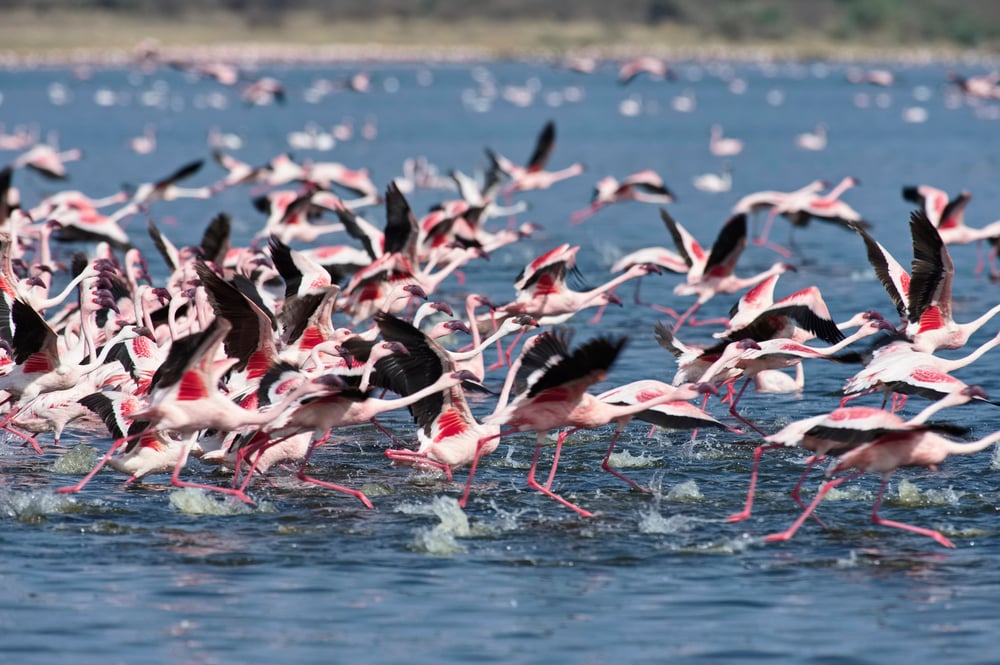
This alkaline lake shifts between pink and blue as flamingo populations migrate and hot springs affect water chemistry. Unlike Lake Nakuru, Bogoria’s color changes are more dramatic because its hot springs introduce varying mineral concentrations throughout the year.
The combination of geothermal activity and wildlife creates one of Africa’s most dynamic lake systems.
Morning Glory Pool, USA
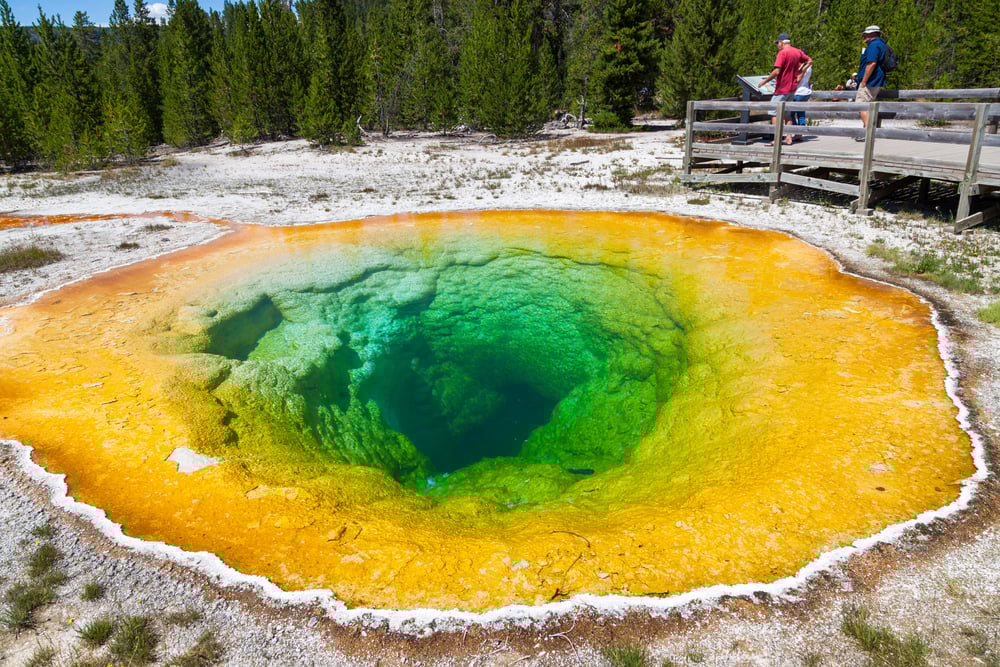
Another Yellowstone feature, this hot spring changes from deep blue to green to yellow as bacterial mats respond to temperature fluctuations and human interference. The pool was once a brilliant blue, partly due to tourists throwing debris into the spring over the years, which has lowered its temperature, allowing different colored bacteria to colonize previously sterile areas.
It’s a stark reminder of how human activity can alter these natural wonders.
Nature’s Living Canvas
These color-changing lakes demonstrate how dynamic our planet’s water systems really are. Each transformation tells a story about temperature, chemistry, biology, and geology working together in delicate balance.
Climate change threatens many of these spectacular displays as altered weather patterns disrupt the conditions that create their famous color shifts. Understanding and protecting these natural phenomena becomes more crucial as we realize how easily human activity can permanently alter their delicate ecosystems and rob future generations of these incredible sights.
Like Go2Tutors’s content? Follow us on MSN.
More from Go2Tutors!

- 16 Restaurant Chains That Went Too Fast
- 12 Things Sold in the 80s That Are Now Illegal
- 15 VHS Tapes That Could Be Worth Thousands
- 17 Historical “What Ifs” That Would Have Changed Everything
- 18 TV Shows That Vanished Without a Finale
Like Go2Tutors’s content? Follow us on MSN.