Athletes With the Most Olympic Medals
The Olympic Games bring together the world’s greatest athletes, but only a select few have managed to stand on the podium more times than anyone else. These record holders didn’t just win once or twice—they dominated their sports across multiple Games, collecting medals like most people collect coffee mugs.
Their achievements represent years of training, sacrifice, and an almost superhuman ability to perform under pressure when the entire world is watching. So who are these incredible athletes, and what made them so unstoppable? Let’s look at the champions who’ve earned more Olympic hardware than anyone else in history.
Michael Phelps

The American swimmer sits alone at the top with 28 Olympic medals, a record that seems almost impossible to break. Phelps competed in five Olympic Games from 2000 to 2016, and his collection includes 23 gold medals, three silver, and two bronze.
What makes his achievement even more remarkable is that he won eight gold medals at a single Olympics in Beijing 2008, breaking Mark Spitz’s long-standing record. His combination of technique, physical gifts, and mental toughness created a swimmer who could compete in multiple events and win them all.
Larisa Latynina
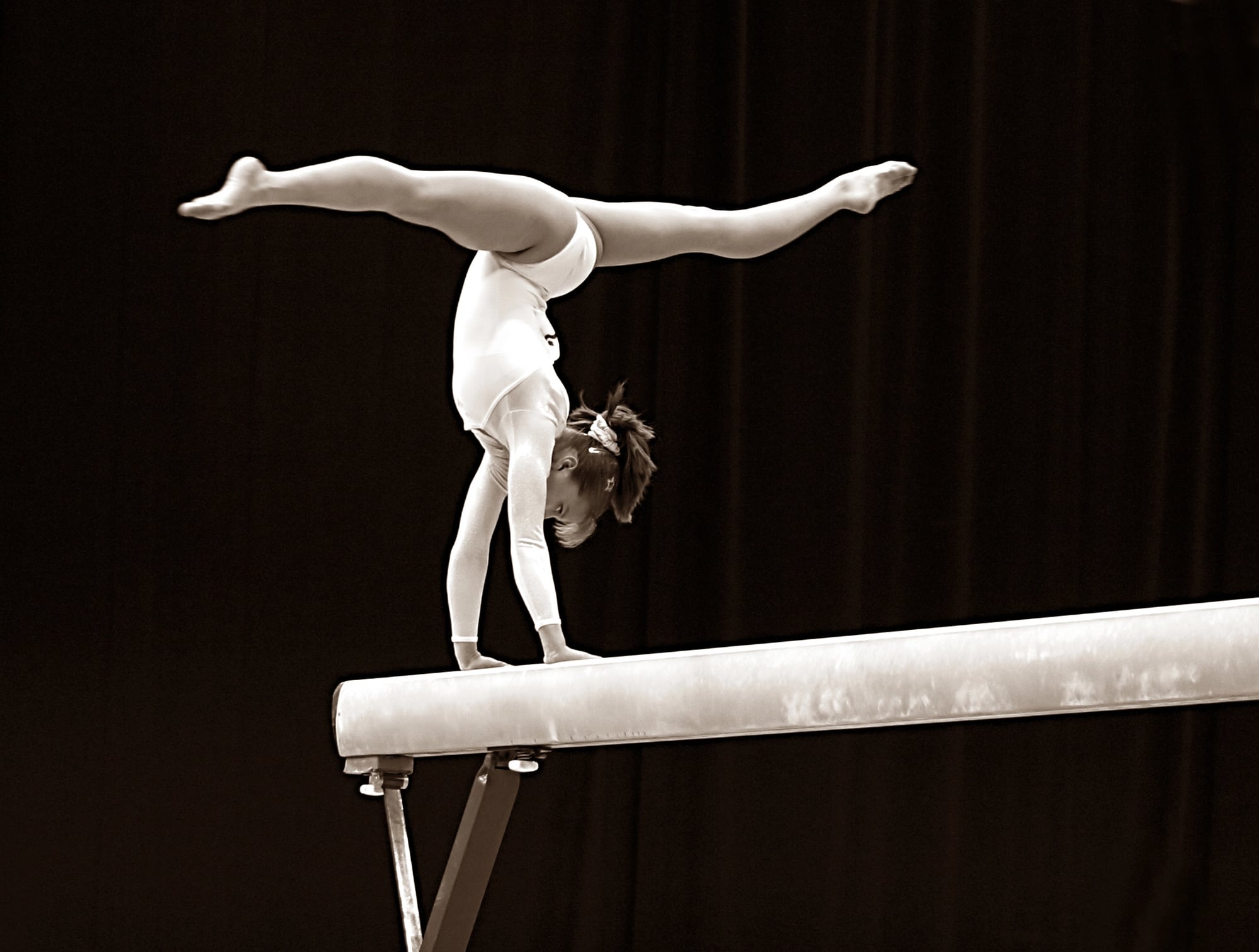
This Soviet gymnast held the record for most Olympic medals for 48 years before Phelps finally surpassed her in 2012. Latynina earned 18 medals between 1956 and 1964, including nine golds, five silvers, and four bronzes.
She competed when gymnastics required a different kind of strength and grace, and she excelled in every apparatus. Her consistency across three separate Olympic Games showed a level of dominance that defined an era of the sport.
Nikolai Andrianov

Another Soviet gymnast, Andrianov collected 15 Olympic medals across three Games from 1972 to 1980. His total includes seven golds, five silvers, and three bronzes, making him one of the most decorated male gymnasts in history.
He was known for his powerful performances on the floor exercise and vault, events that required explosive strength combined with precision. Andrianov’s career overlapped with some of gymnastics’ greatest competitors, yet he still managed to stand out.
Ole Einar Bjørndalen

The Norwegian biathlete earned 13 Olympic medals, making him the most decorated Winter Olympian in history. Bjørndalen competed in six Winter Games from 1998 to 2014, winning eight golds, four silvers, and one bronze.
Biathlon combines cross-country skiing with rifle shooting, demanding both endurance and incredible focus under physical stress. His ability to maintain steady aim while his heart rate was through the roof separated him from everyone else in the sport.
Boris Shakhlin

One Soviet gymnast took home 13 medals from 1956 to 1964 – seven gold, four silver, two bronze. While Latynina soared, Shakhlin climbed right beside her, shaping an era where the USSR began to dominate gymnastics.
On a pommel horse and high bar, his power stood apart, built on strength most lacked. Precision marked every move he made, a quiet benchmark even now for those who follow.
Today’s athletes measure themselves against what he once did.
Edoardo Mangiarotti

Aficionado of precision, the Italian fencer claimed 13 Olympic medals over five appearances between 1936 and 1960, despite wartime halting part of his journey. With six golds tucked into his record, followed by five silvers then two bronzes, he thrived mainly in épée and foil disciplines.
Born into blades, so to speak, he began drills young, sharpening instincts and thinking ahead under pressure. Nearly untouchable through decades, his presence lasted 24 years on the Olympic stage – rare endurance for a game decided in blinks.
Takashi Ono

A string of victories unfolded for the Japanese gymnast from 1952 through 1964 – thirteen medals in total, with five gold among them, alongside four silver and four bronze. During those decades, Ono played a key role as Japan rose strong in men’s gymnastics.
Steady on every single piece of equipment, he seldom faltered when competition pressed close. When the team stood atop the podium, his efforts were often part of why they got there, yet personal accolades followed him just the same.
Paavo Nurmi
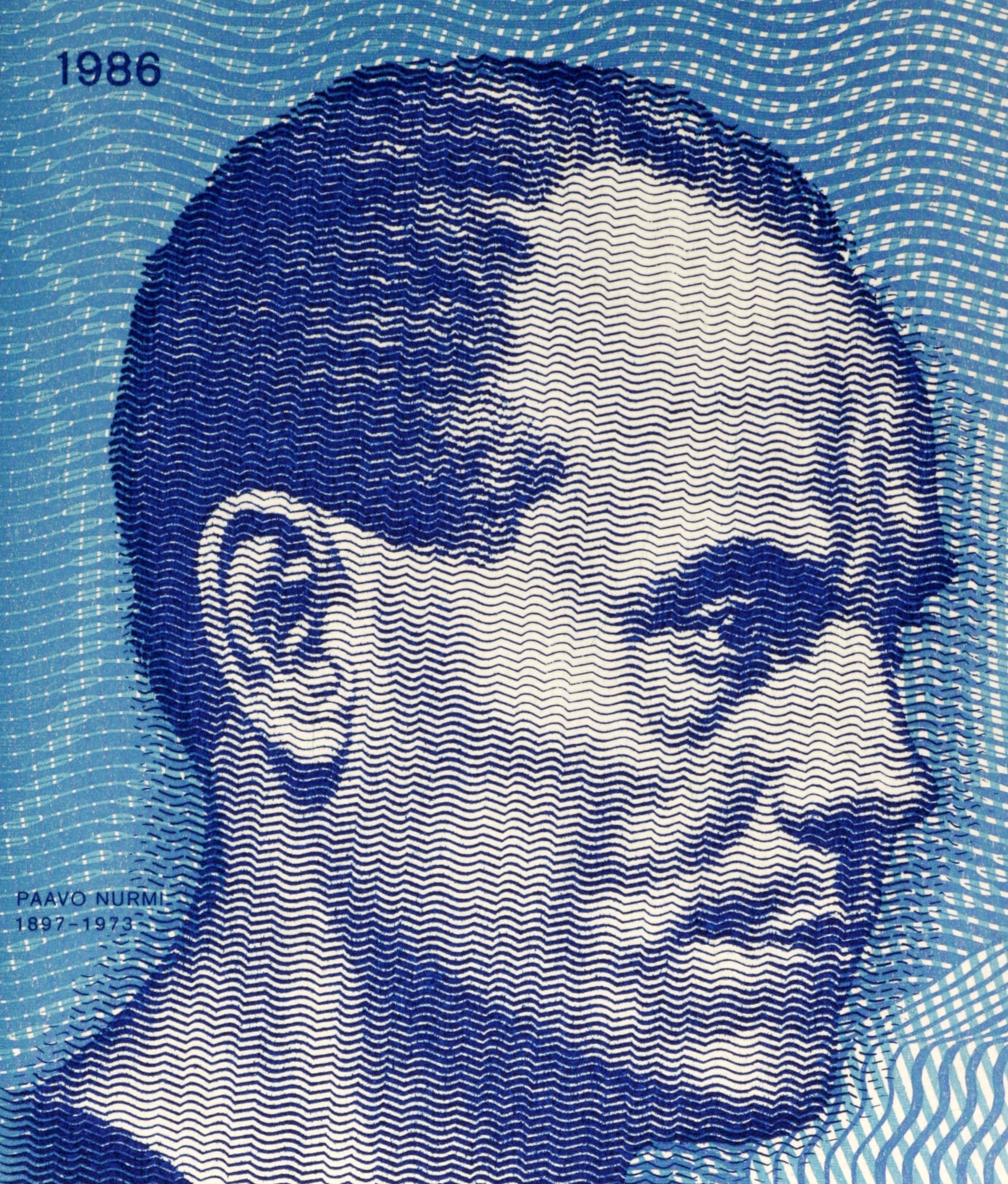
The Finnish runner won 12 Olympic medals in the 1920s, all but three of them gold. Nurmi dominated middle-distance and long-distance running events, sometimes competing in multiple races on the same day.
He was famous for running with a stopwatch in his hand, constantly checking his pace to ensure he was on track for his target times. His training methods were revolutionary for the era and influenced how runners prepared for decades afterward.
Birgit Fischer

The German kayaker collected 12 Olympic medals across six Games from 1980 to 2004, making her career one of the longest in Olympic history. Fischer won eight golds and four silvers in sprint kayaking events.
What’s truly impressive is that she took a break to have children and then came back to compete at the highest level, proving that athletic careers don’t have to end in your twenties. Her technique and water sense were so refined that she could compete with athletes half her age.
Jenny Thompson
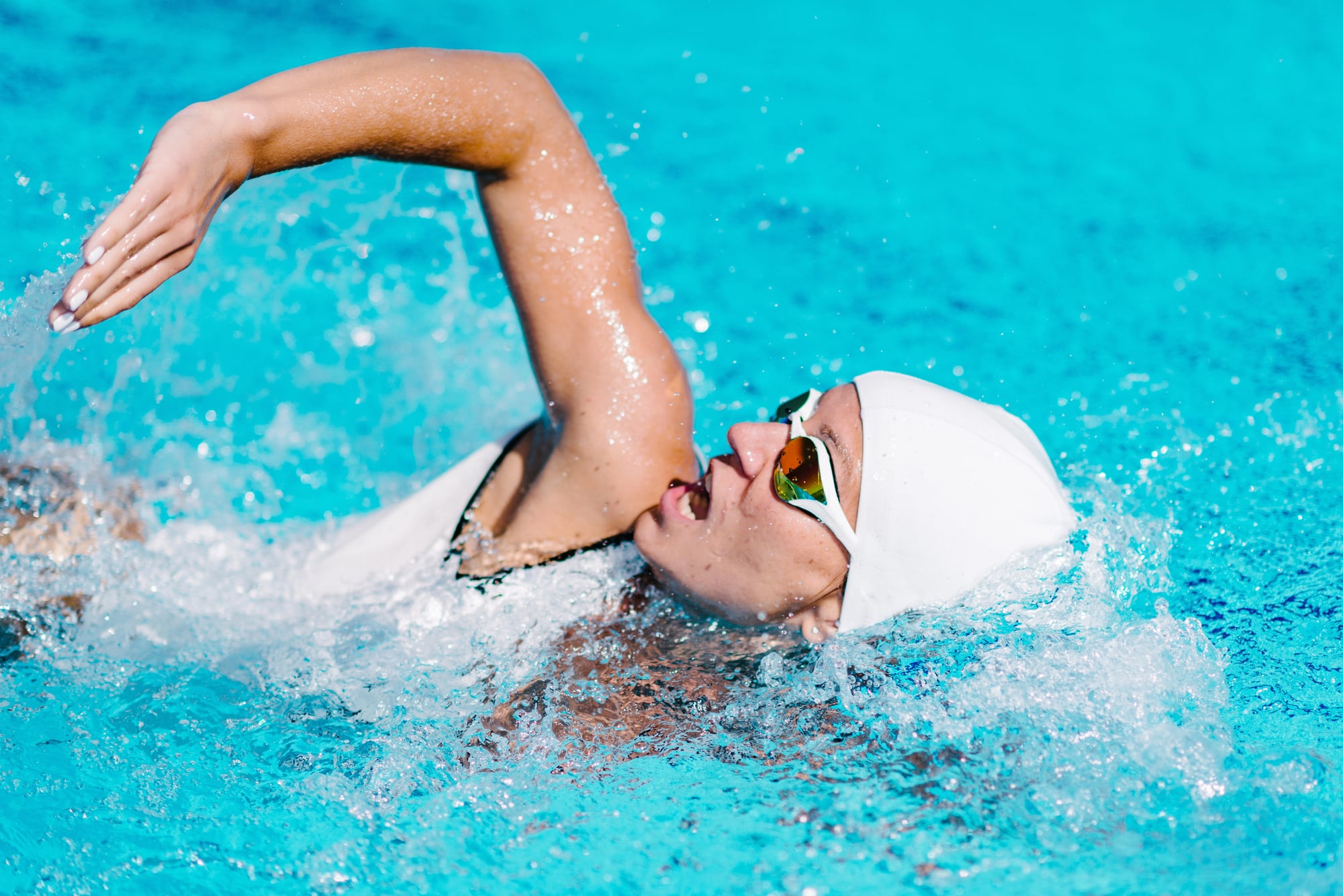
The American swimmer earned 12 Olympic medals between 1992 and 2004, with eight golds, three silvers, and one bronze. Most of her golds came in relay events, where her butterfly and freestyle splits gave Team USA crucial advantages.
Thompson was also pursuing a medical degree during much of her swimming career, managing to balance elite athletics with academic demands. Her relay performances remain some of the most clutch swims in Olympic history.
Dara Torres

Another American swimmer, Torres won 12 medals across five Olympic Games from 1984 to 2008. Her career is notable because she competed in her fifth Olympics at age 41, winning three silver medals in Beijing.
Torres proved that swimmers could maintain world-class speed well beyond the age when most retire. She won four golds, four silvers, and four bronzes, showing consistency across different eras of the sport and different stages of her life.
Natalie Coughlin

The American swimmer collected 12 Olympic medals between 2004 and 2012, including three golds, four silvers, and five bronzes. Coughlin was incredibly versatile, winning medals in backstroke, freestyle, and medley events.
She was the first woman to swim the 100-meter backstroke in under a minute, breaking a barrier that seemed impossible at the time. Her underwater dolphin kicks were so effective that they changed how coaches taught the backstroke.
Sawao Kato

The Japanese gymnast won 12 medals across three Olympics from 1968 to 1976, with eight golds, three silvers, and one bronze. Kato was known for his exceptional form and difficulty in his routines, particularly on the parallel bars and horizontal bar.
He helped Japan continue its dominance in men’s gymnastics during the 1970s. His clean execution and high difficulty scores set him apart even in a field of extraordinary athletes.
Aleksey Nemov

The Russian gymnast earned 12 Olympic medals between 1996 and 2000, including four golds, two silvers, and six bronzes. Nemov competed in the all-around and individual apparatus events, showing versatility across all six disciplines.
He was particularly strong on the horizontal bar and floor exercise, where his dynamic routines captivated audiences. His career represented Russia’s continued excellence in gymnastics after the Soviet era ended.
Marit Bjørgen

The Norwegian cross-country skier collected 15 Olympic medals across five Winter Games from 2002 to 2018, making her the most decorated Winter Olympian ever. Bjørgen won eight golds, four silvers, and three bronzes in distances ranging from sprints to 30-kilometer races.
Cross-country skiing is one of the most physically demanding Olympic sports, requiring sustained effort at high elevation and in freezing conditions. Her endurance and tactical racing sense allowed her to outlast competitors who were just as fit.
Ireen Wüst

One Dutch woman on ice covered in silver and gold more than any before – thirteen medals stacked from 2006 to 2022. Not just numbers though, six times she stood highest, then four times close behind, twice third.
Across five Winter Games, each time years apart, she reached the top step alone – the first ever to do so. Fast bursts off the line matter here, yes – but staying smooth matters more; races split by tiny slices of seconds.
Raisa Smetanina

A woman who raced through snow-covered trails stood on podiums more than any other female skier of her time. From Innsbruck to Albertville, she wore red uniforms under different flags yet always carried the same quiet strength.
Four times gold warmed her neck, silver nine times, once bronze too – each metal earned in races where breath turned to ice. While others stepped away by thirty, she kept gliding forward, legs driving like clockwork.
Fame begins in quiet moments
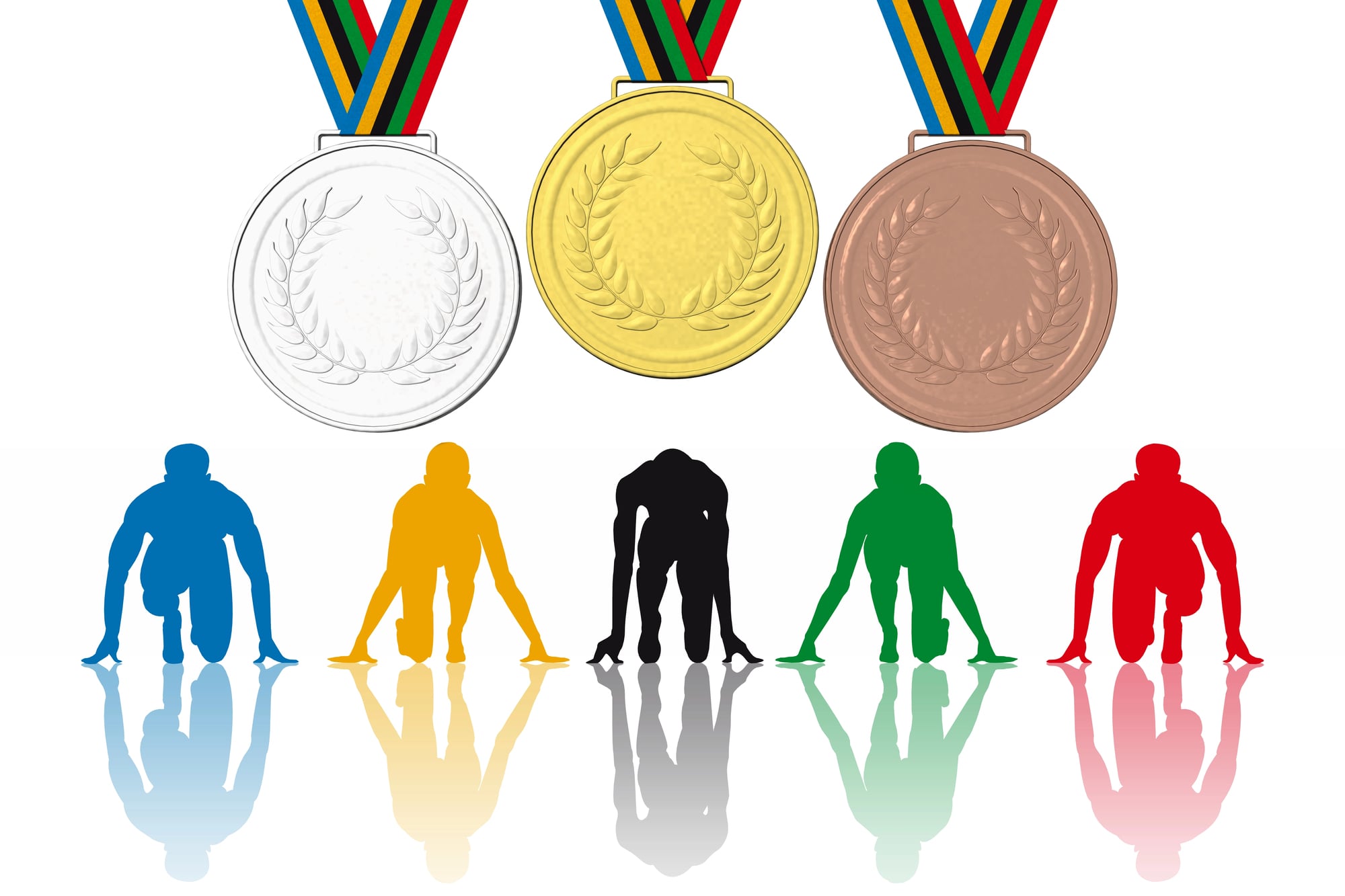
Out here, effort turned into history – each race, each leap a step past old limits. Not every win came easy; most arrived after long stretches of silence, early mornings, bodies pushed beyond comfort.
Even as time moves on and fresh names rise, some performances stick around like echoes in an empty stadium. Talent matters, yes, but it was consistency under fire that carved their place.
What they did wasn’t just about standing on podiums – it shaped how future generations see what is achievable.
More from Go2Tutors!

- The Romanov Crown Jewels and Their Tragic Fate
- 13 Historical Mysteries That Science Still Can’t Solve
- Famous Hoaxes That Fooled the World for Years
- 15 Child Stars with Tragic Adult Lives
- 16 Famous Jewelry Pieces in History
Like Go2Tutors’s content? Follow us on MSN



