Celebrity Riders That Are Modest
Not many activities wear class so openly as horseback riding. Between custom saddles and gala events, it leans into grandeur without trying.
Though rooted in discipline, the spotlight usually favors glamour instead. Celebrities on horses? That lens magnifies – posture matters less than presentation.
Skill fades behind shine when fame meets field. What sticks isn’t effort, but elegance on display.
Still, that picture isn’t true everywhere. Some famous people ride differently – quietly, simply, sticking to old-school horsemanship.
Like regular riders, they arrive before dawn, muck out barns, work step by step, always putting the horse first. Their humility feels real, not staged.
From the way they sit in the saddle to their choice of words, simplicity runs deep. Look closely at how famous riders move – calm hands, quiet cues – and notice how different it feels when fame usually shouts louder than skill.
Stillness speaks volumes where flashiness might stumble.
Princess Anne
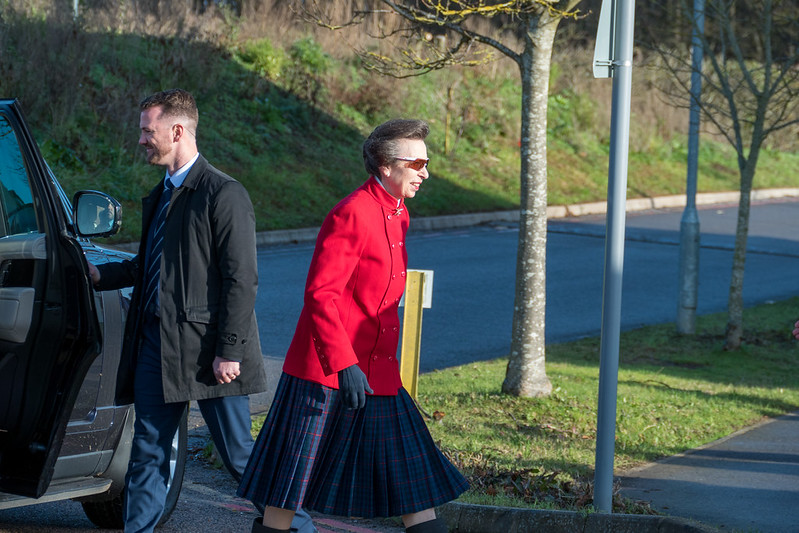
Princess Anne has long been regarded as one of the most credible equestrians ever associated with public life. Her competitive career was serious, sustained, and demanding, including participation at the highest international levels.
Riding was never framed as a ceremonial pastime, but as a discipline that required full commitment. What makes her approach enduringly modest is its consistency.
She favored functional presentation and straightforward horsemanship, even when expectations pushed toward grandeur. Her reputation within equestrian circles was earned through results and reliability rather than visibility.
That balance helped reinforce the idea that riding excellence does not need embellishment to be respected.
Kaley Cuoco

Kaley Cuoco represents a more modern version of modest celebrity riding. Despite a high-profile acting career, her equestrian life is defined by routine rather than display.
She trains regularly, competes seriously, and speaks candidly about the demands of horse care without romanticizing them. Her presence at the barn looks familiar to anyone who rides.
Practical clothing, early mornings, and long training days dominate the narrative. Even when she shares riding moments publicly, the focus remains on progress and partnership rather than presentation.
This grounded approach has earned quiet respect within riding communities that value effort over aesthetics.
Zara Tindall
Zara Tindall’s equestrian career stands on its own merits, separate from her public background. From a young age, her life revolved around training, competition, and the physical demands of eventing.
Success came through discipline rather than ceremony. What distinguishes her modesty is how little her riding identity relies on status.
Preparation and consistency define her public presence more than recognition. Even at peak moments of success, attention rarely shifted away from the horse or the process.
Among professionals, she is often cited as a rider whose credibility comes from dependability rather than visibility.
William Fox-Pitt
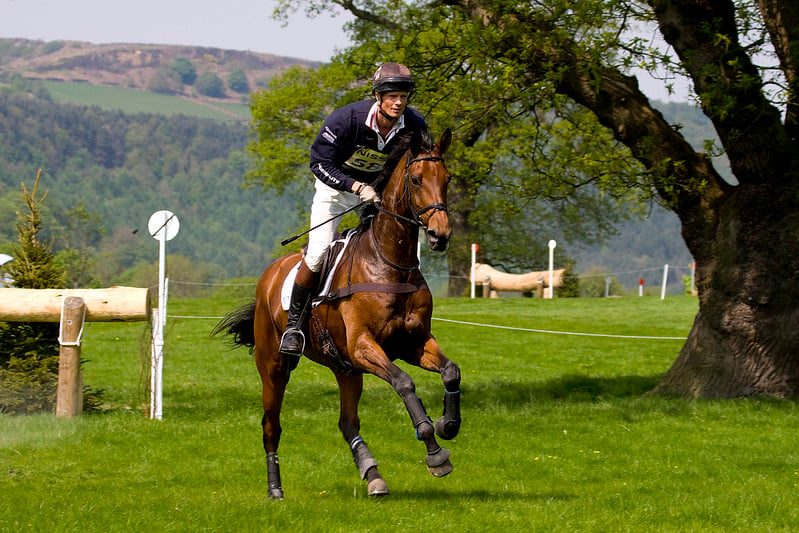
William Fox-Pitt is widely respected not just for his achievements, but for the manner in which he conducts himself. His approach to riding emphasizes patience, classical training, and long-term horse development.
Flash has never been central to his identity. Despite global recognition, he remains closely tied to the rhythms of stable life.
Training decisions are methodical, and public presence is measured. This quiet professionalism reinforces a broader equestrian principle: excellence does not require performance beyond the saddle.
His career offers a model of how sustained success and modest presentation can coexist.
Charlotte Dujardin
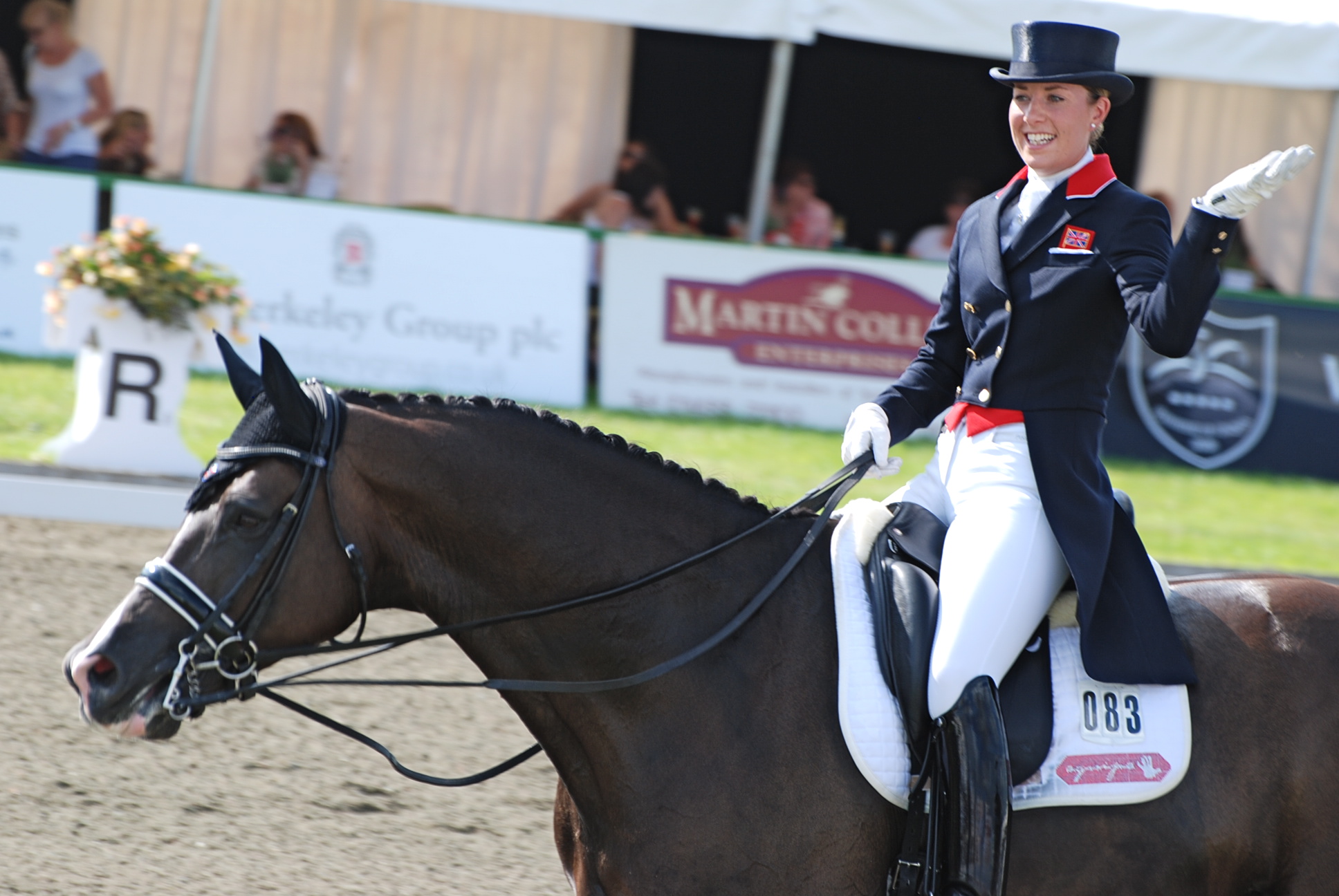
Charlotte Dujardin’s rise reshaped modern dressage, yet her demeanor has remained notably grounded. She often emphasizes fundamentals, repetition, and clarity over spectacle.
Riding, in her view, is about communication refined through time rather than dramatic flourish. Her modesty shows in how she frames success.
Progress is discussed in terms of partnership and learning rather than personal elevation. Equipment choices, training environments, and public commentary all reflect restraint.
This approach has helped demystify dressage, making it feel accessible without diminishing its complexity.
Riding As Daily Practice, Not Curated Identity
Across these riders, one theme appears repeatedly. Riding is treated as daily work rather than curated identity.
Horses require consistency, and modest riders accept that reality fully. Fame does not change feeding schedules, training cycles, or recovery time.
This mindset strips away the temptation to turn riding into a symbol. Instead, it becomes routine.
The barn is not a stage, but a workplace governed by repetition and responsibility. Within equestrian culture, this attitude carries far more weight than presentation ever could.
Equipment Choices That Reflect Restraint
Modesty often reveals itself through practical decisions. Equipment is selected for fit and function rather than visibility.
Saddles, bridles, and clothing reflect safety and comfort, not branding. These choices signal respect for the discipline.
They suggest that riding is not being used to reinforce status. Instead, it is approached as a craft with established standards.
Riders who prioritize function over appearance tend to be taken seriously by peers who understand the demands involved.
Language That Centers The Horse
Another consistent trait among modest celebrity riders is how they speak about their horses. Language focuses on partnership, learning, and responsibility.
Achievements are framed as shared outcomes rather than personal triumphs. This shift matters.
When attention stays on the horse, excess fades naturally. Modesty becomes an outcome of values rather than a deliberate pose.
It reinforces the idea that riding is relational, not individual, and that progress depends on trust built quietly over time.
Managing Visibility Without Spectacle
Public attention is unavoidable for celebrities, but how it is handled makes a difference. Modest riders tend to keep their equestrian lives integrated rather than amplified.
Riding is acknowledged, not showcased. Interviews and appearances reflect technical understanding rather than image-building.
This keeps the focus on the discipline itself. By avoiding exaggeration, these riders protect both their credibility and the integrity of the sport.
The Influence Of Traditional Equestrian Culture
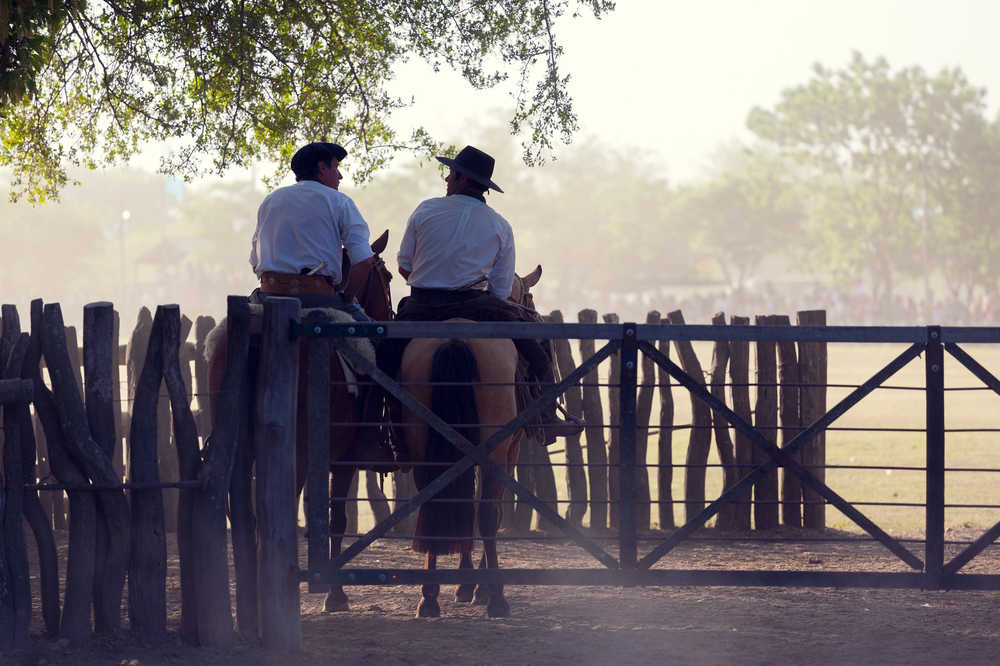
Equestrian sport has long valued understatement. Historically, competence spoke louder than display.
These values persist strongly in riding communities, even as broader culture shifts toward visibility. Celebrities who ride modestly often align instinctively with these traditions.
They adopt norms that predate public recognition, reinforcing continuity rather than disruption. This alignment explains why such riders are often embraced quietly by professionals rather than celebrated loudly by outsiders.
Why Modesty Builds Trust
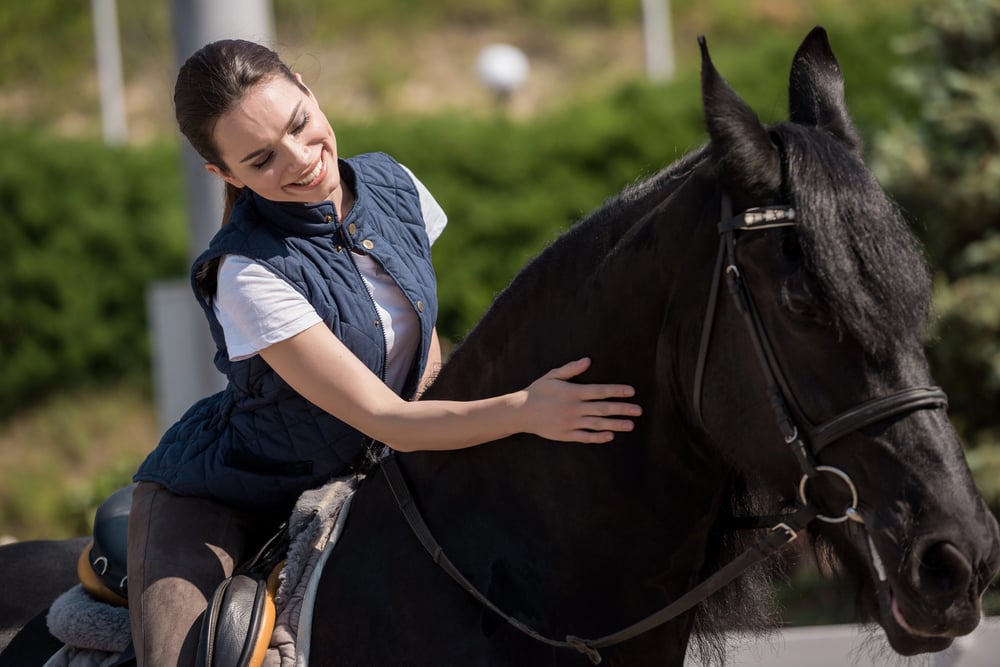
Trust is essential in equestrian environments. Horses respond to consistency, and so do people.
Modest riders tend to earn trust more quickly because their intentions appear clear. Riding is not a performance, but a responsibility.
Within barns and competition settings, this trust matters more than reputation. Riders who show up prepared, respectful, and focused are valued regardless of public identity.
Modesty accelerates acceptance by removing unnecessary signals.
A Contrast With Spectacle-Driven Riding
The contrast becomes clearer when modest riding is set against spectacle-driven approaches. Riding framed primarily as an image often emphasizes aesthetics over substance.
Training becomes secondary to presentation. Modest riders reverse that equation.
Preparation comes first. Visibility follows incidentally, if at all.
This inversion preserves the discipline’s core values and prevents riding from becoming a decorative accessory.
How Age And Experience Shape Restraint
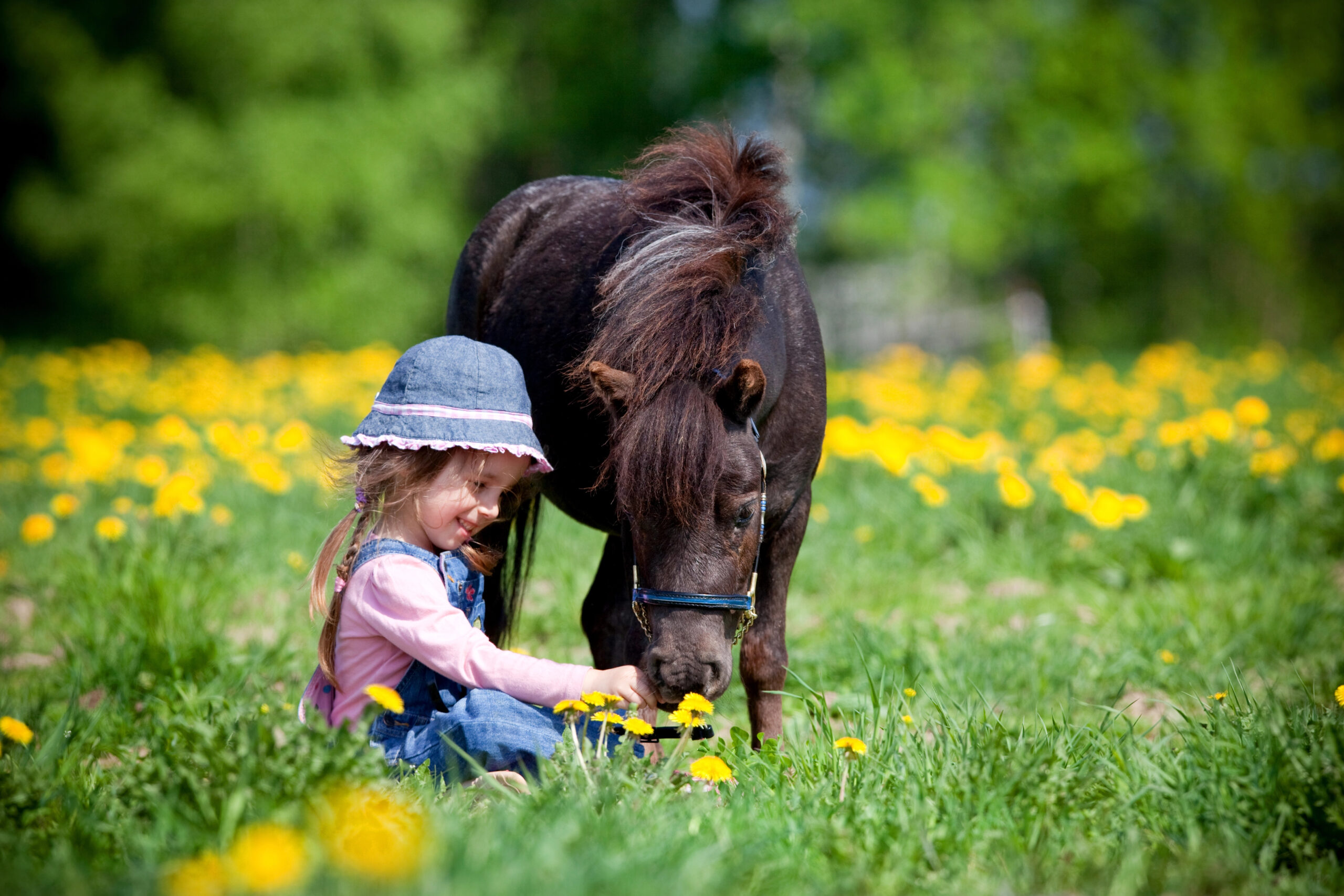
Many modest celebrity riders began young or were deeply embedded in riding culture before public recognition intensified. Early exposure to structured training reinforces humility.
Progress depends on instruction and feedback rather than affirmation. This foundation often carries forward.
Even as public attention grows, habits formed early remain intact. Modesty, in this sense, is not cultivated later.
It is preserved.
The Emotional Grounding Of Riding
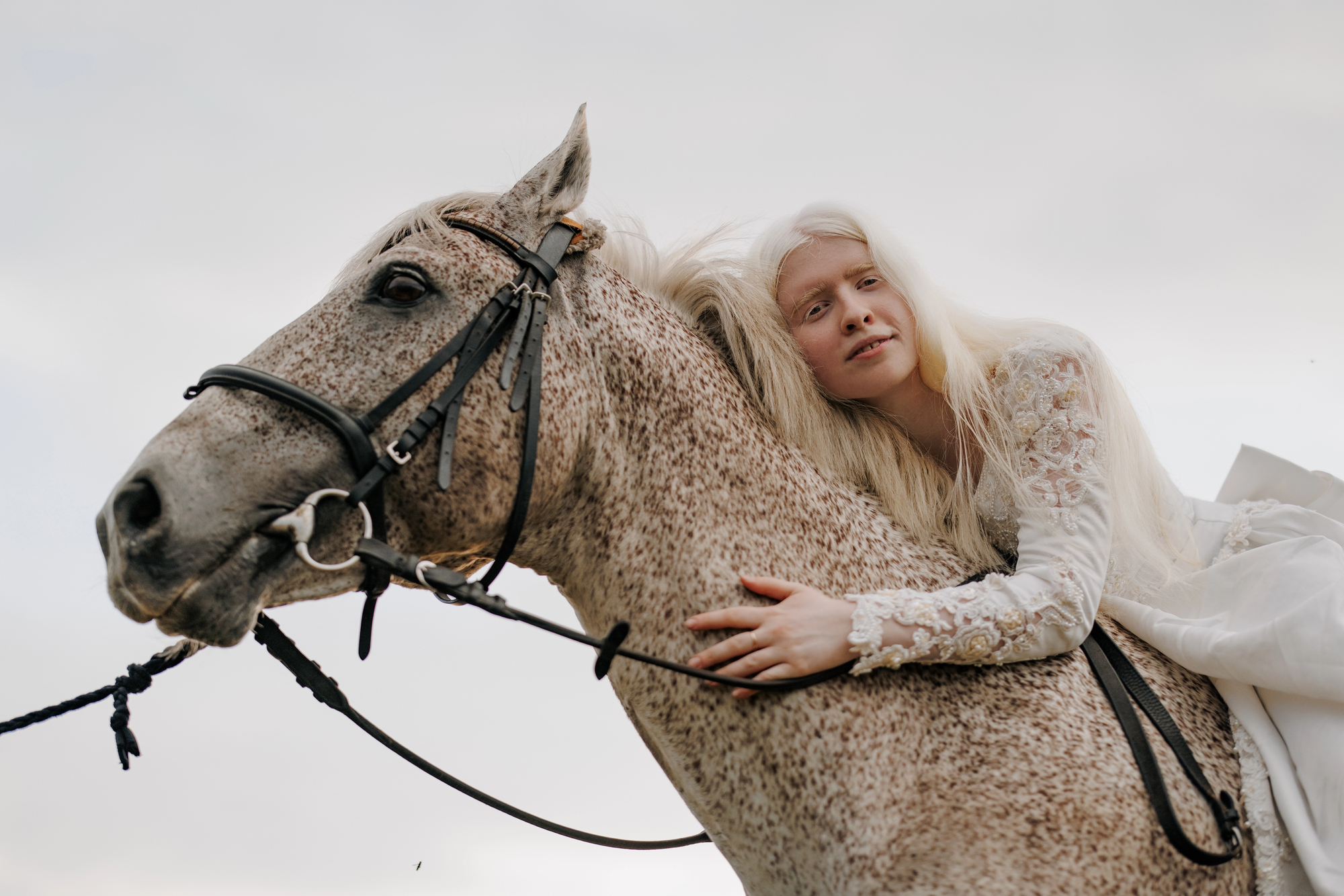
Riding offers a stabilizing rhythm that contrasts sharply with public life. Horses demand presence and patience.
There is little room for abstraction or performance when managing another living being. For celebrities, this grounding effect is significant.
Modest riders often describe riding as a place where external identity dissolves. The horse responds to clarity, not status.
That dynamic encourages restraint naturally.
Why Modest Riding Resonates Publicly
Interestingly, modest riding resonates beyond equestrian circles. Audiences often respond positively to restraint because it feels authentic.
There is relief in seeing public figures engage deeply with something without exaggeration. This resonance does not rely on admiration alone.
It reflects a broader desire for credibility in a culture saturated with performance. Modest riding offers a counterpoint that feels steady and believable.
What This Says About Modern Celebrity Culture
A few well-known athletes stay surprisingly low-key, which throws off common ideas about stardom and indulgence. Just because someone is seen often doesn’t mean their involvement gets warped.
Even when famous people join in, certain activities hold onto their original shape. Somehow, riding sticks around as one thing you can’t rush.
The effort needed blocks any quick fixes. Staying humble shifts from preference to necessity if you keep going.
This stubbornness keeps the practice honest.
Why It Still Matters
A handful of familiar riders prove balance isn’t lost so easily. Fame arrives, still some talents hold ground without cracking.
Under bright lights, horsemanship bends but does not break when handled with care. New hands grip the reins, though the rhythm rides on untouched.
This changes the way folks view the game. Not noise, but quiet work builds real progress.
Even without eyes on them, riders arrive every time. More valuable than a prize? The long wait.
Lasting things hide not in bright moments, yet inside routines.
More from Go2Tutors!

- The Romanov Crown Jewels and Their Tragic Fate
- 13 Historical Mysteries That Science Still Can’t Solve
- Famous Hoaxes That Fooled the World for Years
- 15 Child Stars with Tragic Adult Lives
- 16 Famous Jewelry Pieces in History
Like Go2Tutors’s content? Follow us on MSN.