17 Festivals Banned for Being Too Wild
Throughout history, festivals have been a way for people to celebrate, let loose, and sometimes push boundaries a little too far. While most festivals wrap up with nothing more than tired feet and good memories, some have crossed the line from wild fun into genuine chaos.
These events either faced outright bans from authorities, were cancelled mid-event due to safety concerns, or became so notorious that they were never allowed to happen again. Here is a list of 17 festivals that authorities deemed too dangerous, too wild, or simply too much trouble to continue.
Altamont Free Concert
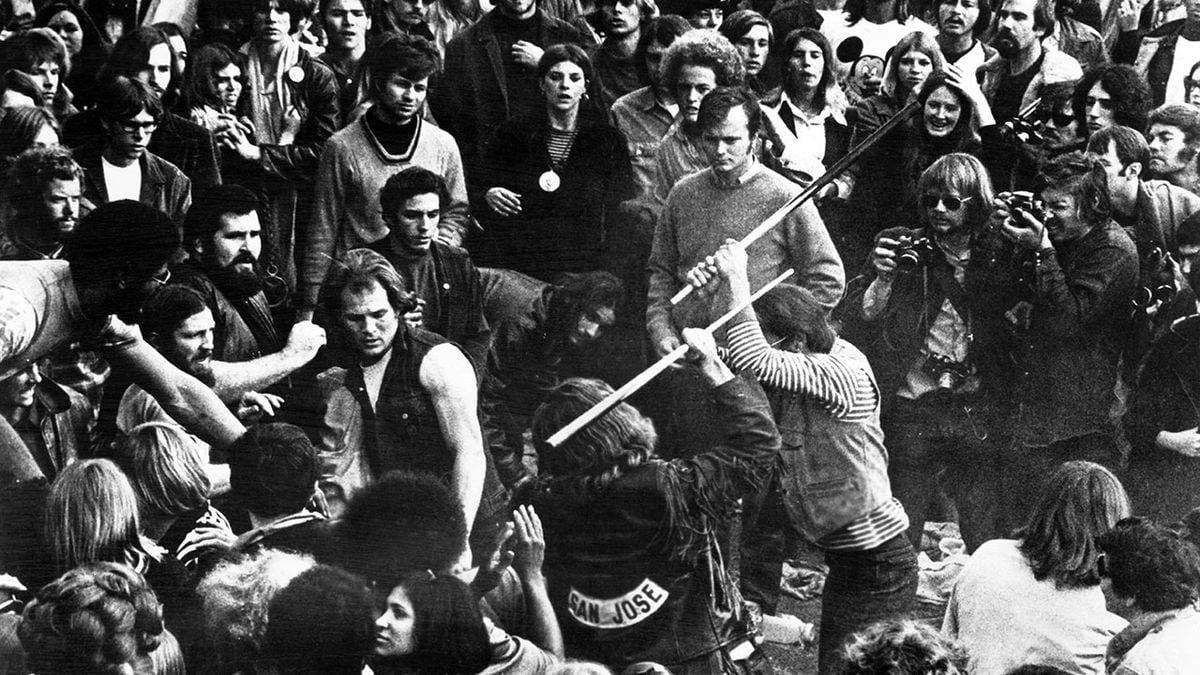
The 1969 Altamont music festival ended in tragedy when a Hells Angel biker stabbed an 18-year-old concertgoer to death during the Rolling Stones’ set. The event was meant to be a free concert celebrating the end of the Stones’ tour, but poor planning and the decision to use Hells Angels as security created a recipe for disaster.
The violence that erupted that December day effectively killed the dream of the peaceful counterculture movement and marked the end of an era.
Woodstock ’99
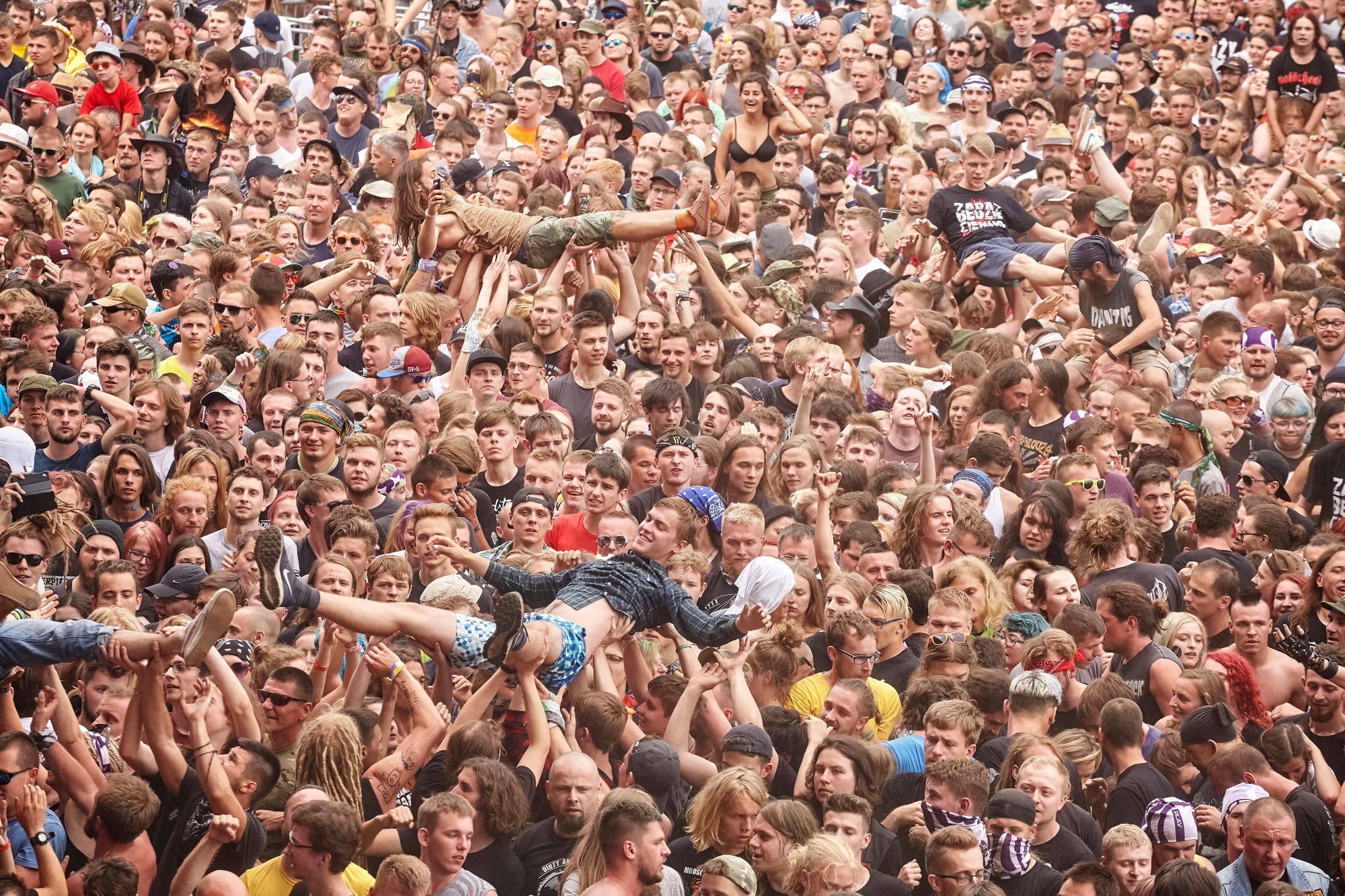
While the original Woodstock embodied peace and love, its 1999 revival turned into a nightmare of riots, fires, and widespread mayhem. The festival devolved into chaos 25 years ago due to riots, fires set by fans and assaults, with attendees literally tearing down vendor booths and setting them ablaze.
The event became so synonymous with festival disasters that it’s still used as a cautionary tale today about what happens when crowd control goes wrong.
Like Go2Tutors’s content? Follow us on MSN.
Fyre Festival

Billy McFarland’s luxury festival in the Bahamas became the poster child for festival fraud when it collapsed in spectacular fashion in 2017. Attendees arrived to find disaster relief tents instead of luxury accommodations, cheese sandwiches instead of gourmet meals, and absolute chaos instead of a curated experience.
The festival was shut down immediately, and McFarland ended up in federal prison for fraud.
Love Parade 2010
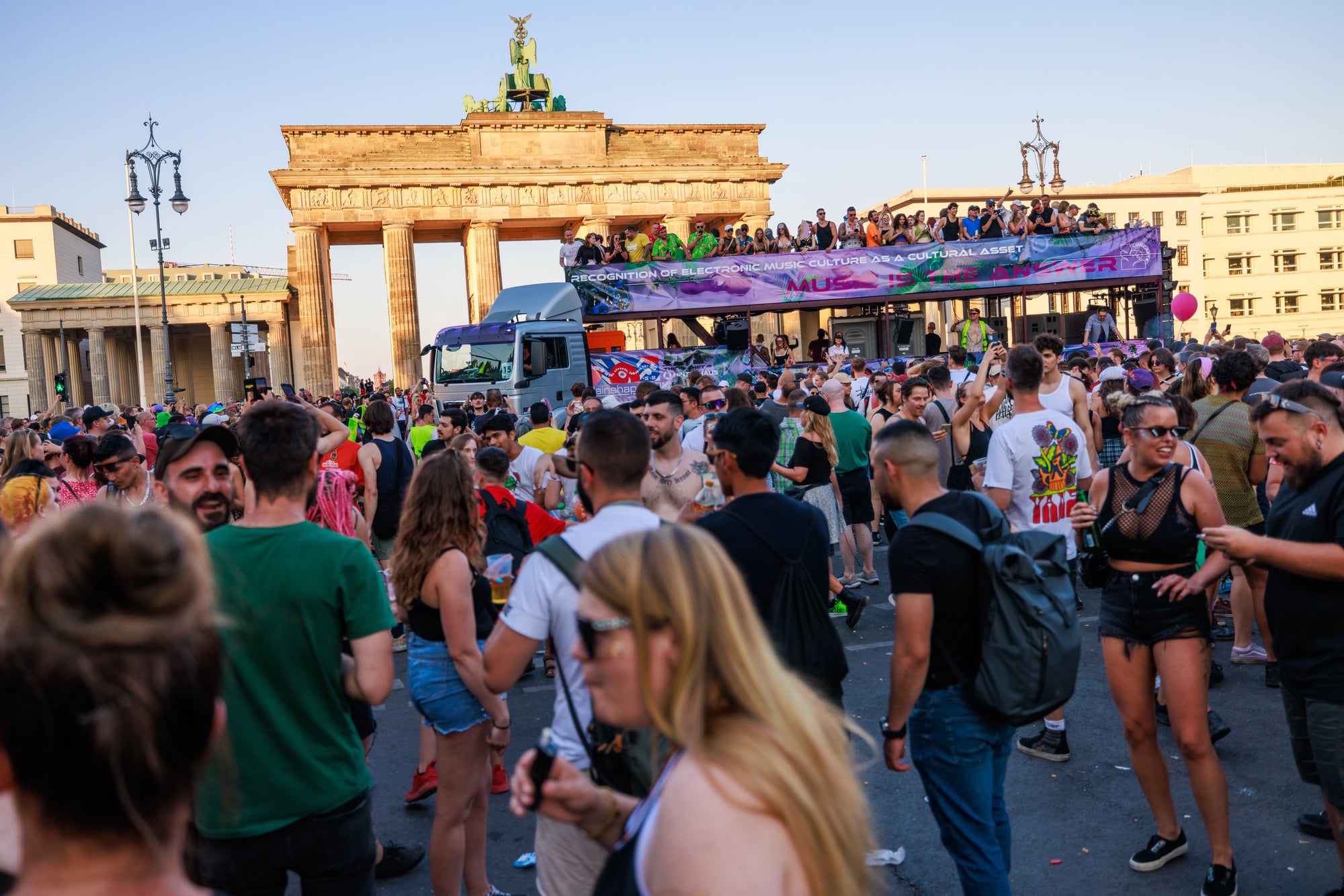
Germany’s famous electronic music festival came to a permanent end after a crowd crush incident in Duisburg killed 21 people and injured over 500. The tragedy occurred when too many people were funneled through a narrow tunnel entrance, creating a deadly bottleneck.
Authorities banned the event from ever taking place again, and the Love Parade brand was retired out of respect for the victims.
Gathering of the Juggalos (Various Years)
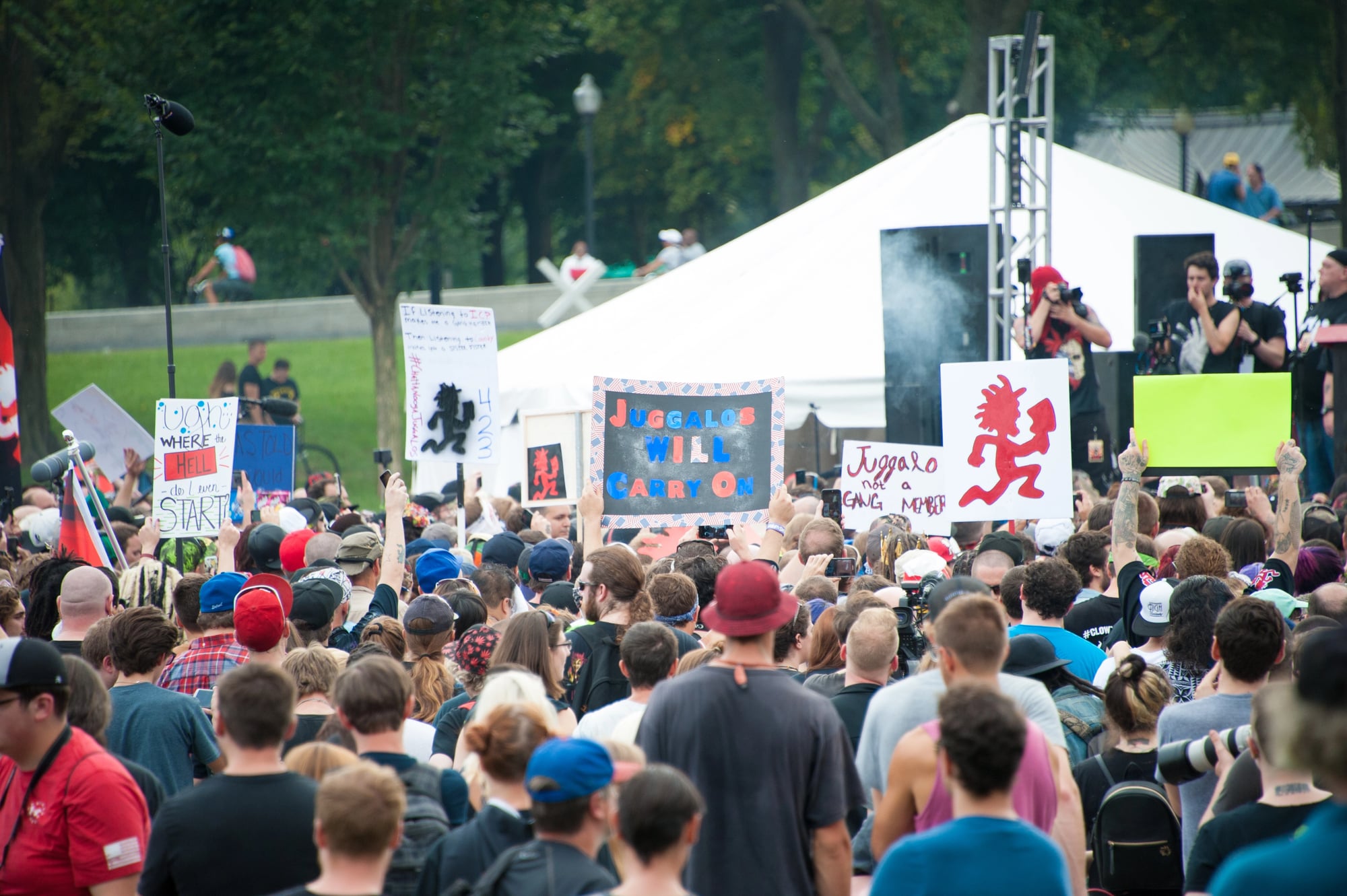
The annual festival for fans of Insane Clown Posse has faced multiple shutdowns and relocations due to incidents involving violence, drug trafficking, and public safety concerns. Several venues have refused to host the event after experiencing property damage and legal issues.
While not permanently banned, the Gathering has been kicked out of multiple states and venues over the years.
Like Go2Tutors’s content? Follow us on MSN.
Donington Monsters of Rock 1988
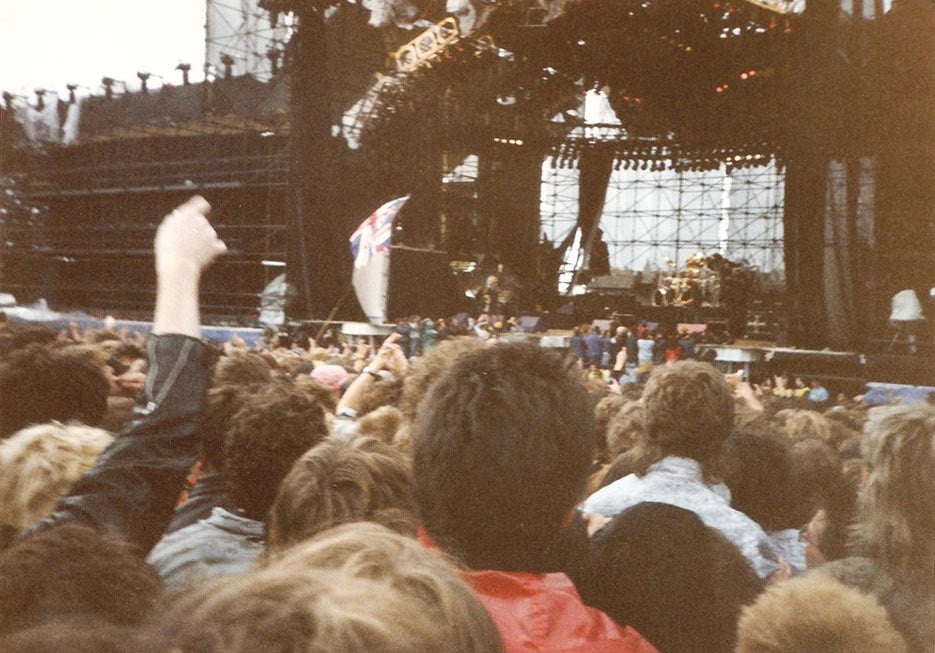
This heavy metal festival in England was banned after two fans were crushed to death during Guns N’ Roses’ performance. The crowd surge during ‘Welcome to the Jungle’ created a deadly situation that festival organizers couldn’t control.
While the Monsters of Rock brand continued elsewhere, the Donington venue banned the festival format permanently due to safety concerns.
Bay Area Music Festival 1969
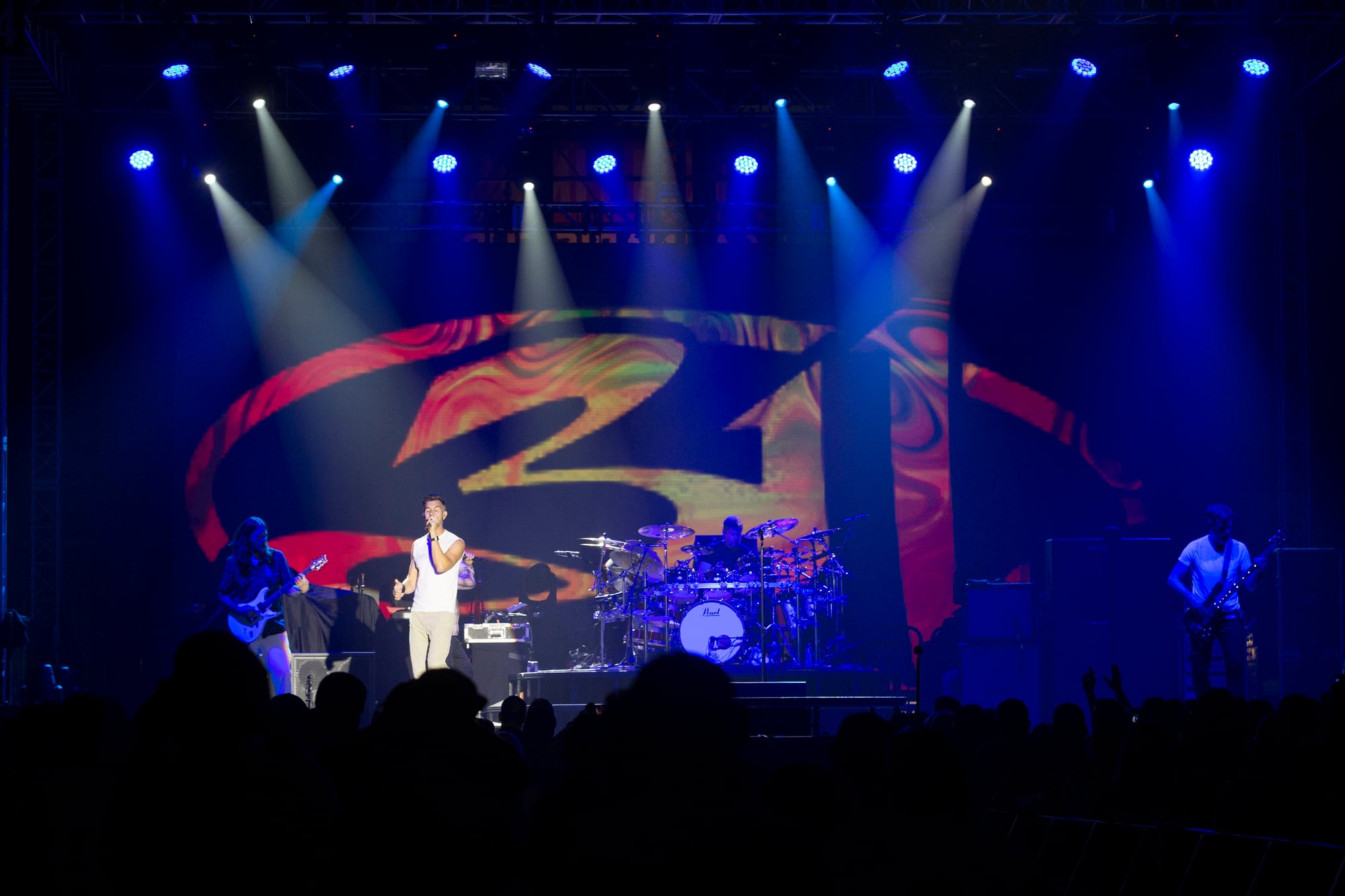
Just months before Altamont, this California festival was shut down by police after violent clashes between attendees and law enforcement. The event, which was supposed to showcase local bands, turned into a battleground when authorities tried to shut it down early due to overcrowding.
The heavy-handed police response and resulting riots led to the festival being permanently banned from the venue.
Hultsfred Festival (Final Years)
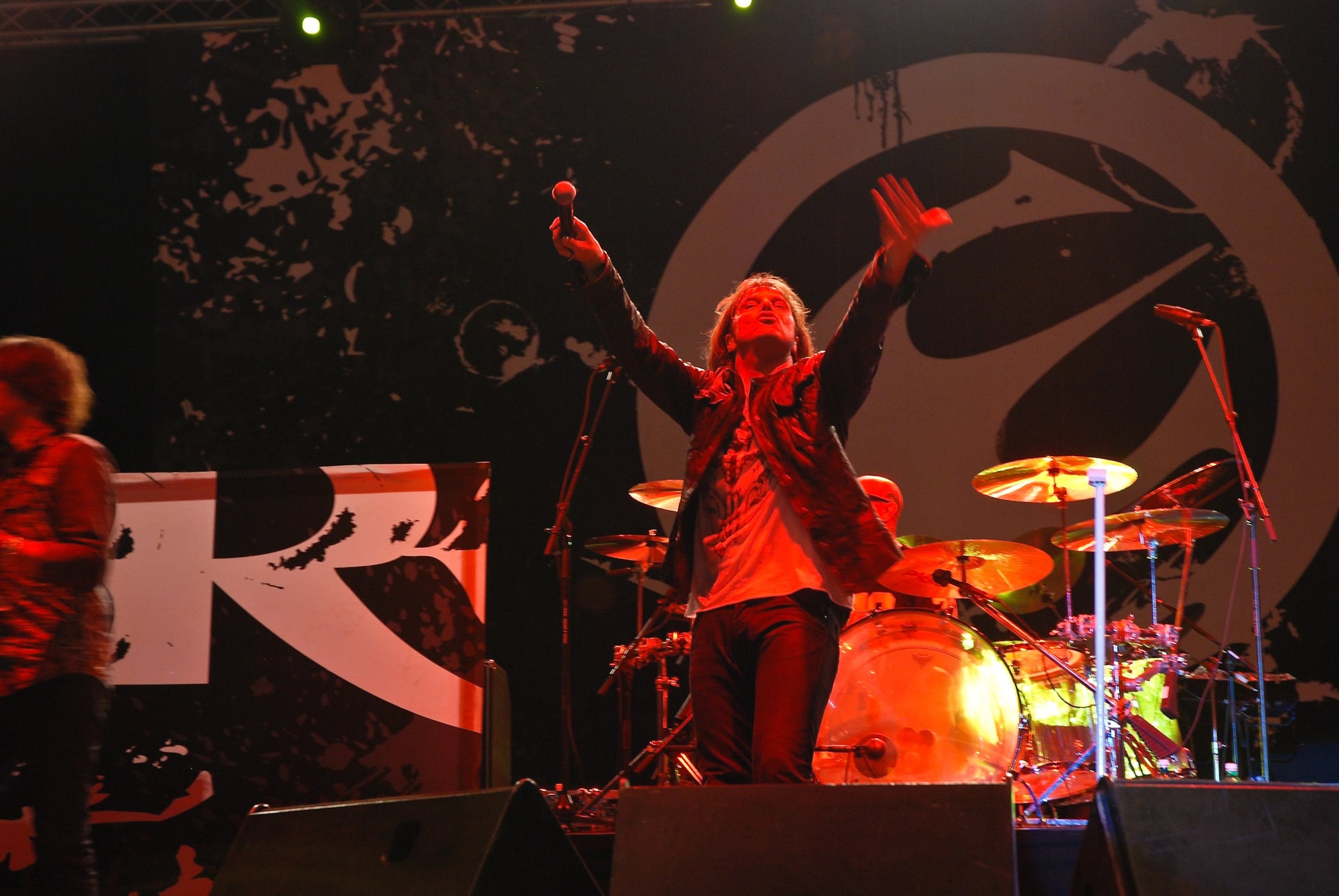
Sweden’s iconic rock festival was effectively banned from continuing after years of escalating violence, drug problems, and financial issues. Local authorities grew tired of dealing with the annual chaos and refused to grant permits for future events.
The festival died not from a single incident but from a death by a thousand cuts of problems that authorities decided they’d had enough of.
Like Go2Tutors’s content? Follow us on MSN.
Texas International Pop Festival 1970

This Dallas-area festival was shut down by police and never allowed to return after three days of riots, drug arrests, and violent confrontations. The event, which featured major acts like Led Zeppelin and B.B. King devolved into chaos when authorities tried to enforce drug laws.
The combination of Texas heat, poor planning, and aggressive policing created a powder keg that exploded spectacularly.
Isle of Wight Festival 1970
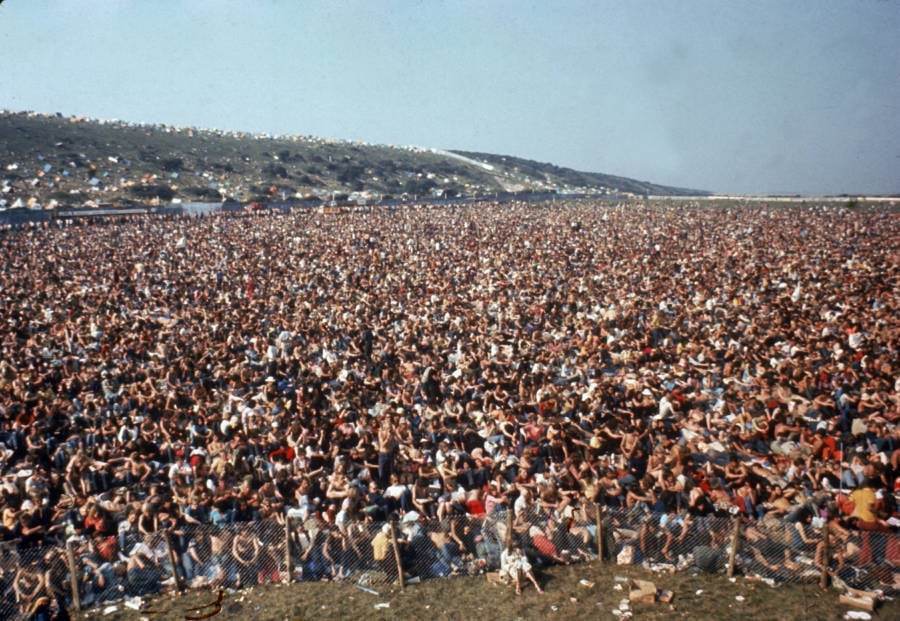
The final Isle of Wight Festival of the original era was effectively banned after becoming a free festival when hundreds of thousands of people broke down the fences. The event was supposed to be the UK’s answer to Woodstock but instead became a symbol of everything wrong with the festival scene.
Local authorities were so traumatized by the experience that they banned large gatherings on the island for decades.
Miami Pop Festival 1968

This Florida festival was shut down by authorities and banned from returning after attendees rioted over high ticket prices and poor conditions. The event, which was supposed to feature major psychedelic rock acts, turned into a disaster when fans stormed the gates and began destroying property.
The combination of angry fans and overwhelmed security created a situation that police deemed too dangerous to allow again.
Like Go2Tutors’s content? Follow us on MSN.
Fantasy Fair and Magic Mountain Music Festival

California’s attempt at creating a West Coast Woodstock was banned after the 1967 event descended into chaos with rampant drug use and violence. Local authorities cited public safety concerns and refused to grant permits for future events.
The festival’s legacy is more about what went wrong than the music that was played.
Phun City Festival 1970
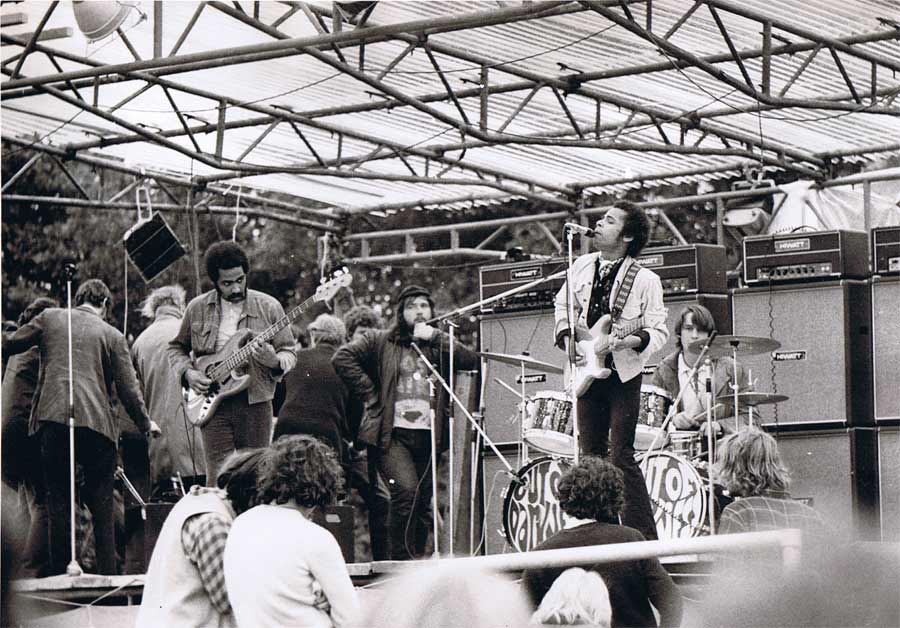
This UK festival was banned after just one year when it became notorious for drug dealing, violence, and public disorder. The event was supposed to be a counterculture celebration but instead became a magnet for criminals and troublemakers.
Local authorities decided one year was enough and refused to allow it to return.
Human Be-In (Various Iterations)
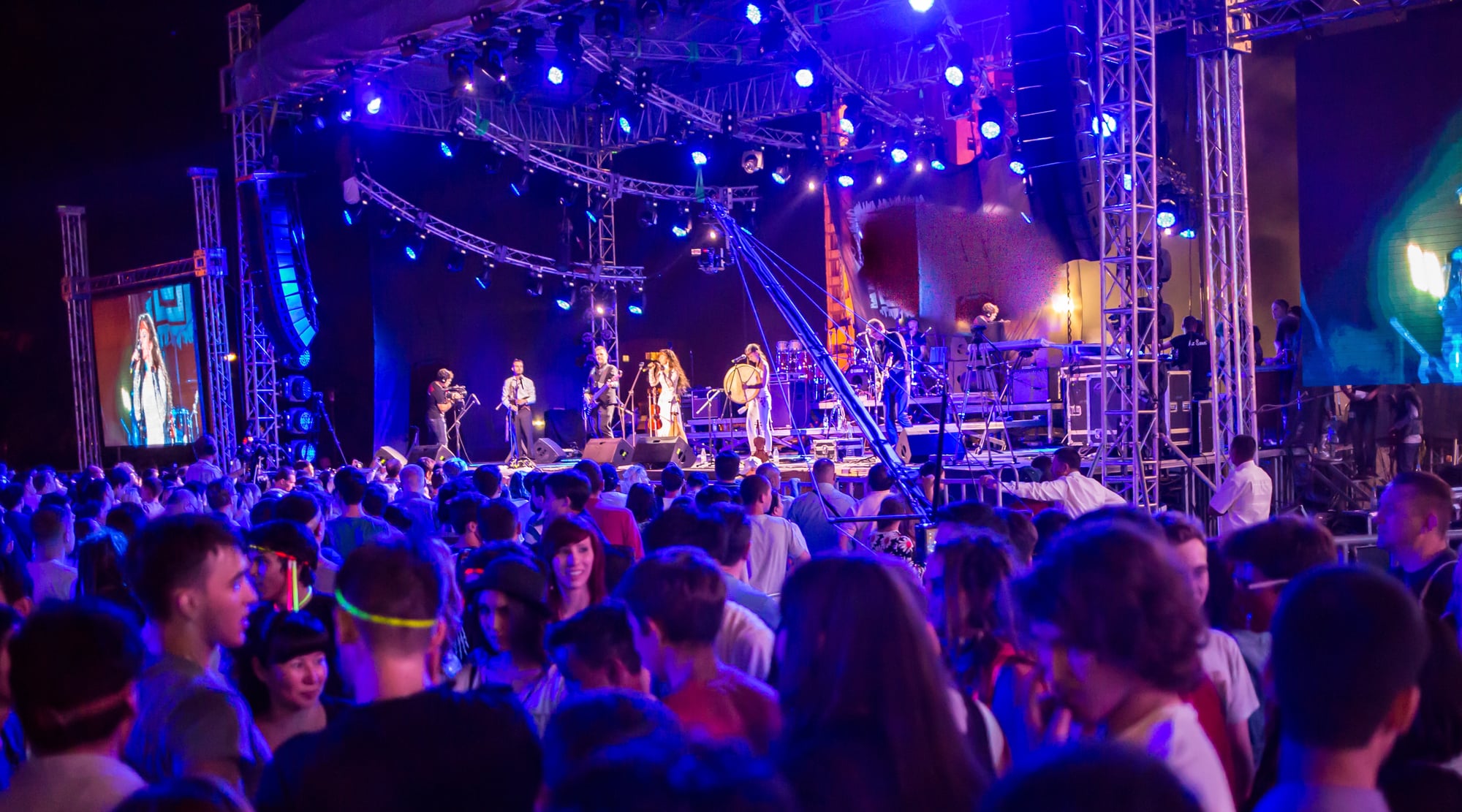
While the original 1967 San Francisco Human Be-In was peaceful, later attempts to recreate it were banned by authorities due to concerns about drug use and public safety. Cities across the country began banning ‘Be-In’ style gatherings after they became associated with drug culture and civil unrest.
The concept itself became too hot for most municipalities to handle.
Like Go2Tutors’s content? Follow us on MSN.
Powder Ridge Rock Festival

This 1970 Connecticut festival was banned by court order before it even began, but thousands showed up anyway creating a chaotic three-day gathering. Authorities had cancelled the event due to safety concerns, but attendees came regardless, leading to a surreal situation of a banned festival happening anyway.
The state of Connecticut subsequently banned large outdoor music festivals for years.
Atlanta International Pop Festival 1970
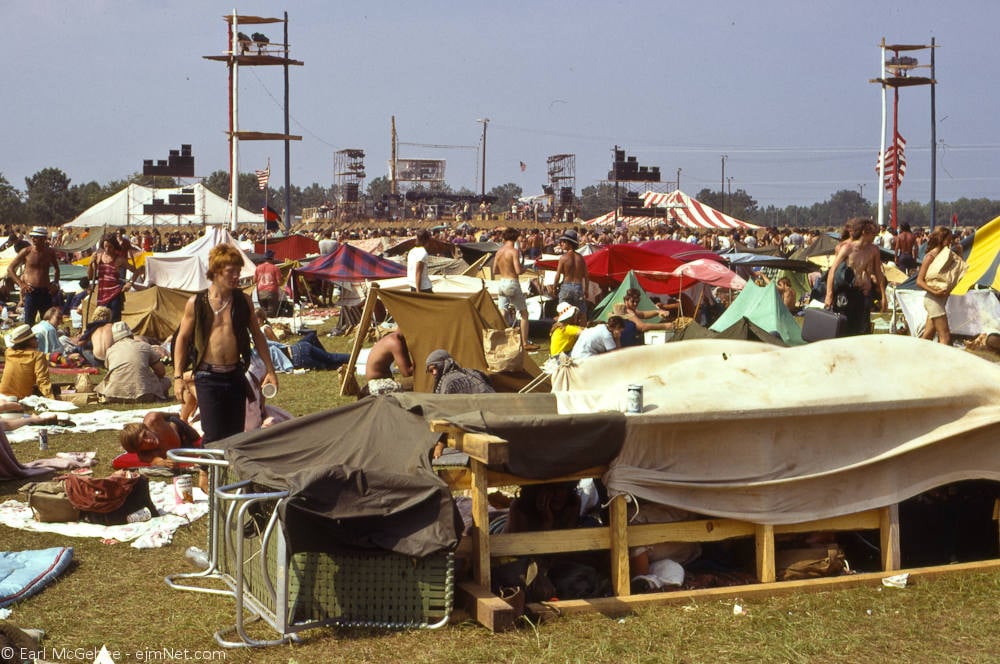
The second iteration of this Georgia festival was banned after the 1970 event resulted in massive property damage and public safety issues. While the music was good, the logistics were a disaster, with inadequate facilities for the huge crowd that showed up.
Local authorities decided they’d rather not deal with the headaches again.
Cincinnati Pop Festival

This Ohio festival was banned after its brief run in the early 1970s due to drug-related incidents and public disorder. The event couldn’t escape the shadow of other festival disasters and became a victim of the growing backlash against large outdoor concerts.
Cincinnati authorities decided the risks outweighed any potential benefits to the community.
Like Go2Tutors’s content? Follow us on MSN.
When the Music Dies
These banned festivals represent more than just failed events; they’re markers of cultural moments when celebration crossed into chaos. The violence that occurred reflects broader societal tensions that festivals couldn’t escape, turning what should have been joyful gatherings into cautionary tales.
While today’s festivals have learned from these disasters with better security, improved logistics, and stricter safety protocols, these events serve as reminders that sometimes the party really can go too far. The legacy of these banned festivals lives on not in nostalgia, but in the lessons they taught about crowd control, event planning, and the responsibility that comes with bringing thousands of people together in the name of music and fun.
More from Go2Tutors!

- 18 Unexpectedly Valuable Collectibles You Might Have Lying Around
- 20 Little-Known Historical Battles That Had Huge Consequences
- 20 Historical Artifacts That Scientists Can’t Explain
- 15 Inventions That Were Immediately Banned After Being Created
- 20 Actors Who Were Almost Cast in Iconic Roles
Like Go2Tutors’s content? Follow us on MSN.



