Influencers Who Became Movie Stars
The jump from social media to Hollywood used to seem impossible. Influencers made videos in their bedrooms, while movie stars worked with million-dollar budgets and famous directors.
But that wall came down faster than anyone expected, and now some of the biggest names in entertainment started by filming themselves with a phone camera. These transitions don’t always work out, and plenty of influencers crash and burn when they try to act.
Awkwafina
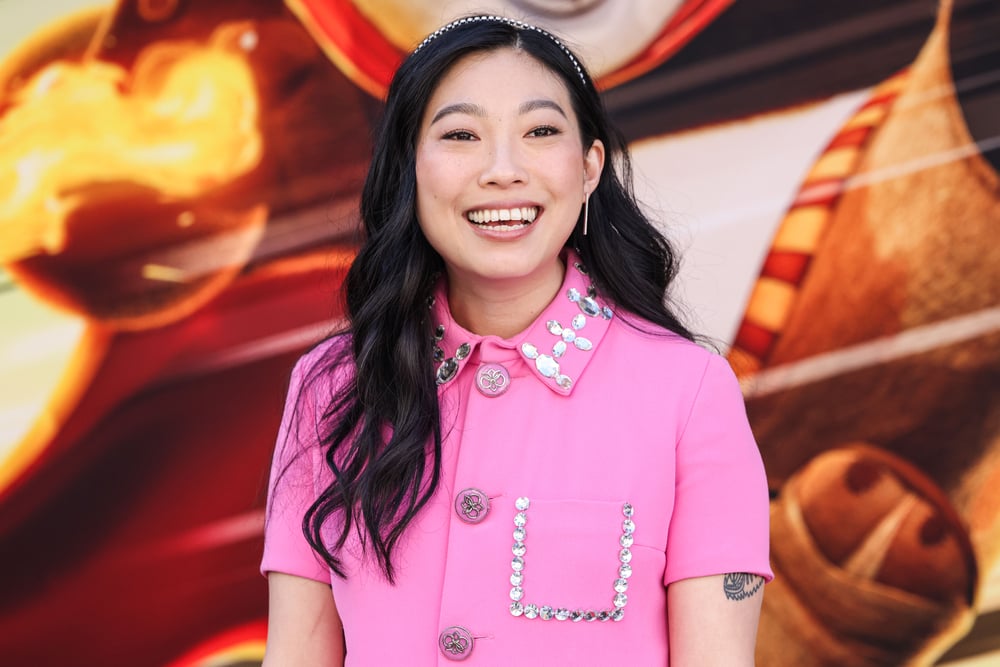
Nora Lum posted funny rap videos on YouTube under the name Awkwafina, and her raw humor caught millions of views. She didn’t polish her content or try to be perfect.
That rough edge made her stand out, and Hollywood noticed someone who could bring genuine personality to the screen. Her first major role came in ‘Ocean’s 8,’ where she held her own alongside established stars like Sandra Bullock and Cate Blanchett.
Then ‘Crazy Rich Asians’ turned her into a household name, and she became the first Asian American woman to win a Golden Globe for a lead actress role in a comedy. She proved that internet fame could translate into serious acting credentials when the talent backed it up.
Liza Koshy
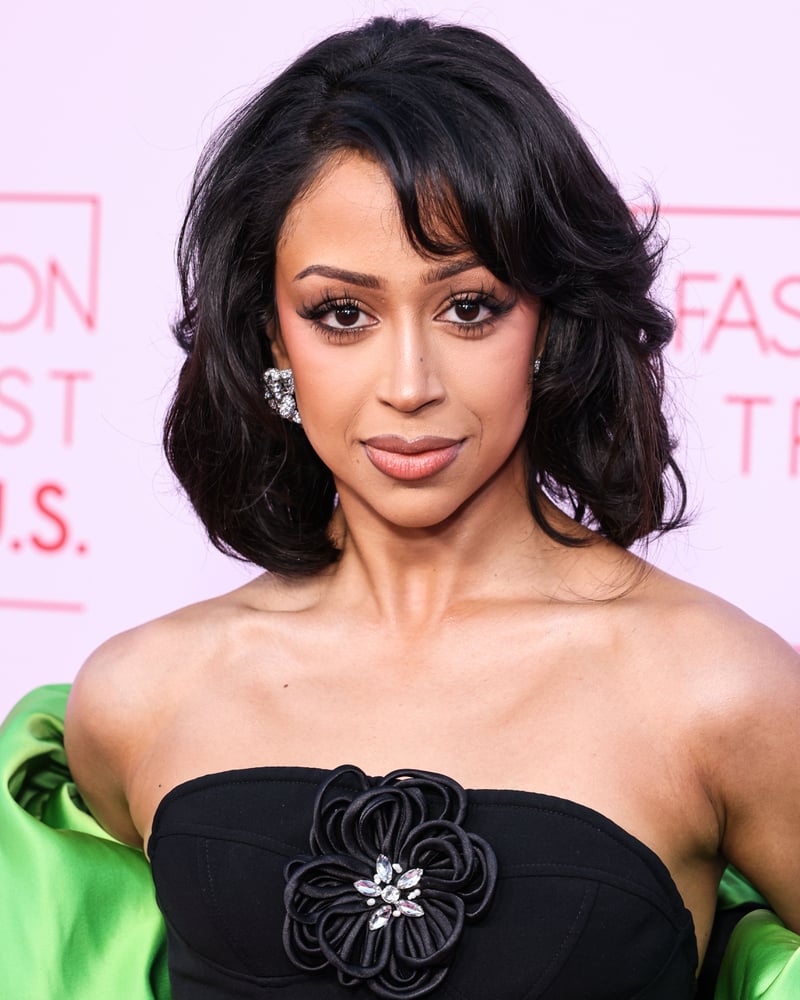
Liza Koshy built a massive following on Vine with six-second comedy clips that showed off her timing and energy. When Vine shut down, she moved to YouTube and kept growing instead of fading away like so many others.
Her acting career started with smaller roles, but she landed parts in ‘Boo! A Madea Halloween’ and the YouTube Premium series ‘Liza on Demand.’ She also hosted ‘Double Dare’ on Nickelodeon and appeared in shows like ‘Players’ on Paramount+.
Koshy’s success came from understanding that film and TV require different skills than social media, and she put in the work to learn them instead of expecting her follower count to do the heavy lifting.
Bo Burnham
Bo Burnham started posting comedy songs on YouTube when he was still in high school, and his smart, self-aware humor attracted millions of fans before he could legally drink. He transitioned to stand-up specials on Comedy Central and Netflix, where he kept evolving his style and taking bigger creative risks.
His directorial debut ‘Eighth Grade’ shocked critics who expected a vanity project from an internet personality, but instead got a deeply empathetic film about middle school anxiety. He wrote and directed ‘Inside’ during the pandemic, which won multiple Emmy awards and proved he could work in any format he chose.
Burnham never relied on his internet fame as a crutch—he used it as a starting point and kept pushing himself to create more challenging work.
Lilly Singh
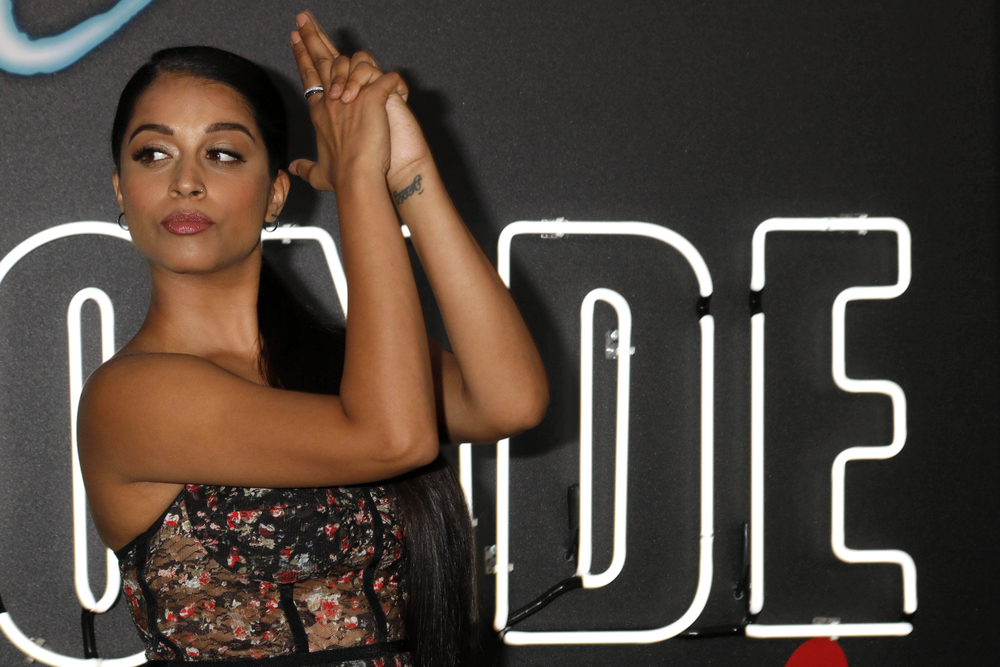
Lilly Singh created comedy videos on YouTube as ‘Superwoman’ and built one of the platform’s largest audiences through relatable sketches about her Indian-Canadian upbringing. She wrote a bestselling book, went on world tours, and eventually landed a late-night talk show on NBC.
Her acting roles included appearances in ‘Bad Moms’ and the HBO Max series ‘Dollface,’ where she played a supporting character with solid comic timing. Singh’s path shows how influencers can use their digital success to open doors in traditional entertainment, even if they don’t become leading actors.
She found her niche and worked within it instead of overreaching.
Logan Paul
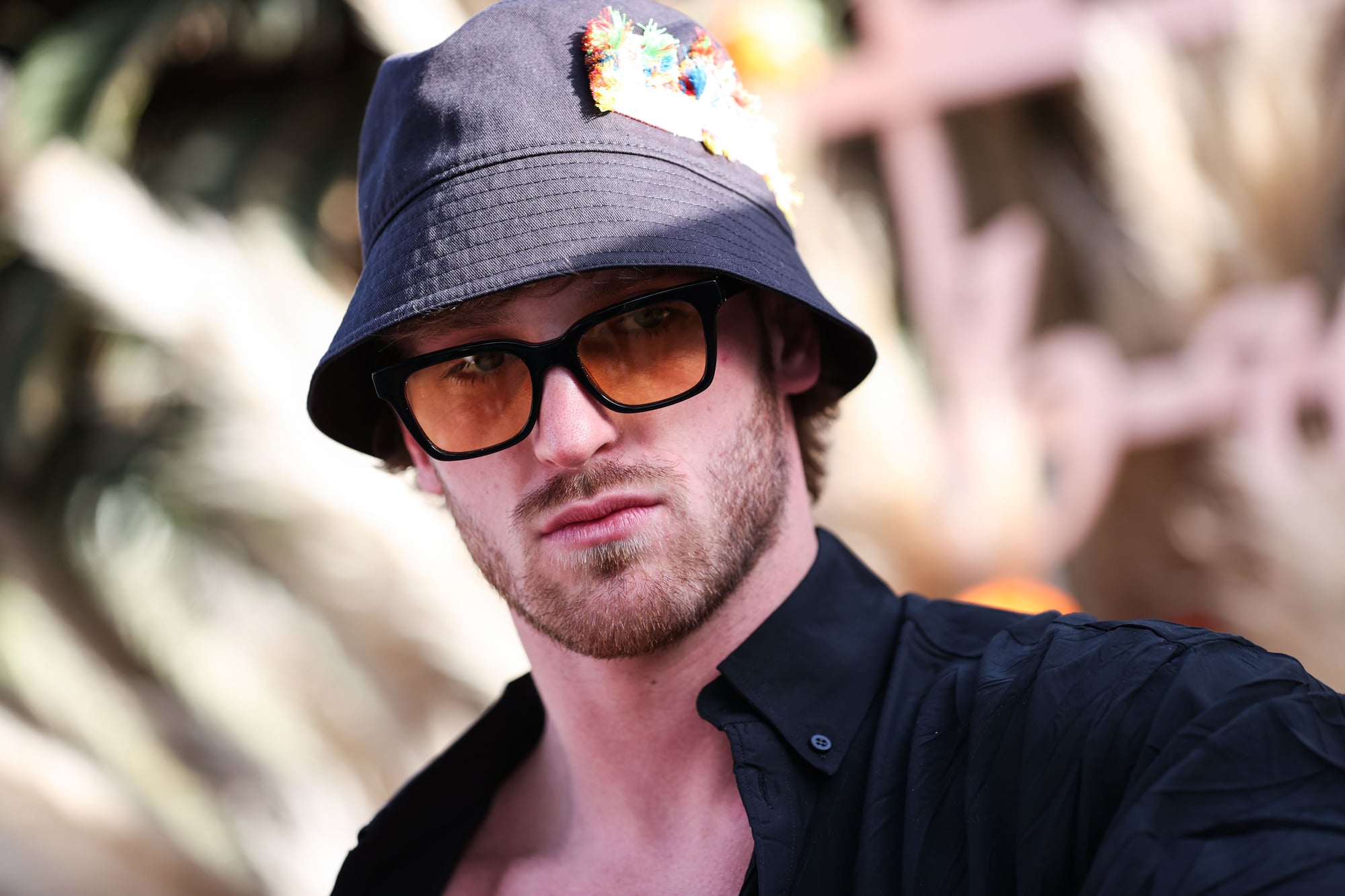
Logan Paul gained fame on Vine before moving to YouTube, where his vlogs attracted millions of subscribers despite constant controversy. His transition to entertainment went in an unexpected direction—professional wrestling and boxing rather than traditional acting.
He signed with WWE and has appeared in their major events, showing legitimate athletic ability and showmanship. Paul also had a small role in the film ‘Valley Girl’ and appeared in YouTube Premium’s ‘The Thinning’ series.
His path proves that influencer-to-entertainment transitions don’t have to follow the standard script, and building a personal brand can matter more than traditional acting skills.
Addison Rae
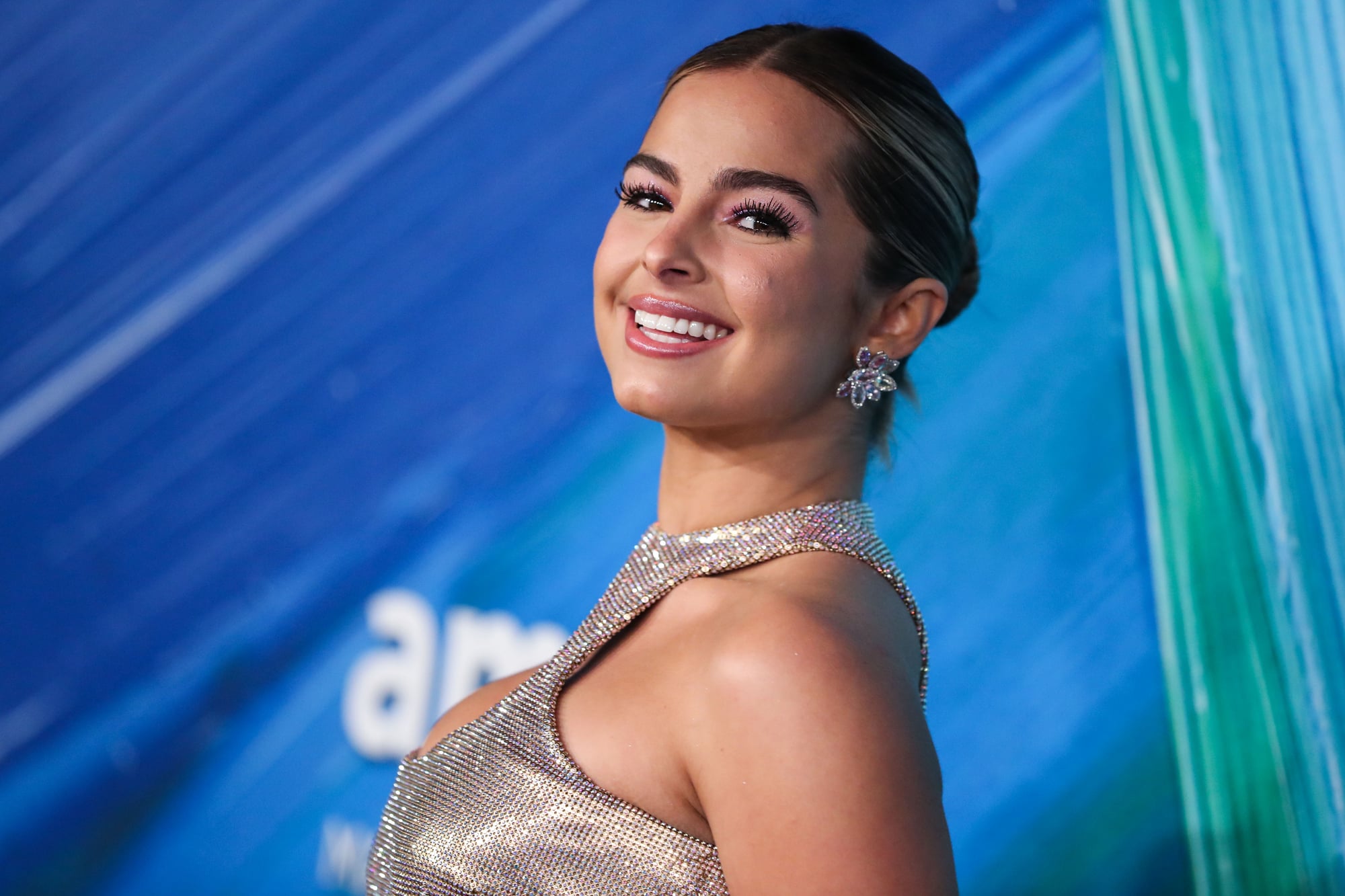
Addison Rae became famous on TikTok for dance videos, and skeptics assumed she’d disappear once the algorithm stopped favoring her. Instead, she landed the lead role in Netflix’s ‘He’s All That,’ a remake of the 90s classic ‘She’s All That.’
The movie got mixed reviews, but it performed well enough on the platform to prove her drawing power. She followed that with a role in the horror comedy ‘Thanksgiving,’ directed by Eli Roth, where she showed more range than critics expected.
Rae’s still early in her acting career, but she’s getting opportunities that most influencers never see, and she’s working with legitimate filmmakers instead of just cashing in on her social media fame.
Cameron Dallas
Cameron Dallas built his following on Vine with comedy sketches and collaborations with other creators in the platform’s early days. He transitioned to acting with the Netflix series ‘Chasing Cameron,’ which followed his life as an influencer trying to break into mainstream entertainment.
Dallas appeared in films like ‘The Outfield’ and ‘Expelled,’ though his movie career hasn’t reached the heights some expected. He’s focused more on modeling and his social media presence in recent years.
His journey shows that making the jump from influencer to actor takes more than just name recognition—the acting skills have to be there too.
Troye Sivan
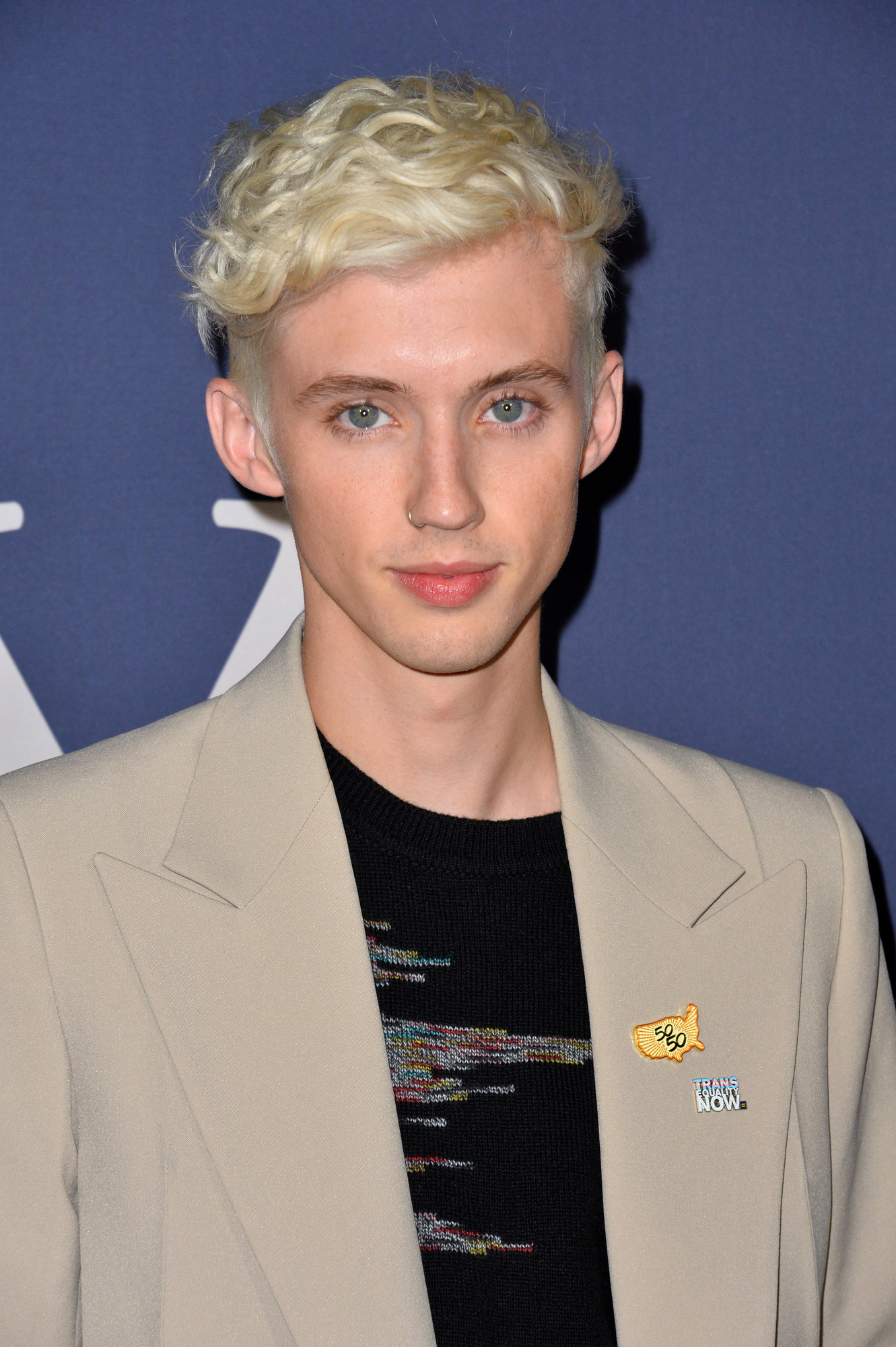
Troye Sivan started on YouTube making videos about his life and eventually came out to his audience in an emotional video that went viral. He transitioned to music and became a legitimate pop star with hits like ‘Youth’ and ‘My My My!’
His acting career began with a role in the ‘X-Men’ franchise as a young Wolverine, though just briefly. More recently, he starred in the HBO series ‘The Idol’ alongside The Weeknd and Lily-Rose Depp, playing a character that required real dramatic acting.
Sivan proves that influencers with multiple talents can use their platform to launch careers in different directions simultaneously.
Brittany Furlan
Brittany Furlan became the most followed woman on Vine before the platform shut down, creating comedy sketches that showed actual writing and character work. She appeared in films like ‘We Are Your Friends’ and ‘The Dirt,’ the Mötley Crüe biopic on Netflix.
Furlan’s acting career hasn’t exploded, but she’s maintained steady work and built a reputation as someone who takes the craft seriously. She married Mötley Crüe drummer Tommy Lee, which kept her in the public eye even as her acting roles stayed relatively small.
Her path shows that influencer success doesn’t guarantee movie stardom, but it can open doors for people willing to work for it.
Rudy Mancuso
Rudy Mancuso created musical comedy videos on Vine and YouTube, showing skills in music production, acting, and physical comedy. He worked with major brands and other influencers, building a following that appreciated his multi-talented approach.
His acting roles included appearances in YouTube Premium series and independent films where he could showcase his musical abilities. Mancuso recently starred in and directed ‘Música,’ a romantic musical comedy on Amazon Prime that drew from his own experiences with synesthesia.
The film proved he could handle a feature-length project as both an actor and filmmaker, not just a social media personality.
Colleen Ballinger
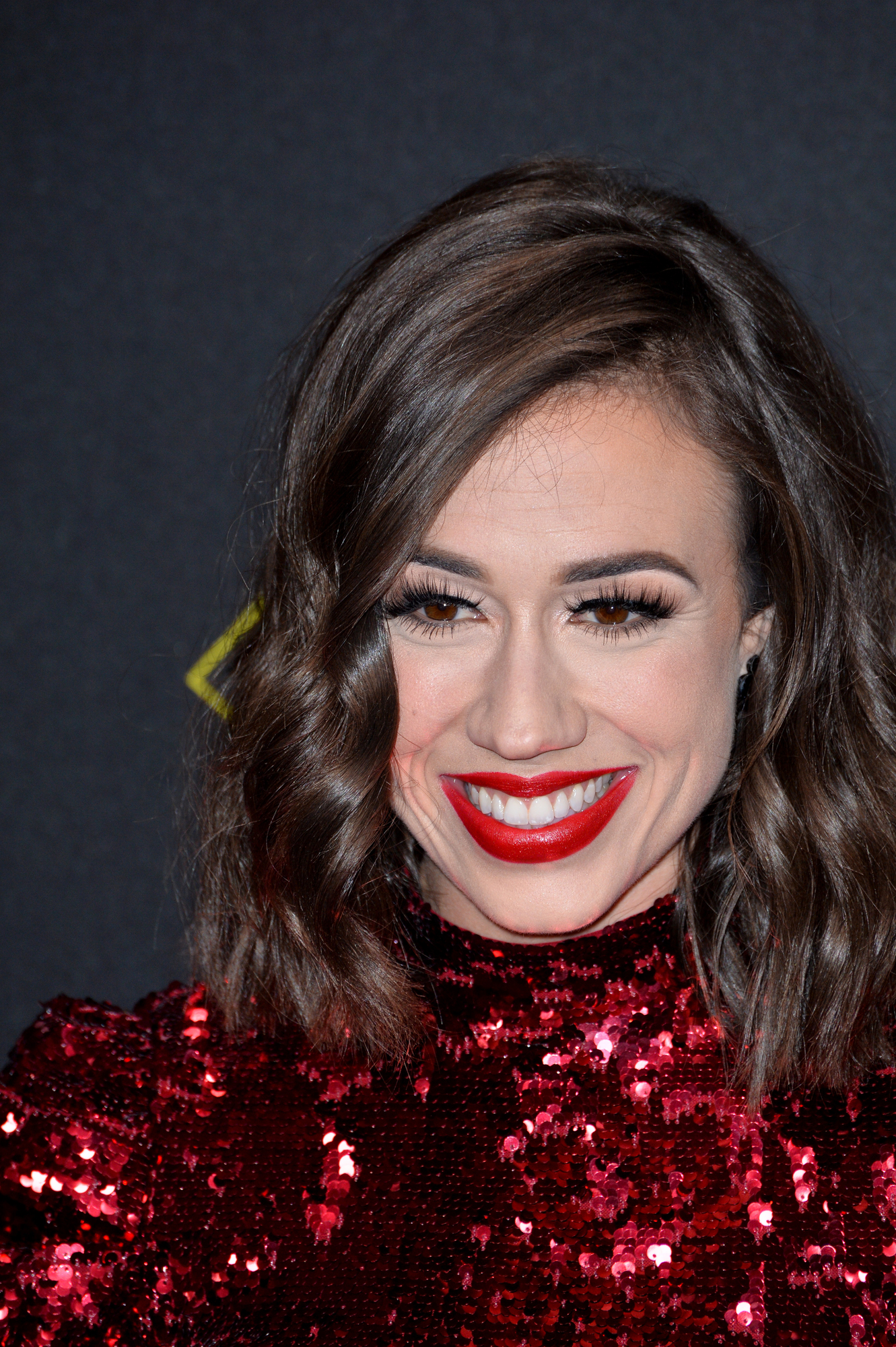
Colleen Ballinger created the character Miranda Sings on YouTube, an intentionally terrible singer with an oversized ego who became surprisingly popular. She turned that character into a Netflix series called ‘Haters Back Off,’ which ran for two seasons and showed she could sustain a character beyond short videos.
Ballinger also appeared on Broadway in ‘Waitress’ and toured with live shows featuring Miranda. Her career demonstrates how influencers can build entire entertainment properties around their online personas when they develop them fully enough.
Recent controversies have complicated her career, but her impact on the influencer-to-entertainment pipeline remains significant.
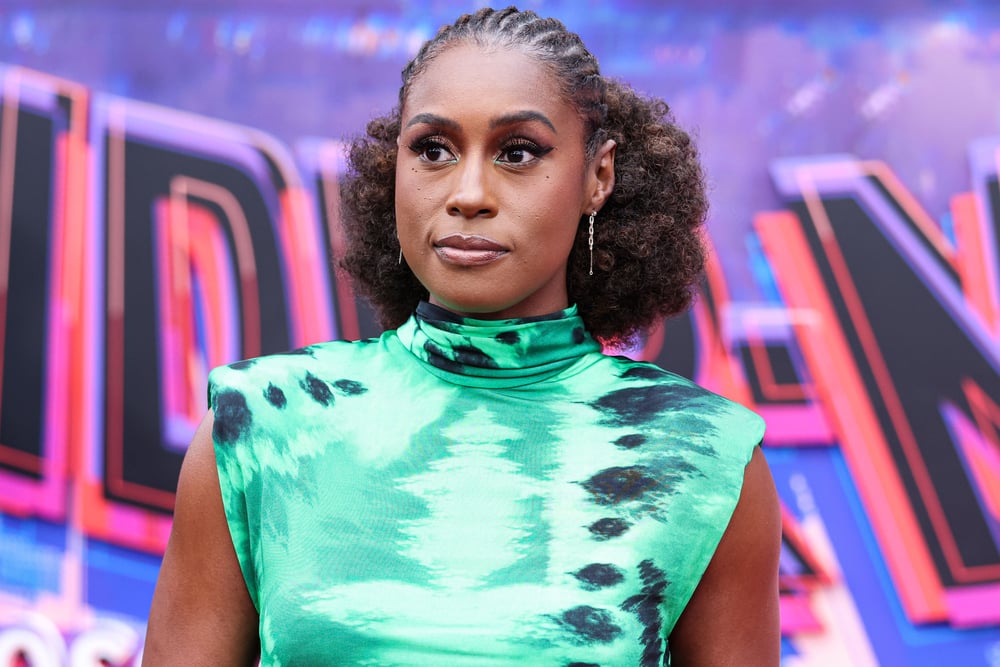
Issa Rae
— Photo by Image Press Agency
Issa Rae created the web series ‘The Misadventures of Awkward Black Girl’ on YouTube, writing, producing, and starring in a show that spoke to experiences rarely seen on mainstream television. HBO noticed and gave her a show called ‘Insecure,’ which ran for five successful seasons and earned multiple Emmy nominations.
She’s since appeared in films like ‘The Photograph,’ ‘The Lovebirds,’ and voiced a character in ‘Spider-Man: Across the Spider-Verse.’ Rae also produces shows through her company and has become one of the most powerful voices in entertainment.
Her journey from YouTube to Hollywood shows what happens when genuine talent meets opportunity and hard work.
Gigi Gorgeous
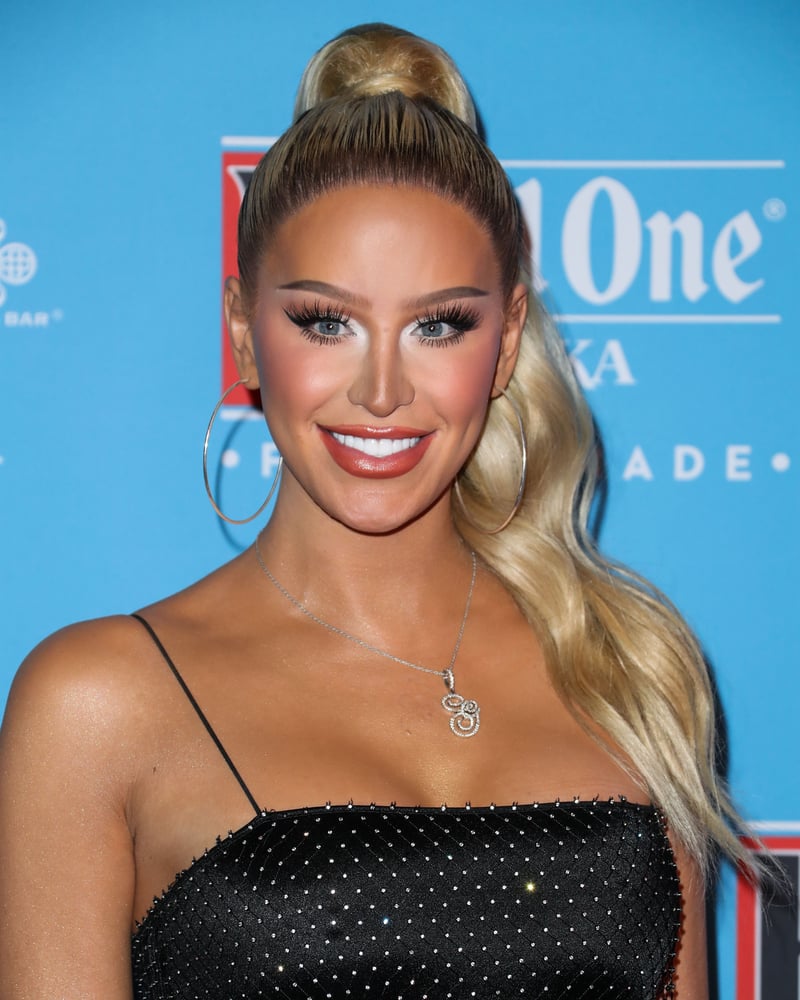
Gigi Gorgeous built her YouTube channel around makeup tutorials and her transition journey, becoming one of the platform’s most prominent LGBTQ+ voices. She appeared in the YouTube documentary ‘This Is Everything: Gigi Gorgeous,’ which chronicled her life and activism.
Her acting roles have been smaller, with appearances in web series and independent projects, but she’s maintained relevance through her advocacy work and social media presence. Gorgeous represents influencers who use their platforms for social change while pursuing entertainment opportunities that align with their values.
Her impact goes beyond traditional metrics of movie stardom.
Rickey Thompson
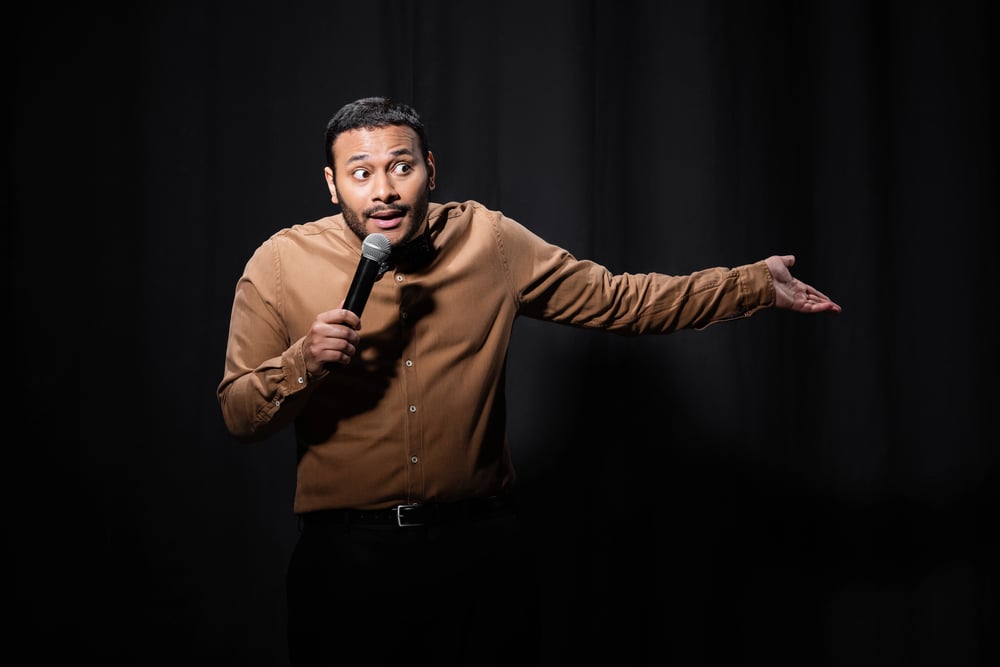
Rickey Thompson gained fame on Vine with comedy videos that showcased his personality and comedic timing before moving to YouTube and Instagram. He appeared in the YouTube series ‘Foursome’ and had roles in other digital and streaming projects.
Thompson also worked as a host and personality for various entertainment media outlets. His career shows how influencers can build sustainable entertainment careers even without landing major film roles.
He’s found success by being authentically himself and working within the opportunities that match his skills and audience.
Hannah Stocking
Hannah Stocking created comedy sketches on Vine and YouTube, often collaborating with other influencers in the digital space. She appeared in music videos for artists like Blink-182 and Kygo, using those opportunities to showcase her screen presence.
Her acting roles have included appearances in web series and smaller film projects. Stocking represents the tier of influencers who work consistently in entertainment without breaking through to major stardom.
She’s built a career that blends social media, modeling, and acting into a sustainable package that works for her audience.
David Dobrik
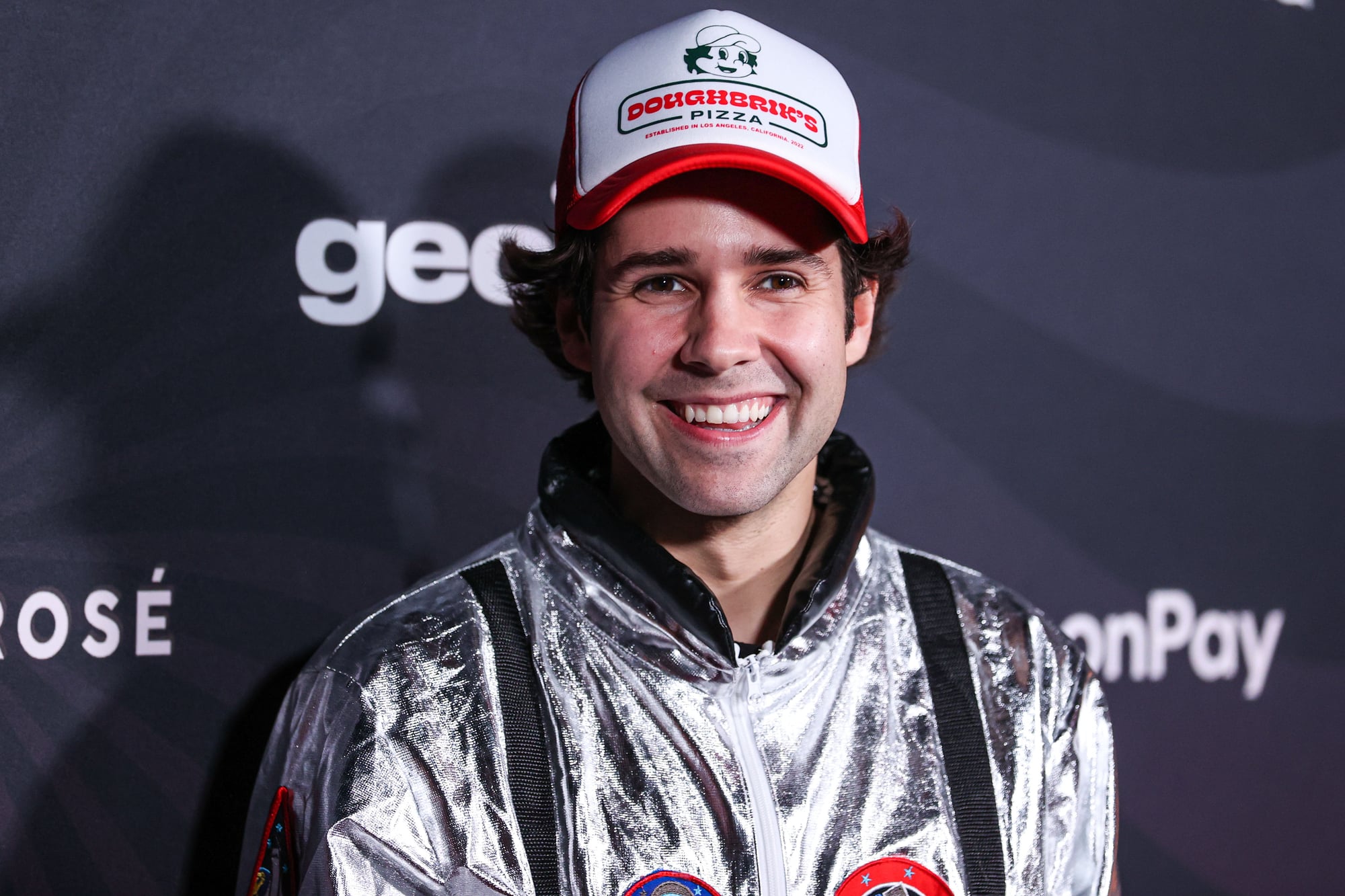
David Dobrik created fast-paced vlogs on YouTube that featured pranks, stunts, and his group of friends in increasingly elaborate situations. He appeared in films like ‘FML’ and ‘Airplane Mode,’ though his focus remained primarily on digital content.
Dobrik’s influence in entertainment comes more from his production work and his ability to launch the careers of people in his videos than from his own acting. Recent controversies damaged his reputation and career, but his impact on how influencers approach content creation and transition strategies remains noteworthy.
His story serves as both inspiration and cautionary tale for influencers eyeing Hollywood.
Lele Pons
Before jumping to YouTube, Lele Pons ruled Vine with clips people watched again and again. On her new platform, she kept doing funny scenes, though they looked sharper, more polished over time.
Music came next – she put out songs, showed up in video clips, stepped into roles on shows made for YouTube Premium such as The Secret Life of Lele Pons. She proved it’s possible to juggle different kinds of entertainment at once, pulling fans along from one project to another.
Big movie parts haven’t come knocking just yet. Still, she stays visible, keeps busy in online worlds where attention shifts fast.
Her story hints at a truth: fame might skip red carpets now, preferring paths you carve yourself.
Grace Helbig
Starting out online, Grace Helbig stuck to what worked – simple vlogs and off-the-cuff jokes that didn’t try too hard. Her style? Relatable, unpolished, something you’d watch while sipping morning coffee.
A gig at E! followed – one talk show, one shot at mainstream TV, titled after her name. Movies came later: ‘Camp Takoda,’ then another odd little project about superheroines with awkward chemistry.
Big-budget blockbusters never really called; she leaned into laughs, not box office runs. Digital stayed her home base, even when cameras moved beyond bedroom setups.
She showed early proof that internet voices could step onto bigger stages without losing their spark. No need to stretch into parts that feel forced – she found staying power by playing close to her truth.
Success wasn’t loud or flashy, just steady, shaped around knowing exactly who she is. Others chased fame elsewhere; she kept building where it made sense.
From Phones to Premieres
Landing big screen roles feels like a natural next step these days, though it rarely happens without struggle. What grabs attention online – relating to strangers, spotting trends fast, posting daily – doesn’t always transfer to scripted scenes under studio lights.
Acting asks for patience, timing learned through repetition, emotional layers built slowly, none of which come from viral moments alone. Those who shifted into real parts didn’t assume popularity would open doors by itself.
Instead, they studied lines like tradespeople hone tools, leaned on directors and coaches, took small jobs before aiming higher. A few rose to top billing, others settled into steady gigs between bigger names.
Each showed digital heat can last beyond one flash – if handled with purpose instead of expectation.
More from Go2Tutors!

- The Romanov Crown Jewels and Their Tragic Fate
- 13 Historical Mysteries That Science Still Can’t Solve
- Famous Hoaxes That Fooled the World for Years
- 15 Child Stars with Tragic Adult Lives
- 16 Famous Jewelry Pieces in History
Like Go2Tutors’s content? Follow us on MSN.